
Diversification with intent: how rural estates are evolving for the future
For rural estates, diversification is no longer a side project. It is becoming one of the ways estates decide what kind of business they need to become.
31 August 2026

For rural estates, diversification is no longer a side project. It is becoming one of the ways estates decide what kind of business they need to become.
Diversification has always been part of estate life. Buildings are repurposed, land uses change and income streams evolve as families, markets and communities move on. The difference today is that diversification can no longer be treated as opportunistic adaptation. Instead, for many rural estates, it has become a test of strategy: how to build resilience, protect long-term value, make existing assets work harder and respond to a faster-changing operating environment without losing sight of the estate’s purpose.
As traditional income streams come under pressure, labour, compliance, taxation, business rates and other operating costs have become increasingly significant. The economics of some land and buildings have shifted, while opportunities beyond agriculture have broadened – from tourism and hospitality to environmental schemes, heritage uses and new commercial enterprises.
That combination of pressure and opportunity is not new in principle, but it is more consequential than it once was. New enterprises can create value, but they can also introduce liabilities and operating obligations that are easy to underestimate at the outset. The challenge is how to ensure diversification strengthens the business, supports the wider estate and reinforces the long-term purpose of the estate.
For estates already asking what must be protected, what must perform and what must change, diversification is often where those questions become real.
A case in point: The Ingleborough Estate
Ingleborough Estate offers a useful example of purposeful diversification in practice. Historically a let estate, it has begun to take a more active approach to enterprise by converting a listed sawmill building in Clapham village into a café, while also bringing an existing nature trail and show cave back in hand. Now, the three elements operate as one connected visitor offer.
The value lies not simply in the creation of a new and vital income stream, but in the way the opportunity grows out of the estate’s existing assets and setting. The café sits at the foot of the nature trail in the heart of the village, serving tourists and local residents. The trail and cave are already part of the area’s appeal, attracting walkers, educational groups and visitors drawn by Clapham’s position within the Yorkshire Dales National Park, at the foot of one of the Yorkshire Three Peaks.
The result is a visitor offer that feels rooted in the estate rather than added onto it. It also demonstrates that diversification can deliver more than revenue alone. At Ingleborough, the café has become a local hub as well as part of a wider tourism offer, while the estate has established a separate trading company, Ingleborough Enterprises Limited, to provide a platform for this and future trading activity.
That points to a broader truth: the strongest diversification projects often meet more than one objective at once. They can build commercial resilience, make better use of existing assets, deliver educational benefits, support local communities and wider local economy whilst also giving clearer shape to the estate’s long-term direction.
That points to a broader truth: the strongest diversification projects often meet more than one objective at once.
Fit matters more than novelty
Too often, diversification is framed as an individual project: a café, a wedding venue, a converted building, a change of land use. A better lens is usually wider. The right opportunities are part of the estate’s broader portfolio of assets, liabilities, ambitions and obligations.
Seen in that light, fit matters more than novelty. Does the opportunity align with the estate’s identity and geography? Does it make sensible use of existing assets? Does it create reliable income, spread risk or unlock value that was previously dormant? Does it complement the way the estate is managed, and the way it wants to be understood by family, tenants, visitors and the local community?
These questions matter because estates are rarely making decisions on commercial terms alone. Stewardship, legacy, family use, local relationships and long-term reputation all sit alongside profit and return. Diversification works best when those priorities are not ignored, but reconciled with commercial reality.
The difference between resilient diversification and expensive distraction is rarely the idea itself – it is the discipline behind it.
Rural estates operate as businesses – but they're also homes, histories, and responsibilities carried across generations. Decisions are rarely purely commercial in nature, and they shouldn't be either.
Why feasibility matters
If diversification is to support resilience, it has to be judged properly. That means moving beyond instinct, enthusiasm or imitation and testing each opportunity with the same commercial rigour expected of any serious business decision.
The evidence will vary by project, but the questions are often familiar: is there sufficient demand? What capital expenditure is required? How exposed is the plan to planning risk, staffing pressure, tax, business rates and available reliefs, compliance and maintenance costs? What trading structure is appropriate? Who will manage the enterprise day to day? What happens if performance is weaker than expected, or if the estate later needs to repurpose the asset again?
Feasibility is not only financial; it is also operational. Diversification projects can absorb far more time, attention and specialist management than expected, particularly as they move from concept to planning, delivery and operation. Estates need to understand who will lead the project, who will run the enterprise once it is trading, and whether the right skills can realistically be found, employed or brought in. That can be particularly challenging in rural locations, where experienced commercial operators may be harder to recruit and retain.
The delivery challenge is easy to overlook, especially when successful projects are viewed from the outside. Diversification is often spoken about as though success were obvious in hindsight. It rarely is. A project that looks attractive from the outside may be capital-intensive, labour-hungry or less profitable than assumed. Another may succeed precisely because it fits the place, the asset and the estate’s wider strategy unusually well.
While too much caution can result in inertia, estates do need to understand the true economics of a project before committing capital, time and reputation to it. Used well, external advice can help test assumptions early, identify the management burden and avoid mistaking activity for performance. That includes understanding whether a proposed enterprise brings additional cost exposure – from staffing and compliance to business rates – and whether those liabilities have been assessed properly before decisions are made.
The question is whether every asset is helping the estate do what the next generation will need it to.
The wider opportunity
The case for purposeful diversification extends beyond individual estate balance sheets. The CLA’s Rural Powerhouse campaign argues that the rural economy is 16% less productive than the national average and that closing that gap could add £43bn to UK GVA. Estate-led diversification will not close that gap on its own, but it is part of the same story: investment, enterprise and productivity rooted in place.
Rural estates can play an important role in that story. They can create jobs, support local services, open up places for people to enjoy and help communities retain economic relevance. But long-term investment depends on conditions that make planning possible: a more predictable policy environment, a planning system that enables sensible change and a clearer framework for enterprise, including a supportive tax regime.
Diversification can help estates evolve, but it is far more effective when the wider environment supports rather than frustrates that process – with clearer, fairer treatment of enterprise costs, including business rates, and tax policy that is aligned to growth expanding rural businesses can invest with confidence.
Acting with intent
The most resilient estates are unlikely to be those that chase every opportunity, or those that retreat into familiar models simply because they feel safer. They will be the estates that approach diversification with intent: understanding where the real pressures lie, recognising where genuine opportunity exists and making decisions that fit the long-term shape of the estate rather than the mood of the moment.
That is the real shift. Diversification has become a question of long-term estate design. It first asks owners and advisers to look across land, buildings, capital, people, purpose and place. Then, they must decide what the estate needs to become in order to remain resilient, relevant and commercially sustainable in the years ahead.
Three questions every estate should be asking
For many owners, the challenge is not recognising that change is needed – it's knowing where to start. One approach is to separate the estate into three areas:
- What must be protected?
This may include the core house, key landholdings, heritage assets, family occupation, landscape, environmental value or long-term strategic ownership. - What must perform?
The assets, enterprises and income streams that need to contribute commercially – from let farms and residential property to renewables, commercial units, tourism, environmental schemes or development opportunities. - What must change?
Often the hardest category to define, this could include underperforming assets, unclear occupation arrangements, high-liability buildings, non-core land, fragmented management structures, data and reporting governance, or capital that is tied up but not supporting the estate's future.
Read more
Explore more content from The Rural Report
Rural
Diversification with intent: how rural estates are evolving for the future
Rural estates are defined by continuity: of land, of stewardship, and of purpose. Today, that relationship is under pressure.
31 August 2026
Rural
The Rural Update: Delivering win-win food and climate policies
Your weekly dose of news, views and insight from Knight Frank on the world of farming, food and landownership.
18 August 2026
Rural
BNG changes from 6 August 2026: What do they mean for developers and habitat banks?
After more than two years of mandatory Biodiversity Net Gain (BNG), new regulations came into force on 6 August 2026, altering how developers approach compliance and how habitat bank operators position themselves in the market.
12 August 2026

Rural
The Rural Update: The food chain must help build climate resilience
Your weekly dose of news, views and insight from Knight Frank on the world of farming, food and landownership.
10 August 2026
Rural
When continuity becomes a risk: the rural estate resilience challenge
Rural estates are defined by continuity: of land, of stewardship, and of purpose. Today, that relationship is under pressure.
04 August 2026


Rural
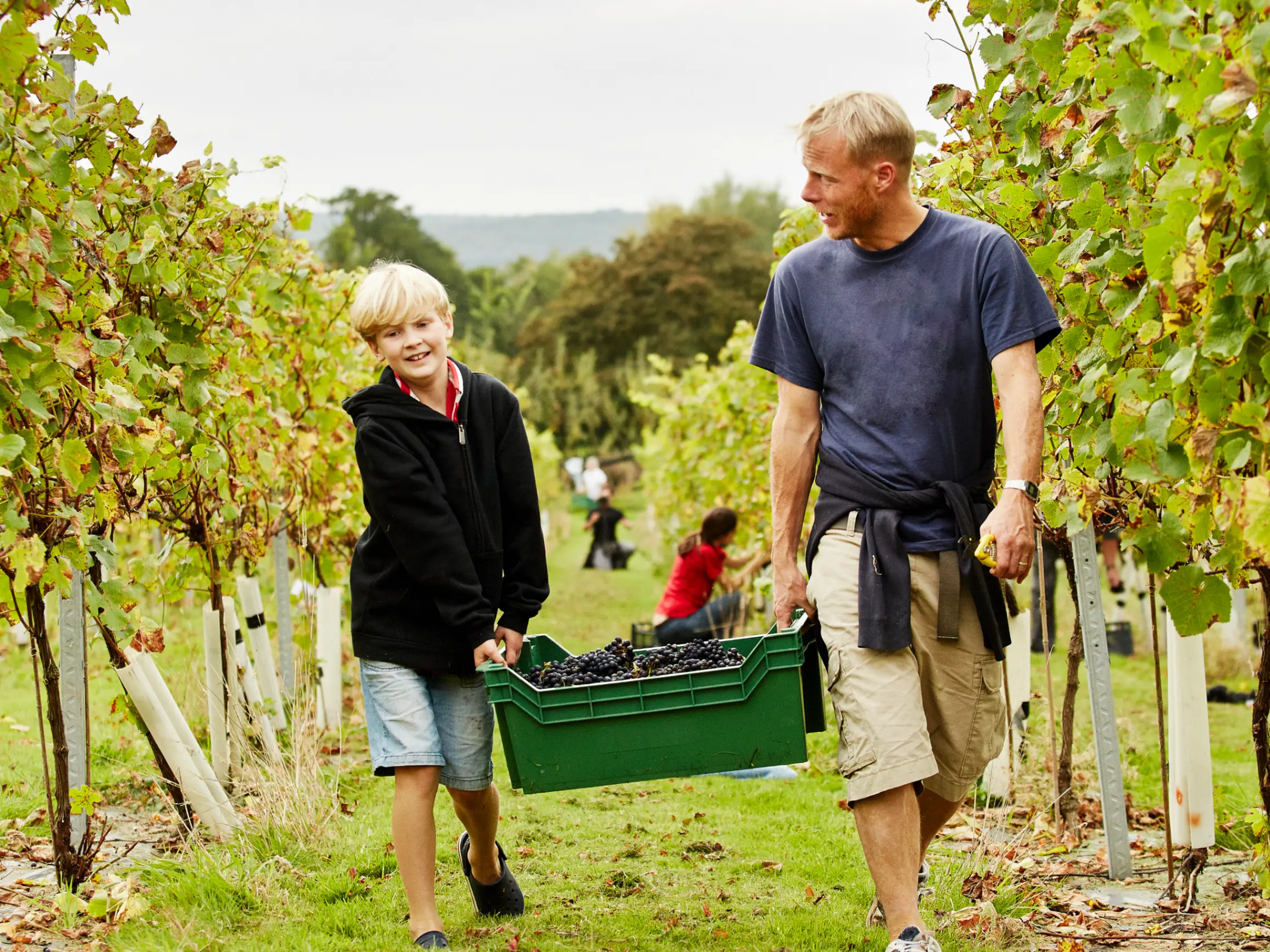
Site selection
The harvest in 2024 tested the strategic decision to be a single estate wine producer.
16 June 2026
Rural
Chapter and verse: Tackling our next big problems
After a business workshop at the Wine GB Conference at Plumpton in April, I address some of our sector’s biggest needs.
15 June 2026
Rural
Wine business models
One of the most interesting parts of my job as a vineyard agent is getting to know the businesses and the people behind them, within wine.
12 June 2026
Rural
How to make farming profitable again
Minette Batters talks to James Farrell, Head of Knight Frank’s Rural Consultancy team, about her recently published review into farming profitability.
30 January 2026
Rural
A year that forced rural businesses to act
The past year has not been defined by a single shock for rural Britain, but by the steady accumulation of pressure.
23 December 2025
Rural
Turning complexity into clarity
A new platform promises to revolutionise the valuation, management and market for natural capital, says Dr Hosein Khajeh-Hosseiny, Founder & Chairman, Trinity Natural Capital Group.
17 November 2025
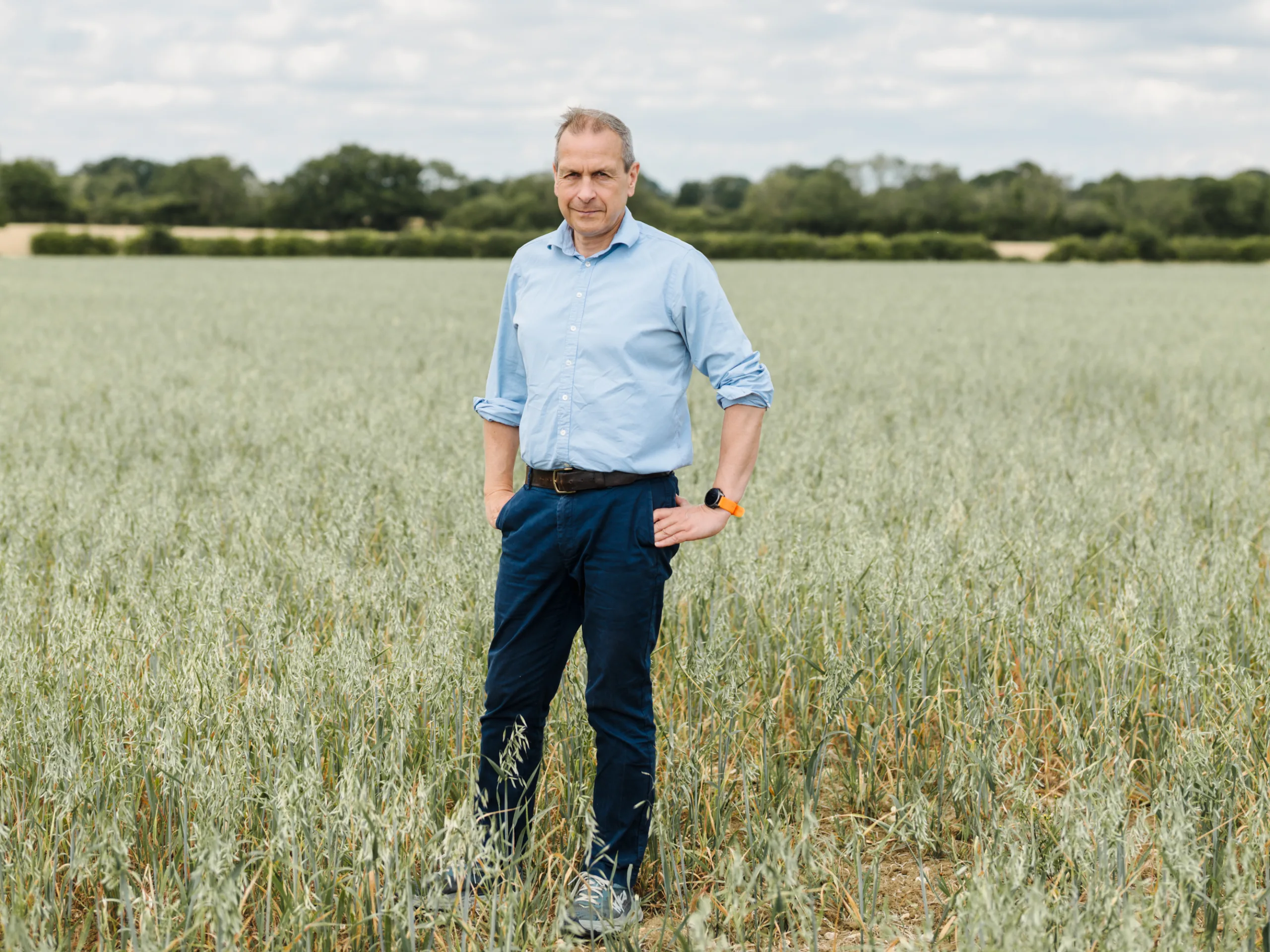
Rural
The unexpected President
Catching up with Norfolk farmer, Gavin Lane, as he takes over the presidency of the Country Land and Business Association with a strong belief in the power of partnership.
17 November 2025
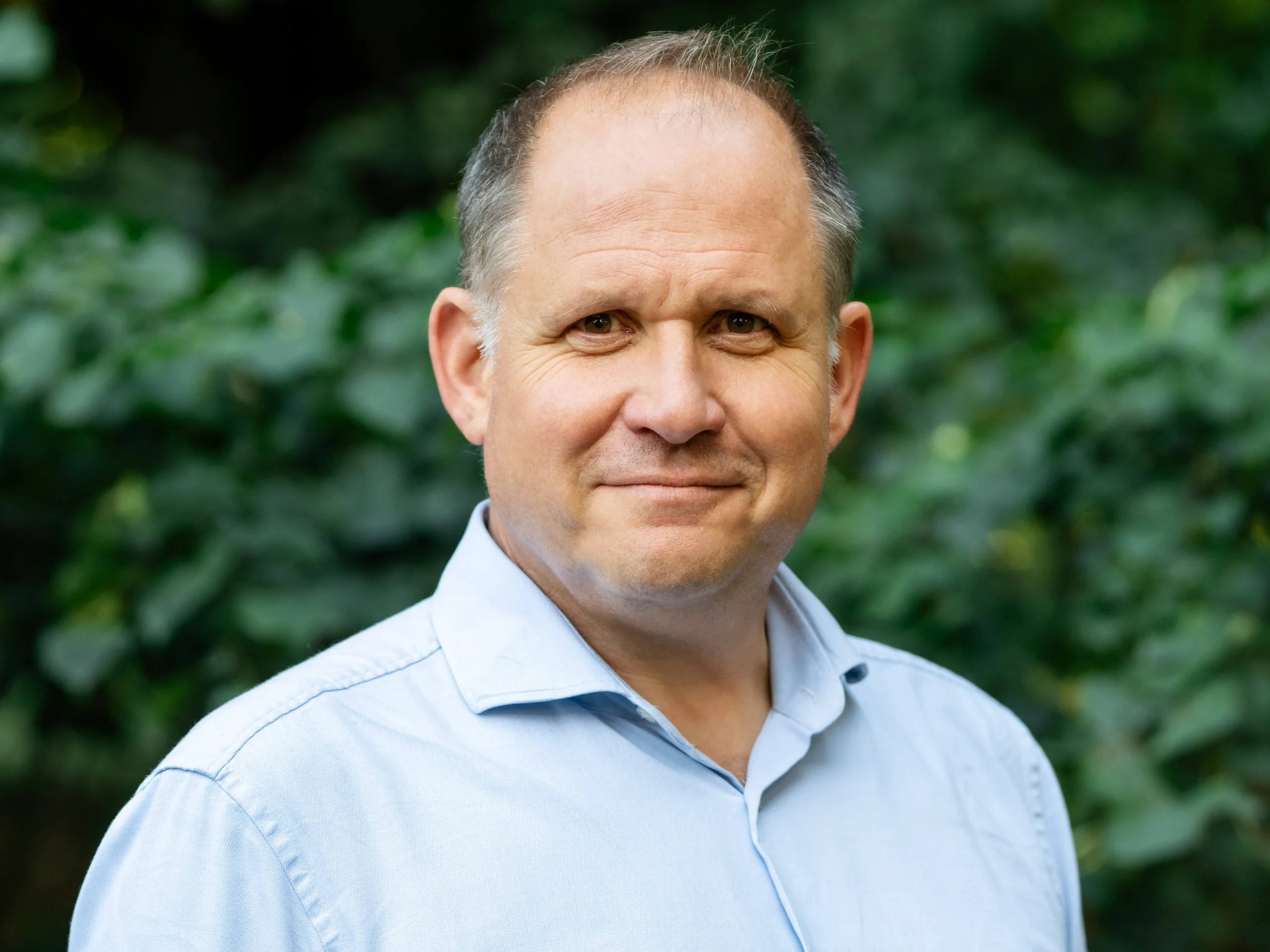
Rural
The future of food
Our food industry is systemically flawed. Serial entrepreneur, educator, charity founder and former government adviser Henry Dimbleby has dedicated his career to changing it.
17 November 2025

Rural
Succession planning
Succession isn’t just about the future; it’s about getting it right today.
17 November 2025

Rural
Rooted in history
The Tillingham Estate, linked to St Paul’s Cathedral and one of the longest single owned pieces of land in English history, is exploring a new chapter. Our team is lucky enough to be supporting the estate on the next stage of its journey.
17 November 2025
Rural
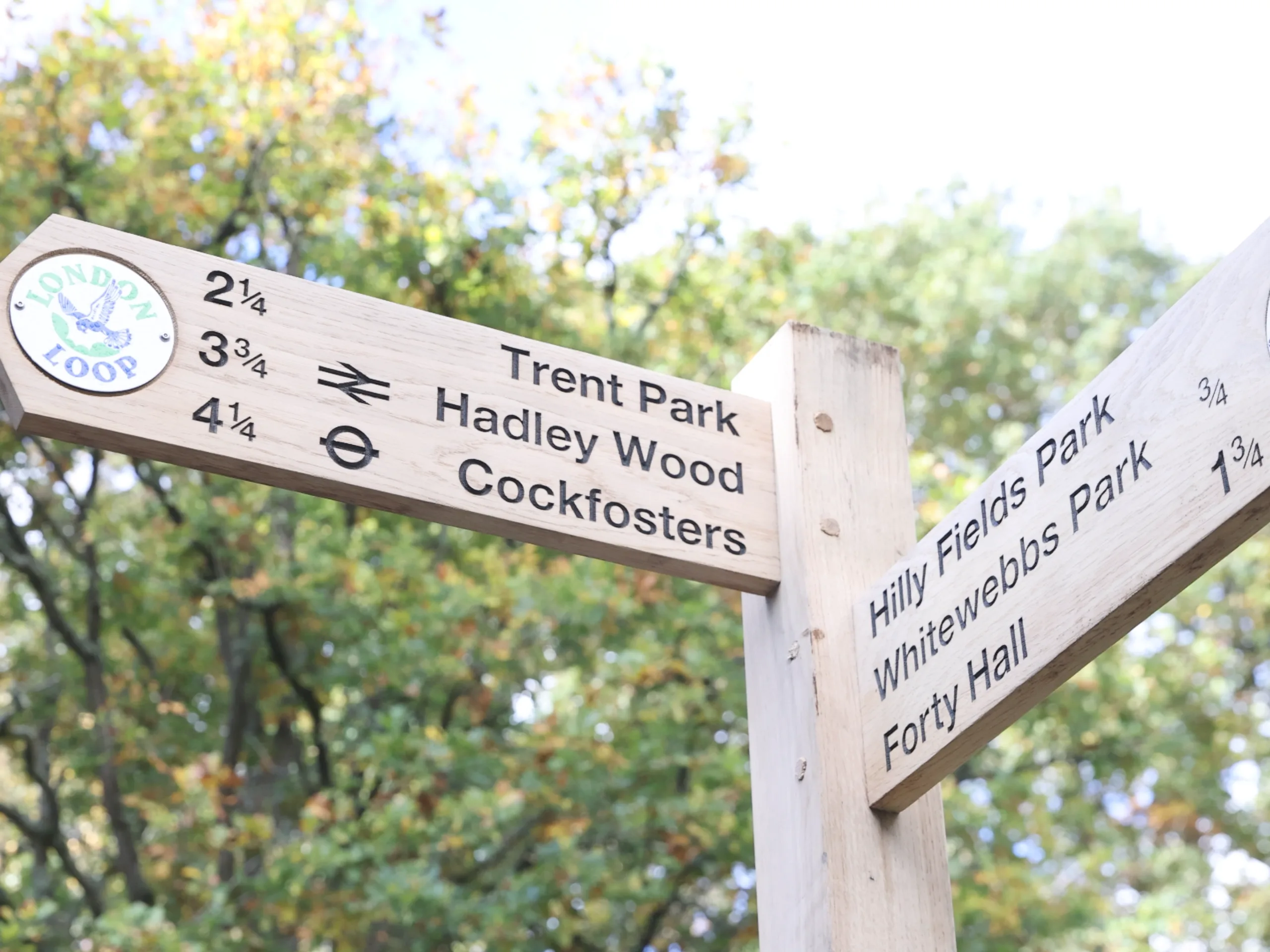
Rewilding London
Private investors are being offered a unique opportunity to get involved with one of the world’s most ambitious urban-fringe nature-restoration projects, right on the edge of London.
17 November 2025
Rural
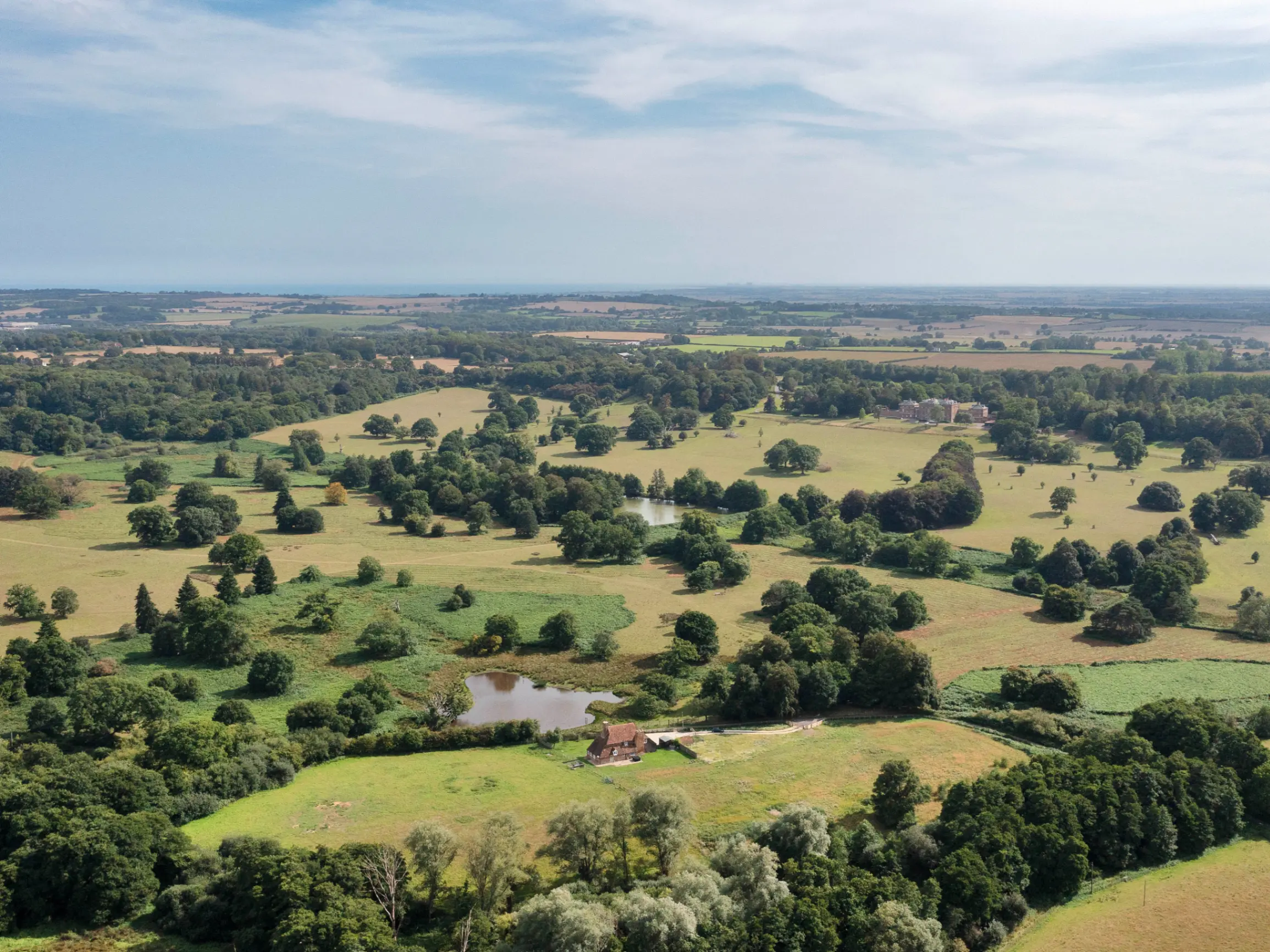
Profitable partnerships and trusting talent
How the Knatchbull family are leading the way in setting up innovative joint ventures on their historic Kent estate.
17 November 2025
Rural
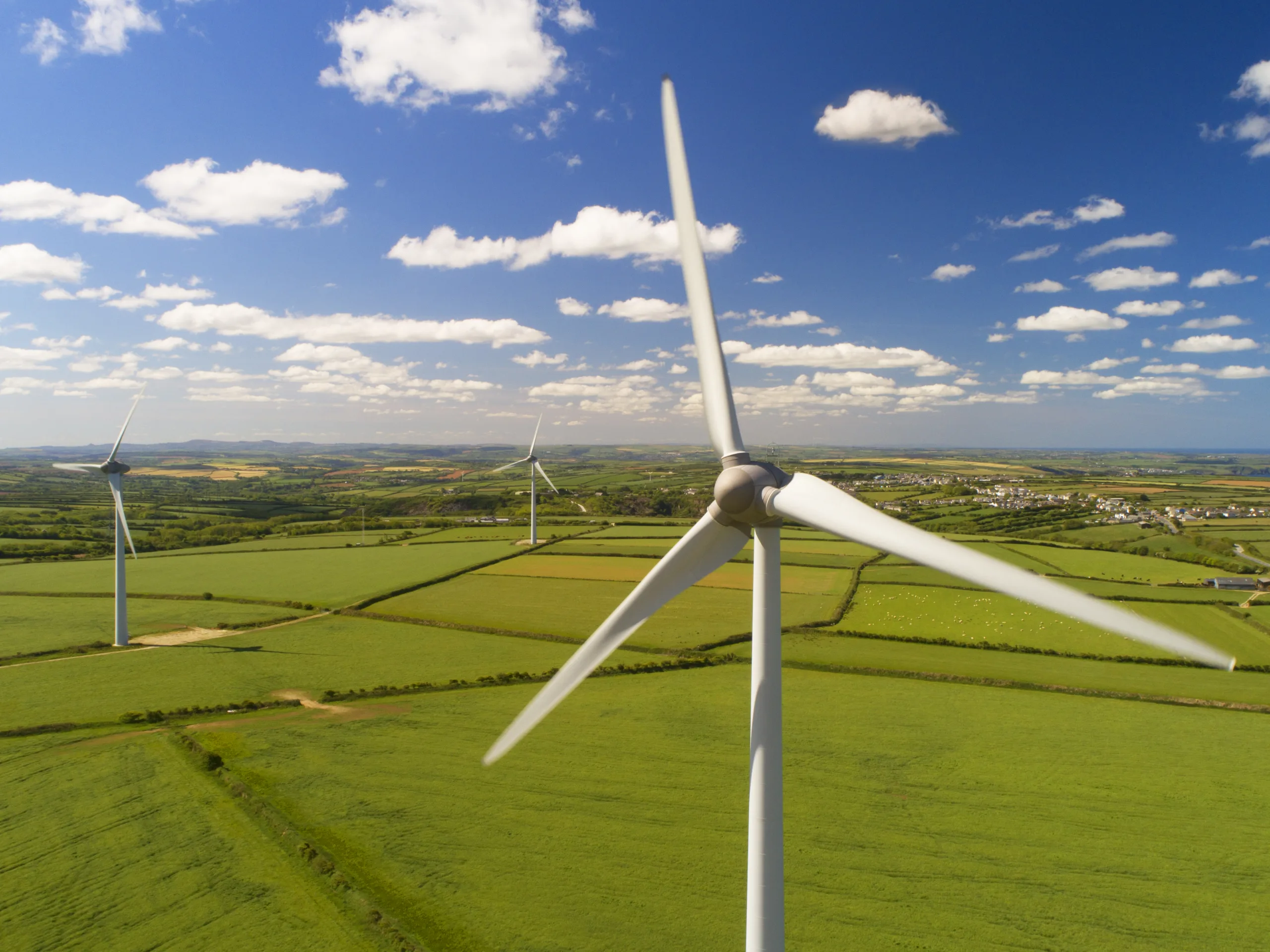
Planning, development & renewables
Experts from across our teams share their insights on four themes critical to the UK’s rural infrastructure and residential development sectors.
17 November 2025
Rural
Management matters
Andrew Blenkiron, the Managing Director of Elveden, one of England’s largest commercial farming estates, shares his plans for a successful future.
17 November 2025
Rural
Great estates
The managers of two diverse and forward-thinking landed estates share their recipes for resilience.
17 November 2025
