
When continuity becomes a risk: the rural estate resilience challenge
For generations, rural estates have been defined by continuity: of land, of stewardship, and of purpose. Today, that relationship is increasingly under pressure.
04 August 2026

For generations, rural estates have been defined by continuity: of land, of stewardship, and of purpose. Today, that relationship is increasingly under pressure.
The rural economy is undergoing the most significant period of change in decades, forcing landowners to rethink how their estates operate, and what they are. Put simply, the business of owning land has become more complex.
What was once a relatively stable model, built around traditional agriculture and long-term land value, is evolving into a multifaceted enterprise. Estates must now balance food production, environmental responsibilities, diversification, family priorities and financial performance – all at once.
Expectations are higher, and the path to sustainable profitability is longer and less clear. Still, consistent patterns are emerging. The greatest risk to long-term resilience often builds internally – through how decisions are made or deferred.
Where the real pressure sits
Estates rarely begin to struggle because of a single trigger. Tax, markets, policy and succession tend to compound rather than act in isolation. More often, it is the accumulation of small, delayed decisions. Assets are retained because they always have been. Investment is postponed until “the right moment”, which often never comes. Buildings are repaired just enough to remain usable, but not enough to perform. Assets are held because of history or sentiment, without a clear view of their true net contribution.
Over time, this creates businesses that appear robust: asset-rich, well-established, but increasingly constrained in practice. Here, cashflow tightens, strategic options narrow, and the ability to respond proactively is essentially lost.
Land as security
One of the most persistent assumptions in rural business is that land itself is a guarantee of long-term security. Historically, that has largely held true, but the operating context has changed.
Margins from traditional activities have been stressed for years. Policy has shifted, and largely not in a supportive direction. Expectations around environmental performance and land use continue to shift. Families are often supporting more generations, for longer, with increasingly complex demands on capital.
Over the last ten years, margins from both traditional investment and trading activities on rural estates have been steadily squeezed. This, alongside evolving tax and policy considerations, presents a growing challenge for estates seeking to balance immediate performance with long-term planning.
Against this backdrop, land remains an important source of long-term security. But resilience is increasingly shaped by how effectively an estate's assets are working together. That means looking beyond gross asset value and asking harder questions about income, liability, occupation, repair obligations, environmental potential and future capital requirements.
A let cottage, farm building, block of land or diversified enterprise may all look valuable in isolation. But if the income is low, the liability is high, the management burden is growing, or the capital could be better redeployed, the estate may be carrying more risk than the balance sheet suggests.
The decisions that don't get made
Many rural businesses do not falter in a single moment of crisis, but through the gradual absence of timely, deliberate action. Decisions about whether:
- assets are truly performing
- capital is optimally deployed
- income is sufficient for future needs
- family use and commercial value are properly aligned
- long-term liabilities are understood and fully funded
are often delayed, diluted or ultimately ignored. This isn't the result of a lack of capability, but because the operating context is inherently complex, and the right tools and skills are needed to cut through the noise.
Where emotion, legacy, and commercial reality are not clearly reconciled, they can pull in different directions. Over time, that lack of alignment becomes a material and structural risk.
Rural estates operate as businesses – but they're also homes, histories, and responsibilities carried across generations. Decisions are rarely purely commercial in nature, and they shouldn't be either.
Three questions every estate should be asking
For many owners, the challenge is not recognising that change is needed – it's knowing where to start. One approach is to separate the estate into three areas:
- What must be protected?
This may include the core house, key landholdings, heritage assets, family occupation, landscape, environmental value or long-term strategic ownership. - What must perform?
The assets, enterprises and income streams that need to contribute commercially – from let farms and residential property to renewables, commercial units, tourism, environmental schemes or development opportunities. - What must change?
Often the hardest category to define, this could include underperforming assets, unclear occupation arrangements, high-liability buildings, non-core land, fragmented management structures, data and reporting governance, or capital that is tied up but not supporting the estate's future.
Smaller on the map, stronger in practice
This is why the shape of the modern estate is beginning to shift.
For some owners, that may mean retaining land for strategic, environmental or personal reasons. It may involve rethinking parts of the portfolio where capital is tied up in assets that are not contributing meaningfully to long-term sustainability.
That does not automatically mean disposal. For many estates, the opportunity may lie in improving performance, developing new income streams, or managing assets differently. The objective is not to reduce an estate, but to ensure each part supports its long-term purpose.
In some cases, estates may become smaller on the map. The intention is to strengthen, not to diminish. Repurposing capital to create sustainable income builds long-term resilience, but consuming capital to meet recurring costs can quietly erode it.
For estate owners, this is often one of the most difficult shifts to make. Disposal, restructuring or reinvestment can feel like a loss of inheritance, when it may be what protects the estate's future.
Equally, decisions to release capital should be approached carefully. Land can only be sold once, and unless capital is reinvested with a clear purpose, today's solution may simply create tomorrow's challenge.
The question is whether every asset is helping the estate do what the next generation will need it to.
Why evidence matters more than ever
Across many estates, there's a growing recognition that decisions are often made with incomplete or imperfect information – whether around cashflow, repair liabilities, asset performance, family occupation, tax exposure or long-term obligations.
Without a shared understanding of the facts, even well-intentioned decisions can drift, shaped by perception as much as reality.
The estates that move forward most effectively are those that address this directly: establishing clarity around what the data is saying, creating the conditions for more confident, timely decision-making, and the space to challenge assumptions constructively.
That doesn't mean stripping the estate of its character or treating every decision as a spreadsheet exercise. It ensures that sentiment, legacy and long-term stewardship are supported by a clear view of performance, liability and future need.
Data must have meaning
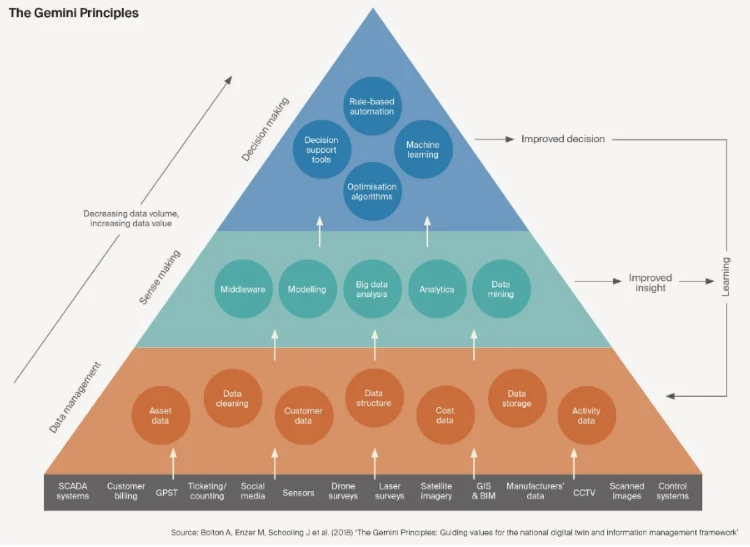
Data only becomes valuable when it informs action. The progression from raw information to insight, and from insight to decision-making, requires clarity. But the chain is often incomplete.
Across many estates, decisions are informed by data that is incomplete, inconsistently derived, or insufficiently scrutinised. The issue is not usually the absence of analysis, but the quality and transparency of it – particularly where those making decisions are far removed from the process.
As a result, data can become fragmented or difficult to trust, creating a structural blind spot that reinforces the tendency to rely on instinct rather than evidence.
What resilient estates do differently
When we compare estates that are evolving successfully with those that are under pressure, the difference is seldom a single strategic move.
The strongest tend to be defined less by scale and more by clarity of purpose. What is their goal for the estate, what do they want it to be, and how are they driving this?
It could be commercial enterprises, environmental impact or simply, a place for their family to enjoy for generations to come. They tend to:
- take a more portfolio-based view of the estate, while respecting its legacy
- appreciate the need to balance the emotions of ownership with the practicalities of management understand net performance, not just headline value
- confront underperformance early, rather than accommodate it
- make decisions based on evidence, not assumption
- align family expectations and history with commercial reality
An opportunity to act with intent
The current environment – fiscal change, market constraints, evolving policy, environmental transition and succession planning – is often framed as a challenge to manage. And with good reason.
But it also creates a moment of clarity; a prompt to step back, reassess, and ask fundamental questions about how the estate is structured, what it needs to deliver, and how it will support the next generation. Many owners already know the direction of travel. What matters is how confidently they can act on it.
The estates that will thrive are those which make difficult decisions deliberately – with a clear view of both the business and the family they exist to support.
Read more
Explore more content from The Rural Report
Rural
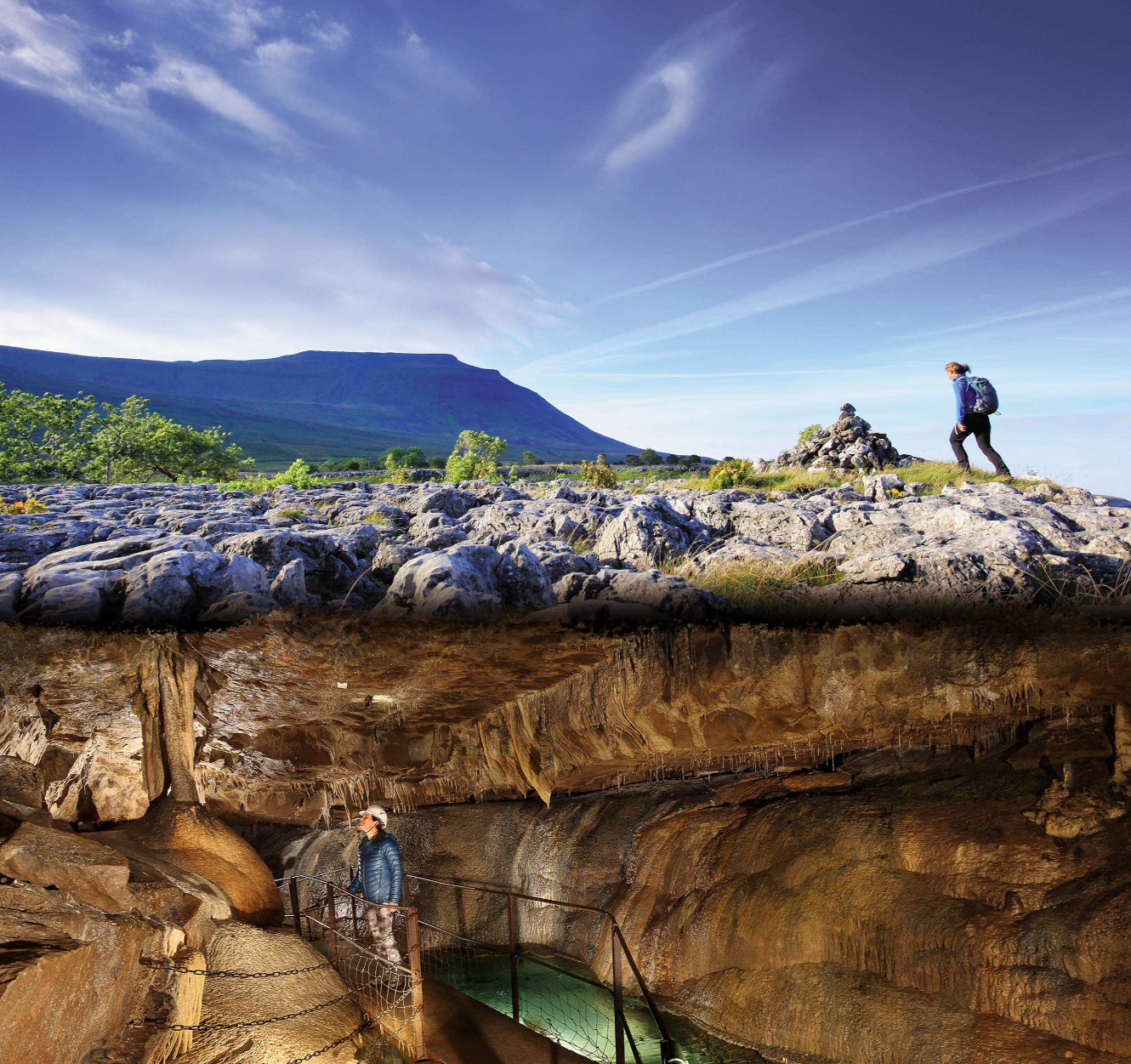
From sawmill to estate enterprise: purposeful diversification at Ingleborough
A listed sawmill, woodland nature trail and show cave have been brought together as one visitor enterprise in the Yorkshire Dales.
30 September 2026
Rural
Diversification with intent: how rural estates are evolving for the future
Rural estates are defined by continuity: of land, of stewardship, and of purpose. Today, that relationship is under pressure.
08 September 2026
Rural
The Rural Update: Delivering win-win food and climate policies
Your weekly dose of news, views and insight from Knight Frank on the world of farming, food and landownership.
18 August 2026
Rural
BNG changes from 6 August 2026: What do they mean for developers and habitat banks?
After more than two years of mandatory Biodiversity Net Gain (BNG), new regulations came into force on 6 August 2026, altering how developers approach compliance and how habitat bank operators position themselves in the market.
12 August 2026
Rural
The Rural Update: The food chain must help build climate resilience
Your weekly dose of news, views and insight from Knight Frank on the world of farming, food and landownership.
10 August 2026
Rural
When continuity becomes a risk: the rural estate resilience challenge
Rural estates are defined by continuity: of land, of stewardship, and of purpose. Today, that relationship is under pressure.
04 August 2026



Rural
Site selection
The harvest in 2024 tested the strategic decision to be a single estate wine producer.
16 June 2026
Rural
Chapter and verse: Tackling our next big problems
After a business workshop at the Wine GB Conference at Plumpton in April, I address some of our sector’s biggest needs.
15 June 2026
Rural
Wine business models
One of the most interesting parts of my job as a vineyard agent is getting to know the businesses and the people behind them, within wine.
12 June 2026
Rural
How to make farming profitable again
Minette Batters talks to James Farrell, Head of Knight Frank’s Rural Consultancy team, about her recently published review into farming profitability.
30 January 2026
Rural
A year that forced rural businesses to act
The past year has not been defined by a single shock for rural Britain, but by the steady accumulation of pressure.
23 December 2025
Rural
Communicating beyond the norm
The leader of one of the UK’s most innovative natural capital firms explains why storytelling and branding are so important for creating resilient rural businesses.
17 November 2025
Rural
Demystifying data
A bespoke approach to data analytics delivers dividends for rural estates, but what does ‘data’ actually mean and how do you apply it?
17 November 2025
Rural
Financing the future
There’s more to refinancing debt than just finding the best interest rate.
17 November 2025
Rural
Great estates
The managers of two diverse and forward-thinking landed estates share their recipes for resilience.
17 November 2025
Rural
Management matters
Andrew Blenkiron, the Managing Director of Elveden, one of England’s largest commercial farming estates, shares his plans for a successful future.
17 November 2025
Rural
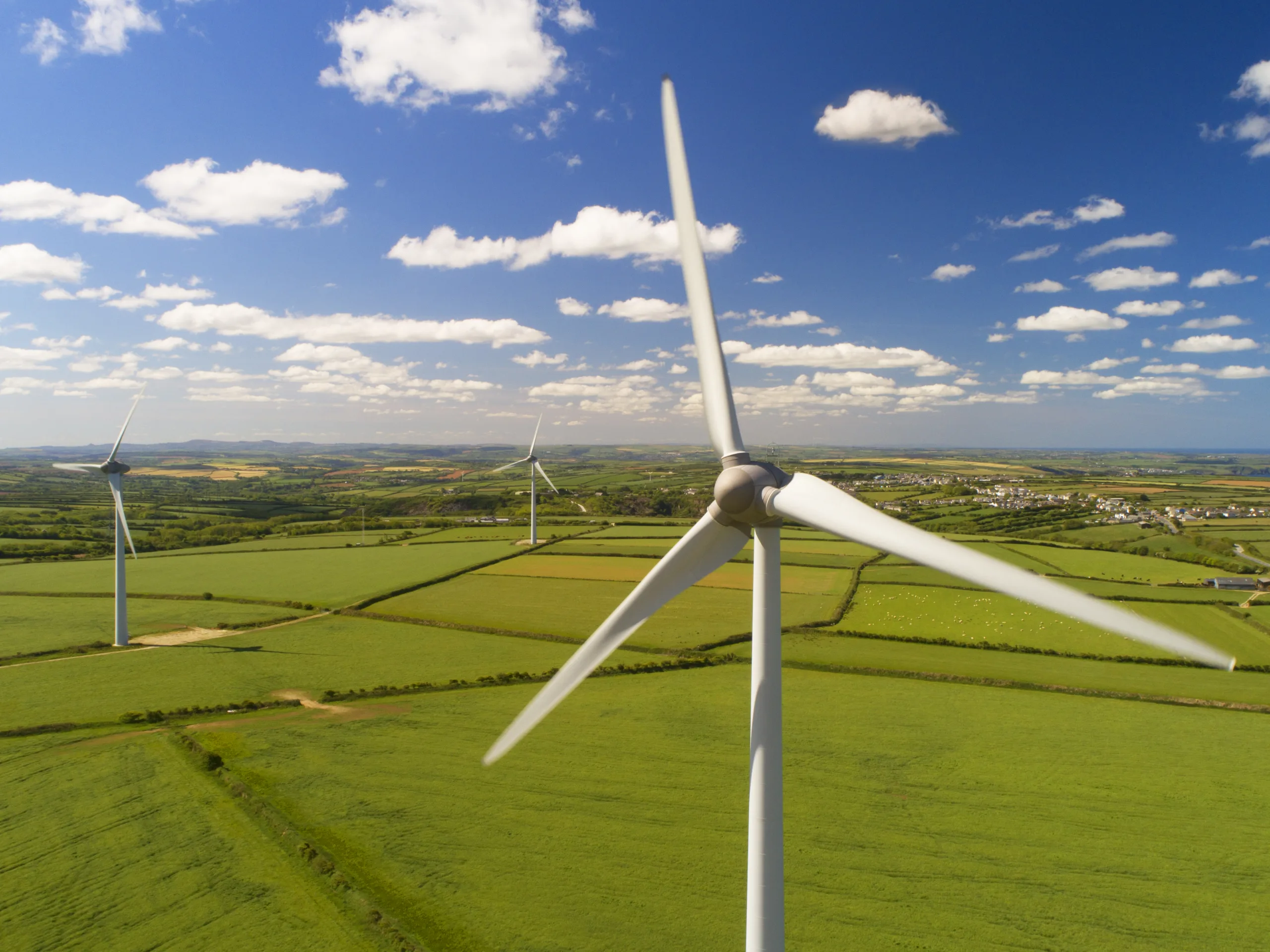
Planning, development & renewables
Experts from across our teams share their insights on four themes critical to the UK’s rural infrastructure and residential development sectors.
17 November 2025
Rural
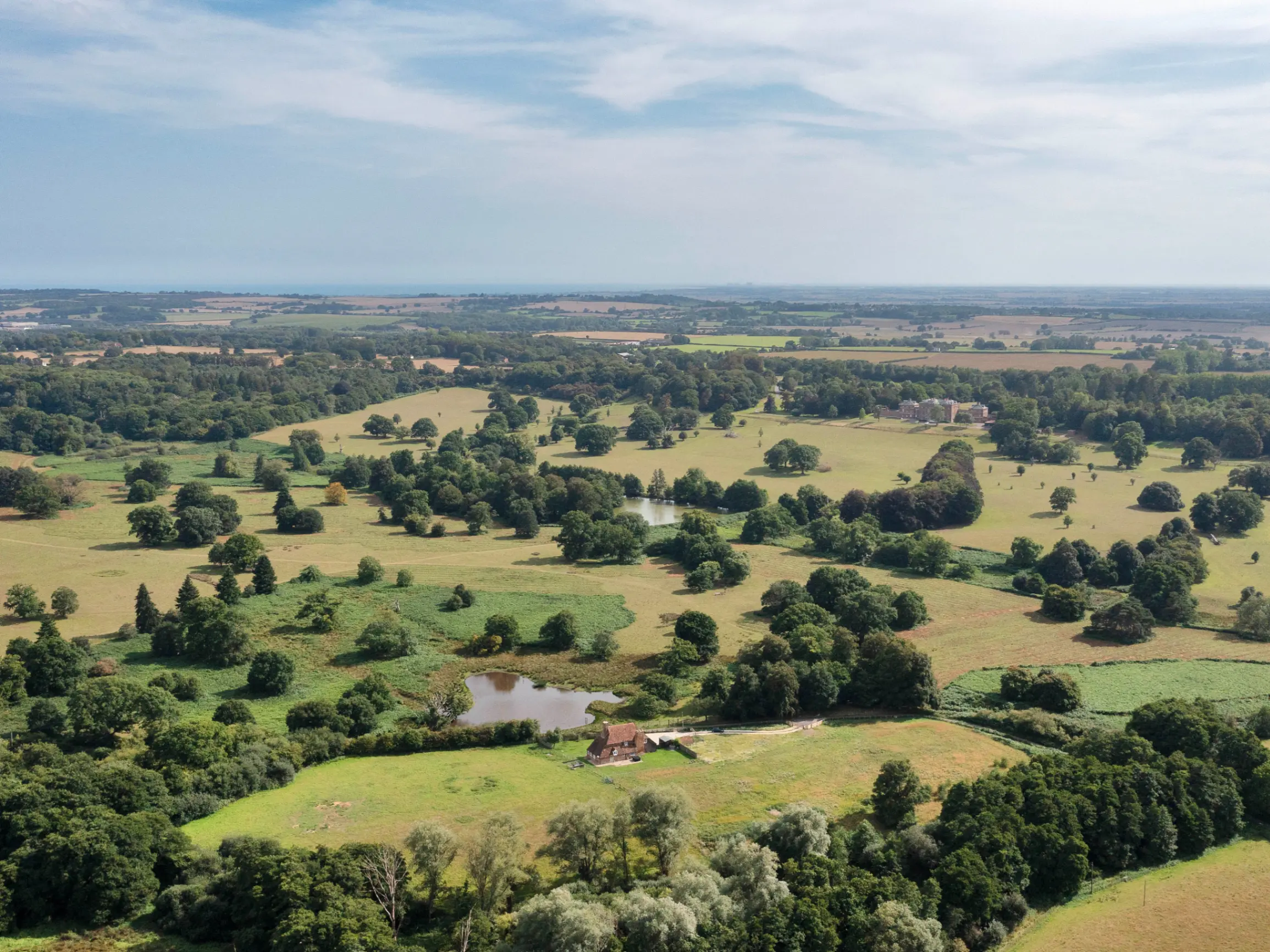
Profitable partnerships and trusting talent
How the Knatchbull family are leading the way in setting up innovative joint ventures on their historic Kent estate.
17 November 2025
Rural
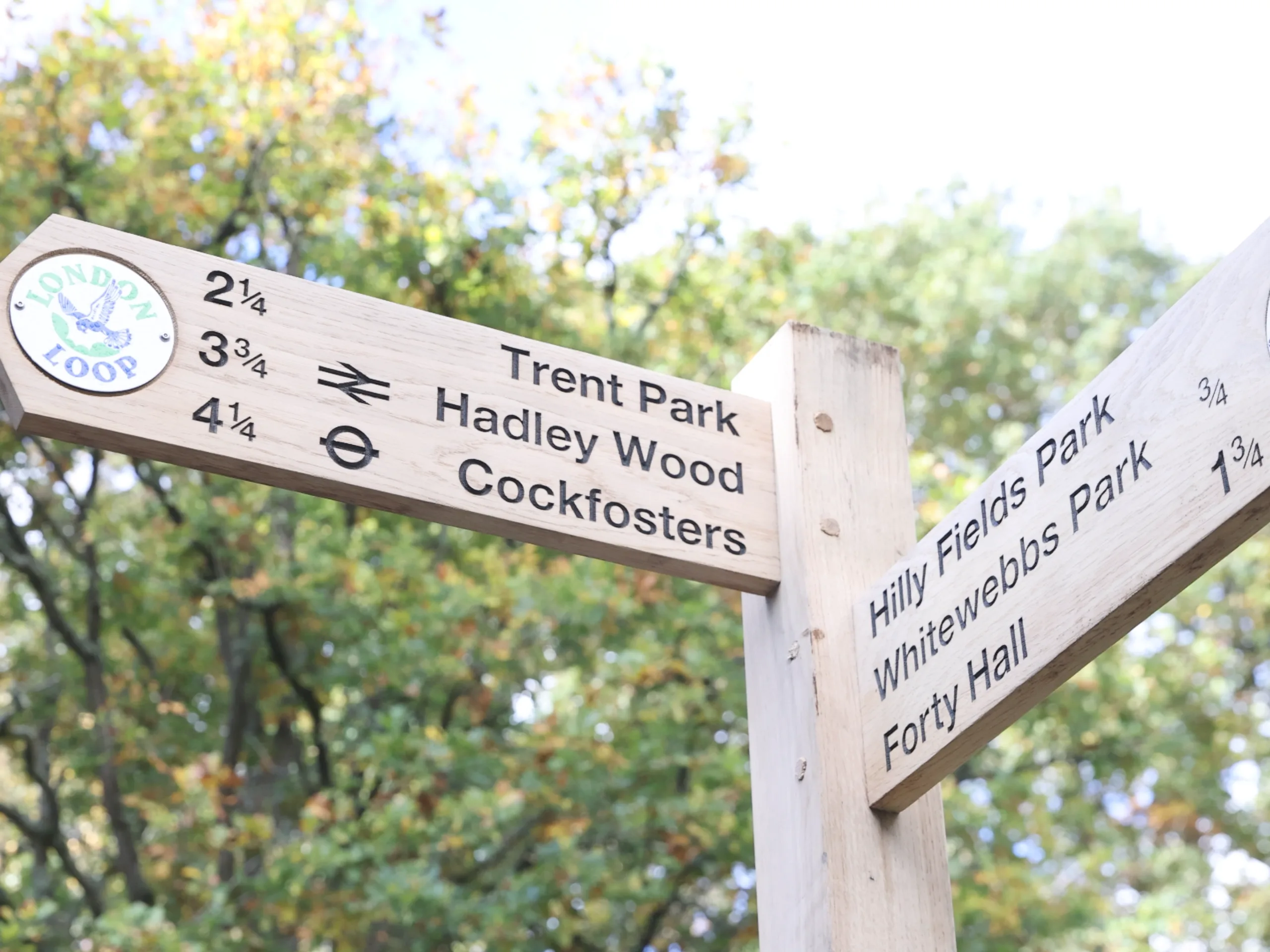
Rewilding London
Private investors are being offered a unique opportunity to get involved with one of the world’s most ambitious urban-fringe nature-restoration projects, right on the edge of London.
17 November 2025

Rural
Rooted in history
The Tillingham Estate, linked to St Paul’s Cathedral and one of the longest single owned pieces of land in English history, is exploring a new chapter. Our team is lucky enough to be supporting the estate on the next stage of its journey.
17 November 2025
