
Planning, development & renewables
Experts from across our teams share their insights on four themes critical to the UK’s rural infrastructure and residential development sectors.
17 November 2025
As the UK’s rural landscape continues to evolve, the intersection of policy, planning and market dynamics is reshaping how land is used, developed and protected. The shifting planning landscape, the realities of renewable energy deployment, the pressures facing development land markets, and the growing complexity of Biodiversity Net Gain are things we all need to consider.
We are at a pivotal moment as the government prepares to launch its Future Land Use Framework; a strategic initiative aimed at guiding how land is allocated and managed across competing priorities. Together, the following perspectives offer a timely snapshot of the challenges and opportunities facing landowners, developers and policy makers alike.
Biodiversity Net Gain
Mark Topliff – Natural Capital
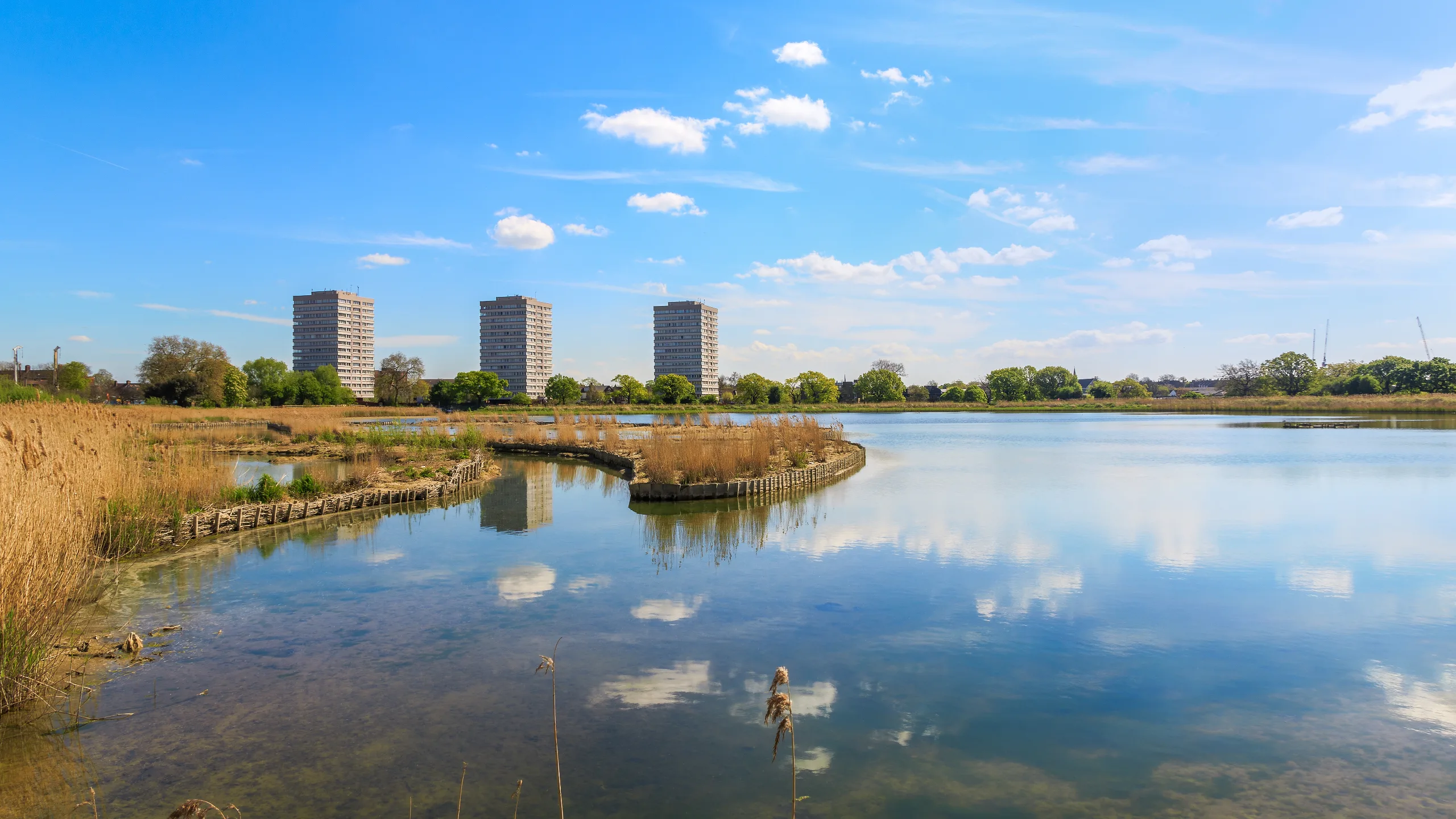
England’s Biodiversity Net Gain (BNG) market is expanding, though demand remains localised. Over 4,500 hectares of off-site area habitat are now registered nationally, with around 830 units allocated to developments, averaging 1.33 units per transaction.*
Policy, however, is still evolving. Defra’s recent consultations aim to refine BNG delivery for both small-scale developments and Nationally Significant Infrastructure Projects (NSIPs). Proposed changes include simplifying the Small Sites Metric, extending exemptions and improving access to off-site markets. NSIPs that include the biodiversity net gain standardised statements have now had their implementation date moved to May 2026.
The government seeks to balance nature recovery with development efficiency. For rural landowners, this presents both opportunity and complexity. Our team is supporting clients with site baselining, habitat bank partnerships and unit matchmaking.
As the BNG framework matures, clarity and proportionality will be critical. The next phase of policy must enable practical delivery whilst maintaining ecological ambition, especially for estates positioned to benefit from nature-positive development.
*Figures taken from the Natural Asset Partners’ BNG Data Insights Dashboard Source: bgs.bristoltrees.space/statistics
Renewable energy
David Goatman – Global Head of Energy & Sustainability
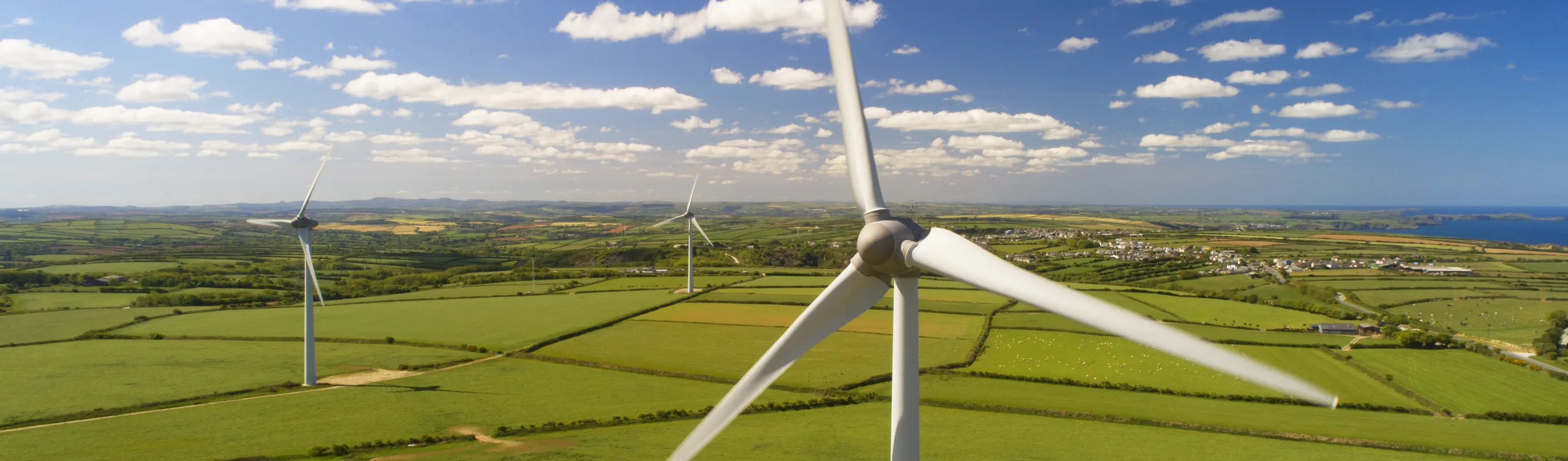
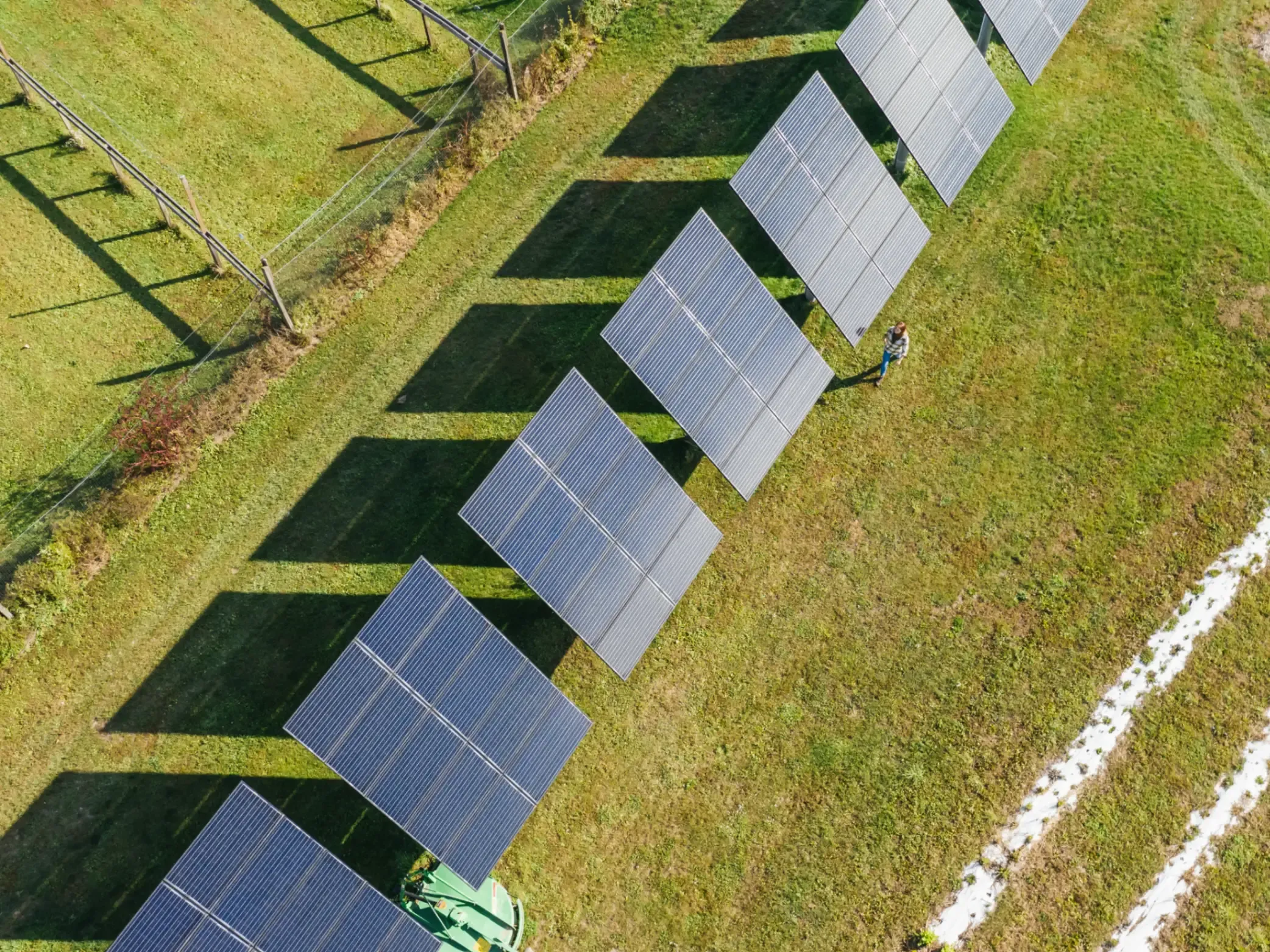
Solar is at the heart of the government’s mission to make the UK a clean energy superpower, aiming to treble solar output from the current 18GW. It should come as no surprise, therefore, that Ed Miliband has just approved the biggest solar project to date.
Tillbridge Solar in Lincolnshire will cover about 3,000 acres and power about 300,000 homes. The scheme takes approvals made by Miliband’s department to 3GW and further towards his goal of 57GW.
However, there are growing headwinds, with investor enthusiasm being dampened by political concerns.
With Reform UK promising to scrap net-zero targets and stop solar projects, investors are beginning to question the sense of starting the long planning process, especially when grid capacity is already stretched.
There is also growing concern over the lack of spatial planning and the amount of good quality agricultural land being lost to solar development in some parts of the country. One assumes that this is something that the government’s proposed land use framework will address.
Sites that can bypass the grid and connect directly to an end user have the most potential.
The planning pipeline for new battery storage sites is also oversupplied, and landowners with consented sites that might not be needed may want to assess alternative uses.
Storage sites, by definition, generally have good grid access, so tapping into the burgeoning demand for data centres could be an option worth considering, although only a limited number of sites will be suitable.
Planning
Ryan Caldon – Senior Planner, Residential Development
‘Build, baby, build’ is new Housing Secretary, Steve Reed’s rallying slogan for a nationwide push to accelerate housebuilding and infrastructure development as part of the government’s much talked about plan to deliver 1.5 million new homes within the current Parliament.
Whilst many are sceptical about the government’s ability to meet its target, what is clear is the need for development land and the opportunity that this presents for landowners.
With a significant number of local planning authorities unable to demonstrate a 5 year housing land supply, every landowner should be engaging in a review of planning opportunities and taking an active interest in existing Option and Promotion Agreements and local plan preparations. The time to act is now.
With the publication of the revised National Planning Policy Framework last year, the introduction of the ‘grey belt’ and the arrival of a new plan-making system in 2026, much is changing in the world of planning.
The Planning and Infrastructure Bill (PIB) is currently making its way through Parliament. In concert with the other measures, the government hopes the PIB will streamline our overstretched planning system and unlock development by removing perceived barriers, including environmental concerns.
Part 3 of the Bill focuses on environmental mitigation and includes the setting up of a national Nature Restoration Fund that developers can pay into to offset any environmental damage their projects might cause. However, campaigners claim this will actually reduce environmental protection and have been lobbying hard to have it amended.
The government has also recently accepted the findings of its New Towns Taskforce, which included a shortlist of 12 locations for new settlements of at least 10,000 homes.
They have committed to breaking ground on at least three new towns before the end of this Parliament, with Tempsford in Bedfordshire, Crews Hill in Enfield and Leeds South Bank currently seen as front runners.
Residential development markets
Robert Mitchell – Residential Development Land
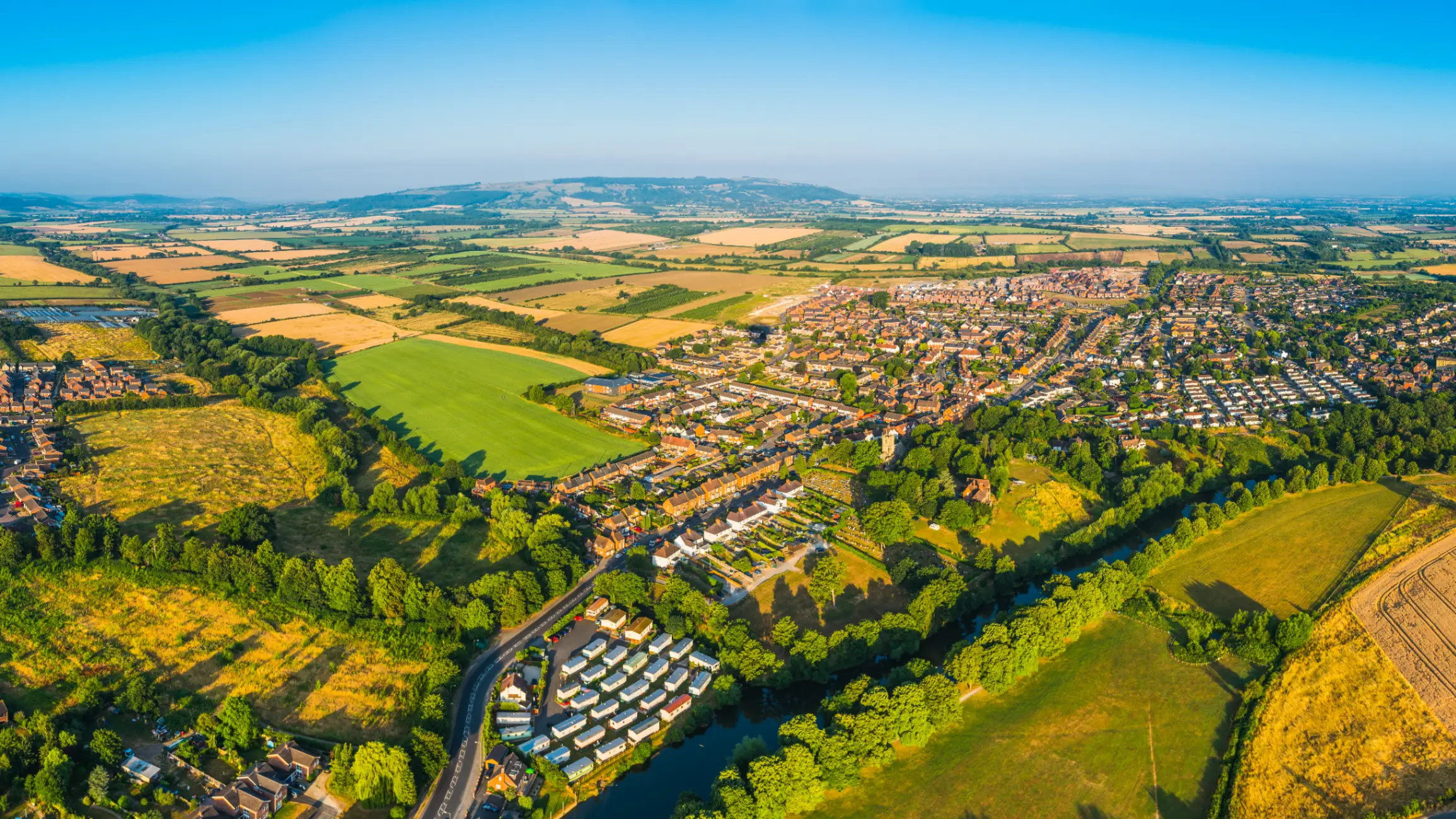
Despite the UK government’s ongoing focus on boosting housebuilding, average values for residential development land have come under increasing pressure in recent quarters.
According to the Q3 2025 results of the Knight Frank Residential Development Land Index, average values for both greenfield and brownfield sites have fallen by 5% over the past 12 months, reflecting wider challenges across the housebuilding sector.
The downward trend stems from a combination of factors: a growing supply of sites coming to market, persistent delays in the planning system and the limited capacity of the UK construction sector to deliver homes at the pace required. Financing constraints and cost inflation across labour and materials have also played a role in dampening developer appetite.
However, the development land market remains highly granular. In locations with strong demand fundamentals – particularly urban extensions near major regional cities such as Birmingham, Bristol and Manchester – appetite for well-located sites remains resilient. Areas earmarked for release from the ‘grey belt’ near existing infrastructure continue to command a premium where planning prospects are clearer and values are higher.
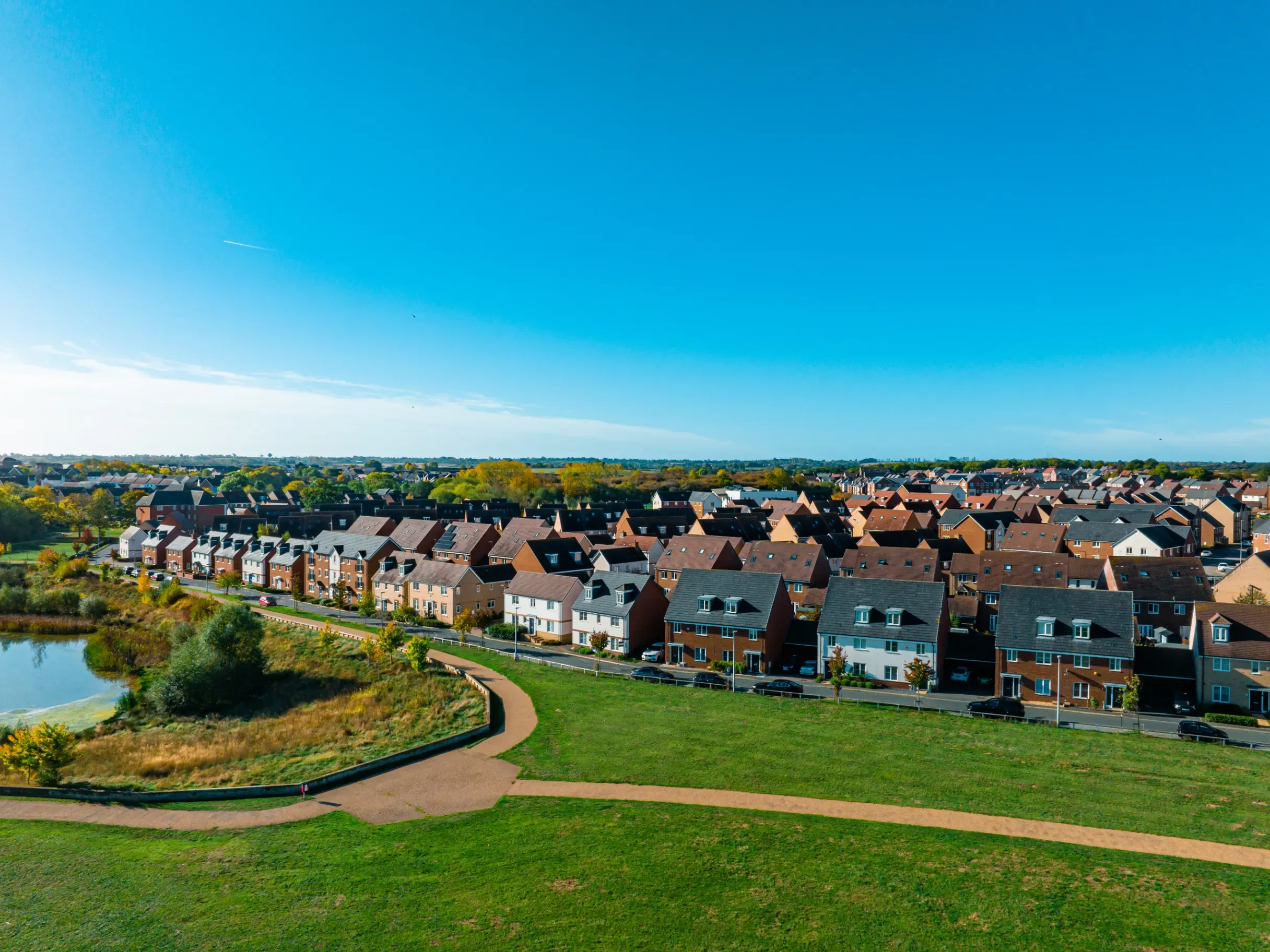
By contrast, more remote or rural sites are increasingly exposed in the current market. With housebuilders facing tighter capital discipline and increased scrutiny around project viability, the trend is towards more selective land acquisition. Sites that carry greater planning risk, infrastructure costs, or limited resale value are more likely to struggle to find buyers or to be reprioritised.
Looking ahead, whilst headline values may continue to face pressure, the strongest demand is expected to remain focused on high-quality, well-connected sites in proven markets, especially where planning risk is minimised and local demand is strong.
Read more
Explore more content from The Rural Report

Rural
From sawmill to estate enterprise: purposeful diversification at Ingleborough
A listed sawmill, woodland nature trail and show cave have been brought together as one visitor enterprise in the Yorkshire Dales.
30 September 2026

Rural
Diversification with intent: how rural estates are evolving for the future
Rural estates are defined by continuity: of land, of stewardship, and of purpose. Today, that relationship is under pressure.
08 September 2026
Rural
The Rural Update: Delivering win-win food and climate policies
Your weekly dose of news, views and insight from Knight Frank on the world of farming, food and landownership.
18 August 2026
Rural
BNG changes from 6 August 2026: What do they mean for developers and habitat banks?
After more than two years of mandatory Biodiversity Net Gain (BNG), new regulations came into force on 6 August 2026, altering how developers approach compliance and how habitat bank operators position themselves in the market.
12 August 2026
Rural
The Rural Update: The food chain must help build climate resilience
Your weekly dose of news, views and insight from Knight Frank on the world of farming, food and landownership.
10 August 2026

Rural
When continuity becomes a risk: the rural estate resilience challenge
Rural estates are defined by continuity: of land, of stewardship, and of purpose. Today, that relationship is under pressure.
04 August 2026



Rural
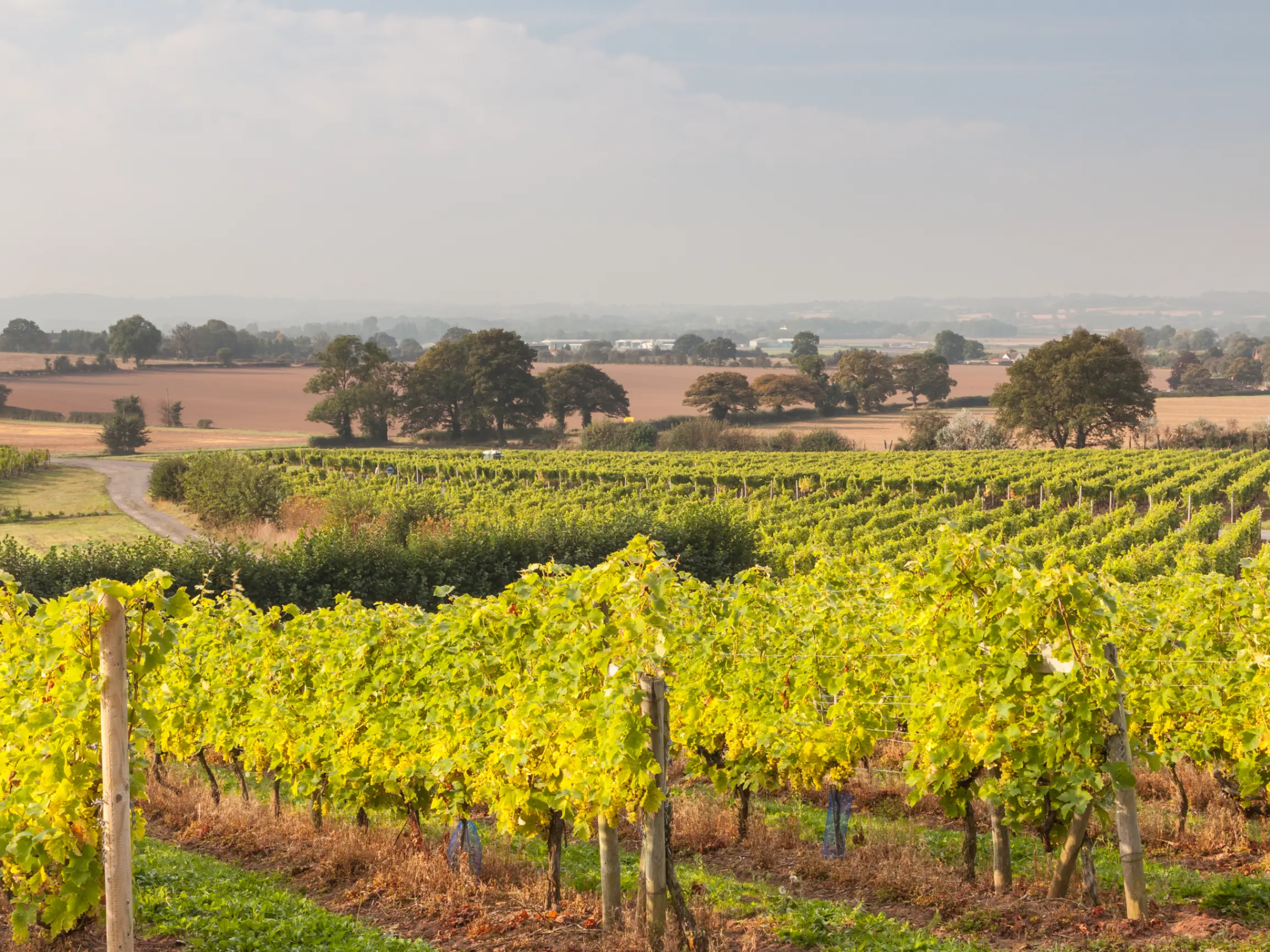
Site selection
The harvest in 2024 tested the strategic decision to be a single estate wine producer.
16 June 2026
Rural
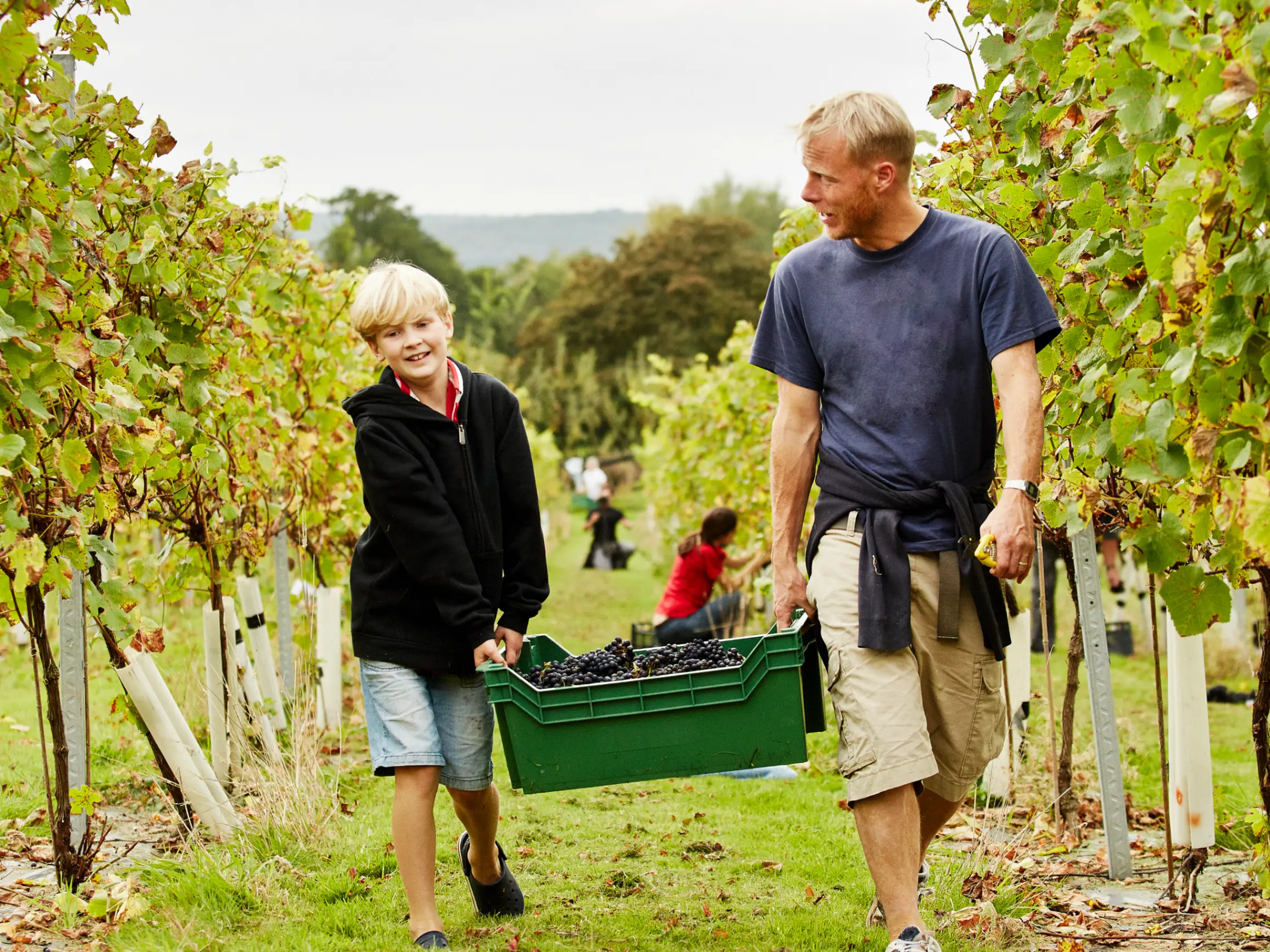
Chapter and verse: Tackling our next big problems
After a business workshop at the Wine GB Conference at Plumpton in April, I address some of our sector’s biggest needs.
15 June 2026

Rural
Wine business models
One of the most interesting parts of my job as a vineyard agent is getting to know the businesses and the people behind them, within wine.
12 June 2026
Rural
How to make farming profitable again
Minette Batters talks to James Farrell, Head of Knight Frank’s Rural Consultancy team, about her recently published review into farming profitability.
30 January 2026
Rural
A year that forced rural businesses to act
The past year has not been defined by a single shock for rural Britain, but by the steady accumulation of pressure.
23 December 2025

Rural
Communicating beyond the norm
The leader of one of the UK’s most innovative natural capital firms explains why storytelling and branding are so important for creating resilient rural businesses.
17 November 2025
Rural
Demystifying data
A bespoke approach to data analytics delivers dividends for rural estates, but what does ‘data’ actually mean and how do you apply it?
17 November 2025

Rural
Financing the future
There’s more to refinancing debt than just finding the best interest rate.
17 November 2025
Rural
Great estates
The managers of two diverse and forward-thinking landed estates share their recipes for resilience.
17 November 2025
Rural
Management matters
Andrew Blenkiron, the Managing Director of Elveden, one of England’s largest commercial farming estates, shares his plans for a successful future.
17 November 2025

Rural
Planning, development & renewables
Experts from across our teams share their insights on four themes critical to the UK’s rural infrastructure and residential development sectors.
17 November 2025
Rural
Profitable partnerships and trusting talent
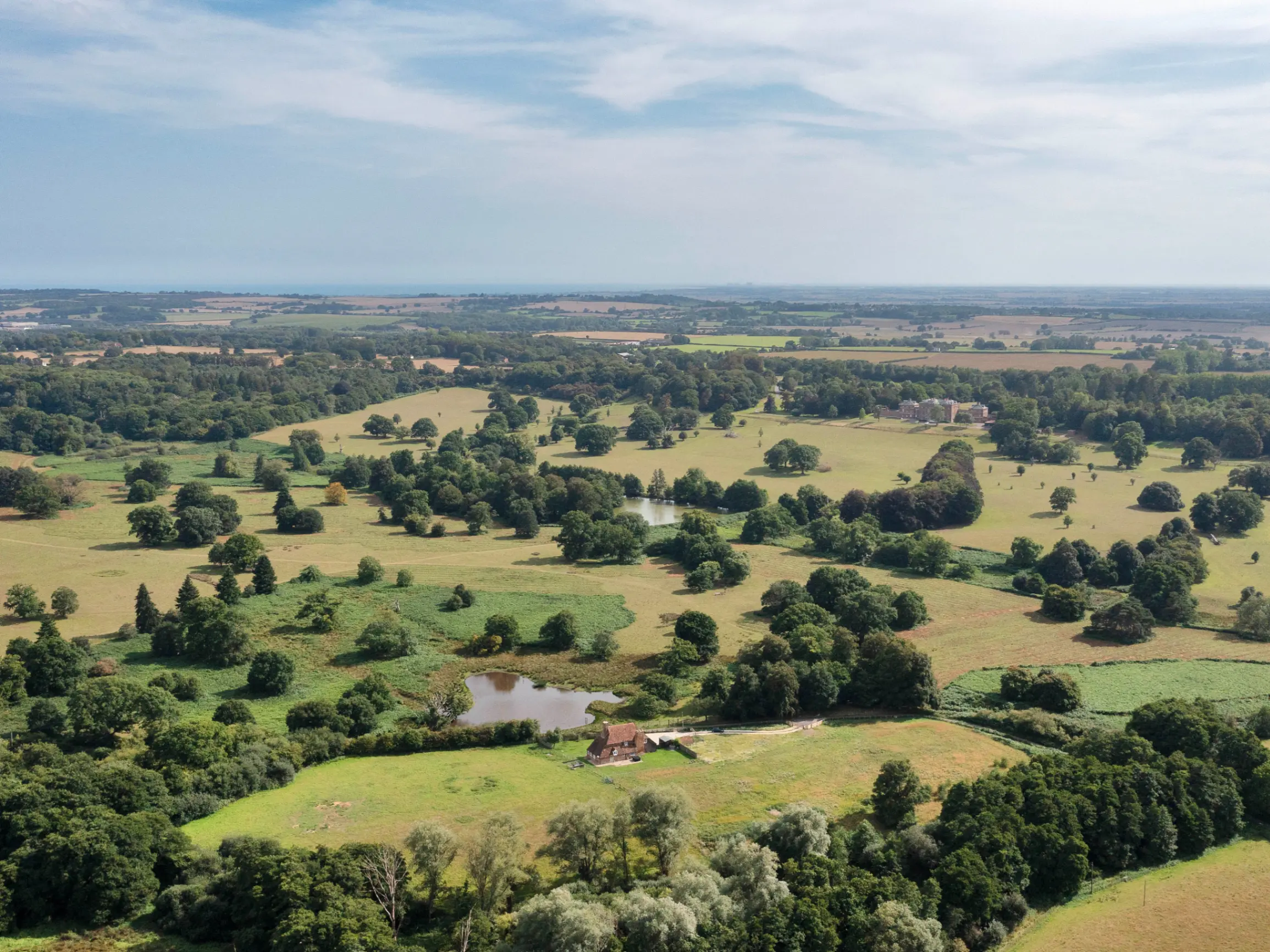
How the Knatchbull family are leading the way in setting up innovative joint ventures on their historic Kent estate.
17 November 2025
Rural
Rewilding London
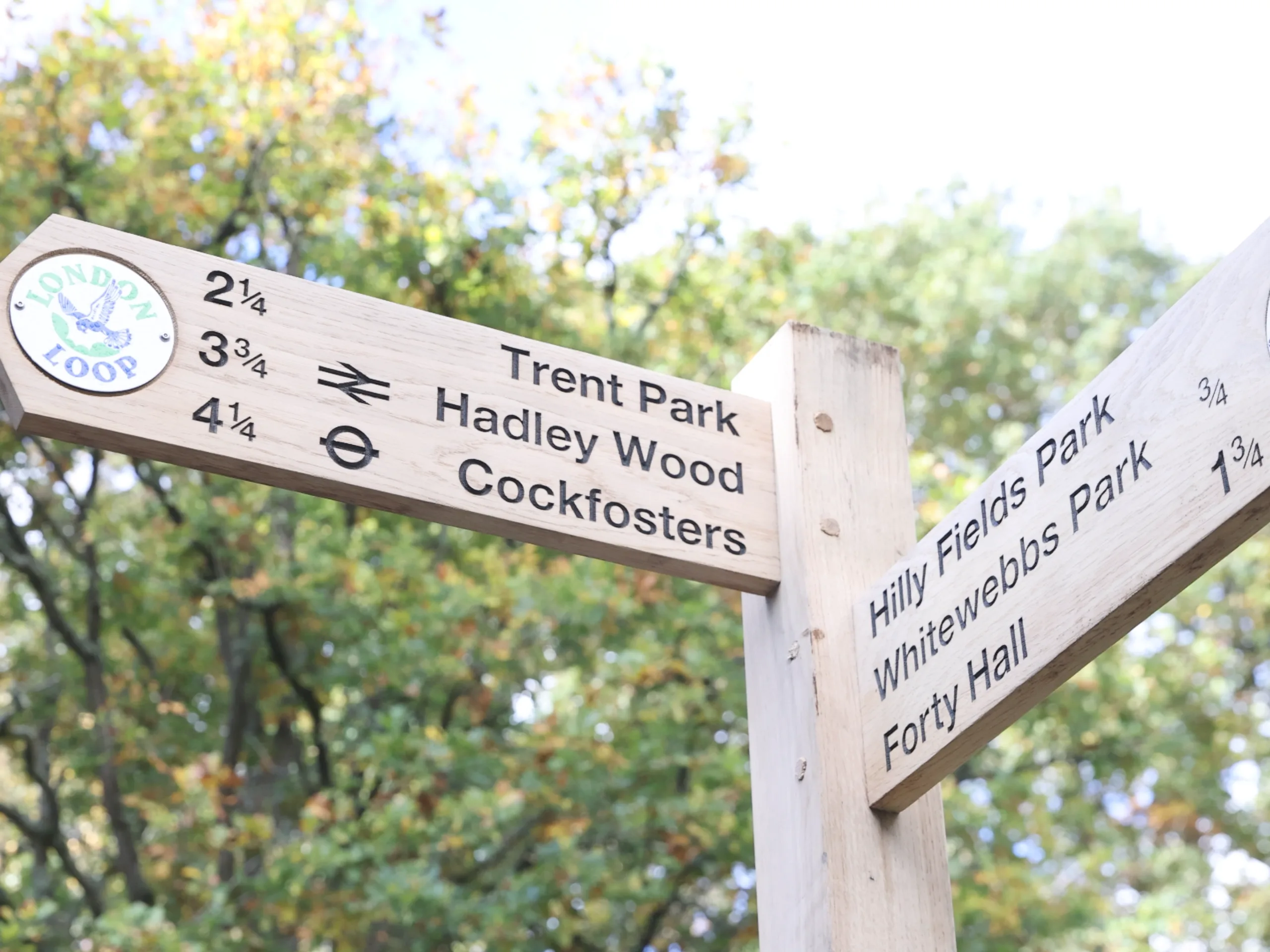
Private investors are being offered a unique opportunity to get involved with one of the world’s most ambitious urban-fringe nature-restoration projects, right on the edge of London.
17 November 2025

Rural
Rooted in history
The Tillingham Estate, linked to St Paul’s Cathedral and one of the longest single owned pieces of land in English history, is exploring a new chapter. Our team is lucky enough to be supporting the estate on the next stage of its journey.
17 November 2025
