
Great estates
The managers of two diverse and forward-thinking landed estates share their recipes for resilience.
17 November 2025
The Yattendon Estate, West Berkshire
James Hole, Managing Director
The local community has been at the heart of the estate since it first began to be assembled by the Iliffe family 100 years ago. We are quite unique because we still own virtually every residential and commercial property in the village. That level of control provides lots of opportunities, but also comes with responsibilities, too.
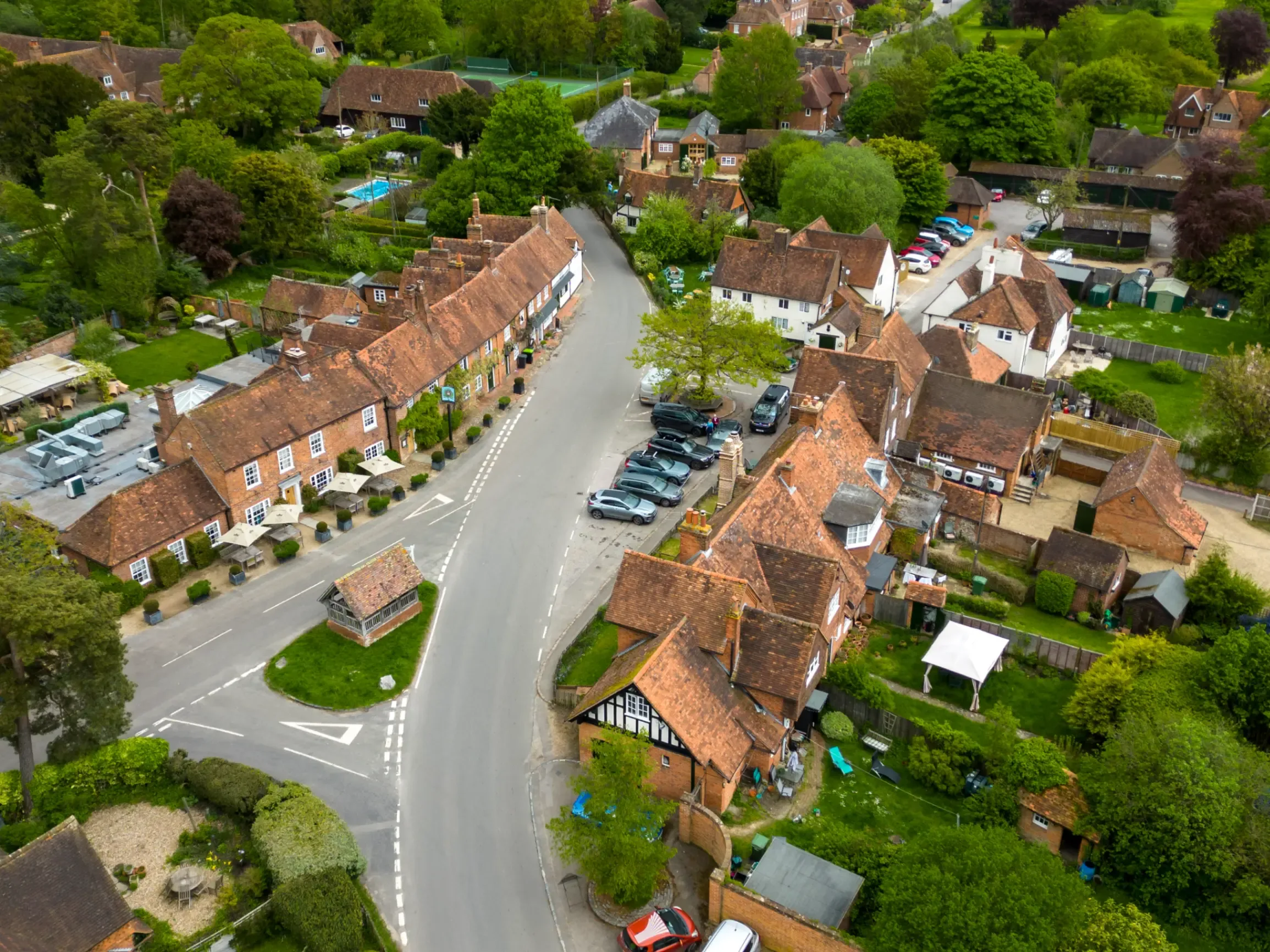
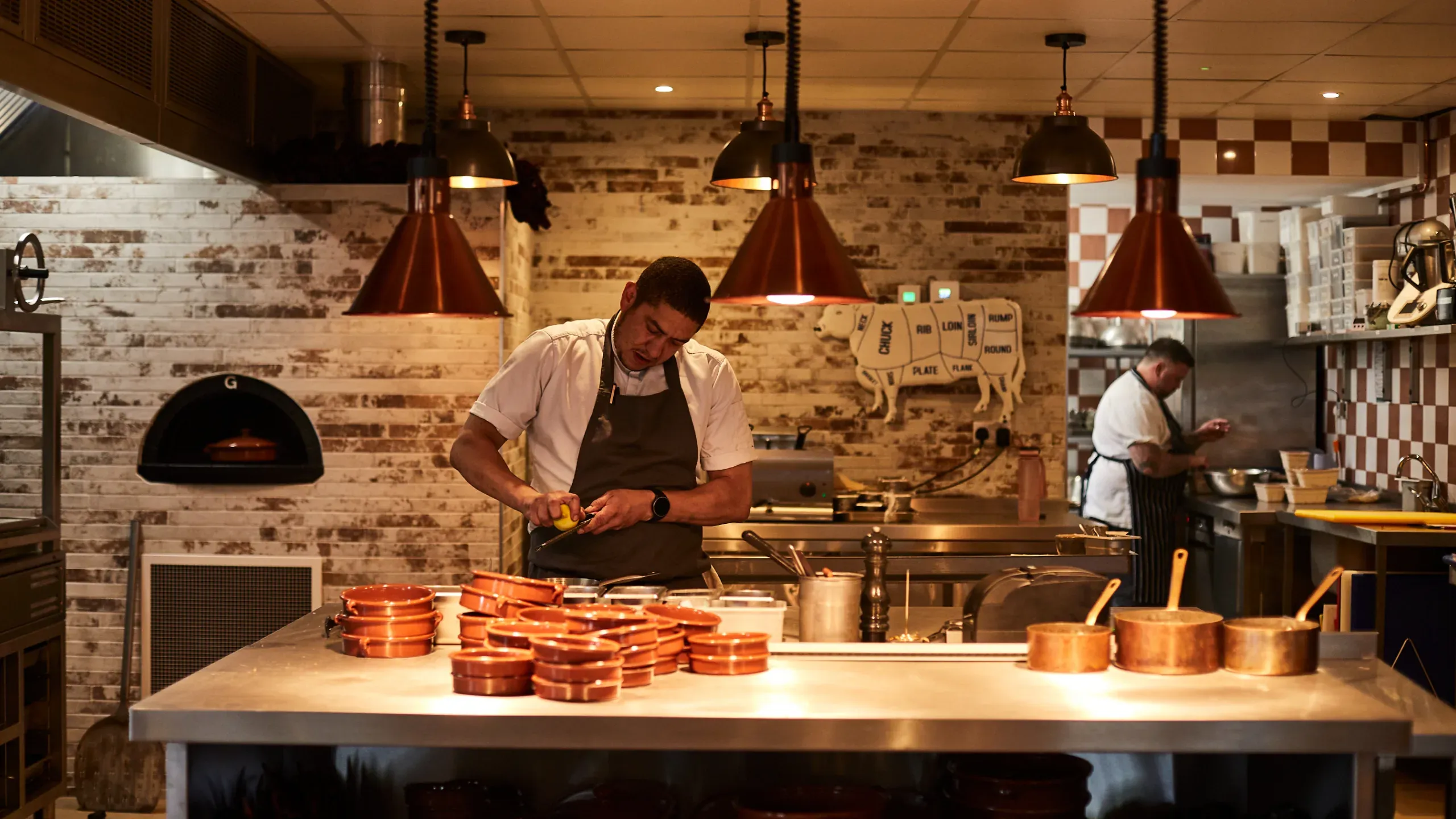
My aim is to bring those two things together to deliver mutual benefits for everybody. For example, we took the village shop back in hand, bought a successful local wholesale butchery and farm shop business, took a brewery run by a former tenant out of administration and have invested heavily in the village’s two pubs, which are let to a tenant under a profit sharing agreement.
Image credit: Yattendon Estate
Ensuring residents have access to fantastic local amenities is a great selling point for our let residential and commercial portfolio. It also sustains a lot of local jobs, which helps create a virtuous circle for the local economy. We have a lot of rooftop and small-scale ground-mounted solar, but I’d probably only be interested in large-scale ground-mounted solar if it could provide cheap energy for the villagers.
Trading income and diversification
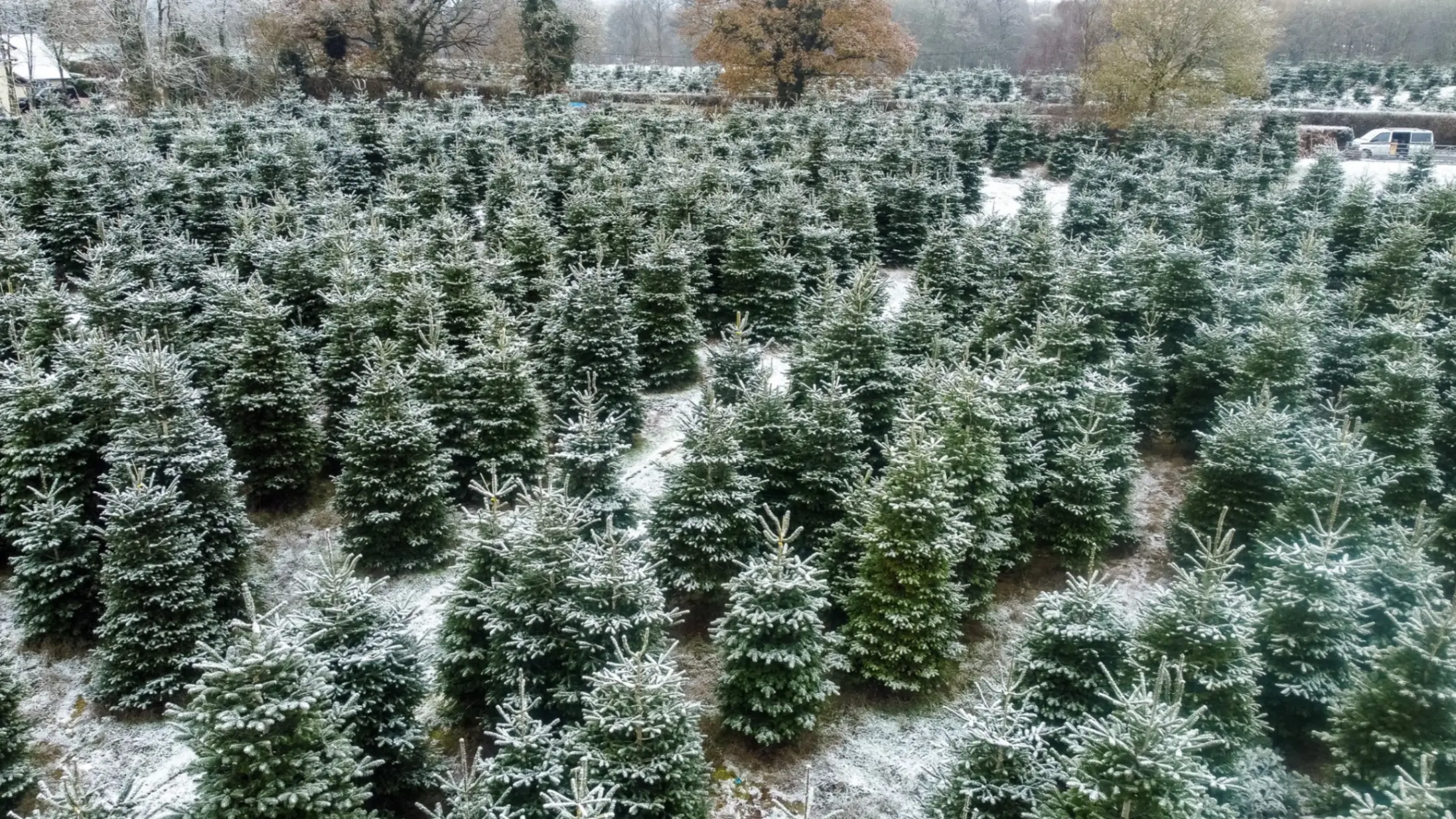
While producing food from our land still very much lies at the heart of what we do, I’m very conscious that the returns from farming are pretty slim, and we need to make money to put back into the estate. That’s why we’ve chosen to invest in diversified opportunities such as our pubs, the brewery and the butchery, and why our Christmas tree business is so important to the estate.
The unfortunate changes to Inheritance Tax reliefs make having a good trading income even more crucial, although I’m not sure that the government understands just how much the uncertainty they have created is dampening the enthusiasm of family-owned businesses to make significant investments. In the future, I’d like to diversify a small proportion of our houses into holiday lets, as that would provide new income for our food, drink and retail businesses.
Governance, values and data
Because the Iliffe family has several other business investments, the estate has a very mature governance structure, which really attracted me to Yattendon when I was looking for my first in-house estate role five years ago. We have a central senior management team that can make decisions very quickly, which is not the same on all rural estates. However, it’s not so big that it feels too corporate.
We have become increasingly data-led when it comes to planning for the future, but because of our community-first ethos, we do make some decisions perhaps more from the heart, such as buying a tenant’s brewery out of administration, although there always has to be a good business case.
The estate has very strong values and culture that have become so ingrained, I’ve never felt the need to write them down anywhere. We haven’t done much around branding outside the village; perhaps we should do more, but we prefer to whisper rather than shout.
Find out more at Yattendon Estate.
At a glance – The Yattendon Estate
- 3.9 million pints brewed in 2024
- 100,000 annual Christmas tree sales
- 9,142 acres in total
- 360 residential tenants
- 158 people directly employed
- 100 years in the Iliffe family
- 5 food and beverage outlets
Image credit: Yattendon Estate
The Nettlebed Estate, Oxfordshire
Jess Waddington, Knight Frank
The Nettlebed Estate has a fascinating history. It was bought by the banker Robert Fleming, grandfather of the James Bond author Ian Fleming, in 1903 and is now jointly owned by several of his descendants and various family trusts.
Our ethos is to maintain a vibrant estate based on the principles of the past, but one that uses modern technology and data. Given the complex ownership, the estate could easily become a sum of its parts, so what we are really trying to do is to make something that is unified and more easily managed for future generations.
To streamline the estate’s complex financial reporting structure, we have put in place what I like to call transformative estate office systems. A cloud-based terrier system takes care of all the property management, which previously was just a lot of spreadsheets that made it very hard to have proper oversight of things like residential property compliance.
We’ve also just gone live with a cloud-based accounting system that links everything together and allows us to run Nettlebed as a cohesive estate, whilst also splitting out the various ownership elements. We use some of the data provided to inform the energy-efficiency programme for the estate’s residential portfolio. This means we know if measures such as installing solar panels and air-source heat pumps are delivering material returns for the estate.
Productive partnerships
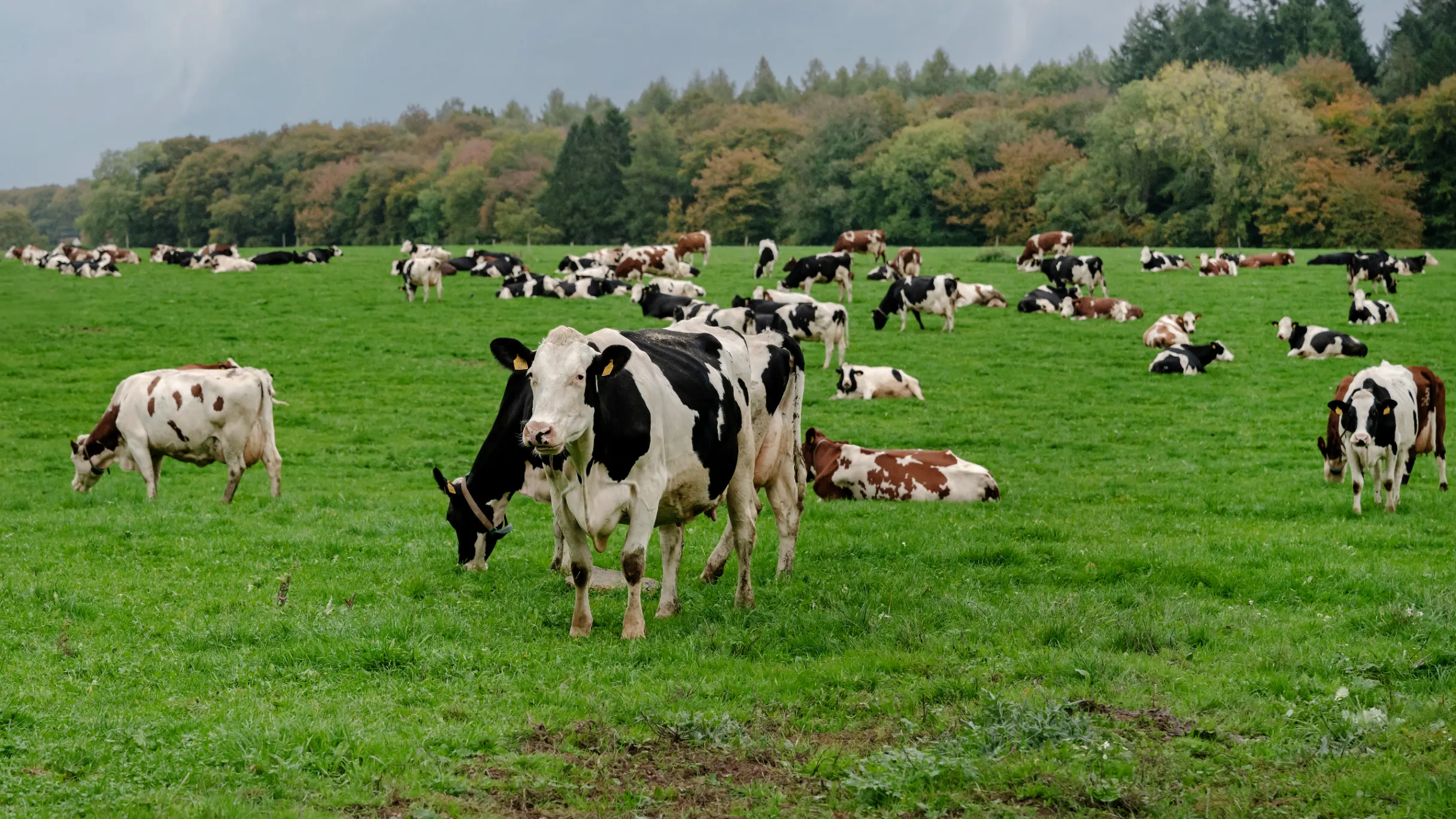
Dairy farming has existed on the estate since the time when farm holdings traditionally ran on a mixed livestock and arable system. While there aren’t many herds left in this part of Oxfordshire and indeed the Chilterns, we’ve made the decision to continue with the cows, which have been organic for almost 25 years. They are part of the owners’ and the estate’s heritage; the herd supplies some of its milk to the award-winning Nettlebed Creamery, which is owned by a family member.
We firmly believe in innovative partnerships and have just started working with a new contract farming partner after receiving 45 expressions of interest when we put the farm out to tender. We provide the land and cows, and they bring the machinery and labour.
By retaining ownership of the land and livestock, we stay closely involved in decision-making whilst benefiting from the expertise and resources of a dedicated farming partner. This model allows for greater alignment on sustainability goals, animal welfare standards and long-term land use. It also encourages collaboration, shared investment and flexibility, offering a more responsive alternative to traditional tenancies.
Community and the environment
Nettlebed is unusual in that it comprises 560 acres of common land protected by Robert Fleming via its own Act of Parliament in 1906. Much of our day-to-day forestry effort goes into ensuring tree safety on the commons, but we are focused on the longer-term biodiversity of the land with projects in place to maintain the rare acid wetland, improve heathland habitat, restore ponds and protect the ancient beech woodland which characterises the Chilterns.
We are delighted that the estate is now home to two Forest Schools; one on the common and the other within the estate’s woodland. Nature-friendly farming is also important across the rest of the estate, which is why the farm is organic. Much of the land is entered into the Countryside Stewardship Scheme and the Sustainable Farming Incentive, and the farm has wildflower fields and margins, bird seed plots and winter feeding, a lapwing plot, barn owl and swift boxes. Current plans include creating a chalk scrape and restoring hedges along former lines. The owners are very involved in their local farm cluster.
Looking ahead, as we continue to focus on building resilience through new and diverse income streams, we hope to re-use some redundant buildings to create unique places for work and leisure activities.
Find out more at nettlebed.org
Read more
Explore more content from The Rural Report
Rural
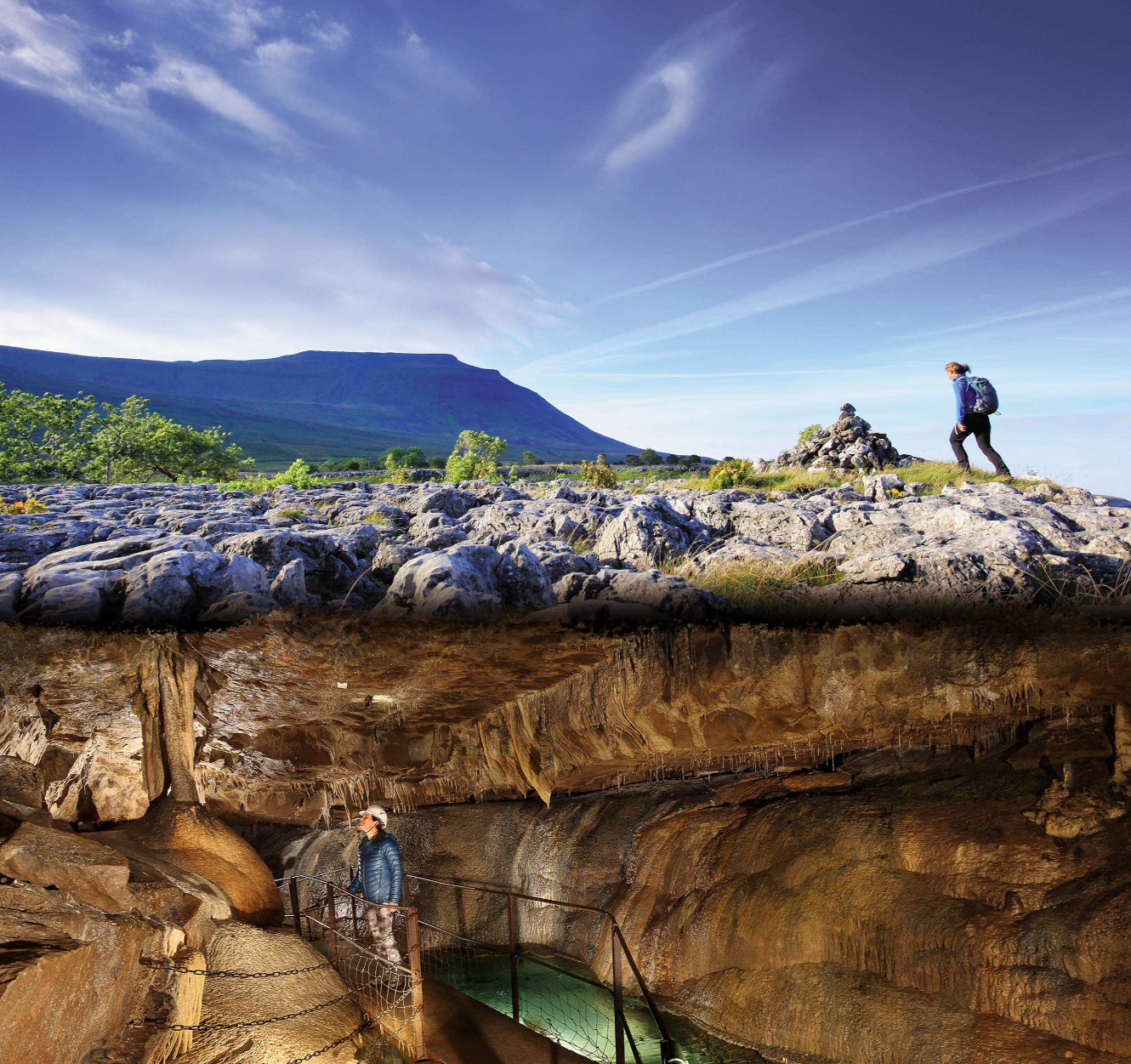
From sawmill to estate enterprise: purposeful diversification at Ingleborough
A listed sawmill, woodland nature trail and show cave have been brought together as one visitor enterprise in the Yorkshire Dales.
30 September 2026
Rural
Diversification with intent: how rural estates are evolving for the future
Rural estates are defined by continuity: of land, of stewardship, and of purpose. Today, that relationship is under pressure.
08 September 2026
Rural
The Rural Update: Delivering win-win food and climate policies
Your weekly dose of news, views and insight from Knight Frank on the world of farming, food and landownership.
18 August 2026
Rural
BNG changes from 6 August 2026: What do they mean for developers and habitat banks?
After more than two years of mandatory Biodiversity Net Gain (BNG), new regulations came into force on 6 August 2026, altering how developers approach compliance and how habitat bank operators position themselves in the market.
12 August 2026
Rural
The Rural Update: The food chain must help build climate resilience
Your weekly dose of news, views and insight from Knight Frank on the world of farming, food and landownership.
10 August 2026
Rural
When continuity becomes a risk: the rural estate resilience challenge
Rural estates are defined by continuity: of land, of stewardship, and of purpose. Today, that relationship is under pressure.
04 August 2026


Rural
Site selection
The harvest in 2024 tested the strategic decision to be a single estate wine producer.
16 June 2026
Rural
Chapter and verse: Tackling our next big problems
After a business workshop at the Wine GB Conference at Plumpton in April, I address some of our sector’s biggest needs.
15 June 2026
Rural
Wine business models
One of the most interesting parts of my job as a vineyard agent is getting to know the businesses and the people behind them, within wine.
12 June 2026
Rural
How to make farming profitable again
Minette Batters talks to James Farrell, Head of Knight Frank’s Rural Consultancy team, about her recently published review into farming profitability.
30 January 2026
Rural
A year that forced rural businesses to act
The past year has not been defined by a single shock for rural Britain, but by the steady accumulation of pressure.
23 December 2025
Rural
Communicating beyond the norm
The leader of one of the UK’s most innovative natural capital firms explains why storytelling and branding are so important for creating resilient rural businesses.
17 November 2025
Rural
Demystifying data
A bespoke approach to data analytics delivers dividends for rural estates, but what does ‘data’ actually mean and how do you apply it?
17 November 2025
Rural
Financing the future
There’s more to refinancing debt than just finding the best interest rate.
17 November 2025
Rural
Great estates
The managers of two diverse and forward-thinking landed estates share their recipes for resilience.
17 November 2025
Rural
Management matters
Andrew Blenkiron, the Managing Director of Elveden, one of England’s largest commercial farming estates, shares his plans for a successful future.
17 November 2025
Rural
Planning, development & renewables
Experts from across our teams share their insights on four themes critical to the UK’s rural infrastructure and residential development sectors.
17 November 2025
Rural
Profitable partnerships and trusting talent
How the Knatchbull family are leading the way in setting up innovative joint ventures on their historic Kent estate.
17 November 2025
Rural
Rewilding London
Private investors are being offered a unique opportunity to get involved with one of the world’s most ambitious urban-fringe nature-restoration projects, right on the edge of London.
17 November 2025

Rural
Rooted in history
The Tillingham Estate, linked to St Paul’s Cathedral and one of the longest single owned pieces of land in English history, is exploring a new chapter. Our team is lucky enough to be supporting the estate on the next stage of its journey.
17 November 2025
