
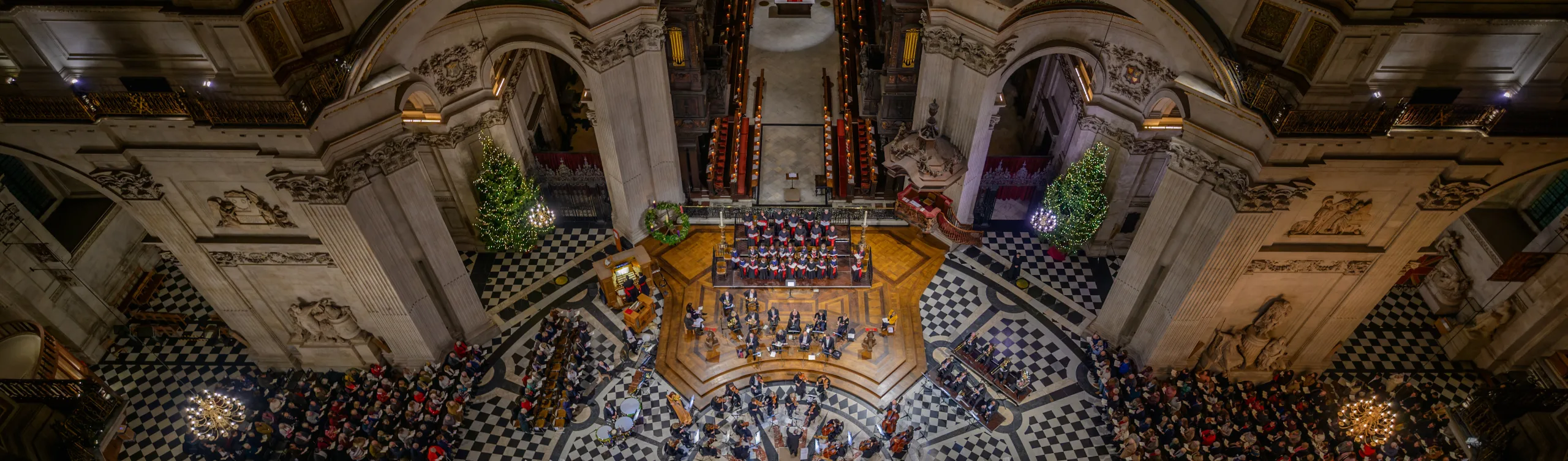
Rooted in history
The Tillingham Estate, linked to St Paul’s Cathedral and one of the longest single owned pieces of land in English history, is exploring a new chapter. Our team is lucky enough to be supporting the estate on the next stage of its journey.
17 November 2025


It may not be as well-known as the likes of Blenheim, Badminton and Burghley, but even these great estates can’t match the deep historic roots of the Tillingham Estate on the Essex coast.
The estate, which today is made up of three let farms totalling 1,200 acres of arable marshland on the Dengie Peninsula and a portfolio of let homes, has been in the hands of the same owners for over 1,420 years – the longest single ownership in Britain.
Tillingham’s history stretches right back to the birth of Christianity in Britain. In 604 AD, it was gifted to the Chapter of St Paul’s Cathedral by King Æthelberht of Kent, the first Anglo-Saxon king to convert to Christianity.
Æthelberht had earlier been converted by the monk Augustine, who had been sent in 595 AD by Pope Gregory to disseminate the word of God to the then pagan British Isles. His earthly reward was to become the first Archbishop of Canterbury.
Augustine was followed by Mellitus, who established St Paul’s Cathedral and was the first Bishop of London. Initially, the Cathedral was a wooden structure that burned down and was rebuilt several times.
Following the Norman conquest in 1066, however, St Paul’s was reconstructed in a grander style and became London’s central ecclesiastical institution. Estates like Tillingham provided a crucial income stream for the Cathedral via agricultural production, rents and other feudal dues.
Unlike the monasteries, whose lands were seized by Henry VIII during the Reformation, St Paul’s was under the control of the Crown and was allowed to hold onto its estates, such as Tillingham.
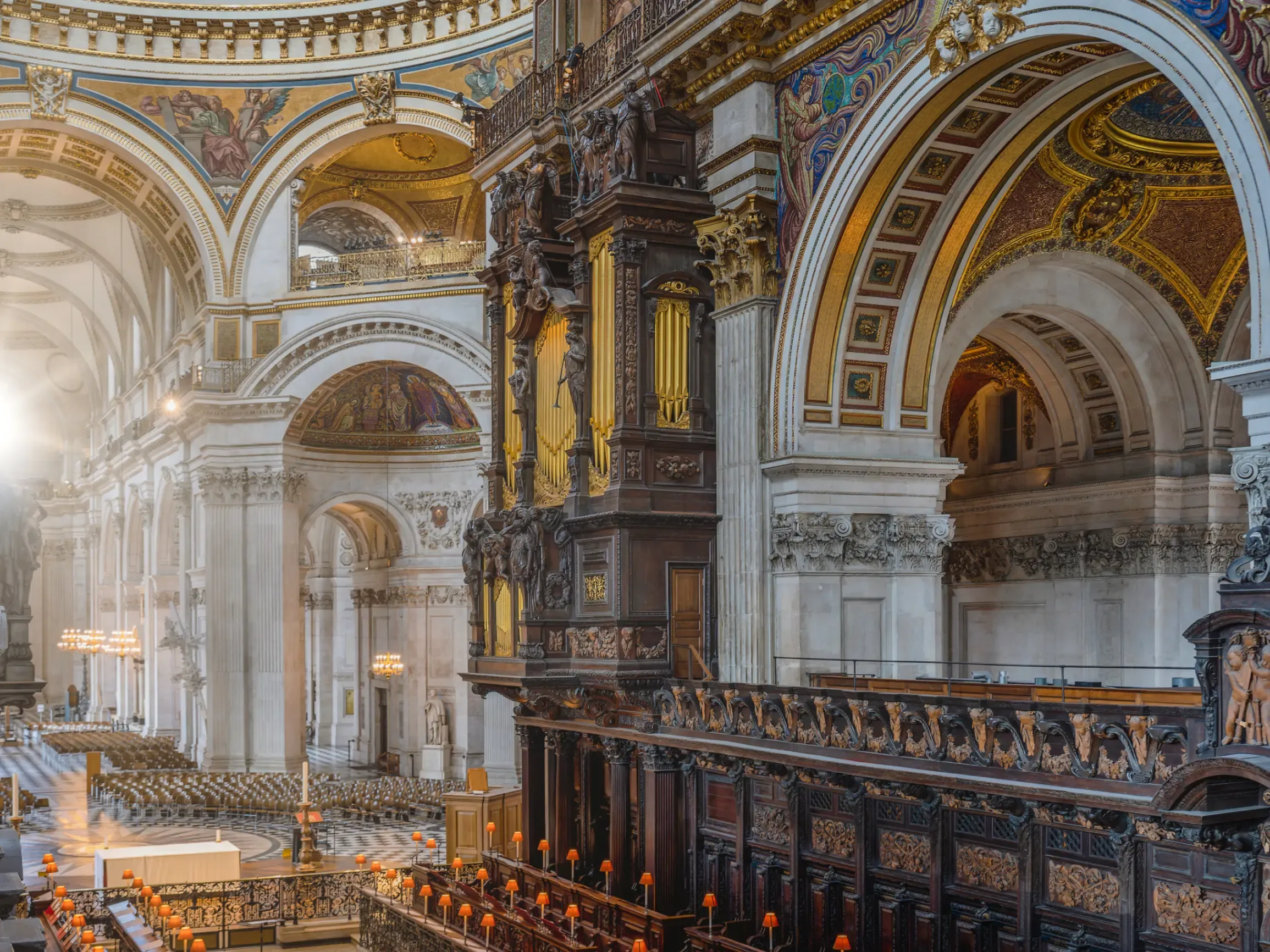
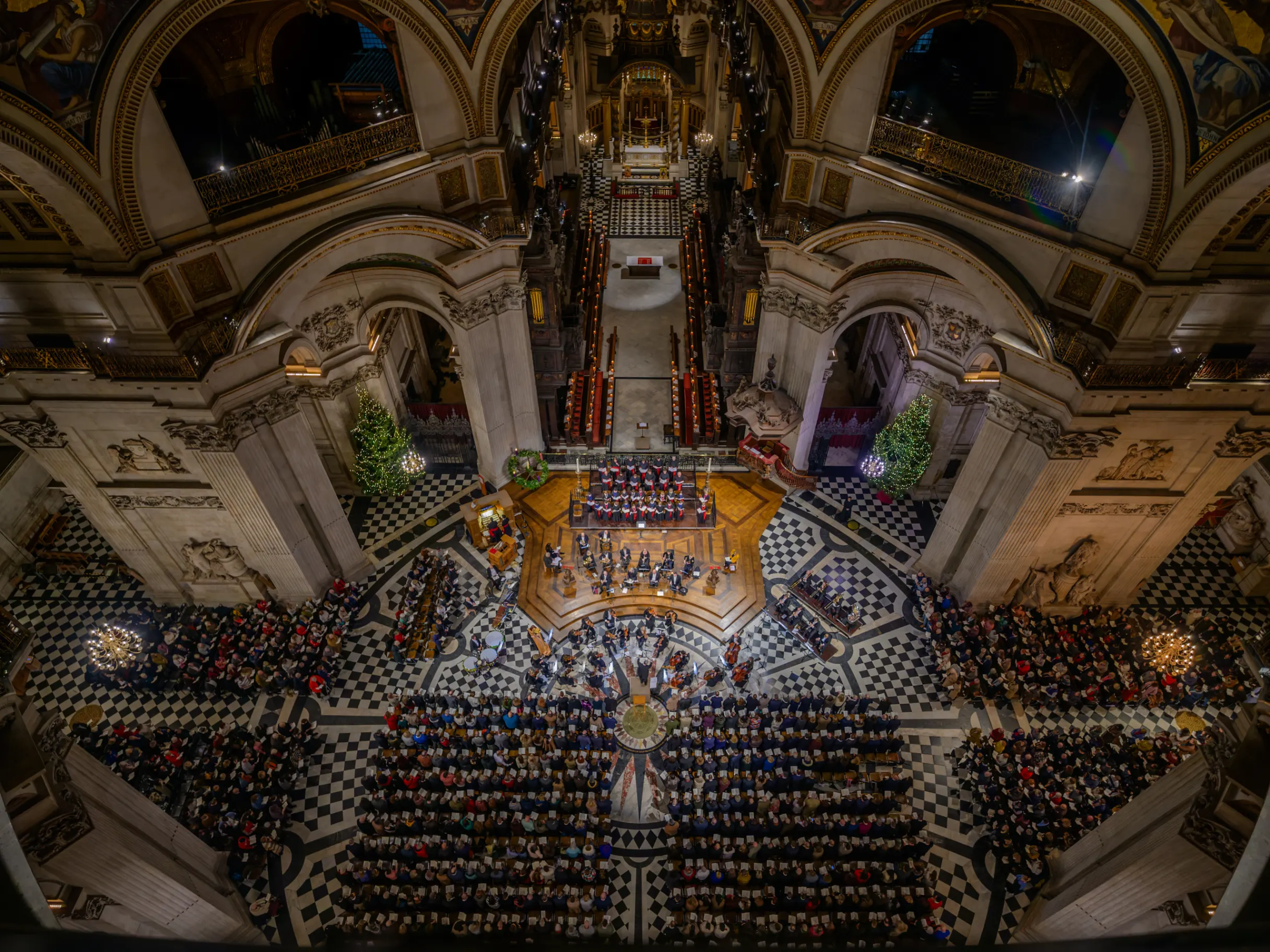
Photo: The fascinating, detailed history of St Paul’s is matched only by its architecture. Image credit: Graham Lacdao / St Paul’s Cathedral
After St Paul’s was destroyed during the Great Fire of London in 1666, income from the estate played a critical role in funding Sir Christopher Wren’s Baroque masterpiece replacement, which was completed in 1711 and still induces awe in the millions of worshippers and tourists who visit every year.
A new role
Fast forward 300 years or so from the rebuild and it’s clear that an estate the size of Tillingham can’t make a significant financial contribution to the upkeep of a heritage building like St Paul’s, whose annual running costs, let alone restoration projects, come to £17 million.
But that doesn’t mean the estate won’t continue to play an integral role in the ongoing partnership between city and countryside.
“Today, the Tillingham Estate remains a tangible link to St Paul’s long history, embodying centuries of ecclesiastical, agricultural and social development,” explains Rebecca Thompson, the Cathedral’s Director of Property.
“The continued stewardship of the estate ensures that it remains a vital part of the Cathedral’s legacy, supporting its role as a religious, historical and cultural landmark in London. Our vision is for the estate to contribute to the cathedral’s mission through sustainable farming practices and heritage conservation efforts.”
“Income from the estate could support education and community outreach programmes, heritage craft skills, preservation of the Cathedral’s historic fabric and a more diverse and sustainable use of the land and properties.”
“Our master planning project with Knight Frank will lead us to a sustainable, resilient estate with a positive legacy for future generations.”
Joining St Paul’s at this point in their journey and being entrusted with the management of such an historic property is not only a great privilege, but it is also incredibly exciting given the range of natural capital, food production and sustainable land-use opportunities that we can now deliver for our client.
While the estate may be off the beaten track for now, that could change. Walkers looking to take time out for spiritual contemplation are increasingly following in the footsteps of those who undertook the great pilgrimage routes across Europe. Perhaps one day we’ll see people walking between St Paul’s and Tillingham. Its role as one of the country’s most iconic buildings certainly warrants more attention.
Image and banner credit: Graham Lacdao / St Paul’s Cathedral
Read more
Explore more content from The Rural Report
Rural
From sawmill to estate enterprise: purposeful diversification at Ingleborough
A listed sawmill, woodland nature trail and show cave have been brought together as one visitor enterprise in the Yorkshire Dales.
30 September 2026
Rural
Diversification with intent: how rural estates are evolving for the future
Rural estates are defined by continuity: of land, of stewardship, and of purpose. Today, that relationship is under pressure.
08 September 2026
Rural
The Rural Update: Delivering win-win food and climate policies
Your weekly dose of news, views and insight from Knight Frank on the world of farming, food and landownership.
18 August 2026
Rural
BNG changes from 6 August 2026: What do they mean for developers and habitat banks?
After more than two years of mandatory Biodiversity Net Gain (BNG), new regulations came into force on 6 August 2026, altering how developers approach compliance and how habitat bank operators position themselves in the market.
12 August 2026
Rural
The Rural Update: The food chain must help build climate resilience
Your weekly dose of news, views and insight from Knight Frank on the world of farming, food and landownership.
10 August 2026
Rural
When continuity becomes a risk: the rural estate resilience challenge
Rural estates are defined by continuity: of land, of stewardship, and of purpose. Today, that relationship is under pressure.
04 August 2026


Rural
Site selection
The harvest in 2024 tested the strategic decision to be a single estate wine producer.
16 June 2026
Rural
Chapter and verse: Tackling our next big problems
After a business workshop at the Wine GB Conference at Plumpton in April, I address some of our sector’s biggest needs.
15 June 2026
Rural
Wine business models
One of the most interesting parts of my job as a vineyard agent is getting to know the businesses and the people behind them, within wine.
12 June 2026
Rural
How to make farming profitable again
Minette Batters talks to James Farrell, Head of Knight Frank’s Rural Consultancy team, about her recently published review into farming profitability.
30 January 2026
Rural
A year that forced rural businesses to act
The past year has not been defined by a single shock for rural Britain, but by the steady accumulation of pressure.
23 December 2025
Rural
Communicating beyond the norm
The leader of one of the UK’s most innovative natural capital firms explains why storytelling and branding are so important for creating resilient rural businesses.
17 November 2025
Rural
Demystifying data
A bespoke approach to data analytics delivers dividends for rural estates, but what does ‘data’ actually mean and how do you apply it?
17 November 2025
Rural
Financing the future
There’s more to refinancing debt than just finding the best interest rate.
17 November 2025
Rural
Great estates
The managers of two diverse and forward-thinking landed estates share their recipes for resilience.
17 November 2025
Rural
Management matters
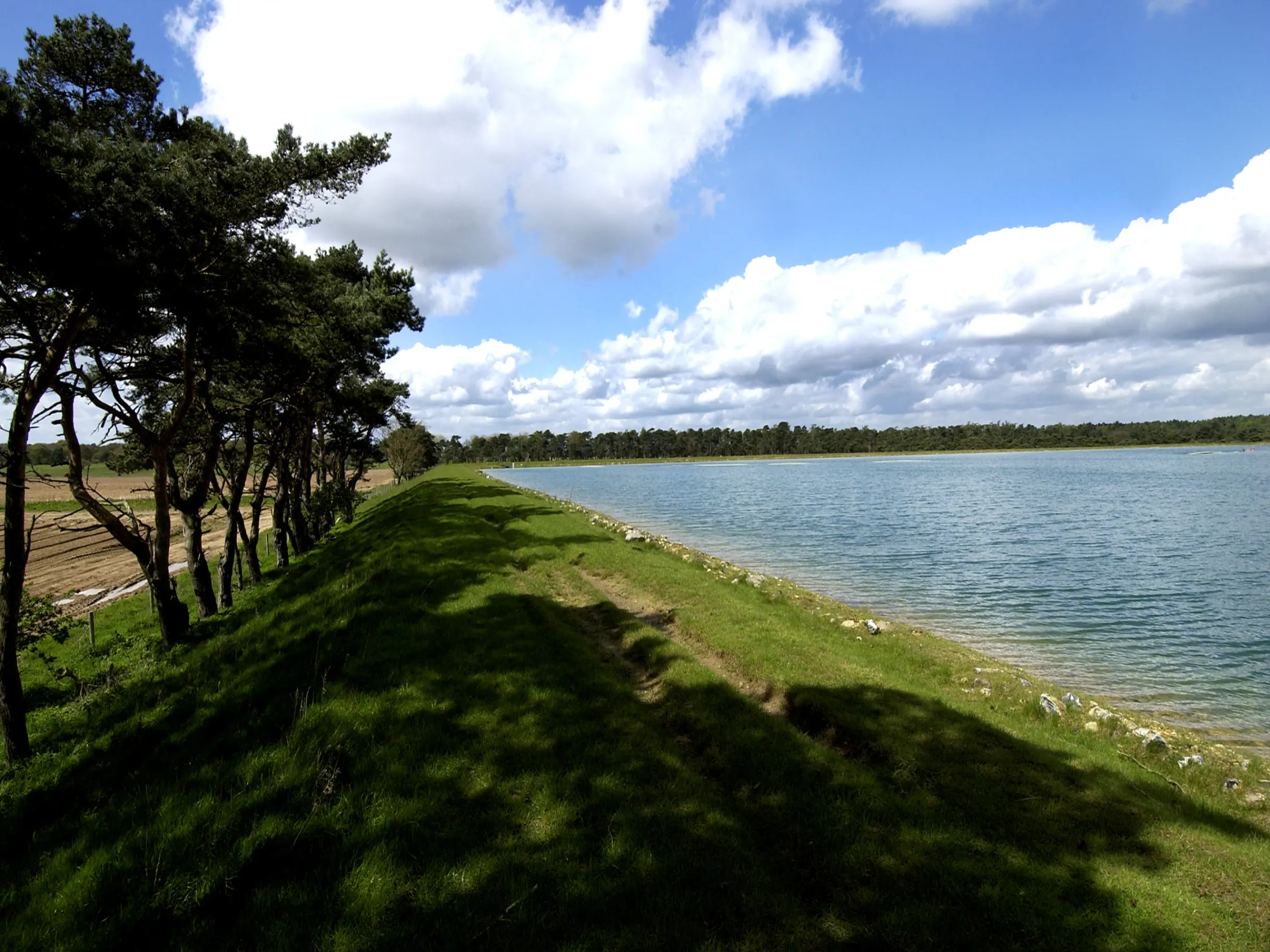
Andrew Blenkiron, the Managing Director of Elveden, one of England’s largest commercial farming estates, shares his plans for a successful future.
17 November 2025
Rural
Planning, development & renewables
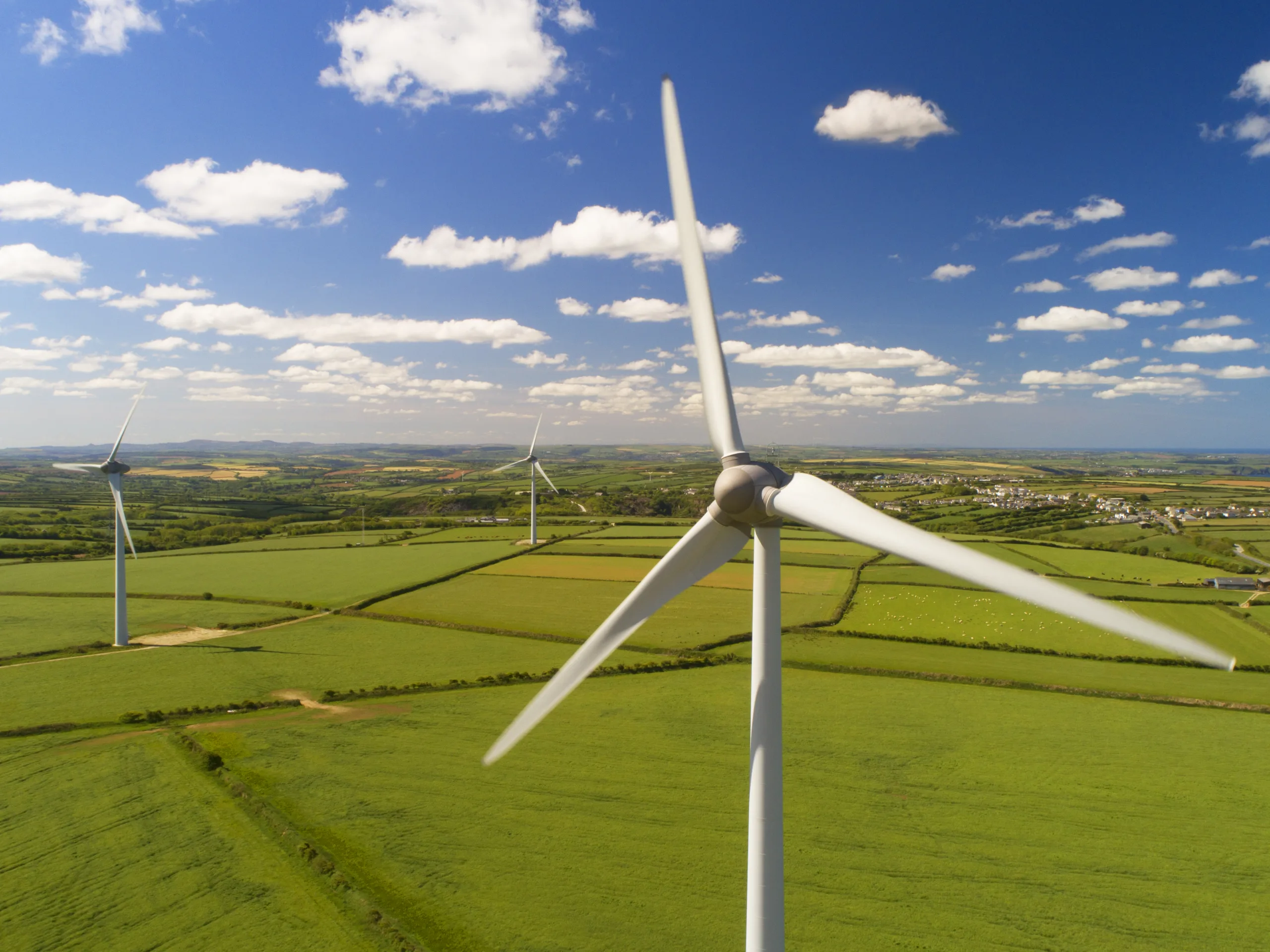
Experts from across our teams share their insights on four themes critical to the UK’s rural infrastructure and residential development sectors.
17 November 2025
Rural
Profitable partnerships and trusting talent
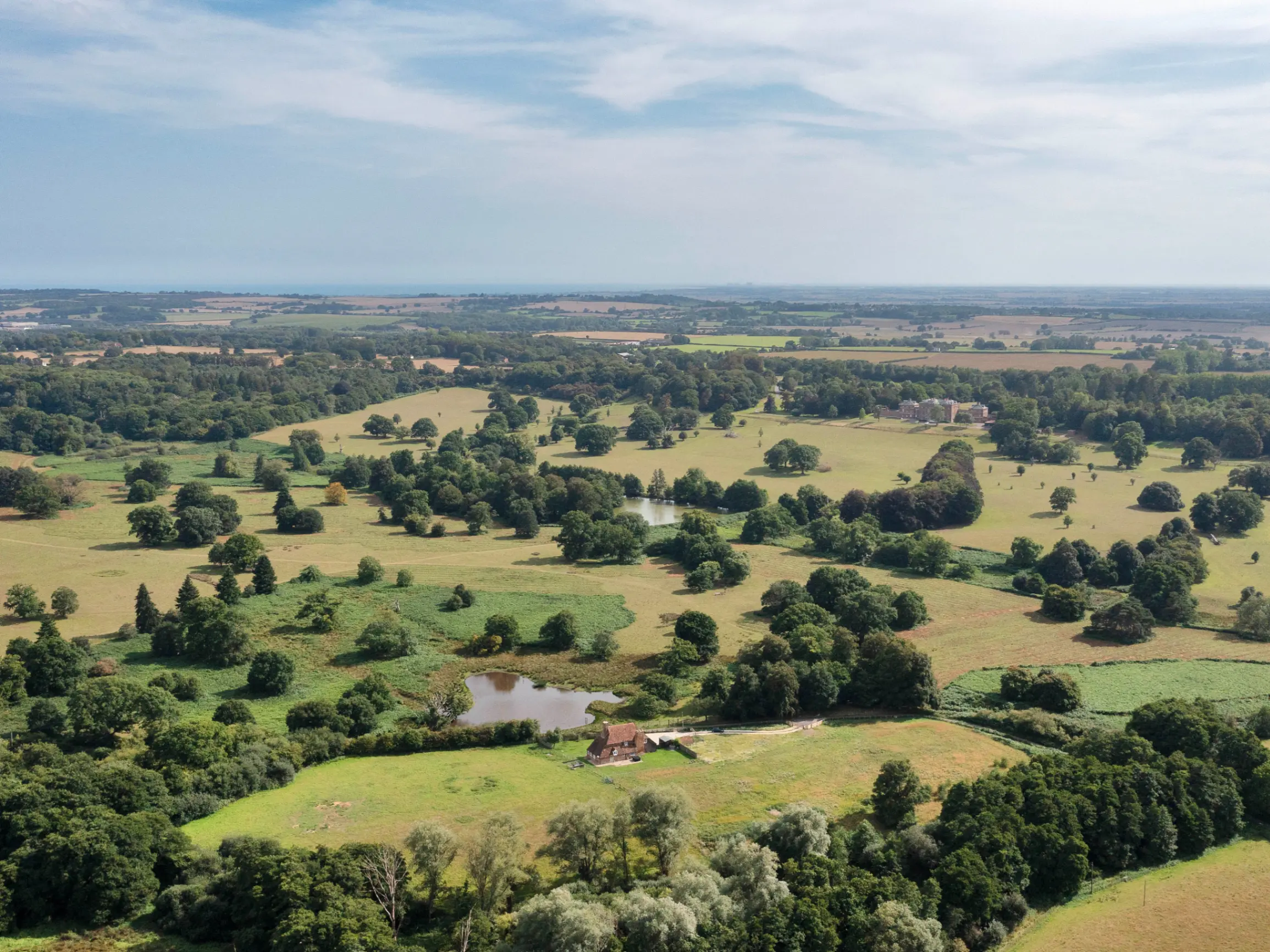
How the Knatchbull family are leading the way in setting up innovative joint ventures on their historic Kent estate.
17 November 2025
Rural
Rewilding London
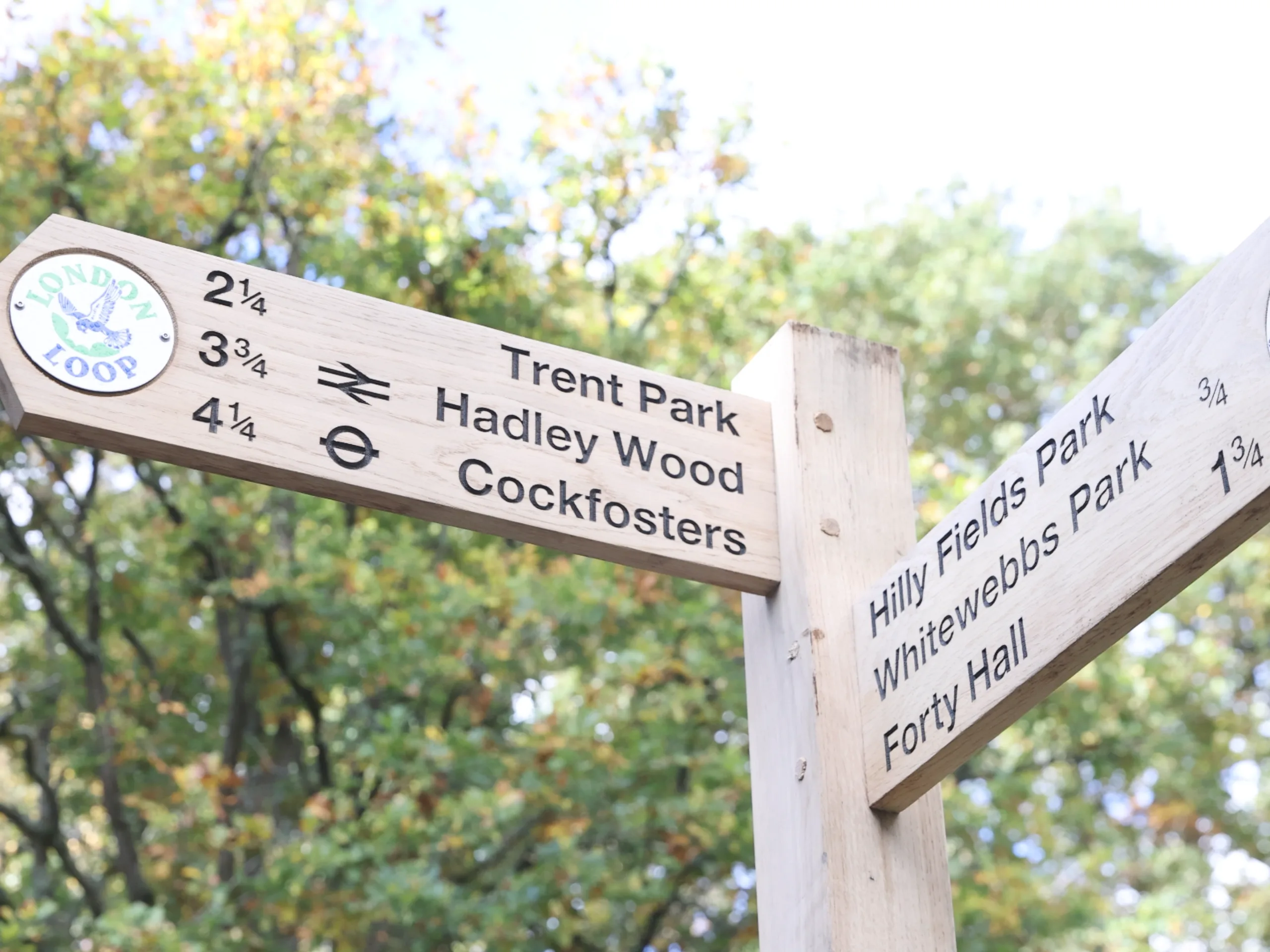
Private investors are being offered a unique opportunity to get involved with one of the world’s most ambitious urban-fringe nature-restoration projects, right on the edge of London.
17 November 2025
Rural
Rooted in history
The Tillingham Estate, linked to St Paul’s Cathedral and one of the longest single owned pieces of land in English history, is exploring a new chapter. Our team is lucky enough to be supporting the estate on the next stage of its journey.
17 November 2025
