
Succession planning
Succession isn’t just about the future; it’s about getting it right today.
17 November 2025

With the government’s reforms to Inheritance Tax (IHT) on agricultural and business property set to kick in from April 2026, as well as wider concerns about the upcoming budget, I’ve never been busier helping estates understand exactly what they own and how things may be structured efficiently and successfully passed to the next generation. The following are my top five tips for a successful succession.
1. Plan ahead
Although the proposed IHT changes have injected a new urgency into succession planning for many, careful preparation and planning have always aided a smooth transition to the next generation. Every family’s succession journey is different, shaped by individual goals and circumstances.
For more historic or complex estates, it is crucial to work out exactly what is owned, by whom, and what its value is. Consider all business structures and have honest family conversations about what each generation understands and expects from succession. Purpose, values and a sense of the responsibilities that come with succession play into this.
2. Be equitable
Most issues around inheritance and succession arise when one of the parties feels as if they have been treated unfairly. Primogeniture has for long been the basis of succession, but times are changing. If you want each of your children to have an equal share of your estate, work out how best to do that based on their needs, values and interests.
You may need some creative thinking to achieve parity across different asset classes. If you would prefer one sibling to take over a farming business in its entirety, discuss this with everybody and explain your rationale; communication and clarity is everything.
3. Protect the assets
Rural property owners often aspire to leave some kind of legacy for multiple generations, not just their children. But whilst we hope our successors will look after any inherited assets – divorce, bad habits, lack of interest and even, sadly, early death do happen more regularly than we care to imagine.
Putting assets into trust can be a good way to protect them from unforeseen or unexpected circumstances. Whilst trusts might not remove IHT liabilities, they can help spread the risk, and they allow for planning to pay the 10-year IHT charge. Consider what other governance structures might help in the future.
4. Think about risks ahead
Mitigating IHT risk is obviously top of mind for everybody at the moment, but it’s important to know which IHT reliefs and lesser-known exemptions apply to which assets. There may still be time to get full relief on farmland, woodland and trading assets, but residential and commercial property are more difficult to transfer.
It’s also worth considering taking out insurance cover in case you don’t live for the full seven years after making a gift.
5. Look after yourself
During the succession process, the focus is often naturally on the next generation. But if you are planning to make gifts to your children, you need to ensure that you have kept sufficient resources back to ensure that you have the means to continue living the lifestyle that you aspire to.
You must also bear in mind the tax implications of continuing to benefit from any gifted assets. You cannot, for example, live rent-free in a property that you have gifted to somebody else to mitigate IHT liabilities.
Time is running out to beat the April 2026 deadline, but it’s not too late to make changes. Move fast and surround yourself with a good professional team to help guide you through this complex process – an experienced agent working collaboratively with your solicitor or accountant will make all the difference.
Our teams are here to help should you need it.
Read more
Explore more content from The Rural Report

Rural
From sawmill to estate enterprise: purposeful diversification at Ingleborough
A listed sawmill, woodland nature trail and show cave have been brought together as one visitor enterprise in the Yorkshire Dales.
30 September 2026
Rural
Diversification with intent: how rural estates are evolving for the future
Rural estates are defined by continuity: of land, of stewardship, and of purpose. Today, that relationship is under pressure.
08 September 2026
Rural
The Rural Update: Delivering win-win food and climate policies
Your weekly dose of news, views and insight from Knight Frank on the world of farming, food and landownership.
18 August 2026
Rural
BNG changes from 6 August 2026: What do they mean for developers and habitat banks?
After more than two years of mandatory Biodiversity Net Gain (BNG), new regulations came into force on 6 August 2026, altering how developers approach compliance and how habitat bank operators position themselves in the market.
12 August 2026
Rural
The Rural Update: The food chain must help build climate resilience
Your weekly dose of news, views and insight from Knight Frank on the world of farming, food and landownership.
10 August 2026
Rural
When continuity becomes a risk: the rural estate resilience challenge
Rural estates are defined by continuity: of land, of stewardship, and of purpose. Today, that relationship is under pressure.
04 August 2026



Rural
Site selection
The harvest in 2024 tested the strategic decision to be a single estate wine producer.
16 June 2026
Rural
Chapter and verse: Tackling our next big problems
After a business workshop at the Wine GB Conference at Plumpton in April, I address some of our sector’s biggest needs.
15 June 2026

Rural
Wine business models
One of the most interesting parts of my job as a vineyard agent is getting to know the businesses and the people behind them, within wine.
12 June 2026
Rural
How to make farming profitable again
Minette Batters talks to James Farrell, Head of Knight Frank’s Rural Consultancy team, about her recently published review into farming profitability.
30 January 2026

Rural
A year that forced rural businesses to act
The past year has not been defined by a single shock for rural Britain, but by the steady accumulation of pressure.
23 December 2025
Rural
Communicating beyond the norm
The leader of one of the UK’s most innovative natural capital firms explains why storytelling and branding are so important for creating resilient rural businesses.
17 November 2025
Rural
Demystifying data
A bespoke approach to data analytics delivers dividends for rural estates, but what does ‘data’ actually mean and how do you apply it?
17 November 2025
Rural
Financing the future
There’s more to refinancing debt than just finding the best interest rate.
17 November 2025
Rural
Great estates
The managers of two diverse and forward-thinking landed estates share their recipes for resilience.
17 November 2025
Rural
Management matters
Andrew Blenkiron, the Managing Director of Elveden, one of England’s largest commercial farming estates, shares his plans for a successful future.
17 November 2025

Rural
Planning, development & renewables
Experts from across our teams share their insights on four themes critical to the UK’s rural infrastructure and residential development sectors.
17 November 2025
Rural
Profitable partnerships and trusting talent
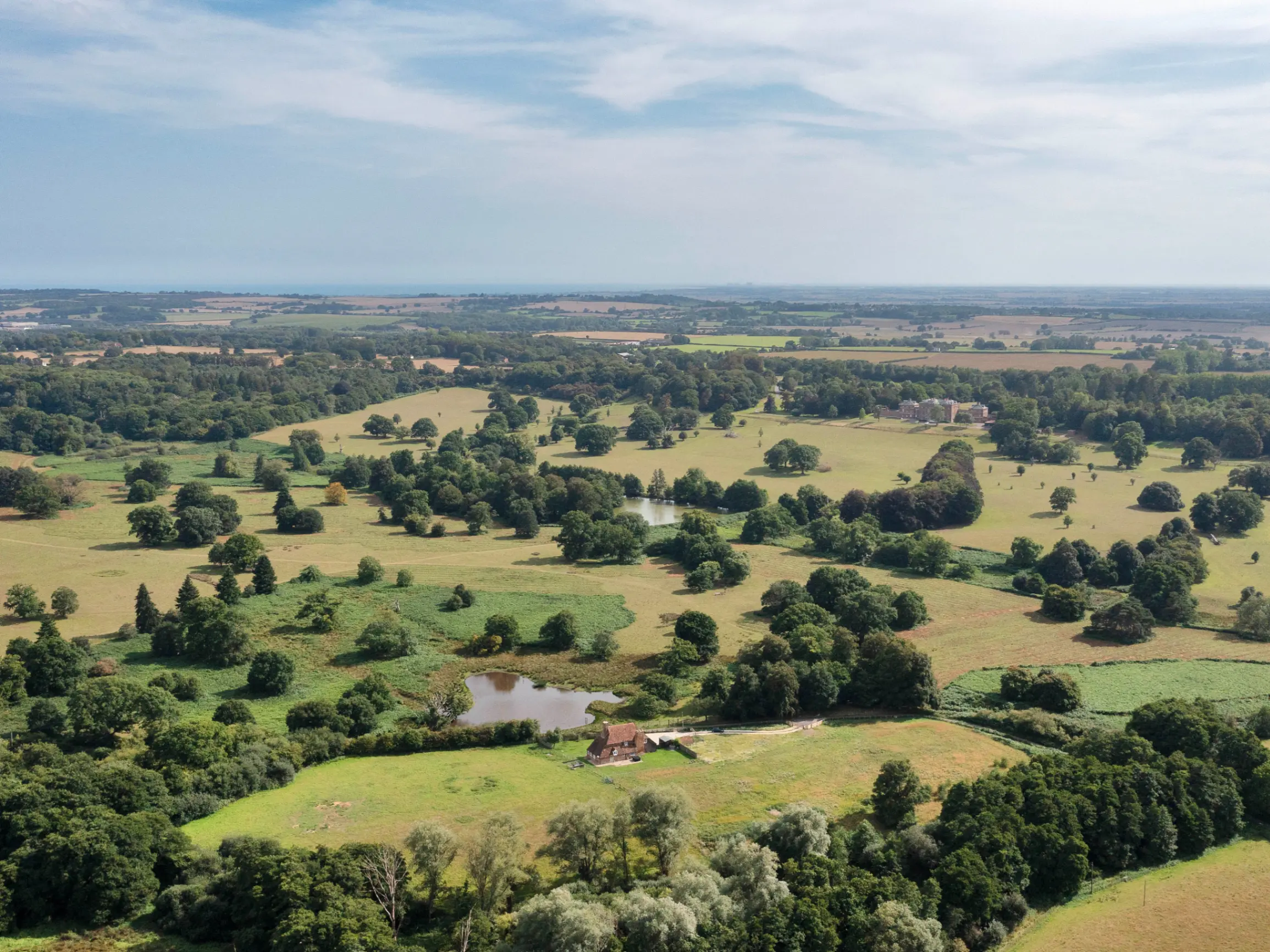
How the Knatchbull family are leading the way in setting up innovative joint ventures on their historic Kent estate.
17 November 2025
Rural
Rewilding London
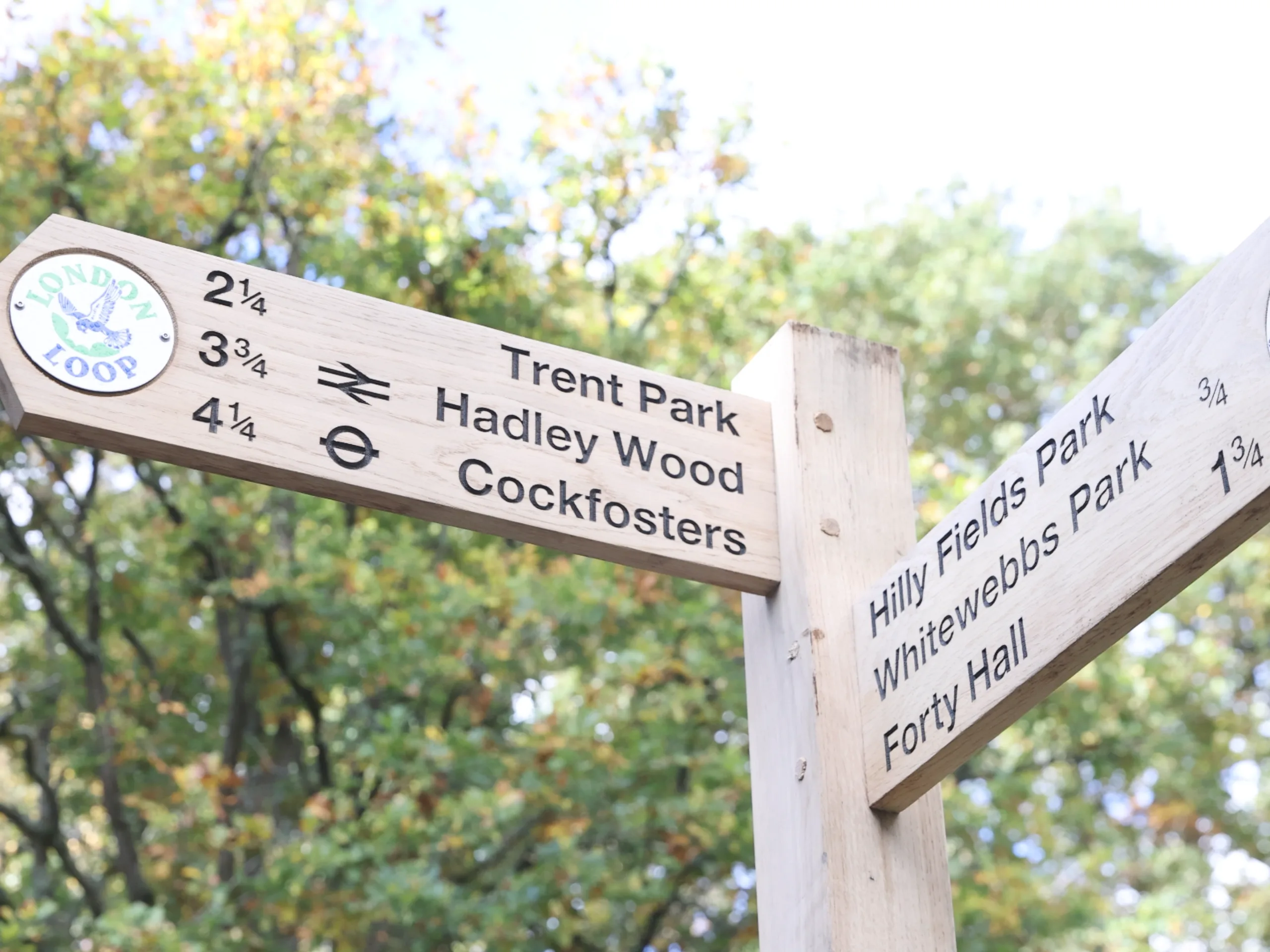
Private investors are being offered a unique opportunity to get involved with one of the world’s most ambitious urban-fringe nature-restoration projects, right on the edge of London.
17 November 2025

Rural
Rooted in history
The Tillingham Estate, linked to St Paul’s Cathedral and one of the longest single owned pieces of land in English history, is exploring a new chapter. Our team is lucky enough to be supporting the estate on the next stage of its journey.
17 November 2025
