

Short-term lettings for landlords
Capitalise on the growing demand for flexible, high quality accommodation in London.
We provide a full service to short-let landlords, from negotiating terms to securing high quality guests and managing their tenancies, giving you the freedom and flexibility to let your property on your own terms.
Short-term lets offer the perfect opportunity to maximise your property’s income with premium rental yields, or to gain additional income when your property is empty between longer tenancies or while you’re on holiday.

Why trust us with your short-term let?
- Access to our extensive experience in the short-term lettings market.
- Negotiation expertise to achieve the best rental outcome.
- Fully managed service, from enquiries to occupier liaison.
- Extensive network of corporate partners and specialist contacts ensures high quality tenants.
- Tried-and-tested tenancy agreements ready for all situations.
- Specialist desks for corporate, sports, film, and international relocation clients.
We'll create a tailored report for you.
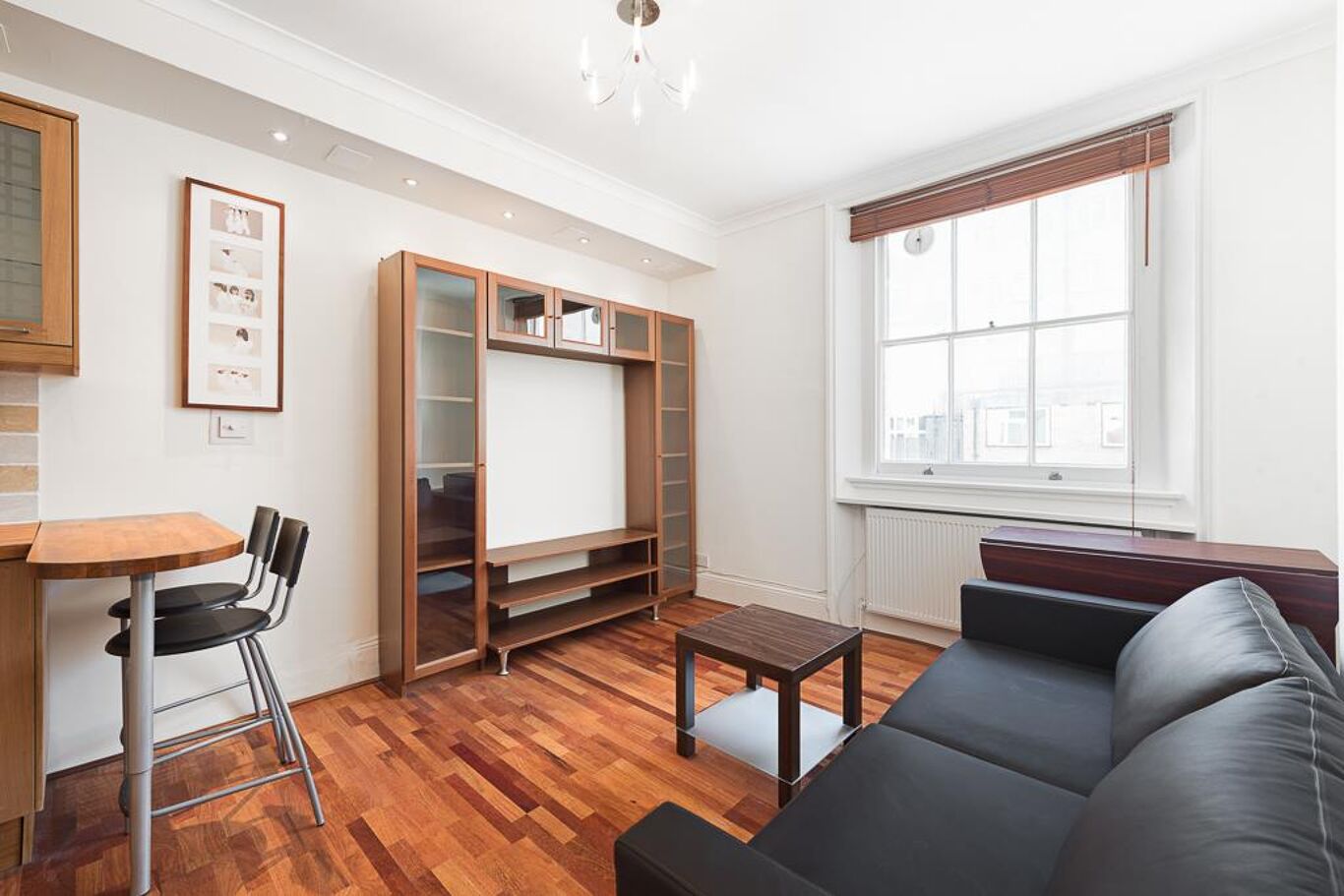
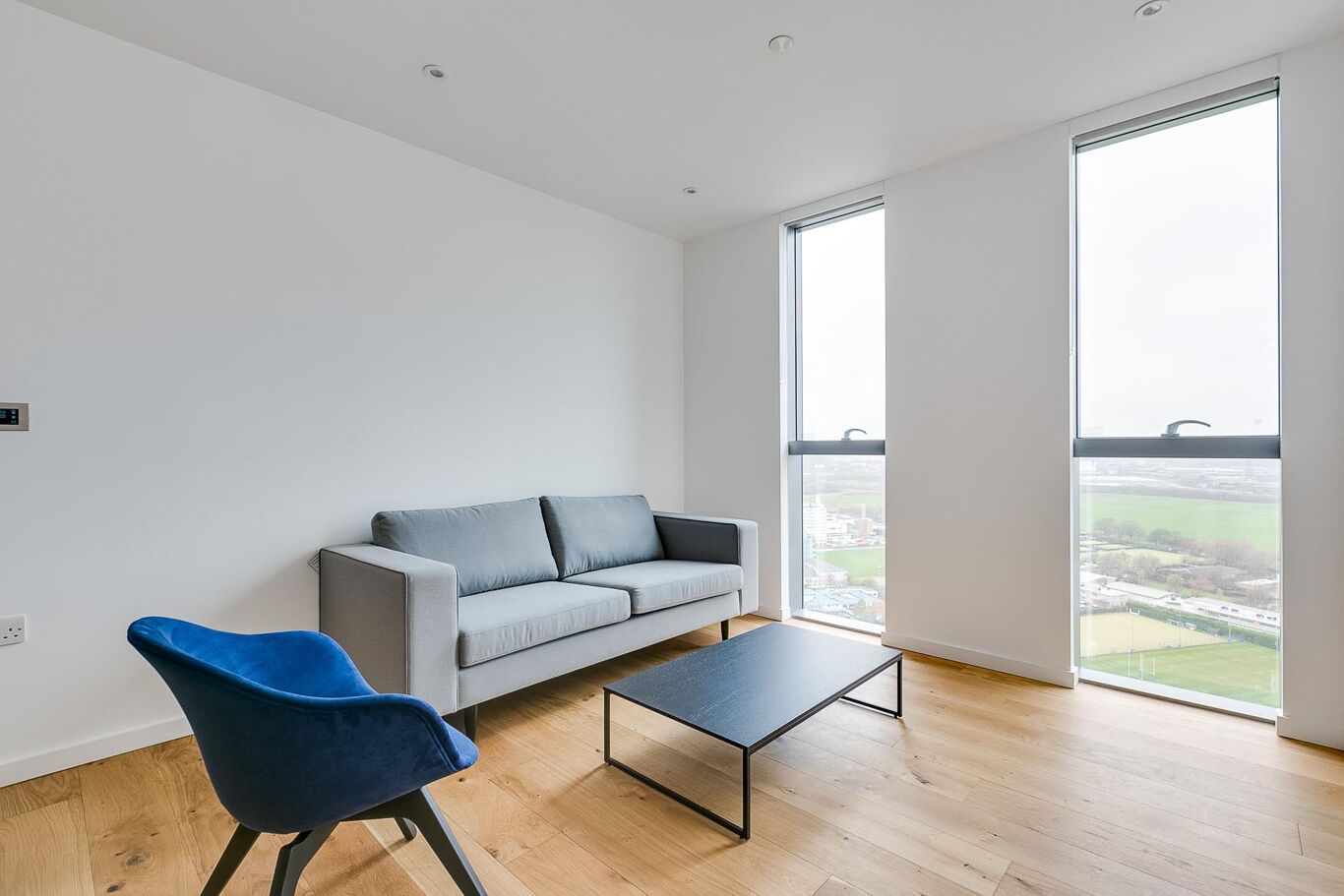
Recently let





















The benefits of short lets for landlords
Frequently asked questions
A short let is a rental where a property is let out for relatively brief periods – typically from a few days up to six months – and is usually offered fully furnished with bills included. Short lets are often used by business travellers, tourists, or tenants needing flexible accommodation without a longer-term commitment.
Properties that work well for short lets are in desirable locations with strong demand, such as city centres, commuter hubs, or leisure destinations. Both apartments and houses can be suitable, especially when they are well presented, fully furnished, and equipped with amenities that appeal to short-stay guests.
Short lets offer flexibility and the potential for higher income compared with traditional longer-term rentals. Landlords can adjust pricing based on demand, rent the property during vacant periods, and benefit from premium rates at peak times. They also allow owners to use the property when not let.
Short-let income can exceed traditional rental income because daily or weekly rates are often higher, particularly in high-demand or seasonal markets. However, income can be more uneven and may require more active management to optimise occupancy and rates.
Latest landlord insights and articles
Stay ahead of global property trends with research and articles from industry experts around the world.

Inspiration
Beyond the pitch: how football is investing in property
Elite players and ambitious clubs are taking a strategic approach to real estate, using property to build long-term value on and off the field
17 July 2026

Inspiration
The Renters’ Rights Act: What landlords need to know now it’s in force
Knight Frank experts share early insight into how the Renters’ Rights Act is shaping rents, supply and landlord decision-making across the lettings market
18 June 2026

Inspiration
How home staging can help you sell and let your property faster
From first impressions to final offers, the right interior can transform how quickly, and successfully, a home finds its next occupant.
03 June 2026

Inspiration
From Ascot to Wimbledon: inside the summer surge in short lets
Flexible rentals, premium rates and global demand are making summer an increasingly attractive opportunity for homeowners in the short lets market
21 May 2026
Inspiration
The Renters’ Rights Act: What landlords need to know now it’s in force
Knight Frank experts share early insight into how the Renters’ Rights Act is shaping rents, supply and landlord decision-making across the lettings market
18 June 2026
Inspiration
How home staging can help you sell and let your property faster
From first impressions to final offers, the right interior can transform how quickly, and successfully, a home finds its next occupant.
03 June 2026
Inspiration
From Ascot to Wimbledon: inside the summer surge in short lets
Flexible rentals, premium rates and global demand are making summer an increasingly attractive opportunity for homeowners in the short lets market
21 May 2026
