
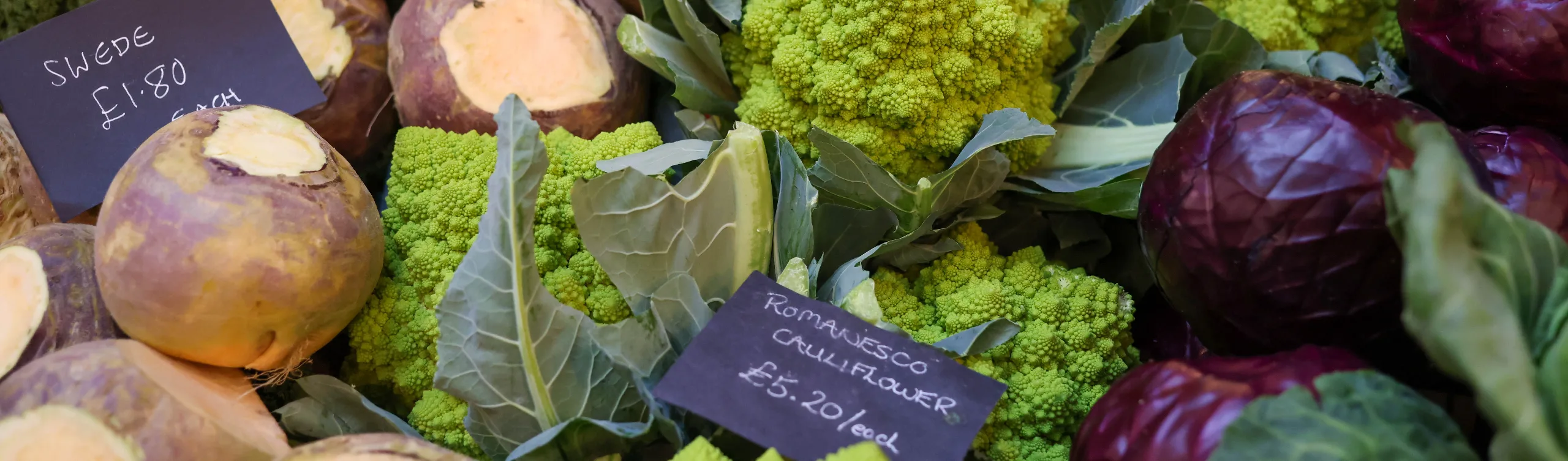
The future of food
Our food industry is systemically flawed. Serial entrepreneur, educator, charity founder and former government adviser Henry Dimbleby has dedicated his career to changing it.
17 November 2025

Henry Dimbleby’s CV is full of seriously impressive achievements, all of which have played a role in delivering solutions to the damage that he says the food chain is doing to our health and the environment.
Two of the biggest issues he identifies are the “junk food cycle”, which incentivises companies to produce unhealthy, calorie-dense food, and the “invisibility of nature”, where biodiversity is damaged by modern farming methods.
The restaurant chain Leon, which he jointly set up and then sold, introduced a healthier way to eat out, while his review of school meals for the Department of Education led to a significant shift in government policy, meaning millions more free lunches for children.
He was the lead non-executive director at Defra between 2018 and 2023, and his National Food Strategy, written for Michael Gove, is widely regarded as the definitive soil-to-fork solution to the food-related health, environmental and resilience issues facing the UK today.
In fact, many have criticised the previous government for not following enough of the report’s recommendations, and the current administration for delaying the launch of its own food strategy when Henry’s is ready and waiting to be implemented.
Henry himself is more sanguine. “I think it’s really important to understand the difference between an independent review and a government strategy. I am not a democratically elected person. Governments ask experts for advice, and then it’s up to them to respond and say what they’re going to do.”
“On the environmental side, this government and the previous one have been slowly acting on the recommendations. We’ve got a land use framework coming in, which I recommended, and there’s the expansion of environmental land management schemes. I think, broadly, the direction of travel for health is also moving in the right direction.”
He does, however, admit to frustrations. “I do wish that between governments, they’d move faster and quicker.” He is also critical of this government’s Inheritance Tax reforms. “That’s really made things difficult.”
Profitable solutions
Henry’s latest venture, Bramble Partners, is very much focused on enabling the private sector to deliver innovative and profitable solutions to the issues he’s identified in the food chain.
Bramble is split into two sections: Bramble Intelligence, an advisory service, and Bramble Investments, which is a £100 million fund that is just about to close its first round of fundraising.
Henry says the fund will invest in businesses that are improving the food system via biodiversity, climate, food security and health and wellbeing.
“We are about to close the investment in our first two chosen companies. One is a really interesting shelf-life extending technology that could save a lot of waste in the food chain and remove harmful preservatives.”
“The other is a new device to measure and diagnose what’s going on in your gut via your breath, something that normally costs thousands of pounds.”
“I think we’re at the beginning of a golden period for food investing, because people have realised that food is the new climate. It’s more complex, but it’s a huge sector, and it needs a huge transformation. So, there’s money to be made as well as impact to be created.”
Junk food cycle
Bramble Intelligence will help food businesses break out of the junk food cycle and manage the transition to more environmentally and climate-friendly agriculture.
The timing is right for two main reasons. “With the huge acceleration in appetite-suppressing drugs, the aversion to ultra-processed foods and more regulation, big food companies are now saying, ‘this portfolio that we’ve got, it’s not going to be profitable in the next two to five years.’ The second piece is that climate change is causing real concerns about the way we farm.”
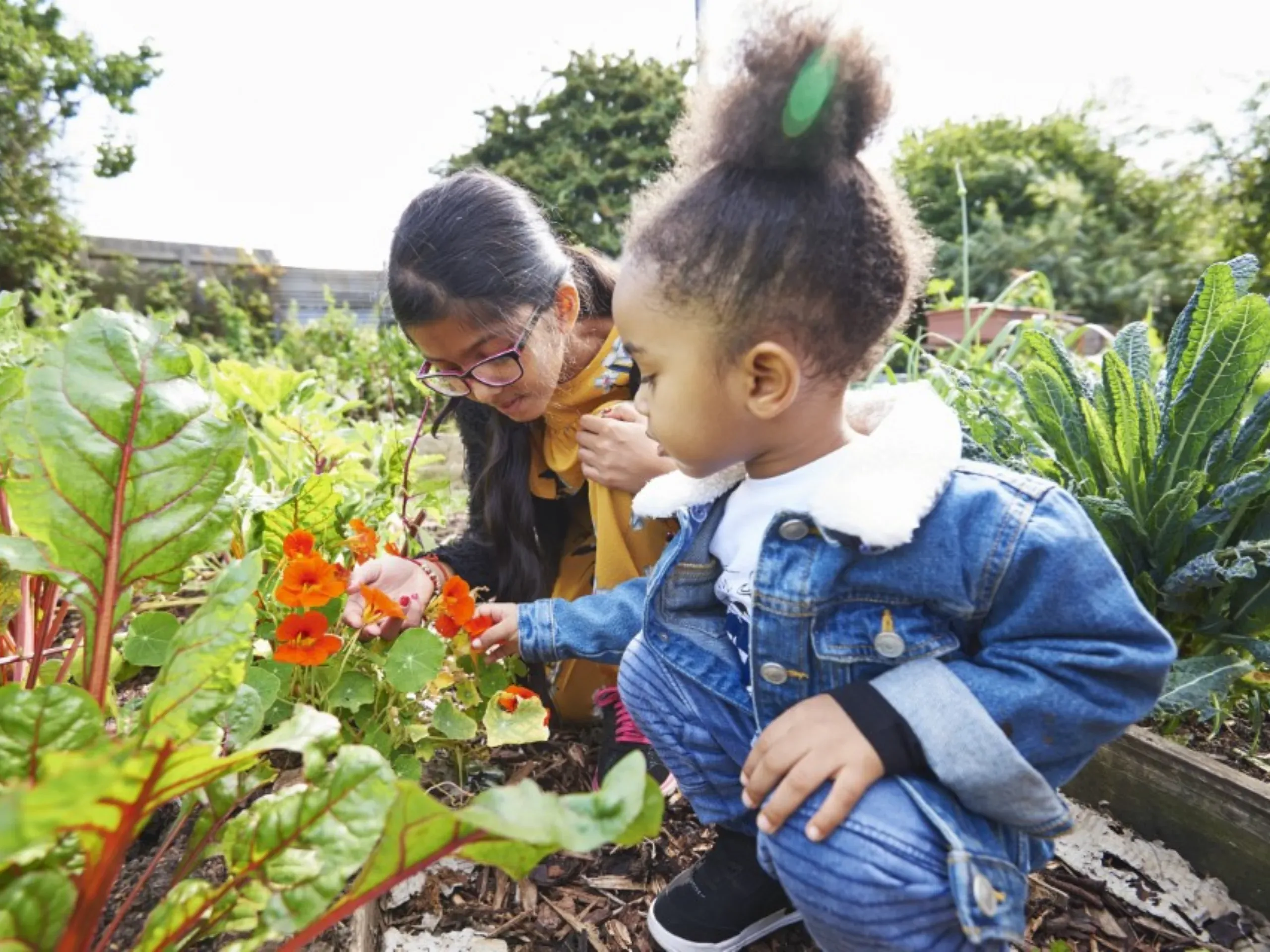
Photo: Food education for children is key to their understanding of diet and health
A key initiative is the 1M Hectares Coalition. This will bring together the UK’s largest estates, landowners and smaller farms, to pilot, accelerate and scale practices, inputs and technologies that will “catalyse the UK’s transition to a resilient, profitable and purposeful food production system.”
Given his influence, Henry is modest about the leadership role he has played.
“I wouldn’t argue to have been the world’s greatest entrepreneur, the world’s greatest government adviser or the world’s greatest charity founder. But I am one of the few people who have seen [the food industry] from so many different angles. I think that gives me a perspective that is unique.”
Read more
Explore more content from The Rural Report
Rural
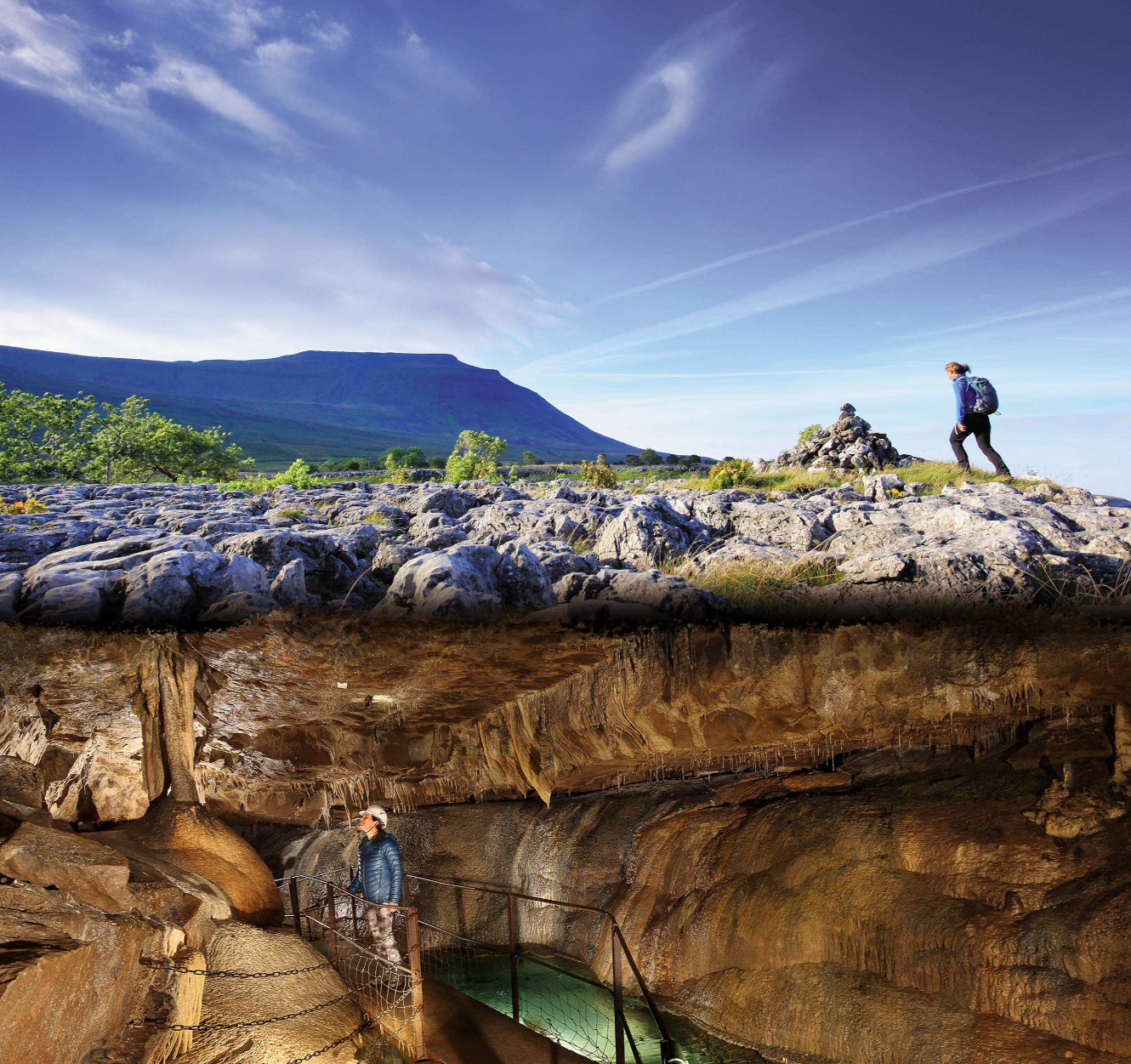
From sawmill to estate enterprise: purposeful diversification at Ingleborough
A listed sawmill, woodland nature trail and show cave have been brought together as one visitor enterprise in the Yorkshire Dales.
30 September 2026
Rural
Diversification with intent: how rural estates are evolving for the future
Rural estates are defined by continuity: of land, of stewardship, and of purpose. Today, that relationship is under pressure.
08 September 2026
Rural
The Rural Update: Delivering win-win food and climate policies
Your weekly dose of news, views and insight from Knight Frank on the world of farming, food and landownership.
18 August 2026
Rural
BNG changes from 6 August 2026: What do they mean for developers and habitat banks?
After more than two years of mandatory Biodiversity Net Gain (BNG), new regulations came into force on 6 August 2026, altering how developers approach compliance and how habitat bank operators position themselves in the market.
12 August 2026
Rural
The Rural Update: The food chain must help build climate resilience
Your weekly dose of news, views and insight from Knight Frank on the world of farming, food and landownership.
10 August 2026
Rural
When continuity becomes a risk: the rural estate resilience challenge
Rural estates are defined by continuity: of land, of stewardship, and of purpose. Today, that relationship is under pressure.
04 August 2026


Rural
Site selection
The harvest in 2024 tested the strategic decision to be a single estate wine producer.
16 June 2026
Rural
Chapter and verse: Tackling our next big problems
After a business workshop at the Wine GB Conference at Plumpton in April, I address some of our sector’s biggest needs.
15 June 2026
Rural
Wine business models
One of the most interesting parts of my job as a vineyard agent is getting to know the businesses and the people behind them, within wine.
12 June 2026
Rural
How to make farming profitable again
Minette Batters talks to James Farrell, Head of Knight Frank’s Rural Consultancy team, about her recently published review into farming profitability.
30 January 2026

Rural
A year that forced rural businesses to act
The past year has not been defined by a single shock for rural Britain, but by the steady accumulation of pressure.
23 December 2025
Rural
Communicating beyond the norm
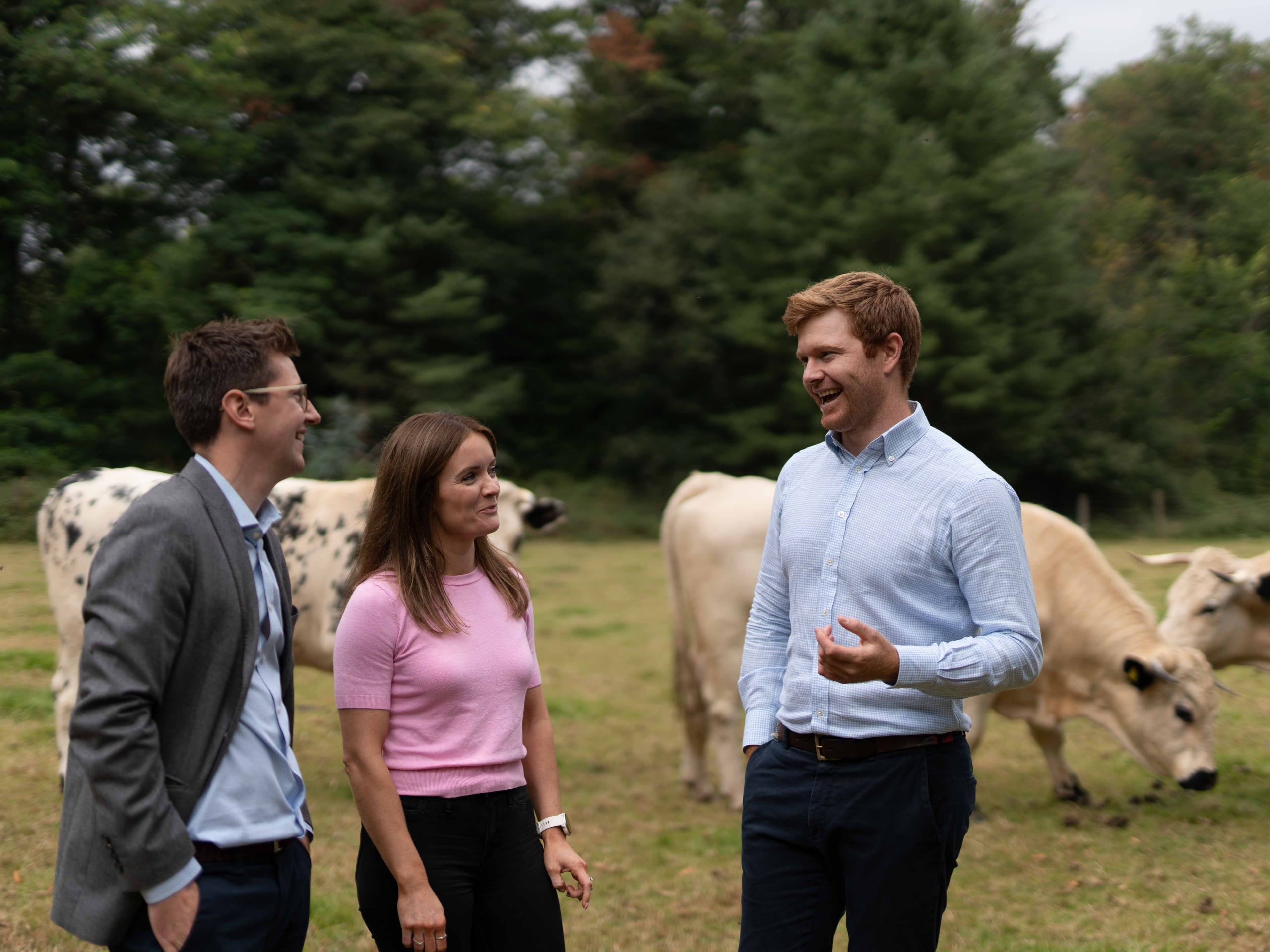
The leader of one of the UK’s most innovative natural capital firms explains why storytelling and branding are so important for creating resilient rural businesses.
17 November 2025
Rural
Demystifying data
A bespoke approach to data analytics delivers dividends for rural estates, but what does ‘data’ actually mean and how do you apply it?
17 November 2025
Rural
Financing the future
There’s more to refinancing debt than just finding the best interest rate.
17 November 2025
Rural
Great estates
The managers of two diverse and forward-thinking landed estates share their recipes for resilience.
17 November 2025
Rural
Management matters
Andrew Blenkiron, the Managing Director of Elveden, one of England’s largest commercial farming estates, shares his plans for a successful future.
17 November 2025
Rural
Planning, development & renewables
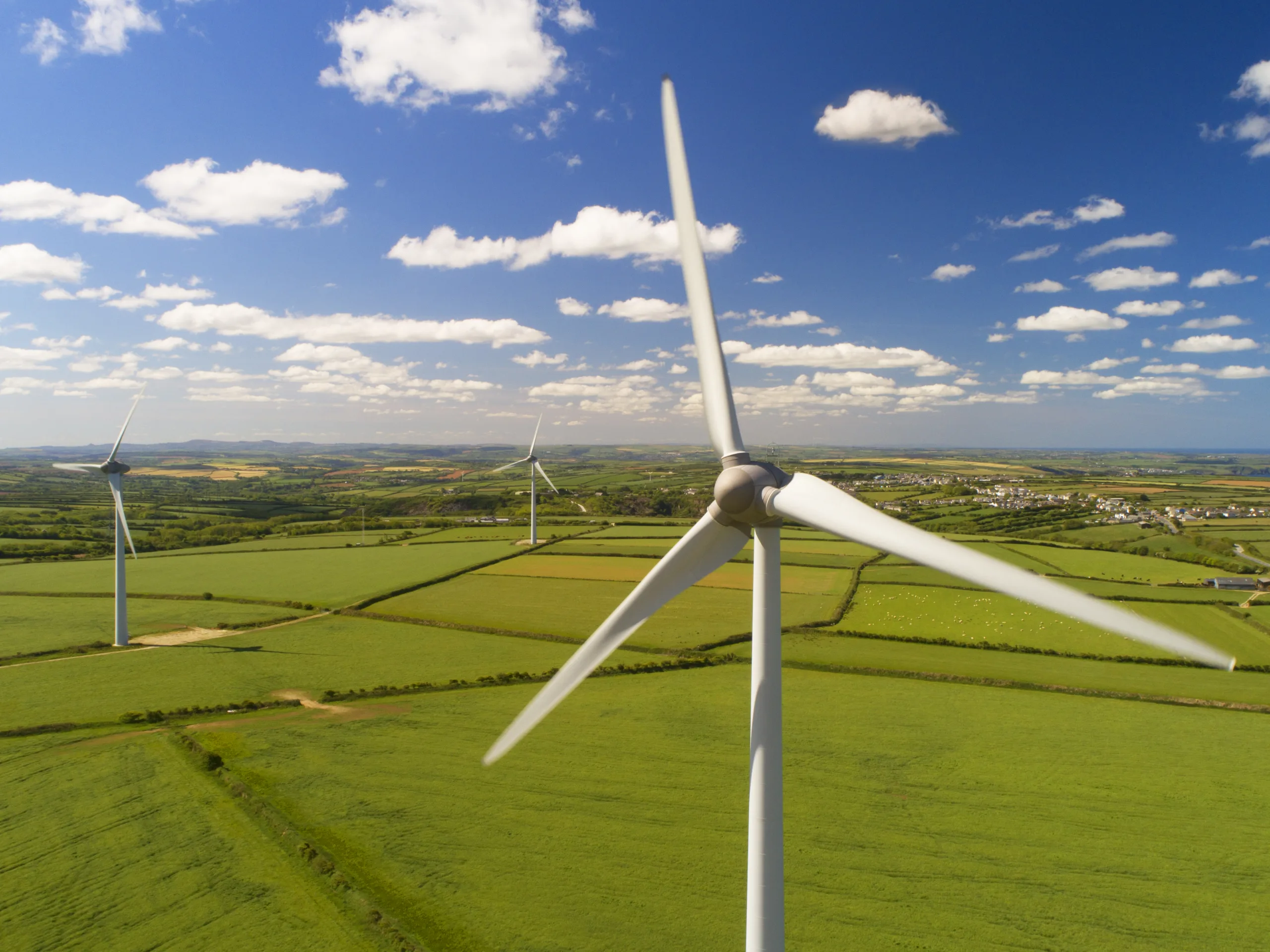
Experts from across our teams share their insights on four themes critical to the UK’s rural infrastructure and residential development sectors.
17 November 2025
Rural
Profitable partnerships and trusting talent
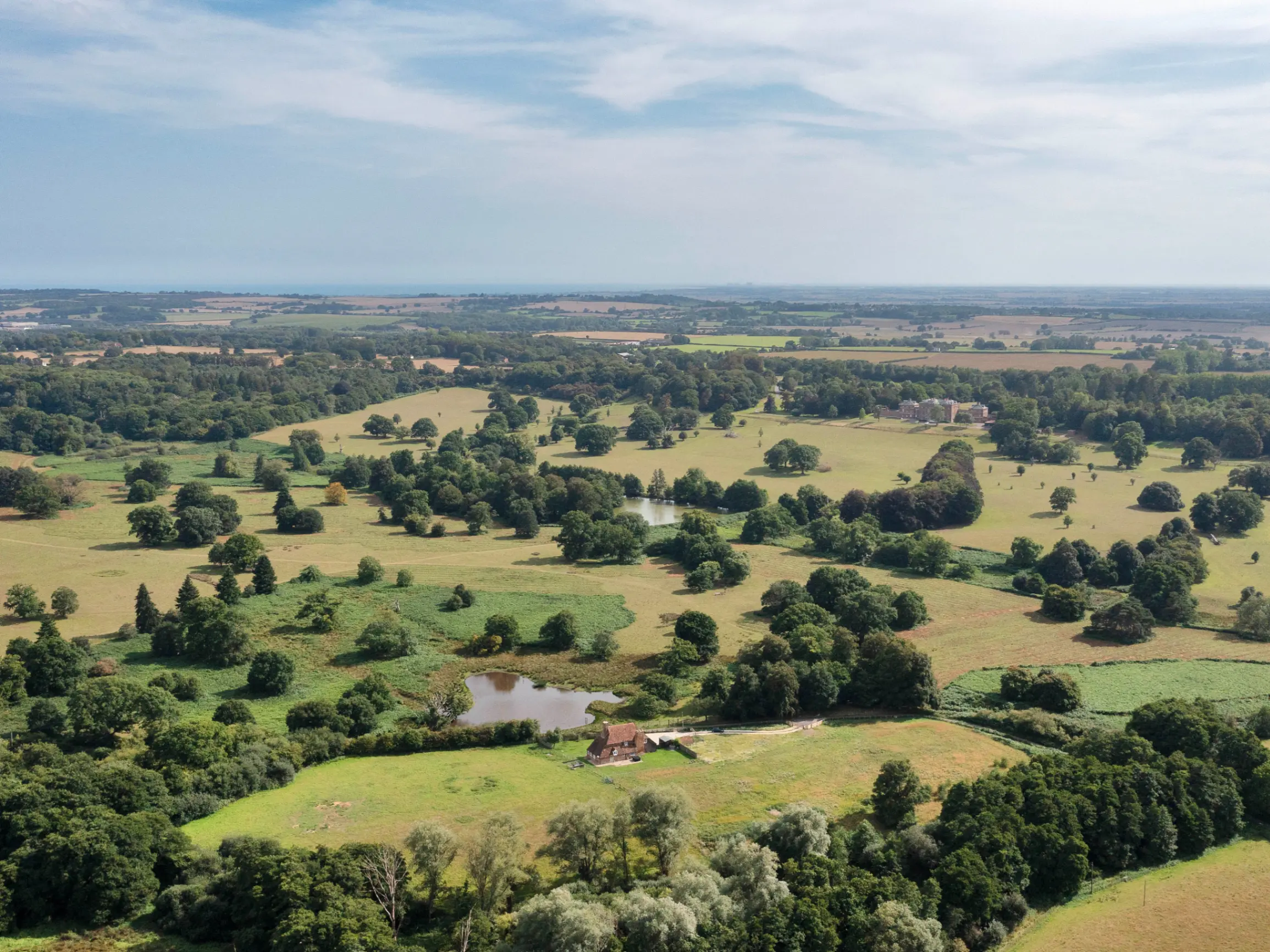
How the Knatchbull family are leading the way in setting up innovative joint ventures on their historic Kent estate.
17 November 2025
Rural
Rewilding London
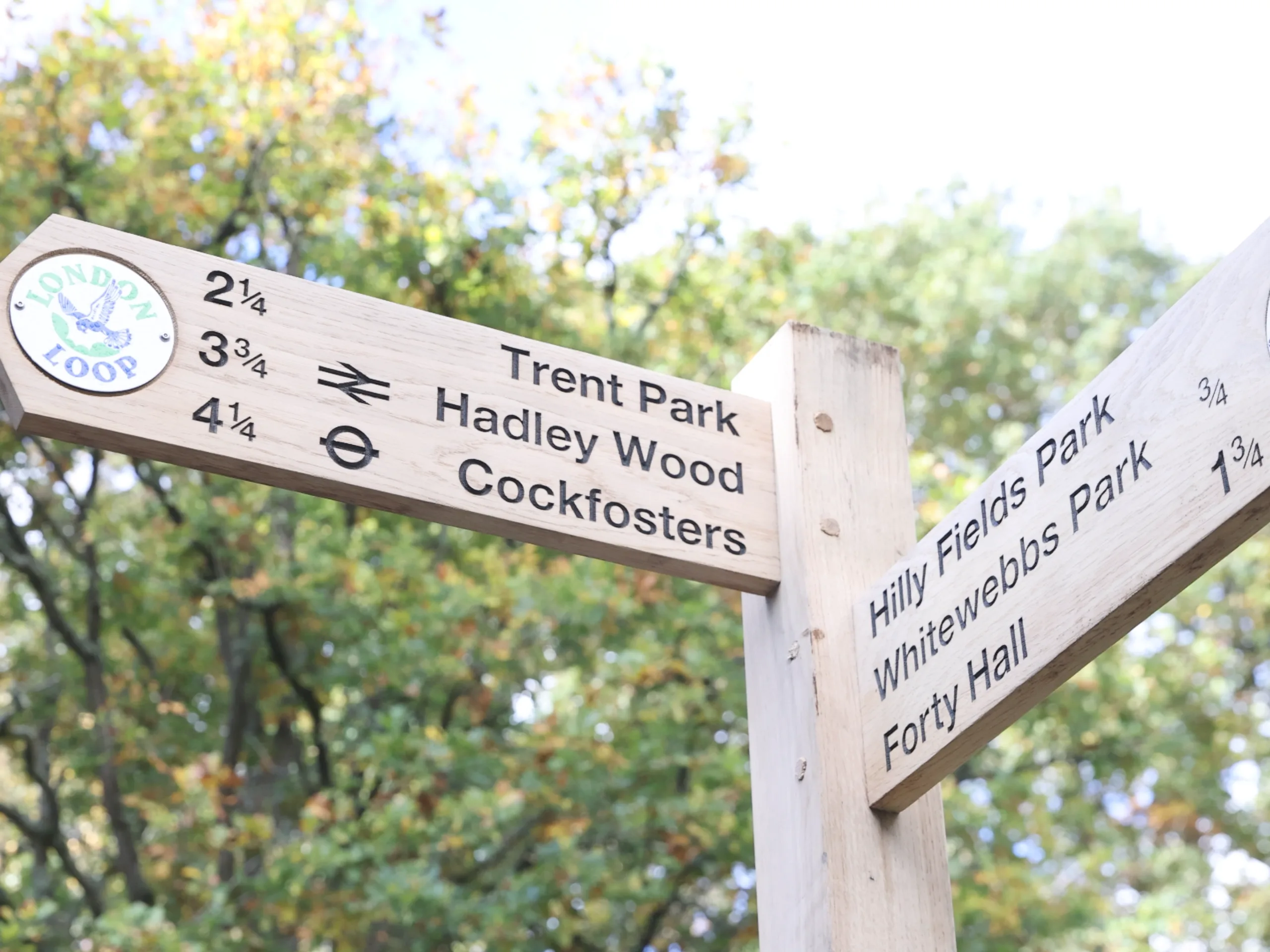
Private investors are being offered a unique opportunity to get involved with one of the world’s most ambitious urban-fringe nature-restoration projects, right on the edge of London.
17 November 2025

Rural
Rooted in history
The Tillingham Estate, linked to St Paul’s Cathedral and one of the longest single owned pieces of land in English history, is exploring a new chapter. Our team is lucky enough to be supporting the estate on the next stage of its journey.
17 November 2025
