
From sawmill to estate enterprise: purposeful diversification at Ingleborough
A listed sawmill, woodland nature trail and show cave have been brought together as one visitor enterprise, creating a new income stream while strengthening the estate’s connection to its history, community and landscape.
30 September 2026

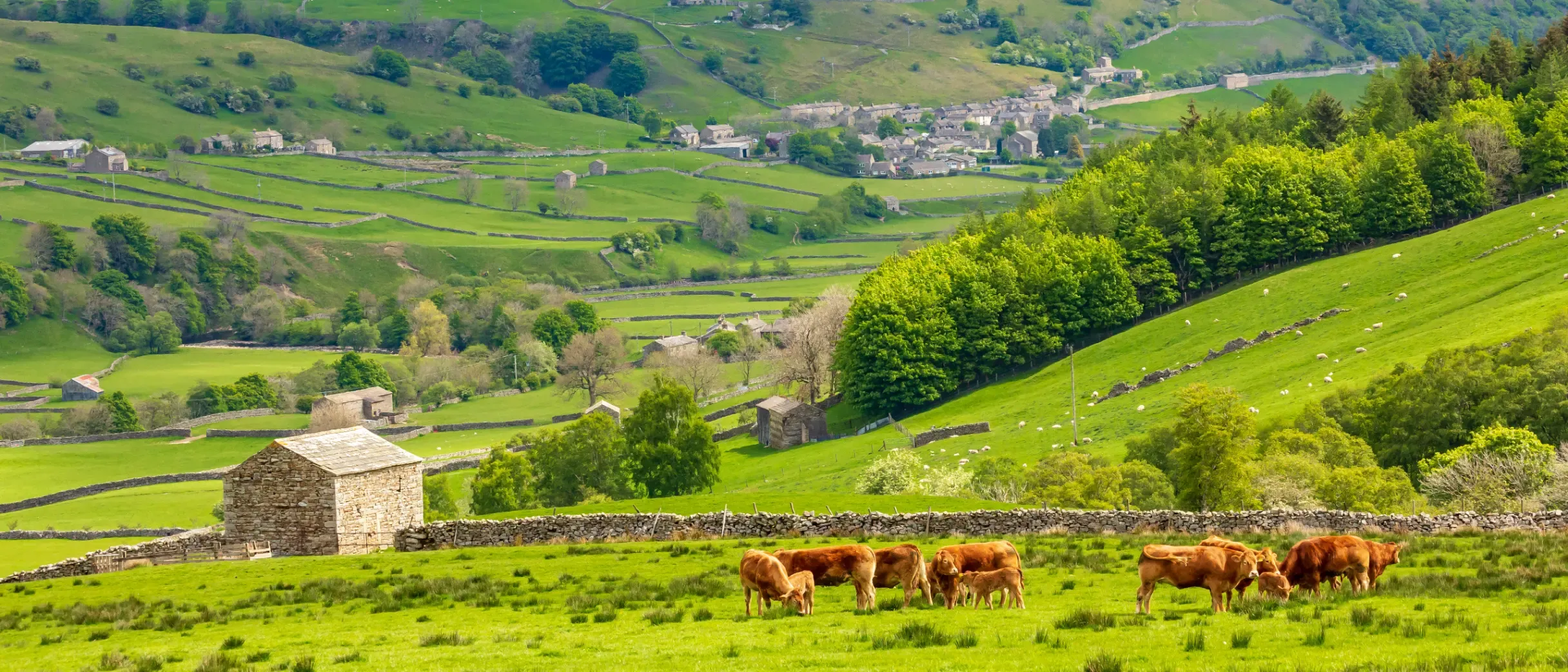
For generations, rural estates have adapted their land and buildings as family priorities, markets and communities have changed. On the western edge of the Yorkshire Dales, Ingleborough Estate has taken a more active approach as a new generation of custodians has looked beyond the estate’s traditional income streams, asking instead how its existing assets could work together more effectively.
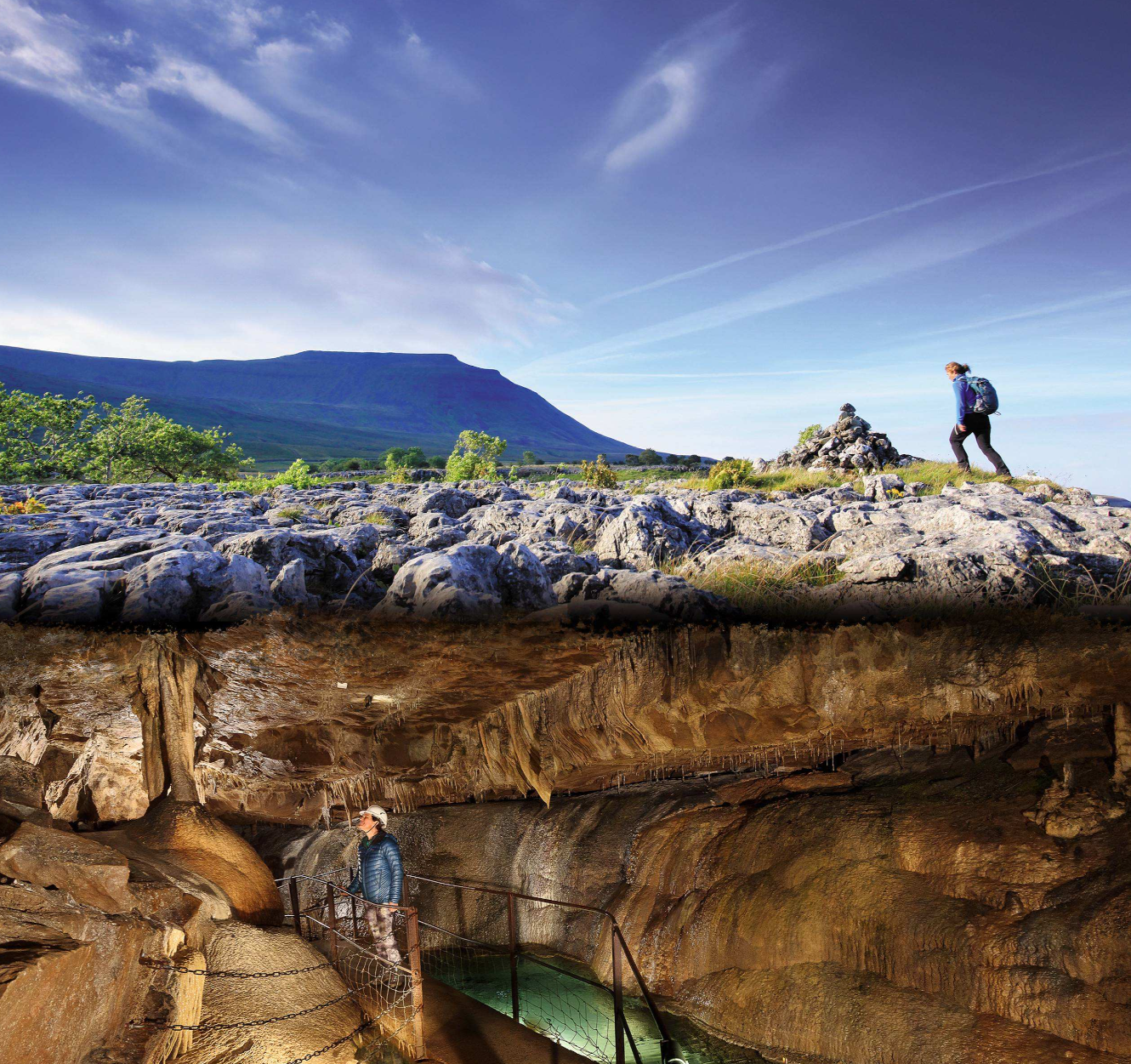
The opportunity centred on three elements in and around the village of Clapham: a listed former sawmill, an established woodland nature trail and Ingleborough Cave. The trail and cave had previously been let as a separate attraction, while the sawmill occupied a prominent position at the foot of the trail but no longer served its original purpose.
Working alongside the estate from the concept stage, Knight Frank helped assess how these assets could be brought together as a viable proposition. Rather than treat each one in isolation, the estate developed a plan to create one connected visitor enterprise. The sawmill would become a cafe and meeting place, the nature trail and cave would return to direct estate management, and all three would form a coherent experience rooted in the landscape and history of Ingleborough.
The opportunity was not simply to open a cafe. It was to connect assets that already belonged together.
Giving a working building a new purpose
The sawmill’s history made its conversion more than a typical hospitality project. Water from the estate’s dam and lake powered its machinery, with an early turbine driving the circular saws, planer and thicknesser.
By the late nineteenth century, the turbine infrastructure was also linked to an early electric-lighting scheme for Ingleborough Hall, the church and ultimately the wider village. The system was renewed in 1938, extending the building’s long association with local enterprise and technological change.
The conversion sought to retain and reuse as much of the original machinery as possible. The massive circular saw and drive belt remain in place, while the former saw bench and thicknesser have been repurposed as tables. Further tools are displayed throughout the cafe, making the building’s working past integral to its character.
Working with the estate through planning and delivery, Knight Frank helped balance the conservation of the listed building with the practical requirements of its new use. Retaining the original features was central to the planning approach, but the building also needed to function as an accessible, compliant hospitality business with a practical commercial kitchen.
One connected visitor experience
The Old Sawmill Cafe opened in July 2022, giving visitors and residents a point of arrival at the entrance to the nature trail. From there, the route follows a woodland trail towards Ingleborough Cave and beyond. A newly constructed walkway across the top of the dam provides views of the surrounding upland landscape.
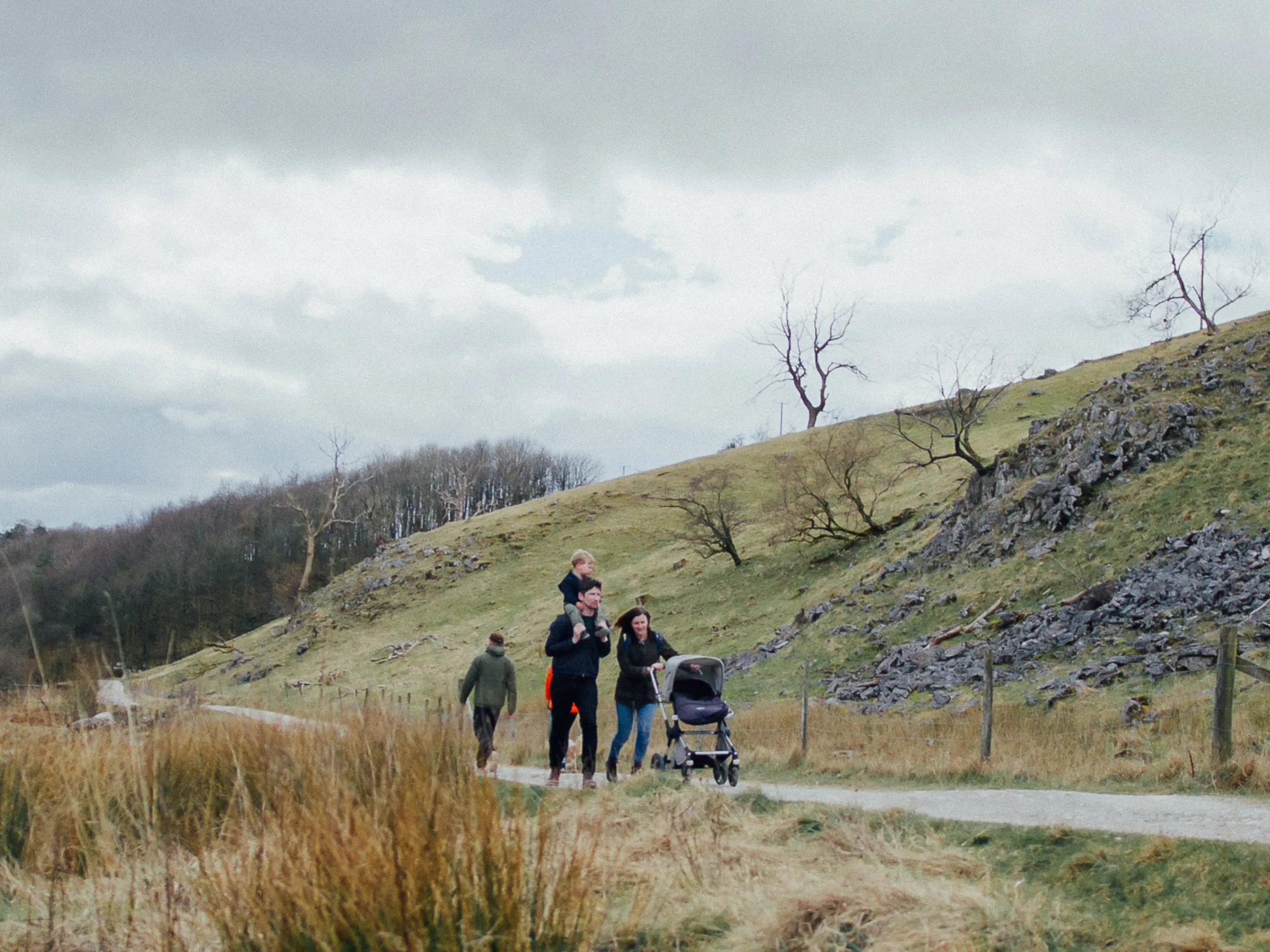
The cafe has become a thriving hub for local residents, walkers, cyclists and families, with an upstairs space for larger events, exhibitions, business meetings and off-sites. The trail and cave also support school groups, educational visits and community organisations, helping make the estate’s landscape and heritage accessible to a broad range of visitors.
Bringing the trail and cave back in hand has allowed the estate to manage the three elements as one cohesive business rather than a set of disconnected parts.
The result feels rooted in its setting. Clapham sits at the foot of Ingleborough, one of the Yorkshire Three Peaks. The new offer builds on that established visitor appeal while giving the village and estate a stronger shared focal point.
Commercial value and community relevance
The enterprise provides an additional income stream and helps spread risk at a time when traditional rural revenues and farm businesses face sustained economic pressures. The cafe provides jobs and contributes to the seasonal visitor economy.
That combination matters, as the strongest diversification projects often meet several objectives at once: bringing an underused asset back into productive use, creating revenue, supporting the local economy and strengthening the estate’s relationship with the people who live in and visit it.
To support the business as it develops, the estate has established Ingleborough Enterprises Limited as a separate trading company, providing a clear structure for the visitor operation and a platform for future activity. Staff, managers and a director oversee day-to-day operations, while the custodians remain closely involved in strategic decisions.
The strongest diversification projects often meet several objectives at once.
Diversification is not easy money
The transition from landlord to operator also brings new responsibilities. A trading business must manage employment, food and procurement costs, compliance, maintenance and the day-to-day demands of hospitality. These pressures can arrive together, making it essential to look beyond headline income and understand the enterprise’s true net contribution.
Business rates are part of that picture. The estate experienced a significant increase following the 2026 revaluation and is working with Knight Frank’s Business Rates team to review how the assessment was calculated, examine the available evidence and reliefs, and determine whether there is merit in taking the matter further.
The wider lesson is that rural diversification can create unfamiliar liabilities, particularly where an unusual or mixed-use property does not fit neatly within standard valuation evidence. Specialist review can help estates understand those liabilities, test the evidence behind them and identify any available reliefs.
A platform for the future
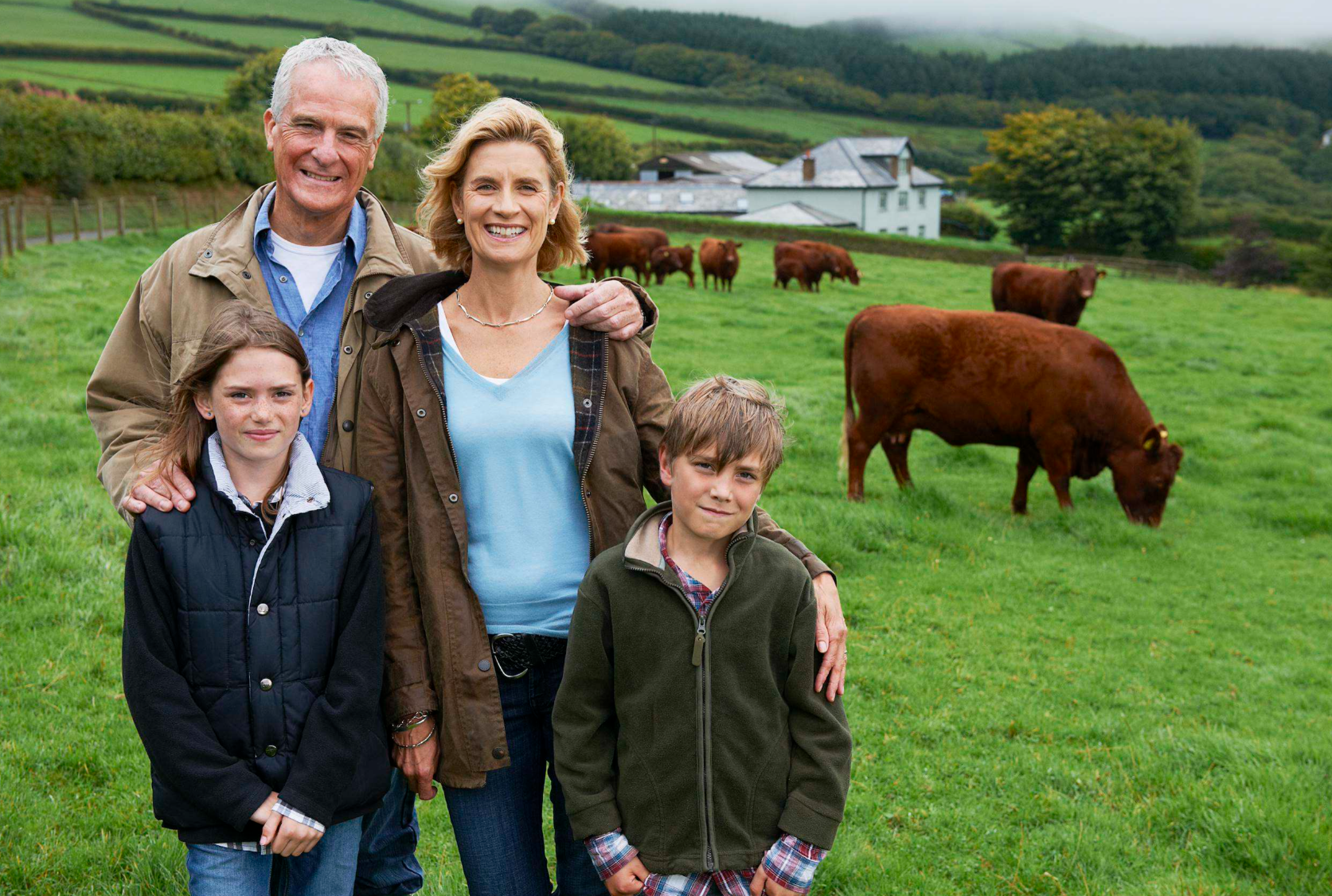
The visitor business shows why a whole-estate view matters. This was not simply the conversion of one building, but a project spanning heritage, planning, operating structure, local relationships and commercial performance.
It is also one expression of Ingleborough’s shift towards more active stewardship and enterprise. Knight Frank continues to work with the estate as it develops its longer-term strategy, exploring how farming, environmental restoration, property, community activity and the visitor enterprise can work together to build resilience.
The estate’s wider environmental work includes peatland restoration and a landscape recovery initiative led by Yorkshire Wildlife Trust in collaboration with several landowners. Together, these projects reflect an approach that balances environmental recovery with the estate’s commercial and community priorities.
Diversification at Ingleborough has not meant turning away from the estate’s history. It has meant using that history, its assets and its relationship with place to create a more active platform for the future.
To explore how diversification, estate strategy and business-rates considerations could affect your rural business, speak to Knight Frank’s Rural Consultancy and Business Rates teams.
Read more
Explore more content from The Rural Report
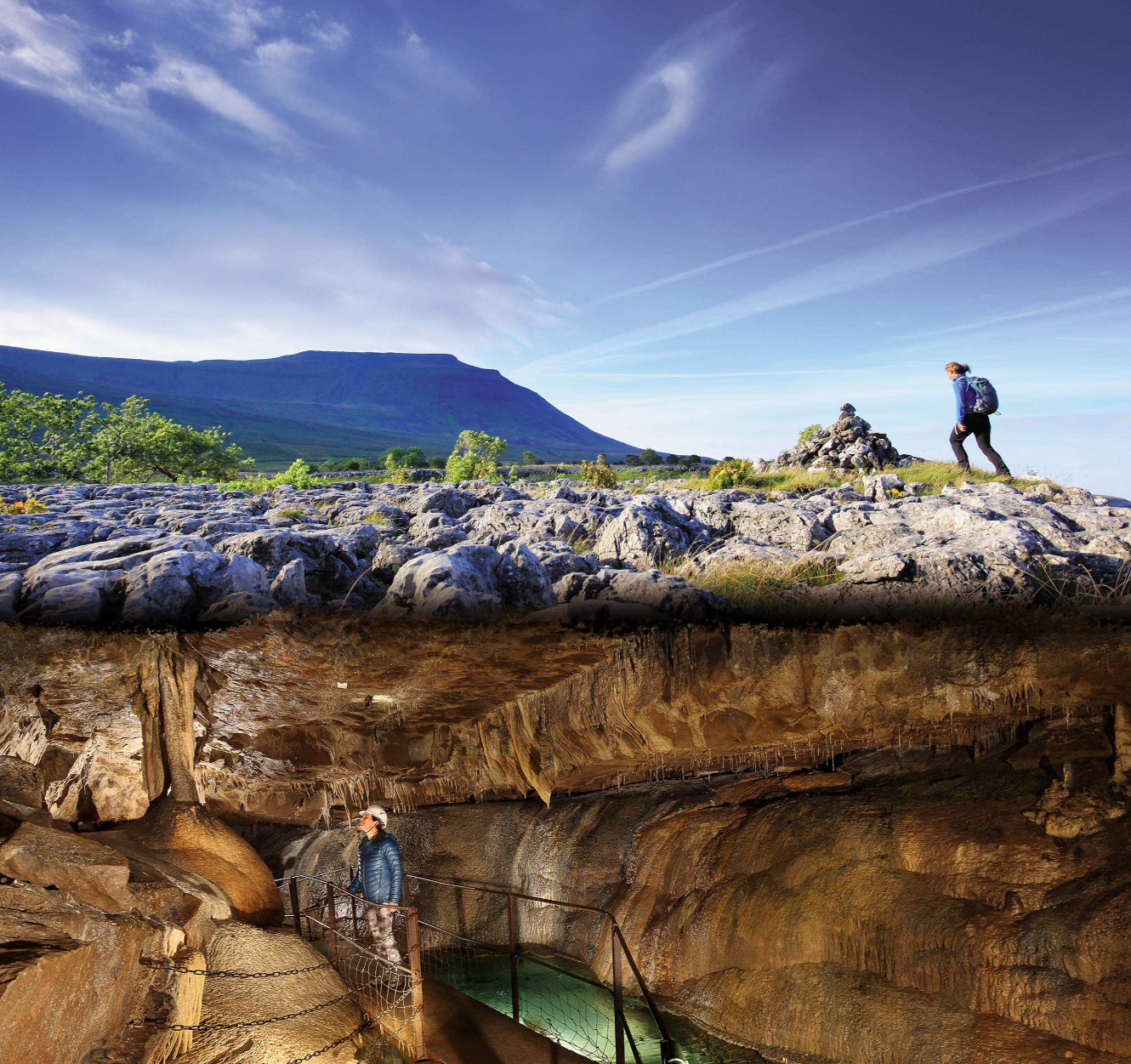
Rural
From sawmill to estate enterprise: purposeful diversification at Ingleborough
A listed sawmill, woodland nature trail and show cave have been brought together as one visitor enterprise in the Yorkshire Dales.
30 September 2026
Rural
Diversification with intent: how rural estates are evolving for the future
Rural estates are defined by continuity: of land, of stewardship, and of purpose. Today, that relationship is under pressure.
08 September 2026
Rural
The Rural Update: Delivering win-win food and climate policies
Your weekly dose of news, views and insight from Knight Frank on the world of farming, food and landownership.
18 August 2026
Rural
BNG changes from 6 August 2026: What do they mean for developers and habitat banks?
After more than two years of mandatory Biodiversity Net Gain (BNG), new regulations came into force on 6 August 2026, altering how developers approach compliance and how habitat bank operators position themselves in the market.
12 August 2026
Rural
The Rural Update: The food chain must help build climate resilience
Your weekly dose of news, views and insight from Knight Frank on the world of farming, food and landownership.
10 August 2026
Rural
When continuity becomes a risk: the rural estate resilience challenge
Rural estates are defined by continuity: of land, of stewardship, and of purpose. Today, that relationship is under pressure.
04 August 2026


Rural
Site selection
The harvest in 2024 tested the strategic decision to be a single estate wine producer.
16 June 2026
Rural
Chapter and verse: Tackling our next big problems
After a business workshop at the Wine GB Conference at Plumpton in April, I address some of our sector’s biggest needs.
15 June 2026
Rural
Wine business models
One of the most interesting parts of my job as a vineyard agent is getting to know the businesses and the people behind them, within wine.
12 June 2026
Rural
How to make farming profitable again
Minette Batters talks to James Farrell, Head of Knight Frank’s Rural Consultancy team, about her recently published review into farming profitability.
30 January 2026

Rural
A year that forced rural businesses to act
The past year has not been defined by a single shock for rural Britain, but by the steady accumulation of pressure.
23 December 2025
Rural
Communicating beyond the norm
The leader of one of the UK’s most innovative natural capital firms explains why storytelling and branding are so important for creating resilient rural businesses.
17 November 2025
Rural
Demystifying data
A bespoke approach to data analytics delivers dividends for rural estates, but what does ‘data’ actually mean and how do you apply it?
17 November 2025
Rural
Financing the future
There’s more to refinancing debt than just finding the best interest rate.
17 November 2025
Rural
Great estates
The managers of two diverse and forward-thinking landed estates share their recipes for resilience.
17 November 2025
Rural
Management matters
Andrew Blenkiron, the Managing Director of Elveden, one of England’s largest commercial farming estates, shares his plans for a successful future.
17 November 2025
Rural
Planning, development & renewables
Experts from across our teams share their insights on four themes critical to the UK’s rural infrastructure and residential development sectors.
17 November 2025
Rural
Profitable partnerships and trusting talent
How the Knatchbull family are leading the way in setting up innovative joint ventures on their historic Kent estate.
17 November 2025
Rural
Rewilding London
Private investors are being offered a unique opportunity to get involved with one of the world’s most ambitious urban-fringe nature-restoration projects, right on the edge of London.
17 November 2025
Rural
Rooted in history
The Tillingham Estate, linked to St Paul’s Cathedral and one of the longest single owned pieces of land in English history, is exploring a new chapter. Our team is lucky enough to be supporting the estate on the next stage of its journey.
17 November 2025
