

Demystifying data
A bespoke approach to data analytics delivers dividends for rural estates, but what does ‘data’ actually mean and how do you apply it?
17 November 2025

It’s hard to escape the term data these days. Whether it’s information about carbon baselines, biodiversity surveys or customer patterns, there’s more of it at our fingertips than ever before, and it’s changing the way rural estates do business.
Research and analytics are now viewed by many as a fourth advisory pillar alongside land agents, solicitors and accountants.
However, getting a basic understanding of what’s even possible can be very daunting, especially when ‘data’ has become a blanket term, with it being hard to find an explanation of what it all means.
Every generation of landowner has faced change; political upheaval, shifting markets and even the seasons themselves.
What makes ‘now’ distinct is the sheer speed and intensity of transformation. Technology, data, climate, AI and regulation are rewriting the rules at a pace that neither the best instincts nor your filing system alone can keep up with.
Telling a clear story about who you are, what you contribute, and where you’re heading, with an evidence-backed narrative, is one of the most powerful tools we have to ensure resilience on estates. If you don’t own your story, someone else will write it for you.
For many of the rural landowners I’ve helped, I get the sense that they often feel they’re not doing enough with their data, interpreting it in the wrong way or, heaven forbid, hoping AI models will deliver silver-bullet solutions for their businesses. Every farm, estate or rural business is unique, which means they likely need bespoke solutions.
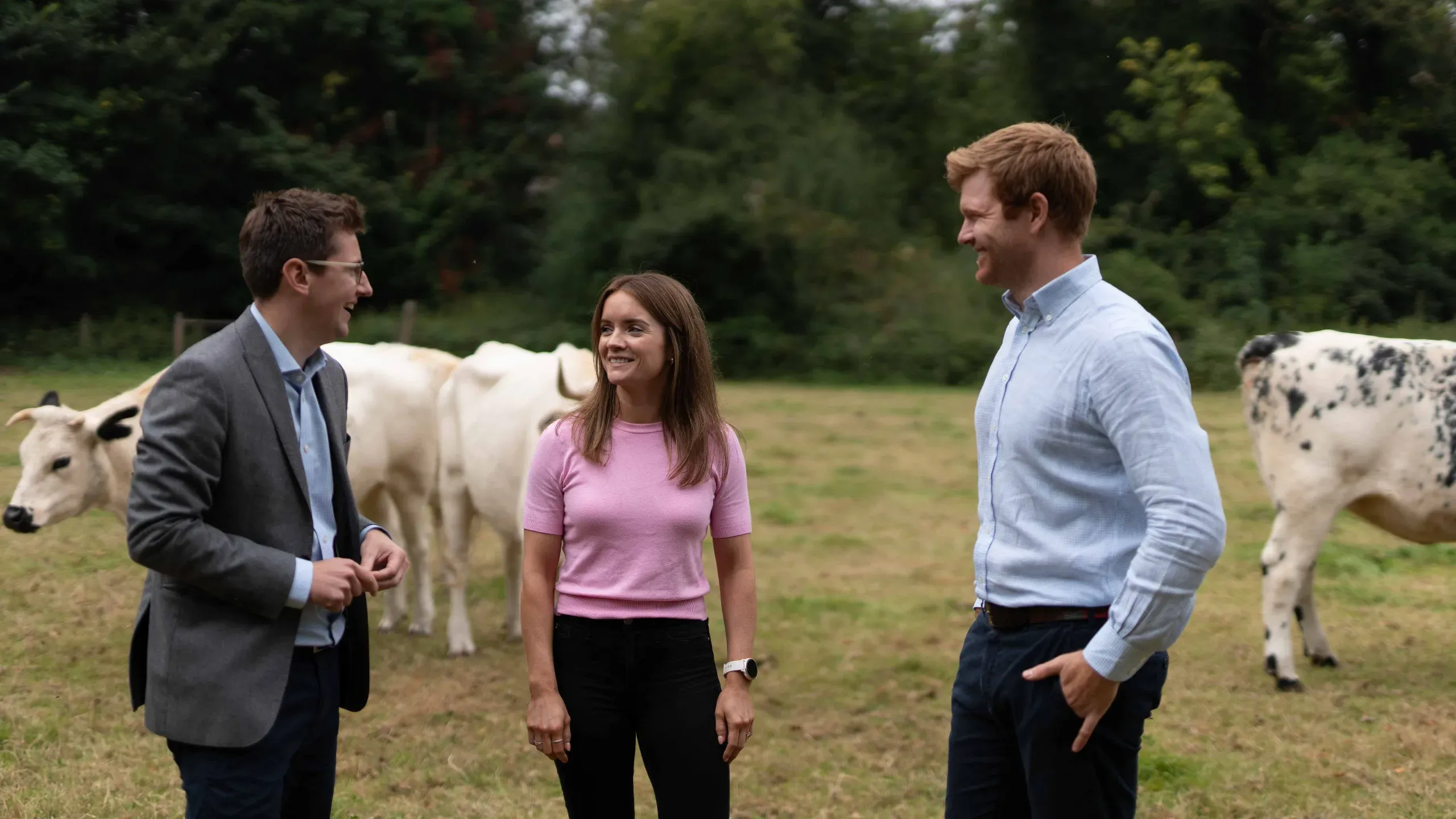
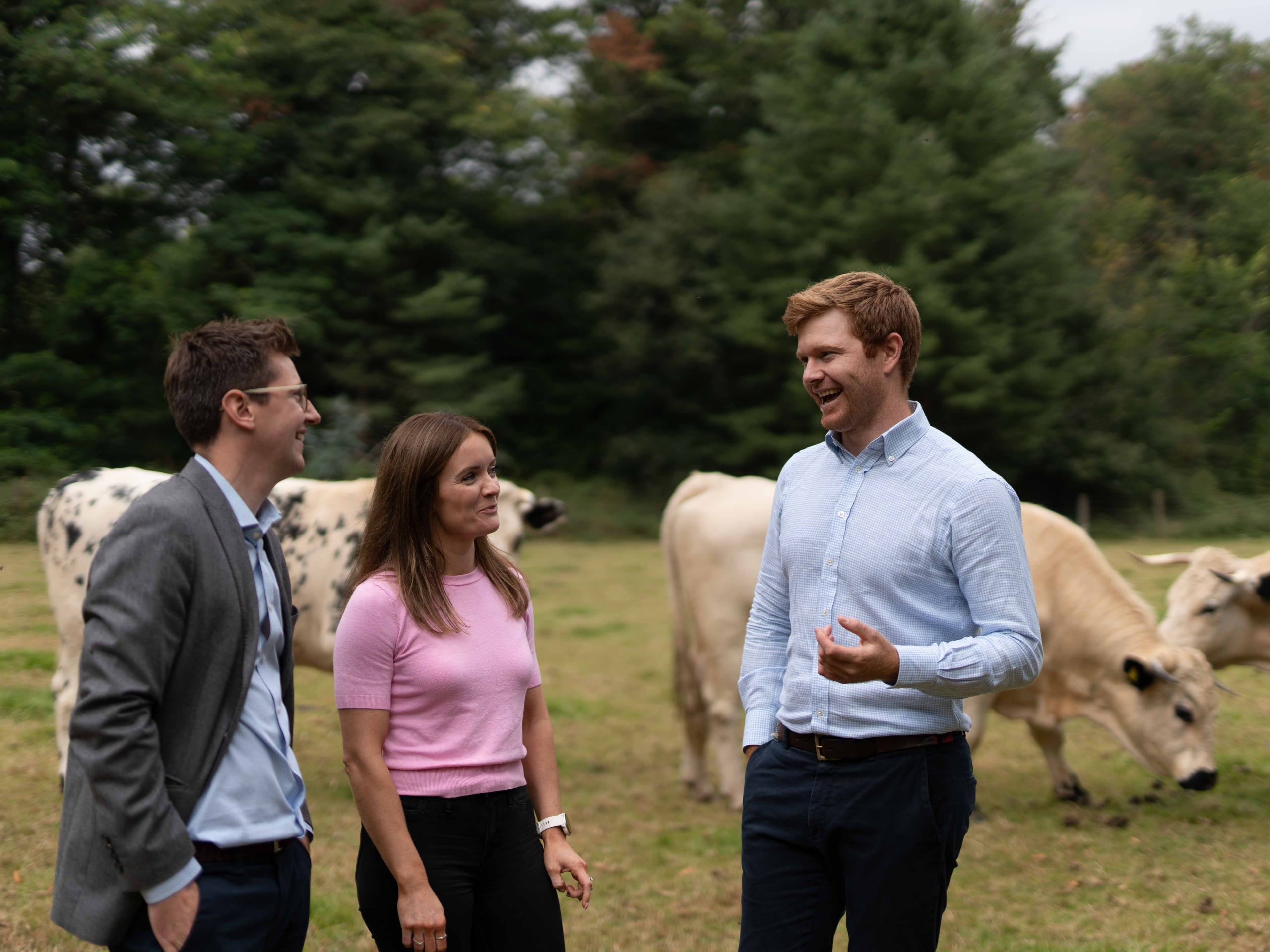
Photo: Patrick (right) with Ali and Elin from our Rural Consultancy team
So, what is data?
Different businesses will be at different stages in understanding their data and what is possible when this data is analysed.
In practice, data is often grouped into two types. The first is quantitative: counts and measurements such as yield per field, rainfall, kilowatt-hours, visitor numbers and till receipts.
The second is qualitative: notes and accounts that capture behaviour and context, from tenant conversations and manager logs to patterns you notice when walking the land.
Used together, quantitative data analysis helps reveal trends and issues, while qualitative data helps explain them. This interplay makes local knowledge indispensable. The lived understanding held by land agents, estate managers and owners provides the on-the-ground context that should underpin any further data analysis.
Estates will all be at different stages on this journey. Those just setting out may focus on ‘digitising the estate office’, getting properties digitally mapped, tenancy information catalogued, and moving accounting systems into the cloud so everything is visible and consistent. Others, further along, will use data analysis in a more strategic way, for example to forecast rental income over time or to inform asset-retention and investment decisions.
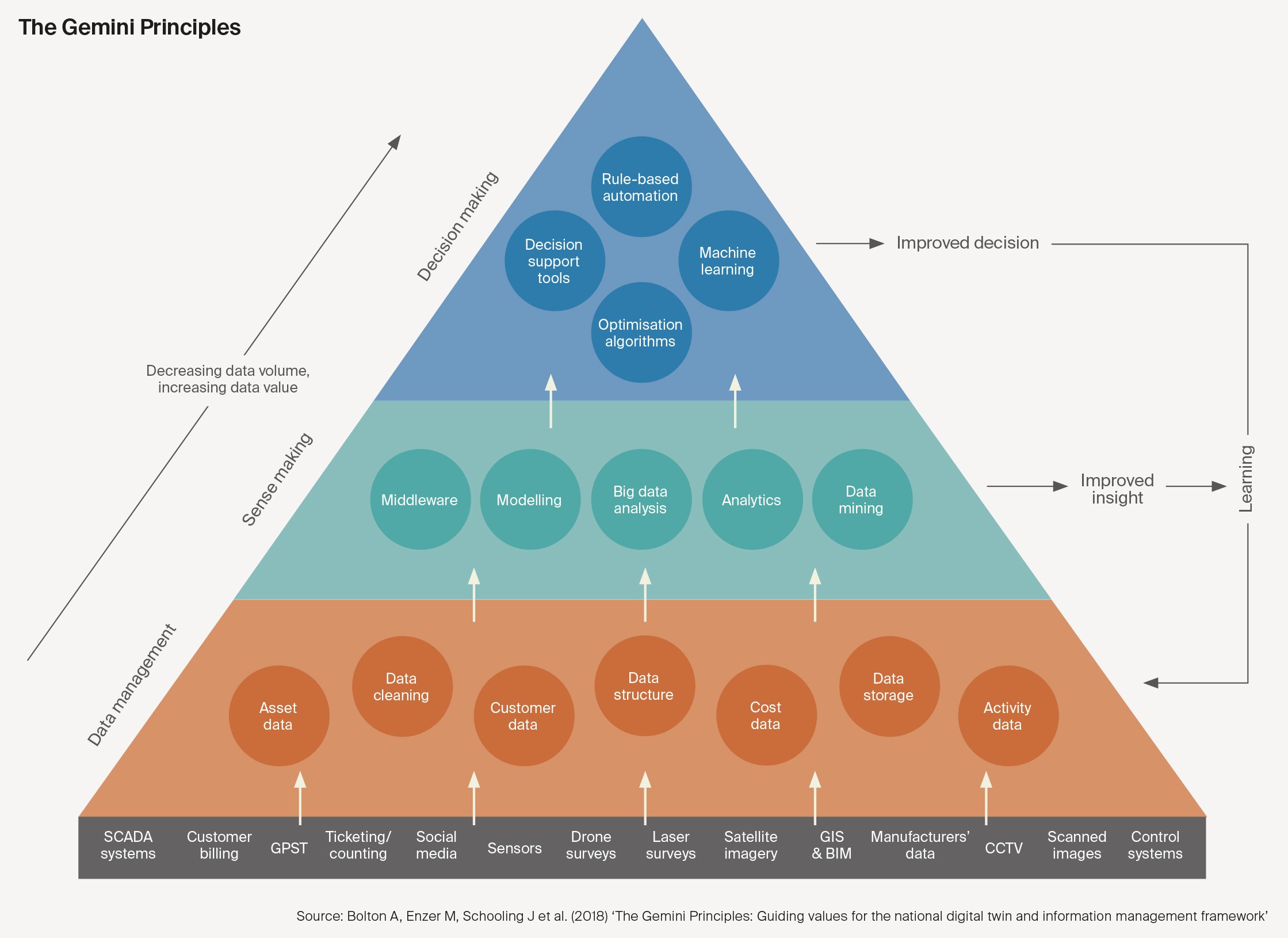
Information Value Chain
The Information Value Chain illustrates how information progresses from raw data to informed action. These same principles underpin an estate’s journey through data and analysis. Until it’s analysed, data remains information without meaning.
This chain goes as follows:
- Data collection and generation (sensors, maps, surveys, records).
- Data management (storage, governance, standards, quality control).
- Sense making and analytics (interpretation, modelling, pattern detection).
- Decision making and application (tools and automation that support informed action).
Artificial intelligence
AI can undoubtedly be extremely useful, and some of the things it can do are mind-blowing, but businesses are often just overselling simple machine-learning techniques that are now ubiquitous in most software packages.
Aside from the terminology, part of the problem with AI solutions is that they are often a one-size-fits-all package. ‘Garbage in, garbage out’ is a well-understood concept, but even when the best data has been used, analysis by an adviser who can incorporate the local context and understanding is crucial.
Good data analysed in the right way can boost the resilience of estates by providing support for complex long-term decision-making, but the human element remains vital.
Read more
Explore more content from The Rural Report
Rural
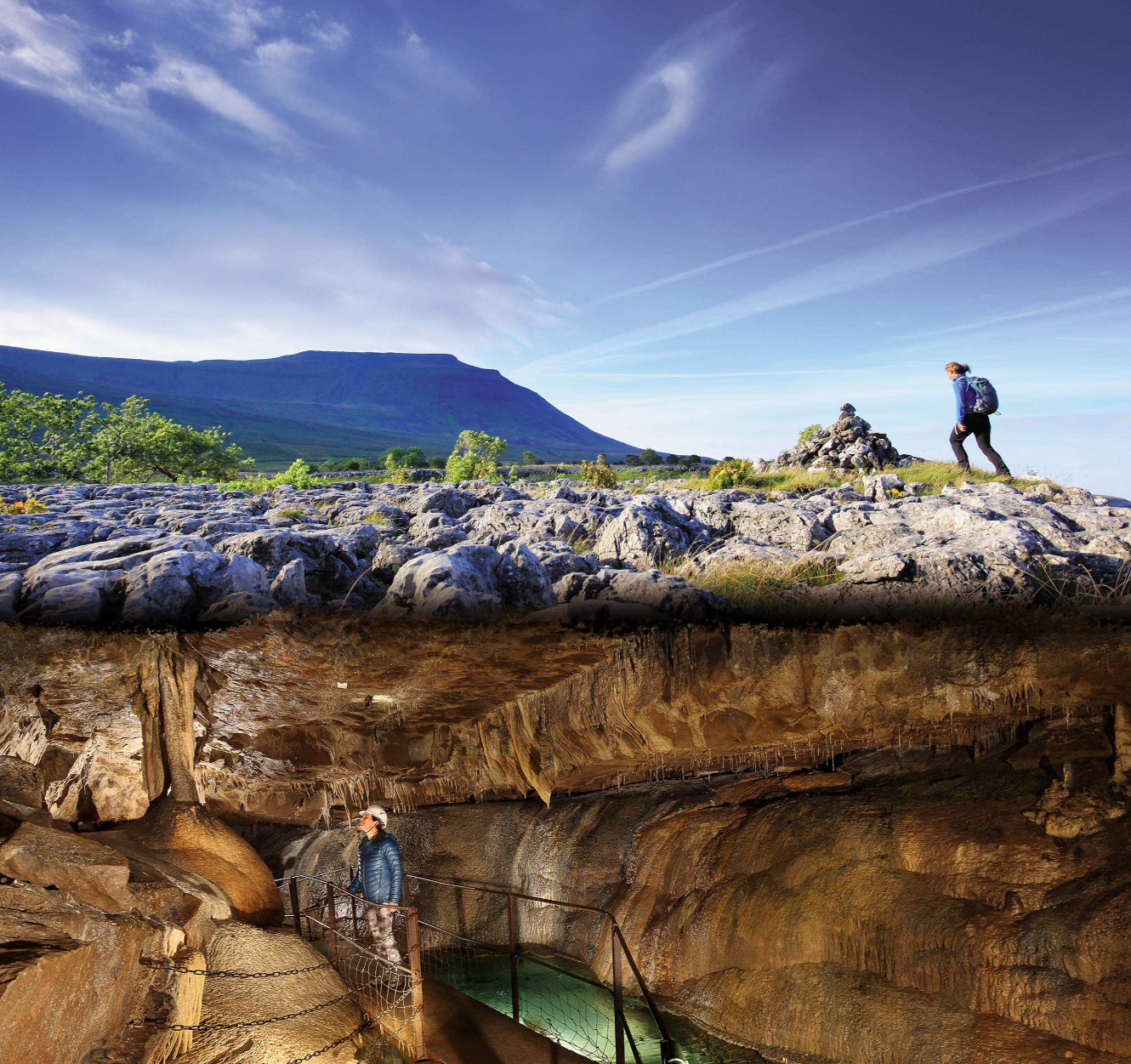
From sawmill to estate enterprise: purposeful diversification at Ingleborough
A listed sawmill, woodland nature trail and show cave have been brought together as one visitor enterprise in the Yorkshire Dales.
30 September 2026
Rural
Diversification with intent: how rural estates are evolving for the future
Rural estates are defined by continuity: of land, of stewardship, and of purpose. Today, that relationship is under pressure.
08 September 2026
Rural
The Rural Update: Delivering win-win food and climate policies
Your weekly dose of news, views and insight from Knight Frank on the world of farming, food and landownership.
18 August 2026
Rural
BNG changes from 6 August 2026: What do they mean for developers and habitat banks?
After more than two years of mandatory Biodiversity Net Gain (BNG), new regulations came into force on 6 August 2026, altering how developers approach compliance and how habitat bank operators position themselves in the market.
12 August 2026
Rural
The Rural Update: The food chain must help build climate resilience
Your weekly dose of news, views and insight from Knight Frank on the world of farming, food and landownership.
10 August 2026
Rural
When continuity becomes a risk: the rural estate resilience challenge
Rural estates are defined by continuity: of land, of stewardship, and of purpose. Today, that relationship is under pressure.
04 August 2026


Rural
Site selection
The harvest in 2024 tested the strategic decision to be a single estate wine producer.
16 June 2026
Rural
Chapter and verse: Tackling our next big problems
After a business workshop at the Wine GB Conference at Plumpton in April, I address some of our sector’s biggest needs.
15 June 2026
Rural
Wine business models
One of the most interesting parts of my job as a vineyard agent is getting to know the businesses and the people behind them, within wine.
12 June 2026
Rural
How to make farming profitable again
Minette Batters talks to James Farrell, Head of Knight Frank’s Rural Consultancy team, about her recently published review into farming profitability.
30 January 2026

Rural
A year that forced rural businesses to act
The past year has not been defined by a single shock for rural Britain, but by the steady accumulation of pressure.
23 December 2025
Rural
Communicating beyond the norm
The leader of one of the UK’s most innovative natural capital firms explains why storytelling and branding are so important for creating resilient rural businesses.
17 November 2025
Rural
Demystifying data
A bespoke approach to data analytics delivers dividends for rural estates, but what does ‘data’ actually mean and how do you apply it?
17 November 2025
Rural
Financing the future
There’s more to refinancing debt than just finding the best interest rate.
17 November 2025
Rural
Great estates
The managers of two diverse and forward-thinking landed estates share their recipes for resilience.
17 November 2025
Rural
Management matters
Andrew Blenkiron, the Managing Director of Elveden, one of England’s largest commercial farming estates, shares his plans for a successful future.
17 November 2025
Rural
Planning, development & renewables
Experts from across our teams share their insights on four themes critical to the UK’s rural infrastructure and residential development sectors.
17 November 2025
Rural
Profitable partnerships and trusting talent
How the Knatchbull family are leading the way in setting up innovative joint ventures on their historic Kent estate.
17 November 2025
Rural
Rewilding London
Private investors are being offered a unique opportunity to get involved with one of the world’s most ambitious urban-fringe nature-restoration projects, right on the edge of London.
17 November 2025

Rural
Rooted in history
The Tillingham Estate, linked to St Paul’s Cathedral and one of the longest single owned pieces of land in English history, is exploring a new chapter. Our team is lucky enough to be supporting the estate on the next stage of its journey.
17 November 2025
