

Discover London’s under-the-radar neighbourhoods
As buyers look beyond London's most established postcodes, local experts highlight the lesser-known neighbourhoods offering space, community and connectivity

As buyers look beyond London's most established postcodes, local experts highlight the lesser-known neighbourhoods offering space, community and connectivity
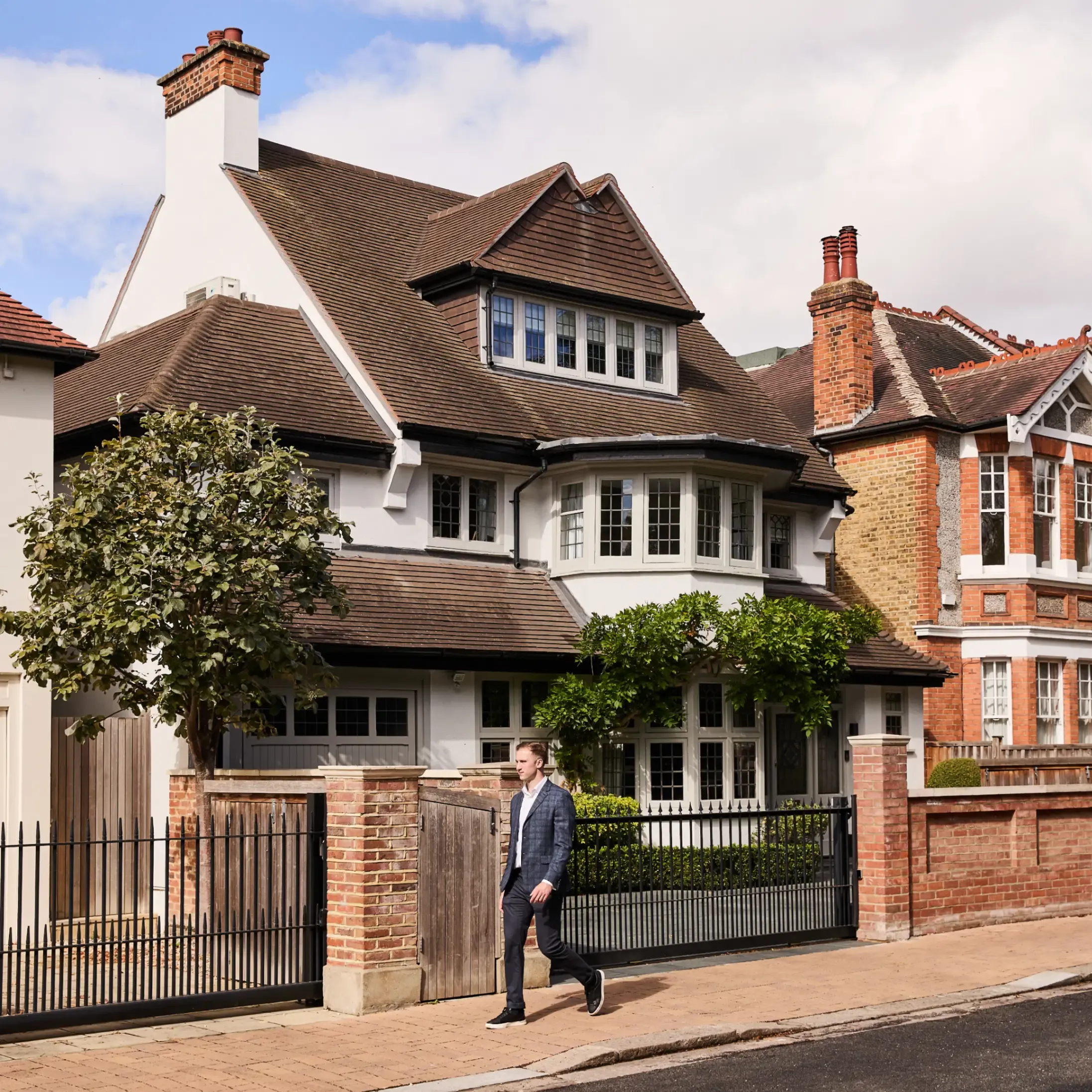
In an increasingly diverse London housing market, local knowledge has never been more valuable. Every neighbourhood offers something different, making it essential for buyers to identify their priorities from the outset. For some, that means generous living space, green surroundings and access to well-regarded schools. For others, culture, connectivity and proximity to central London top the list.
Whether you're a young professional or a growing family, narrowing down the right location can feel overwhelming. With seemingly endless options across Greater London, balancing commute times, property choice and community can be challenging, making expert local insight more important than ever.
Looking beyond London’s best-known postcodes can often deliver unexpected rewards, whether in the form of better value, larger homes or an enhanced quality of life. “I have clients with gardens pushing eighty feet who are at their desks in central London within around half an hour of leaving the house,” says Cameron Forbes, Knight Frank Affiliate Broker for Ealing and Brentford. “They have done their homework and are not interested in paying for a postcode. Most people arrive expecting a compromise and leave wondering what they have been paying for elsewhere.”
Jack McGovern, Knight Frank’s Affiliate Broker for Greenwich and Blackheath, agrees that a clear understanding of priorities can unlock opportunities. “For savvy buyers, the opportunity is to look beyond headline postcodes and identify the right combination of property, location, transport and lifestyle for their budget,” he says.
“A buyer's priorities might be a Georgian townhouse, a Victorian family home with a garden, a well-proportioned flat or a property within easy walking distance of a station. I would always encourage buyers to look beyond the postcode and consider how a particular street fits their everyday lifestyle.”
From leafy village-like enclaves to riverside communities and well-connected suburban hubs, here we explore a selection of Greater London's lesser-known neighbourhoods and the distinctive lifestyles they offer.
Together the neighbouring Ealing and Brentford combine leafy family-friendly streets, excellent transport links and expansive green space with a dynamic riverside setting undergoing significant regeneration.
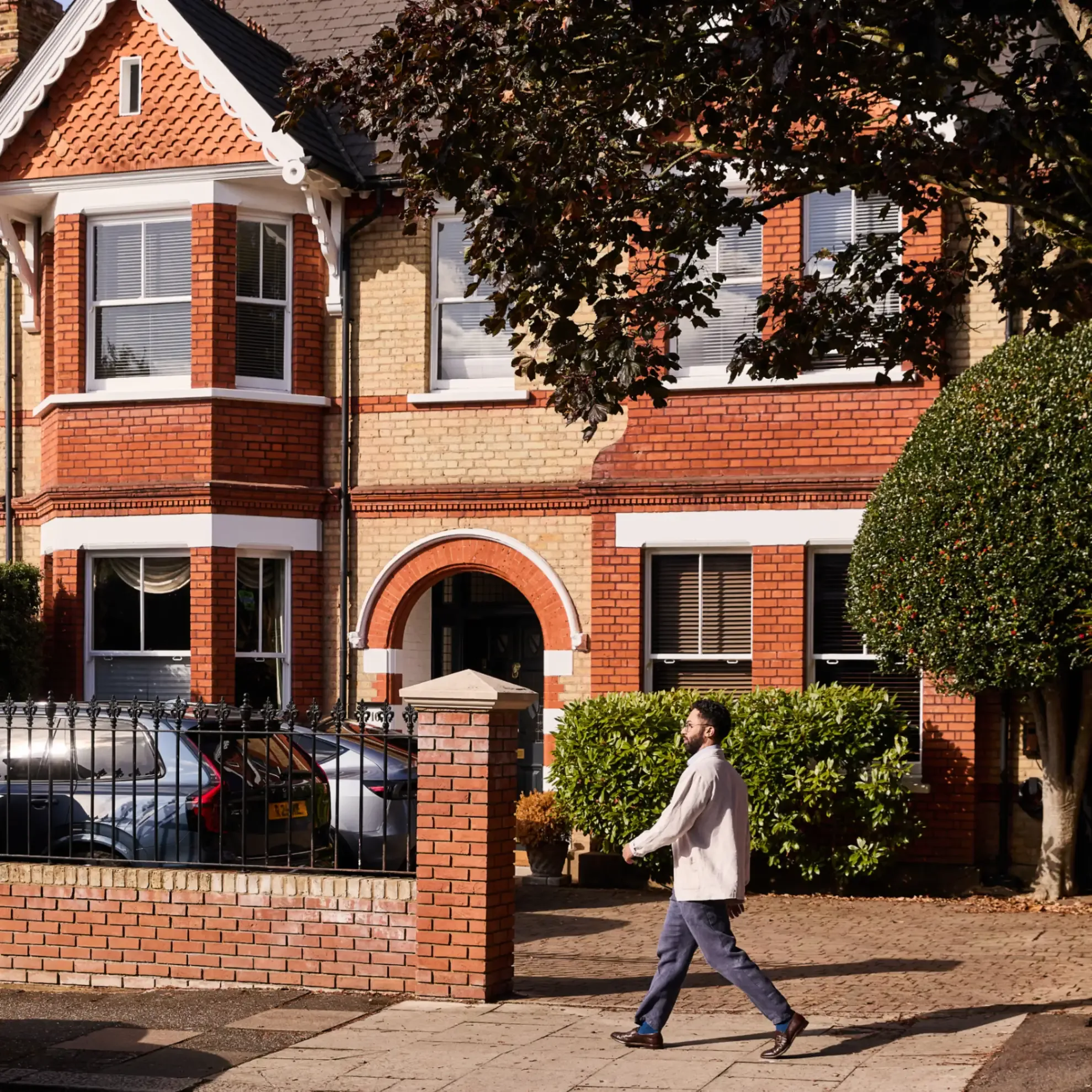
The Elizabeth line has elevated Ealing's profile, connecting it to Bond Street in around 15 minutes and Heathrow in under 20. Yet its reputation was established long before. “Ealing was built as a garden suburb and still feels like one,” says Forbes. “With wide roads, spacious Victorian and Edwardian homes, and three parks within minutes of the station, it offers a rare combination of green space and connectivity in Zone 3.”

Popular with families, Ealing offers highly regarded schools with a strong international community, reflected by institutions such as the nearby Japanese School. Developments such as Dickens Yard and Filmworks have brought new homes, restaurants and leisure facilities, while conservation areas around Castlebar Hill, Mount Park and Grange Park remain sought after for their substantial period houses.
A short distance away lies Brentford. Set where the Thames meets the Brent, the area pairs waterside living with fast connections to London Waterloo in around 30 minutes. Weekends are spent strolling the Grand Union Canal, exploring Syon Park, walking along the river to Kew Gardens, or paddleboarding on the waterways. Football fans also have Premier League side Brentford FC on their doorstep.
Major regeneration schemes, led by Ballymore's Brentford Project, are transforming the waterfront. “Couples who desire a view, concierge services and on-site amenities are realising that Brentford's riverside flats offer a specification at a price that doesn't exist more centrally,” says Forbes. Beyond apartments, hidden pockets such as The Butts and Clifden Road provide attractive period homes and family houses.
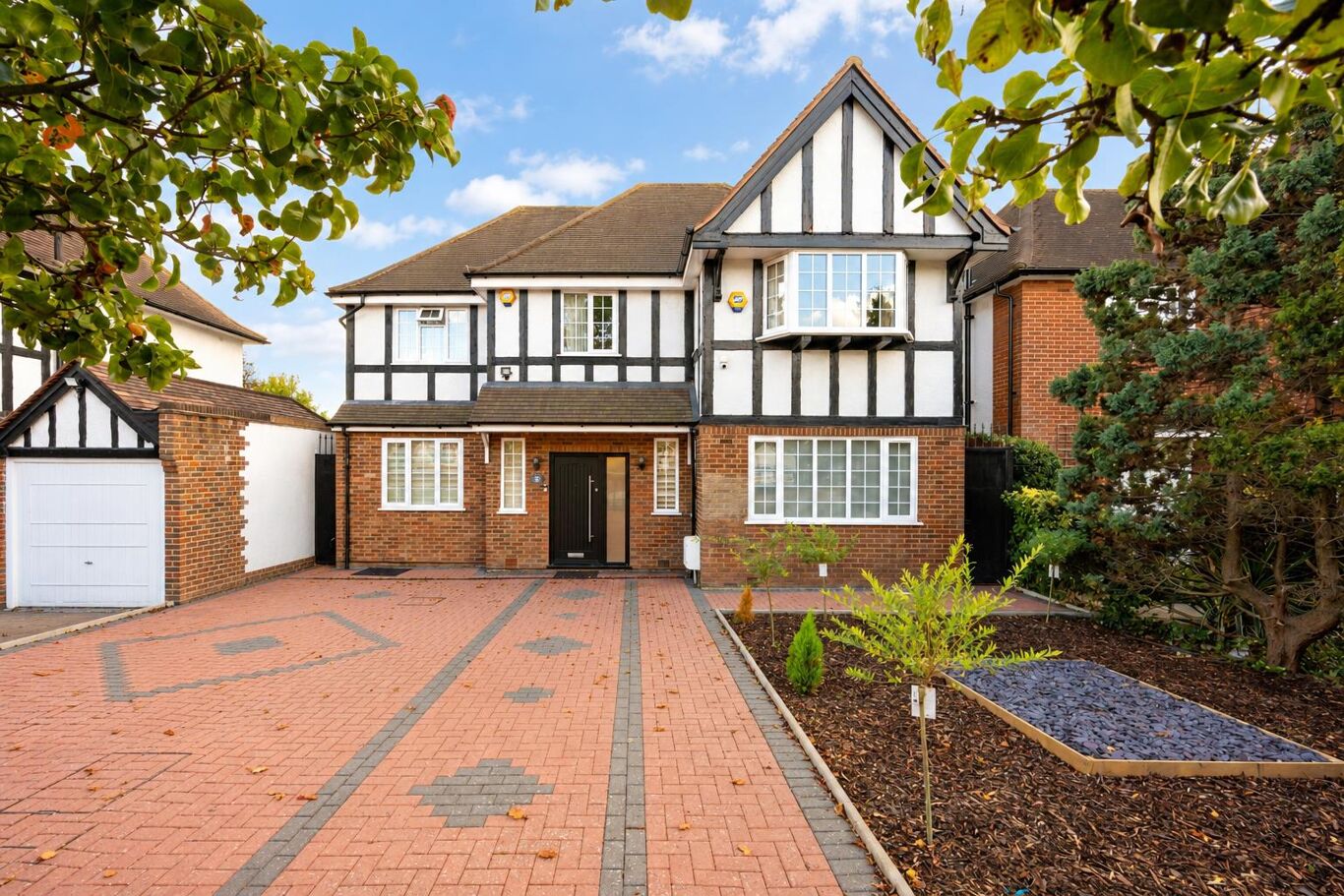
House, 3430 sqft


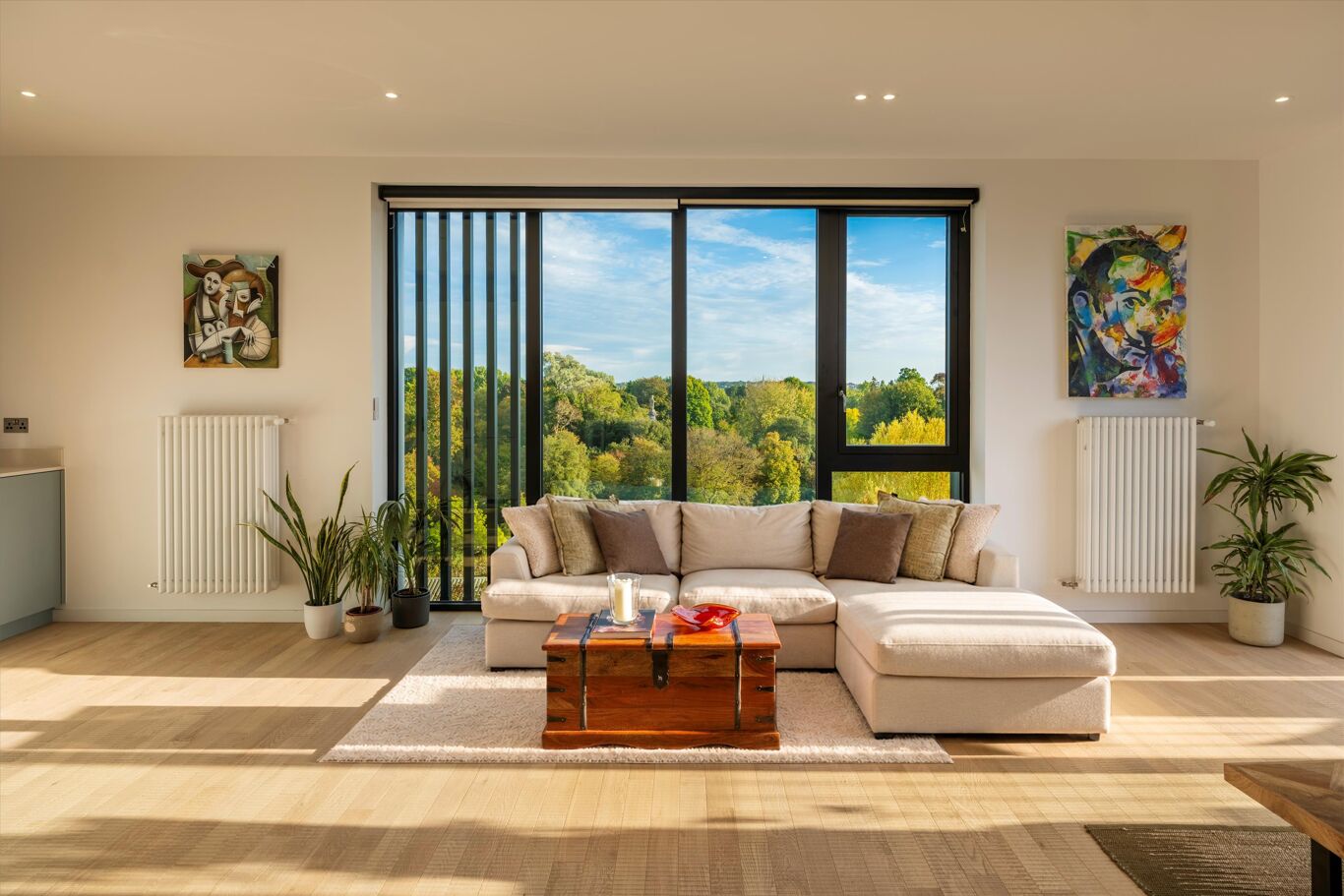
Apartment
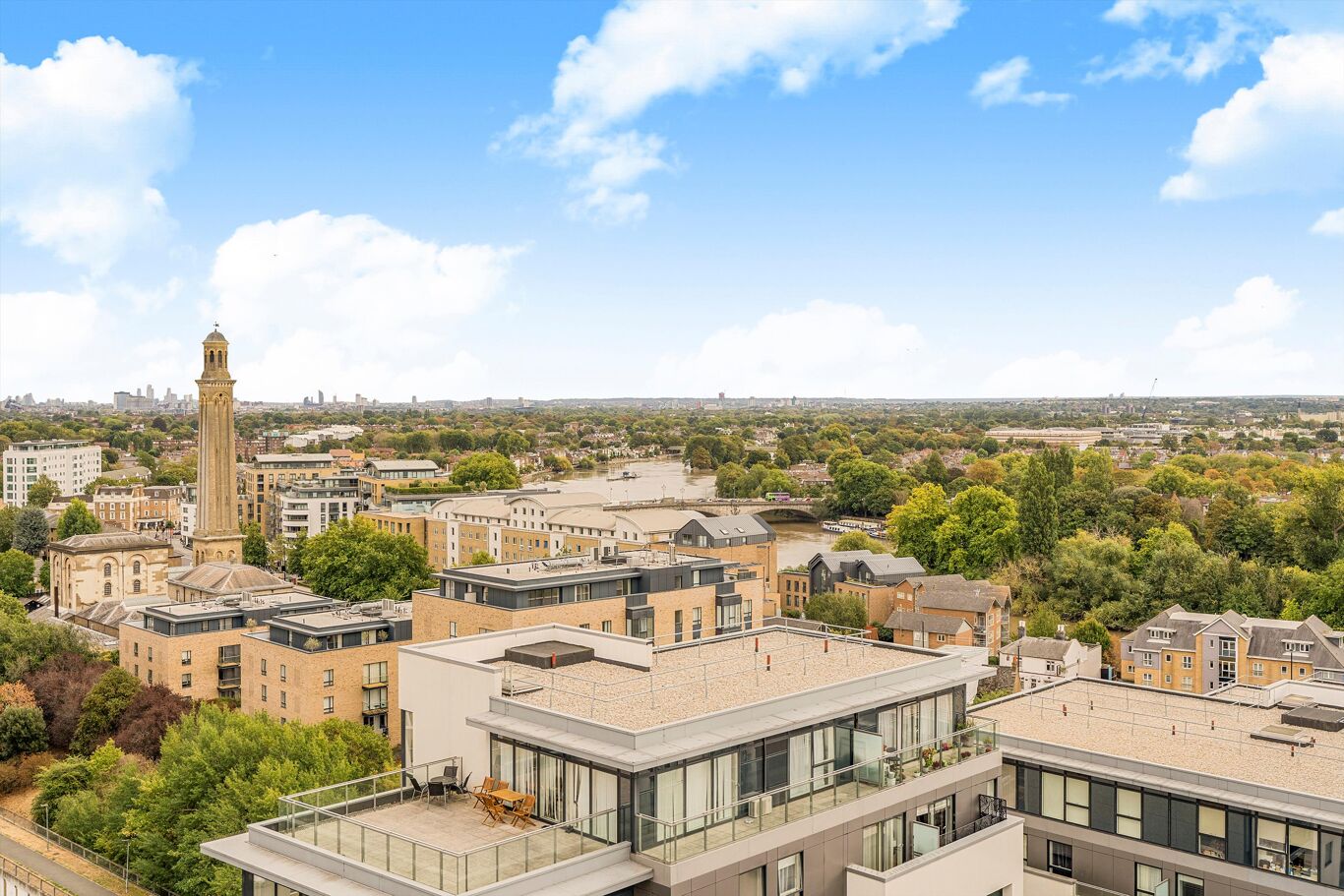
Half floor, 1024 sqft
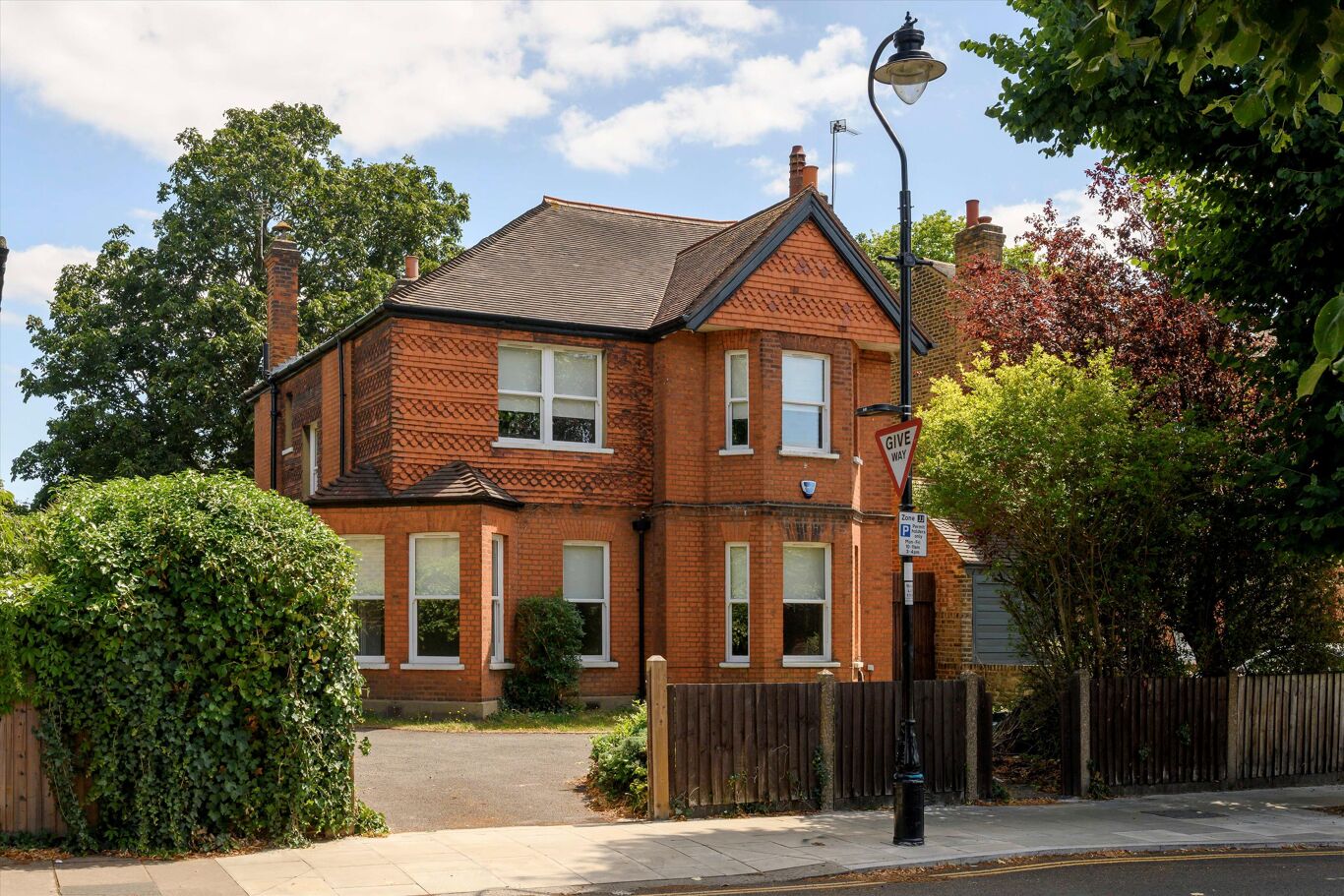
House, 1910 sqft
Linked by one of London's most iconic sporting traditions, Putney and Barnes are perhaps best known as the starting point and finishing stretch of the annual Oxford and Cambridge Boat Race.
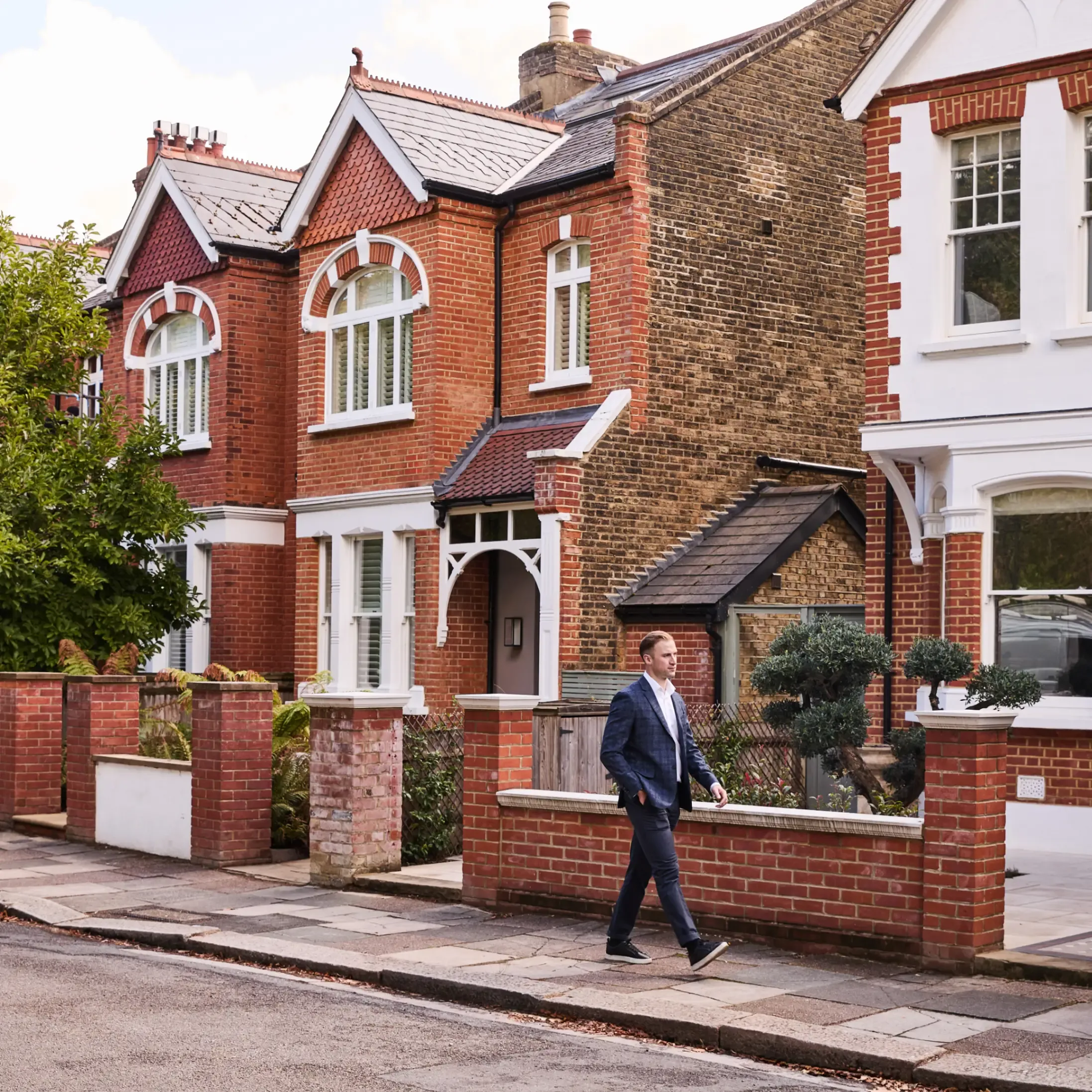
“Barnes genuinely feels like a village,” says Josh Collins, Knight Frank Affiliate Broker for Putney and Barnes. “It's one of the few places in London where you can spend a Saturday morning wandering around the farmers' market, feeding the ducks and swans at the pond, popping into independent shops and bumping into people you know.”
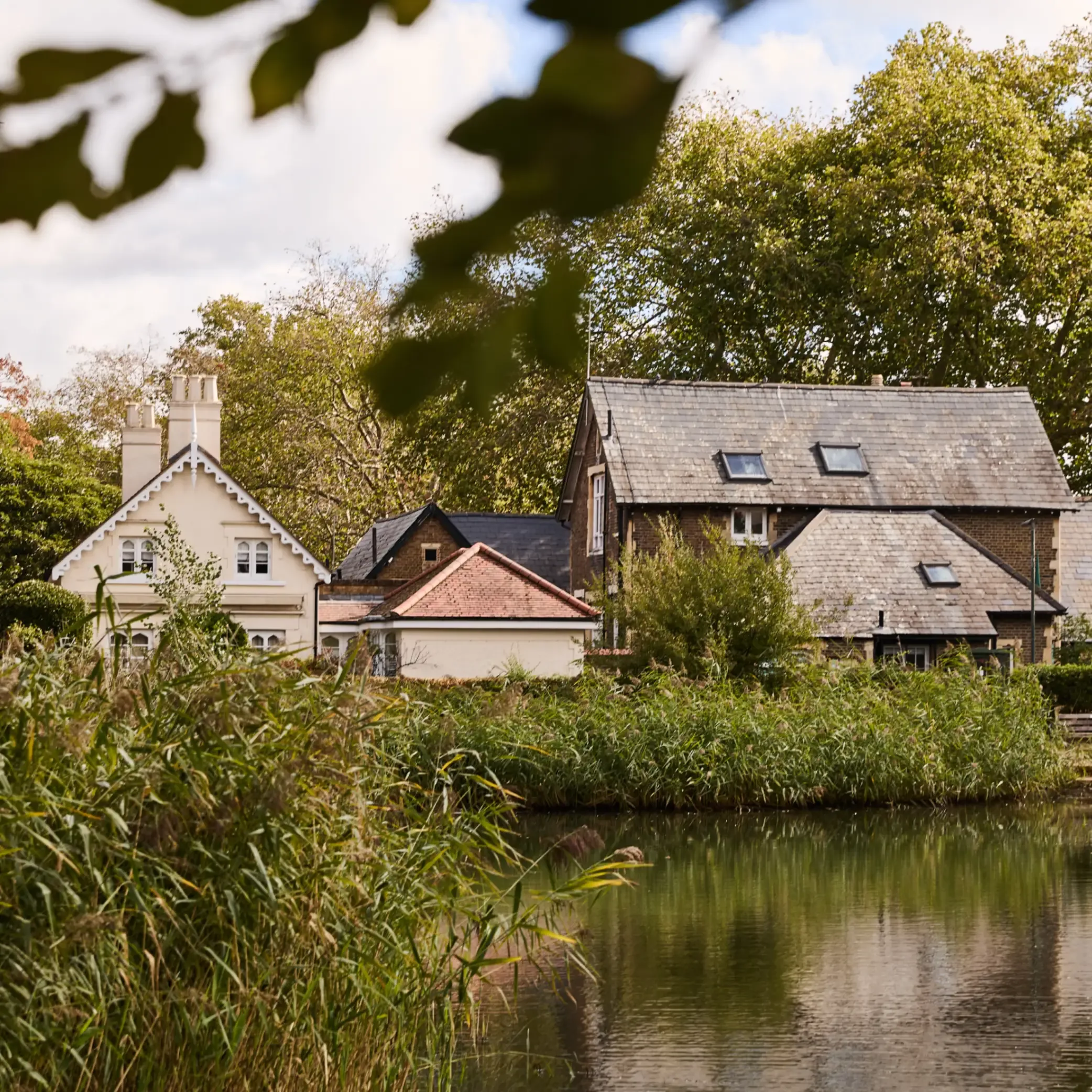
Putney offers a different, but equally appealing, lifestyle. “It's got a real energy to it, with fantastic cafés, restaurants and local businesses, but still plenty of green space,” says Collins. “Putney Heath is one of my favourite spots and is perfect for escaping the hustle and bustle for an hour or two. The biggest advantage is that you get all of this while still having a really easy commute into Central London.”
Excellent schools remain a major draw for families; “it's not uncommon for buyers to have very specific roads or postcodes in mind because they want to be within a certain catchment area,” he adds. “There are beautiful pockets of period family homes where neighbours genuinely know each other, which can feel quite rare in London. Equally, there are fantastic locations for first-time buyers and young professionals who want to be close to the high street, the river and excellent transport links, depending on what stage of life you're at.”
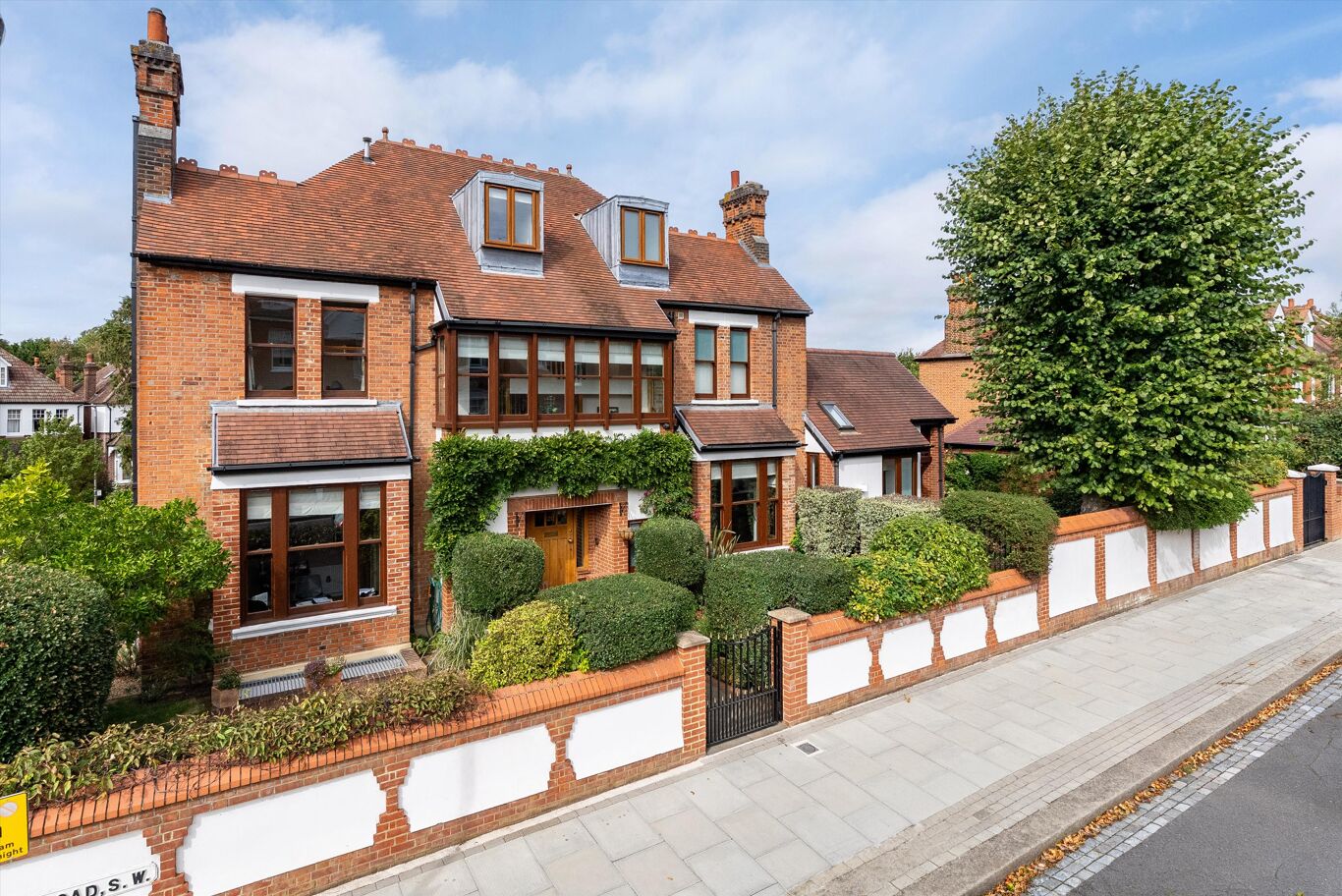
House, 4577 sqft
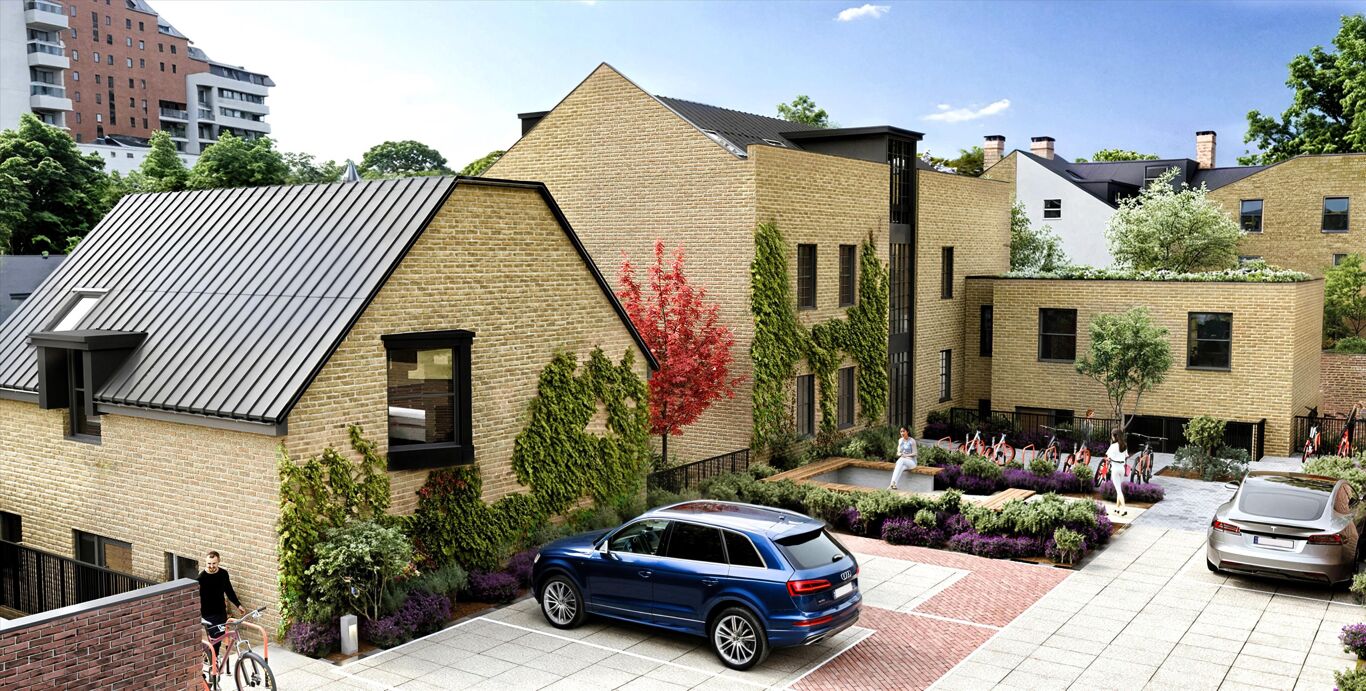
House, 1171 sqft
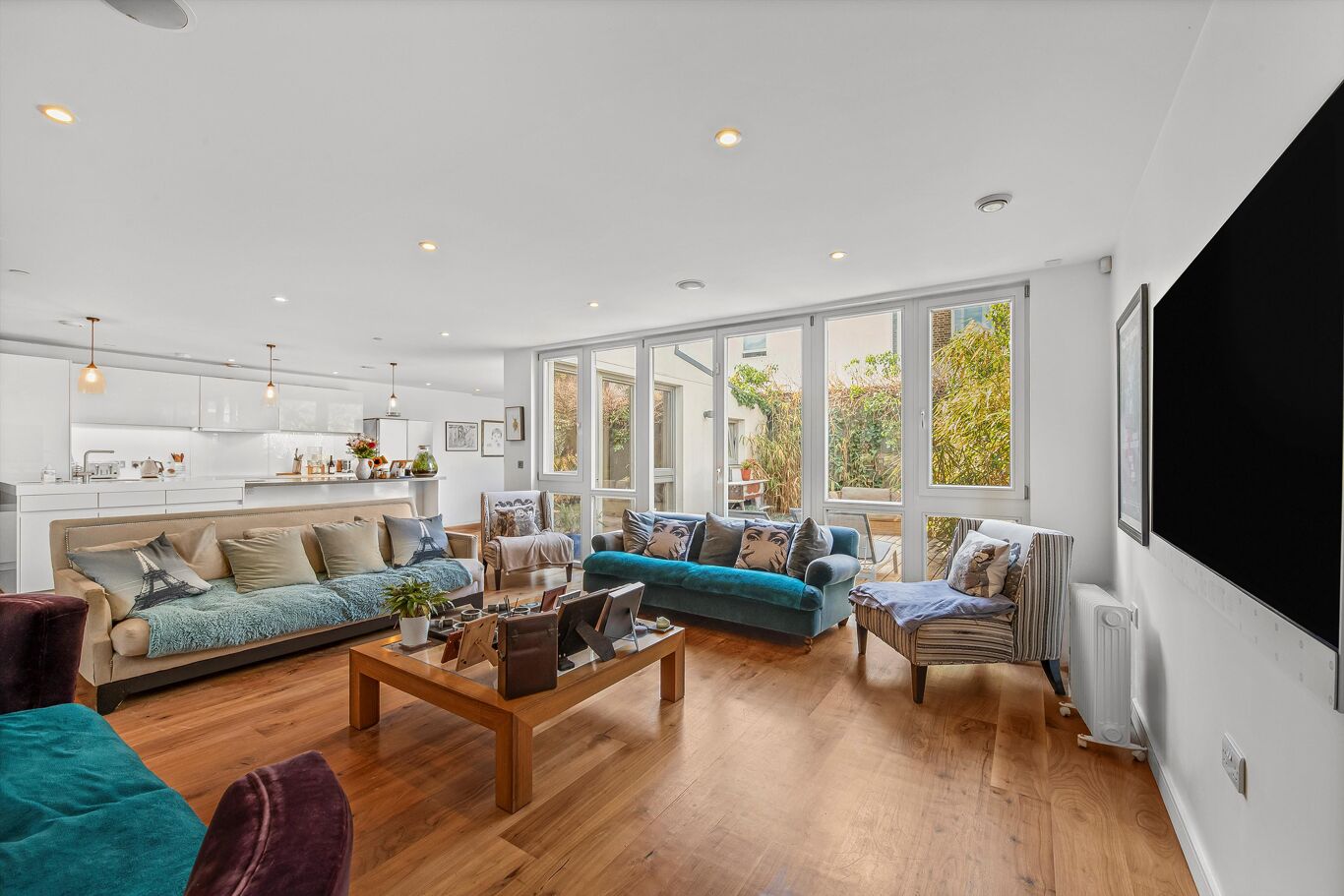
House, 4948 sqft
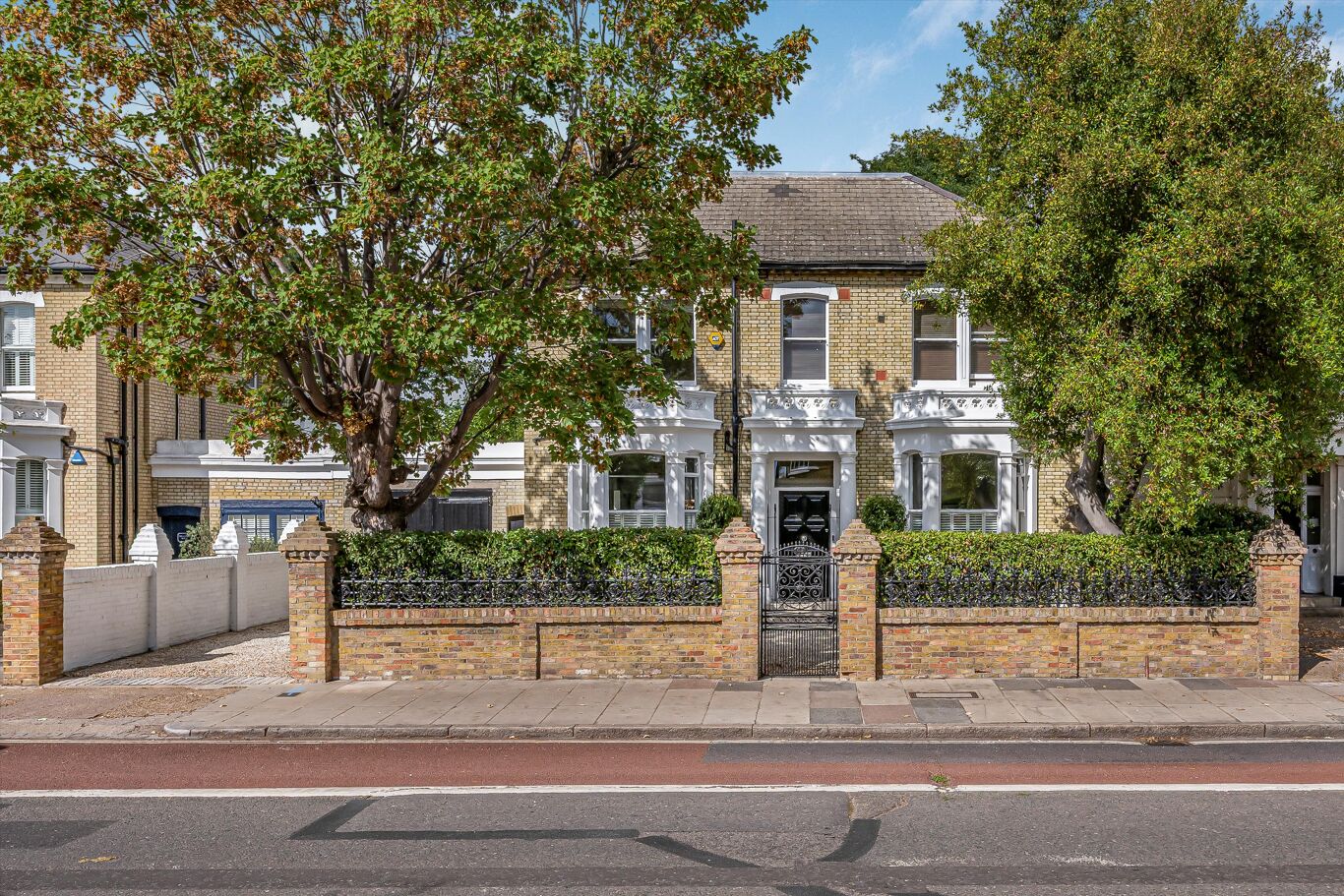
House, 4433 sqft
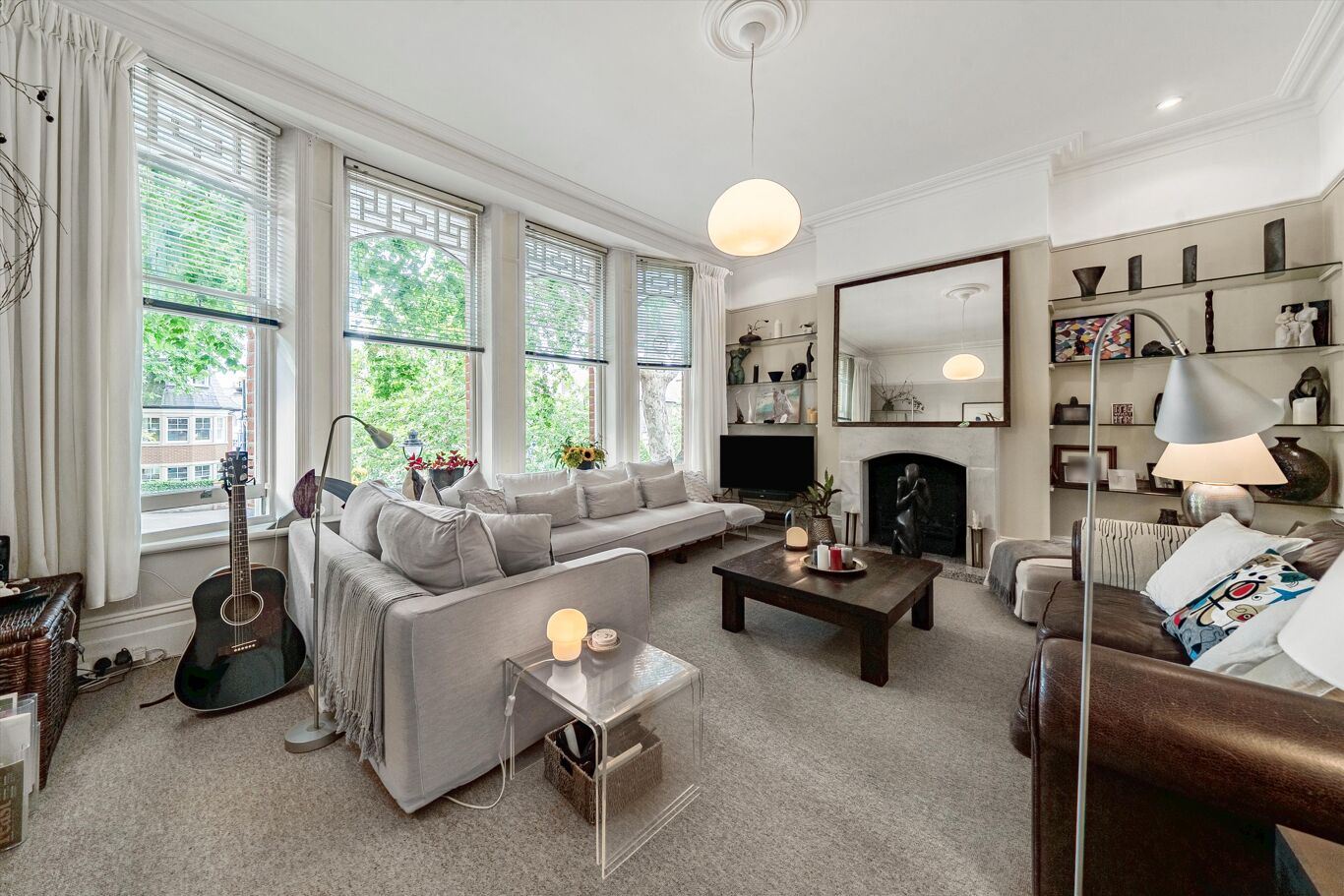
Flat, 1562 sqft
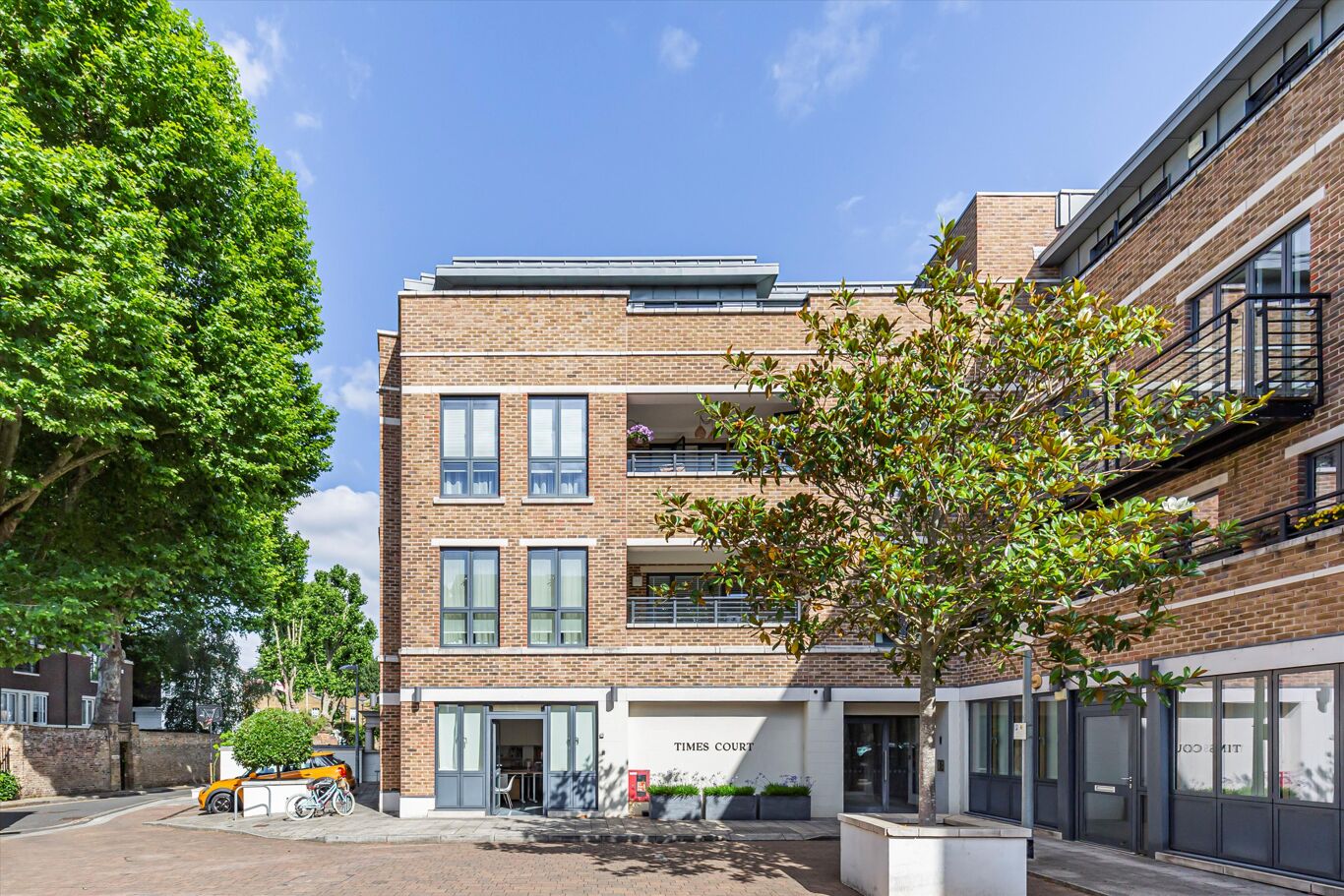
Flat, 622 sqft
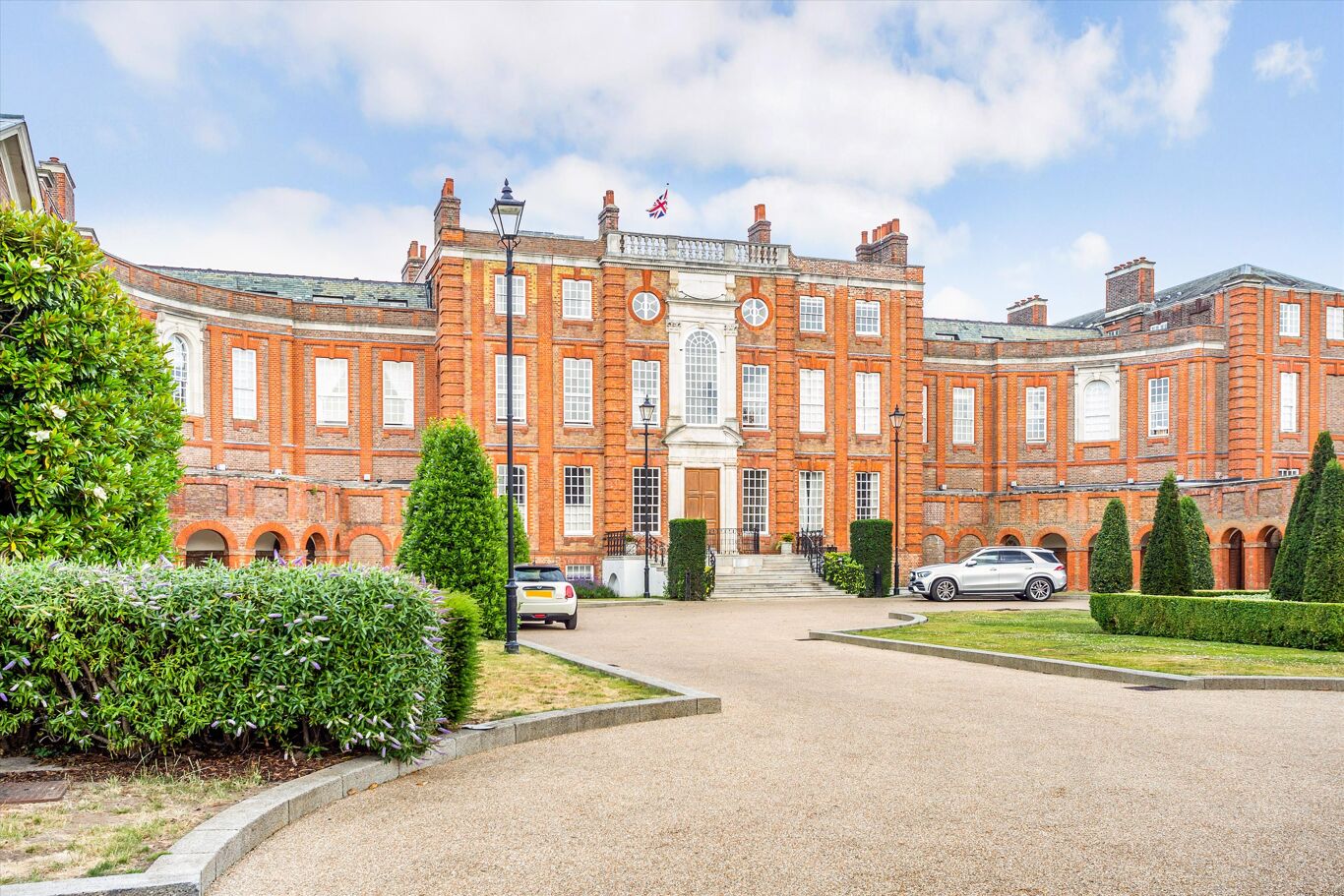
Penthouse, 2525 sqft
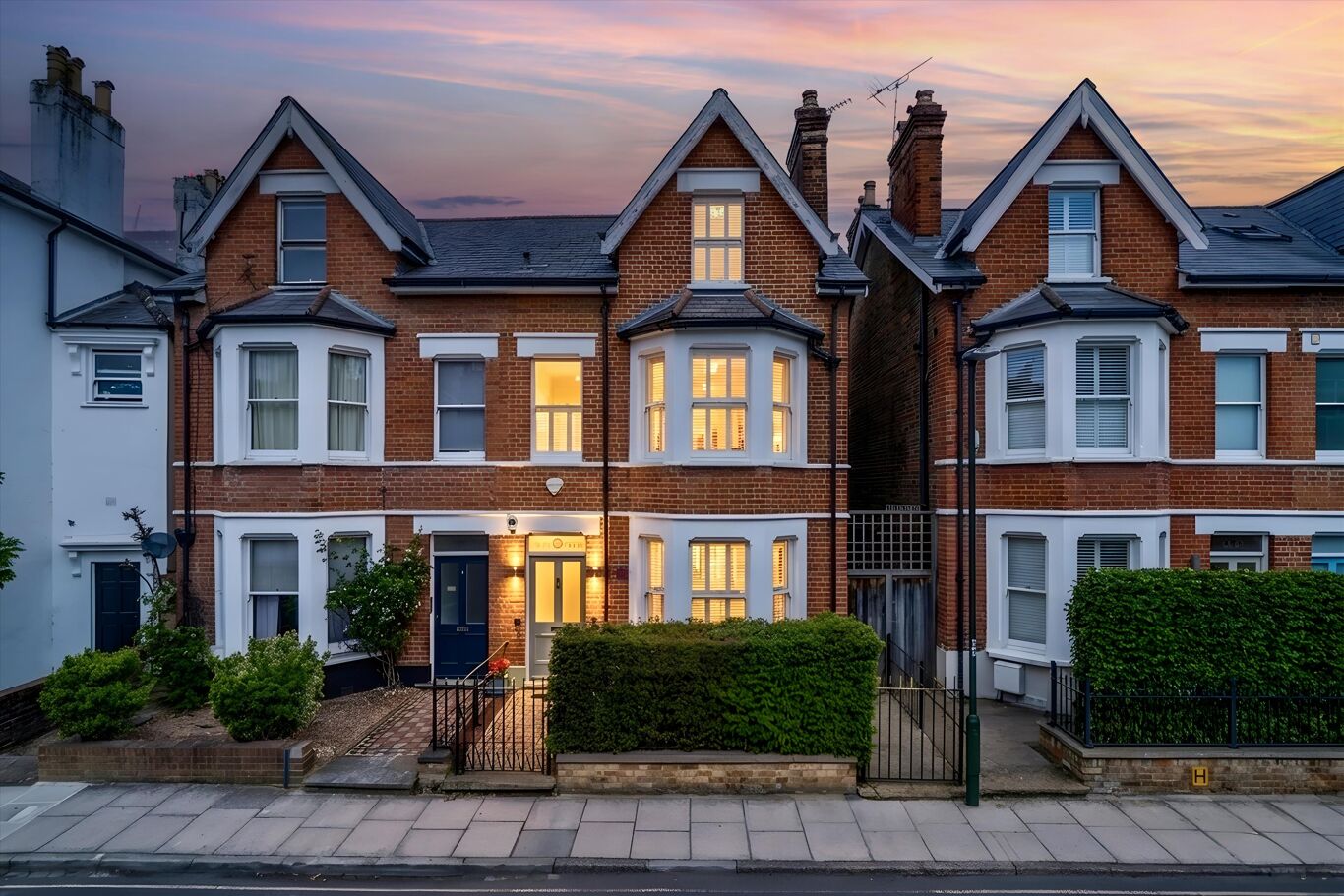
House, 2269 sqft
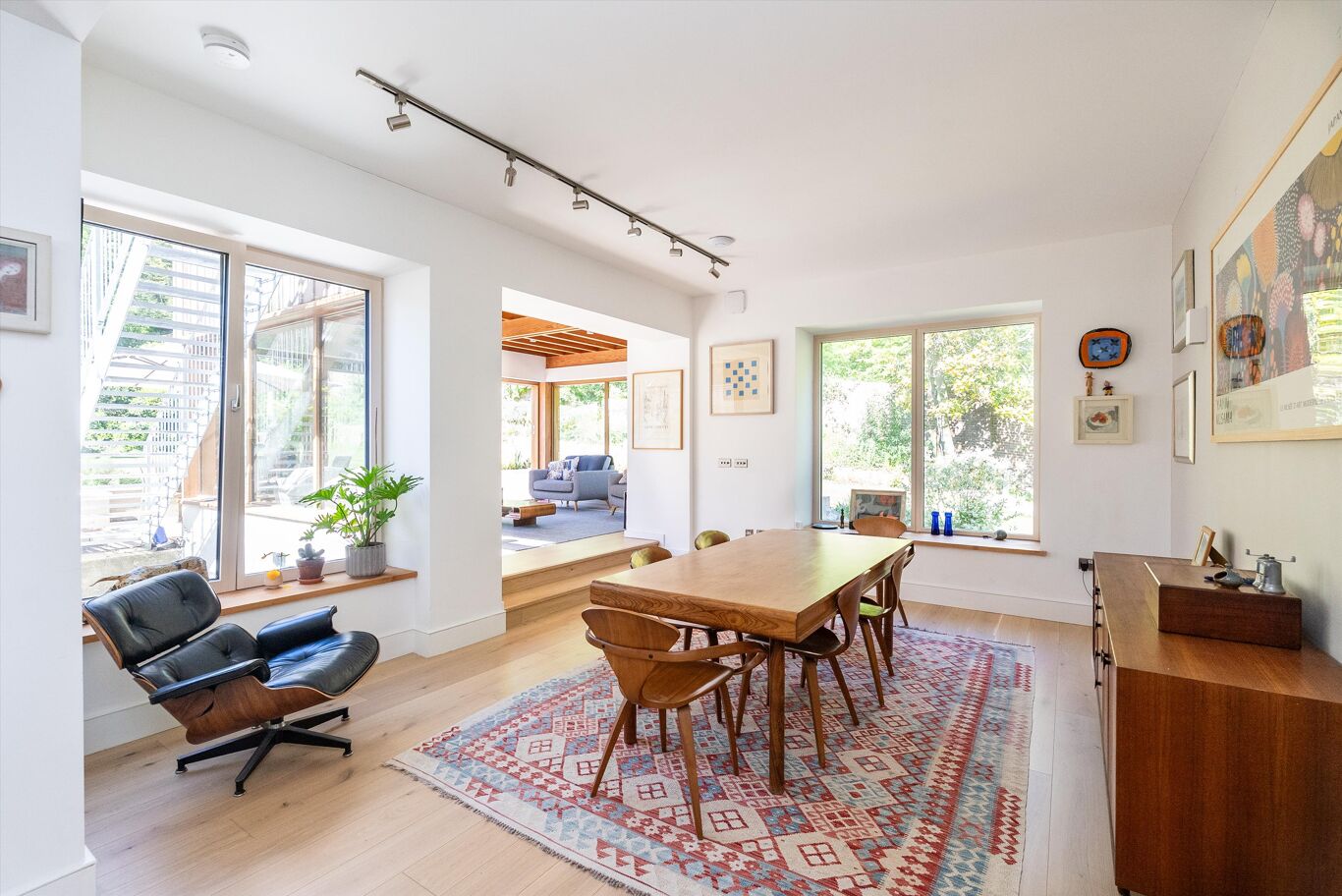
House, 2612 sqft
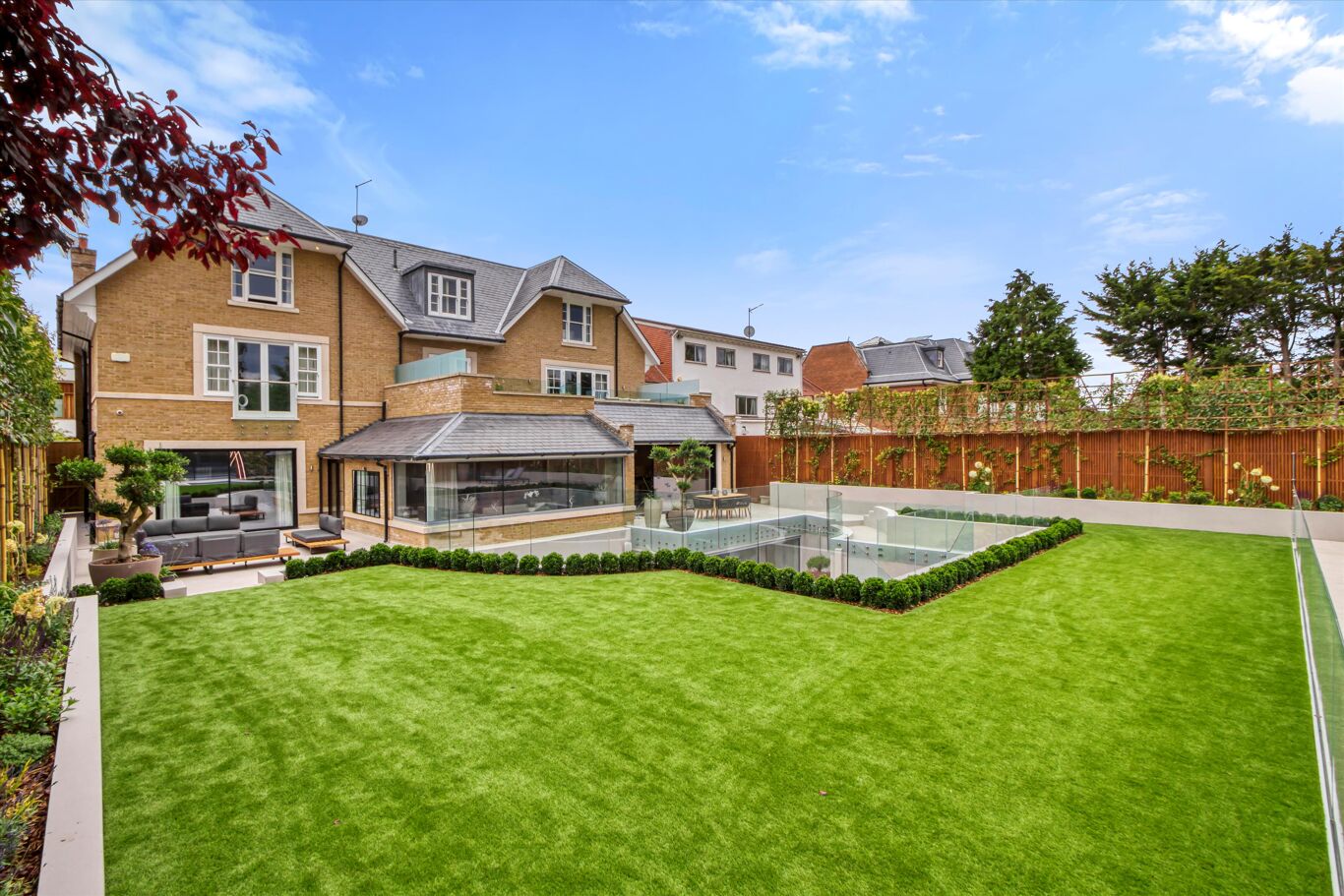
House, 12141 sqft
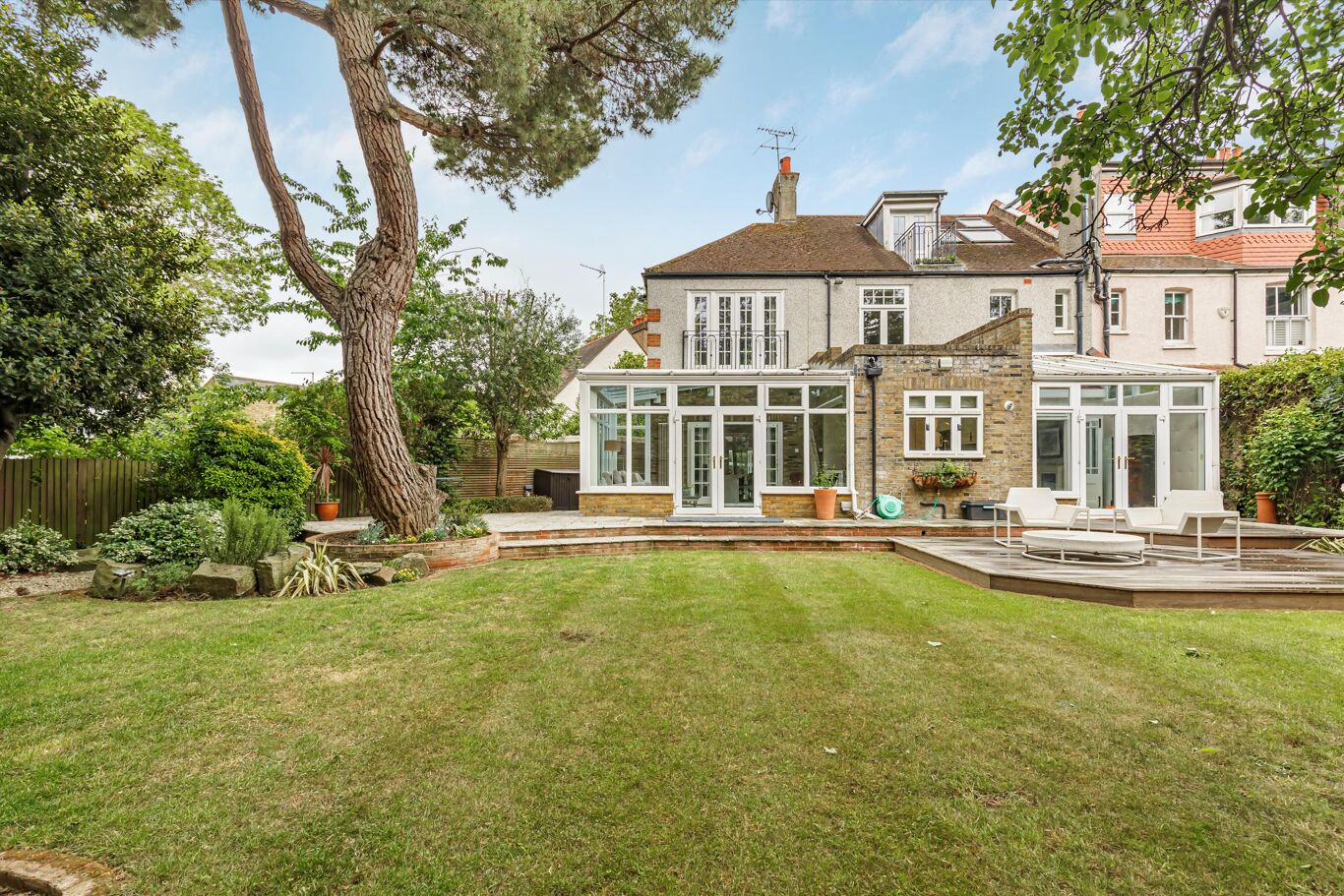
House, 2816 sqft
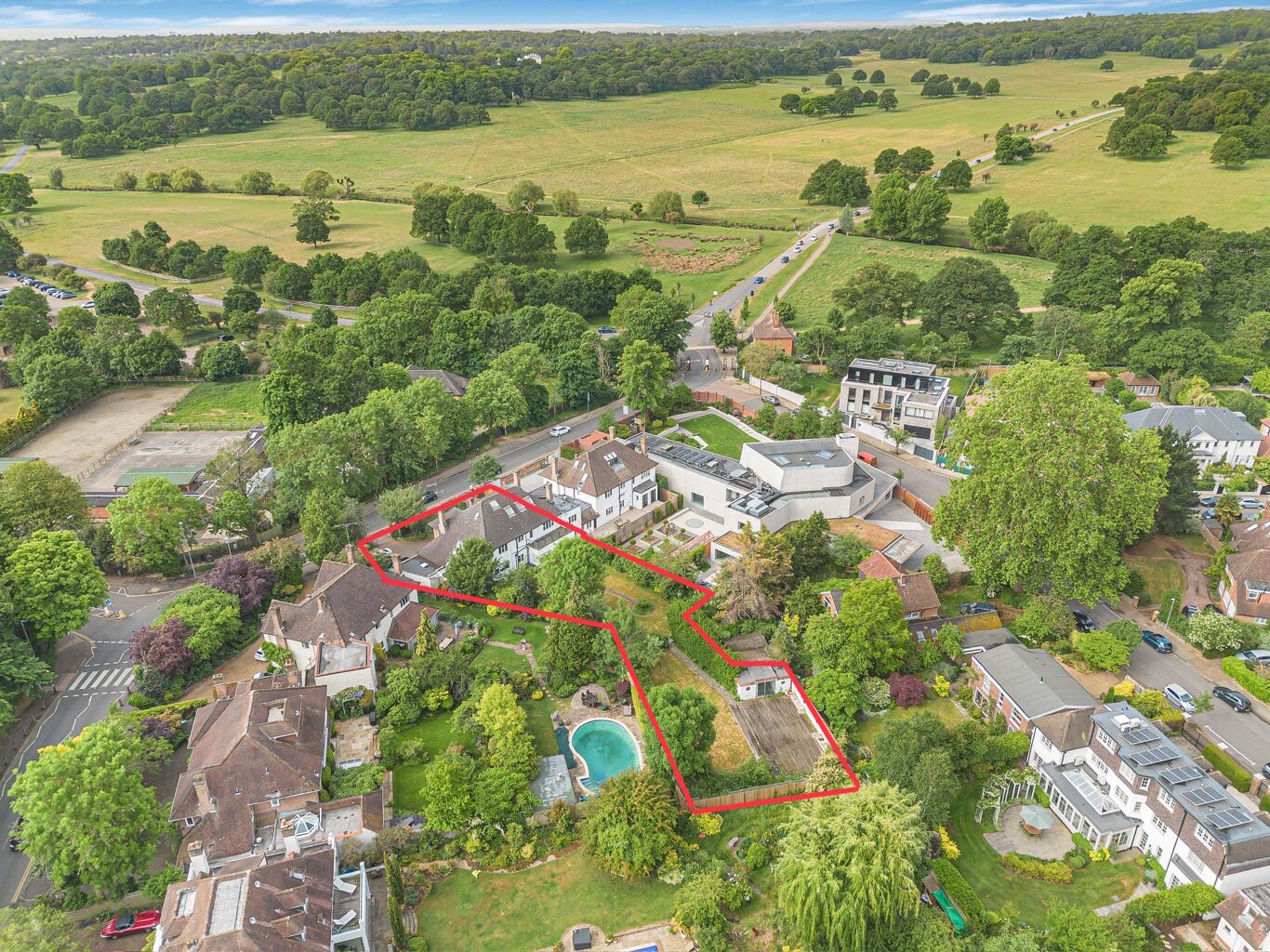
House, 5059 sqft
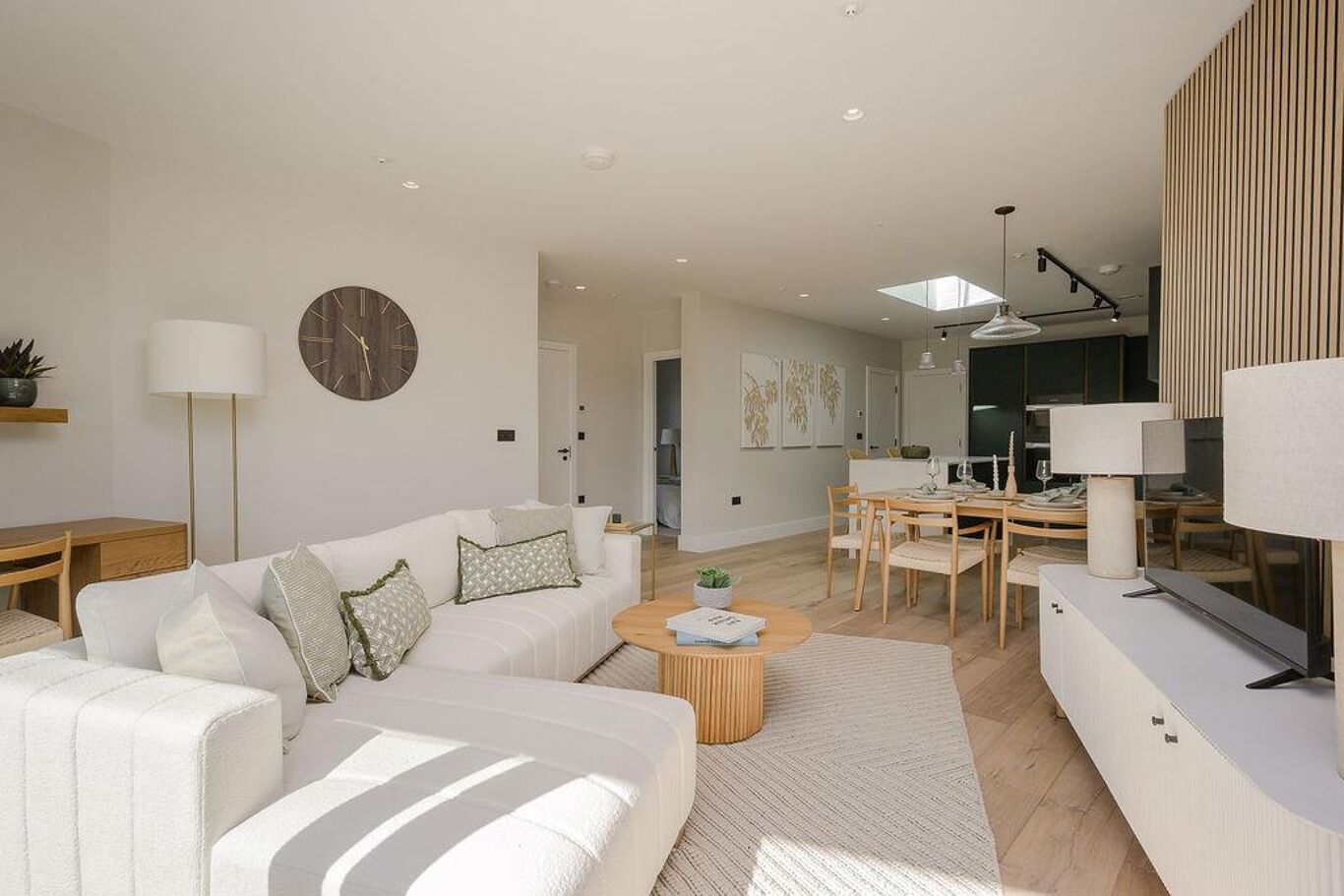
Development, 565 sqft
For buyers prioritising a countryside feel without sacrificing connectivity, Mill Hill, Totteridge and Whetstone offer some of north London's most appealing options. Located in Zone 4, these neighbouring areas combine green space, strong schools and family-friendly communities, yet remain within easy reach of central London.
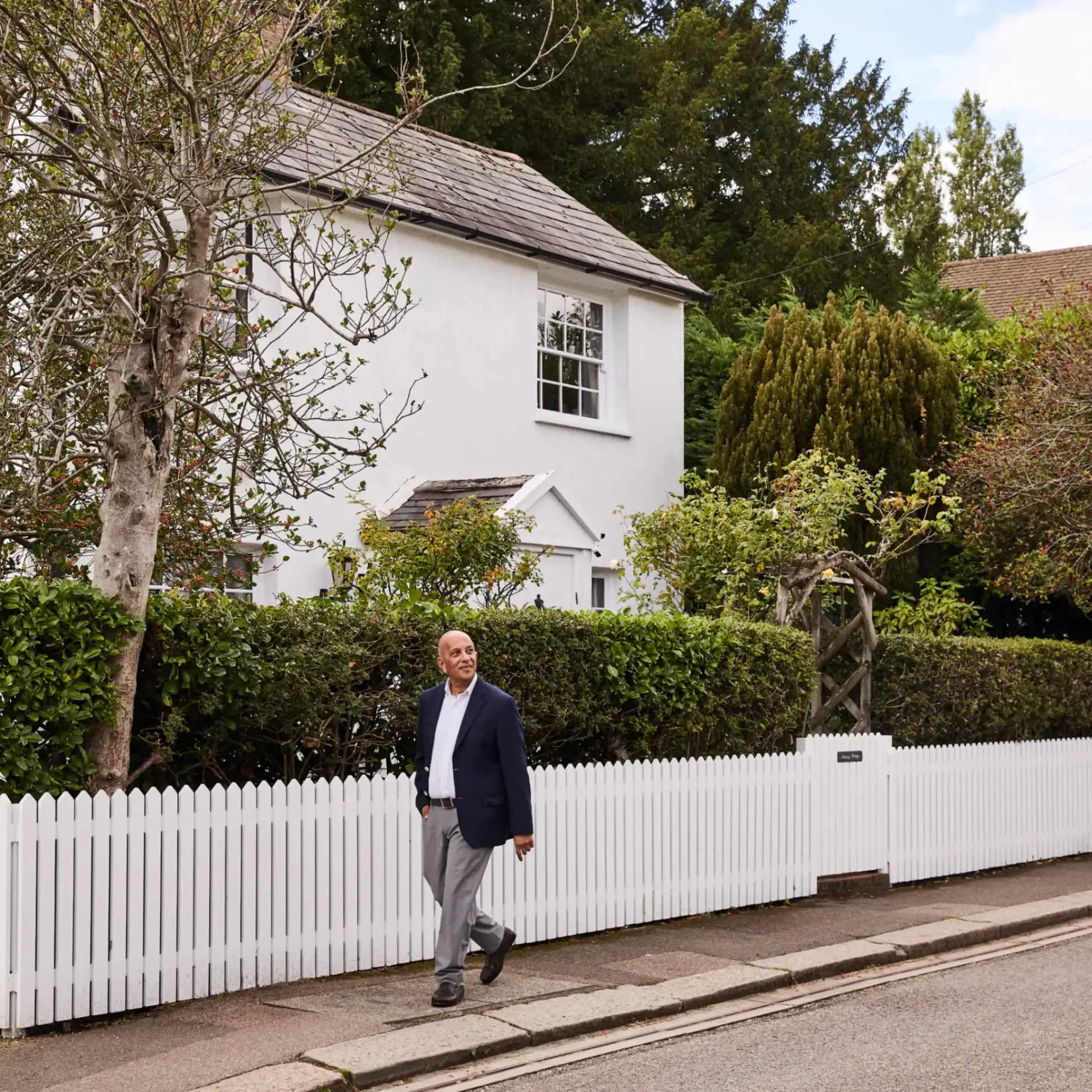
“Mill Hill has a village feel with the amenities of the Broadway high street on your doorstep,” says Salil Joshi, Knight Frank Affiliate Broker for Mill Hill and Totteridge. “Totteridge offers impressive substantial homes and countryside on the doorstep, while Whetstone has a great choice of cafés and restaurants.”
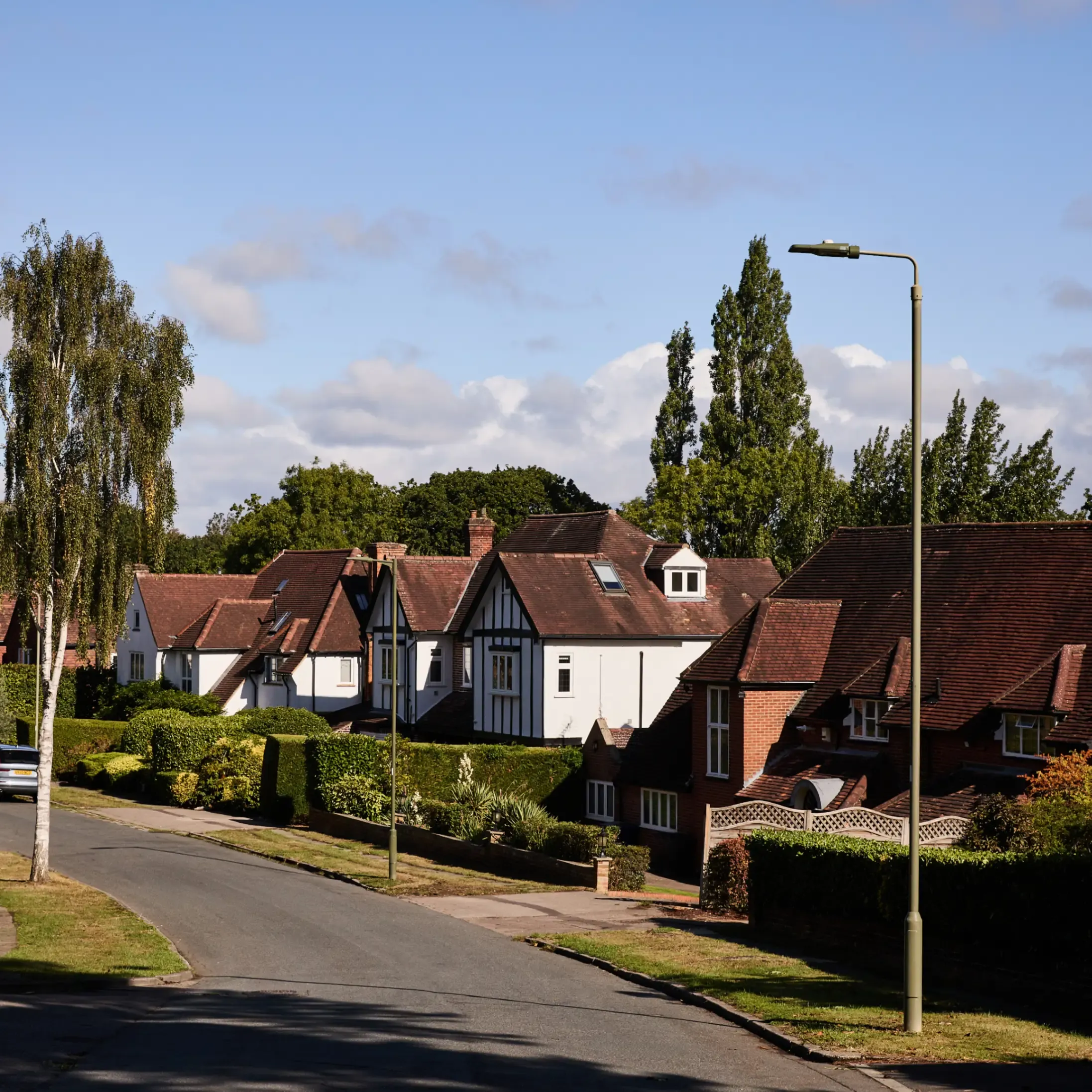
Despite their semi-rural character, all three locations are well connected. Totteridge & Whetstone station provides direct Northern line services into central London in around 30 minutes, while Mill Hill is served by both the Northern line and Thameslink, making commuting straightforward.
Each neighbourhood has its own distinct appeal. Totteridge is renowned for its large detached homes, generous plots and exclusive atmosphere, particularly around Totteridge Village and Totteridge Green. Mill Hill offers family houses, open parkland and a thriving local centre, while Whetstone balances a neighbourhood feel with an increasingly vibrant selection of independent cafés, restaurants and everyday amenities.
“Towards Mill Hill, Uphill Road and Partingdale Lane remain sought-after addresses,” says Joshi. “In Whetstone, homes within walking distance of the High Road and station are particularly popular for their convenience.”
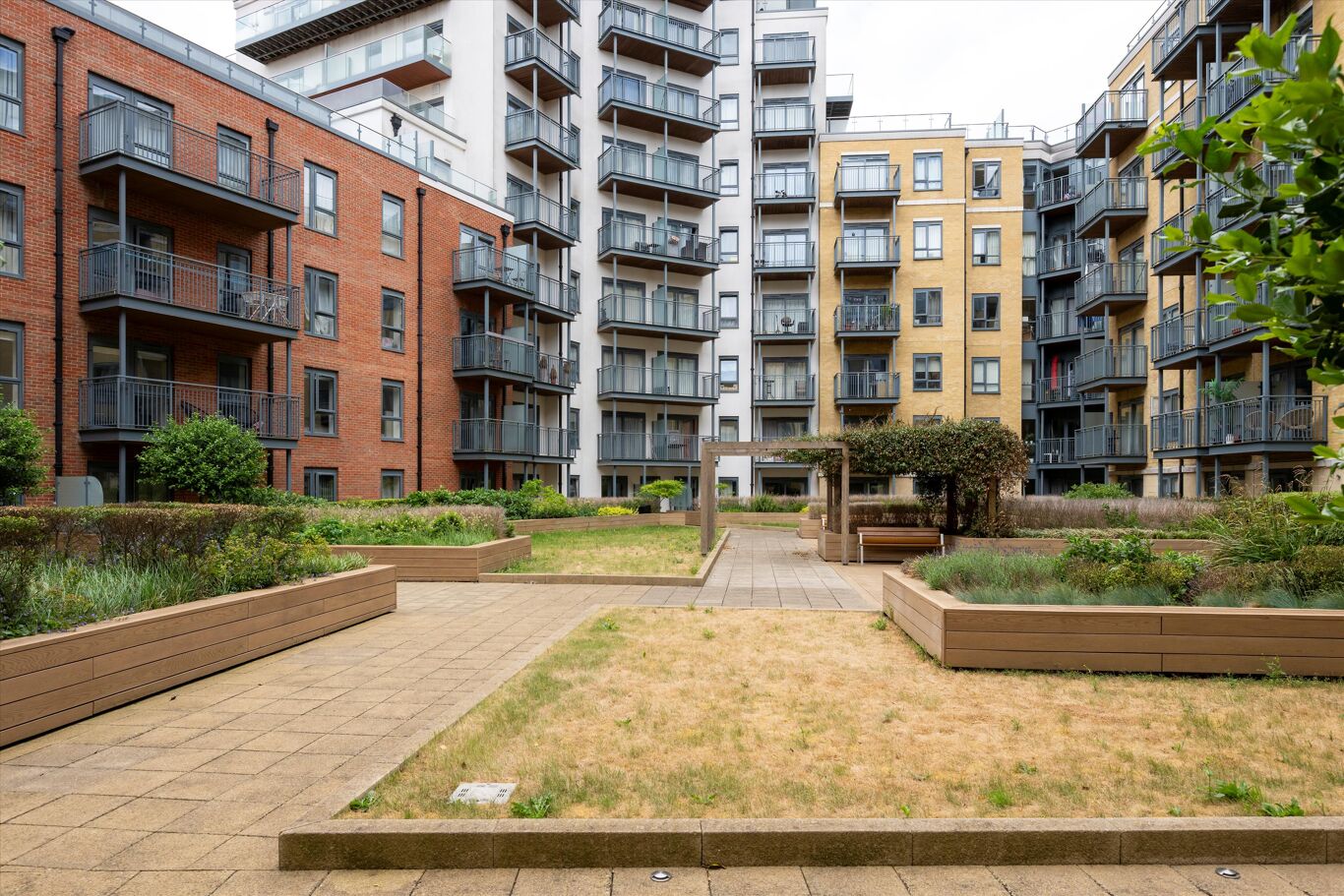
Flat, 608 sqft
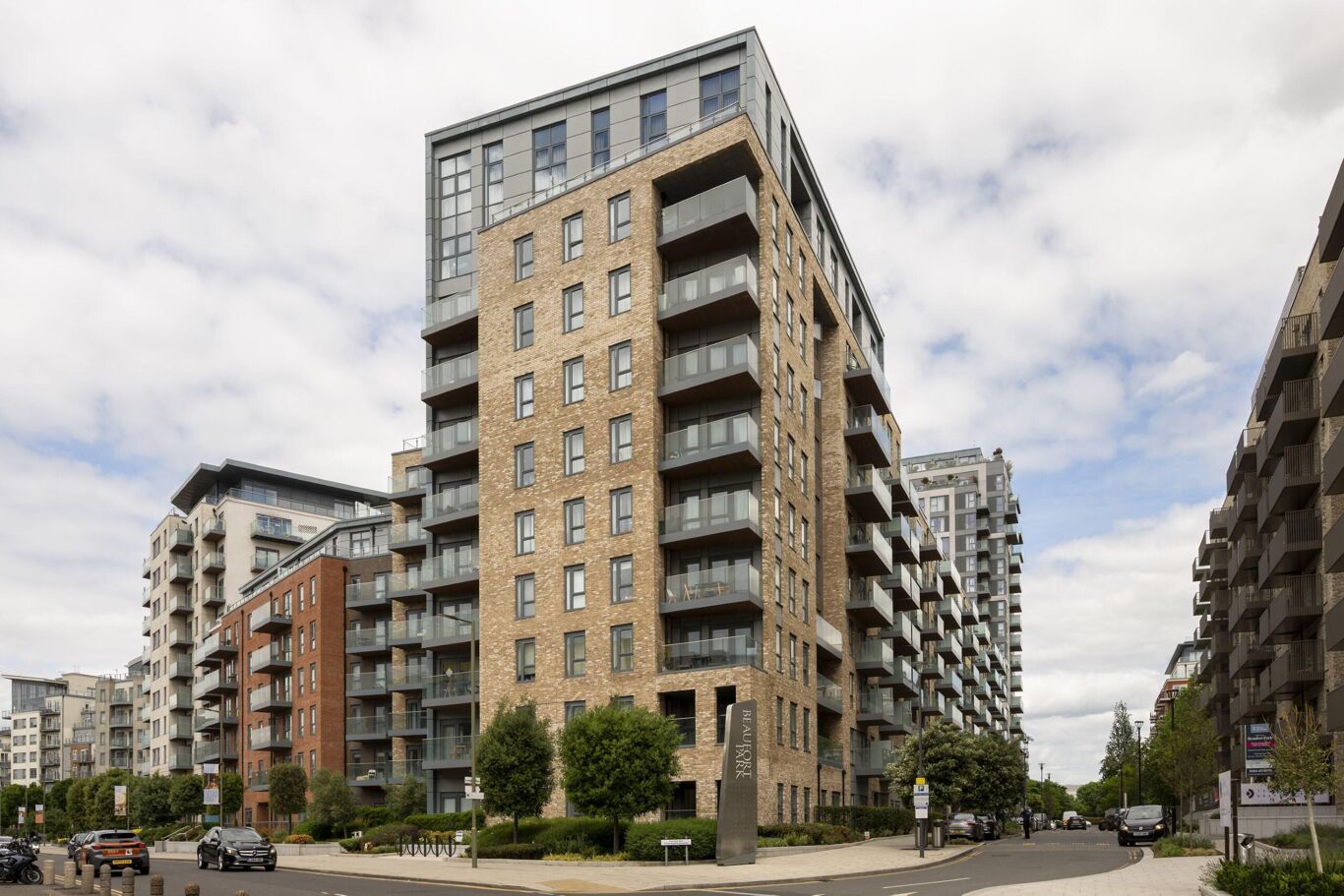
Flat, 682 sqft
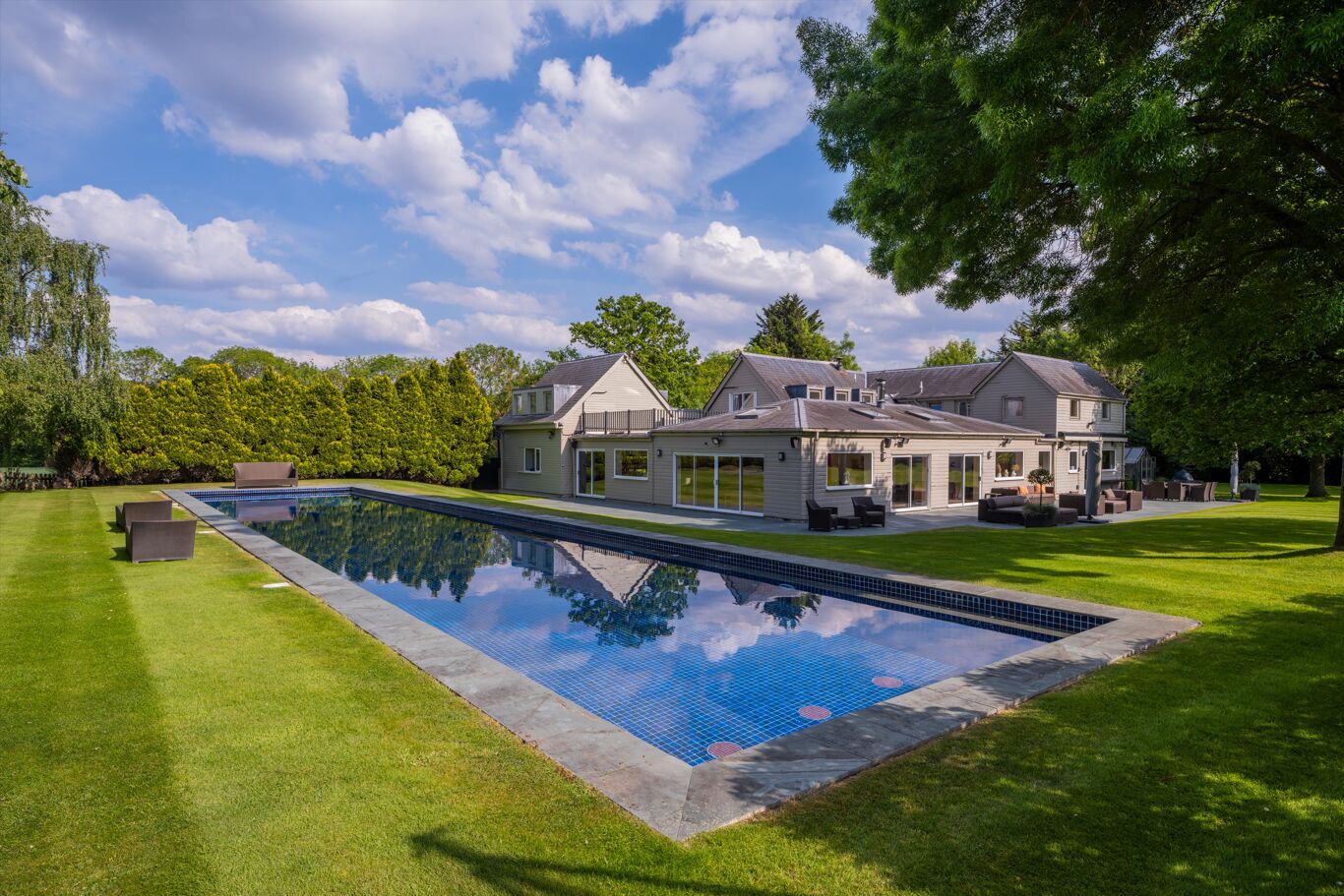
House, 6181 sqft
Neighbouring Shepherd’s Bush and Brook Green have become increasingly sought-after among buyers looking for a west London address that offers both convenience and character. Located in Zone 2, just outside the city’s central districts, the area is exceptionally well connected, with Central, Circle, Hammersmith & City, District, Piccadilly and London Overground services all within easy reach, putting the West End, the City and Heathrow within straightforward commuting distance.
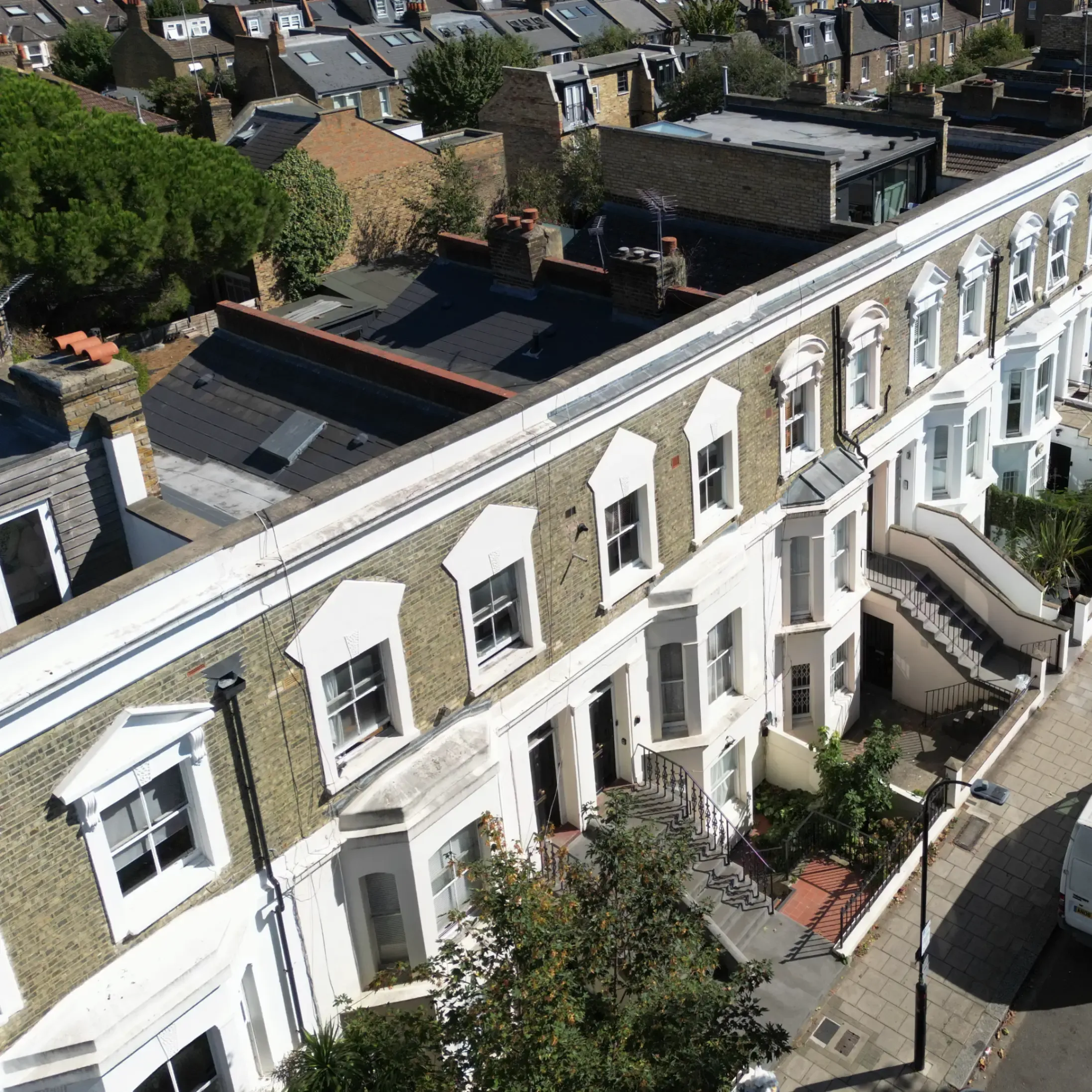
Shepherd’s Bush attracts a diverse mix of professionals, families and investors, drawn by its lively atmosphere and ongoing transformation. Alongside independent cafés, markets and restaurants, residents benefit from access to Westfield London, one of Europe's largest shopping and leisure destinations. The area's housing stock is equally varied, ranging from Victorian terrace conversions to modern developments that have emerged as part of wider development projects.
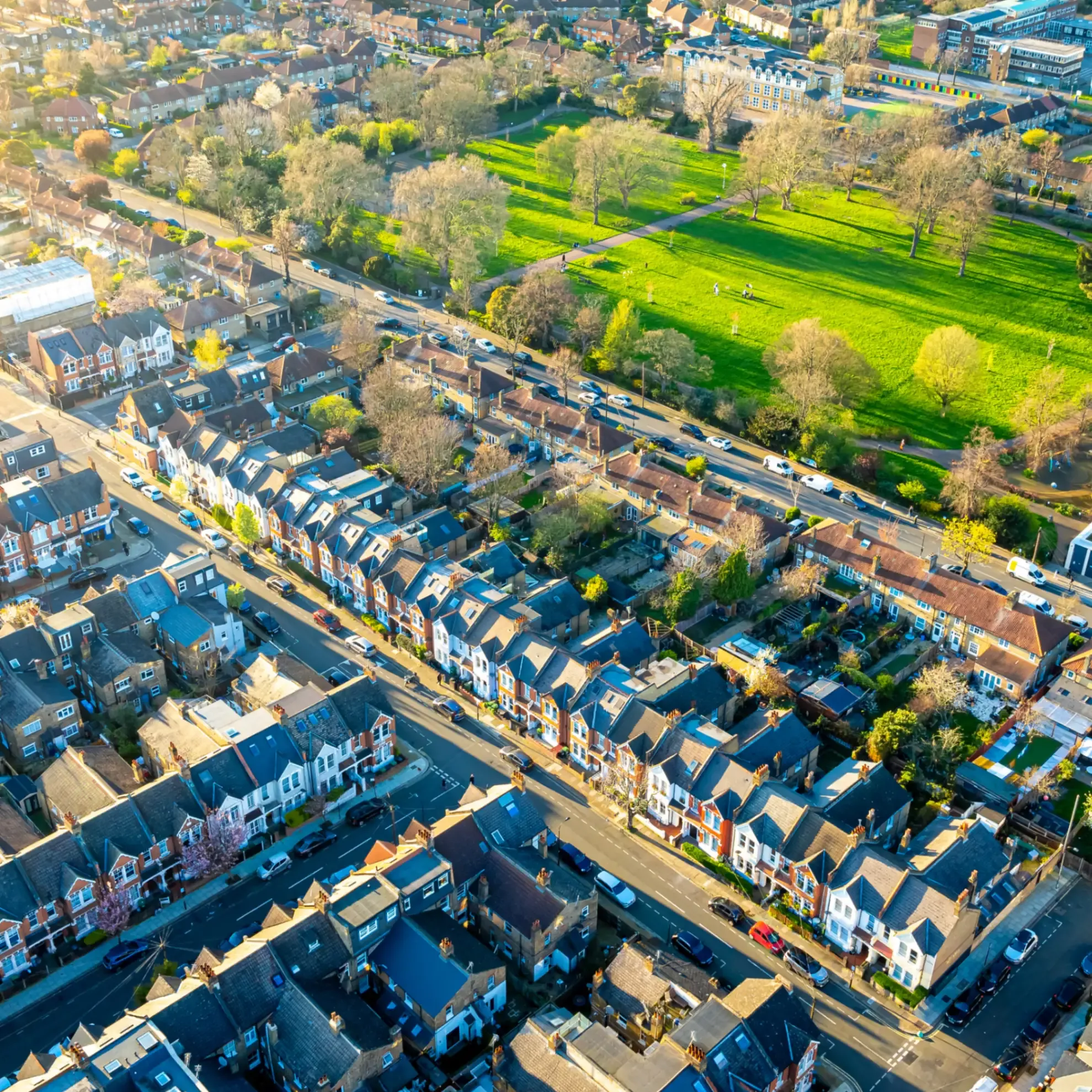
“Shepherd’s Bush has undergone a major regeneration programme in recent years and now combines Victorian terrace conversions with modern new builds,” says Caesar Matthias, Knight Frank Affiliate Broker for Shepherd’s Bush and Brook Green. “Particularly popular are the elegant Victorian terraces and cosy cottages found on streets like Loftus Road and Galloway Road.”
Brook Green offers a quieter, more established atmosphere. Centred around the attractive green space that gives the neighbourhood its name, it is especially popular with families thanks to its local feel and highly regarded schools, including St Paul’s CofE, Brackenbury Primary and Sacred Heart High School. The ongoing redevelopment of Olympia is further enhancing the area's appeal, bringing new cultural, entertainment and hospitality venues to the neighbourhood.
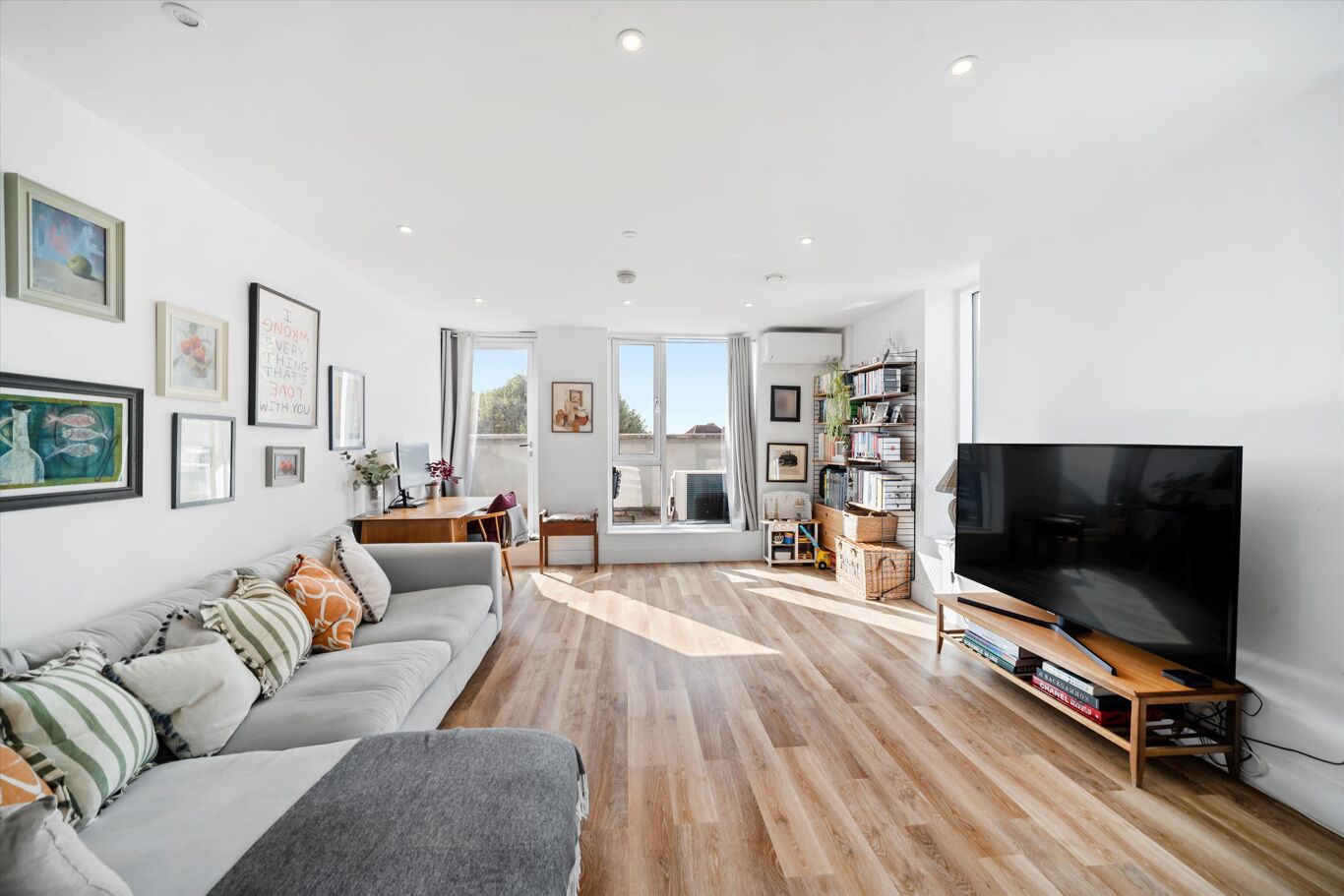
Flat, 920 sqft
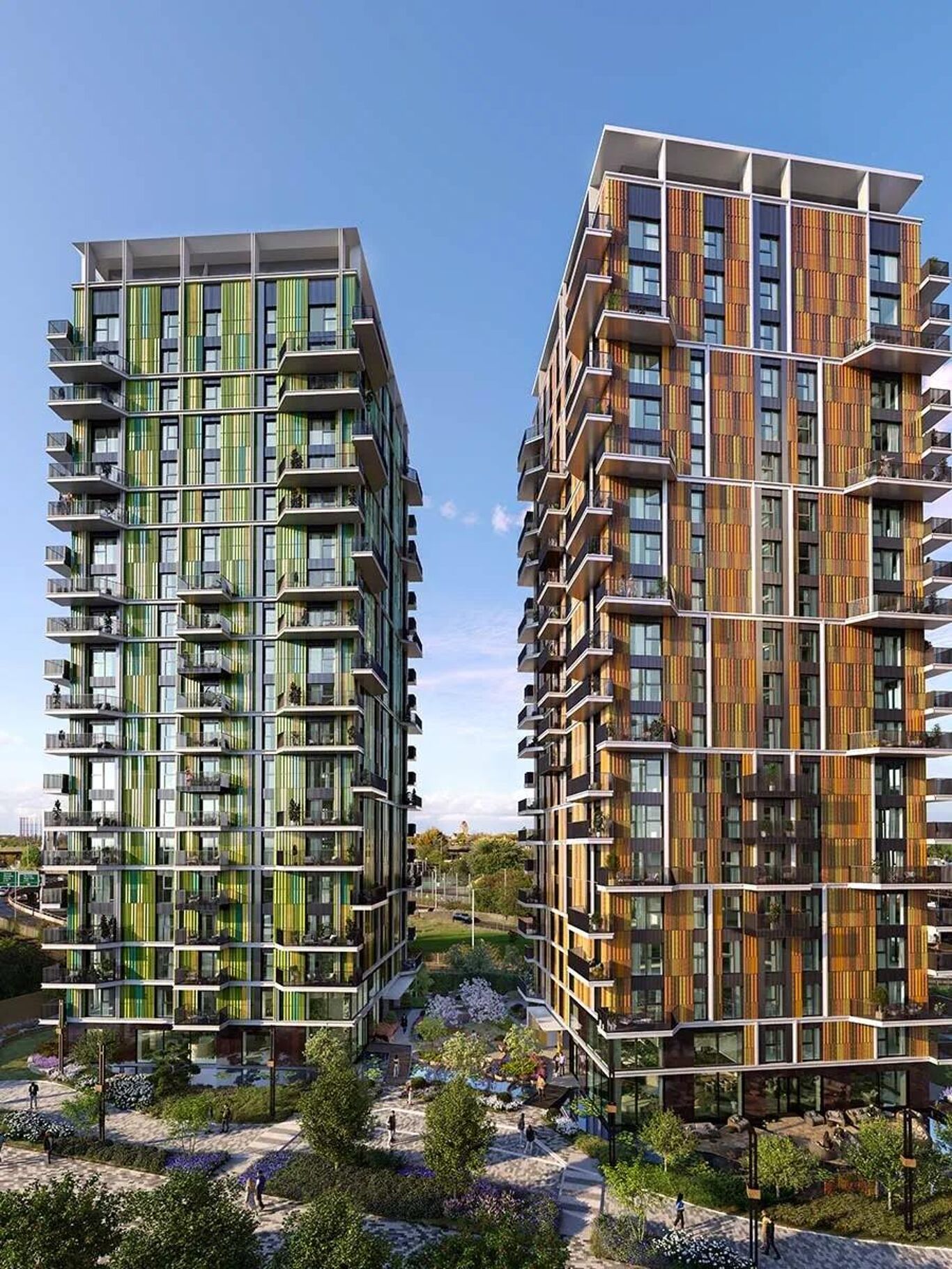
Development, 419 sqft
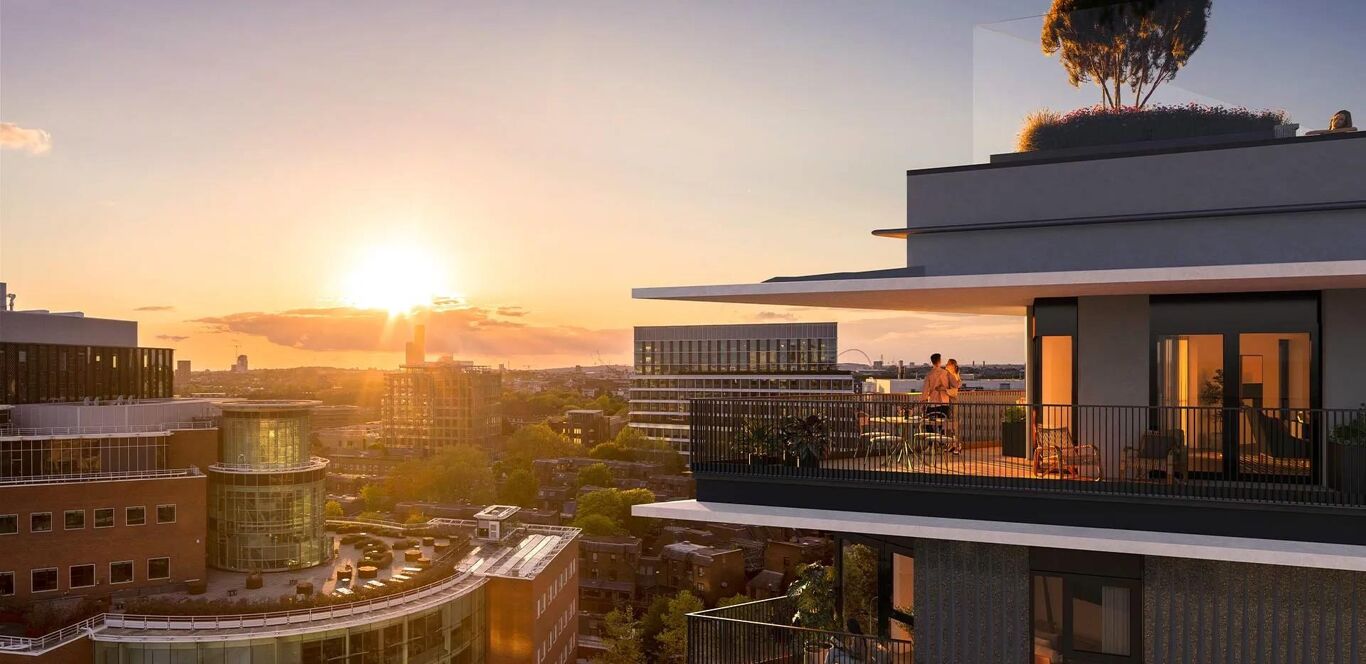
Development, 419 sqft
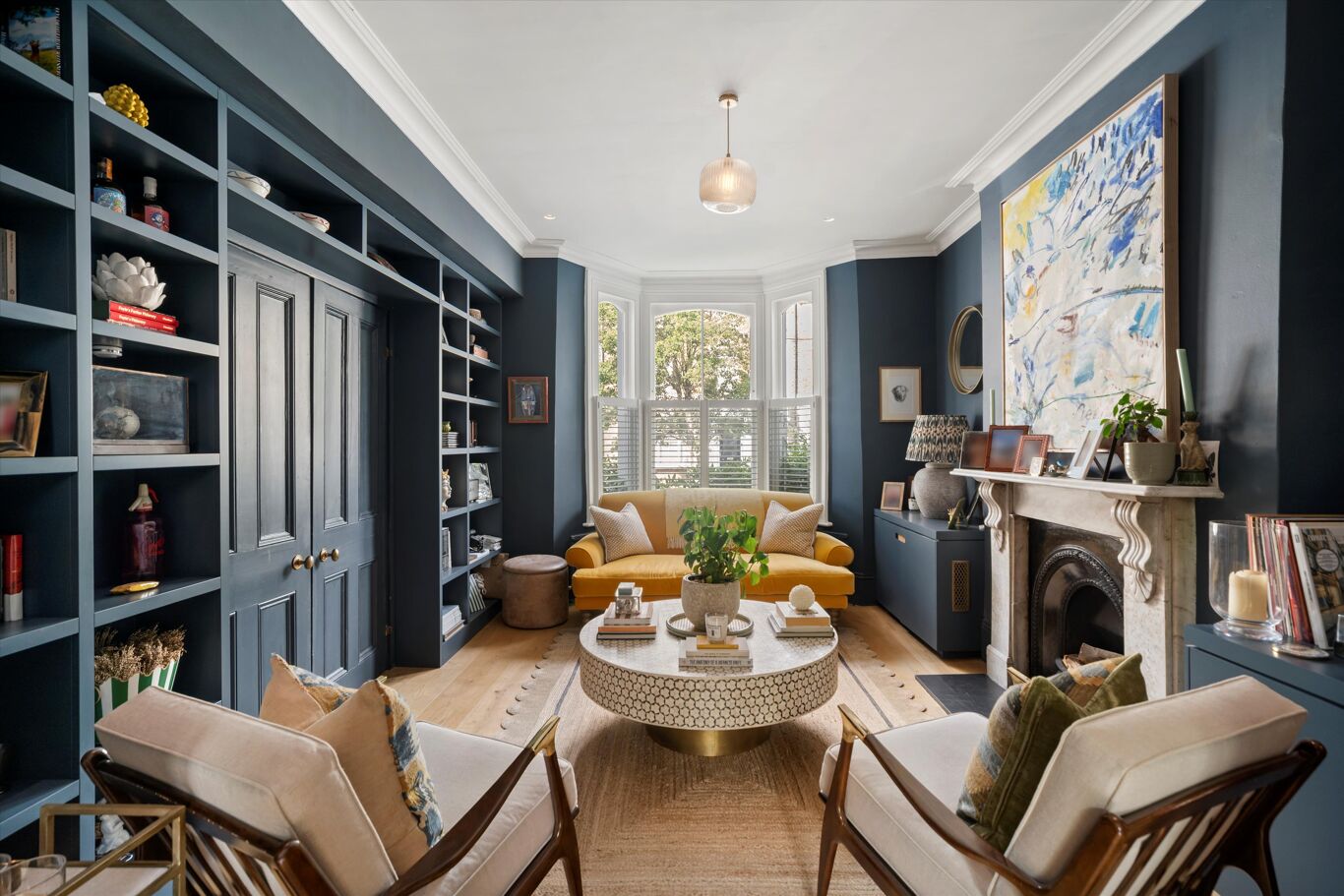
House, 2565 sqft
Greenwich’s skyline is defined by the silhouette of the Cutty Sark, a fitting symbol for a neighbourhood shaped by centuries of maritime history alongside iconic landmarks such as the National Maritime Museum and Old Royal Naval College. Neighbouring Blackheath shares a similarly rich heritage, with both locations characterised by handsome Georgian and Victorian architecture and abundant green space, including easy access to Greenwich Park, home to the Royal Observatory, as well as the 275 acres of Blackheath itself.
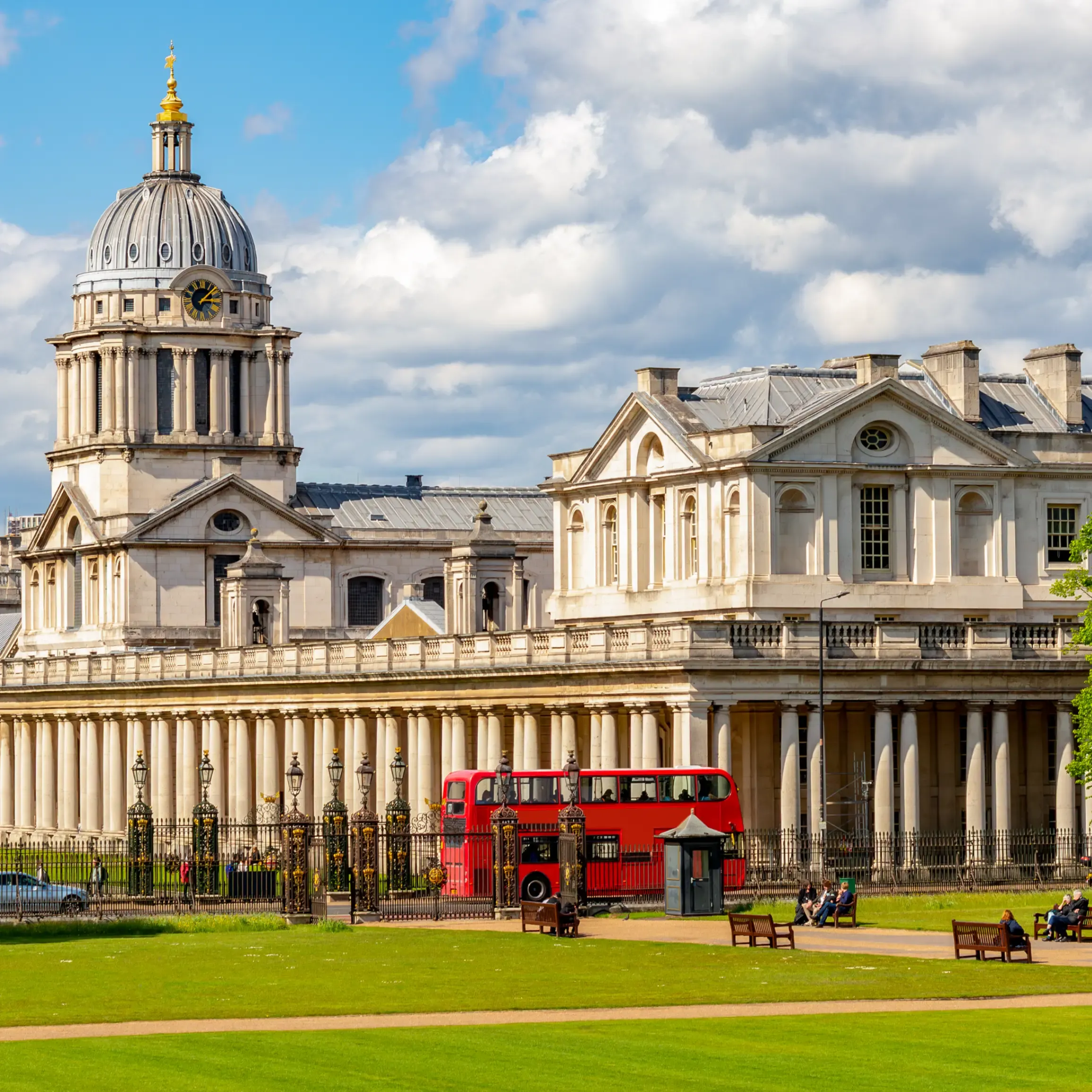
“Greenwich and Blackheath offer two distinct but complementary sides of London living,” explains McGovern. “Greenwich has a wonderful sense of history, with its maritime heritage, elegant architecture, independent shops, market and lively riverside. Blackheath feels more village-like, with its handsome period homes, independent cafés and restaurants, and the Heath at its heart. In London it is unusual to have that much breathing space alongside such a rich choice of cultural attractions.”
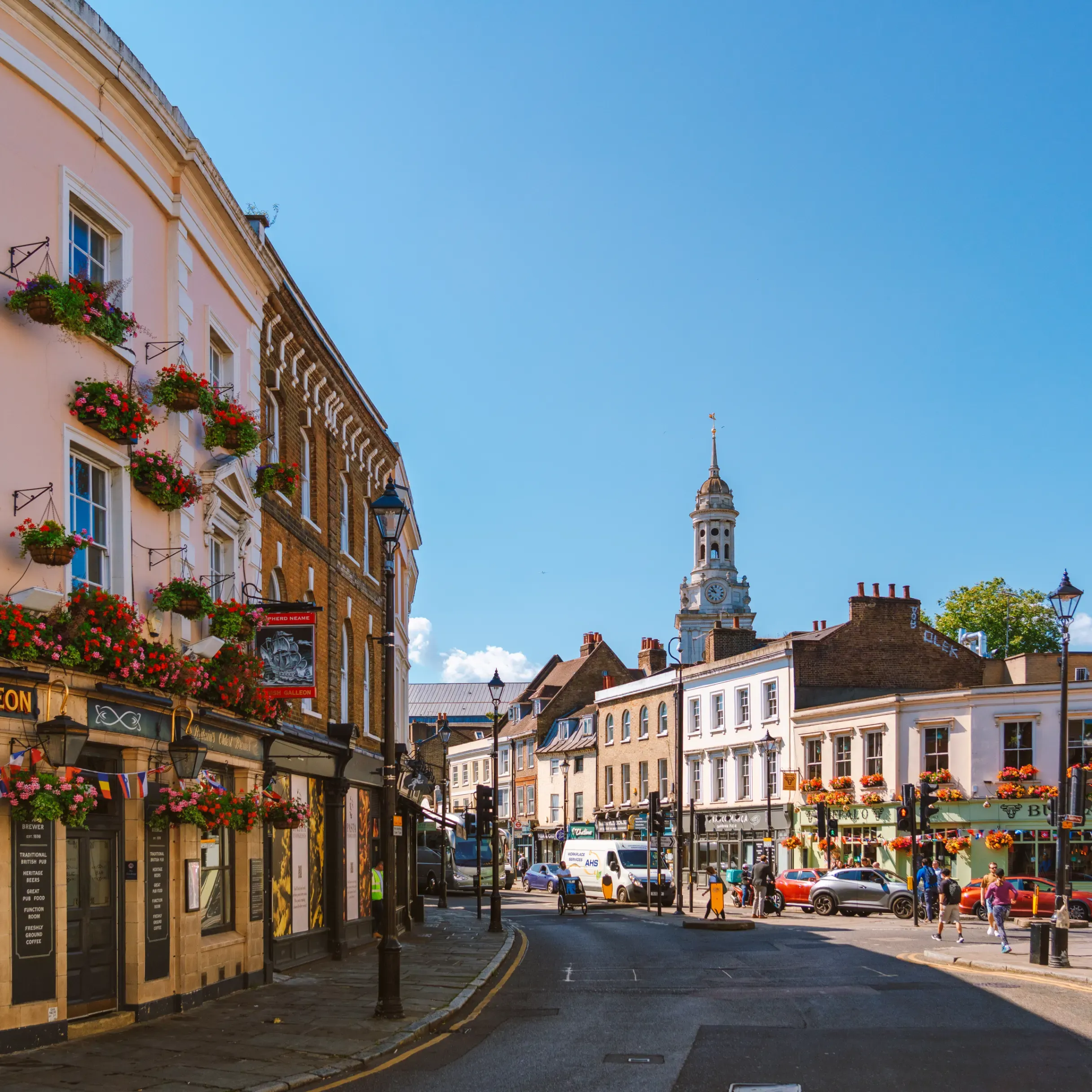
The area continues to evolve while respecting its historic character. Significant regeneration projects across the wider borough, including Royal Arsenal Riverside in Woolwich and the ongoing development of Greenwich Peninsula, have introduced new homes, restaurants, cultural venues and leisure amenities. Greenwich benefits from Zone 2/3 rail and DLR services, while Blackheath’s mainline station provides direct links to London Victoria, Charing Cross and Cannon Street.
According to McGovern, its heritage, open space and excellent transport links appeal to a broad range of buyers, from families seeking more room to professionals commuting to Canary Wharf, the City and central London. “In Greenwich, the streets surrounding the historic town centre and Greenwich Park remain especially sought-after, with the wider Maze Hill area worth exploring for buyers who want to be close to the park and river while considering a broader range of residential streets and property styles. In Blackheath, the Village and roads bordering the Heath continue to attract those drawn to period homes, independent cafés and restaurants and the open common, while nearby residential roads can offer a quieter setting.”
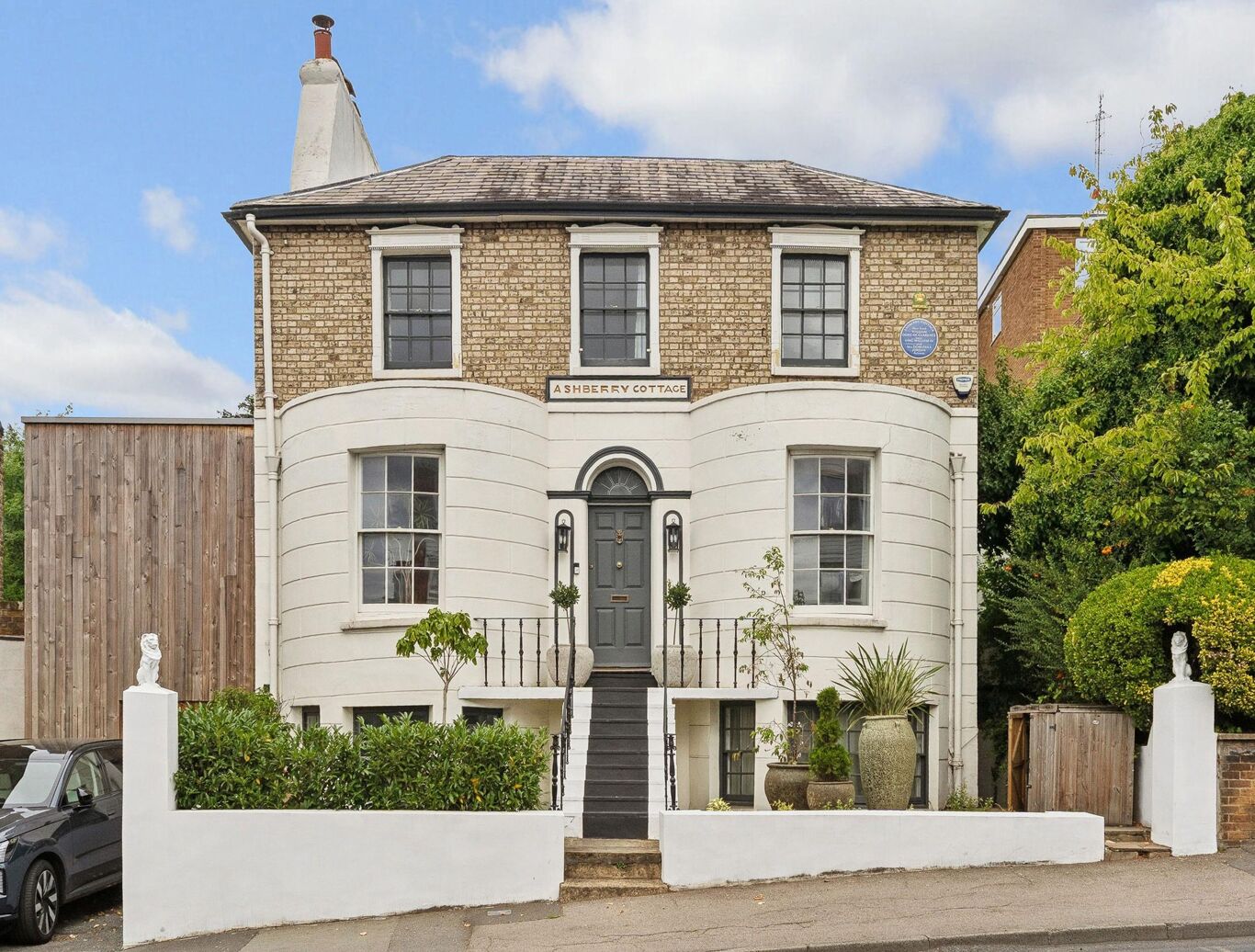
House, 3337 sqft
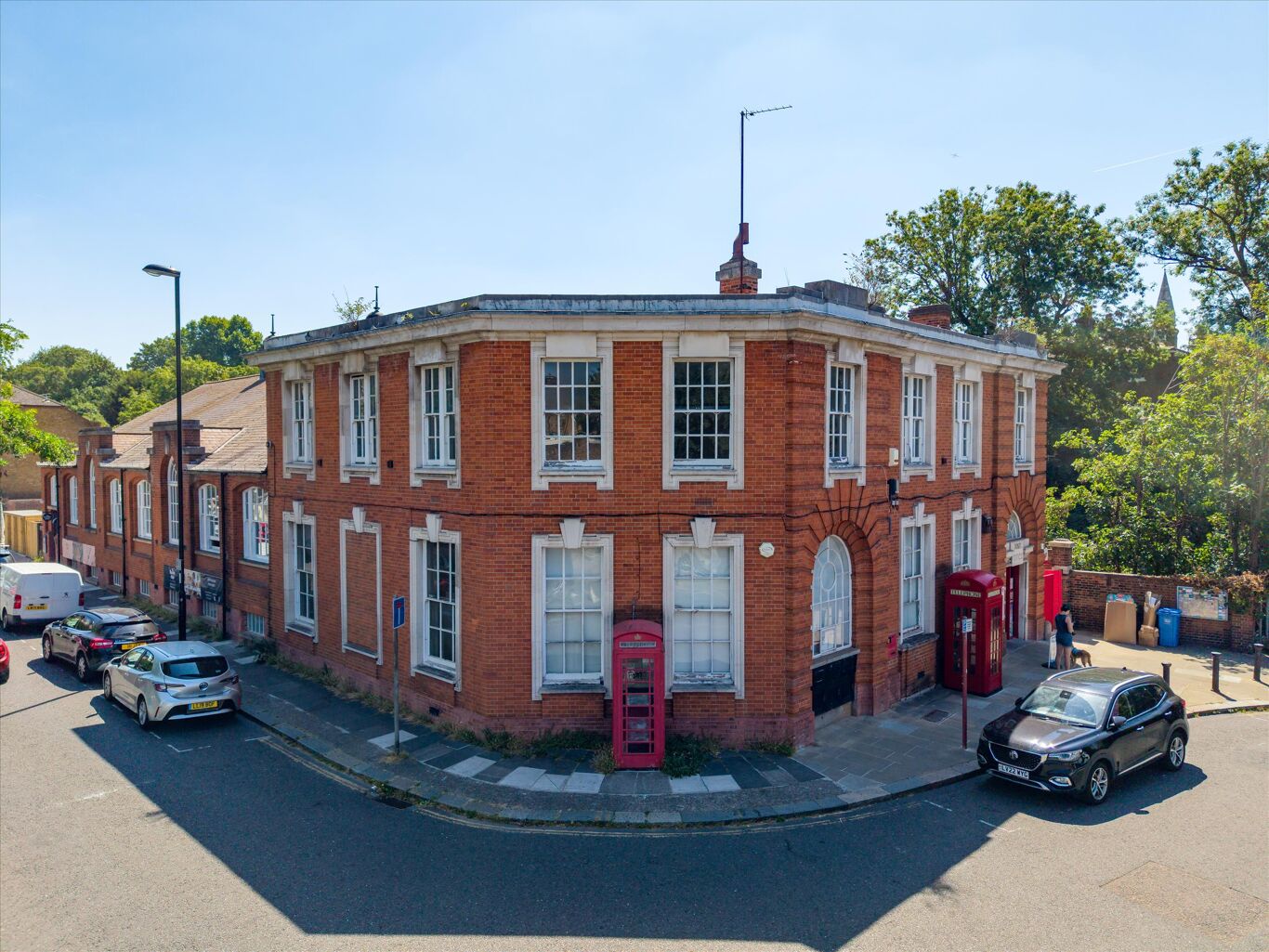
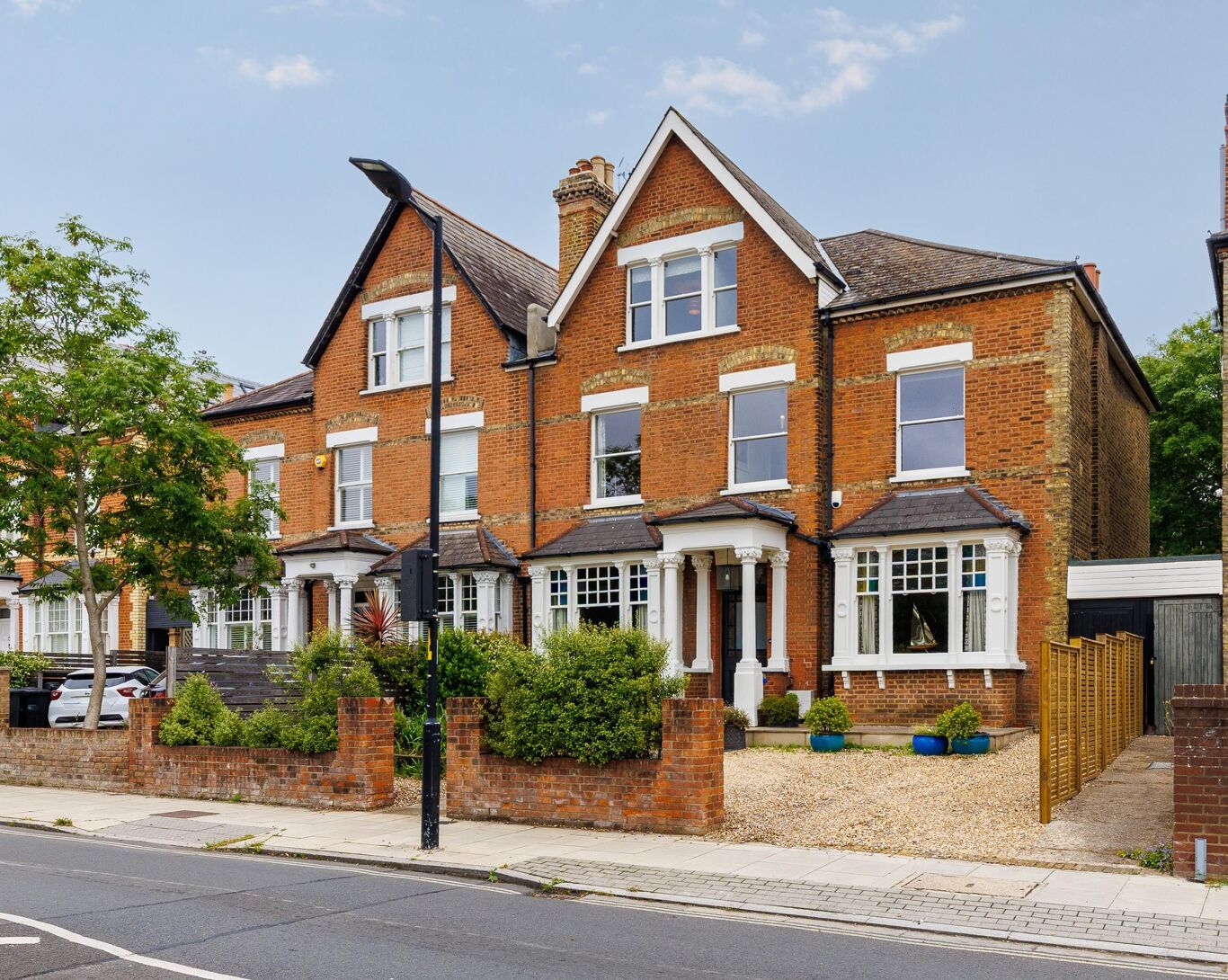
House, 3762 sqft
Discover more properties for sale across London
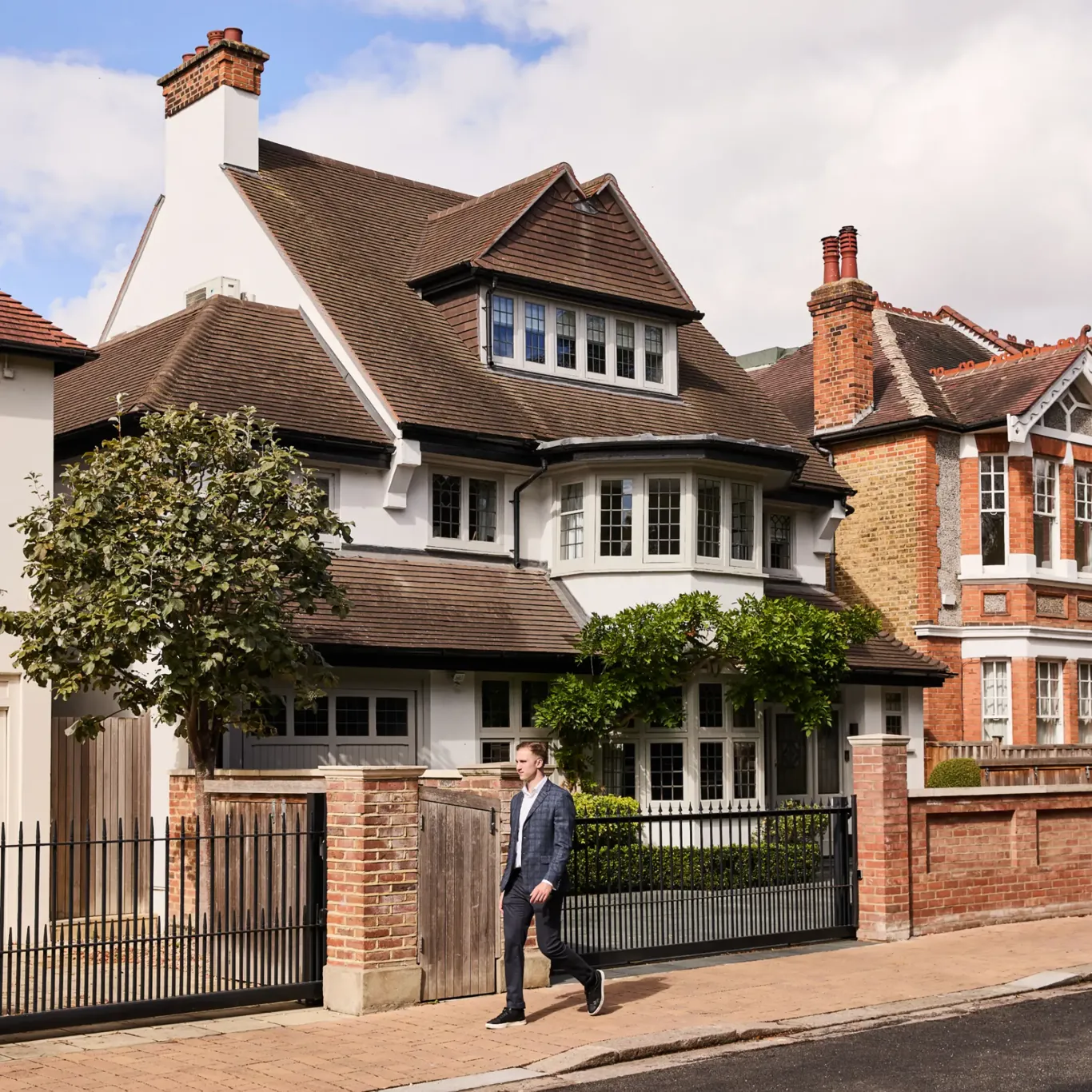
Locations
As buyers look beyond London's most established postcodes, local experts highlight the lesser-known neighbourhoods offering space, community and connectivity
22 October 2026
Homes
Spacious lateral homes, supreme craftsmanship and outstanding wellbeing facilities make this exceptional development a rare capital opportunity
07 October 2026

Homes
From solar panels and heat pumps to intelligent lighting and water-saving systems, energy efficiency is becoming a defining feature of modern homeownership
05 October 2026

Locations
As commuting patterns evolve, these well-connected locations are attracting buyers looking for flexibility, convenience and a better work-life balance
02 October 2026
Locations
Transaction volumes are rising as improving sentiment encourages buyers and sellers back into the prime central London market
21 September 2026

Locations
Consistently ranked among London’s happiest boroughs, Richmond pairs exceptional green space, top-performing schools and elegant homes with effortless access to the capital
11 September 2026

Locations
From top-performing state schools to leading independent education, these sought-after locations combine exceptional schooling with family-friendly homes and communities
09 September 2026
Locations
From pastel terraces to garden squares and world-famous markets, Notting Hill blends charm, culture and community like nowhere else in the capital
25 August 2026
Homes
Ben Goldsmith shows the magic of Ormeley Lodge, home for 50 years to his mother Lady Annabel Goldsmith and for sale through Knight Frank.
30 July 2026
Locations
Between Clapham and Wandsworth Commons lies one of southwest London’s most sought-after family neighbourhoods, prized for its schools, space and community feel
19 June 2026

Inspiration
Flexible rentals, premium rates and global demand are making summer an increasingly attractive opportunity for homeowners in the short lets market
21 May 2026
Homes
Far from conventional, these exceptional properties blend creativity and individuality, each a thoughtfully designed showcase of architectural flair
20 May 2026
Locations
From royal roots to bohemian spirit, Chelsea remains one of London’s most enduringly desirable addresses
20 May 2026
Locations
From post‑war reinvention to world‑class regeneration, London’s South Bank has become one of the capital’s most dynamic destinations
08 May 2026
Inspiration
As new government legislation comes into force, what are the current market trends landlords should know to achieve a successful tenancy
28 April 2026
Locations
Why Kensington remains one of London’s most sought‑after neighbourhoods – from its strong community to luxury new homes
09 April 2026
Homes
From strategic timing and smart pricing to simple presentation upgrades, these expert tips will help you secure the strongest possible offer
08 April 2026
Homes
From Bond icons to arthouse legends, these properties offer heritage, character and true cinematic provenance
11 March 2026
Homes
From capped ground rents to a planned ban on new leasehold flats, here’s how the 2026 reforms could reshape flat ownership and the market
05 February 2026
Locations
The Coombe Estate in southwest London offers a secluded, secure and elevated lifestyle that evokes countryside living - yet is within easy reach of the heart of the capital
16 January 2026
Locations
From London neighbourhoods on the rise to sought-after countryside escapes, here are the key locations buyers and renters should be watching in 2026
18 December 2025
Homes
From historic properties with famous connections to family houses in London’s village-like neighbourhoods, discover a collection of the finest homes in the capital
17 December 2025
Homes
As we approach the end of the year, from landmark country estates to London’s finest period properties, we look back at some of Knight Frank’s most notable sales of 2025
17 December 2025
Inspiration
Discover the capital’s great estates delighting residents and visitors with their seasonal displays and events
03 December 2025
Sorry!
An unexpected error has occurred.
Please try again later.
