

The reinvention of the South Bank: how London’s cultural hub became a prime residential address
From post‑war reinvention to world‑class regeneration, London’s South Bank has become one of the capital’s most dynamic destinations

From post‑war reinvention to world‑class regeneration, London’s South Bank has become one of the capital’s most dynamic destinations
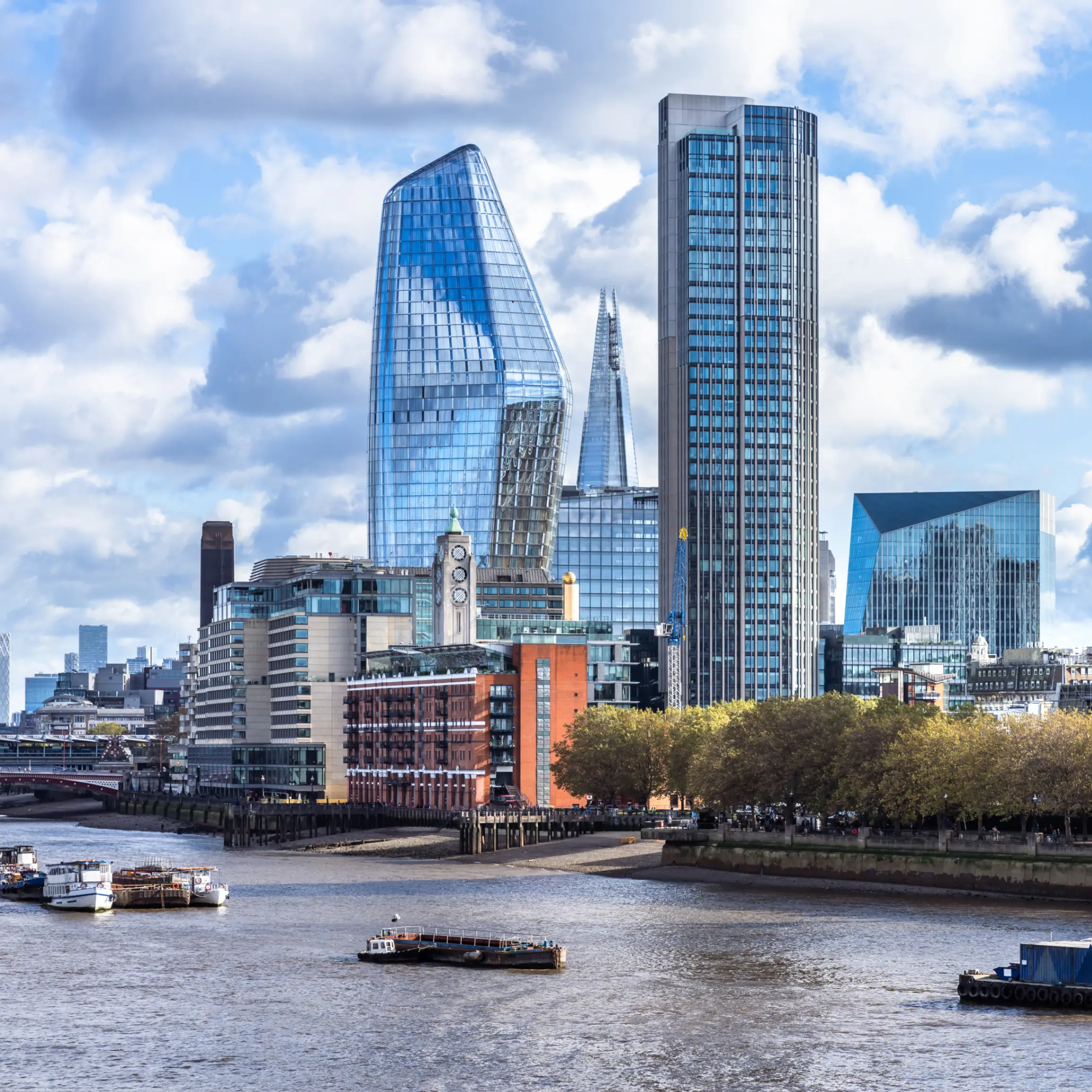
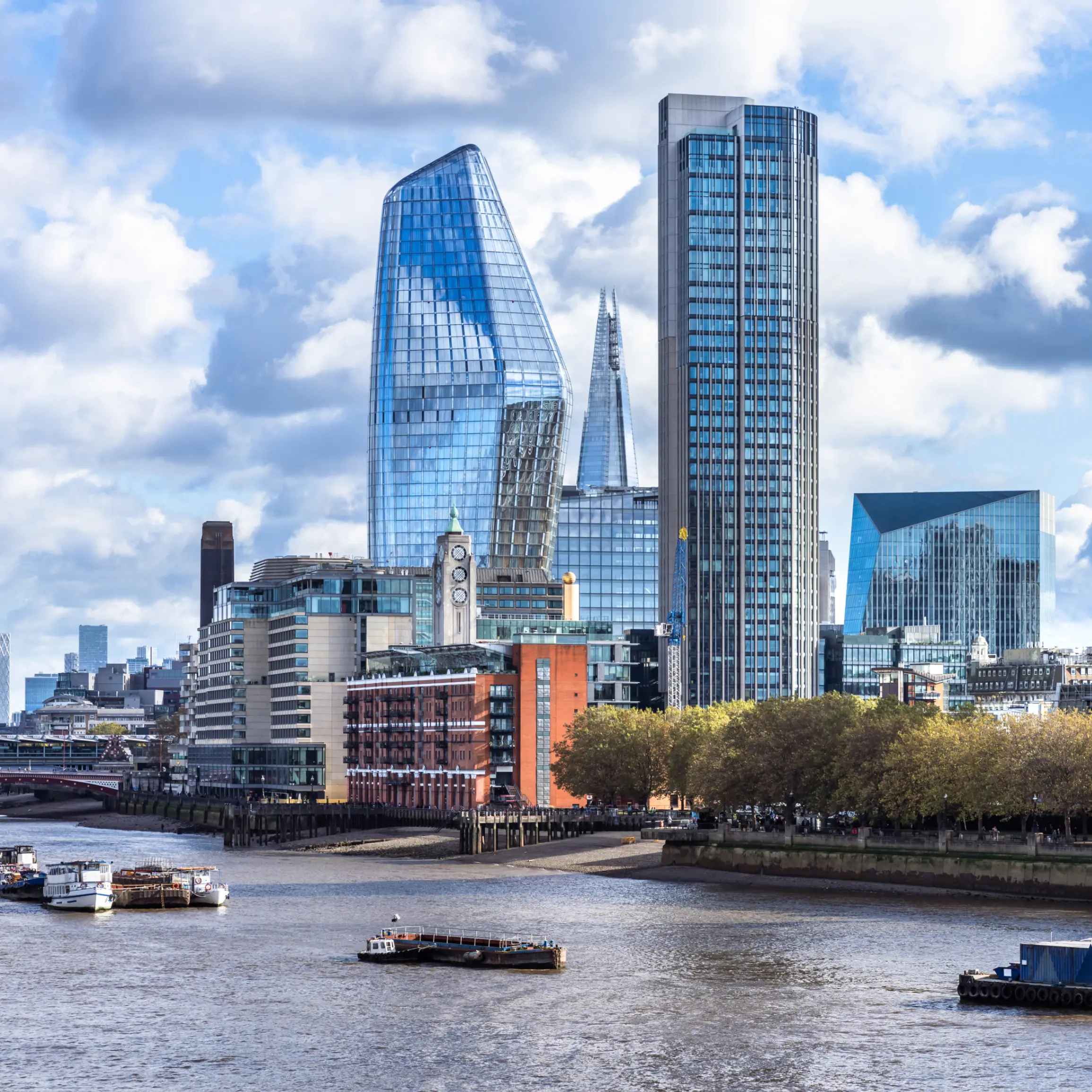
Take a stroll along the stretch of the Thames that runs beside the South Bank in the late 1940s and it would be barely recognisable to Londoners today. Heavily damaged during World War II, this formerly industrial area was a mishmash of warehouses and derelict buildings — a far cry from the vibrant cultural neighbourhood it is today.
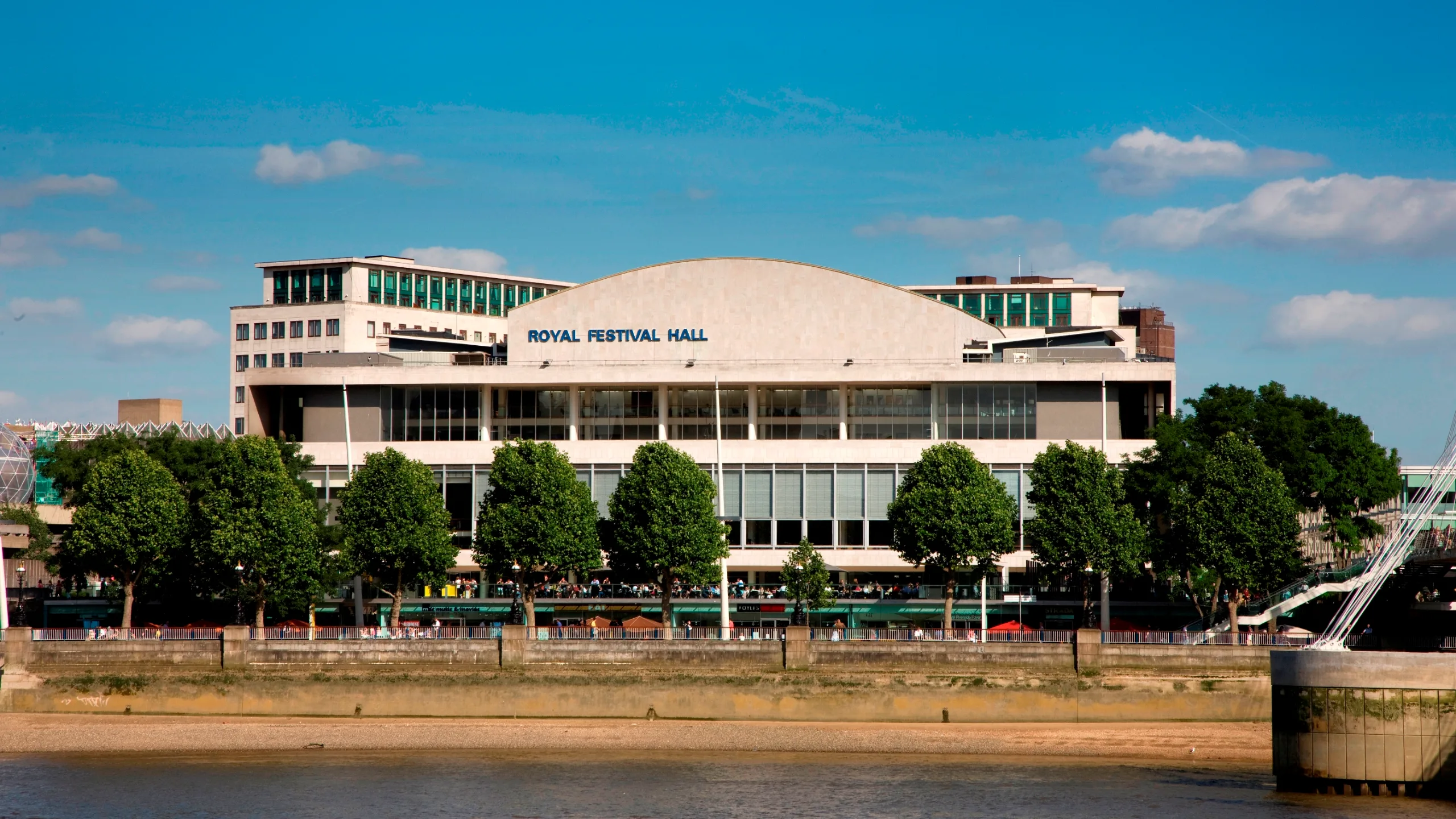
In 1951, the Festival of Britain took place as a post-war morale‑boosting effort. At its heart was the Royal Festival Hall, built on the site of the Lion Brewery, which has since become part of the Southbank Centre, the largest arts centre in the UK. As the venue marks its 75th anniversary, it represents just one chapter in the area’s remarkable transformation, much of which has accelerated in recent decades.
This regeneration has been — and continues to be — defined by landmark developments offering an ambitious mix of office and residential space, with a strong focus on the public realm to create a place where people want to live, not just work.
“Twenty years ago, living on the South Bank was still relatively niche, constrained by fragmented land use and a limited residential offer. The wave of large-scale, design-led developments since the mid‑2000s has fundamentally changed that perception,” says Emma Warom, Department Head in Knight Frank’s London New Homes team. “Schemes such as NEO Bankside, One Blackfriars, Southbank Place and Opus illustrate the move toward premium, architecturally ambitious, internationally recognisable residential living alongside cultural assets.”
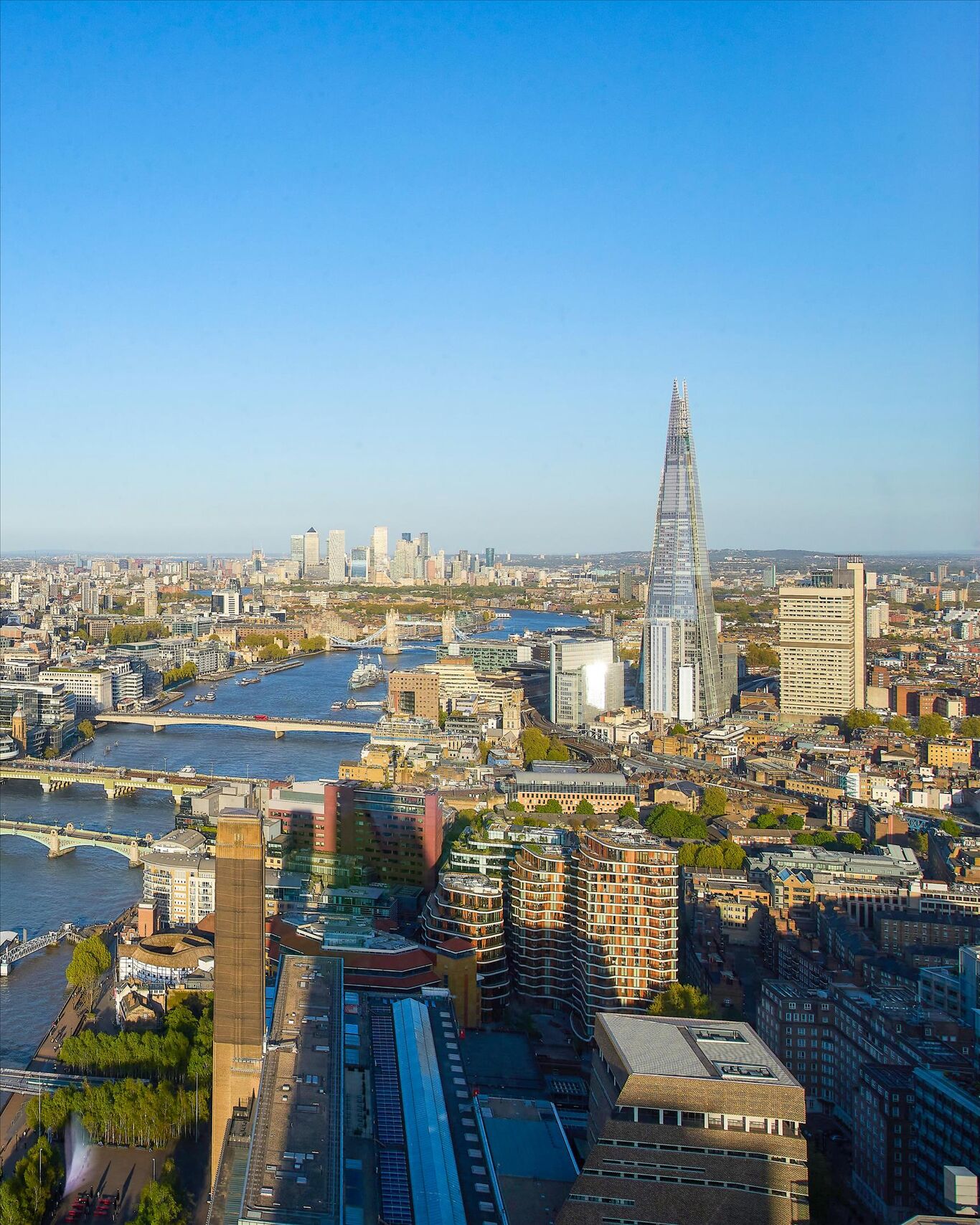
Projects such as Bankside Yards, a landmark fossil fuel‑free mixed-use destination, represent the scale of this ambition. The development spans eight buildings along the River Thames, with the 50-storey Opus the first residential building to open, set to be joined by the luxury hotel Mandarin Oriental in 2030.
Nicholas Gray, Executive Director at Native Land, the developer behind the scheme, stresses the importance of sensitivity to what already exists, both physically and culturally, in the area. “Our approach is not to replicate the past, but to respond to it in a way that is legible and respectful, while still clearly of its time,” he says.
“At Bankside Yards, we are meticulously restoring 14 Victorian railway arches that have been closed for over a century, but the buildings around them are deliberately calm and contemporary. Successful integration means understanding what each layer of history contributes to the overall character, then ensuring new interventions enhance rather than compete with what's been standing there for decades. When handled well, that dialogue between old and new tends to elevate both the historic and the contemporary.”
Development
Now Launched: Premium, next-generation living in an iconic riverside masterpiece at London’s most desirable new residential address – Opus at Bankside Yards.
Sustainability, too, is fundamental to this longevity. Bankside Yards is the UK's first major fossil fuel-free mixed-use development, powered entirely by renewable electricity and designed to achieve net zero carbon in operation. Upon completion, a pioneering fifth-generation energy sharing network - the first at this scale in the UK - will allow each of the eight buildings to share thermal energy through a single network, significantly reducing operational energy across the estate.
“But sustainability, for us, is as much about the lived experience as the technical specification: 3.3 acres of biodiverse public realm, transparent energy costs for residents, and building systems designed to remain efficient decades from now,” he adds. “Expectations have risen significantly, and rightly so. The focus now is on how places function over decades, not just at completion.”
The South Bank’s success sits against a backdrop of supply compression elsewhere in the capital, where London housing starts in 2025 fell to their lowest levels since 2009. This scarcity is compounded by its prime position, representing one of the few remaining large-scale central riverside development opportunities in London.
“With developable land limited, scarcity is increasingly shaping buyer behaviour. Prime riverside stock is thinly traded, and new build opportunities are both complex and capital intensive. This has supported price resilience, particularly for best in class schemes,” says Emma. “The forward pipeline is modest and increasingly focused on smaller, more constrained sites or redevelopment rather than transformational regeneration, suggesting limited new supply over the next decade.”
The area is underpinned by strong commercial growth. According to Knight Frank data from 2025, 2.6 million sq ft of prime office space has been completed here since 2014, with an additional 1.6 million currently under construction. Office rents have grown at an annual average of 4.1% over the past decade — above the London average of 3.9%.
As employers increasingly bring people back into the office, the areas that thrive are those that offer a compelling lifestyle to support hybrid working, rather than solely a commuter economy.
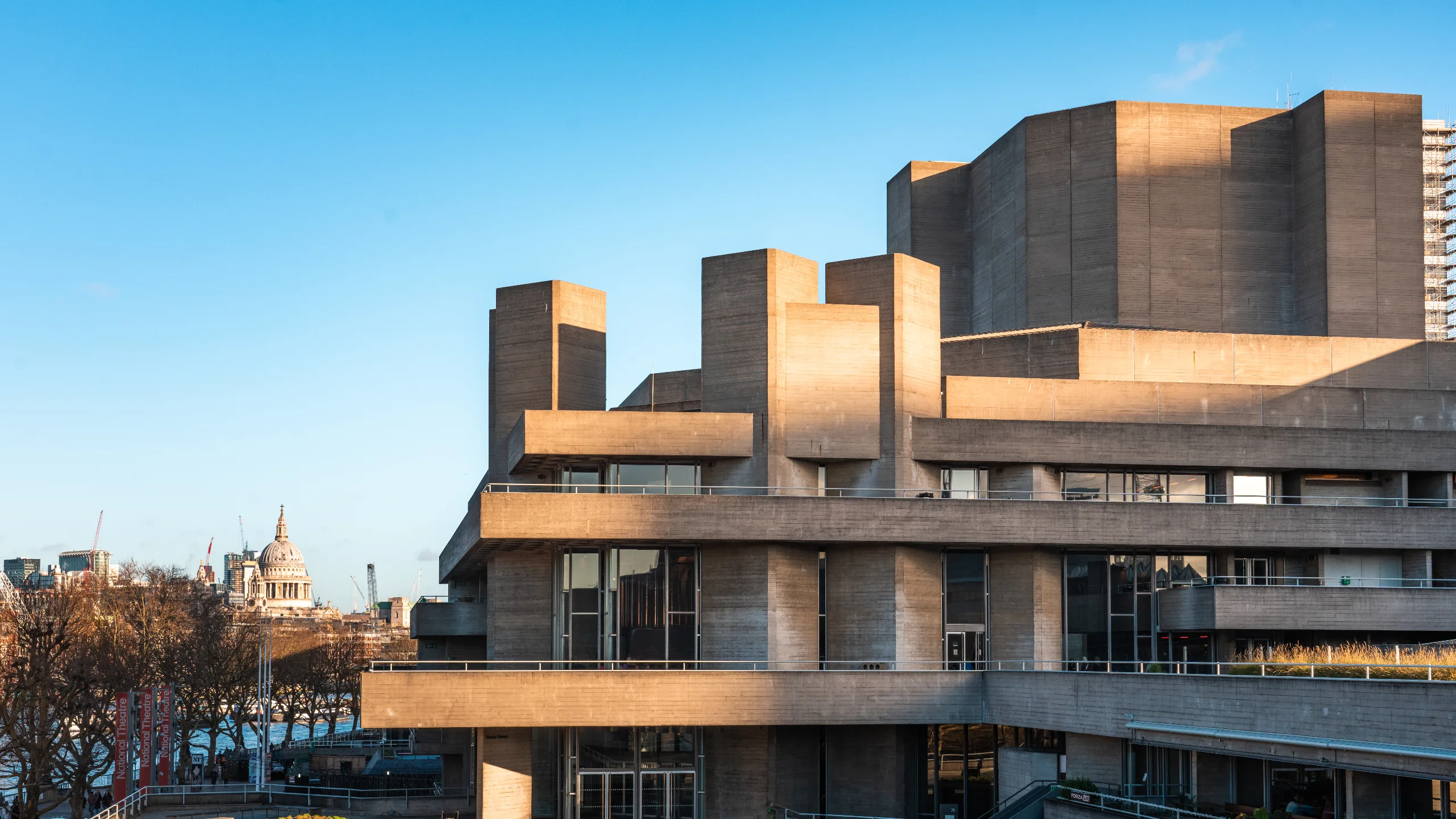
This is where the South Bank stands out, with strong transport connections and an established cultural offer — including the Southbank Centre, Tate Modern, the National Theatre and Shakespeare’s Globe. This evolution continues. Since 2014, Knight Frank data estimates that within a 20-minute walk of Bankside Yards there are now more than 85,000 sq ft of new bar, pub and club space, nearly 190,000 sq ft of new restaurant space and over 70,000 sq ft of new event and attraction space. “Over the long term, proximity to landmark cultural infrastructure tends to stabilise values, reduce volatility, and support rental demand, as these institutions are permanent, cannot be replicated and are protected,” adds Emma.
Regeneration of this scale and pedigree is rare — with Emma pointing to just a small handful of comparable examples such as King’s Cross and Canary Wharf. Even so, the South Bank’s positioning and long-standing heritage offer something that is difficult to recreate. “Its the result of unique ingredients: riverside geography, existing world class cultural institutions, proximity to multiple central amenities, and sustained political and financial commitment over decades,” she says.
This importance of taking a forward-looking view is echoed by Nicholas. “The South Bank demonstrates what becomes possible when patient capital, strong governance, and cultural infrastructure align over an extended timeline,” he adds. “Success lies less in copying a specific model and more in understanding complex local conditions deeply, then addressing them intelligently to unlock something demonstrably superior to what would emerge on a straightforward site. The more useful lesson is the value of patience and long-term thinking in regeneration.”
Contact our London New Homes team
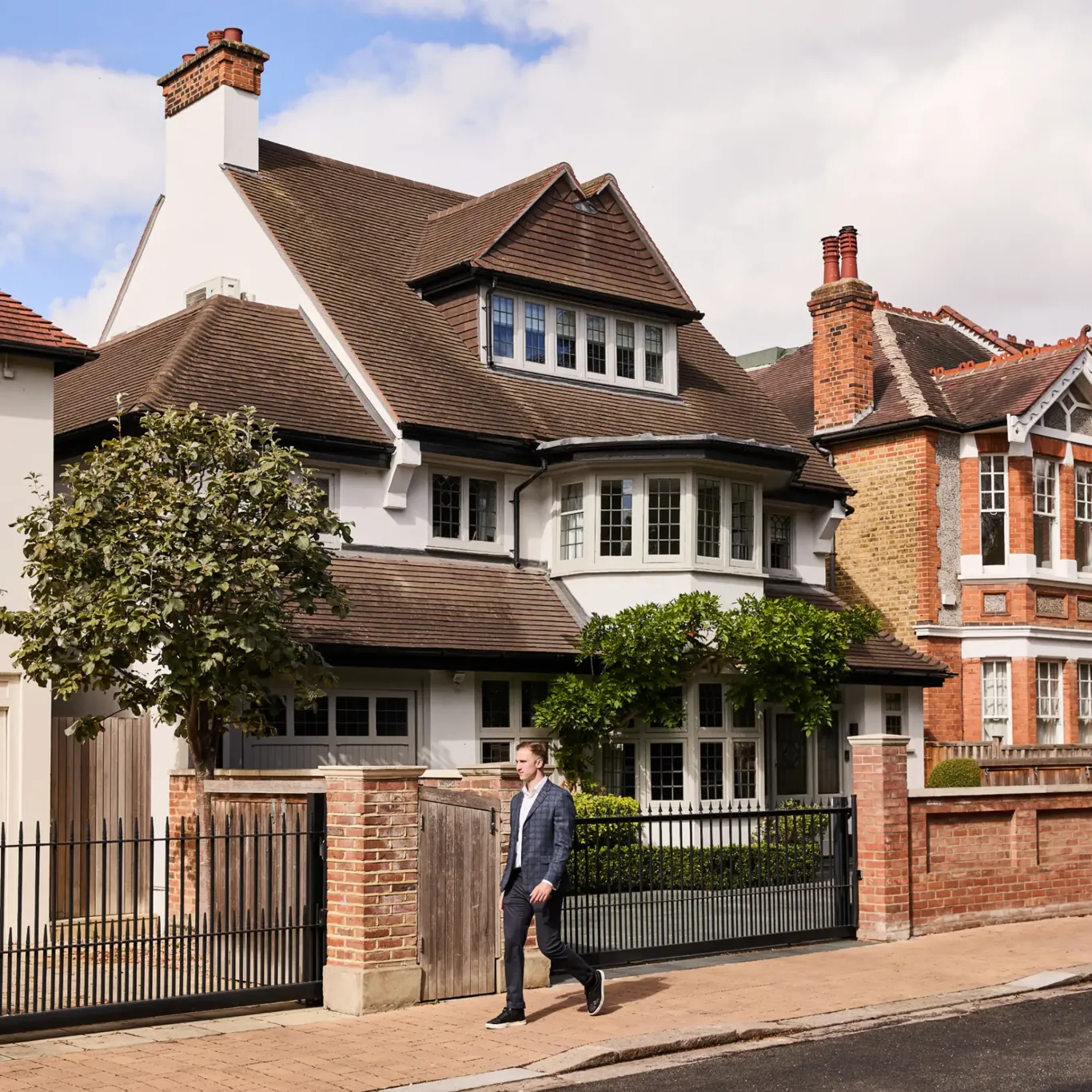
Locations
As buyers look beyond London's most established postcodes, local experts highlight the lesser-known neighbourhoods offering space, community and connectivity
22 October 2026
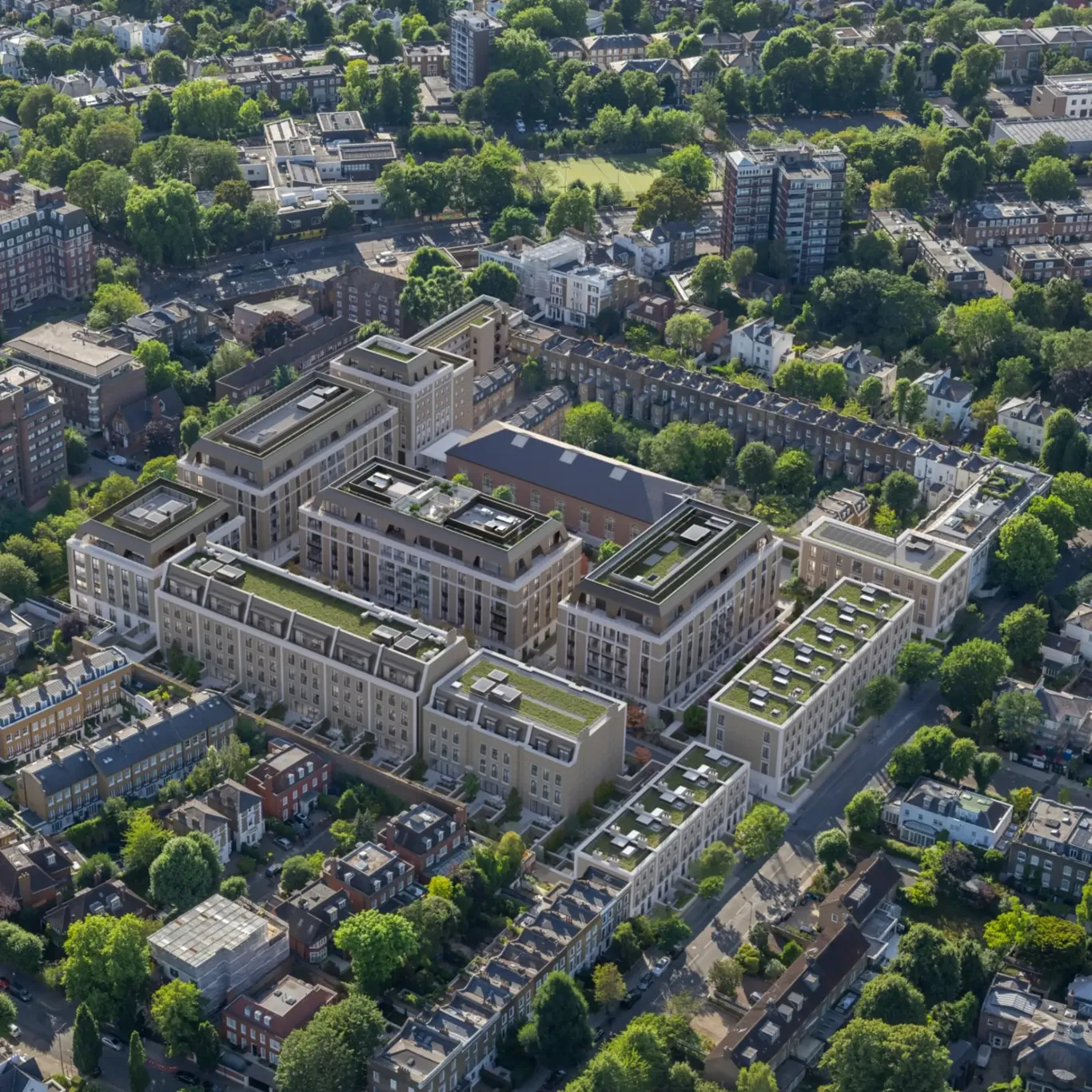
Homes
Spacious lateral homes, supreme craftsmanship and outstanding wellbeing facilities make this exceptional development a rare capital opportunity
07 October 2026
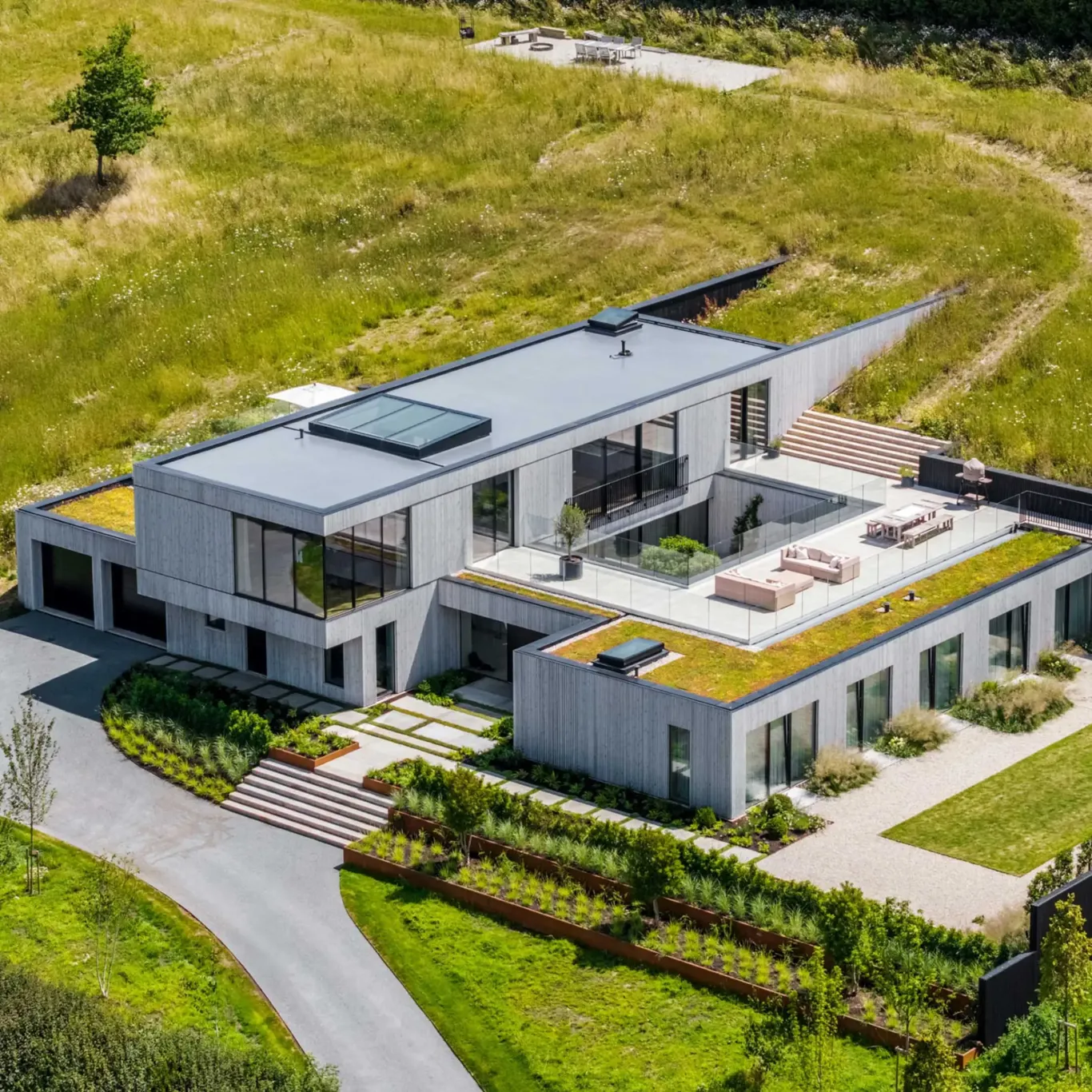
Homes
From solar panels and heat pumps to intelligent lighting and water-saving systems, energy efficiency is becoming a defining feature of modern homeownership
05 October 2026

Locations
As commuting patterns evolve, these well-connected locations are attracting buyers looking for flexibility, convenience and a better work-life balance
02 October 2026
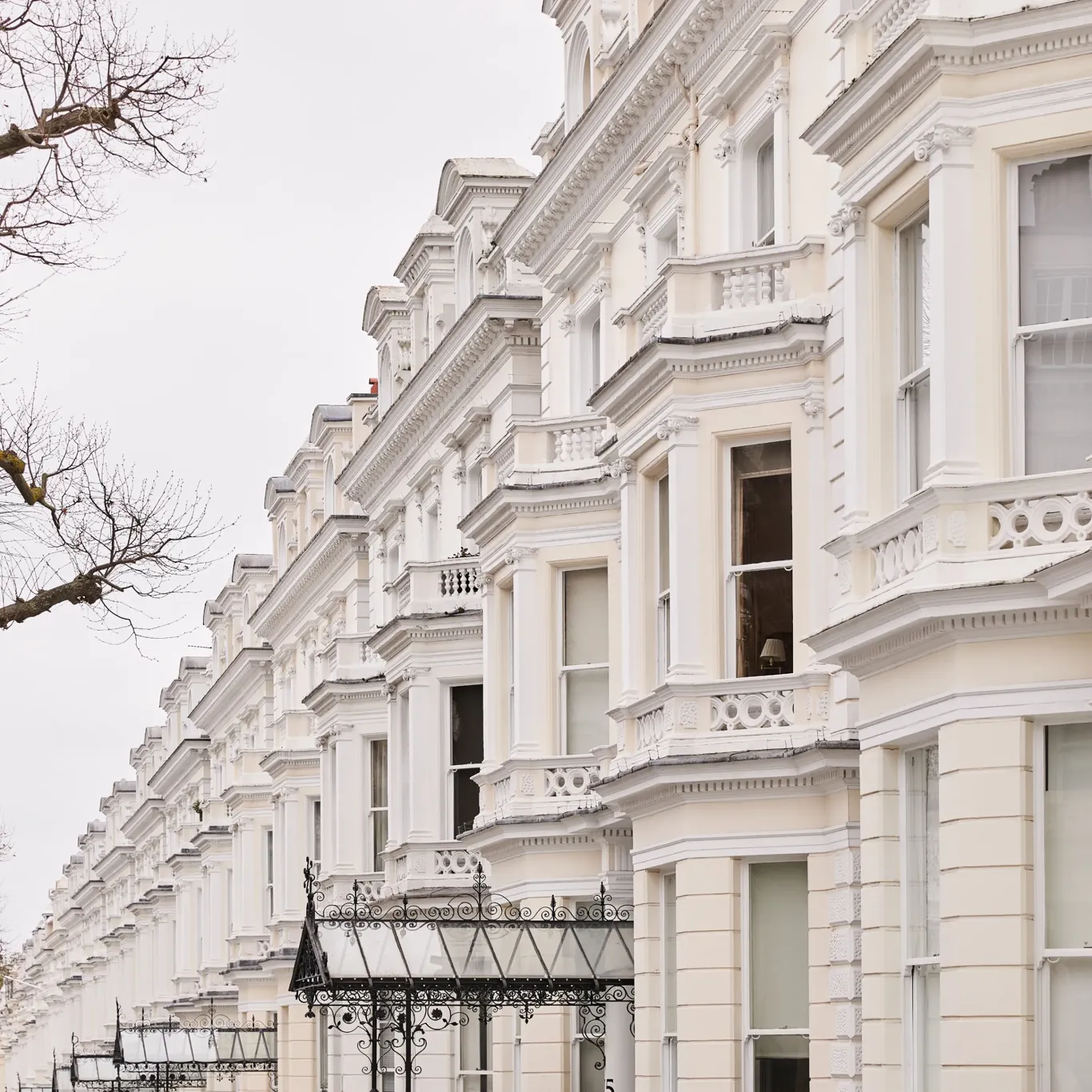
Locations
Transaction volumes are rising as improving sentiment encourages buyers and sellers back into the prime central London market
21 September 2026

Locations
Consistently ranked among London’s happiest boroughs, Richmond pairs exceptional green space, top-performing schools and elegant homes with effortless access to the capital
11 September 2026

Locations
From top-performing state schools to leading independent education, these sought-after locations combine exceptional schooling with family-friendly homes and communities
09 September 2026
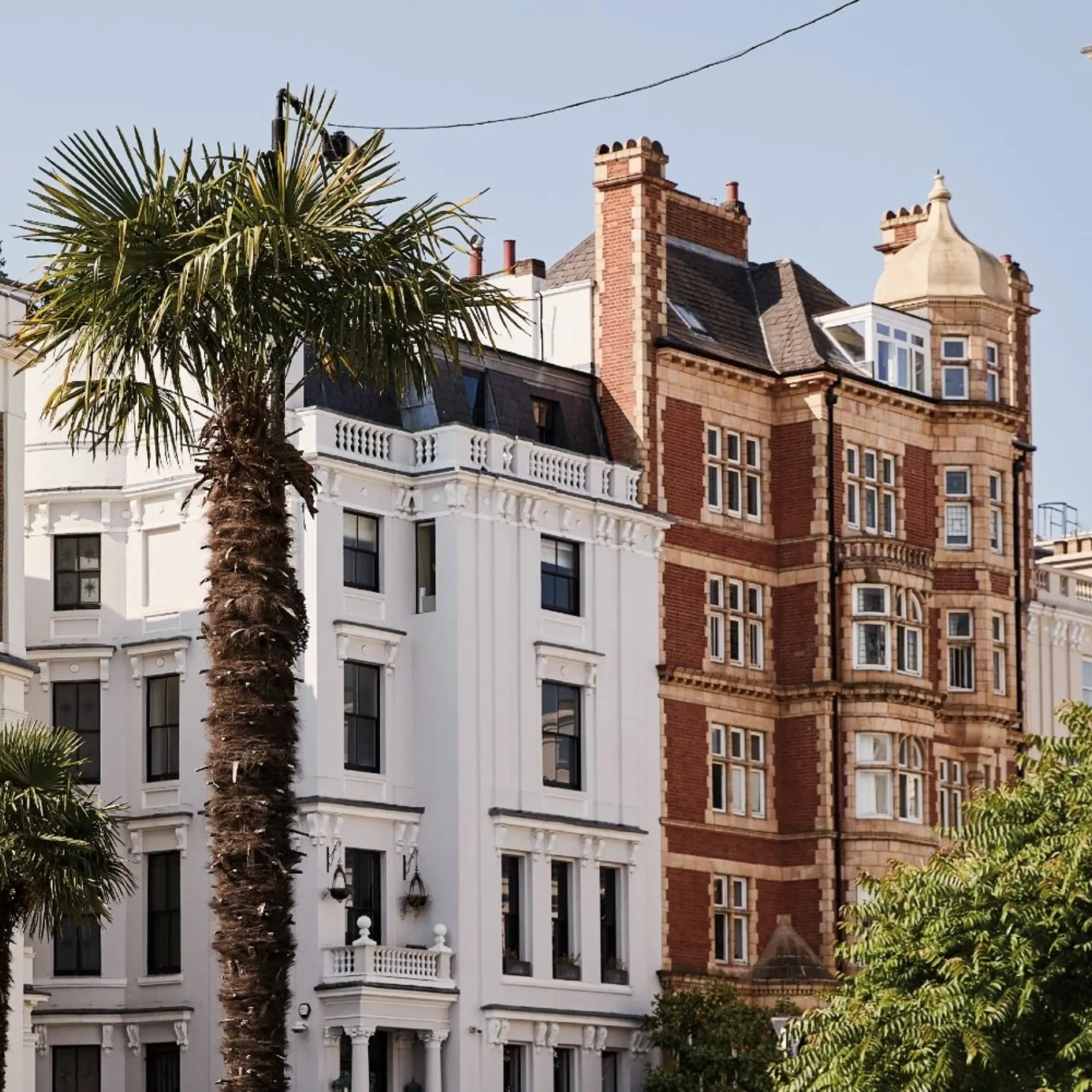
Locations
From pastel terraces to garden squares and world-famous markets, Notting Hill blends charm, culture and community like nowhere else in the capital
25 August 2026
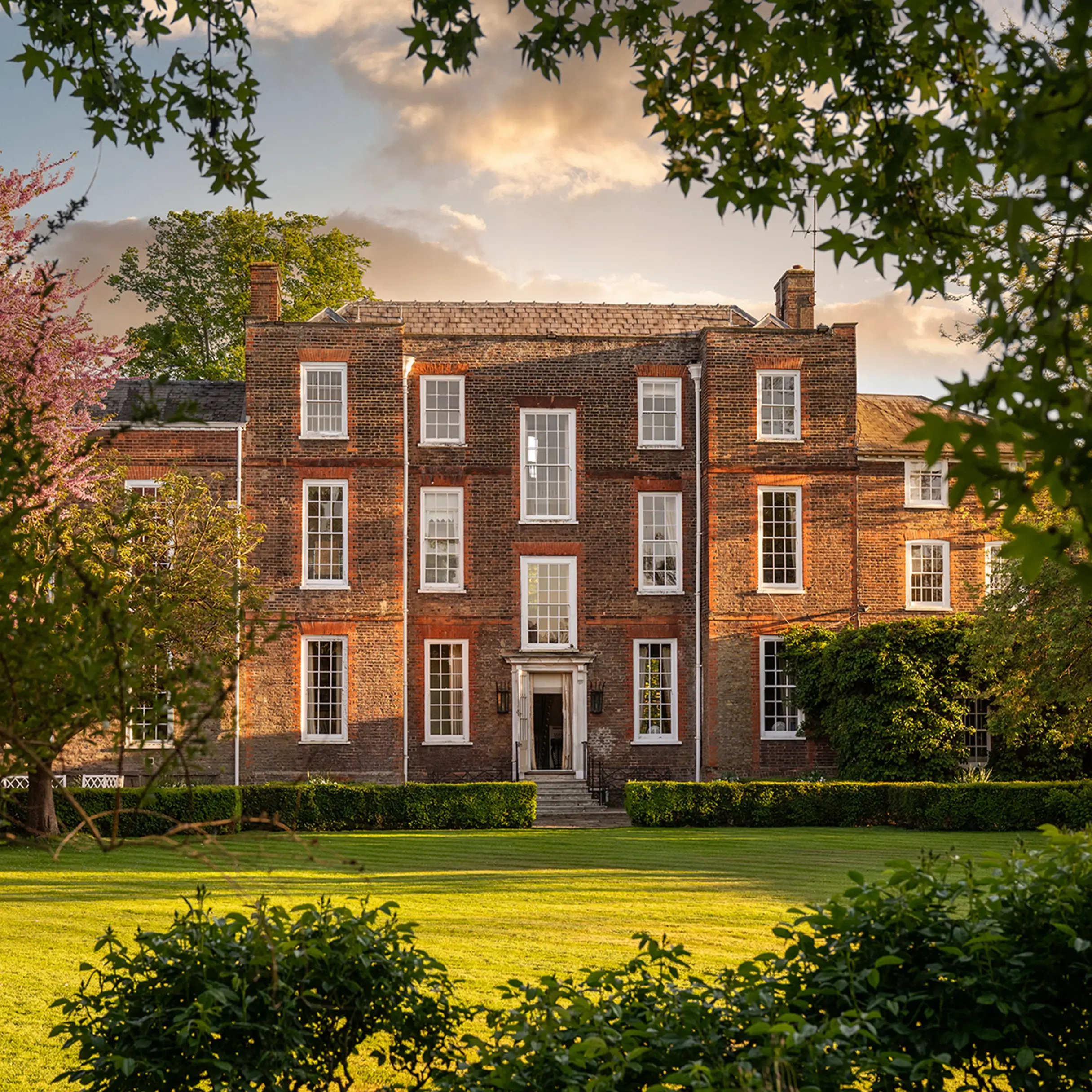
Homes
Ben Goldsmith shows the magic of Ormeley Lodge, home for 50 years to his mother Lady Annabel Goldsmith and for sale through Knight Frank.
30 July 2026
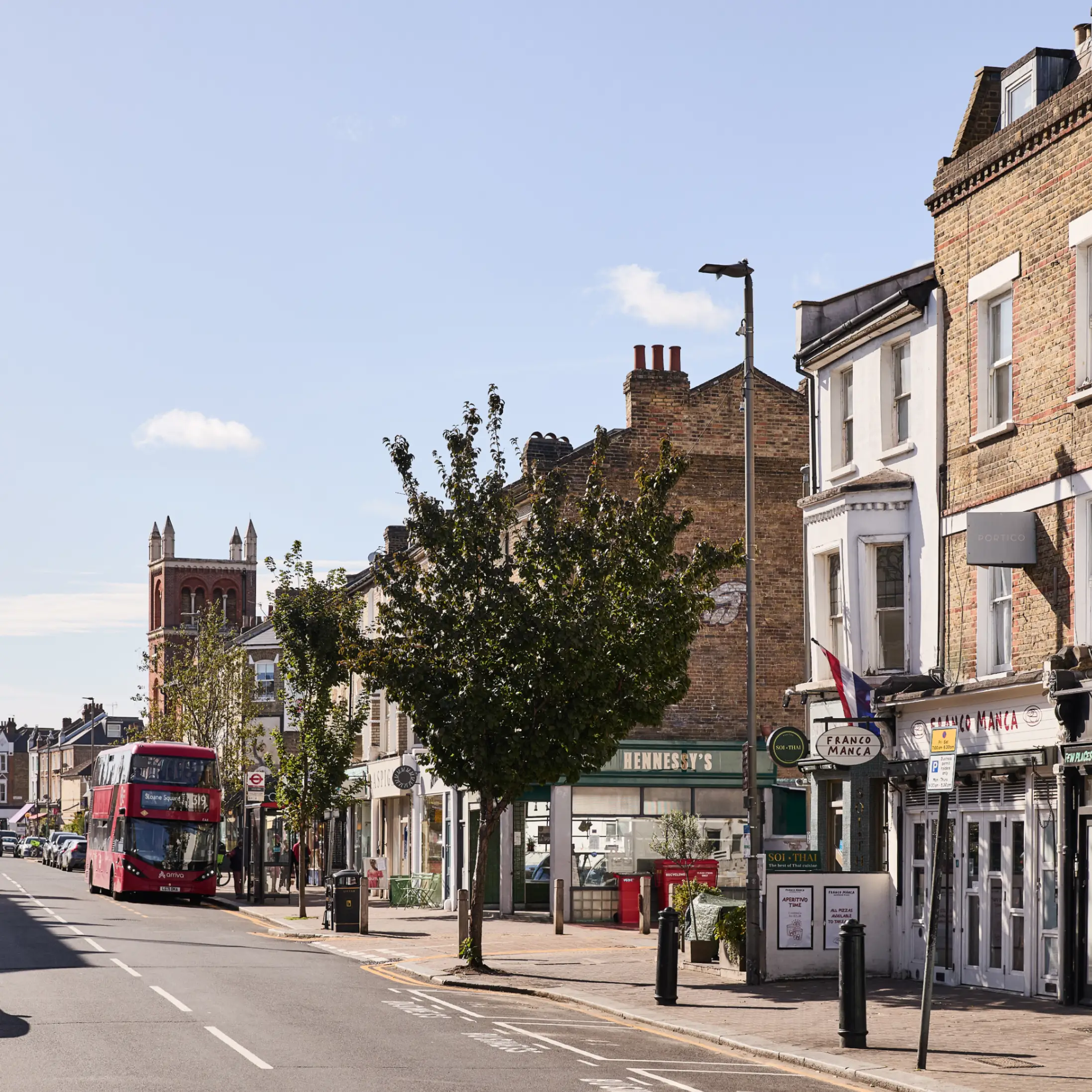
Locations
Between Clapham and Wandsworth Commons lies one of southwest London’s most sought-after family neighbourhoods, prized for its schools, space and community feel
19 June 2026
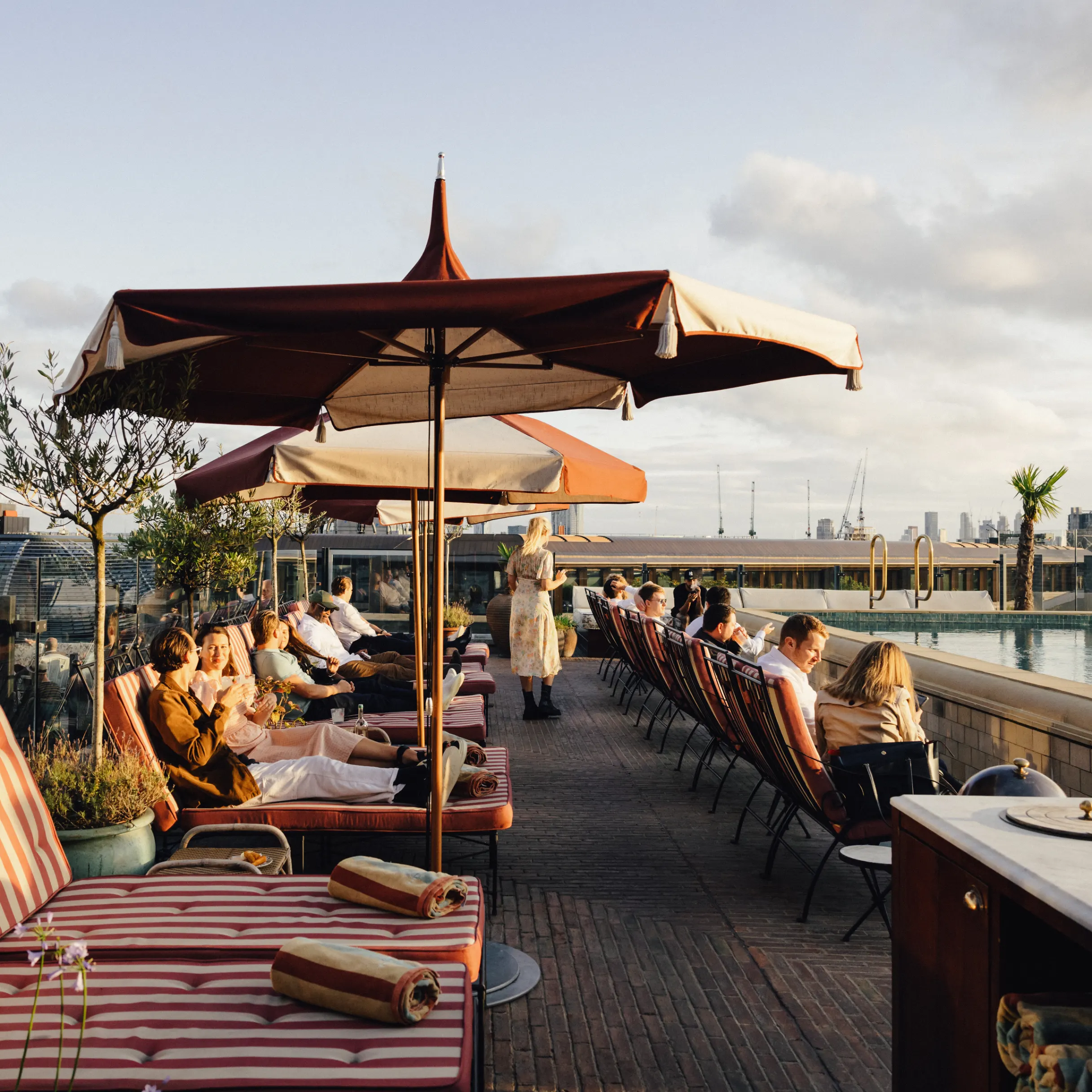
Inspiration
For today’s increasingly youthful affluent audience, a search for unique experiences and a drive for wellness and longevity mean luxury priorities have shifted
17 June 2026
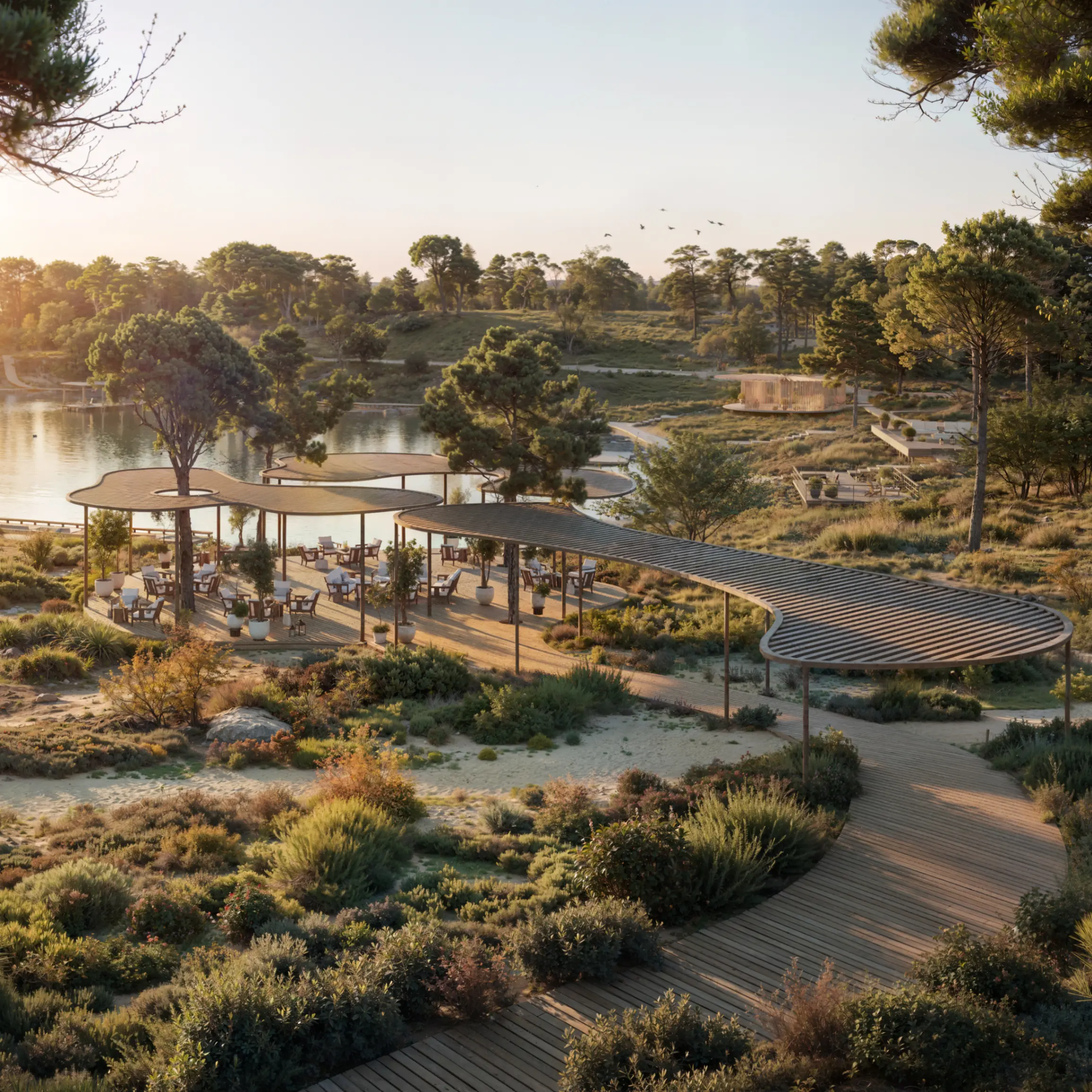
Locations
How hospitality-led developments and branded residences are redefining ownership, service, and long-term value in Comporta, Portugal’s most exclusive coastal market
04 June 2026
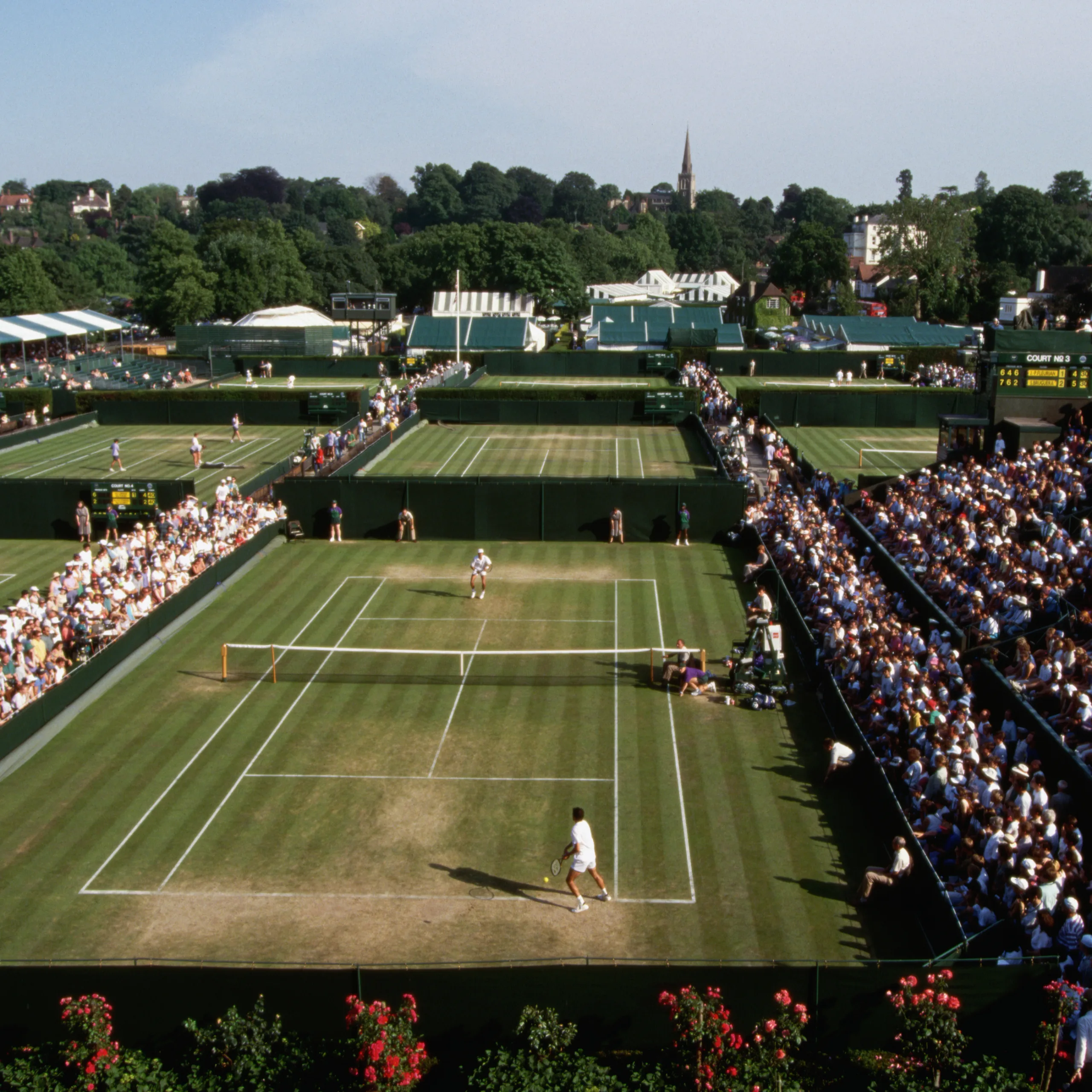
Inspiration
Flexible rentals, premium rates and global demand are making summer an increasingly attractive opportunity for homeowners in the short lets market
21 May 2026
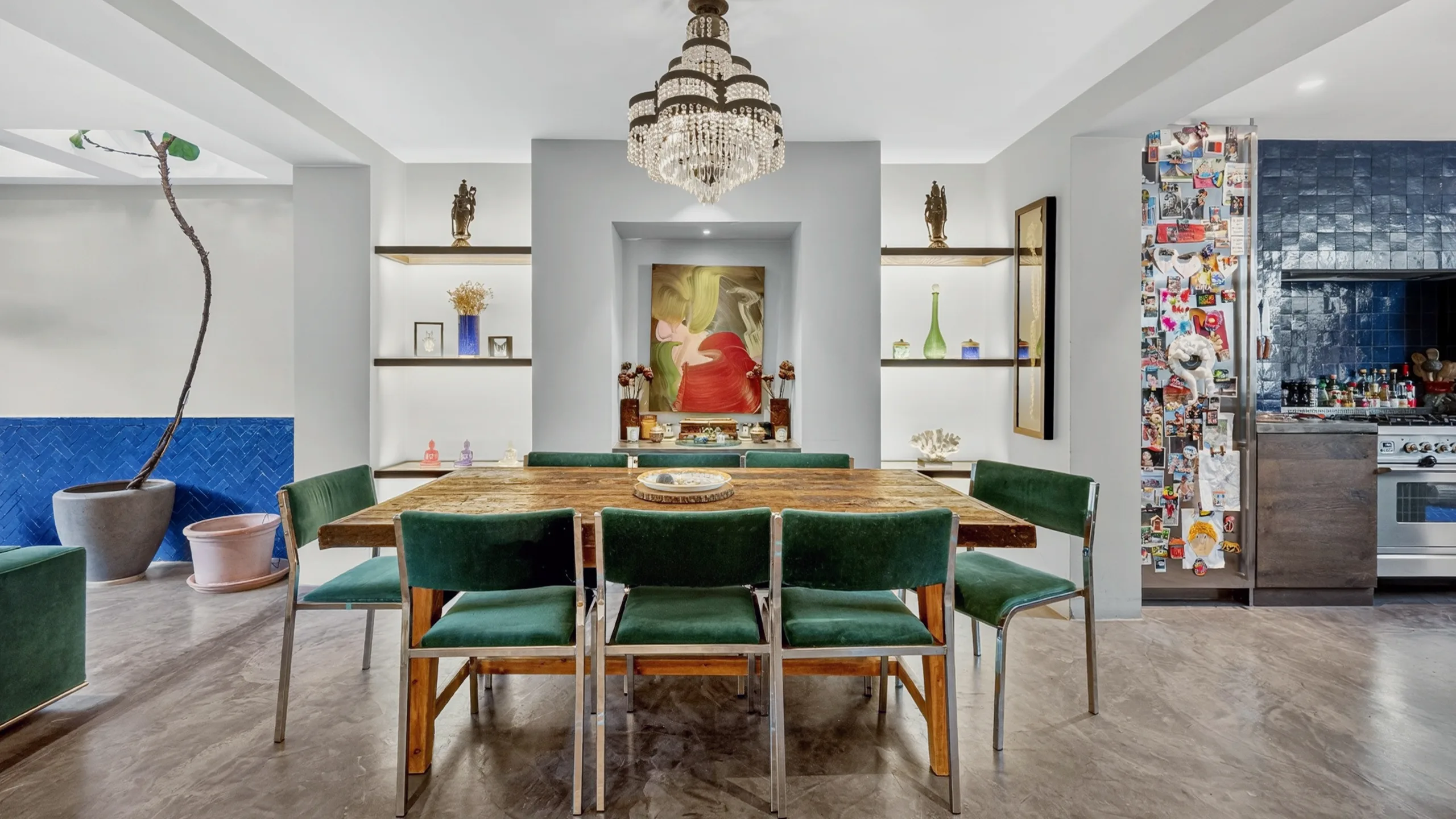
Homes
Far from conventional, these exceptional properties blend creativity and individuality, each a thoughtfully designed showcase of architectural flair
20 May 2026
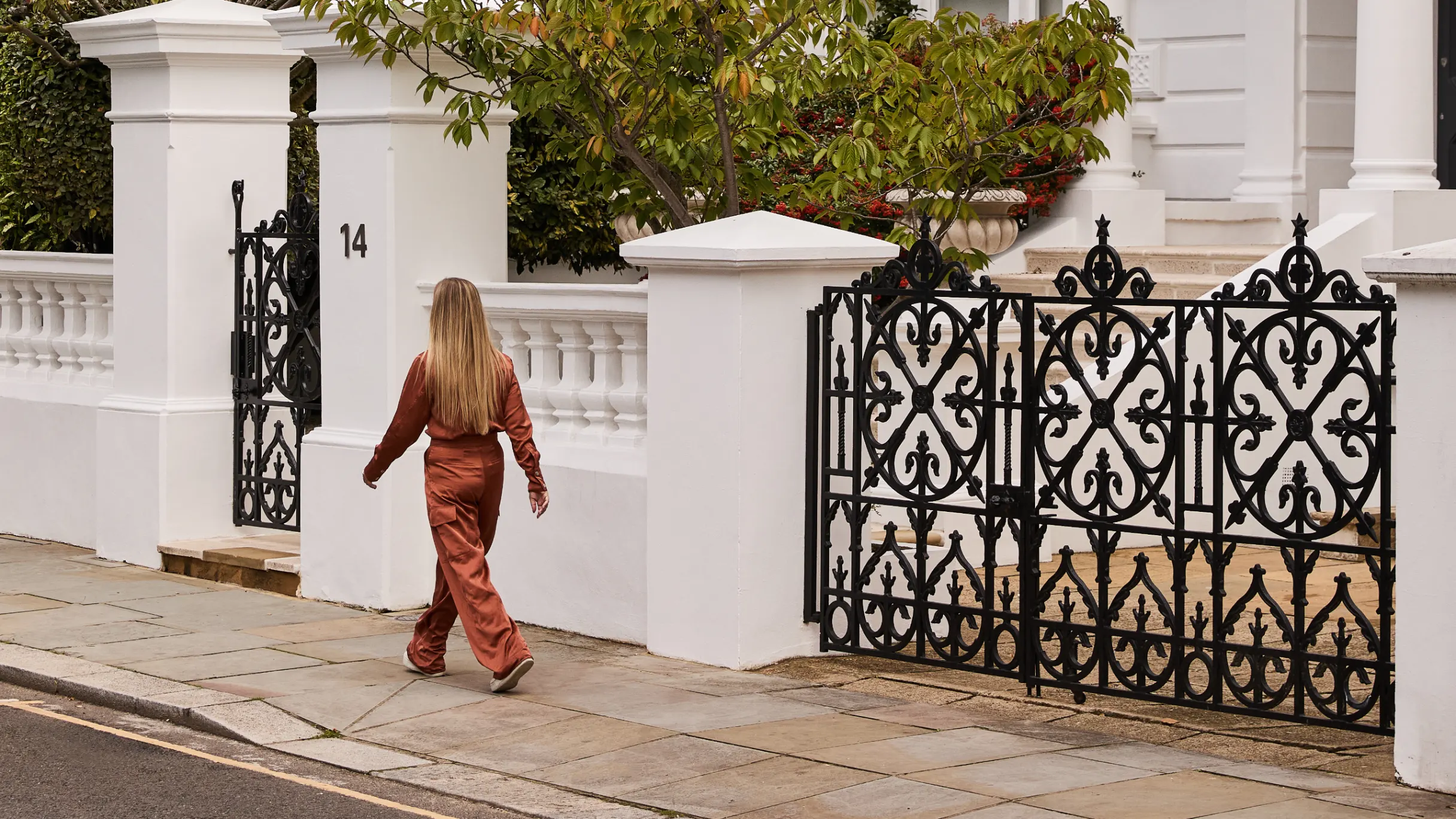
Locations
From royal roots to bohemian spirit, Chelsea remains one of London’s most enduringly desirable addresses
20 May 2026
Locations
From post‑war reinvention to world‑class regeneration, London’s South Bank has become one of the capital’s most dynamic destinations
08 May 2026
Inspiration
As new government legislation comes into force, what are the current market trends landlords should know to achieve a successful tenancy
28 April 2026
Locations
Why Kensington remains one of London’s most sought‑after neighbourhoods – from its strong community to luxury new homes
09 April 2026
Homes
From strategic timing and smart pricing to simple presentation upgrades, these expert tips will help you secure the strongest possible offer
08 April 2026
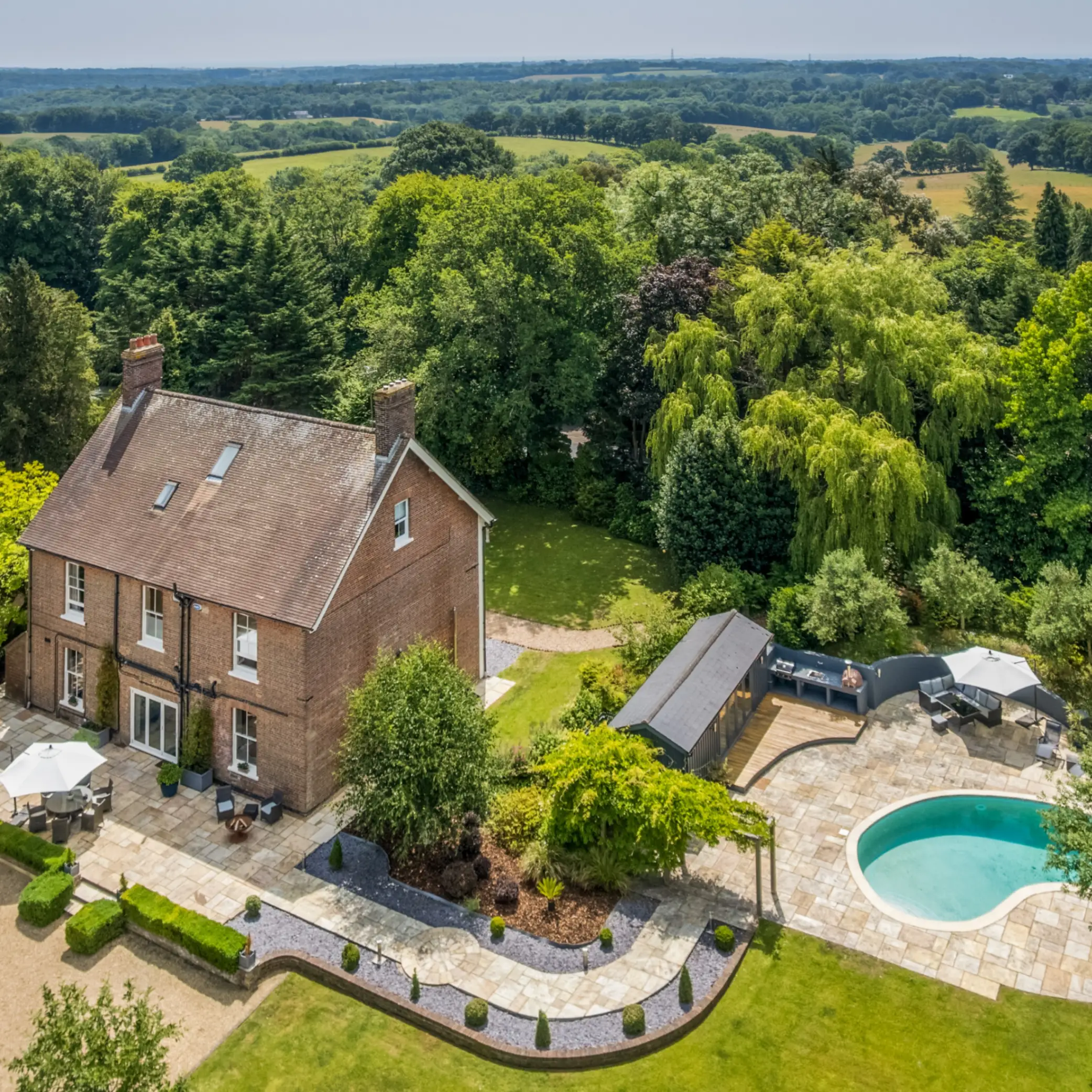
Homes
From Bond icons to arthouse legends, these properties offer heritage, character and true cinematic provenance
11 March 2026
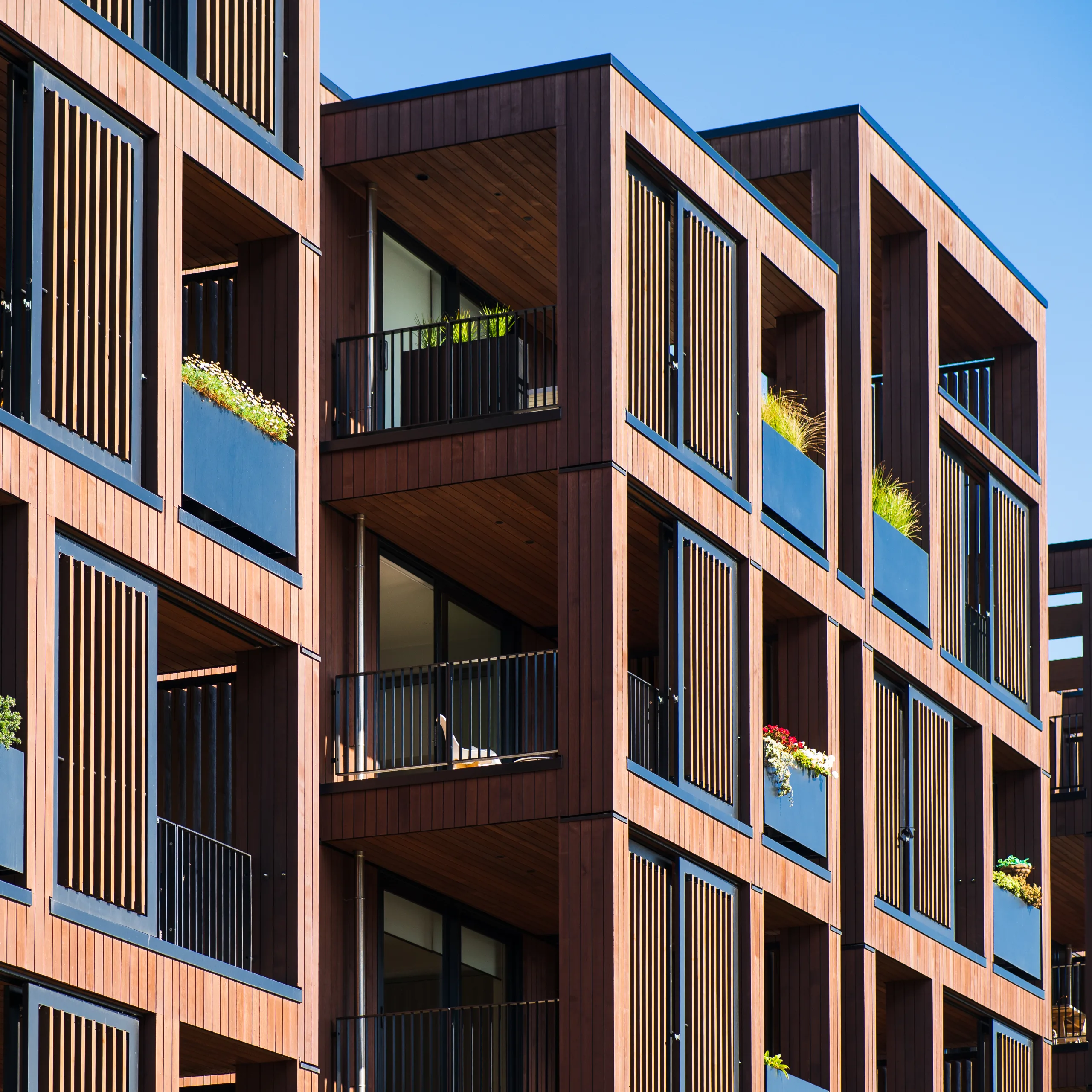
Homes
From capped ground rents to a planned ban on new leasehold flats, here’s how the 2026 reforms could reshape flat ownership and the market
05 February 2026
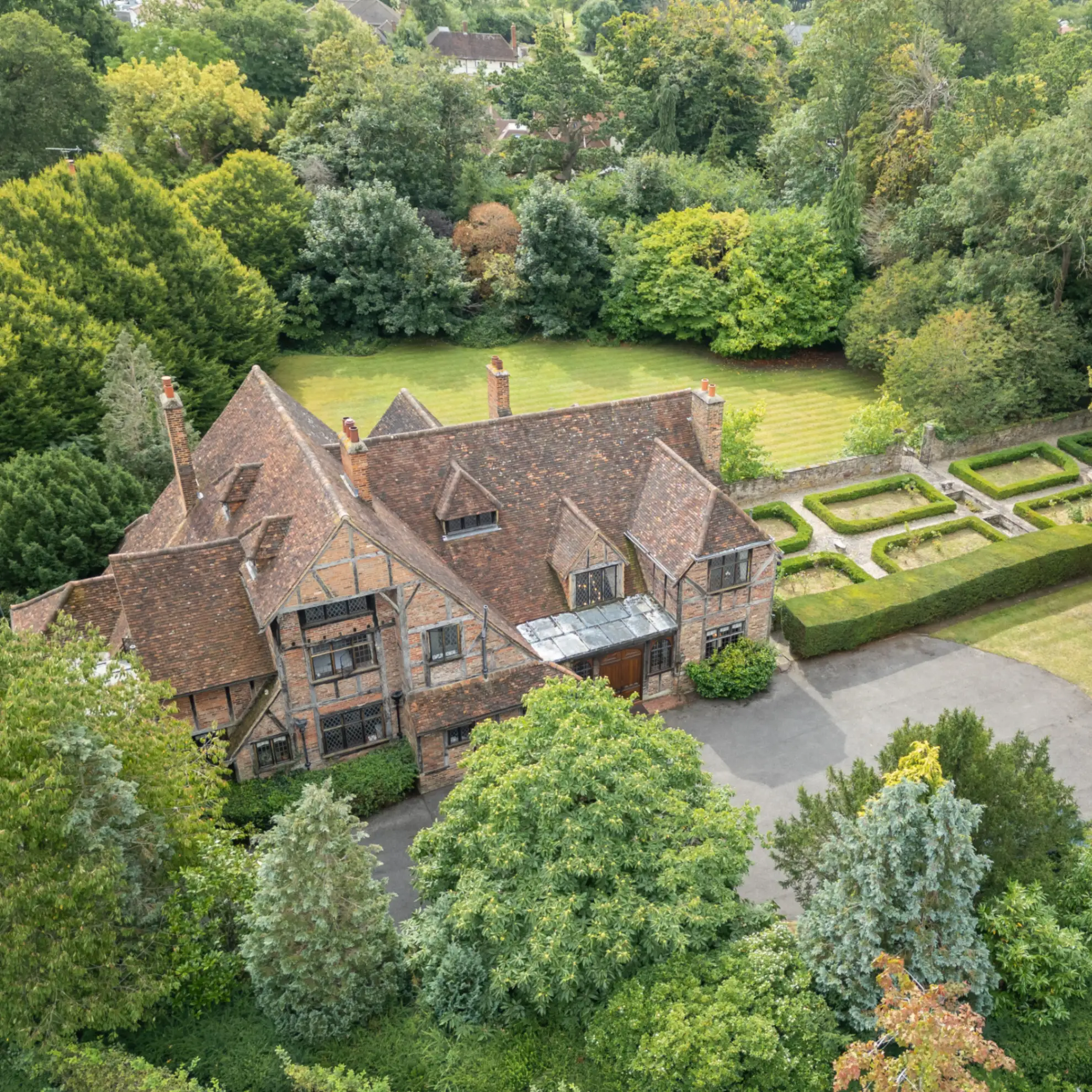
Locations
The Coombe Estate in southwest London offers a secluded, secure and elevated lifestyle that evokes countryside living - yet is within easy reach of the heart of the capital
16 January 2026
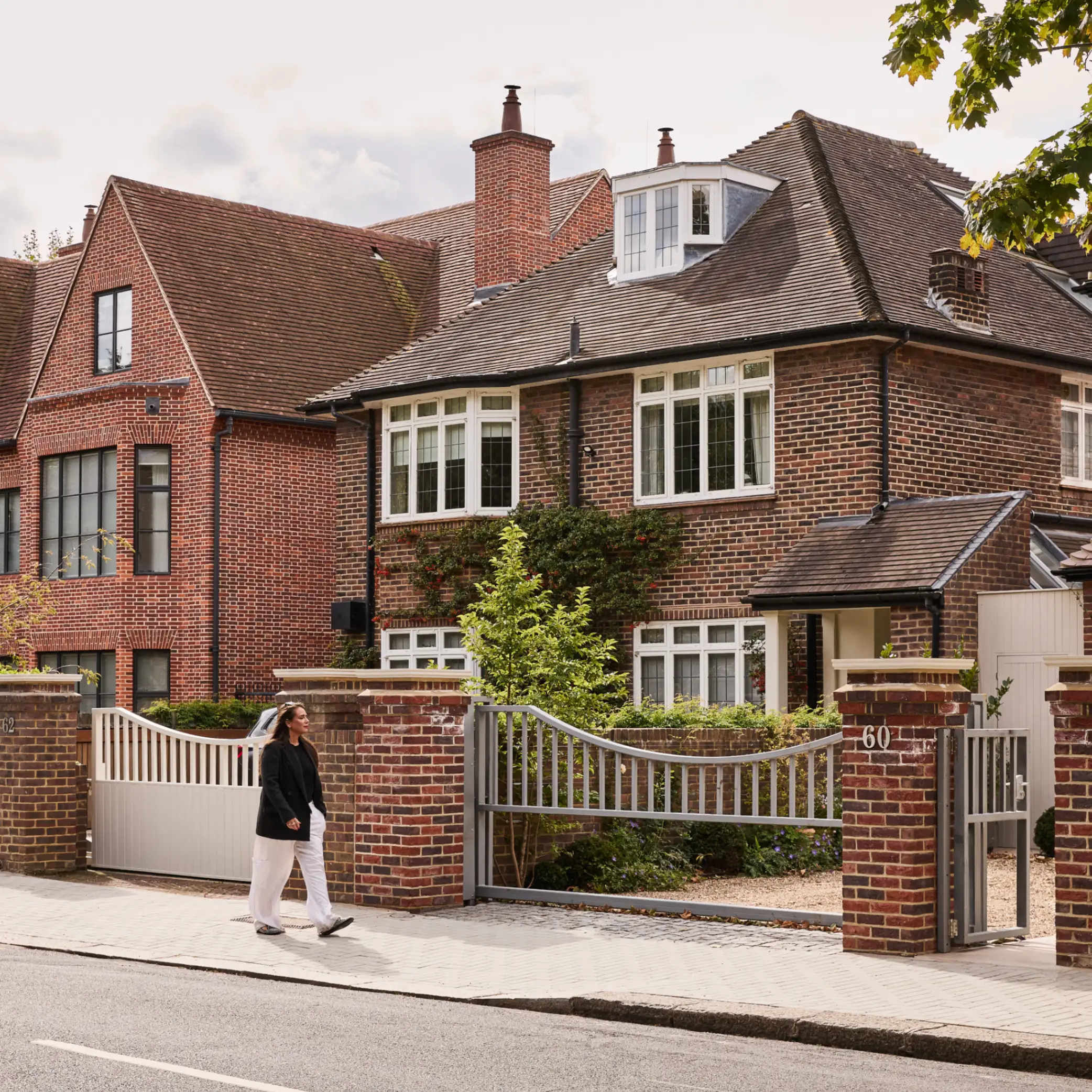
Locations
From London neighbourhoods on the rise to sought-after countryside escapes, here are the key locations buyers and renters should be watching in 2026
18 December 2025
Homes
From historic properties with famous connections to family houses in London’s village-like neighbourhoods, discover a collection of the finest homes in the capital
17 December 2025
Sorry!
An unexpected error has occurred.
Please try again later.
