

The new face of wealth: how the next generation is reshaping London
As wealth is created faster and younger than ever before, what do affluent and ever more globally mobile individuals want from the capital’s property market?

As wealth is created faster and younger than ever before, what do affluent and ever more globally mobile individuals want from the capital’s property market?
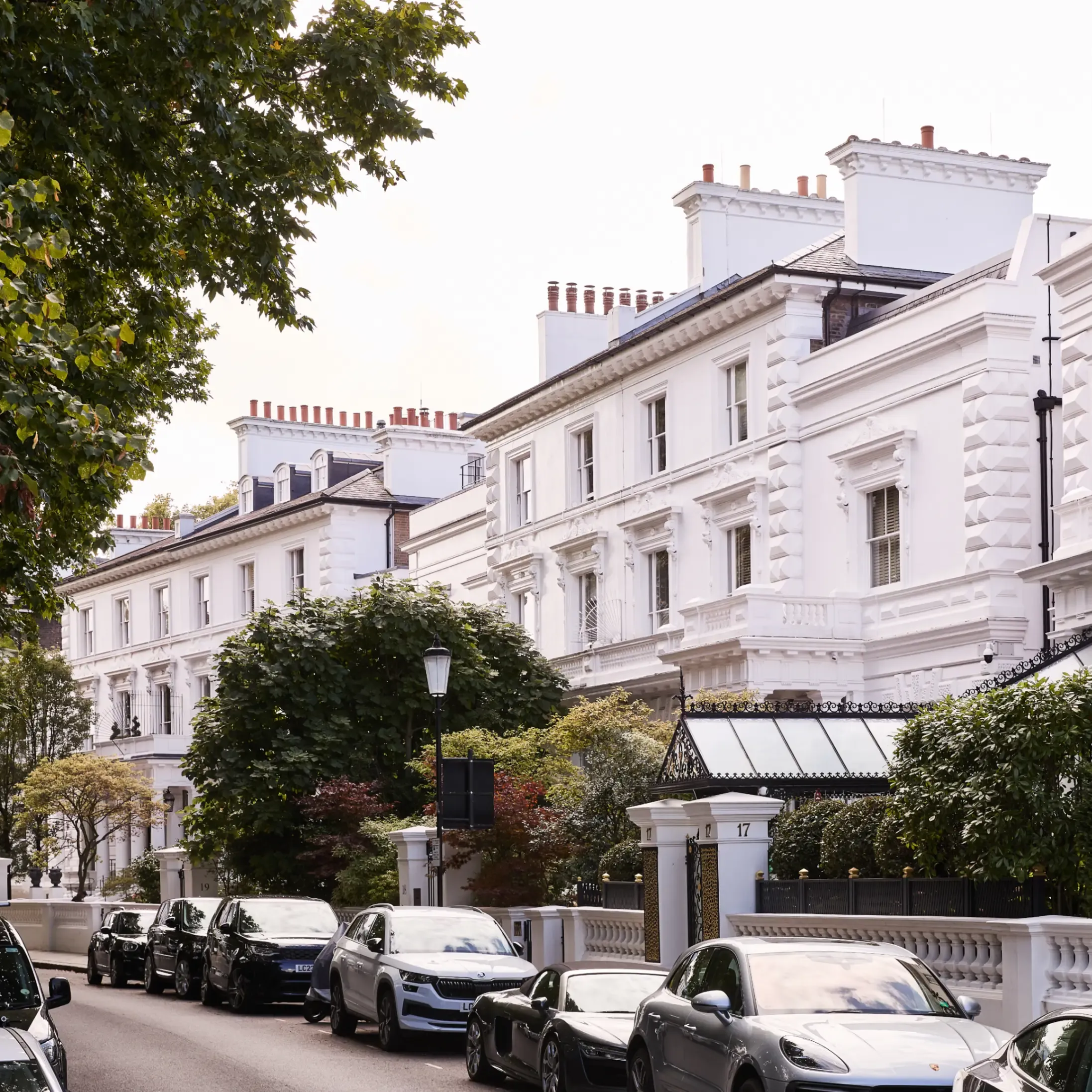
Every generation likes to forge their own path and that’s certainly true in London’s prime property market today. When Knight Frank asked a cohort of 18-35 year olds about their financial aspirations, the Next Generation Survey found that trophy cars and private jets came very much second to high-end real estate as the most desired luxury asset.
The Wealth Report 2026 compounded that view, declaring that today, “experiences trump acquisitions”. This Next Gen audience wants to shop on thoughtfully curated High Streets, holiday off the path most travelled and live in a home that reflects their own wellness and lifestyle aspirations rather than temporary trends. It’s fair to say that the world of wealth is evolving.
“The key factor in this change is that it no longer takes a lifetime to make your fortune, or 30 or 40 years in a career to earn serious wealth,” says Stuart Bailey, Head of Super Prime Sales at Knight Frank and newly appointed Co-Head of London Private Office. “Instead, today’s tech enables serious wealth to be made at speed, which creates the opportunity in your 20s and 30s to own your dream house, quicker than in most previous generations.”

This group is also far more discreet about displaying their wealth Bailey says: “Social media provides so many opportunities to ‘show off’ today, but what we see is that people with that level of affluence often value discretion. How they experience their homes is key. Creating your own bar or club at home and enjoying the company of friends in private, can be a more enjoyable experience for many than being pictured in a fashionable hotel or restaurant.”
Alongside this ability to earn wealth at a younger age, there’s the significant equity that younger generations are set to inherit. Baby boomers continue to control the majority of global wealth - in the US alone, they represent 20% of the population but control around 52% of household wealth according to Federal Reserve data - but the transfer to the younger generation has begun. And what a transfer it is. Some US$18 trillion in assets will be handed down globally between 2025 and 2030, says investment management company Vanguard, the largest intergenerational transfer of assets in history.
“These two main drivers, the ability to build scalable businesses quickly and the vast wealth transfer, along with modern technology, results in an audience that is more transient, often choosing to spend blocks of time each year in major cities such as London or New York,” says Rupert des Forges, Head of Prime Central London Developments and, with Bailey, now Co- Head of London Private Office. “For globally mobile affluent individuals, their priorities today focus on flexibility, purpose and wellness.”
“London property is an established asset class for global clients and that’s equally true of younger generations,” says des Forges. “As the political landscape elsewhere becomes more uncertain, London offers stability. It’s something I hear on repeat from clients. Yes, some left London to live in Dubai or in European capitals but we’re certainly seeing a ‘three year itch’ with people returning, and most of those who left retained property here. It was never a complete severance. London is an easy city to live in, low rise, well connected and filled with things to do. The desire to be here is shown in the surge in demand for luxury rentals, an incredibly strong market and an area that I think will only continue to grow as the next generation comes through.”
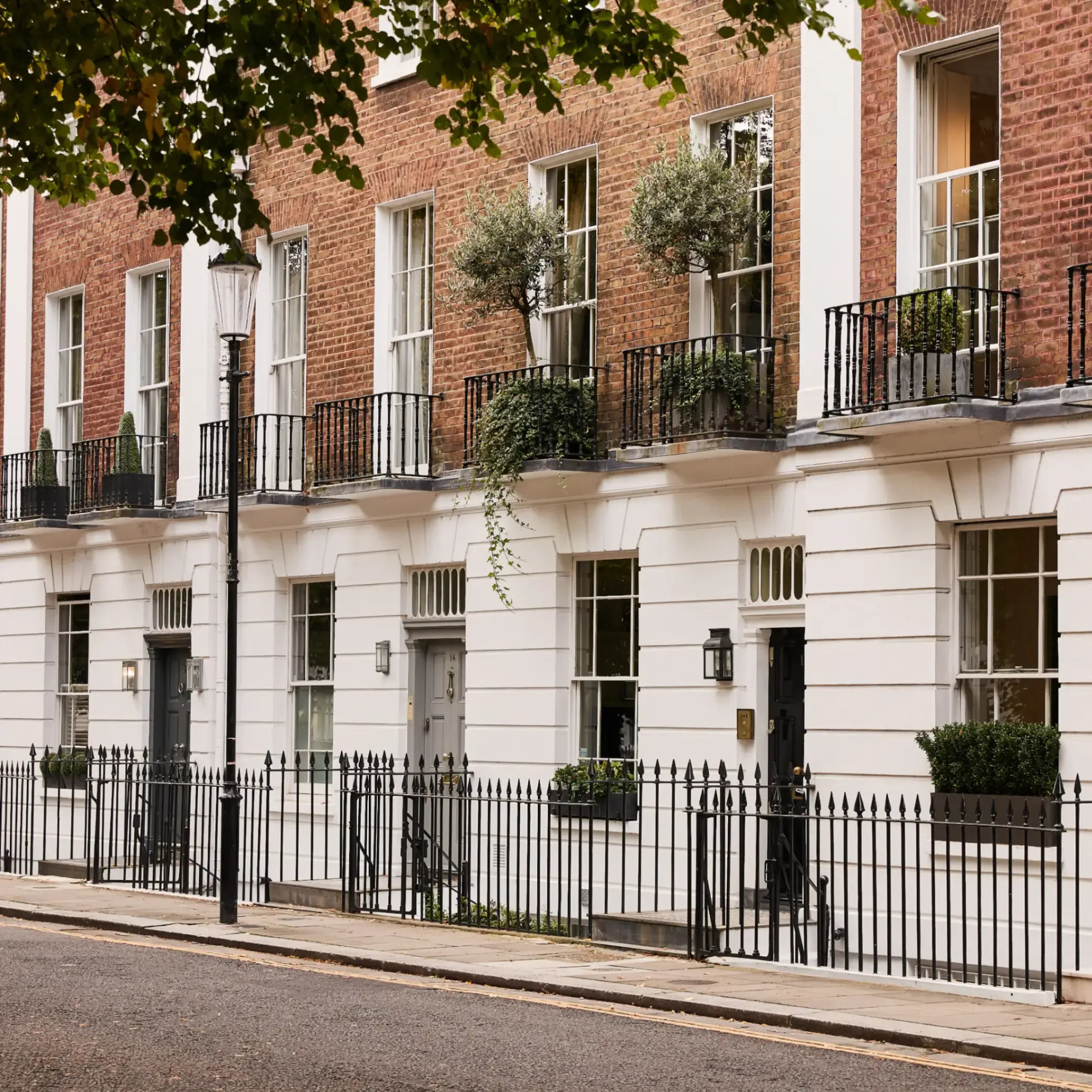
Based on geography, language, culture and tradition, the UK’s capital city remains an accessible gateway to Europe for arrivals from the US, Asia or the Middle East, agrees Bailey. “The UK benefits from a stable parliamentary democracy and internationally respected rule of law, as well as London being a recognised global financial centre, with sought-after world-class educational institutions,” he says. “The UK and London have undeniable long-term safe haven status.”
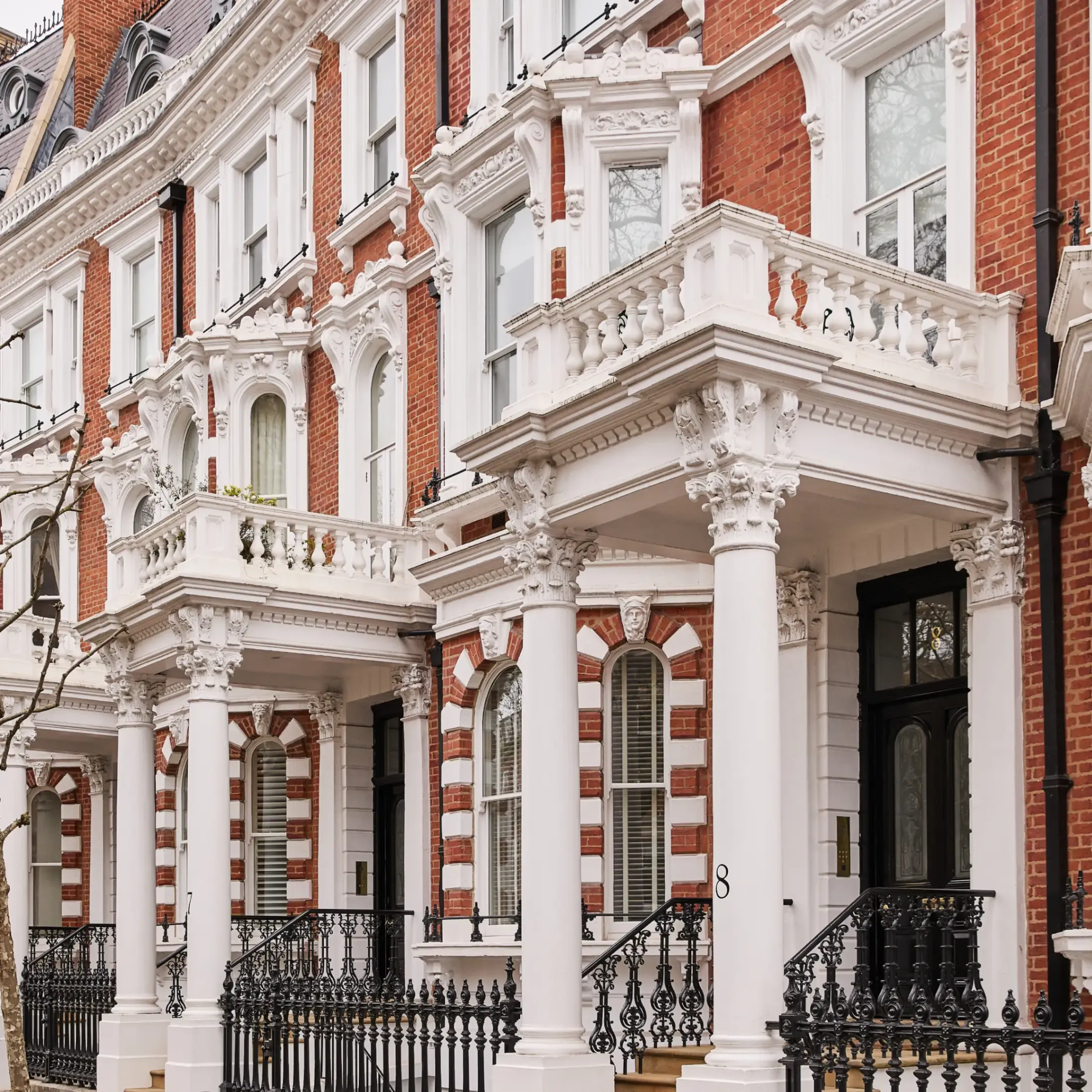
Prime central London saw 121 transactions above £10 million in the year to September 2026, equalling the total number in 2025, with a total spend that was 14% higher. It marks a step change from both buyers and sellers, the former now seeing the value in the market with prices down 22% on 2015 levels and the latter now more realistic on price.
Current buyers fall into two camps, says Bailey: those planning to hold for 10 to 15 years, and those finding extraordinary value in a major global city.
“Buyers looking longer term in prime central London want best in class properties, a strong underlying asset where they feel their equity is safe, a period home on a garden square for example,” he says. “Knightsbridge, Belgravia and parts of Chelsea are examples of where you can find interesting value at present. Yes, there’s a 10 year low on pricing but there’s also a finite supply of perfect positioned impressive houses in excellent condition. Find one and that’s gold dust.”
Younger buyers are looking at their property purchases as homes to live in, not simply investment properties, and consequently want atmospheric locations with a good sense of place-making. The Grosvenor Estate in Belgravia and Mayfair, Cadogan in Chelsea and Howard de Walden in Marylebone, for example, have made substantial commitment and investment in creating renewed energy with a village-like feel, which ticks a big box for this younger audience.
“I asked an American buyer this week what it is about London that makes her so determined to buy here,” says Bailey. “And she said, “We just love London”. Simple as that. Sometimes there is an emotive connectivity so that no matter what the politics of the day or the financial climate might be, you just want to be here, enjoying everything that London has to offer.”
It’s a sentiment echoed by des Forges: “You wouldn’t bet against London. It’s a market that has proved its resilience again and again.”
Connecting you to opportunities across the world
Inspiration
As wealth is created faster and younger than ever before, what do affluent and ever more globally mobile individuals want from the capital’s property market?
04 November 2026
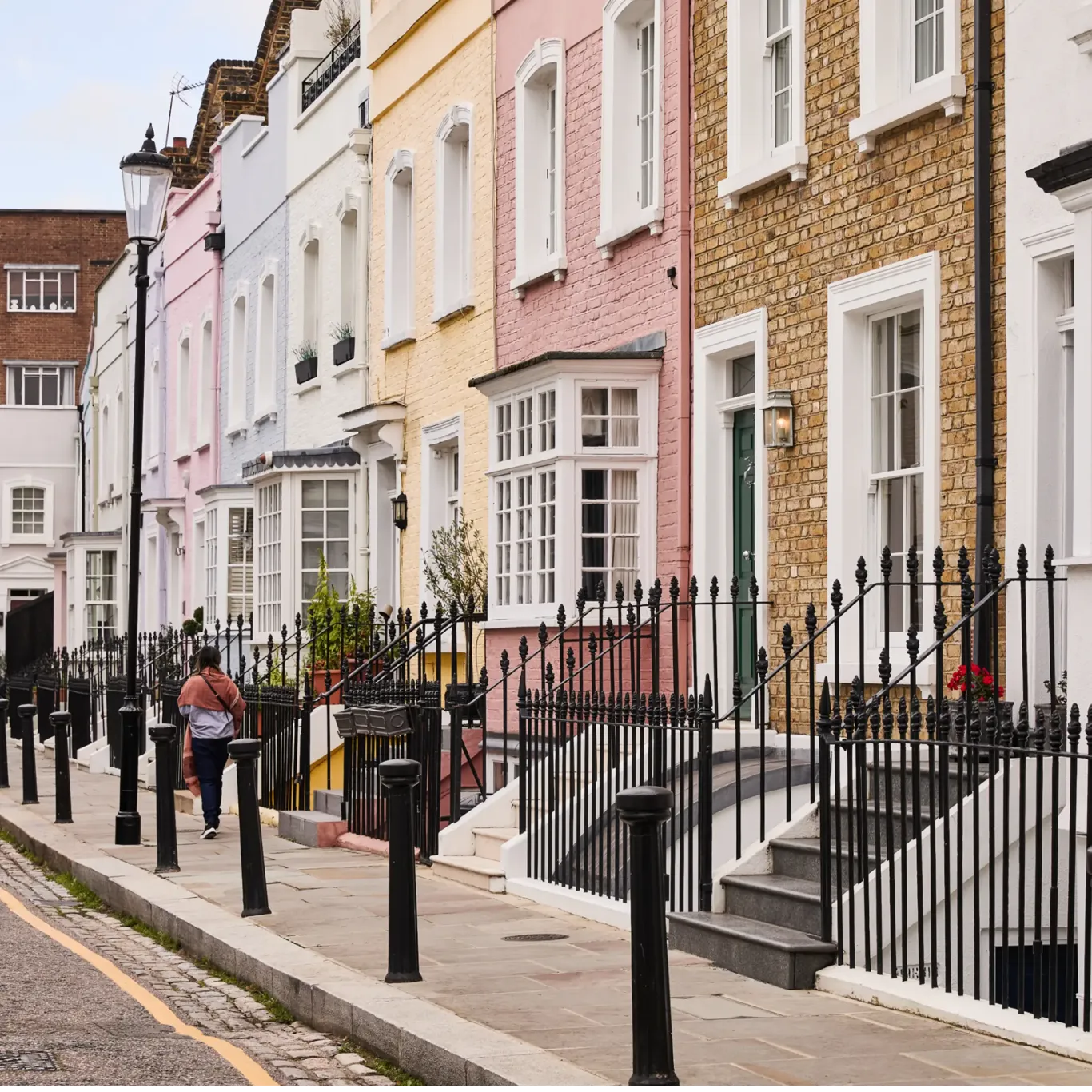
Homes
Our experts provide their initial reactions to Chancellor John Healey’s ‘breathing space’ budget, and advise on the best way forward for landlords, buyers and sellers.
29 October 2026
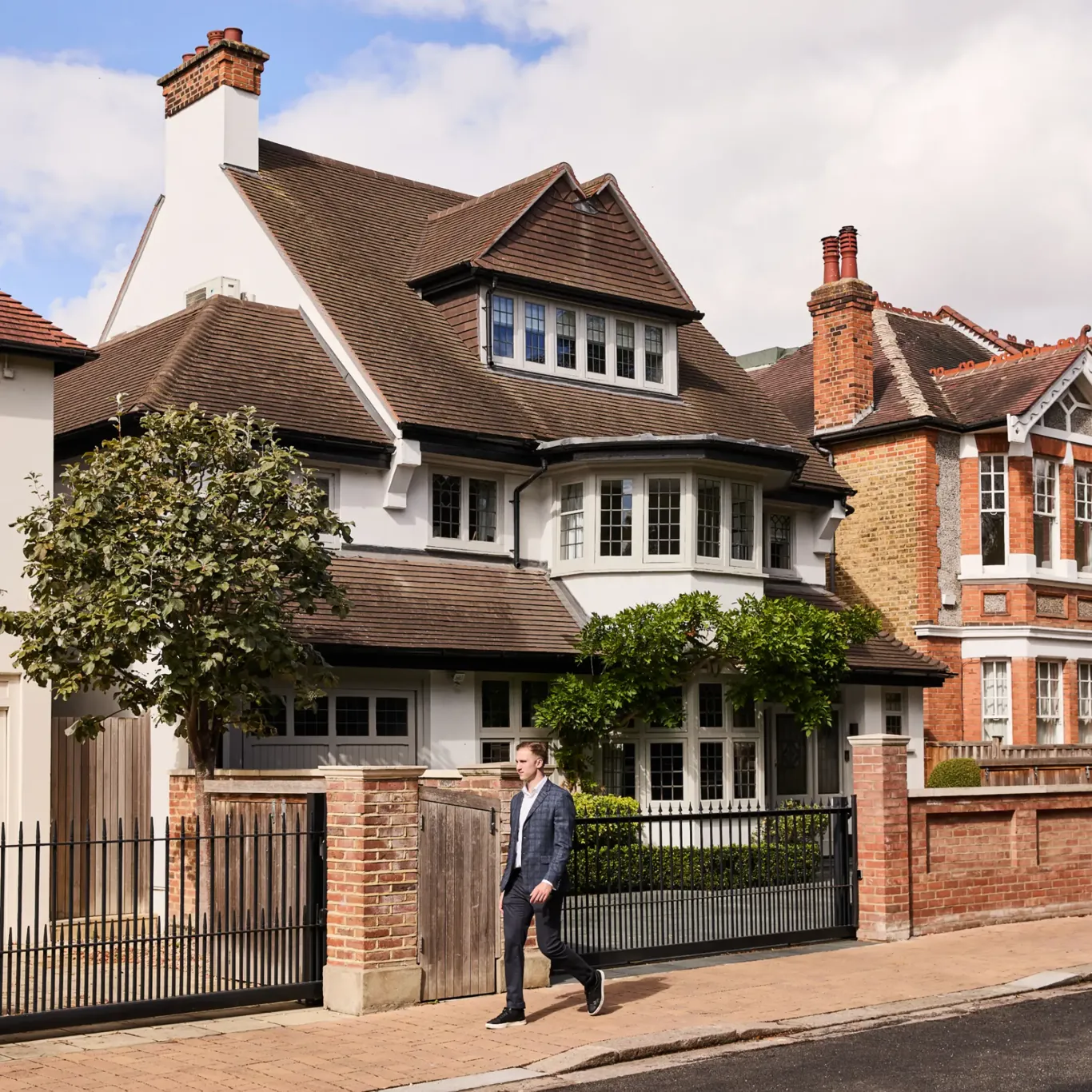
Locations
As buyers look beyond London's most established postcodes, local experts highlight the lesser-known neighbourhoods offering space, community and connectivity
22 October 2026
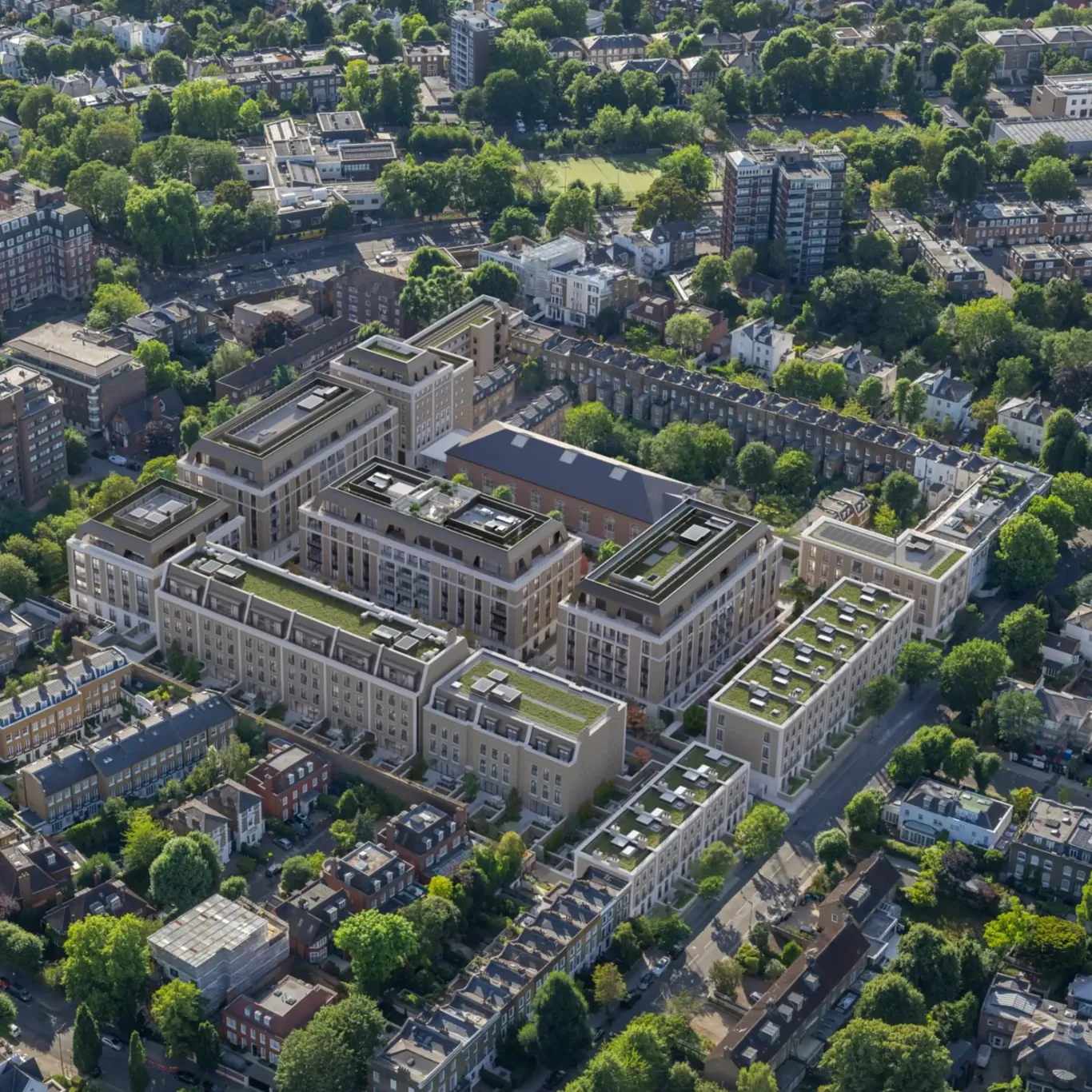
Homes
Spacious lateral homes, supreme craftsmanship and outstanding wellbeing facilities make this exceptional development a rare capital opportunity
07 October 2026

Homes
From solar panels and heat pumps to intelligent lighting and water-saving systems, energy efficiency is becoming a defining feature of modern homeownership
05 October 2026

Locations
As commuting patterns evolve, these well-connected locations are attracting buyers looking for flexibility, convenience and a better work-life balance
02 October 2026
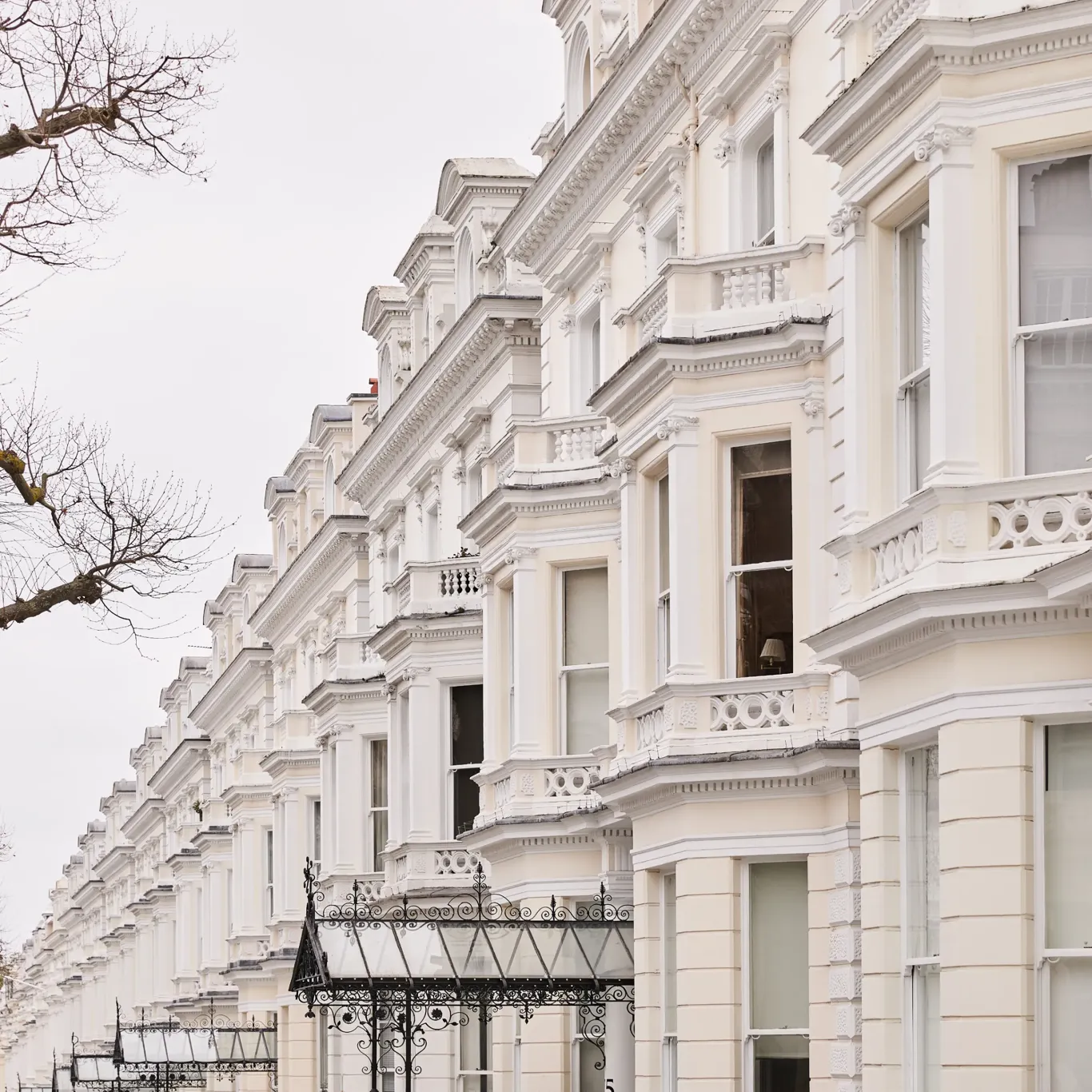
Locations
Transaction volumes are rising as improving sentiment encourages buyers and sellers back into the prime central London market
21 September 2026

Locations
Consistently ranked among London’s happiest boroughs, Richmond pairs exceptional green space, top-performing schools and elegant homes with effortless access to the capital
11 September 2026

Locations
From top-performing state schools to leading independent education, these sought-after locations combine exceptional schooling with family-friendly homes and communities
09 September 2026
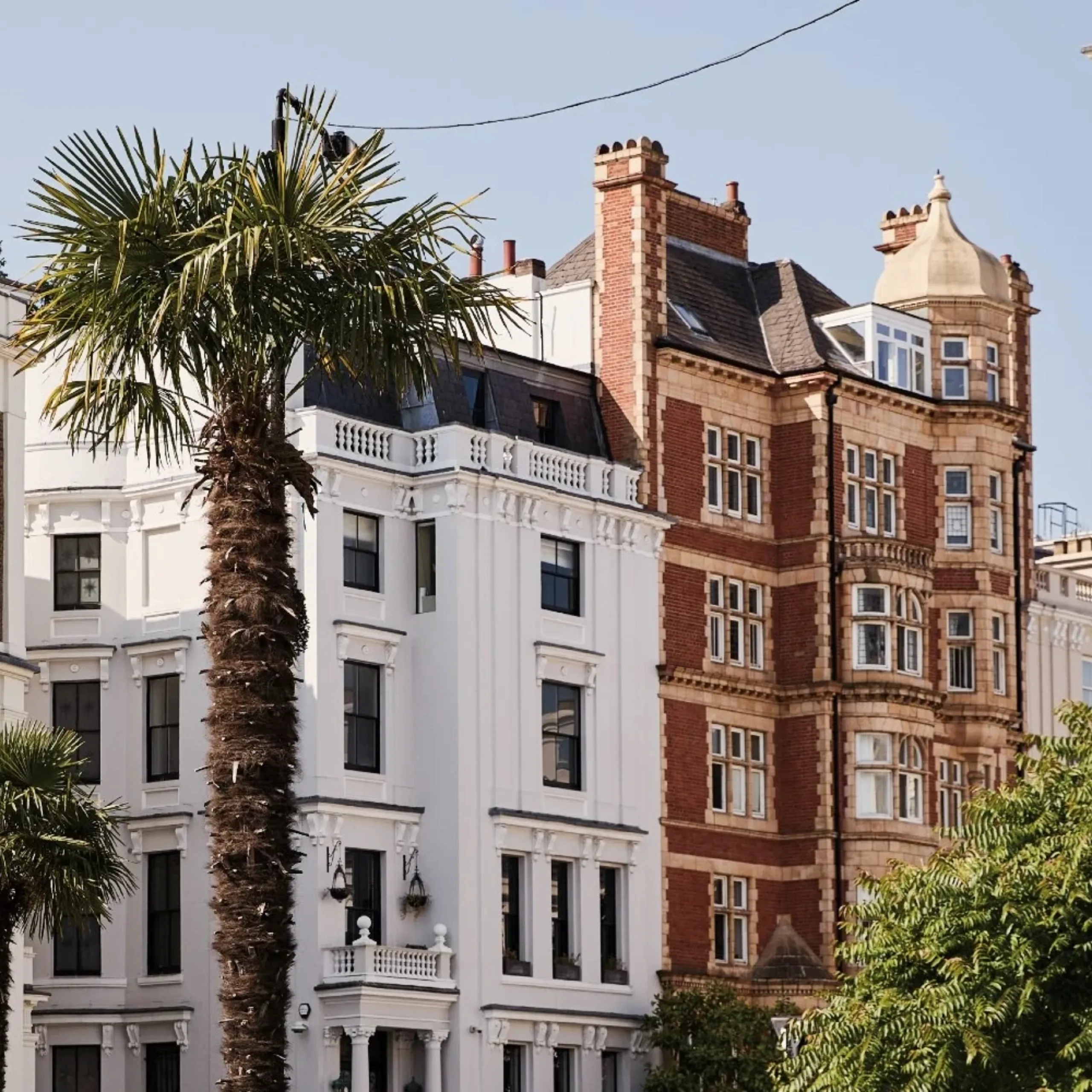
Locations
From pastel terraces to garden squares and world-famous markets, Notting Hill blends charm, culture and community like nowhere else in the capital
25 August 2026

Homes
Ben Goldsmith shows the magic of Ormeley Lodge, home for 50 years to his mother Lady Annabel Goldsmith and for sale through Knight Frank.
30 July 2026
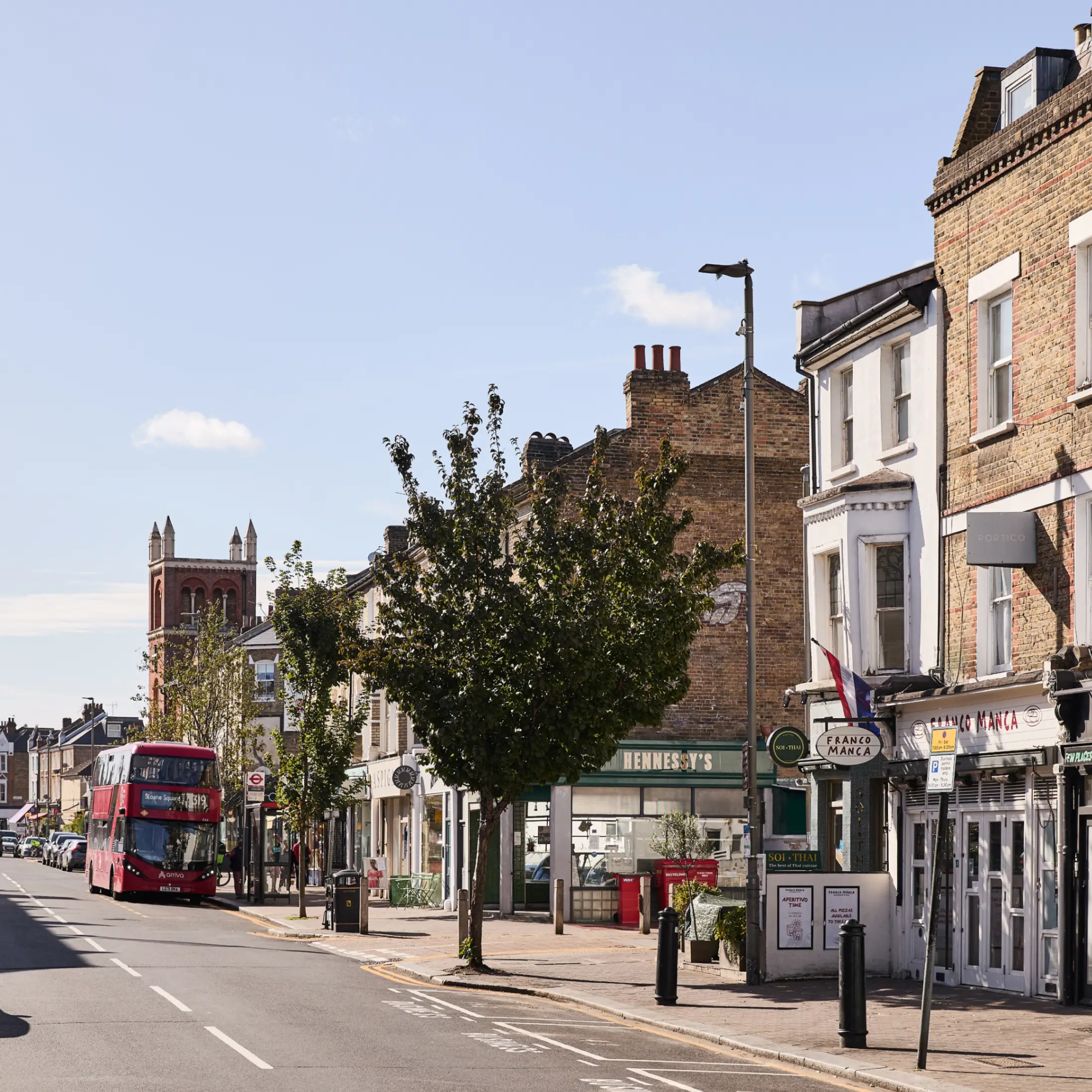
Locations
Between Clapham and Wandsworth Commons lies one of southwest London’s most sought-after family neighbourhoods, prized for its schools, space and community feel
19 June 2026

Inspiration
Flexible rentals, premium rates and global demand are making summer an increasingly attractive opportunity for homeowners in the short lets market
21 May 2026

Homes
Far from conventional, these exceptional properties blend creativity and individuality, each a thoughtfully designed showcase of architectural flair
20 May 2026
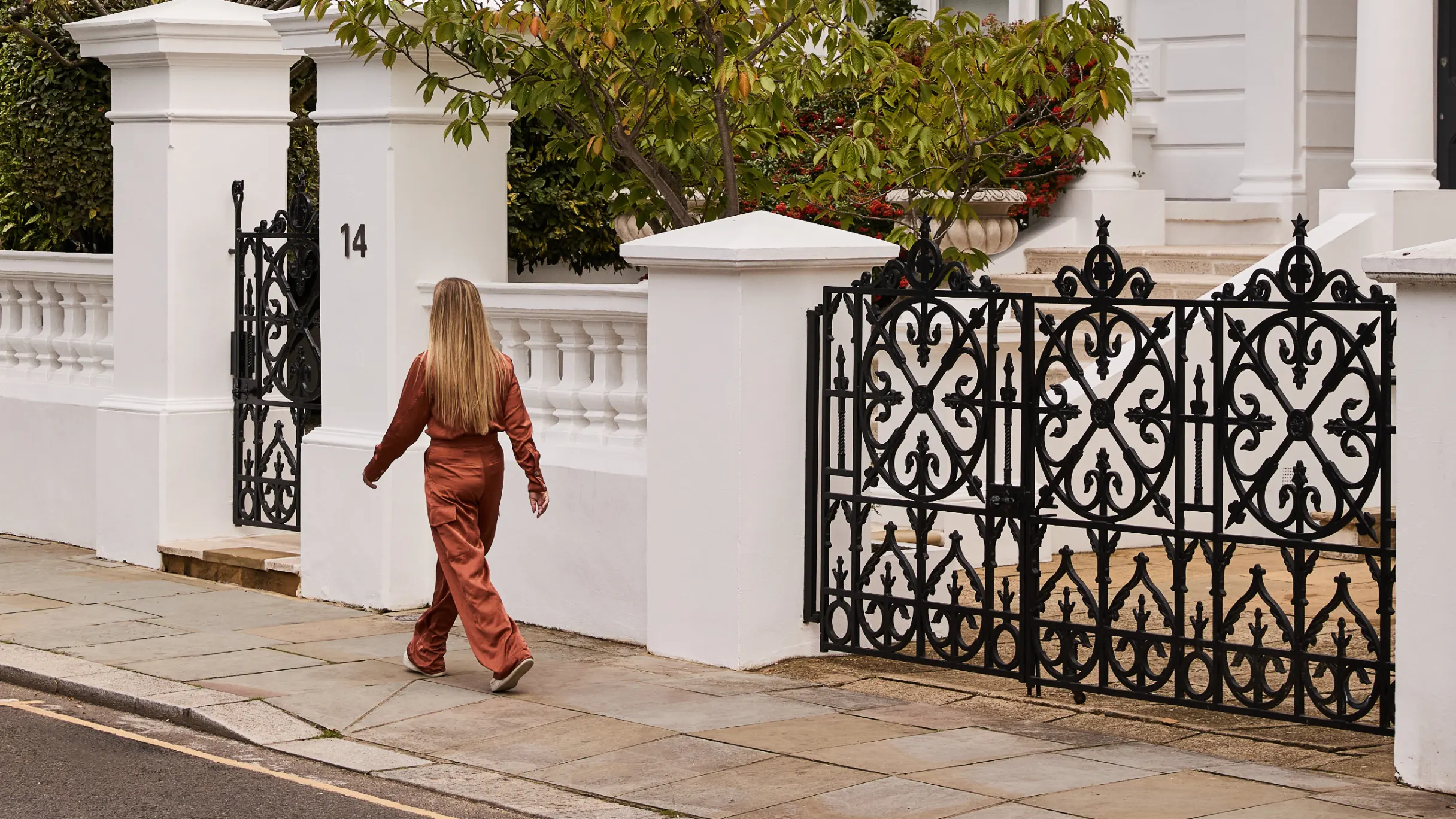
Locations
From royal roots to bohemian spirit, Chelsea remains one of London’s most enduringly desirable addresses
20 May 2026

Locations
From post‑war reinvention to world‑class regeneration, London’s South Bank has become one of the capital’s most dynamic destinations
08 May 2026
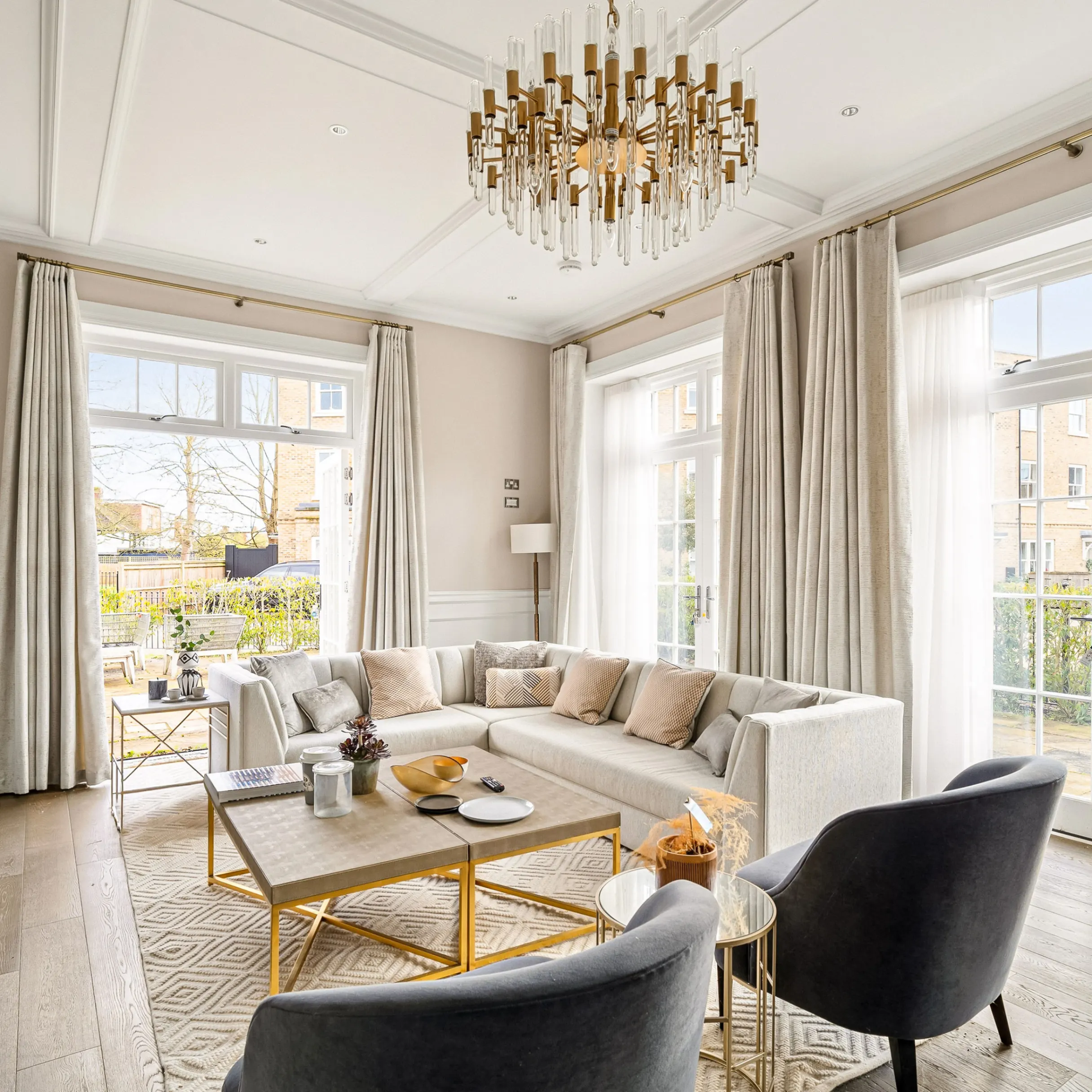
Inspiration
As new government legislation comes into force, what are the current market trends landlords should know to achieve a successful tenancy
28 April 2026
Locations
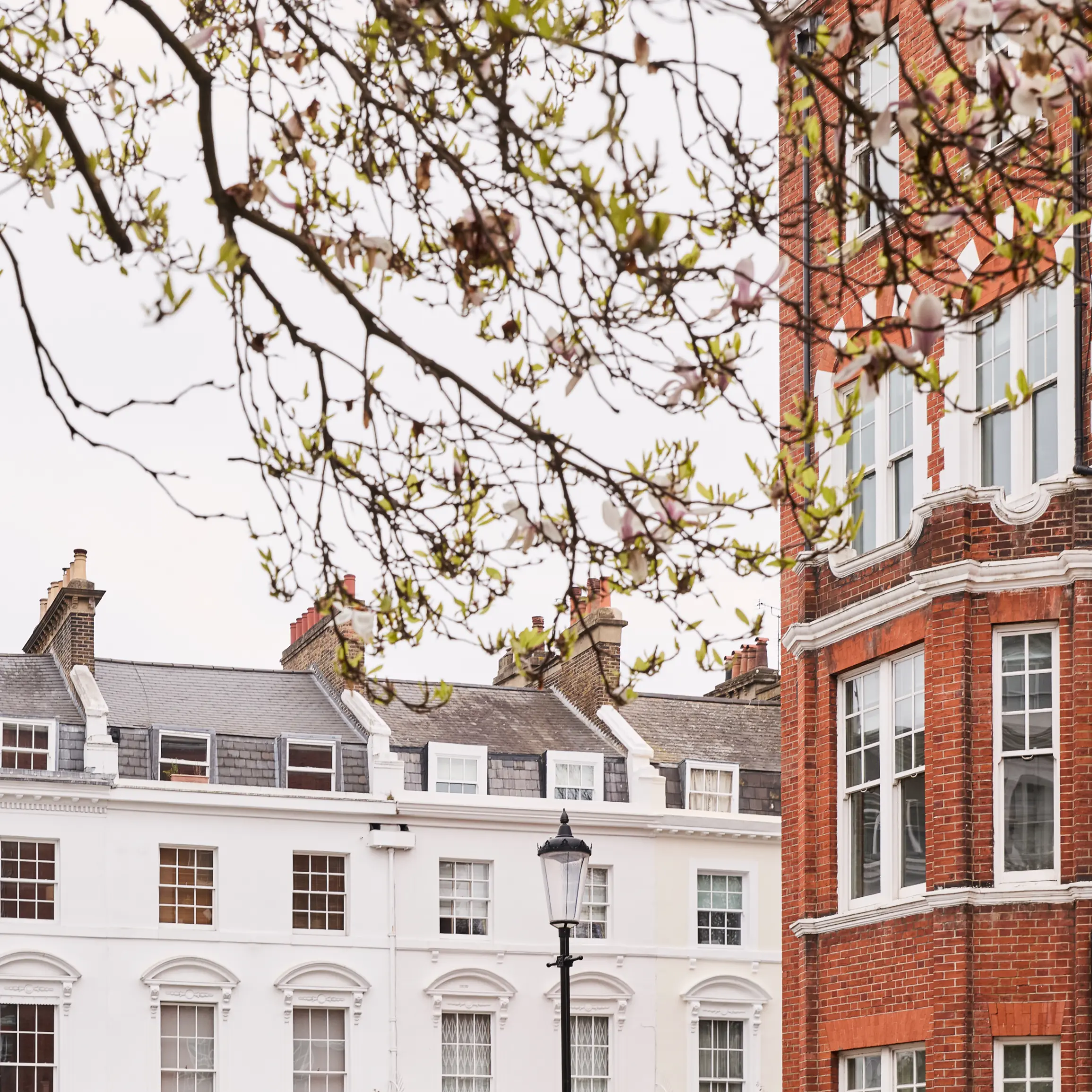
Why Kensington remains one of London’s most sought‑after neighbourhoods – from its strong community to luxury new homes
09 April 2026

Homes
From strategic timing and smart pricing to simple presentation upgrades, these expert tips will help you secure the strongest possible offer
08 April 2026

Homes
From Bond icons to arthouse legends, these properties offer heritage, character and true cinematic provenance
11 March 2026

Homes
From capped ground rents to a planned ban on new leasehold flats, here’s how the 2026 reforms could reshape flat ownership and the market
05 February 2026
Locations
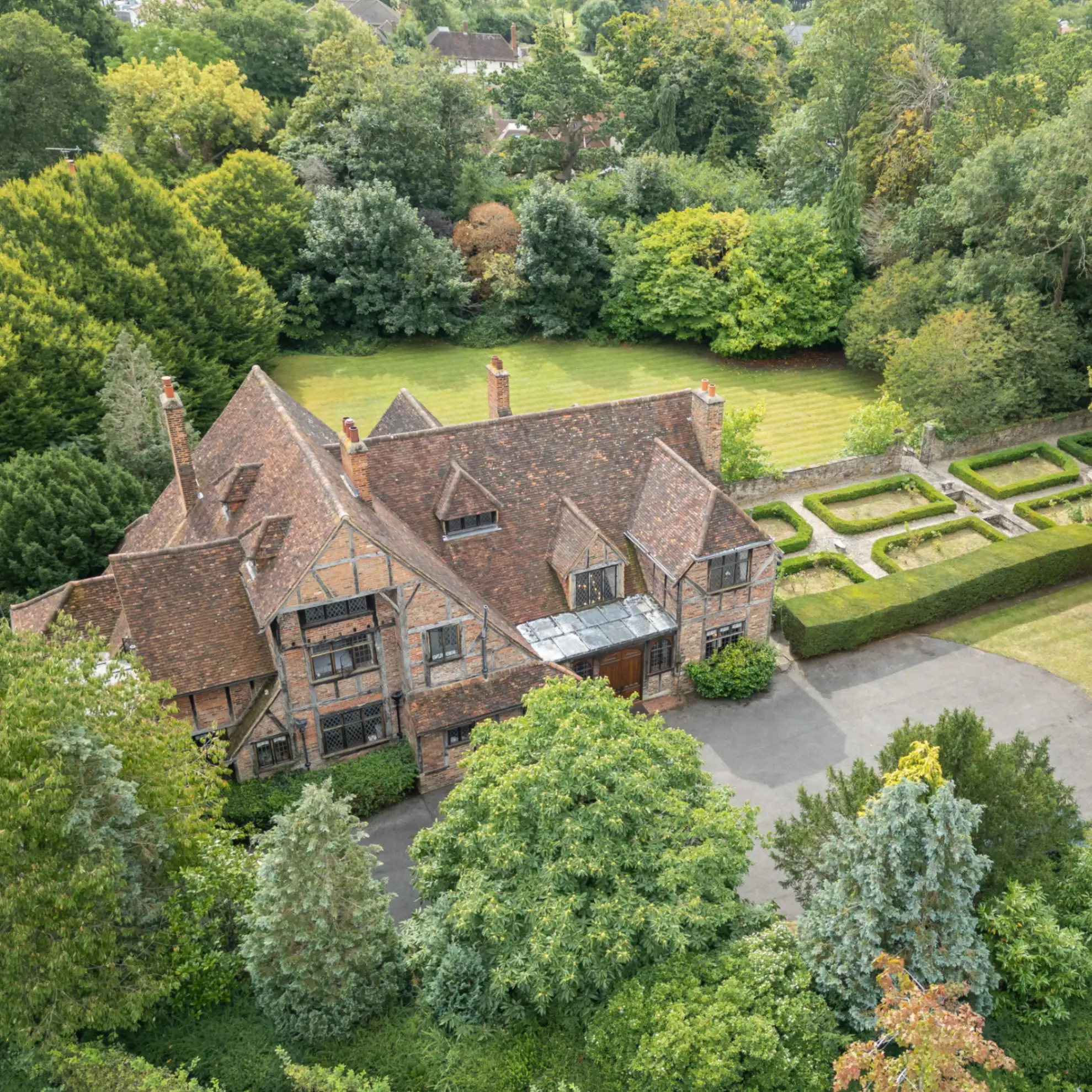
The Coombe Estate in southwest London offers a secluded, secure and elevated lifestyle that evokes countryside living - yet is within easy reach of the heart of the capital
16 January 2026
Locations
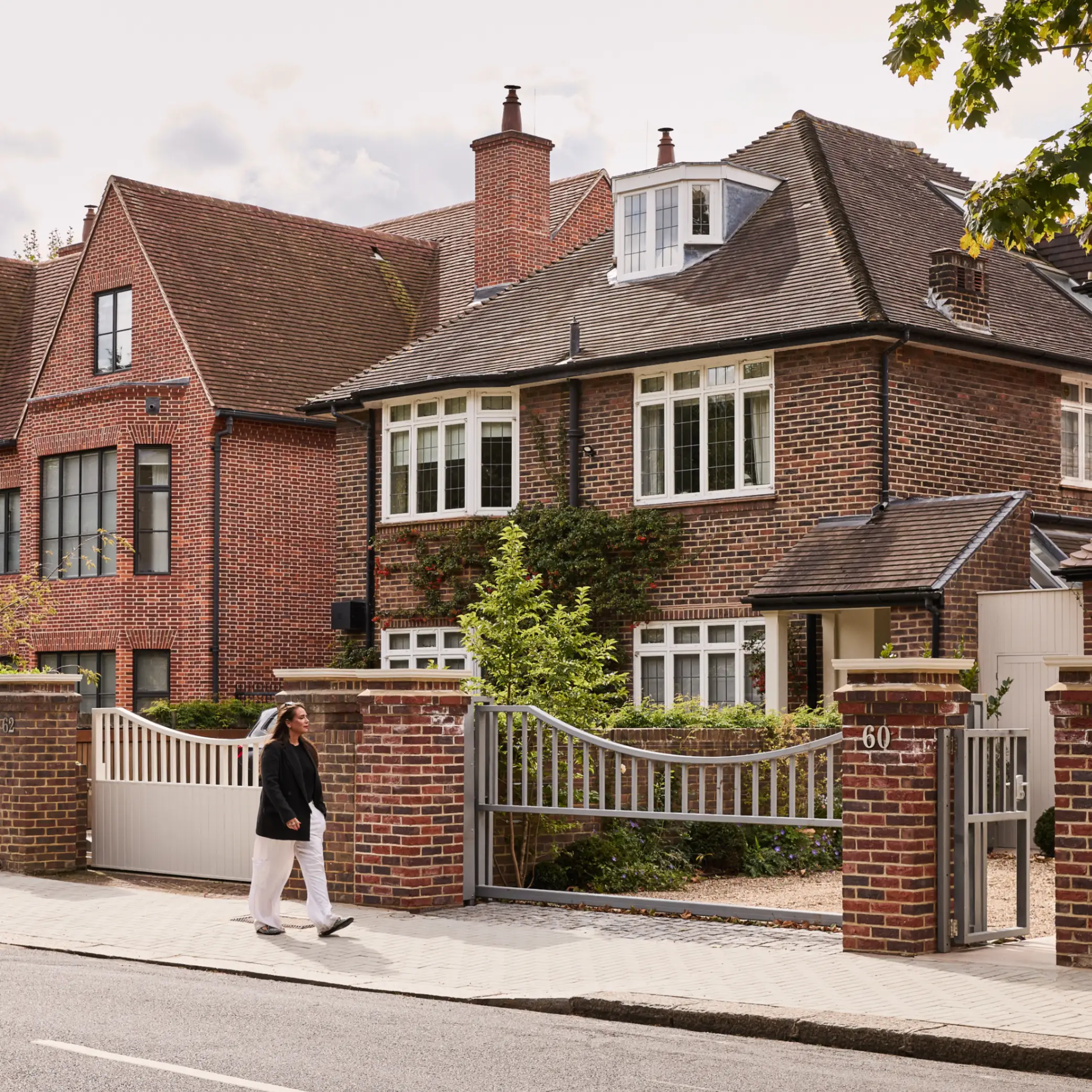
From London neighbourhoods on the rise to sought-after countryside escapes, here are the key locations buyers and renters should be watching in 2026
18 December 2025

Homes
From historic properties with famous connections to family houses in London’s village-like neighbourhoods, discover a collection of the finest homes in the capital
17 December 2025
Sorry!
An unexpected error has occurred.
Please try again later.
