

Living in the Cotswolds: where to buy in the UK’s most desirable countryside
From honey‑stone cottages to celebrity neighbours, our local experts share their insight on where to live this picturesque pocket of Britain’s countryside

From honey‑stone cottages to celebrity neighbours, our local experts share their insight on where to live this picturesque pocket of Britain’s countryside
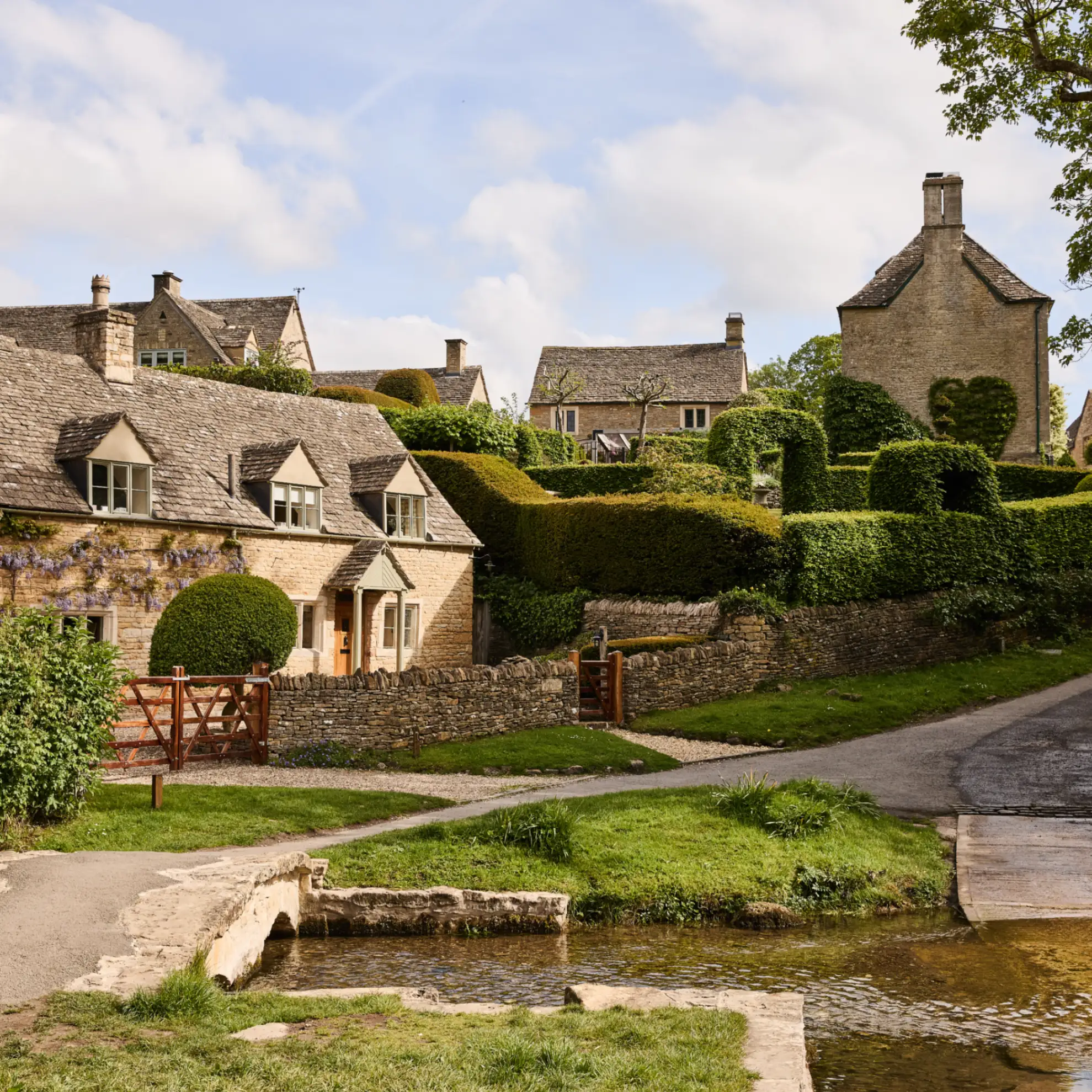
The rolling hills, picture‑perfect villages and honey‑coloured stone cottages of the Cotswolds have long defined the quintessential rural English dream. Their charm has served as a cinematic backdrop for everything from Harry Potter to Downton Abbey and Pride & Prejudice. In recent years, the area has also become a magnet for high‑profile residents - move here and your neighbours could potentially include Jeremy Clarkson, David and Victoria Beckham, Kate Moss and Hugh Grant.
“It’s always been popular, but what has set it apart in recent years is its status as a globally recognised brand,” says Harry Gladwin of The Buying Solution, who has spent more than two decades helping clients find their dream homes here. “It offers a unique lifestyle: historic communities with cricket clubs, village shops and exceptional pubs, combined with a new wave of world‑class amenities — from Daylesford Organic and Bamford Club to Soho Farmhouse and Estelle Manor — that draw buyers in.”
For Leigh Glazebrook, head of Knight Frank’s Stow-on-the-Wold office, the appeal lies in the balance between rural serenity and accessibility. “Buyers come for the landscape, the beautiful homes, the family lifestyle and excellent schools,” he says. “But geographically it’s highly convenient — you can easily drive north or to London, and direct trains to the capital take from around an hour.”
The region’s designation as a National Landscape adds to its enduring appeal, particularly for those seeking period property and unspoilt countryside. “It offers greater protection from the large‑scale development seen elsewhere in the UK,” says Gladwin. “As a result, being within this area now carries greater value.”
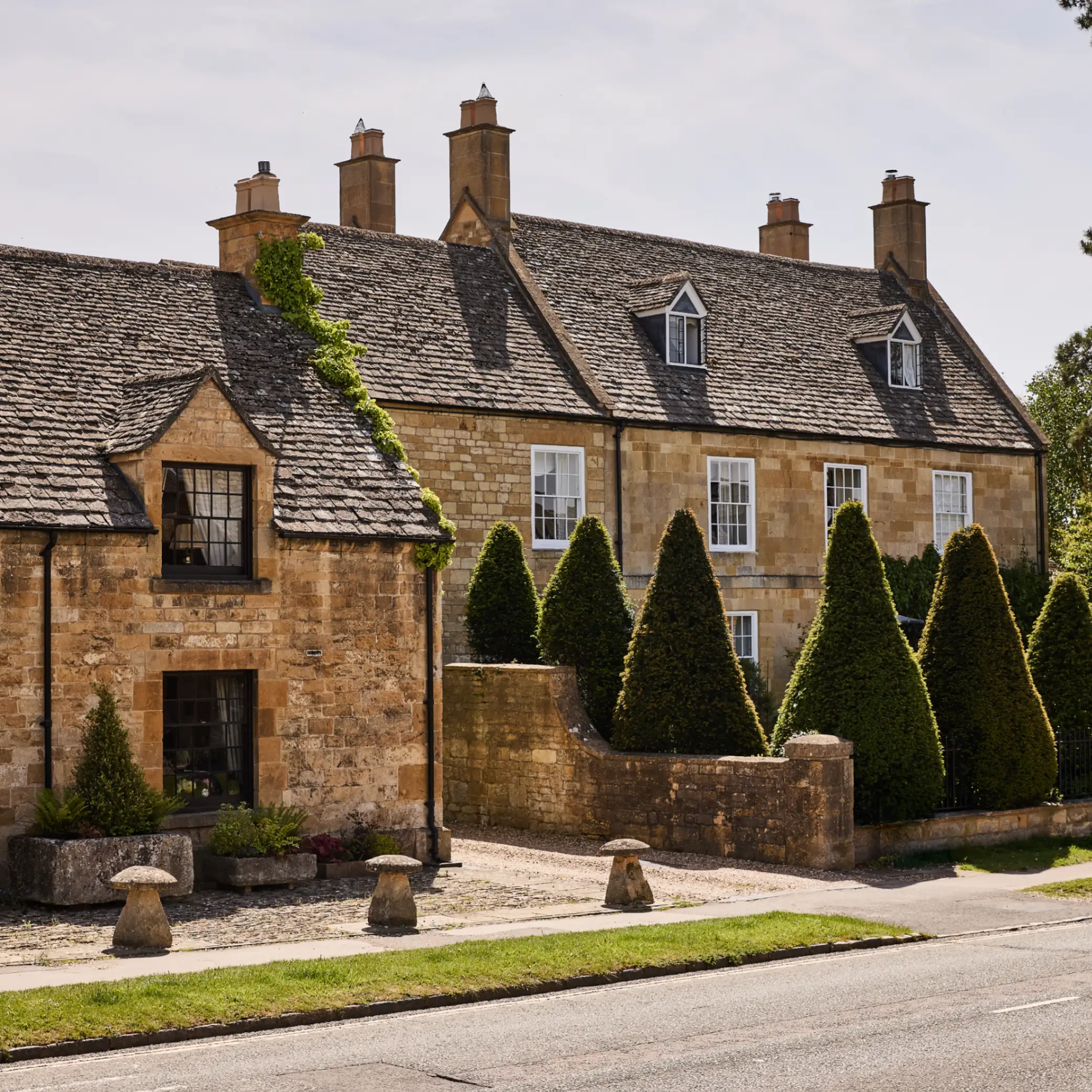
Demand is increasingly international, with around a third of Gladwin’s clients coming from the US. “Buyers are drawn to authentic, characterful properties — especially the honey‑stone houses synonymous with the Cotswolds,” he adds. “However, there’s been a clear shift: most now prefer homes that are already modernised, with less appetite for major renovation projects.”
Alongside traditional homes, contemporary architecture is gaining traction. “Well‑designed modern houses are rare, but when they come up in the right location, they sell quickly,” says Glazebrook.
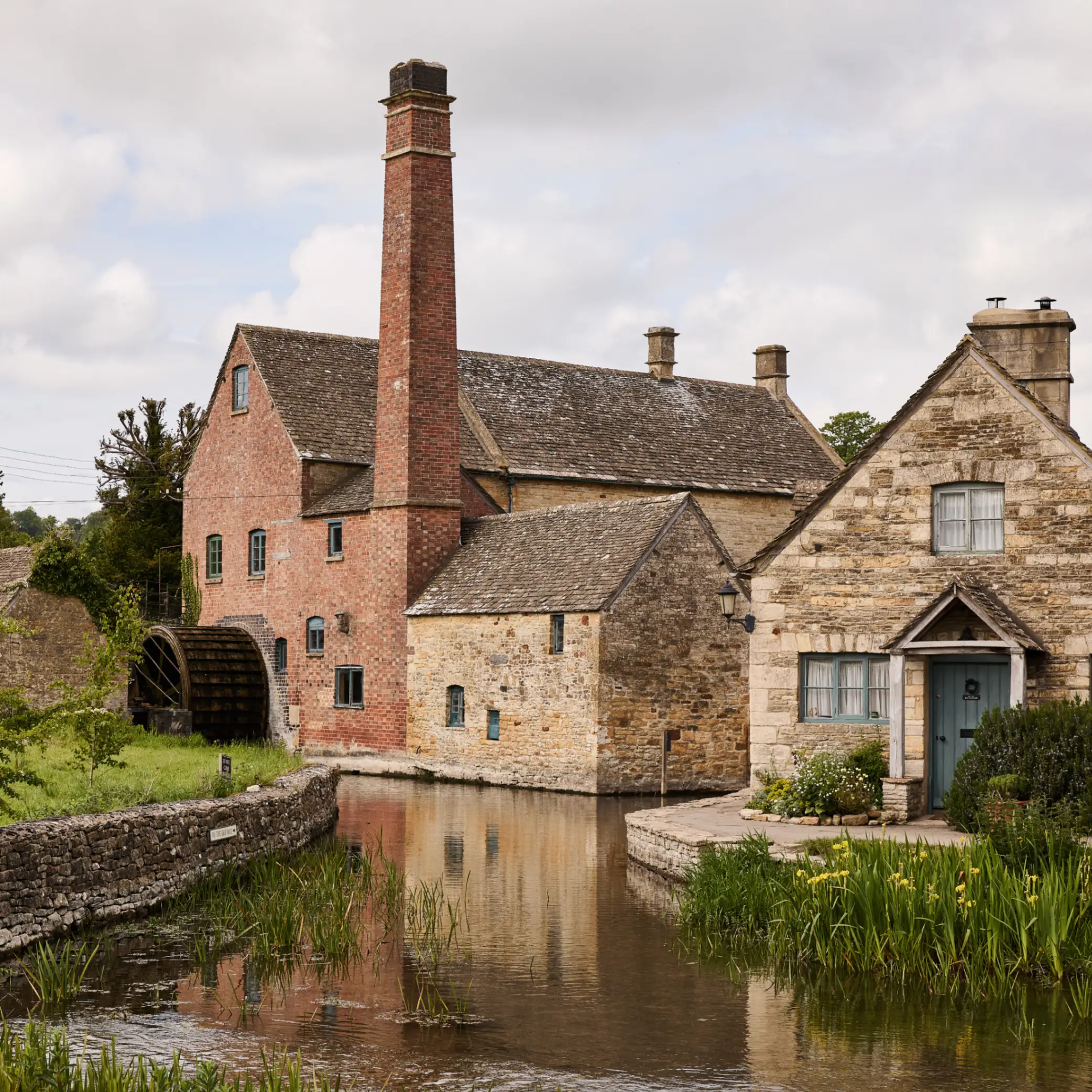
Shifting working patterns have also reshaped demand. Once primarily a weekend destination, the Cotswolds is now a main base for many buyers. “People are flipping their lives — living here full‑time while retaining access to London,” he explains. “A £2 million budget in much of the Cotswolds can secure a detached home with around half an acre, which appeals strongly to families compared with what the same budget delivers in a major city.”
For those considering holiday lets or investment property, opportunities remain — albeit with a more strategic approach. “As tourism has grown, buyers have become more considered,” says Glazebrook. “It’s no longer just about a pretty cottage; investors are thinking carefully about location, amenities and long‑term appeal.”
Spanning around 800 square miles across six counties — primarily Gloucestershire and Oxfordshire, but also parts of Somerset, Worcestershire, Warwickshire and Wiltshire — the Cotswolds offers a diverse range of locations.
Searches often begin in the so‑called “Golden Triangle” between Chipping Norton, Stow-on-the-Wold and Burford. With easy access to Oxford via the A40 and M40, it offers proximity to many of the region’s most sought‑after amenities.
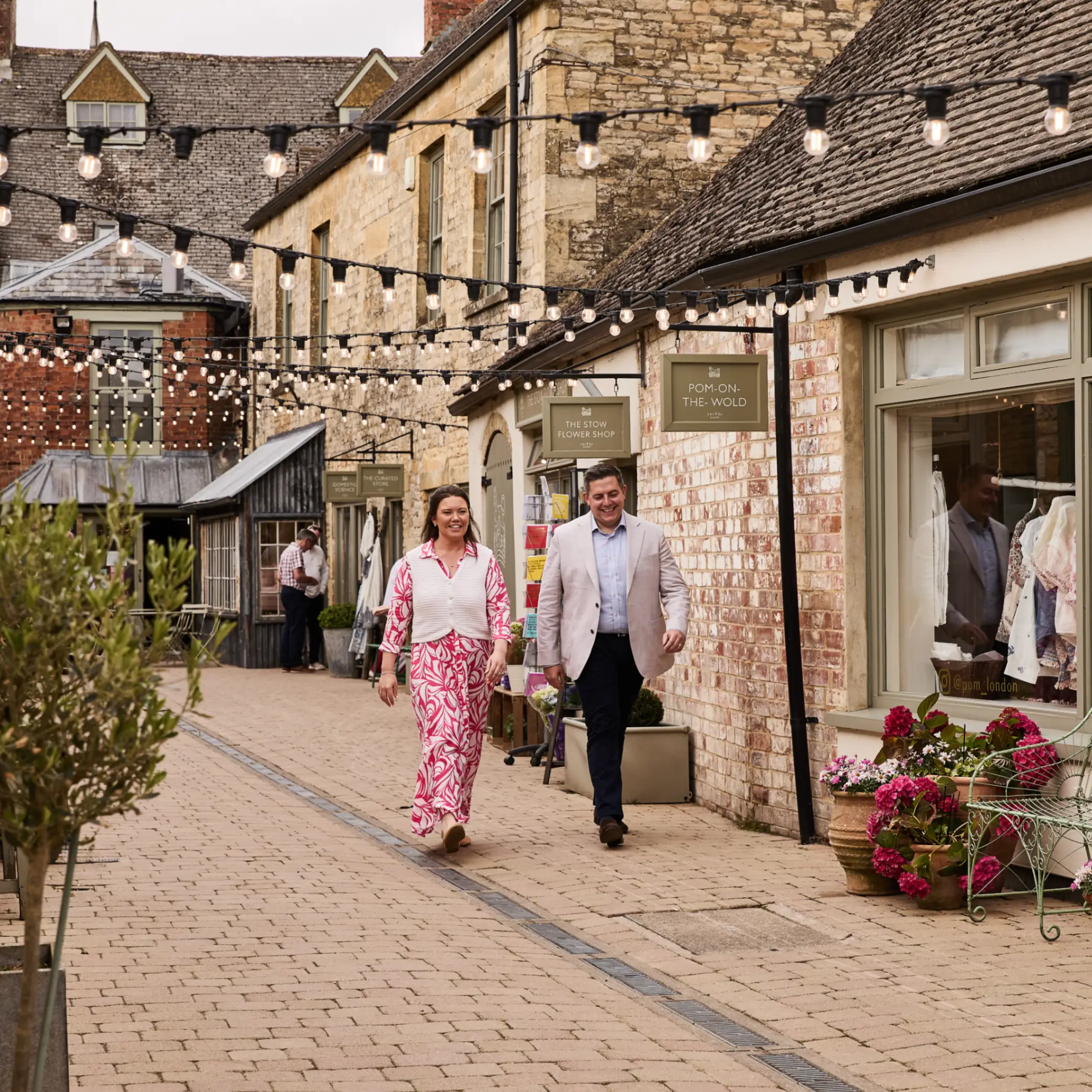
“Hotspots tend to cluster around stations, with Kingham particularly popular due to its direct line to Paddington,” says Glazebrook. “With a new Bamford hotel opening, its appeal is only set to grow. Nearby villages such as Bledington, Churchill, the Oddingtons and Adlestrop are also highly sought after.” Those seeking larger villages or towns with more amenities gravitate towards Stow-on-the-Wold, or further north to Chipping Campden and Broadway, where there’s a greater range of shops, restaurants and cafes.
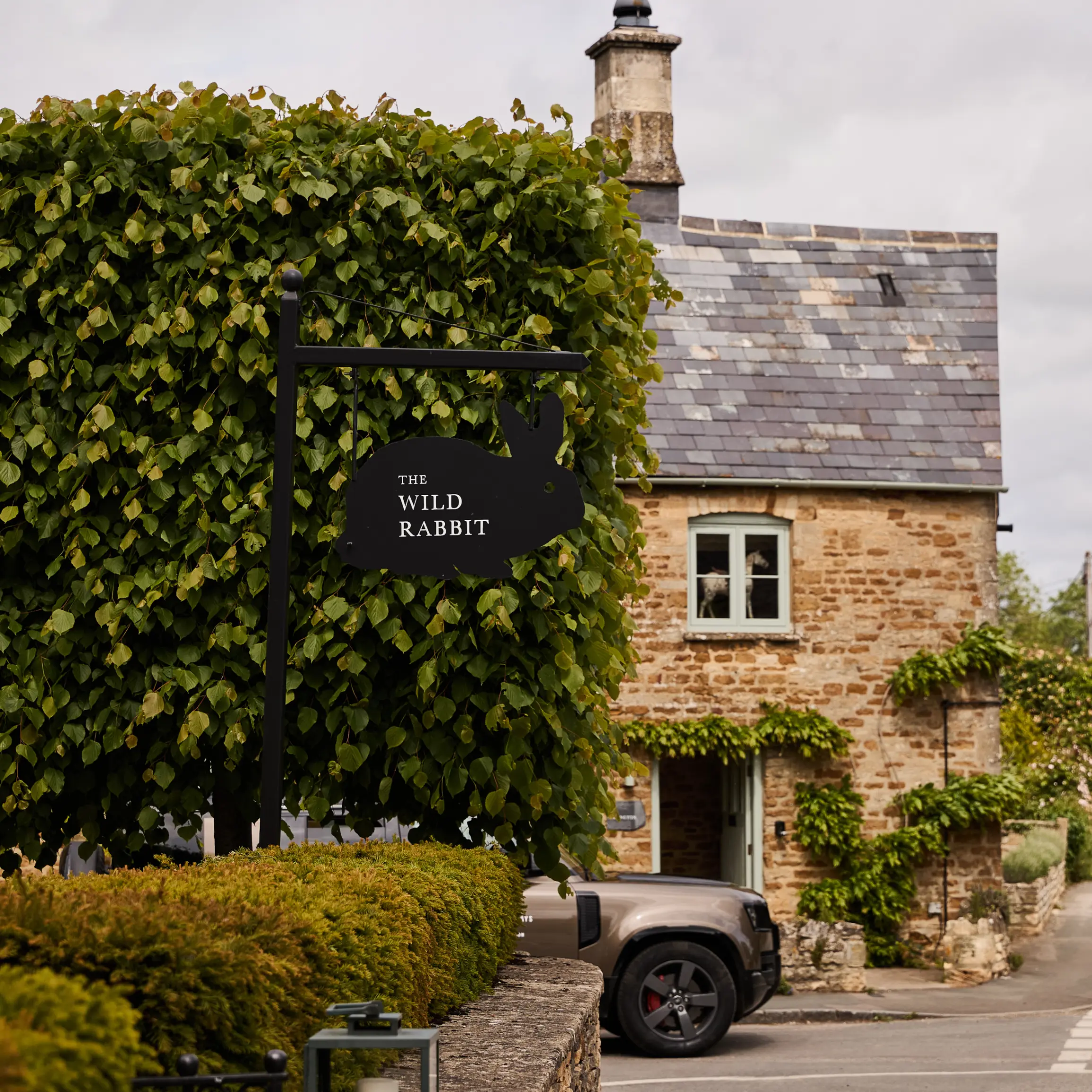
Meanwhile, south Warwickshire villages including Cherington and Brailes are gaining popularity, offering a more peaceful setting while remaining well connected. “These areas don’t command the same premiums as the prime North Cotswolds, but they offer unspoilt countryside and a sense of escape,” says Gladwin. “Whichford is a great example, with an excellent pub and you can still get to destinations like Daylesford Organic within 20 minutes or so.”
The south has long attracted buyers drawn by its outstanding equestrian scene. From Cirencester and Beaufort polo clubs to the Badminton Estate and Dauntsey Park horse trials, the region also has five packs of hounds with some of the largest and most competitive pony clubs in the country. It also benefits from proximity to leading schools such as Beaudesert Park, Westonbirt, Marlborough and the Cheltenham Colleges.
“Heading south offers relative value alongside beautiful, less crowded countryside,” says Gladwin. “Villages such as Sapperton are particularly appealing, with easy access to Kemble station and straightforward links to the M4.”
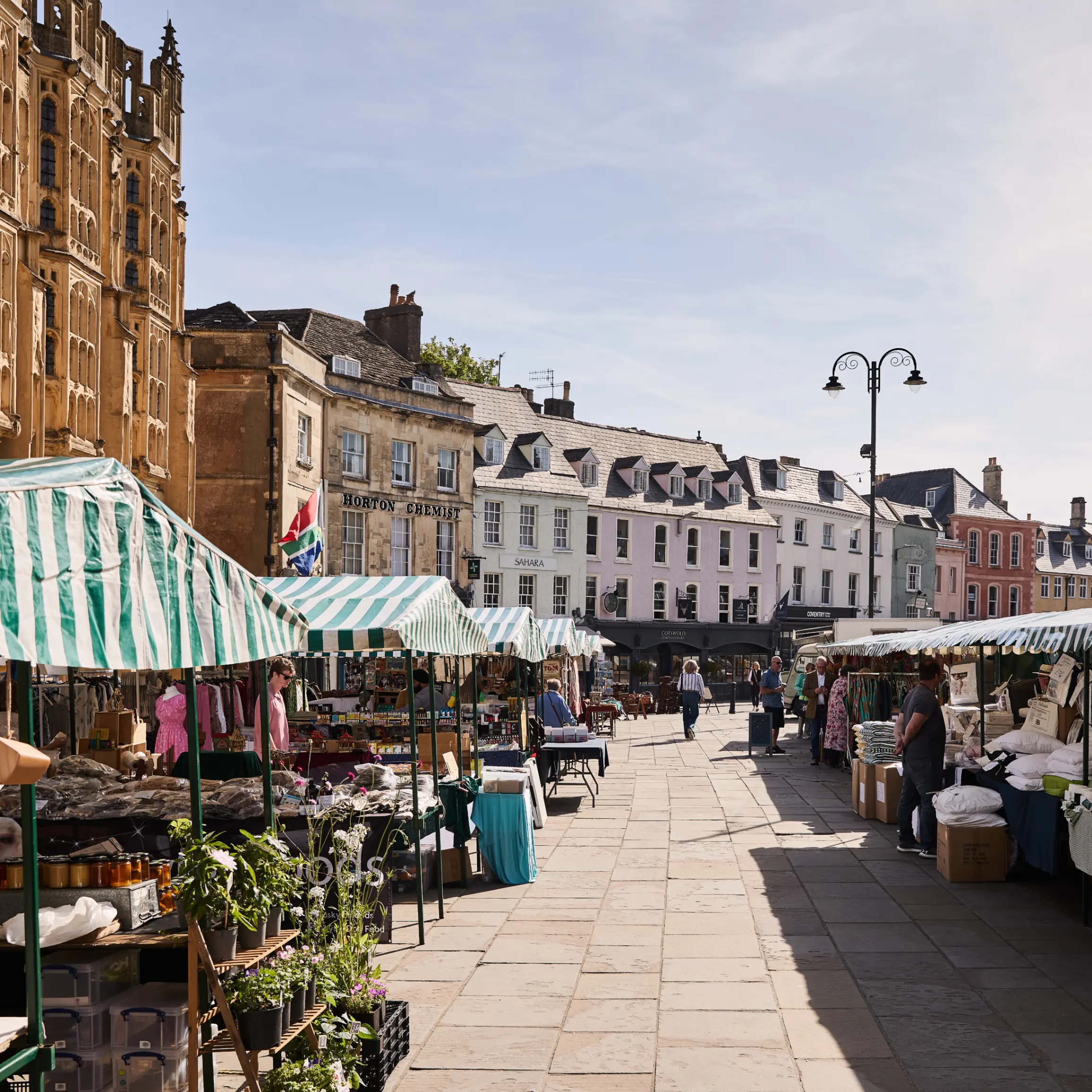
Families moving to the area often start their search around Tetbury, with buyers also quickly considering areas around the other market towns of Malmesbury, Cirencester — known as the ‘Capital of the Cotswolds’ — and Chippenham in the south. The M4 corridor offers excellent links to west London, Heathrow and the West Country, with most areas no more than 25 minutes from a mainline station.
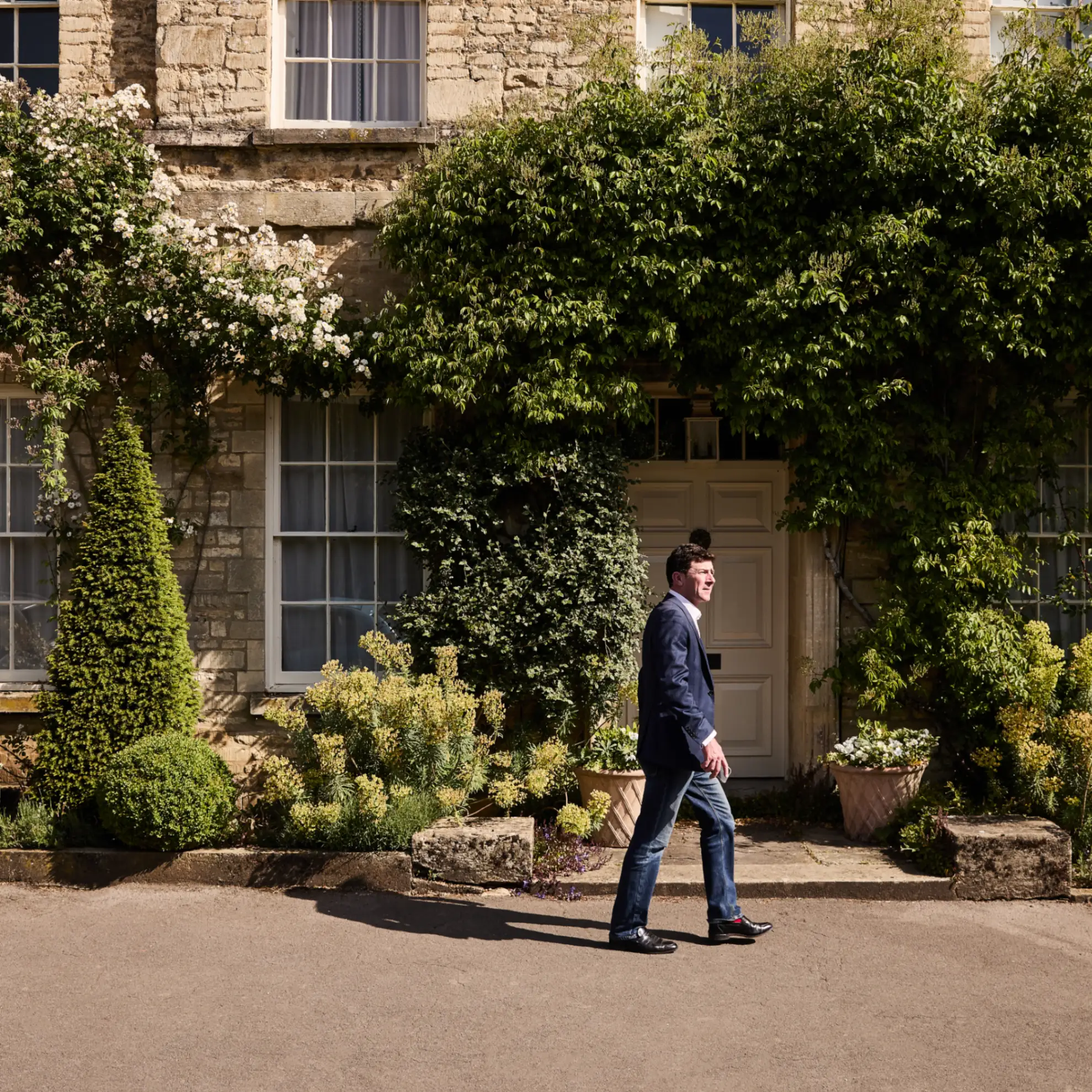
“Sherston, Hawkesbury and Great Somerford are among the many desirable villages, with their charming pubs, village shops and primary schools,” says Rupert Sturgis, head of Knight Frank’s Cirencester office. “The Cotswold Escapement to the east is extremely pretty, with few properties coming available. While the area has a strong rural charm and community, the area also offers fine dining such as Juliets in Stroud, Whatley Manor, Lucknam Park and Calcot Manor, alongside world-class spas.”
Mixed Use Property
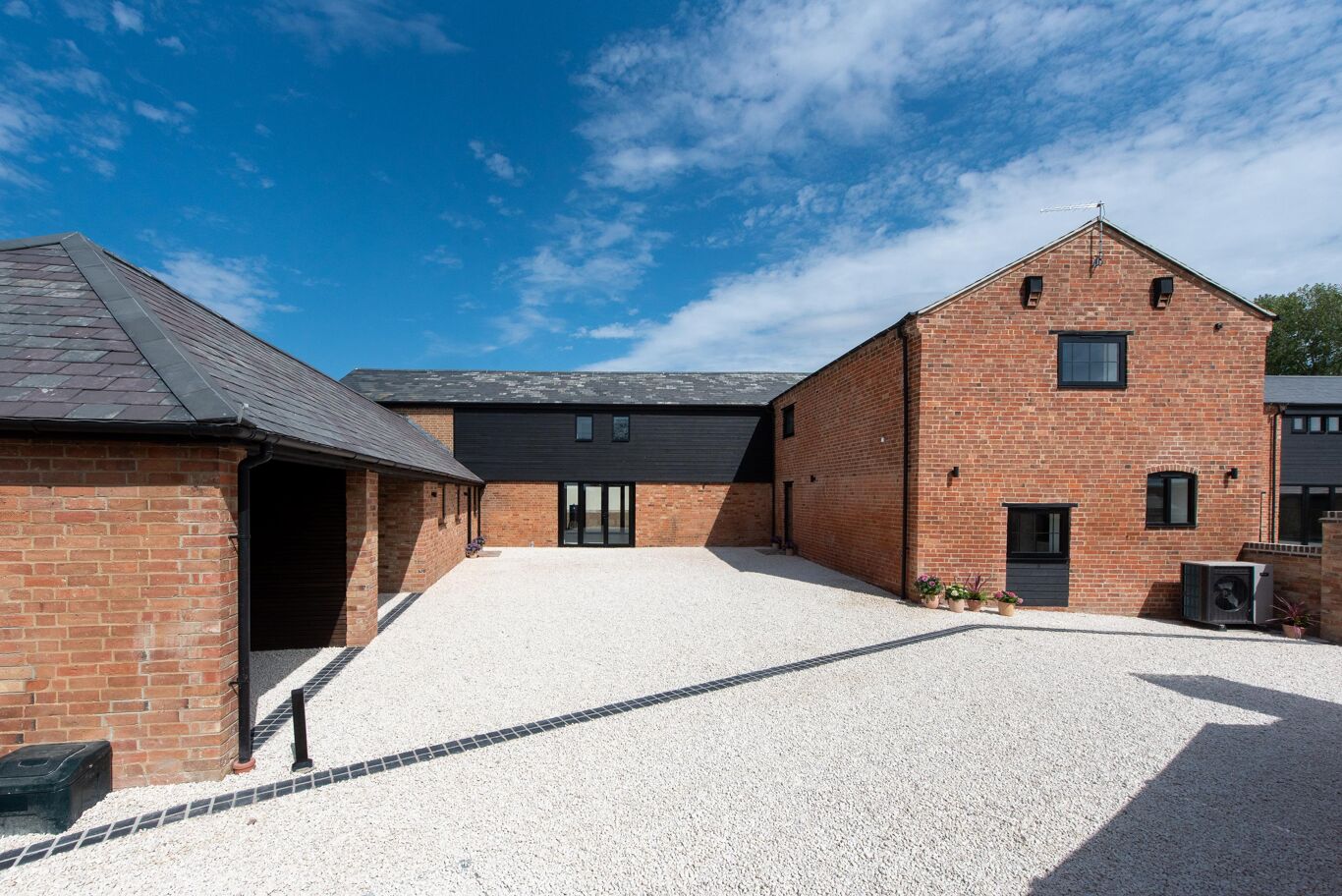
House, 3887 sqft


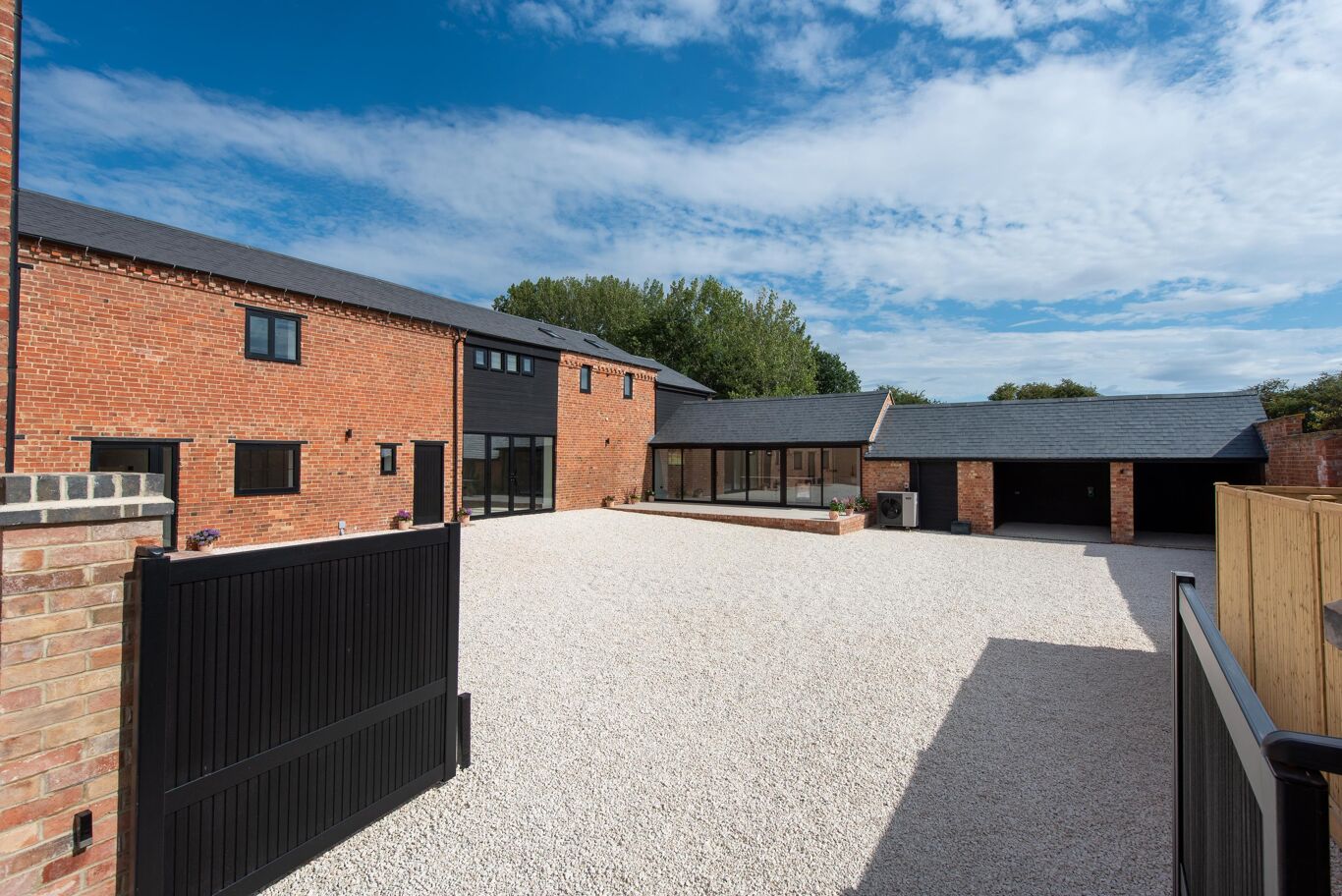
House, 3683 sqft
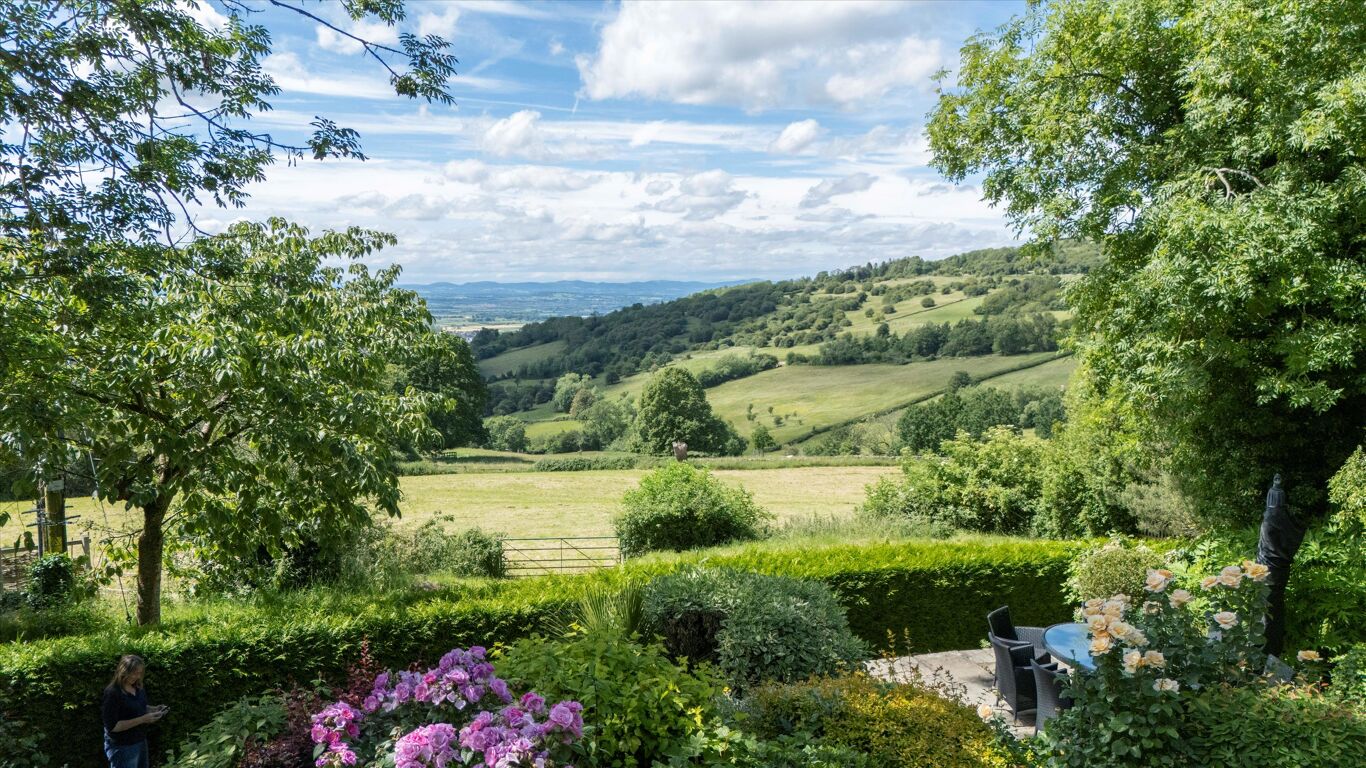
House, 2142 sqft
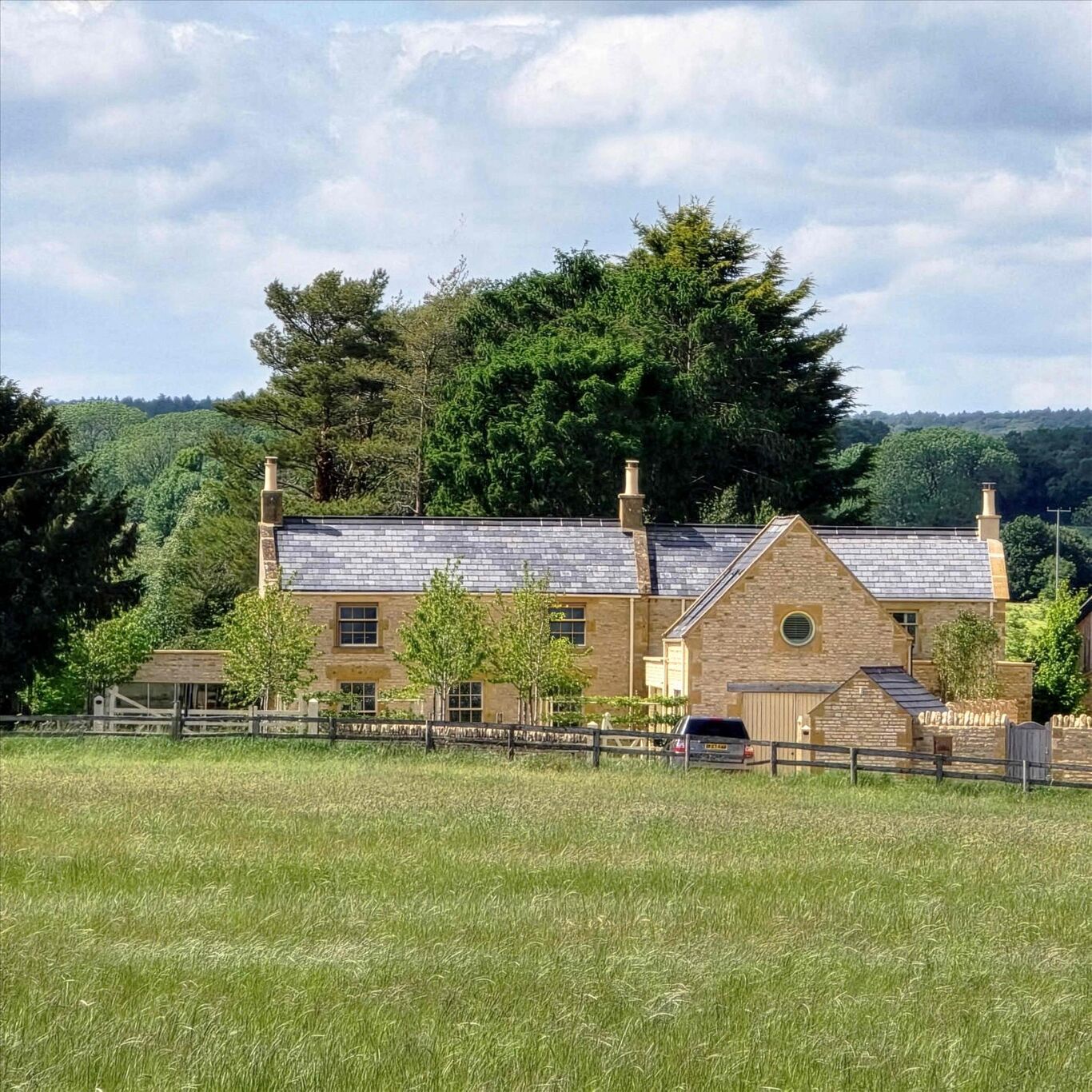
House, 3156 sqft
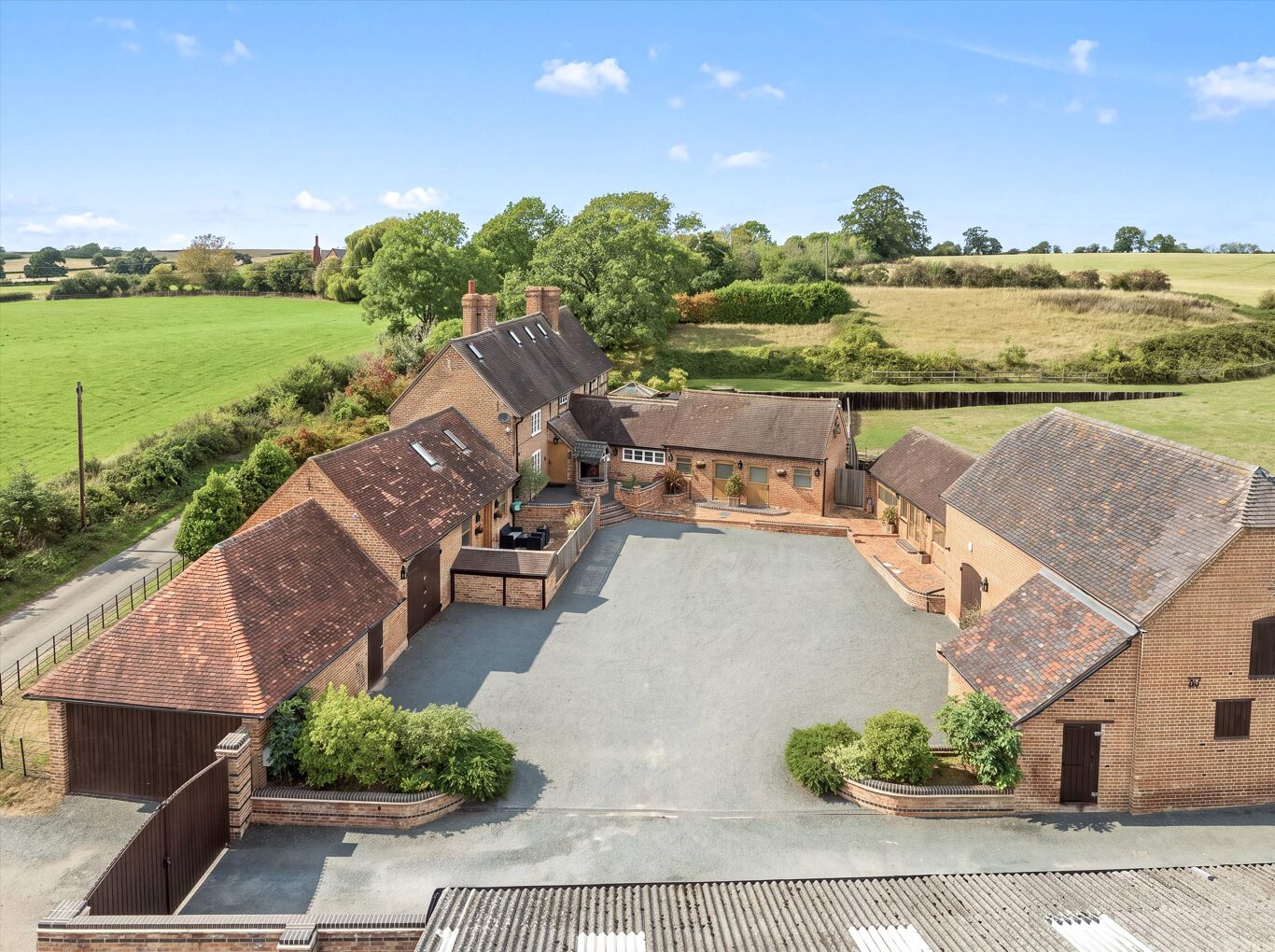
House, 119.07 acres
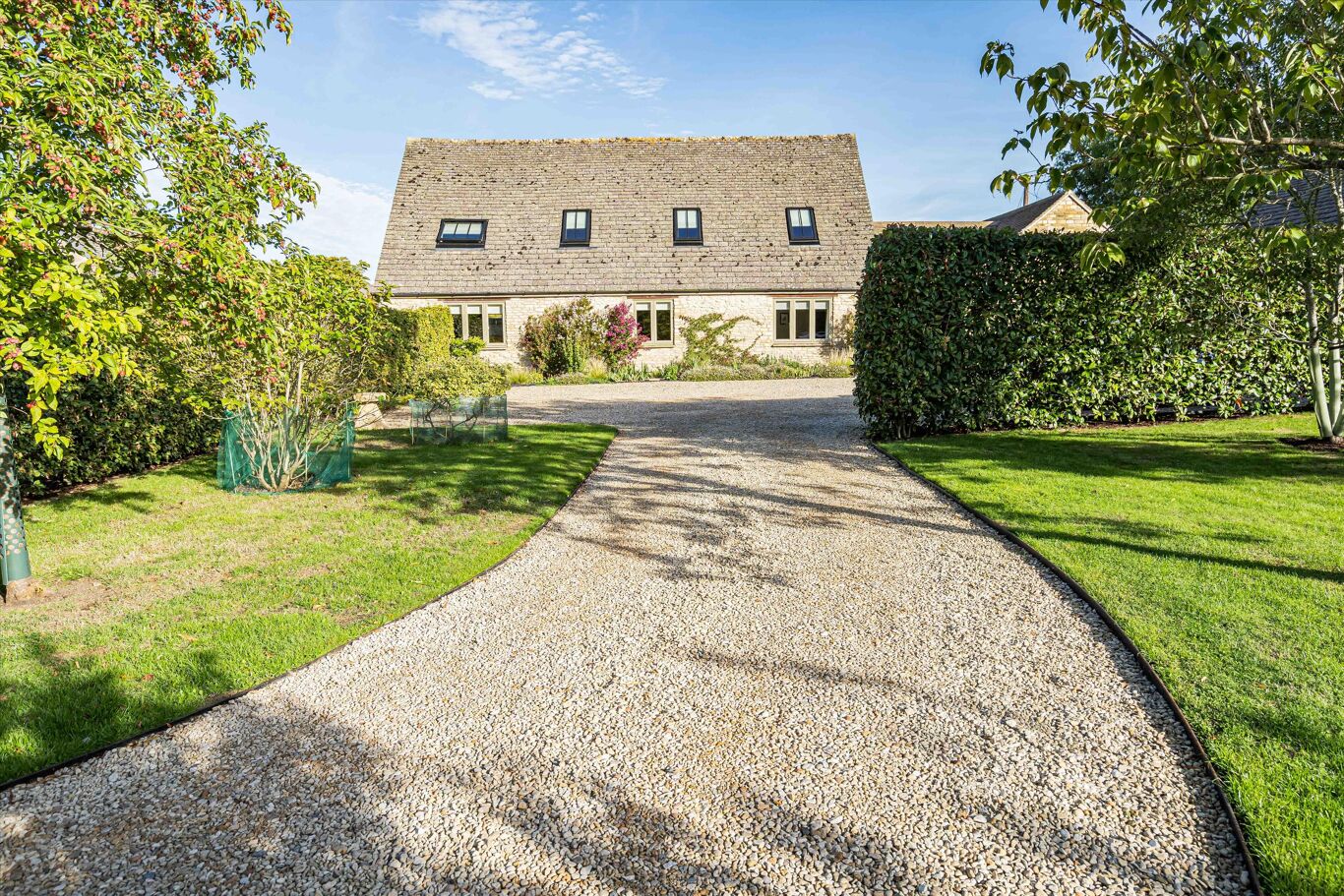
House, 2886 sqft
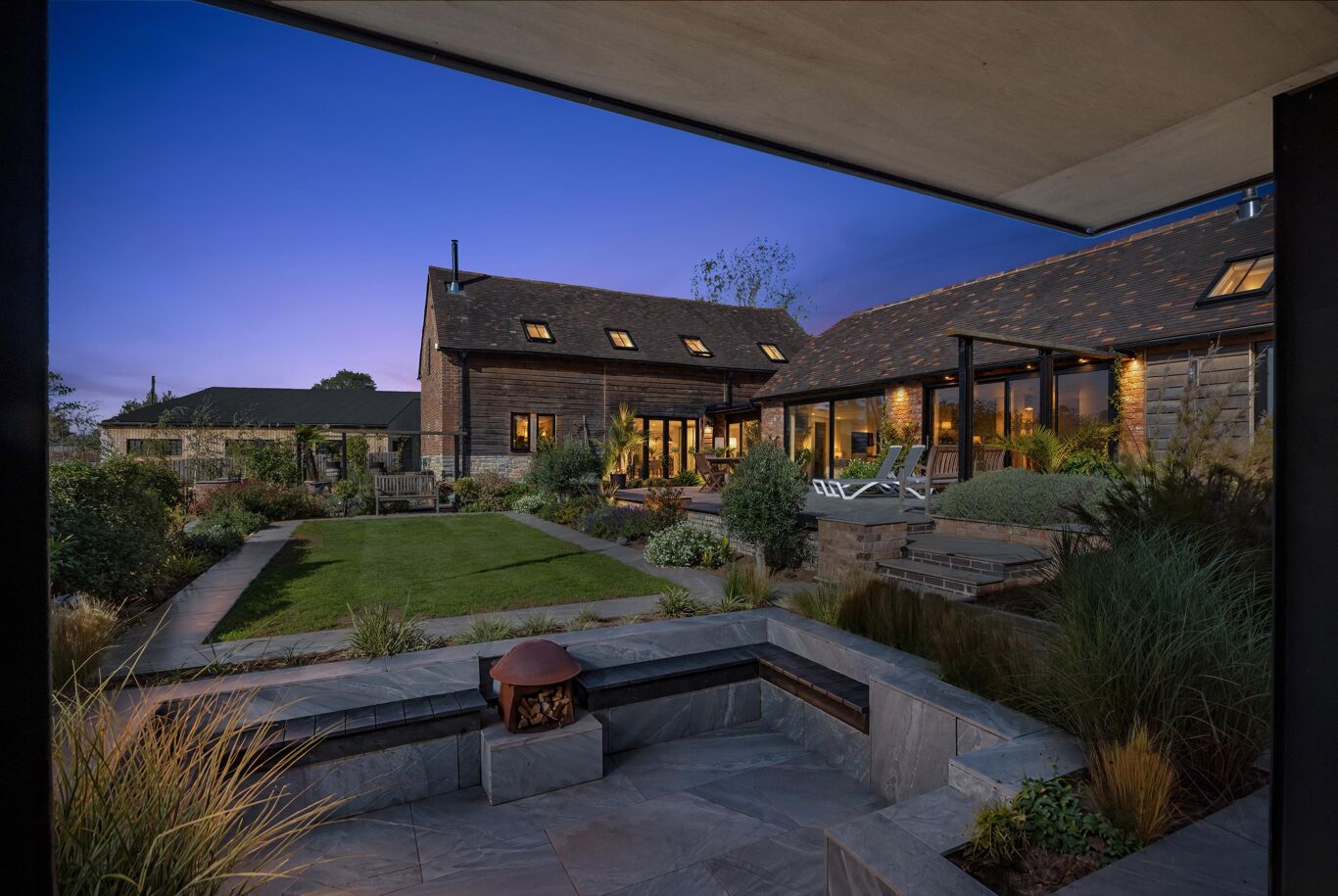
House, 0.5 acres
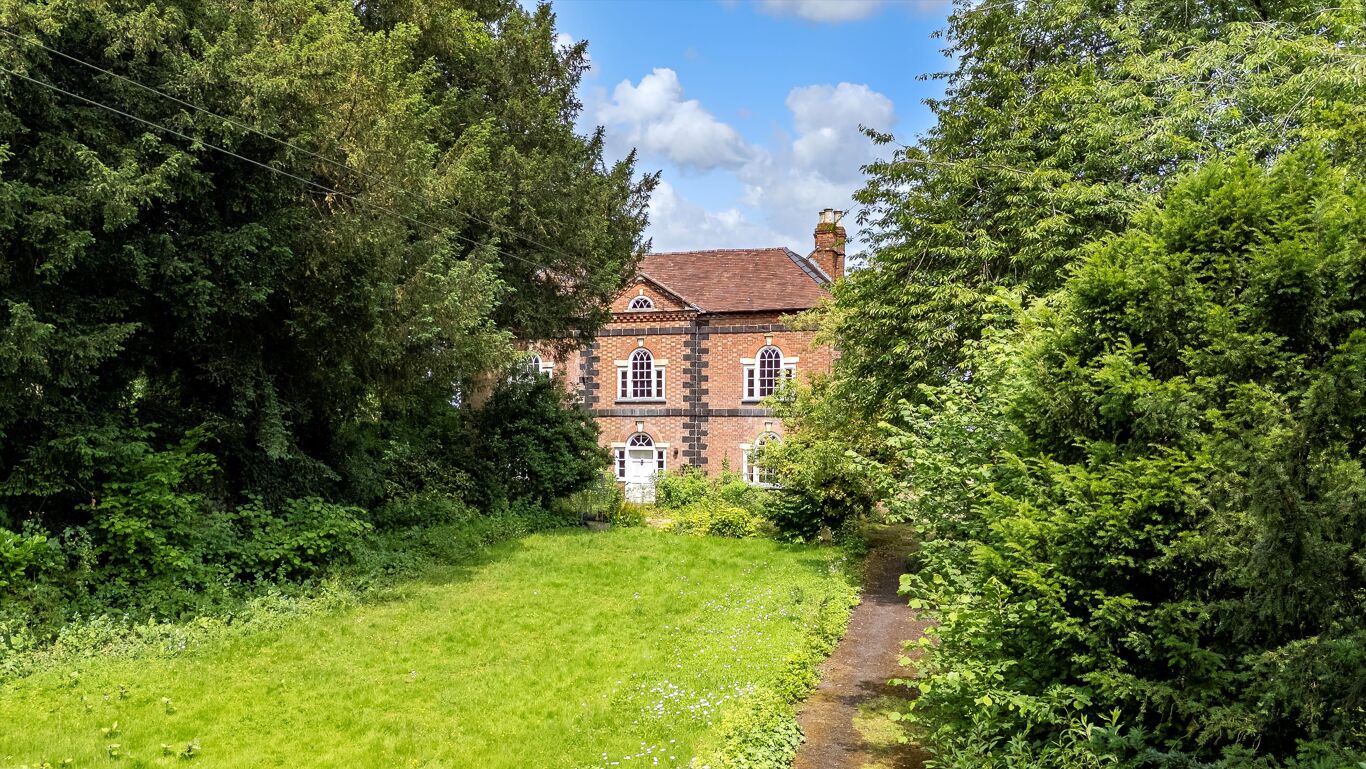
House, 81 acres
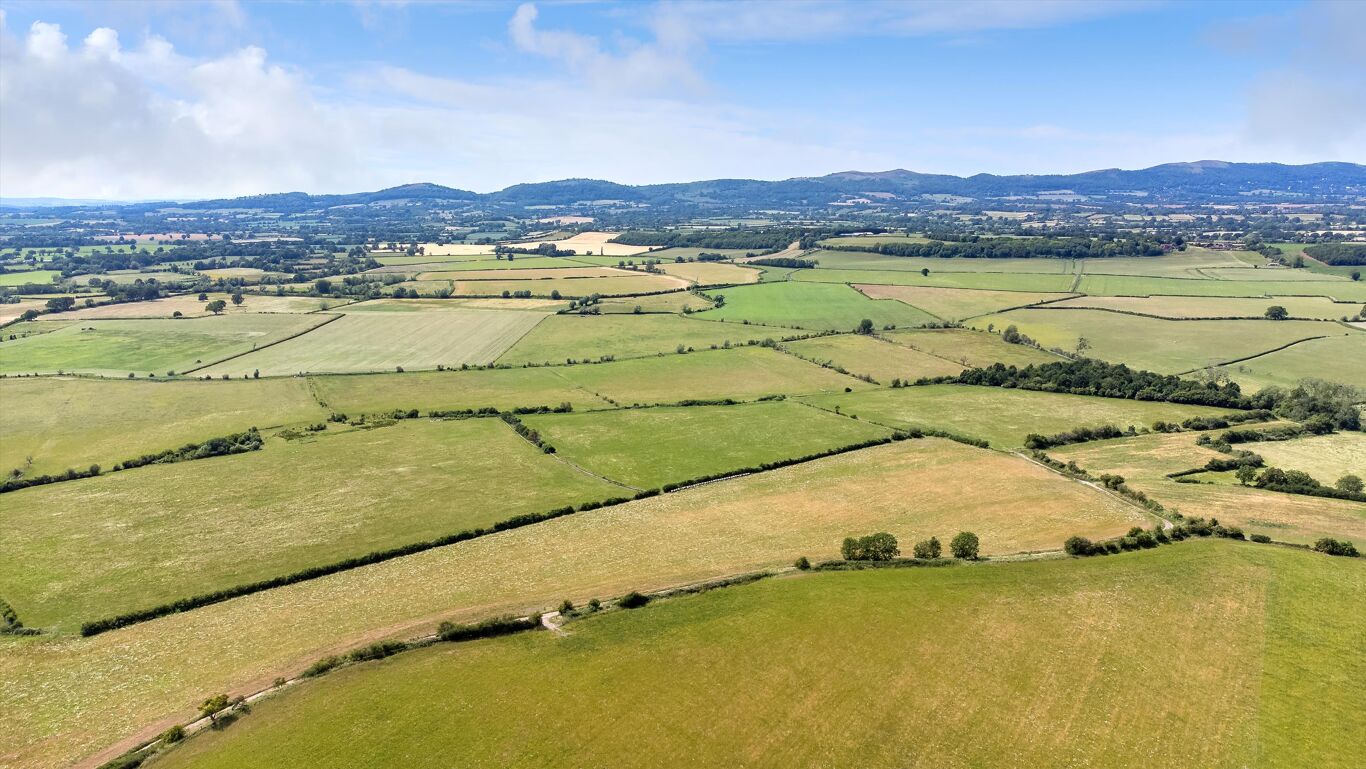
Land, 158 acres

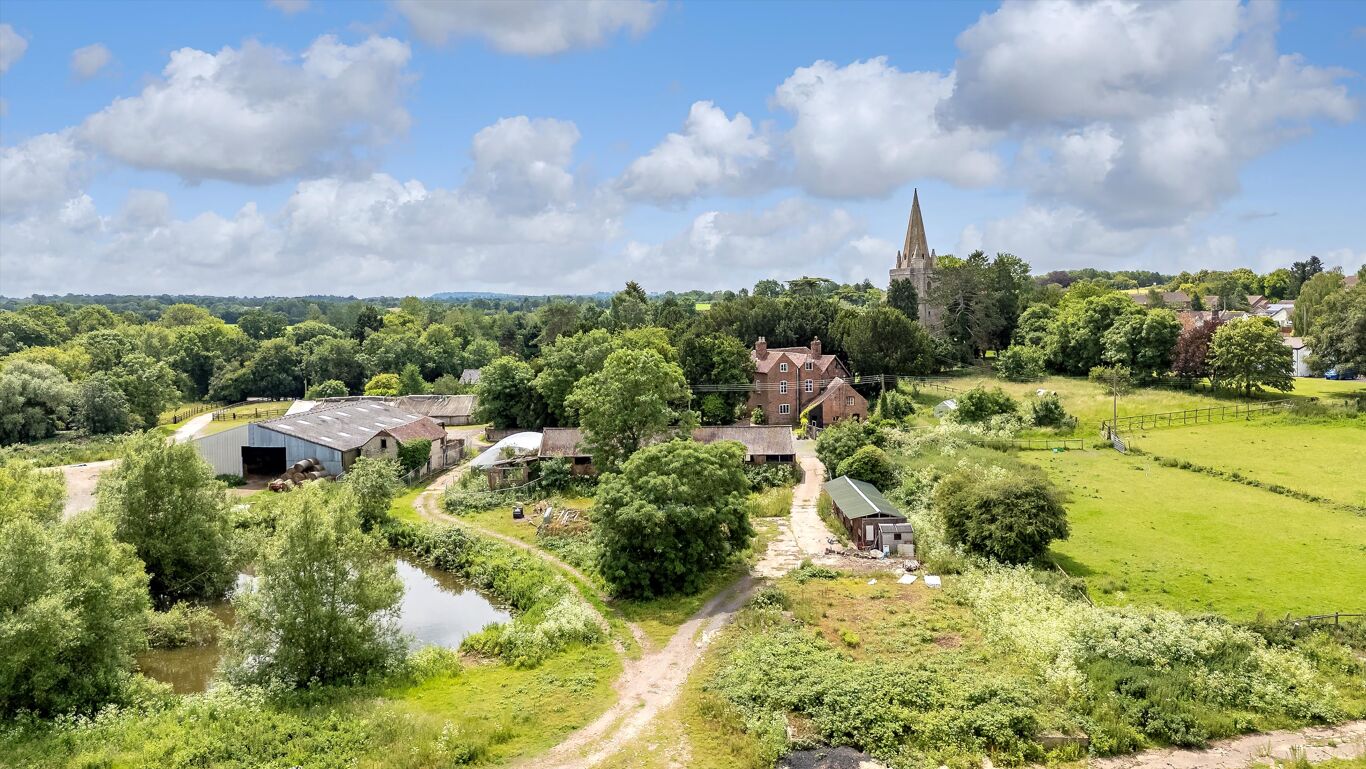
Farm/Estate, 312 acres
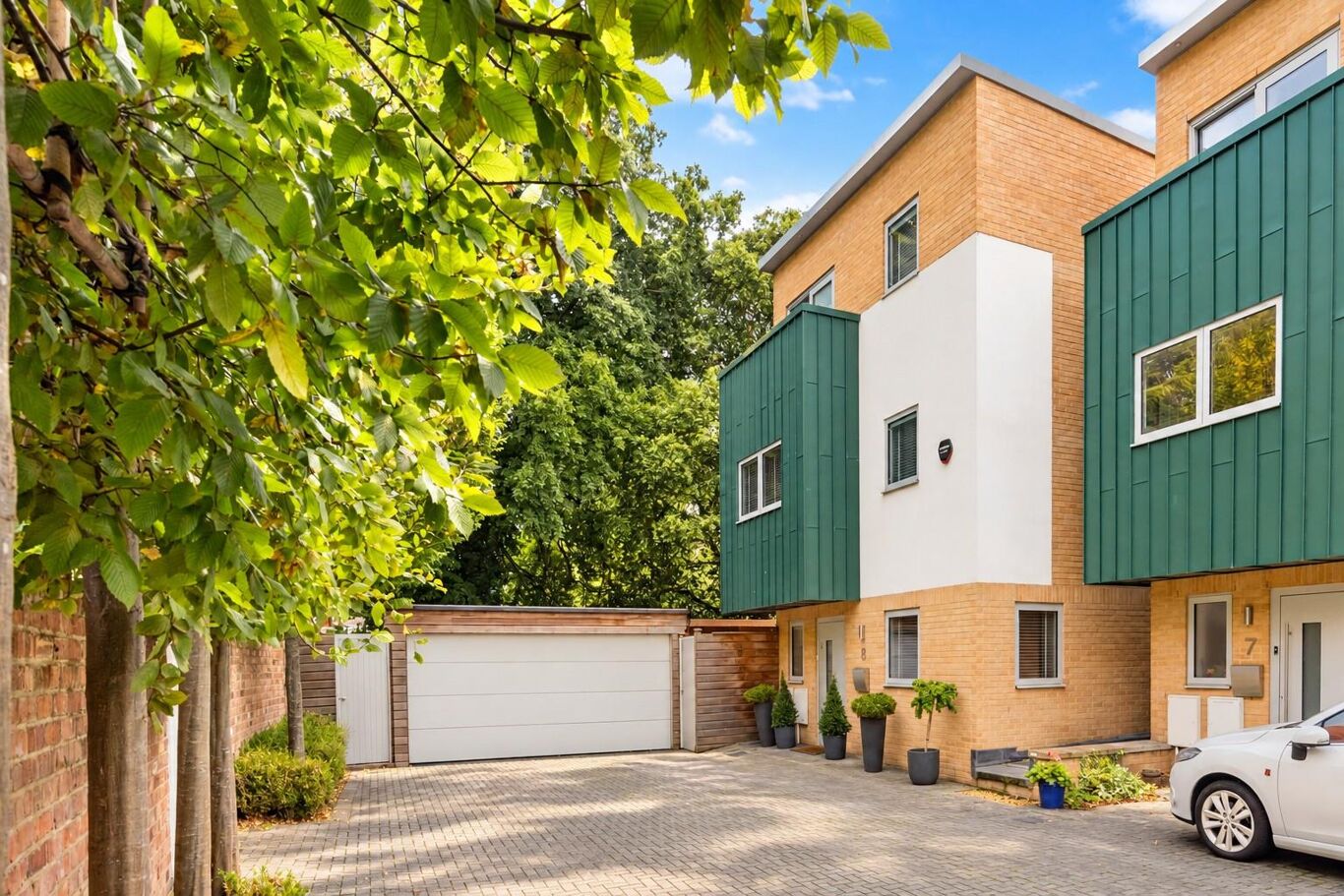
House, 2648 sqft
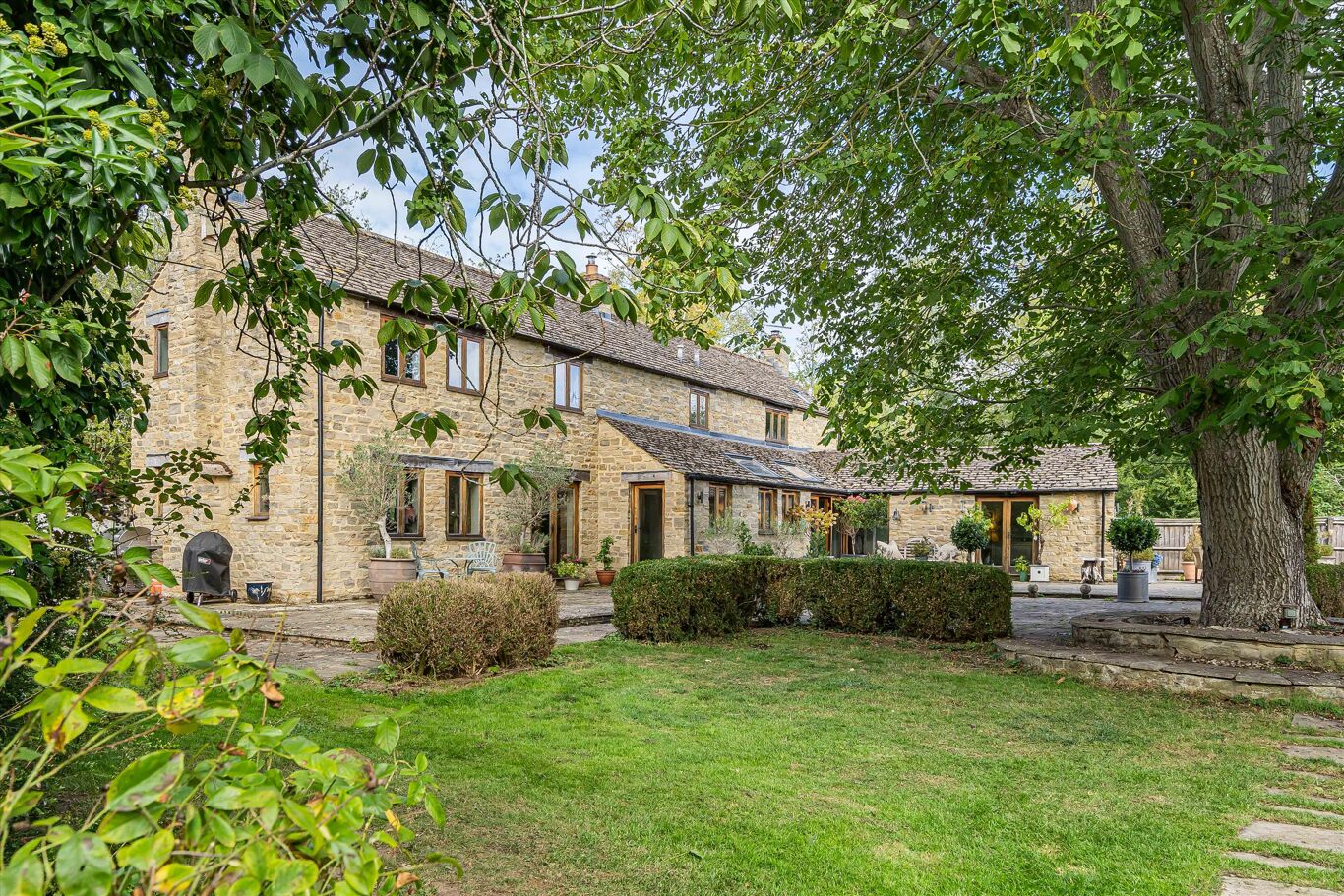
House, 0.45 acres
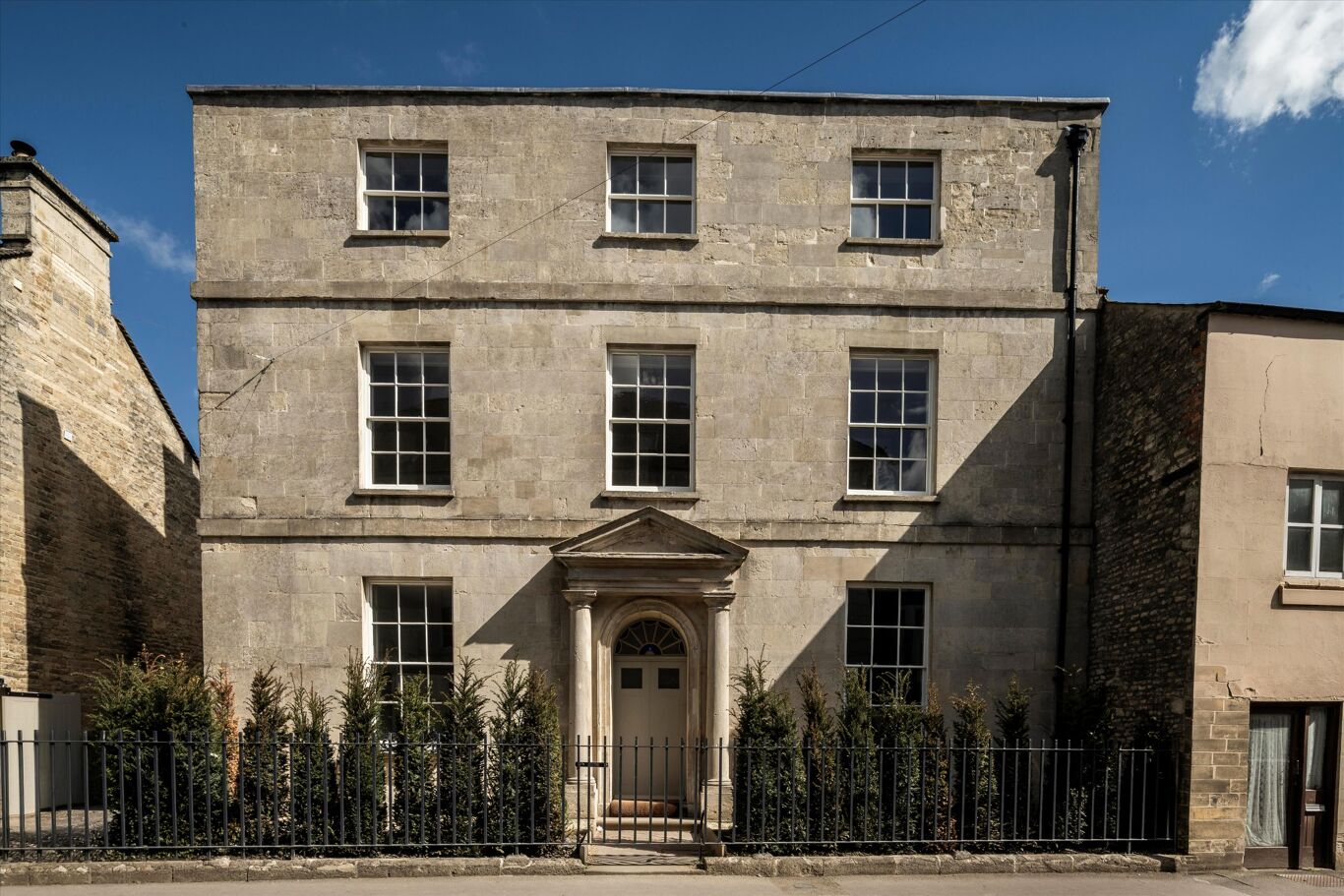
House, 0.2 acres
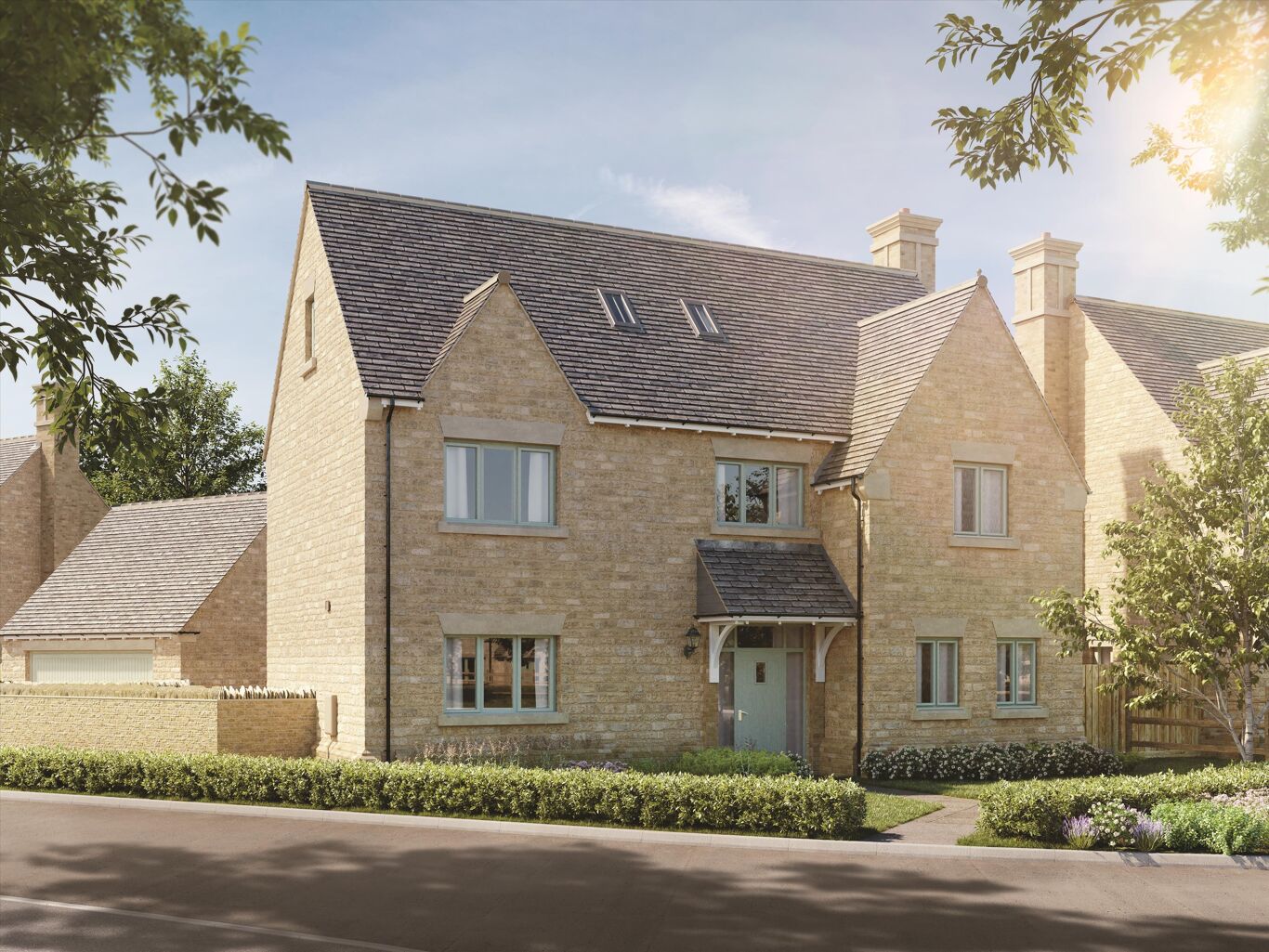
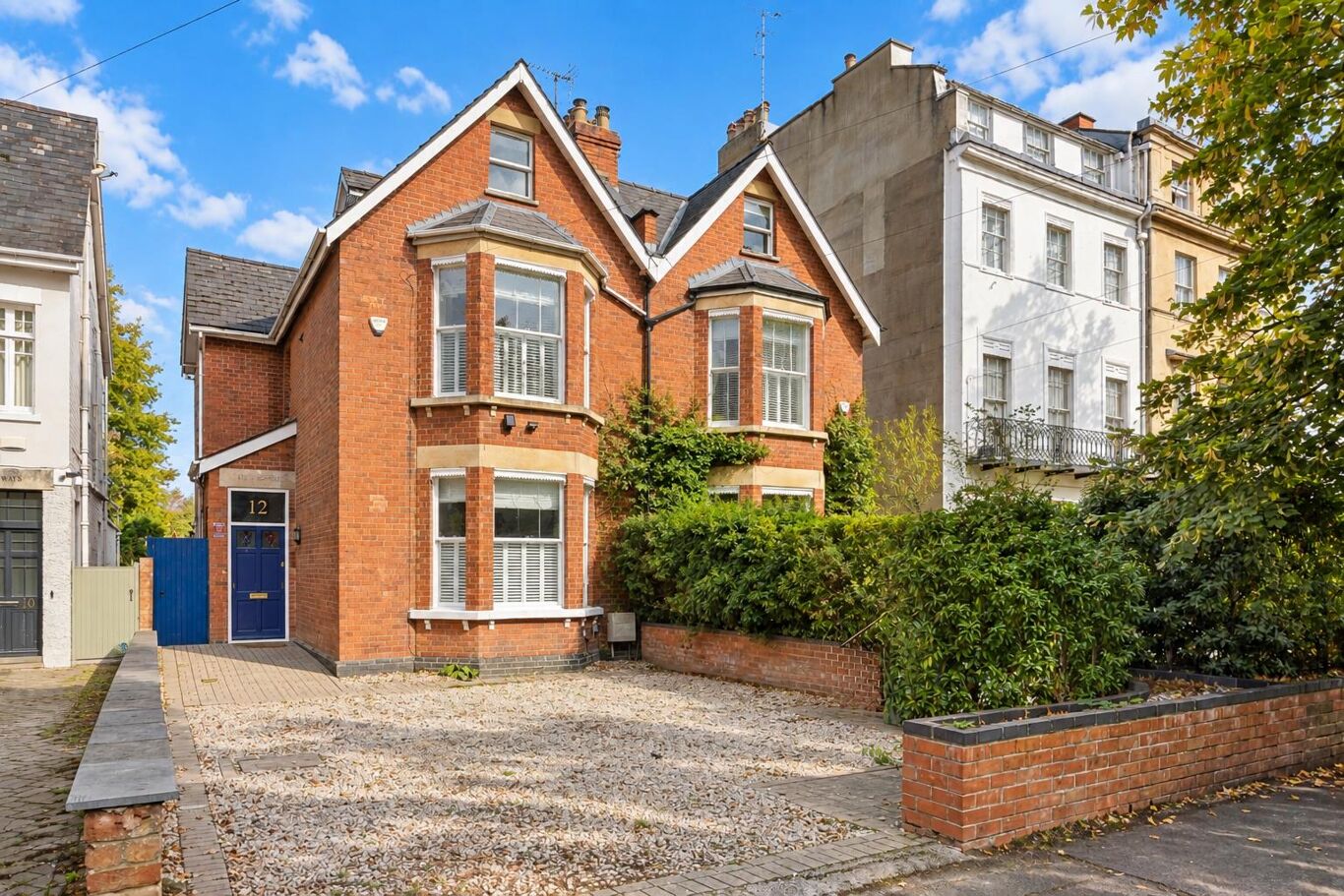
House, 3163 sqft
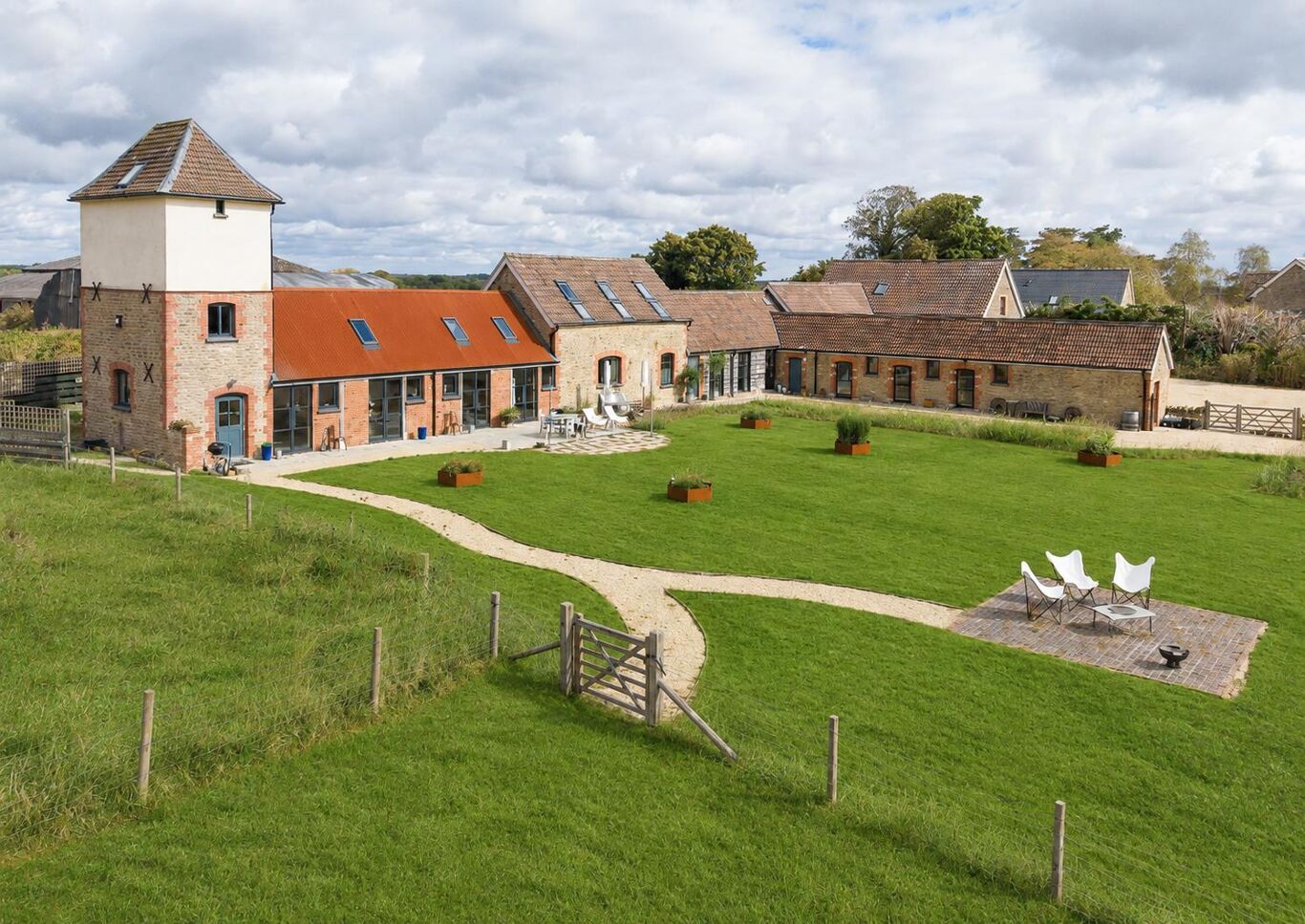
House, 2.41 acres
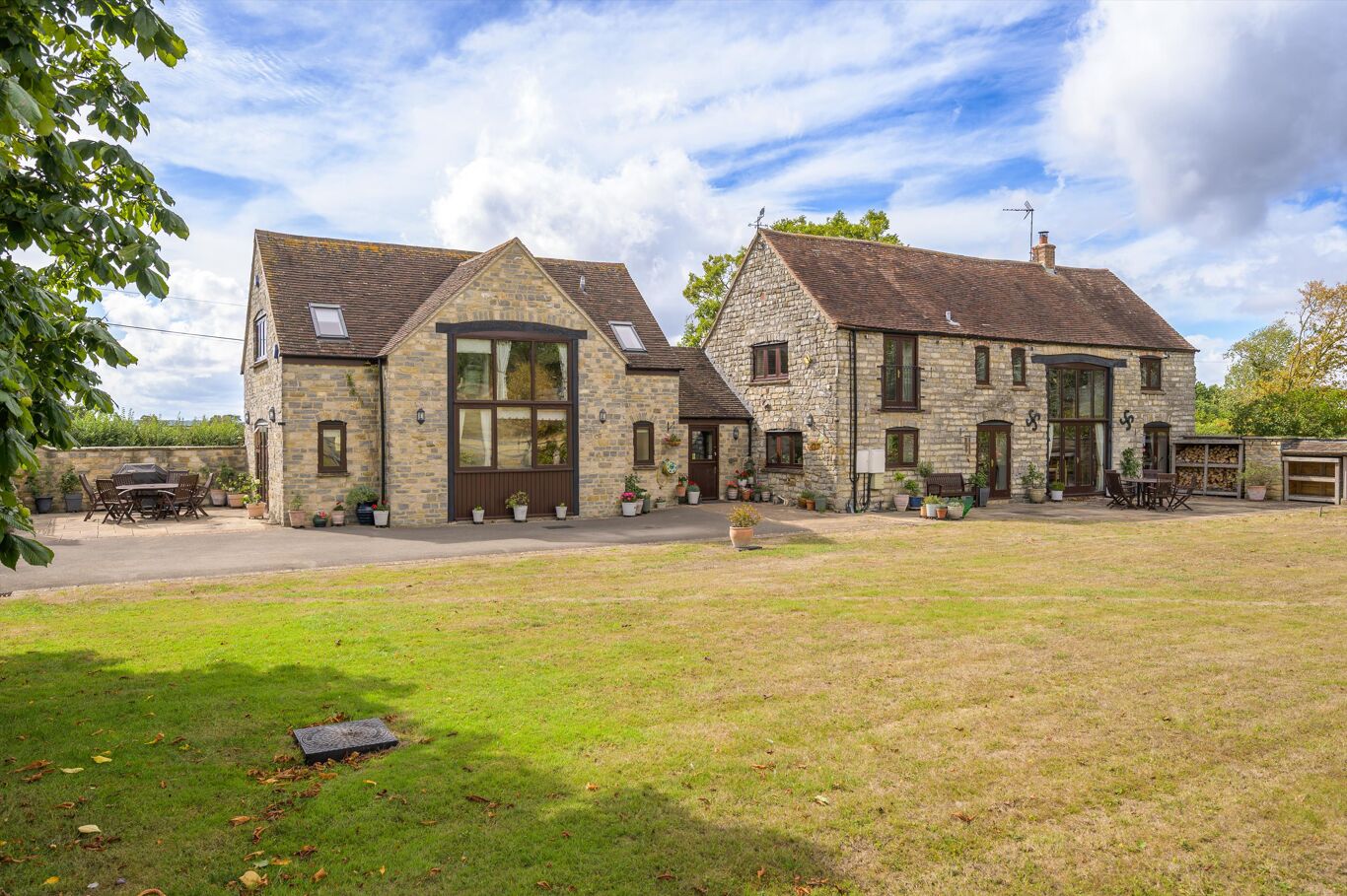
House, 0.52 acres
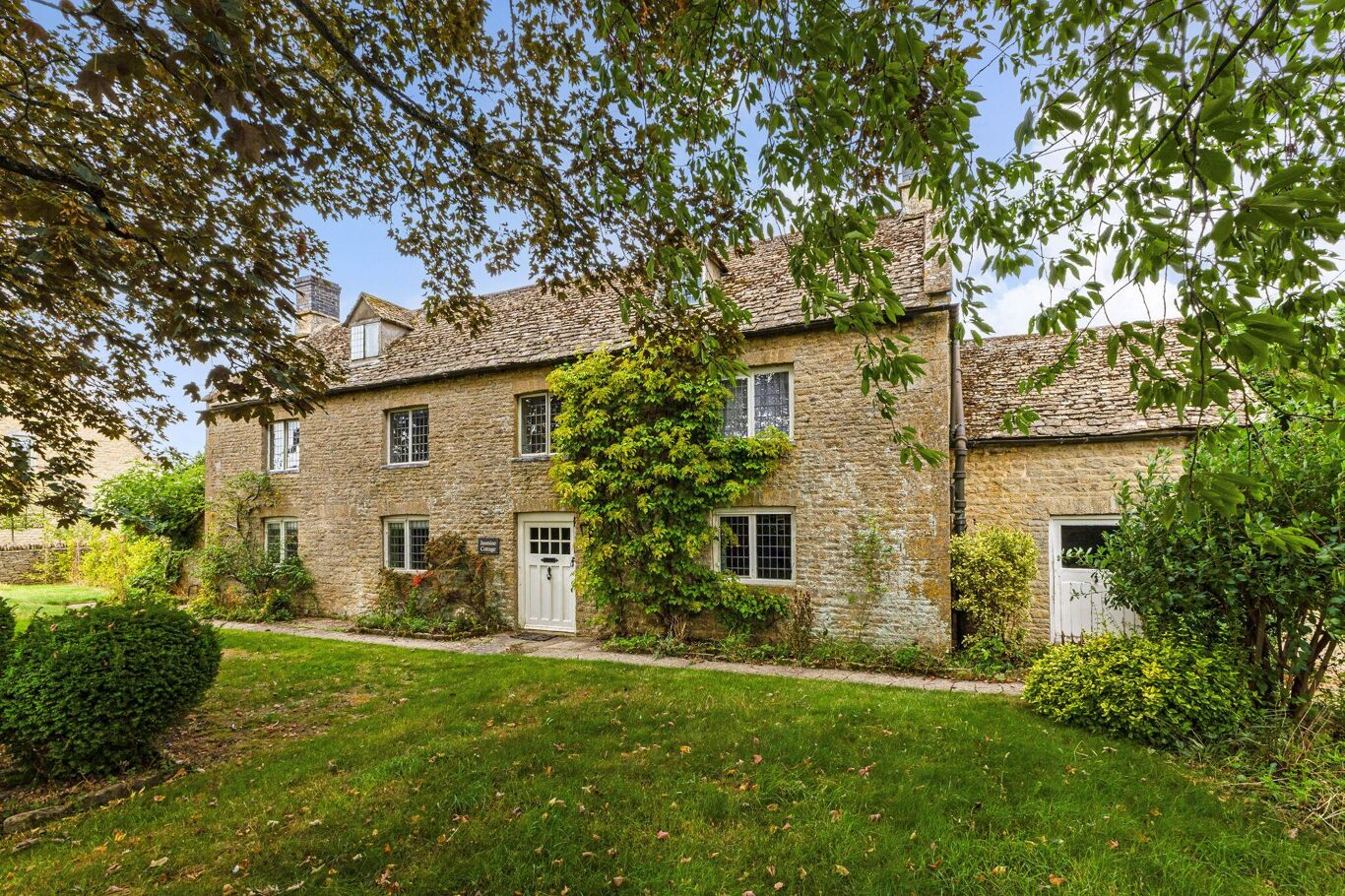
House, 0.4 acres
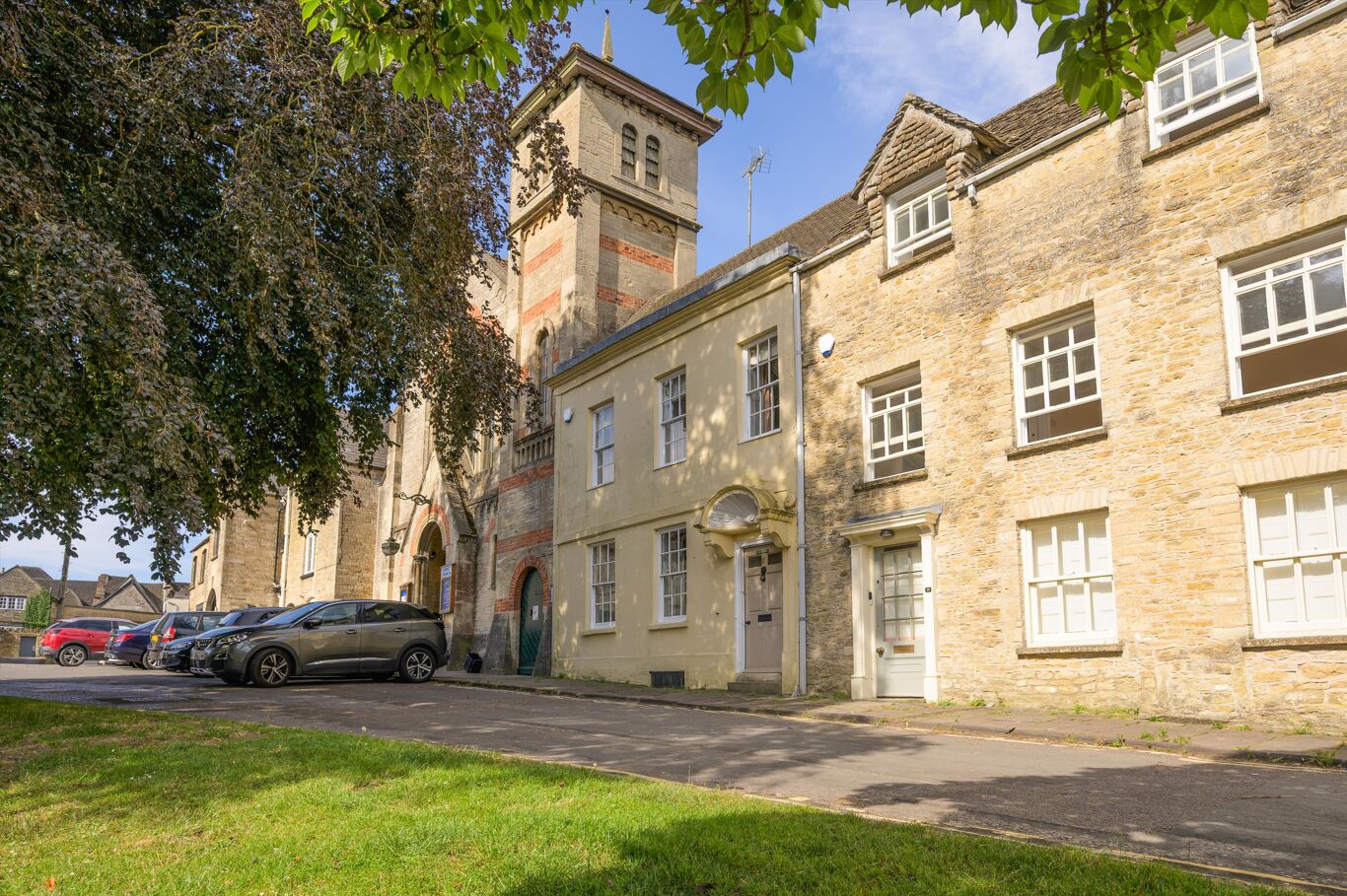
House, 2325 sqft
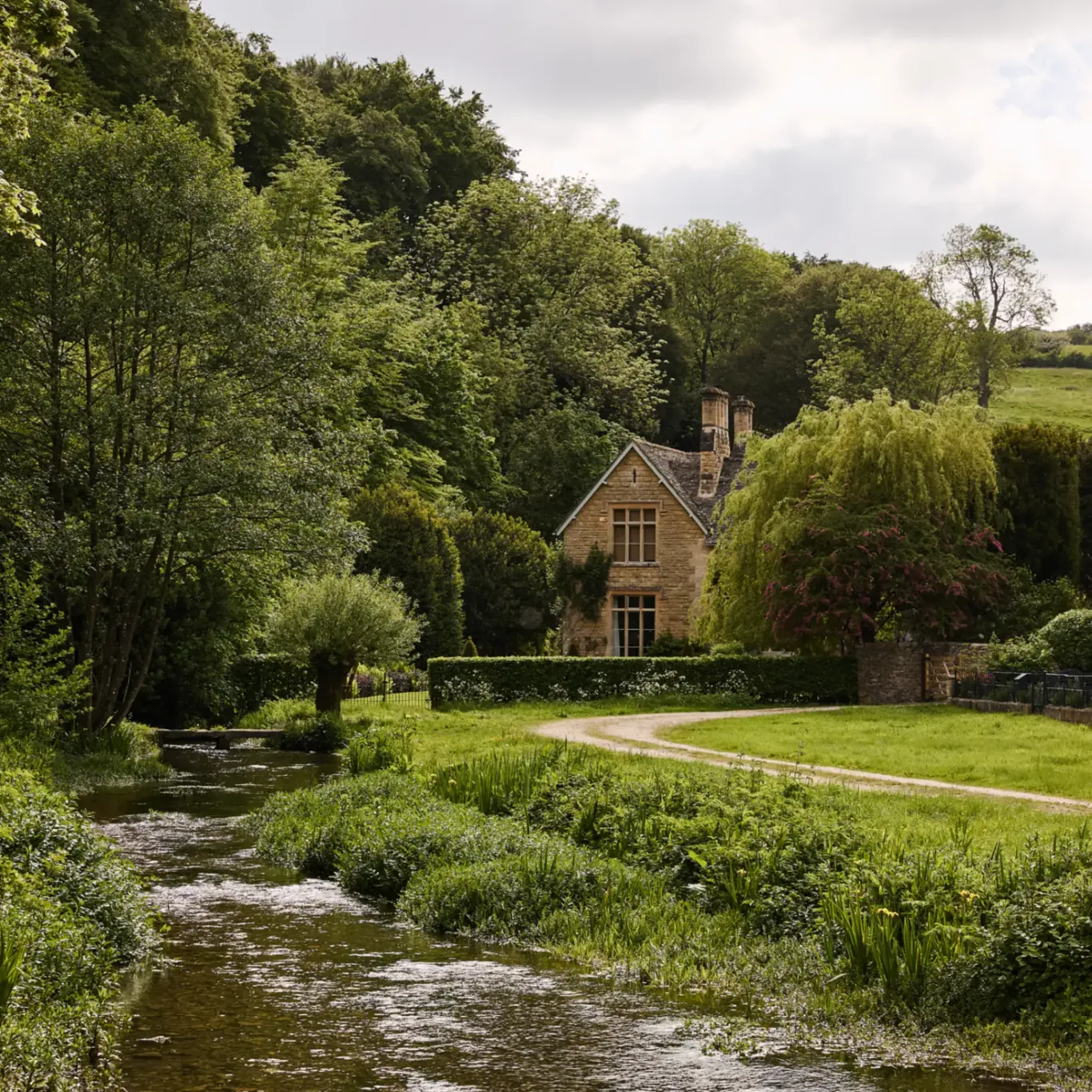
Locations
Flexible working, improved connectivity and a desire for lifestyle-led living are drawing a new generation of wealthy buyers to prime regional markets
21 October 2026
Homes
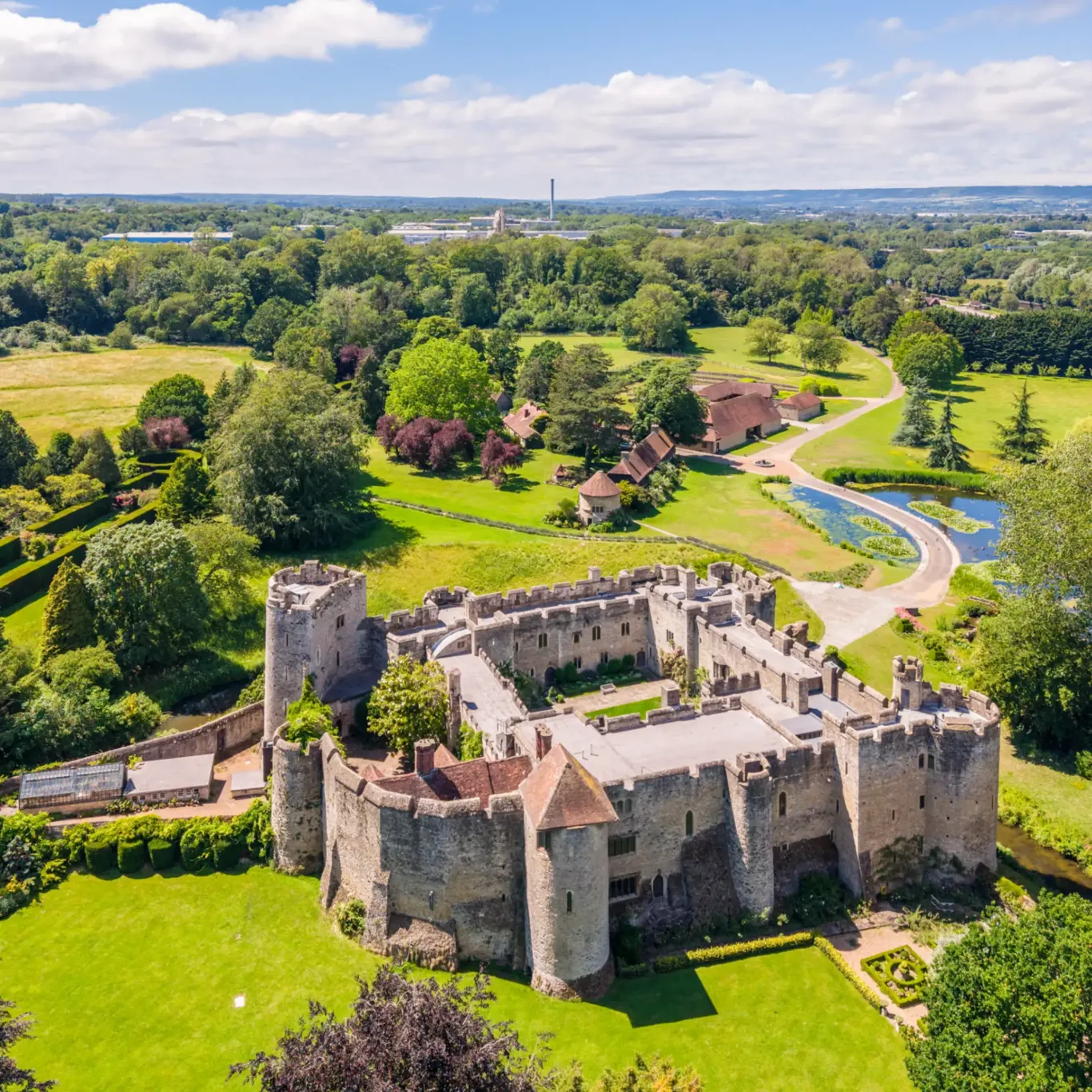
The romance, heritage and investment potential of castle ownership continue to attract discerning buyers from around the world
06 October 2026

Homes
From solar panels and heat pumps to intelligent lighting and water-saving systems, energy efficiency is becoming a defining feature of modern homeownership
05 October 2026

Locations
As commuting patterns evolve, these well-connected locations are attracting buyers looking for flexibility, convenience and a better work-life balance
02 October 2026

Locations
From top-performing state schools to leading independent education, these sought-after locations combine exceptional schooling with family-friendly homes and communities
09 September 2026
Homes
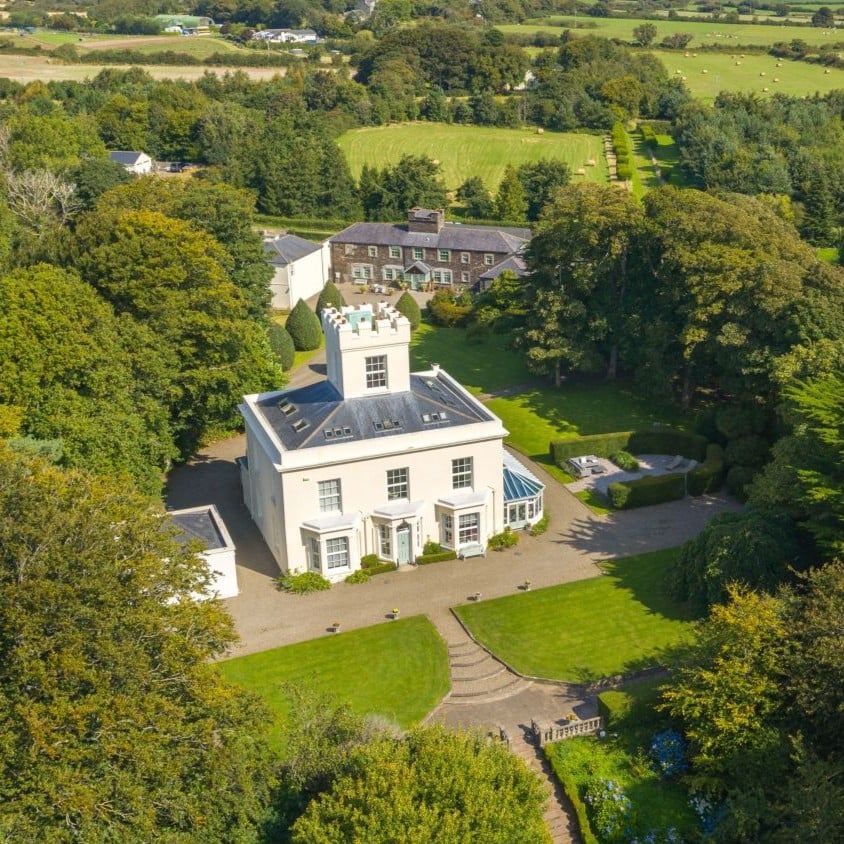
Step inside some of the most spectacular country homes for sale, from those with historical charm to contemporary luxury, each offering a unique glimpse of rural life at its finest
12 August 2026
Inspiration
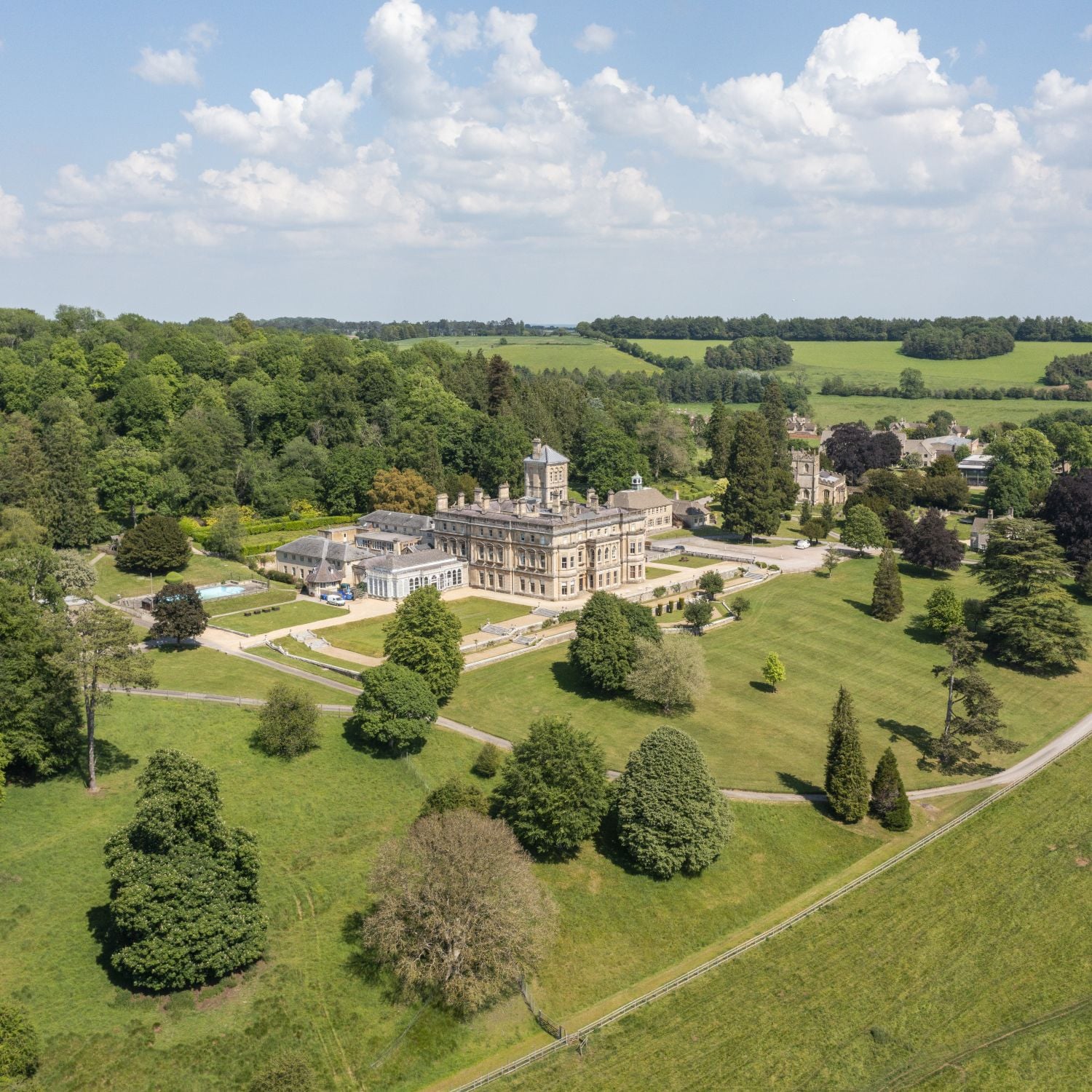
Rendcomb Park, a significant private estate set in 230 acres of prime English countryside with an on-going charitable legacy, is ready for the next chapter in its impressive history
12 August 2026
Homes
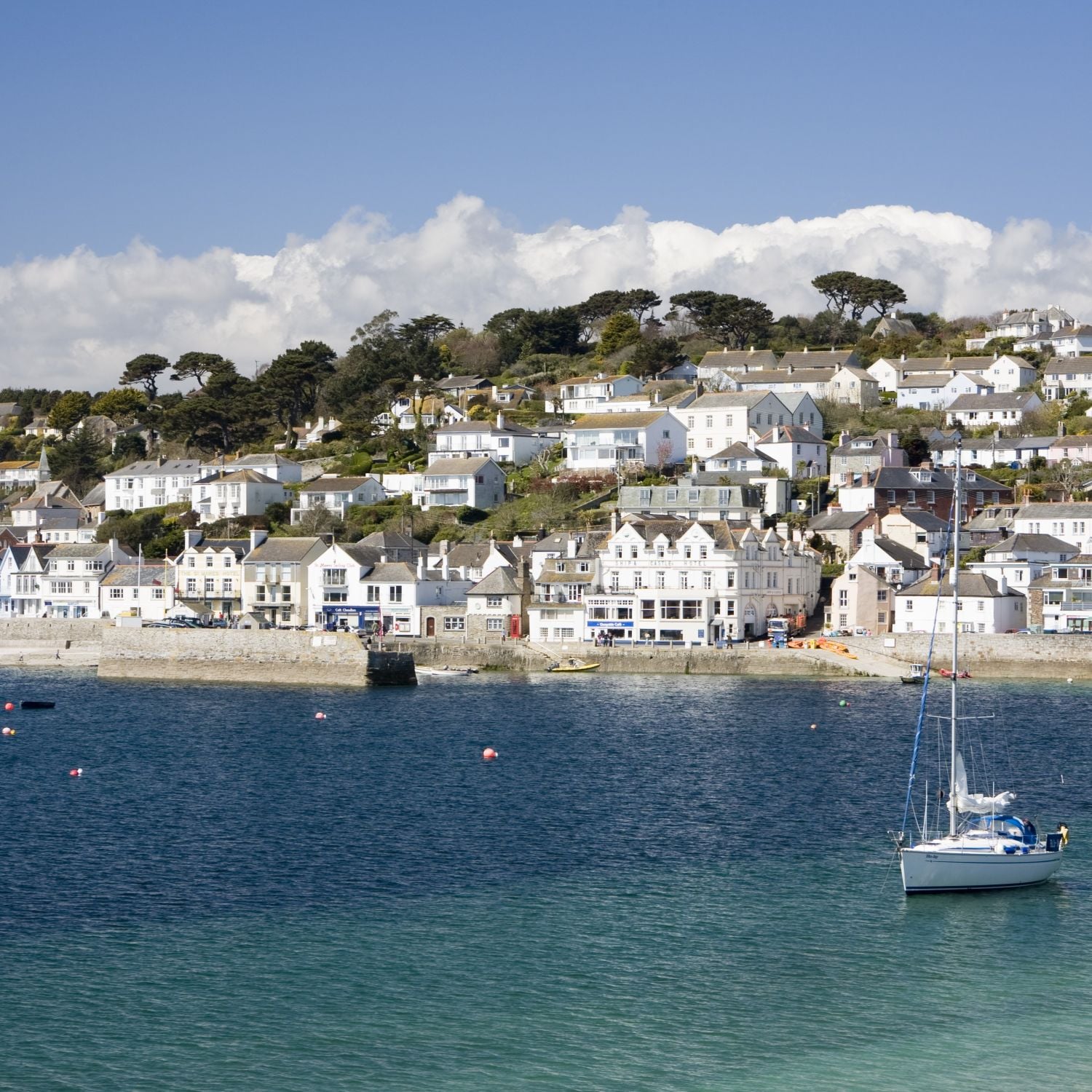
Knight Frank experts share their advice on showcasing your waterfront property in the best light, from presentation and timing to choosing the right pricing strategy
24 July 2026
Inspiration
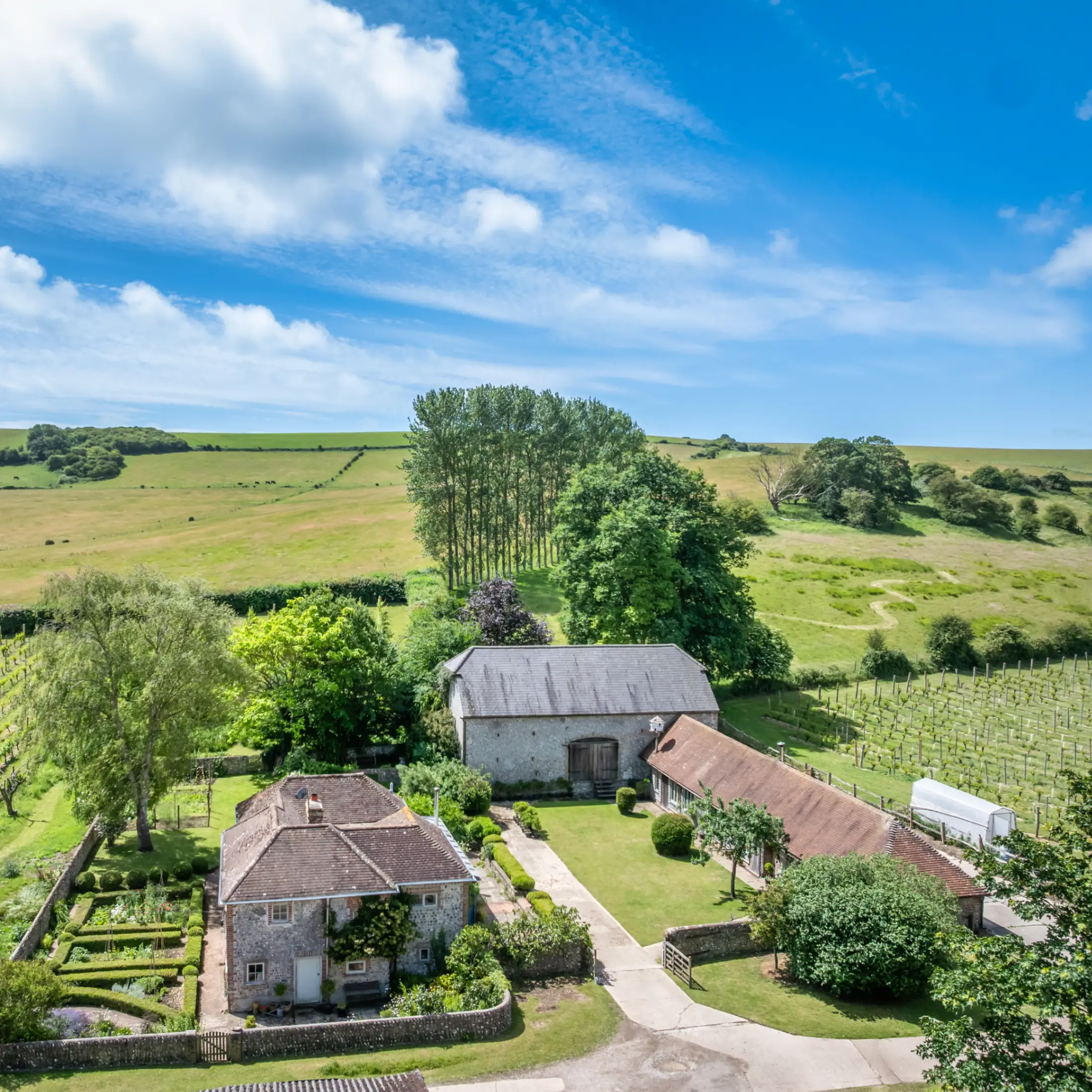
With greater choice and established vineyards coming to market, England's wine sector is entering a new phase of maturity
16 July 2026

Homes
From contemporary living to homes with historic charm, we explore waterfront and coastal properties in Cornwall, Devon and Dorset
15 July 2026
Locations
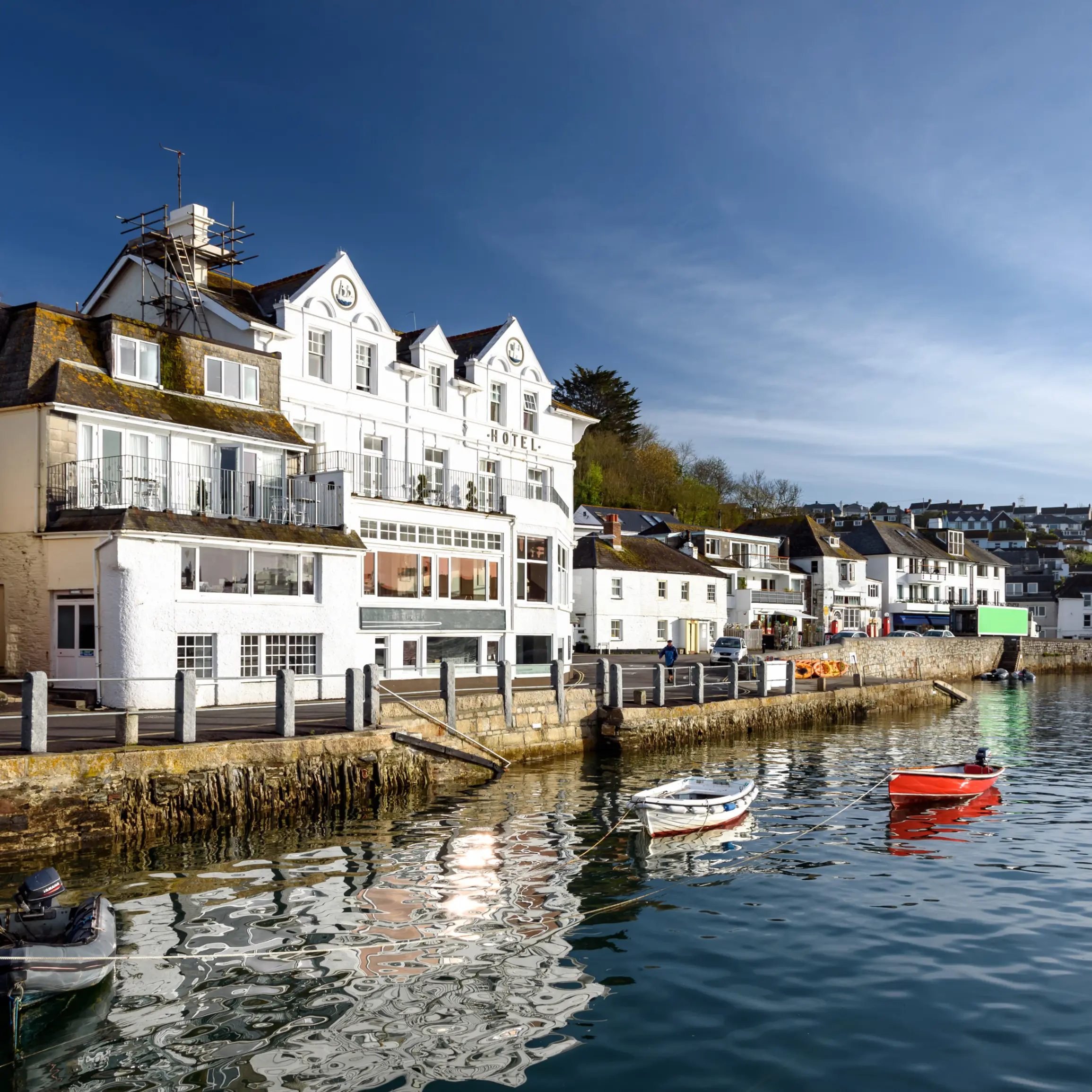
Thinking of moving to the coast? Knight Frank shares the best places to live by the sea in the UK for lifestyle, space, and community.
08 July 2026
Homes
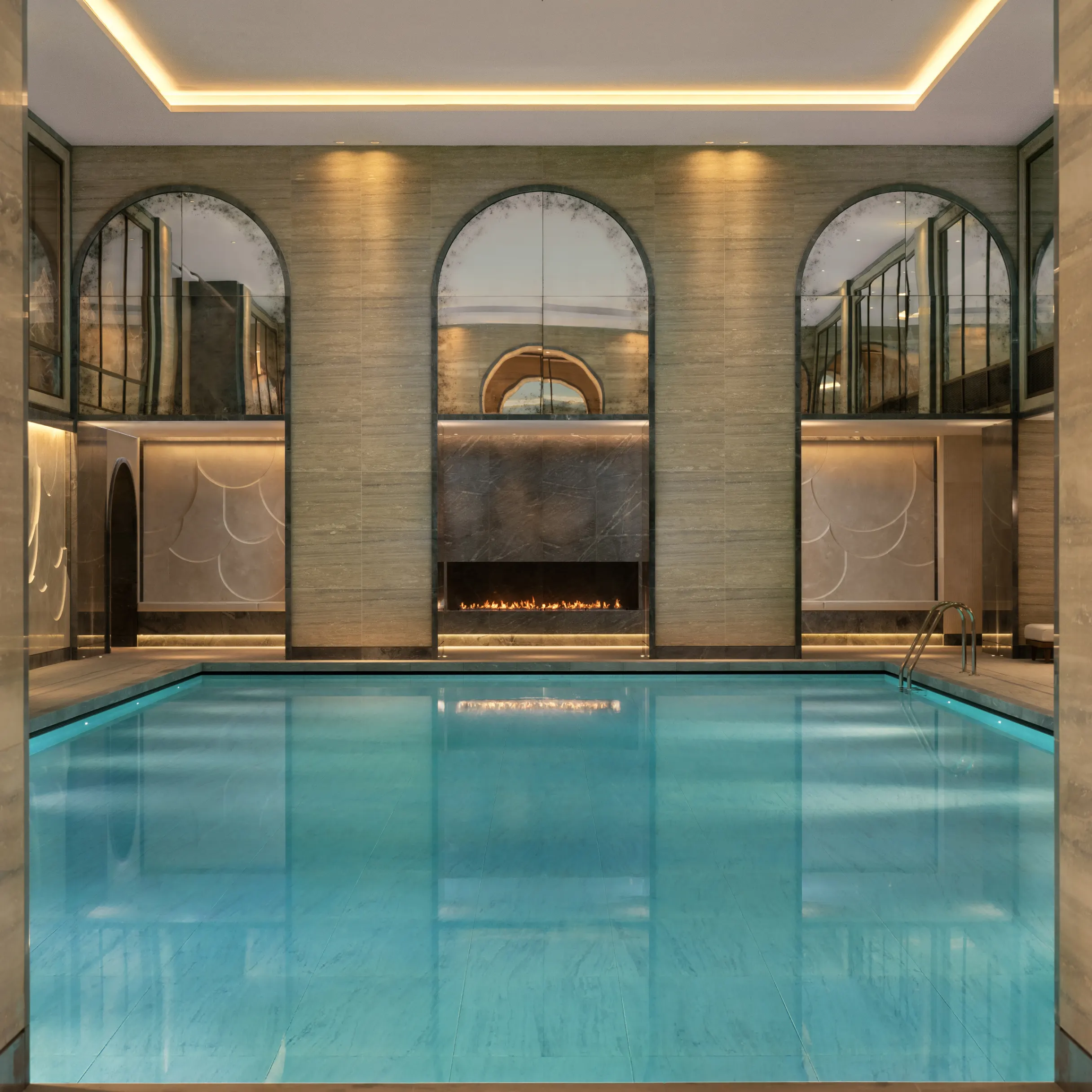
James Guy MBE reveals his ideal private pool setup, as we showcase a collection of standout homes for sale with exceptional swimming facilities
02 July 2026
Locations
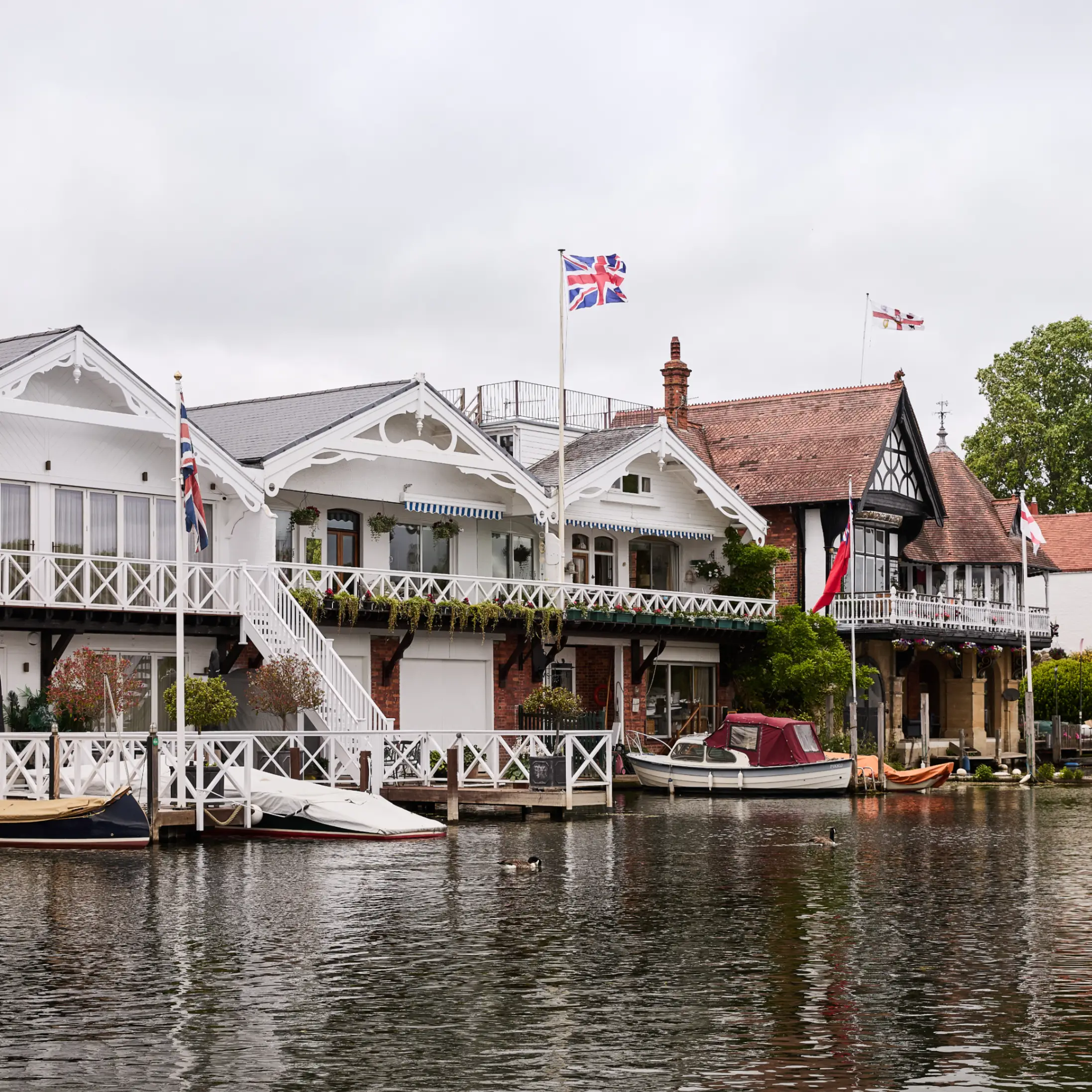
From period homes to riverside properties, Henley-on-Thames offers family-friendly, countryside living within easy reach of the capital
02 July 2026
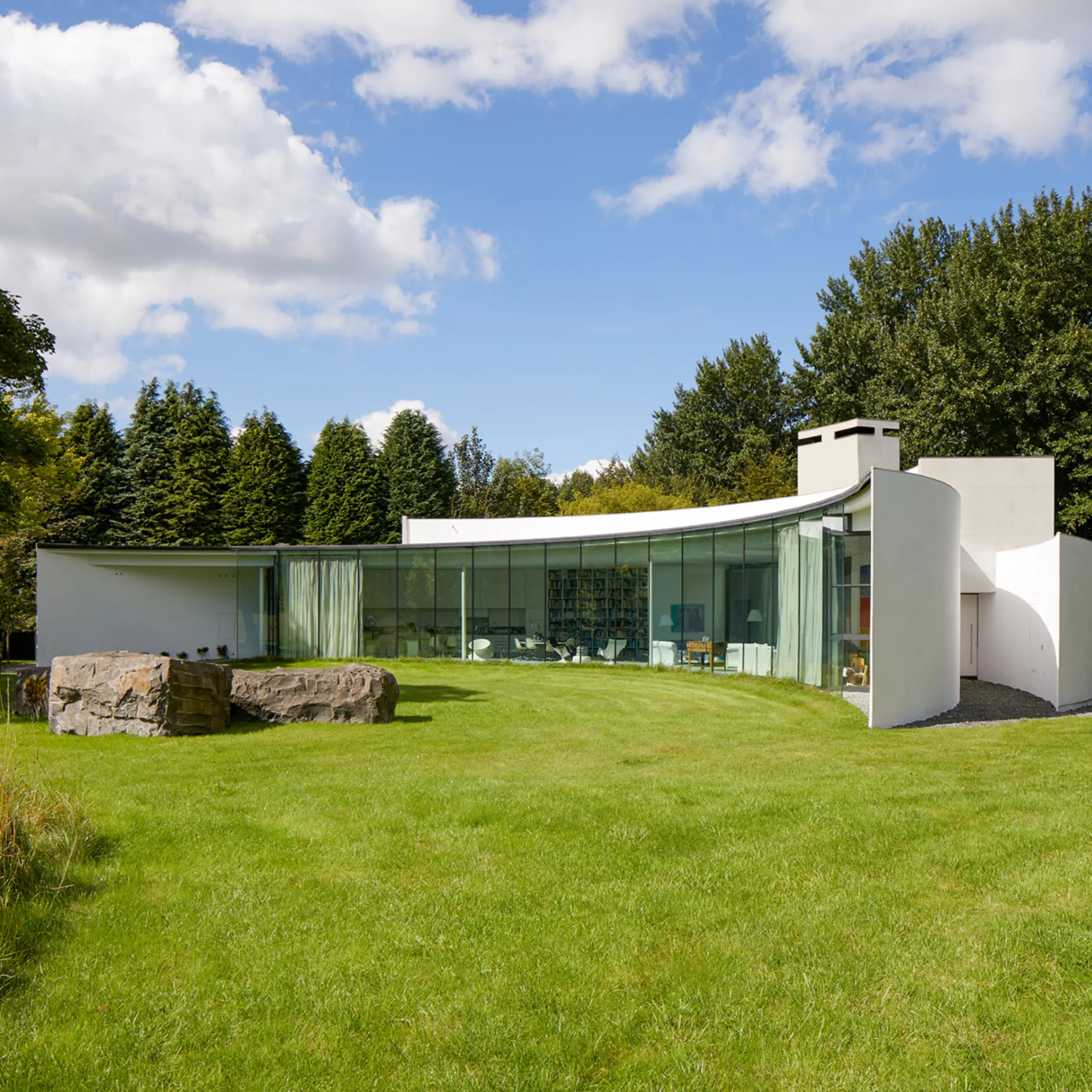
Homes
Inside Crescent House, a sculptural, nature-led home in rural Wiltshire designed by one of Britain’s most influential architects, now on the market for the first time
29 June 2026
Homes
From grand country estates to rural farmhouses, these remarkable homes don’t just offer a place to live but open up endless opportunities
17 June 2026
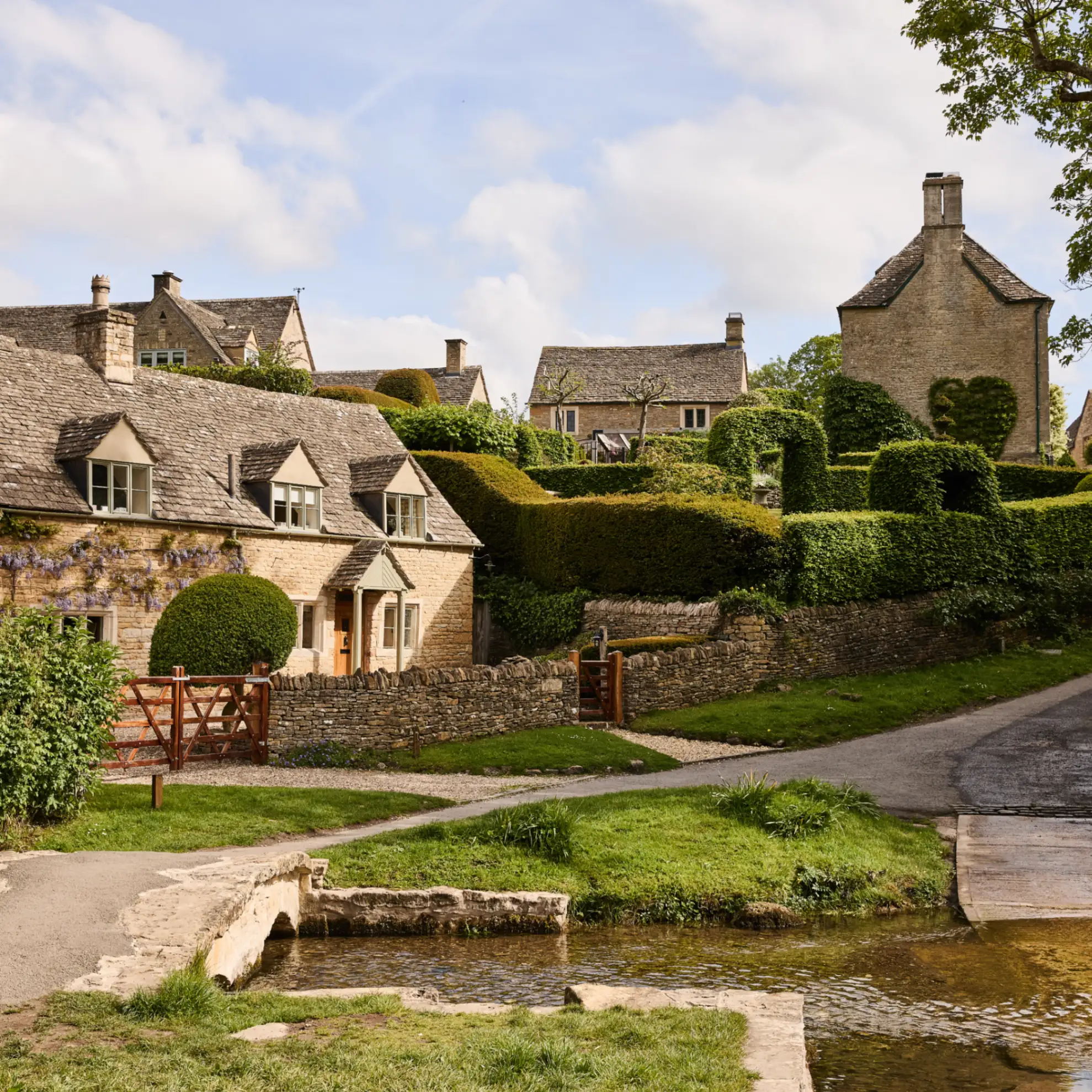
Locations
From its honey‑stone cottages to celebrity neighbours, our local experts share their insight on where to live this picturesque pocket of Britain’s countryside
05 June 2026

Homes
Living by the water, and spending time in and on it, is the dream for many. Here are some fabulous homes, complete with private moorings, which make that dream a reality
03 June 2026

Inspiration
Flexible rentals, premium rates and global demand are making summer an increasingly attractive opportunity for homeowners in the short lets market
21 May 2026
Inspiration
As new government legislation comes into force, what are the current market trends landlords should know to achieve a successful tenancy
28 April 2026
Homes
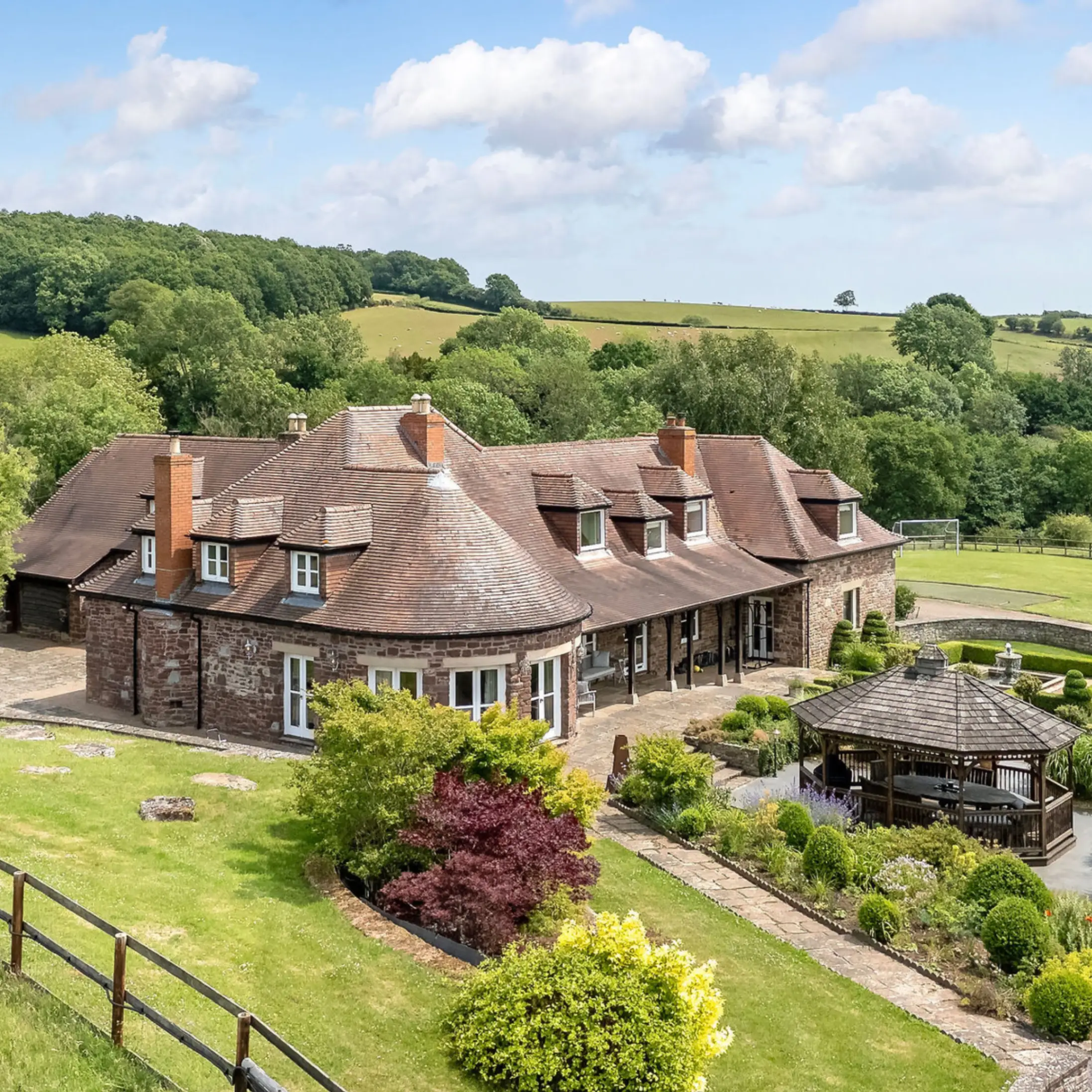
Knight Frank’s experts share what to consider when finding the perfect home for both you and your horse, along with some incredible equestrian properties for sale
22 April 2026
Homes
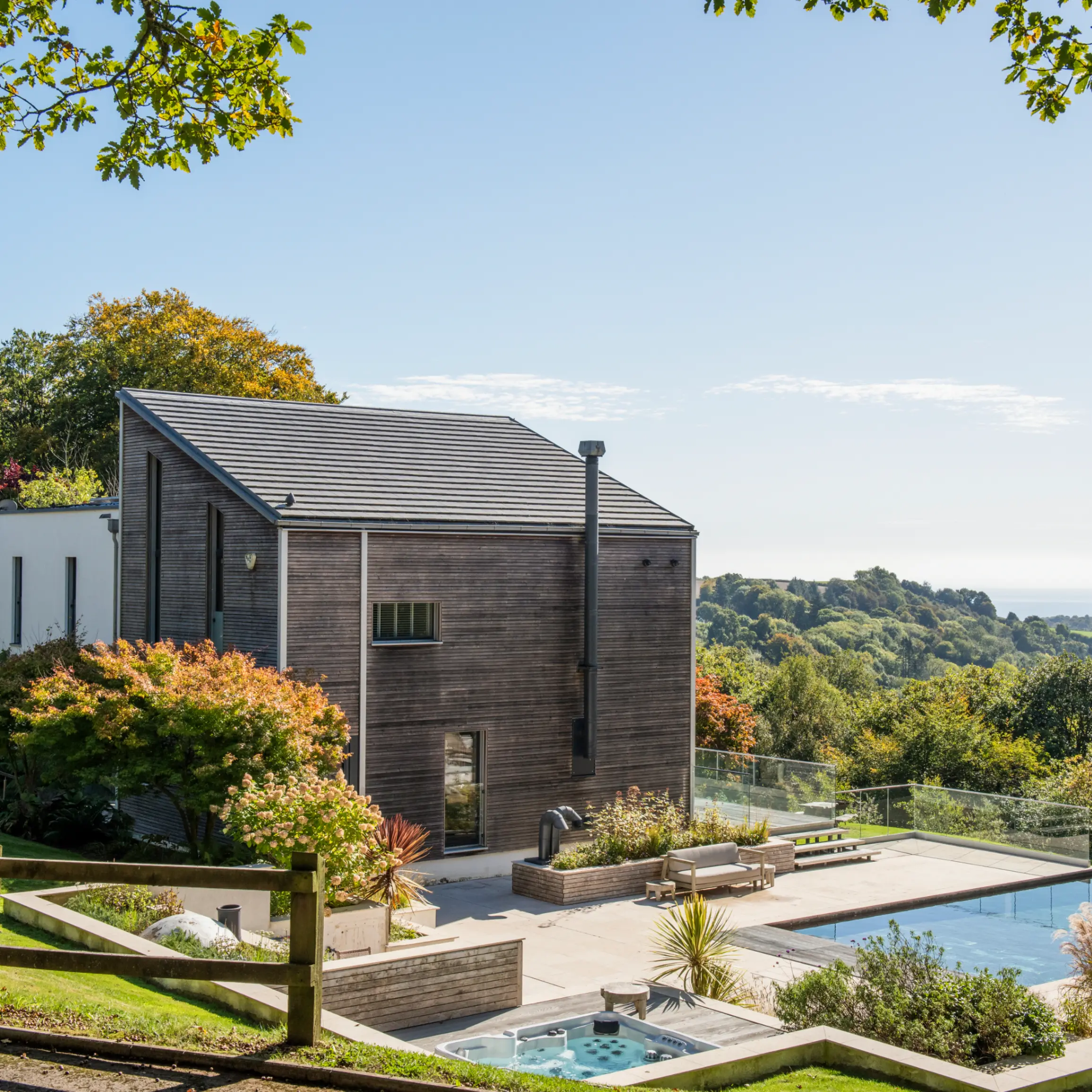
Discover the homes leading the way in sustainable, energy-efficient and luxurious living
21 April 2026

Inspiration
Head Gardener Harry Baldwin shares how history, sustainability and modern horticulture shape the estate, and gives his top tips for the green-fingered
20 April 2026
Homes
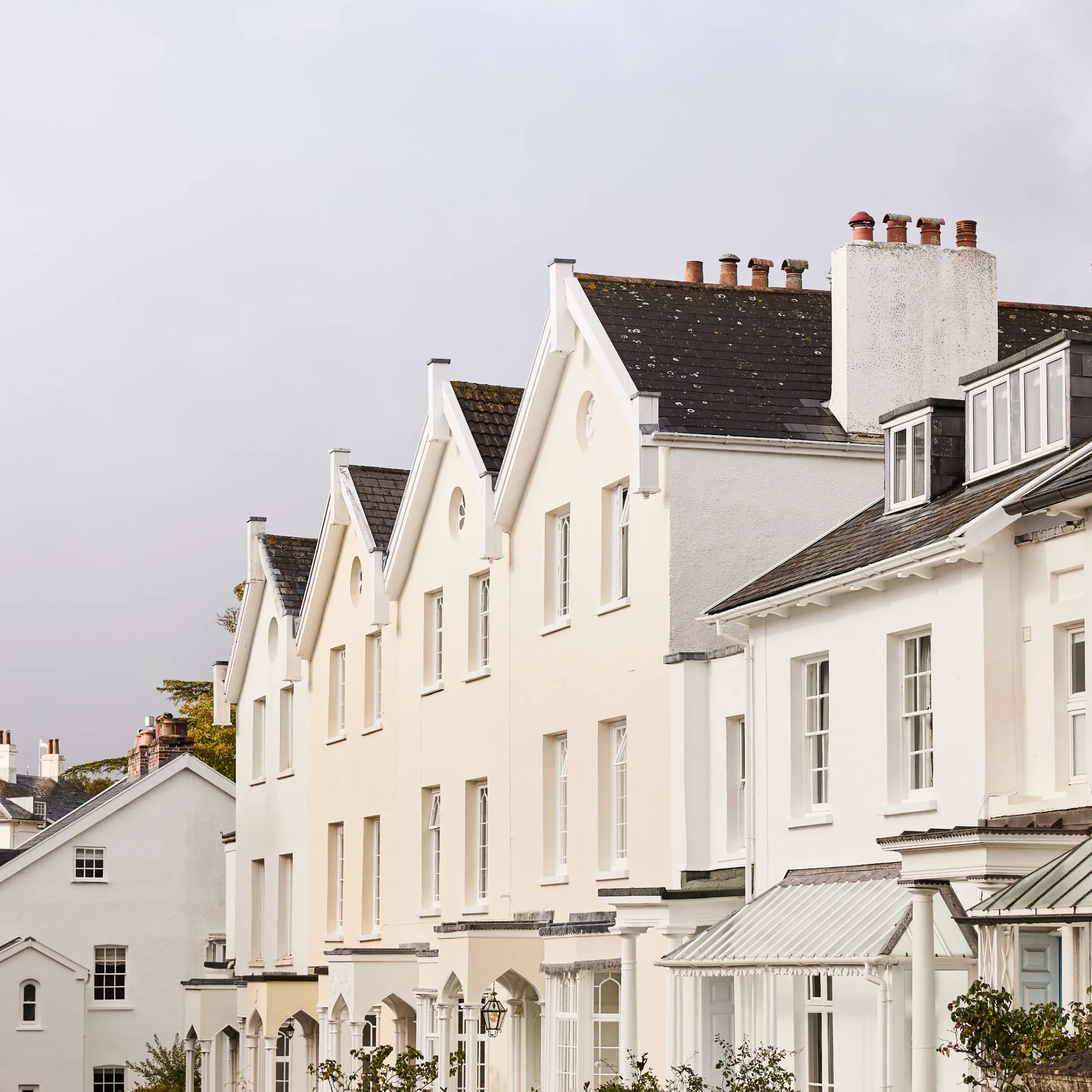
From strategic timing and smart pricing to simple presentation upgrades, these expert tips will help you secure the strongest possible offer
08 April 2026

Locations
From fast London commutes to outstanding schools, here’s what makes Surrey one of the UK’s most sought‑after counties
07 April 2026
Sorry!
An unexpected error has occurred.
Please try again later.
