

What to consider when buying an equestrian property
Knight Frank’s experts share what to consider when finding the perfect home for both you and your horse

Knight Frank’s experts share what to consider when finding the perfect home for both you and your horse
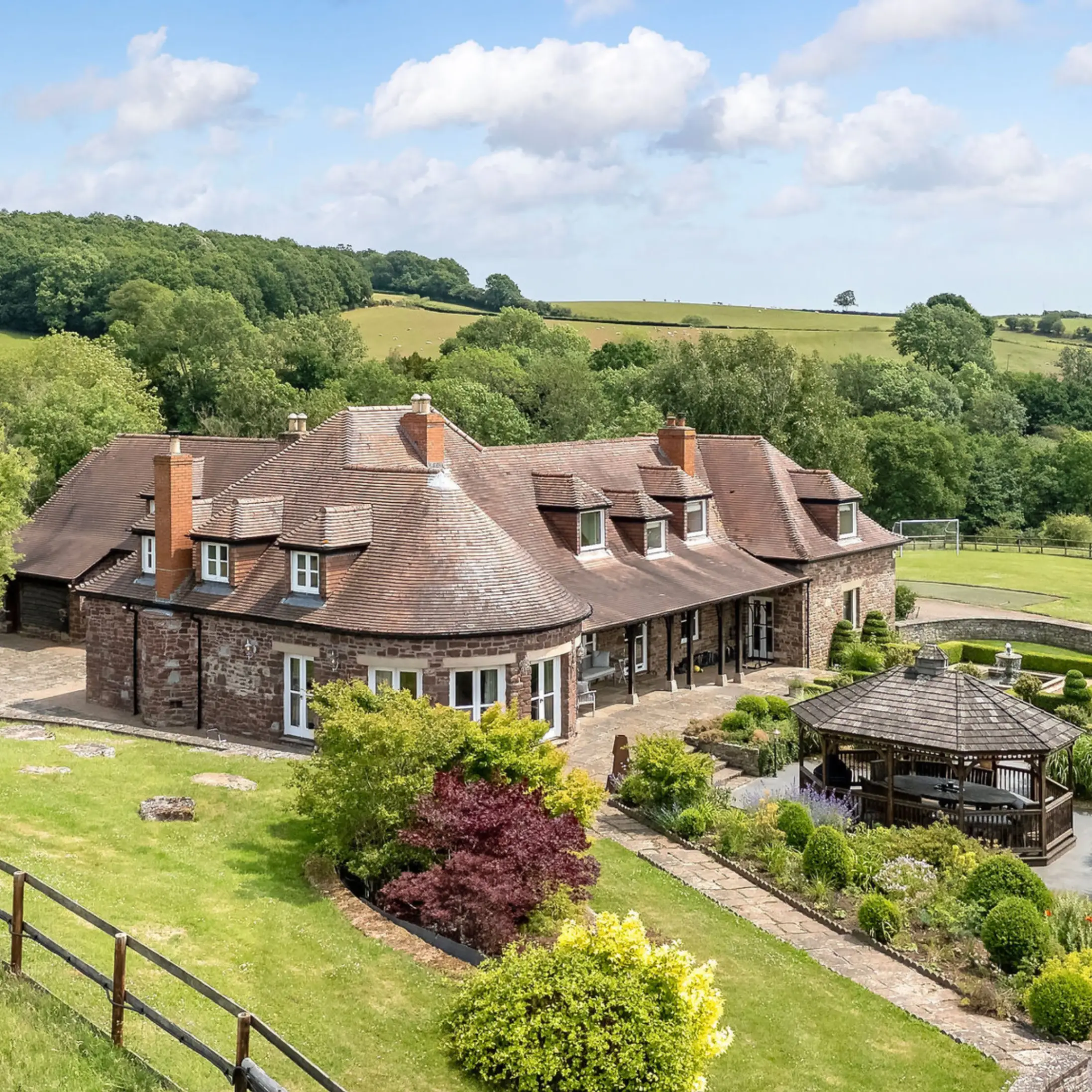
Purchasing an equestrian property is not just a financial investment, but a lifestyle one too. Will Matthews, Knight Frank’s Head of Farms & Estates, sees a wide range of buyers, from seasoned competitors to recreational enthusiasts, each with a similarly diverse set of requirements.
“Often, there’s a variety of factors driving people’s decisions on location and property beyond just the equestrian facilities on site – whether that’s schools, work or other considerations,” he says. “The key is finding the right balance.”
He advises buyers to remain open‑minded and to explore how a potential purchase can be adapted to suit their needs. “A lot of equestrian facilities can be added relatively easily, and you can often repurpose the footprint of old farm buildings,” he explains. “If you’re very specific about what you want, it can sometimes be better to create it yourself than to inherit someone else’s ideas.”
Katherine Watters is the equestrian specialist and a Partner at The Buying Solution. “Different equestrian disciplines require varying types of facilities and land and it's really important to understand the difference,” she says.
Many families who just want to keep a horse or pony at home will need a basic set up such as a field shelter and a couple of well-fenced paddocks. Those who compete or keep a few horses will start to require more comprehensive facilities including a sand school and stable complex including feed, rug and tack rooms.
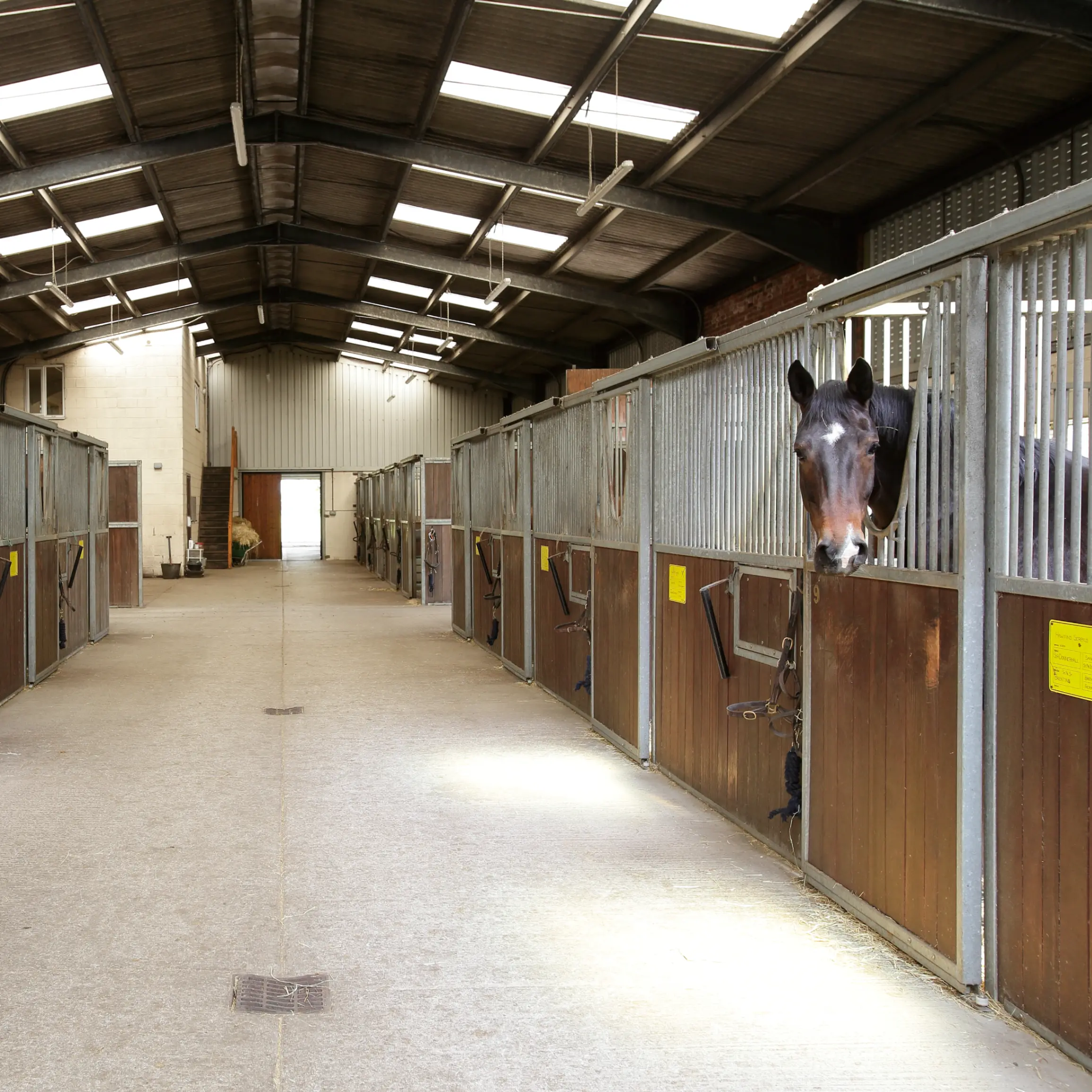
“Many buyers want an American barn-style complex for their stables where possible. It provides a good covered space for those English winter months and it is practical to have all facilities under one roof,” says Katherine. “Many also like to have the option of a wash bay/solarium space within the stable complex. Not only is this helpful pre- and post-exercise for the horses, but it also provides a good separate tie up space for vet/farrier visits.”
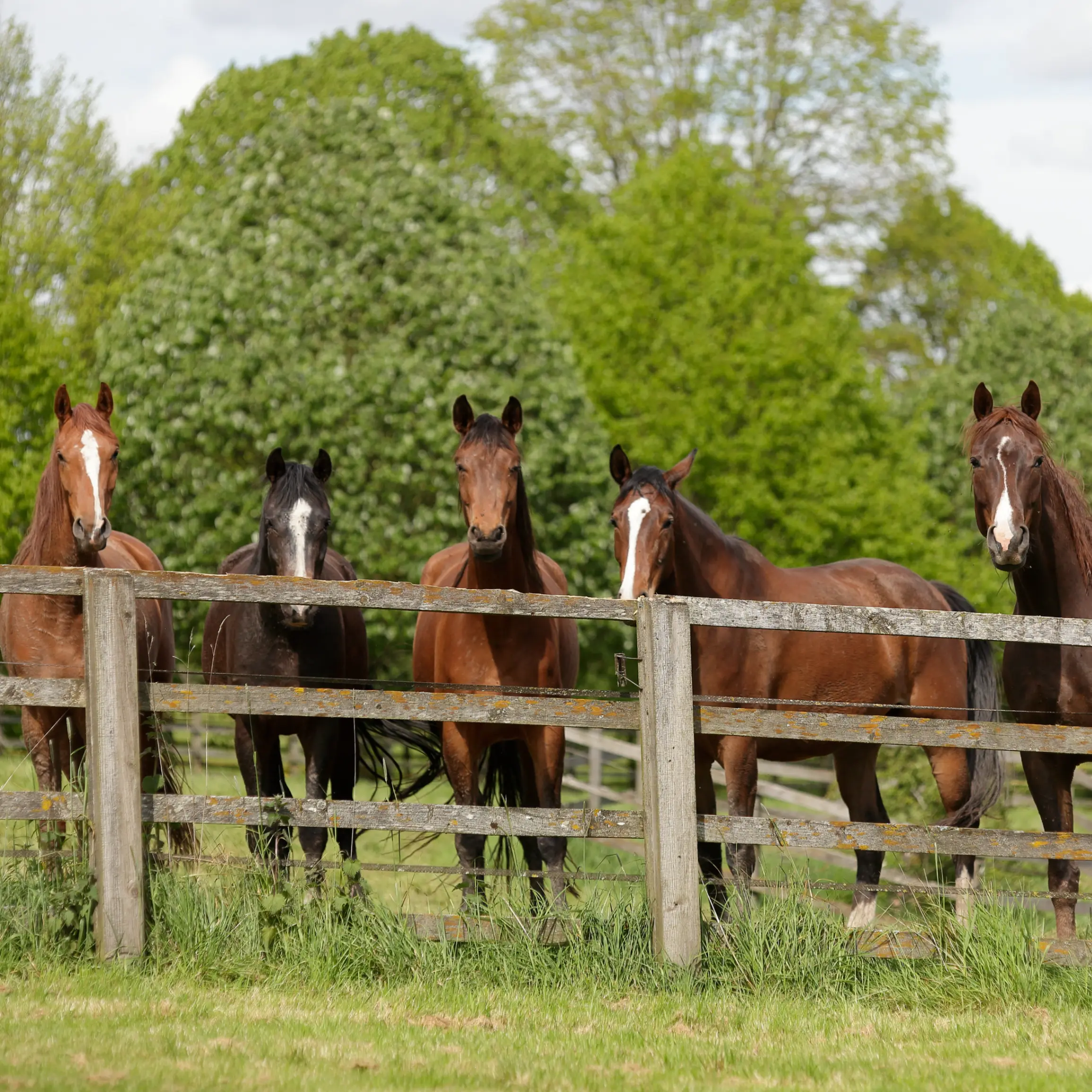
“In terms of sand schools, disciplines vary; dressage enthusiasts tend to require a 60m x 20m arena, pony club and riding club riders are happy with a 40m x 20m to exercise the horses in, whereby professional eventers and showjumpers can require up to 60m x 60m to enable a full set of jumps to be set up,” she comments.
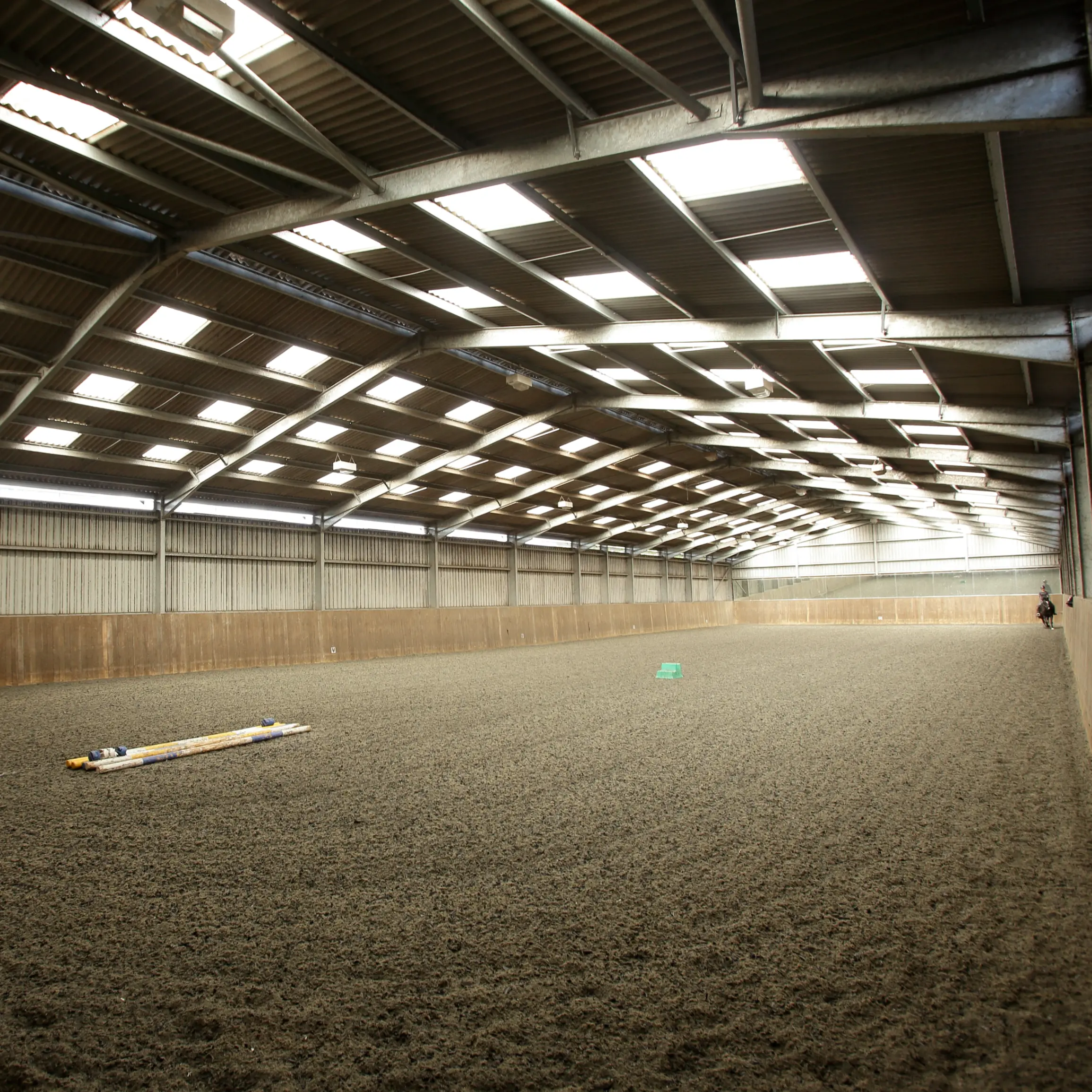
For serious competitors, an indoor school often sits high on the wish list. While it offers flexibility in navigating the British weather, Will advises careful consideration of planning constraints. “As large buildings, they can be more challenging to secure permission for,” he notes.
Security should also be a key factor, says Rupert Sturgis, Knight Frank’s Cirencester Office Head. “Beyond the fencing infrastructure, many buyers like a property where the house overlooks the land, allowing them to keep an eye on their horses more easily.”
Pay attention to the amount, and type, of land. “Most will require somewhere relatively flat, with good grazing and an adequate water supply,” Katherine advises. The British Horse Society recommends a minimum of 1-1.5 acres per horse, although this can change depending on the size and type of breed.
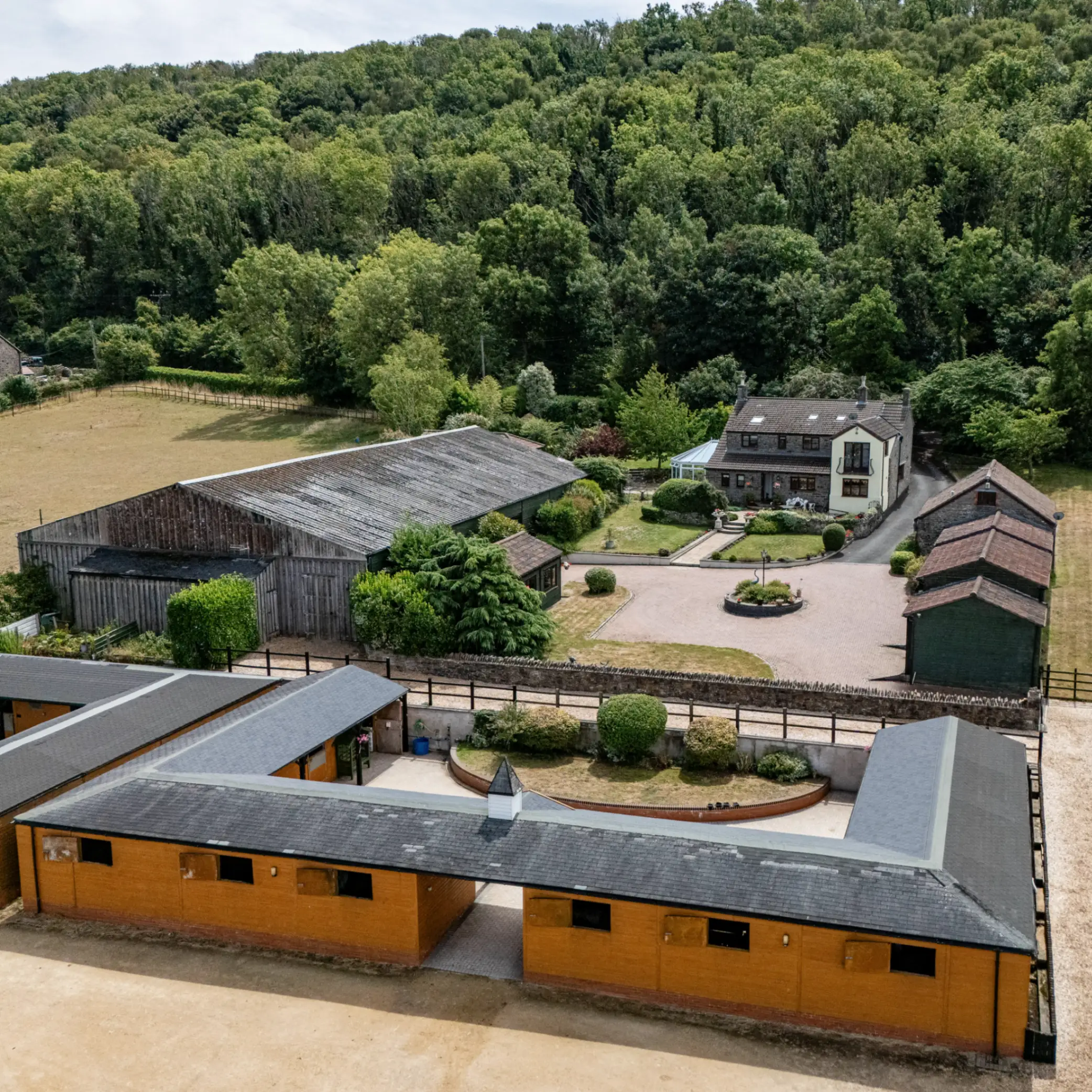
“Consider whether the land is being used for all-year herd turnout or partially stabled horses. Always allow enough land also for paddock rotation to avoid overgrazing,” she says. Will also cautions against heavy clay soil, which can become waterlogged in winter and hard and unforgiving in summer. “Well‑draining land is one of the most important considerations,” he says.
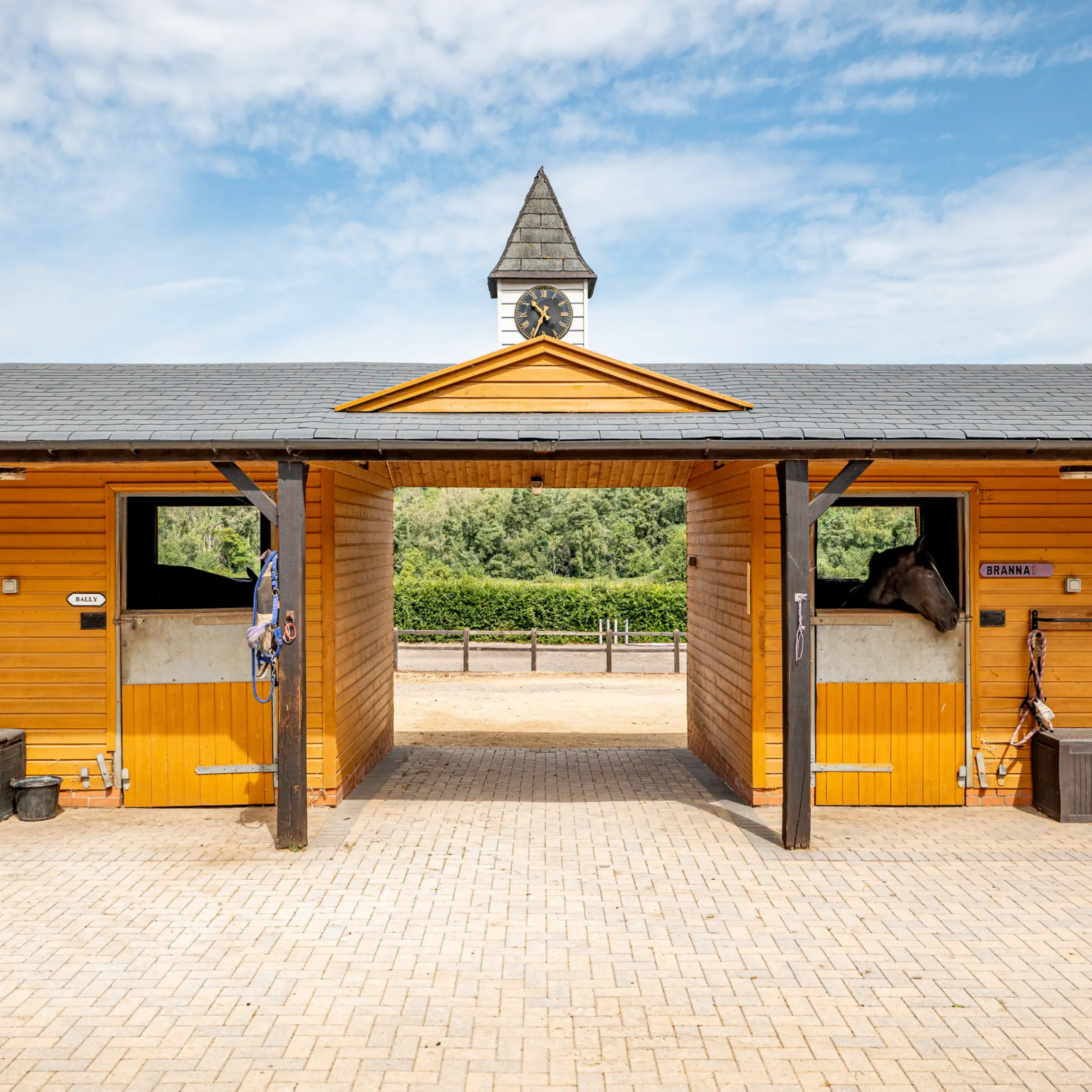
Meanwhile, the surrounding area is just as important. “Look for somewhere that offers easy and ideally off-road access to bridleways and good hacking routes. Eventers will also look for nearby hills for pre-season fittening work,” Katherine says.
When considering a property, allow ample space for larger vehicles such as horseboxes, feed and hay deliveries or muck removal, Katherine advises. “Larger horseboxes can need extra turning space and access off some country lanes can be tricky. The ideal is if the main house and yard have separate entrances.”
A rider’s discipline can dictate in large part where in the country they may want to live, but for many this also has to be balanced with a location that can offer an excellent family life too.
The Cotswolds and surrounding areas remain popular, offering a well‑established equestrian community alongside excellent schools and five‑star amenities. Rupert highlights the importance of connectivity: “You can reach the M4 and M5 corridors quickly, access the Fosse Way easily, and Heathrow is within reasonable distance for those travelling internationally to compete.”
The region also benefits from world‑class events and facilities, including Badminton Horse Trials, the Cheltenham Festival and Cirencester Park Polo Club, supported by extensive equestrian infrastructure and training opportunities. A strong grassroots scene thrives here too, exemplified by the Heythrop Hunt Pony Club around Chipping Norton, Burford and Stow‑on‑the‑Wold – one of the largest pony clubs in the UK.
Elsewhere, experienced riders may look to Suffolk, where Newmarket’s global reputation as a centre of horse racing attracts equine enthusiasts from around the world, or to Lambourn in Berkshire, where racehorse breeding and training are firmly embedded in local life.
In the south, buyers may be drawn to the All England Jumping Course at Hickstead, widely regarded as the home of British showjumping. It hosts the Royal International Horse Show, the Derby Meeting and the National Schools Finals each year. Also in the South East is Cowdray Park near Midhurst, famed for its Gold Cup polo tournament each July. From April onwards, the Midhurst area becomes a hub for international polo teams, many of whom fly their ponies in for the season.
The South East’s access to continental Europe is another draw, with proximity to ports easing travel to competitions in France, Holland, Germany and Ireland. “Many riders also now head to the Sunshine Tour and MET Oliva in Spain which hold a number of showjumping competitions during the winter months,” says Katherine. “This isn’t only for professionals – many enthusiastic amateur riders love the opportunity to gain experience of competing abroad.”
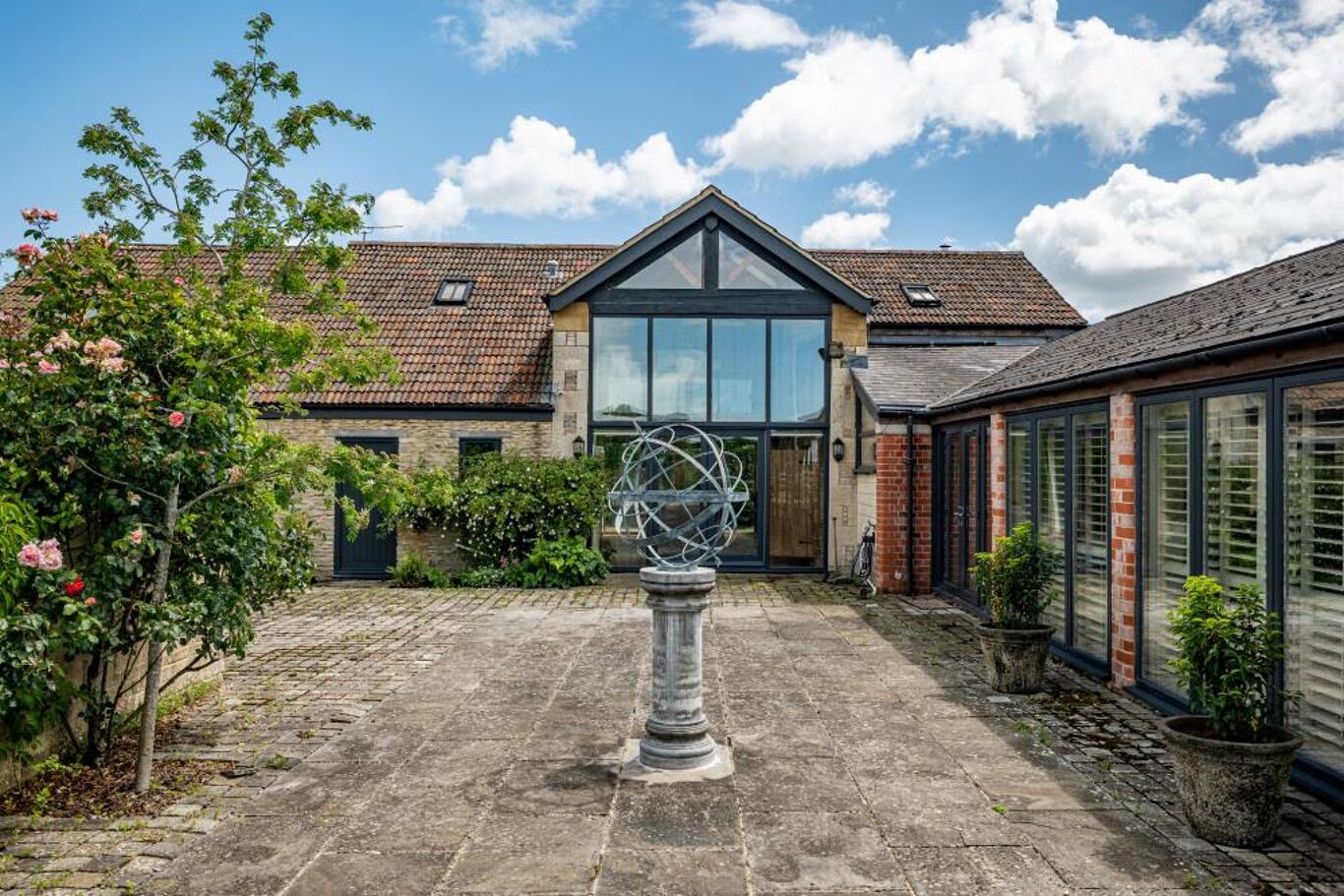
House, 9.92 acres


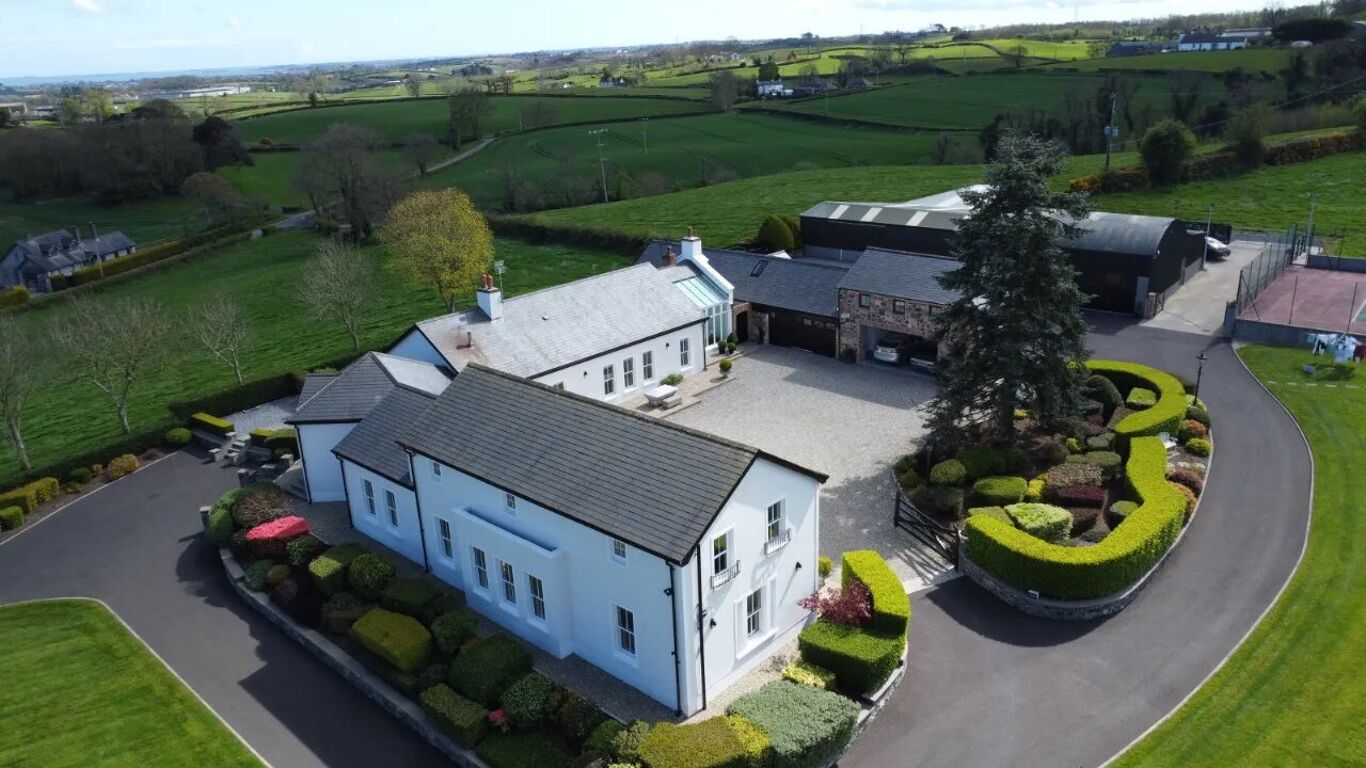

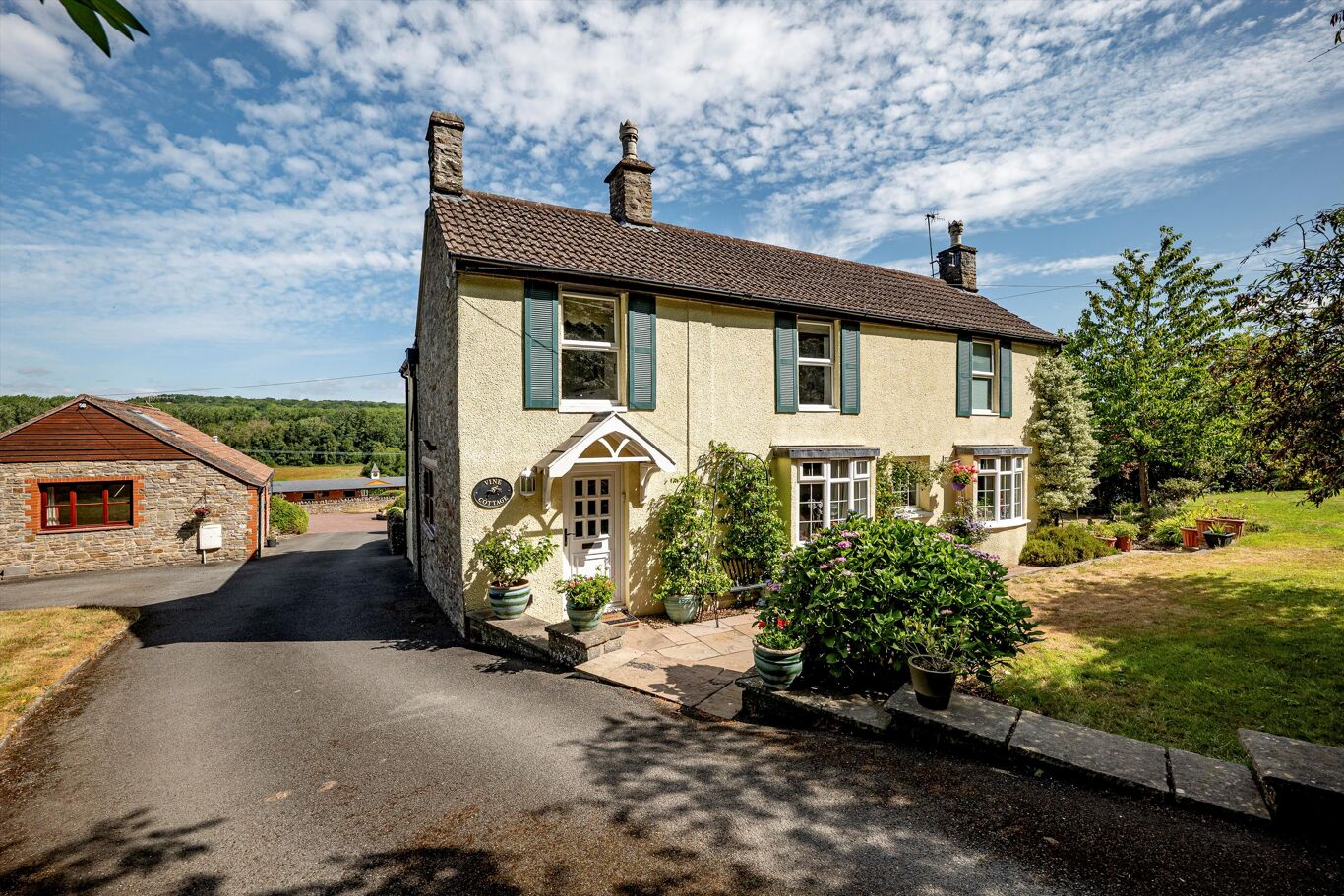
House, 21.19 acres
Contact our specialist team
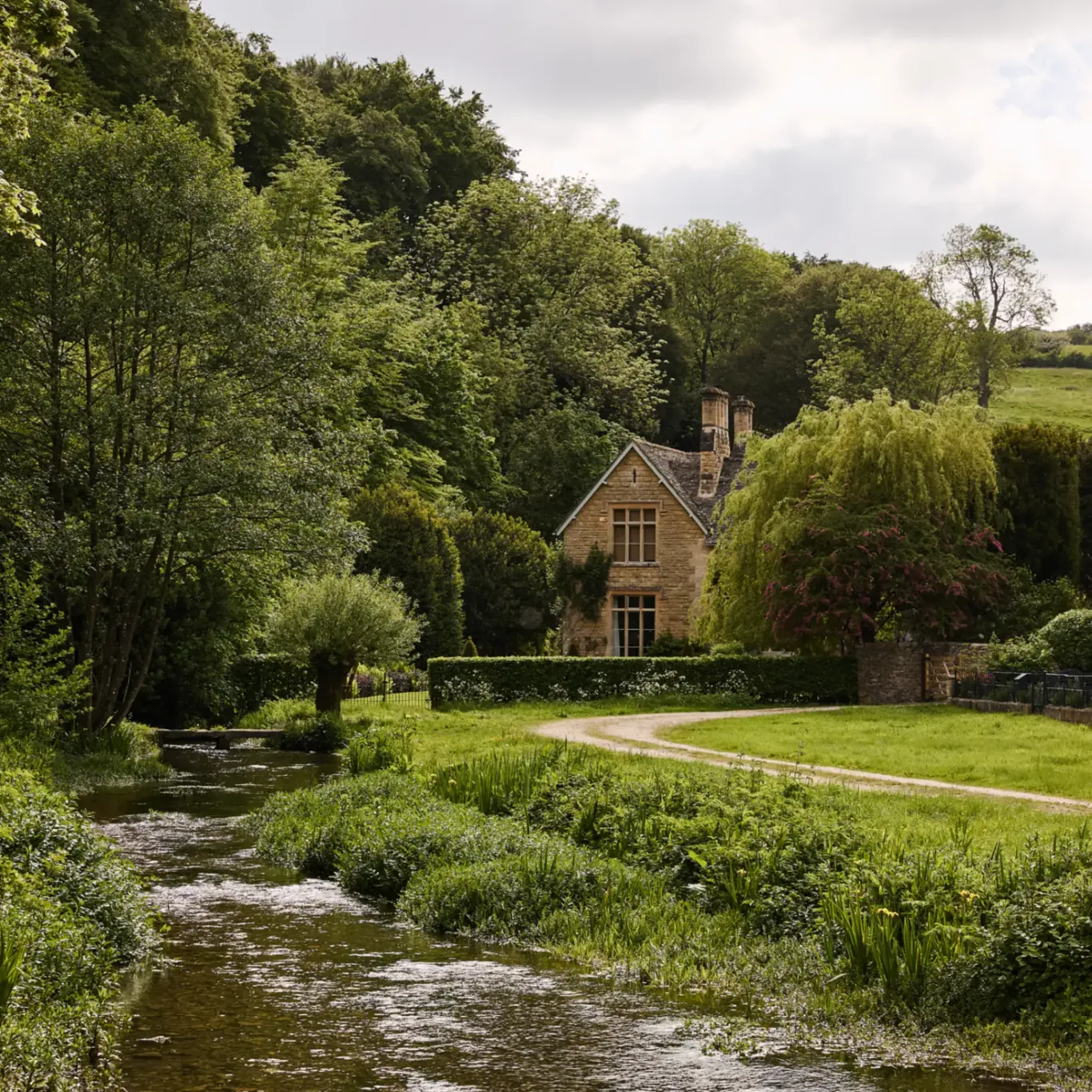
Locations
Flexible working, improved connectivity and a desire for lifestyle-led living are drawing a new generation of wealthy buyers to prime regional markets
21 October 2026
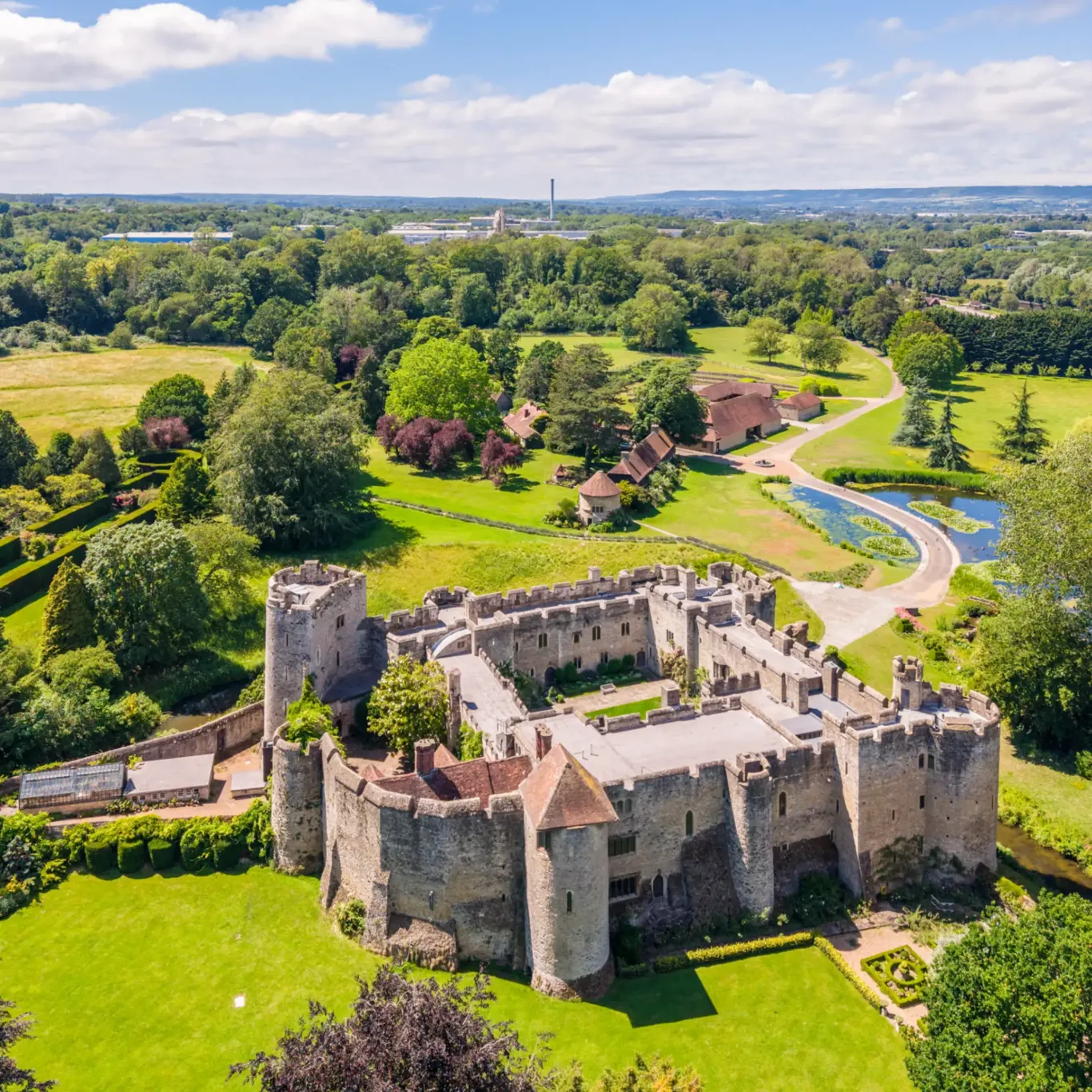
Homes
The romance, heritage and investment potential of castle ownership continue to attract discerning buyers from around the world
06 October 2026
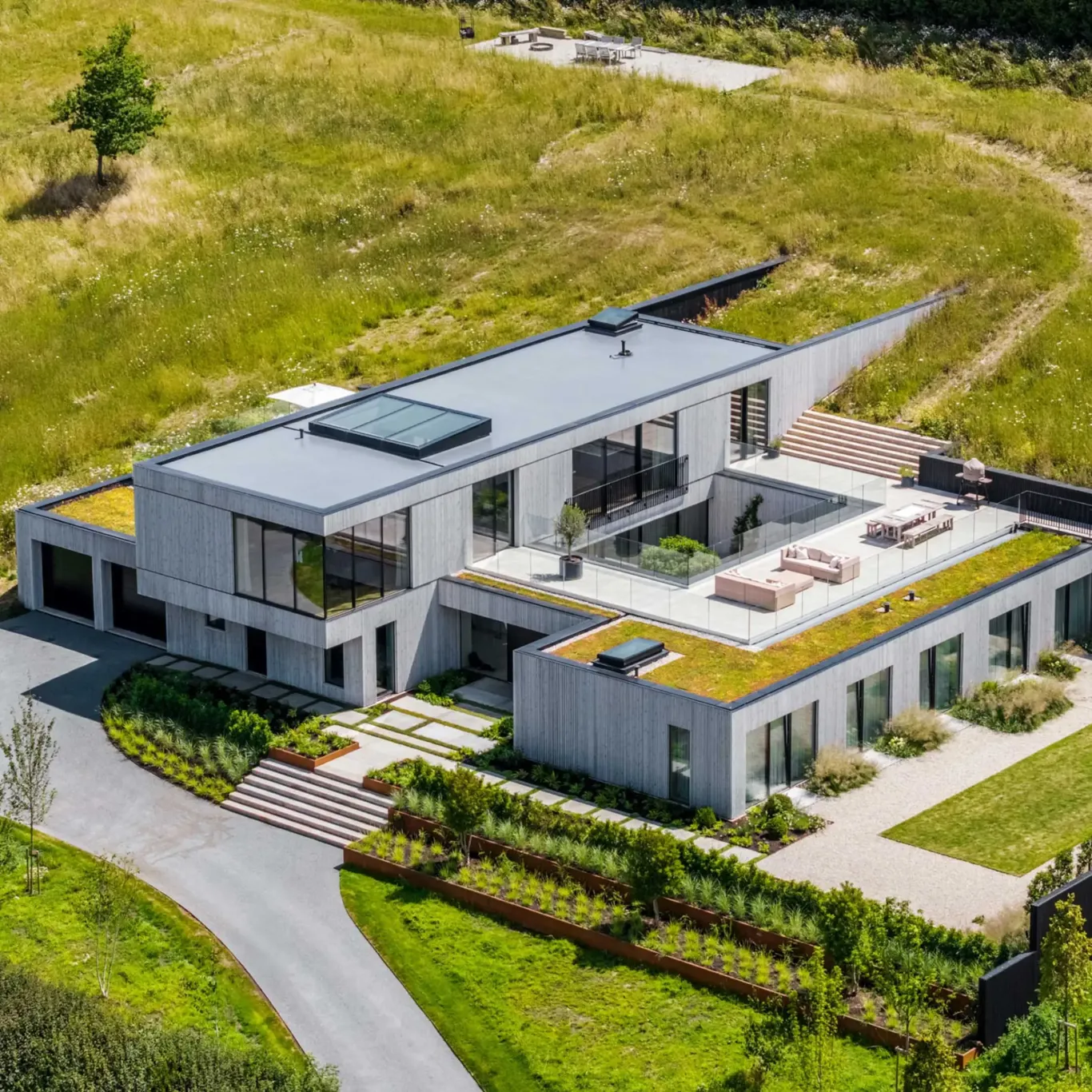
Homes
From solar panels and heat pumps to intelligent lighting and water-saving systems, energy efficiency is becoming a defining feature of modern homeownership
05 October 2026
Locations
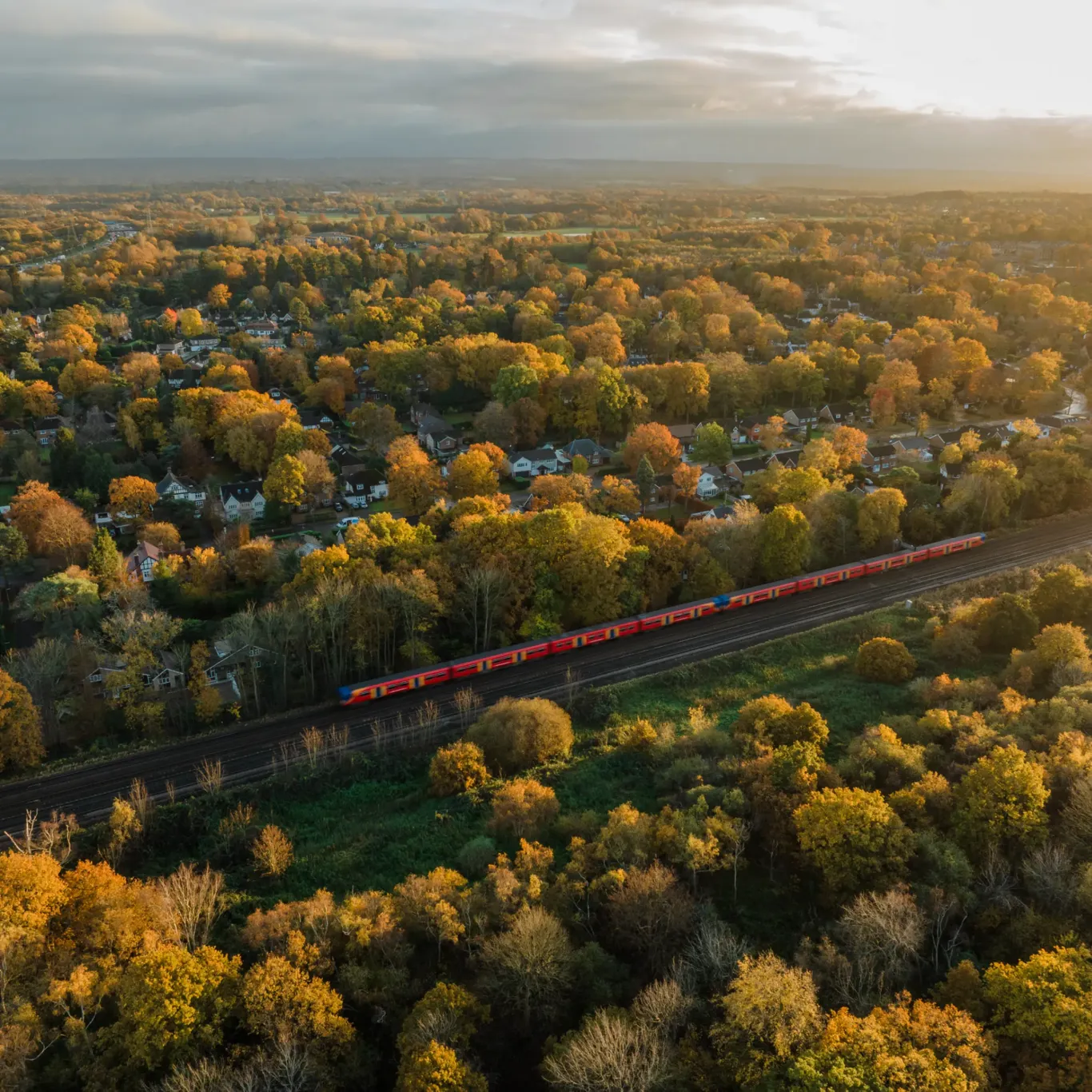
As commuting patterns evolve, these well-connected locations are attracting buyers looking for flexibility, convenience and a better work-life balance
02 October 2026

Locations
From top-performing state schools to leading independent education, these sought-after locations combine exceptional schooling with family-friendly homes and communities
09 September 2026
Homes
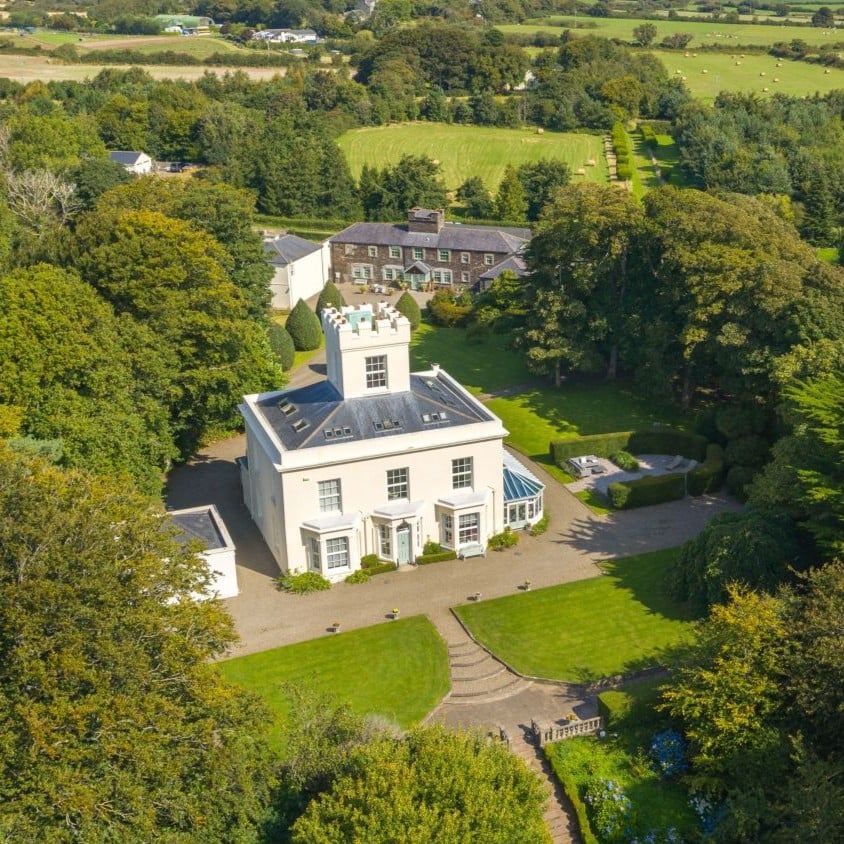
Step inside some of the most spectacular country homes for sale, from those with historical charm to contemporary luxury, each offering a unique glimpse of rural life at its finest
12 August 2026
Inspiration
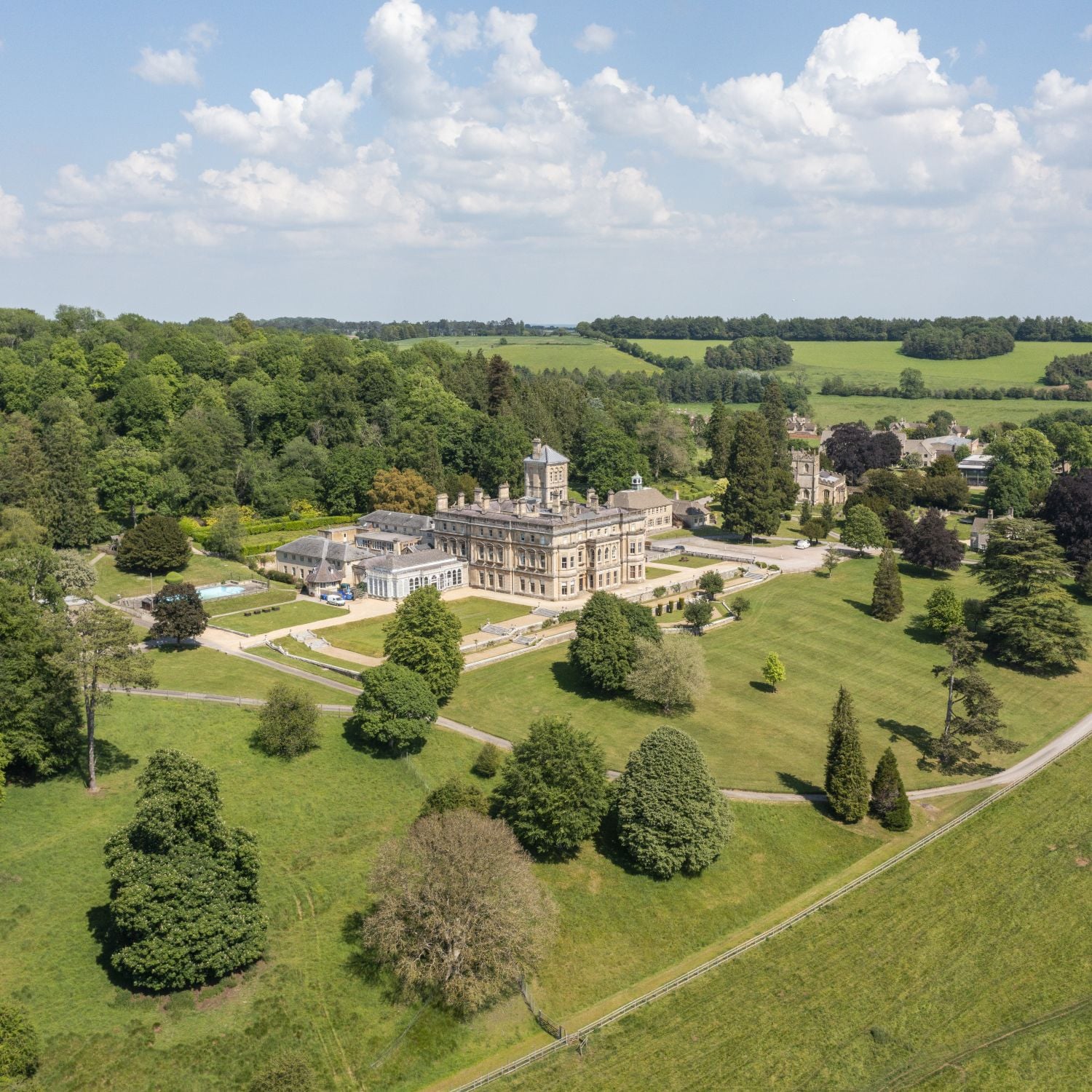
Rendcomb Park, a significant private estate set in 230 acres of prime English countryside with an on-going charitable legacy, is ready for the next chapter in its impressive history
12 August 2026
Homes
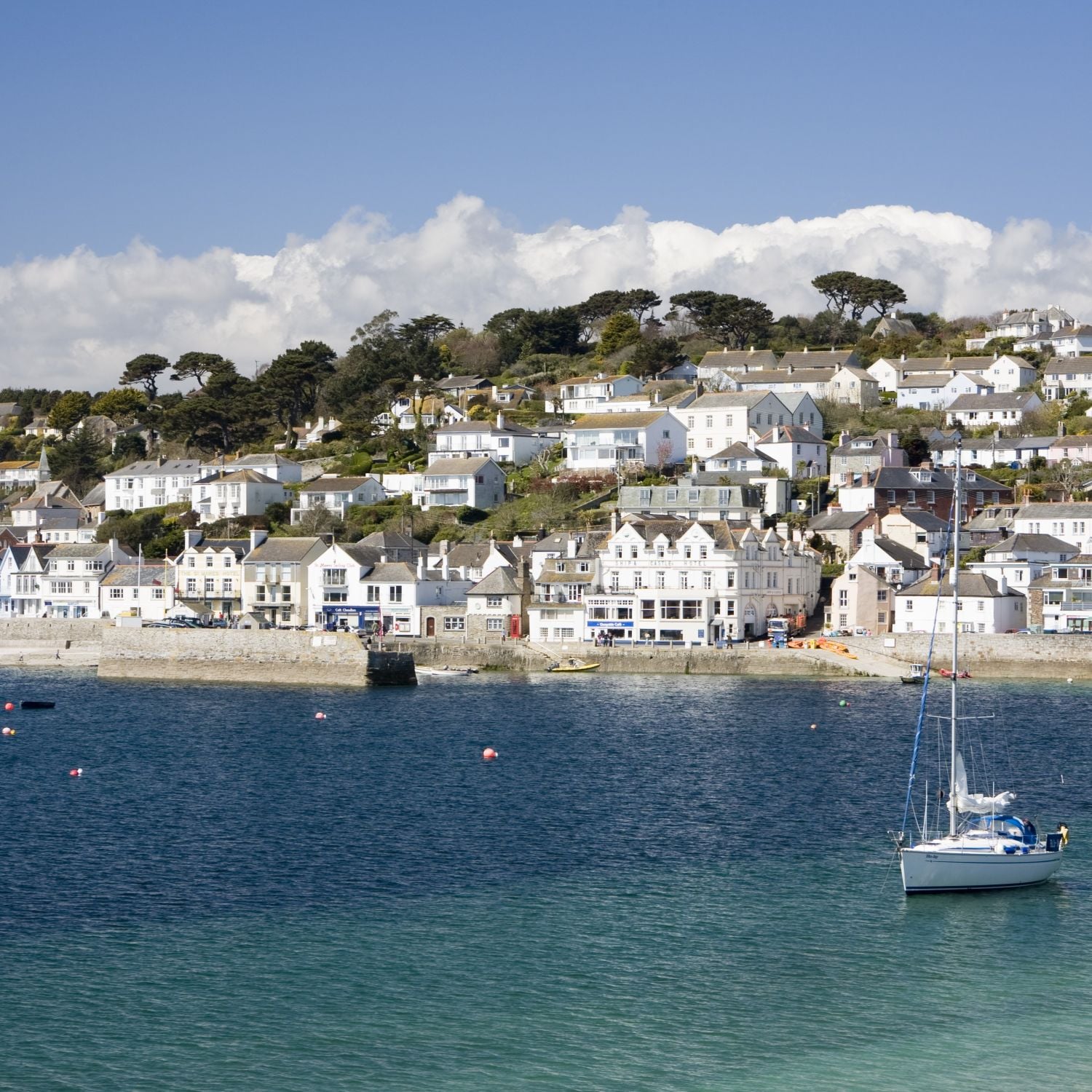
Knight Frank experts share their advice on showcasing your waterfront property in the best light, from presentation and timing to choosing the right pricing strategy
24 July 2026
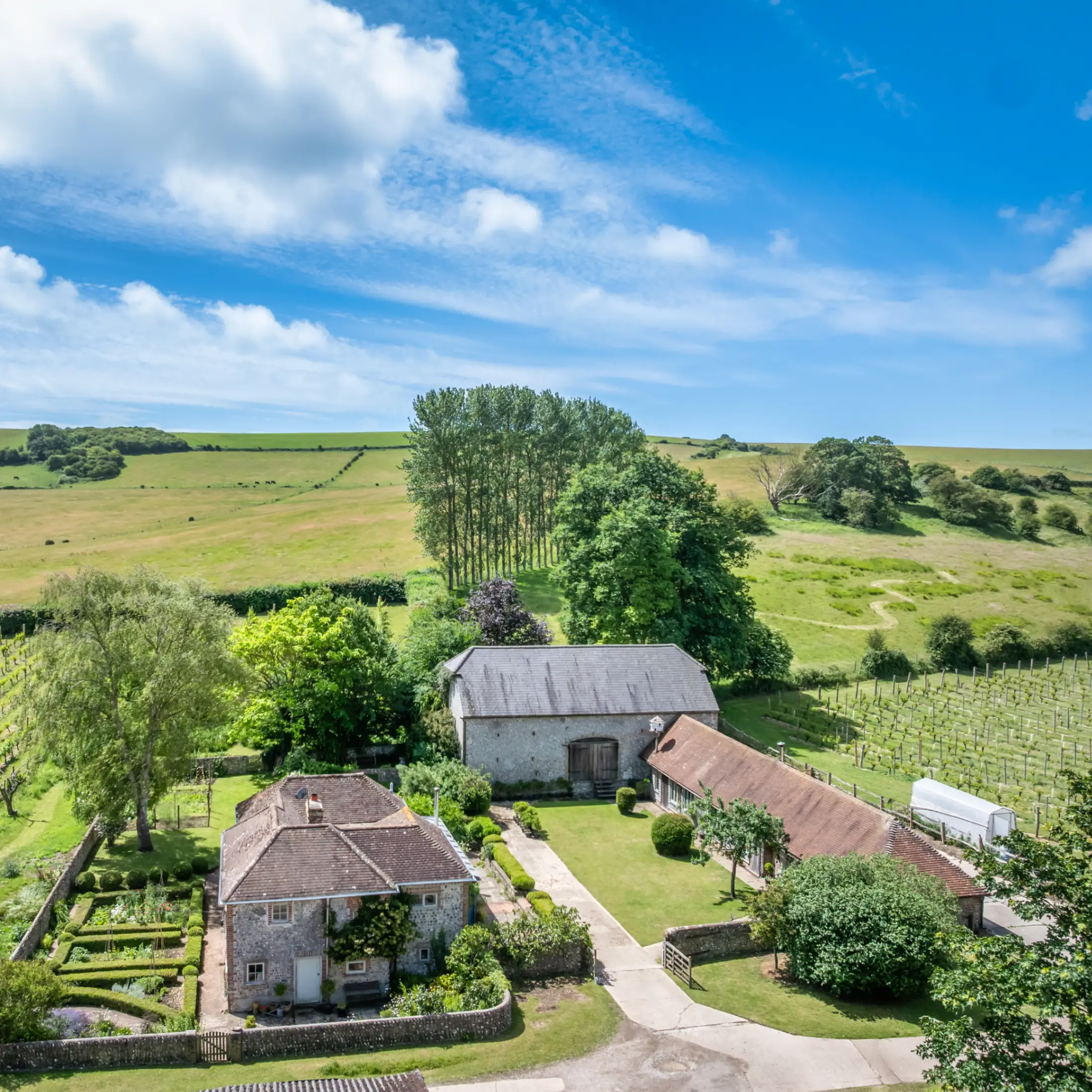
Inspiration
With greater choice and established vineyards coming to market, England's wine sector is entering a new phase of maturity
16 July 2026
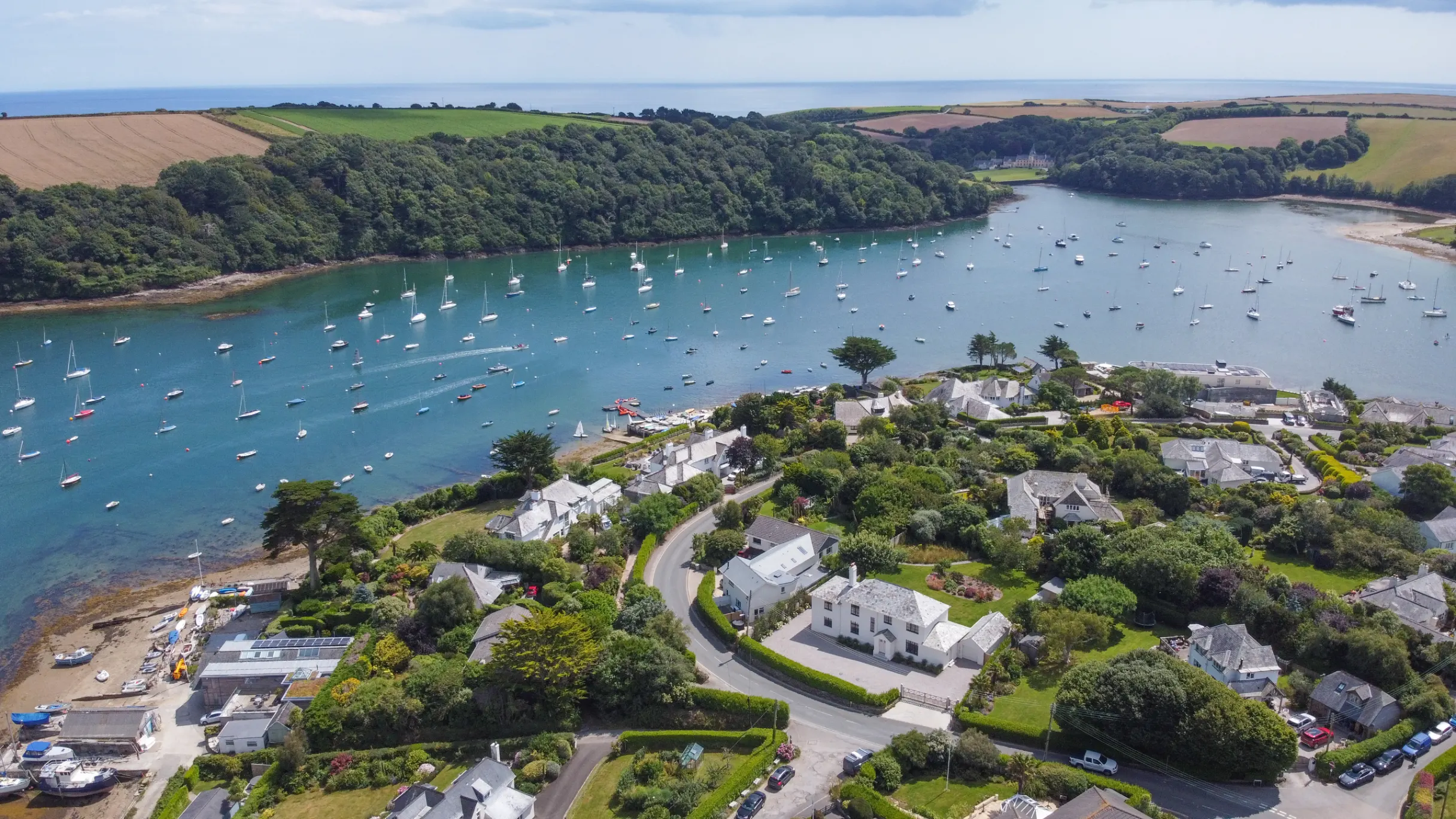
Homes
From contemporary living to homes with historic charm, we explore waterfront and coastal properties in Cornwall, Devon and Dorset
15 July 2026
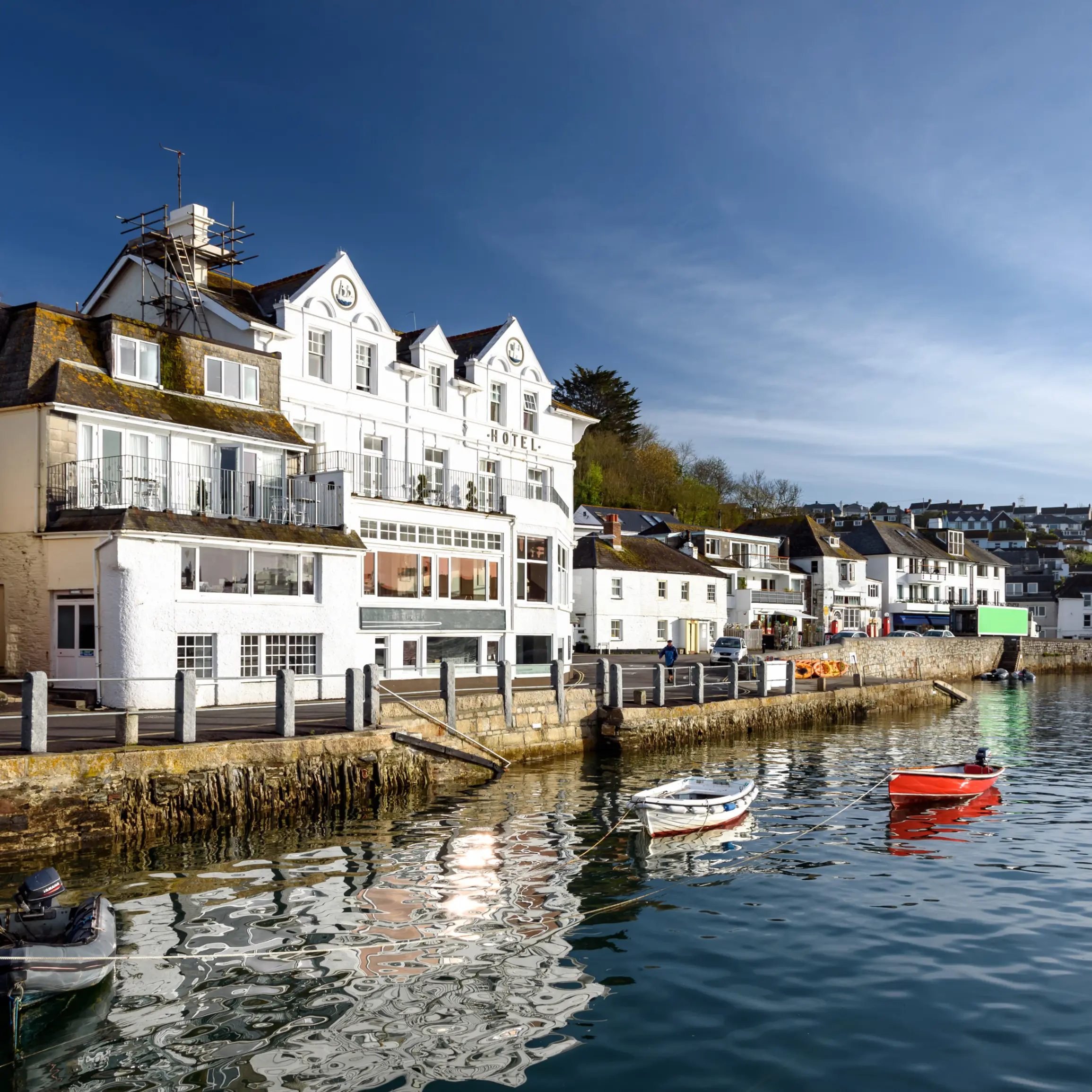
Locations
Thinking of moving to the coast? Knight Frank shares the best places to live by the sea in the UK for lifestyle, space, and community.
08 July 2026
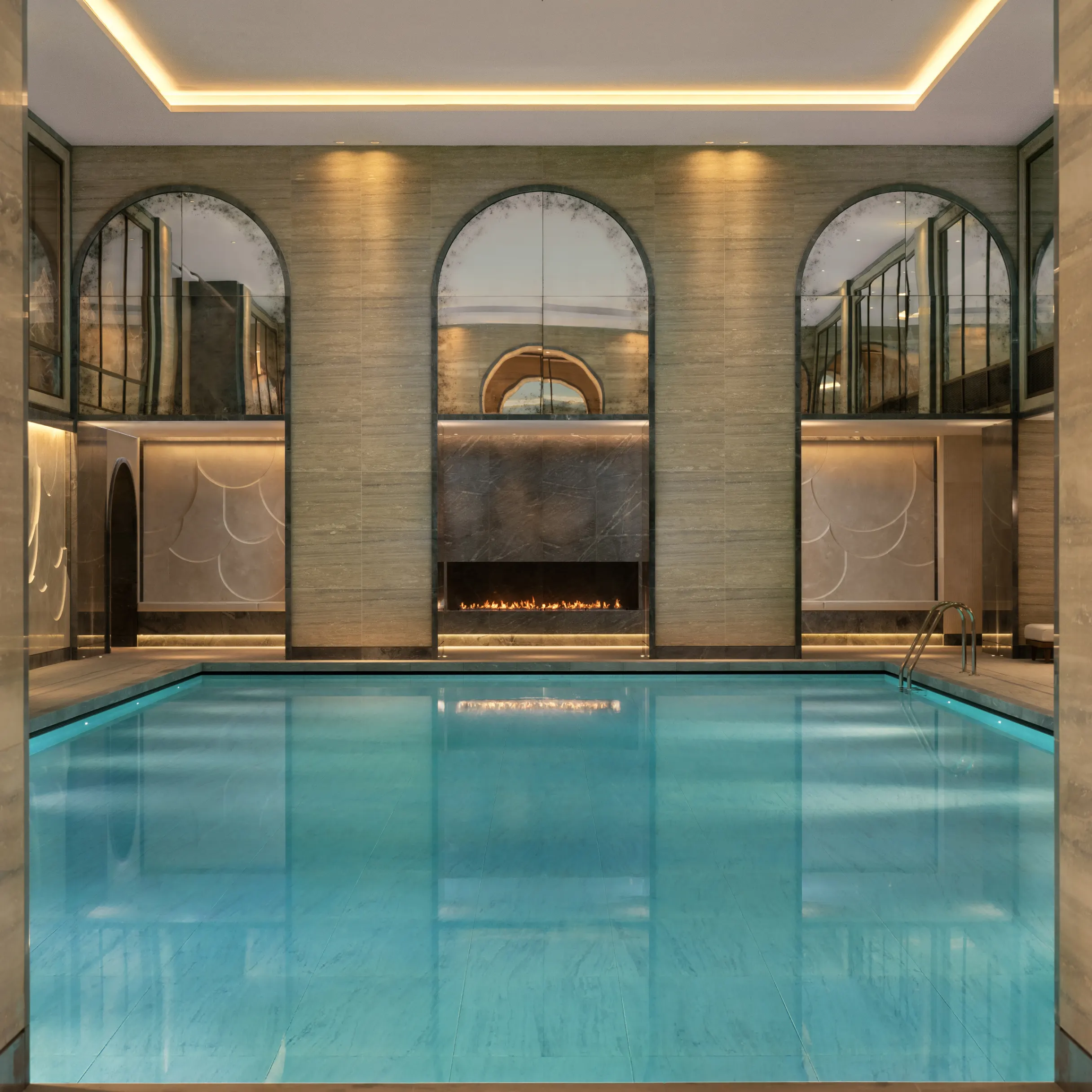
Homes
James Guy MBE reveals his ideal private pool setup, as we showcase a collection of standout homes for sale with exceptional swimming facilities
02 July 2026
Locations
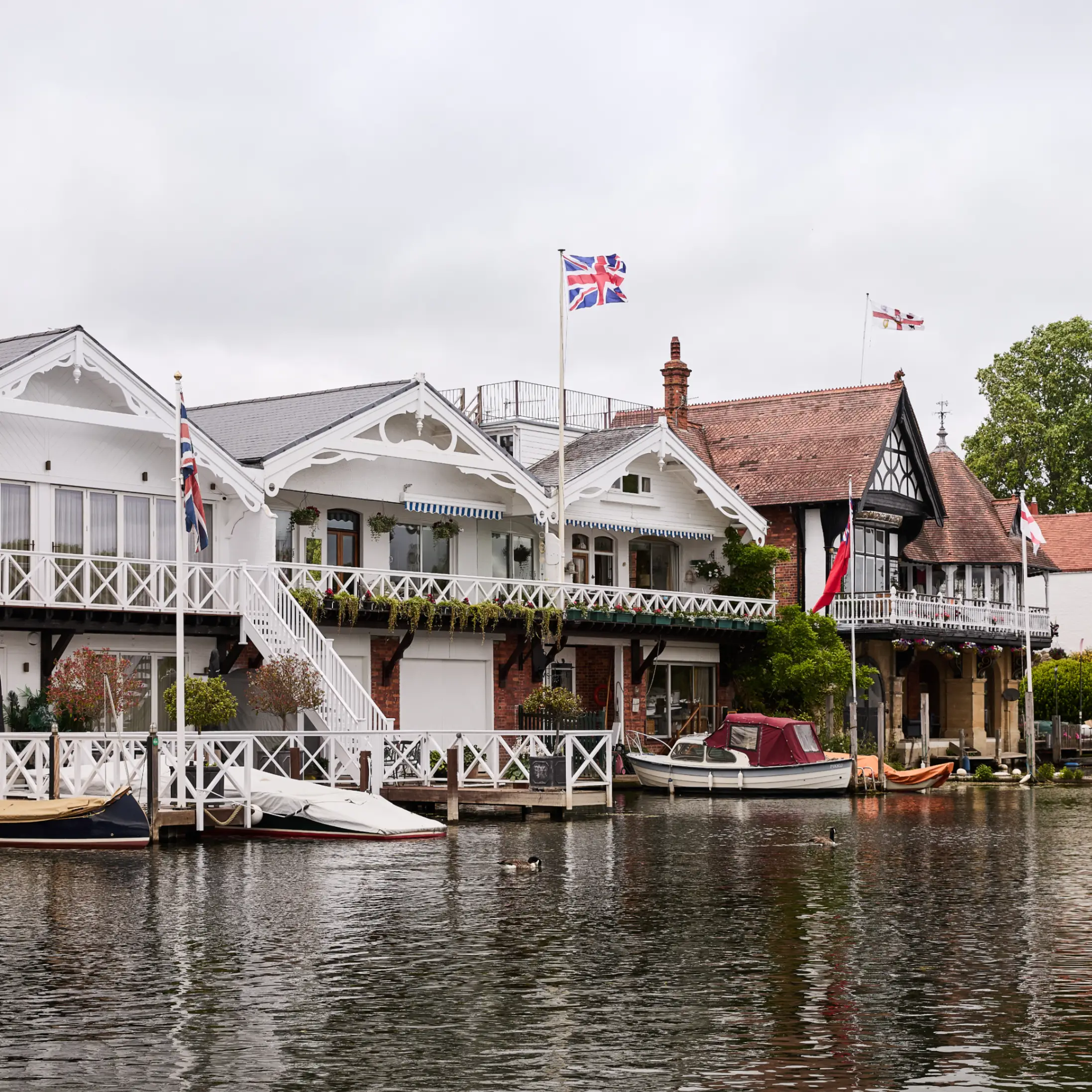
From period homes to riverside properties, Henley-on-Thames offers family-friendly, countryside living within easy reach of the capital
02 July 2026
Homes
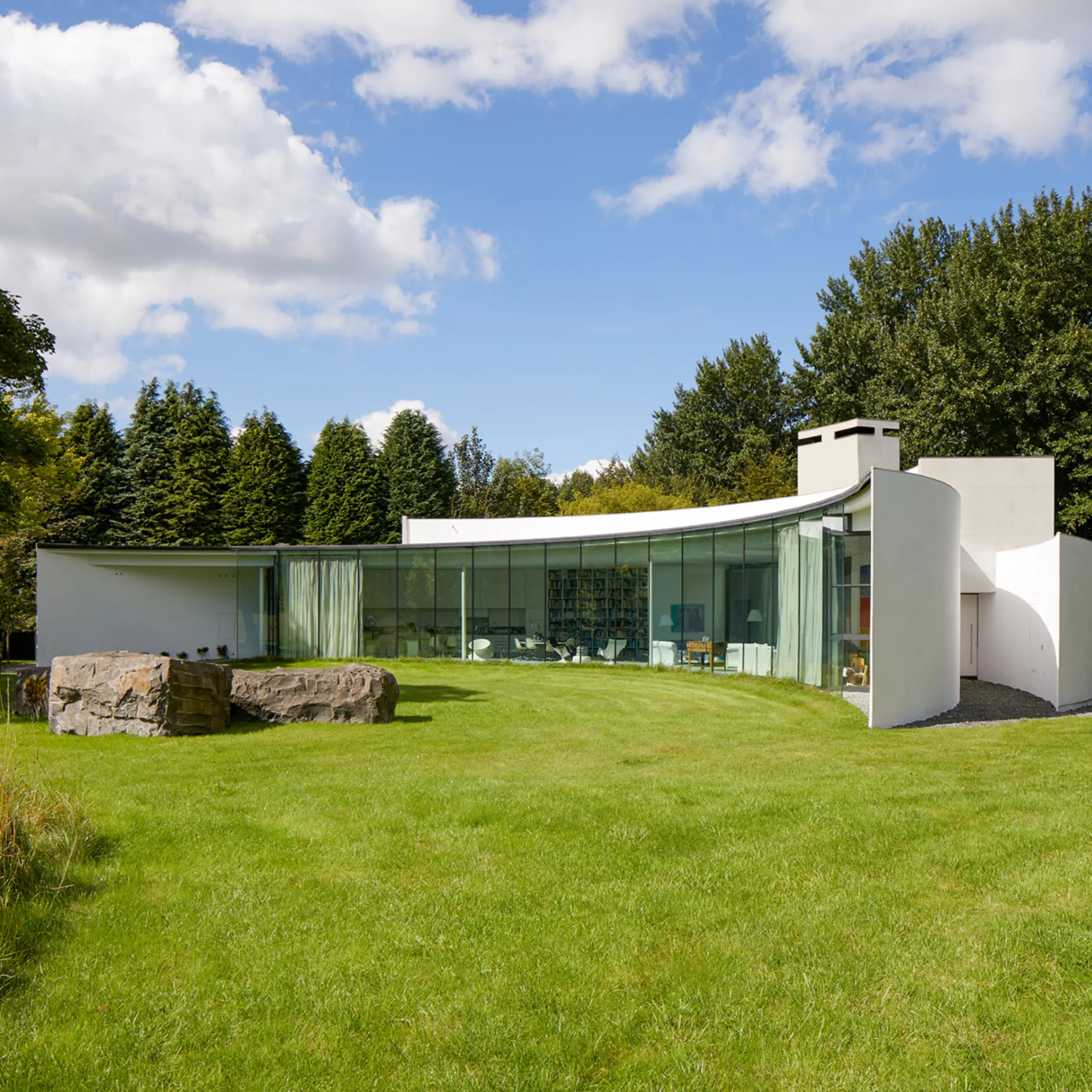
Inside Crescent House, a sculptural, nature-led home in rural Wiltshire designed by one of Britain’s most influential architects, now on the market for the first time
29 June 2026
Homes
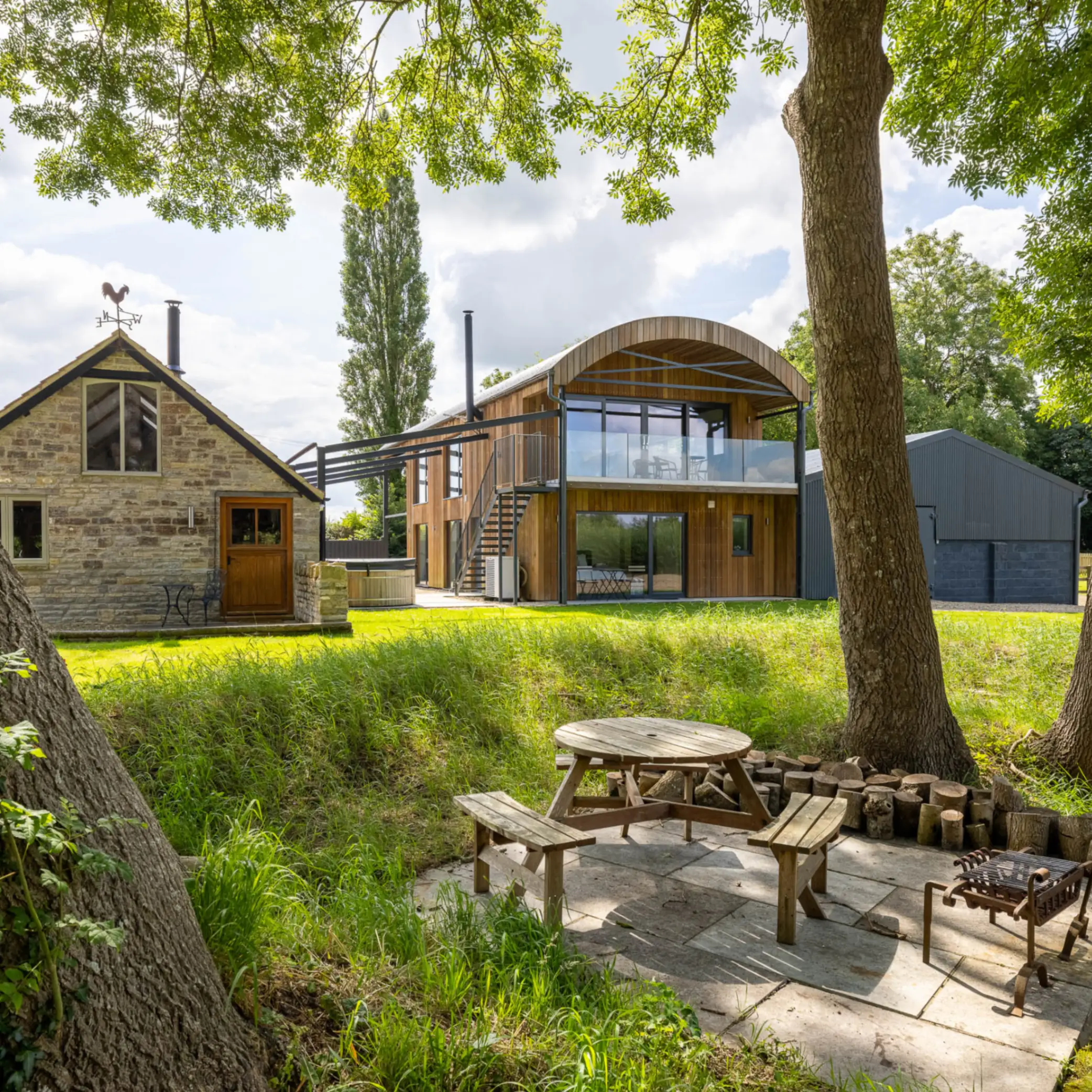
From grand country estates to rural farmhouses, these remarkable homes don’t just offer a place to live but open up endless opportunities
17 June 2026
Locations
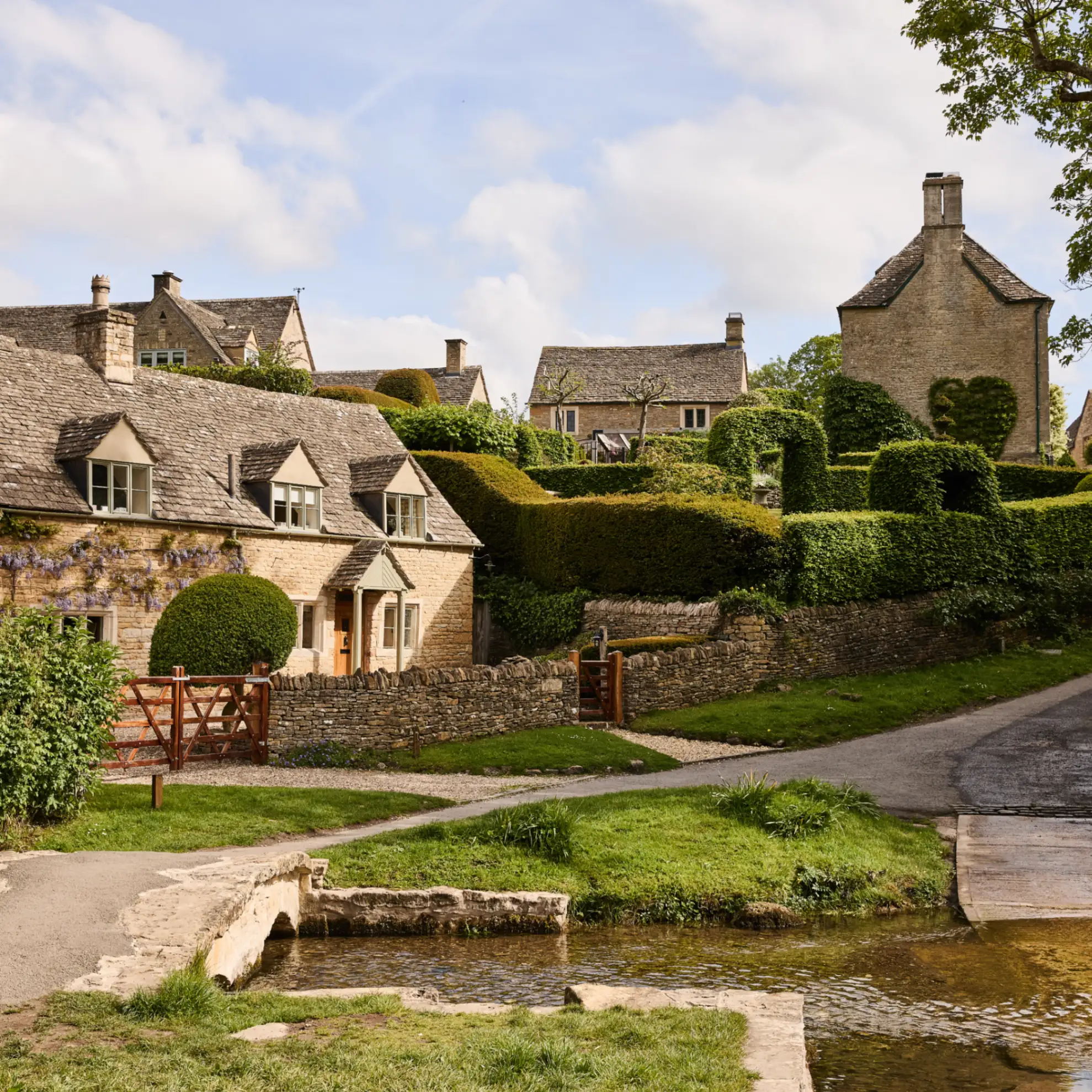
From its honey‑stone cottages to celebrity neighbours, our local experts share their insight on where to live this picturesque pocket of Britain’s countryside
05 June 2026
Homes
Living by the water, and spending time in and on it, is the dream for many. Here are some fabulous homes, complete with private moorings, which make that dream a reality
03 June 2026

Inspiration
Flexible rentals, premium rates and global demand are making summer an increasingly attractive opportunity for homeowners in the short lets market
21 May 2026
Inspiration
As new government legislation comes into force, what are the current market trends landlords should know to achieve a successful tenancy
28 April 2026
Homes
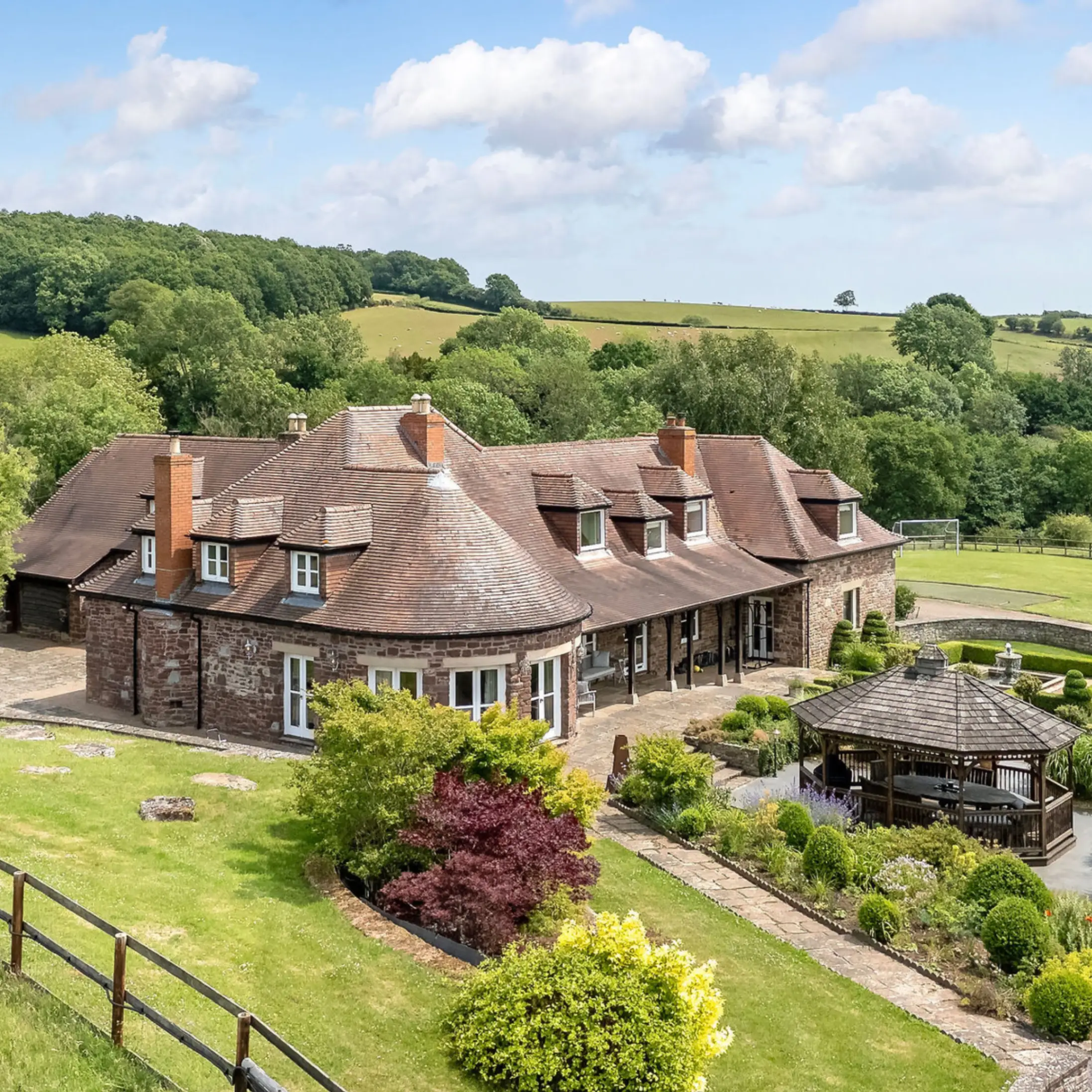
Knight Frank’s experts share what to consider when finding the perfect home for both you and your horse, along with some incredible equestrian properties for sale
22 April 2026
Homes
Discover the homes leading the way in sustainable, energy-efficient and luxurious living
21 April 2026

Inspiration
Head Gardener Harry Baldwin shares how history, sustainability and modern horticulture shape the estate, and gives his top tips for the green-fingered
20 April 2026
Homes
From strategic timing and smart pricing to simple presentation upgrades, these expert tips will help you secure the strongest possible offer
08 April 2026

Locations
From fast London commutes to outstanding schools, here’s what makes Surrey one of the UK’s most sought‑after counties
07 April 2026
Sorry!
An unexpected error has occurred.
Please try again later.
