

Ahead of the curve: the architect behind the Gherkin on designing his own home
Inside Crescent House, a sculptural, nature-led home in rural Wiltshire designed by one of Britain’s most influential architects, now on the market for the first time

Inside Crescent House, a sculptural, nature-led home in rural Wiltshire designed by one of Britain’s most influential architects, now on the market for the first time
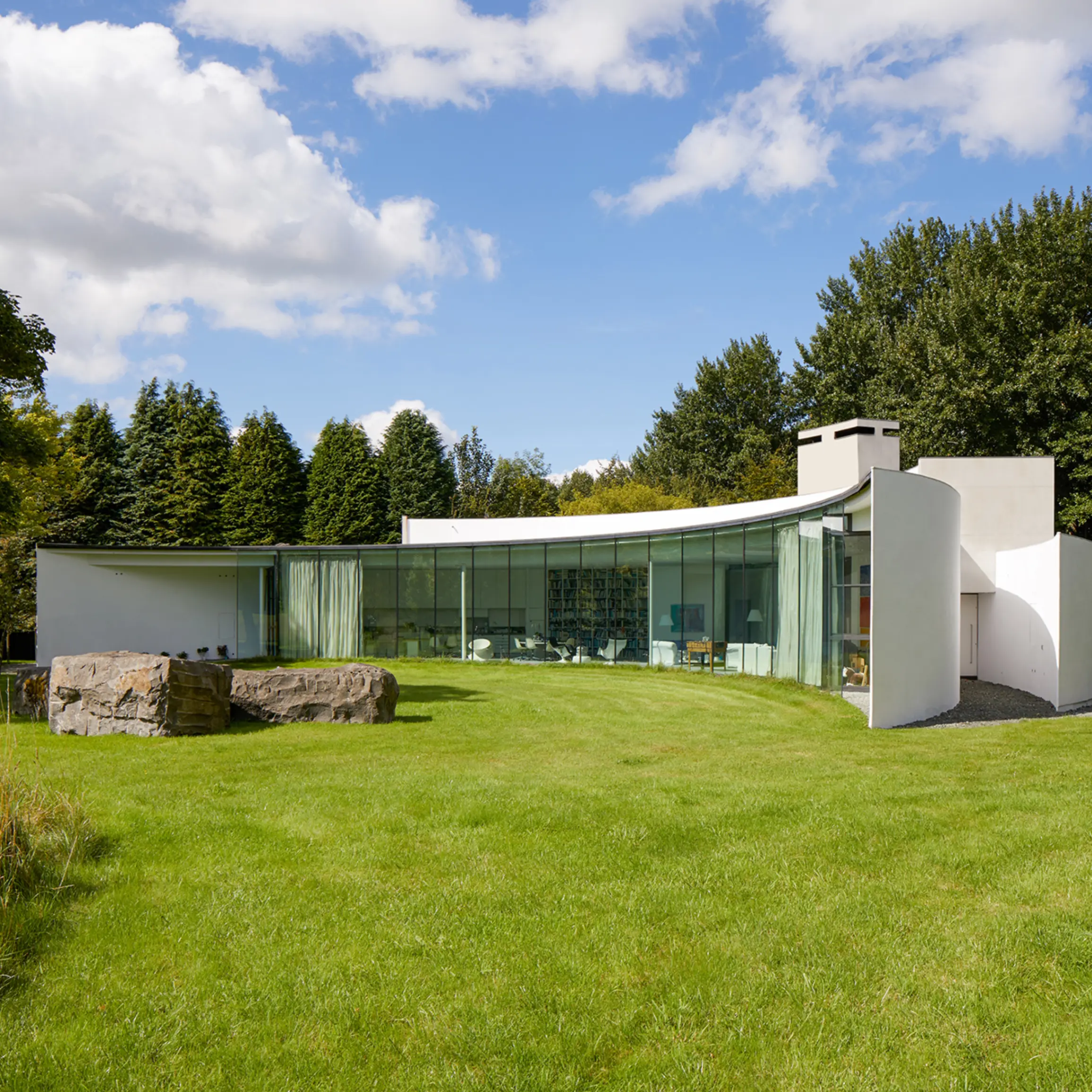
Ken Shuttleworth is no stranger to pushing the boundaries of form and design. Over a 50-year career spanning Foster + Partners and, more recently, his own practice Make Architects, he has played a key role in shaping some of the world’s most recognisable landmarks, including the Gherkin, City Hall and London’s Millennium Bridge.
So when it came to creating his own home on the outskirts of Compton Bassett in Wiltshire in 1997 — the aptly named Crescent House, now on the market for the first time — the conventional was never an option. “It could have been straight, I suppose,” he quips. “But that wouldn’t be as fun.”

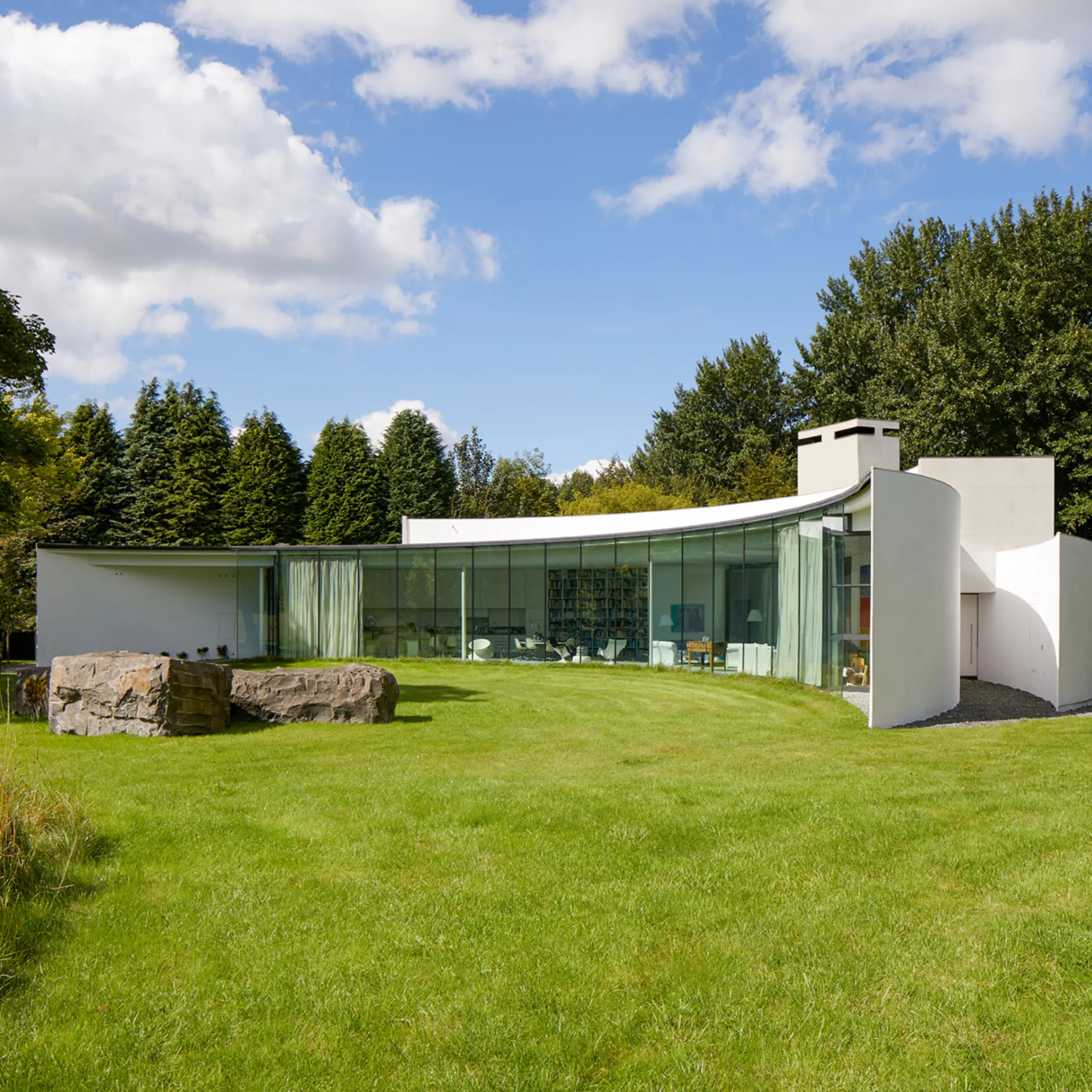
The award-winning home’s distinctive form — two contrasting crescents, with bedrooms to the rear and a voluminous living space to the front — was no accident. It draws on the deep-rooted traditions of the Wiltshire countryside, where the prehistoric stone circles of Stonehenge and Avebury dot the landscape.
Its immediate setting proved equally influential. Positioned within more than four acres of grounds, with views towards the Marlborough White Horse, the site intrinsically guided the design. When Shuttleworth and his family first acquired the property, they lived in the existing house before deciding on its future. “We realised it was facing the wrong direction, away from the best views,” he says. “I’d always dreamed of building my own house, I was just waiting until I had the right site to go for it.”
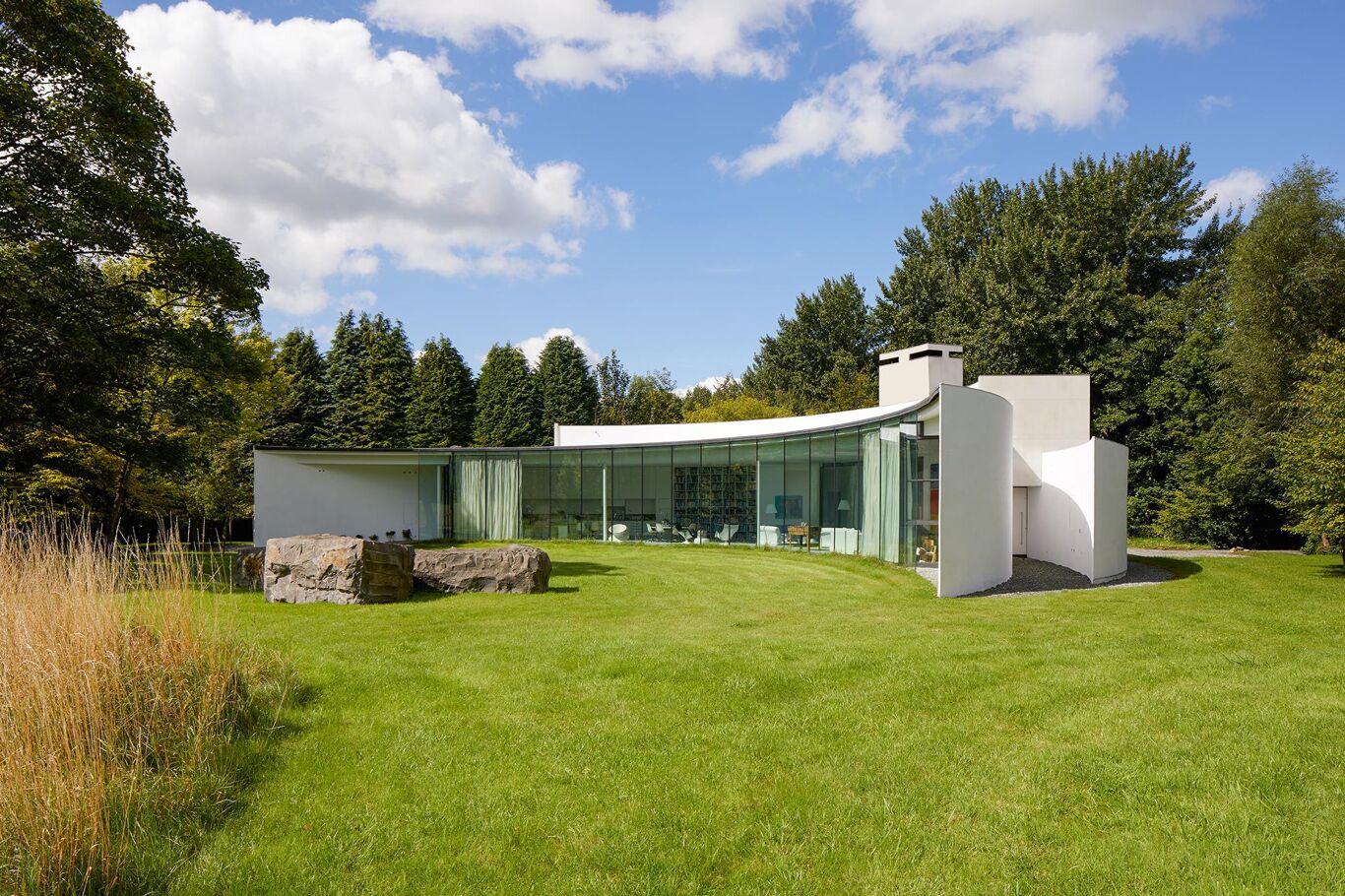
House, 4.15 acres
Crescent House is an outstanding and unique, award-winning country house set within approximately four acres of landscaped gardens.
Crescent House is positioned in the corner of the site to maximise the views of the garden. At its heart is a dramatic concave sweep of glass, opening onto a vast kitchen, dining and living space. “The idea was to bring the surrounding nature right up to the house,” Shuttleworth explains. “The curve allows the building to fully embrace its setting.”
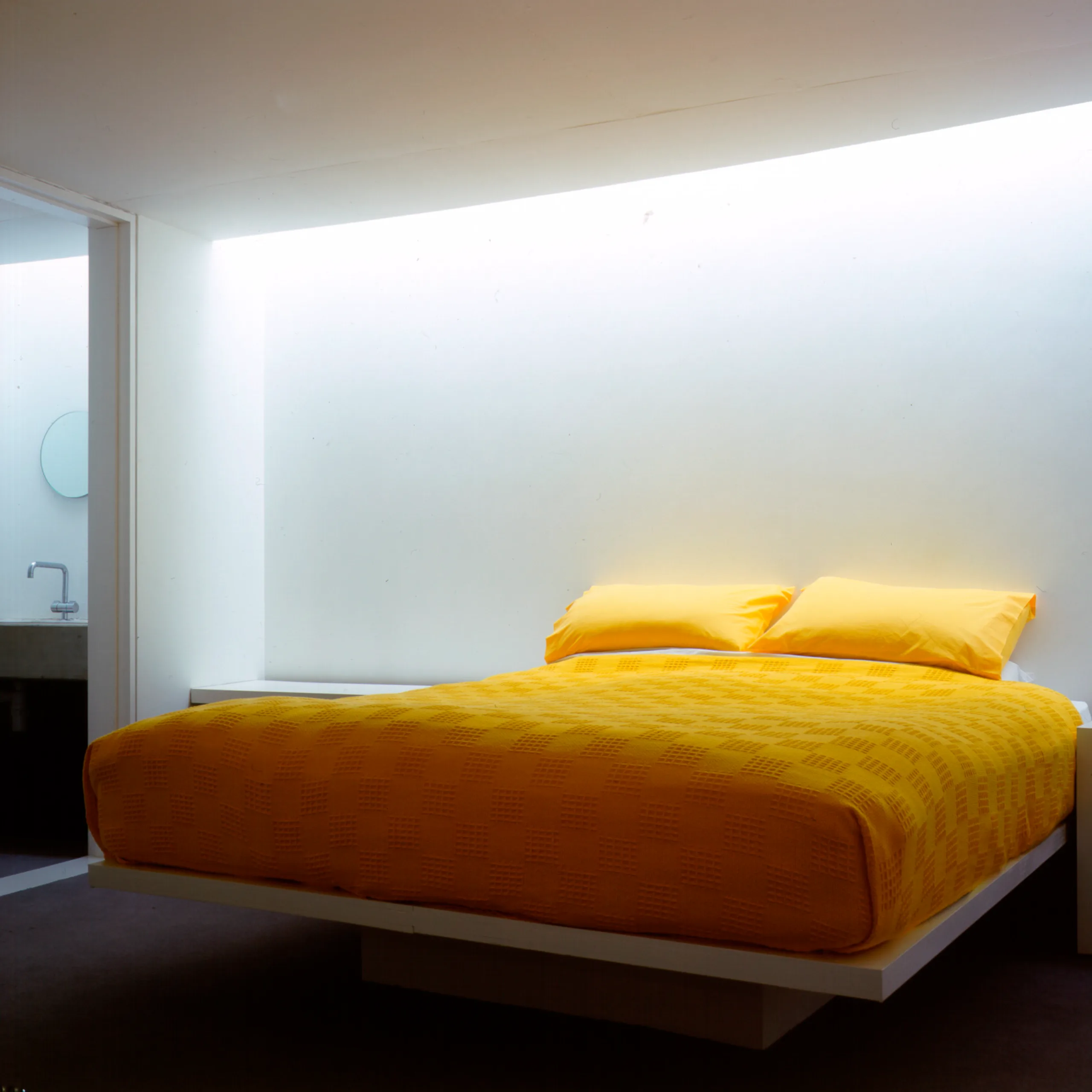
To the northwest, a convex wall encloses the private bedroom wing, acting as a shield against westerly winds from the Bristol Channel. Instead of conventional windows, these rooms are lit from above. “You can look up and see the stars,” he says. “It creates a cocoon-like environment.”
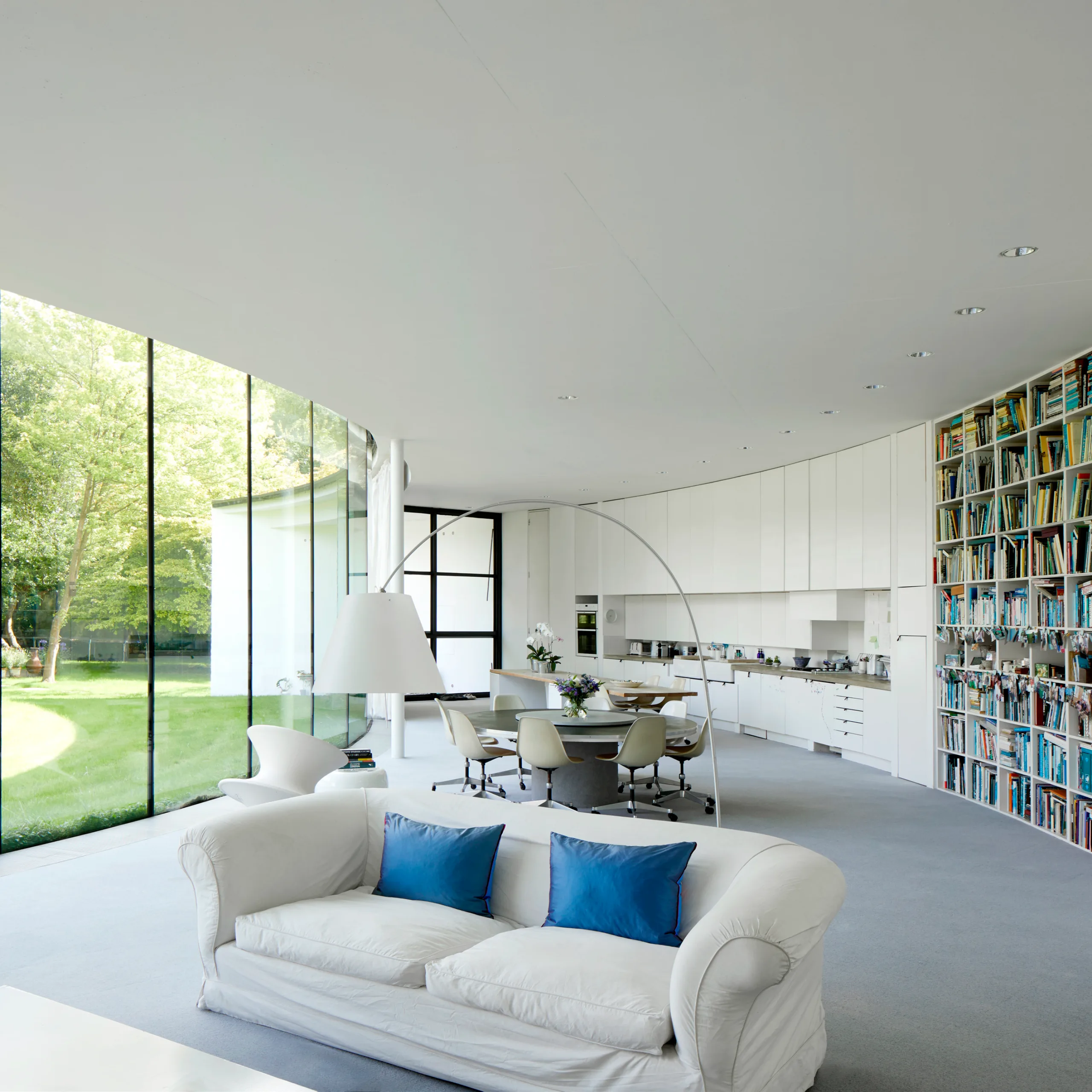
A fascination with geometry has been a constant throughout Shuttleworth’s life and career, with Crescent House reflecting this both in form and process. “It’s much easier now to create complex shapes,” he says. “When I was designing Crescent House, there weren’t as many computers around, so I was drawing everything by hand and overlaying it, before translating it digitally.” That hands-on approach contributes to the home’s sense of delight. “Playfulness is important,” he adds. “People walk through the house and feel it’s a joyful place to be.”
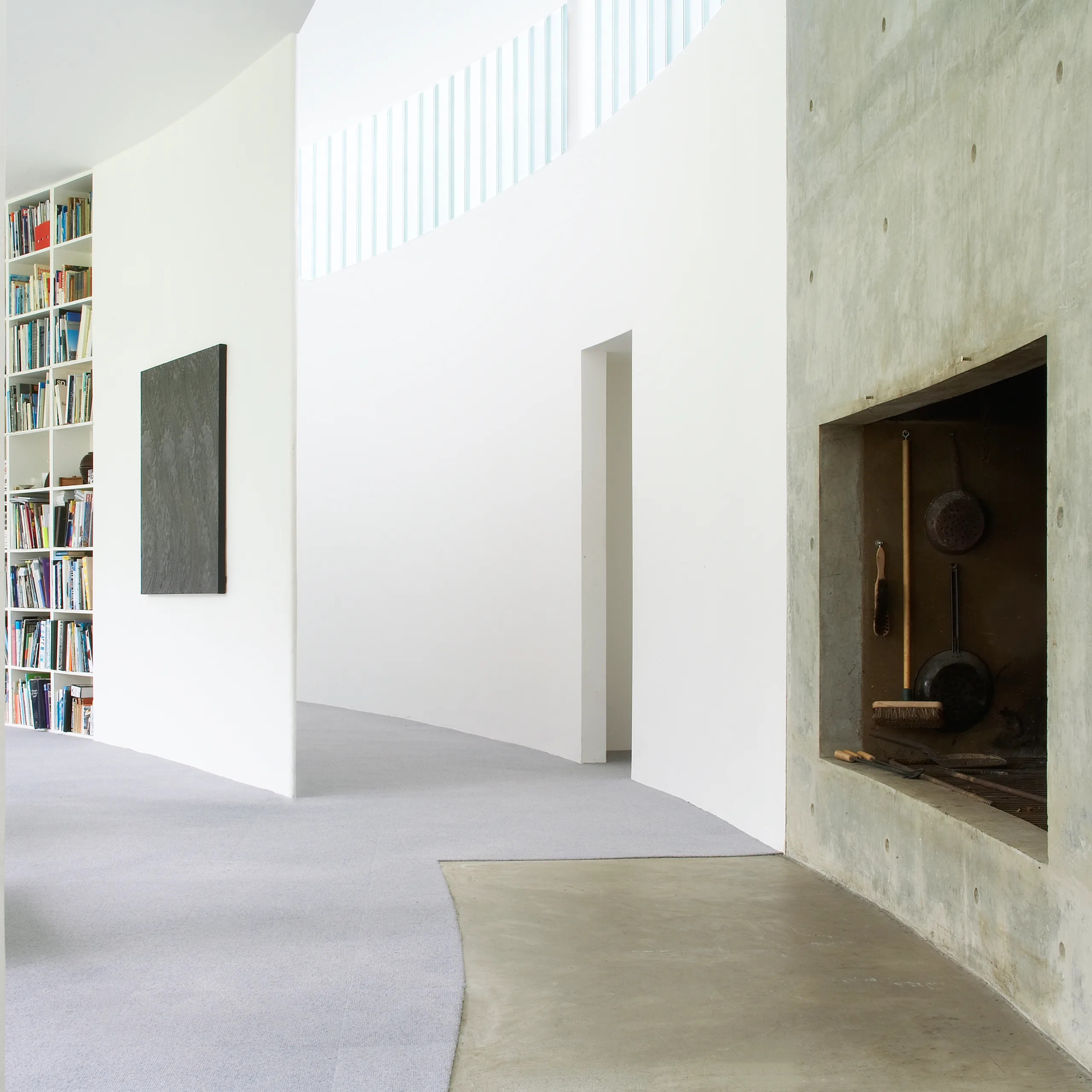
The house has been conceived as a journey, with moments of surprise at each turn. The entrance leads into a double-height gallery anchored by a striking fireplace, “as large as one in Warwick Castle,” Shuttleworth notes. Turn a corner, and the main living space opens up dramatically.
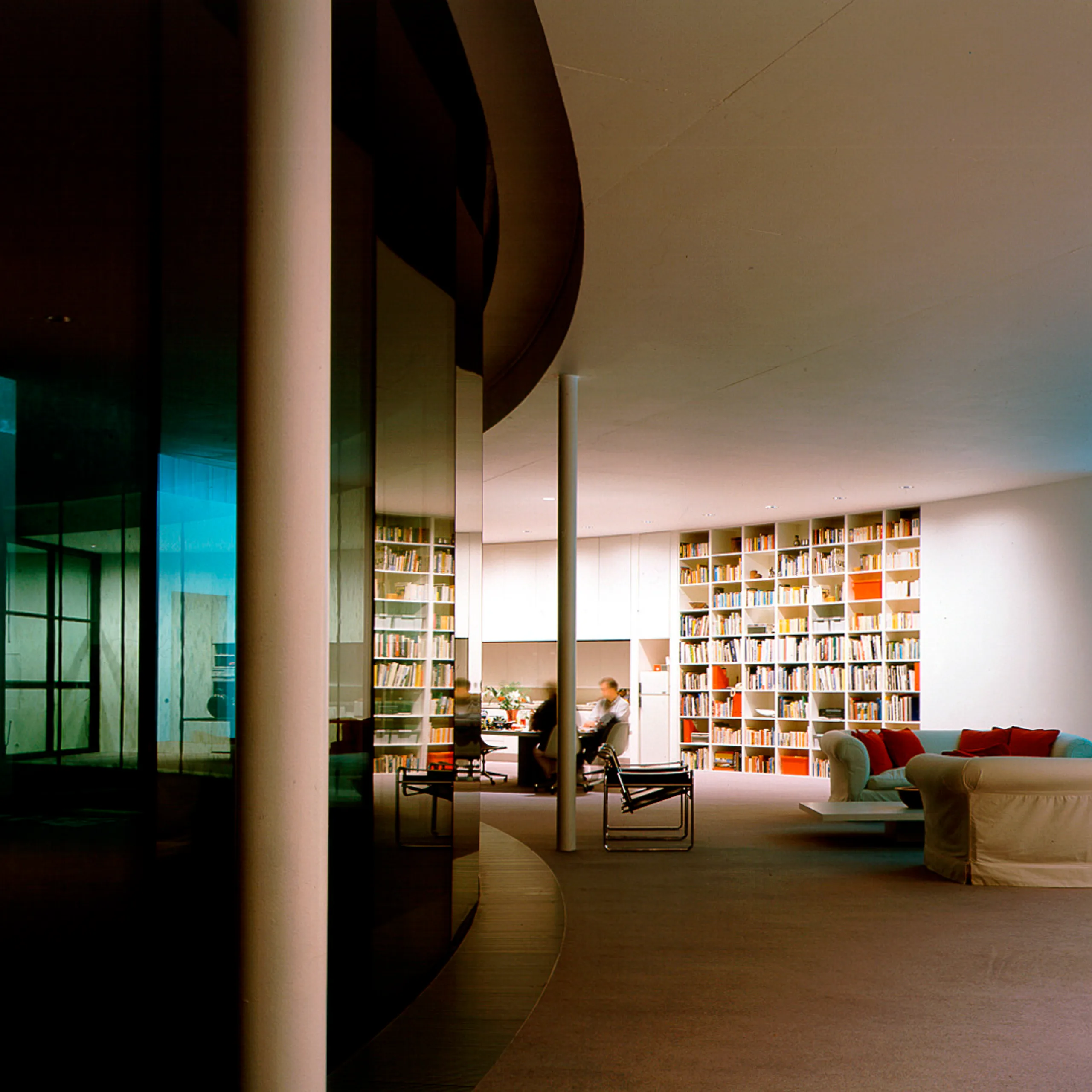
Despite its sculptural form, Crescent House is carefully engineered for year-round comfort. Expanses of low-E coated glass reduces heat loss, meanwhile its insulated concrete structure draws inspiration from traditional white-rendered Wiltshire cottages, and helps to lower heating demand, reduce CO₂ emissions and maintain a stable indoor climate.
Shuttleworth emphasises the importance of collaboration in achieving this. “Enlisting the right engineers is critical,” he says. “Handily, my mates are all at the top firms in the world,” he jokes. The project brought together Arup, whose previous projects have included the Centre Pompidou and Sydney Opera House, construction firm Laing O’Rourke and J. Roger Preston, known for its work on the HSBC Main Building in Hong Kong.
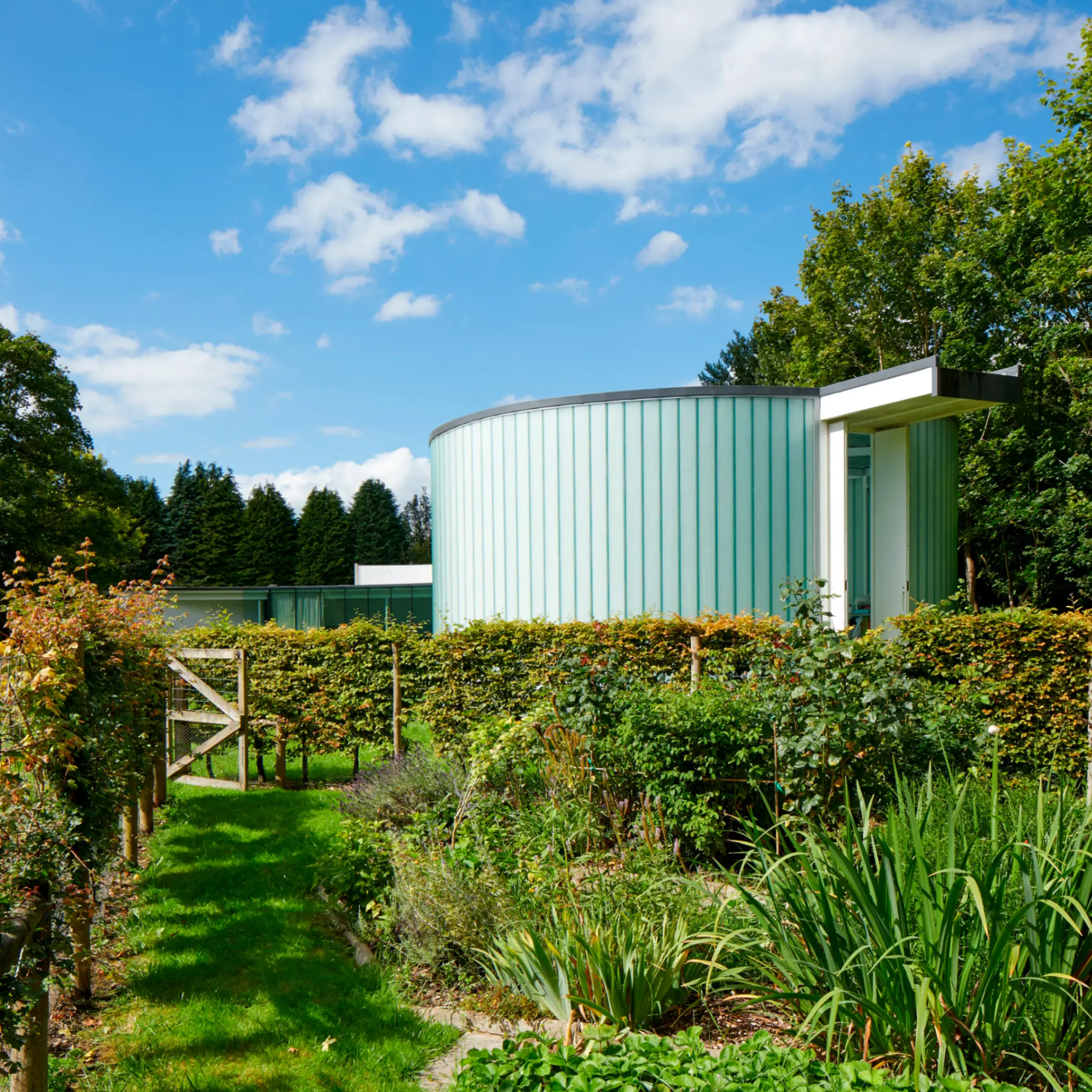
The landscape is a natural extension of the architecture, its curves echoed in the garden design. Wildflower meadows, an orchard and mature planting surround the house. “The pond has become a focal point for wildlife, and we’ve had deer, kingfishers, even otters visit,” Shuttleworth says. A separate circular studio, known as the Drum, offers a flexible retreat immersed in nature. “It’s where I go to paint and draw,” he adds.
After nearly two decades as a cherished family home — “the kids are devastated we’re selling it,” Shuttleworth admits — he is ready for a new challenge. Staying in Wiltshire, his next project is the revival of Roundway Park, an 18th-century Palladian house near Devizes. Partially demolished in the 1950s, only a wing and stable block remain.
“Our idea is to reinterpret what was once there in a contemporary way,” he explains. “It’s a much bigger project — we haven’t downsized, put it that way. But it’s an exciting thing to do. I can’t just sit back and retire.”
Homes
From solar panels and heat pumps to intelligent lighting and water-saving systems, energy efficiency is becoming a defining feature of modern homeownership
05 October 2026
Inspiration
The founder of design studio Elicyon explains why authenticity, wellbeing and craftsmanship are replacing trend-led interiors in today's most desirable homes
07 July 2026
Homes
Inside Crescent House, a sculptural, nature-led home in rural Wiltshire designed by one of Britain’s most influential architects, now on the market for the first time
29 June 2026
Inspiration
From first impressions to final offers, the right interior can transform how quickly, and successfully, a home finds its next occupant.
03 June 2026
Homes
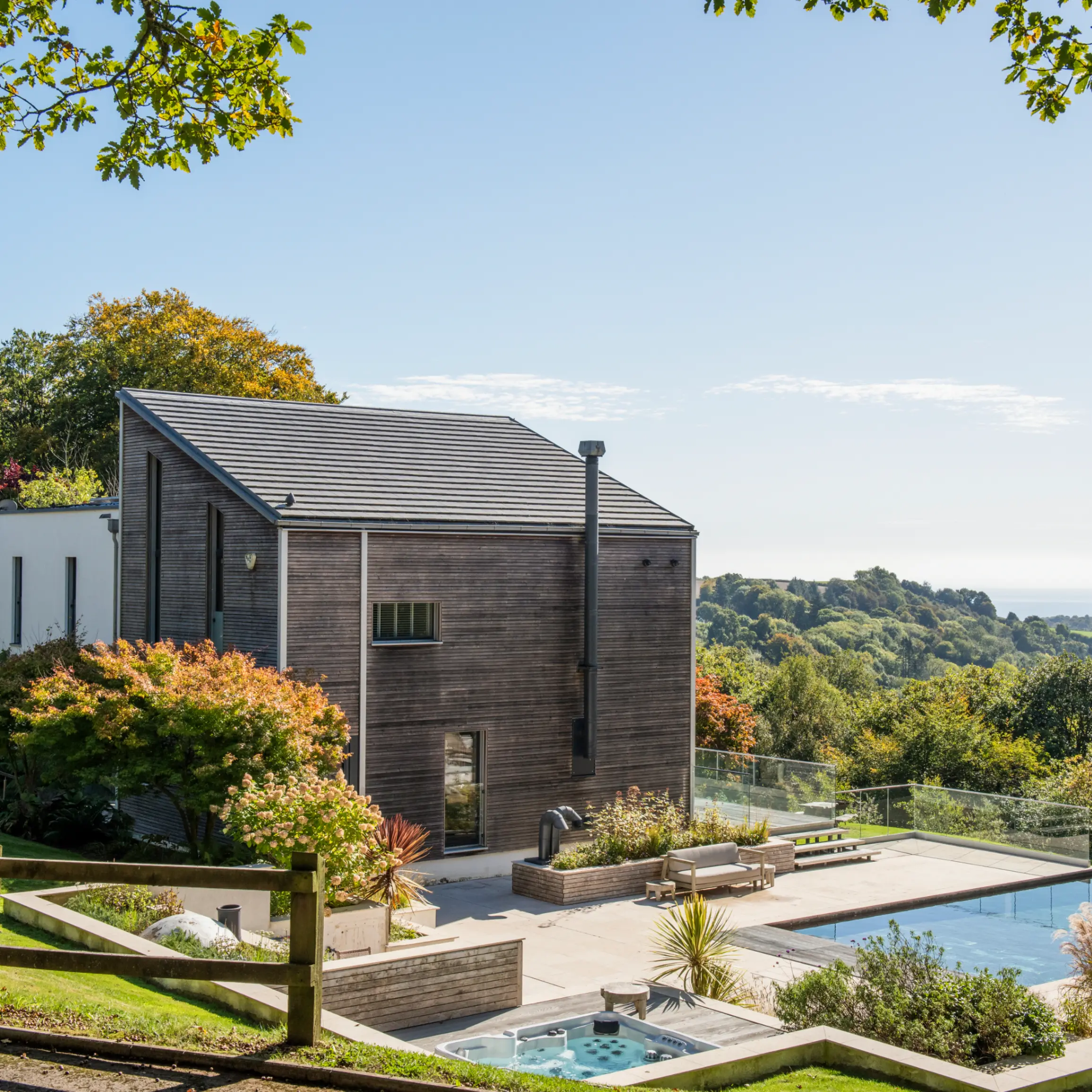
Far from conventional, these exceptional properties blend creativity and individuality, each a thoughtfully designed showcase of architectural flair
20 May 2026
Homes
Discover the homes leading the way in sustainable, energy-efficient and luxurious living
21 April 2026

Inspiration
Head Gardener Harry Baldwin shares how history, sustainability and modern horticulture shape the estate, and gives his top tips for the green-fingered
20 April 2026
Inspiration
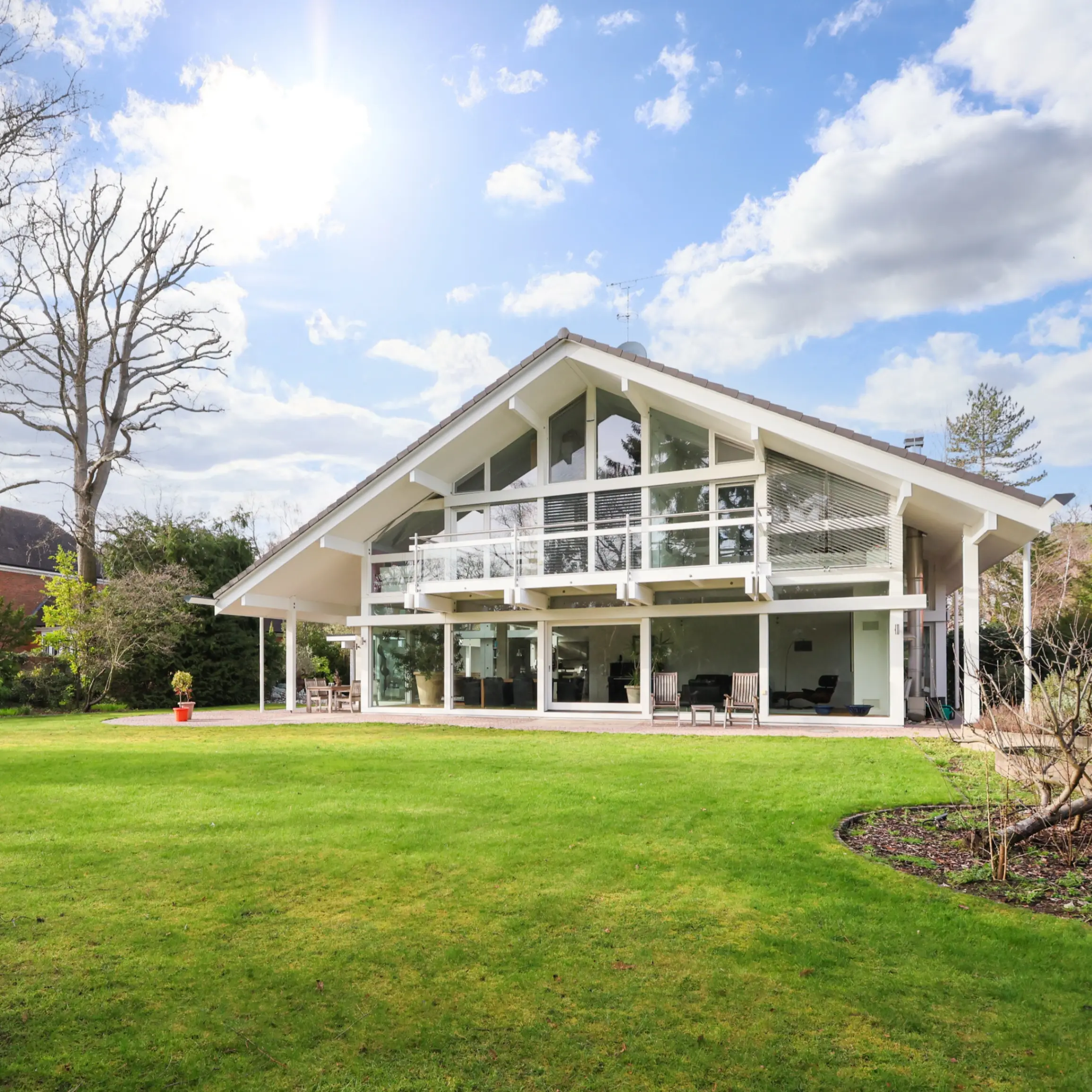
Peter Huf shares his vision for sustainable architecture that balances innovation, efficiency and a deep connection to nature
20 April 2026
Homes
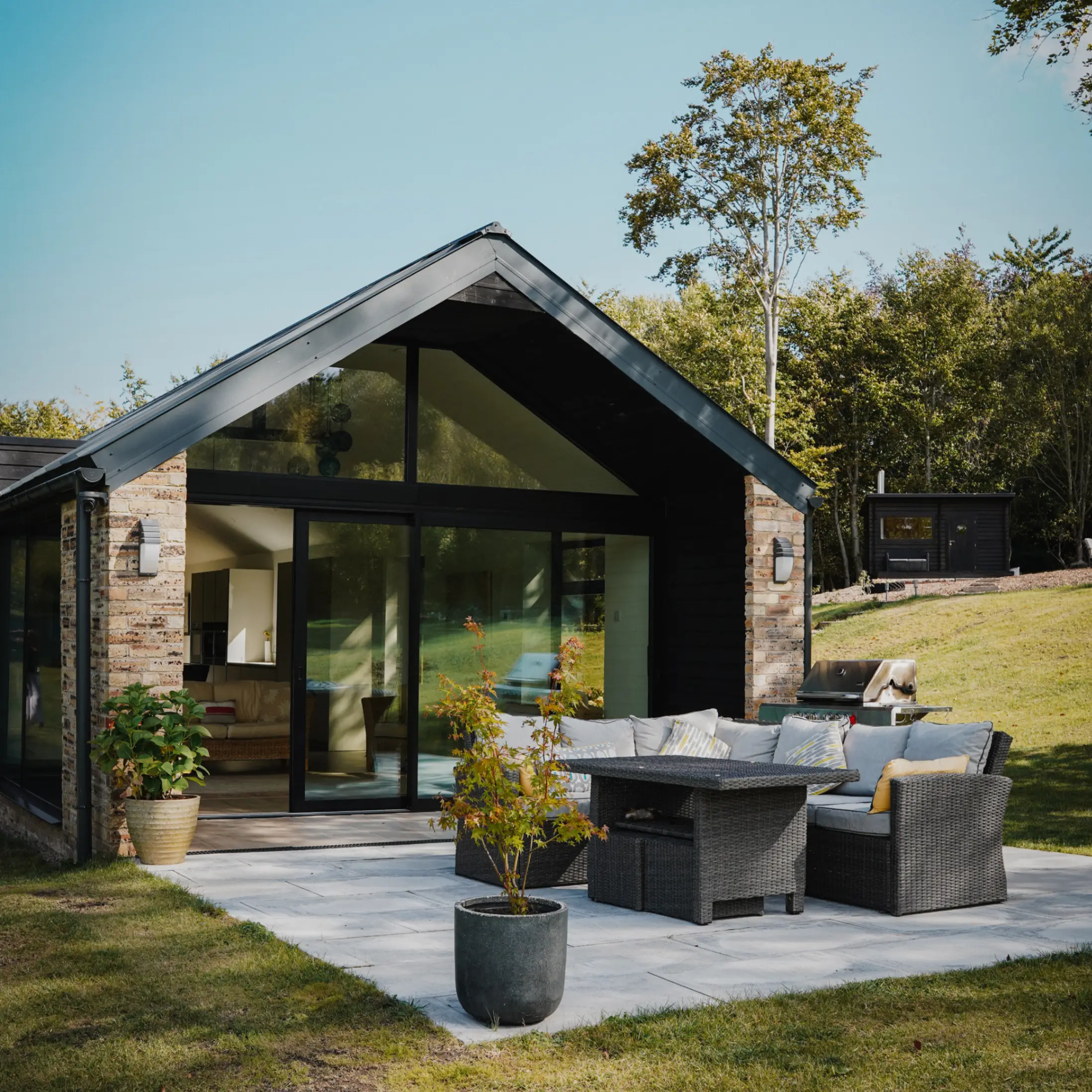
If you're dreaming of open space, natural light and countryside views, these beautifully converted barns could be your perfect match
26 March 2026
Homes
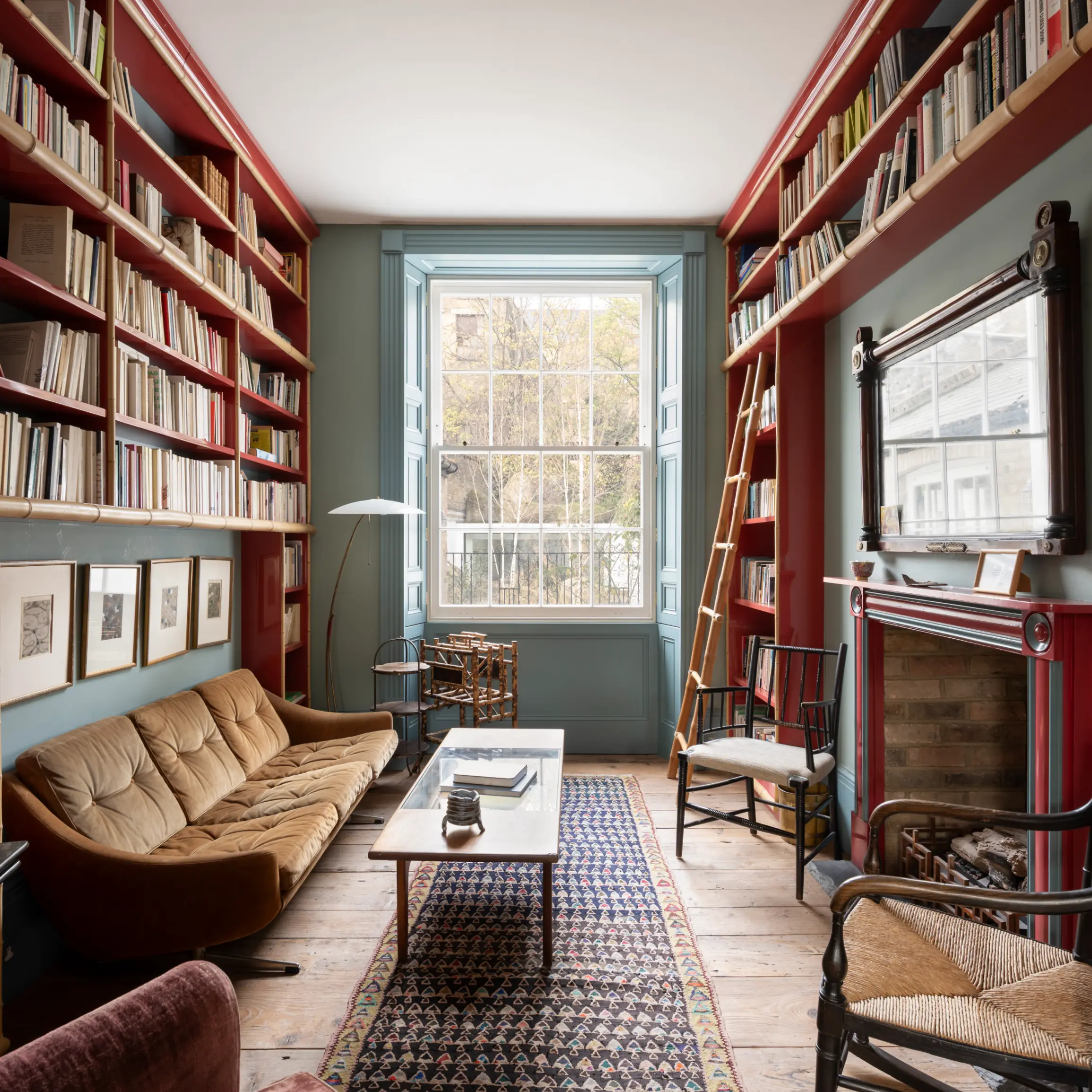
From elegant city retreats to historic country homes, read up on these homes with the perfect spaces to curl up with a good book
26 February 2026
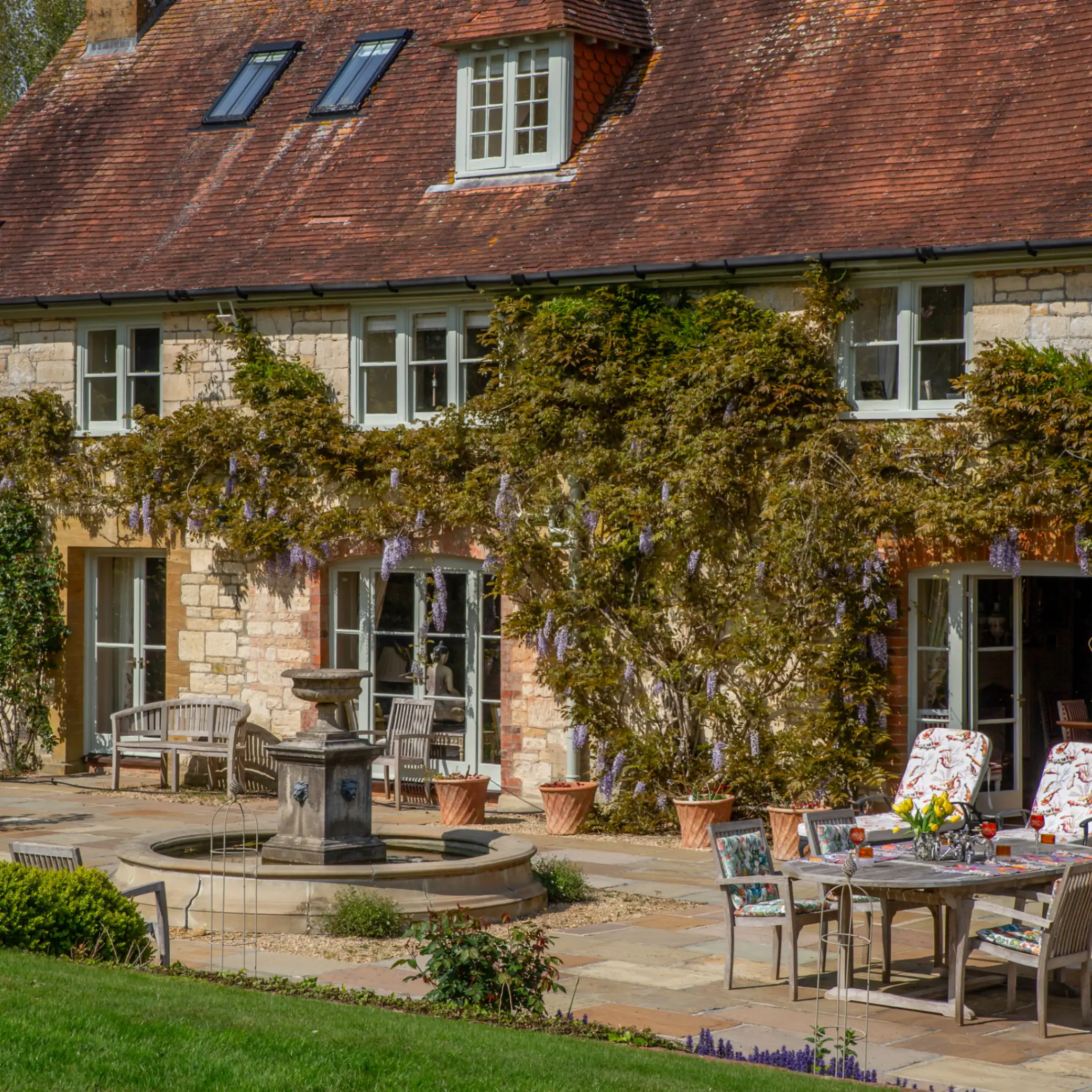
Inspiration
Francesca Pratt explains how rethinking layouts, enhancing flow and embracing creative ideas reshaped her family home, along with the styling tips she recommends for any space
15 December 2025
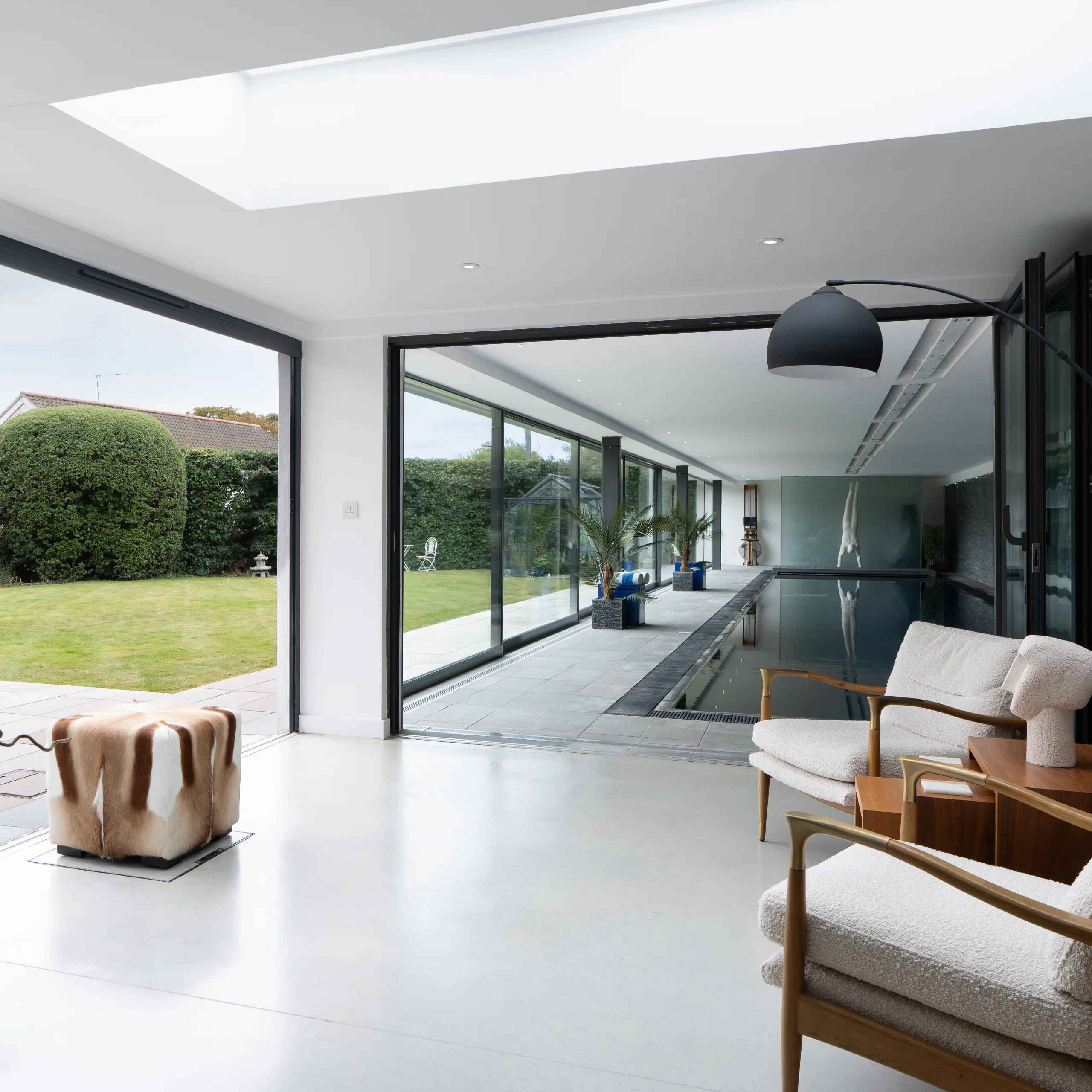
Inspiration
How creative vision, careful design and a love of coastal living came together to shape Southwold’s most striking modern home - now on the market
01 December 2025
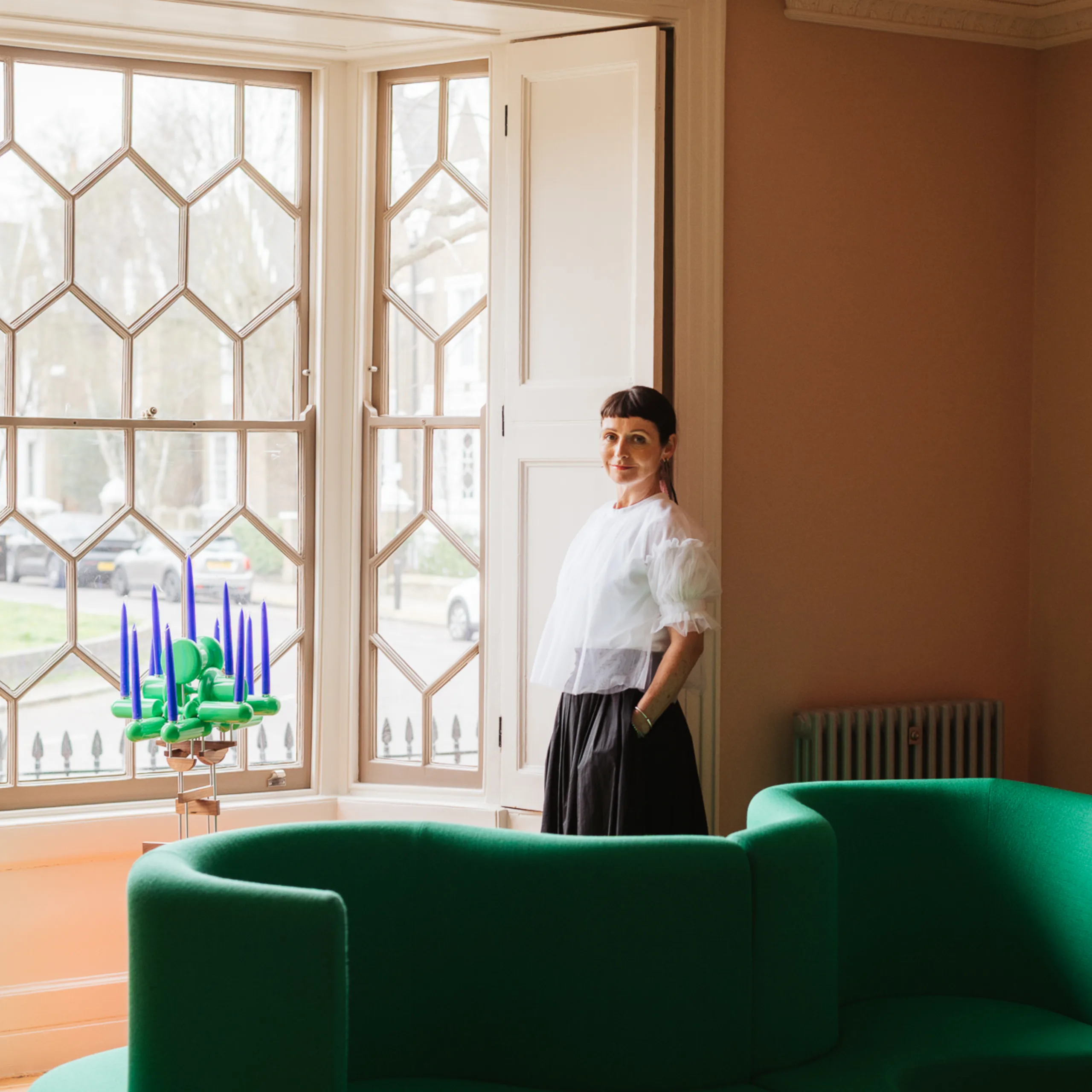
Inspiration
Designer Irenie Cossey transformed a derelict house in London’s De Beauvoir into a vibrant, light-filled home that celebrates colour, collaboration and craftsmanship
03 November 2025
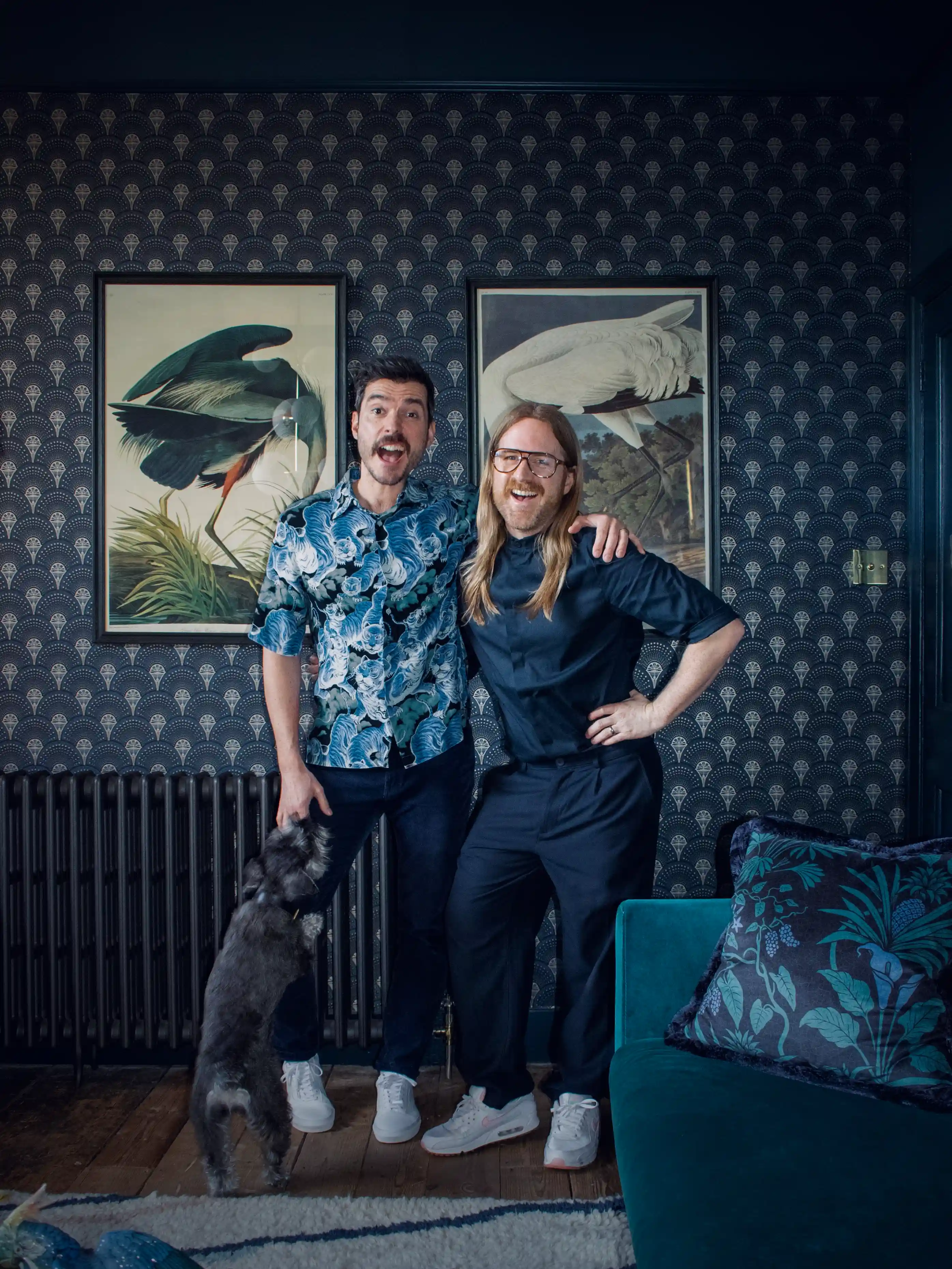
Inspiration
From playful prints to sculptural glass, these independent British makers are proving that interiors with personality tell the best stories
20 October 2025
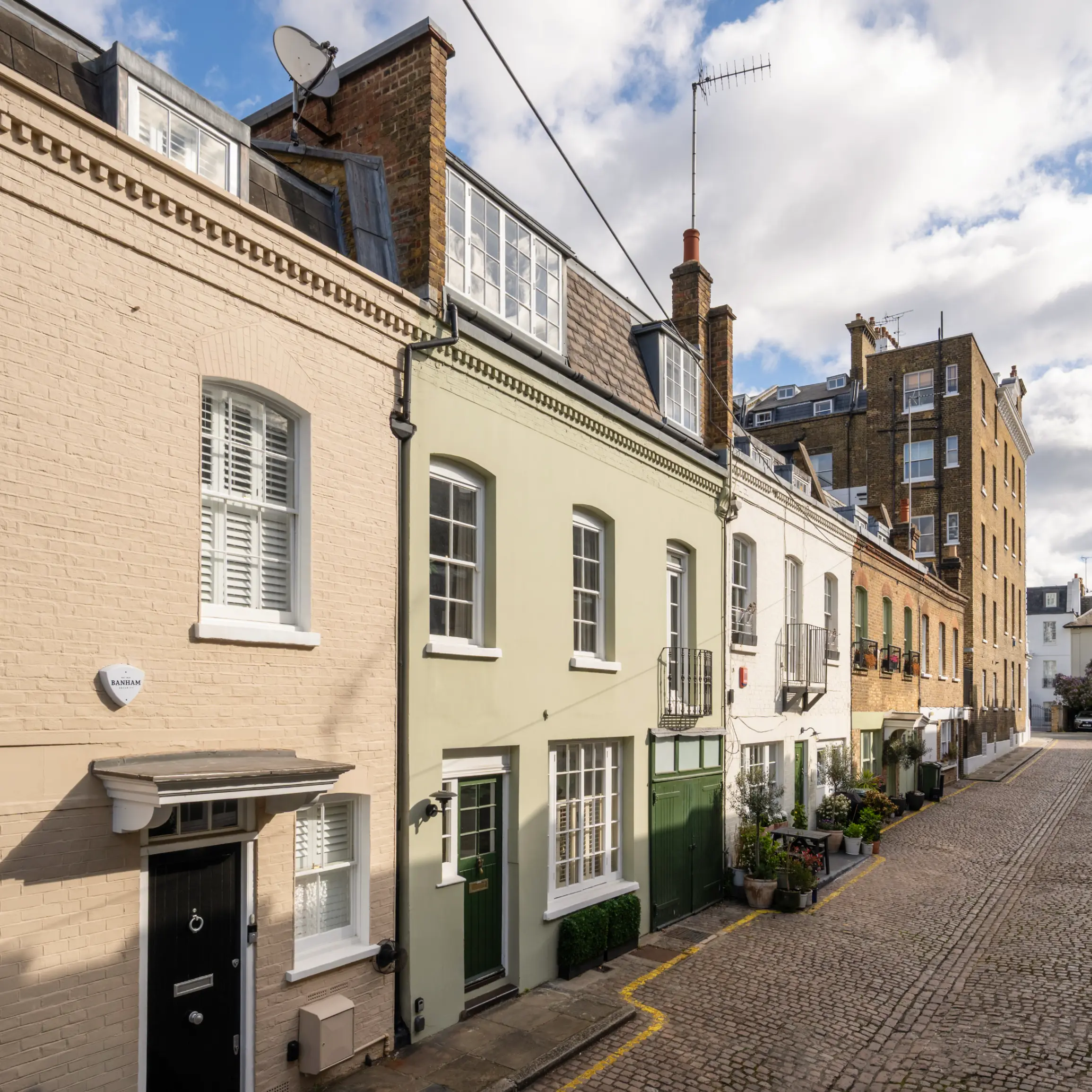
Homes
Once considered humble buildings that served grand London estates, mews houses are now among the most sought-after properties in the capital
07 October 2025
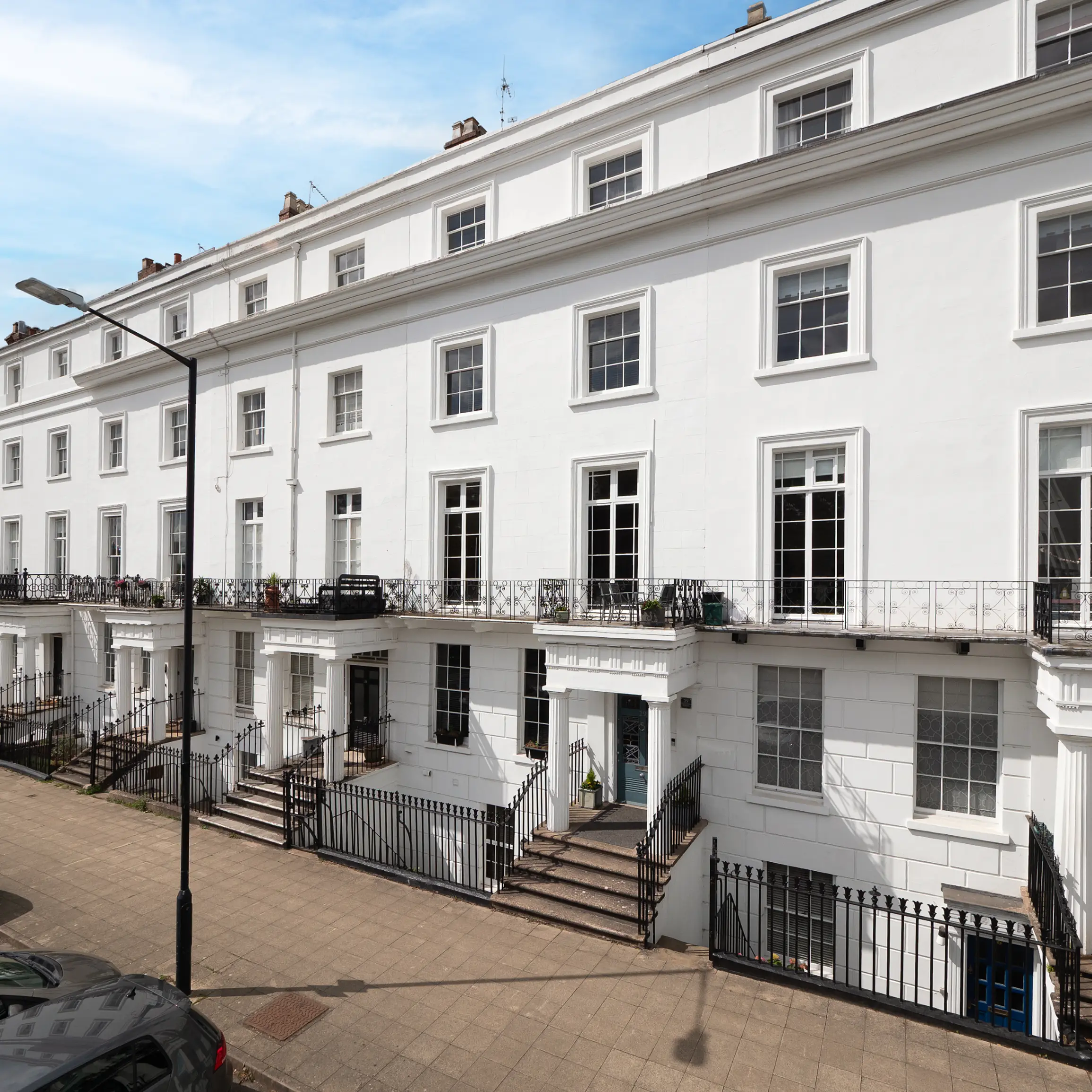
Homes
Regency era aesthetics have always been in style. Thanks to amazing period dramas and the work of Jane Austen, more of us are drawn to the elegant, classical architecture
12 September 2025
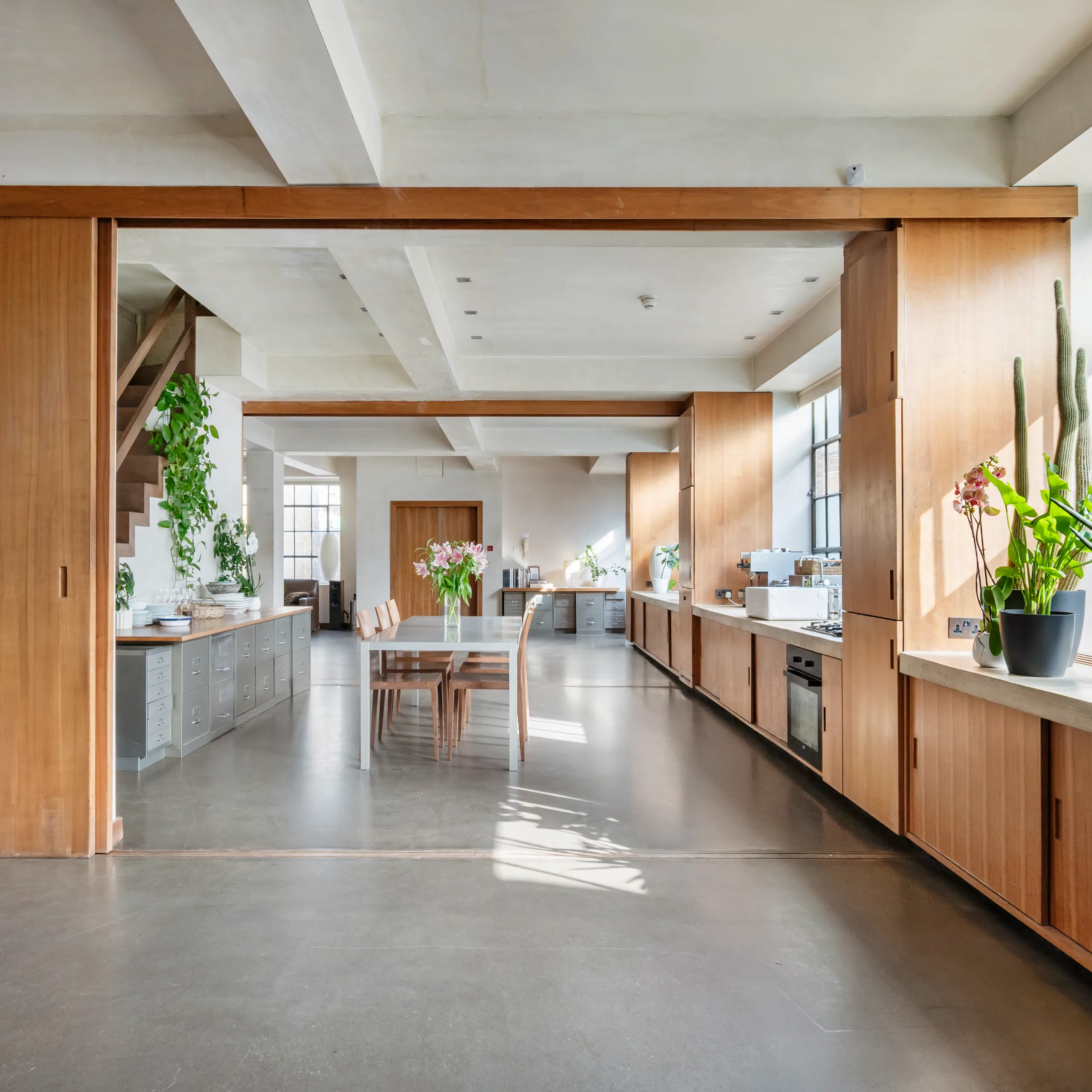
Homes
Discover why conversions - from historic warehouses to Victorian schools - are among the most sought-after homes in London, combining heritage, character and modern design
12 September 2025
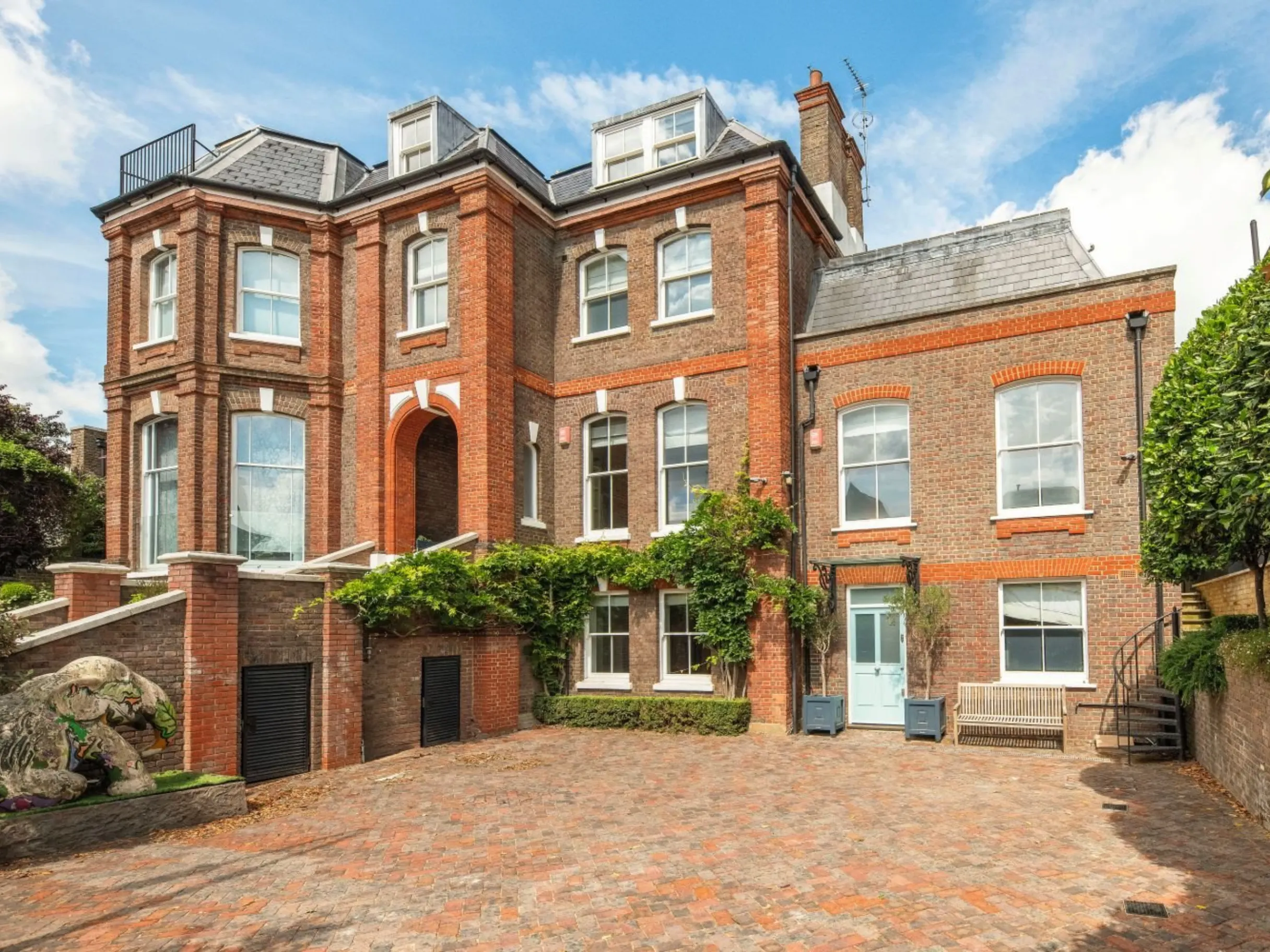
Homes
Knowing your architectural styles is handy when you’re house-hunting - we delve into the appeal of these homes and share a simple guide to help you identify some of the most popular periods
29 August 2025
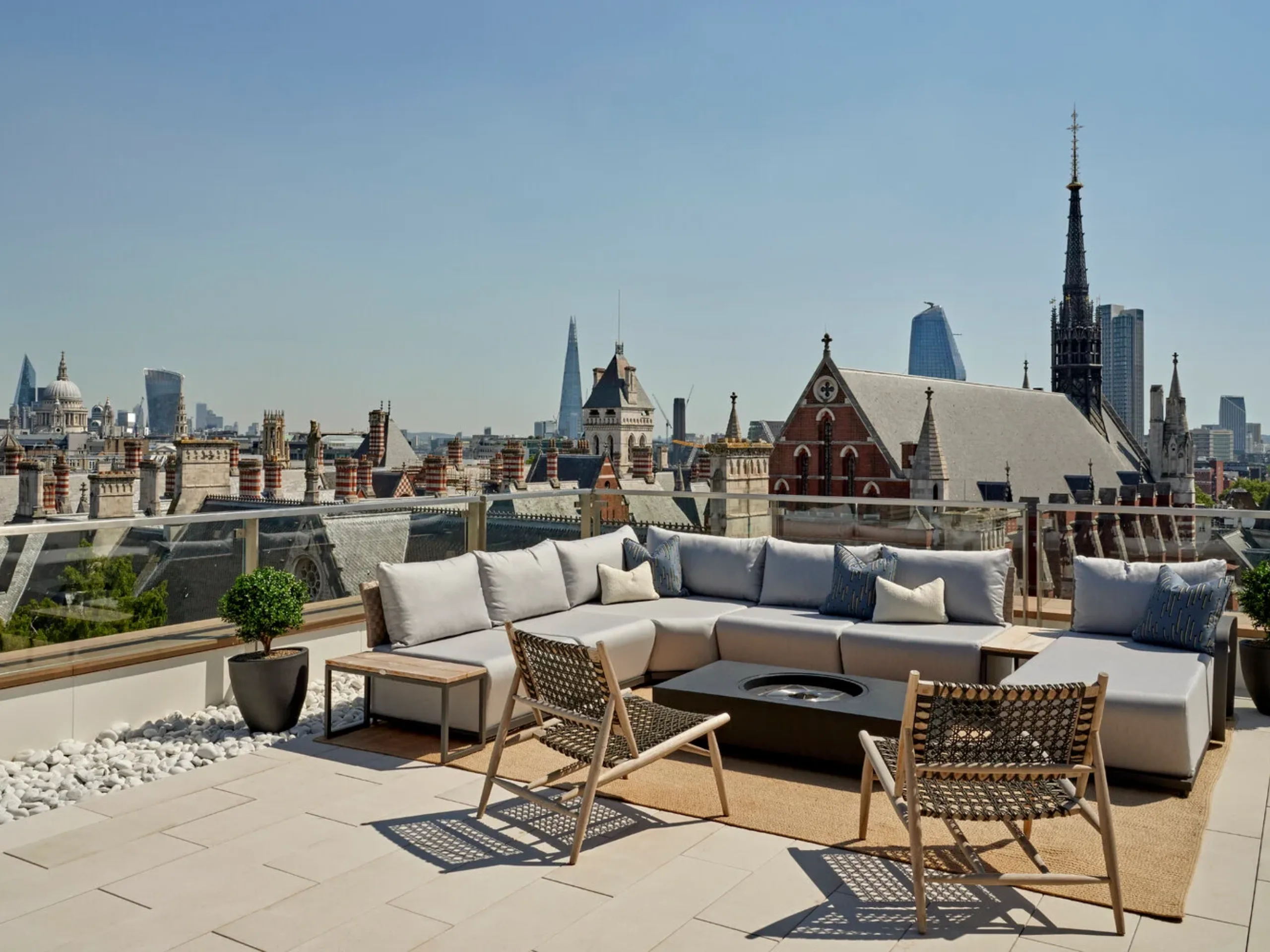
Inspiration
Knight Frank Interiors’ Group Design Director, Rhian Barker, shares her top tips for creating stylish and comfortable outdoor spaces that work all year round
27 May 2025
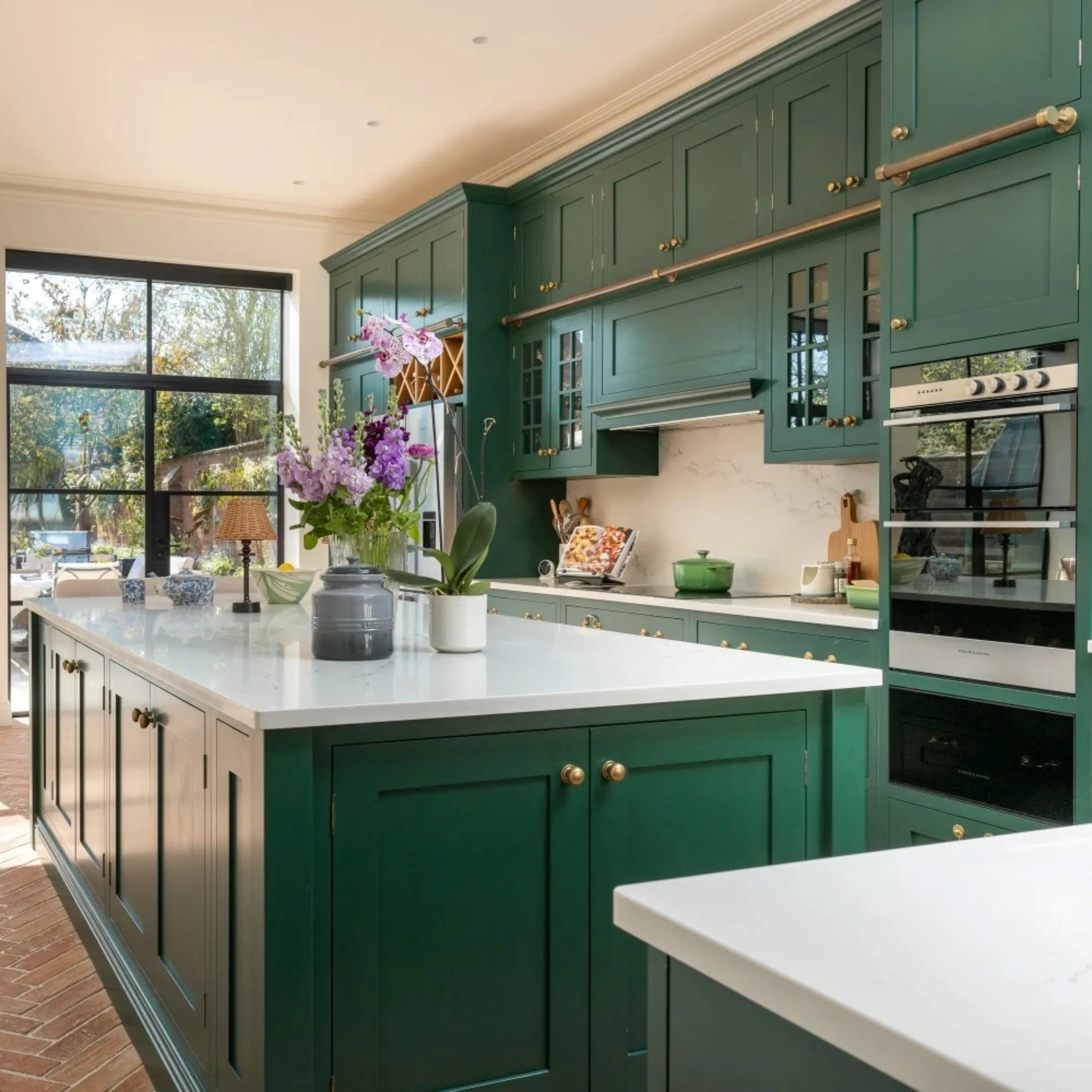
Homes
From handcrafted cabinetry to statement islands and sleek appliances, these kitchens are as functional as they are beautiful
15 May 2025
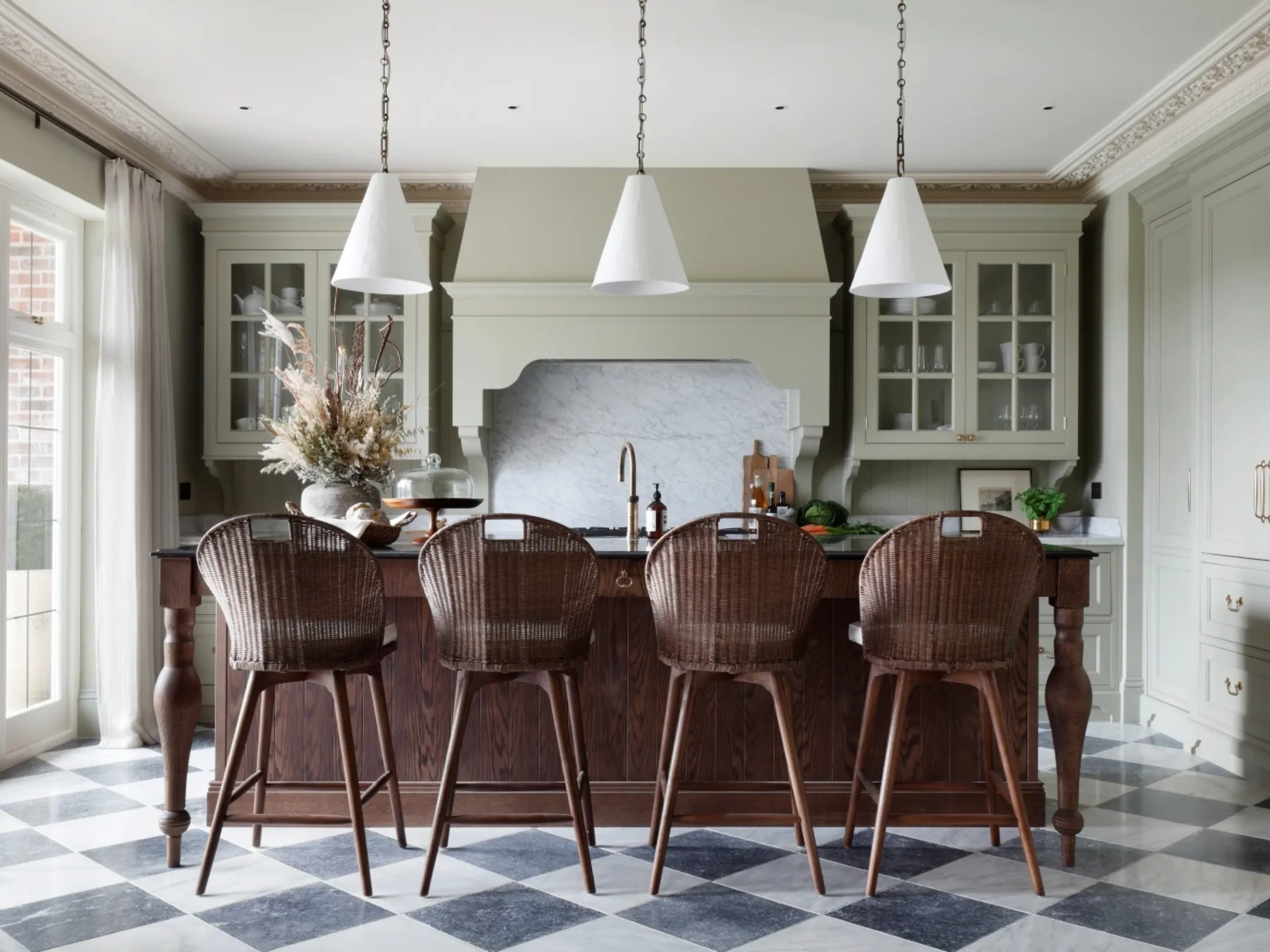
Inspiration
How developers are taking inspiration from the past to create beautiful new homes built to stand the test of time
15 May 2025
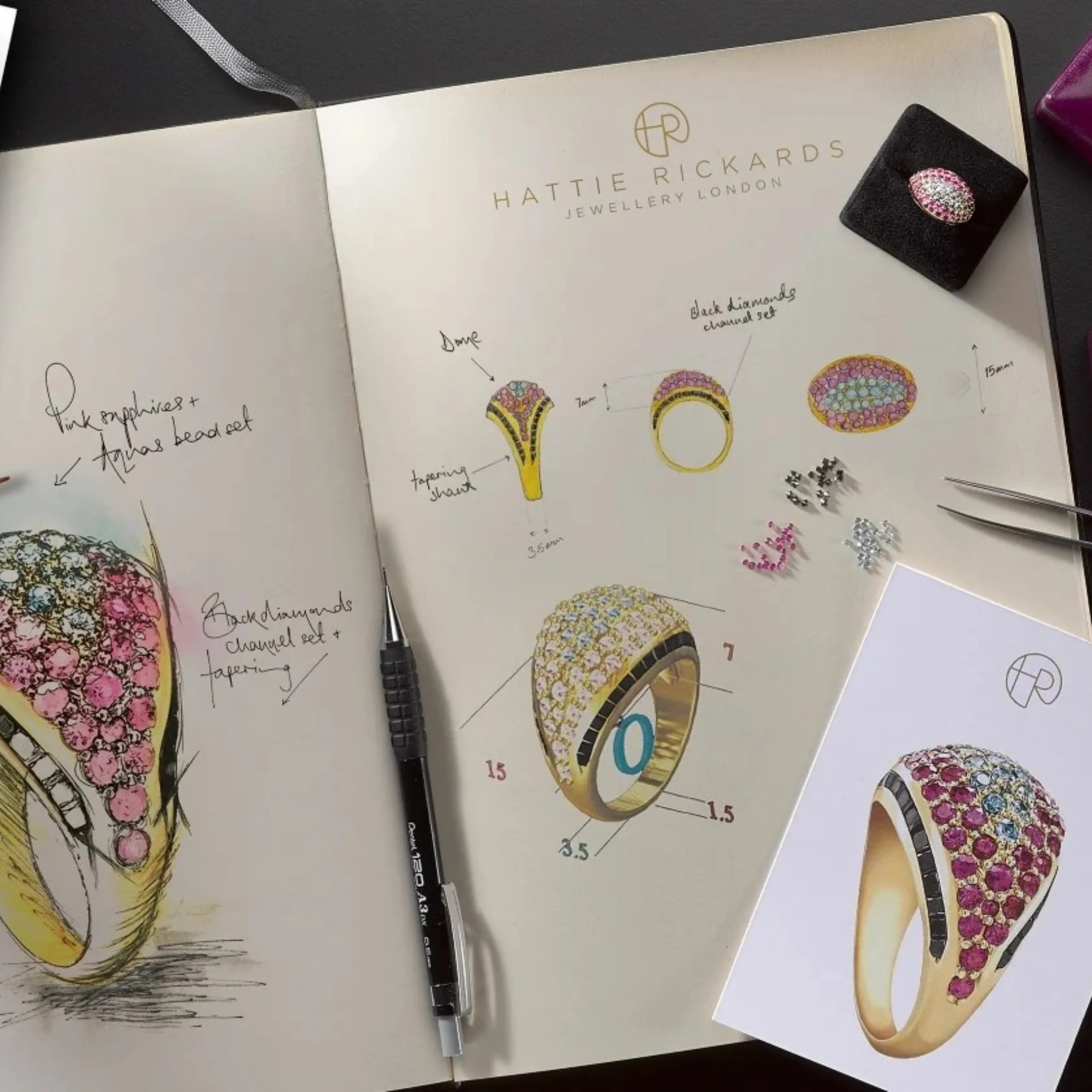
Inspiration
From her Cotswolds studio, designer Hattie Rickards creates unique meaningful jewels for her loyal clientele
14 May 2025
Inspiration
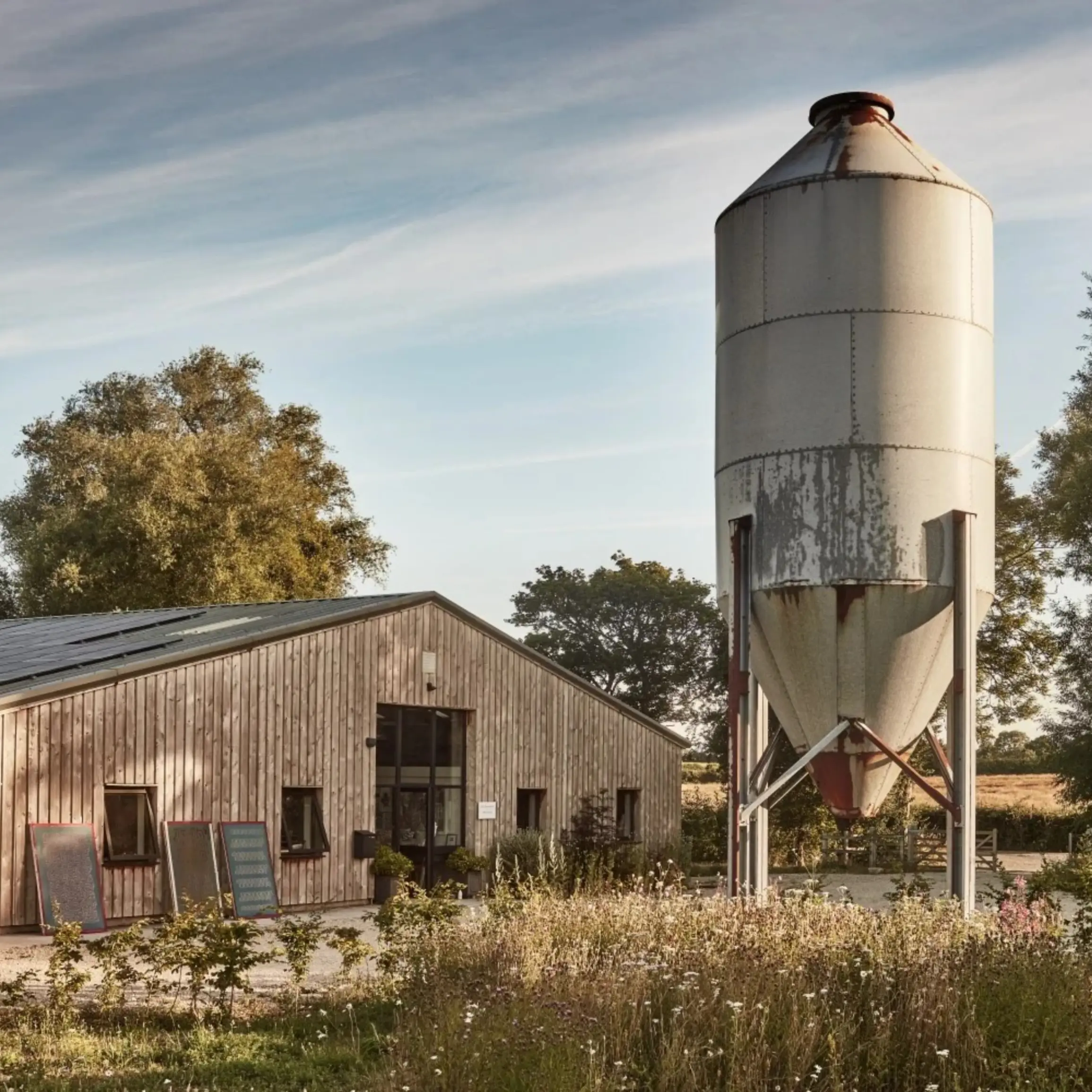
Rapture & Wright creates exquisite hand-printed wallpapers and fabrics from its sustainable studio in the Cotswolds
08 May 2025

Inspiration
We head to the beautiful Oxfordshire countryside to delve into the creative process behind the renowned sculptor’s evocative works
04 May 2025
Sorry!
An unexpected error has occurred.
Please try again later.


