

Sanctuary House, Devon: A waterfront home designed around nature
On the market for the first time, this home combines sustainable design, considered living and spectacular panoramic views

On the market for the first time, this home combines sustainable design, considered living and spectacular panoramic views

When Rosemary Jackson and Ian Graham set upon creating their dream home on the edge of Topsham in Devon, one thing was front of mind: the view. Now on the market for the first time, Sanctuary House occupies a prime elevated position overlooking the RSPB Bowling Green Marsh nature reserve at the meeting of the River Exe and River Clyst, bringing with it expansive panoramas of wildlife, water and protected marshland.
“The landscape is our wallpaper,” describes Ian. “And it’s constantly changing. As the tides change throughout the day, different birds arrive, and the seasons bring their own variations, such as the flocks of avocets that migrate here during the winter. While we’ve never considered ourselves bird watchers, it’s fascinating to observe.”
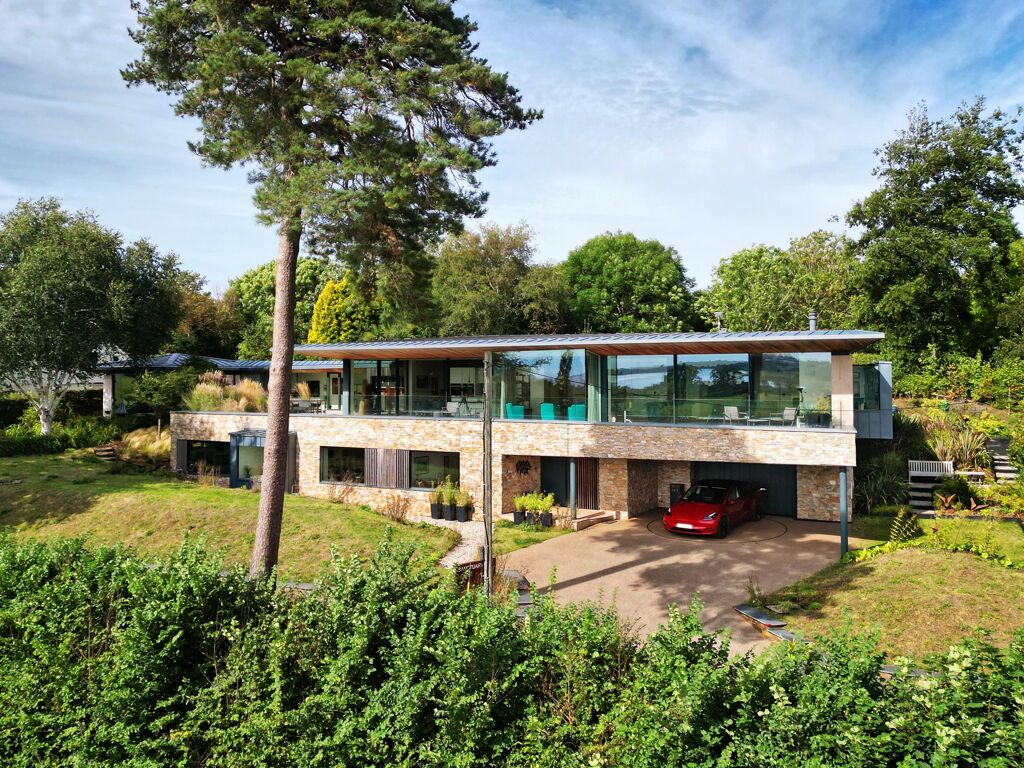
House
The large light-filled living space dramatically opens up at the top of the staircase with an awe-inspiring view - the sight and sounds of the birds, estuary and sky. A space, a home, unlike any other
When working with the award-winning Barc Architects to create the property, completed in 2019, the concept of a ‘borrowed landscape’ was central - where every element of the home is designed to foster harmony with its natural surroundings. “We didn’t really want to be in a house; we wanted to be in the landscape. So, we built a home that enabled us to do that,” says Rosemary.
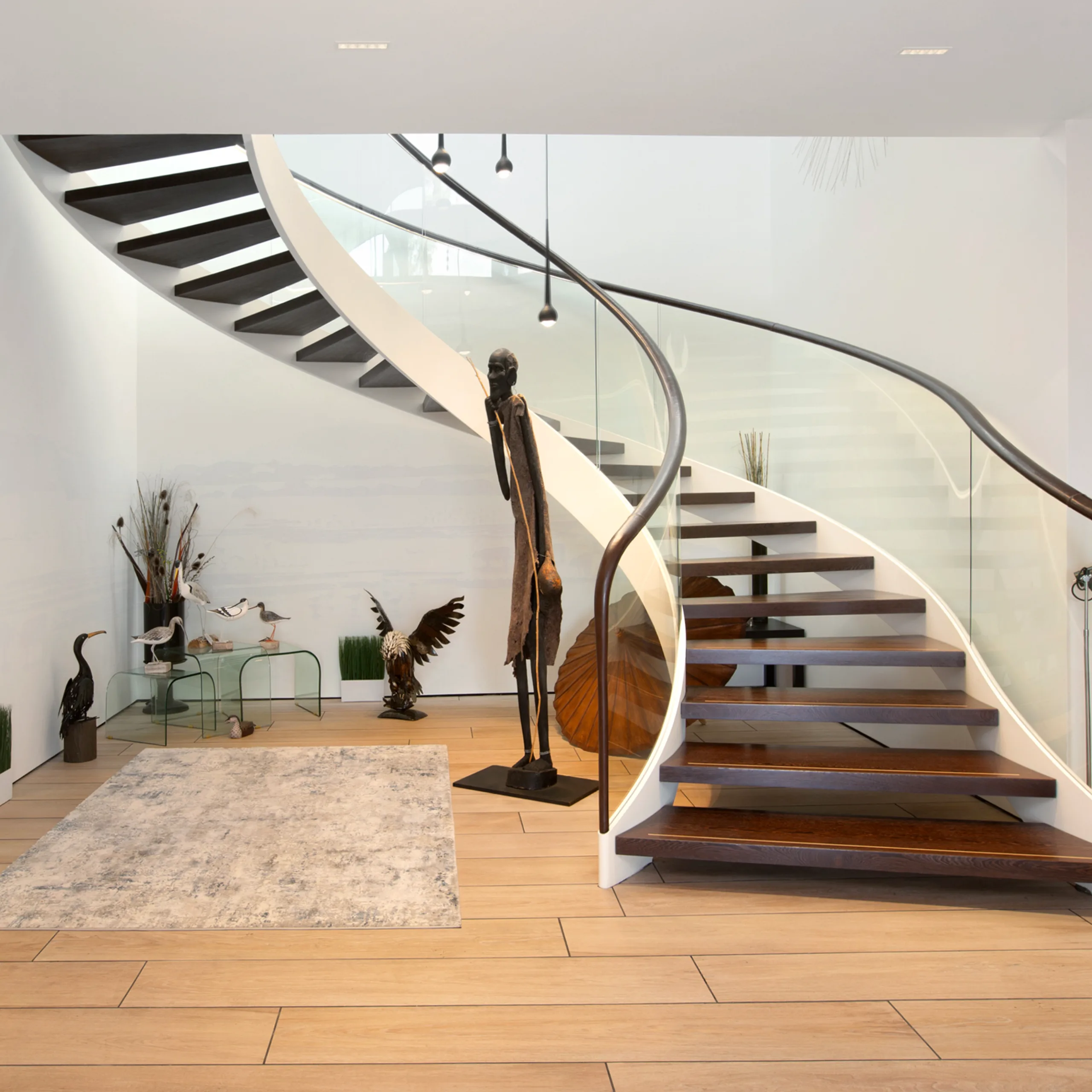
The result is open, light‑filled living spaces expanding across approximately 482 sq m, anchored by a structure that allows for its large expanses of floor‑to‑ceiling glazing framing the view. Achieving this was no mean feat: more than two years of searching for the perfect suppliers for each element of the home took them to Bologna in Italy for the hydraulic lift, Valencia in Spain for the porcelain tiles used in the natural material palette, and North Yorkshire for the showstopping helical staircase.
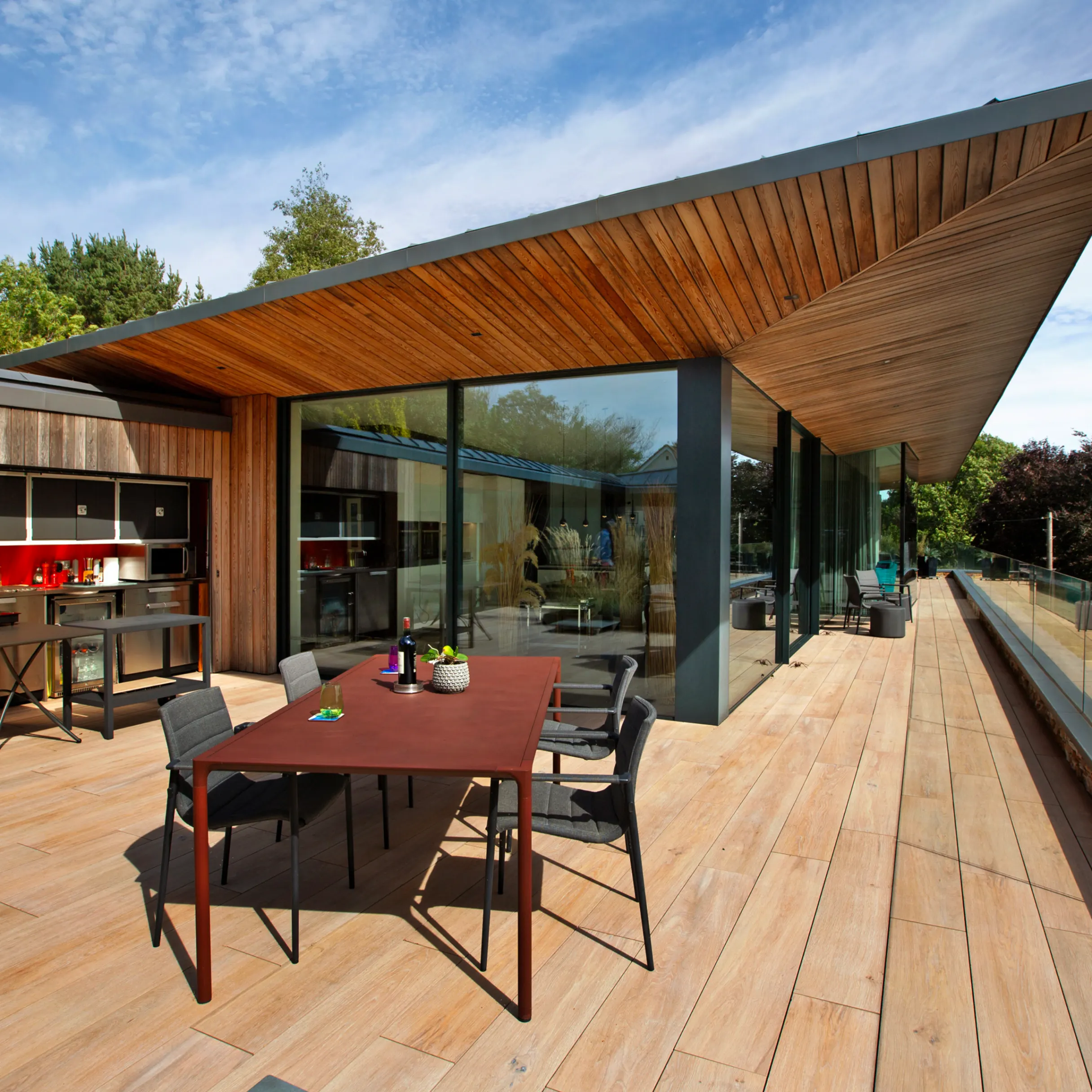
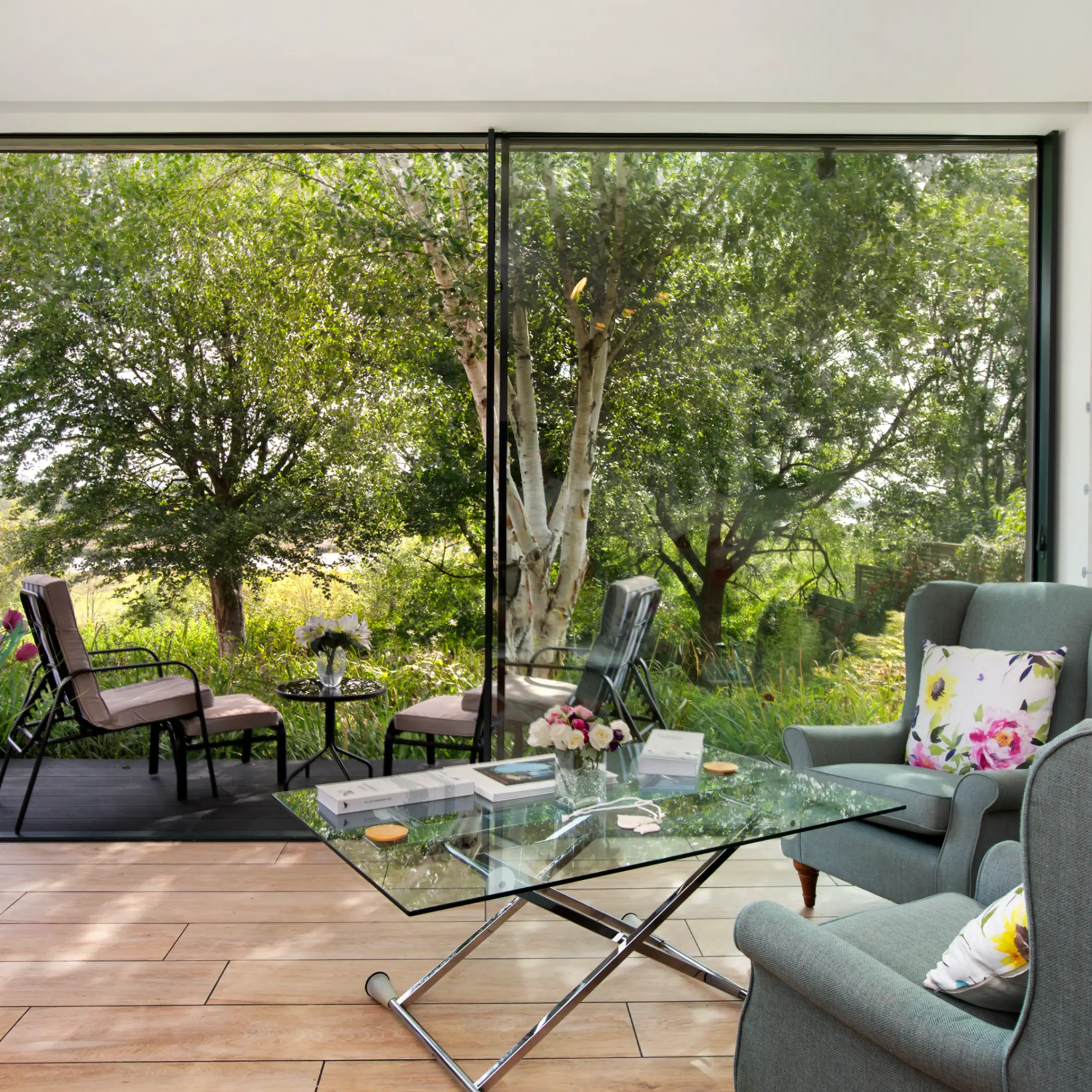
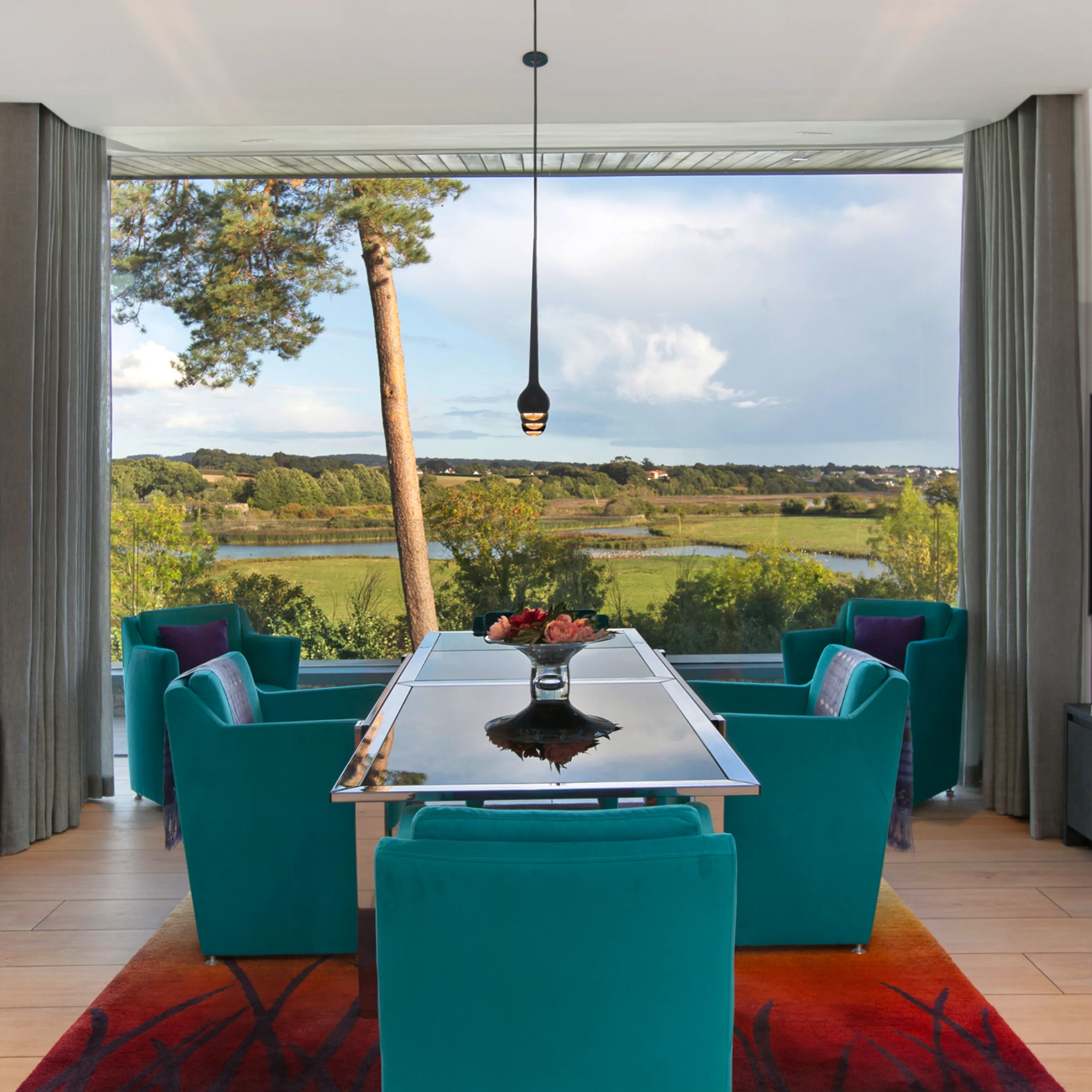
The glass was one of the biggest challenges - and successes. “The window in our dining area is 4 x 3 metres, and at the time the largest piece of glass installed in any residential house in the UK,” explains Ian. “We met with the board of a leading European glass company in Tipperary to better understand its qualities, such as UV radiation reflection, because it’s so integral to the home.” The glazing was made even more important due to Rosemary’s degenerative sight condition, requiring lots of light but no glare, with the property’s overhanging roof eaves blocking overbearing summer sun while enabling low winter sun to enter.
It is just one of many careful considerations that went into the design, which places a focus on flexible, thoughtful living that can be tailored around the needs of the occupants. The lift was invaluable when Rosemary underwent major surgery that limited her mobility but is equally useful for transporting laundry and shopping between floors. A turntable makes it seamless to turn vehicles around on the single‑track private road. Meanwhile, a covered art gallery leads to a self‑contained annex - originally intended should the need for in‑home care arise, but now offering comfortable, private accommodation for family and friends while still connected to the main house.
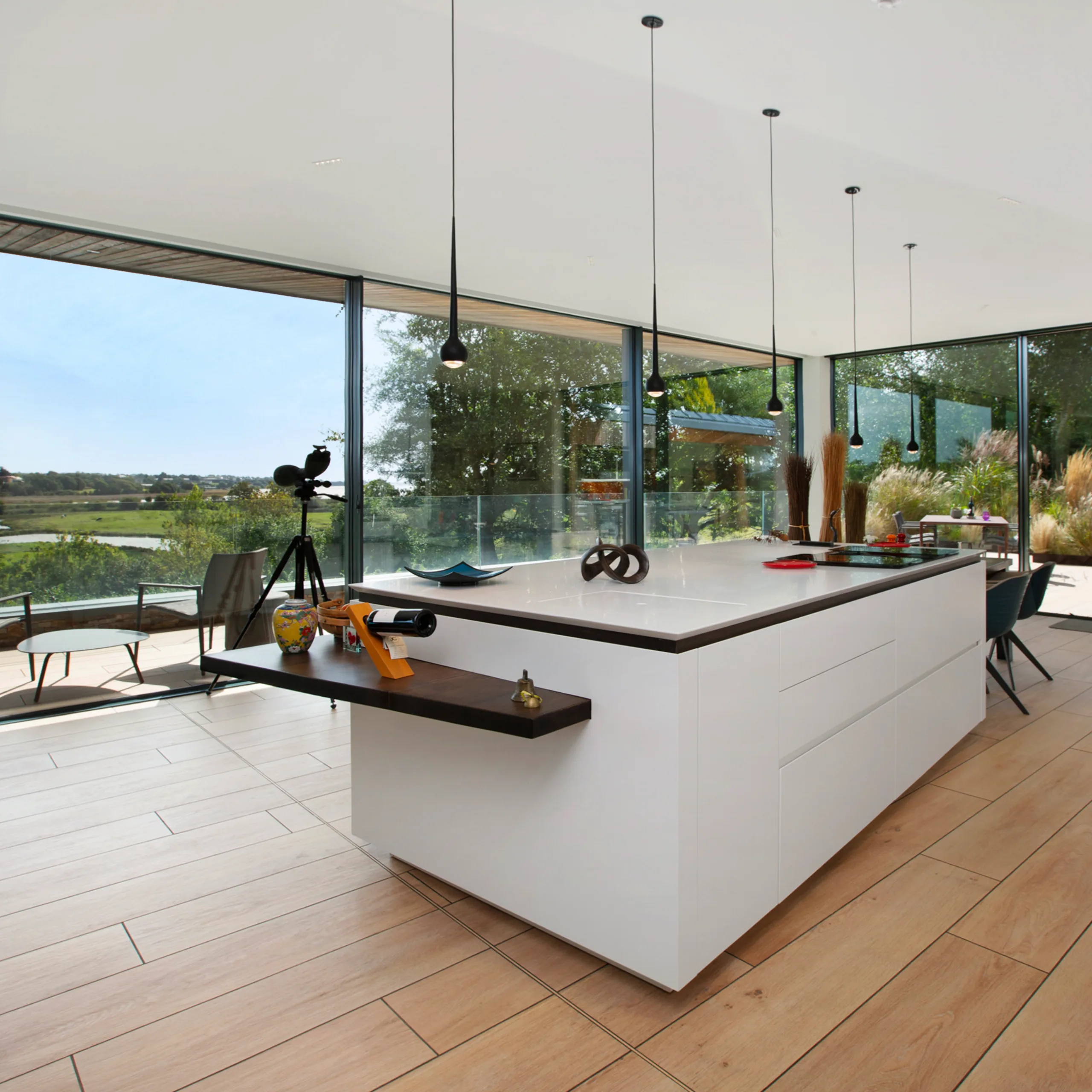
Home automation has also been seamlessly integrated. Using a system made by Lutron and capitalising on a technology known as DALI, every single light and blind can be programmed individually. “It makes a huge difference as the sun goes down, deciding which blinds you want to pull up and down,” says Ian. It’s just one of the many possibilities unlocked by this connected home, which can be controlled via app from anywhere in the world.
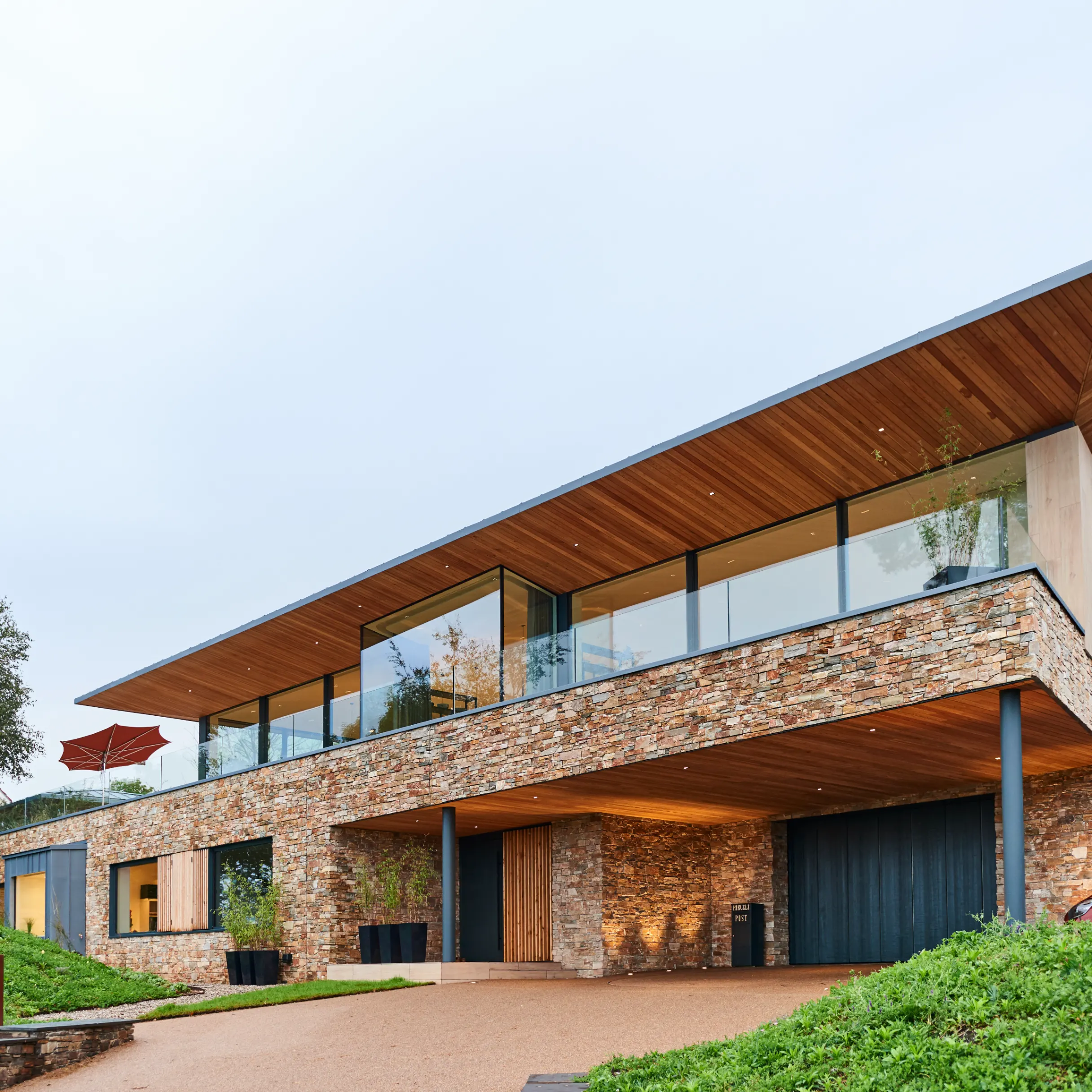
A forward‑thinking approach to sustainability during the build phase has resulted in a home with a very high energy efficiency rating, focusing on insulation and airtightness to reduce energy demand, as well as renewable systems. The investment in green technologies includes photovoltaic panels, an air‑source heat pump and electric vehicle charging.
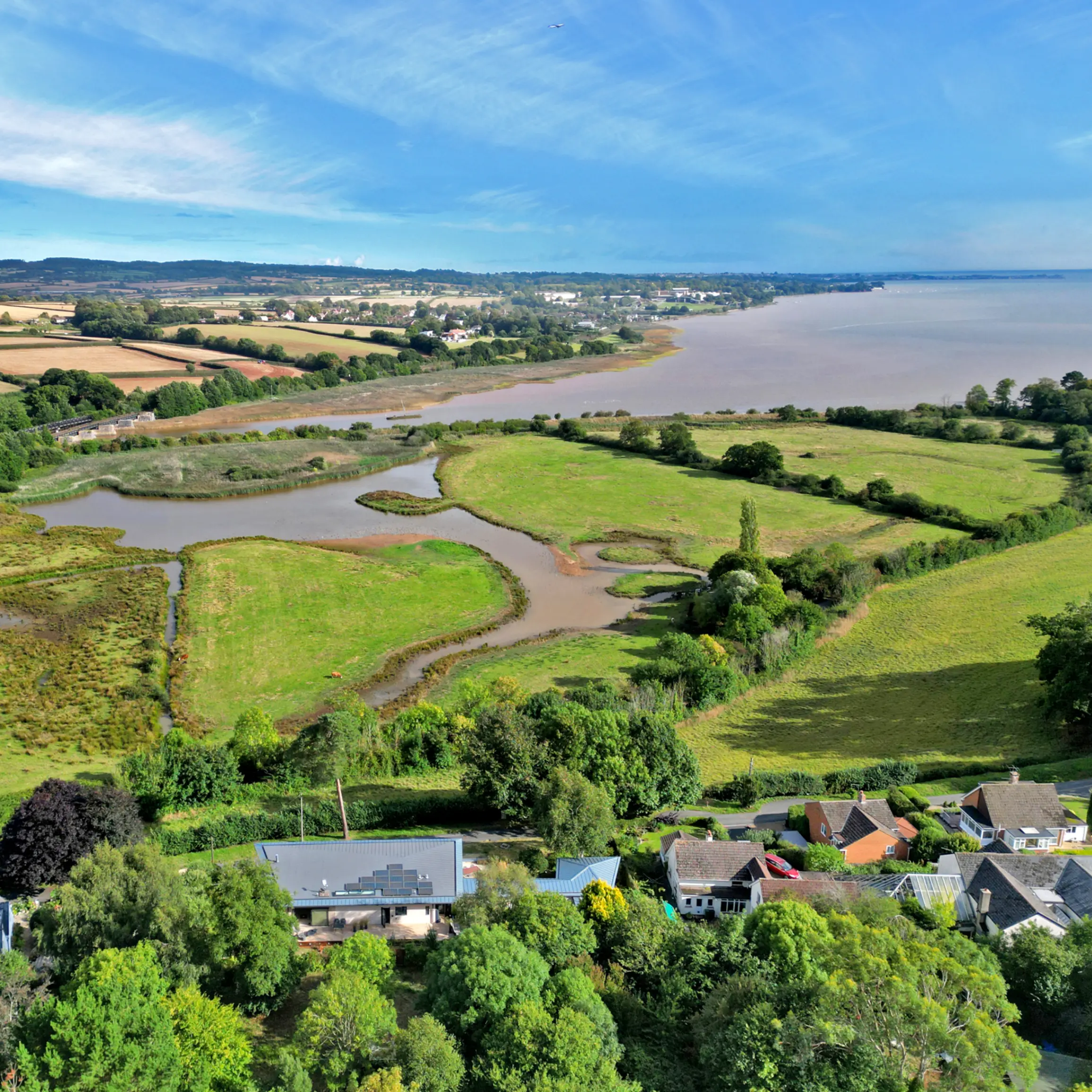
This deep respect for the environment leaves its mark on every element of the property, inside and out. The generous outside space includes 11 distinct areas for outdoor entertaining, which have come into their own for forming connections with neighbours. It is framed by 500 sq m of wildflower meadows that encourage insects, butterflies and birds, and provide shelter for invertebrates and small animals, and three ponds that create habitats for fish and insects. “The wildflower meadow was a natural choice because of the wildness of the wider location,” says Rosemary. “We’ve tried to create that sense of slipping into the landscape beyond.”
As they move on, it is not just their friends they will miss but the special sense of place. “It’s rare that the sky is as interesting as the water, but here it is just wonderful - especially when we get murmurations as birds gather together,” she says. “We loved it from the minute we arrived.”
Contact our Exeter team
Homes
From contemporary living to homes with historic charm, we explore waterfront and coastal properties in Cornwall, Devon and Dorset
15 July 2026
Locations
Thinking of moving to the coast? Knight Frank shares the best places to live by the sea in the UK for lifestyle, space, and community.
08 July 2026
Locations
From period homes to riverside properties, Henley-on-Thames offers family-friendly, countryside living within easy reach of the capital
02 July 2026
Homes
Living by the water, and spending time in and on it, is the dream for many. Here are some fabulous homes, complete with private moorings, which make that dream a reality
03 June 2026
Locations
Offering the ease of a small city with the freedom of countryside living, Exeter’s outstanding schools, waterfront lifestyle and abundant green spaces make it a standout choice
26 February 2026
Homes
On the market for the first time, this home combines sustainable design, considered living and spectacular panoramic views
25 February 2026
Homes
From Dorset and Devon to London to Lake Como, these waterfront properties offer an unparalleled lifestyle by the water
29 January 2026
Locations
With its safe, community-centered lifestyle, Jersey is drawing high-net-worth individuals and families seeking a balanced life within easy reach of the UK
01 October 2025
Locations
Discover the homes and locations that deliver year-round delight well after the summer’s end
01 October 2025
Locations
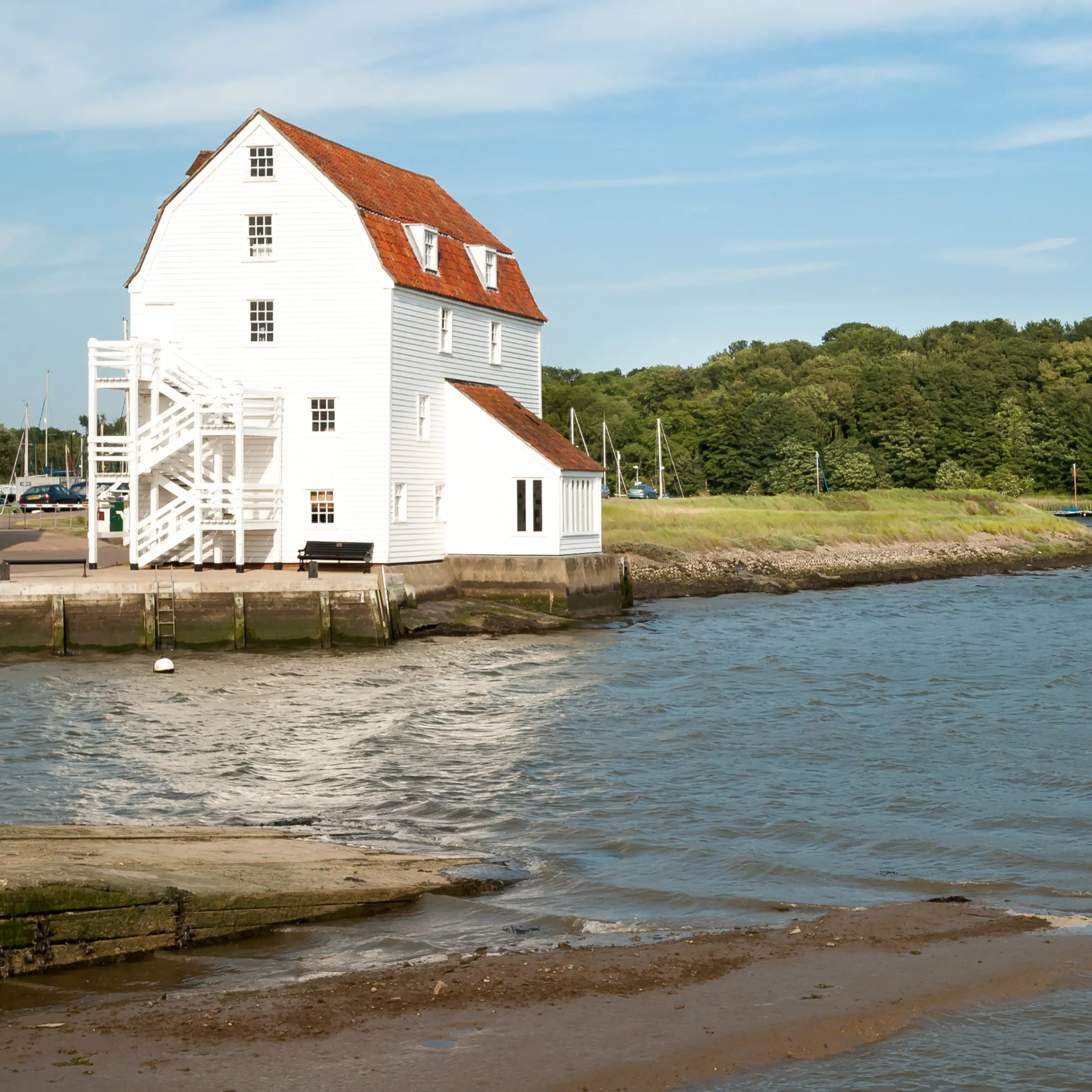
More than a pretty market town, Woodbridge blends heritage, culture and community - no wonder it tops the list of the UK’s happiest places
11 September 2025
Inspiration
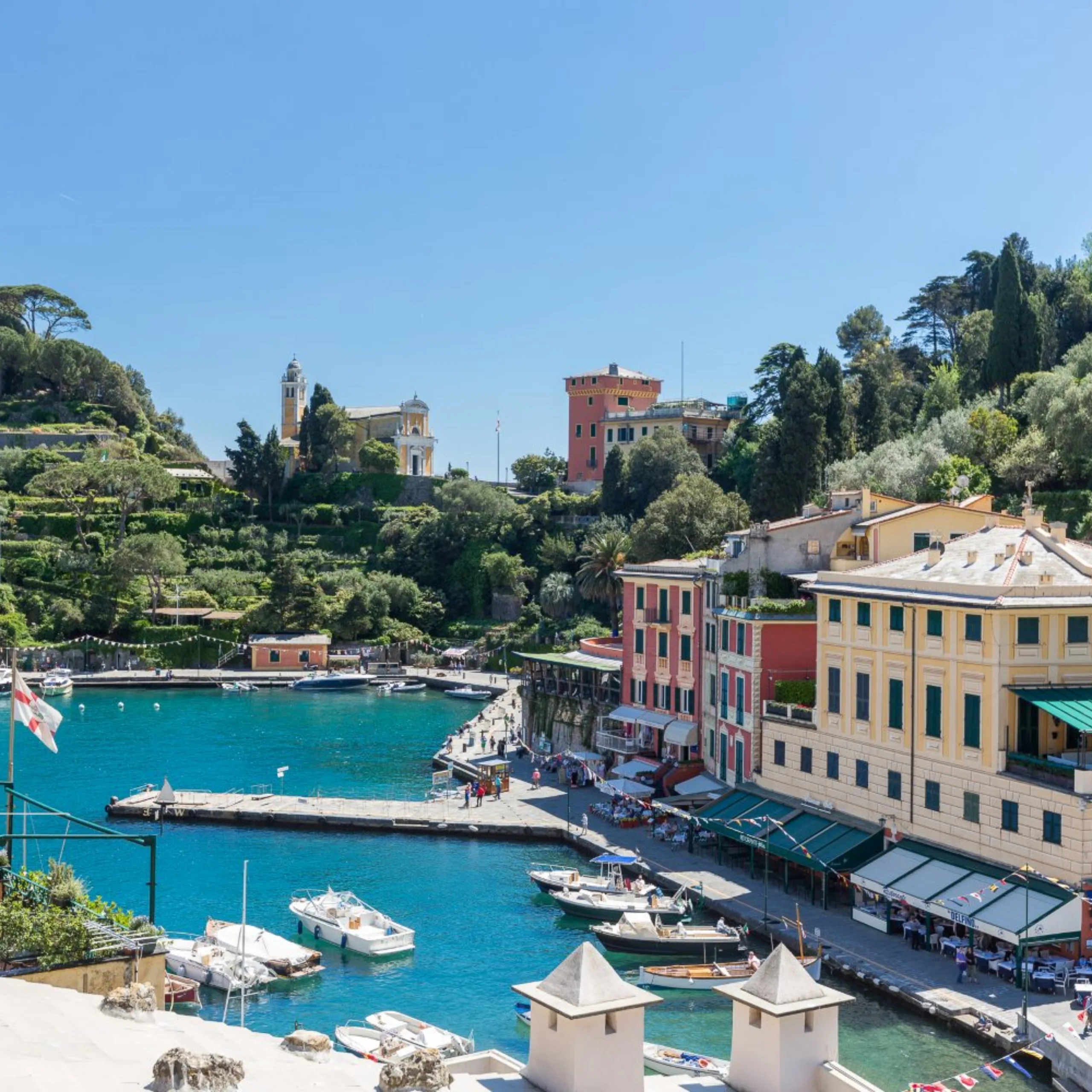
Alongside world-famous hotspots, what are the less well known but equally enchanting coastal villages and towns for property investors to have on their radar
29 August 2025
Homes
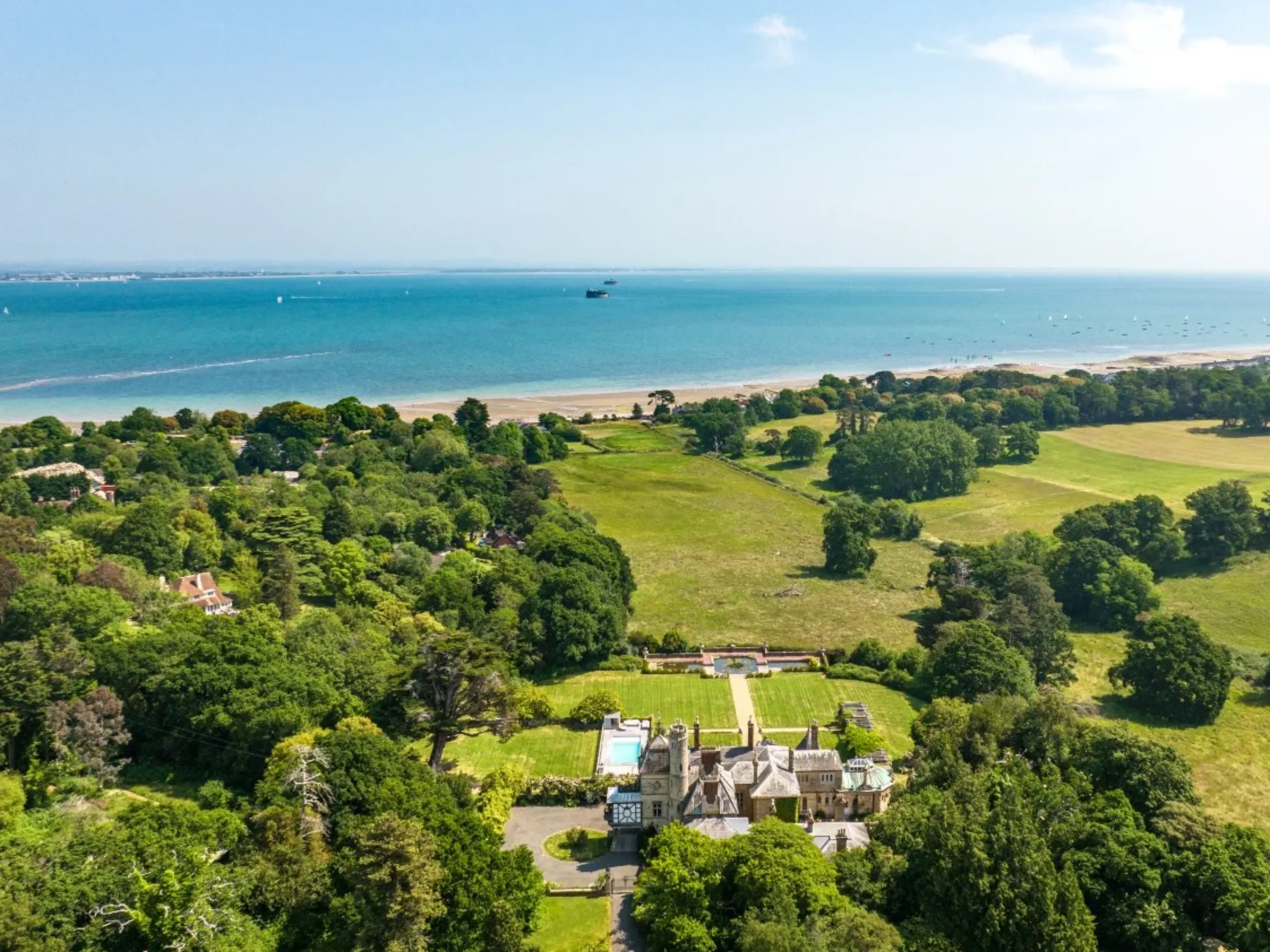
From beachfront modernist design on the Isle of Wight to a historic estate in Beaulieu, these homes are waterfront living at its finest
29 August 2025
Inspiration
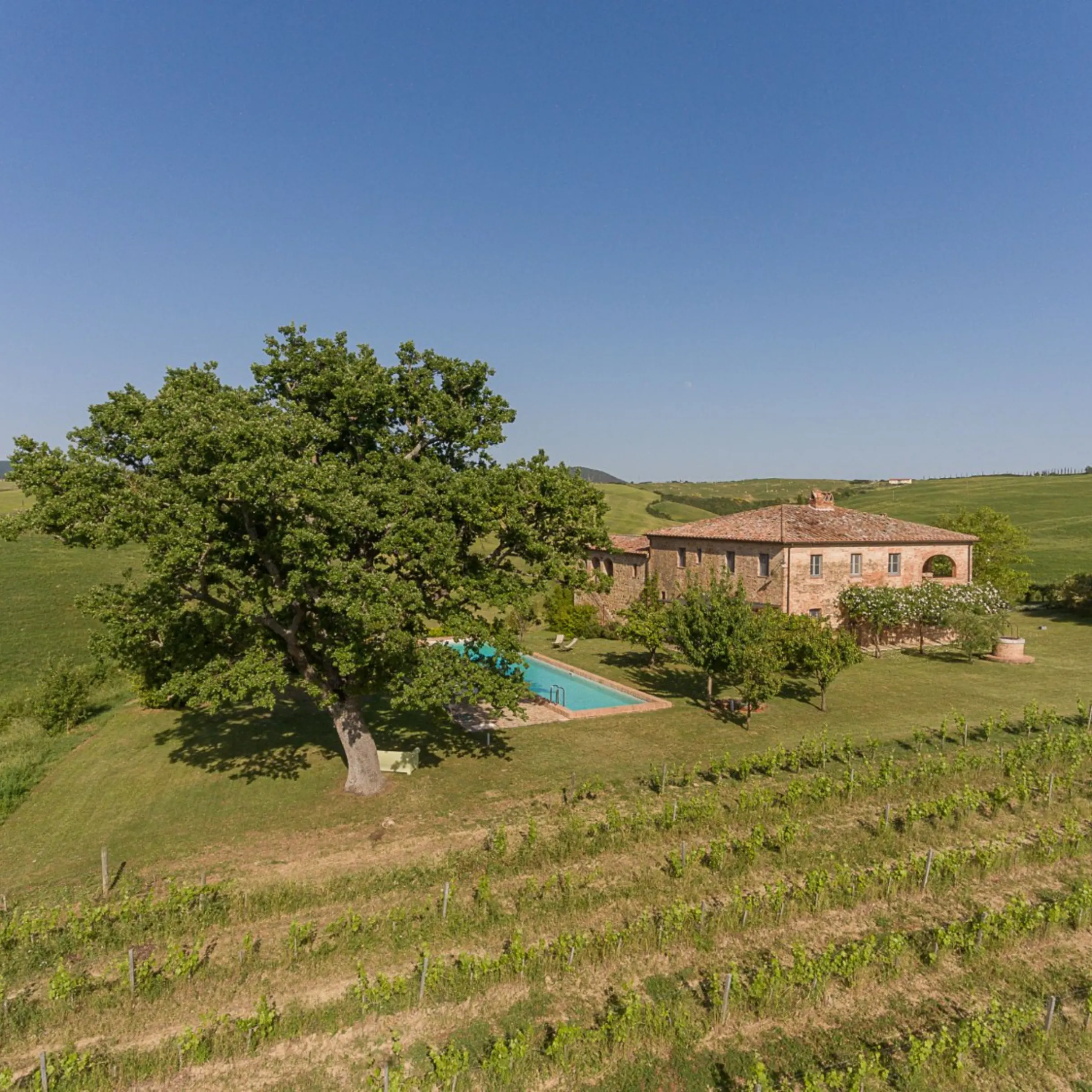
High-net-worth individuals are turning to Europe’s non-urban locations - from tranquil countryside to Alpine retreats - in search of lifestyle, privacy and long-term opportunity
29 August 2025
Homes
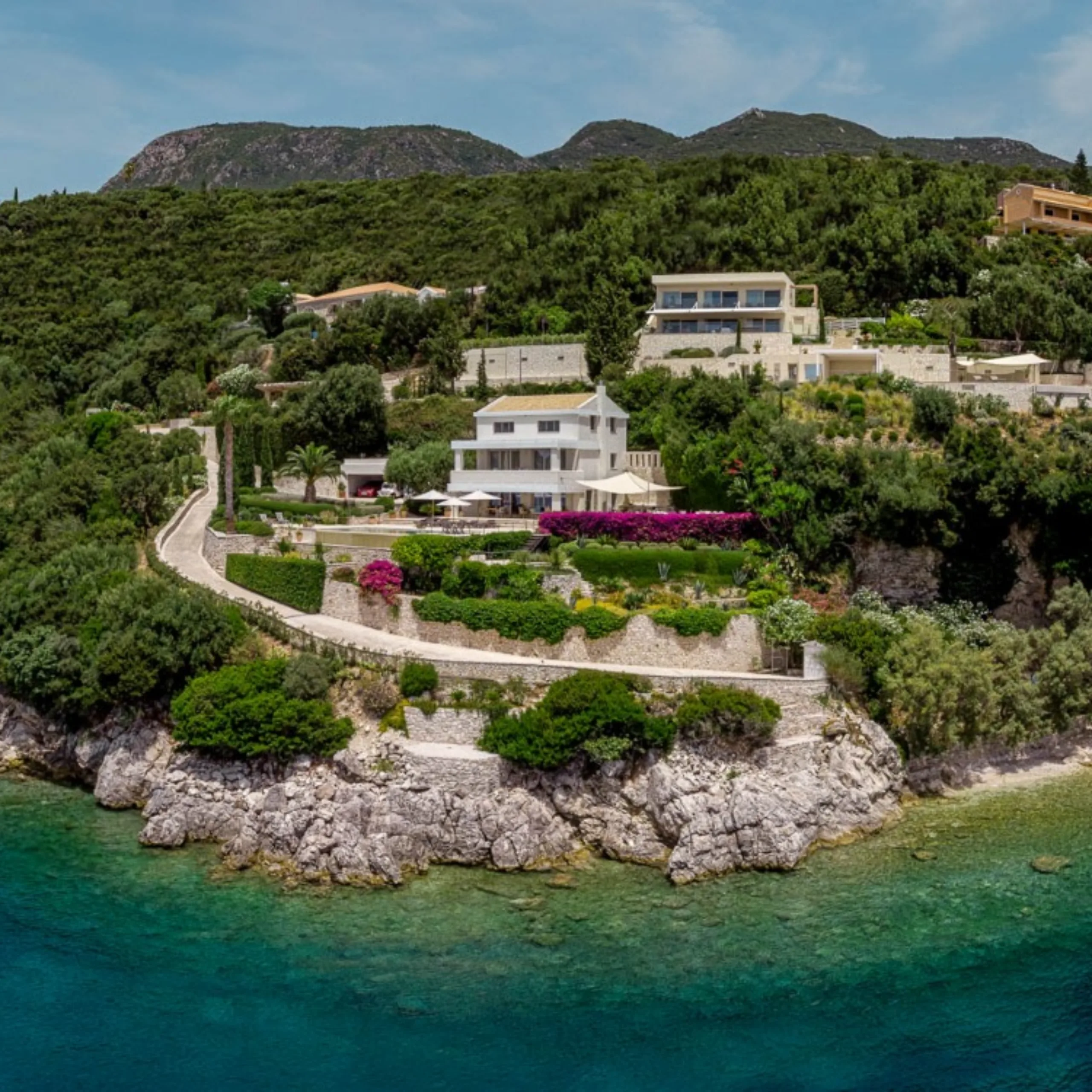
Discover five exceptional waterfront homes across Europe, each offering world-class luxury, breathtaking views and unrivalled access to the water
20 August 2025

Locations
Discover why Dartmouth is attracting a diverse mix of buyers looking for stunning scenery, heritage charm and easy access to the water
24 July 2025

Homes
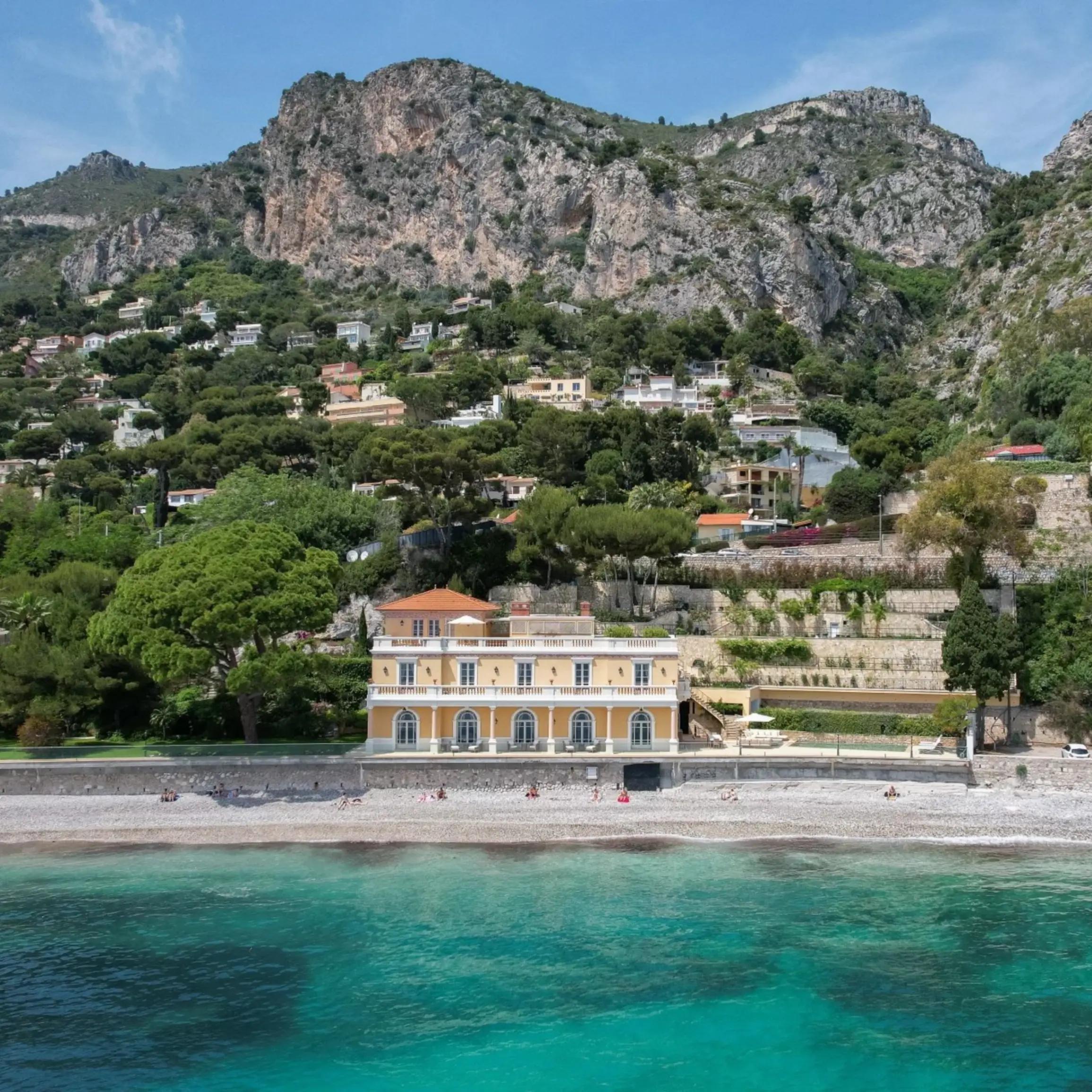
From Corfu to the Côte d'Azur, these five remarkable homes offer a front-row seat to some of Europe’s most breathtaking natural landscapes
24 July 2025
Locations
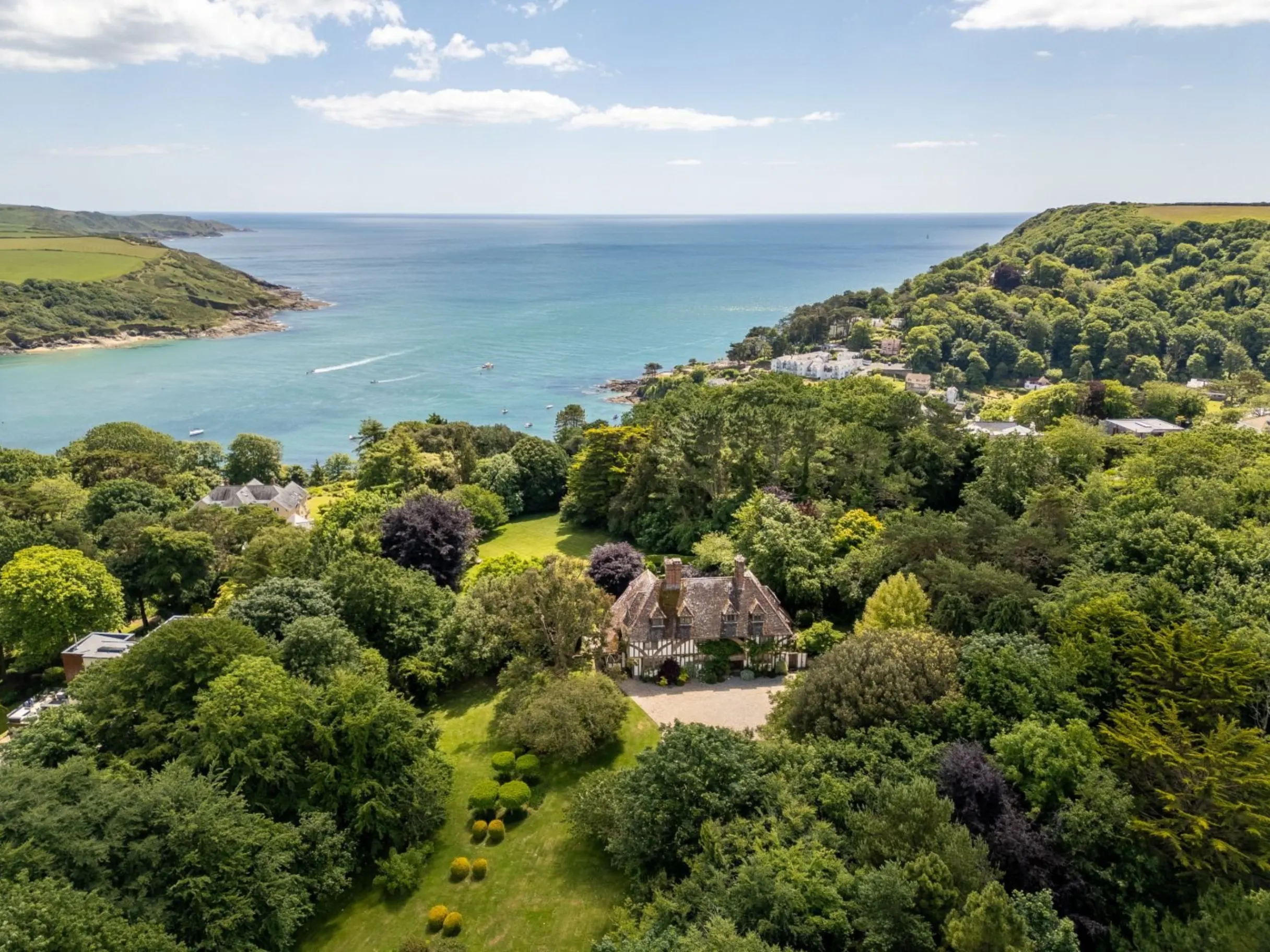
With demand for homes by the water stronger than ever, we examine the opportunities on offer in France, Spain and Italy
24 July 2025
Homes
Knight Frank agents share their advice for showcasing your property in the best light, from presentation to picking the correct pricing strategy
04 July 2025
Homes
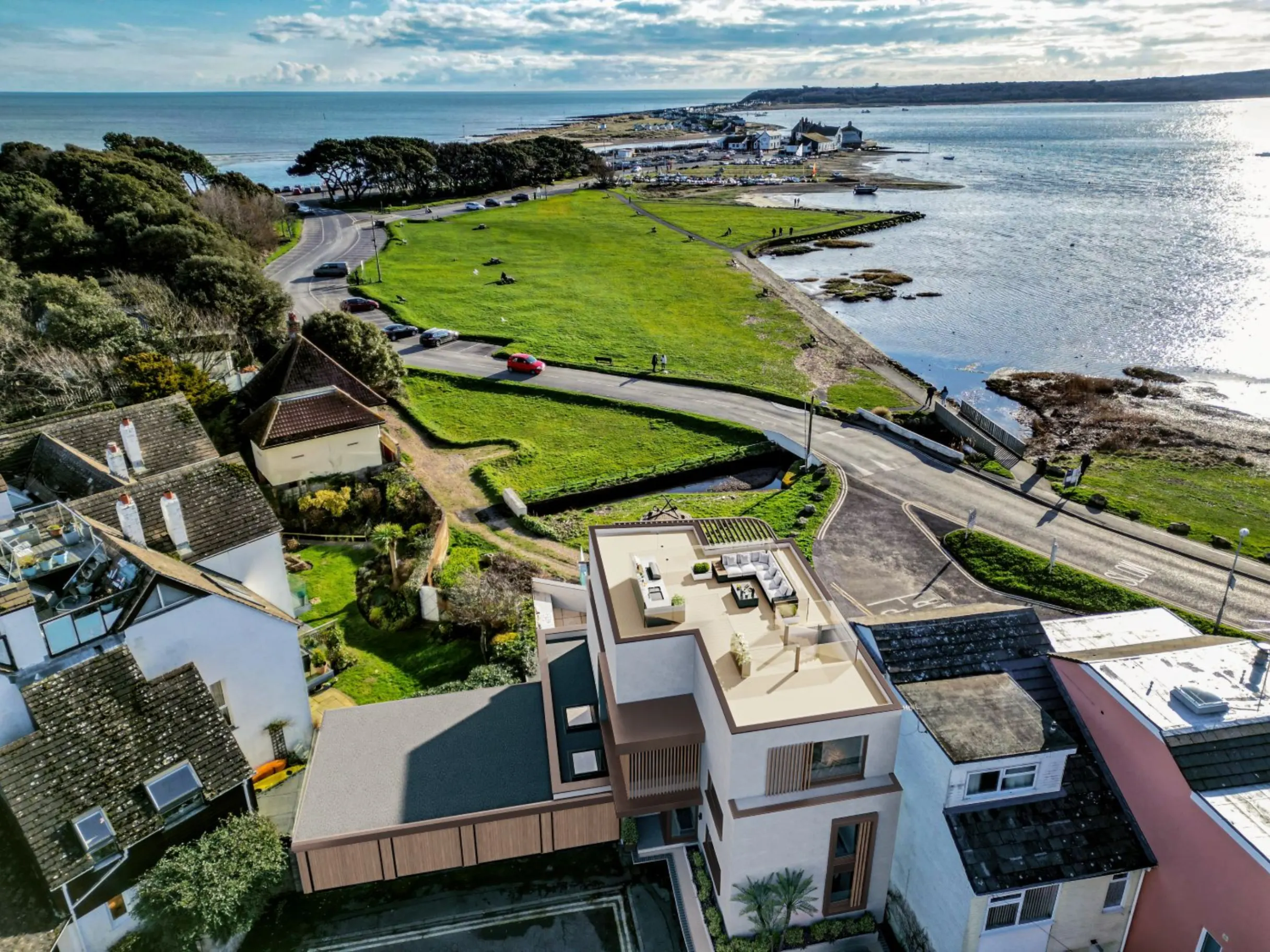
Innovative architecture, spectacular views, and a deep respect for the landscape define two stunning homes on the South Coast
24 June 2025
Homes
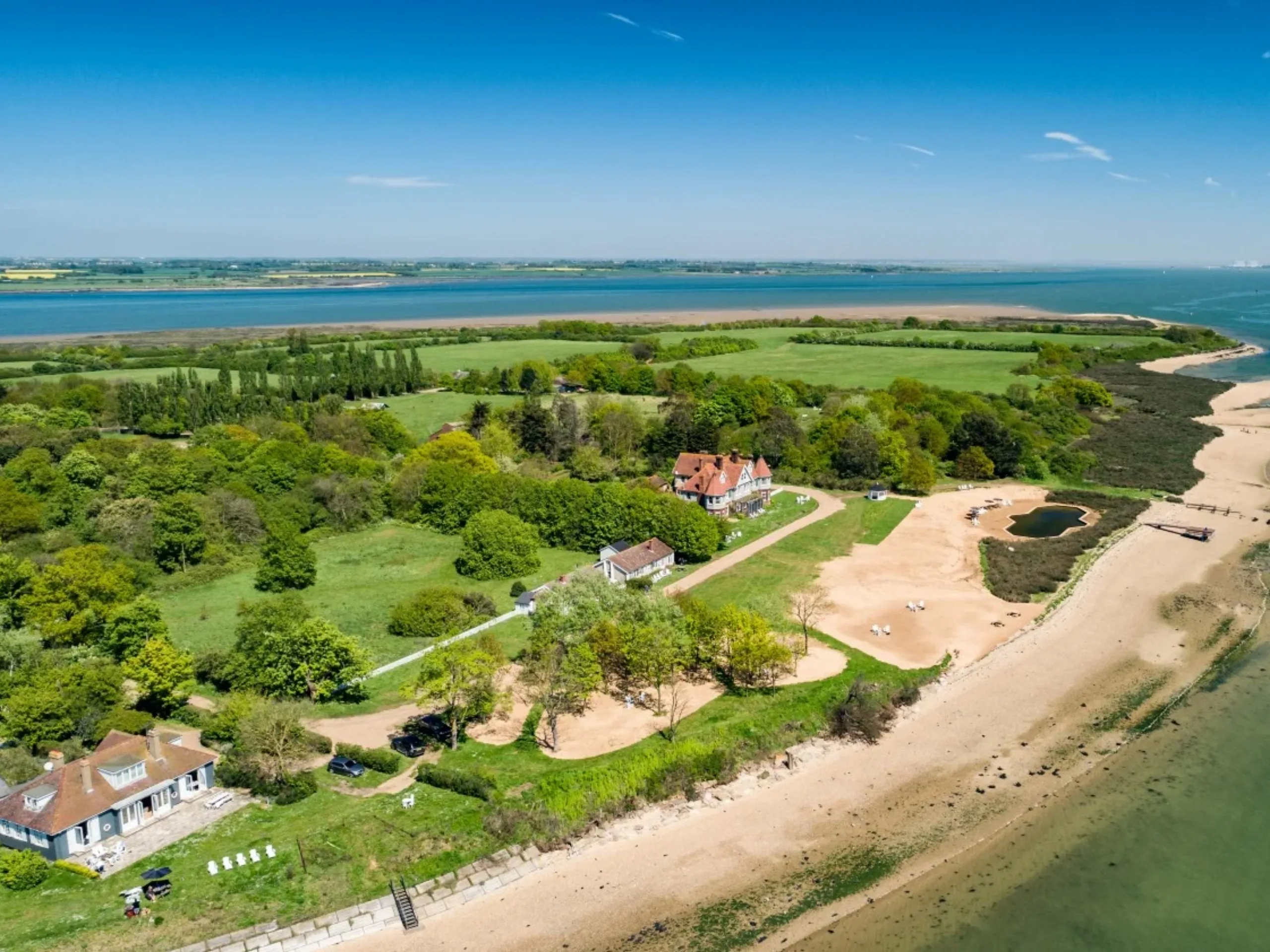
This destination is a private island like no other, offering history, charm and exceptional potential
27 May 2025
Homes
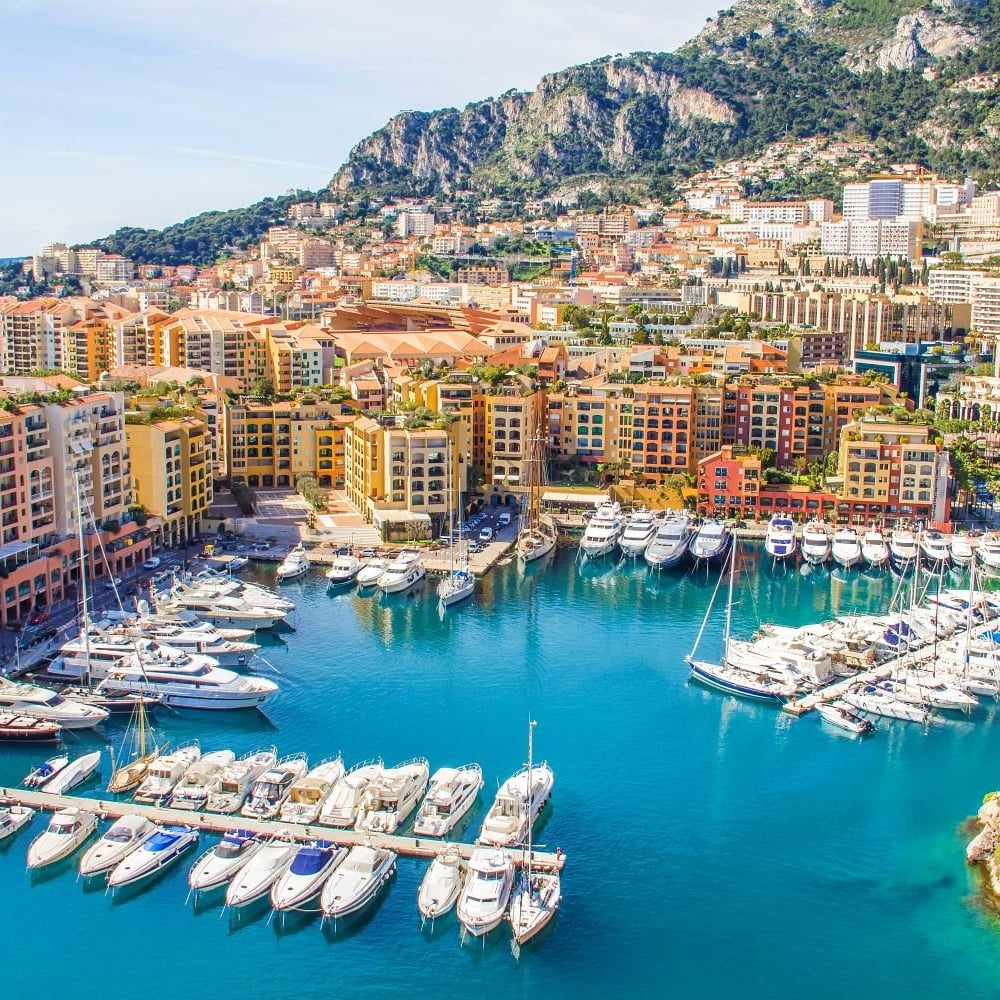
While small in size, Monaco offers a diverse and elevated lifestyle with international appeal. Our experts share their advice on the neighbourhoods to consider when purchasing
10 March 2025
Inspiration
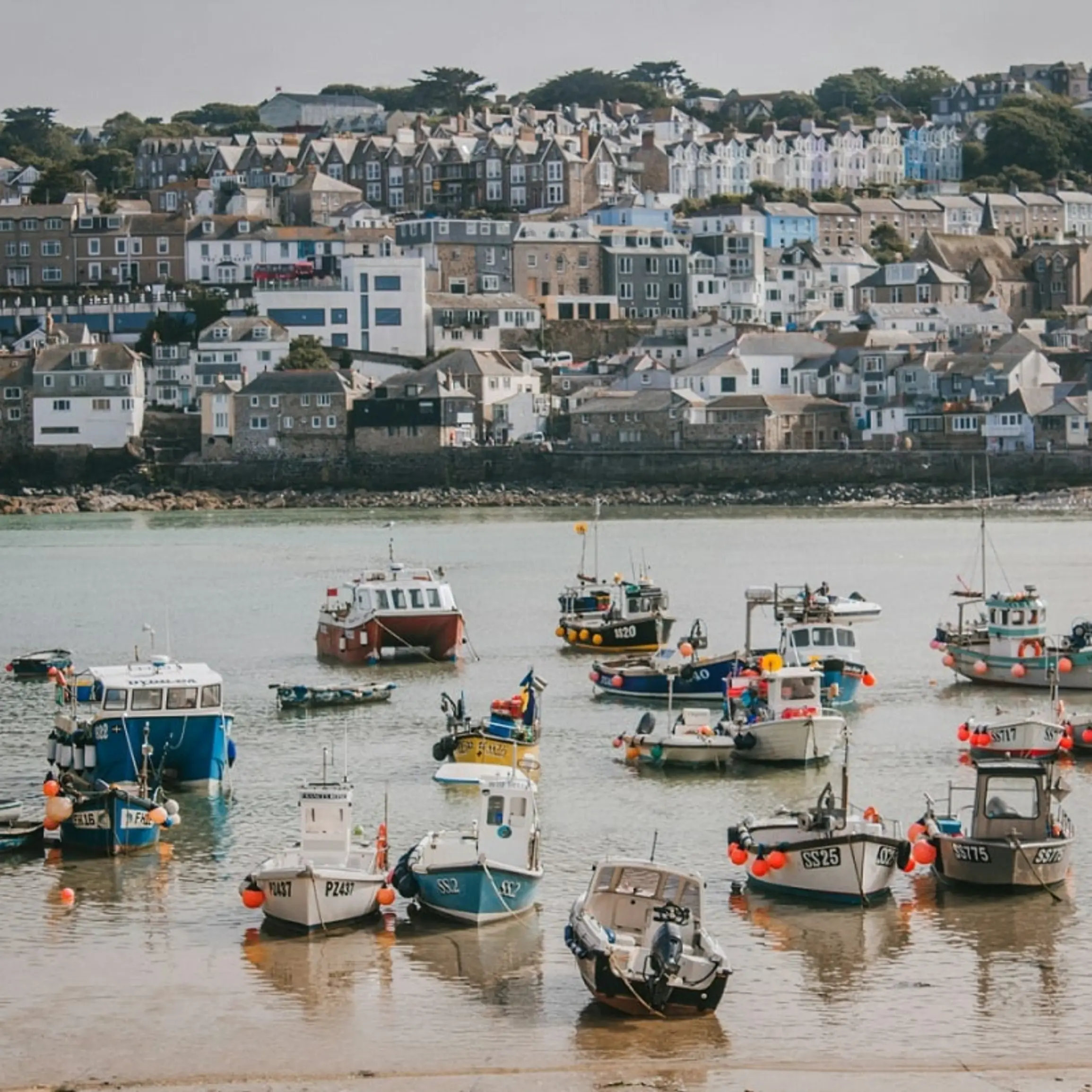
Our guide to St Ives includes the best beaches and bakeries, favourite wine bars and walks - plus, of course, a generous helping of art - reveals Rob Copsey
01 September 2024
Locations
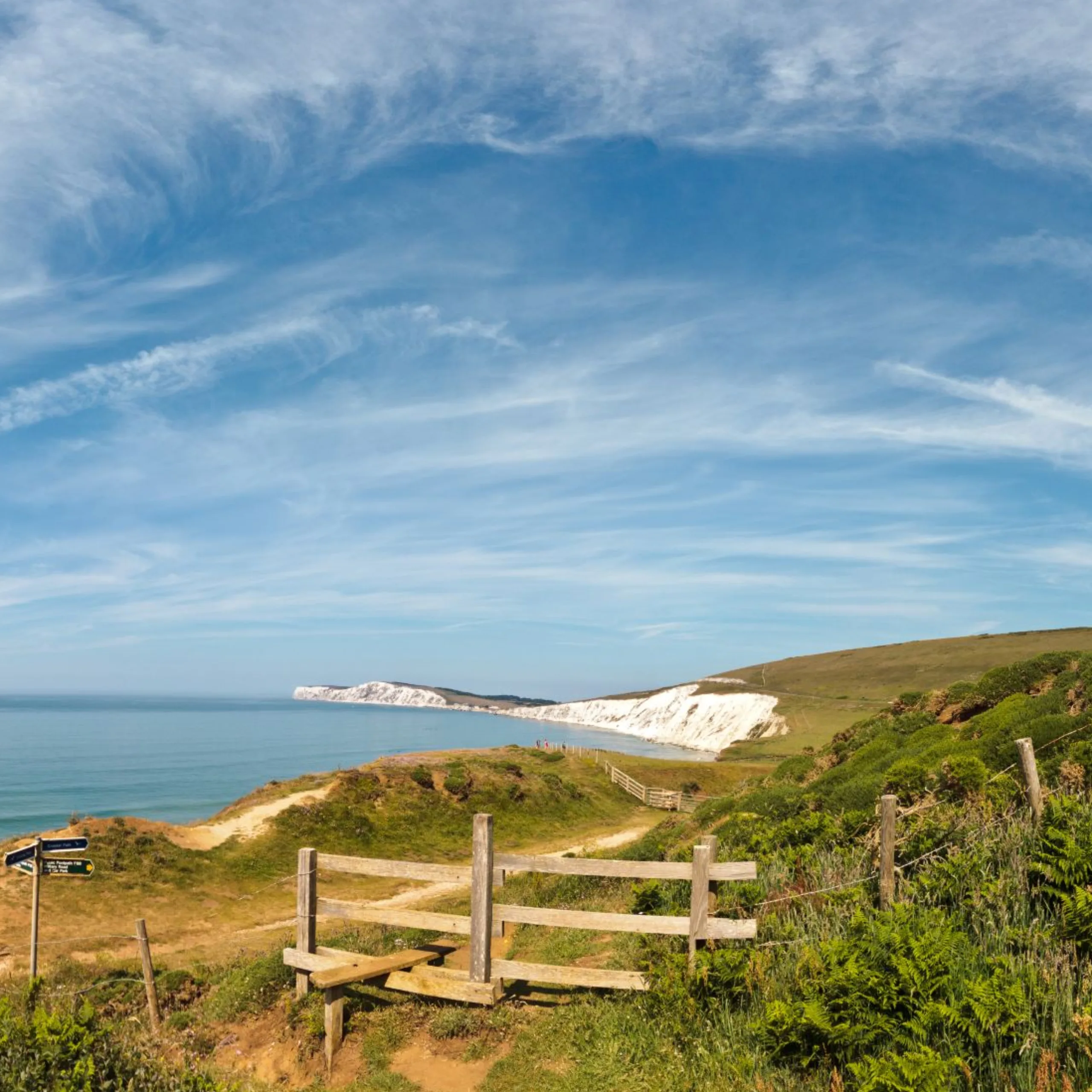
With spectacular coastline, rolling hills and possibly the best sailing in the country, the Isle of Wight offers an incredible coastal lifestyle
23 July 2024

Locations
The Battersea stretch of the Thames has changed immeasurably in the last decade. The landscape, the feel and the offering are distinctly different, and very much in demand.
18 July 2024
Sorry!
An unexpected error has occurred.
Please try again later.


