

Vineyard investment: opportunities in a maturing English wine market
With greater choice and established vineyards coming to market, England's wine sector is entering a new phase of maturity

With greater choice and established vineyards coming to market, England's wine sector is entering a new phase of maturity
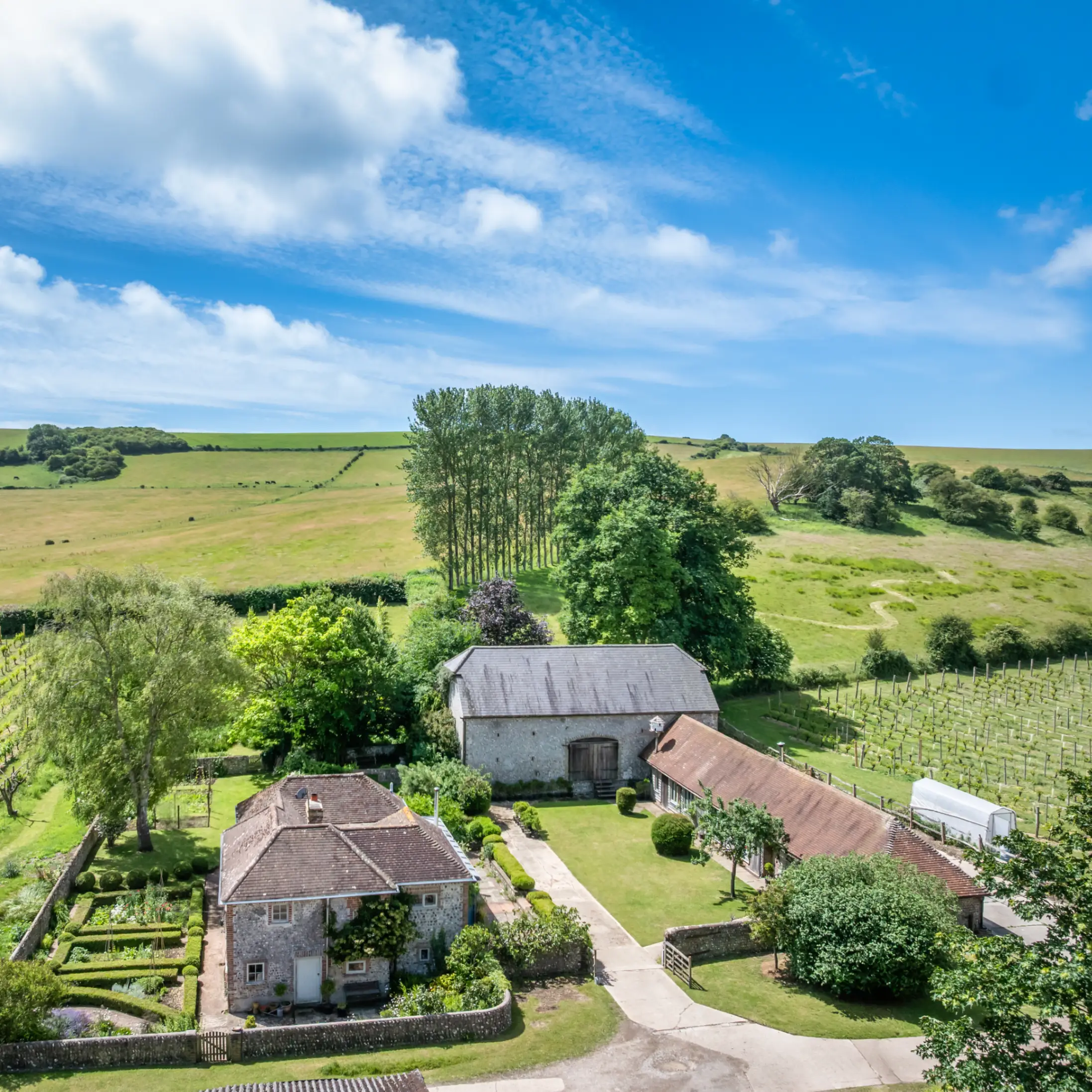
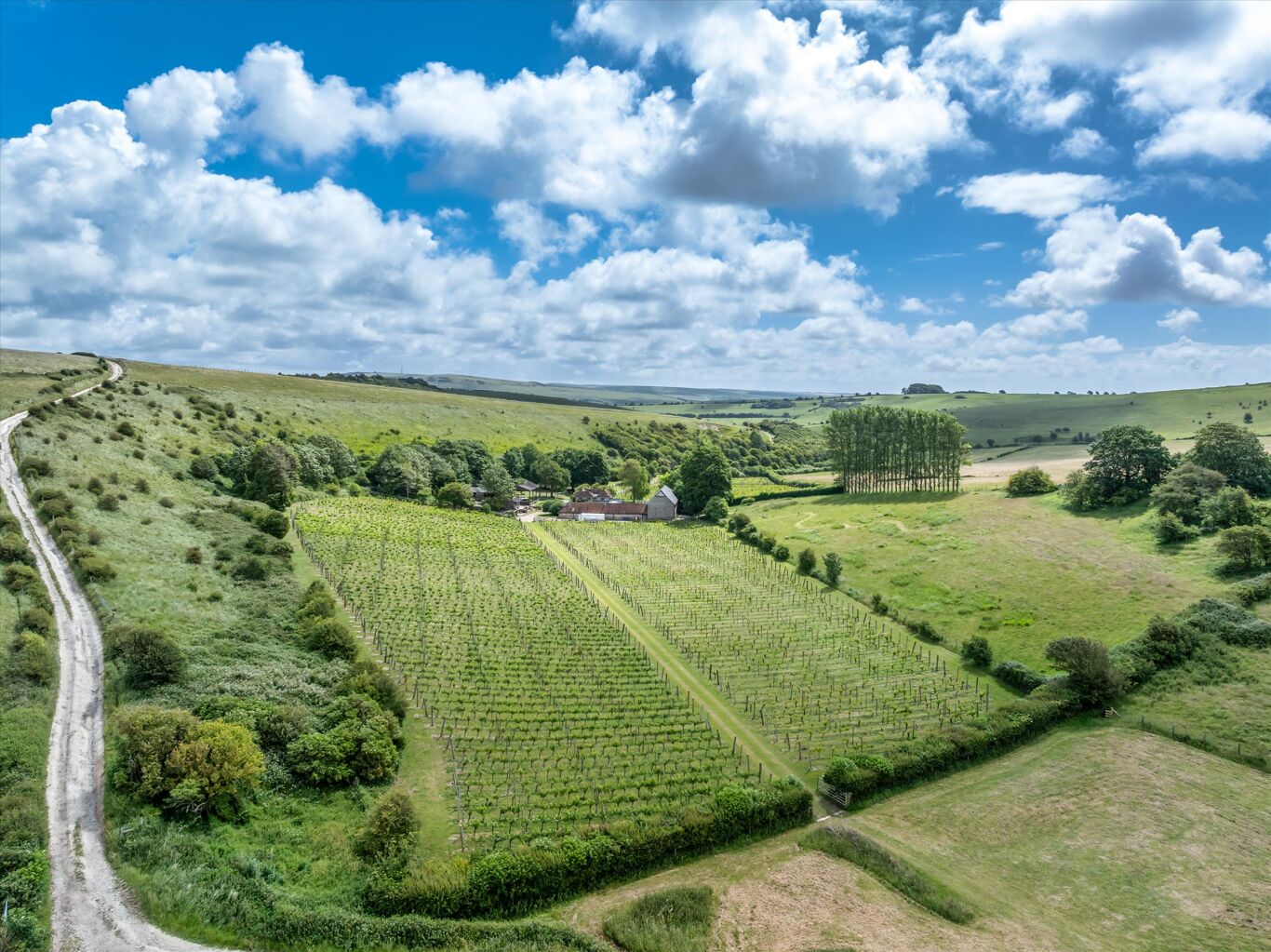
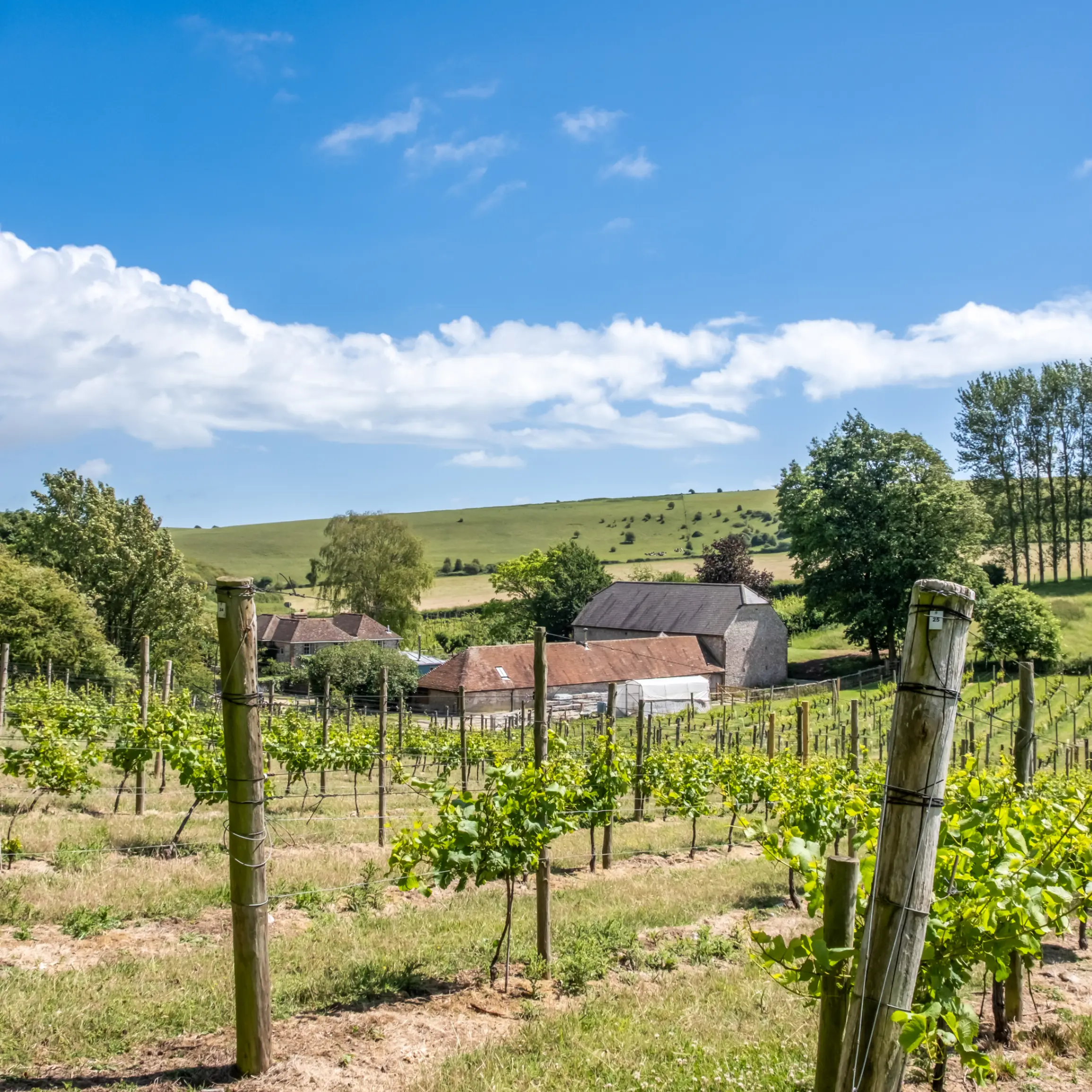
In the bucolic countryside of the South Downs National Park, just two miles from the English Channel, lies Breaky Bottom. Sheltered from coastal winds by its secluded valley setting, the vineyard benefits from an ideal microclimate for viticulture. Comprising 15 acres and producing a deliberately limited 10,000 bottles per year, its modest size belies the enormous influence it - and its late owner, Peter Hall - have had on the English wine industry.
"Breaky Bottom is considered one of the birthplaces of English wine," explains Will Banham of Knight Frank's Viticulture team. "When it was established by Peter more than 50 years ago, there were just a handful of vineyards in the UK, mainly specialising in still wines. He became known for making English sparkling wine with Seyval Blanc, a grape variety that was often overlooked by the industry, but which became something truly special in Peter's hands."
Farm/Estate
A fantastic opportunity to acquire an award winning vineyard in Rodmell.
Now on the market and ready for a new custodian to take it into its next chapter, Breaky Bottom stands as an early pioneer of an English wine sector that has grown dramatically over the past two decades.
According to WineGB, there are now 1,158 vineyards across the UK. The 2025 harvest produced 16.5 million bottles of wine, while sales increased by 200% between 2018 and 2024. Climate change is increasingly reshaping the global wine landscape, with rising temperatures expanding the areas of the UK considered suitable for viticulture.
"Five to ten years ago, it was difficult to buy an established vineyard because the market was still so new. Today, there's much greater choice and quality available," says Banham. He notes that the industry has also undergone a period of consolidation, with rapid expansion leading to excess supply in some parts of the market.
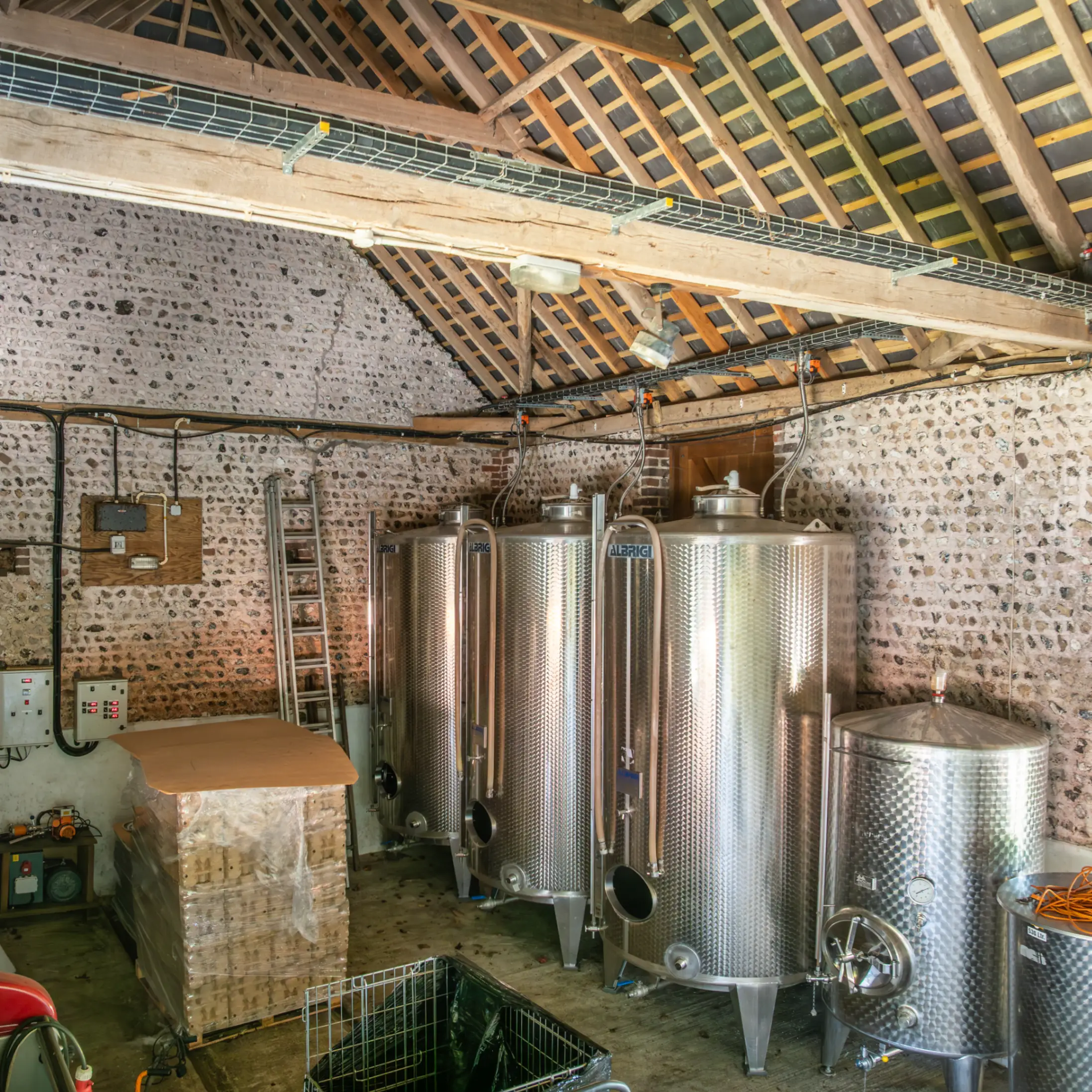
"As a result, many operators have concluded that being a boutique, premium producer is a good place to be," he says. "The typical new entrant is looking to buy 10 to 20 acres, which is about the right amount for one person to manage full-time."
One of the key attractions of purchasing an established vineyard is cashflow. Buyers can avoid the initial planting phase, which can often mean five or more years before vines become fully productive and capable of generating meaningful income.
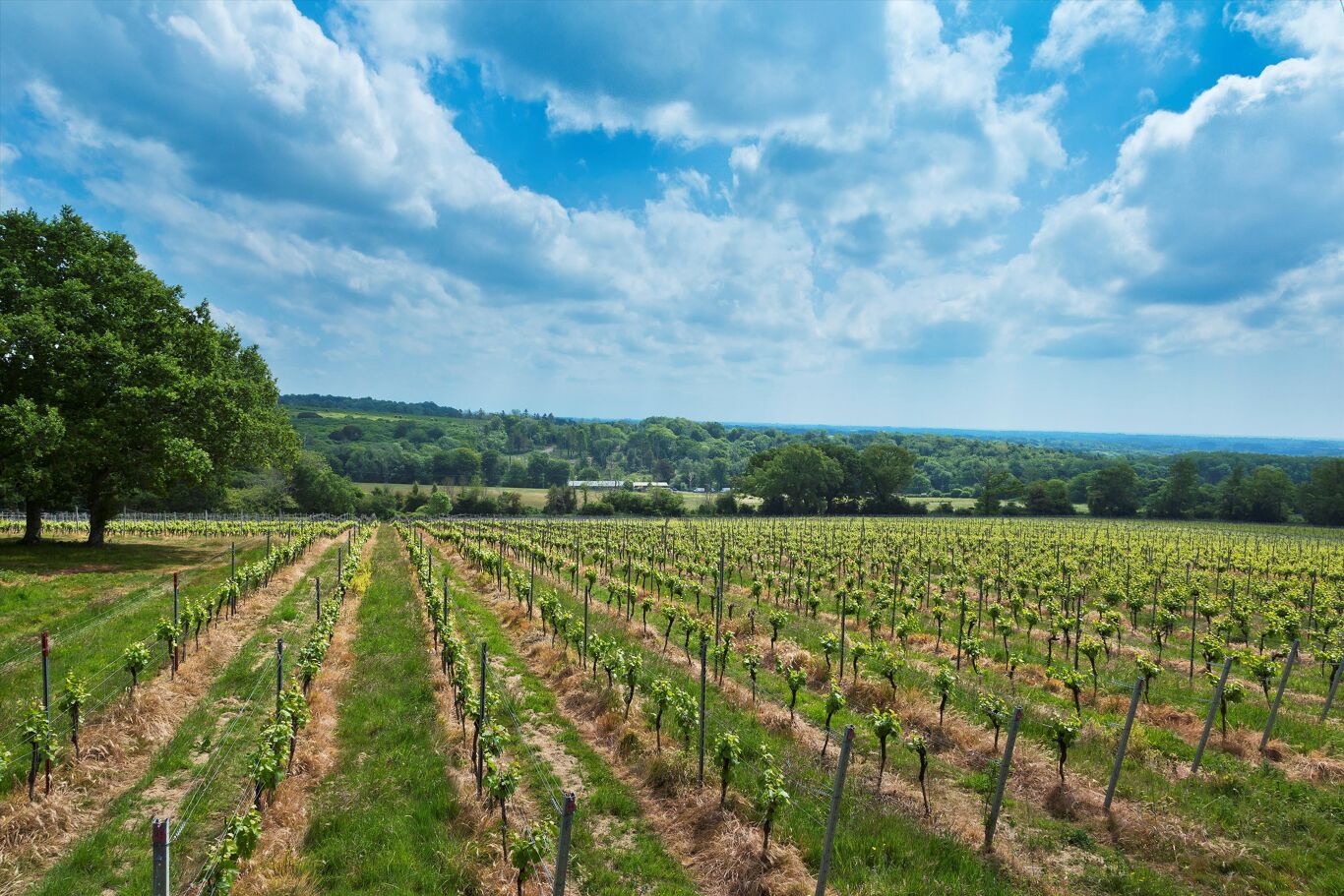
Land, 13.14 acres
A unique opportunity to acquire a fully productive vineyard established by internationally renowned Gusbourne wine estate in a highly accessible West Sussex location.
As interest in English wine continues to grow, tourism and hospitality are becoming an increasingly important part of many vineyard businesses. Wine tourism allows producers to increase margins by selling directly to consumers, while creating new revenue streams beyond wine production alone. Knight Frank's UK Viticulture team supports this through technology such as its demographic mapping tool, helping vineyard owners better understand local markets and identify growth opportunities.
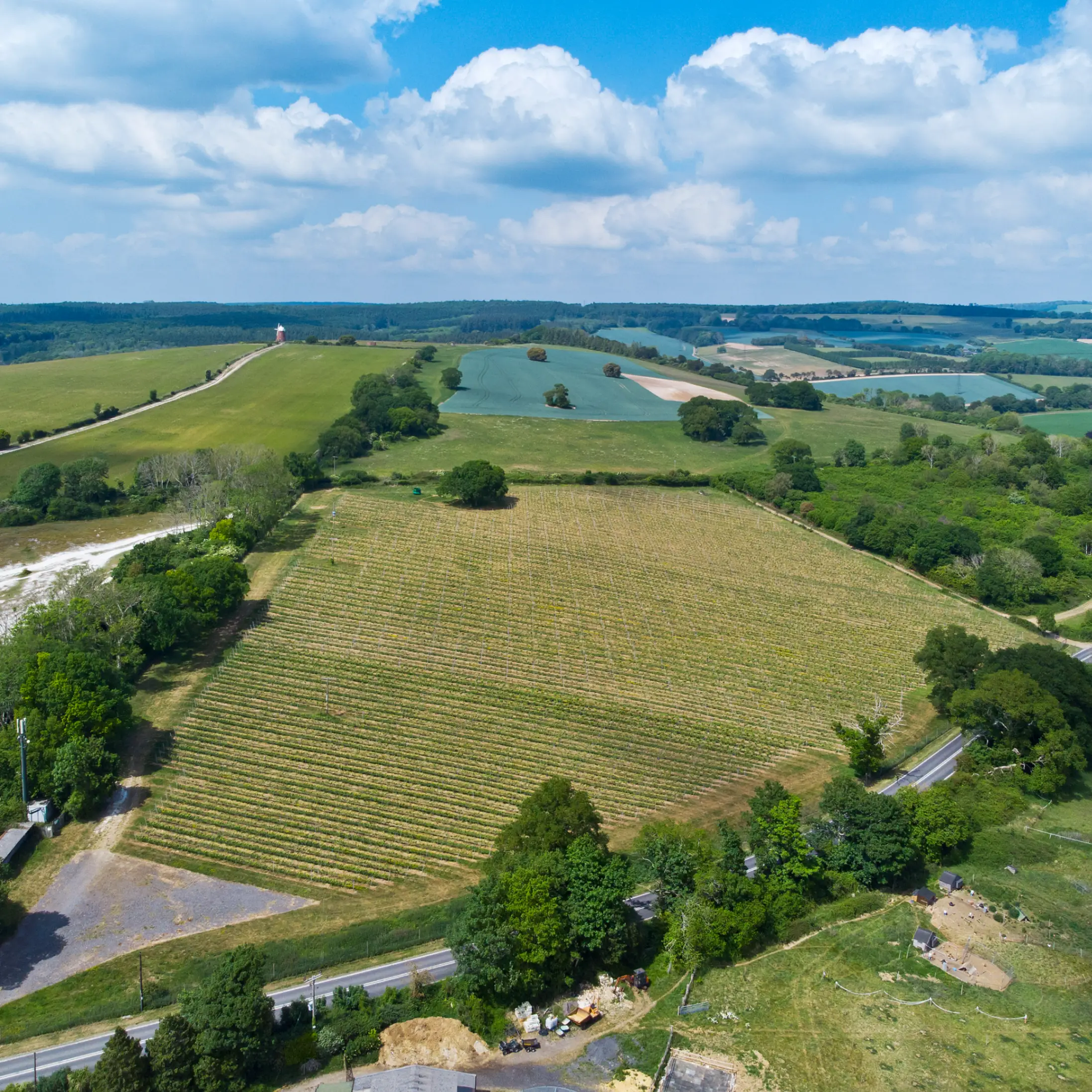
Location plays an important role. The 13.41-acre Halnaker Vineyard, currently available for purchase, sits just north-east of Chichester and close to Goodwood, placing it in a strong position to benefit from wine tourism, subject to the necessary permissions. It also has an impressive pedigree, with its grapes having featured in several of Gusbourne's award-winning wines.
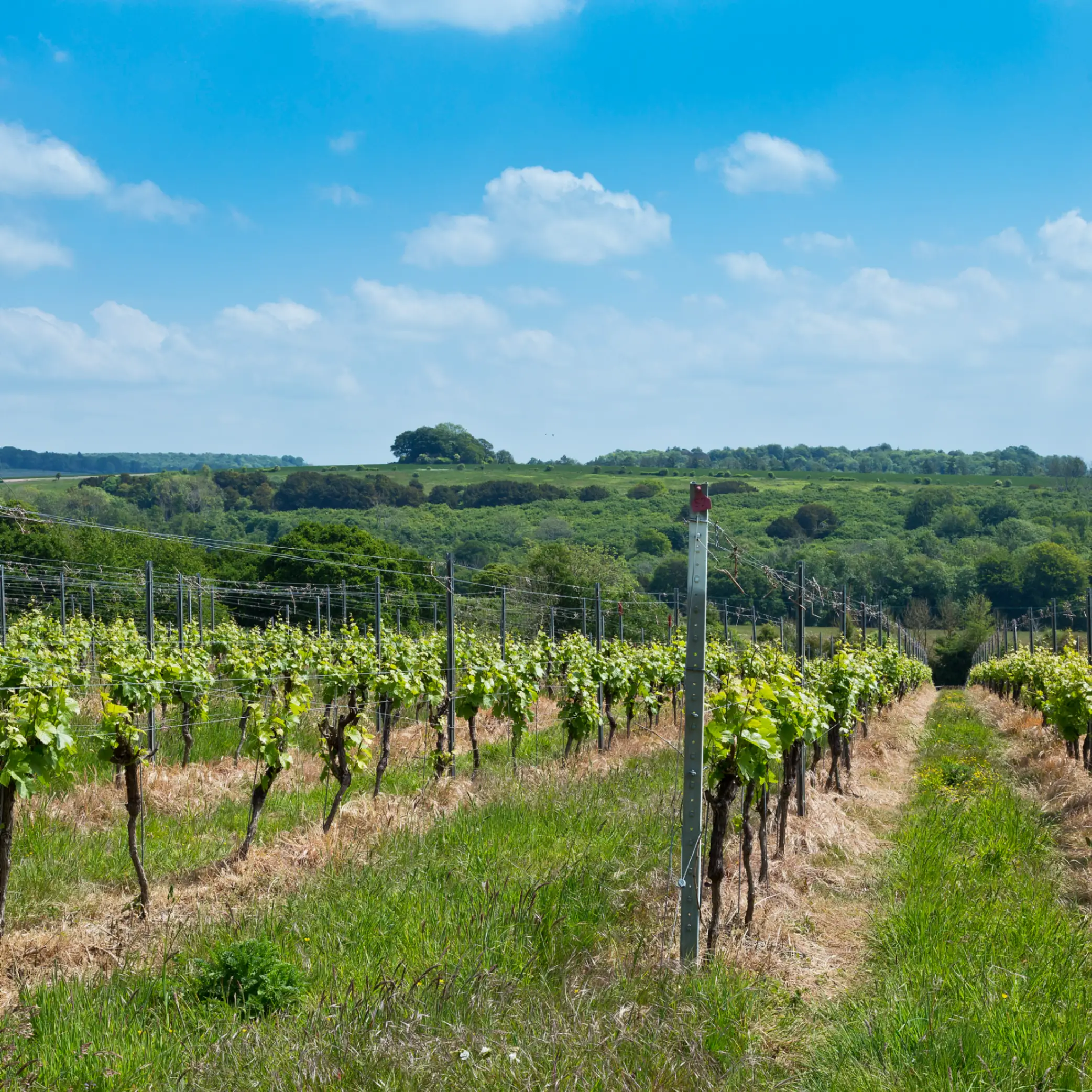
"Gusbourne is unquestionably one of the most prestigious English wine producers, which makes bringing a vineyard of this calibre to market particularly special," says Banham. "As a fully productive site, a buyer could be producing wine within a year while retaining the flexibility to develop their own brand."
Also newly available is Park Farm in the South Downs National Park, located in a region synonymous with English wine and close to the equestrian centre of Hickstead.
"Around 35 acres of productive vines are already in place, while the existing agricultural buildings provide genuine scope to expand the business in the years ahead," adds Banham. "It's a vineyard that combines an established operation with the opportunity to shape what comes next."
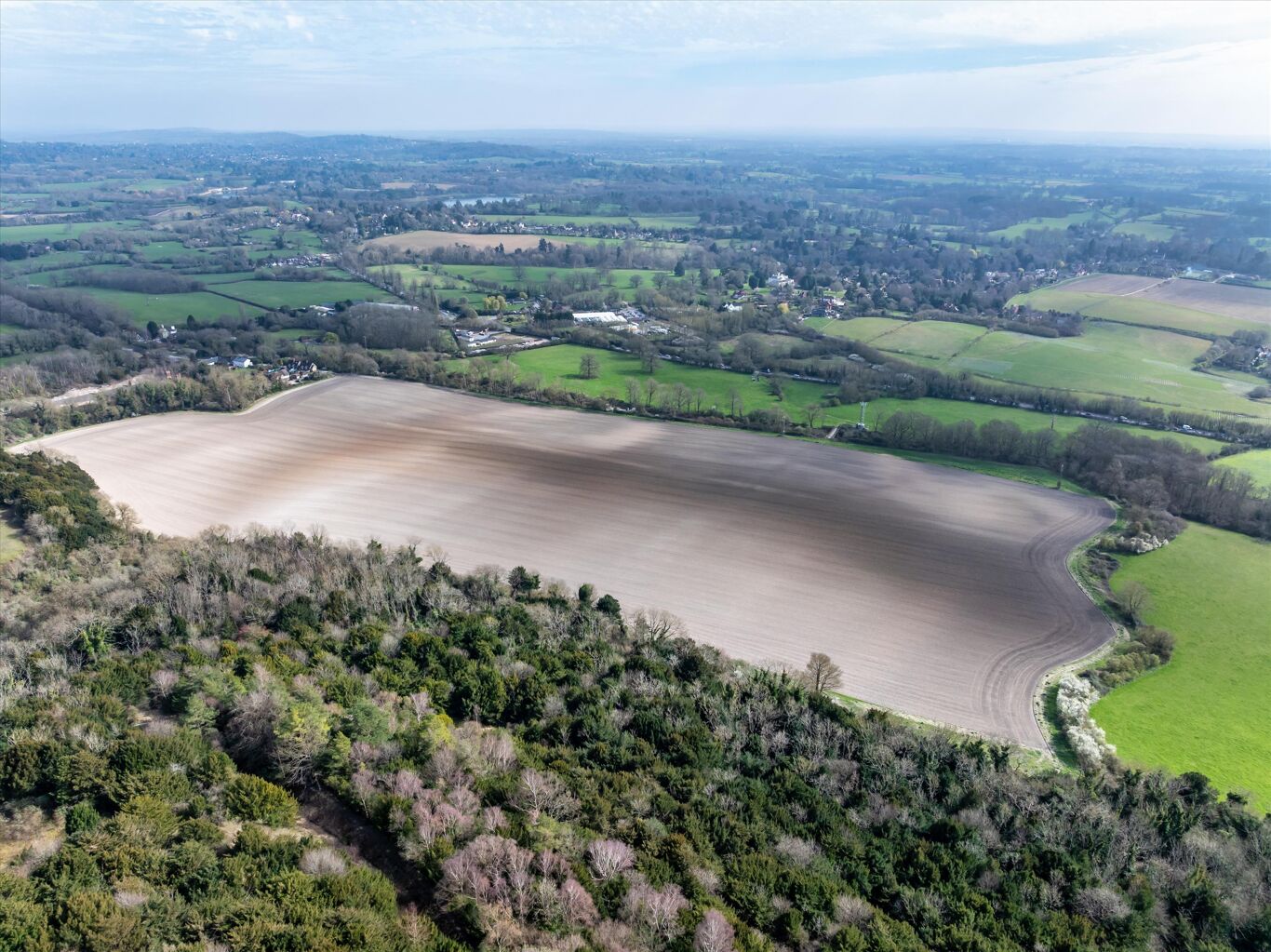
Agricultural, 37.29 acres
A fantastic viticultural opportunity to partner with a traditional rural estate on the Surrey Downs.
Beyond lifestyle and passion investors, the sector's continued maturation is creating a wider range of opportunities for investors with different levels of experience and ambitions.
Among these is The Betchworth Estate in Surrey's picturesque Mole Valley, which offers a long-term joint venture opportunity to establish a vineyard on a 37.29-acre site identified as being suitable for viticulture.
"Strategic investors with a strong route to market are increasingly recognising the value and potential of English wine," says Ed Mansel-Lewis, Knight Frank's Head of Viticulture. "For example, while vineyard land in Champagne can command more than €1 million per acre, a productive sparkling wine vineyard in south-east England may be available for around £40,000 per acre."
In recent years Hambledon Vineyard is a case in point, acquired by Britain’s oldest fine wine and spirits merchant Berry Bros. & Rudd and port wine house Symington Family Estates.
Many larger operators are also being increasingly sophisticated in their approach. “I recently had a really interesting mandate that a client wanted to be in a very specific valley of Essex because it has high levels of the right mineral to produce Burgundian-style Pinot Noir,” he says. “That’s the level of intelligence they are now bringing to their site search.”
As the English wine industry enters a new phase of maturity, investment opportunities are becoming increasingly diverse. From developing vineyards to acquiring established operations or creating wine tourism businesses, investors have more routes into the sector than ever before. From pioneers such as Breaky Bottom, this evolution reflects just how far English wine has come - and suggests its next chapter may be its most commercially sophisticated yet.
We help vineyard owners, wine producers and investors thrive in an expanding market

Inspiration
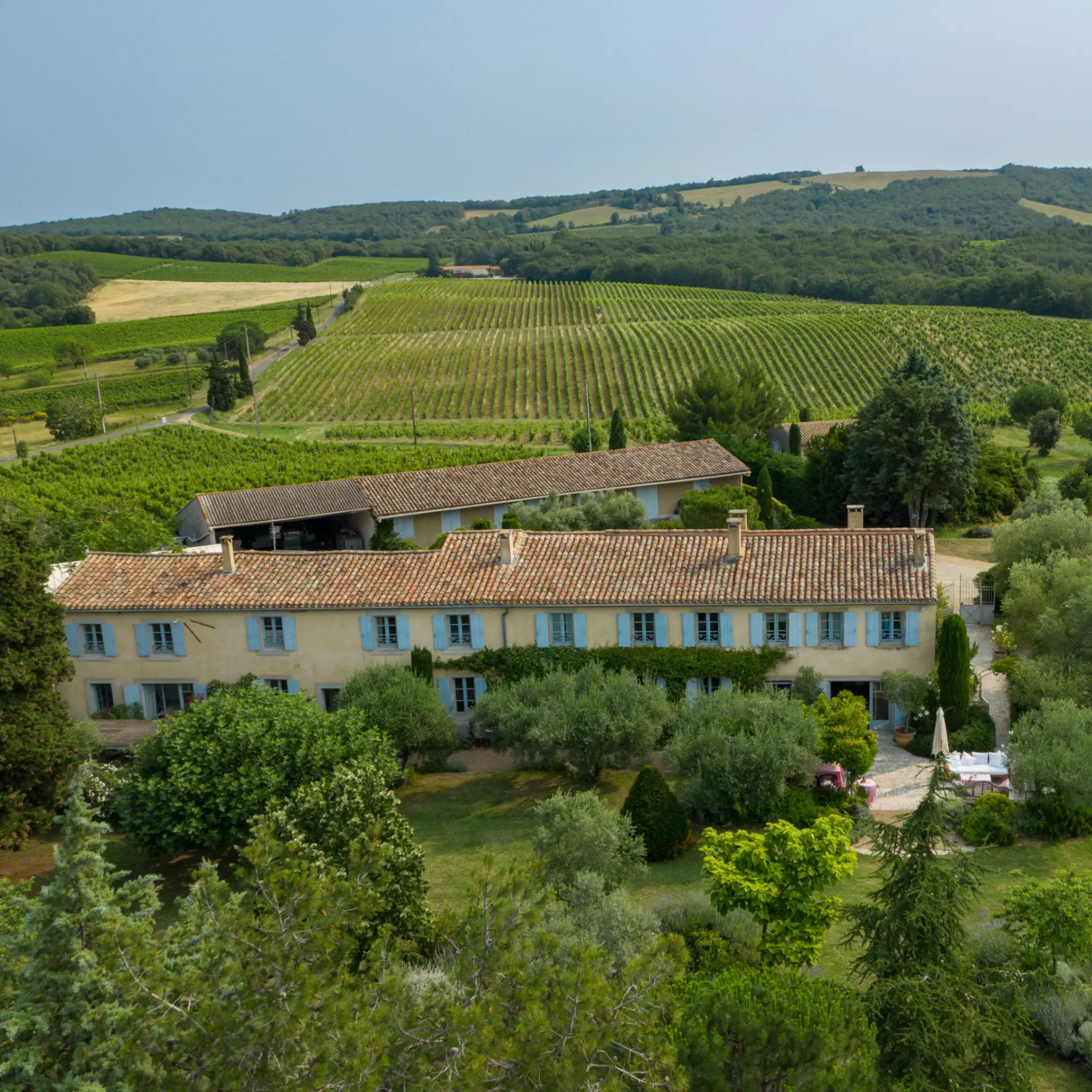
How a Shakespearean film and Knight Frank Italy led one couple to their dream Tuscan estate
06 August 2026
Inspiration
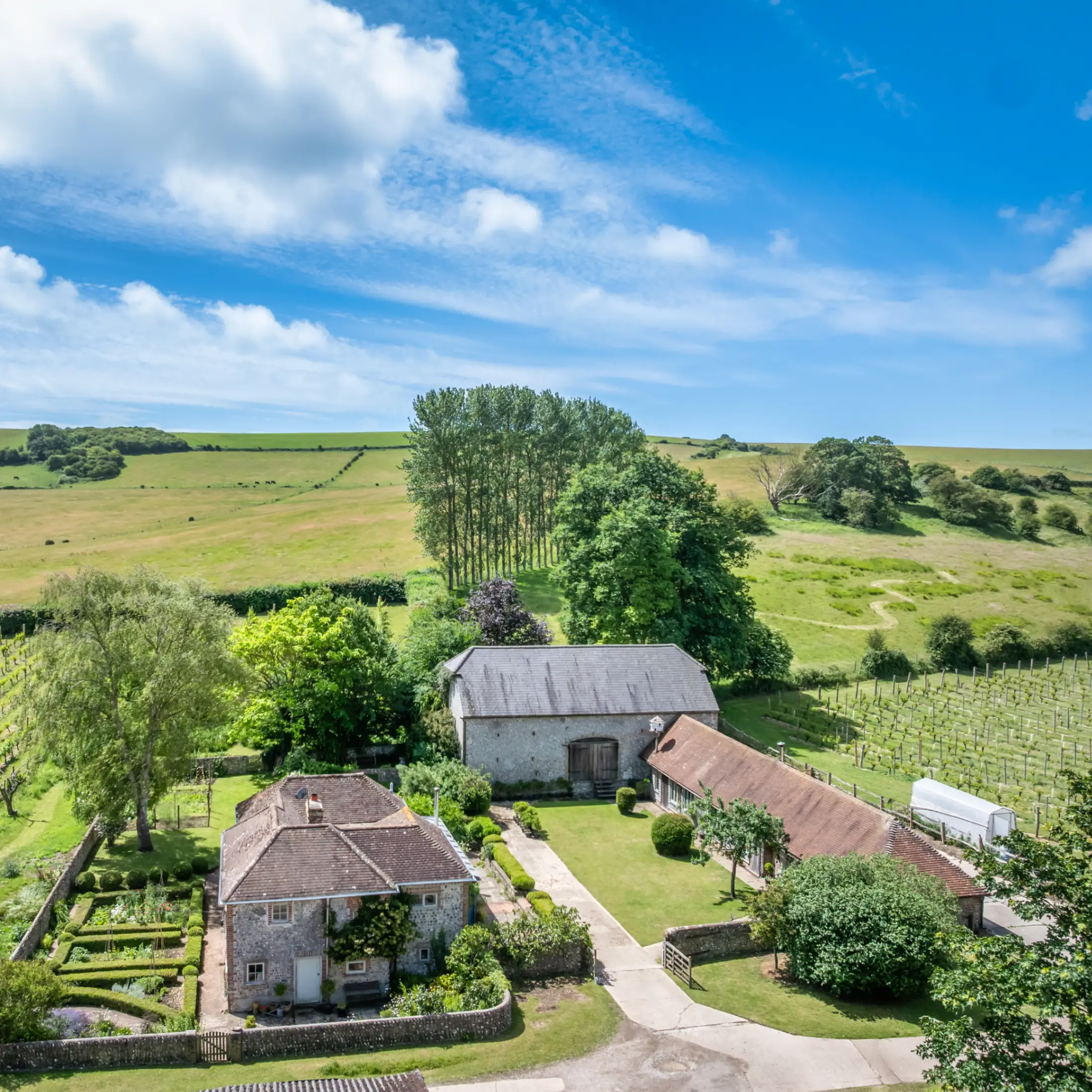
With greater choice and established vineyards coming to market, England's wine sector is entering a new phase of maturity
16 July 2026
Inspiration
Alexander Hall, Head of Knight Frank’s new International Vineyard Services division, looks at the forces reshaping the global wine production map – and creating exciting opportunities for forward-looking winemakers and investors
12 June 2026
Homes
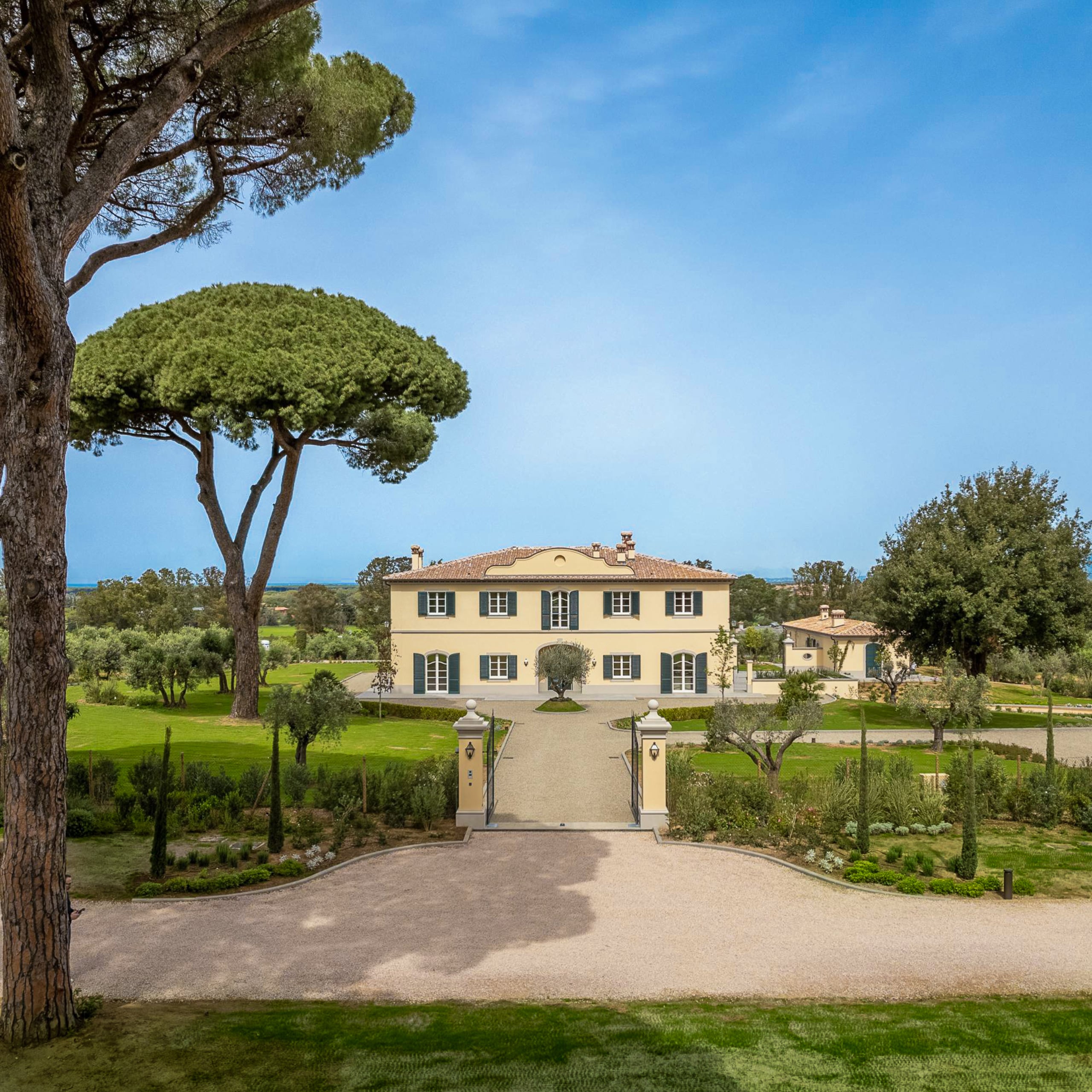
Rising global mobility is accelerating interest in Europe’s countryside regions, where quality of life and long-term value take centre stage.
27 April 2026

Inspiration
Discover the story of the British family behind the award-winning Domaine Begude - now on the market for the first time in decades
08 April 2026
Inspiration
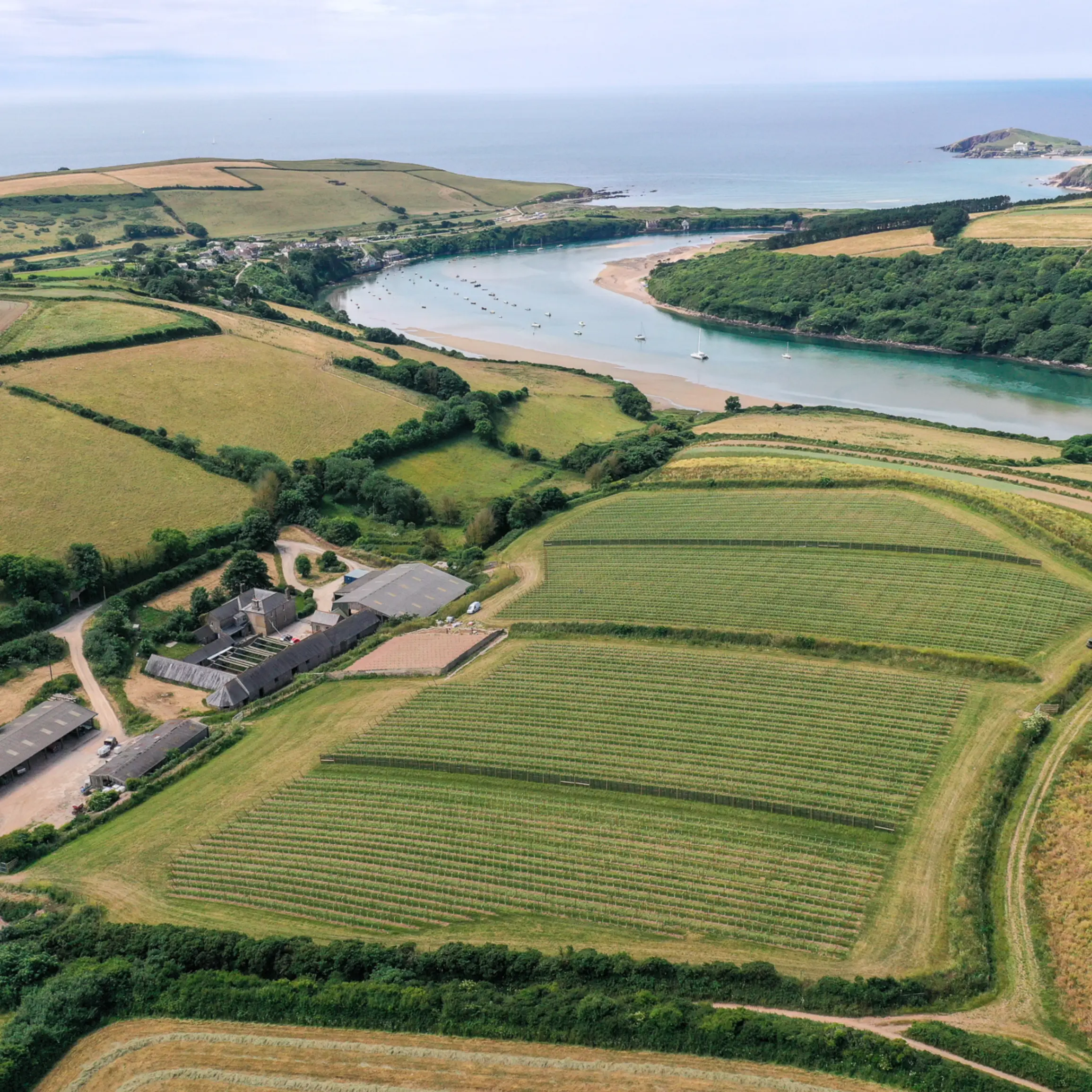
As England’s wine scene continues to mature, two exceptional estates - Bantham and Firle - are opening their doors to investors seeking a taste of its success
06 November 2025
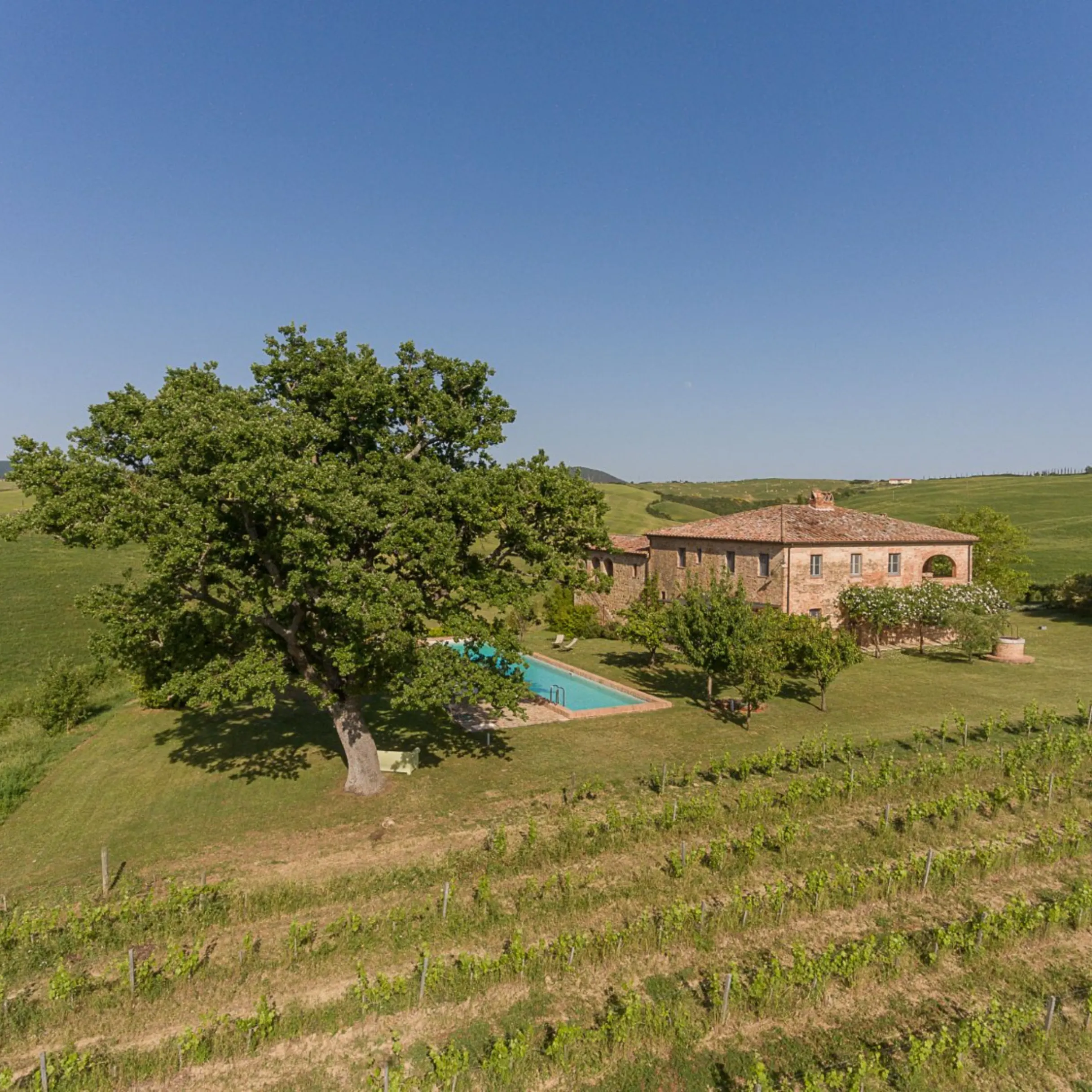
Inspiration
High-net-worth individuals are turning to Europe’s non-urban locations - from tranquil countryside to Alpine retreats - in search of lifestyle, privacy and long-term opportunity
29 August 2025
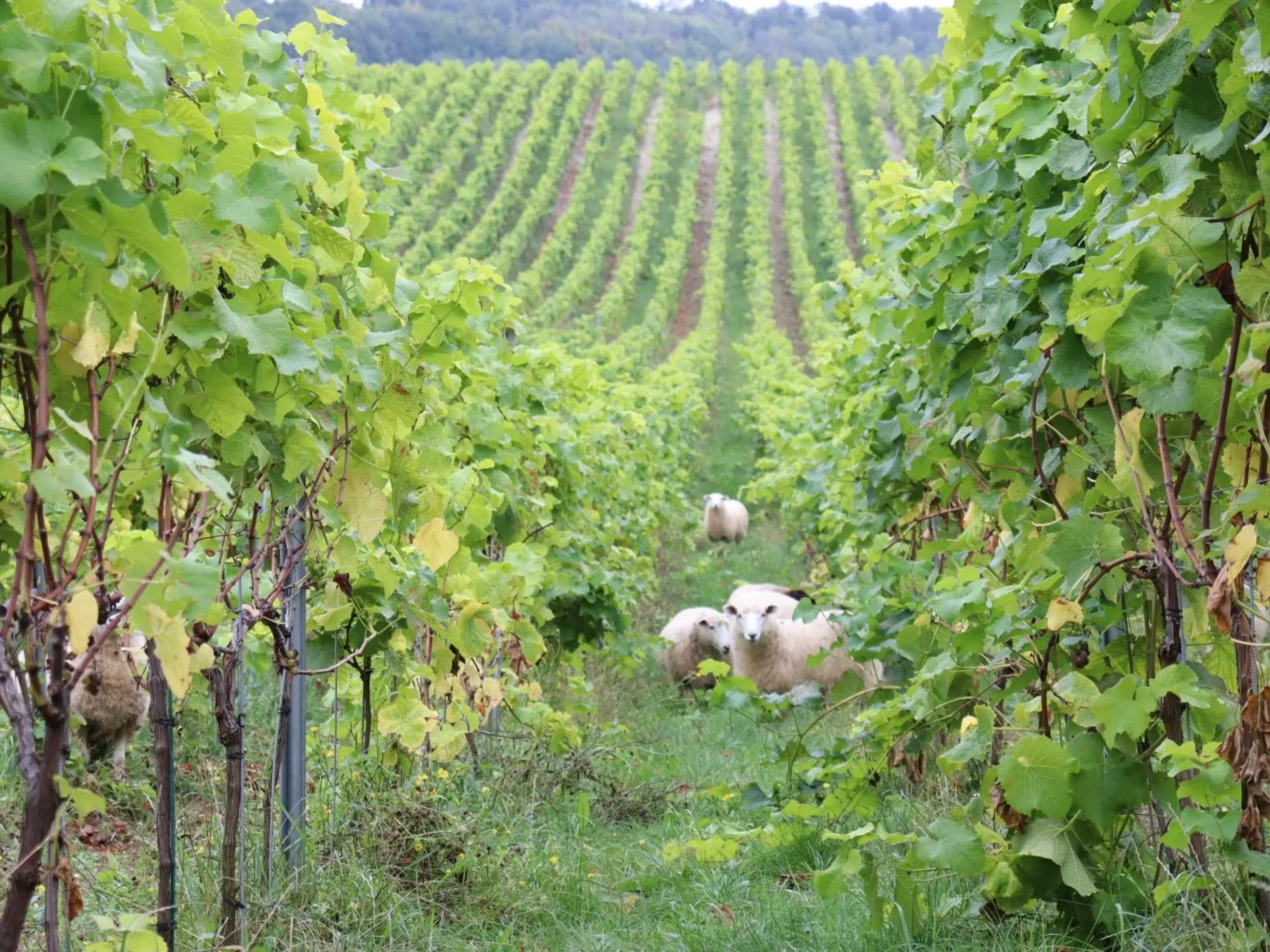
Inspiration
How wine producers are set to benefit from Knight Frank’s pioneering demographic mapping tool
24 June 2025
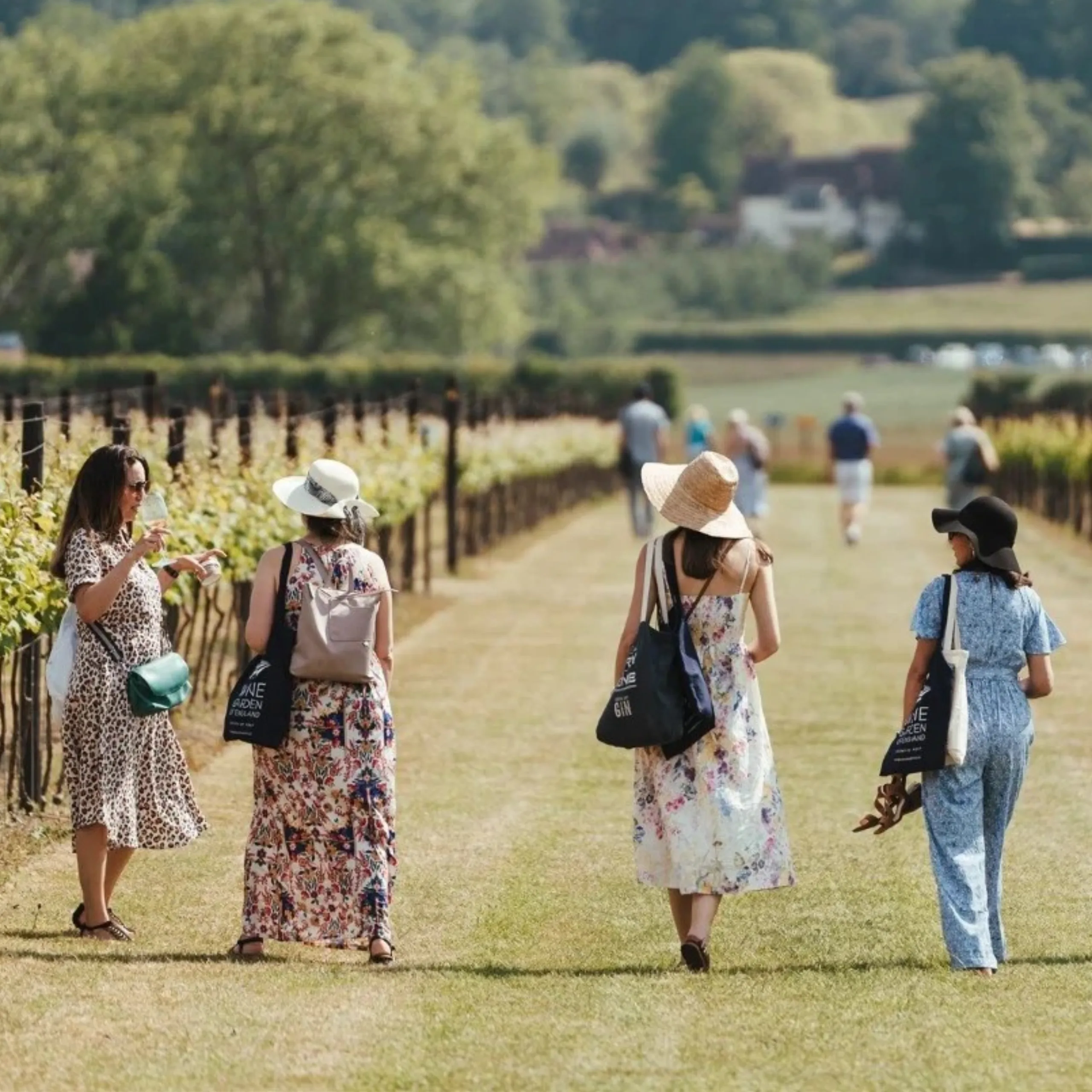
Inspiration
Planning your next mini-break? Discover five idyllic places to visit, stay and connect with nature
02 February 2025
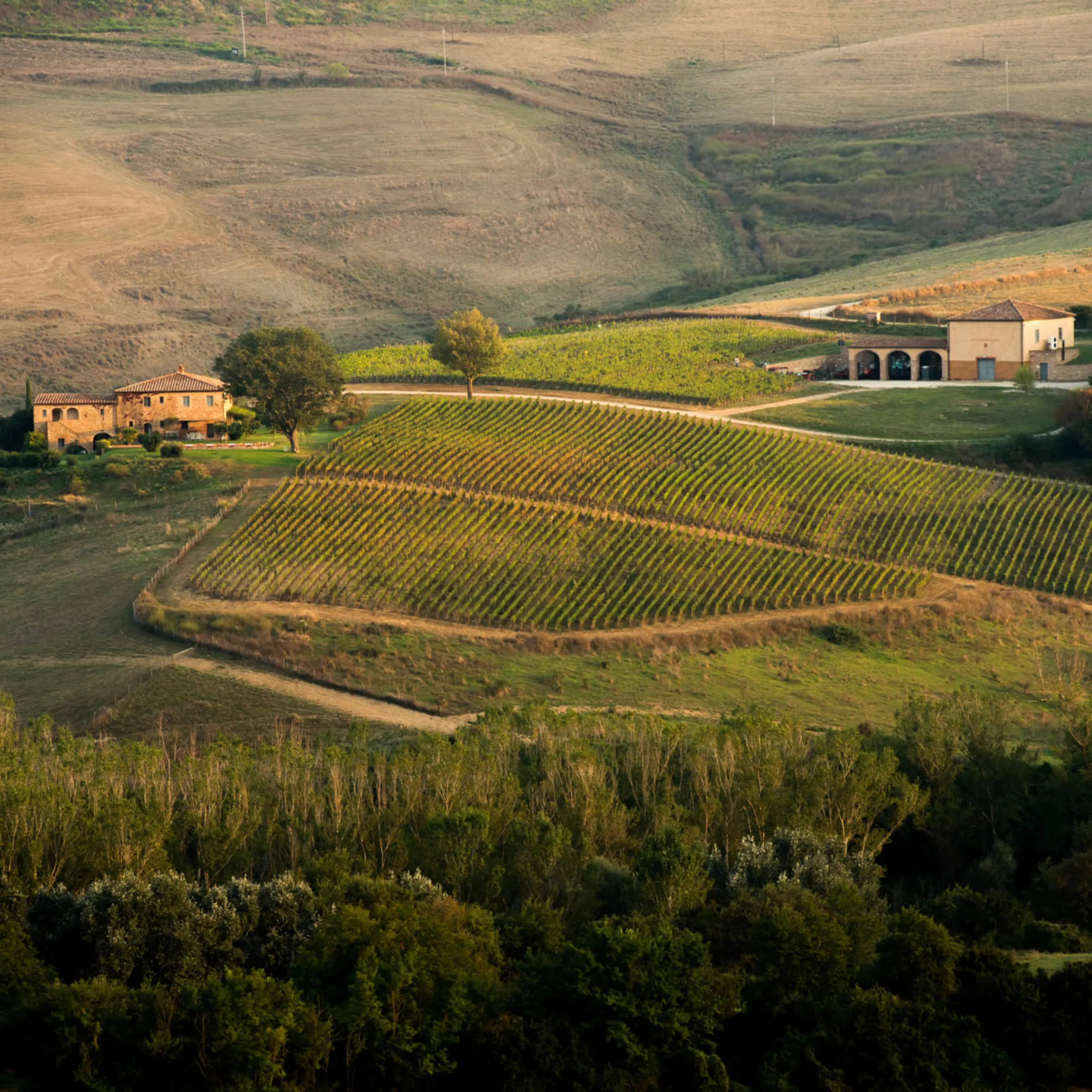
Inspiration
Expert advice for anyone considering buying in one of Europe’s premier wine regions
01 November 2024
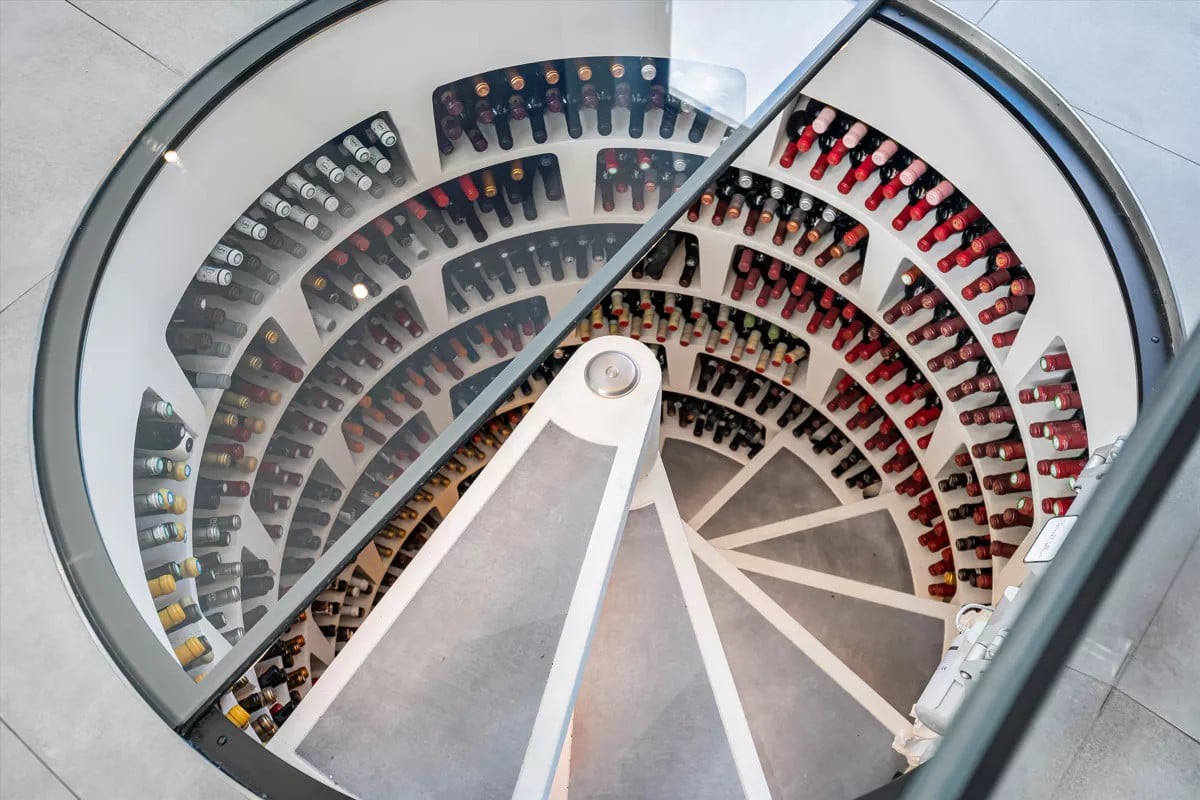
Homes
Preserve and enjoy your prized collection of bottles with ease with these properties featuring wine cellars that combine function and style
26 September 2024
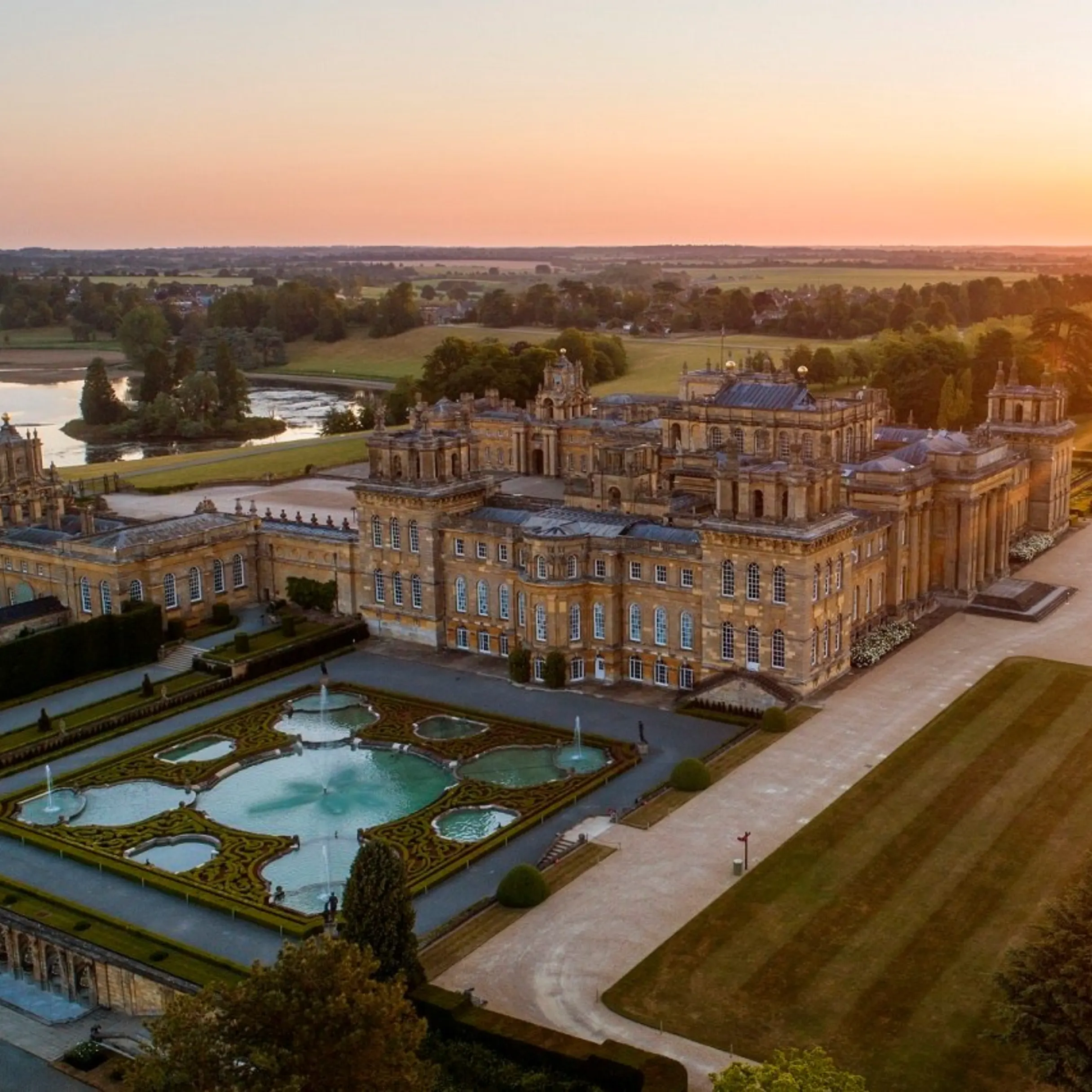
Discover a unique opportunity to play a role in England’s dynamic wine industry
12 July 2024
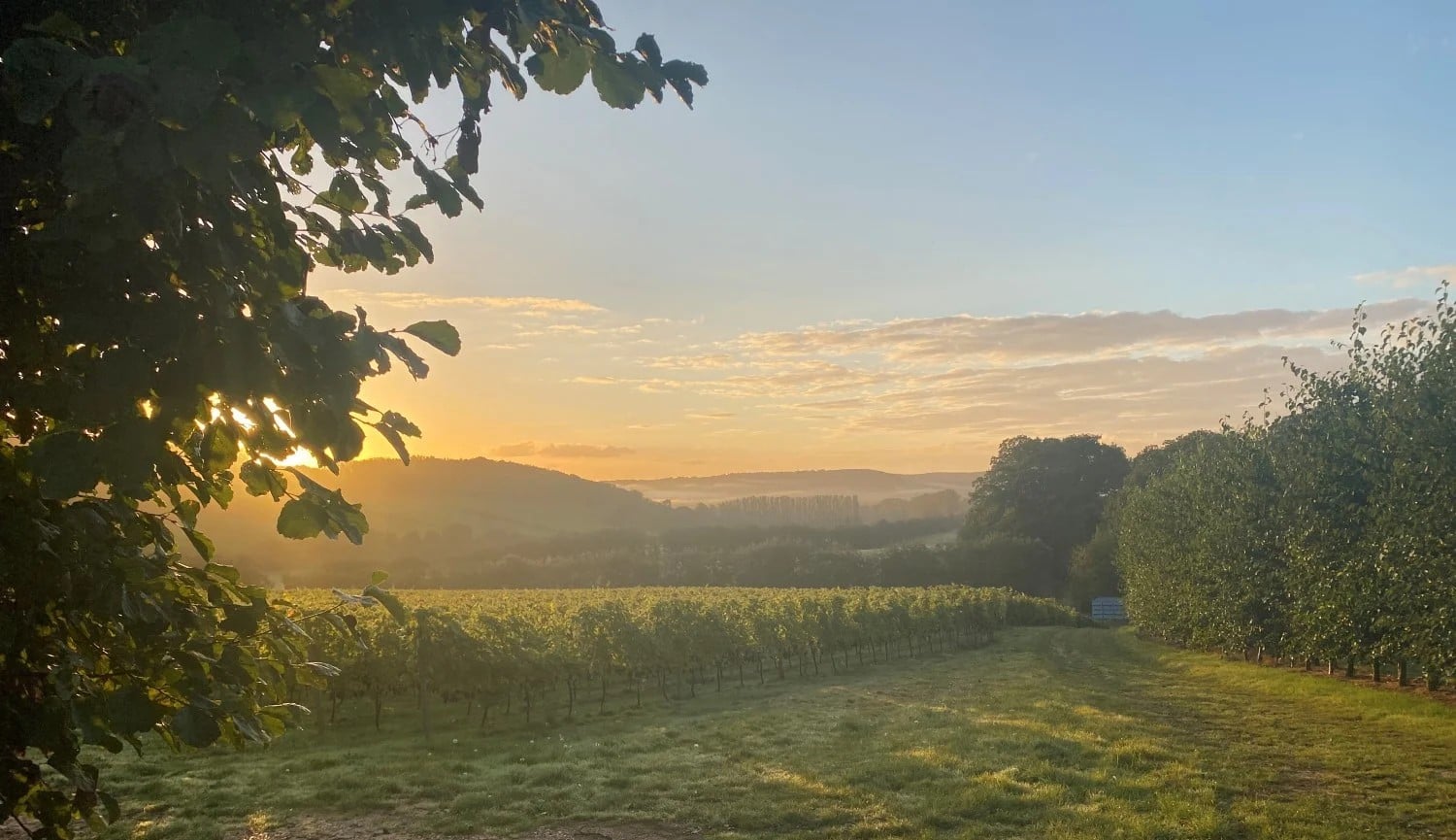
Inspiration
From sourcing land for wineries, to supporting the Wine Garden of England and mapping evolving opportunities for British vineland, Knight Frank’s Viticulture Team is paving the way for exceptional English winemaking in all its forms
14 June 2024
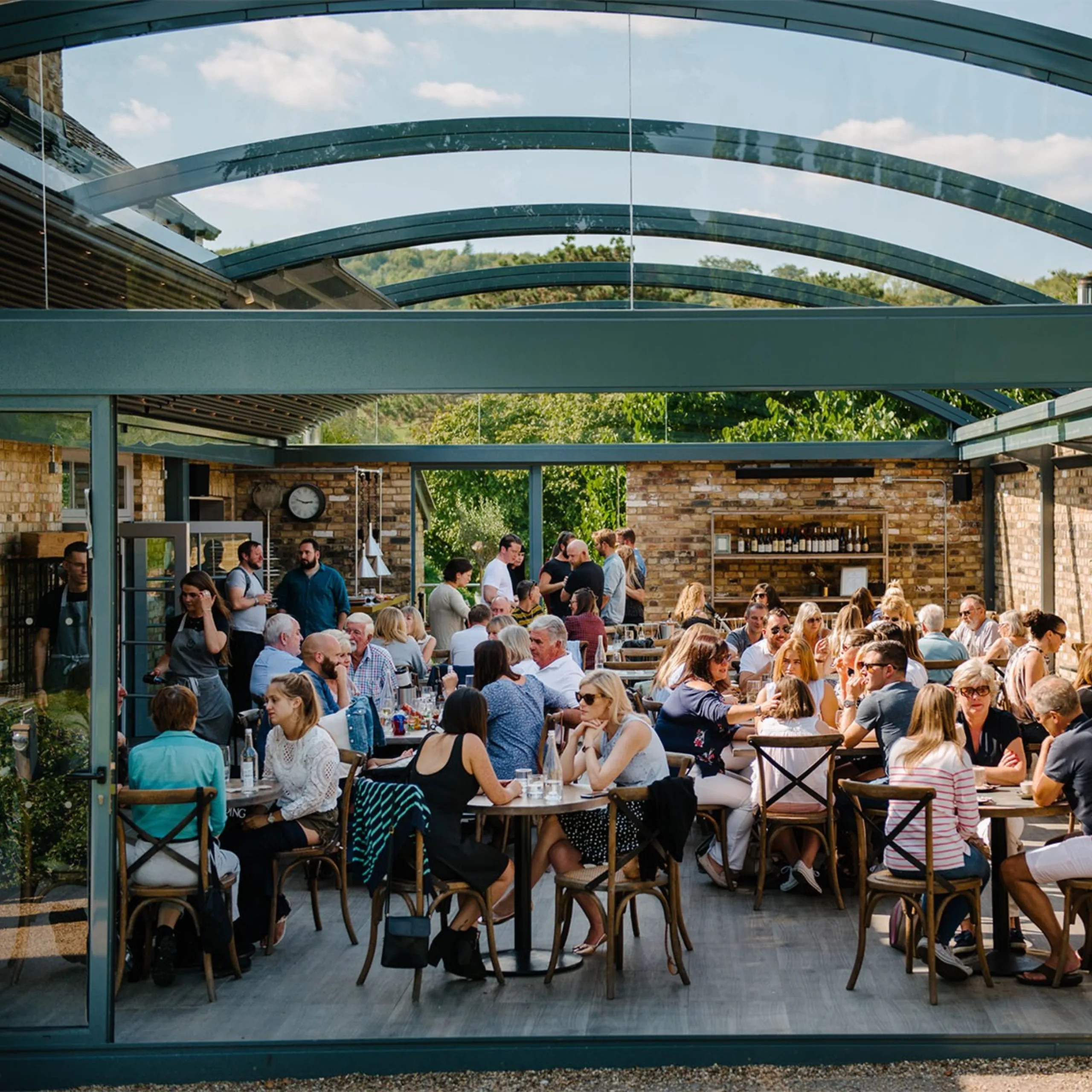
Locations
From vineyards to farm tables, we explore the culinary gems and world-renowned wineries of Kent
30 May 2024
Sorry!
An unexpected error has occurred.
Please try again later.

