

The changing face of luxury: how experience is defining property
For today’s increasingly youthful affluent audience, a search for unique experiences and a drive for wellness and longevity mean luxury priorities have shifted

For today’s increasingly youthful affluent audience, a search for unique experiences and a drive for wellness and longevity mean luxury priorities have shifted
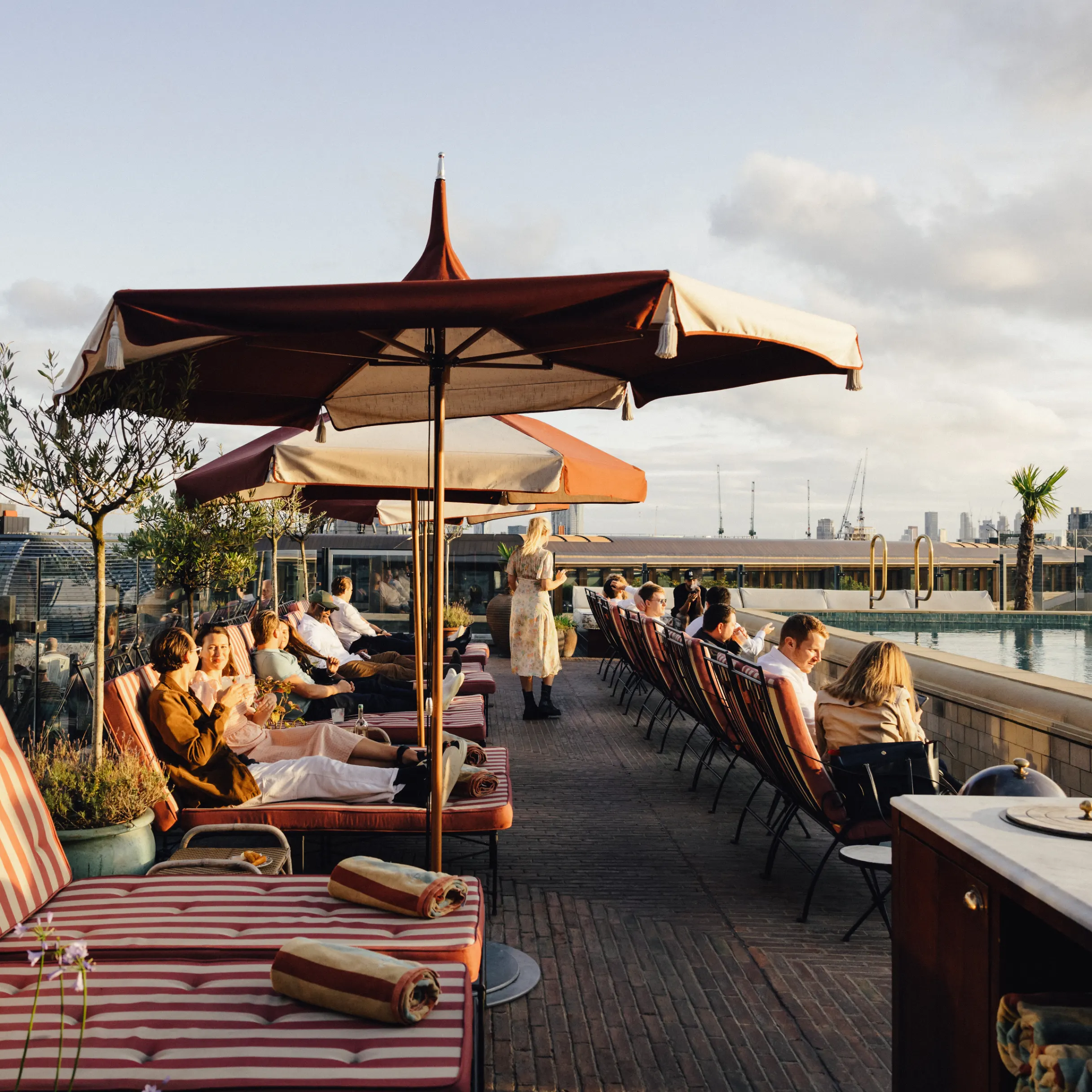
The concept of luxury has always had a degree of fluidity: after all, there’s no universal agreement on the most desirable supercar or supreme wristwatch. But what is undisputed is that after several years when the luxury sector was turbocharged, growing in Europe alone twice as fast as GDP, the market has changed. Between 2022 and 2024, consultants Bain & Co report that 50 million luxury consumers left the marketplace. Some were undoubtedly priced out – luxury brands have marked up their goods by 52% on average since 2019 – but for many ultra and high-net-worth individuals, it was a conscious decision to exit a market that no longer felt “special”.
The Wealth Report 2026 highlights this changing face of luxury, citing a transfer of interest from goods to experiences, particularly travel, fine dining, hotels and homes. “The clamour for unique experiences was already audible before the pandemic, but experts say the crisis gave it fresh momentum,” writes editor Liam Bailey. It is, he suggests, a transitional phase to the transformation economy, a “new era that sees wealthy consumers gravitate towards brands that enable personal transformation, whether through self-improvement, health optimisation or increased longevity.”
Wealthy clients today will pay large amounts for unique experiences that they believe offer good value, says Alasdair Pritchard, Partner in Knight Frank’s Private Office. “They look for experiences that create lasting memories, something that goes above and beyond,” he says. “We have clients who own €30 million holiday homes in Ibiza or St Tropez purely because they want a base where they know that at least once a year, their children and grandchildren will all want to come for a week or two. We’ve done transactions at this level for many years of course but what has changed is the family aspect. Today, when it’s so easy to work remotely and be globally mobile, the desire for somewhere private to reunite as a family is stronger and more important than ever.”
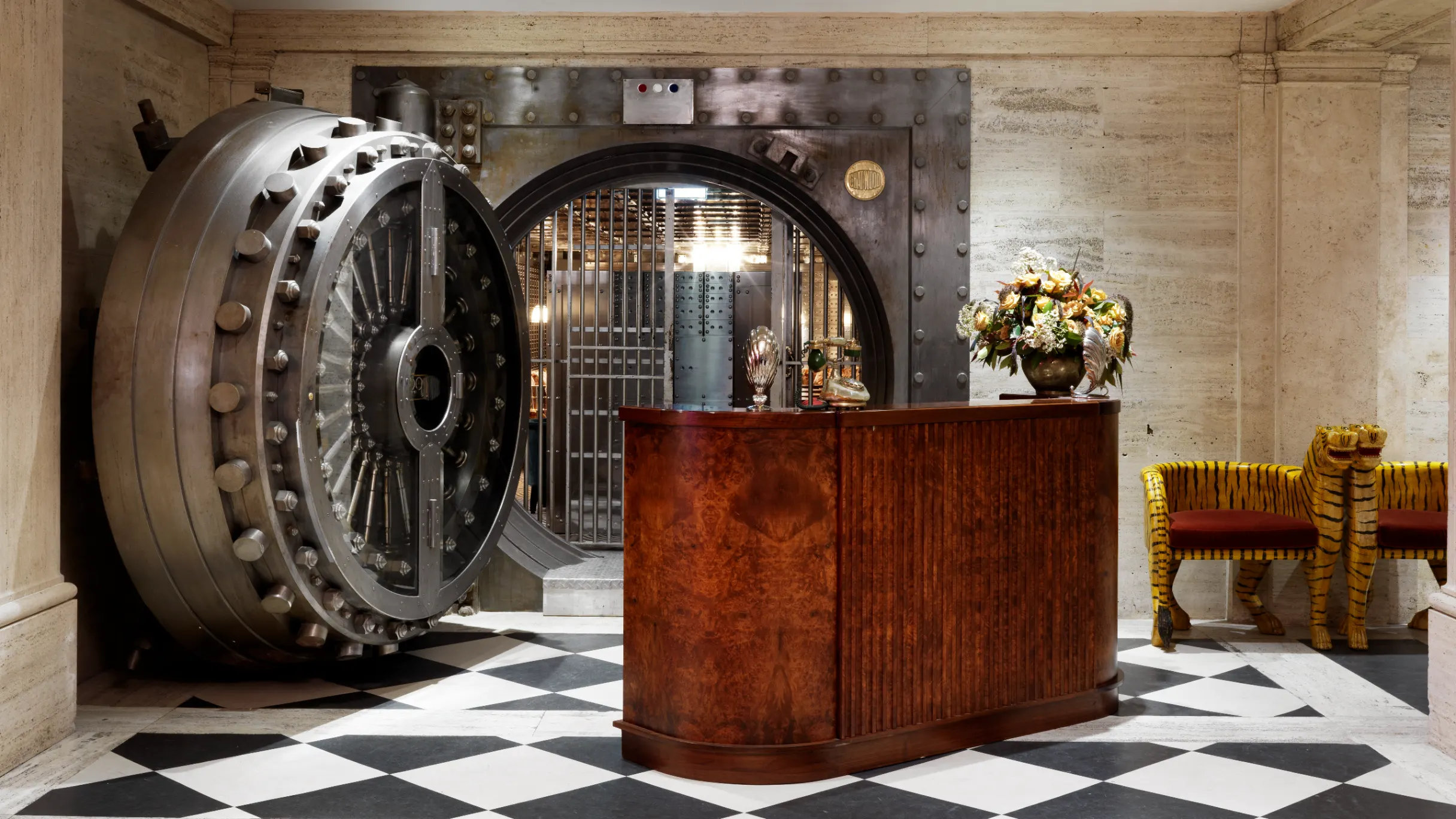
In the property realm, this changing face of luxury translates also into a heightened appeal for branded residences and leisure resorts that provide both exclusivity and a sense of belonging. The number of branded residence schemes worldwide is forecast to rise to over 1,000 by 2030, up from just 169 in 2011. Current numbers are most notable in North America (Miami in particular) and Dubai, but the Middle East and Asia lead the pipeline for future highly personalised residences. As The Wealth Report noted, “buyers now demand more than turnkey luxury: they are willing to pay premiums for curated communities, assured top-tier service, convenience, privacy and high-quality amenities.”
The proliferation of private members clubs since 2020 is another demonstration of the desire to belong to a like-minded, upscale community. Recent headline-grabbing openings cover not only global cities but also rural hideaways: London and the Cotswolds, upstate New York and New York City.
“Resort communities such as Albany in the Bahamas feel like private members’ clubs in many ways even though they aren’t,” says Pritchard. “They have clubhouses and hold regular events that allow residents to feel part of something while also emphasising the exclusivity of owning a home there. It’s why clubs closely associated initially with urban life – the likes of Soho House and The Ned for example - are expanding abroad. They understand that people worldwide want curated and exclusive opportunities and a foothold in beautifully designed and inspiring buildings, where everything from the art on the walls to the furniture creates a sense of belonging through a recognised quality and brand identity.”
The emerging transformation economy is driven largely by a younger generation of wealthy consumers for whom luxury means prioritising wellness, longevity and purpose, goals that branded residences, resorts and private members’ clubs alike are scrambling to offer. The usual suspects of saunas, gyms, yoga studios and swimming pools are being added to with padel courts, cold plunge pools and medical-grade health check facilities.
At Six Senses Residences Comporta, a collection of two- to five-bedroom villas and residences, the barefoot luxury of Portugal’s coastline provides the ideal backdrop for a wellbeing-focused lifestyle. Facilities will include a signature Six Senses Spa and Wellness Centre, where an emphasis on diagnostics and personalised treatments underpins a holistic approach to wellbeing and longevity. Set within the 400-hectare Pinheirinho estate, the development offers access to one of Europe’s longest sandy beaches, surrounded by pine forest, orange cliffs and lakes, while wider amenities include an 18-hole golf course alongside a range of sports, outdoor pursuits, and curated family activities.
“This new, younger generation of the wealthy are fleet of foot and noticeably less driven by acquisition for its own sake,” says Oliver Banks, Partner in Knight Franks International Residential Team. “They are more likely to be found in a sauna than a pub and are more adventurous on location, often preferring to have smaller homes for the flexibility of use and diversification of assets that provides. However, they still want to rub shoulders with the ‘right’ people and feel part of a community. That means the new developments that come with private members’ clubs are a big lure, Casa Tua and Cipriani in the US for example.”
Banks points out that the wide-ranging lifestyle facilities that many prime developments now offer, not only around wellness but also with a comprehensive checklist of meeting rooms, private dining rooms, lounges and libraries, allow owners of even smaller units to feel they have generous space to use.
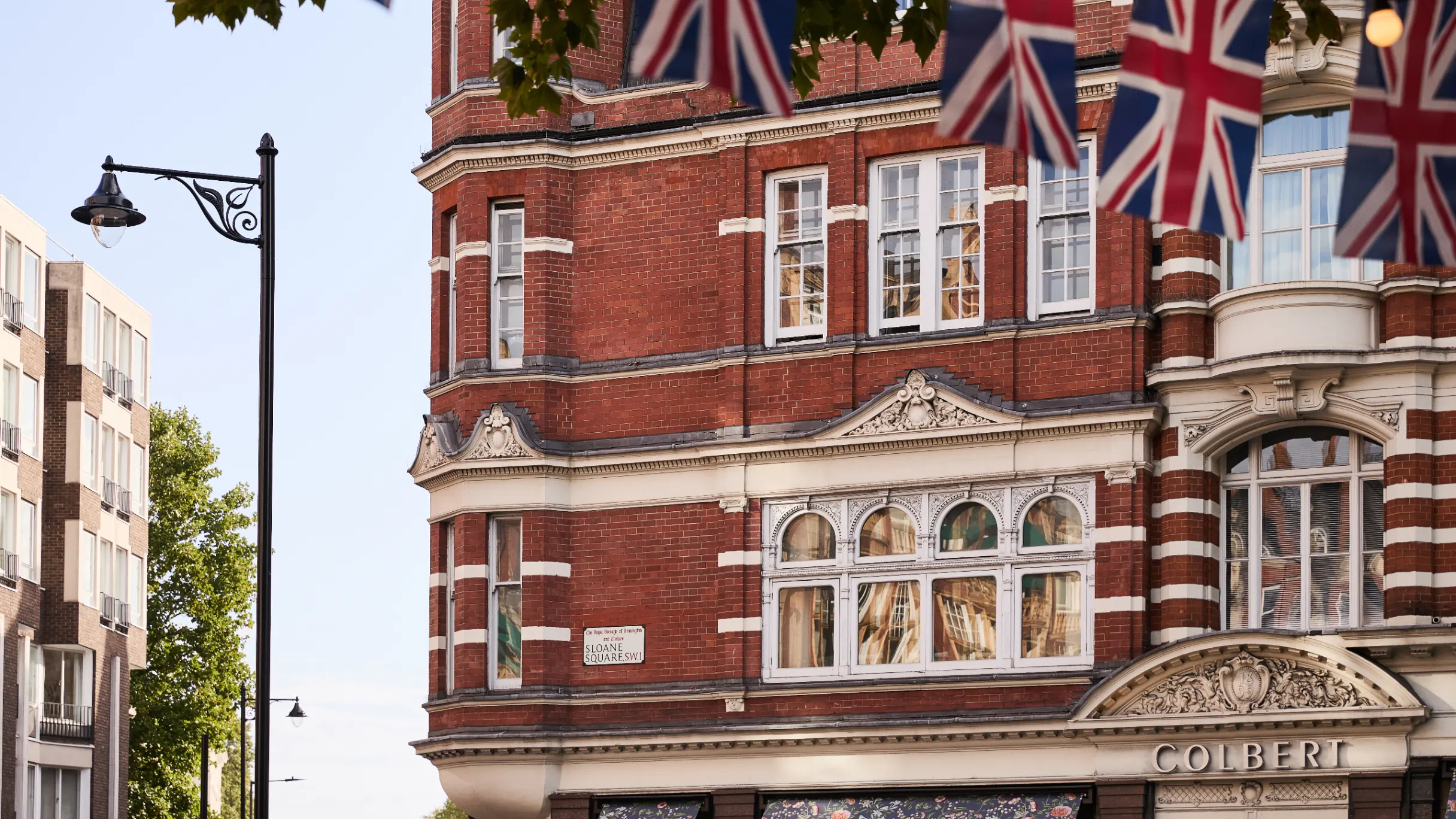
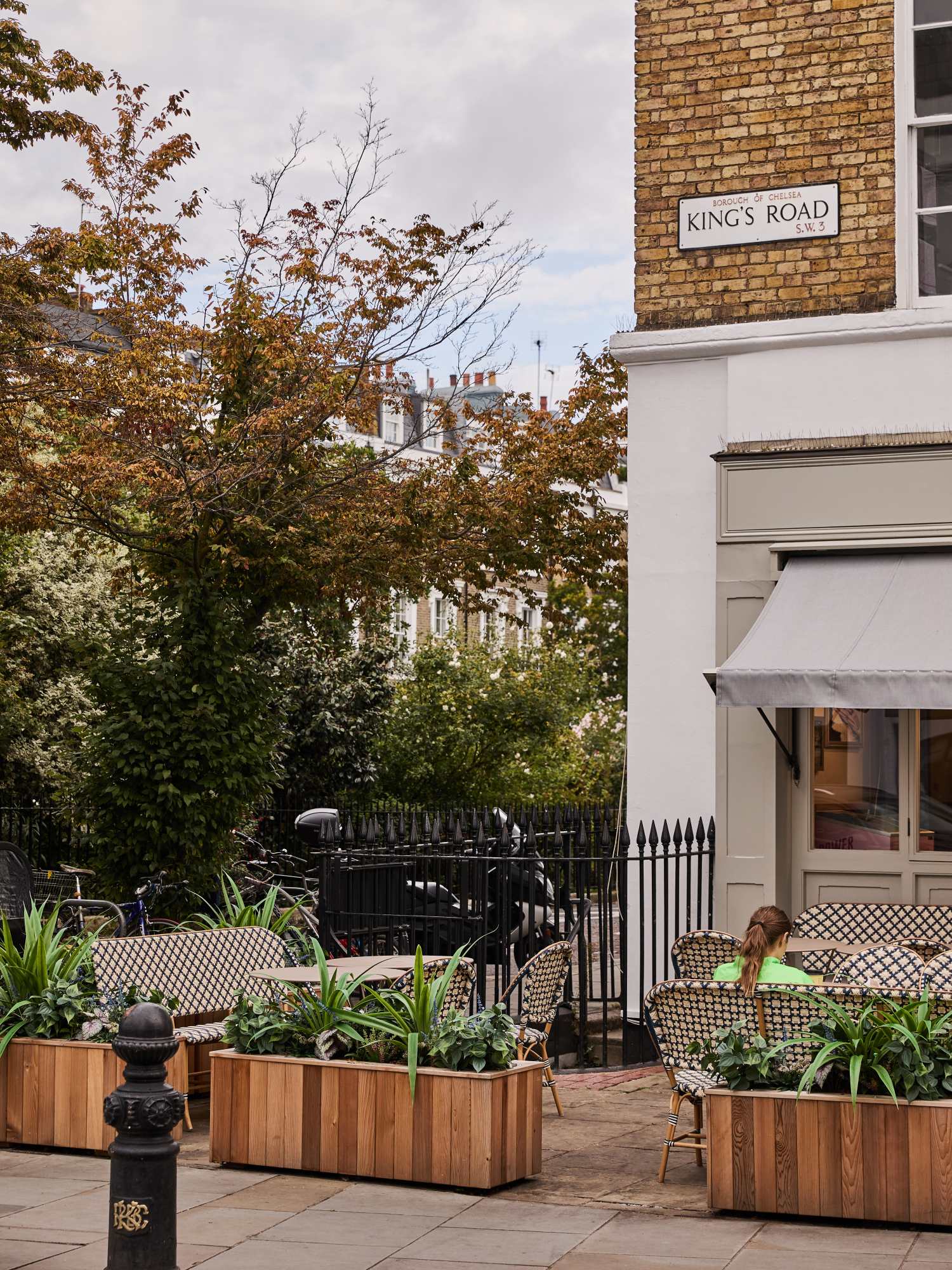
The value that artfully curated spaces can add is demonstrated on the very best high streets. In London, High Seaborn, CEO of The Cadogan Estate has overall responsibility for some of the most desirable prime real estate in the capital, 93-acres that includes King’s Road, Chelsea. The estate has spent £46 million redeveloping Sloane Street into a ‘green boulevard’, a move that Seaborn credits as one reason for a 16 per cent increase in operating profits in 2025.
“Careful curation creates a pleasurable experience that benefits everyone, the customer and the retailer,” says Pritchard. “Grosvenor Estate’s thoughtful work on Motcomb Street for example, mixing a hair salon with an artisan cheesemonger, a bookshop, has been highly successful. A florist might not be the highest grossing shop you can add but the beauty and pulling power it gives the street, flowers spilling out onto the pavement, is priceless in other ways.”
As experience-led assets become ever more highly cherished, the properties most in demand have adapted accordingly. Homes today must double as retreats, potential workspaces and a place for families to reconnect. They should provide a holistic lifestyle platform, enhancing wellbeing and creating a sense of calm and happiness. “Clients expect their homes to create a certain level of emotion,” says Pritchard. “And the best homes today do exactly that.”
Connecting you to opportunities across the world
Homes
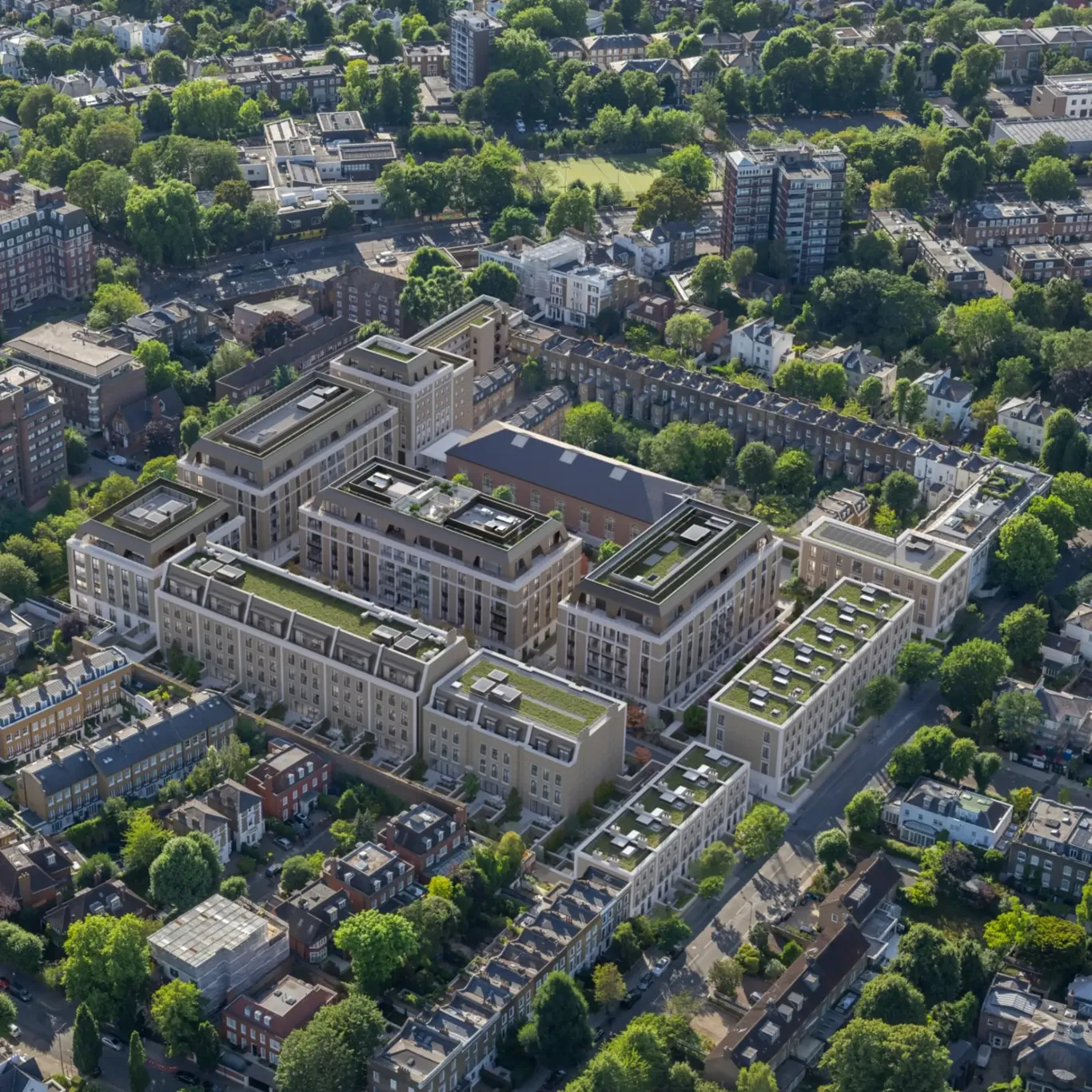
Spacious lateral homes, supreme craftsmanship and outstanding wellbeing facilities make this exceptional development a rare capital opportunity
07 October 2026
Locations
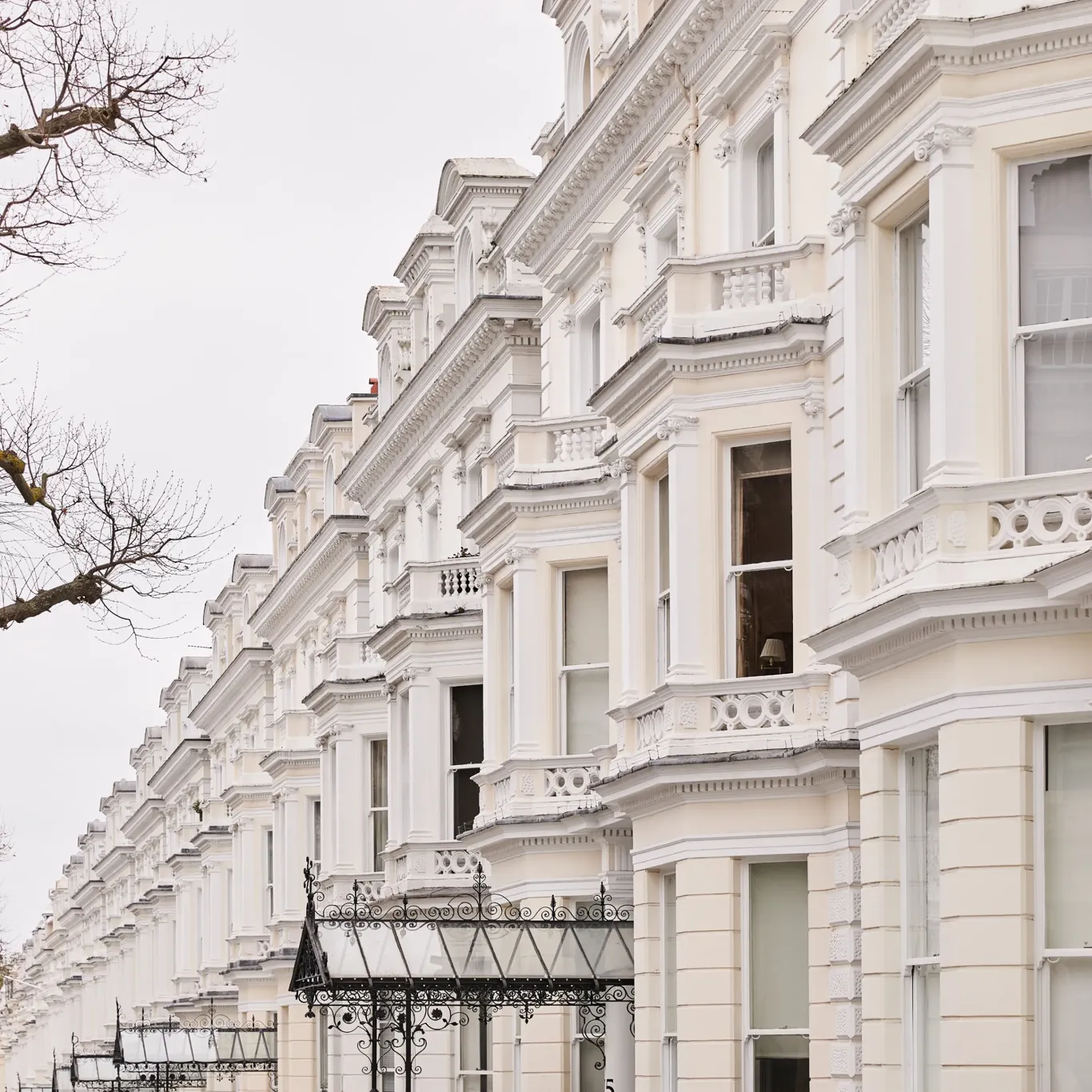
Transaction volumes are rising as improving sentiment encourages buyers and sellers back into the prime central London market
21 September 2026
Inspiration
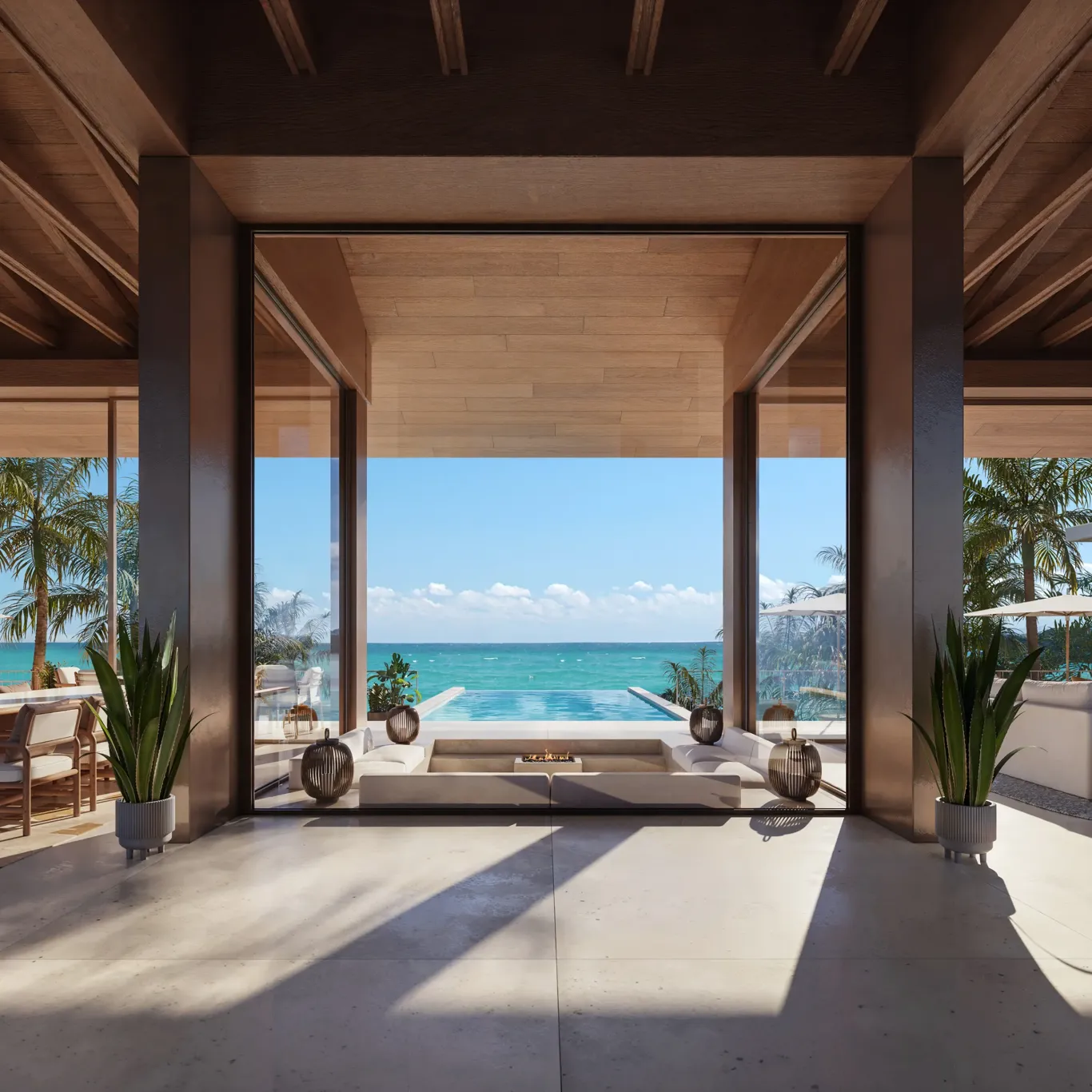
How changing patterns of wealth mobility are reshaping demand for prime properties and branded residences
18 September 2026
Inspiration
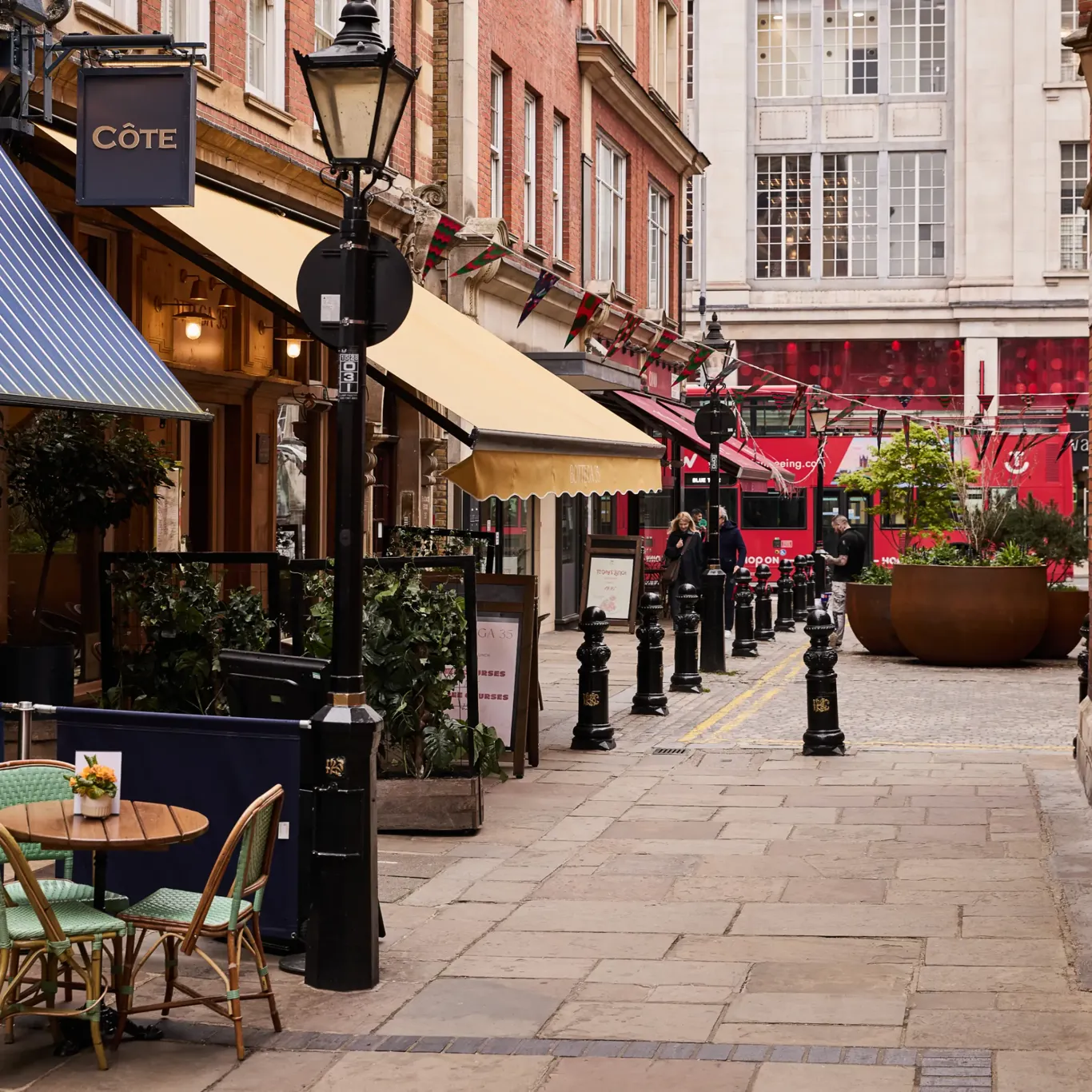
Knight Frank experts explore how retailers, investors and communities are redefining the role of the modern high street
17 September 2026
Homes
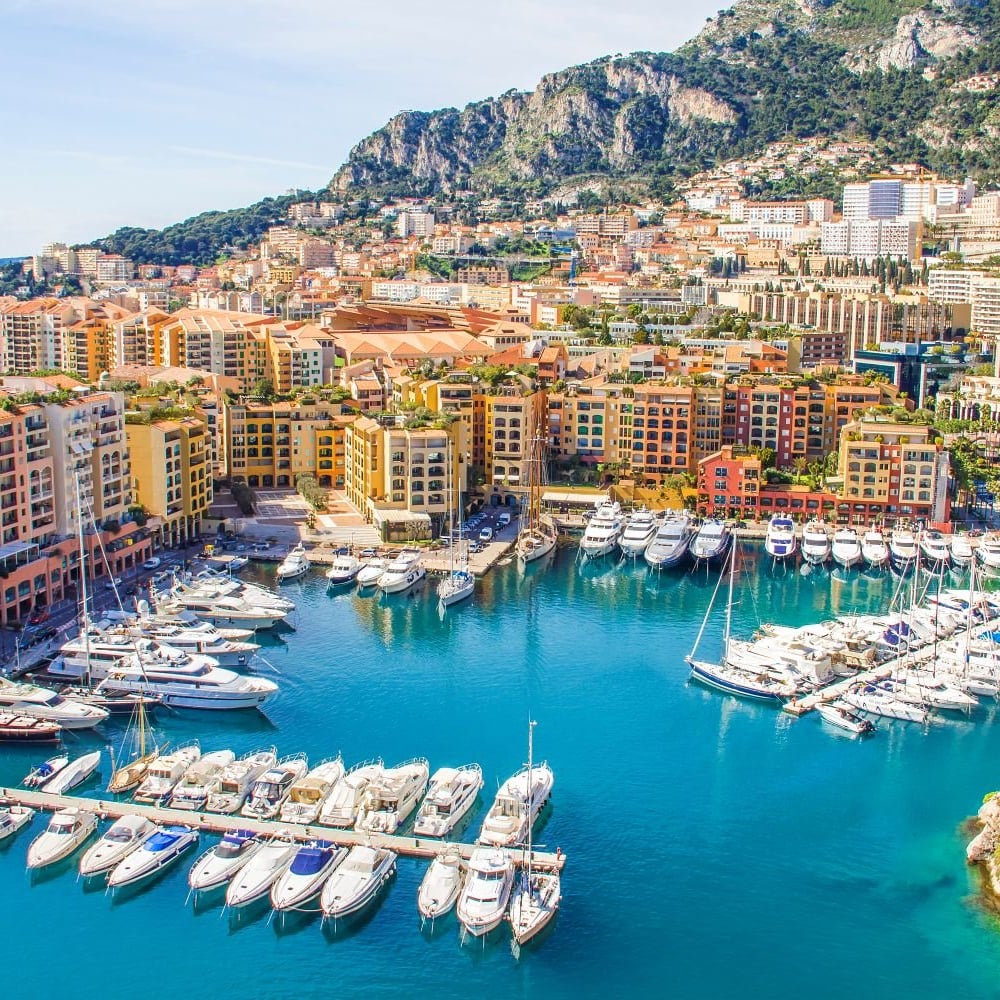
Small in size but mighty in stature, Monaco’s Mediterranean lifestyle, world-class calendar of events and alluring property options make it a magnet for the wealthy
14 September 2026

Locations
Consistently ranked among London’s happiest boroughs, Richmond pairs exceptional green space, top-performing schools and elegant homes with effortless access to the capital
11 September 2026

Locations
From top-performing state schools to leading independent education, these sought-after locations combine exceptional schooling with family-friendly homes and communities
09 September 2026

Homes
With education a key driver behind relocation decisions, these standout properties combine proximity to renowned international schools with an exceptional quality of life
03 September 2026
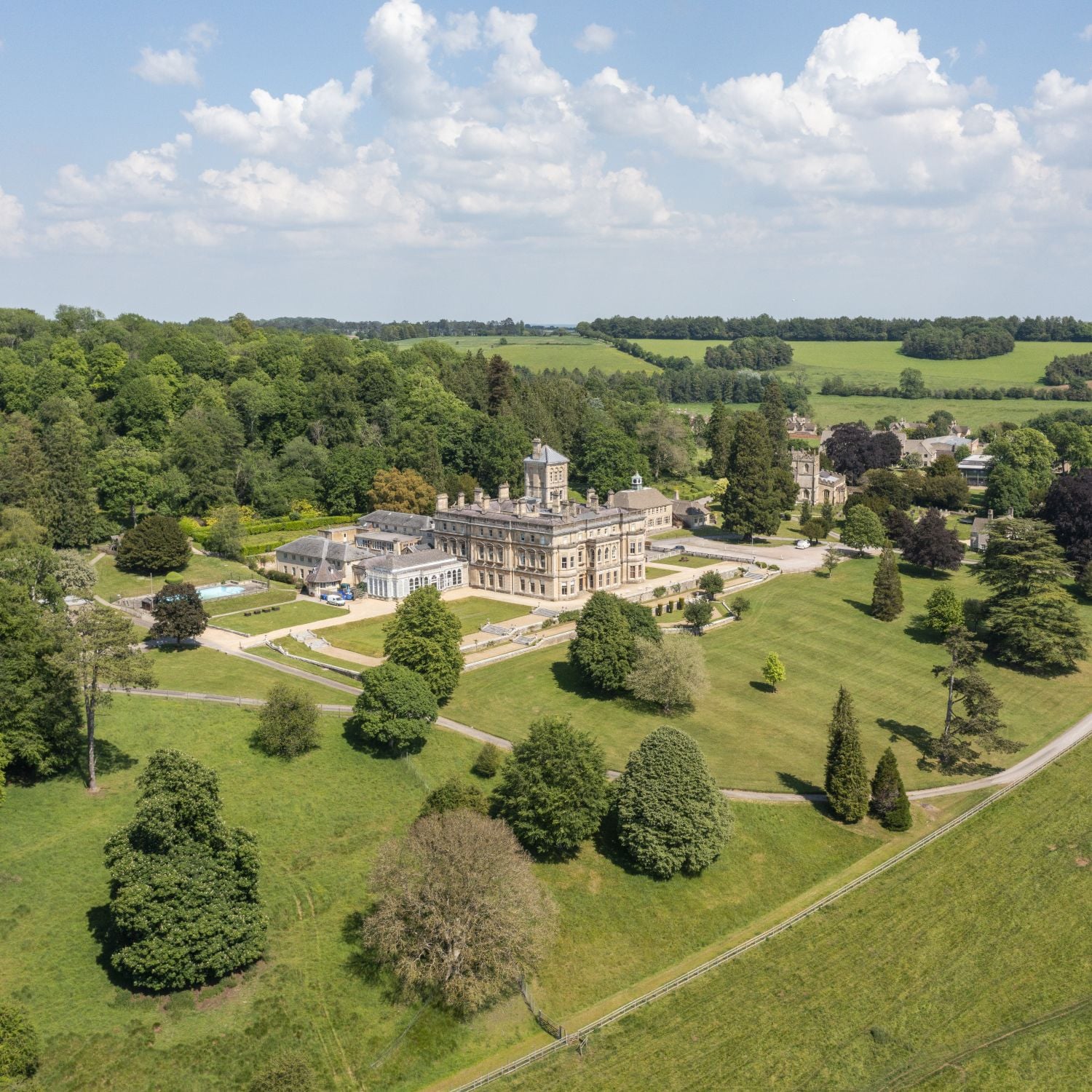
Inspiration
Rendcomb Park, a significant private estate set in 230 acres of prime English countryside with an on-going charitable legacy, is ready for the next chapter in its impressive history
12 August 2026
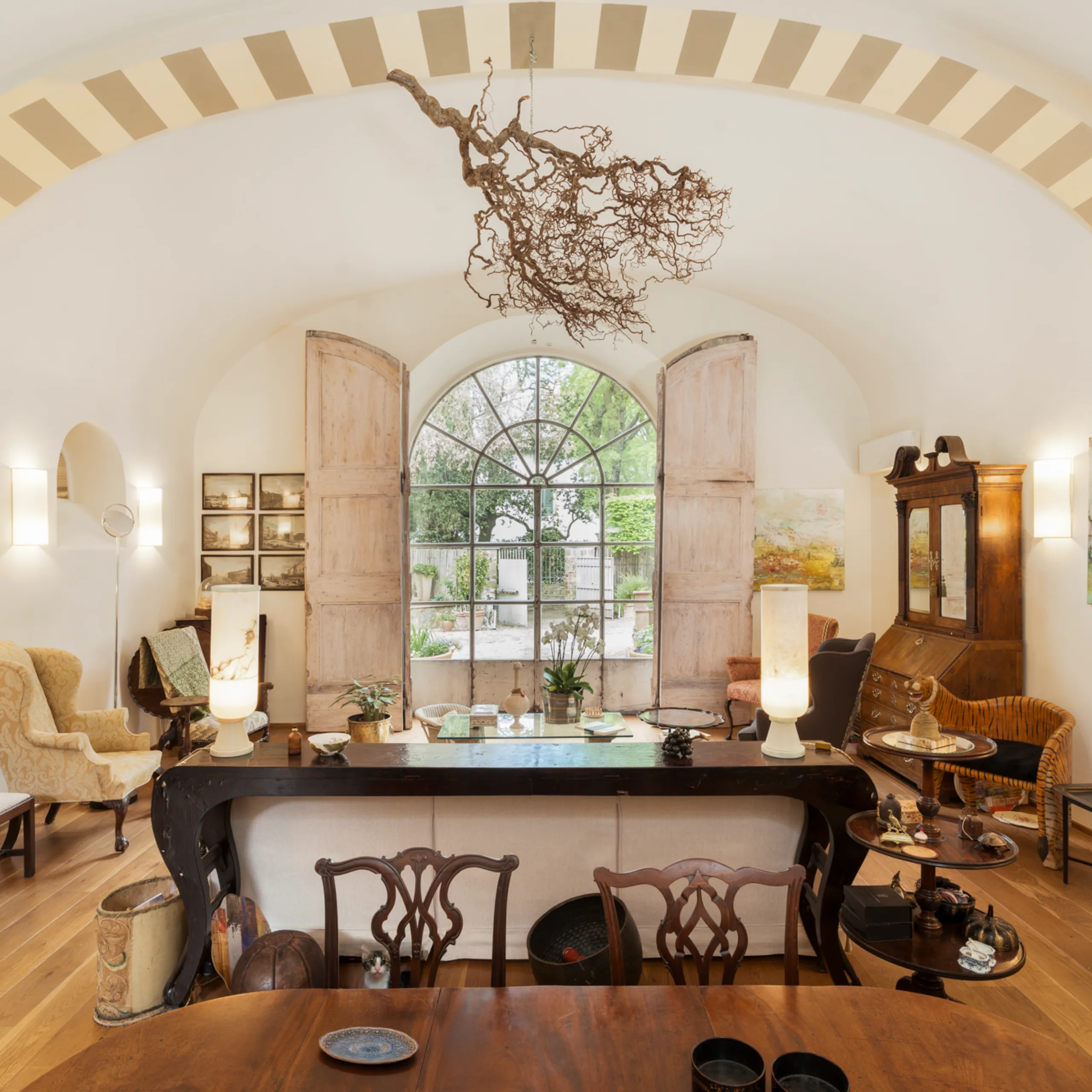
Inspiration
Artist Elizabeth Orchard finds inspiration in the beauty of Italy and her Florentine home and garden
06 August 2026
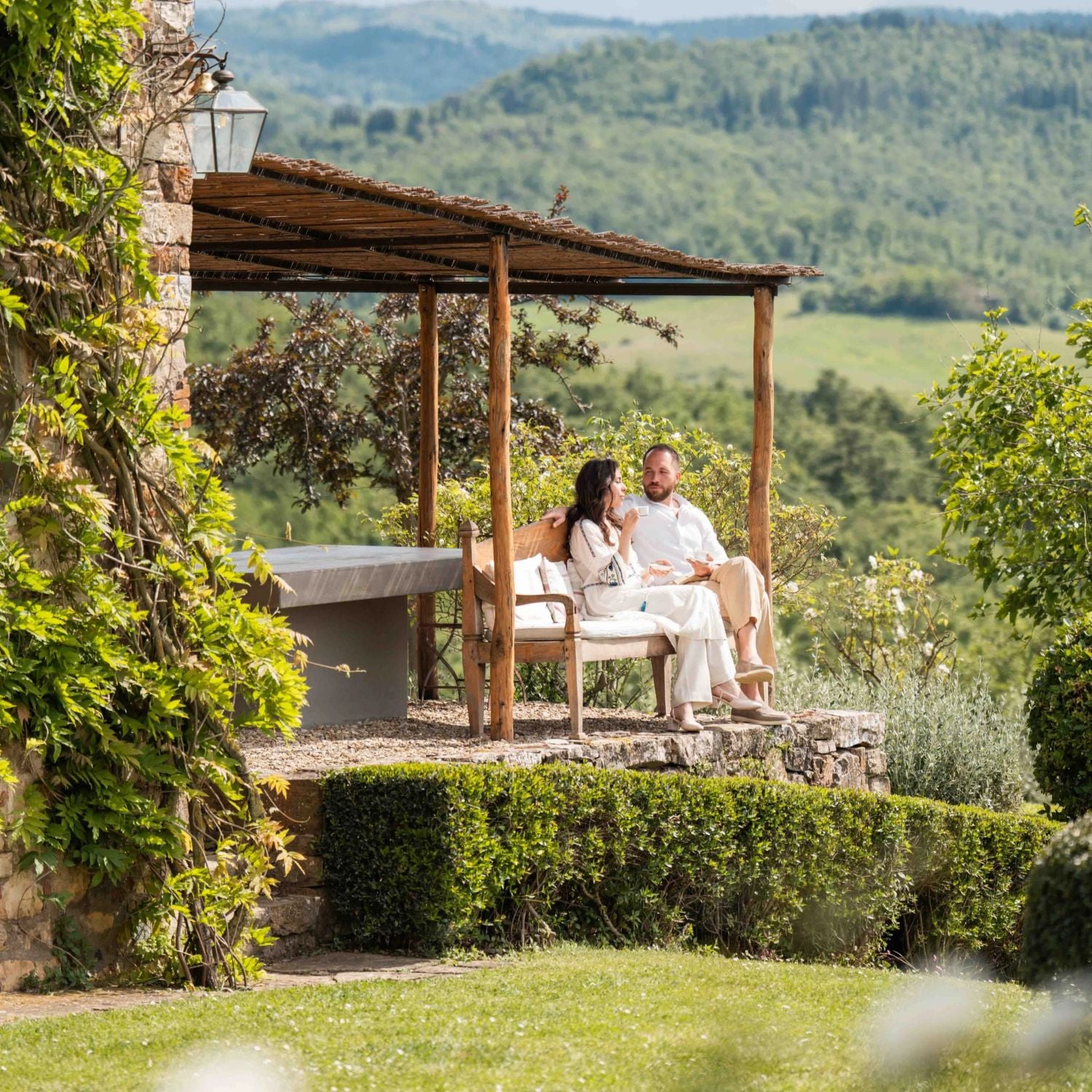
Homes
Bill Thomson, Chairman of Knight Frank's Italian network, highlights the important considerations for those setting out to buy an Italian home
06 August 2026
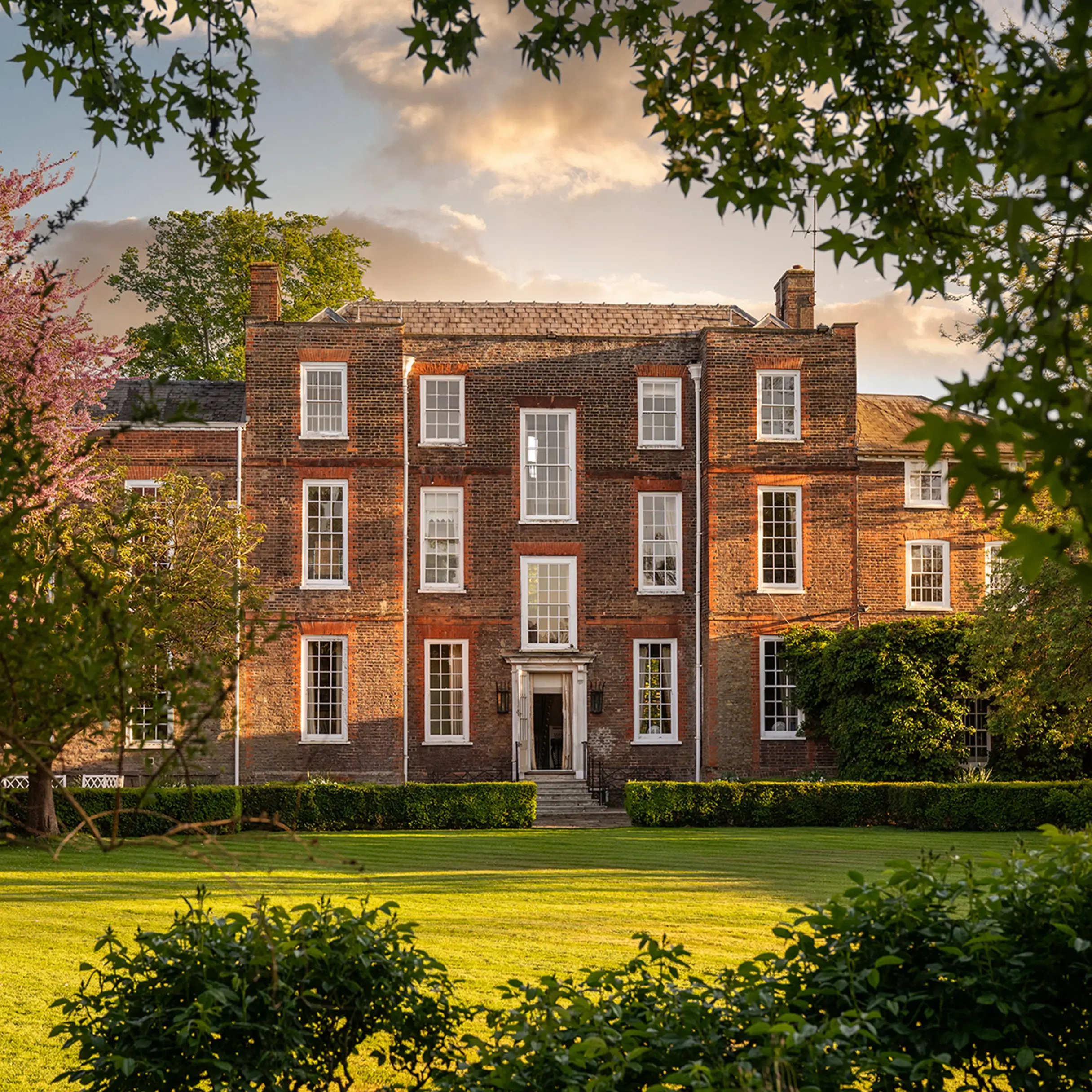
Homes
Ben Goldsmith shows the magic of Ormeley Lodge, home for 50 years to his mother Lady Annabel Goldsmith and for sale through Knight Frank.
30 July 2026
Inspiration
Consumers are becoming ever more selective and informed. What does this mean for the collectibles and luxury assets markets?
24 July 2026

Inspiration
Elite players and ambitious clubs are taking a strategic approach to real estate, using property to build long-term value on and off the field
17 July 2026
Locations
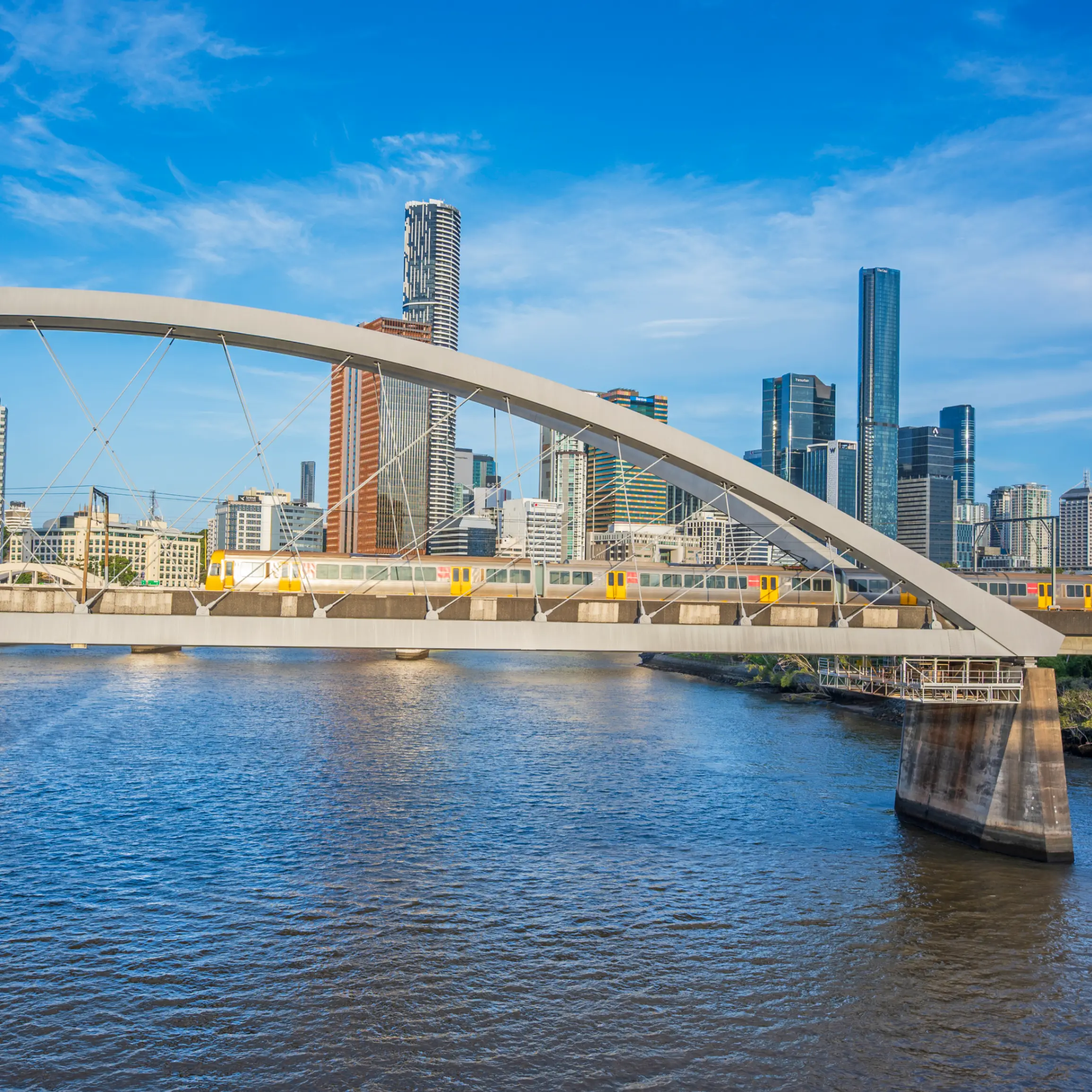
Discover the global luxury property markets most in demand with astute international buyers today, from Dubai and Abu Dhabi to Mumbai and Brisbane
15 July 2026
Locations
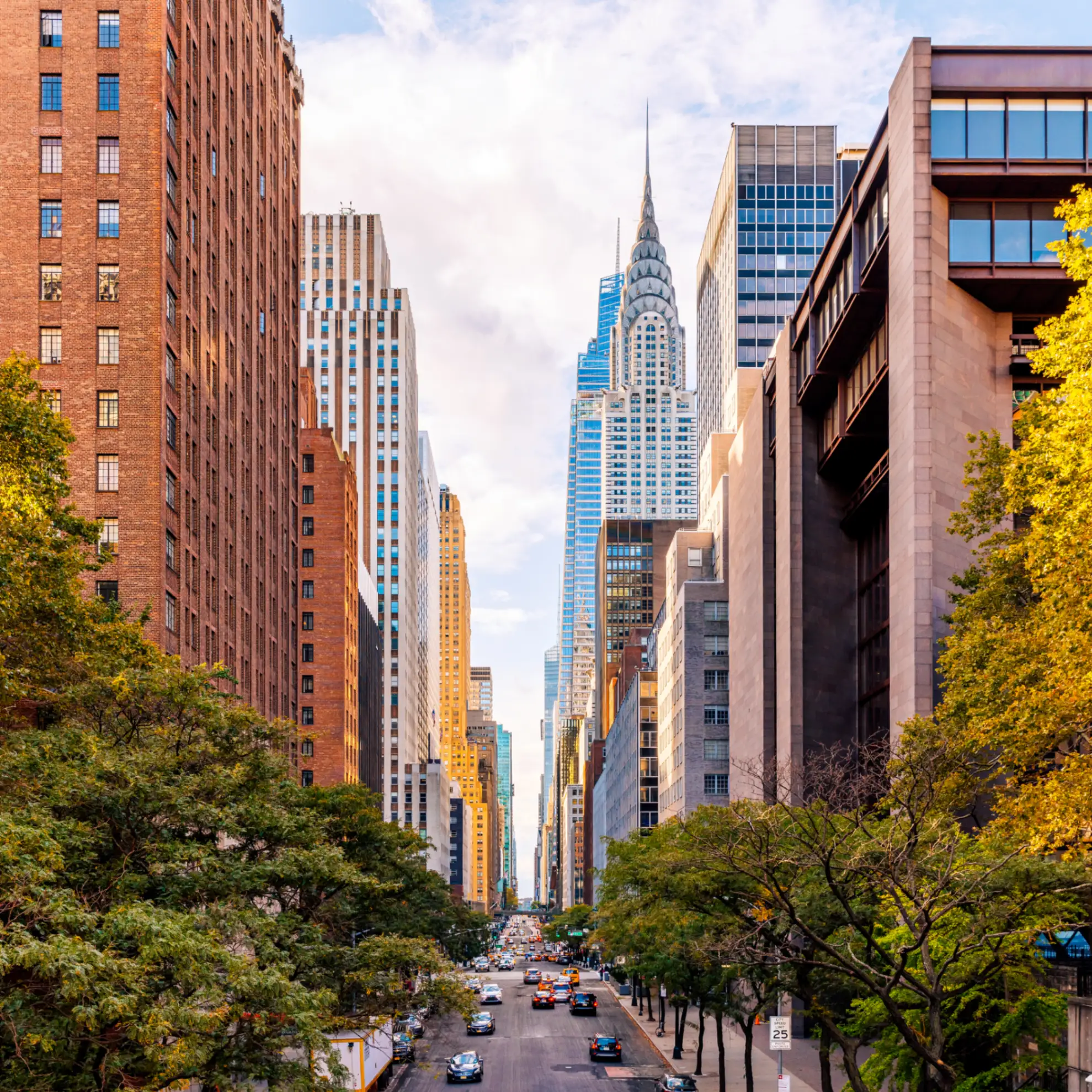
From New York to Los Angeles, these American property markets combine lifestyle and long-term value
02 July 2026
Homes
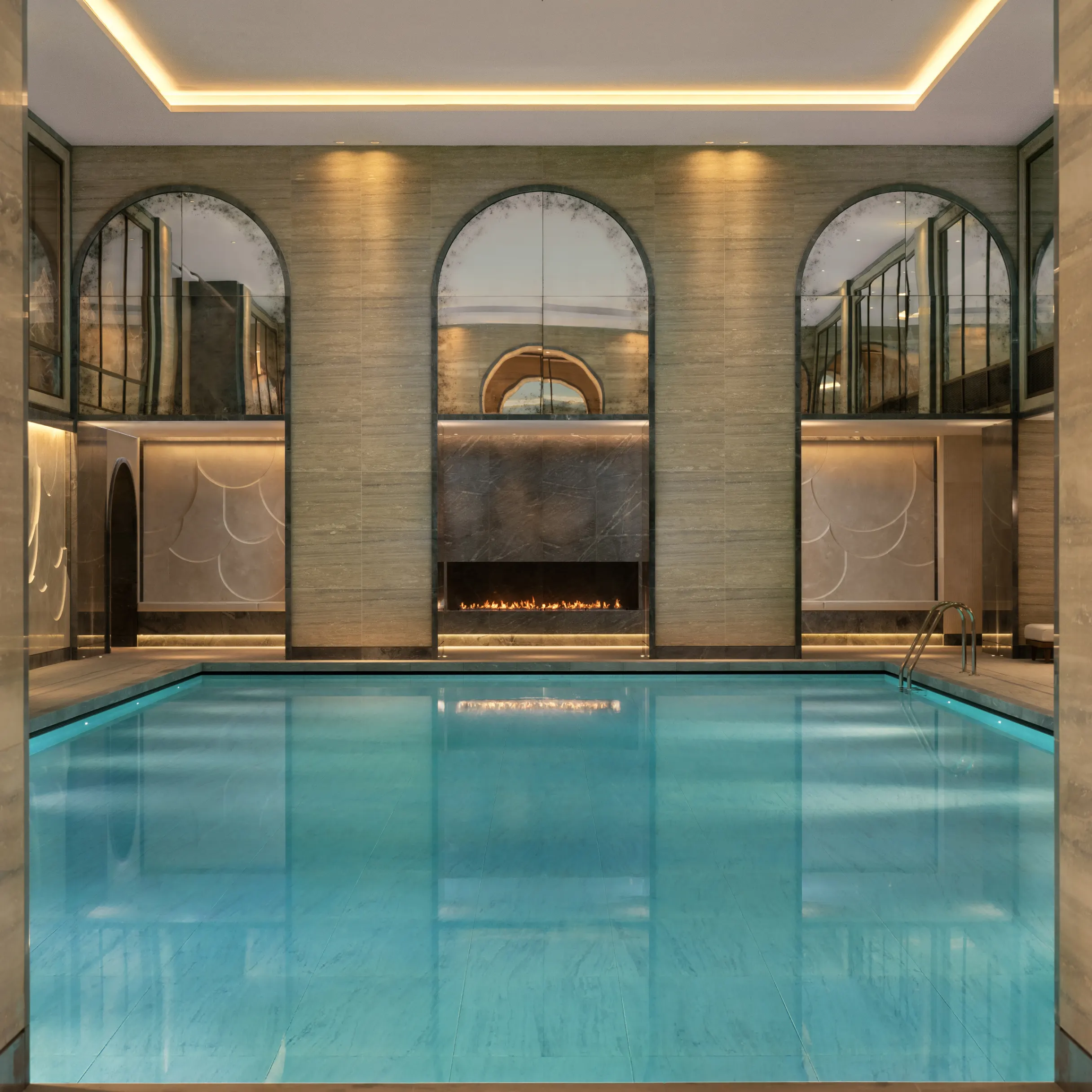
James Guy MBE reveals his ideal private pool setup, as we showcase a collection of standout homes for sale with exceptional swimming facilities
02 July 2026
Locations
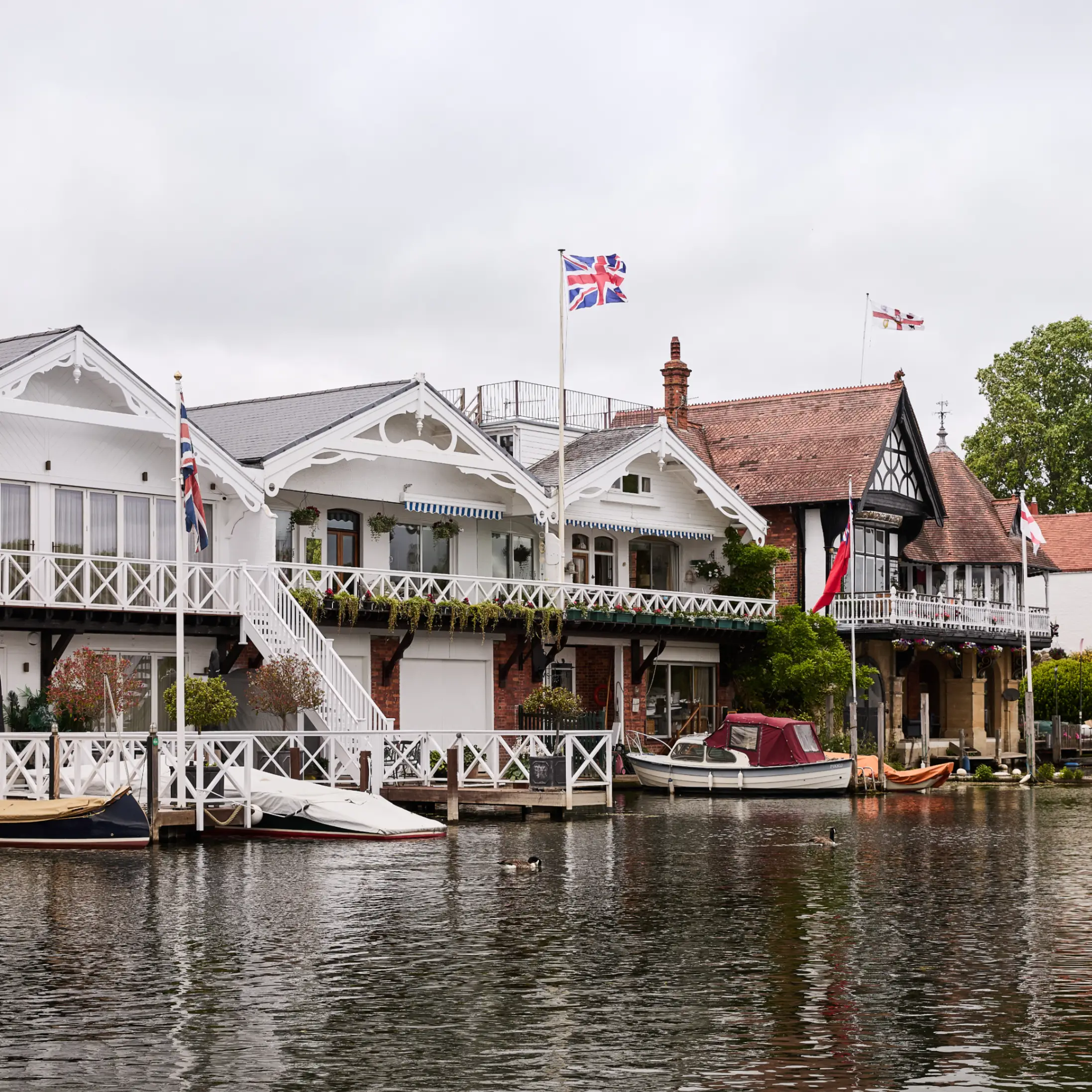
From period homes to riverside properties, Henley-on-Thames offers family-friendly, countryside living within easy reach of the capital
02 July 2026
Inspiration
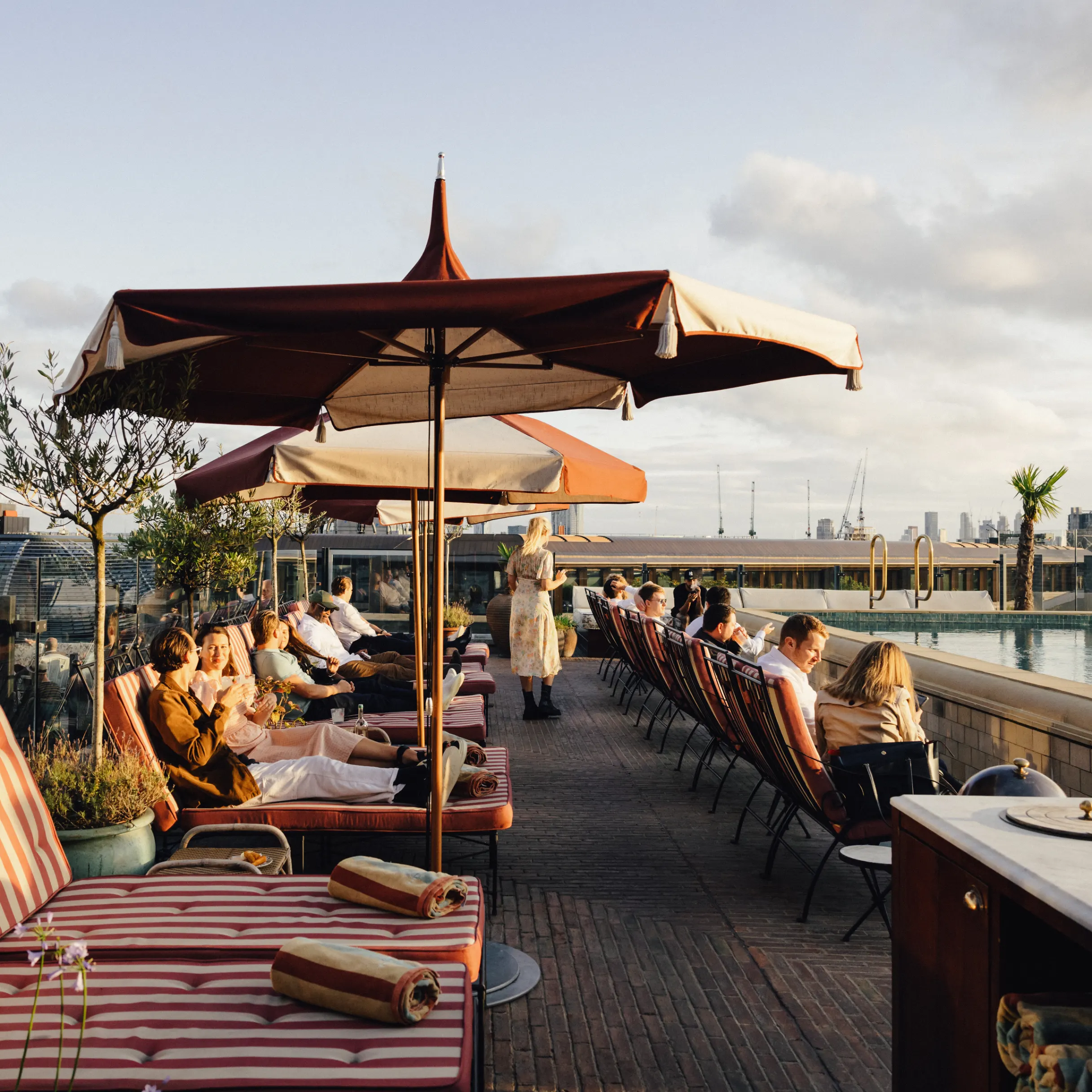
For today’s increasingly youthful affluent audience, a search for unique experiences and a drive for wellness and longevity mean luxury priorities have shifted
17 June 2026
Locations
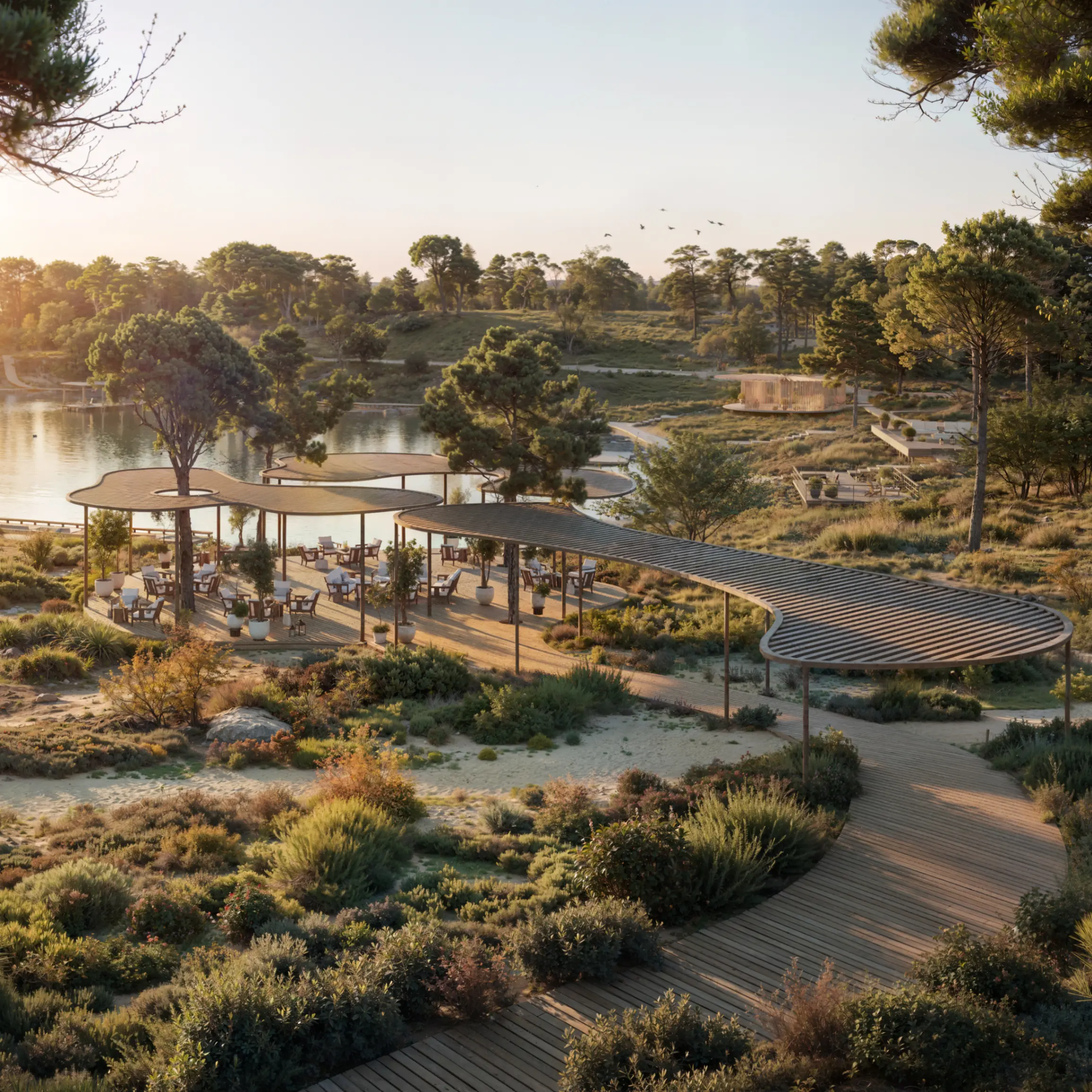
How hospitality-led developments and branded residences are redefining ownership, service, and long-term value in Comporta, Portugal’s most exclusive coastal market
04 June 2026

Locations
As brought to life in The Devil Wears Prada 2, we delve into the destinations where fashion, film and prime property meet
01 June 2026

Inspiration
Flexible rentals, premium rates and global demand are making summer an increasingly attractive opportunity for homeowners in the short lets market
21 May 2026
Locations
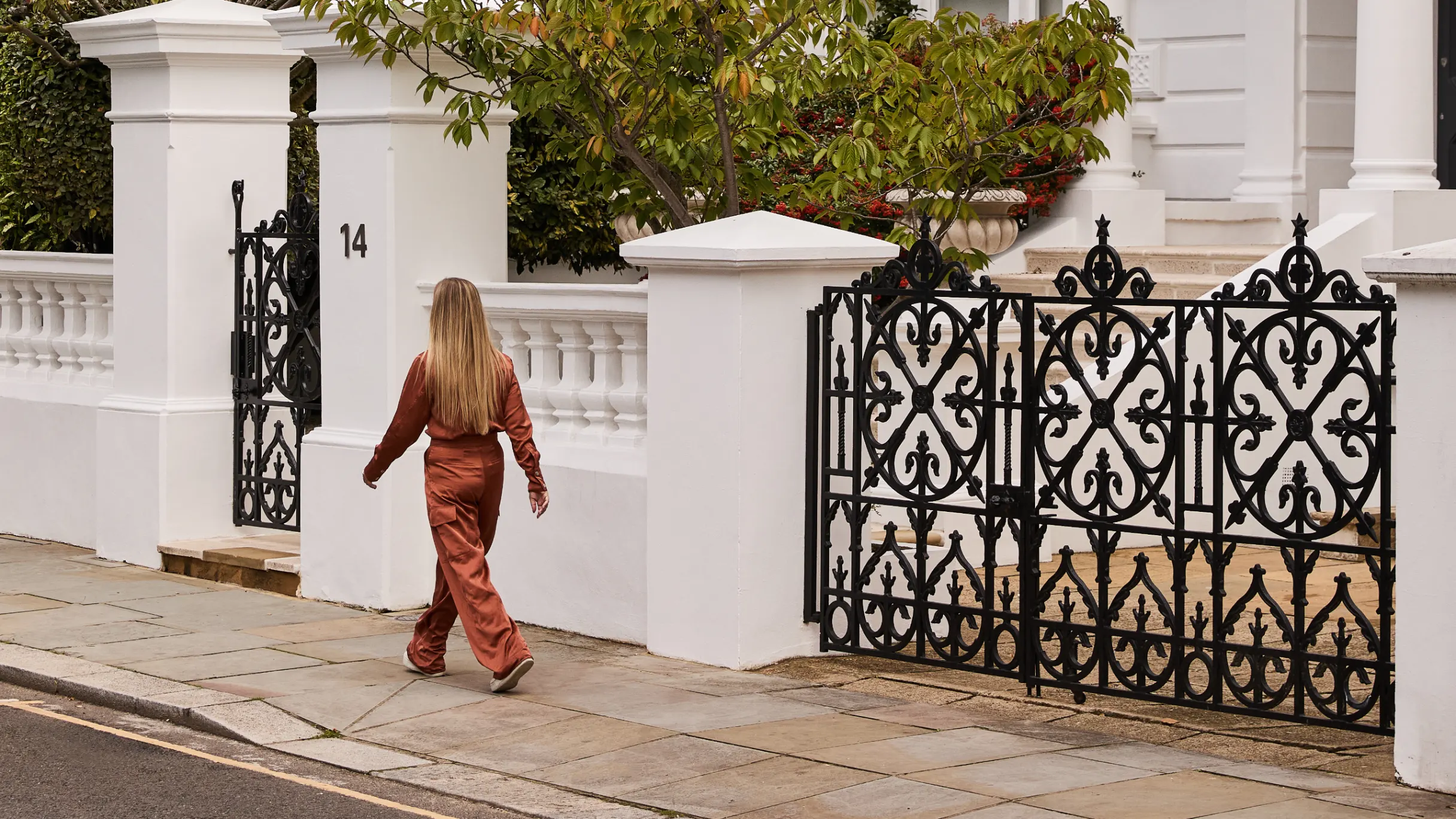
From royal roots to bohemian spirit, Chelsea remains one of London’s most enduringly desirable addresses
20 May 2026
Locations
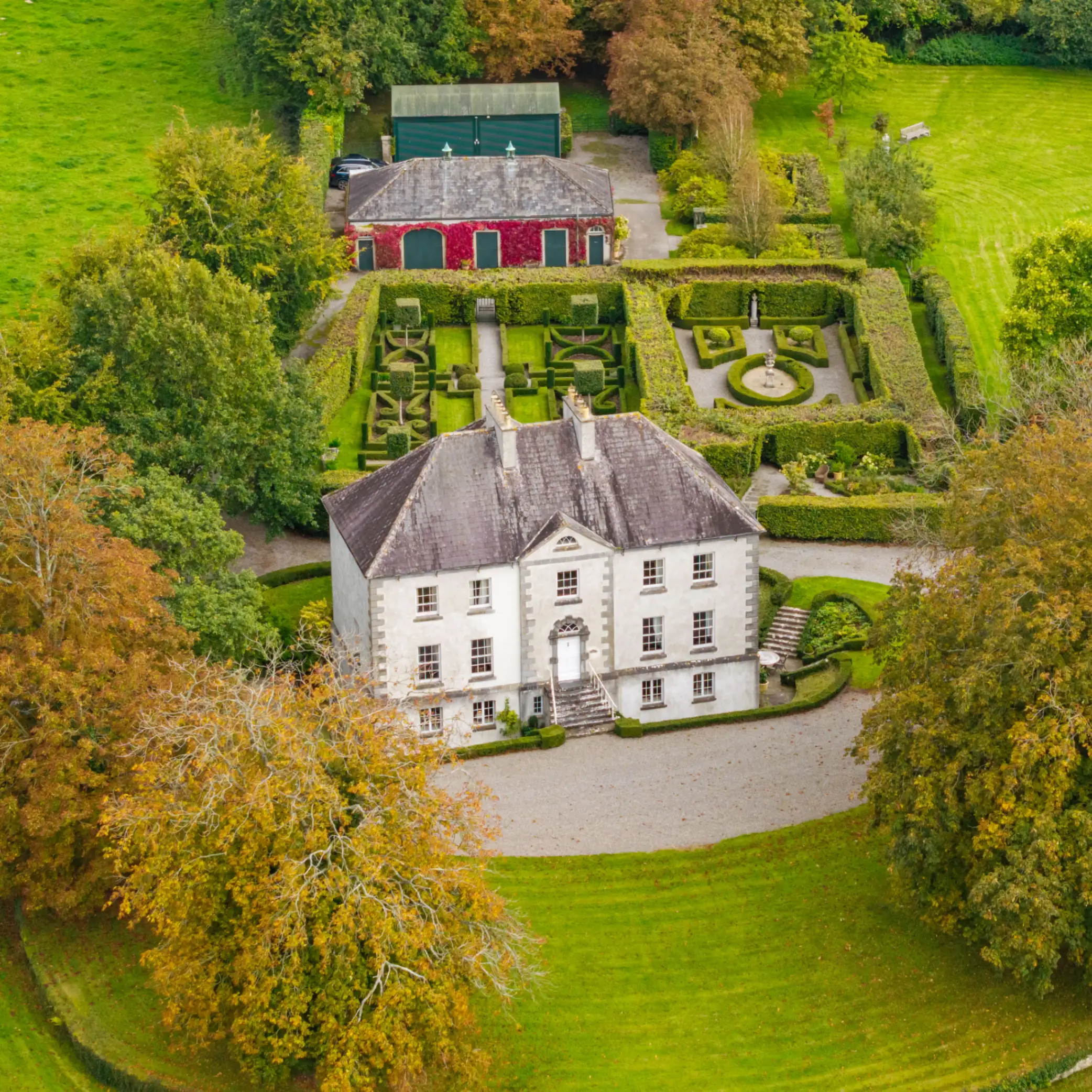
As buyers seek security and long‑term value, we explore why Ireland’s housing market continues to stand out
06 May 2026
Sorry!
An unexpected error has occurred.
Please try again later.
