

Luxury, lifestyle and the evolution of the global consumer
Consumers are becoming ever more selective and informed. What does this mean for the collectibles and luxury assets markets?

Consumers are becoming ever more selective and informed. What does this mean for the collectibles and luxury assets markets?

The way luxury consumers choose to invest is changing. Where once the goal was accumulation, it’s now altogether more personal, centred on the modern-day pursuit of wellness, purpose and personal growth. The mood music has changed from one of conspicuous consumption into something far more specialised and thoughtful. They want unique experiences, exceptional access and passion purchases.
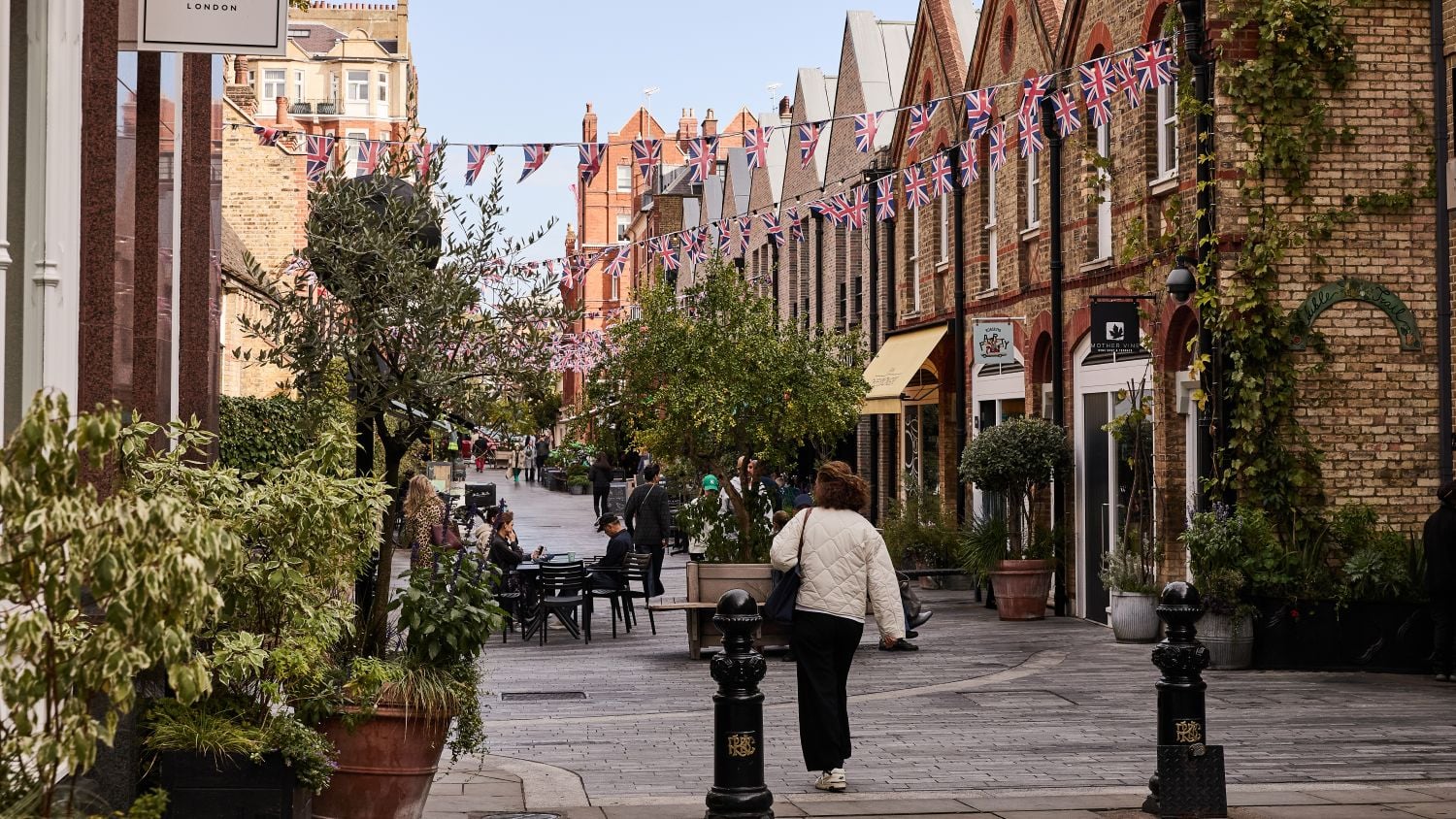
This shift is shown in the number of elite new private members’ clubs opening their doors in prime global cities, many focused less on late-night carousing and more on cutting-edge health diagnostics. It’s shown too in boutique branded residences and in carefully curated shopping streets. In London, the Great Estates – Howard de Walden and Cadogan among them – have assembled an alluringly mix of prestigious, fashion-forward brands, offering a wonderfully individual community-focused relevance in Marylebone, Pavilion Road and the King’s Road.
The Wealth Report 2026 examined this in detail. “Today’s buyers are highly disciplined, targeting rarity, provenance and relative value,” outlines Liam Bailey, Global Head of Knight Frank’s Research Department. “This led to solid gains for luxury investments like impressionist art and watches. The Knight Frank Luxury Investment Index has successfully stabilised, closing 2025 down just 0.4%. Despite recent volatility, the long-term picture is robust, with the index rising 38.6% over the past decade.”
Luxury collectibles do indeed appear to be finding their feet again although performance over the year has been patchy. After a prolonged three-year correction, the Luxury Investment Index saw the largest increase in Impressionist art, up 13% year-on-year. Modern and post-war art also showed positive year-on-year change, up 7.1% and 5.2% respectively, followed closely by watches, registering 5.1% year-on-year growth.
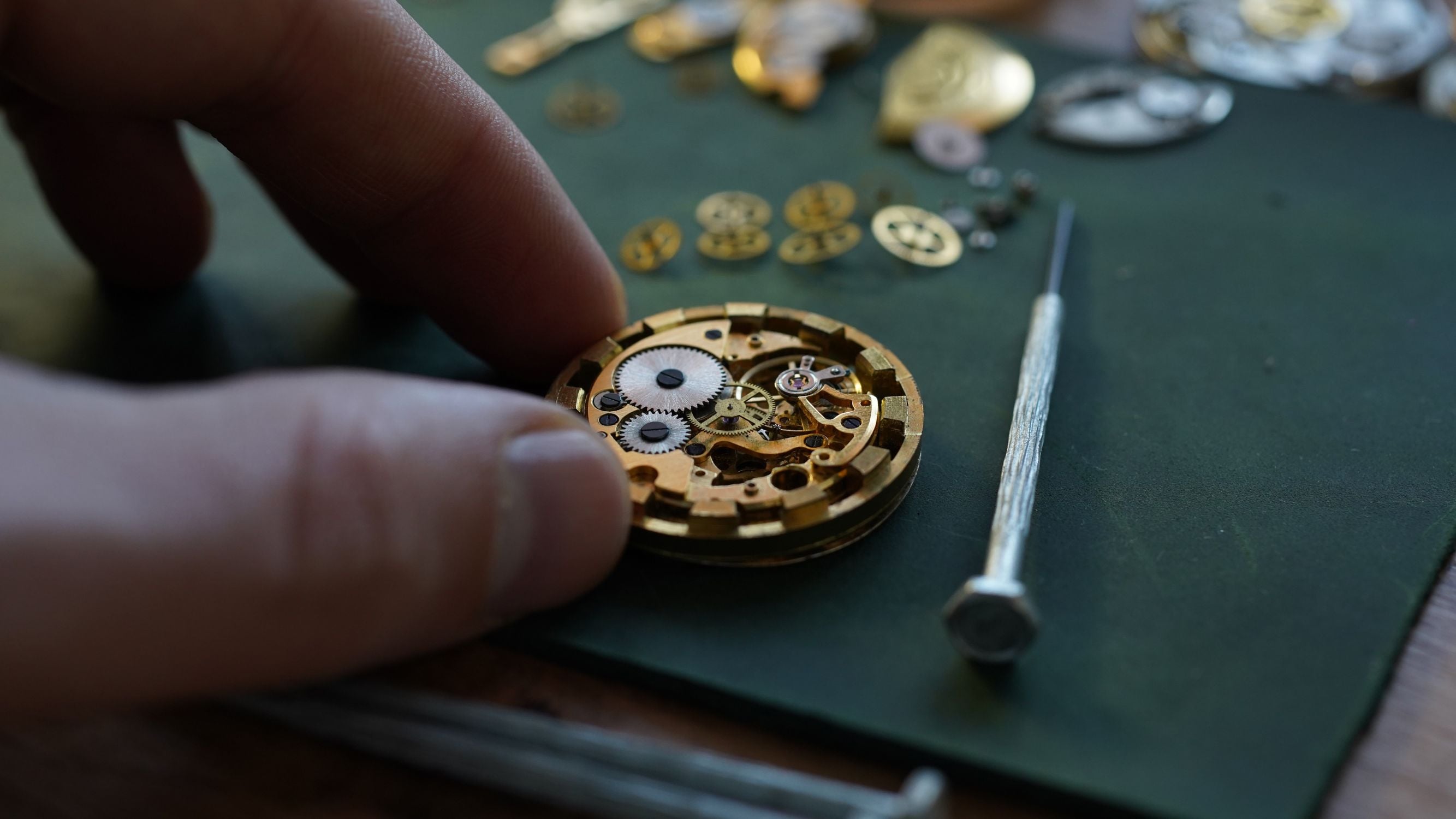
Two brands dominated the increases in the secondary watch market: Rolex, which climbed 4.6% over the year with nearly all models bar the Sea-Dweller and Sky-Dweller performing admirably, and Patek Philippe, the industry standard-bearer, recording a 12.1% increase largely driven by the Aquanaut and the Nautilus models. Their success masked weakness elsewhere in this market, providing another example of wealthy consumer’s highly selective approach to luxury investment alongside a noticeable decrease in speculative behaviour.
“While impressionist art and watches posted solid gains, buyers have generally remained active but highly disciplined,” says Alasdair Pritchard, Partner in Knight Frank’s Private Office. “New investment sectors are gaining traction, including vintage haute couture, rare fossils and fractional ownership platforms, which are successfully opening up luxury collectibles to a passionate, younger demographic of investors.”
This shift in buyers’ mindset to invest beyond more traditional luxury items like handbags or diamonds, is another example of how luxury consumers are evolving. It’s part of the transformation economy, prioritising experience over acquisition, but also demonstrates how wealthy buyers are now less about display and more about taste, knowledge and personal connection.
“Consumers are drawn to rare curiosities for a range of reasons, including the desire to diversify their portfolios through non-correlated asset classes, or simply because they feel a connection,” outlines Malte Häusler, MD of Berlin-based start-up online trading platform Timeless Investments, quoted in The Wealth Report. Whether it’s a pair of signed trainers worn by basketball player Kobe Bryant or a black 1976 first-generation BMW 6 Series Coupé, “people are really keen to invest in items they feel passionate about,” he says.
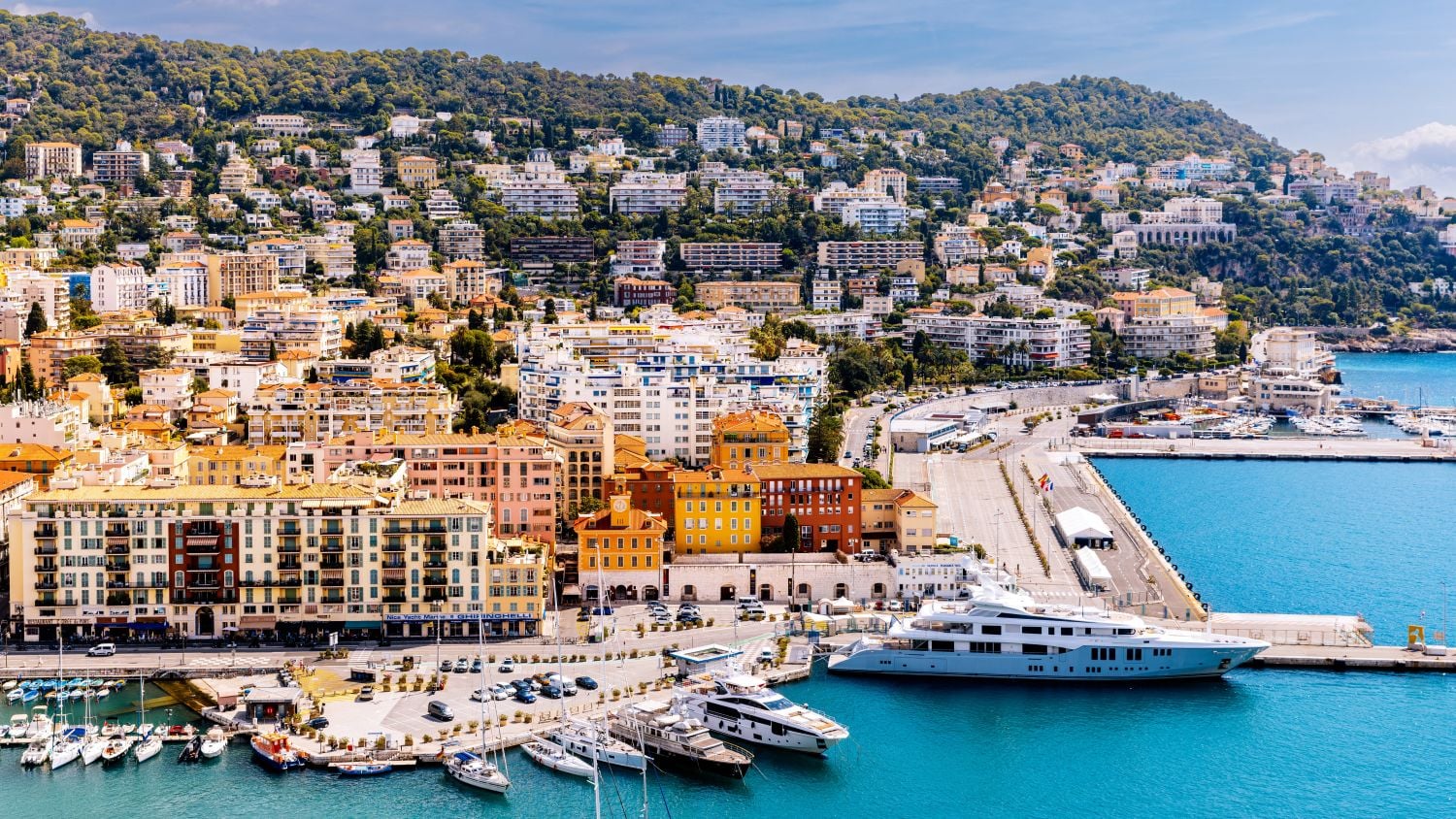
“Looking at the ultimate mobile assets, the super-yacht market has rebounded spectacularly, with total sales surging 70% last year to a massive US$8.5 billion,” says Bailey. “That includes incredible activity at the very top end, with sales of yachts over 70 metres jumping by 60%, pushing the average asking price of a sold yacht to US$16.6 million. In the skies, flight data shows a clear pivot away from simple travel towards true multi-location living, as the wealthy seamlessly move between financial hubs and lifestyle destinations. Crucially, a record 47% of first-time private jet flyers are now under 45, pointing to the massive influence of newer, highly mobile wealth.”
Amid this clear shift in consumer behaviour, The Wealth Report 2026 shows that some things remain unchanged. It’s clear that top-end rarity still commands demand and ultra-prime assets remain resilient, whether that’s a super-yacht, a Patek Philippe watch or a van Gogh painting. While experiences are now a primary driver for many wealthy individuals, either through travel or a desire for wellness and longevity, an enthusiasm for collecting remains evident, especially when value is perceived in an object’s provenance and personal meaning rather than in its prestige. The most desirable collectibles today are not for purely putting on display.
“Collecting is not conspicuous consumption, it’s conspicuous taste,” says Lee Bofkin, one of the UK’s most prolific private collectors, based in London’s Shoreditch. “More than consumption, people want to demonstrate luxury as a sense of taste. If you’ve got that and it’s internalised, it commands respect.”
Connecting you to opportunities across the world
Inspiration
How changing patterns of wealth mobility are reshaping demand for prime properties and branded residences
18 September 2026
Inspiration
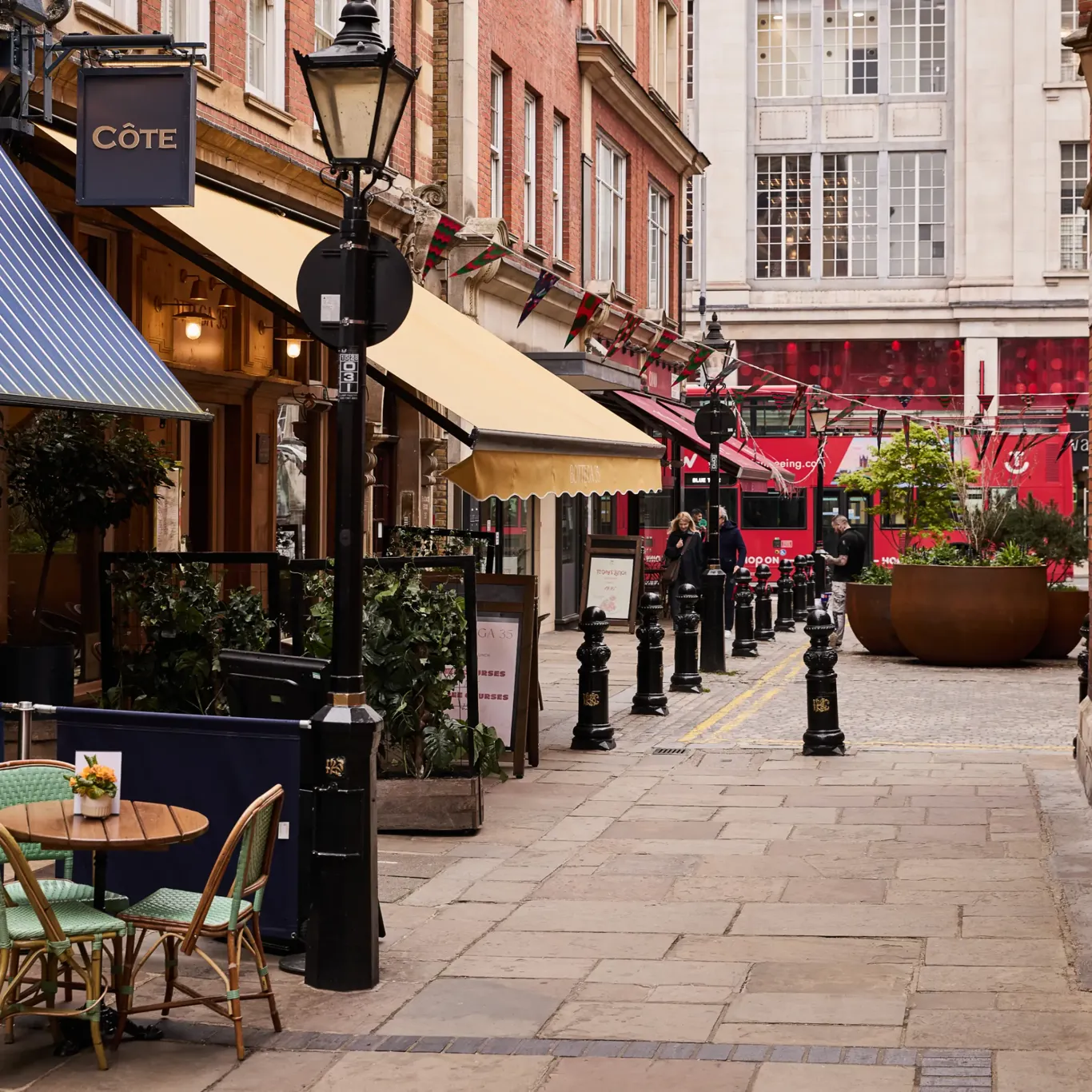
Knight Frank experts explore how retailers, investors and communities are redefining the role of the modern high street
17 September 2026

Locations
From top-performing state schools to leading independent education, these sought-after locations combine exceptional schooling with family-friendly homes and communities
09 September 2026

Homes
With education a key driver behind relocation decisions, these standout properties combine proximity to renowned international schools with an exceptional quality of life
03 September 2026
Inspiration
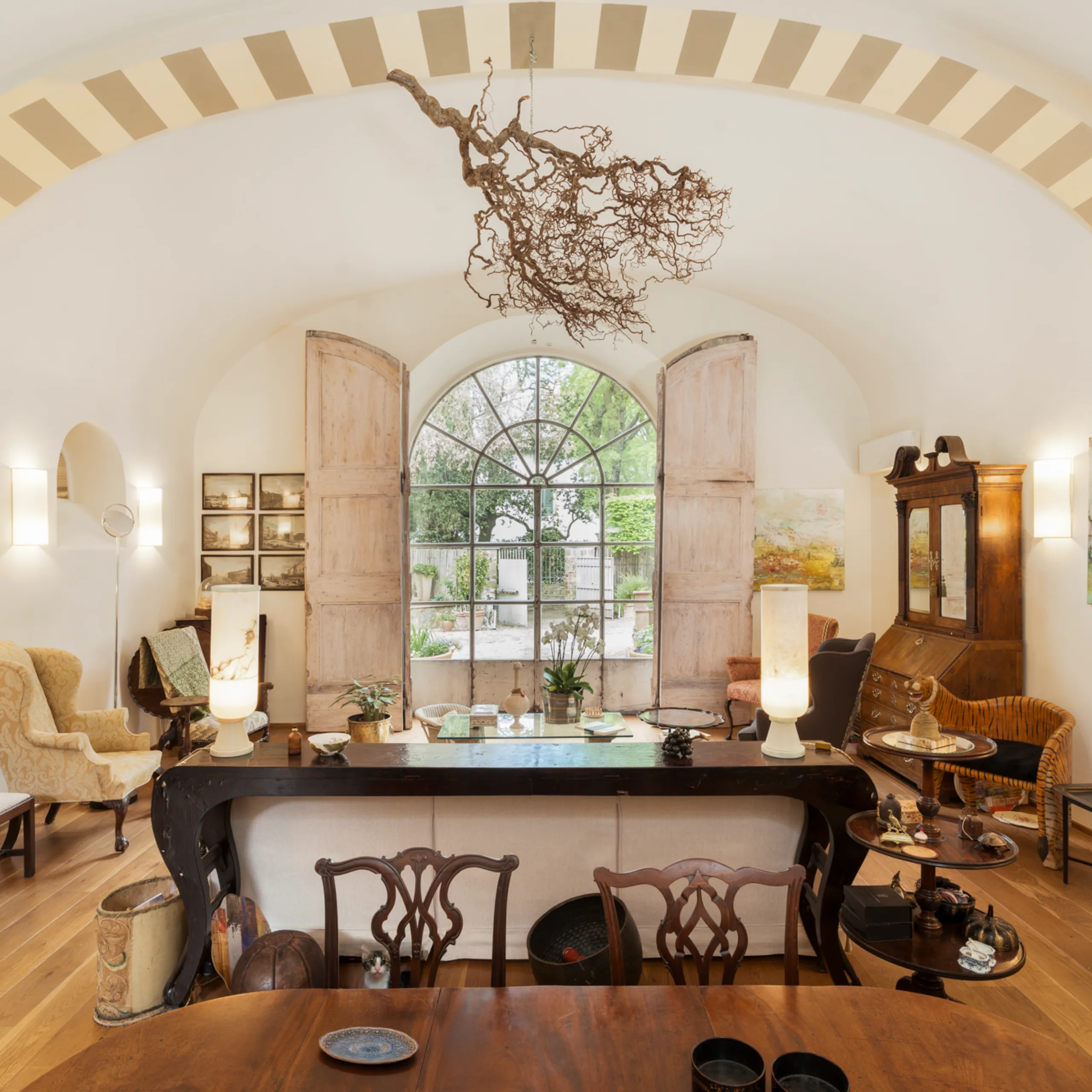
Artist Elizabeth Orchard finds inspiration in the beauty of Italy and her Florentine home and garden
06 August 2026
Inspiration
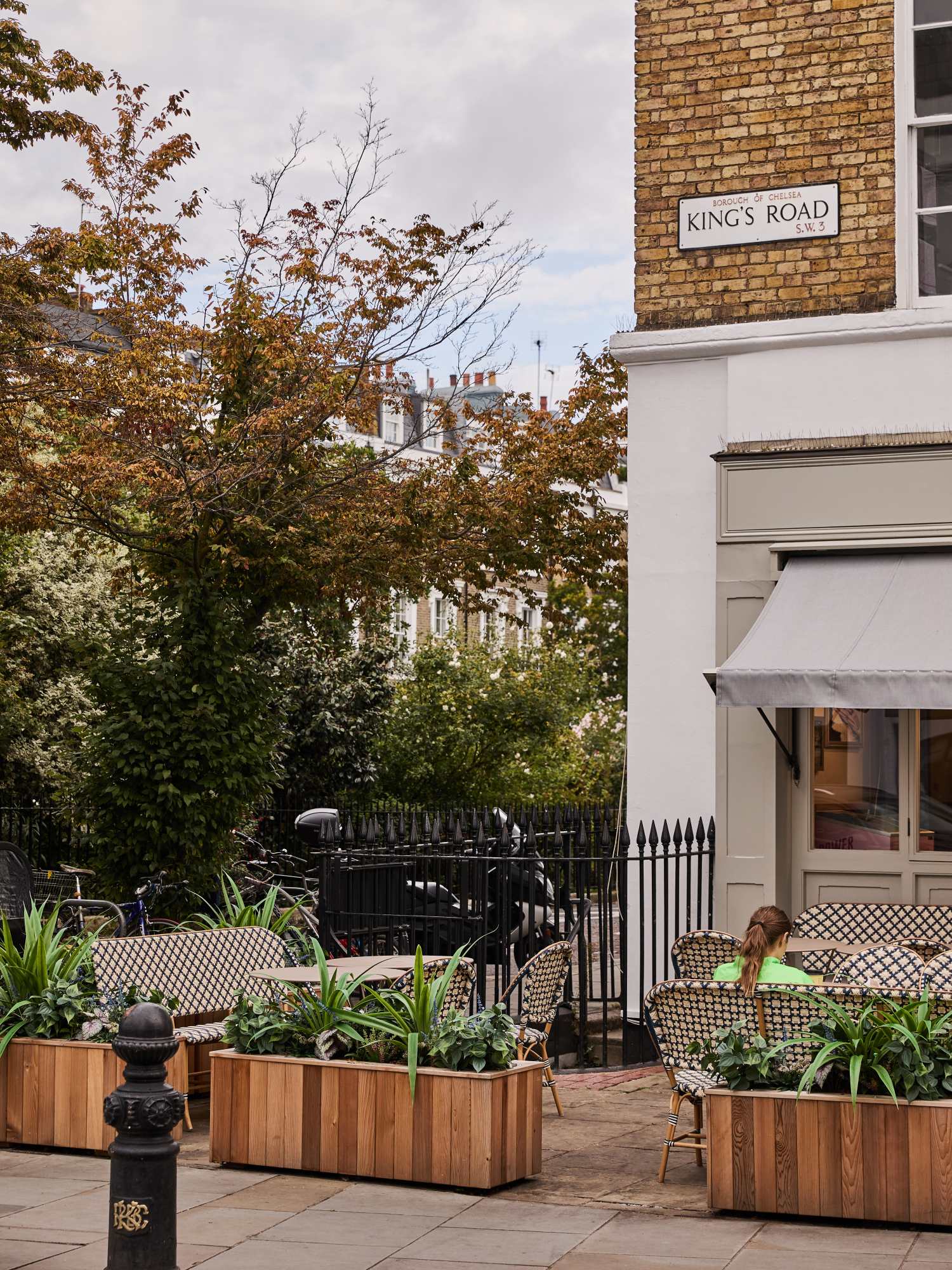
Consumers are becoming ever more selective and informed. What does this mean for the collectibles and luxury assets markets?
24 July 2026

Inspiration
Elite players and ambitious clubs are taking a strategic approach to real estate, using property to build long-term value on and off the field
17 July 2026
Homes
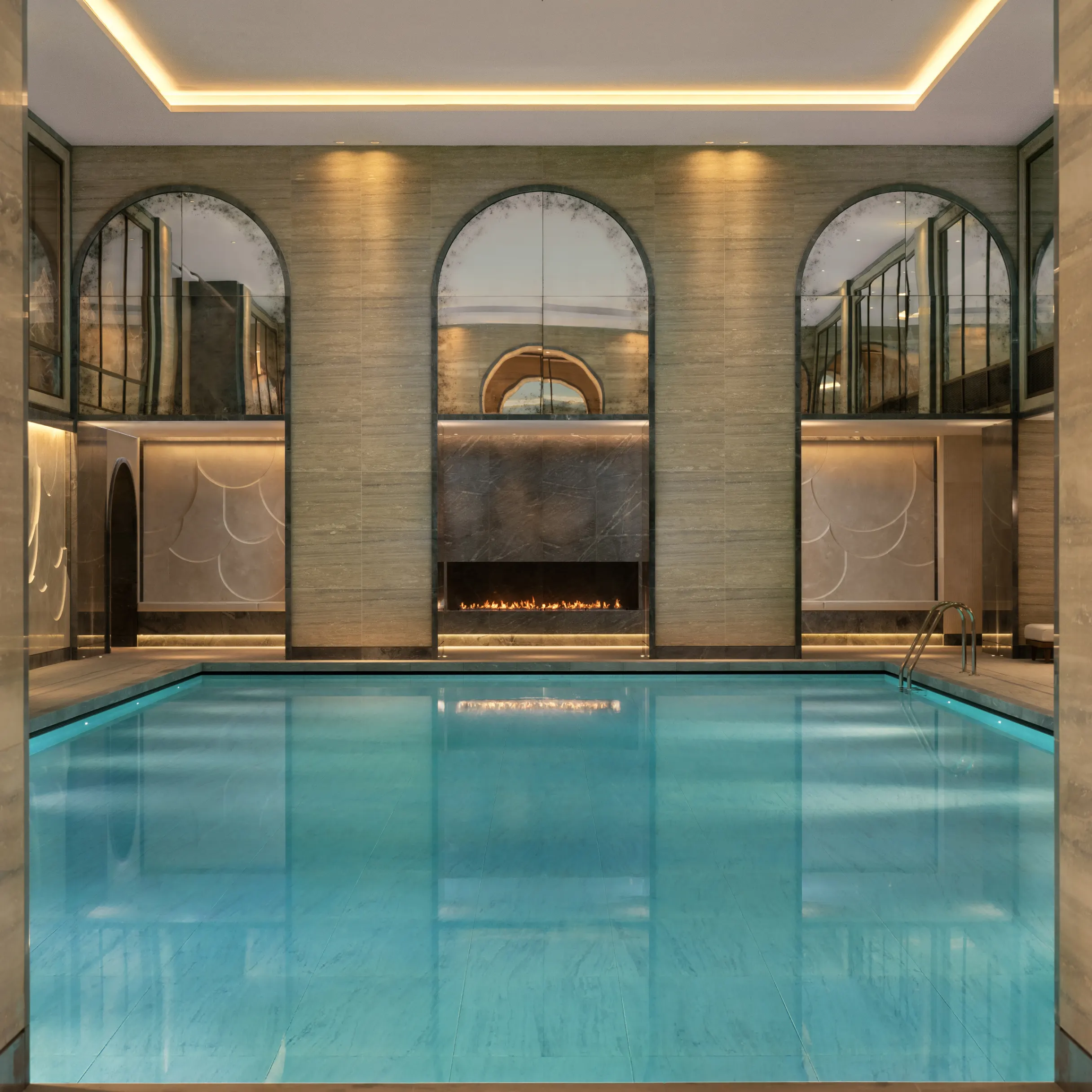
James Guy MBE reveals his ideal private pool setup, as we showcase a collection of standout homes for sale with exceptional swimming facilities
02 July 2026
Locations
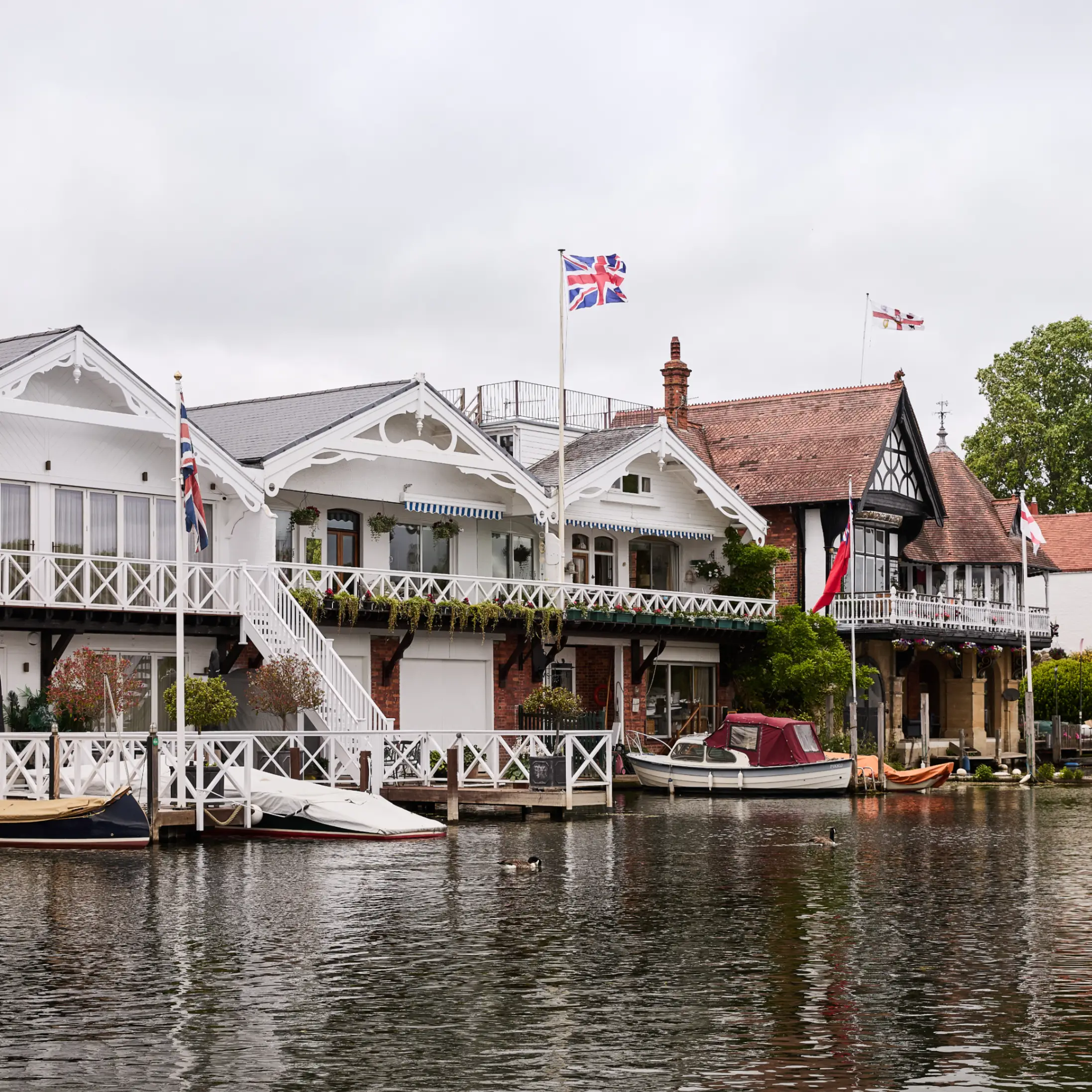
From period homes to riverside properties, Henley-on-Thames offers family-friendly, countryside living within easy reach of the capital
02 July 2026
Inspiration
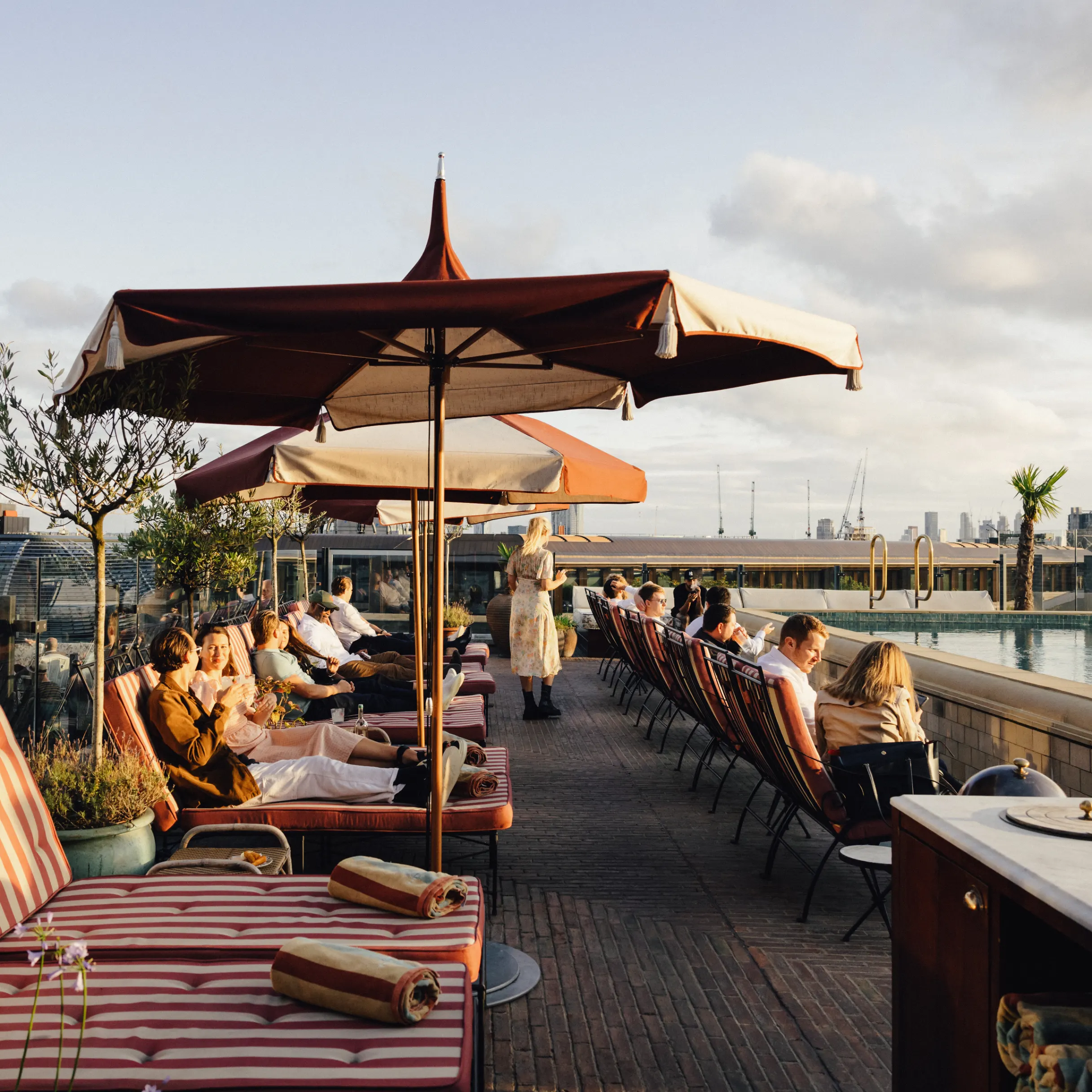
For today’s increasingly youthful affluent audience, a search for unique experiences and a drive for wellness and longevity mean luxury priorities have shifted
17 June 2026

Inspiration
Flexible rentals, premium rates and global demand are making summer an increasingly attractive opportunity for homeowners in the short lets market
21 May 2026

Inspiration
Olympian James Guy MBE joins Schools Triathlon founders Jim Sewell and Tessa Murray to reflect on the power of teamwork, confidence and impact through sport
30 April 2026

Inspiration
Head Gardener Harry Baldwin shares how history, sustainability and modern horticulture shape the estate, and gives his top tips for the green-fingered
20 April 2026
Inspiration
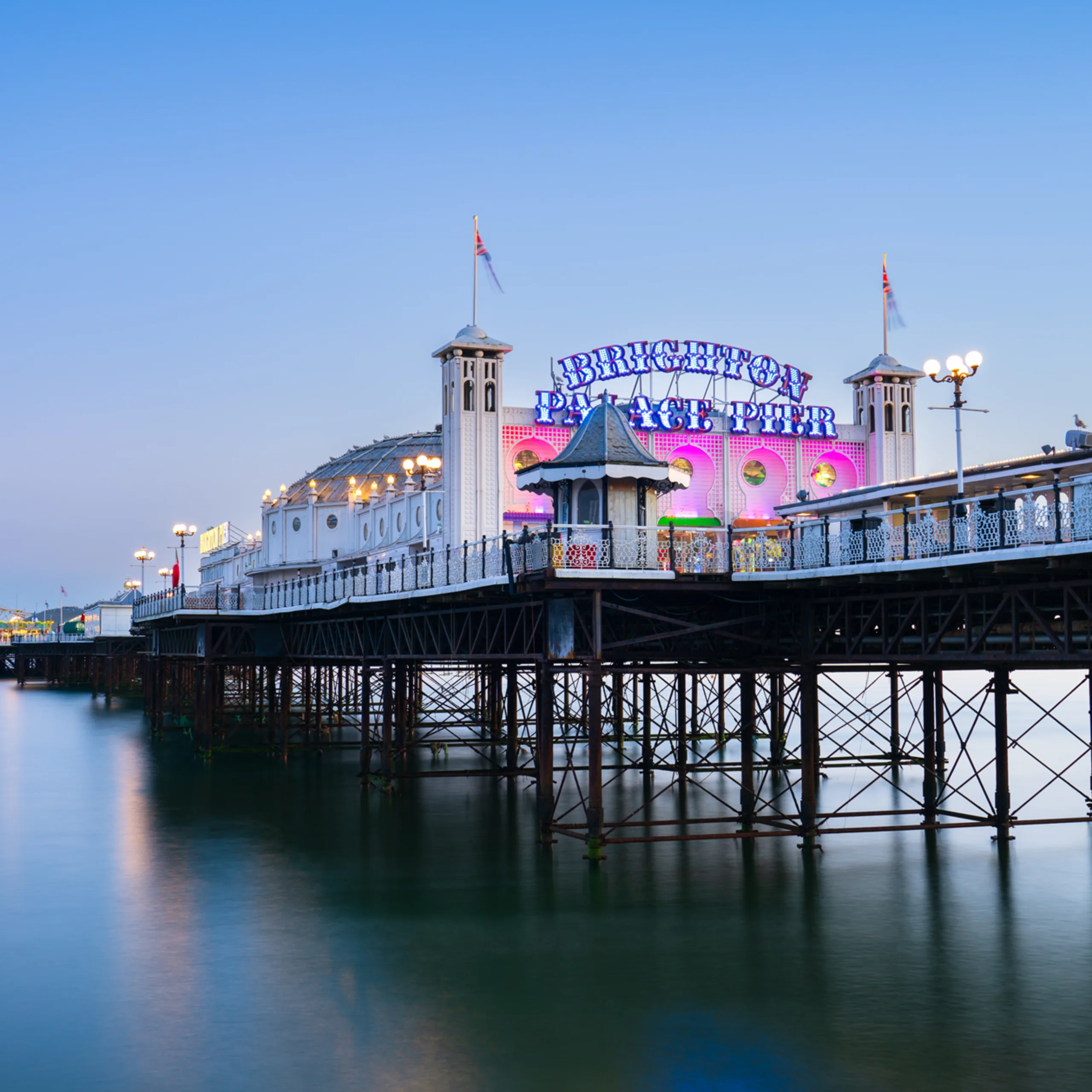
As the iconic Brighton Palace Pier goes up for sale, John Rushby of Knight Frank’s Specialist Leisure team explores what’s possible for its next owner - and the broader sector
15 January 2026
Inspiration
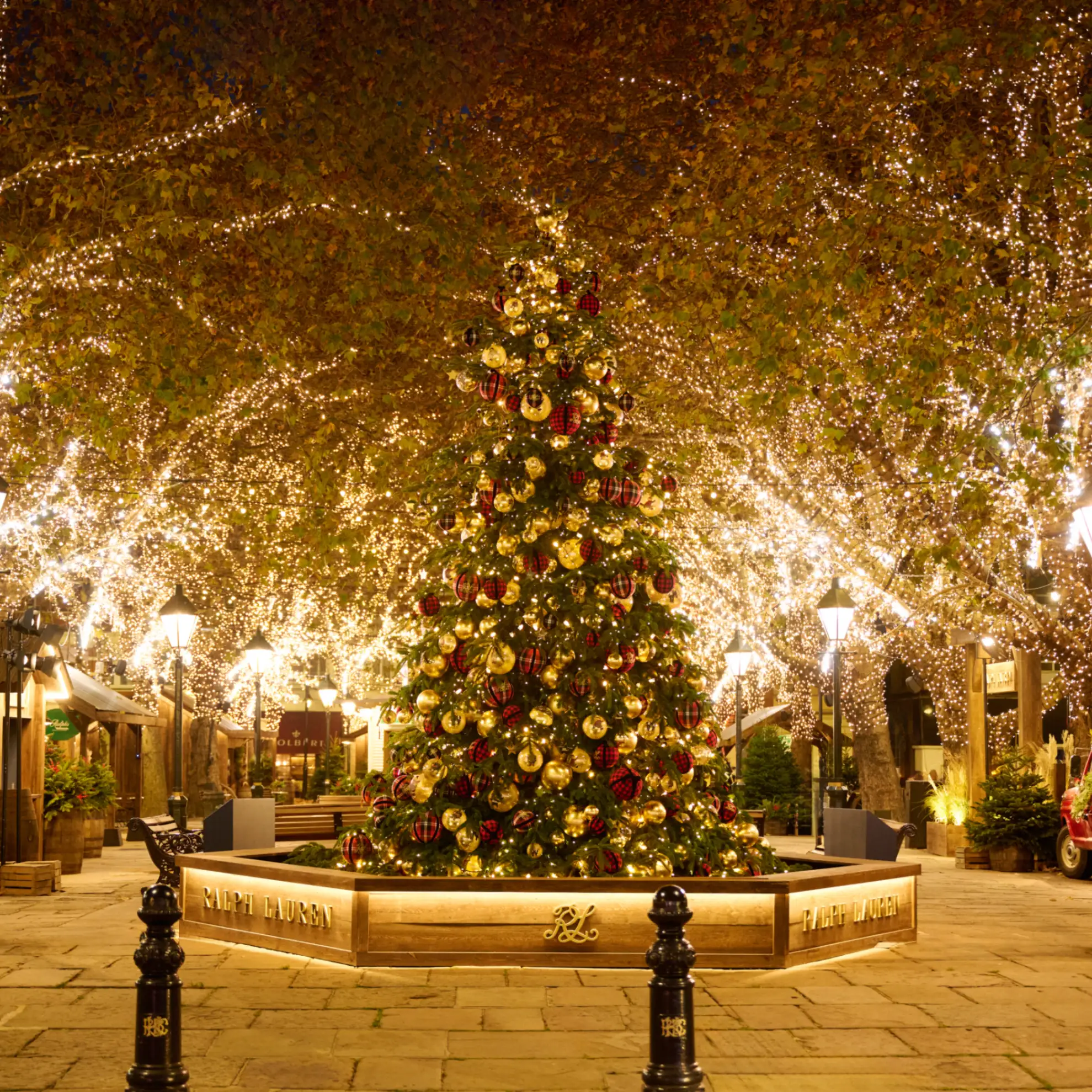
Discover the capital’s great estates delighting residents and visitors with their seasonal displays and events
03 December 2025

Homes
Discover a collection of star-quality London homes with dedicated cinema rooms to enjoy your favourite film in comfort and style
16 October 2025
Locations
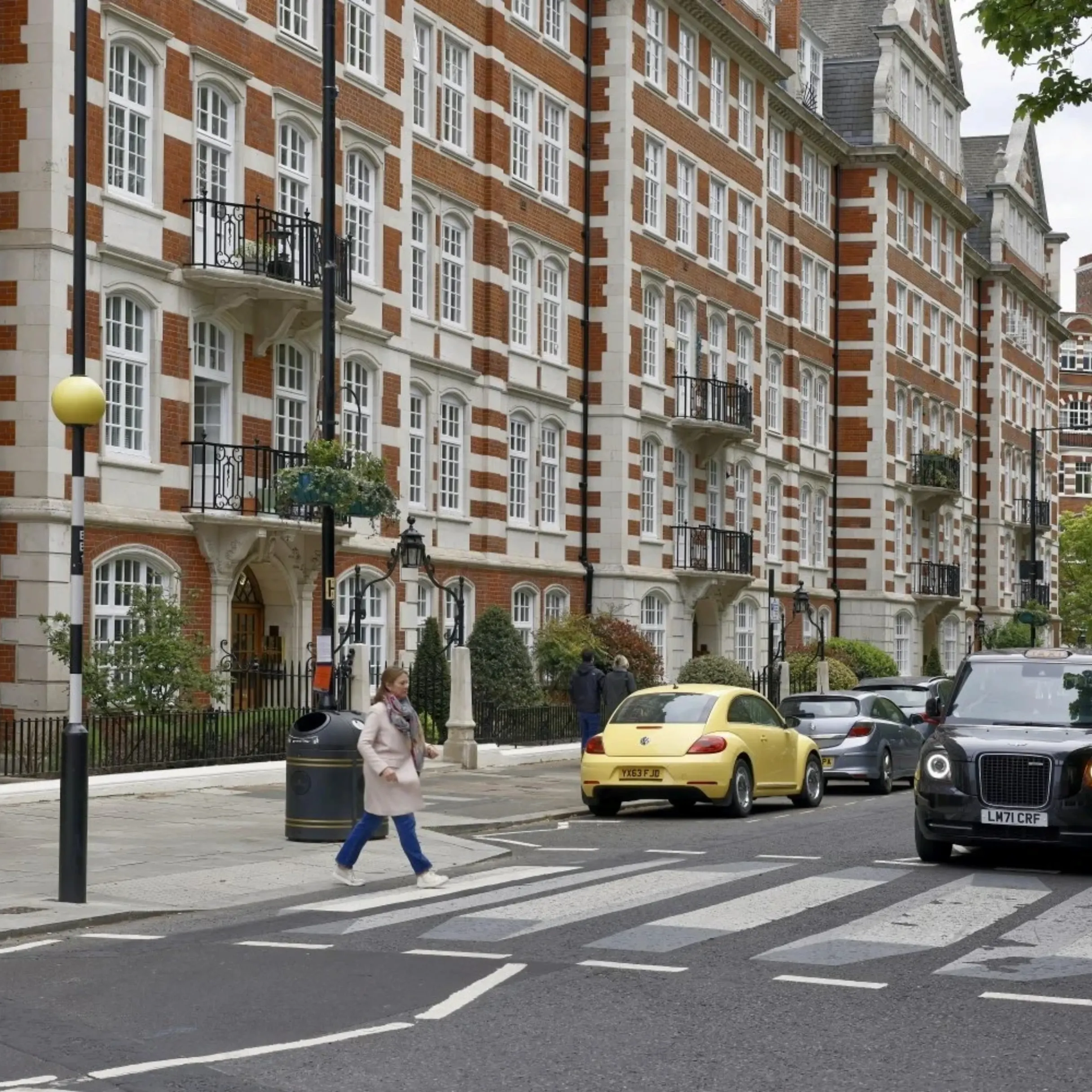
Knight Frank’s Research team has revealed the top premium high streets in the country - and our local experts explain what makes them stand out
21 August 2025
Inspiration
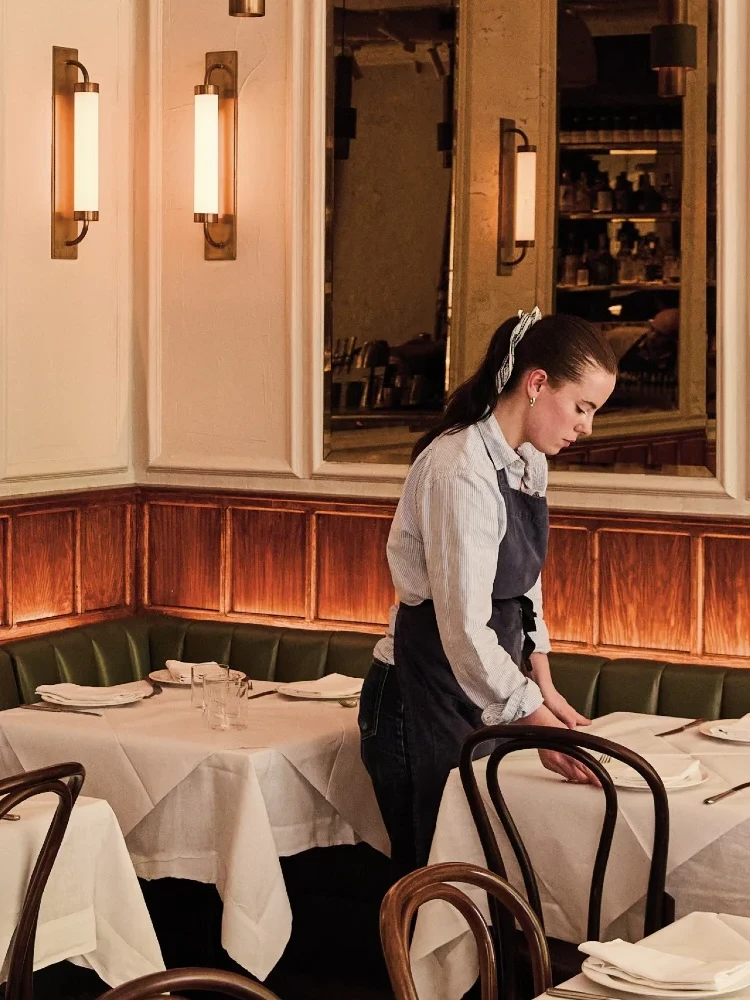
Restaurateur Chris D’Sylva has built a local culinary empire, catering to Notting Hill’s desire for authenticity. Aleks Cvetkovic sits down with the man behind cult-favourite restaurant Dorian
21 August 2025
Inspiration
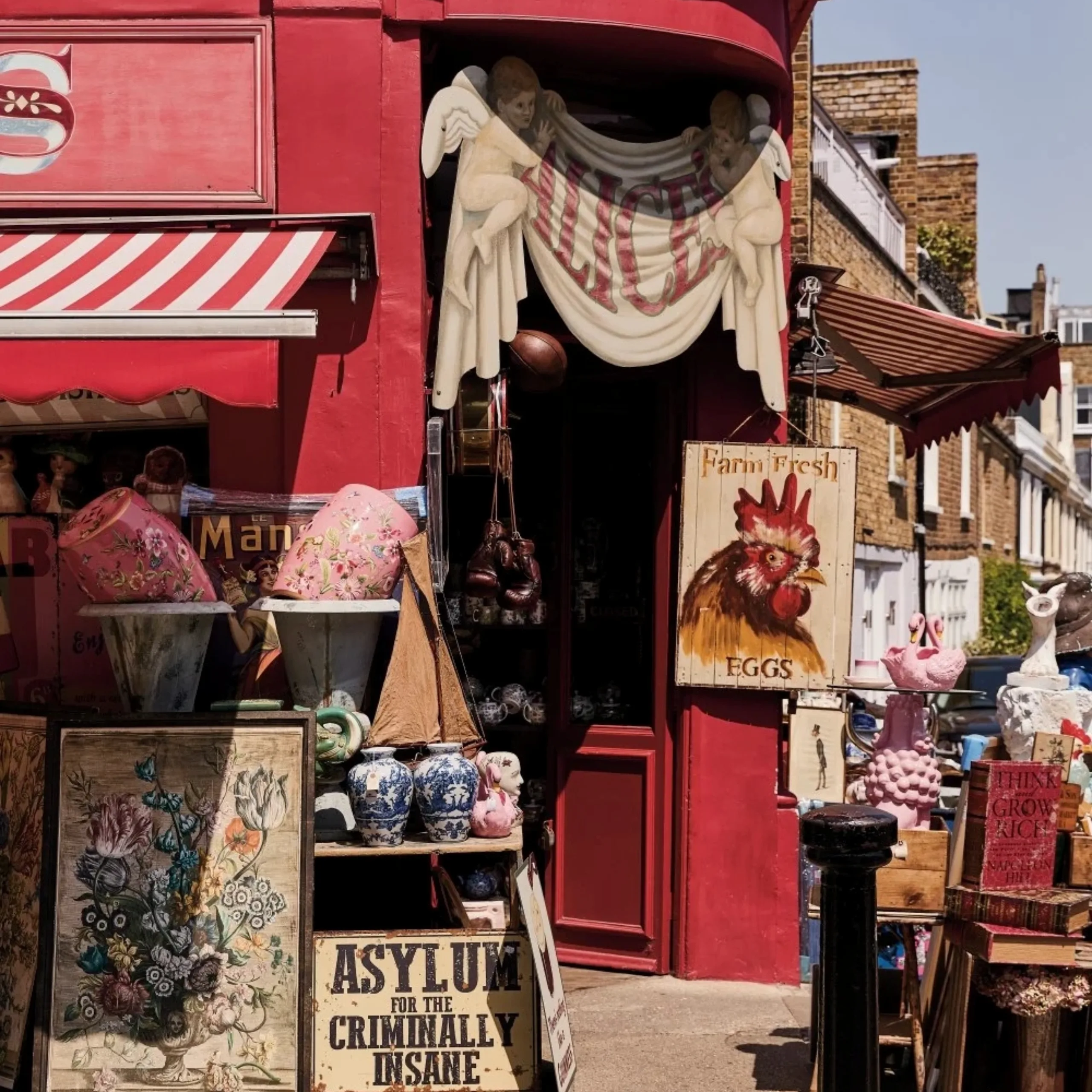
After more than 70 years in the same family, Alice’s Antiques – the real-life Mr Gruber’s shop from Paddington – is for sale. Aleks Cvetkovic speaks to owner Douglas Carter and Knight Frank’s Jack Thomas about letting go of a Notting Hill icon
14 August 2025

Locations
We explore how the South West’s culinary transformation is drawing both food lovers and home buyers alike
31 July 2025
Homes
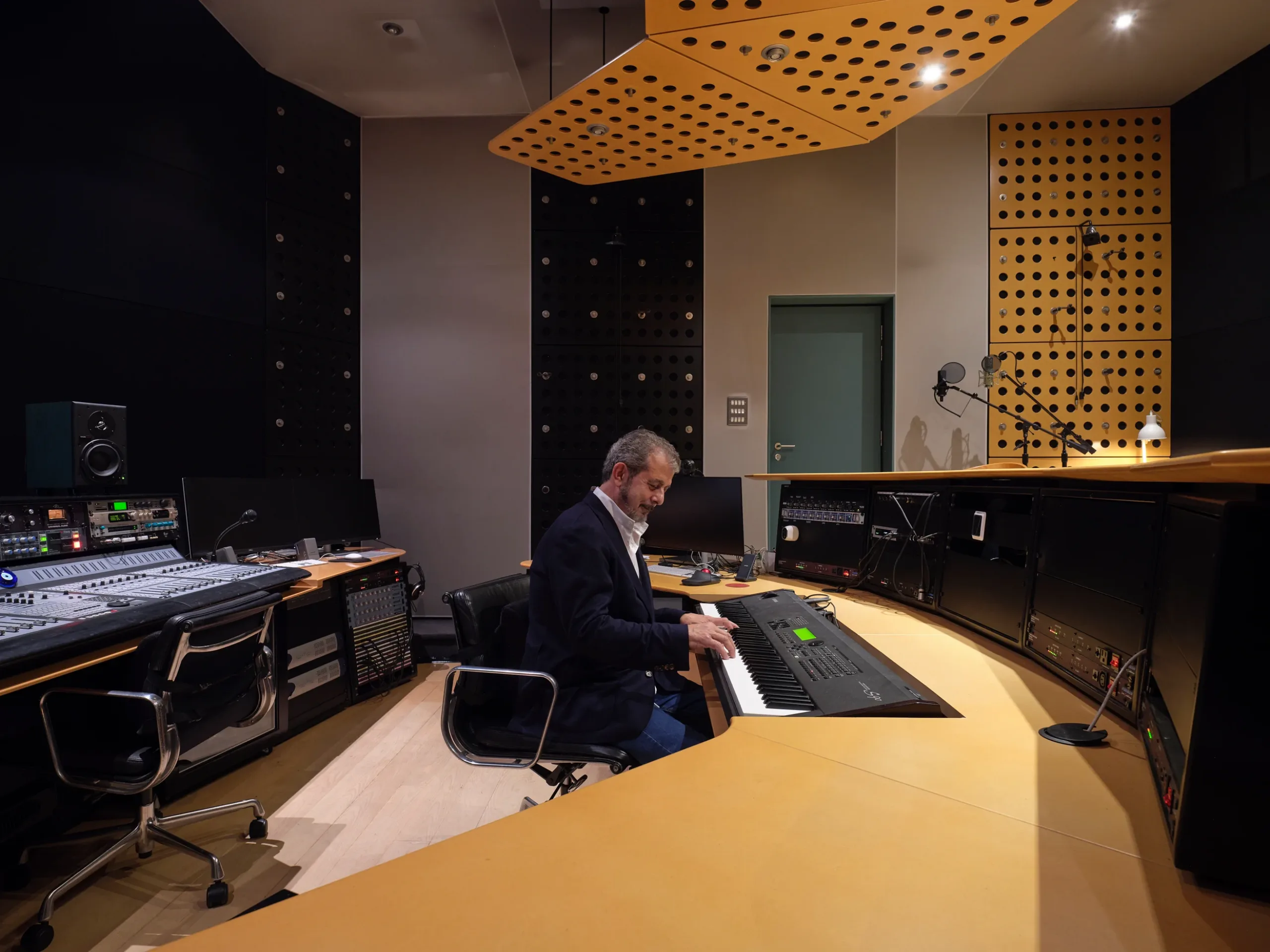
These exceptional homes will strike a chord with music lovers, from inspiring in-house studios to properties once owned by legendary musicians and composers
17 July 2025
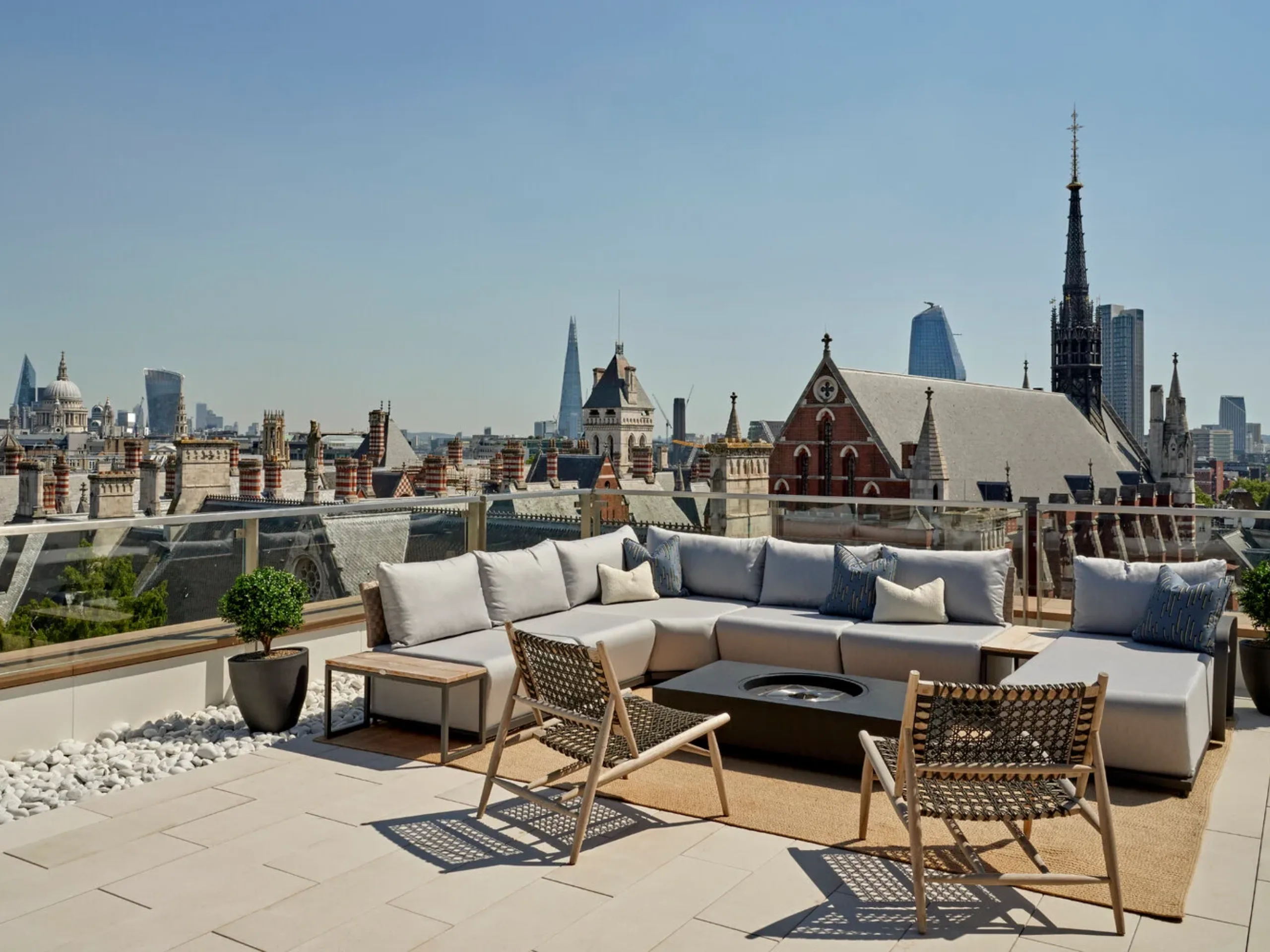
Inspiration
Knight Frank Interiors’ Group Design Director, Rhian Barker, shares her top tips for creating stylish and comfortable outdoor spaces that work all year round
27 May 2025
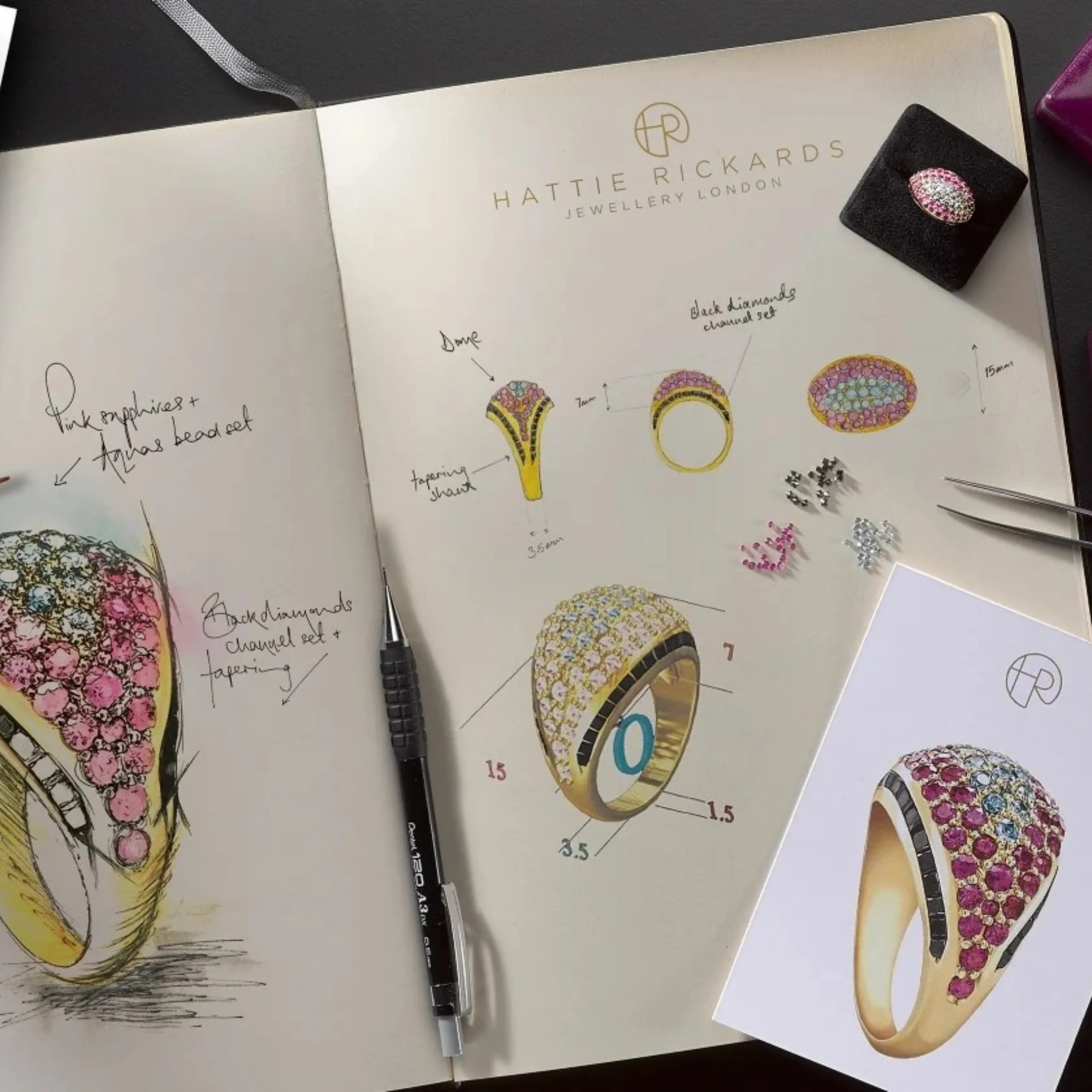
Inspiration
From her Cotswolds studio, designer Hattie Rickards creates unique meaningful jewels for her loyal clientele
14 May 2025

Inspiration
Rapture & Wright creates exquisite hand-printed wallpapers and fabrics from its sustainable studio in the Cotswolds
08 May 2025
Sorry!
An unexpected error has occurred.
Please try again later.
