

Global luxury property markets: where international wealth is moving in 2026
Discover the global luxury property markets most in demand with astute international buyers today, from Dubai and Abu Dhabi to Mumbai and Brisbane

Discover the global luxury property markets most in demand with astute international buyers today, from Dubai and Abu Dhabi to Mumbai and Brisbane
The geography of prime real estate is changing. In today’s hyper-mobile world, when business can be conducted as skilfully from a beach in Abu Dhabi as from an office-bound desk, it makes sense for those who can to realign where they choose to live. So it’s little surprise that this new and unprecedented mobility among the wealthy is resulting in a focus on emerging and high-momentum locations, with key decisions based on a carefully calculated balance of individual taxation policies, infrastructure offering and lifestyle appeal.
“Clients have an almost nomadic ability to switch from one location to another,” says Paddy Dring, Head of Knight Frank’s Private Office. The Wealth Report 2026 outlined the theme well, describing a “dip-in, dip-out lifestyle” in cities including London, Los Angeles and New York caused by accelerating wealth creation on one hand and rising wealth taxes and political rhetoric on the other.
“Taxes and wealth levies have broken the long-standing bond between the rich and any single place, with some global cities testing how hard they can squeeze affluent residents before they trade permanent residency for a life lived out of a suitcase,” says the report’s author, Liam Bailey.
“Wealth has become more footloose.” Wealth creation is, however, unevenly spread across regions and the locations favoured by this new-found shift in global attention are highly selective. Housing demand, and capital, is directed to specific locations. With wealth, investment and lifestyle all critical factors, which locations are seeing the benefits?
The launch of Knight Frank’s Private Office operations in India underlines the country’s unprecedented phase of wealth creation. As Head of Private Office India, Saneya Malani will focus on delivering tailored advisory services and facilitating cross-border opportunities for clients.
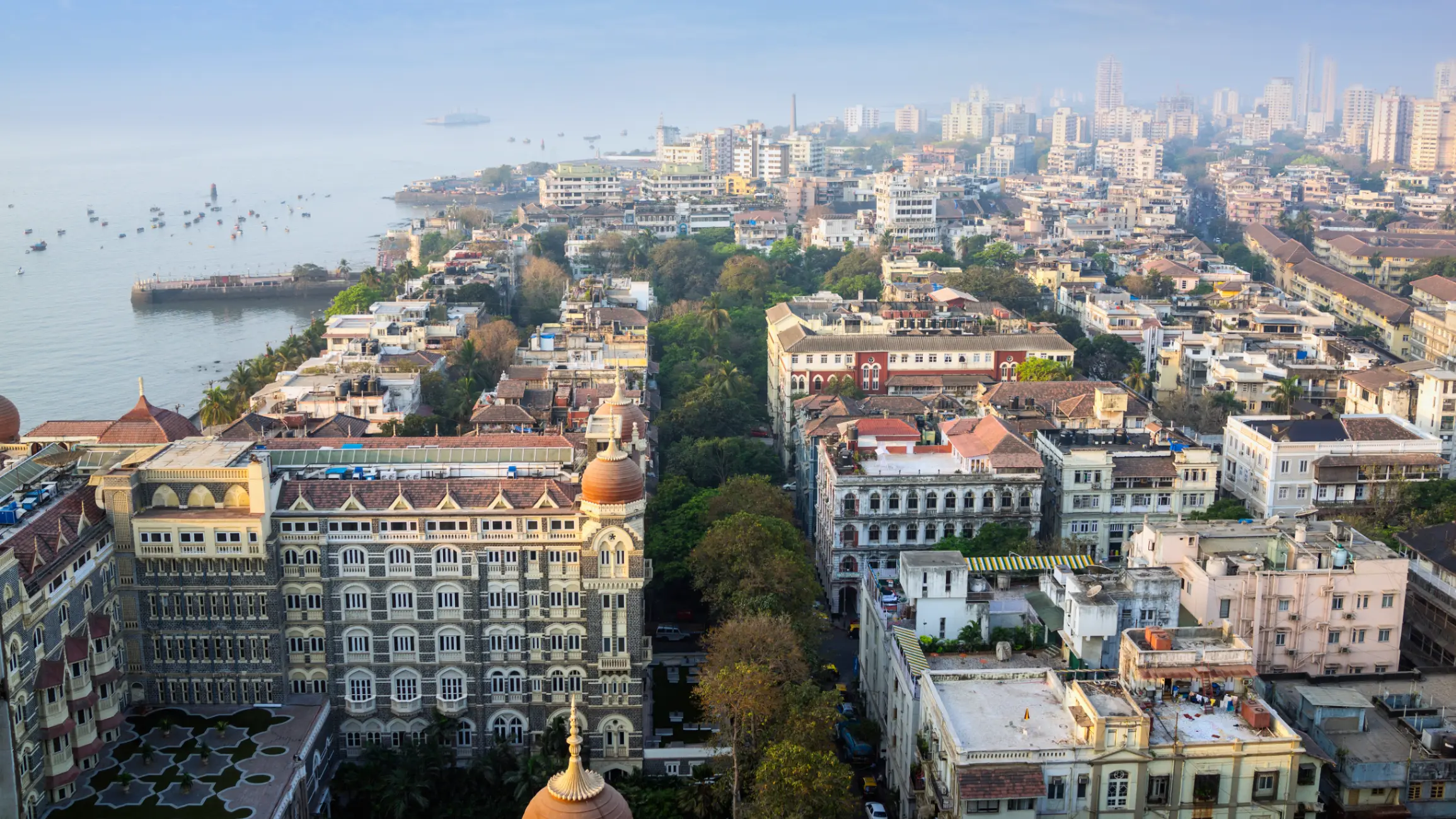
A rapidly growing population of UHNWIs and a transition from a domestic market to an internationally visible one means that Mumbai has increasing global relevance. Transformative infrastructure (trans-harbour links, new metro lines and coastal roads) have unlocked premium real estate values across once-congested zones and an inward capital flow from domestic family offices and foreign institutional investors is heavily directing capital to commercial and premium residential real estate. As the financial capital of India, the city and its suburbs remain the uncontested powerhouse of India’s luxury real estate, says Reshmi Panicker, Executive Director at Knight Frank India, accounting for the highest volume of ultra-luxury transactions.
“Mumbai’s luxury real estate ranks alongside the most expensive and iconic cities, London, Singapore and New York for example, and attracts investment for many reasons,” says Panicker. “Its strategic location and geography creates a severe, structural scarcity of land while, unlike other rising regional hubs that are focused solely on tech or manufacturing, Mumbai blends the headquarters of India’s largest conglomerates, major financial regulators and the entertainment industry.”
Discerning and well-travelled buyers who expect the luxury branded residences, gated communities and bespoke amenities they have experienced elsewhere, now have these options on the table. Prime areas that have seen record transaction prices include South Mumbai, Worli and Bandra, while improved infrastructure have made peripheral areas like Alibag, Khandala, Pawna and Karjat, much more accessible, now offering a coveted address and an appealing lifestyle.
“Mumbai HNWIs are actively investing in premium Mumbai properties as a critical hedge and wealth preservation asset,” says Panicker. “Business families who have been living in sought after South Mumbai addresses now find attractive options in modern luxury residential real estate which offers multiple or super-large apartments that cater to their expanding families while retaining the address and luxury exclusivity.”
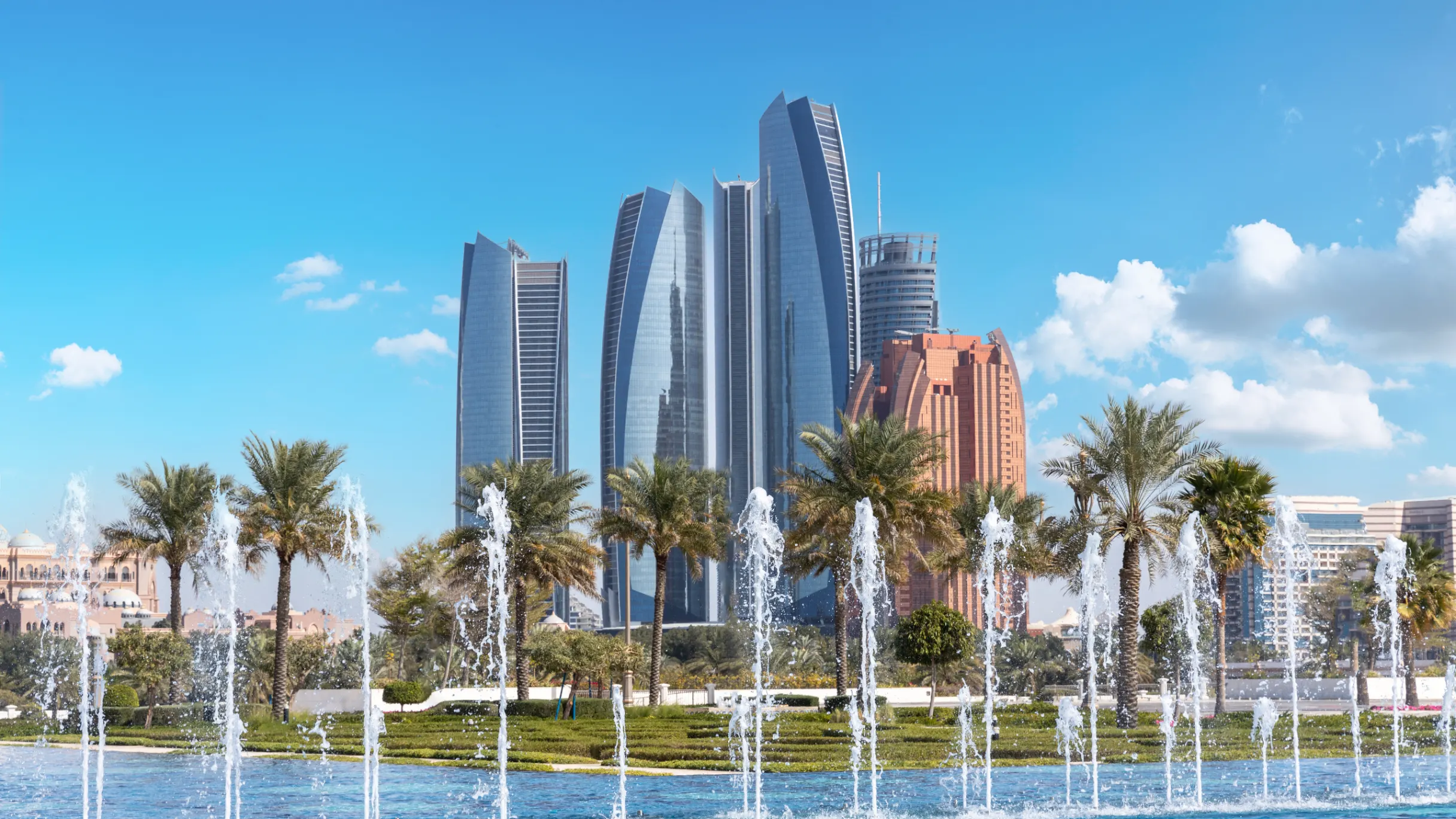
Abu Dhabi, said Joe Bae, Co-chief Executive of US$322 billion private equity firm KKR is “one of the world’s most important financial and investment hubs,” placing the emirate alongside established financial centres such as New York and London when his company opened a new office there last year. It’s a widely echoed view.
“While Dubai might continue to dominate the headlines, the Emirate of Abu Dhabi has been steadily emerging as a destination for UHNWIs who value a more discreet, lower-profile lifestyle proposition,” says Liam Bailey, writing in The Wealth Report 2026. It’s a culture rich alternative, still with beaches and the sea but with an unspoilt coastline and a calmness that many welcome. Outposts of the Louvre and the Guggenheim point to this cultural wealth, important factors in helping Abu Dhabi entice ultra-wealth families who want all the economic advantages that the United Arab Emirates provides alongside a less frenetic pace of life.
The extraordinary rise of wealth in India is also causing ripples in Abu Dhabi, which, along with Dubai, is the destination of choice for many Indian entrepreneurs to moor the vessels that they are buying with their newfound wealth.
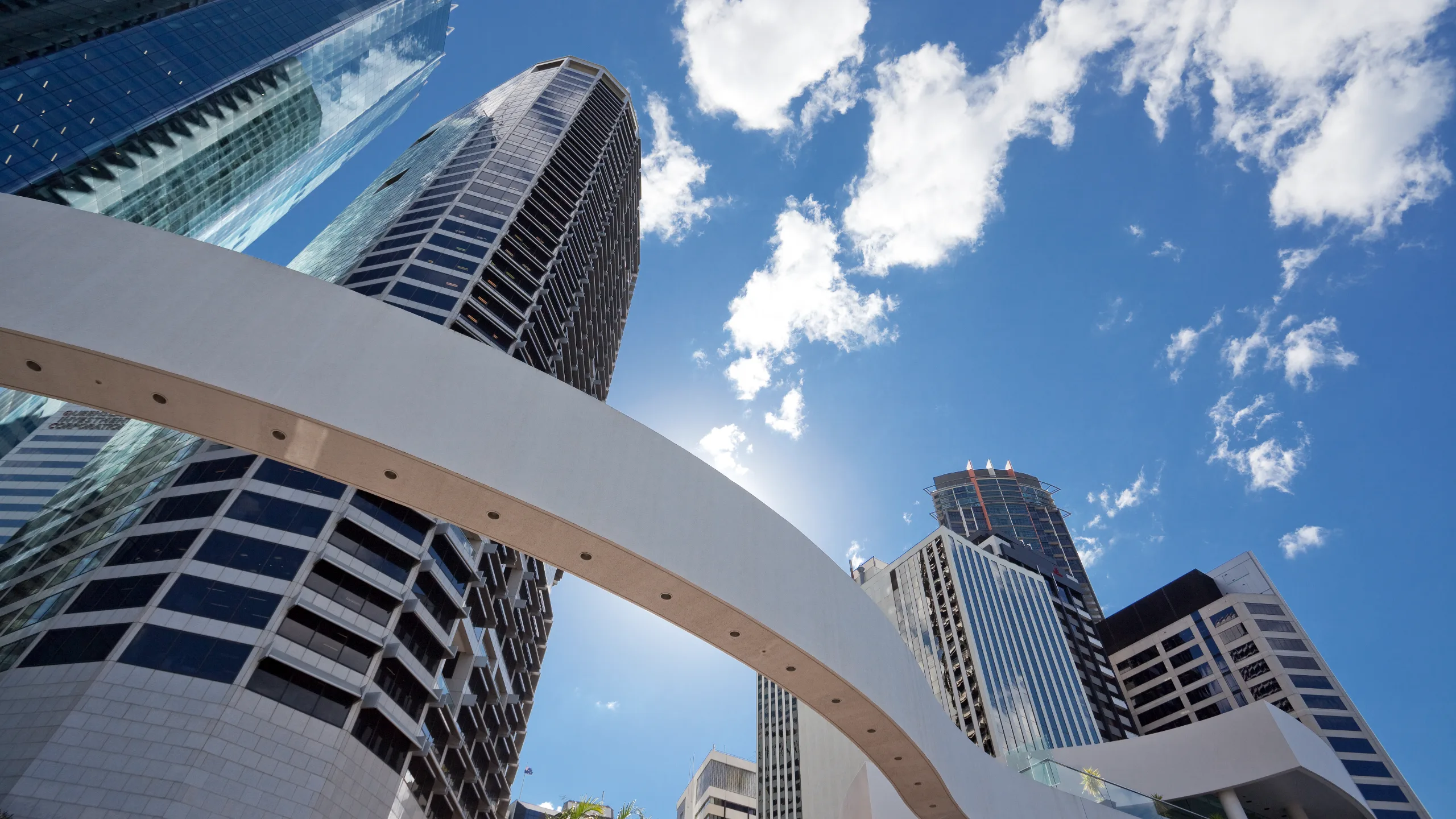
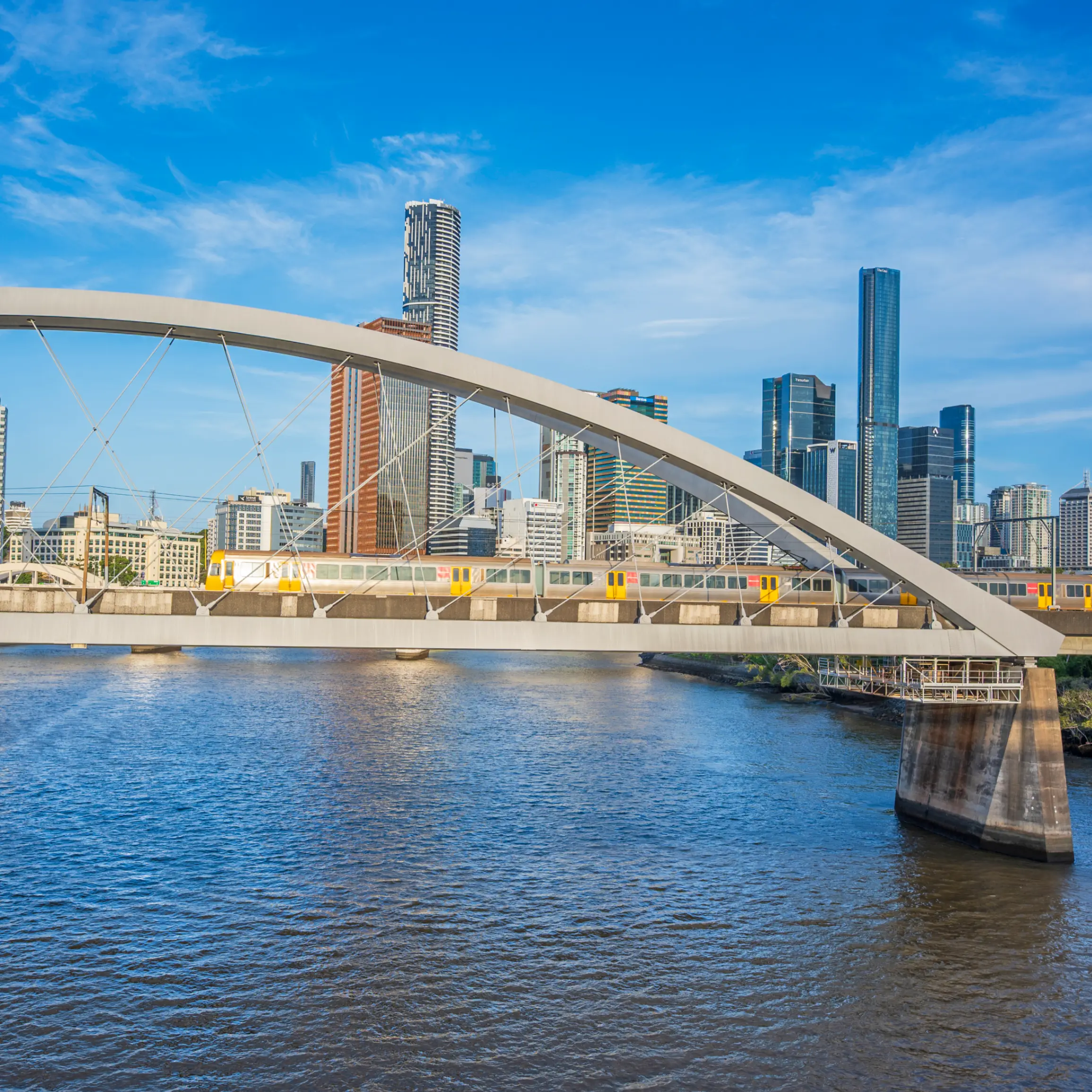
Globally, prime luxury residential property markets continue to outpace broader mainstream housing markets, a fact that is very apparent in Brisbane, Australia’s third largest city. This biodiverse city, the capital of Queensland, is an urban metropolis well placed for natural parks, the Gold Coast and Great Barrier Reef. The outdoor lifestyle, green backdrop and subtropical climate add to the lifestyle appeal while as the host of the 2032 Summer Olympic Games, significant government infrastructure upgrades are well underway, bringing with it a booming employment market. Brisbane’s positive, can-do attitude is demonstrated in a favourable planning environment that has allowed developers to fast-track projects, obtaining planning permissions much faster than elsewhere in Australia.
Property price increases in Brisbane outpaced those in Sydney and Melbourne last year. Brisbane’s apartment price ceiling, around US$6 million until 2025, had moved within 12 months it had moved to US$10 million. Furthermore, super-prime product in Brisbane now exceeds US$32,000 per square metre, a reflection of the steep level of demand for high-quality, turnkey stock.
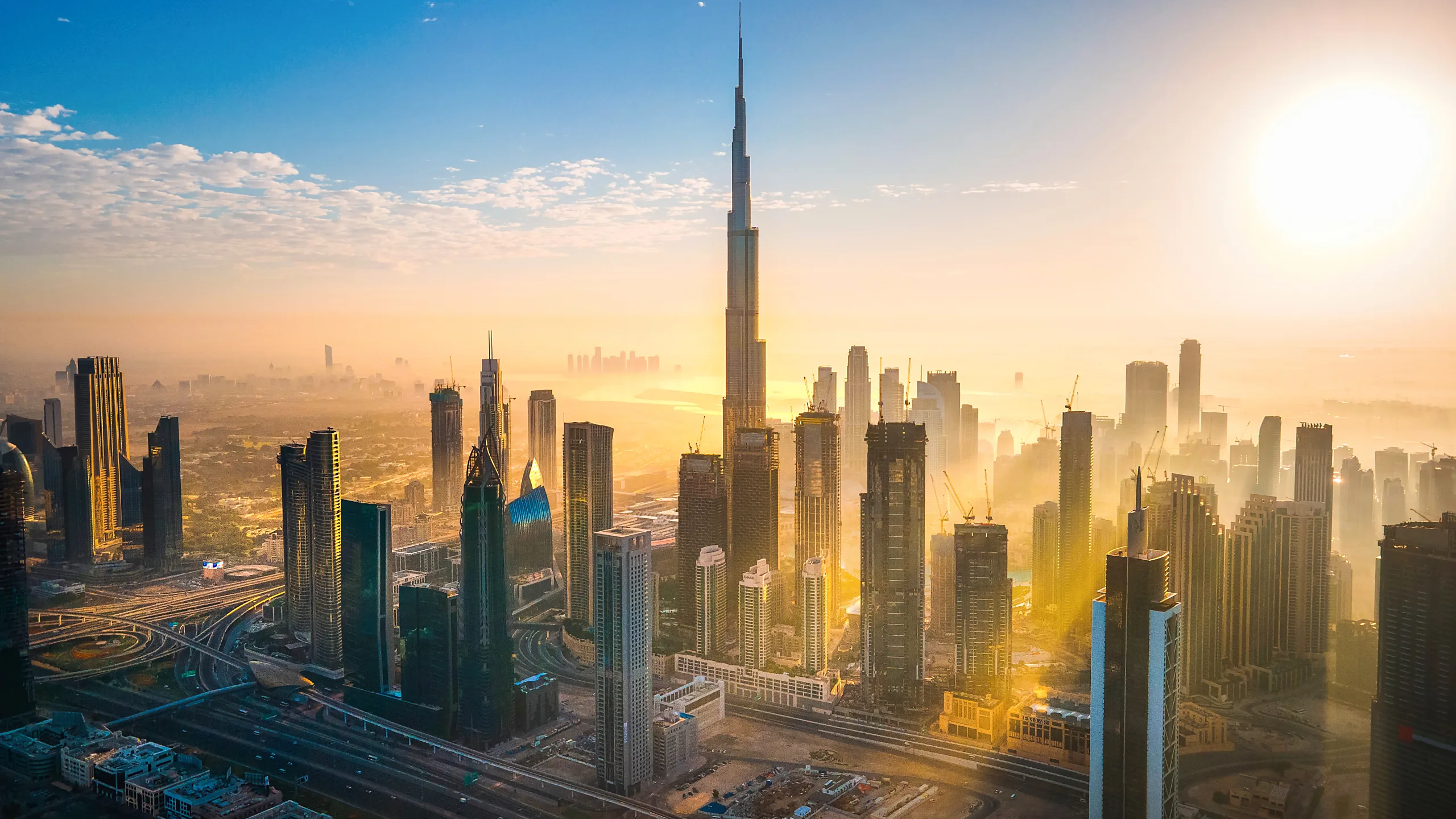
Dubai has ranked as the busiest luxury homes market globally since the end of 2022 and while the long-term impact of the Iranian conflict on the UAE’s hub status will take some time to assess, overall, fervour for the Emirate shows little sign of abating. Dubai has been a major beneficiary of tax changes elsewhere, notably the end of the non-dom regime in the UK. Pre-Iran conflict, Dubai registered a 25.1 per cent growth in prime residential prices over the last year, securing its position as an undisputed wealth hub.
Along with Abu Dhabi, Dubai combines seamless luxury and an easy lifestyle with a favourable regulatory and low-tax environment, prime reasons for attracting the globally wealthy. Driven by buyers from the Middle East, Europe, China and India, Dubai saw 143 deals of US$10 million or more, a total value of US$2.5 billion, up 39% quarter on quarter by number and 27% by value. That compares with 113 sales over US$10 million in 2021.
Dubai has successfully positioned itself as a tax efficient hub for highly mobile wealth with a lifestyle offering that has rapidly developed in the past five years and the emergence of Abu Dhabi as an alternative and cultural vibrant lifestyle option, so close by, should work to reinforce Dubai’s long-term appeal.
Connecting you to opportunities across the world
Sorry!
An unexpected error has occurred.
Please try again later.
