

Beyond the pitch: how football is investing in property
Elite players and ambitious clubs are taking a strategic approach to real estate to build long-term value

Elite players and ambitious clubs are taking a strategic approach to real estate to build long-term value

The FIFA World Cup captured the hearts of fans around the world and served as a reminder that the impact of modern football extends far beyond the pitch. Alongside the stories of sporting achievement and international friendship and rivalry sits a sophisticated ecosystem of property, investment and development, shaping everything from how high-profile players live to how clubs future-proof their stadiums and surrounding real estate.
Heading up Knight Frank’s Sports Desk, Alexander McLean advises a wide range of clients, from tennis players and boxers to entertainers and footballers. At this year’s World Cup alone, the desk represents clients across half of the competing teams and their head coaches. “I provide a single point of contact and, most importantly, discretion,” he says.
This streamlined approach helps athletes manage both their lifestyle and investments. For one footballer relocating to London, Knight Frank arranged a rental property before helping to secure a main residence and later investment properties, whilst also sourcing and managing tenants. These were carefully reviewed by Knight Frank alongside the client’s advisors, who play a crucial role.
With professional football careers often spanning little more than a decade at the top level, property decisions can carry added significance. “Particularly when they are purchasing and taking out a mortgage, they typically can only borrow for the length of their career,” McLean explains.

However, longer player contracts are influencing buying patterns. “A trend I am seeing is that many are buying at an earlier age, and more quickly after a relocation, because contract lengths have been extending, giving them greater income security,” he says. While contracts have traditionally lasted three to five years, high-profile deals such as Erling Haaland’s nine-and-a-half-year Manchester City contract illustrate this shift. Many players are also increasingly focused on building buy-to-let portfolios to support their post-retirement income.
Privacy remains the top priority when selecting a home. Most players seek properties within easy reach of training grounds while maintaining a degree of seclusion. “When you know which club they’re going to, most players will be moving within a couple of postcodes that suit these requirements,” McLean says.
For example, those signing for London clubs are often drawn to Surrey hotspots such as Oxshott, Esher and Cobham, where larger homes, gated developments and access to leading private schools for children or siblings are key attractions. Others frequently favour Canary Wharf for convenience, although some choose to move further into Essex and Hertfordshire in search of space.
He mentions fitness facilities are an essential consideration. With highly specialised equipment being an absolute must, you will find sports players investing far more in these spaces. They look at everything from a full gym to rehabilitation equipment or an entire refurbishment tailored to their own training requirements.
Football clubs are becoming equally strategic in their approach to real estate. Nick Parr, Knight Frank’s Head of Development Strategy & Finance, advises stadium owners and sports venues on development consultancy, land agency and valuation, helping clubs unlock value from their property assets while planning for long-term growth.
His work spans everything from land disposals, development partnerships and masterplanning projects to maintaining existing stadiums or delivering new ones. Increasingly, clubs are looking beyond matchday revenues and repositioning themselves as multi-purpose destinations.

“What’s become apparent is that clubs are changing the way they run their businesses,” Parr says. “It’s no longer about getting people in for a few football matches, but creating a true destination that attracts people throughout the year.”
To achieve this, many clubs are investing in hospitality, entertainment and visitor experiences. High-quality restaurants and bars can drive footfall beyond matchdays, while attractions such as stadium roof walks, museums and behind-the-scenes tours create additional revenue streams. Larger developments may also incorporate hotels, residential property and mixed-use schemes.
“The balance for clubs to weigh up is income generation versus control of their image,” Parr explains. “For most clubs, one of their most important assets is their brand, and it can be difficult to guarantee standards if control is handed over to third parties.”
Capacity planning remains another key challenge. As demand grows, clubs must decide whether to keep expanding existing grounds or make the far more significant leap to building a new stadium. “You can continue to expand, but eventually you reach a point where a new stadium becomes the only option to increase capacity,” Parr says. “The challenge for UK clubs is finding enough space while remaining accessible and maintaining ties to their local communities.”
Many clubs are confronting this issue. “There are many Premier League stadiums being redeveloped at the moment that have gone through this cycle,” Parr says. “They’ve been improved, they’ve maximised capacity, and now they face the next major decision. Ultimately, they’re looking to create an experience that can compete with the very best examples globally.”
Inspiration
How changing patterns of wealth mobility are reshaping demand for prime properties and branded residences
18 September 2026
Inspiration
Knight Frank experts explore how retailers, investors and communities are redefining the role of the modern high street
17 September 2026

Locations
From top-performing state schools to leading independent education, these sought-after locations combine exceptional schooling with family-friendly homes and communities
09 September 2026

Homes
With education a key driver behind relocation decisions, these standout properties combine proximity to renowned international schools with an exceptional quality of life
03 September 2026
Inspiration
Artist Elizabeth Orchard finds inspiration in the beauty of Italy and her Florentine home and garden
06 August 2026
Inspiration
Consumers are becoming ever more selective and informed. What does this mean for the collectibles and luxury assets markets?
24 July 2026

Inspiration
Elite players and ambitious clubs are taking a strategic approach to real estate, using property to build long-term value on and off the field
17 July 2026

Homes
James Guy MBE reveals his ideal private pool setup, as we showcase a collection of standout homes for sale with exceptional swimming facilities
02 July 2026
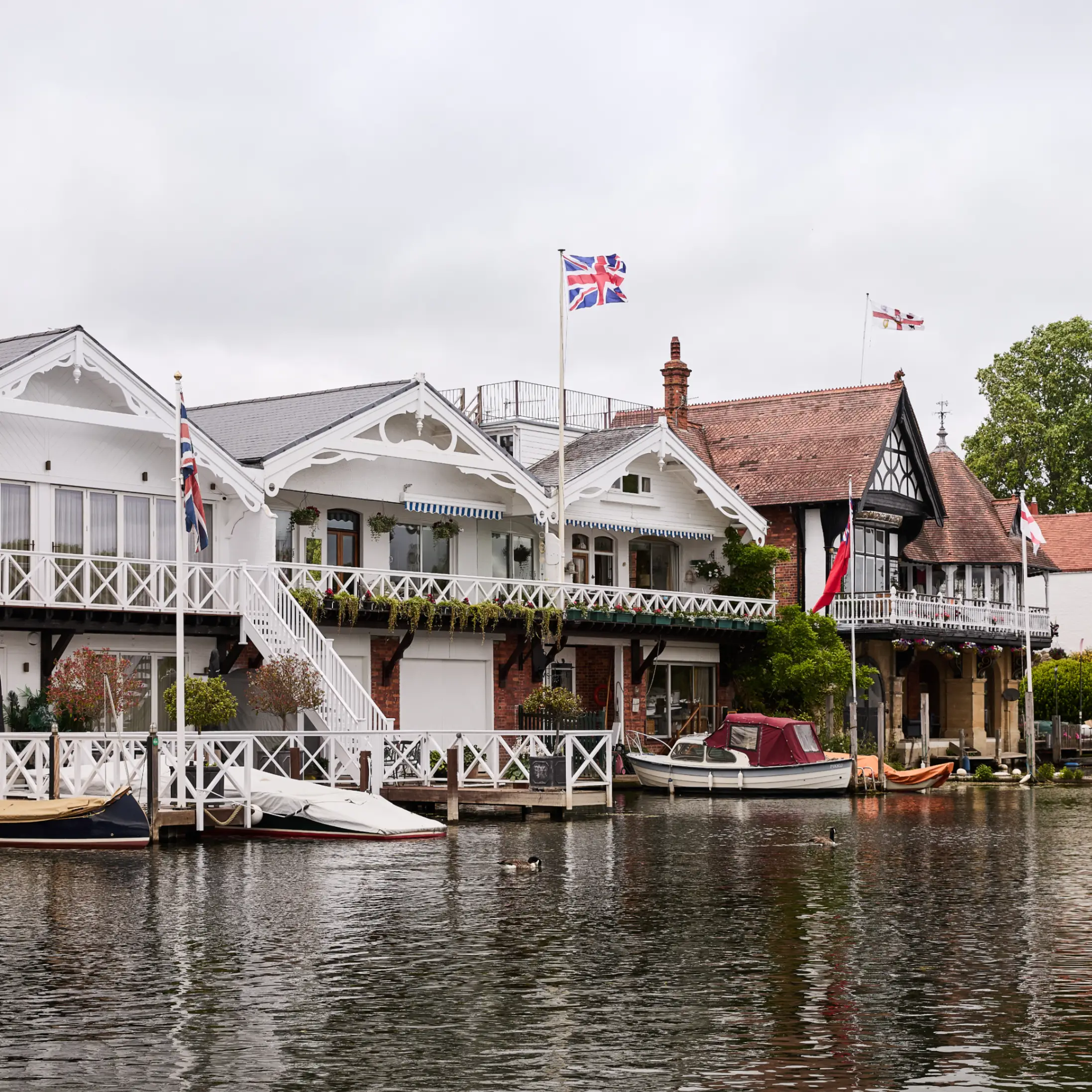
Locations
From period homes to riverside properties, Henley-on-Thames offers family-friendly, countryside living within easy reach of the capital
02 July 2026

Inspiration
For today’s increasingly youthful affluent audience, a search for unique experiences and a drive for wellness and longevity mean luxury priorities have shifted
17 June 2026
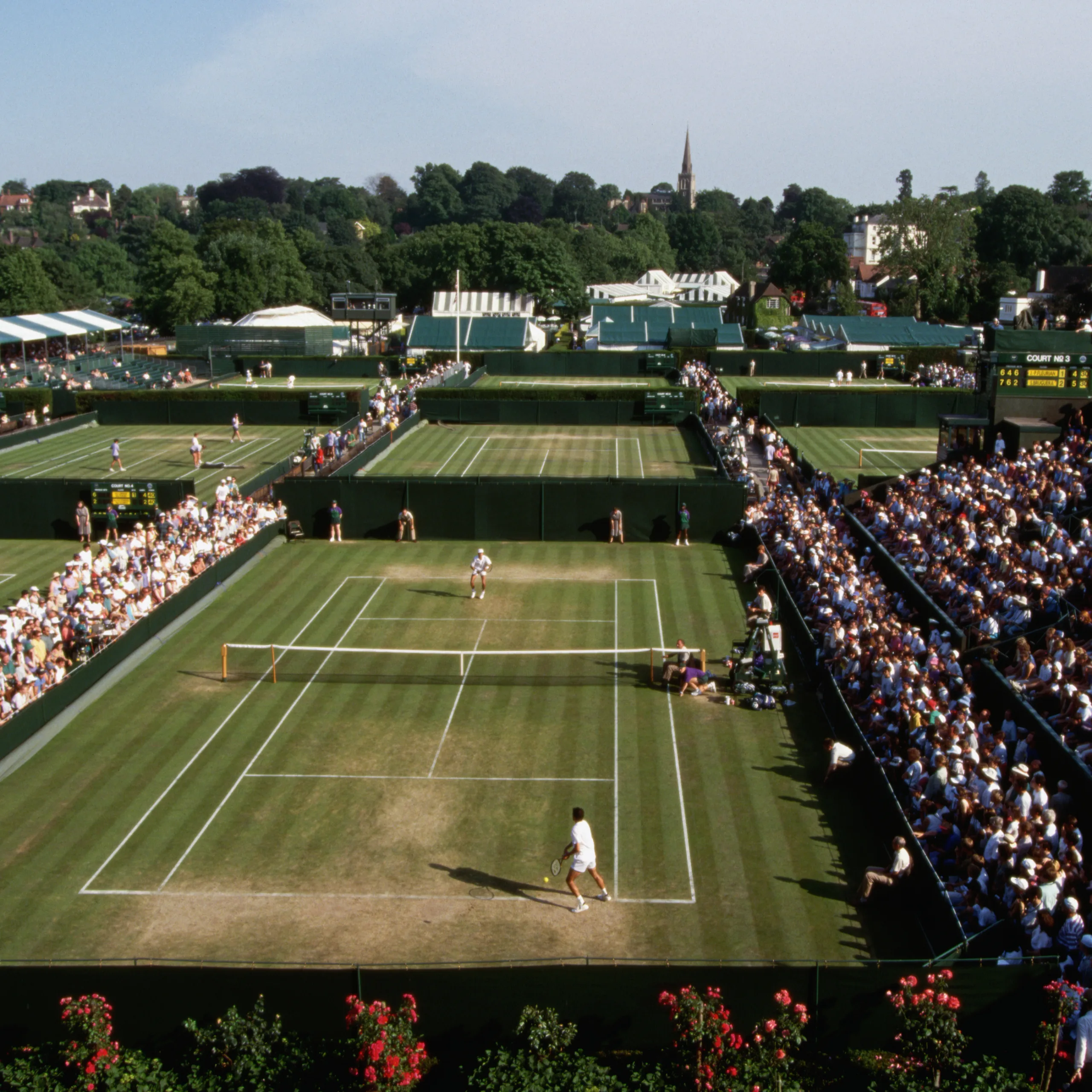
Inspiration
Flexible rentals, premium rates and global demand are making summer an increasingly attractive opportunity for homeowners in the short lets market
21 May 2026

Inspiration
Olympian James Guy MBE joins Schools Triathlon founders Jim Sewell and Tessa Murray to reflect on the power of teamwork, confidence and impact through sport
30 April 2026

Inspiration
Head Gardener Harry Baldwin shares how history, sustainability and modern horticulture shape the estate, and gives his top tips for the green-fingered
20 April 2026
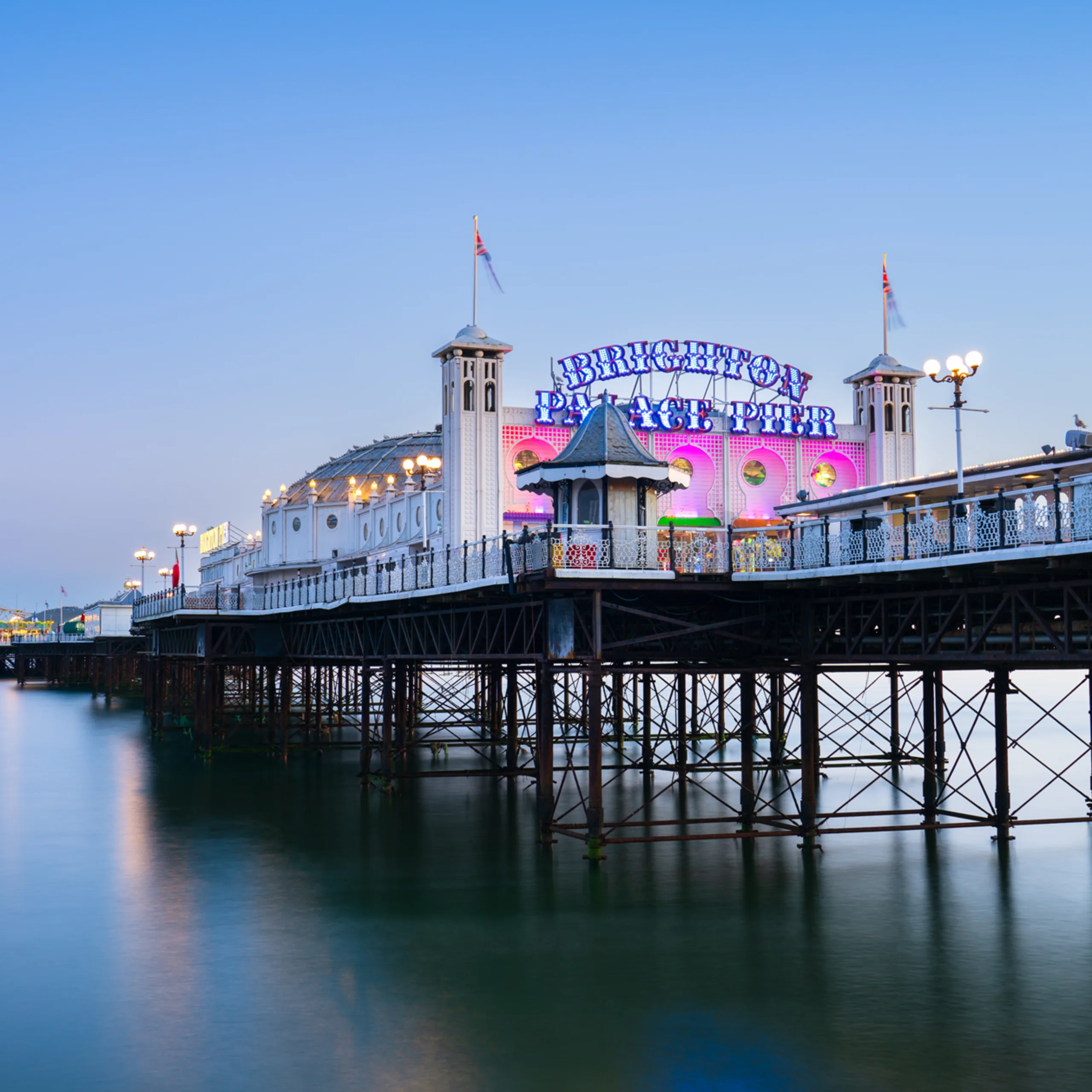
Inspiration
As the iconic Brighton Palace Pier goes up for sale, John Rushby of Knight Frank’s Specialist Leisure team explores what’s possible for its next owner - and the broader sector
15 January 2026

Inspiration
Discover the capital’s great estates delighting residents and visitors with their seasonal displays and events
03 December 2025
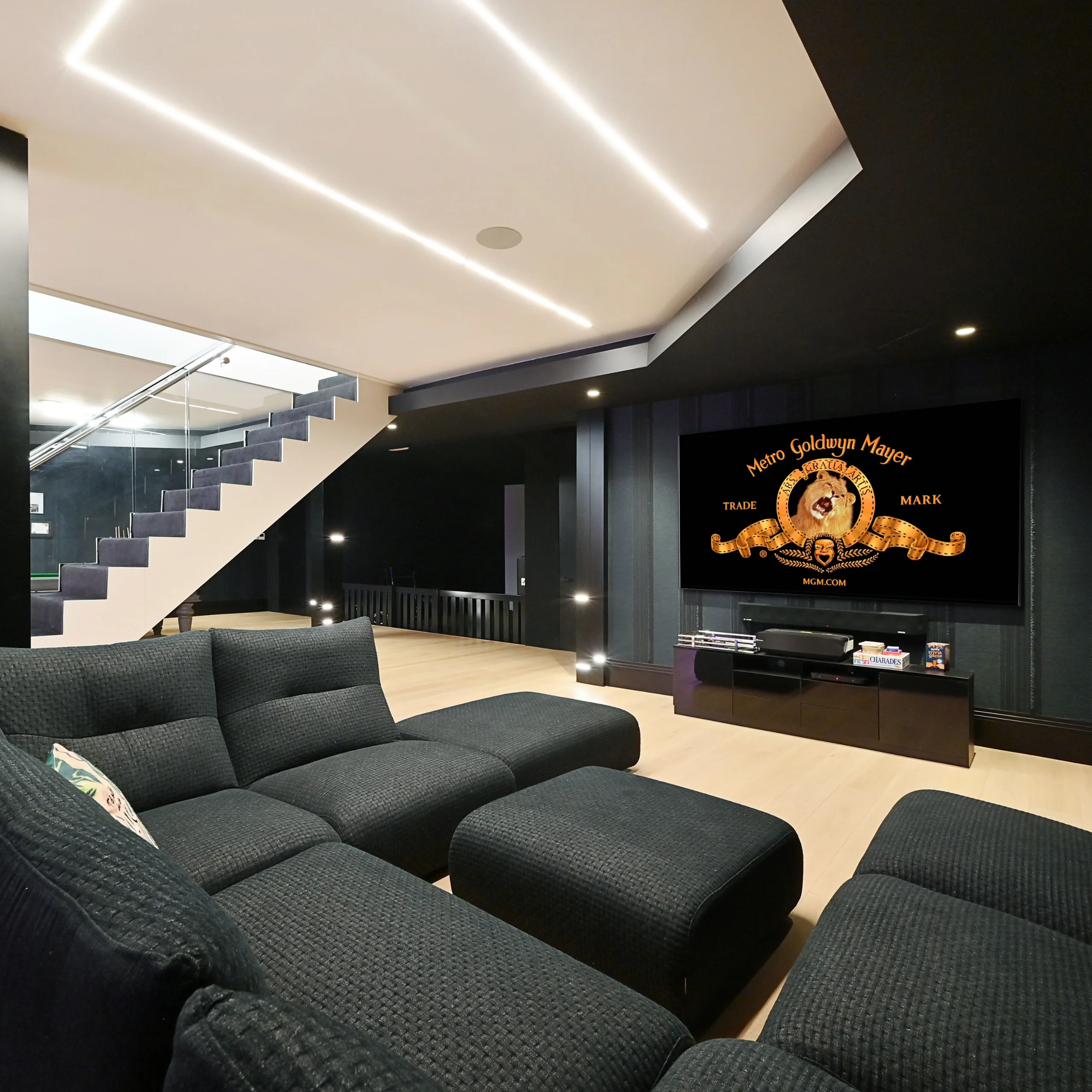
Homes
Discover a collection of star-quality London homes with dedicated cinema rooms to enjoy your favourite film in comfort and style
16 October 2025
Locations
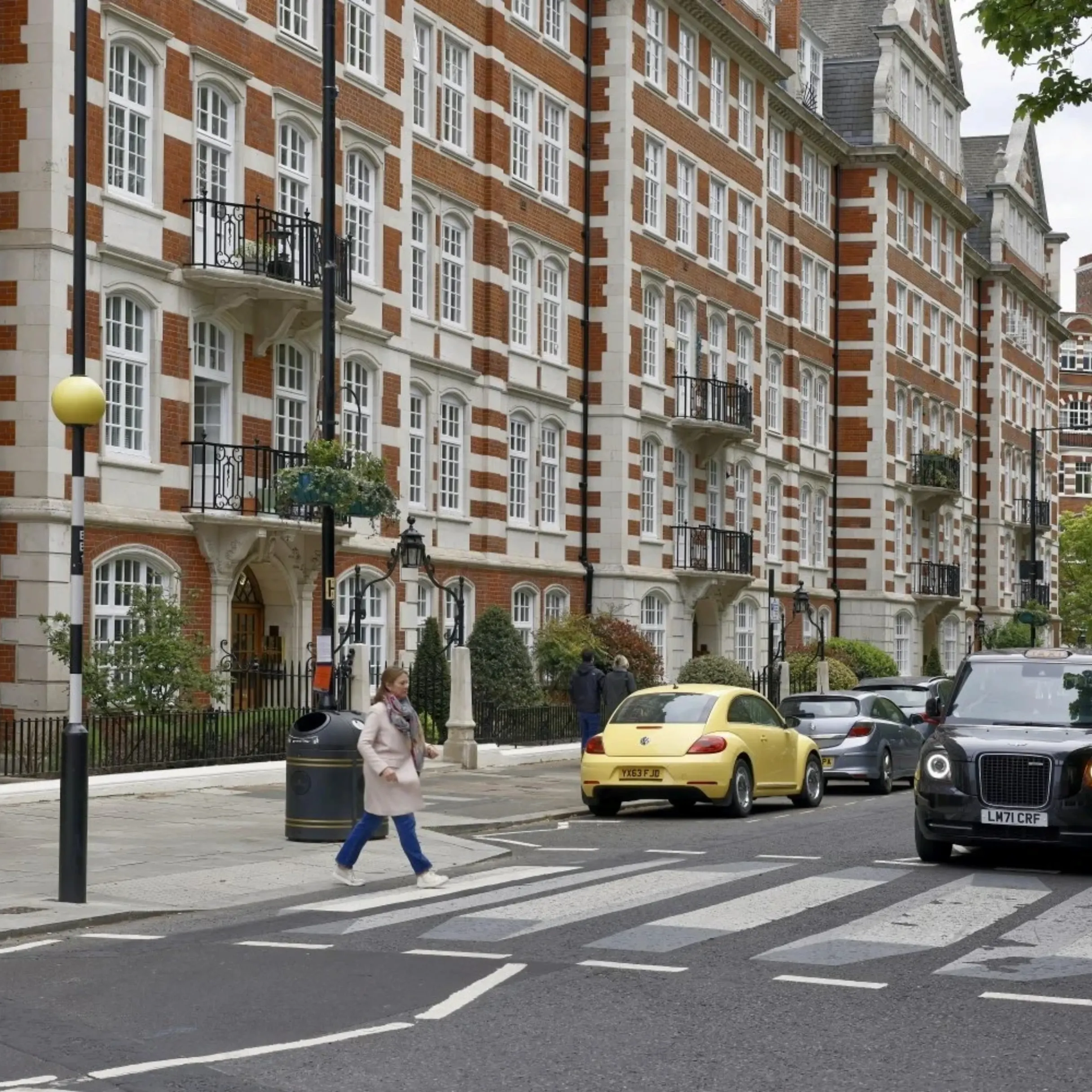
Knight Frank’s Research team has revealed the top premium high streets in the country - and our local experts explain what makes them stand out
21 August 2025
Inspiration
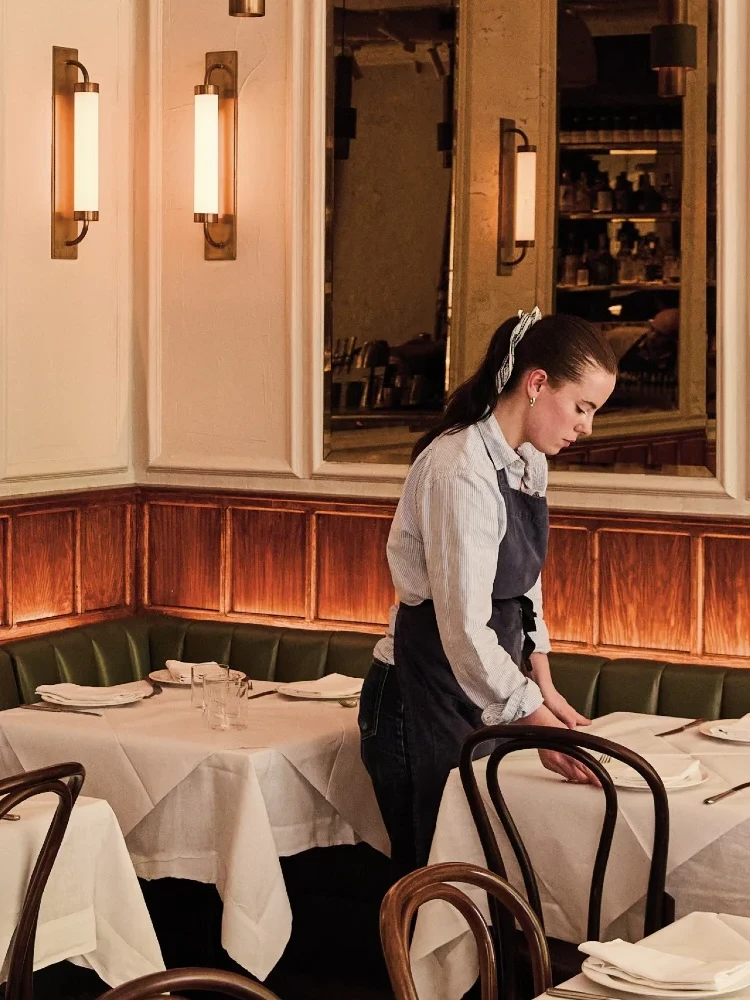
Restaurateur Chris D’Sylva has built a local culinary empire, catering to Notting Hill’s desire for authenticity. Aleks Cvetkovic sits down with the man behind cult-favourite restaurant Dorian
21 August 2025
Inspiration
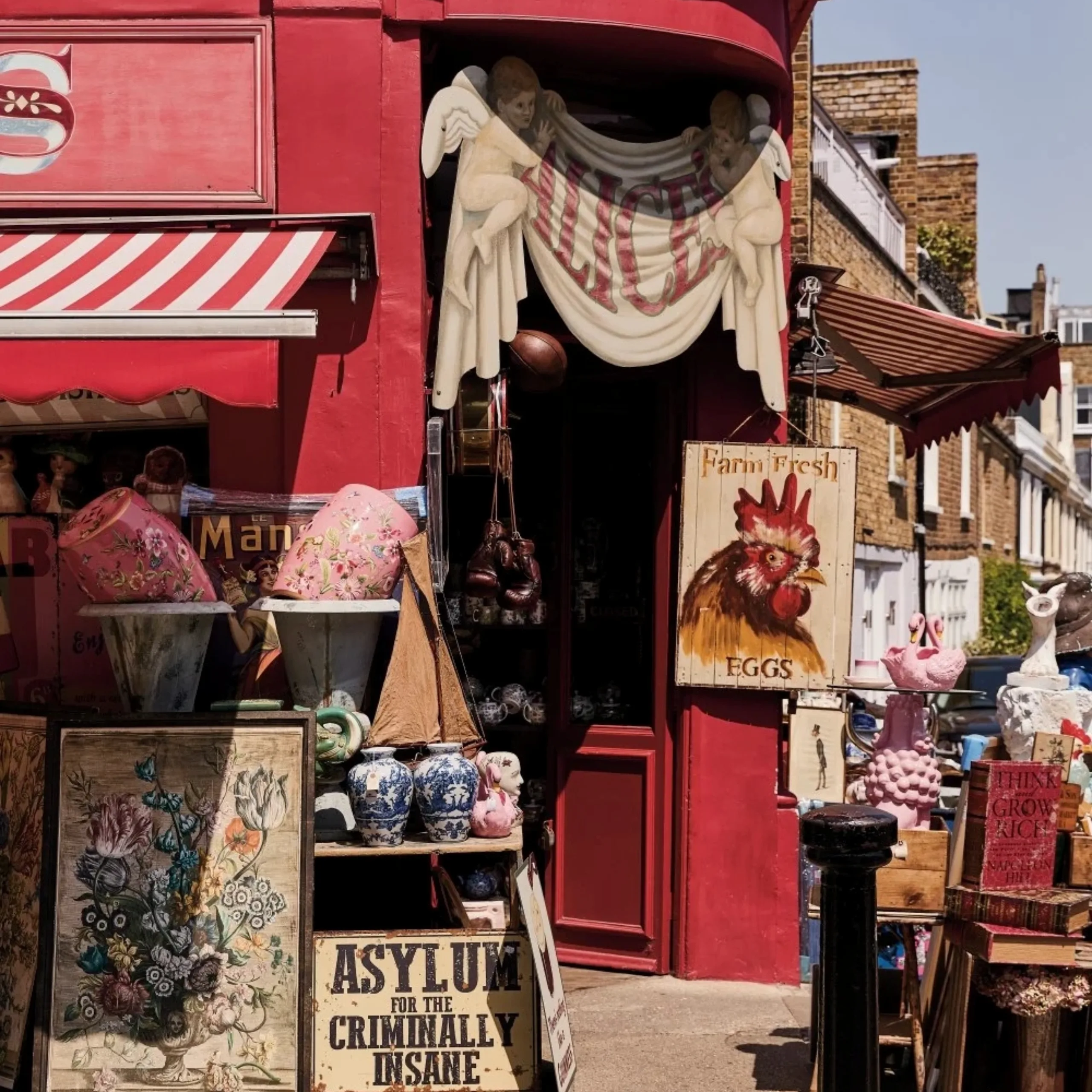
After more than 70 years in the same family, Alice’s Antiques – the real-life Mr Gruber’s shop from Paddington – is for sale. Aleks Cvetkovic speaks to owner Douglas Carter and Knight Frank’s Jack Thomas about letting go of a Notting Hill icon
14 August 2025

Locations
We explore how the South West’s culinary transformation is drawing both food lovers and home buyers alike
31 July 2025
Homes
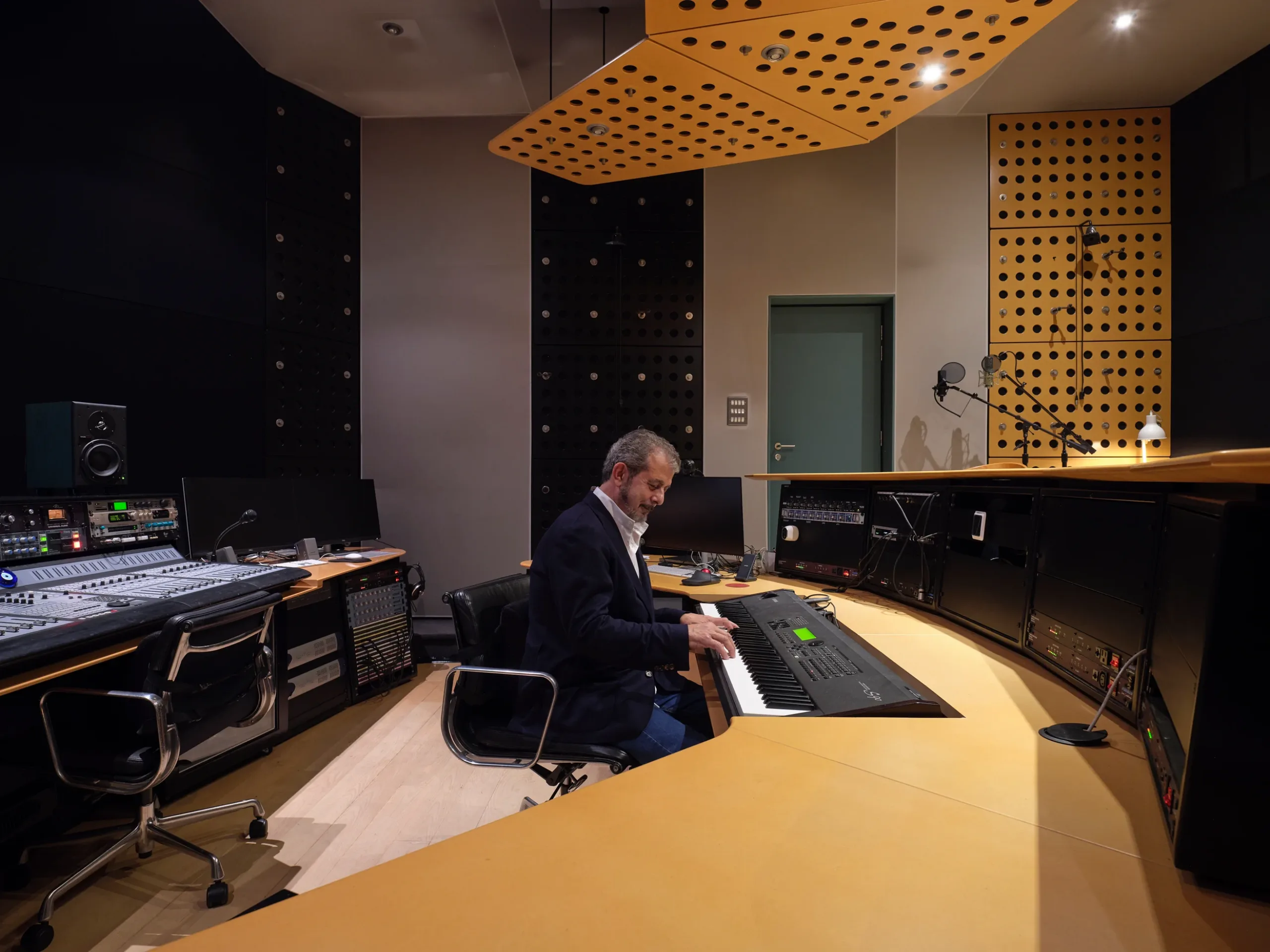
These exceptional homes will strike a chord with music lovers, from inspiring in-house studios to properties once owned by legendary musicians and composers
17 July 2025
Inspiration
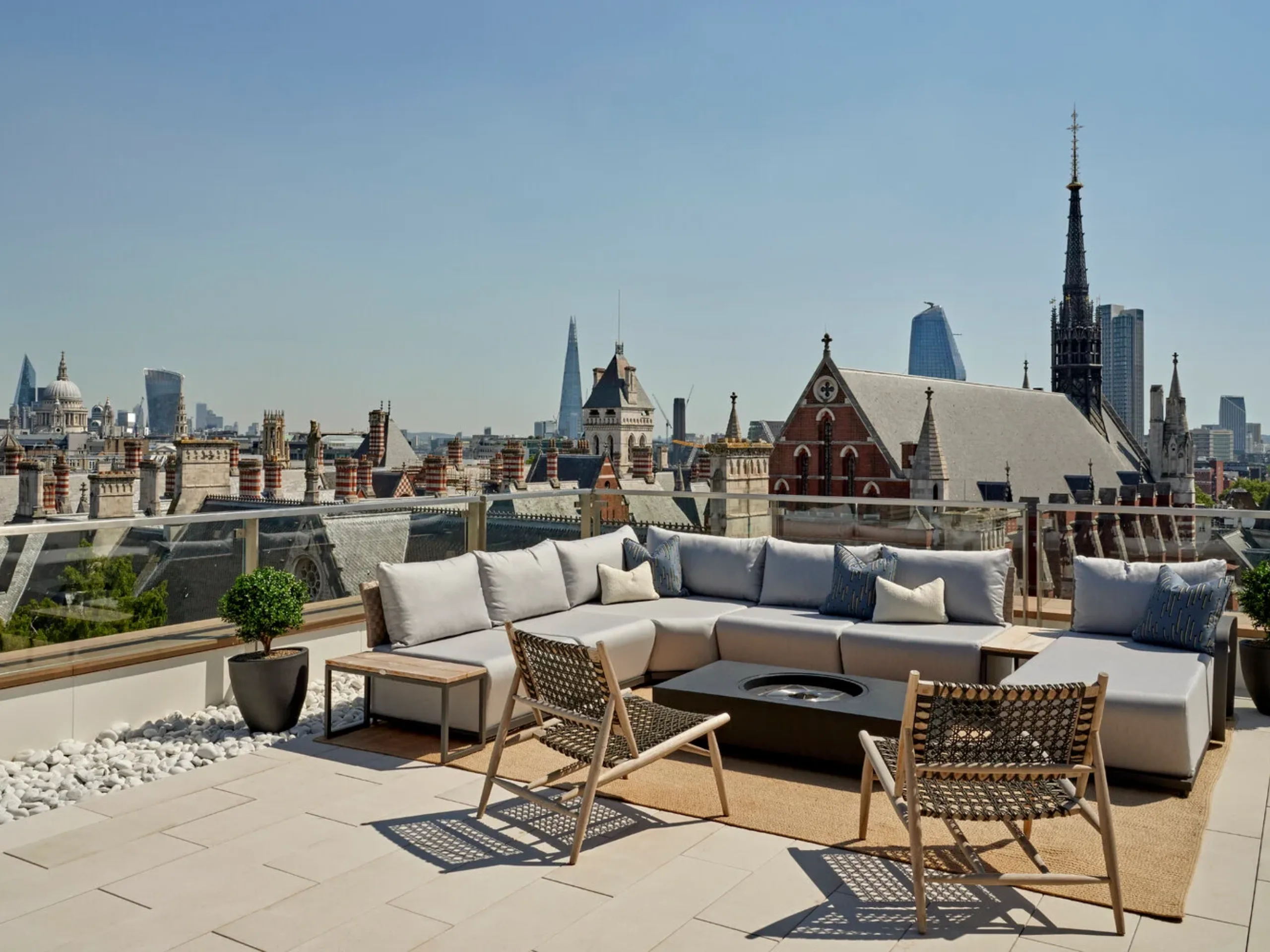
Knight Frank Interiors’ Group Design Director, Rhian Barker, shares her top tips for creating stylish and comfortable outdoor spaces that work all year round
27 May 2025

Inspiration
From her Cotswolds studio, designer Hattie Rickards creates unique meaningful jewels for her loyal clientele
14 May 2025

Inspiration
Rapture & Wright creates exquisite hand-printed wallpapers and fabrics from its sustainable studio in the Cotswolds
08 May 2025
Sorry!
An unexpected error has occurred.
Please try again later.
