

Beyond the headlines: what’s really happening to Britain's high streets?
Knight Frank experts explore how retailers, investors and communities are redefining the role of the modern high street

Knight Frank experts explore how retailers, investors and communities are redefining the role of the modern high street
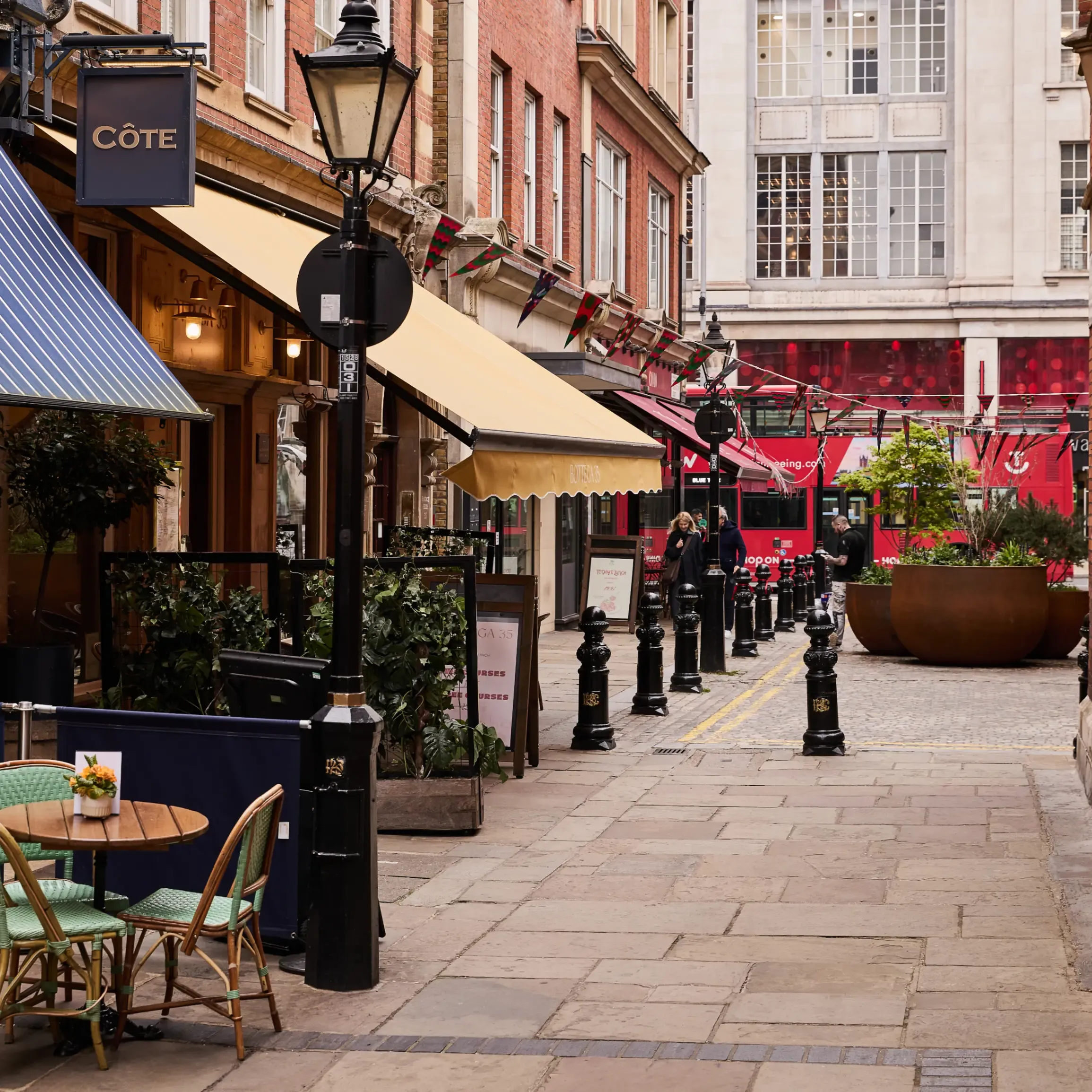
Britain's high streets have long been viewed as a barometer of community wellbeing, reflecting not only how we shop, but how we live. With the future of UK high streets firmly on the political agenda, the reality of modern retail is far more nuanced than the headlines often suggest. From an investment perspective, retail was the strongest-performing property asset class last year, delivering a total return of 8.2%, compared with 5.9% across the wider property market.
To explore the forces reshaping the sector, Knight Frank's Head of UK Markets Insight, Stephen Springham, and Will Lund, Head of Retail Capital Markets, discuss the retail trends driving growth, how successful retailers are adapting to changing consumer behaviour, and what makes a thriving high street today. These themes and more are explored in greater depth throughout Knight Frank's Retail Renaissance series.
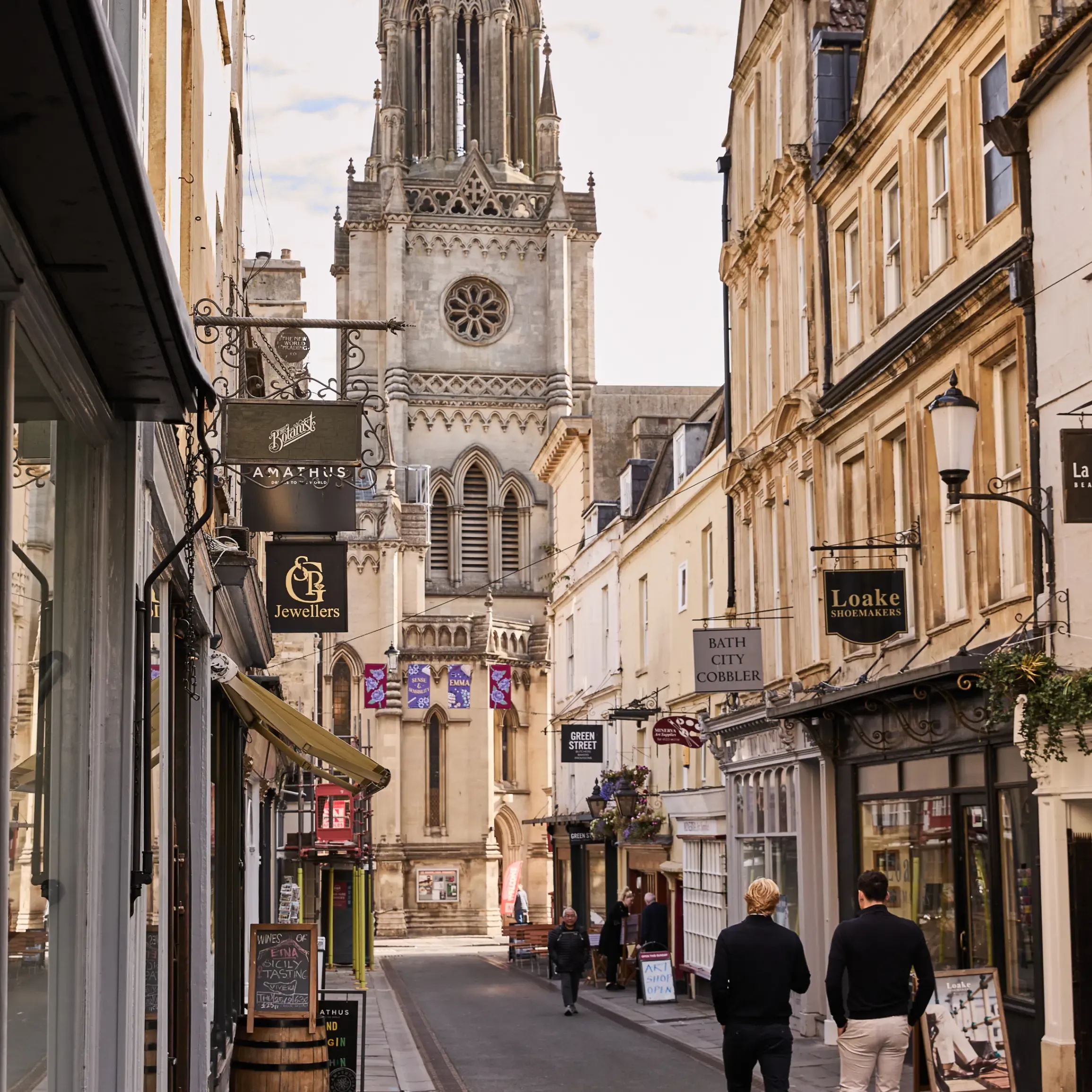
Stephen: The high street is worth around £480 billion a year in retail sales and is growing faster than the wider economy, so it always feels slightly misleading when people describe it as "dead". That said, the sector has undergone profound structural change over the past decade and beyond. Online shopping is the most visible factor, but it's far from the only one. The pandemic accelerated trends that were already underway, creating a major reset for the industry. From a purely property perspective, however, retail overall is now the strongest-performing asset class.

Will: Retailers have to work harder than they did in the past. We lost a number of weaker brands during and immediately after the pandemic, but the businesses that survived are generally stronger, better capitalised and more customer-focused. Retailers such as Next and M&S recognised they needed to evolve, invested in their stores and product ranges, and are now seeing the benefits.
Stephen: The conversation is often framed as a battle between online and physical retail, but most successful brands operate across both. Online penetration has stabilised at around 28%, and growth is increasingly being driven by multichannel retailers rather than online-only operators. Consumers shop brands, not channels. For a period, investment shifted heavily towards fulfillment and logistics, often at the expense of stores. Now we're seeing that balance change, with retailers reinvesting in physical locations. John Lewis's £800 million transformation programme is a good example.
Will: Most retailers now view online as an important part of their ecosystem, rather than the be-all and end-all. During the pandemic, online sales surged because consumers had little alternative. Today, most retailers have mature digital platforms, but those platforms are expensive to operate. Industrial rents and business rates have risen rapidly, and maintaining a network of warehouses can be just as costly, if not more so, than running a large national store portfolio.
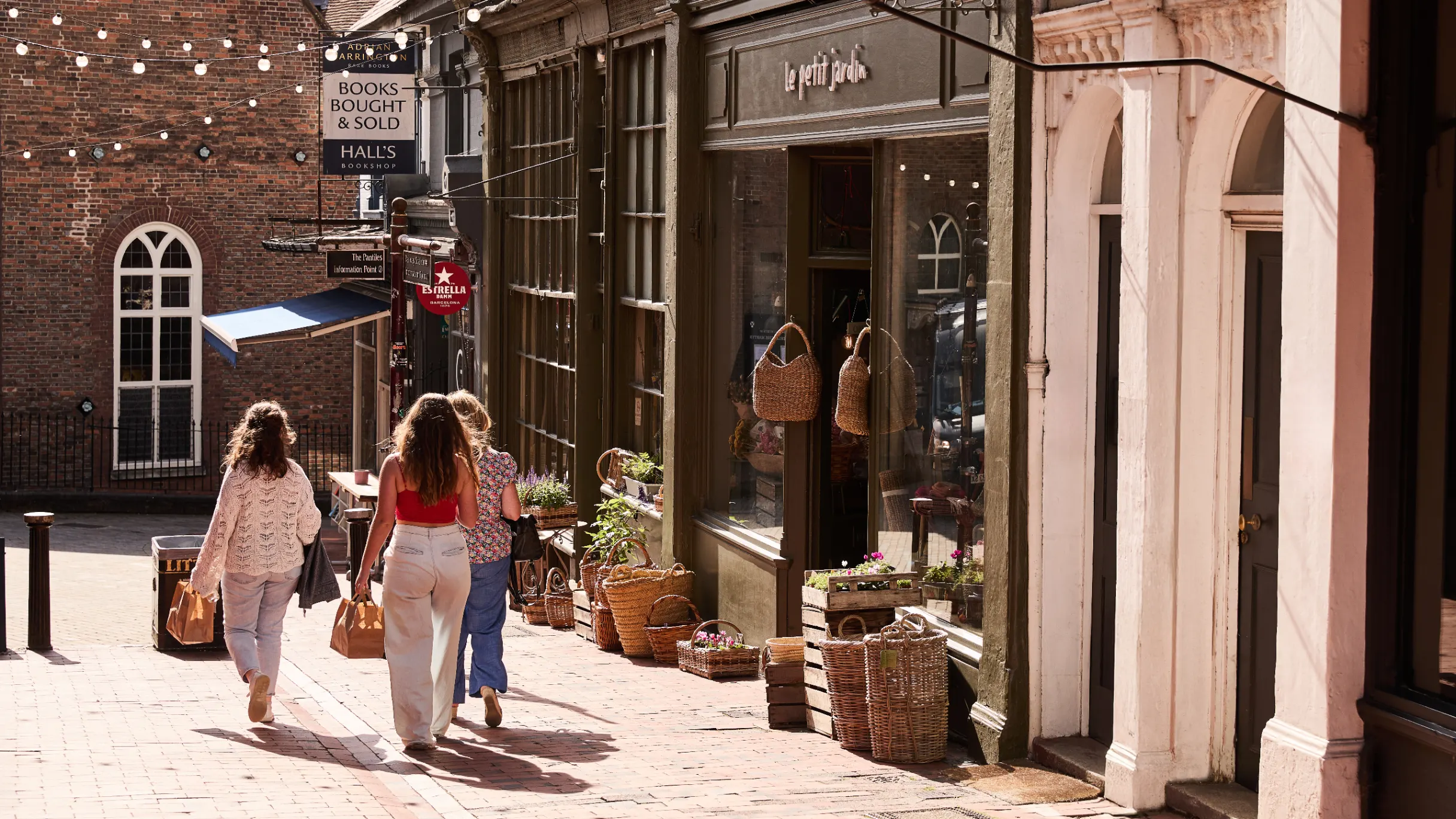
Will: No store is untouchable anymore. Retailers often used to focus on being present in a defined group of top-tier locations. Today, every store is assessed on performance. If a location isn't contributing to the business, it will close. Equally, retailers are finding success in markets that may once have been overlooked because local property economics can be very attractive.
Stephen: Retailers have become far more selective and forensic. Stores must either generate profit or support the wider multichannel strategy. Underperforming locations are gradually being removed, while stronger opportunities continue to be added.
Will: In out-of-town retail warehousing, there is a clear supply-demand imbalance in favour of landlords. National vacancy rates by some measures for retail warehousing are below 2%, and in certain markets there is virtually no available space. As a result, retailers are increasingly willing to pay premiums to secure the right locations, something we haven't seen for 15 to 20 years. At the same time, not all retail space is equal. Some town centre properties are highly sought after, while others no longer meet the needs of modern retailers and struggle to attract demand.
Stephen: While the overall national retail vacancy rate hovers around 14%, much of that floor space consists of units that are no longer fit for purpose. National averages can mask significant local differences, and every town or city has its own dynamics.
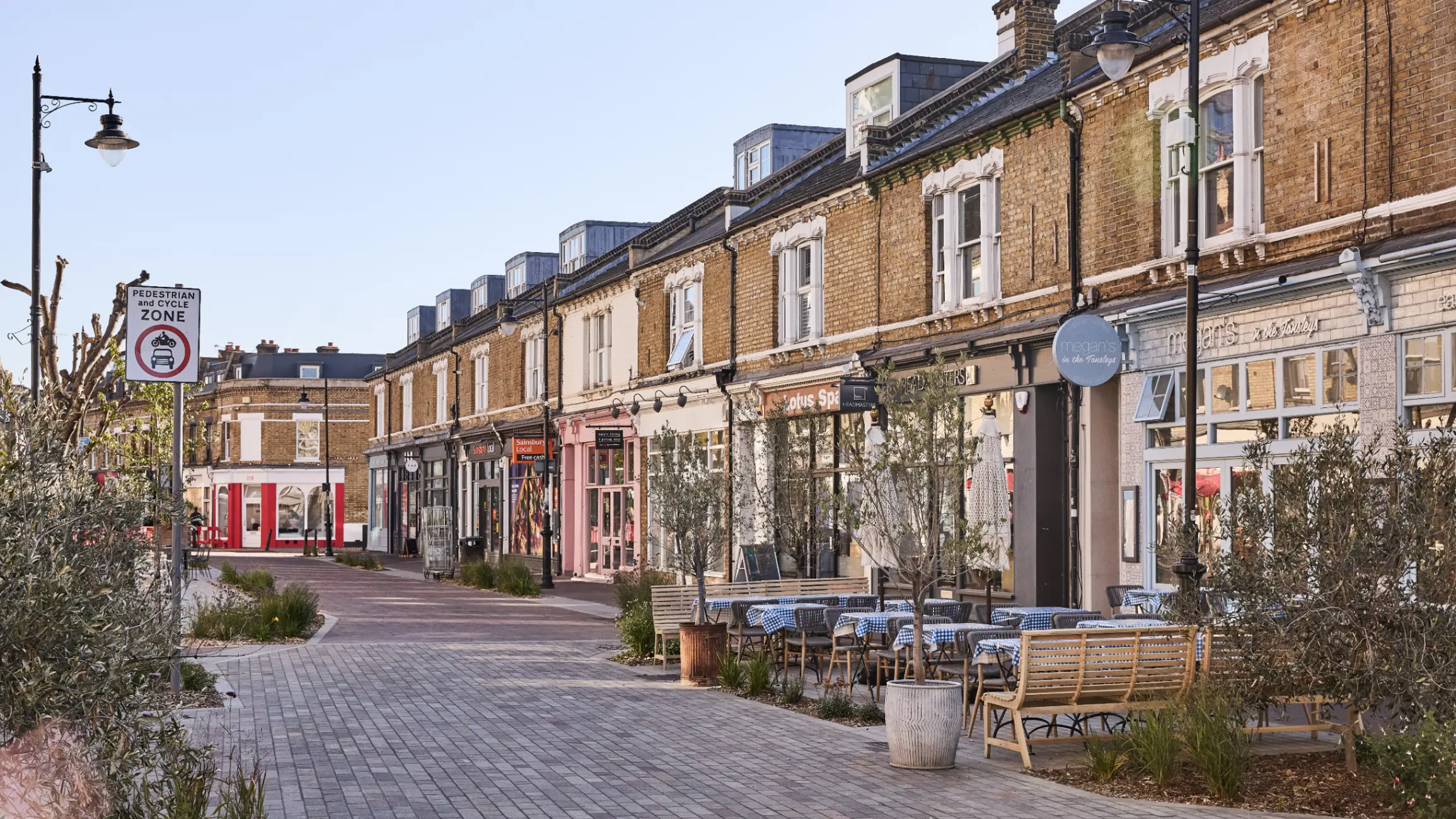
Will: Out-of-town retail remains a core component of many institutional portfolios, such as pension funds. Supply is limited because owners tend to hold these assets for extended periods. We're also seeing growing interest in large regional shopping centres. Major investors such as Landsec have significantly increased their exposure to retail, even disposing of assets in other sectors to fund acquisitions.
Town centre retail has improved to an extent where it is now a readily accepted asset class. More widely, retail's strong recent performance has reinforced confidence among investors. While investment strategies vary by segment, retail is firmly back in focus.
Stephen: Successful high streets are fundamentally those that reflect the needs of their local communities. Consumer expectations evolve over time, and there is no universal formula for success. The right mix between independent businesses and national brands will vary from one location to another.
Will: Leisure is also becoming an increasingly important part of the town centre mix, helping create destinations that remain active beyond traditional shopping hours. While independent retailers add character and diversity, larger occupiers also play a vital role. Businesses such as the major supermarkets provide essential services and drive regular footfall, helping to sustain wider town centre ecosystems. Ultimately, successful high streets are those that strike the right balance.
Find our more about our work and contact the team

Locations
From Les Saisies to Champagny-en-Vanoise, discover the French Alpine resorts combining exceptional skiing, authentic mountain living and long-term property investment potential
24 September 2026

Locations
Transaction volumes are rising as improving sentiment encourages buyers and sellers back into the prime central London market
21 September 2026

Inspiration
As capital becomes more selective and specialised, we identify the newly emerging sectors shaping the future of commercial real estate investment
18 September 2026

Inspiration
How changing patterns of wealth mobility are reshaping demand for prime properties and branded residences
18 September 2026
Inspiration
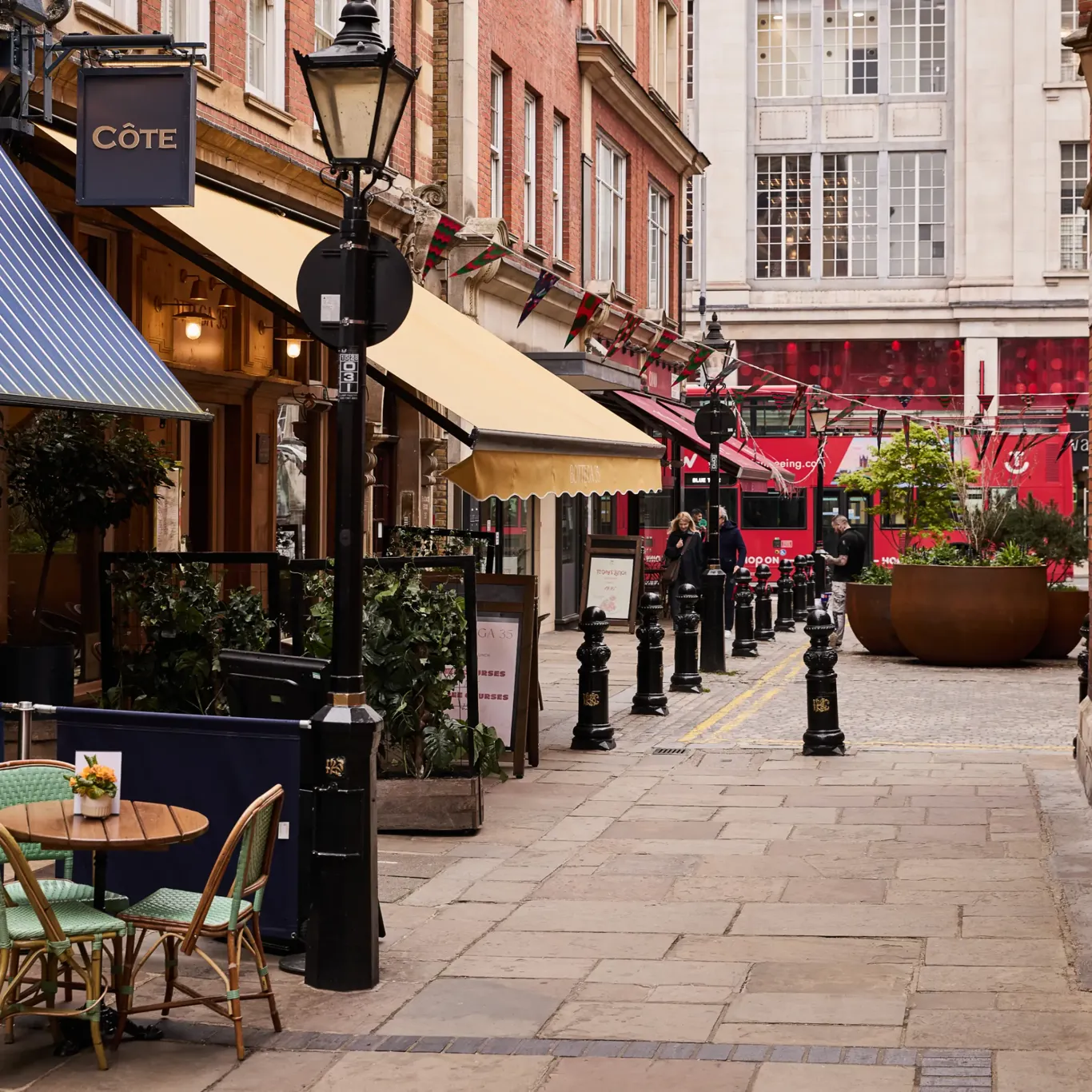
Knight Frank experts explore how retailers, investors and communities are redefining the role of the modern high street
17 September 2026

Locations
From top-performing state schools to leading independent education, these sought-after locations combine exceptional schooling with family-friendly homes and communities
09 September 2026

Homes
With education a key driver behind relocation decisions, these standout properties combine proximity to renowned international schools with an exceptional quality of life
03 September 2026

Inspiration
Artist Elizabeth Orchard finds inspiration in the beauty of Italy and her Florentine home and garden
06 August 2026

Homes
Bill Thomson, Chairman of Knight Frank's Italian network, highlights the important considerations for those setting out to buy an Italian home
06 August 2026
Homes
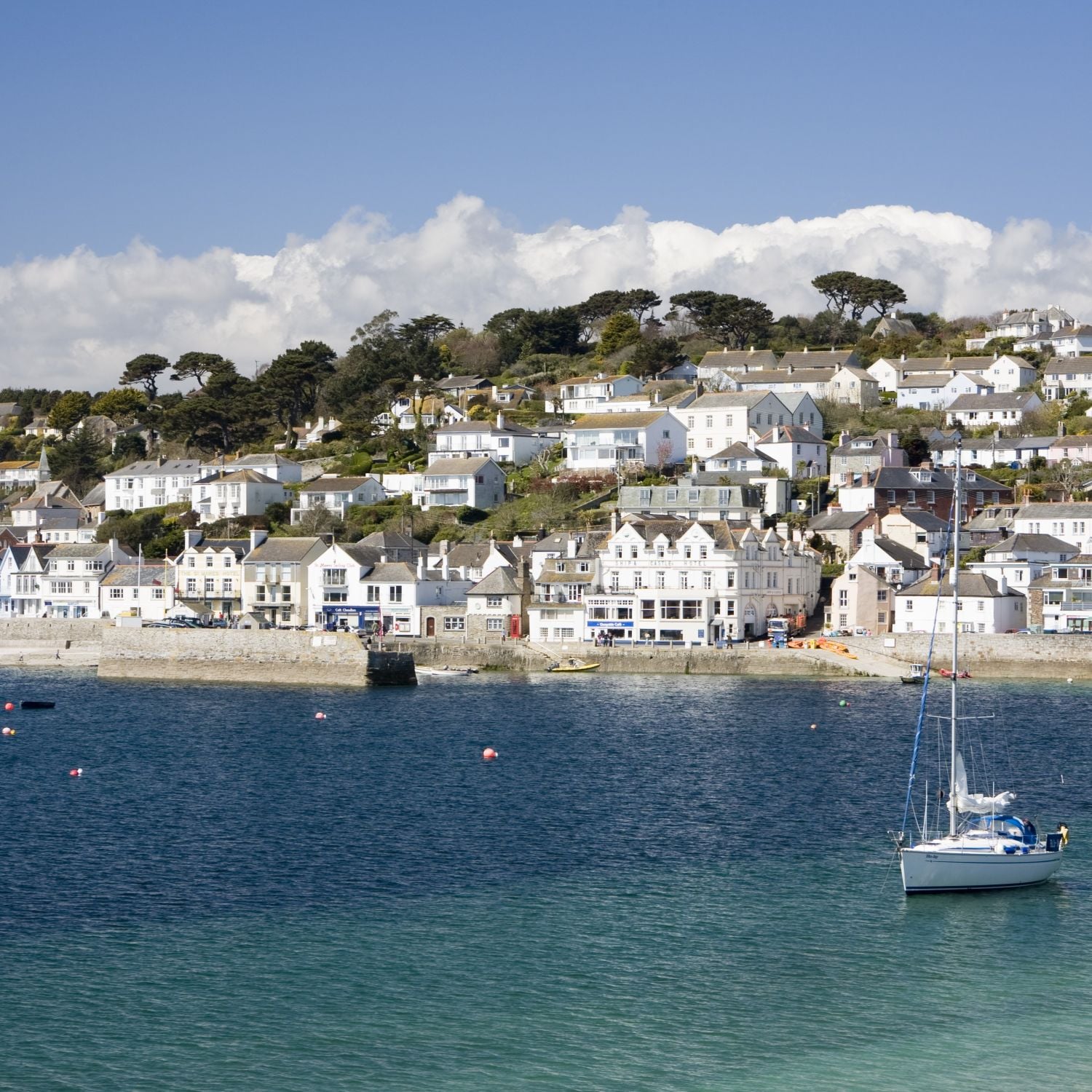
Knight Frank experts share their advice on showcasing your waterfront property in the best light, from presentation and timing to choosing the right pricing strategy
24 July 2026
Inspiration
Consumers are becoming ever more selective and informed. What does this mean for the collectibles and luxury assets markets?
24 July 2026

Inspiration
Elite players and ambitious clubs are taking a strategic approach to real estate, using property to build long-term value on and off the field
17 July 2026
Inspiration
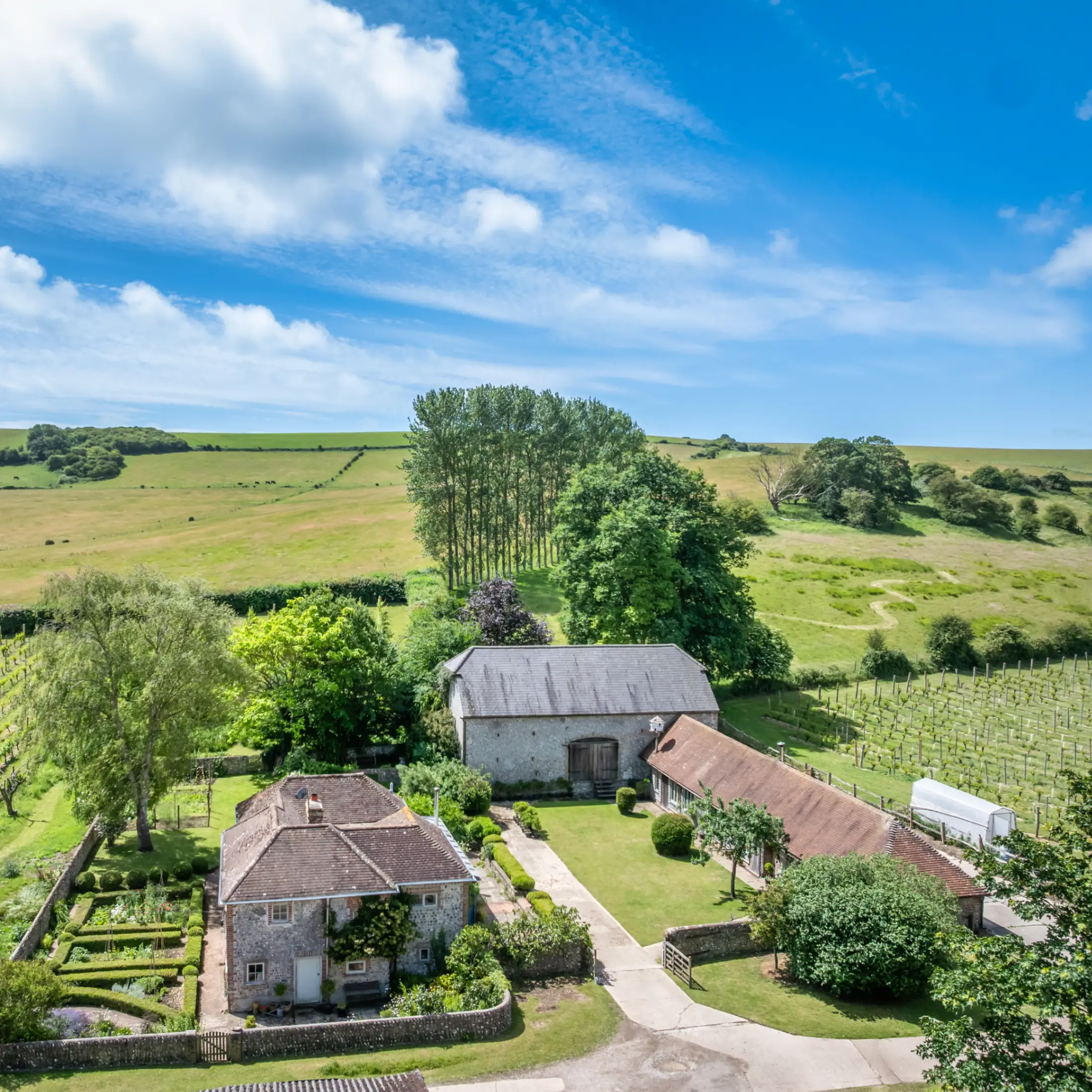
With greater choice and established vineyards coming to market, England's wine sector is entering a new phase of maturity
16 July 2026

Locations
Discover the global luxury property markets most in demand with astute international buyers today, from Dubai and Abu Dhabi to Mumbai and Brisbane
15 July 2026

Homes
James Guy MBE reveals his ideal private pool setup, as we showcase a collection of standout homes for sale with exceptional swimming facilities
02 July 2026
Locations
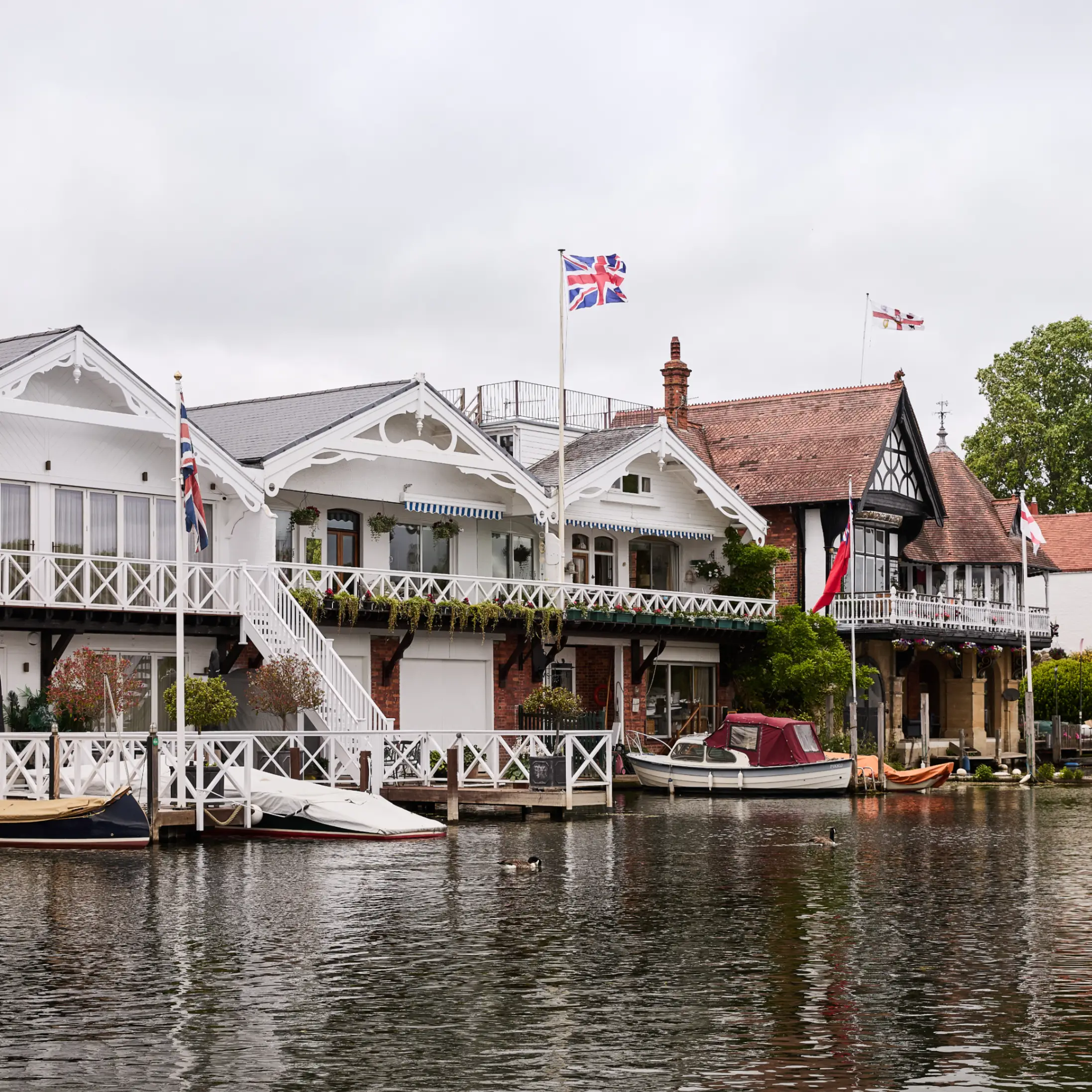
From period homes to riverside properties, Henley-on-Thames offers family-friendly, countryside living within easy reach of the capital
02 July 2026

Inspiration
For today’s increasingly youthful affluent audience, a search for unique experiences and a drive for wellness and longevity mean luxury priorities have shifted
17 June 2026
Inspiration
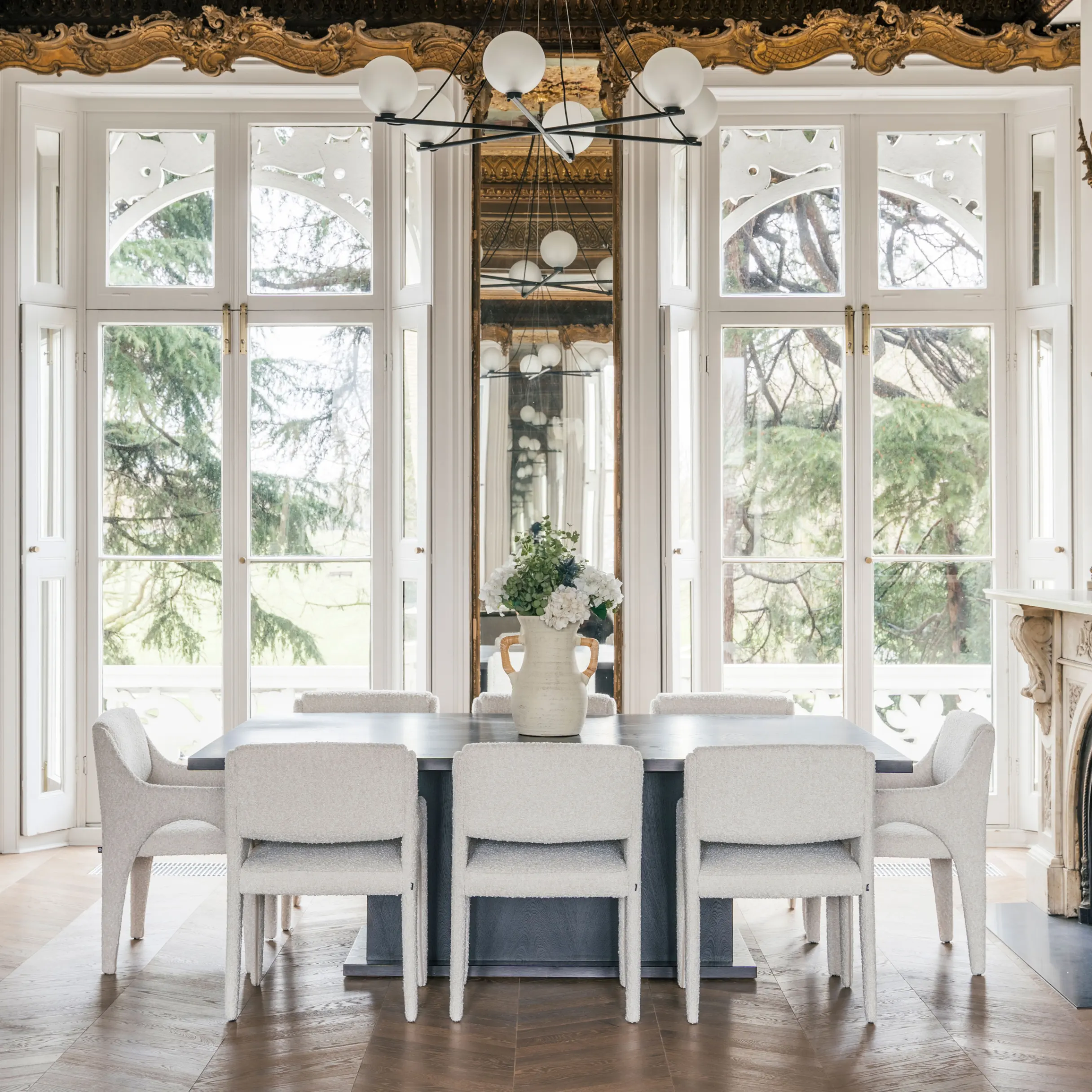
From first impressions to final offers, the right interior can transform how quickly, and successfully, a home finds its next occupant.
03 June 2026

Inspiration
Flexible rentals, premium rates and global demand are making summer an increasingly attractive opportunity for homeowners in the short lets market
21 May 2026
Locations
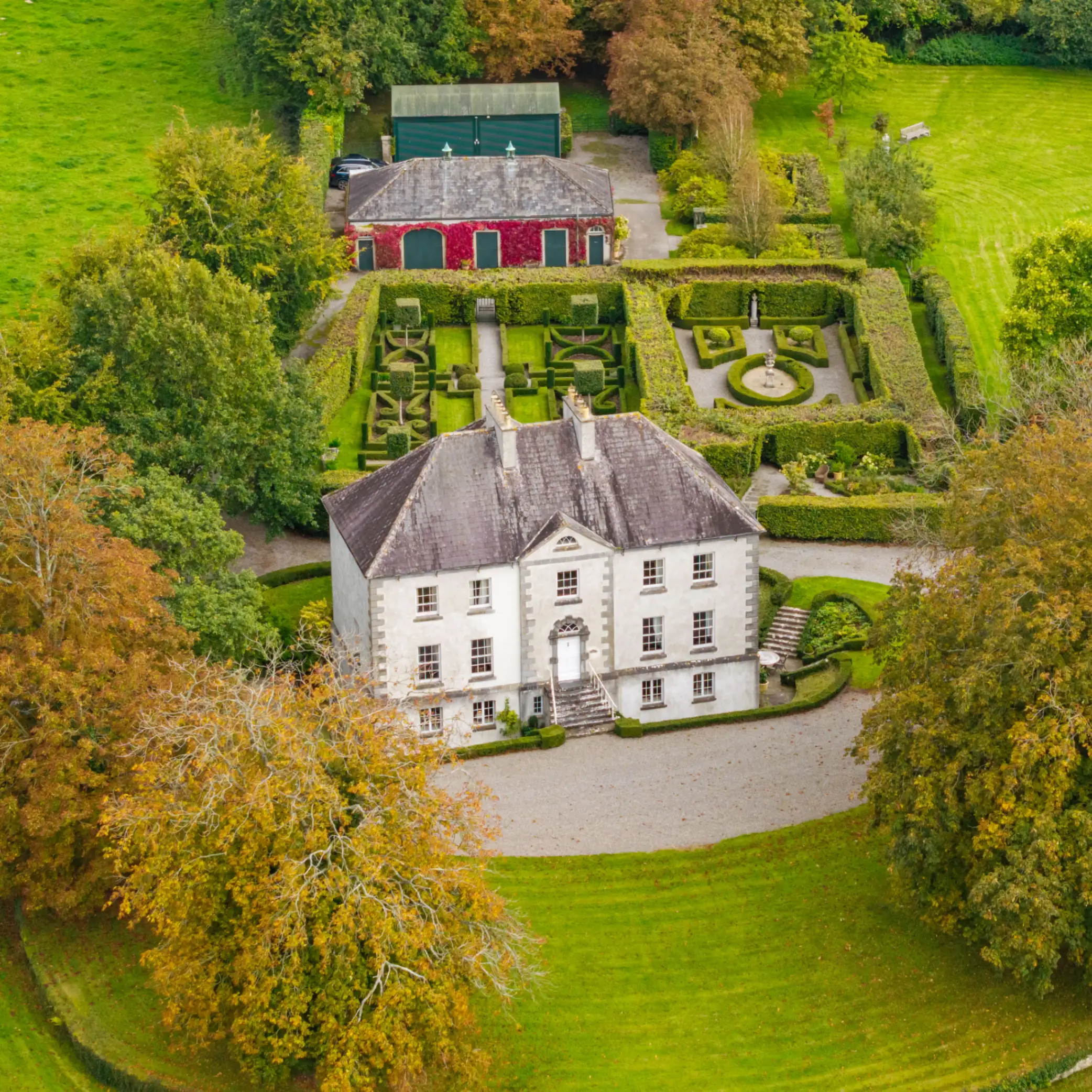
As buyers seek security and long‑term value, we explore why Ireland’s housing market continues to stand out
06 May 2026

Inspiration
Olympian James Guy MBE joins Schools Triathlon founders Jim Sewell and Tessa Murray to reflect on the power of teamwork, confidence and impact through sport
30 April 2026
Inspiration
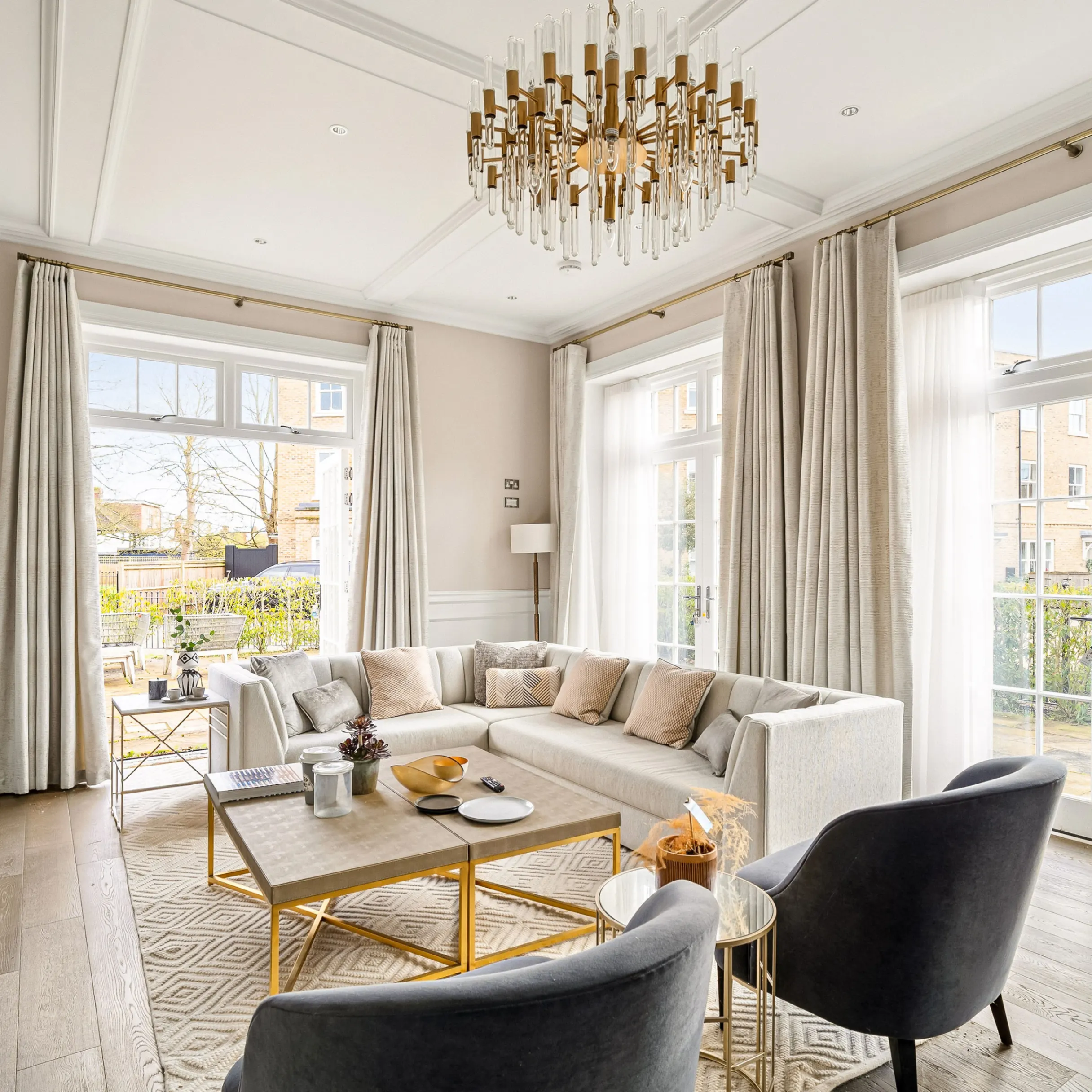
As new government legislation comes into force, what are the current market trends landlords should know to achieve a successful tenancy
28 April 2026

Inspiration
Head Gardener Harry Baldwin shares how history, sustainability and modern horticulture shape the estate, and gives his top tips for the green-fingered
20 April 2026
Homes
From strategic timing and smart pricing to simple presentation upgrades, these expert tips will help you secure the strongest possible offer
08 April 2026
Sorry!
An unexpected error has occurred.
Please try again later.
