

How home staging can help you sell and let your property faster
From first impressions to final offers, the right interior can transform how quickly, and successfully, a home finds its next occupant

From first impressions to final offers, the right interior can transform how quickly, and successfully, a home finds its next occupant
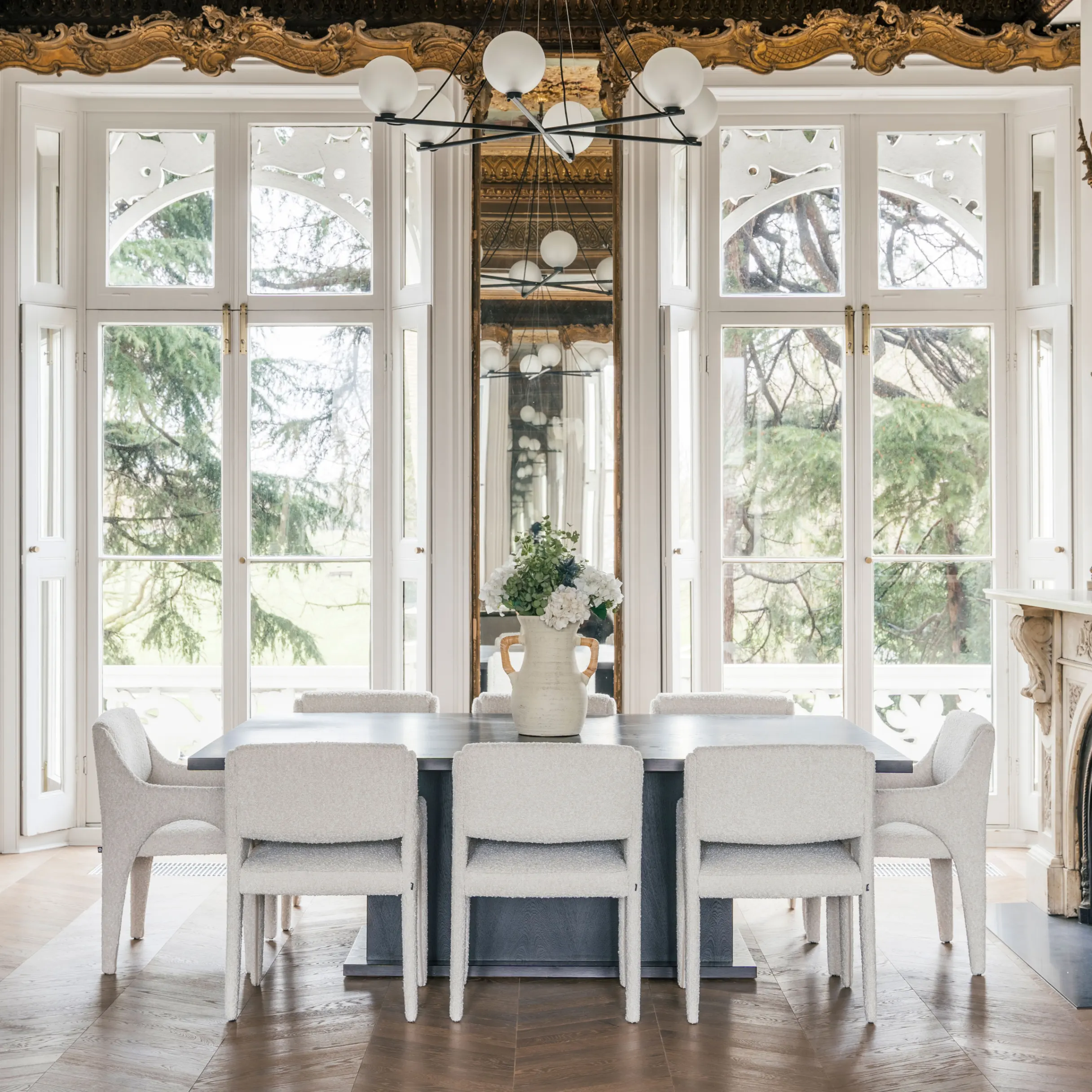
When it comes to where we live — whether renting or buying — the decision is as much emotional as it is financial. While location and property style are often front of mind, a well-designed interior can be just as influential, helping potential residents picture themselves living there from first viewing.
Tori Mitchell is a Director at AGC, Britain’s first B Corp-certified interior design collective, and part of Knight Frank's network of interior designers and home staging experts. Here she shares how homeowners and landlords can maximise the value of their properties through smart home staging, and offers her expert tips for creating interiors that feel both welcoming and impactful.
The market is more competitive than ever, and buyers and renters are making decisions faster. Staging helps a property stand out immediately, both online and in person. It creates an emotional connection and allows people to visualise how they could live in the space, which is often the difference between interest and action.
For homeowners, staging helps buyers understand the full potential of a property and creates a stronger emotional connection from the moment they walk through the door. For landlords, it showcases the space in a way that feels considered, functional and ready to live in, helping attract the right tenants more quickly. In both cases, effective staging is about presenting a property at its very best, ensuring every room has a clear purpose and allowing people to see how the space can support their lifestyle.
The results speak for themselves. Our latest New Homes Market Report found that professionally staged properties achieve an average 4-6% uplift in offer value and sell in around half the time of un-staged homes.
Yes, the psychology is slightly different. Buyers tend to respond emotionally. They are imagining their future lifestyle, so we focus on creating warmth, aspiration and a strong sense of home.
Renters are often more practical and lifestyle-led. They want to understand how the space functions day to day. For rental properties, we prioritise durability, flexibility and efficient use of space while still ensuring the interiors feel elevated and welcoming.
When staging to sell, we often create a more aspirational narrative. When staging to let, we focus on liveability and broad appeal.
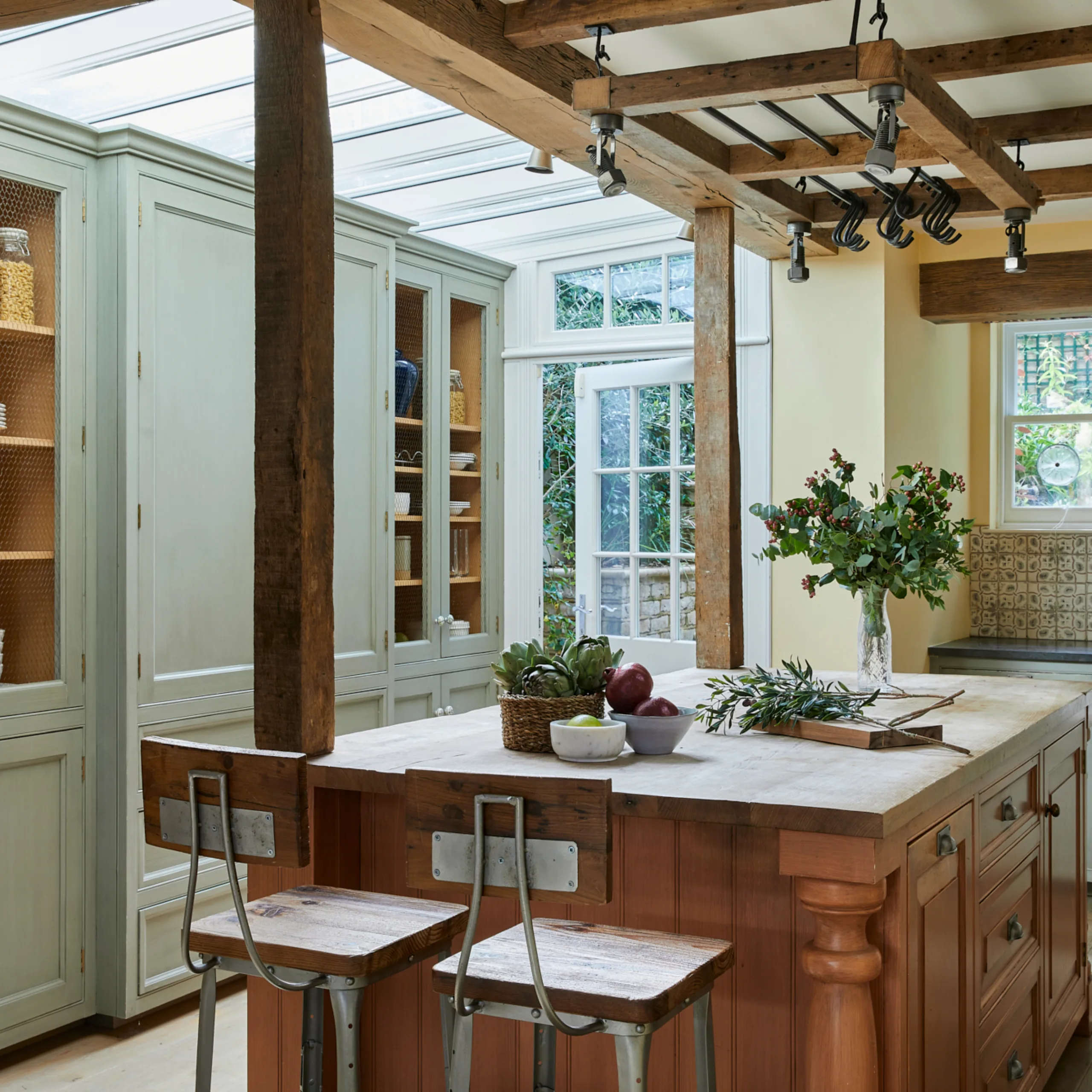
The key is investing in pieces that are both durable and design-led. A property should feel considered without becoming overly personalised or fragile.
We always encourage landlords to focus on timeless finishes, layered textures and smart storage solutions. Practicality matters, but practical does not need to feel clinical. Tenants still want spaces that feel contemporary, comfortable and well cared for.
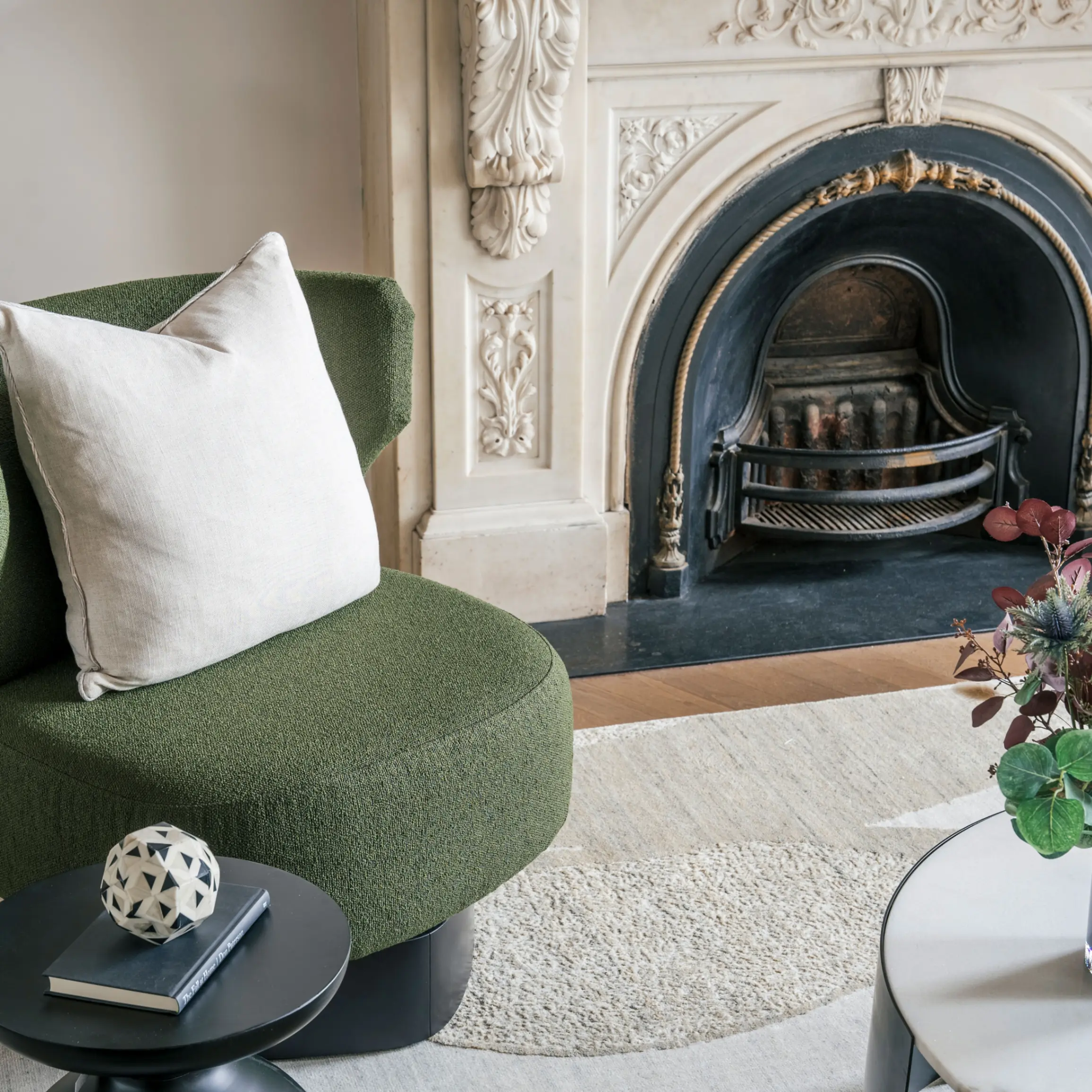
One of the biggest mistakes is overcrowding spaces with furniture or personal items. Buyers and renters need room to imagine themselves living there.
Poor lighting is another common issue. Even well-designed spaces can feel flat if lighting has not been considered properly.
We also often see inconsistent styling from room to room, or properties that feel too trend-led. The goal is to create a cohesive and timeless environment that appeals to the widest audience possible.
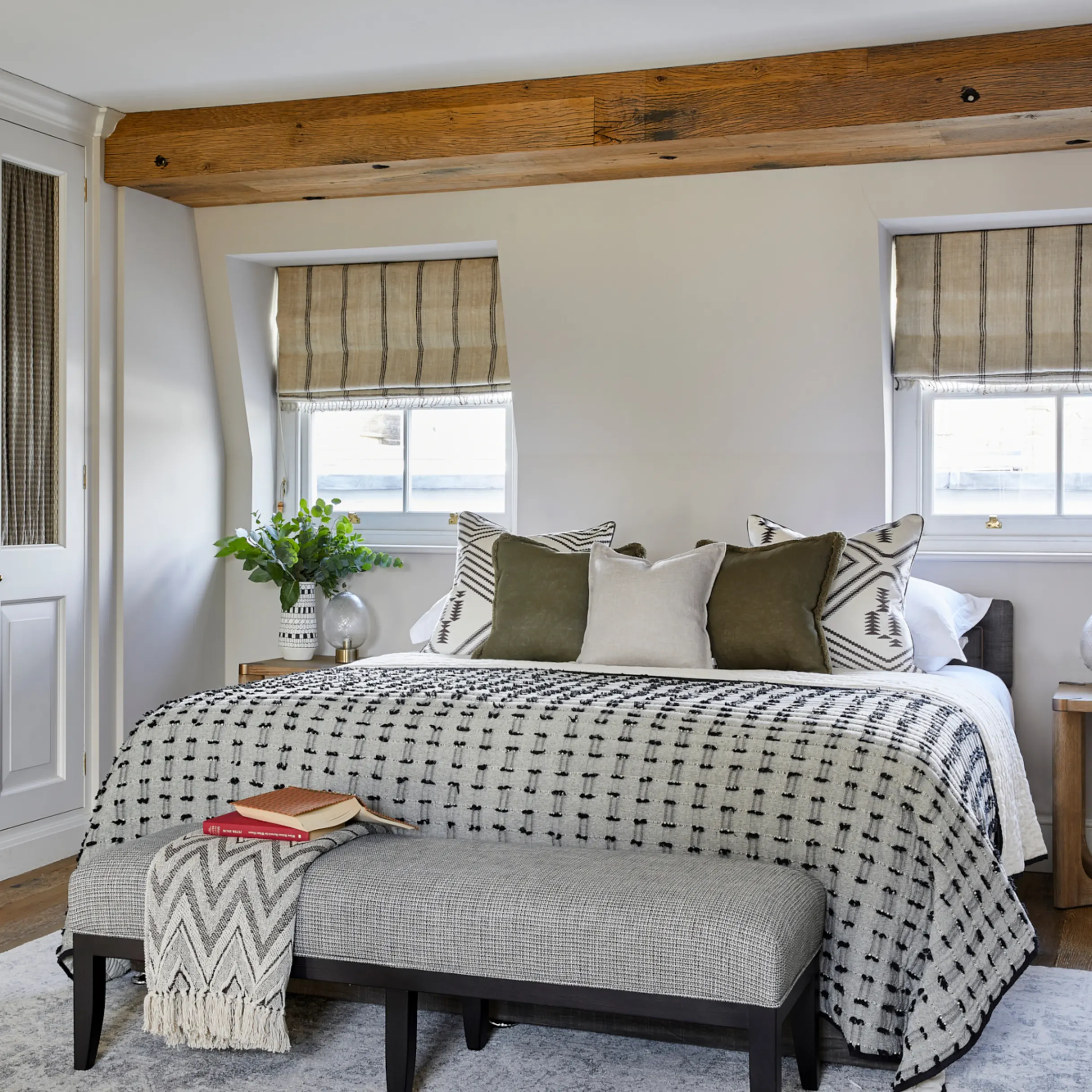
Start with the areas people notice first. Kitchens, living spaces and principal bedrooms usually deliver the strongest return because they shape the overall perception of the property.
Fresh paint, improved lighting, updated hardware and well-proportioned furniture can completely transform how a property is viewed without requiring a full renovation.
Professional photography should never be overlooked either. Most buyers and renters first engage with a property online, so the imagery needs to work hard.
Outdoor space has become increasingly important, particularly since buyers and renters now place greater value on lifestyle and wellbeing.
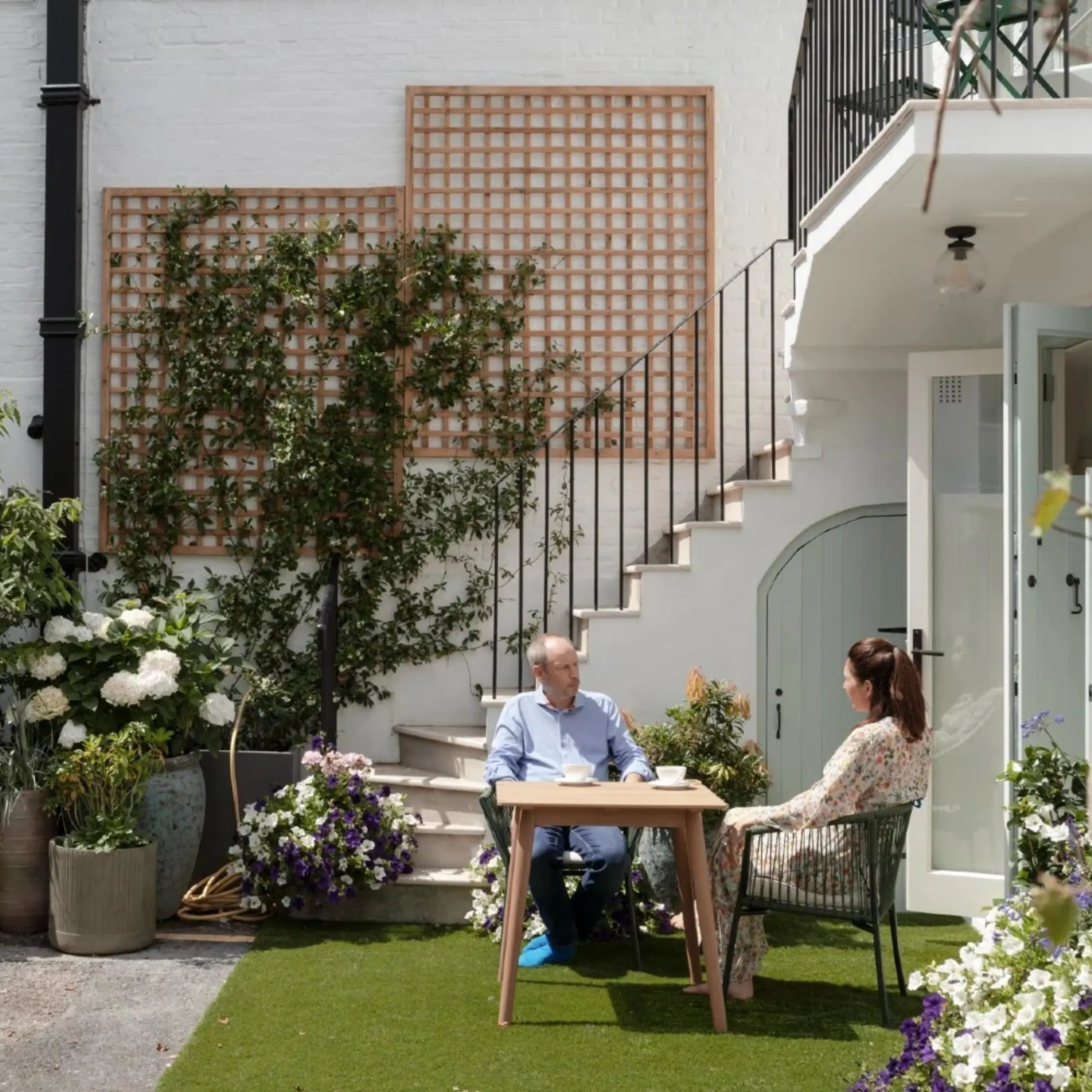
Even a small balcony or courtyard should feel intentional and usable. Simple additions like outdoor seating, planting and soft lighting can help people understand how the space can function.
The aim is to make outdoor areas feel like an extension of the interior rather than an afterthought.
Layering is essential. We use texture, lighting and balanced proportions to create depth and warmth within a space.
We also focus heavily on scale. Oversized rugs, properly fitted curtains and carefully positioned furniture can completely change how premium a room feels.
Most importantly, we create spaces that help buyers imagine themselves living there. Interestingly, our research found that 37% of buyers focus on the furniture when viewing a property, which highlights just how influential presentation can be in shaping first impressions.
Finally, restraint is important. Aspirational spaces feel calm and considered rather than overly decorated.
The impact of staging is often seen in both the quality and speed of offers. Across our portfolio, 100% of properties staged by BoxNine7 sold faster than comparable un-staged properties. Even more significantly, 50% sold within a week of launching to market, while 75% sold within eight weeks or less.
What we consistently see is that staging helps buyers understand the lifestyle a property offers. Once that emotional connection is established, engagement increases, viewings become more productive and properties are often able to achieve stronger results.
One of the most dramatic transformations involved a large family home that felt dark, dated and oversized when empty. Through furniture placement, improved lighting and a softer material palette, we completely shifted the atmosphere of the property. What previously felt overwhelming became warm, functional and inviting.
The feedback from viewings changed almost immediately because people could finally understand how the property could support modern family living.
Delivered through highly-regarded global design studios
Homes
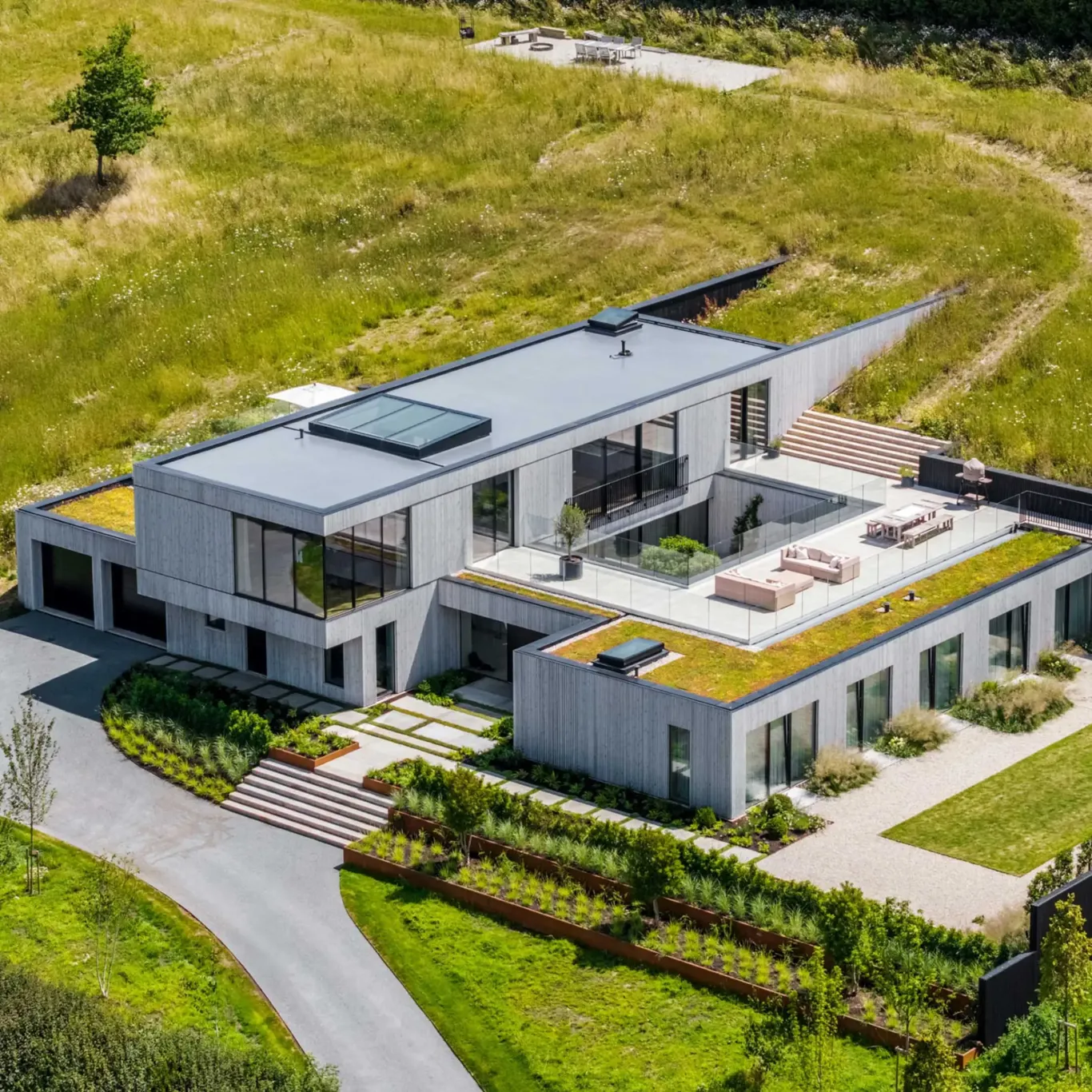
From solar panels and heat pumps to intelligent lighting and water-saving systems, energy efficiency is becoming a defining feature of modern homeownership
05 October 2026
Inspiration
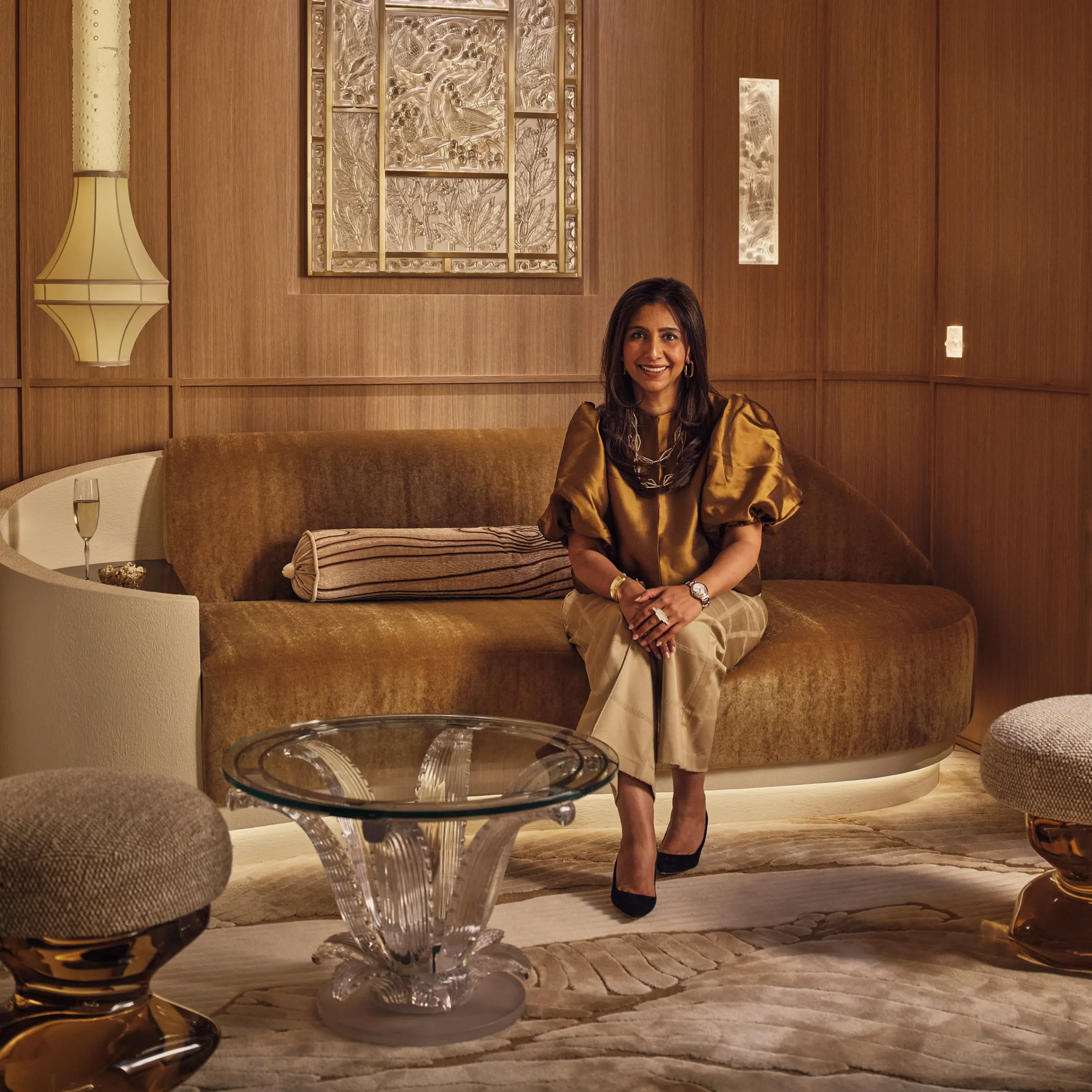
The founder of design studio Elicyon explains why authenticity, wellbeing and craftsmanship are replacing trend-led interiors in today's most desirable homes
07 July 2026
Homes
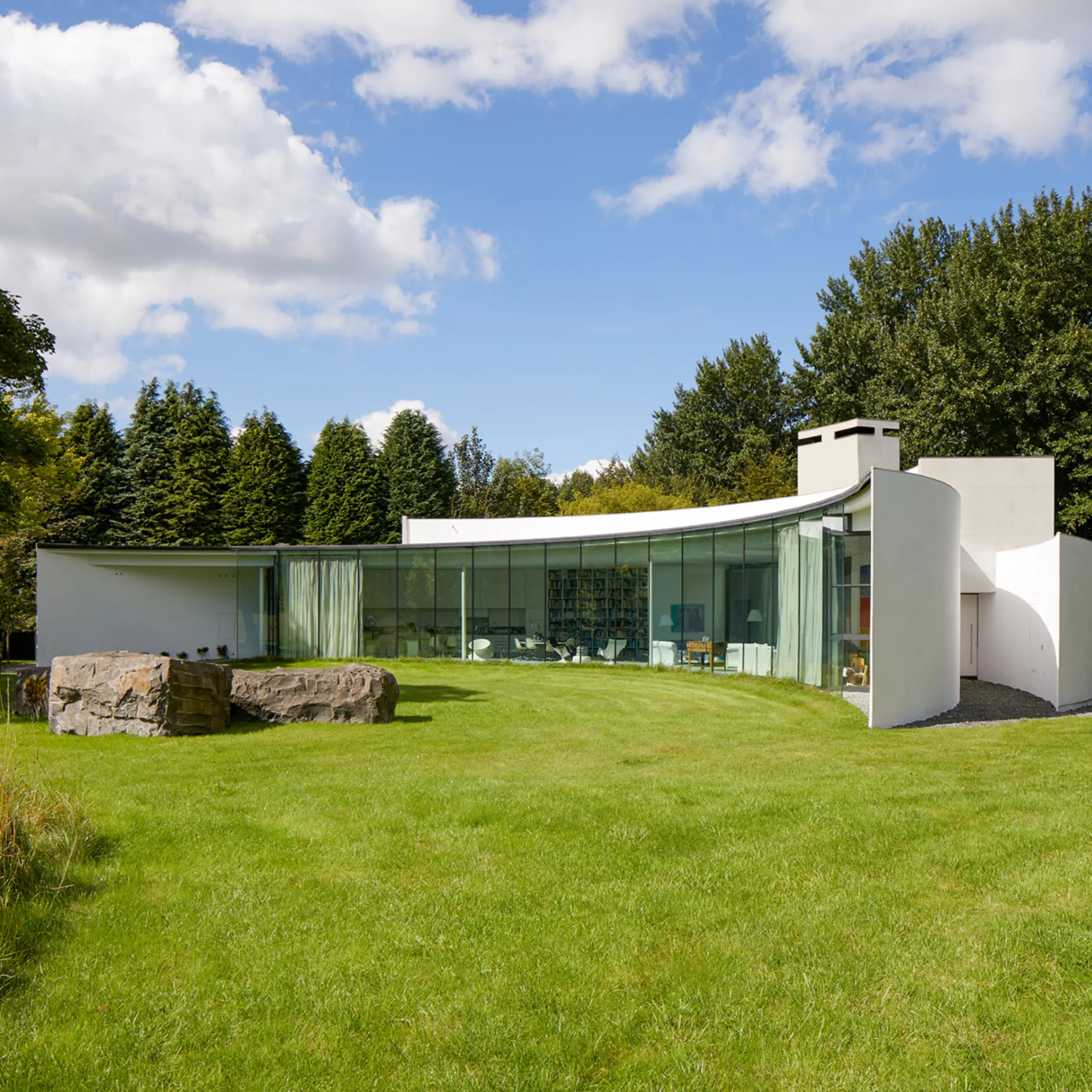
Inside Crescent House, a sculptural, nature-led home in rural Wiltshire designed by one of Britain’s most influential architects, now on the market for the first time
29 June 2026
Inspiration
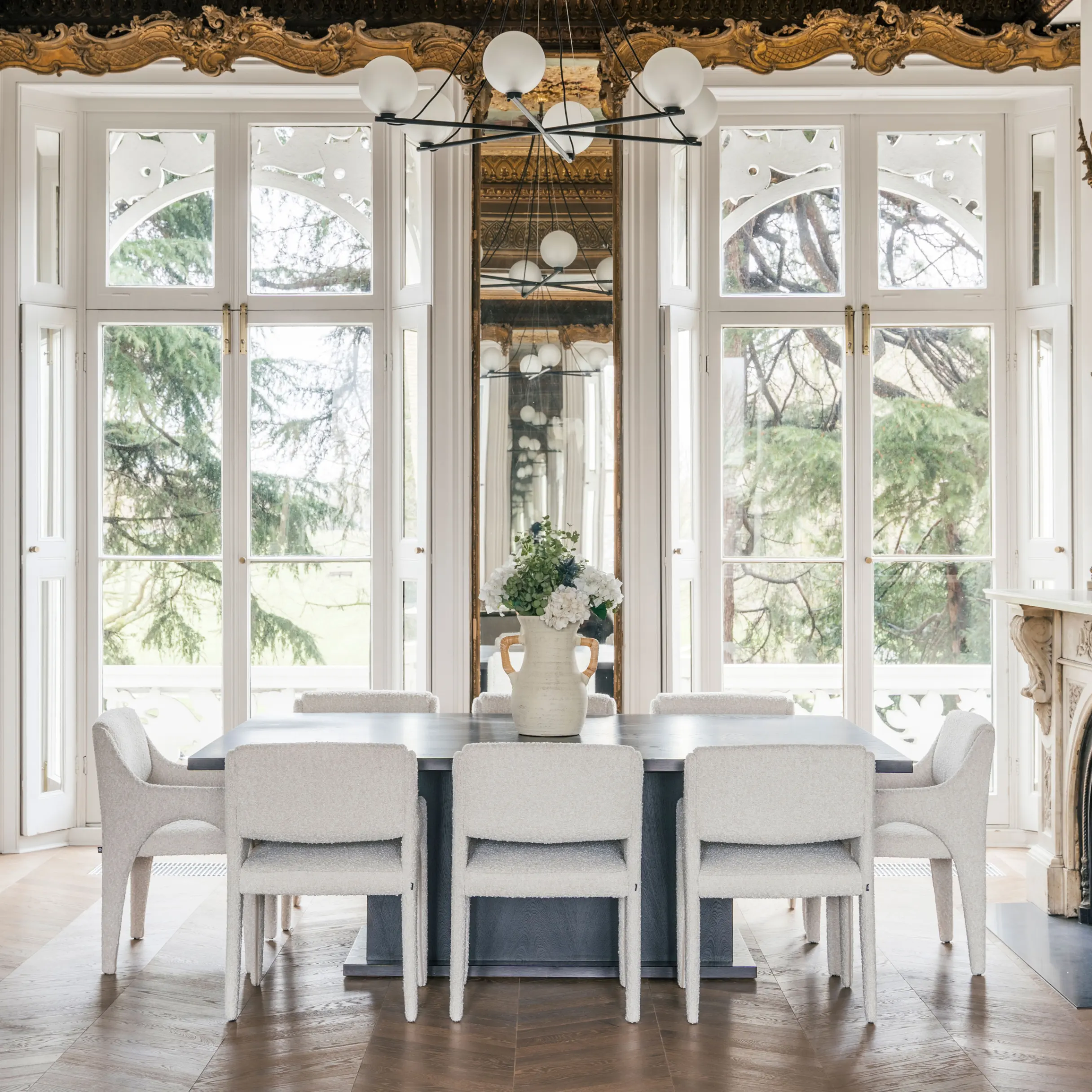
From first impressions to final offers, the right interior can transform how quickly, and successfully, a home finds its next occupant.
03 June 2026
Homes
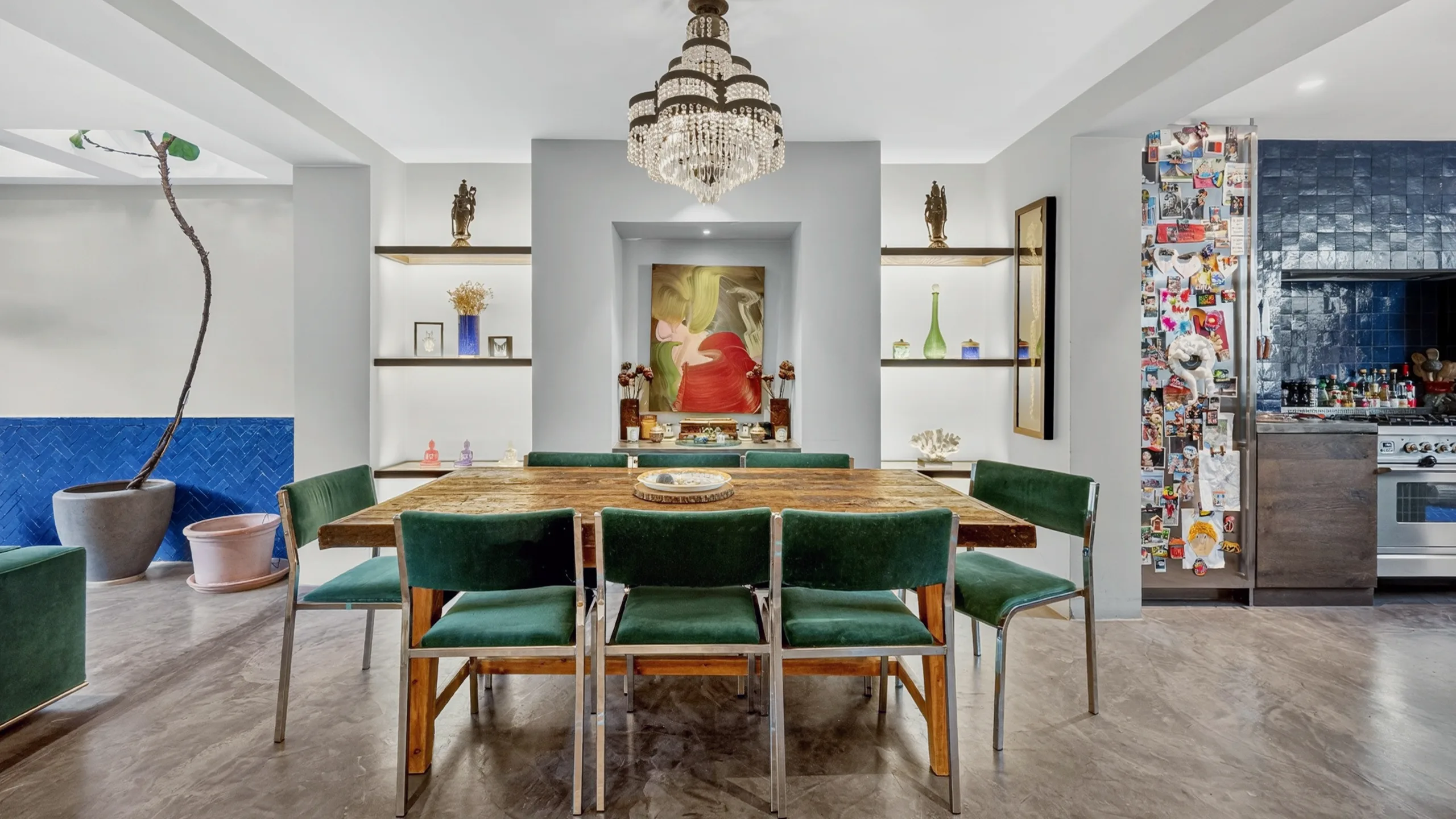
Far from conventional, these exceptional properties blend creativity and individuality, each a thoughtfully designed showcase of architectural flair
20 May 2026

Inspiration
Head Gardener Harry Baldwin shares how history, sustainability and modern horticulture shape the estate, and gives his top tips for the green-fingered
20 April 2026
Inspiration
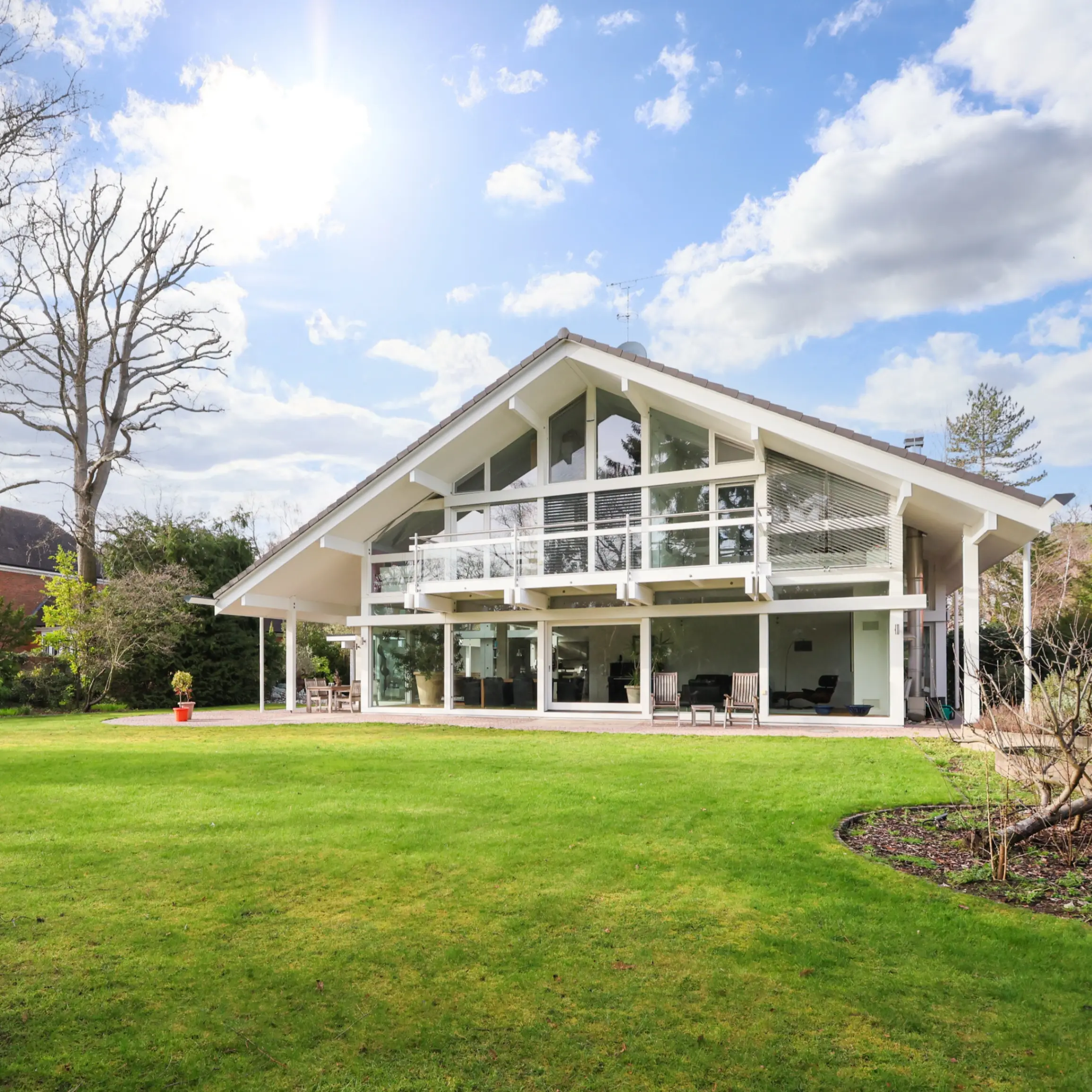
Peter Huf shares his vision for sustainable architecture that balances innovation, efficiency and a deep connection to nature
20 April 2026
Homes
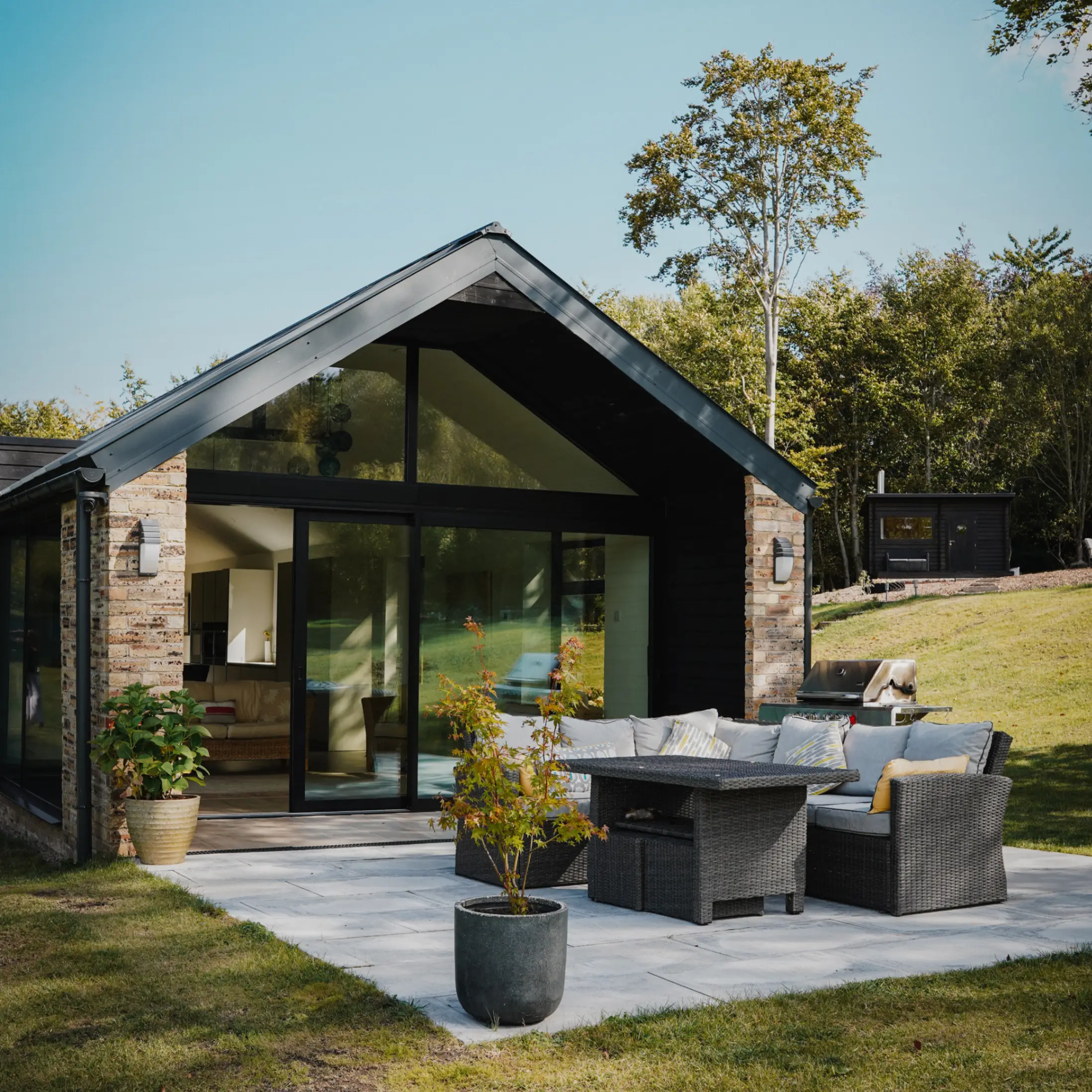
If you're dreaming of open space, natural light and countryside views, these beautifully converted barns could be your perfect match
26 March 2026
Homes
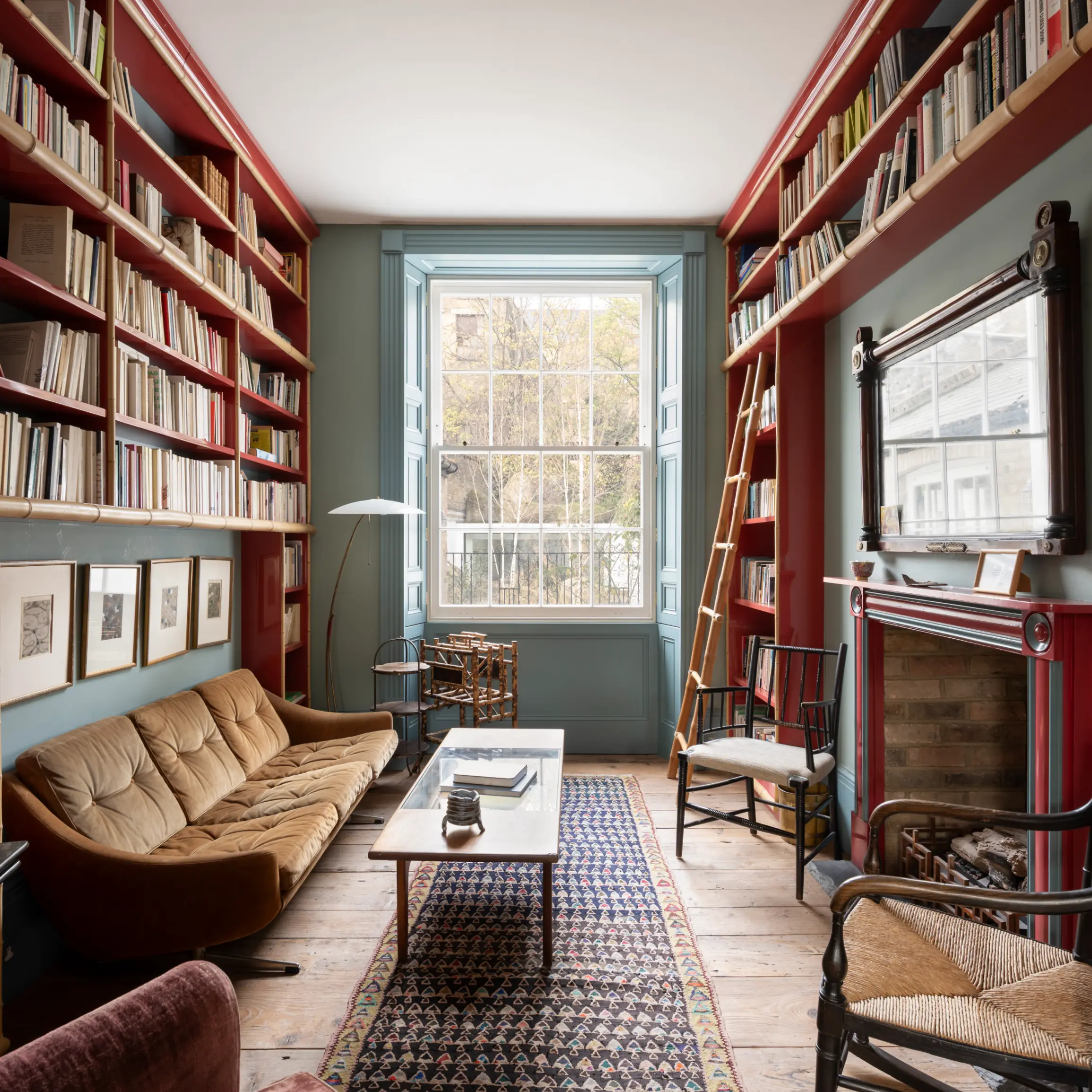
From elegant city retreats to historic country homes, read up on these homes with the perfect spaces to curl up with a good book
26 February 2026
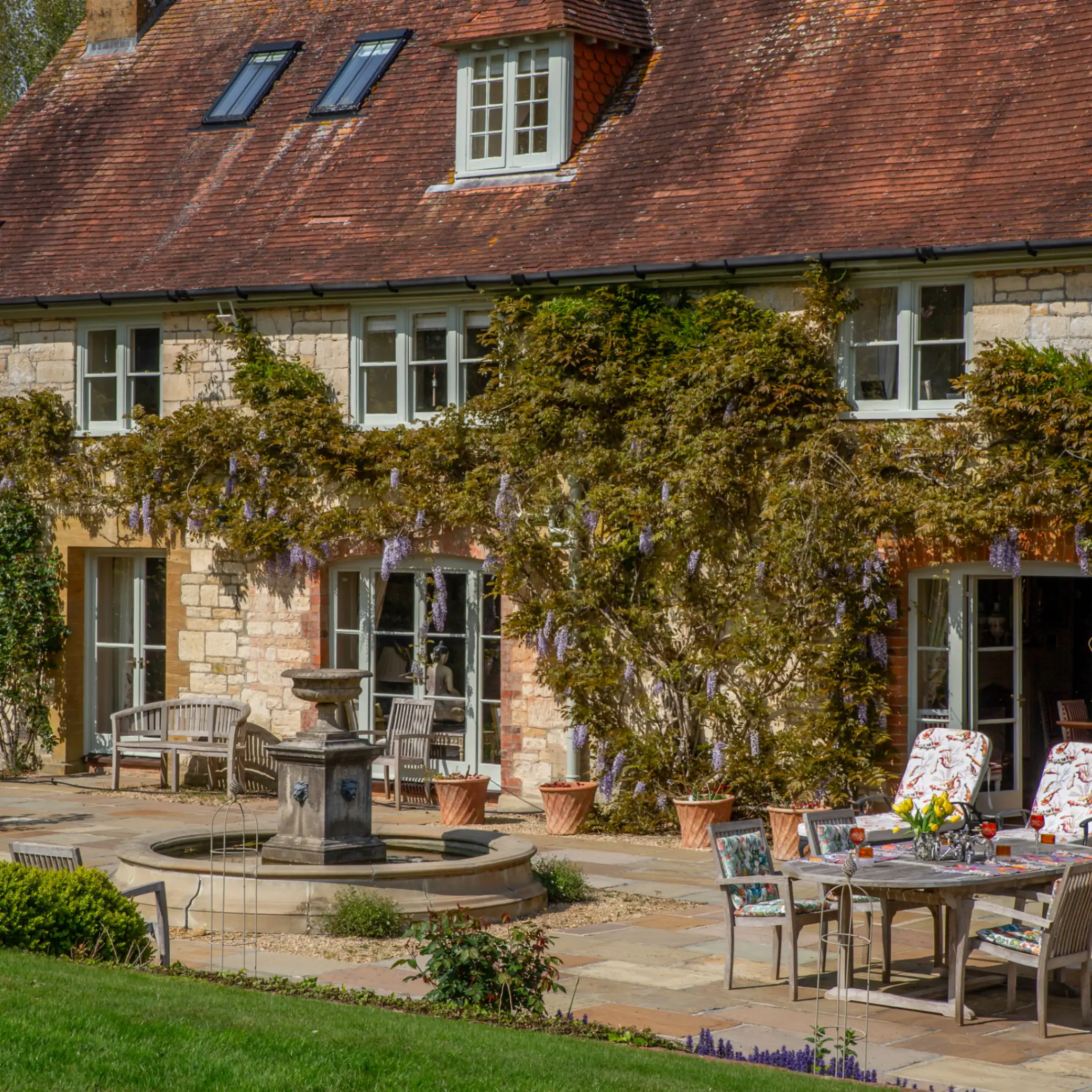
Inspiration
Francesca Pratt explains how rethinking layouts, enhancing flow and embracing creative ideas reshaped her family home, along with the styling tips she recommends for any space
15 December 2025
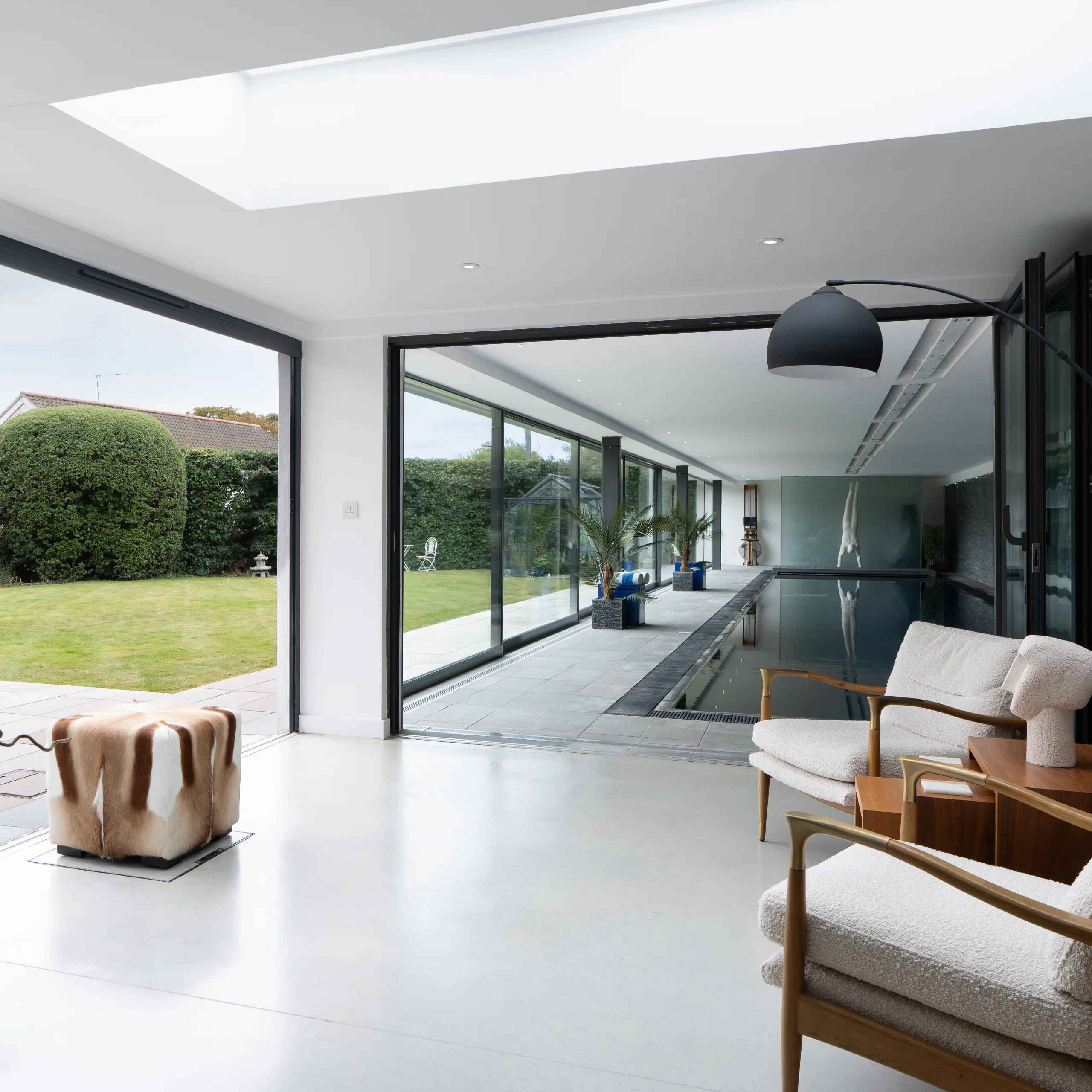
Inspiration
How creative vision, careful design and a love of coastal living came together to shape Southwold’s most striking modern home - now on the market
01 December 2025
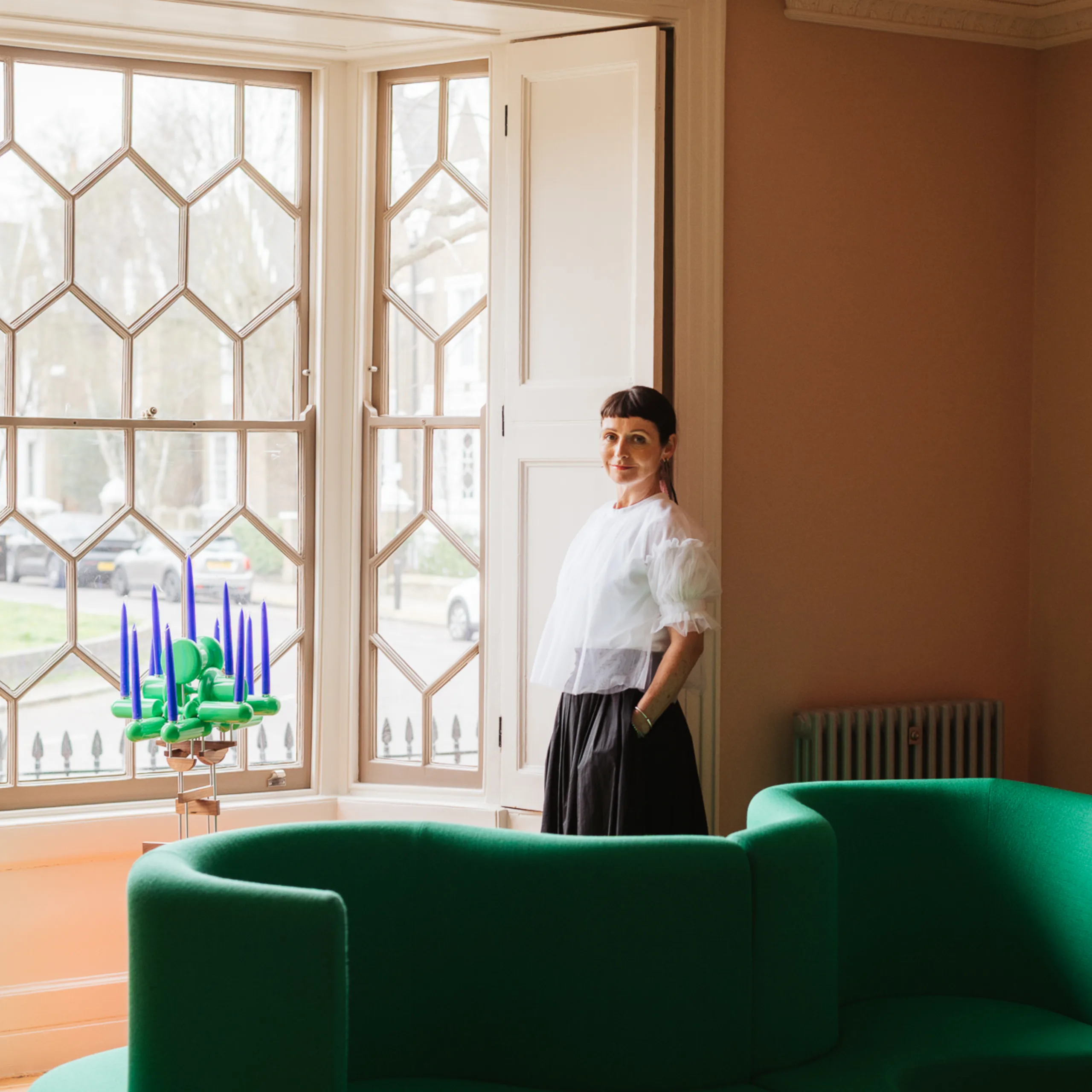
Inspiration
Designer Irenie Cossey transformed a derelict house in London’s De Beauvoir into a vibrant, light-filled home that celebrates colour, collaboration and craftsmanship
03 November 2025

Inspiration
From playful prints to sculptural glass, these independent British makers are proving that interiors with personality tell the best stories
20 October 2025
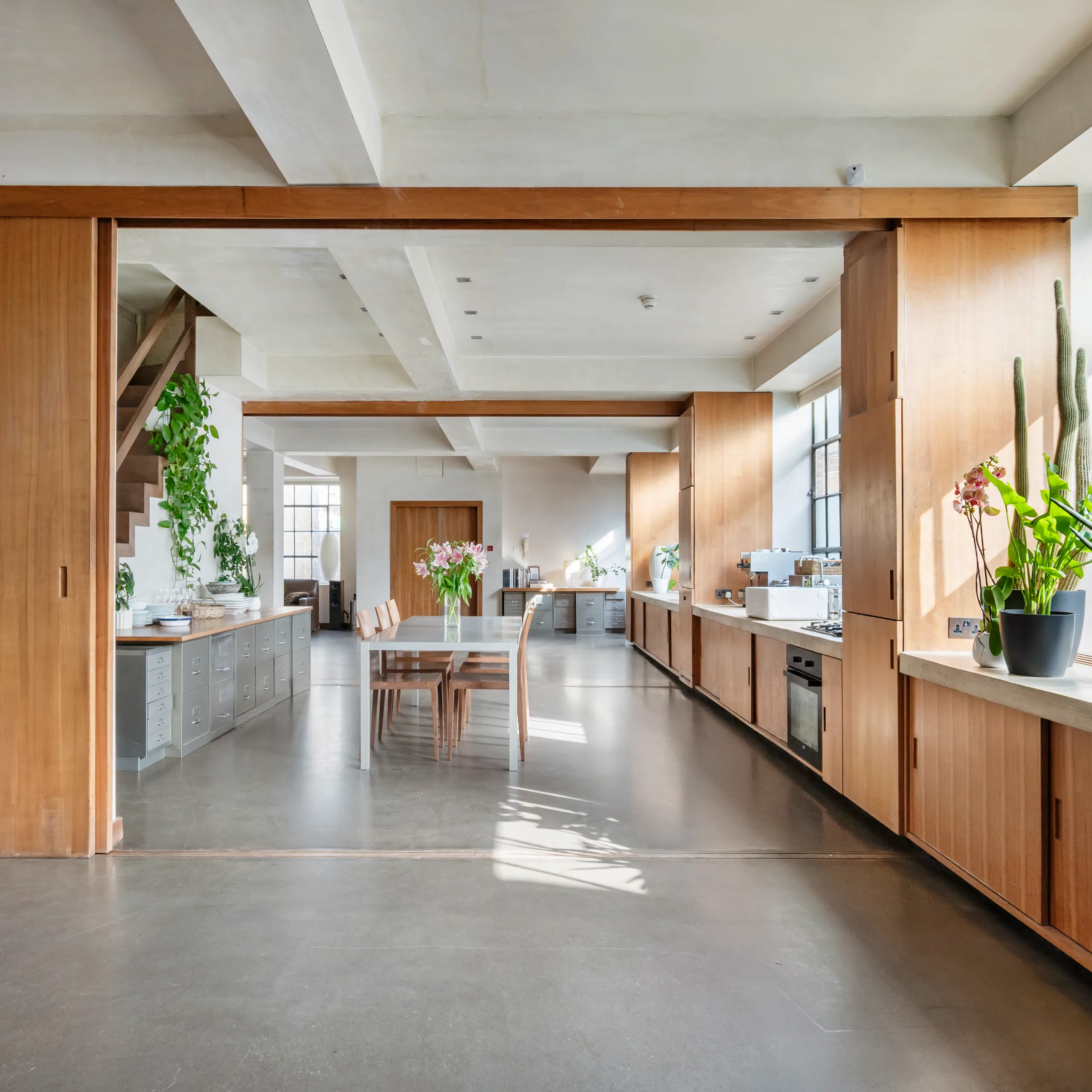
Homes
Discover why conversions - from historic warehouses to Victorian schools - are among the most sought-after homes in London, combining heritage, character and modern design
12 September 2025
Inspiration
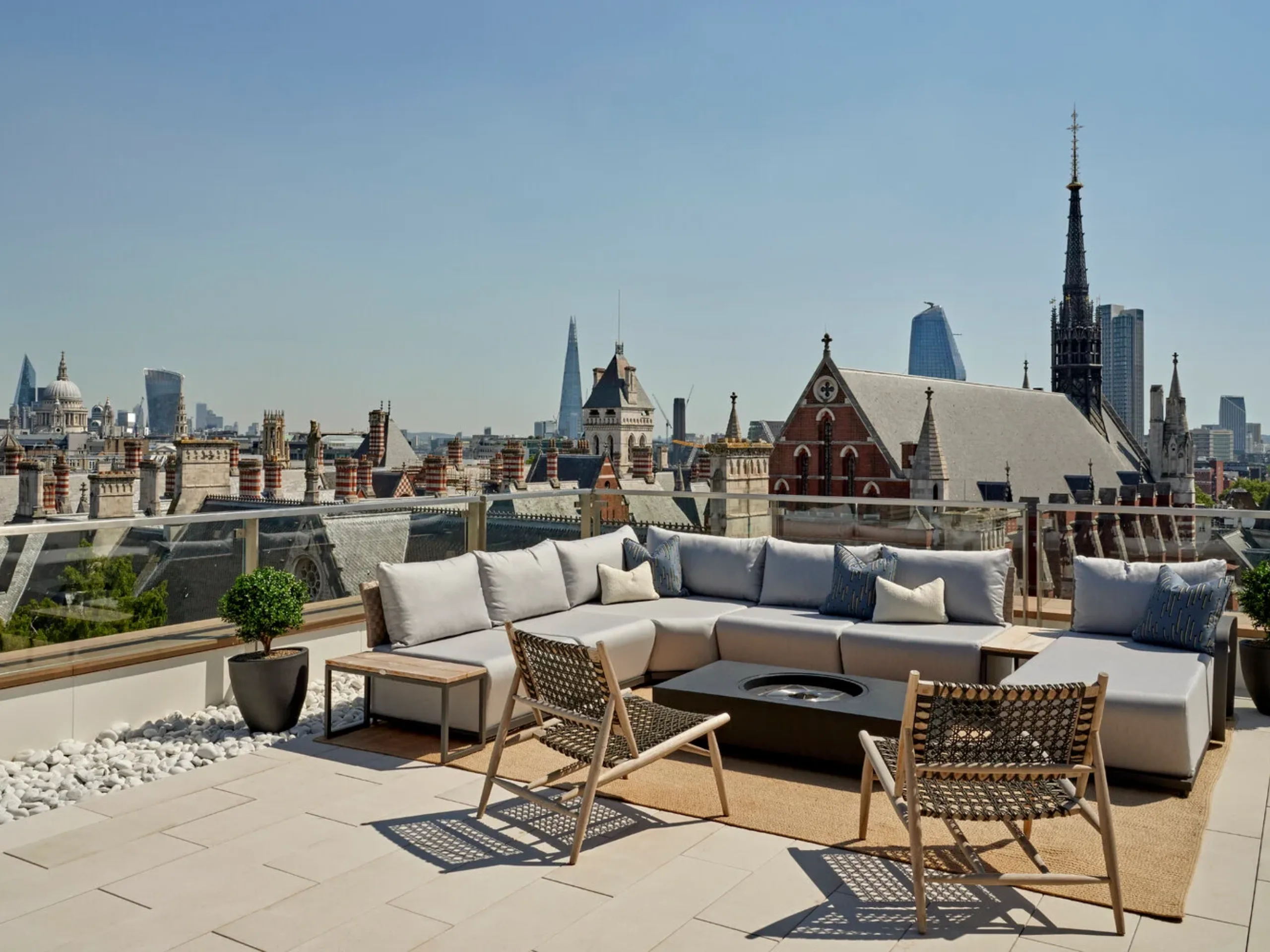
Knight Frank Interiors’ Group Design Director, Rhian Barker, shares her top tips for creating stylish and comfortable outdoor spaces that work all year round
27 May 2025
Homes
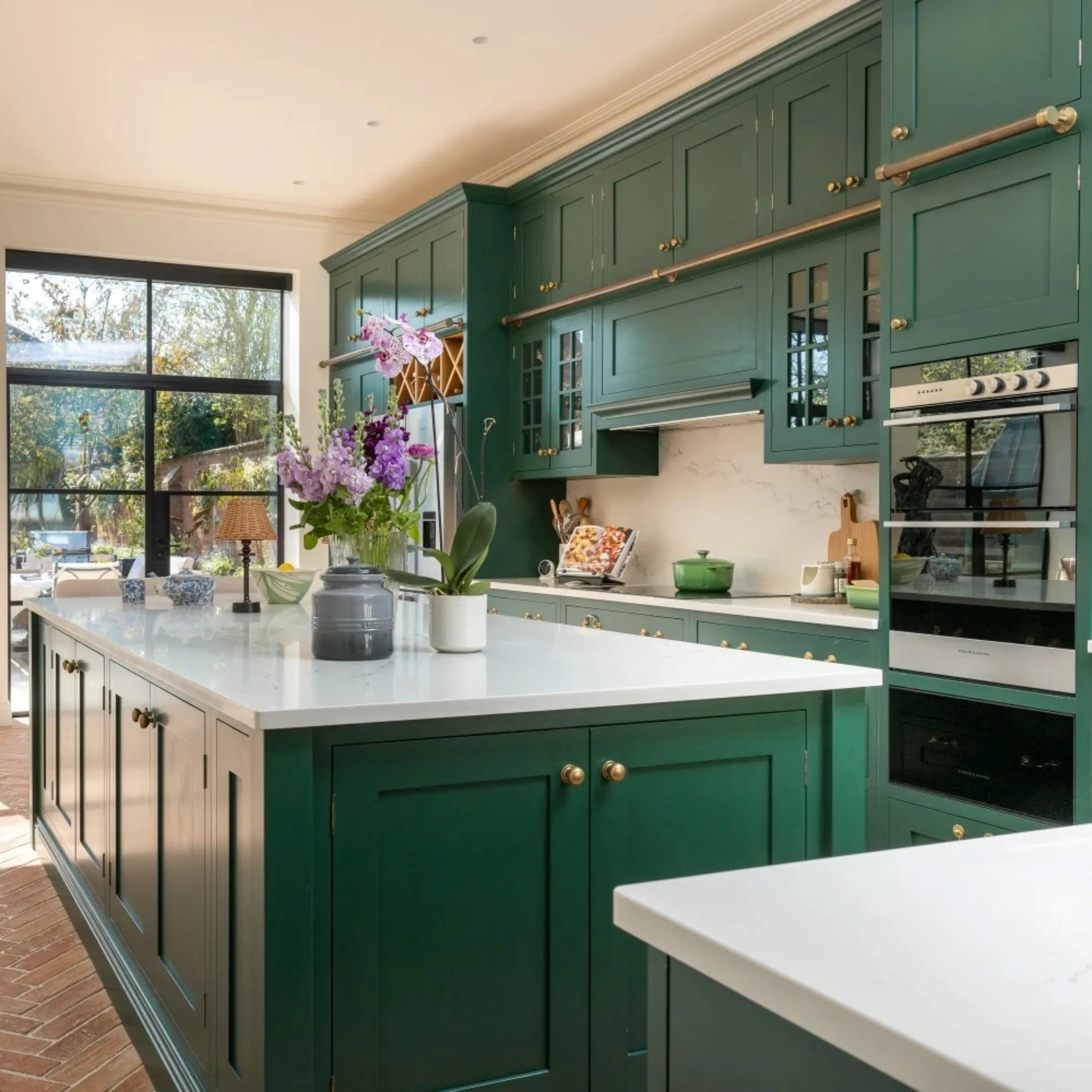
From handcrafted cabinetry to statement islands and sleek appliances, these kitchens are as functional as they are beautiful
15 May 2025
Inspiration
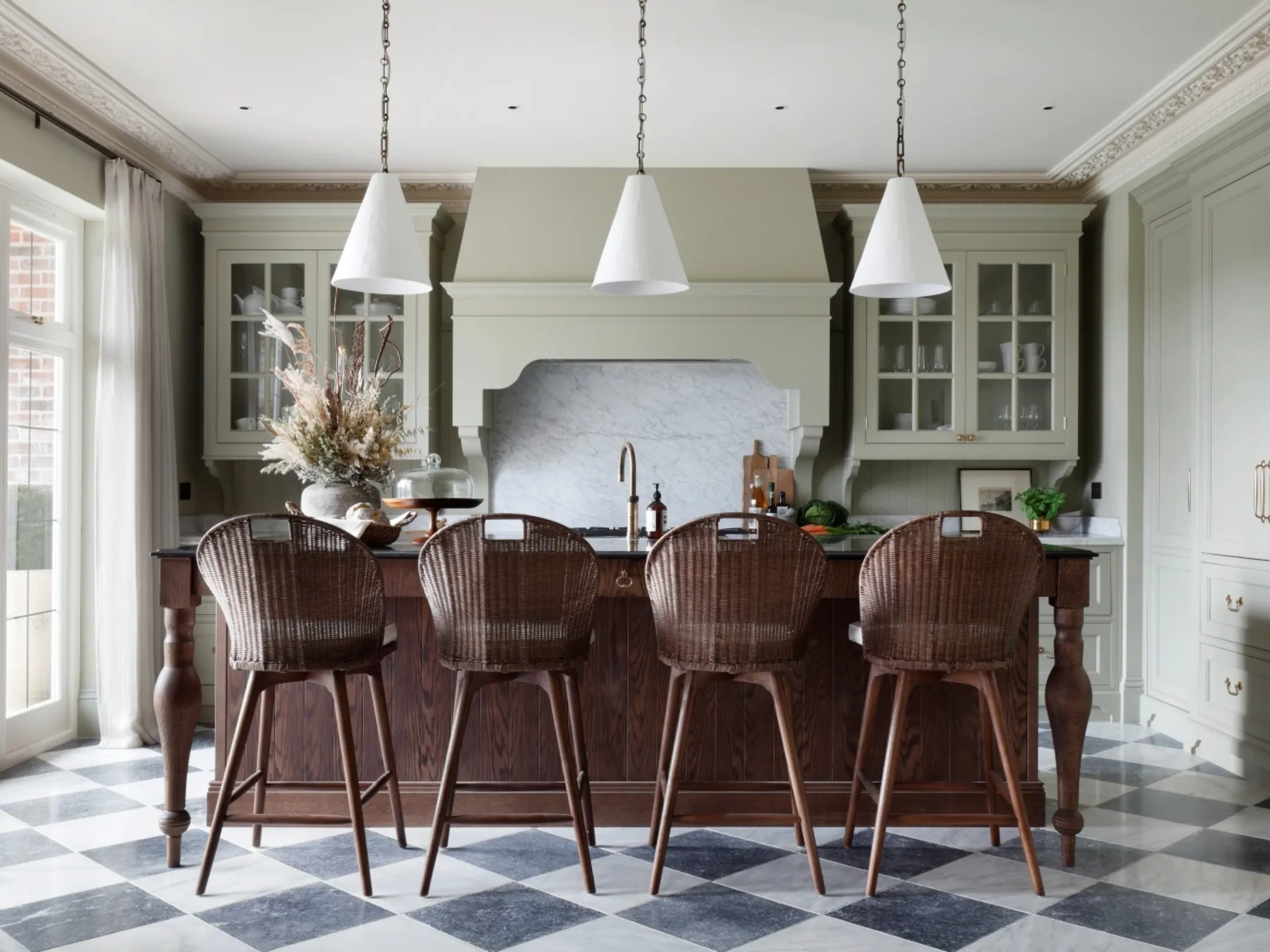
How developers are taking inspiration from the past to create beautiful new homes built to stand the test of time
15 May 2025
Inspiration
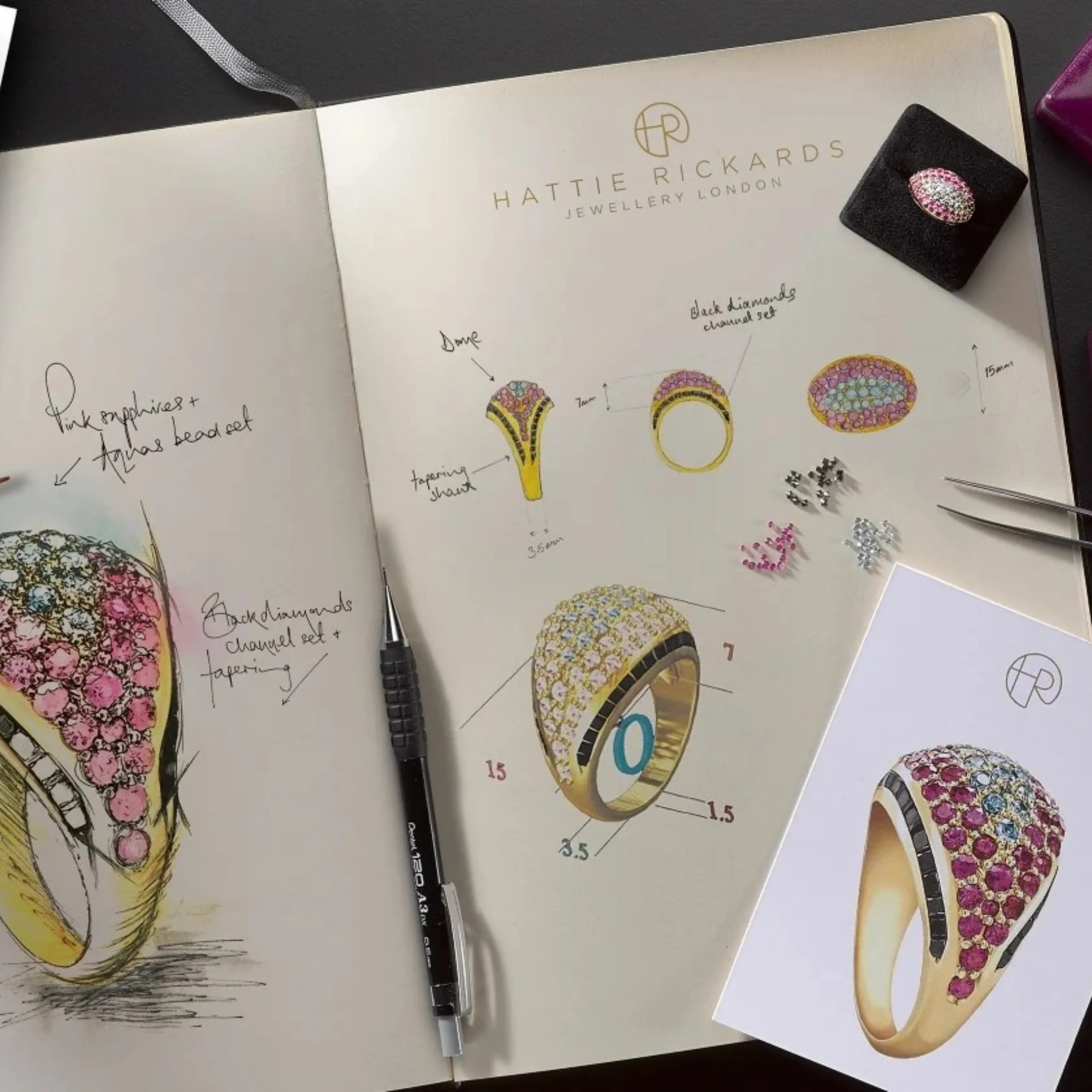
From her Cotswolds studio, designer Hattie Rickards creates unique meaningful jewels for her loyal clientele
14 May 2025
Inspiration
Rapture & Wright creates exquisite hand-printed wallpapers and fabrics from its sustainable studio in the Cotswolds
08 May 2025

Inspiration
We head to the beautiful Oxfordshire countryside to delve into the creative process behind the renowned sculptor’s evocative works
04 May 2025
Inspiration
Knight Frank Interior’s Design Director Sophie Wilson shares her advice on creating a more eco-friendly living environment
08 April 2025
Inspiration
We delve into the advantages of these premium prefabricated homes and take a tour of a rare example in one of London’s most desirable neighbourhoods
30 January 2025
Inspiration
Thinking about a refresh? Here, Knight Frank Interiors’ Group Design Director, Rhian Barker, unpacks the need-to-know design trends of the year
07 January 2025
Inspiration
This handsome four-storey home, nestled on an historic mews in the heart of Notting Hill, benefits from a complete rebuild and vibrant interior design. Its owners are looking for buyers who will enjoy the strong sense of community on the street
13 November 2024
Sorry!
An unexpected error has occurred.
Please try again later.
