

Owning a piece of history: the most remarkable castles for sale
The romance, heritage and investment potential of castle ownership continue to attract discerning buyers from around the world

The romance, heritage and investment potential of castle ownership continue to attract discerning buyers from around the world
When it comes to historic homes, few properties capture the imagination quite like a castle. With Ardross Castle once again taking centre stage on Celebrity Traitors, interest in these iconic residences has been reignited. The show's first winner, Alan Carr, was among those inspired by their appeal, purchasing Scotland's Ayton Castle through Knight Frank earlier this year.
"There is a romanticism to living in a castle that is difficult to replicate elsewhere," says Edward Douglas-Home, Head of Scotland Residential at Knight Frank. "They attract a very different buyer profile from a typical family home. We regularly see interest from celebrities, couples and international purchasers, particularly from the US, who are drawn to the heritage, character and statement these properties make."
That appeal can translate into strong interest. "Castles often generate more enquiries than similarly priced country houses because they evoke such a strong emotional response," he adds.
From castle residences set within a few acres to substantial estates operating as hotels, wedding venues or retreats, opportunities vary considerably. "Some buyers are looking for a unique family home, while others see castles as commercial ventures," says Douglas-Home. "Understanding your objectives is crucial because it will influence both the type of property you buy and its location. A property such as Millburn Tower on the edge of Edinburgh, for example, offers very different possibilities from a more remote Highland estate."
Owning a castle offers the chance to become custodian of a remarkable piece of history, but these unique properties come with considerations that go beyond a conventional home purchase.
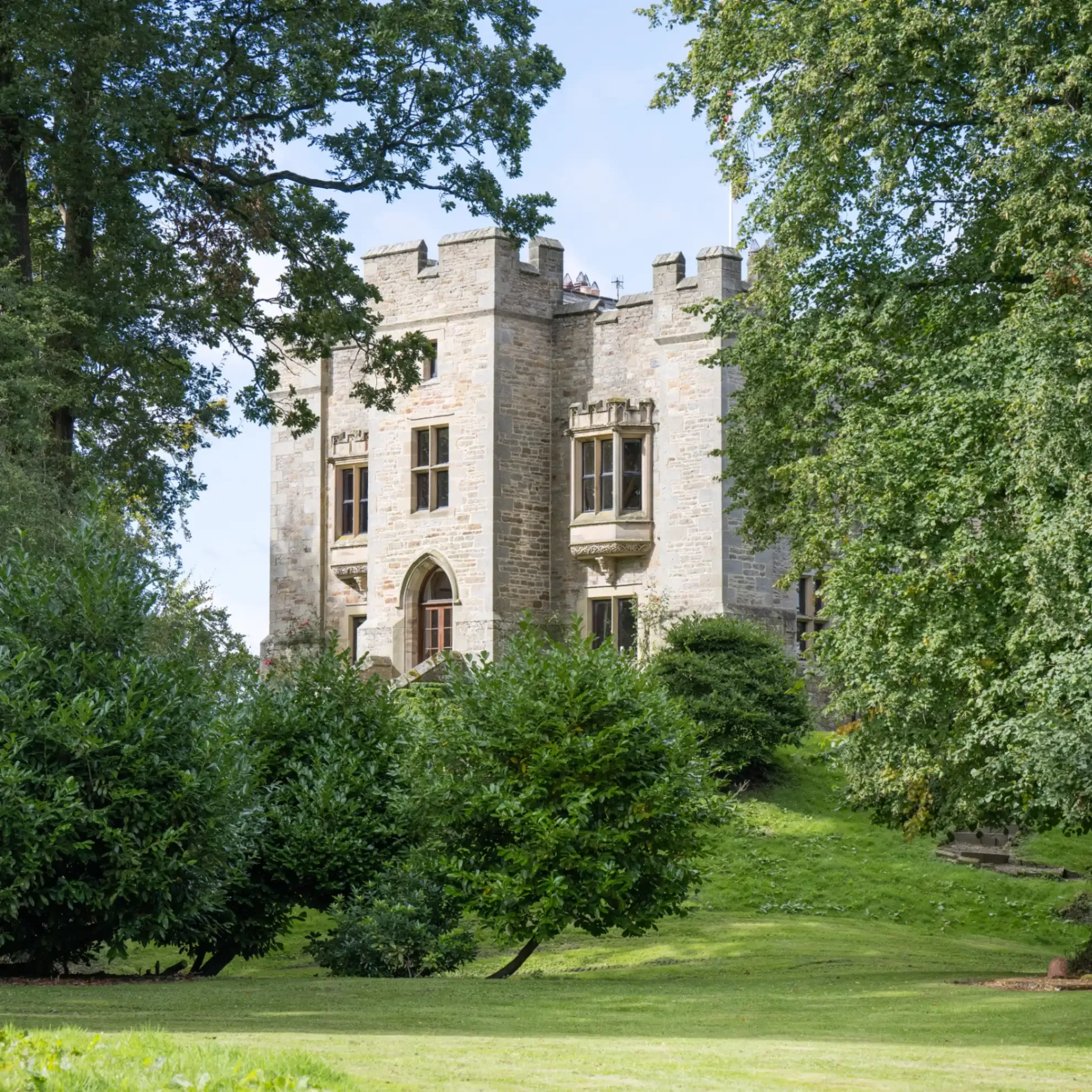
Many castles are listed or protected buildings, meaning alterations to both the interior and exterior may be restricted. While this can add complexity to renovation projects, it also helps preserve the property's architectural and historical significance.
"Any renovations are likely to be more challenging," says Douglas-Home. "However, we've seen owners successfully transform castles into beautiful, comfortable and modern homes while respecting their heritage."
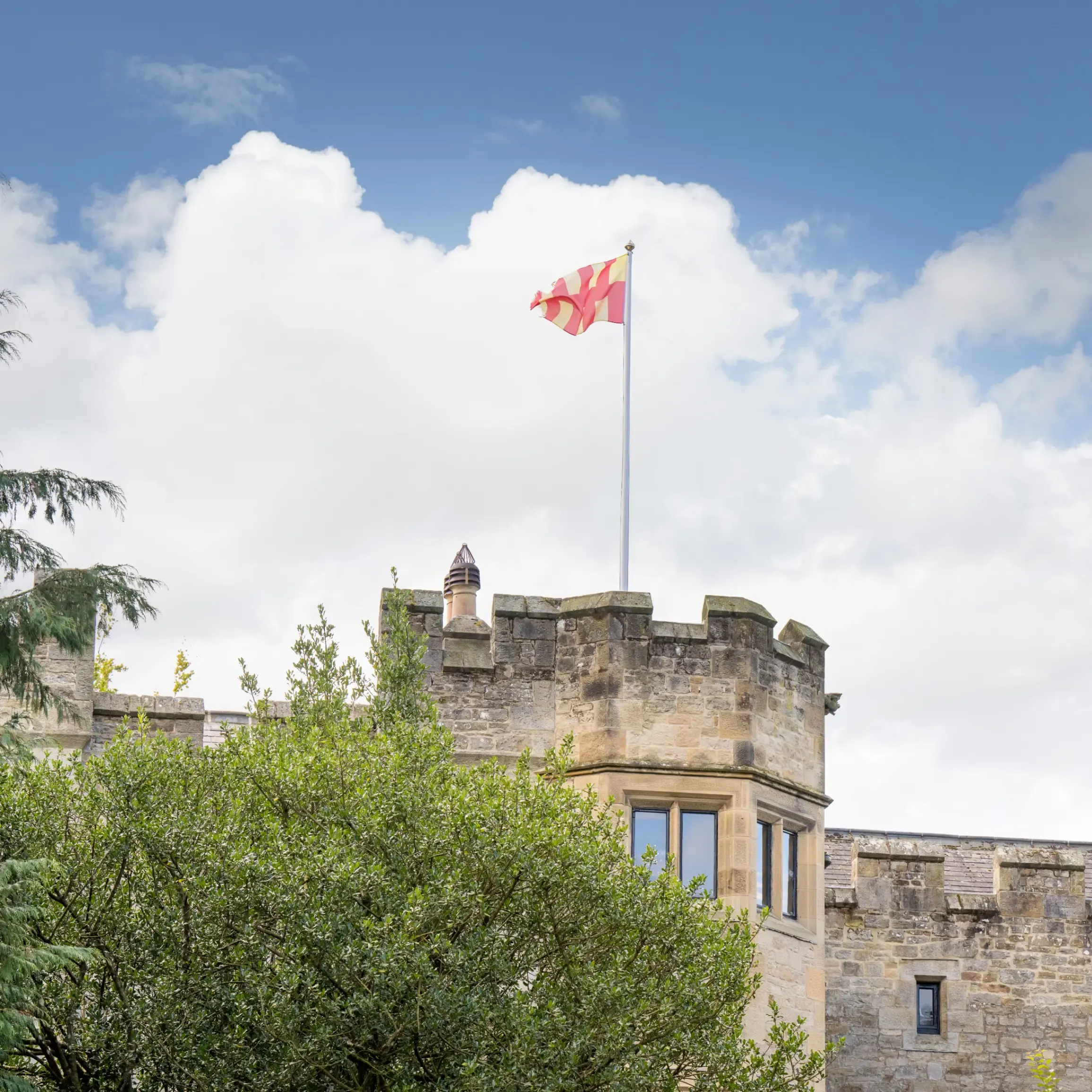
Gaining a comprehensive understanding of a castle's condition is essential before proceeding with a purchase. Historic buildings often require specialist maintenance, making an expert survey particularly important.
"It's wise to commission a survey from a firm that specialises in historic properties, rather than relying on a standard residential surveyor," advises Douglas-Home. "The agent, or buying agent if you're using one, are often able to recommend specialists who understand the complexities of these buildings."
Whether you're seeking a private residence, a hospitality venture or an events business, your intended use will influence both the type of castle you buy and its long-term costs. Running expenses, maintenance requirements and future investment should all be factored into your financial planning from the outset.
From centuries-old Scottish estates to grand Italian fortresses, these exceptional properties showcase the enduring appeal of castle living across the UK and Europe.
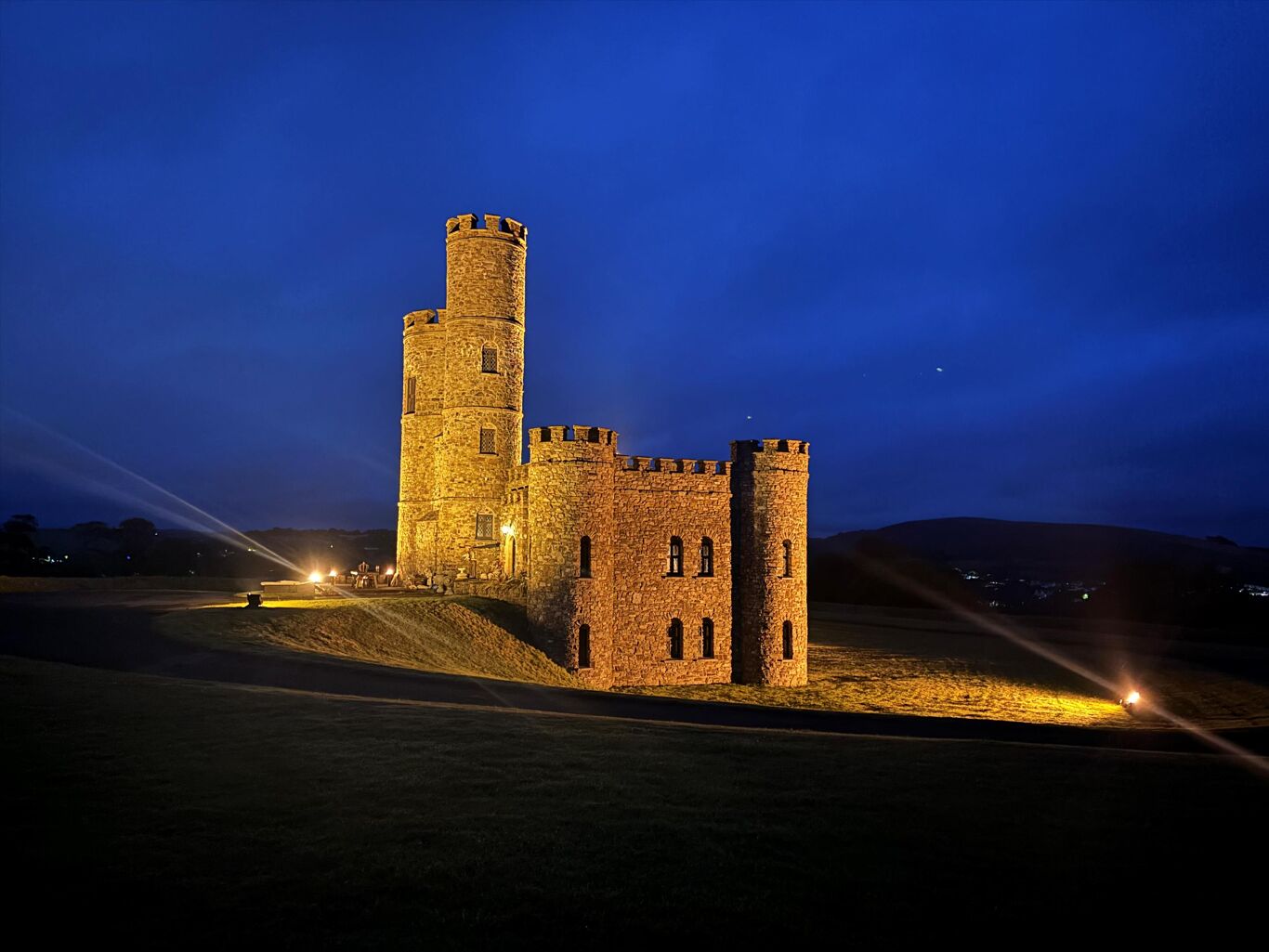
House, 8.41 acres
An exceptional Grade II listed castle situated on a hilltop in 8.41 acres of private grounds, offering wonderful views of the countryside
Occupying an elevated position above the North Devon countryside, this 18th-century Grade II-listed castle sits within 8.41 acres of private grounds and enjoys far-reaching rural views. Impeccably restored throughout, highlights include a dramatic castellated roof terrace and a grand reception room centred around a King Arthur round table.
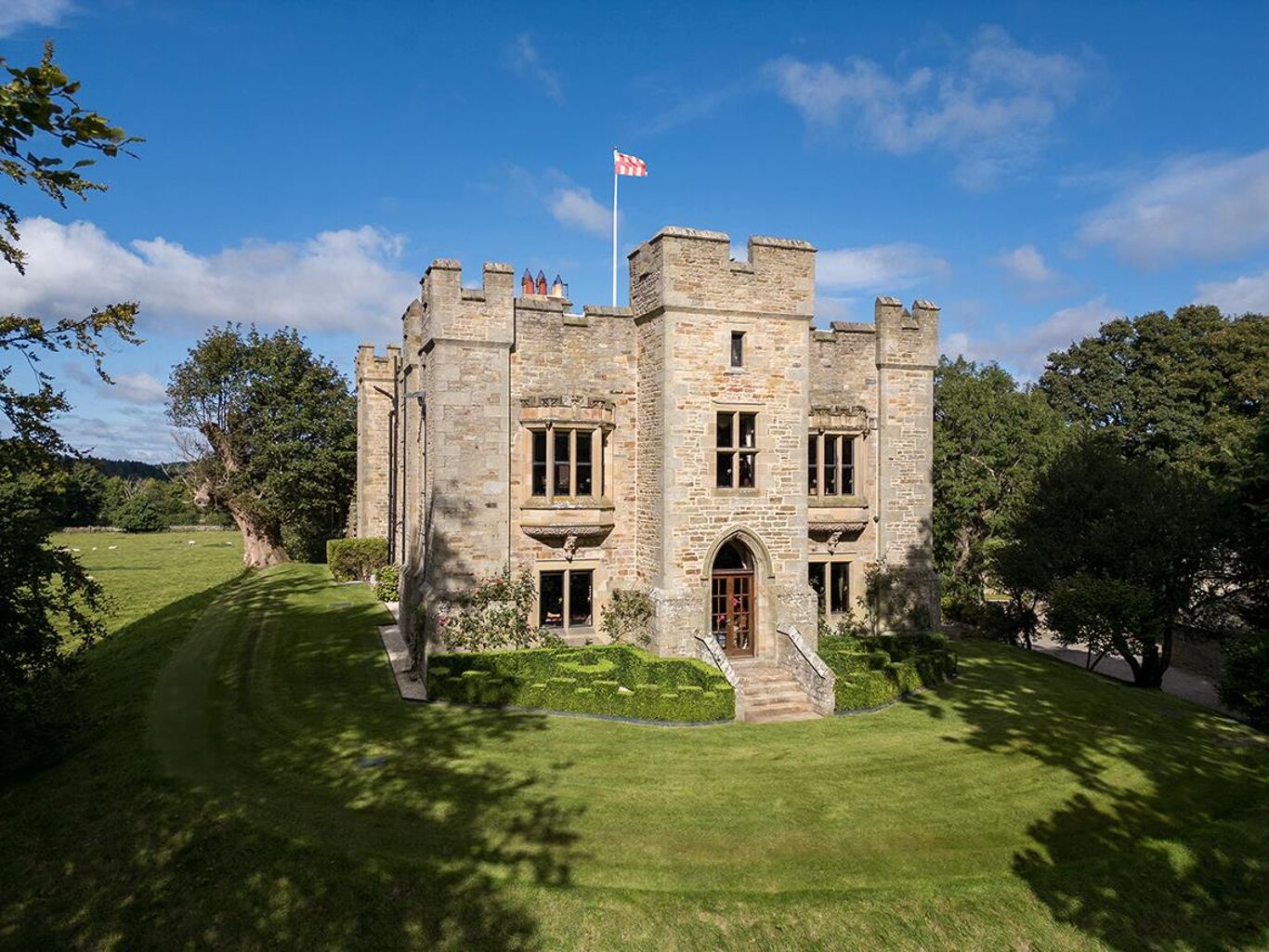
House, 4.51 acres
Stunning 17th Century Castle with Pele Tower and Lodge presented to an impressive standard throughout set in about 4.51 acres within The National Trust protected parkland
With origins dating back to the 12th century, evolving with later additions in the 17th, 19th and 20th centuries, Bellister Castle combines centuries of heritage with modern comfort. Carefully restored with the support of the National Trust, beyond the Grade I-listed main residence the estate includes a two-bedroom stone house, courtyard outbuildings and a collection of Grade II-listed sandstone buildings, offering considerable flexibility for future owners.
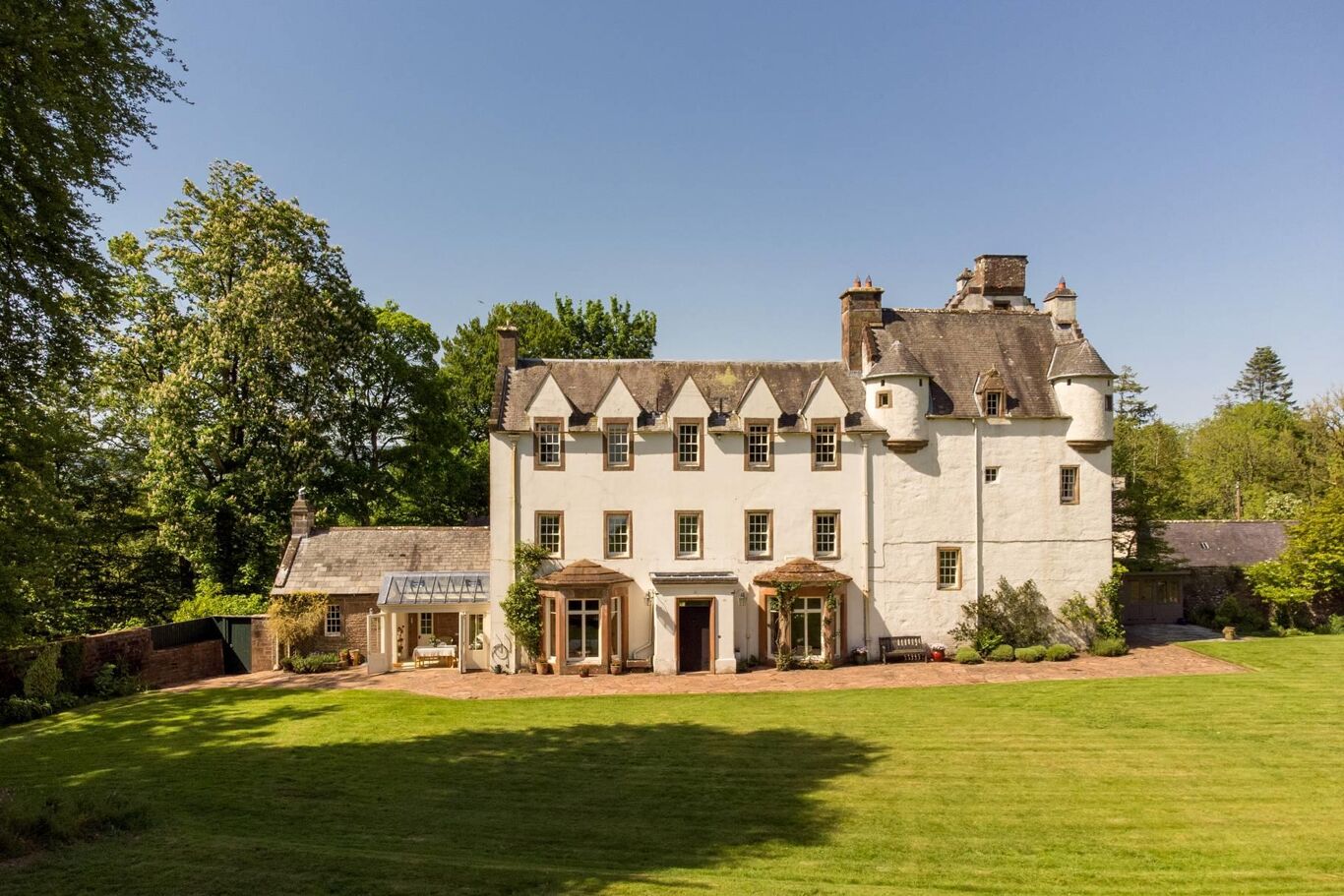
House, 19.84 acres
An historic Scottish tower house with secondary accommodation, versatile outbuildings and about 20 acres in a beautiful and secluded setting.
Set within 20 acres of gardens and natural landscape, this Category A-listed tower house is steeped in Scottish history. Elshieshields Tower dates back to the 15th century and was extensively rebuilt by the Johnstone clan in the 16th century, while the estate also includes a cottage and a range of traditional outbuildings.
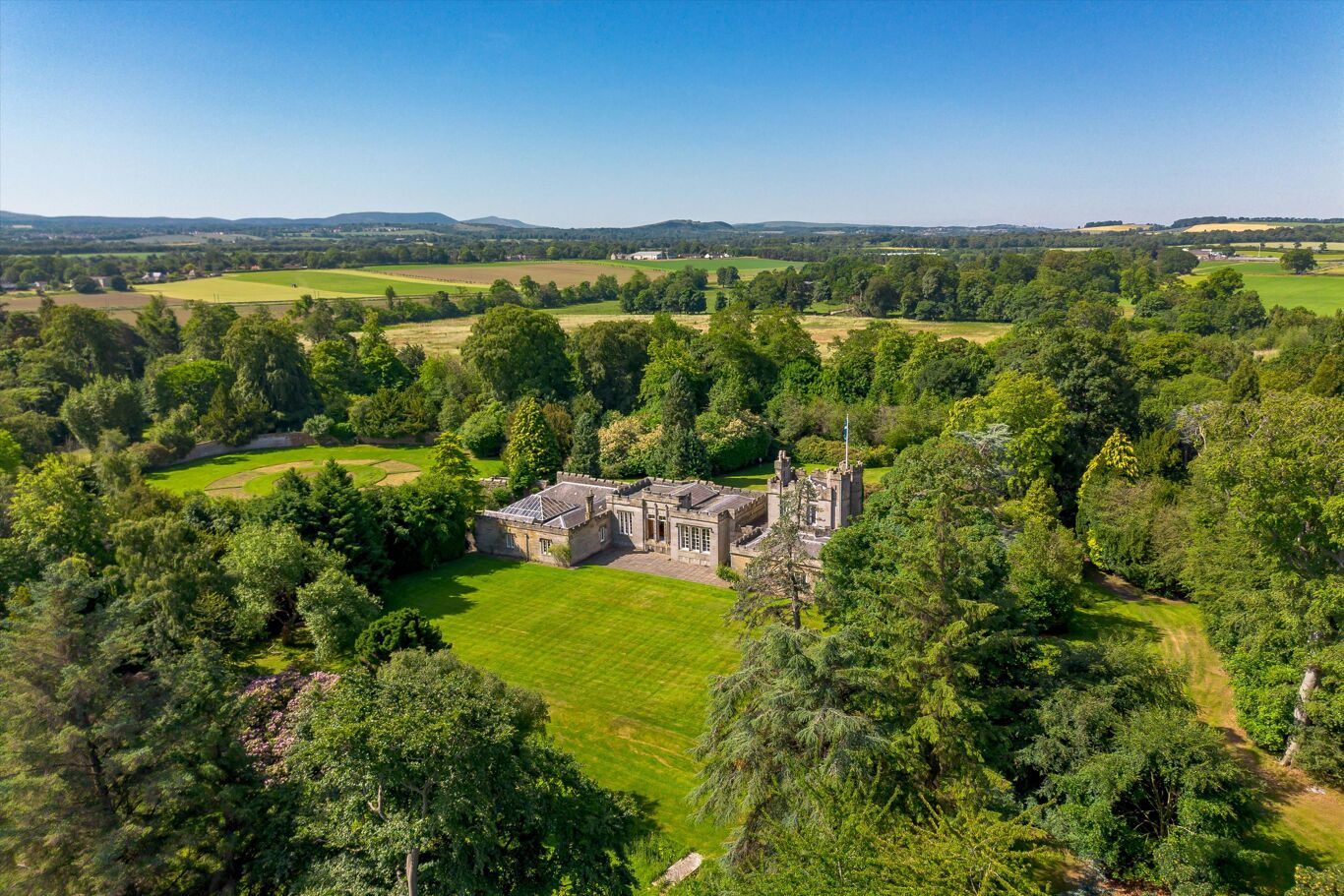
House, 12.97 acres
A remarkable historic property, recently in commercial use with potential to convert back to residential, including detached lodge accommodation, set within 12.97 acres of mature grounds.
Set on the edge of Scotland’s capital city, Millburn Tower combines seclusion with connectivity. Positioned within almost 13 acres of mature woodland, the Category B-listed property has most recently been used for commercial purposes and offers potential for residential conversion, subject to the necessary consents, while a separate two-bedroom lodge provides additional accommodation.
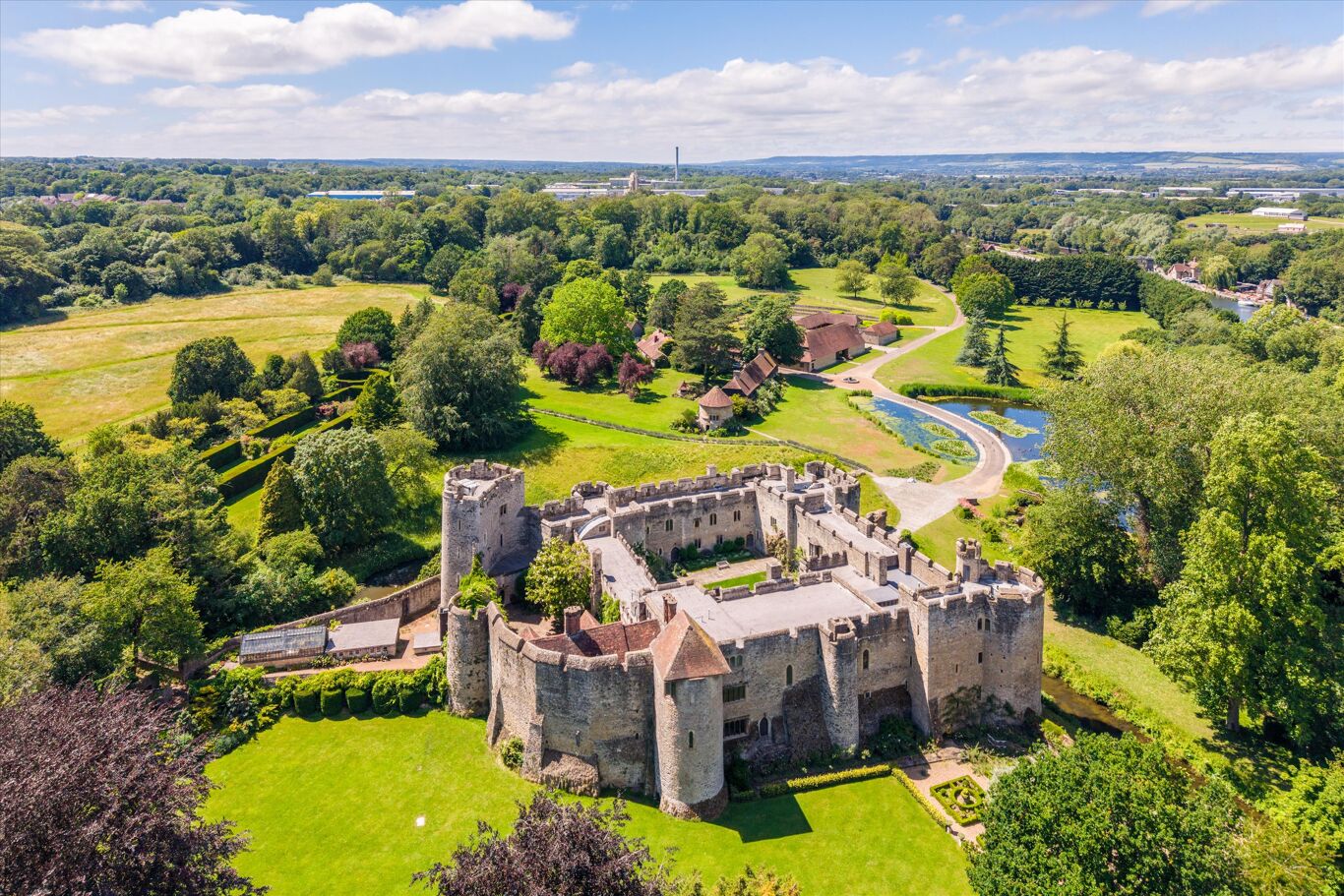
House, 42 acres
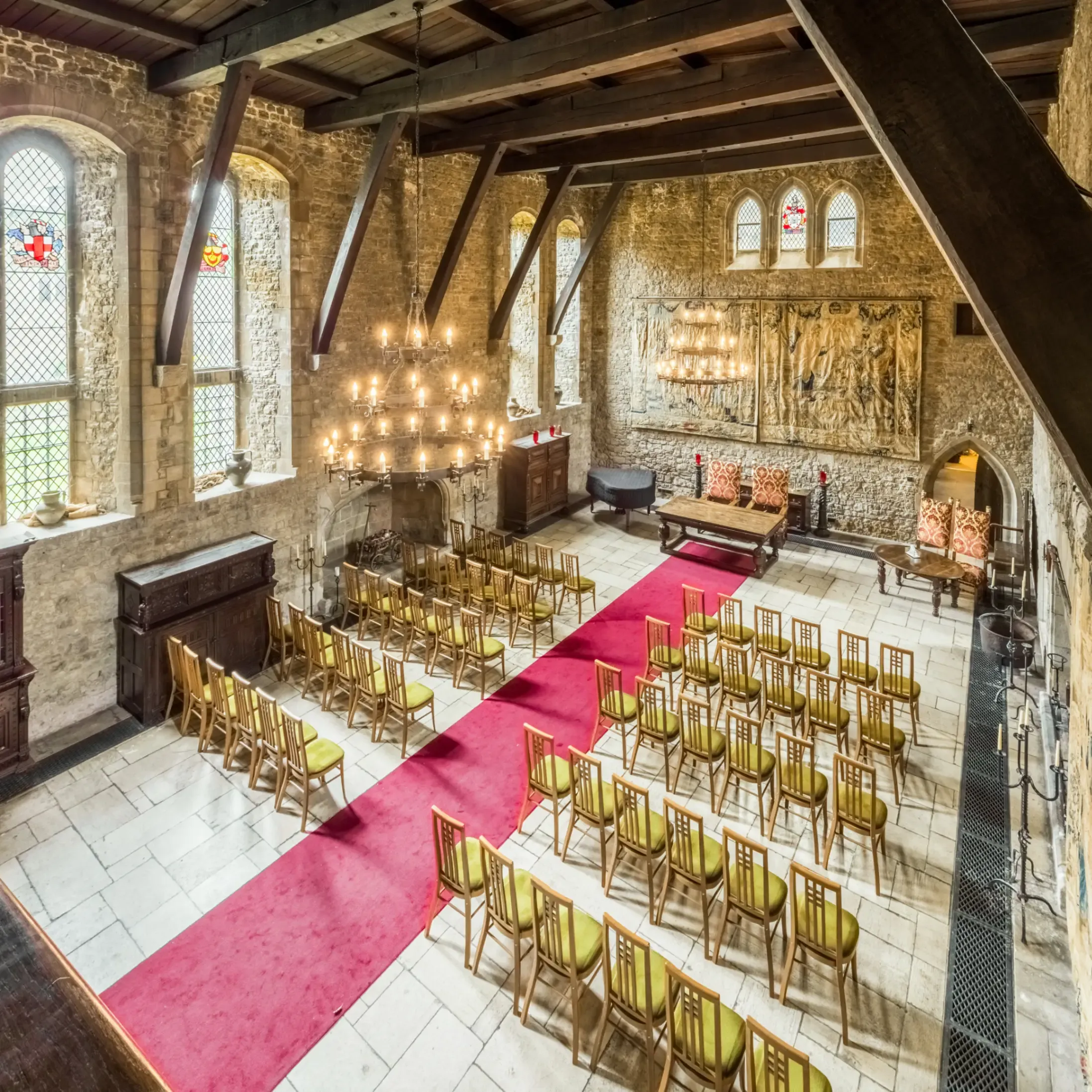
Allington Castle, Kent – A Legacy Estate of Distinction, Heritage and Opportunity.
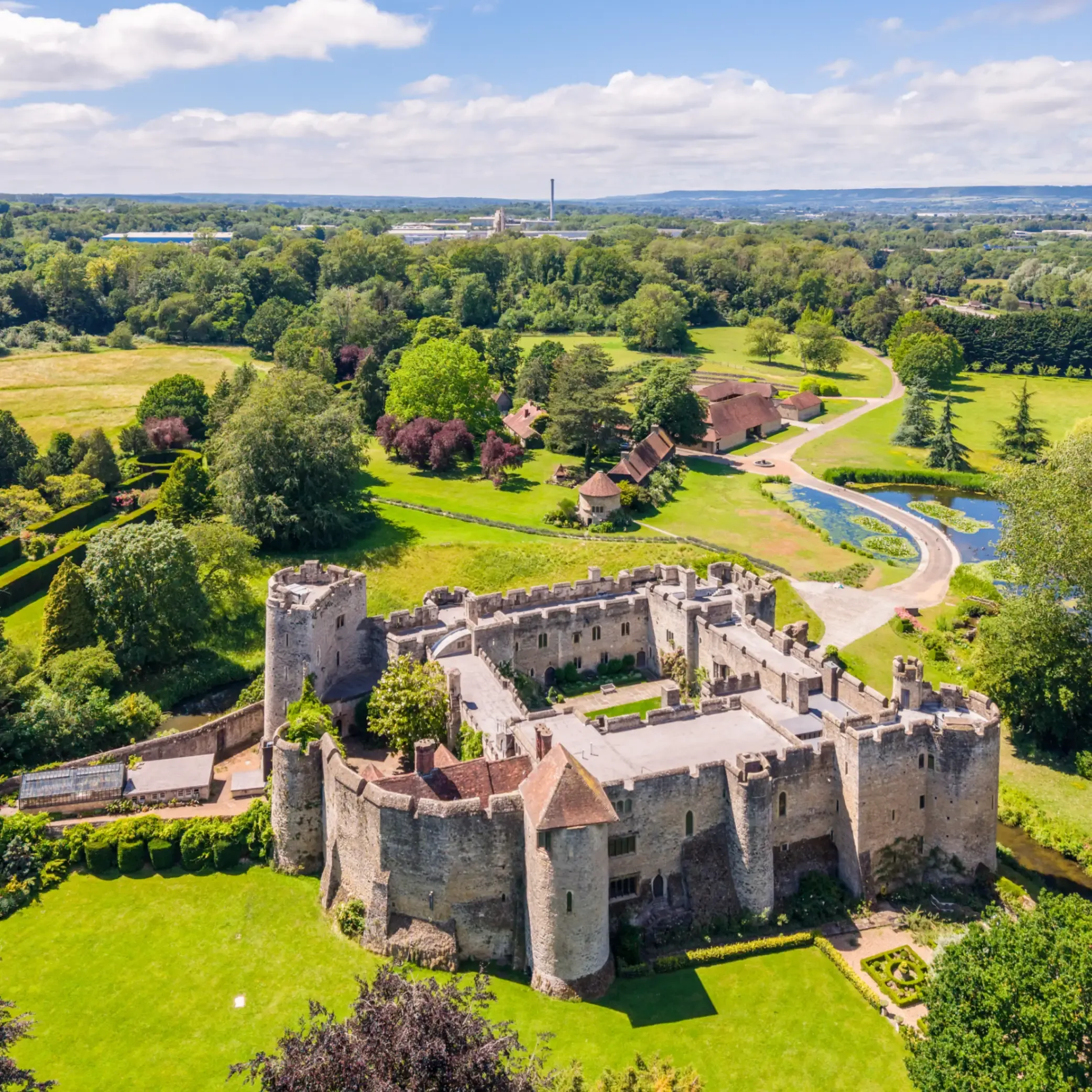
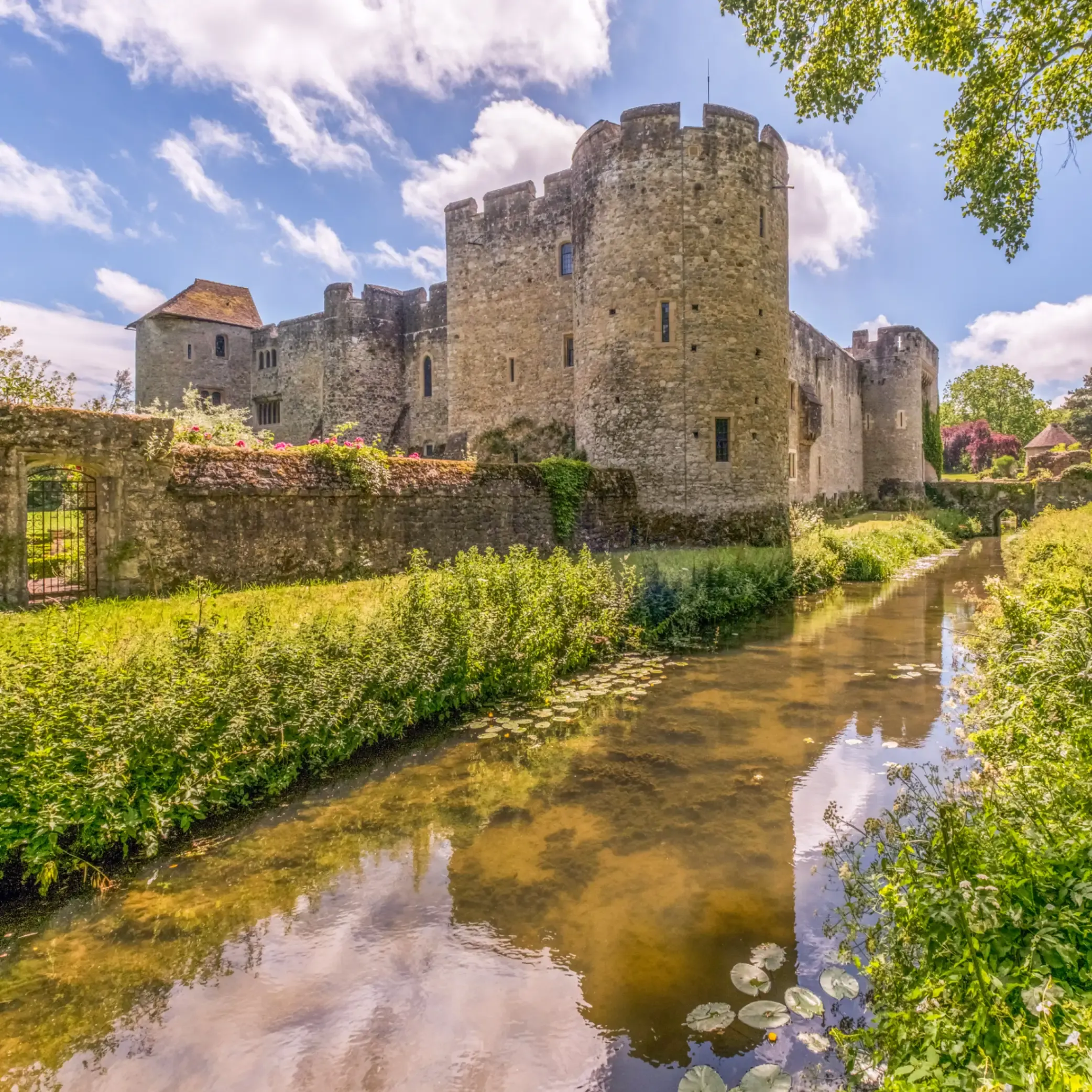
This 12th-century castle, set within 42 acres of woodland and riverside grounds, has a remarkable historical pedigree. Mentioned in the Domesday Book of 1086, it is said that Henry VIII and Anne Boleyn once dined in the Great Hall. Beautifully restored, the estate balances modern comforts with its medieval heritage. Alongside the private residence, an established commercial operation hosts weddings, corporate events and garden tours, while filming opportunities and a collection of income-producing properties across the estate provide additional revenue streams.
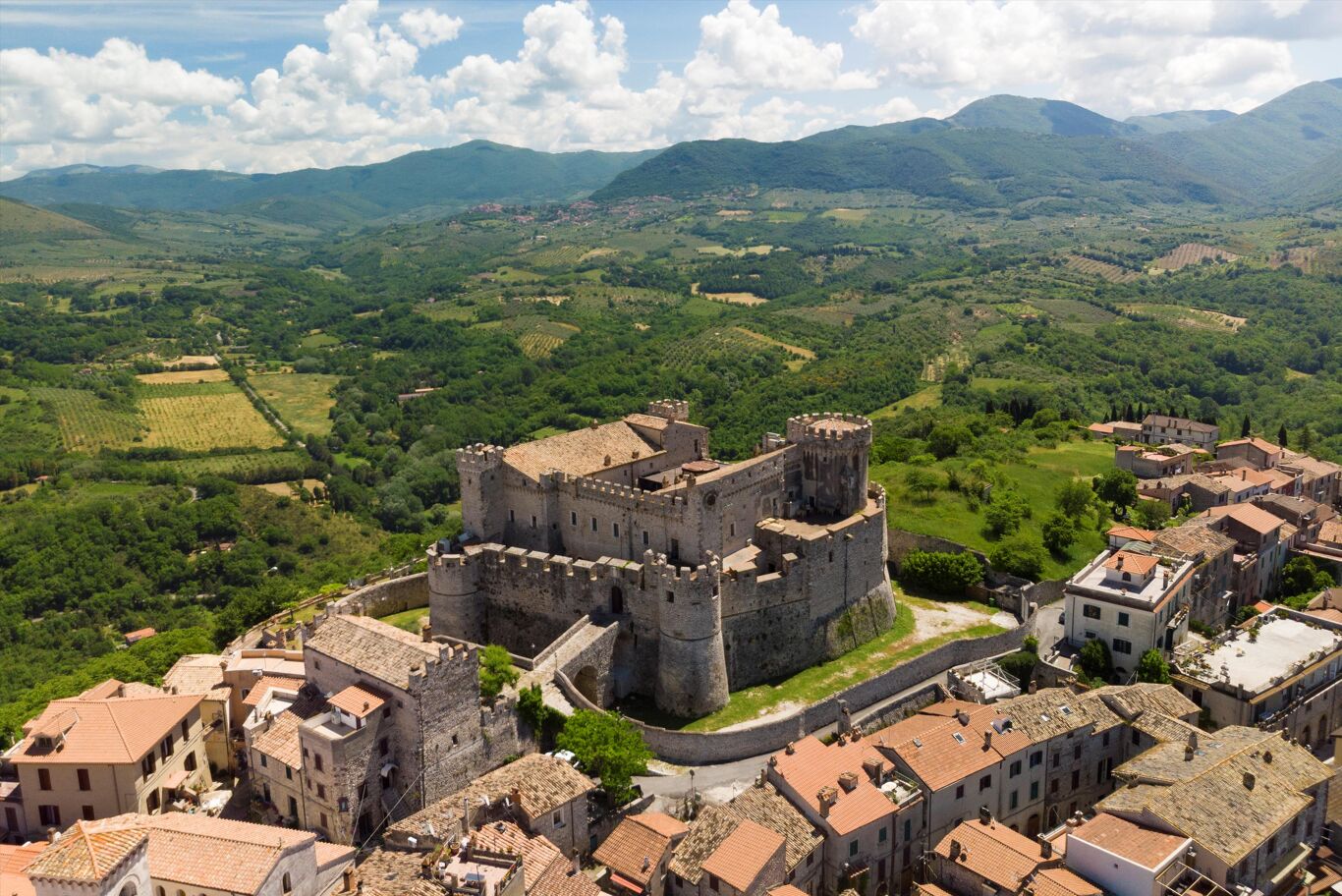
Castle, 4300 sqm
An iconic castle retreat in Nerola which has been transformed into an exclusive 5-star hotel and event venue with a wide range of high-end hospitality services.
Originally built in 1070, this ancient fortress in the medieval village of Nerola, northeast of Rome, rises majestically above the rolling hills of the surrounding countryside. Carefully restored and reopened in 1994, it now operates as a luxury hotel and events venue, offering 51 guest bedrooms across a collection of historic buildings. Guest amenities include a restaurant and bar, meeting and event spaces, an outdoor swimming pool and extensive private parking.
Explore castles for sale
Locations
Flexible working, improved connectivity and a desire for lifestyle-led living are drawing a new generation of wealthy buyers to prime regional markets
21 October 2026
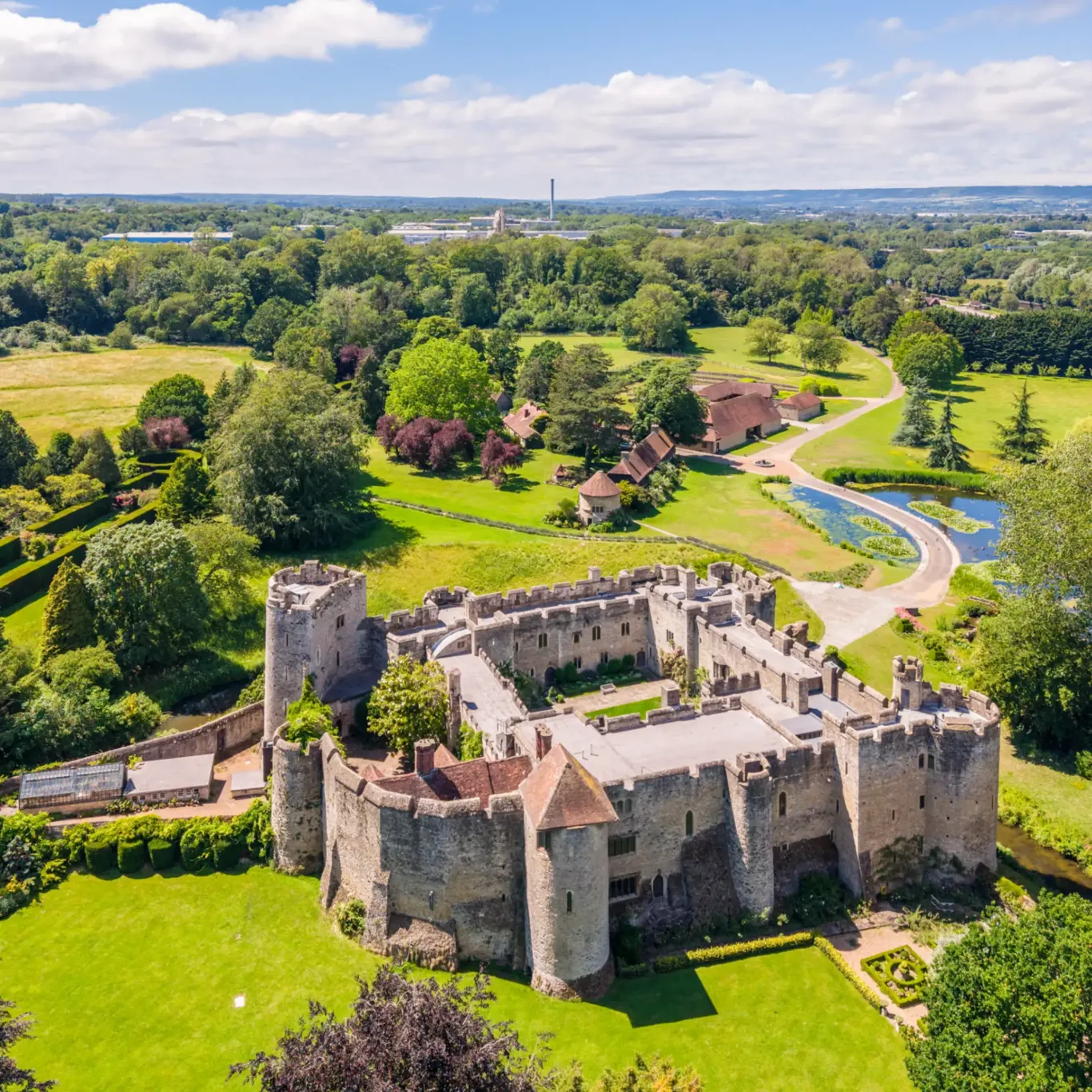
Homes
The romance, heritage and investment potential of castle ownership continue to attract discerning buyers from around the world
06 October 2026
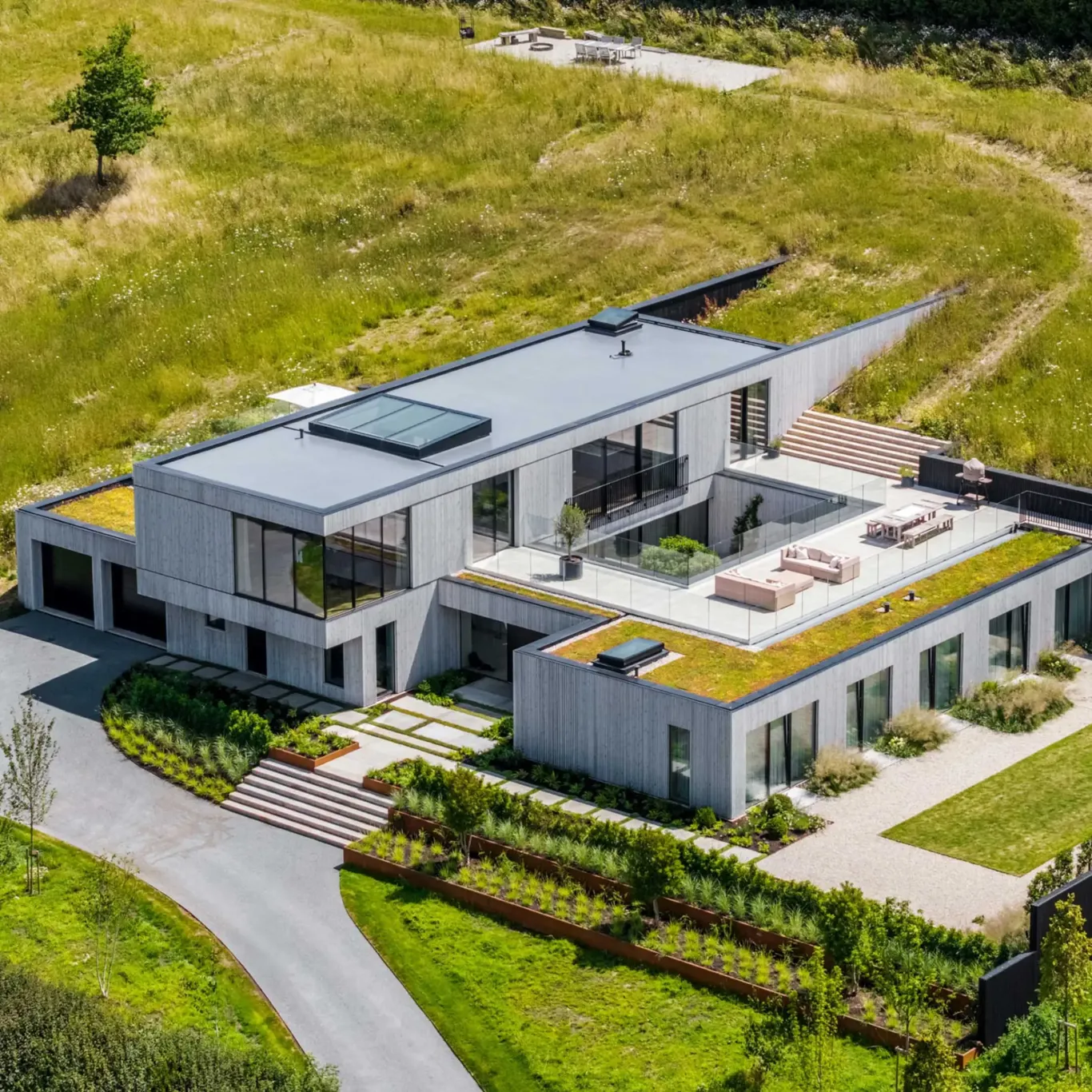
Homes
From solar panels and heat pumps to intelligent lighting and water-saving systems, energy efficiency is becoming a defining feature of modern homeownership
05 October 2026

Locations
As commuting patterns evolve, these well-connected locations are attracting buyers looking for flexibility, convenience and a better work-life balance
02 October 2026

Locations
From top-performing state schools to leading independent education, these sought-after locations combine exceptional schooling with family-friendly homes and communities
09 September 2026
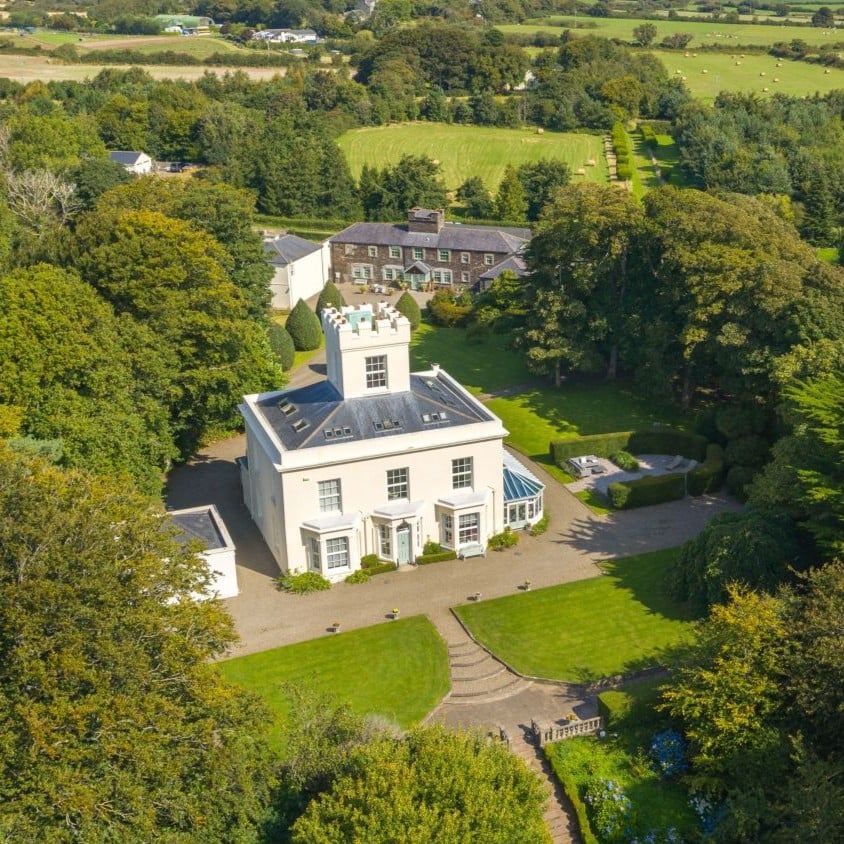
Homes
Step inside some of the most spectacular country homes for sale, from those with historical charm to contemporary luxury, each offering a unique glimpse of rural life at its finest
12 August 2026
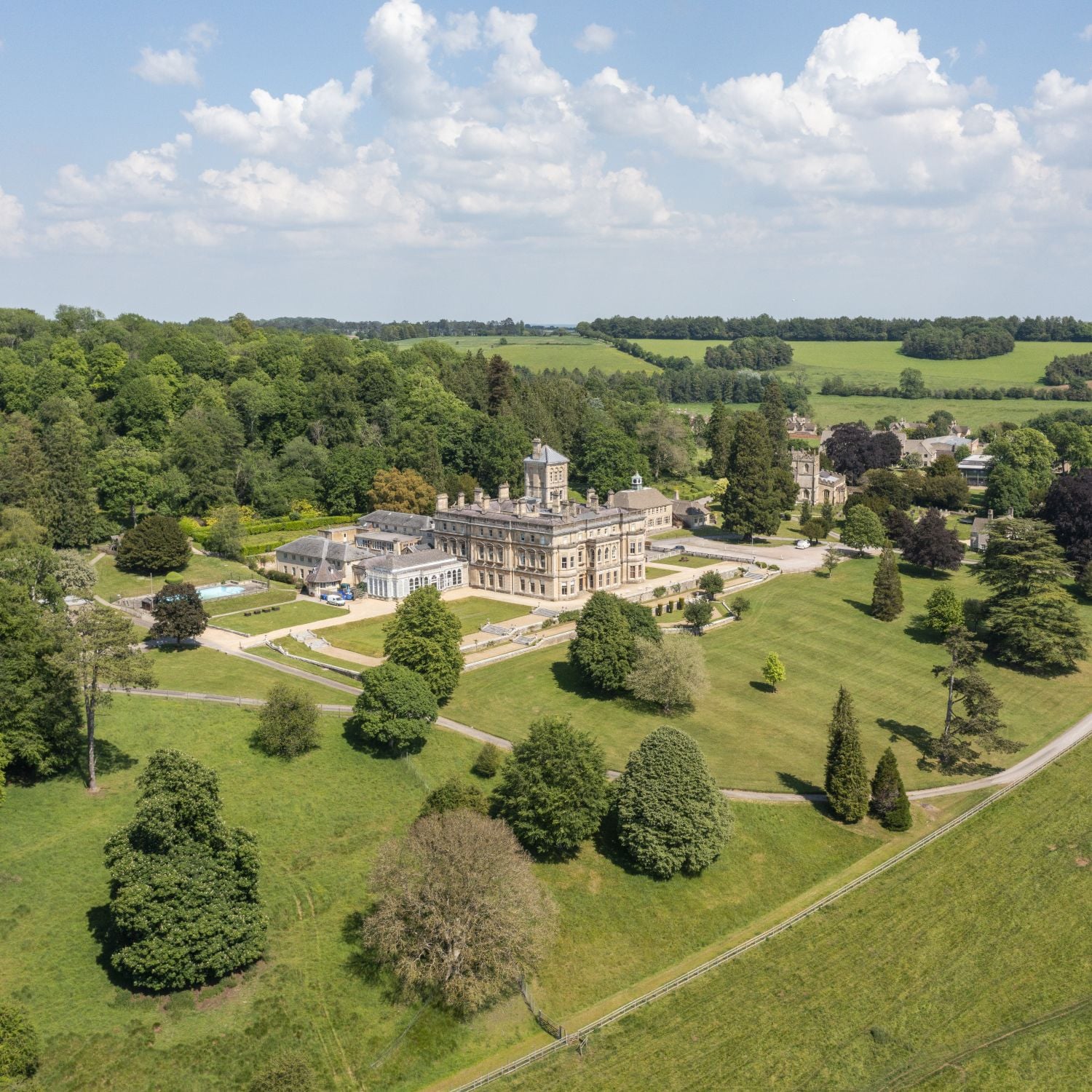
Inspiration
Rendcomb Park, a significant private estate set in 230 acres of prime English countryside with an on-going charitable legacy, is ready for the next chapter in its impressive history
12 August 2026
Homes
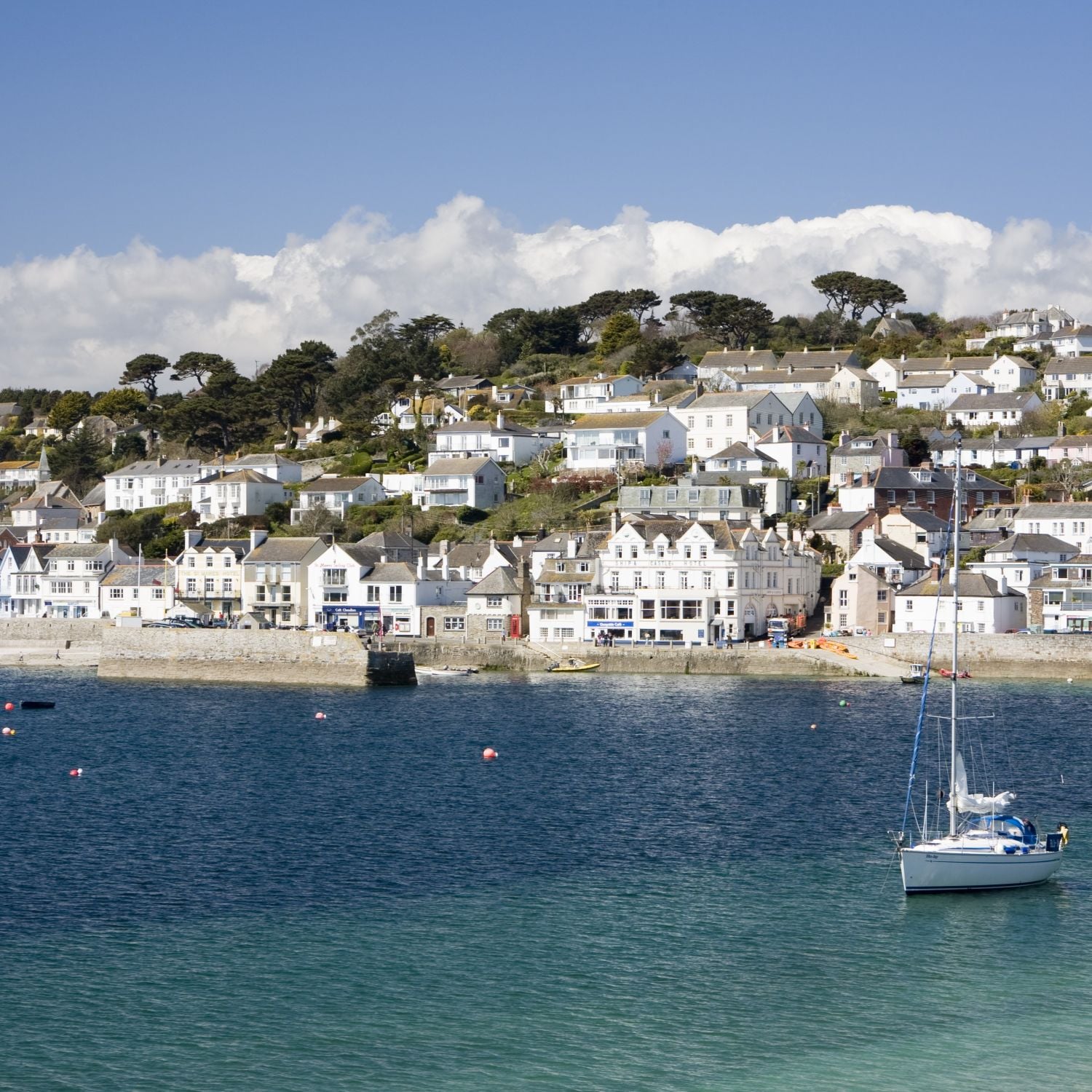
Knight Frank experts share their advice on showcasing your waterfront property in the best light, from presentation and timing to choosing the right pricing strategy
24 July 2026
Inspiration
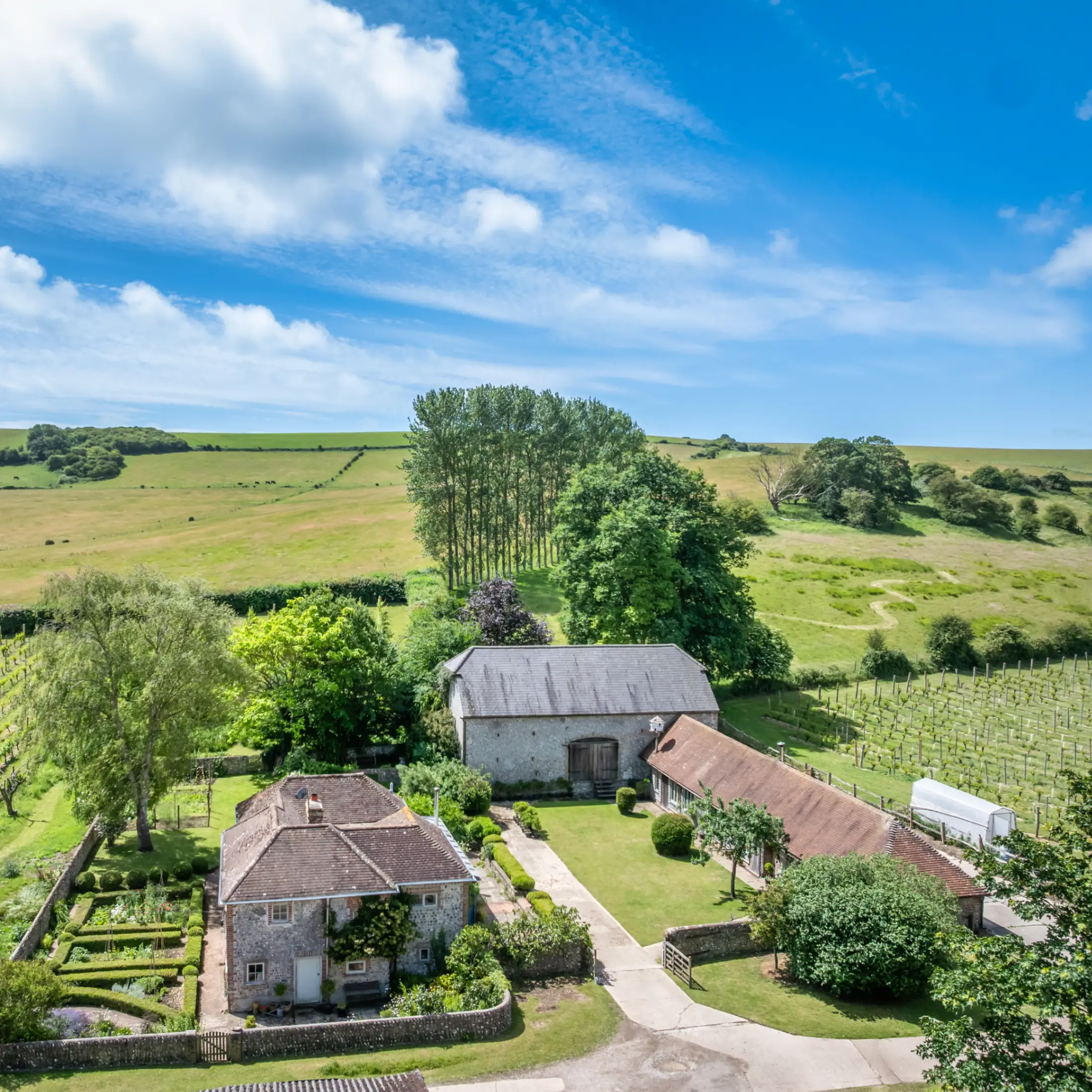
With greater choice and established vineyards coming to market, England's wine sector is entering a new phase of maturity
16 July 2026
Homes
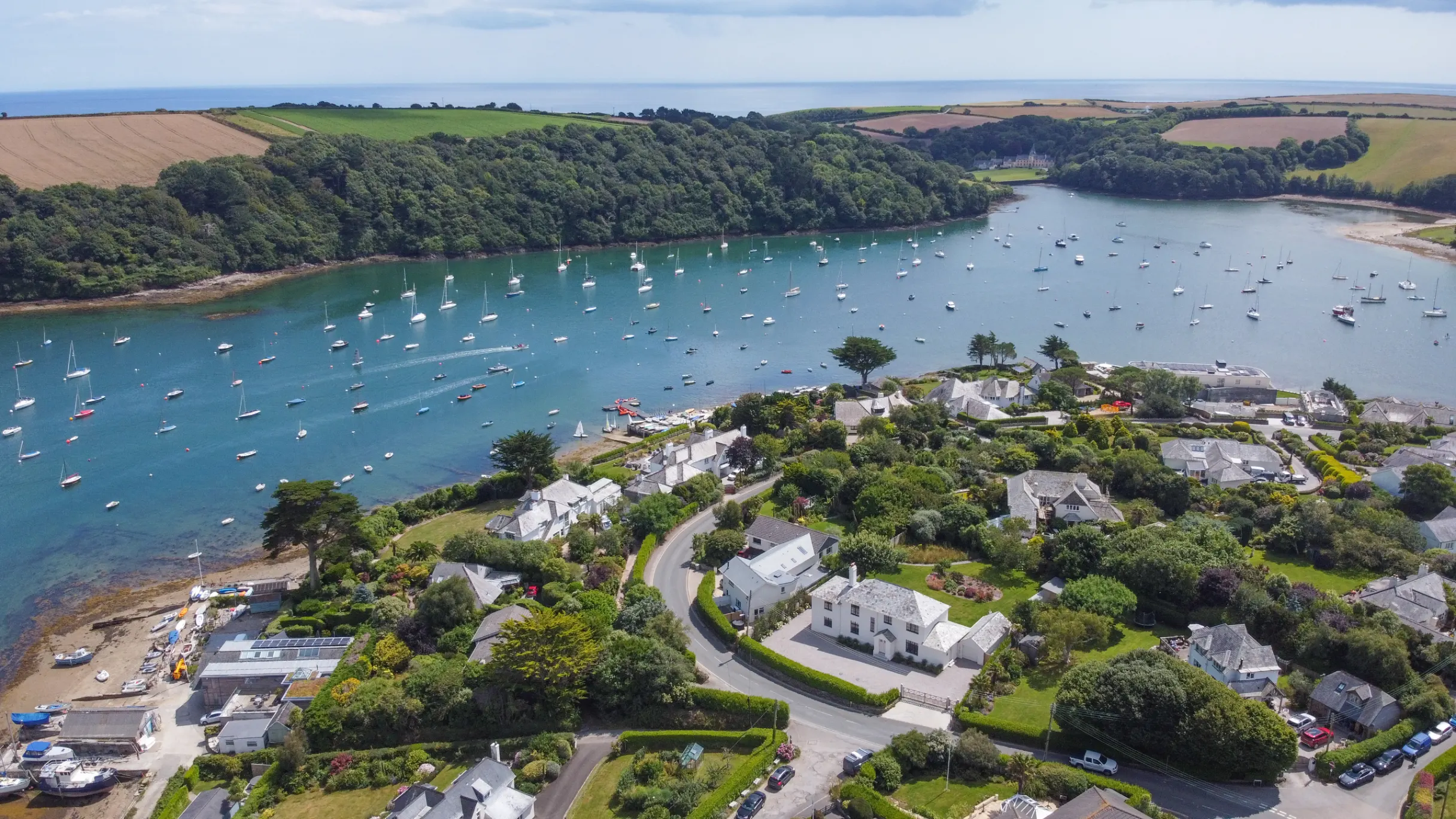
From contemporary living to homes with historic charm, we explore waterfront and coastal properties in Cornwall, Devon and Dorset
15 July 2026
Locations
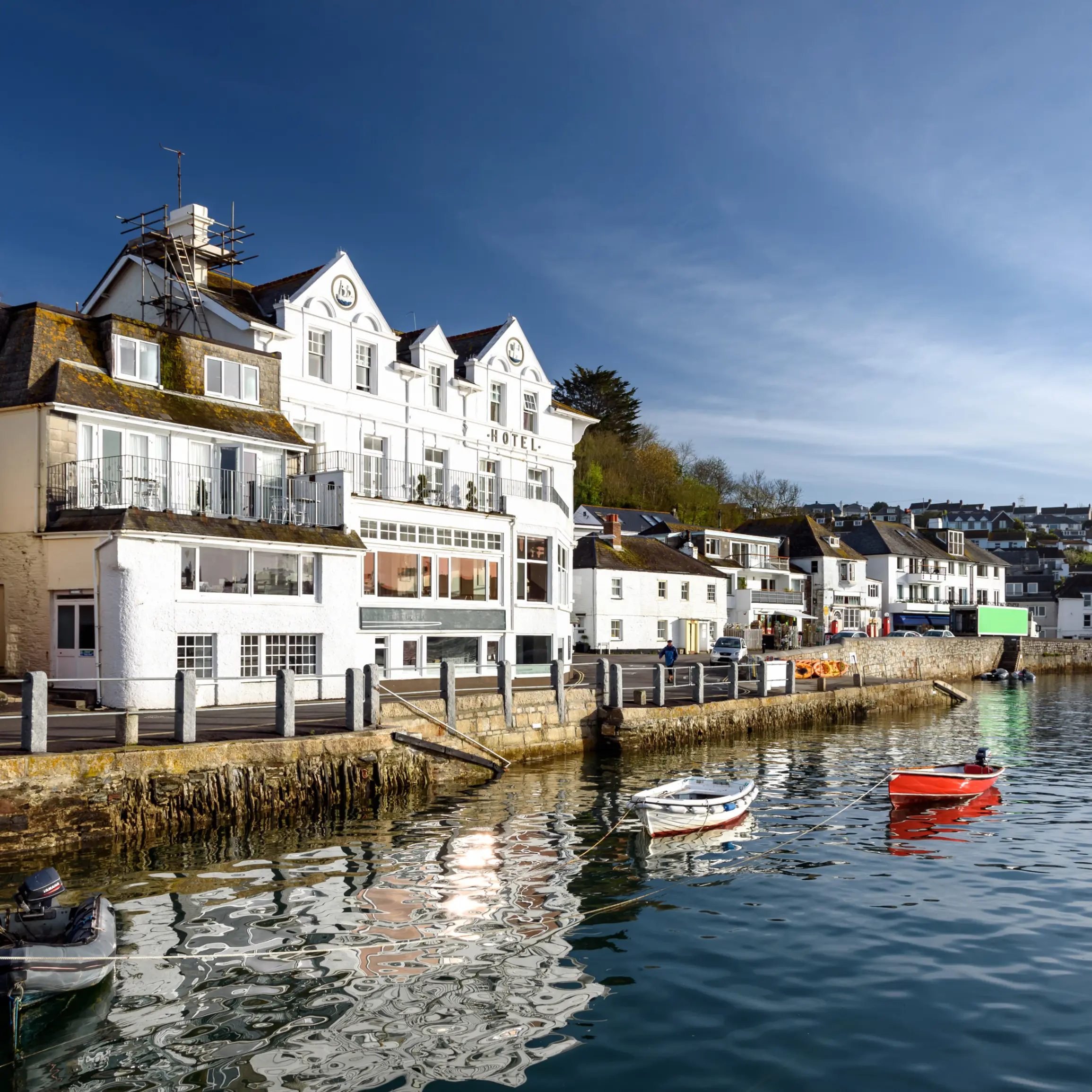
Thinking of moving to the coast? Knight Frank shares the best places to live by the sea in the UK for lifestyle, space, and community.
08 July 2026
Homes
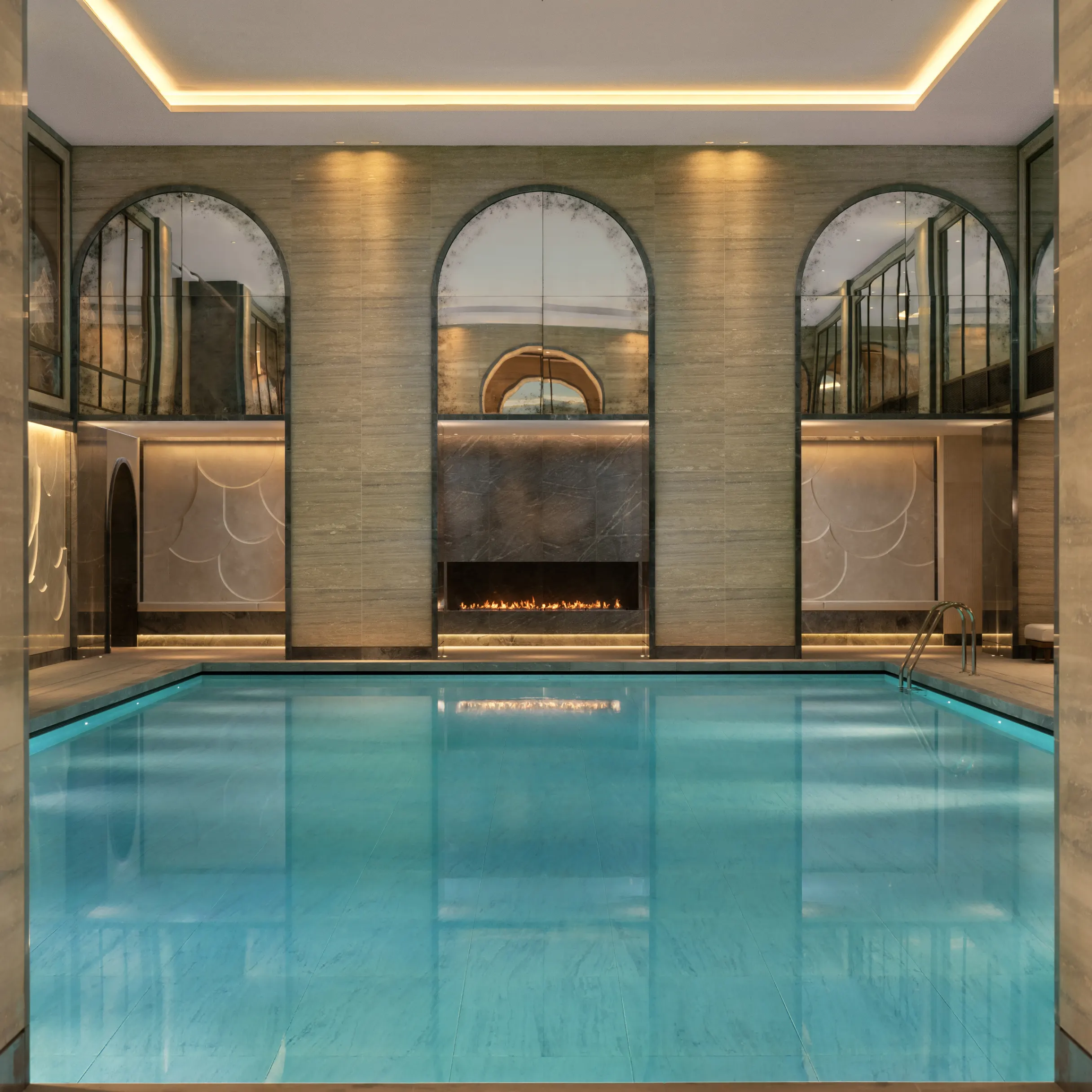
James Guy MBE reveals his ideal private pool setup, as we showcase a collection of standout homes for sale with exceptional swimming facilities
02 July 2026
Locations
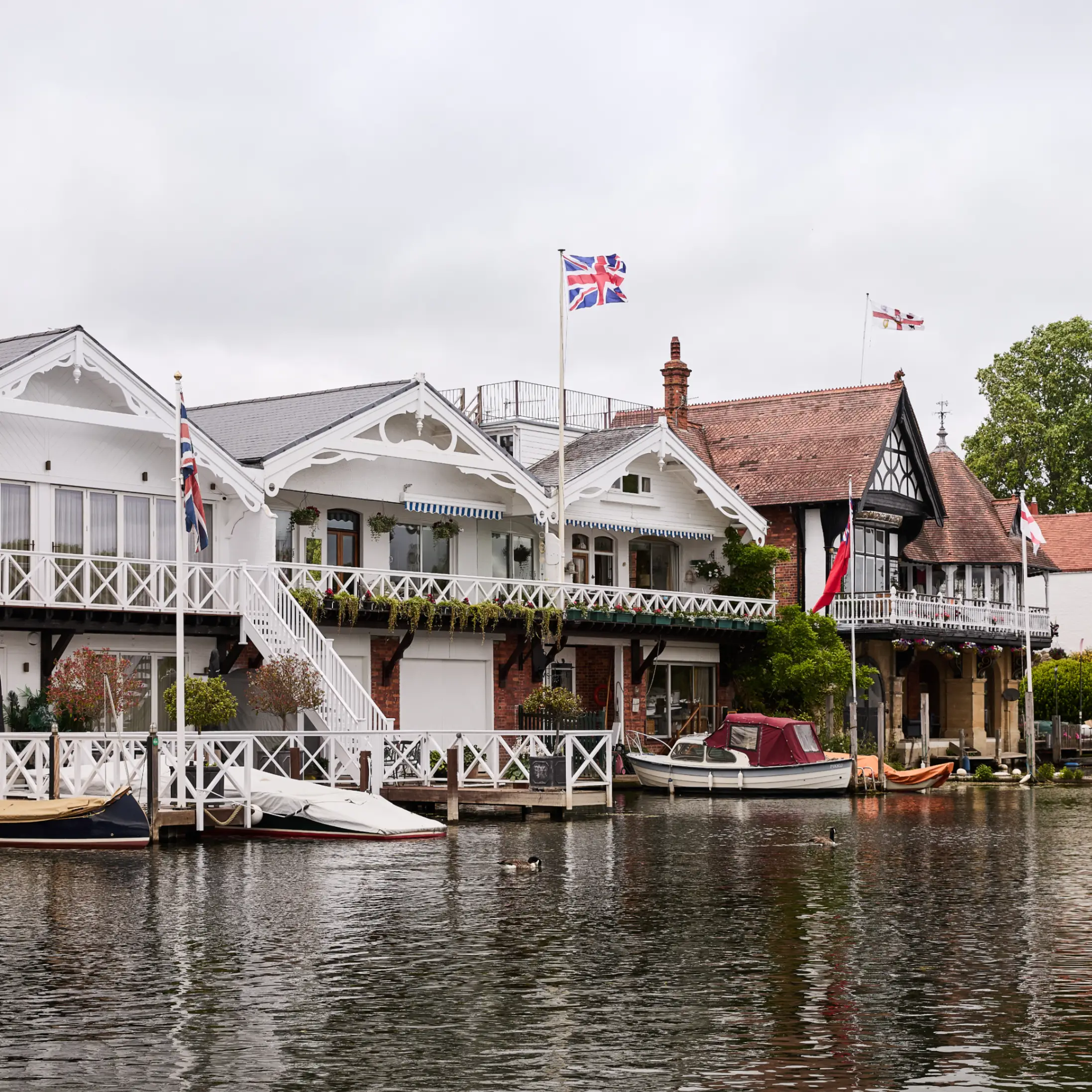
From period homes to riverside properties, Henley-on-Thames offers family-friendly, countryside living within easy reach of the capital
02 July 2026
Homes
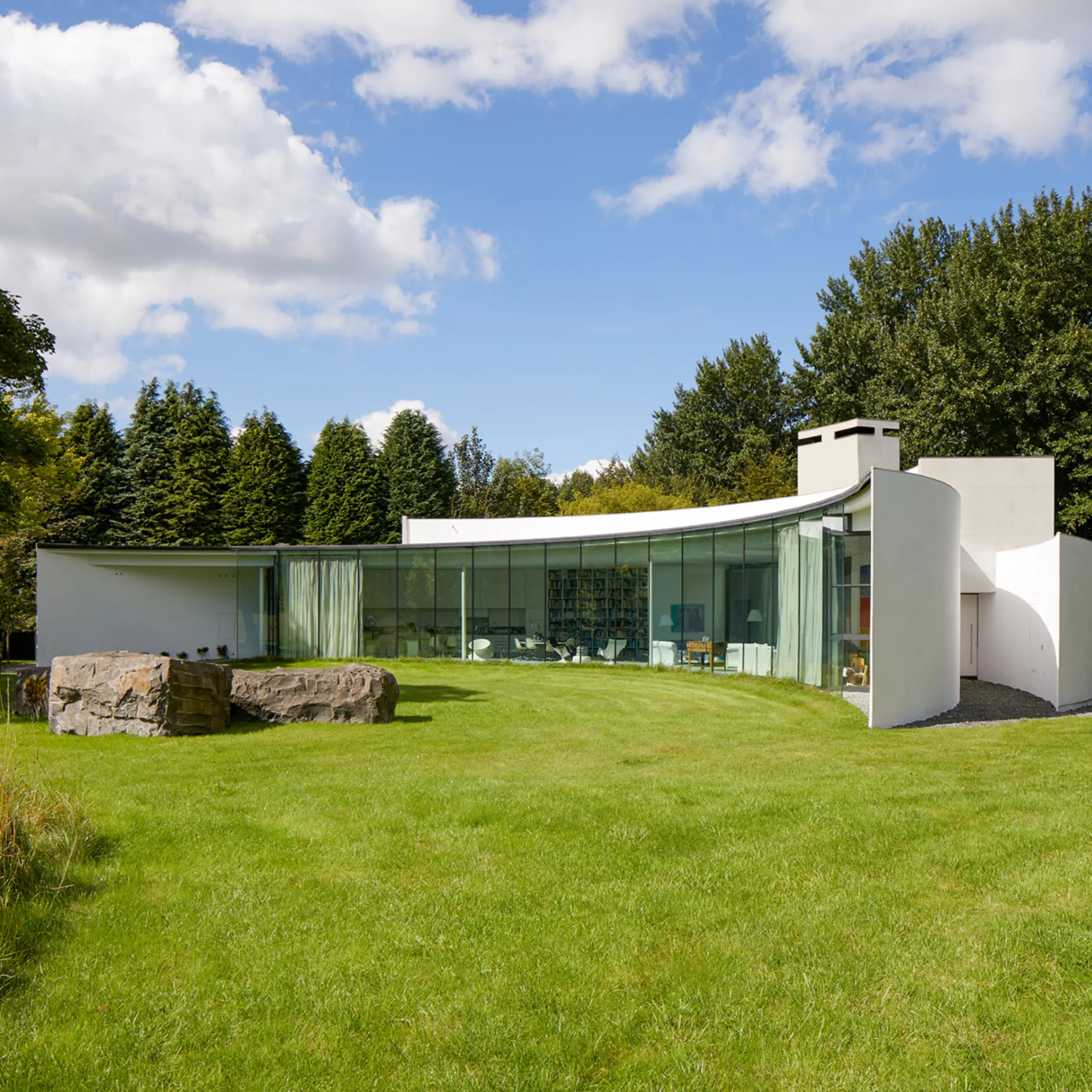
Inside Crescent House, a sculptural, nature-led home in rural Wiltshire designed by one of Britain’s most influential architects, now on the market for the first time
29 June 2026
Homes
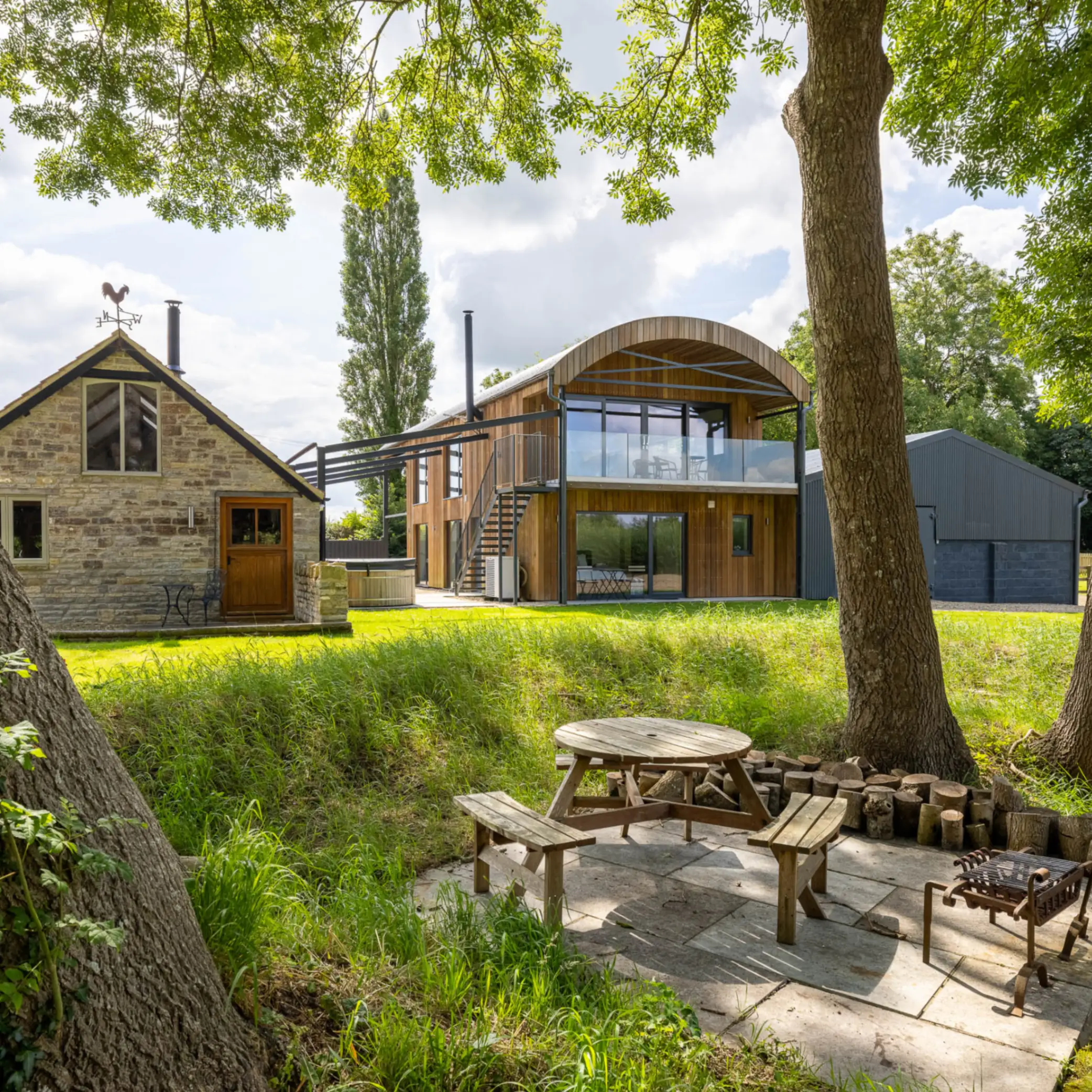
From grand country estates to rural farmhouses, these remarkable homes don’t just offer a place to live but open up endless opportunities
17 June 2026
Locations
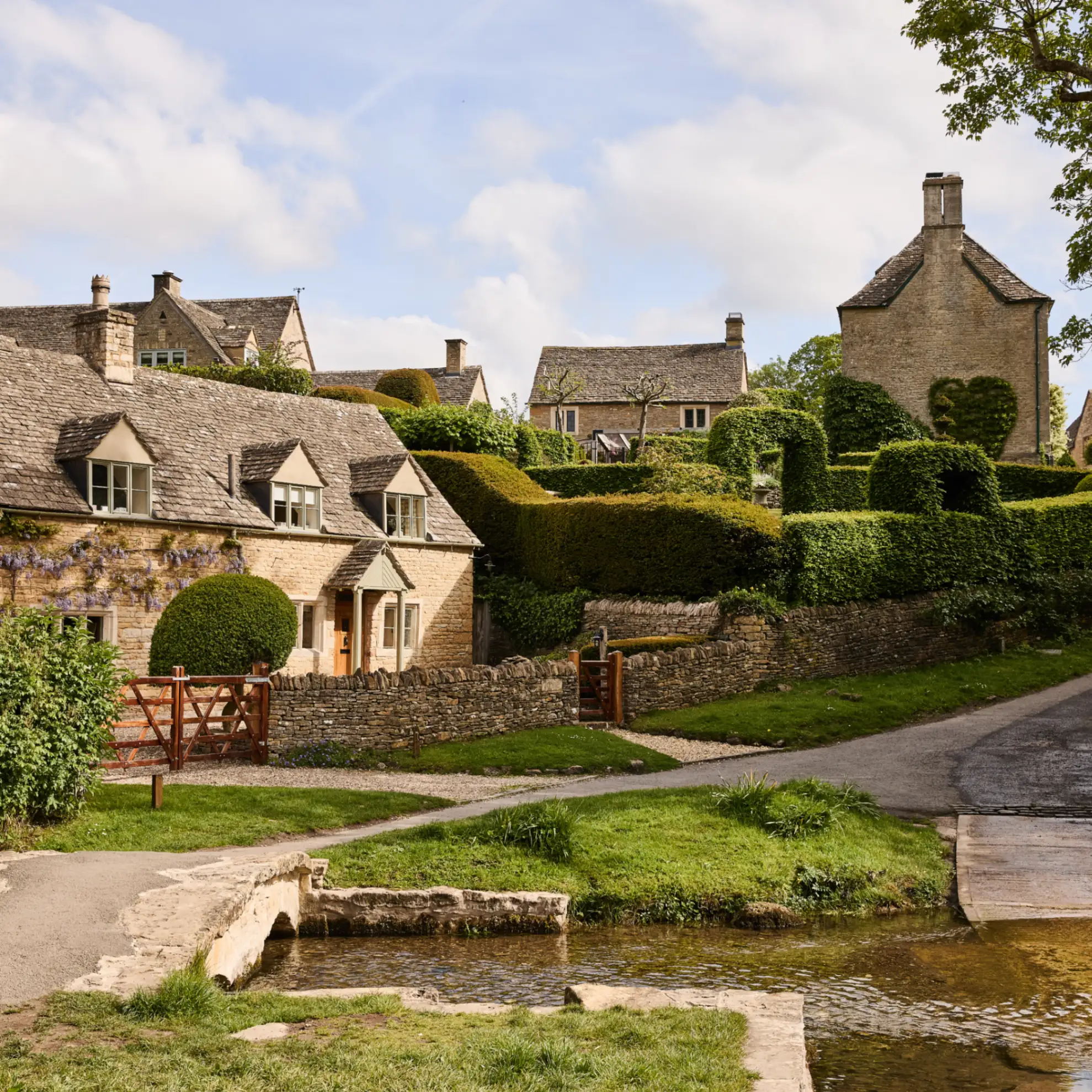
From its honey‑stone cottages to celebrity neighbours, our local experts share their insight on where to live this picturesque pocket of Britain’s countryside
05 June 2026
Homes
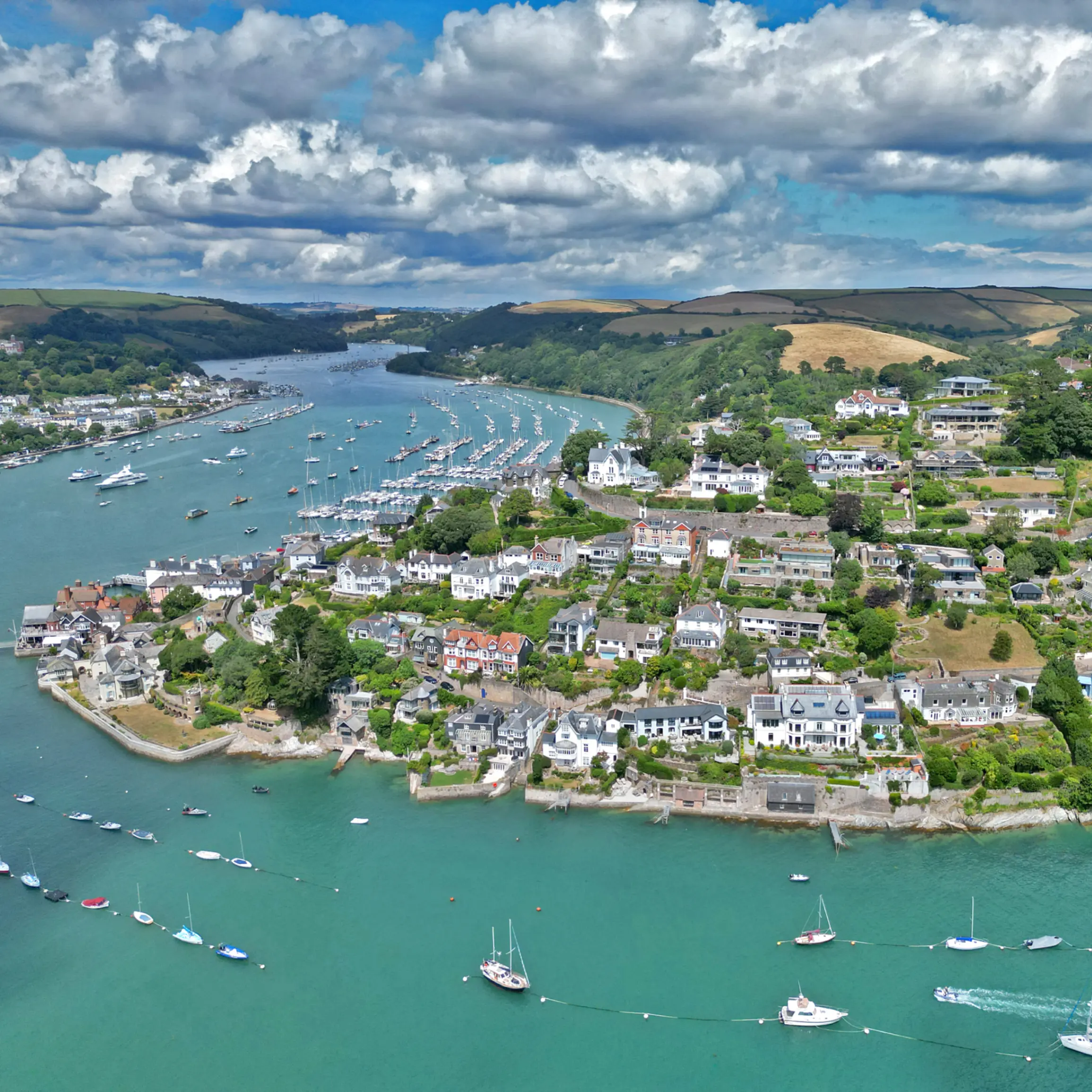
Living by the water, and spending time in and on it, is the dream for many. Here are some fabulous homes, complete with private moorings, which make that dream a reality
03 June 2026

Inspiration
Flexible rentals, premium rates and global demand are making summer an increasingly attractive opportunity for homeowners in the short lets market
21 May 2026
Inspiration
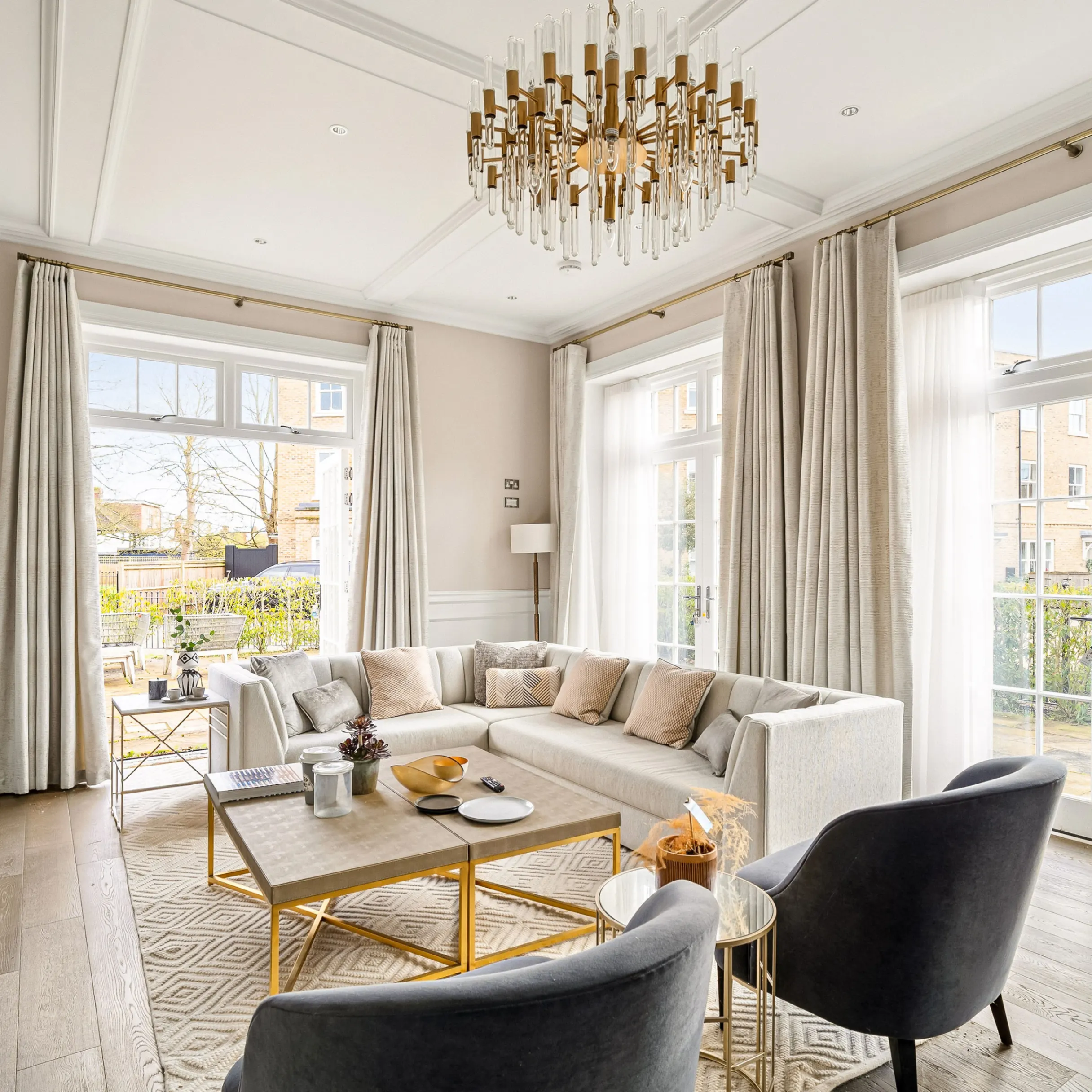
As new government legislation comes into force, what are the current market trends landlords should know to achieve a successful tenancy
28 April 2026
Homes
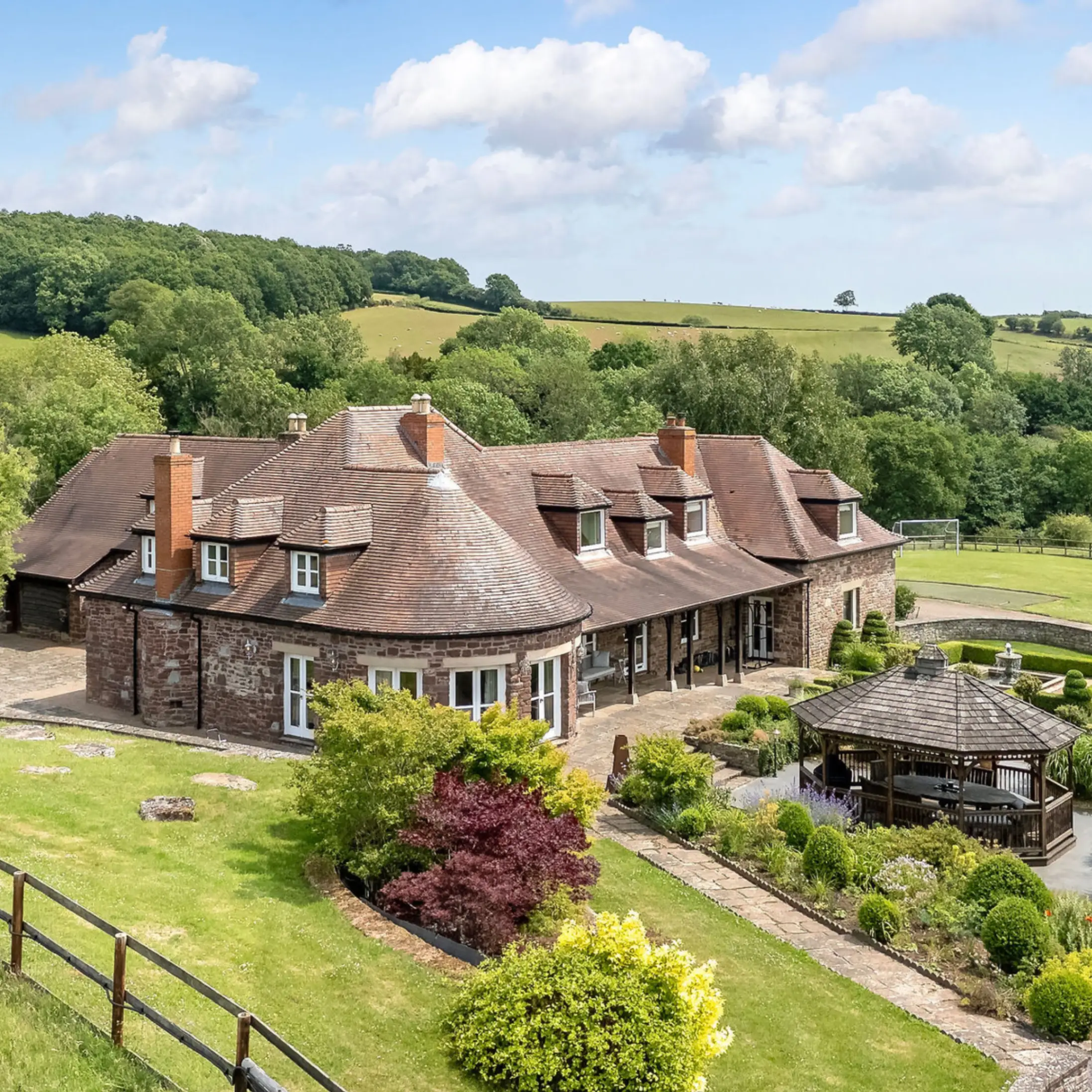
Knight Frank’s experts share what to consider when finding the perfect home for both you and your horse, along with some incredible equestrian properties for sale
22 April 2026
Homes
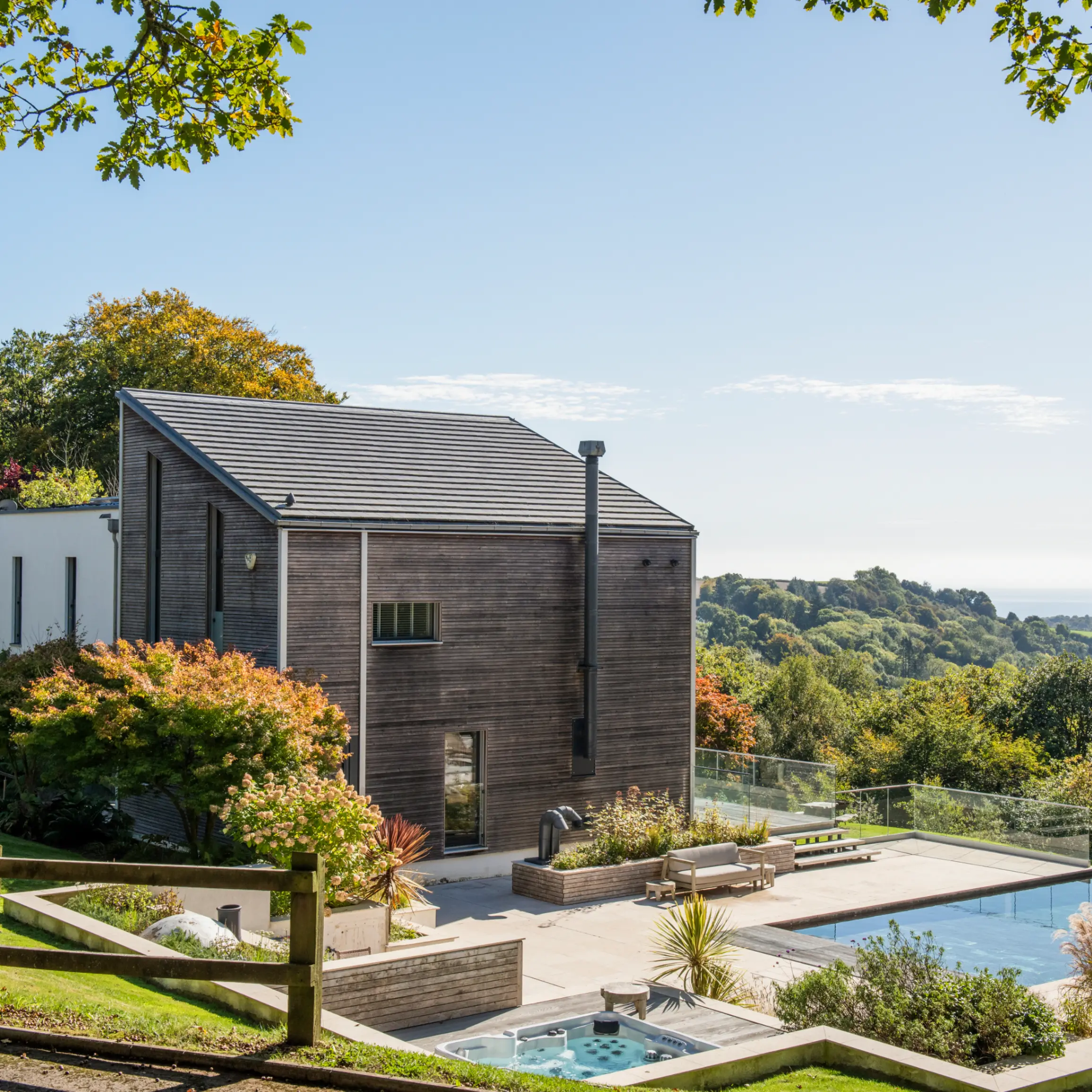
Discover the homes leading the way in sustainable, energy-efficient and luxurious living
21 April 2026

Inspiration
Head Gardener Harry Baldwin shares how history, sustainability and modern horticulture shape the estate, and gives his top tips for the green-fingered
20 April 2026
Homes
From strategic timing and smart pricing to simple presentation upgrades, these expert tips will help you secure the strongest possible offer
08 April 2026
Locations
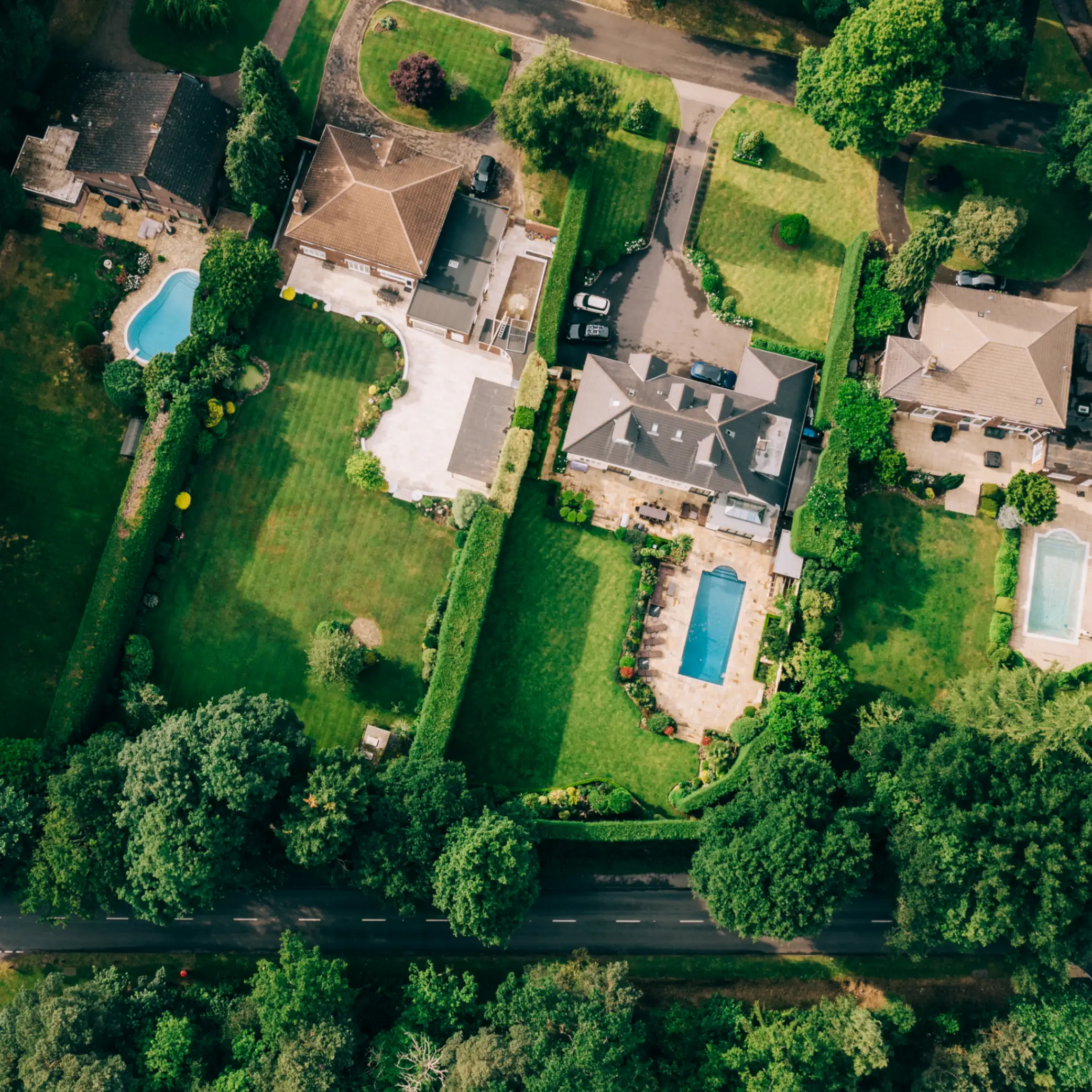
From fast London commutes to outstanding schools, here’s what makes Surrey one of the UK’s most sought‑after counties
07 April 2026
Sorry!
An unexpected error has occurred.
Please try again later.


