

PERSPECTIVES
Land & Legacy
Land & Legacy is our new content hub for all things rural, land and estate management.
We’ll help you unlock long-term value from land: today, tomorrow, and across generations.
Land has always carried both opportunity and responsibility, yet the landscape around it continues to evolve. Gather insight and perspective to help you navigate change with confidence – supporting decisions that realise value today, while protecting and strengthening your estate for the future.
From long-term stewardship to unlocking development potential and diversifying income, Land & Legacy brings together thinking from across our rural, planning and development teams – including work previously featured in our Rural Report.
On this page:
Back to top
Business success

Rural
From sawmill to estate enterprise: purposeful diversification at Ingleborough
A listed sawmill, woodland nature trail and show cave have been brought together as one visitor enterprise in the Yorkshire Dales.
30 September 2026
Rural
Diversification with intent: how rural estates are evolving for the future
Rural estates are defined by continuity: of land, of stewardship, and of purpose. Today, that relationship is under pressure.
08 September 2026
Business success
5 ways to get your farm ready for SFI Window 2
With Window 2 of the Sustainable Farming Incentive (SFI26) opening in September 2026, farmers and land managers are preparing for a competitive application period.
25 August 2026
Rural
BNG changes from 6 August 2026: What do they mean for developers and habitat banks?
After more than two years of mandatory Biodiversity Net Gain (BNG), new regulations came into force on 6 August 2026, altering how developers approach compliance and how habitat bank operators position themselves in the market.
12 August 2026
Rural
When continuity becomes a risk: the rural estate resilience challenge
Rural estates are defined by continuity: of land, of stewardship, and of purpose. Today, that relationship is under pressure.
04 August 2026
Rural
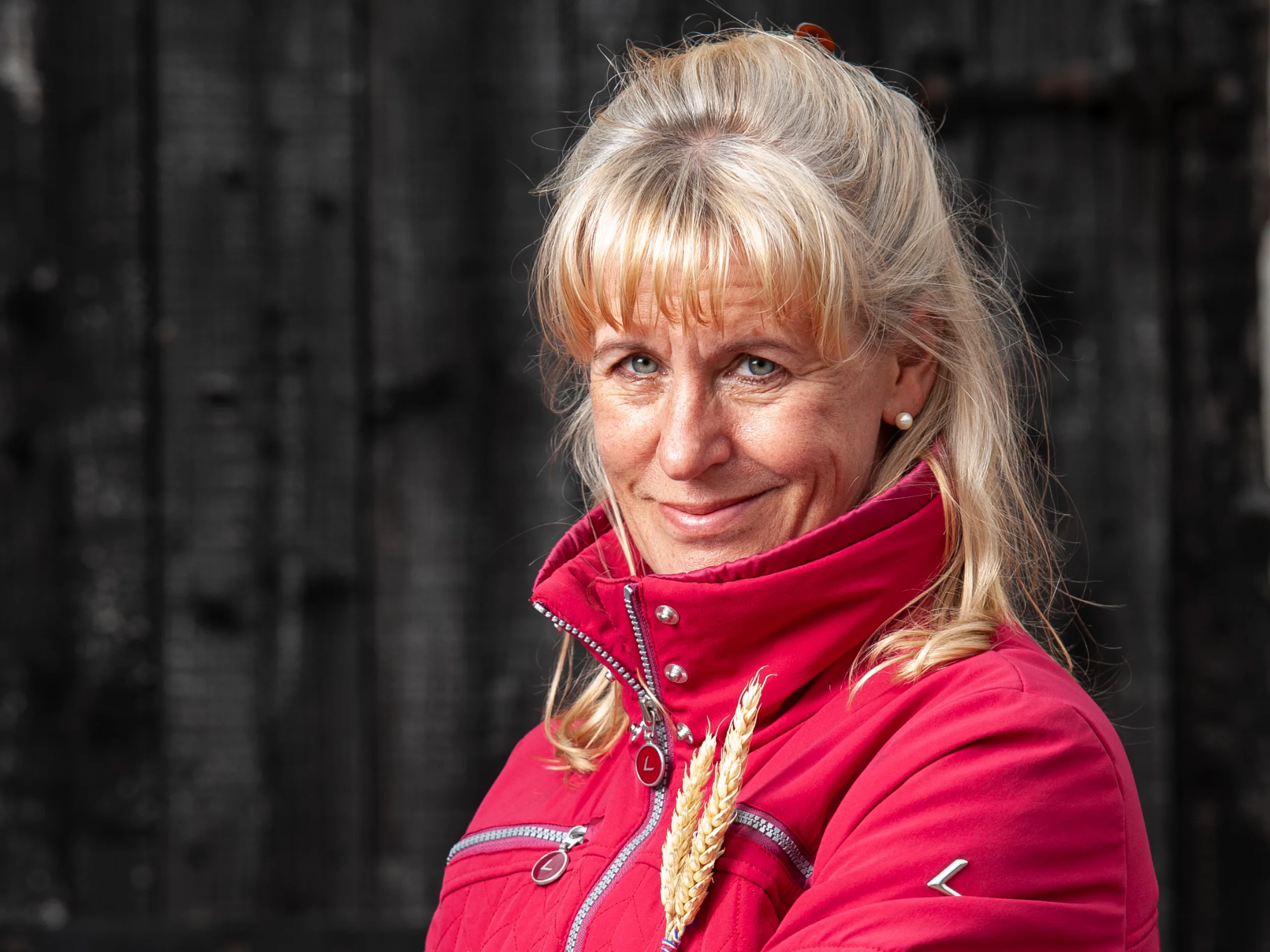
How to make farming profitable again
Minette Batters talks to James Farrell, Head of Knight Frank’s Rural Consultancy team, about her recently published review into farming profitability.
30 January 2026
Rural
A year that forced rural businesses to act
The past year has not been defined by a single shock for rural Britain, but by the steady accumulation of pressure.
23 December 2025
Rural
Great estates
The managers of two diverse and forward-thinking landed estates share their recipes for resilience.
17 November 2025
Rural
Management matters
Andrew Blenkiron, the Managing Director of Elveden, one of England’s largest commercial farming estates, shares his plans for a successful future.
17 November 2025

Rural
Succession planning
Succession isn’t just about the future; it’s about getting it right today.
17 November 2025
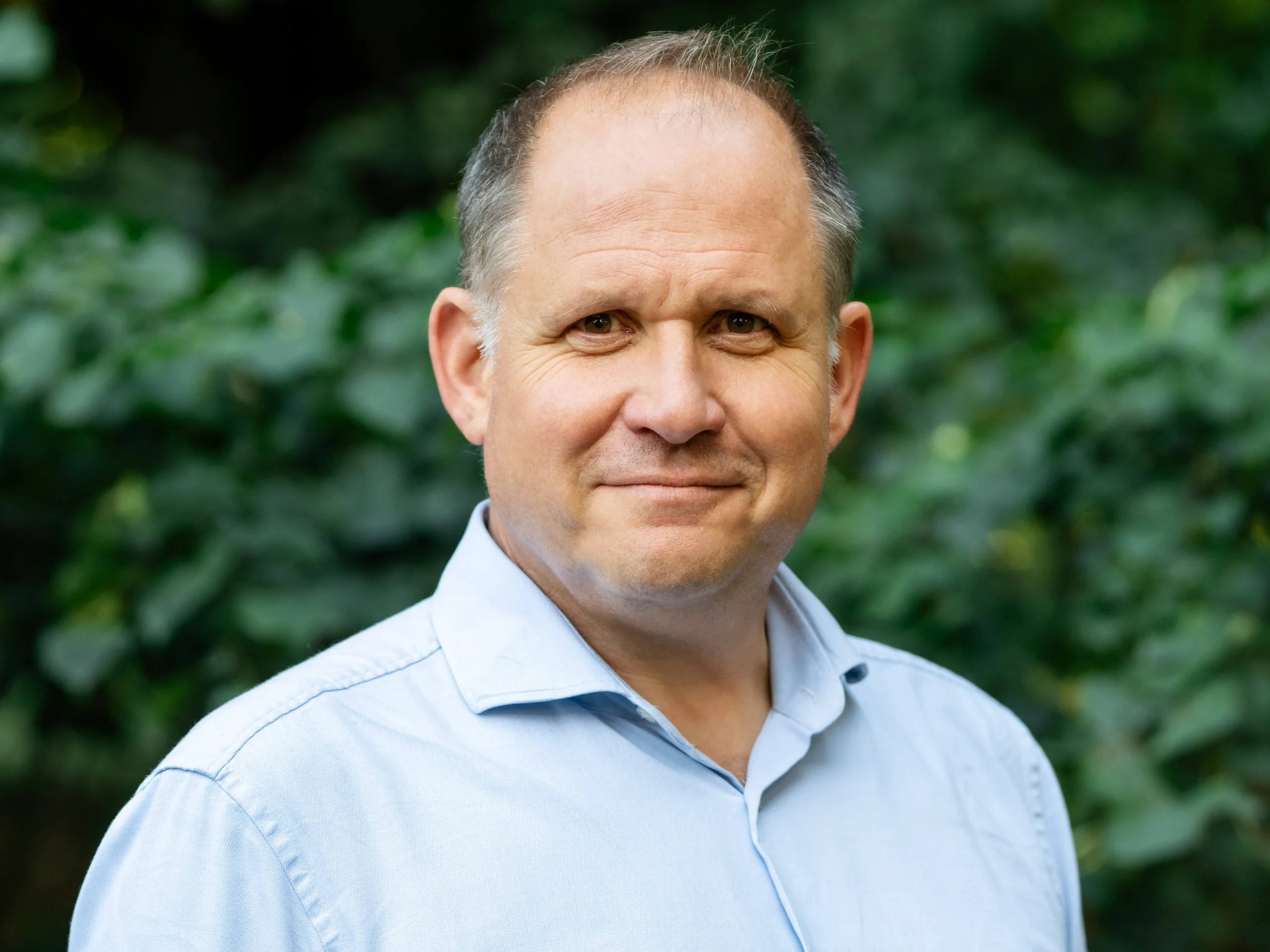
Rural
The future of food
Our food industry is systemically flawed. Serial entrepreneur, educator, charity founder and former government adviser Henry Dimbleby has dedicated his career to changing it.
17 November 2025
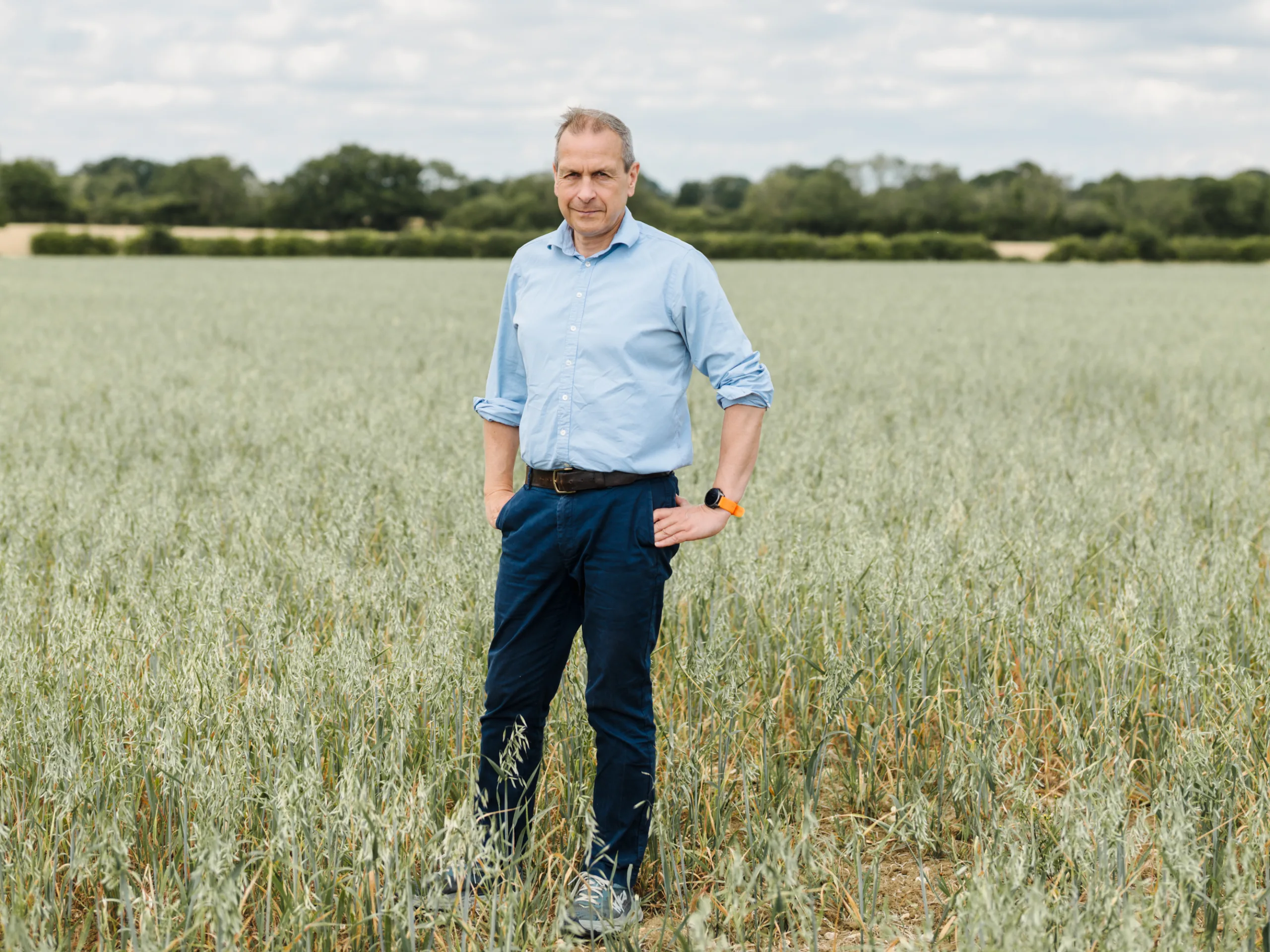
Rural
The unexpected President
Catching up with Norfolk farmer, Gavin Lane, as he takes over the presidency of the Country Land and Business Association with a strong belief in the power of partnership.
17 November 2025
Rural
Understanding the Renters’ Rights Act: Implications for Rural Lettings
The Renters’ Rights Act has now received Royal Assent and is officially law, marking a significant milestone in the reform of the UK’s private rented sector. While much of the public conversation has centred around urban landlords and tenants, rural landowners, estate managers and farm businesses must also prepare for the implications of this legislation. With the implementation date now set for May 2026, and some elements subject to secondary legislation, the time to act is now.
07 November 2025
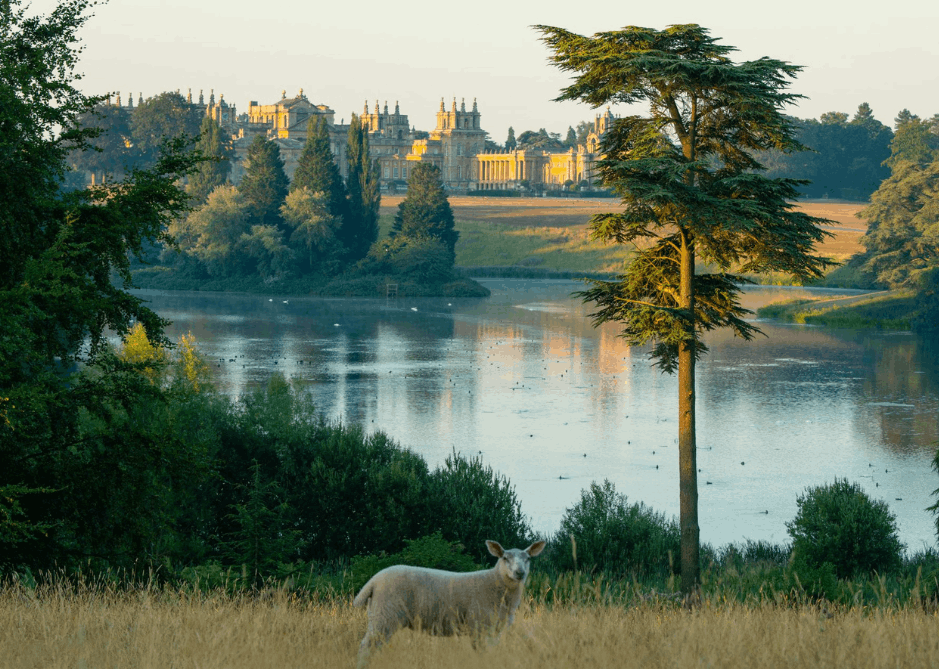
Rural
Purpose in practice at The Blenheim Estate
The Blenheim Estate is leading the way in showing how landed estates can benefit their local communities
04 June 2025
Rural
Farming and food in the future
One of the UK’s leading food security experts, Tim Benton shares his thoughts on the future of food in the UK.
04 June 2025
Rural
The importance of strategy for rural land-based businesses in an uncertain world
12 January 2024
Diversification and placemaking
Rural
Communicating beyond the norm
The leader of one of the UK’s most innovative natural capital firms explains why storytelling and branding are so important for creating resilient rural businesses.
17 November 2025
Rural
Planning, development & renewables
Experts from across our teams share their insights on four themes critical to the UK’s rural infrastructure and residential development sectors.
17 November 2025
Rural
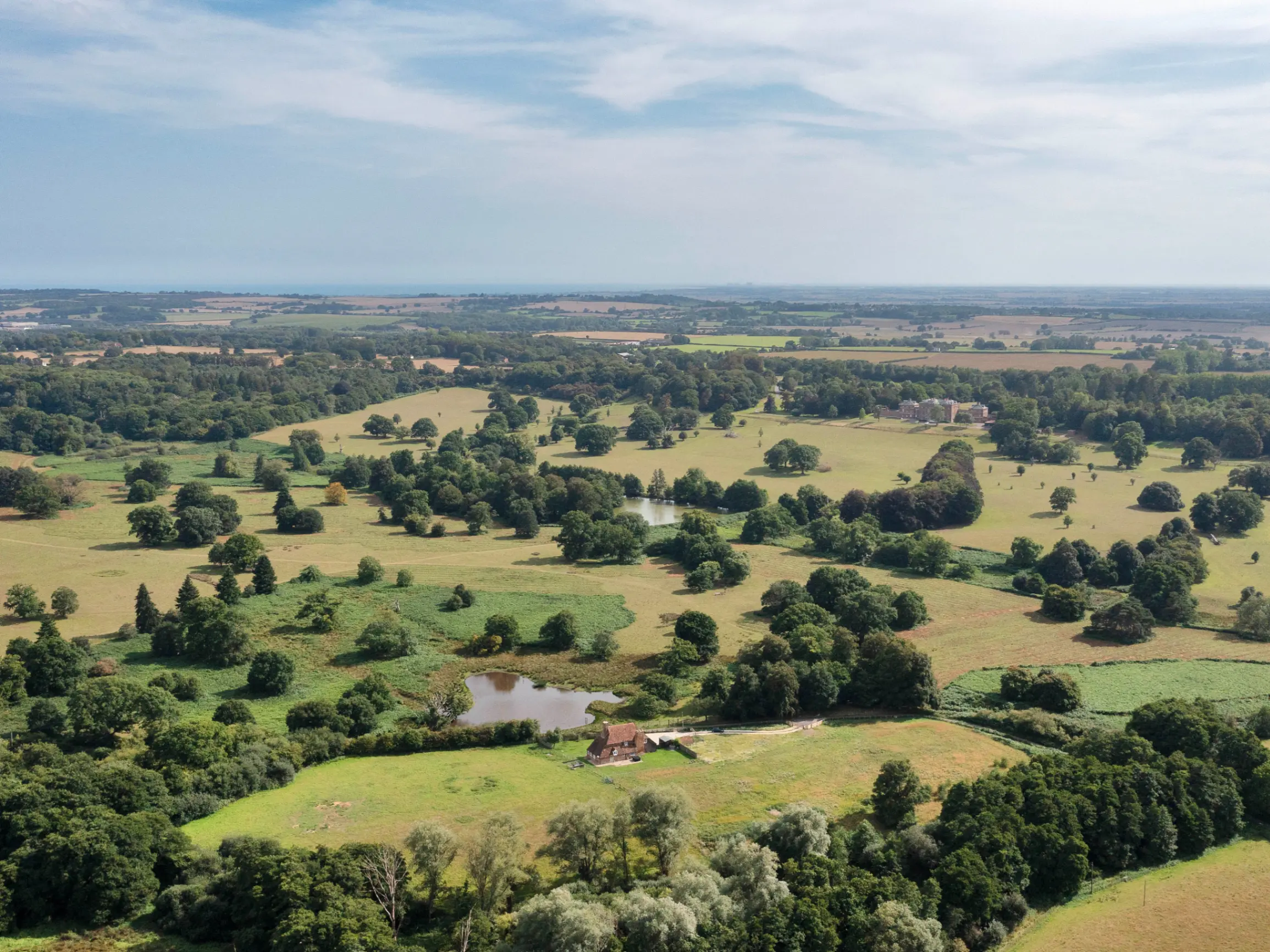
Profitable partnerships and trusting talent
How the Knatchbull family are leading the way in setting up innovative joint ventures on their historic Kent estate.
17 November 2025
Rural
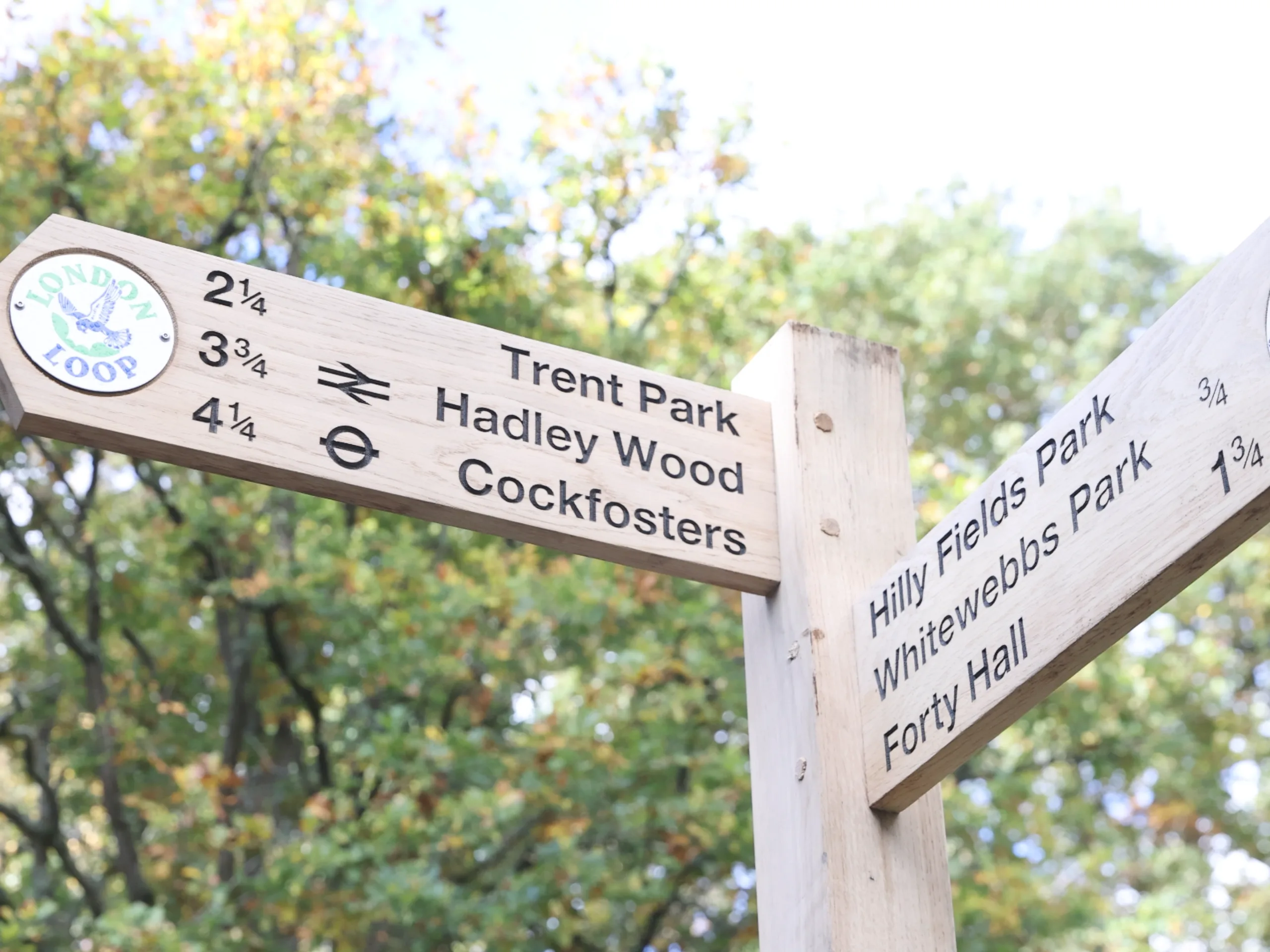
Rewilding London
Private investors are being offered a unique opportunity to get involved with one of the world’s most ambitious urban-fringe nature-restoration projects, right on the edge of London.
17 November 2025

Rural
Rooted in history
The Tillingham Estate, linked to St Paul’s Cathedral and one of the longest single owned pieces of land in English history, is exploring a new chapter. Our team is lucky enough to be supporting the estate on the next stage of its journey.
17 November 2025

Rural
Carbon, nature and farming – US policy versus the UK
Donald Trump has already reversed many of the environmental commitments made by his predecessor. What does this mean for the UK?
05 June 2025
Rural
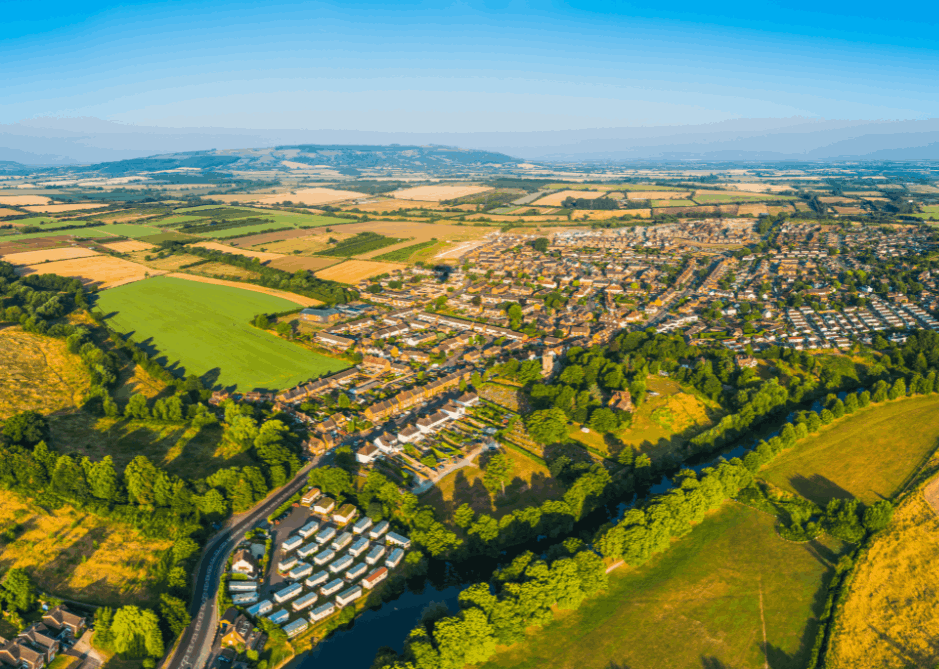
The impact of planning reform on rural landowners
The government’s Planning and Infrastructure Bill offers more positives than negatives for farms and estates
04 June 2025
Rural
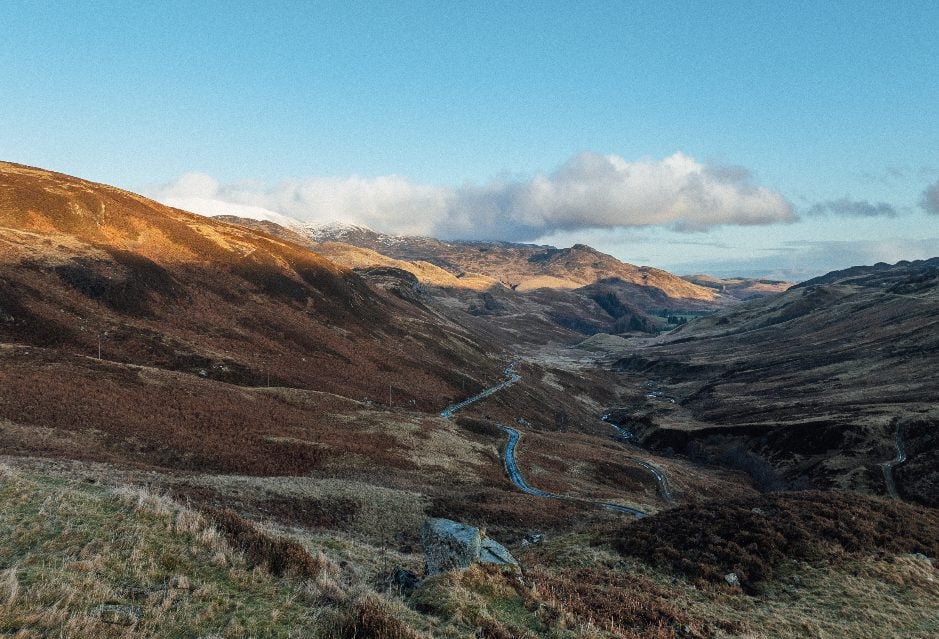
Partnering with environmental pioneers: Knight Frank's collaboration with Oxygen Conservation
The experts in our rural team are continuously shaping the future of land management, and as a brand with sustainability at its core, we’re proud to announce our partnership with Oxygen Conservation.
07 March 2025
Rural
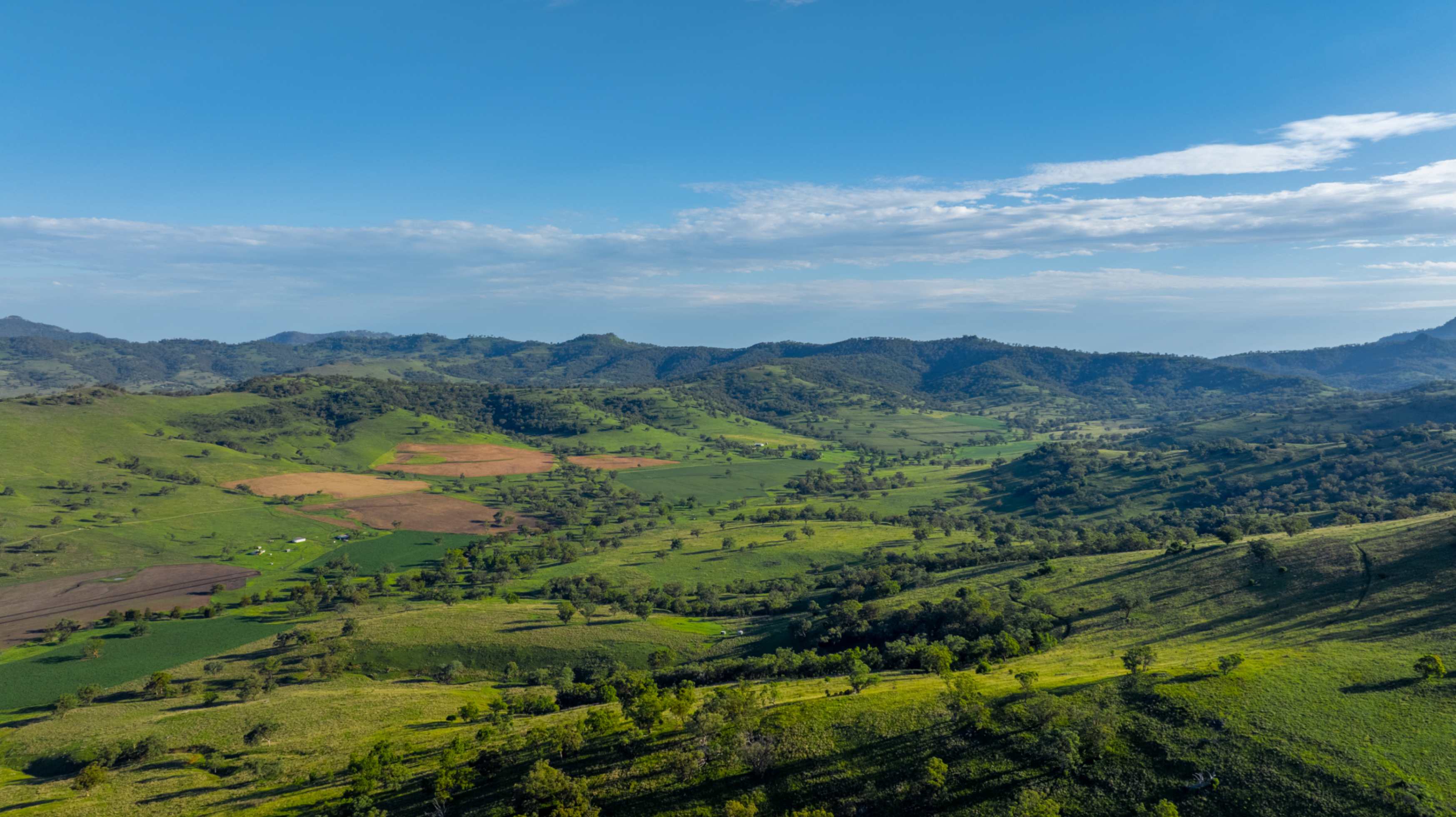
Growing demand for natural capital in Australia’s rural market
Australia’s rural property market is being boosted by growing demand for natural capital, according to Knight Frank and its partner, McGrath Estate Agents.
09 December 2024
Rural
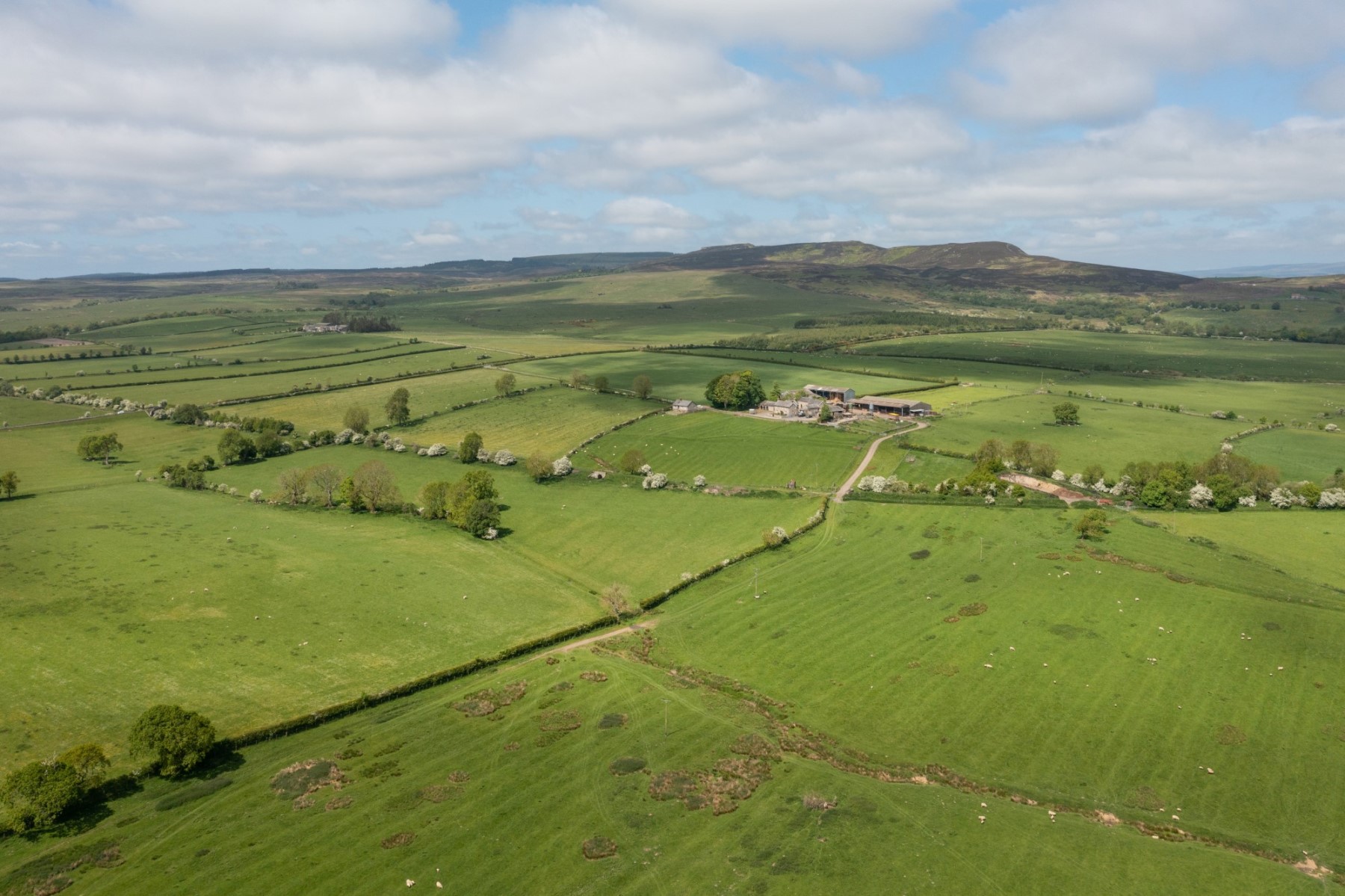
The Wildlife Trusts purchase the Rothbury Estate in partnership with Northumberland Wildlife Trust
This landmark purchase marks the largest land sale in England for 30 years, preserving this expansive rural estate for generations to come.
04 November 2024
Rural
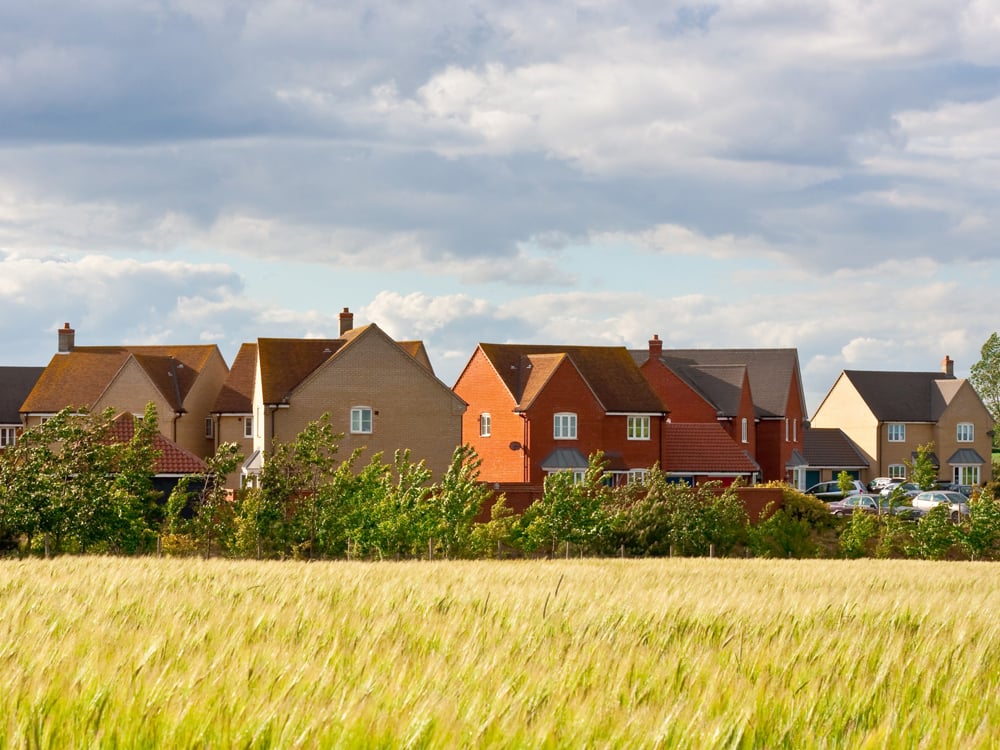
Is the biodiversity market a silver bullet for landowners?
Five months of data reveal that off-site biodiversity credit requirements average just over one unit per Local Planning Authority (LPA) annually. Is this a timing issue, a policy design flaw, or an indication of limited future demand?
23 October 2024

Rural
Social value, a greater good for all
Why delivering social value is good for both rural estates and the health of the nation
25 September 2024
Rural
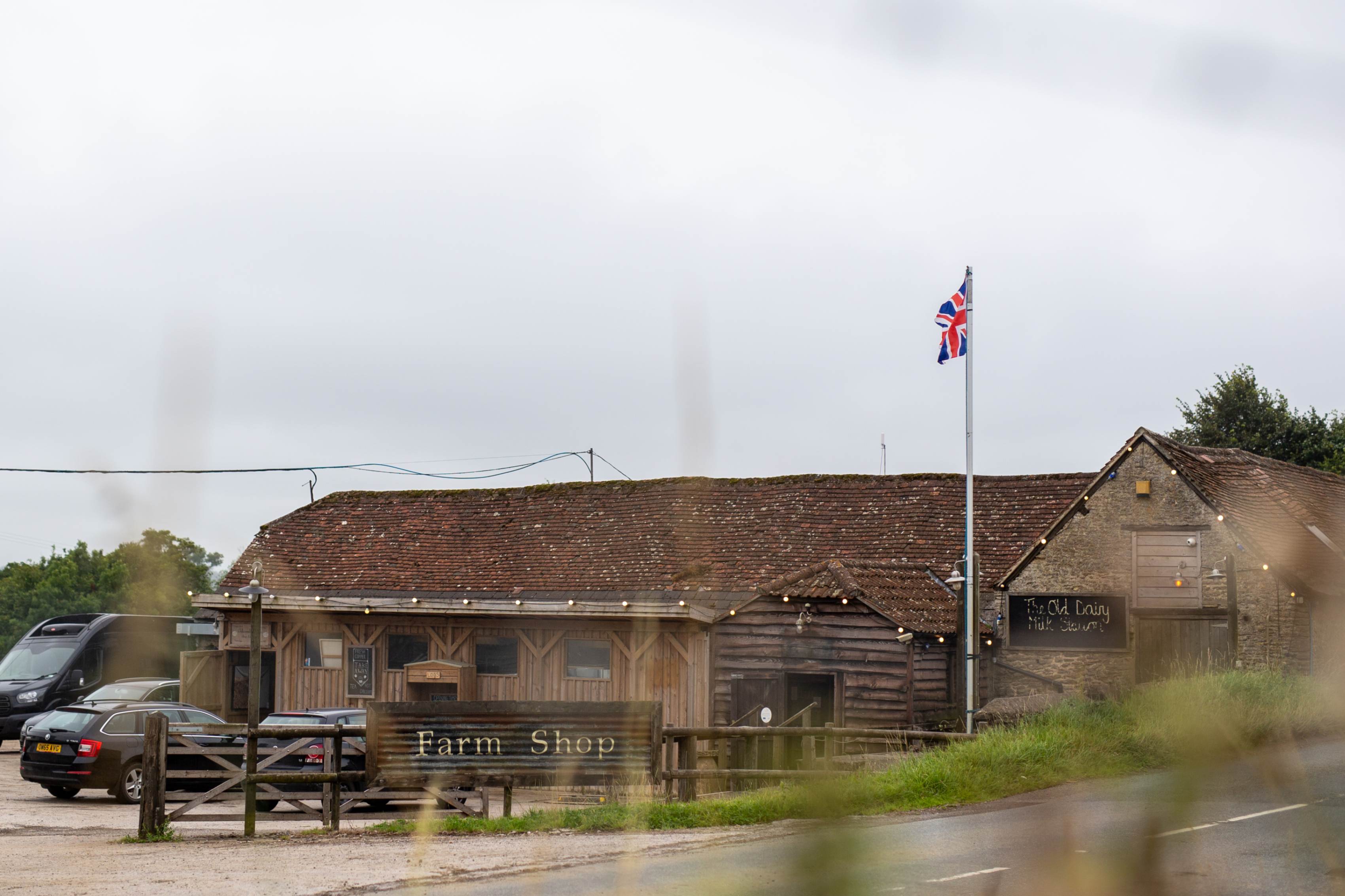
Delivering multiple income streams
Visiting an entrepreneurial client who is maximising the returns from his Somerset farm while benefiting nature
24 September 2024
Rural
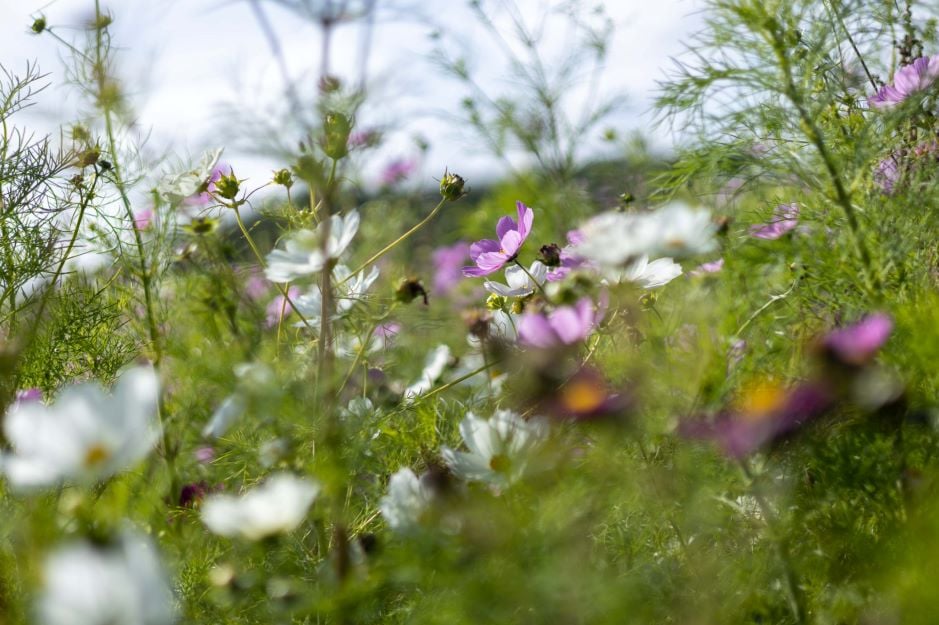
Natural capital and nature - why invest as a commercial business?
Rachel Patch and James Shepherd from our rural team explain why investing in nature makes sense. Their roles involve working with corporate and commercial businesses who own land or have sustainability goals as the natural environment becomes an increasing focus for many
24 September 2024
Rural
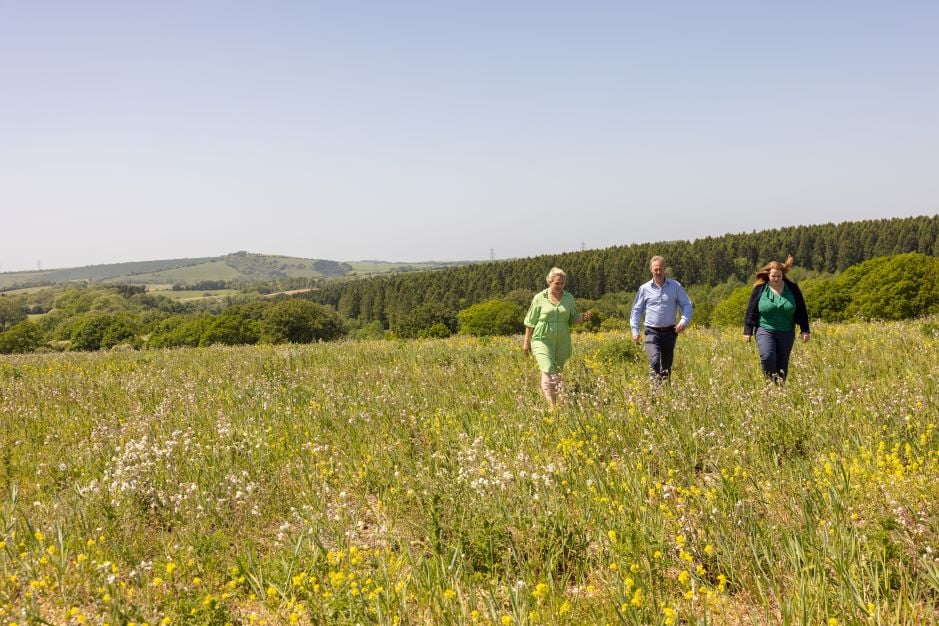
What is natural capital?
Understanding natural capital is crucial for businesses navigating today's environmental challenges. James Shepherd, Partner in the Rural Consultancy team, explores its significance, the urgent need for integration into corporate strategies, and the initiatives helping to harness natural capital and shape a sustainable future.
11 September 2024
Data insights
Rural
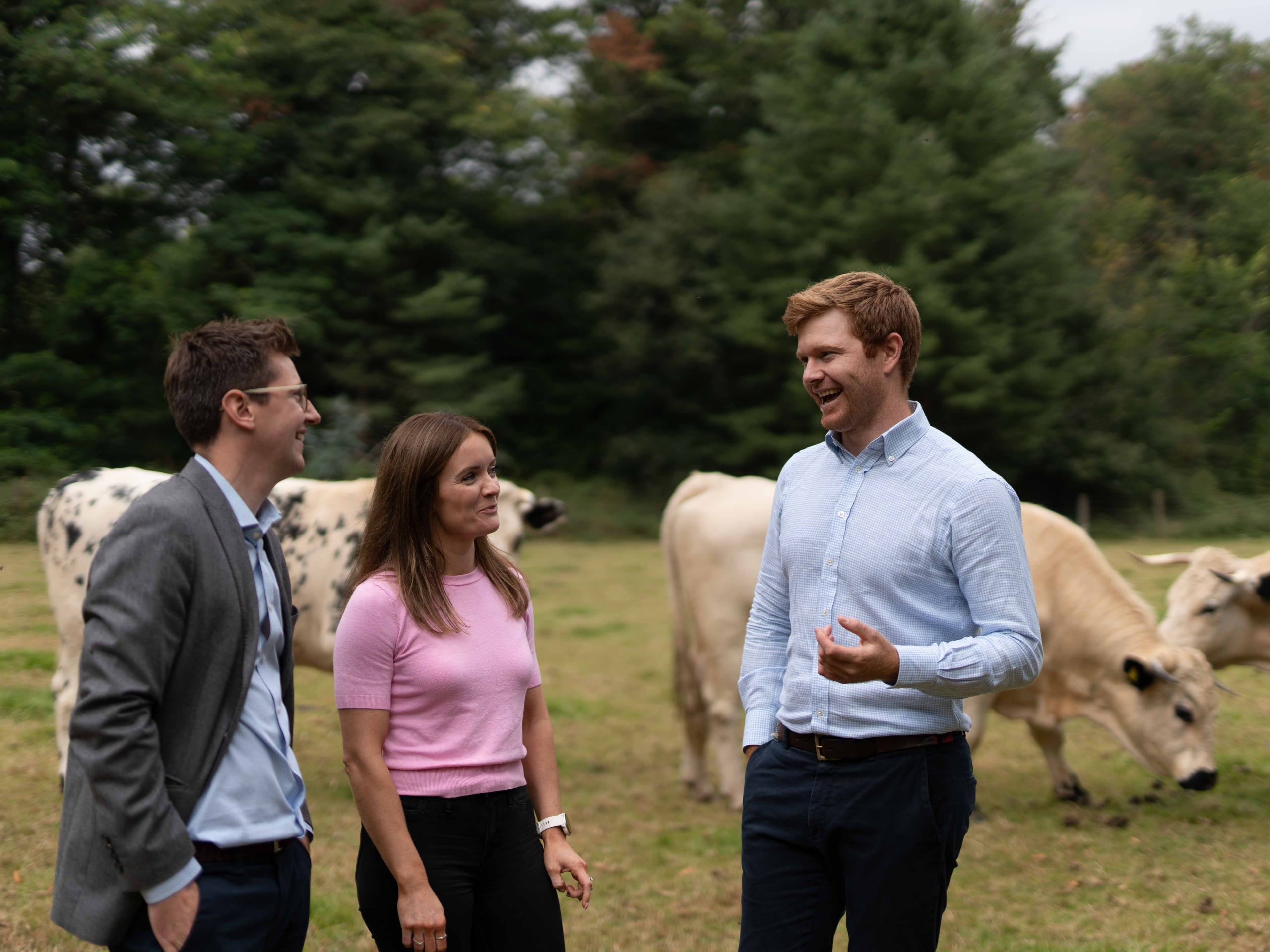
Demystifying data
A bespoke approach to data analytics delivers dividends for rural estates, but what does ‘data’ actually mean and how do you apply it?
17 November 2025
Rural
Financing the future
There’s more to refinancing debt than just finding the best interest rate.
17 November 2025
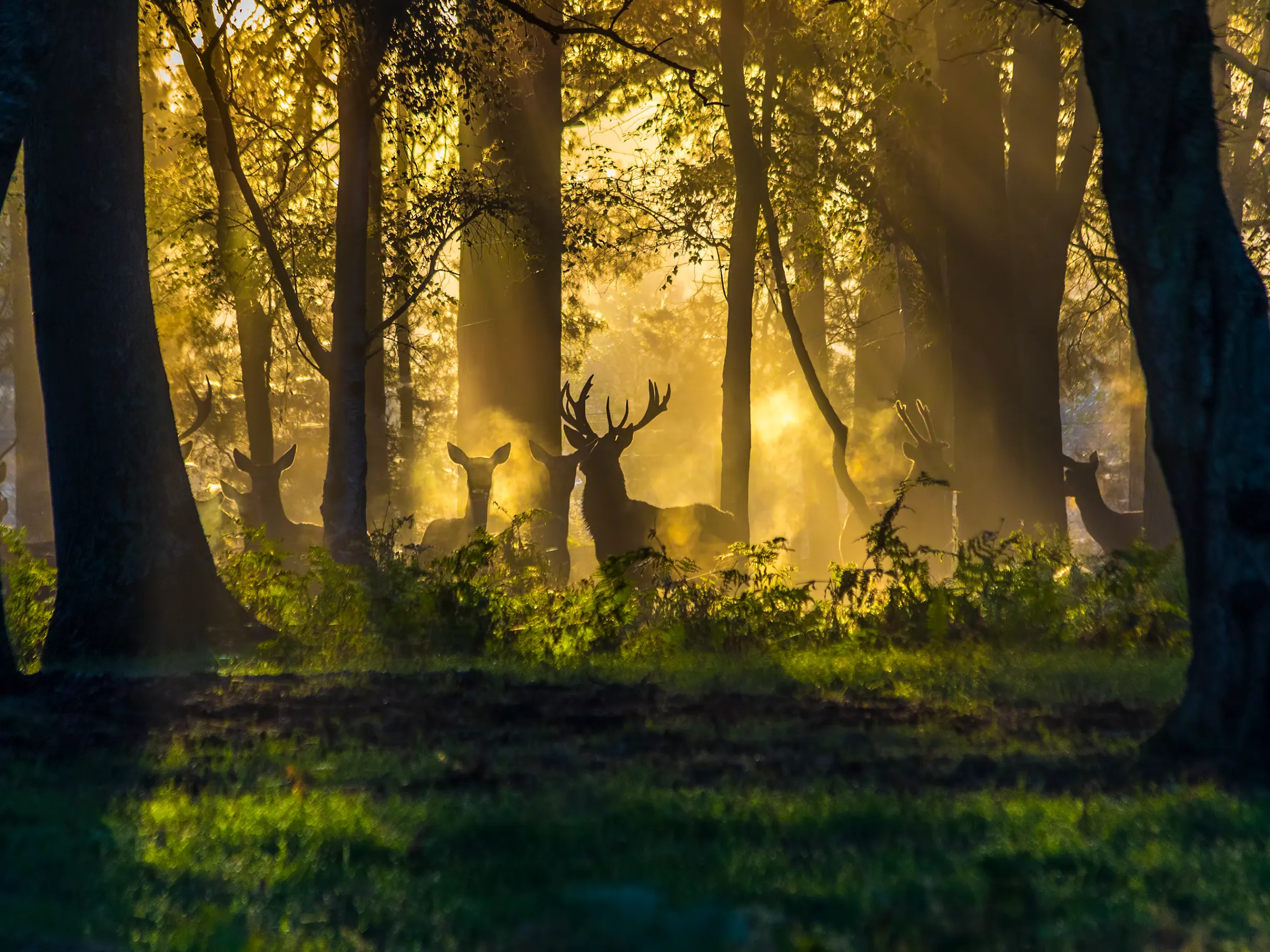
Rural
Turning complexity into clarity
A new platform promises to revolutionise the valuation, management and market for natural capital, says Dr Hosein Khajeh-Hosseiny, Founder & Chairman, Trinity Natural Capital Group.
17 November 2025
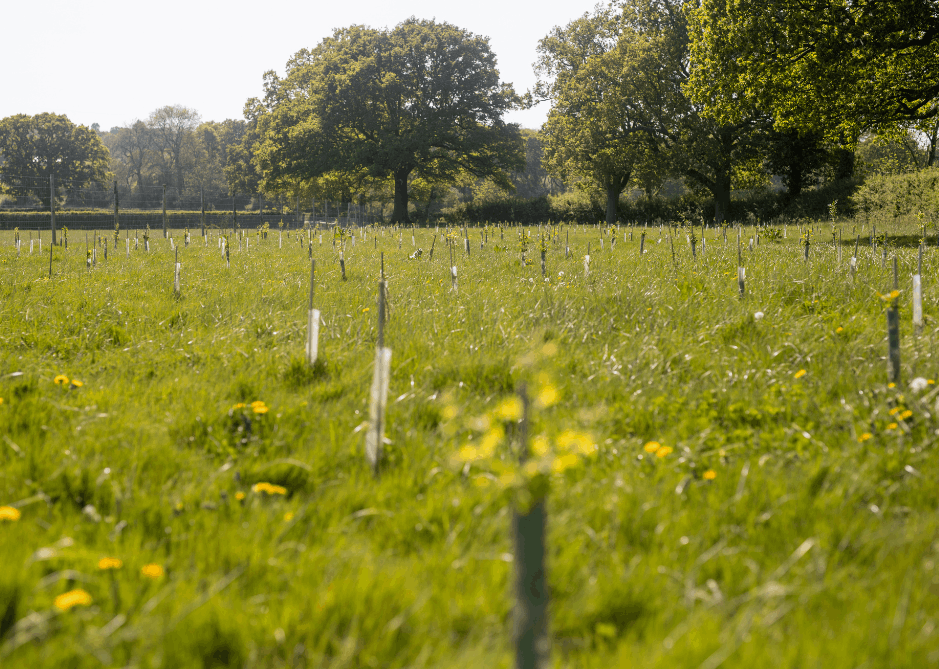
Rural
Seven ways landed estates are benefiting from smart technology
Rural estates are increasingly using digital technology and AI to become more efficient, profitable and environmentally friendly. Find out how you could benefit.
05 June 2025
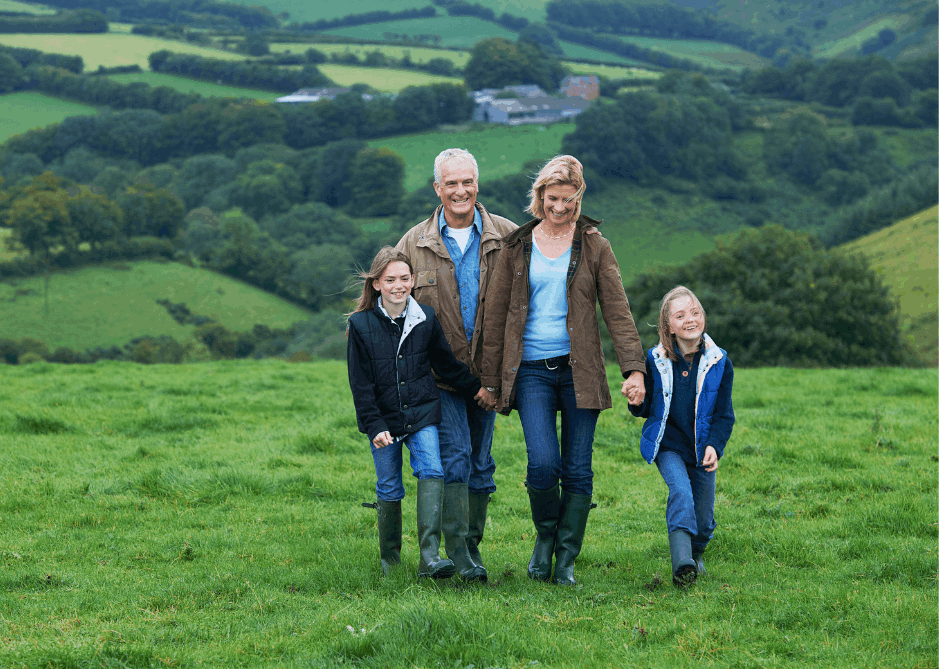
Rural
Inheritance Tax and farmland
Prompt action can help mitigate the impact of the government’s changes to the Inheritance Tax regime for agricultural property
05 June 2025

Rural
Using data to boost profits on farms and estates
Numbers are power. Various members of our Rural Consultancy team explain how accessing and using the right data can create more sustainable and profitable, whatever the nature of your rural business
24 September 2024
Viticulture



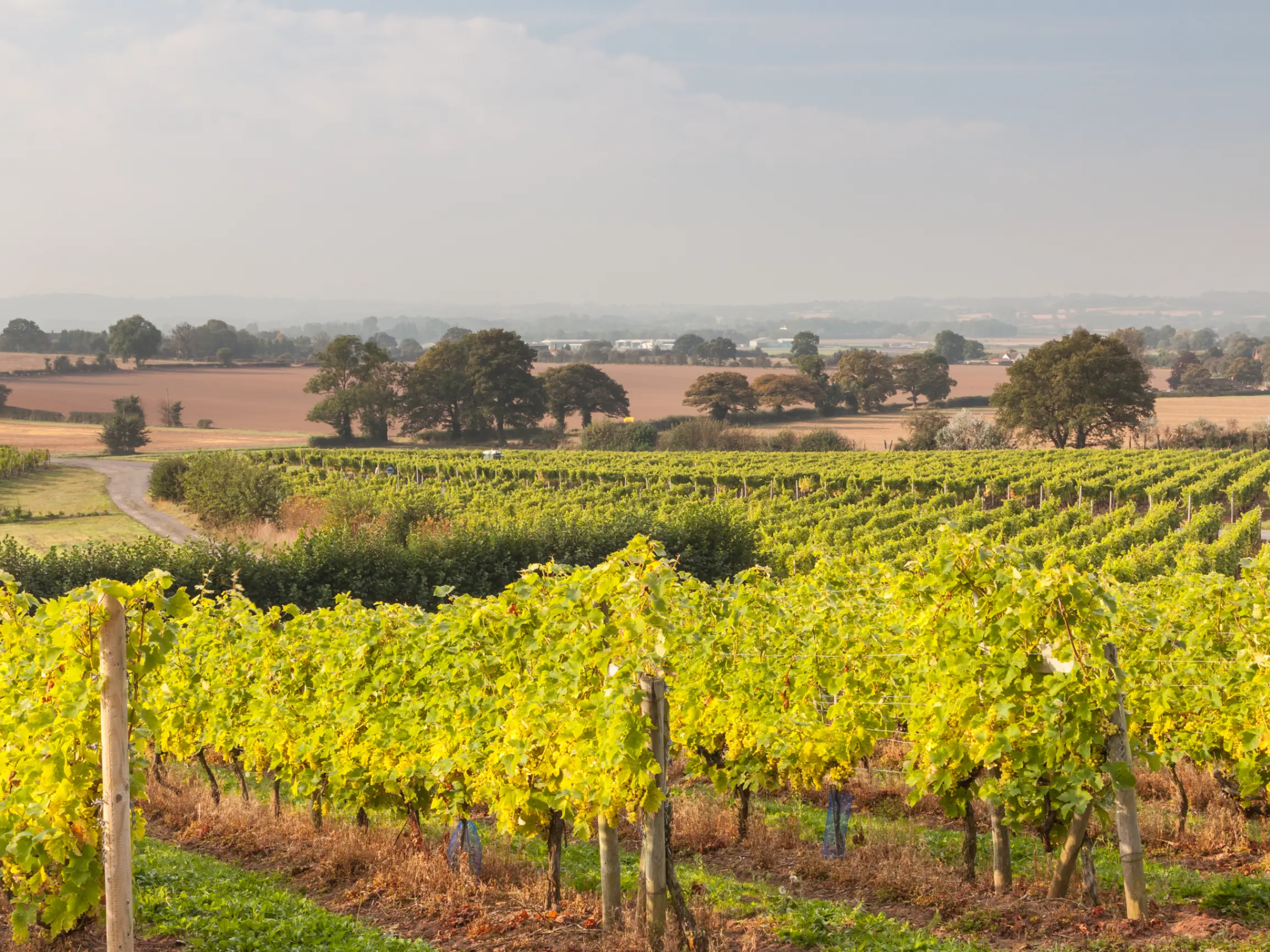
Rural
Site selection
The harvest in 2024 tested the strategic decision to be a single estate wine producer.
16 June 2026
Rural
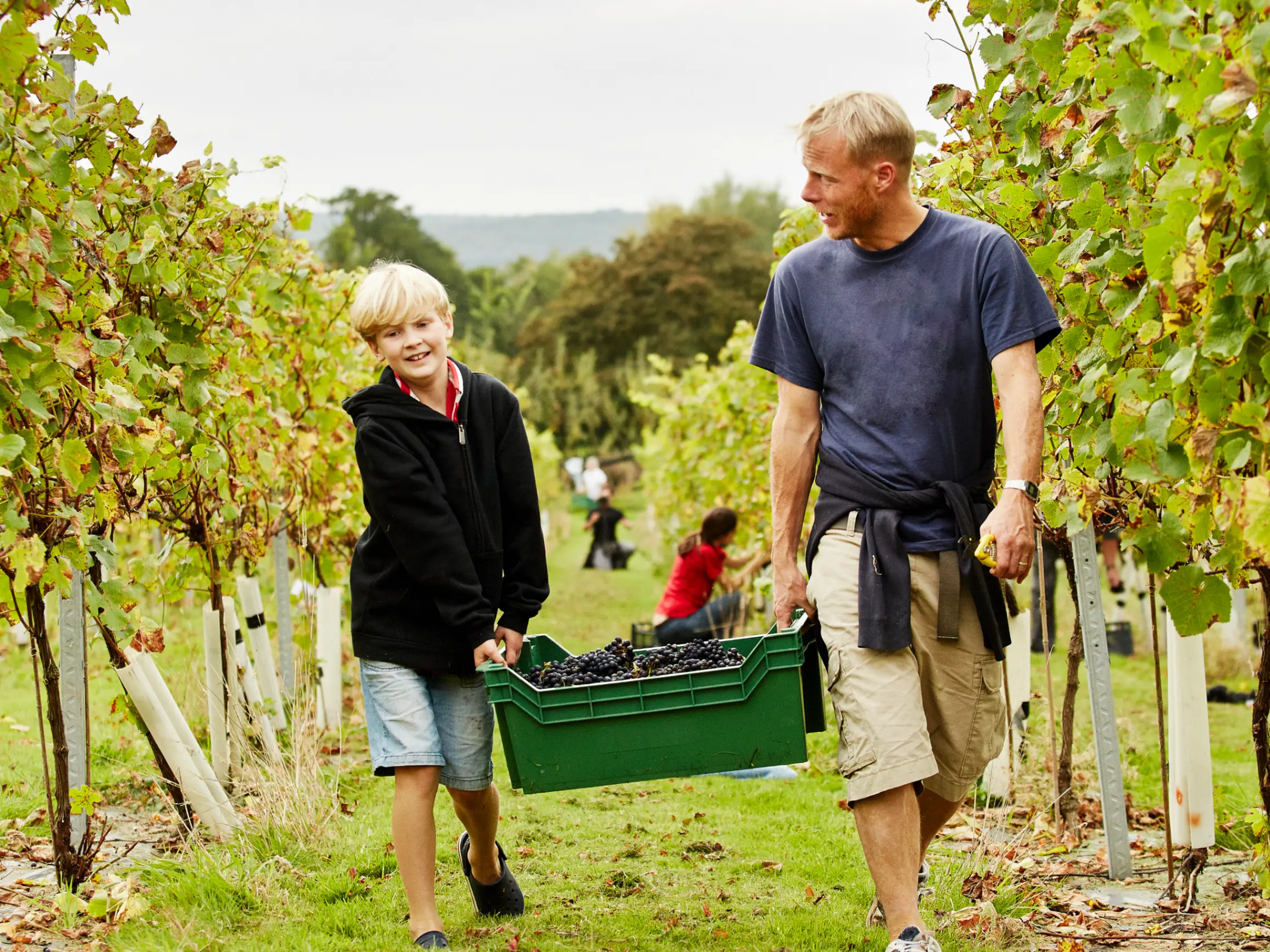
Chapter and verse: Tackling our next big problems
After a business workshop at the Wine GB Conference at Plumpton in April, I address some of our sector’s biggest needs.
15 June 2026
Rural
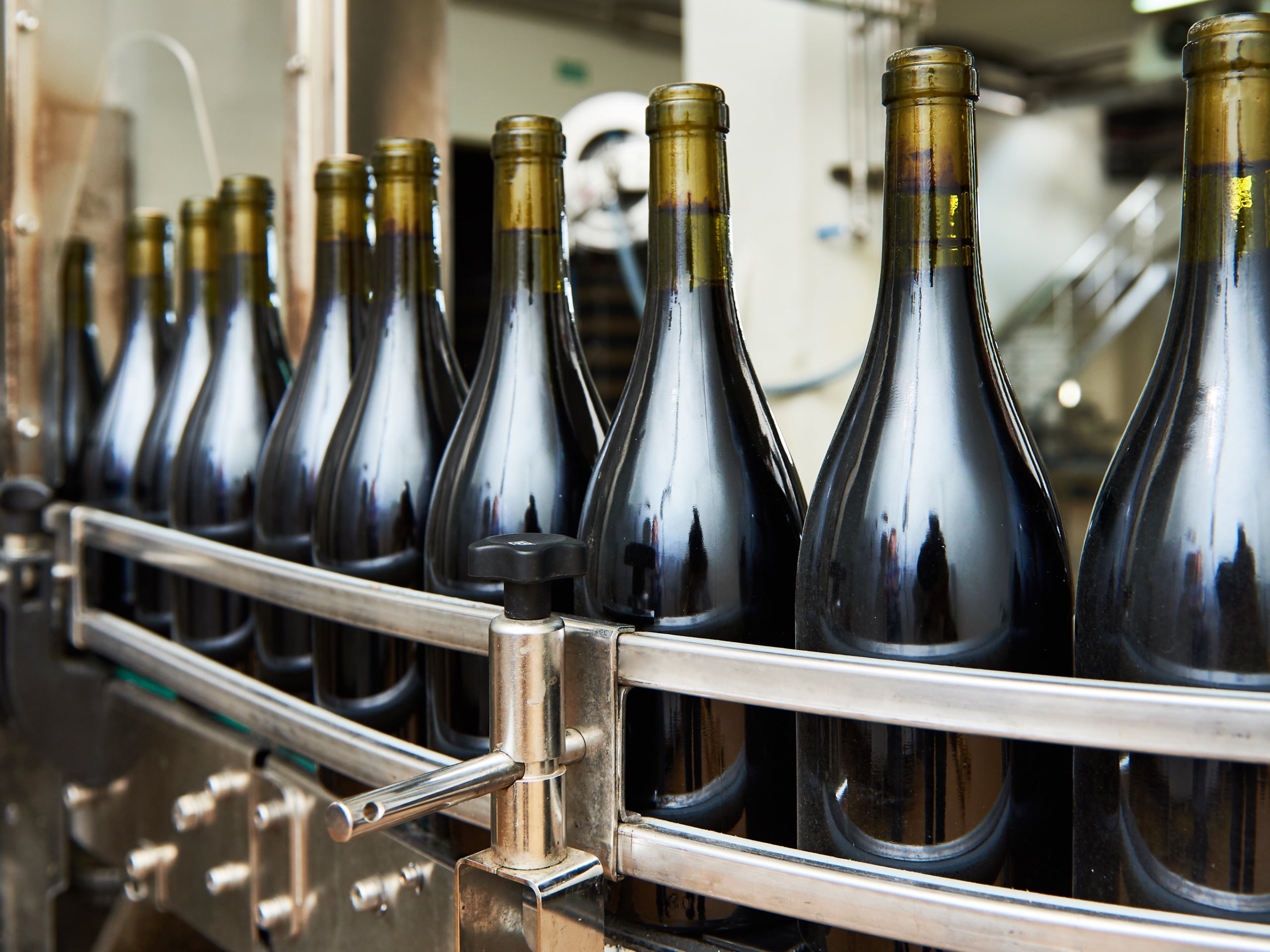
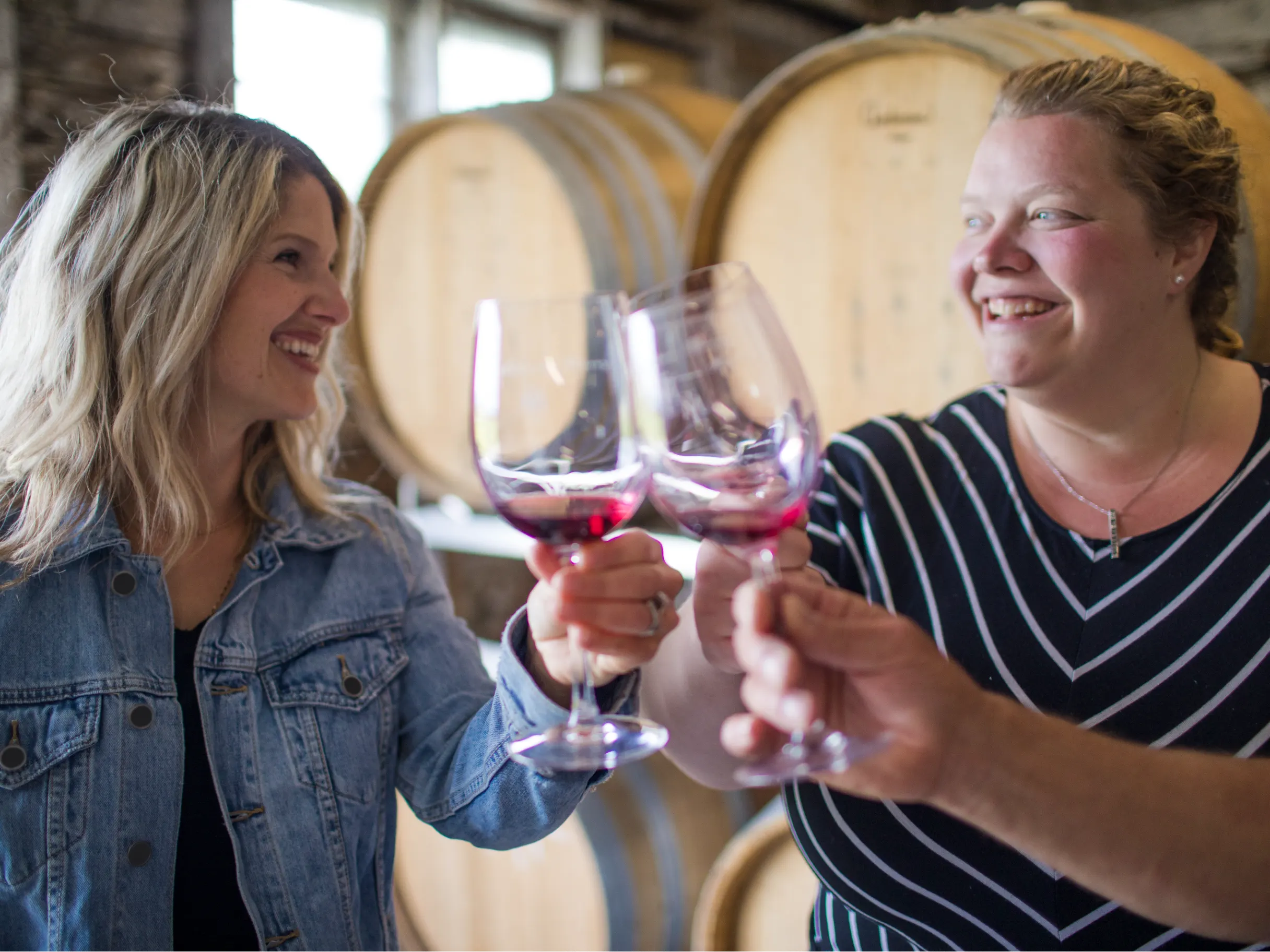
Wine business models
One of the most interesting parts of my job as a vineyard agent is getting to know the businesses and the people behind them, within wine.
12 June 2026
