

Inside the modern ski chalet: the design principles shaping Alpine homes
As mountain homes evolve into year-round retreats, experts share how nature, wellness and timeless design come together to create the perfect Alpine chalet

As mountain homes evolve into year-round retreats, experts share how nature, wellness and timeless design come together to create the perfect Alpine chalet
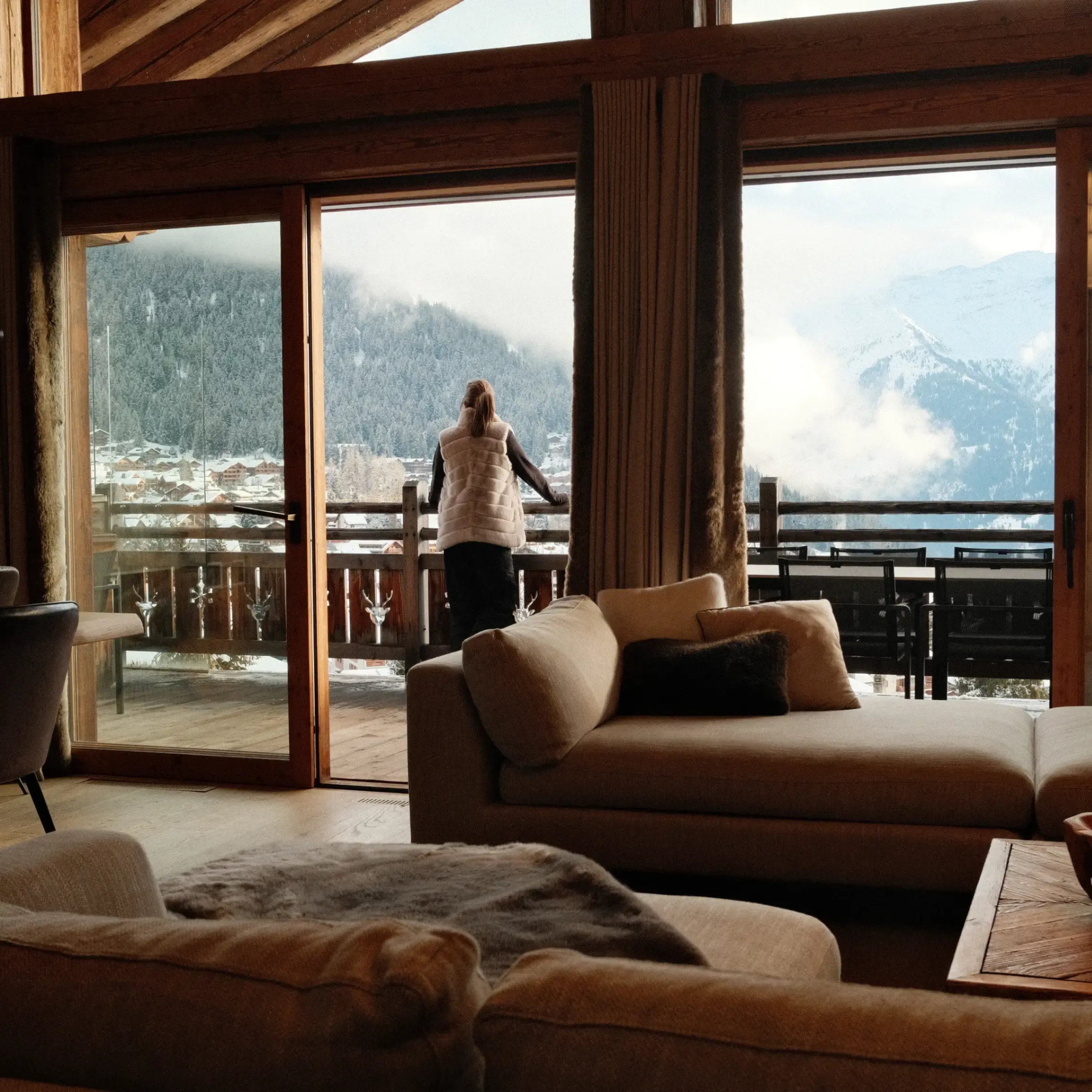
Stepping off the slopes into the warmth of a chalet after a day in the mountains is one of life's great luxuries. Yet the modern Alpine home has evolved far beyond its traditional role as a seasonal ski base.
Increasingly, buyers are spending longer periods in the mountains and returning throughout the year, viewing their chalet not simply as a holiday retreat, but as a home to enjoy throughout the year. The shift is reflected in Knight Frank's latest The Alpine Report, which reports that summer flight schedules into five mountain gateway airports are expected to reach 92% of winter volumes, while Switzerland recently recorded 25.2 million hotel nights during the summer season, compared with 18.6 million in winter.
"In the Alpine market, we're seeing that properties are no longer used for just a handful of weeks a year. They are places to connect with family and friends, but also homes that can be passed down through generations," says Nicola Christinger, an Associate in Knight Frank's International team. "Buyers are seeking homes that combine wellness, outdoor adventure and a slower pace of life, and design has evolved to reflect that shift."
The dramatic landscapes of the Alps have always shaped chalet design. Traditional homes relied on timber and stone construction and wide, overhanging eaves to withstand heavy snowfall and changing mountain weather. Contemporary chalets continue to respond to their environment, but with a greater emphasis on light, openness and connection to the outdoors. Expansive glazing, wraparound terraces and carefully positioned living spaces are now designed to maximise views and blur the boundaries between indoors and out.
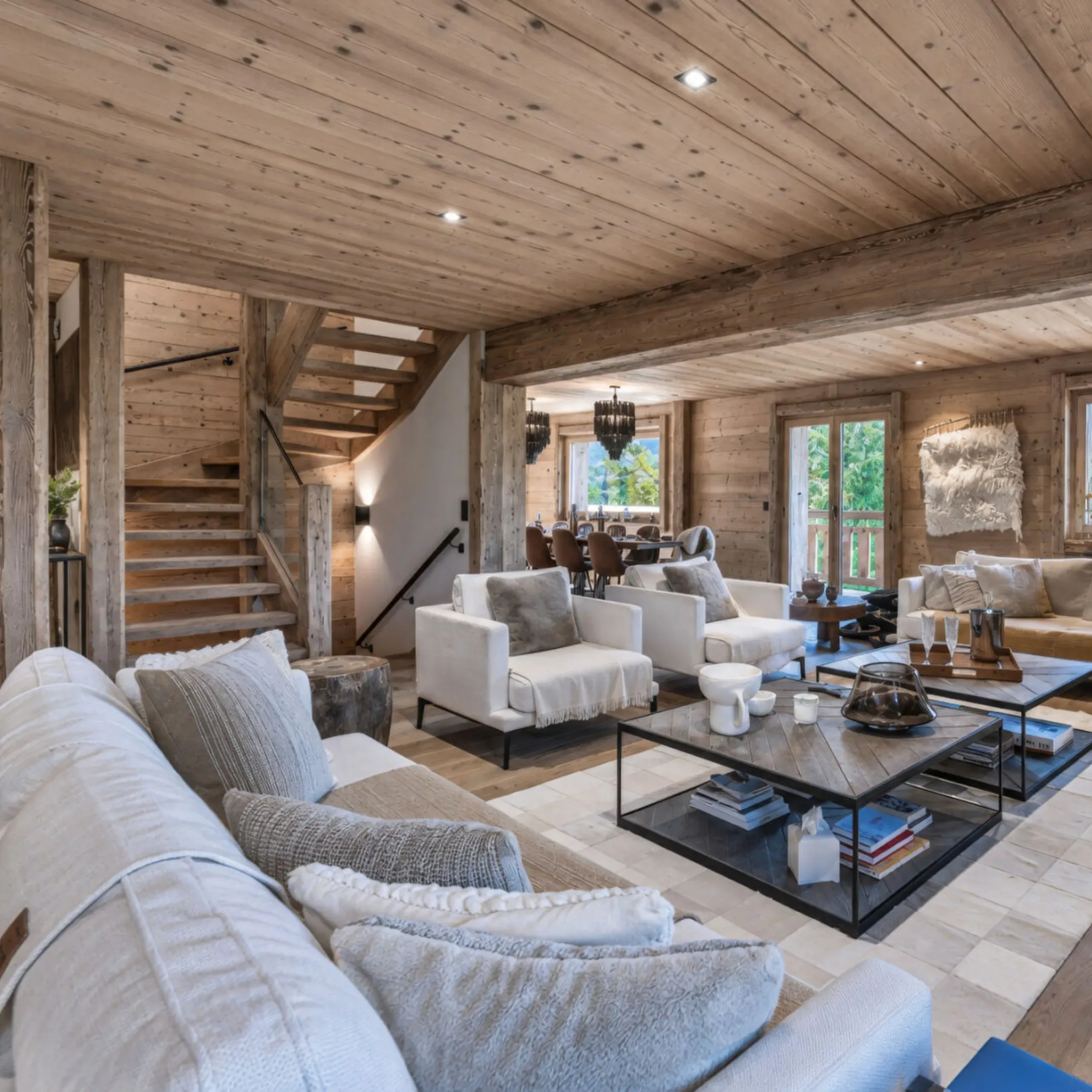
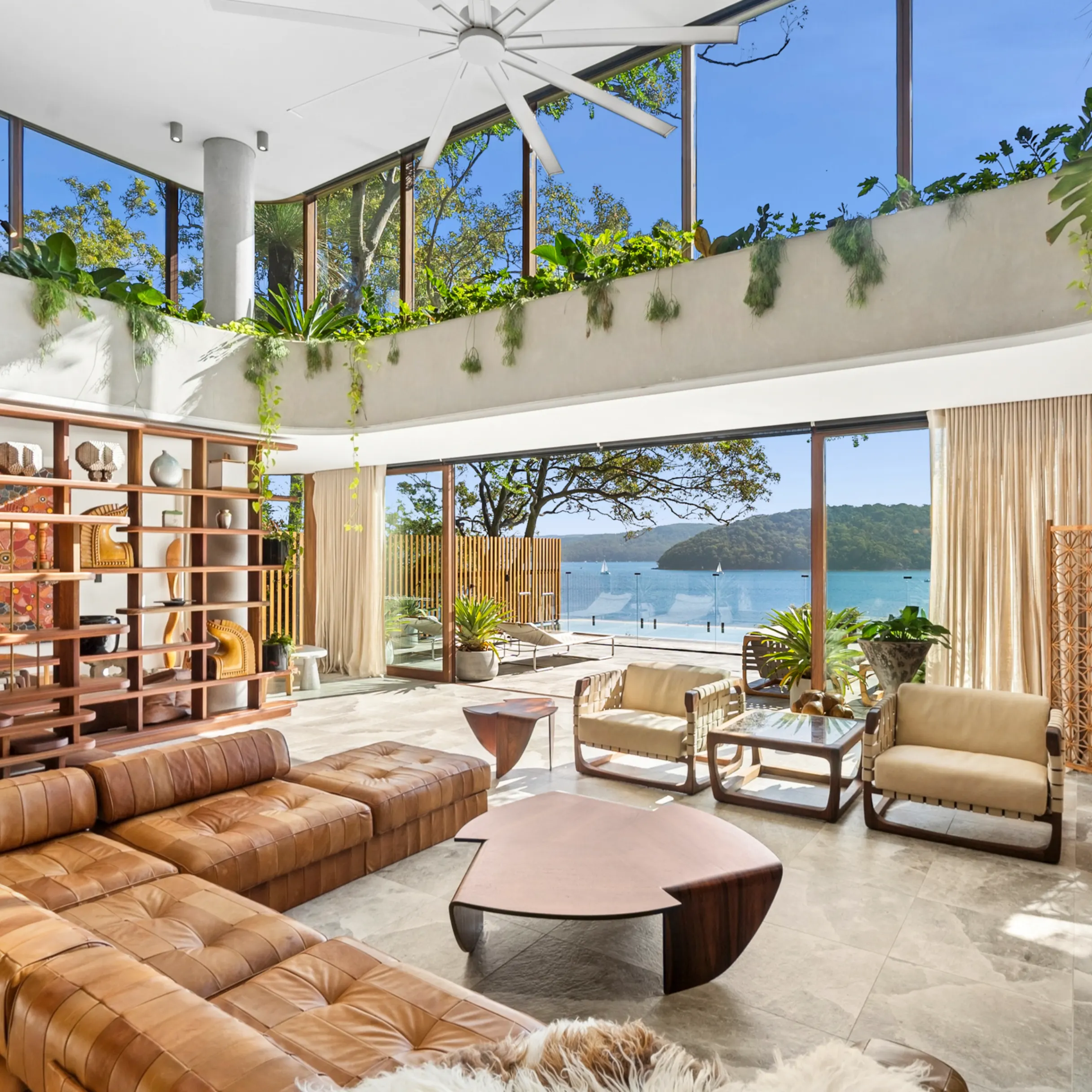
That relationship with the landscape increasingly informs the interiors, too. "If it's a natural environment outside, then homeowners want the interiors to feel natural too," says Christinger. "They don't want the interior to conflict with the beauty outside. The beauty has to come inside."
For Lauren Lear, Design Director at the Accouter Group of Companies, every project begins with understanding the home’s setting. “The landscape is such a huge part of the design process, and really, it's often where we start. When you have those extraordinary mountain views, you want to celebrate them rather than compete with them,” she says.
“We love drawing inspiration from the natural surroundings, whether that's through beautifully textured timber, local stone or a softer palette inspired by the changing seasons. It's also about how natural light moves through the space and creating moments where the outside feels connected to the interior. Ultimately, you want the home to feel as though it belongs in its setting.”
The influence of nature goes beyond aesthetics. Sustainability is also becoming a more natural and integral part of the design conversation. This might mean sourcing locally crafted furniture and natural materials, embracing innovative products that give new life to waste, or investing in beautifully made pieces designed to last.
“Ultimately, it’s about creating modern heirlooms; pieces that can be enjoyed, treasured and passed down through generations,” she adds. “In mountain environments, the performance of the building is particularly important too, so good insulation, energy efficiency and considered heating solutions all play a role. We also believe that creating timeless interiors is a form of sustainability in itself. A home that still feels beautiful in twenty years is far more meaningful than one designed around passing trends.”
The evolution of chalet design has been gradual rather than revolutionary. While Alpine homes remain rooted in local traditions and craftsmanship, today’s buyers are increasingly seeking interiors that feel more modern and adaptable to year-round living.
“We're definitely seeing a move away from the more traditional, heavily rustic chalet aesthetic towards something that feels lighter, more contemporary and versatile,” adds Lear. “People want their mountain homes to feel just as beautiful in the summer as they do in the winter. That means introducing fresher palettes, more considered material combinations and spaces that can adapt to different needs.”
This shift is also reflected in the amenities buyers prioritise. Alongside classic chalet features such as ski rooms, fireplaces and underfloor heating, homes are increasingly being designed for life beyond the ski season. Outdoor terraces and secure bike storage have become valuable additions as mountain resorts continue to develop their summer offering, with ski lifts transforming into bike lifts during the warmer months.
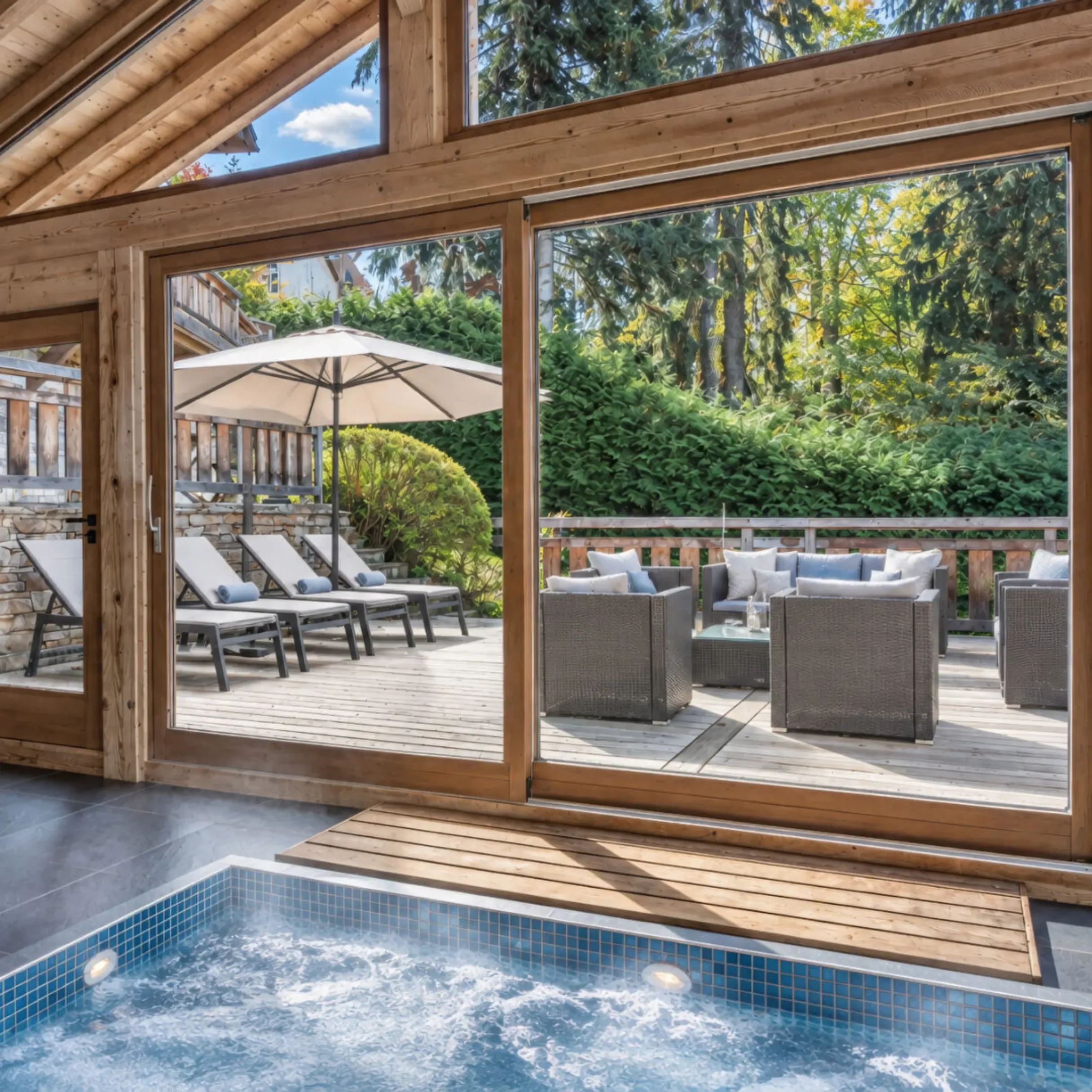
The growing focus on health and wellbeing extends inside the home, too. “A spa used to be a nice to have. Now it’s almost a given, and having amenities such as a plunge pool or jacuzzi is increasingly becoming the norm,” says Christinger.
Designing for multiple generations is becoming increasingly important as buyers look for homes that bring family and friends together. Priorities range from generous entertaining spaces and large dining areas to flexible bedroom accommodation with en-suite bathrooms. Accessibility is moving higher up the agenda, too, reflecting the desire for homes that can be enjoyed by every generation for years to come. “It’s about thinking about the needs of all the family,” adds Christinger. “For example, many bigger chalets in the French Alps now have lifts in them, and not just those in the super-prime (€10 million+) range but also in the €3 million to 5 million range too.”
In many of the Alps' most established resorts, a limited supply of homes means buyers are often competing for a finite number of exceptional properties. With stock remaining scarce in many sought-after locations, buyers are increasingly focused on securing homes that are ready to enjoy from day one.
“Recently the demand has been centred around turnkey properties, as the cost of materials and the logistics that go into renovating an Alpine property can be challenging,” says Christinger. “However, if people are unable to find the property they want in a location they love, there may be more of an appetite for spending time putting their own stamp on it.”
Renovating in the Alps can undoubtedly be rewarding, but it comes with unique challenges. Planning regulations vary from region to region, while logistics can be complex, from securing specialist contractors and transporting materials up mountain roads to navigating restrictions on major construction works during the ski season.
Lear believes Alpine design will continue to evolve alongside changing patterns of ownership and use. “I think we're going to see a continued move towards more understated, personalised luxury. Less of the obvious chalet styling and more beautiful craftsmanship, interesting material combinations and pieces that have a real sense of individuality,” she says.
“There's also a lovely shift towards interiors that feel lighter and more connected to nature, without losing that wonderful warmth you associate with an Alpine retreat. Wellness, sustainability and discreetly integrated technology will continue to play an important role, but I think the biggest change will be in how people use these homes. They're evolving into homes to be enjoyed throughout the seasons.”
For those looking to capture the warmth and character of an Alpine retreat, Lear shares her top design principles for creating a welcoming chalet interior:
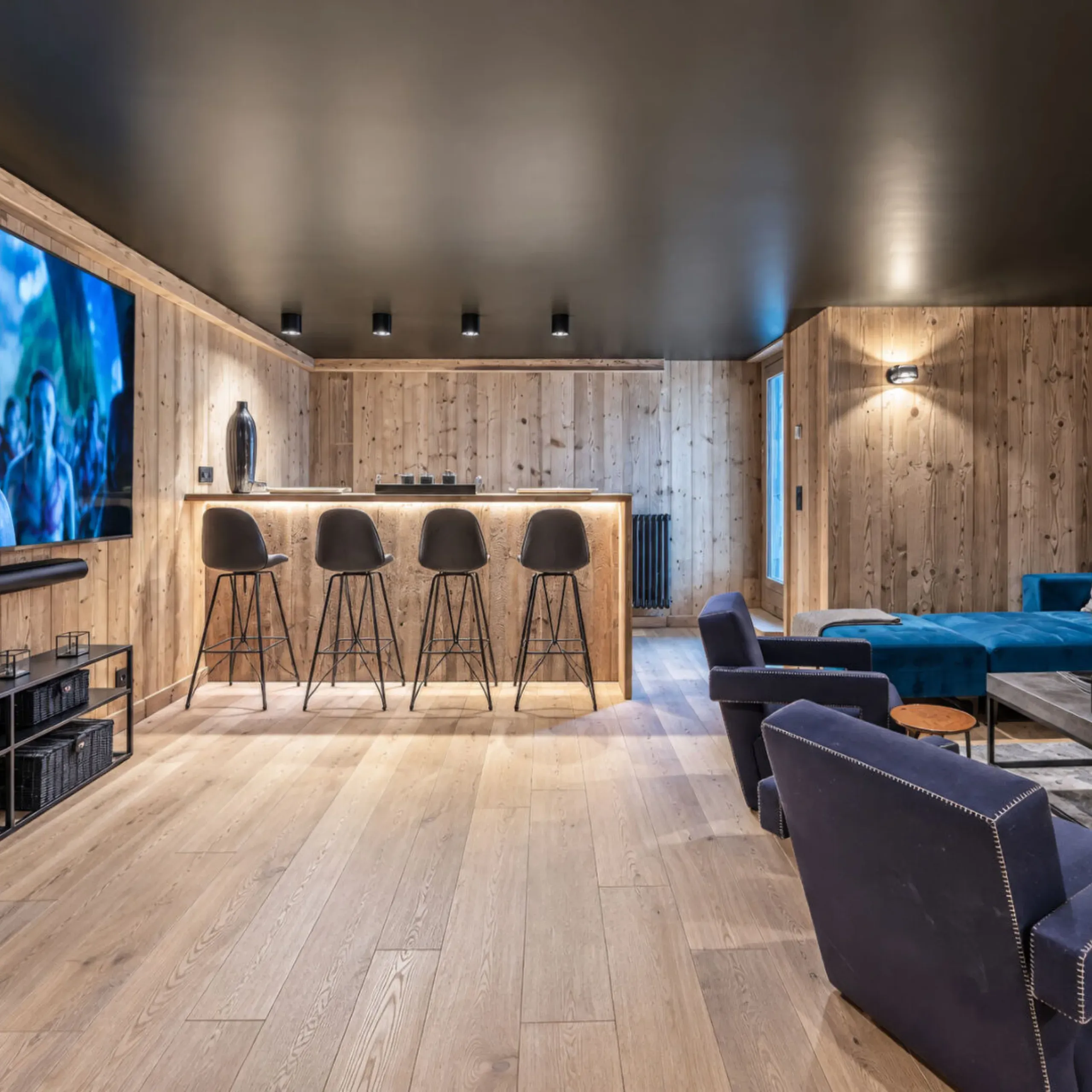
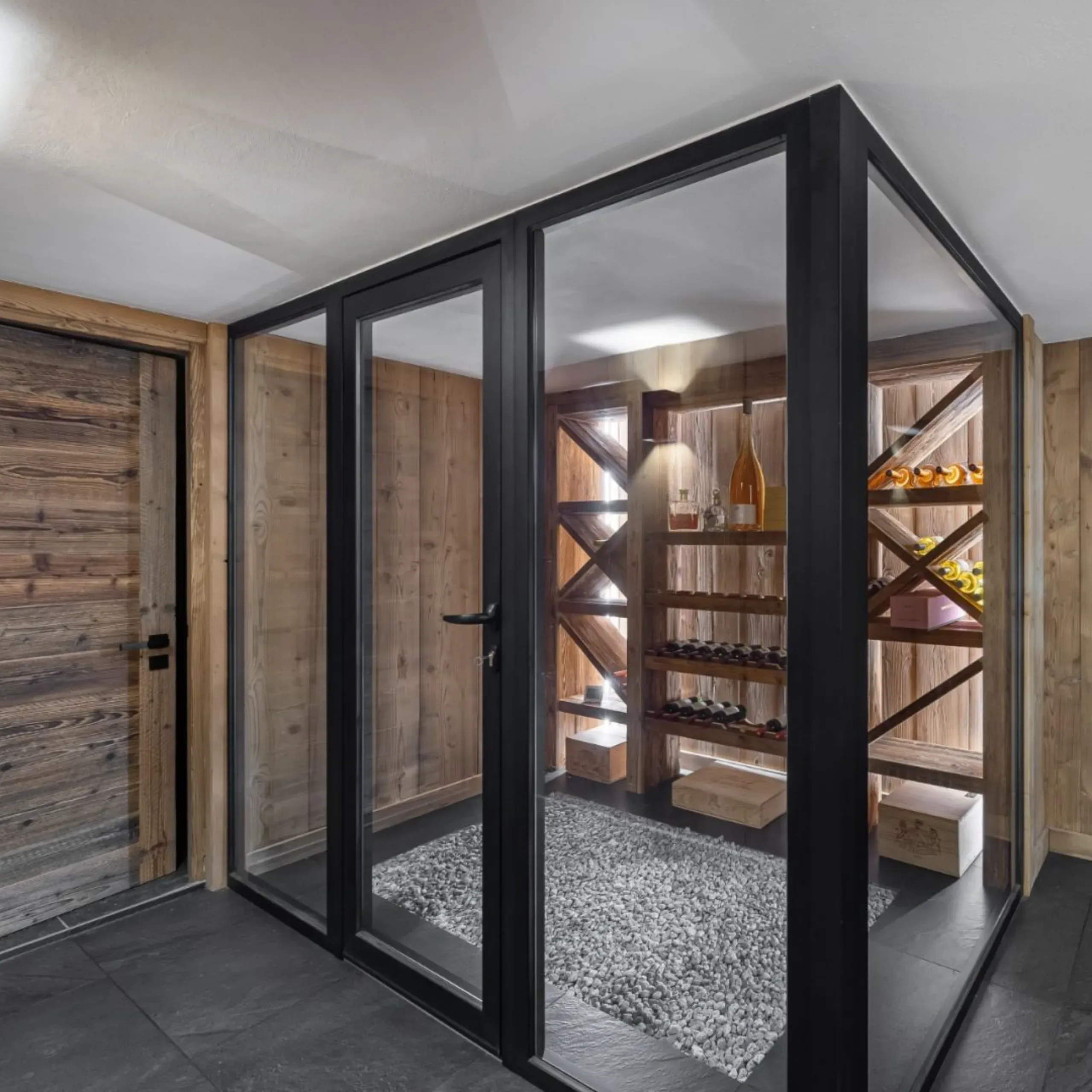
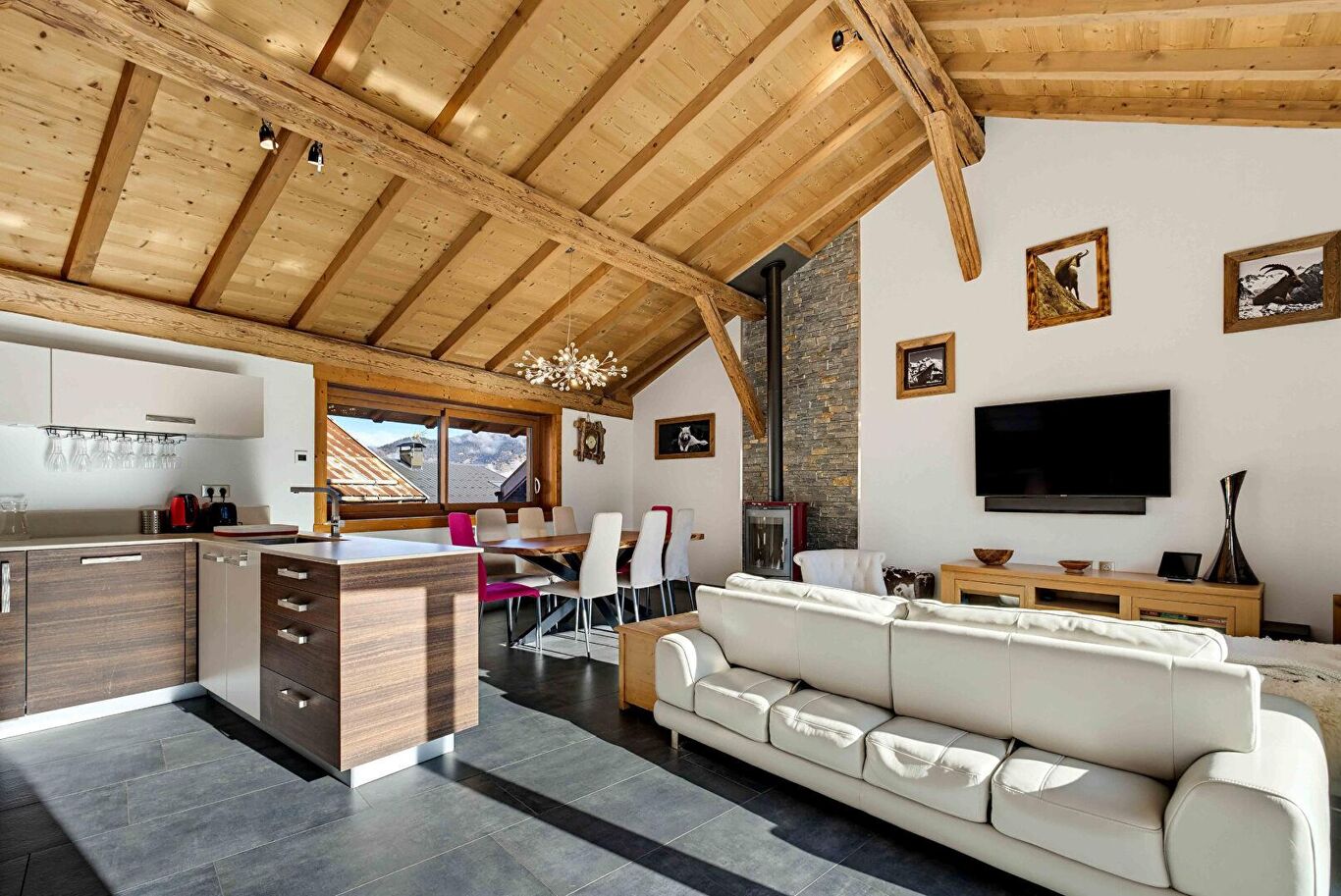
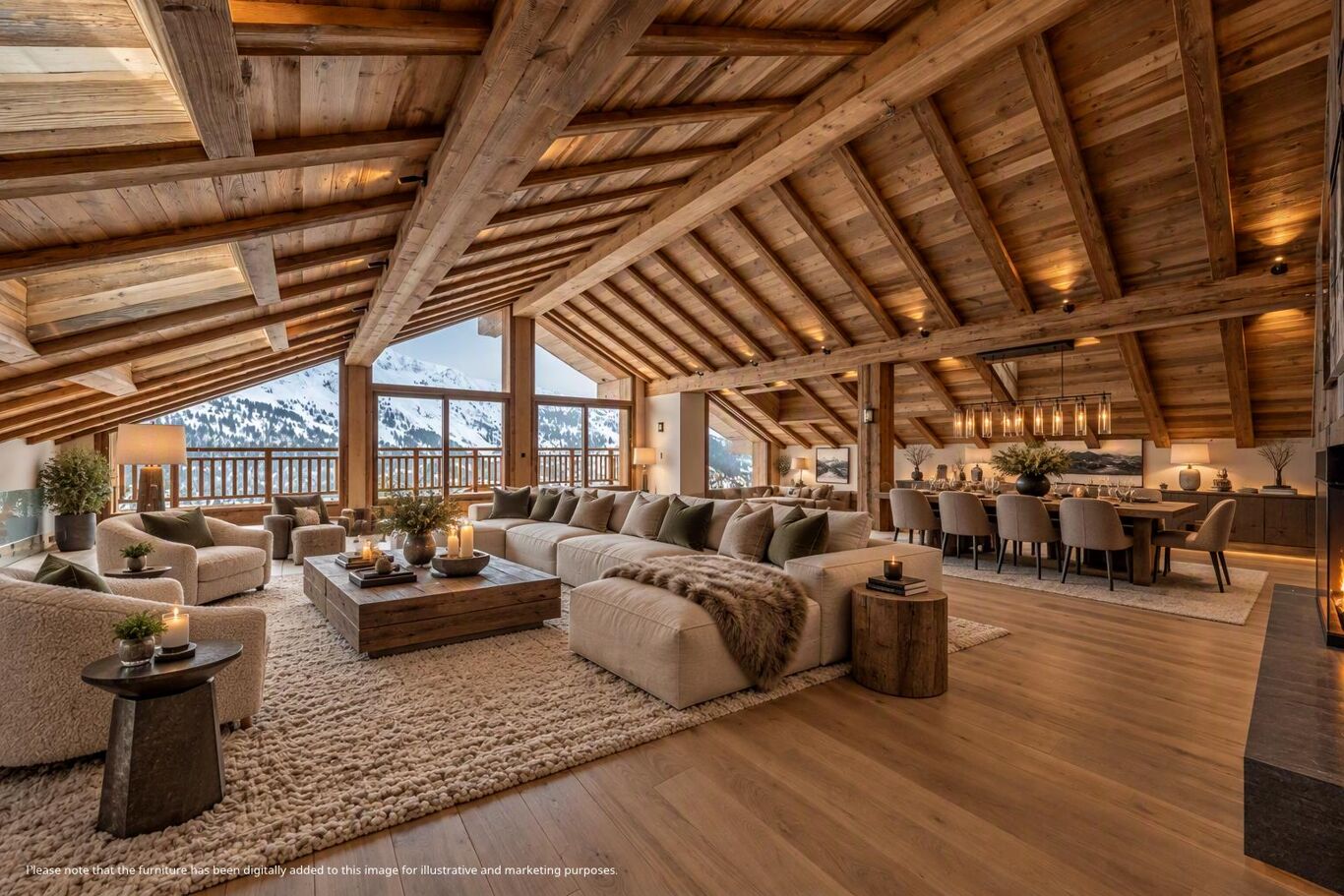
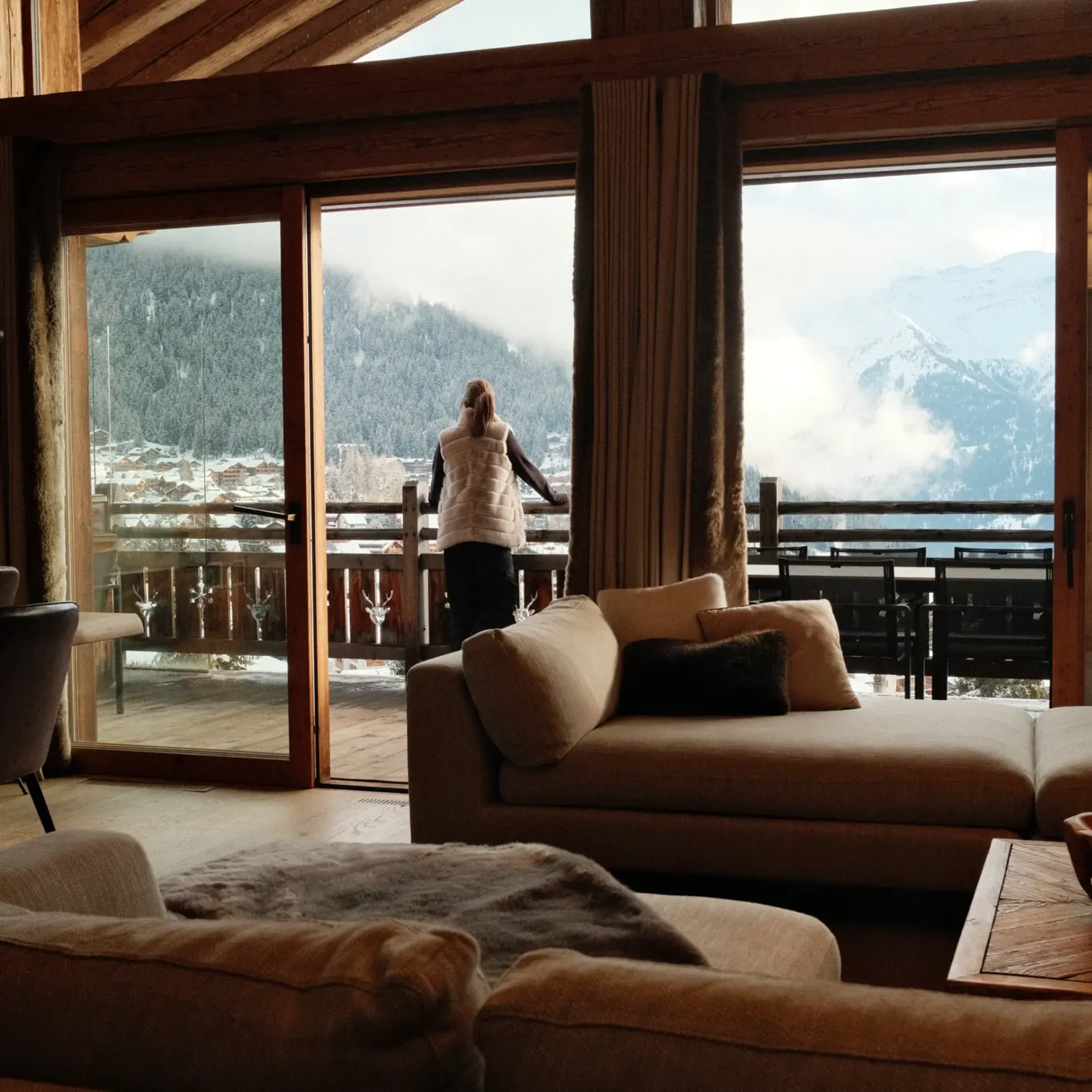
Interior imagery from this seven-bedroom chalet for sale in Megève.
House, 0.25 acres


Apartment
Apartment, 82.53 sqm

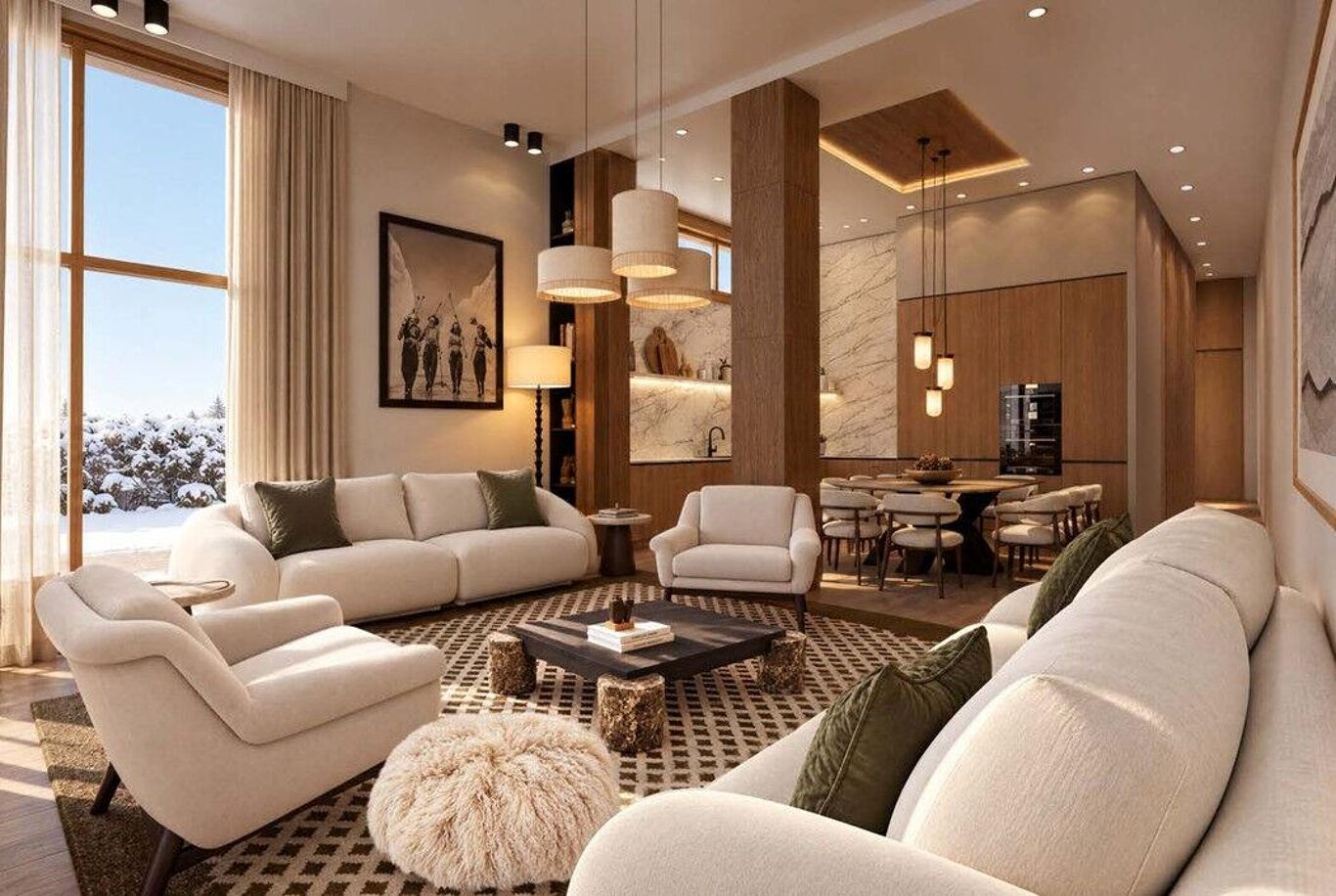
Apartment, 145.9 sqm
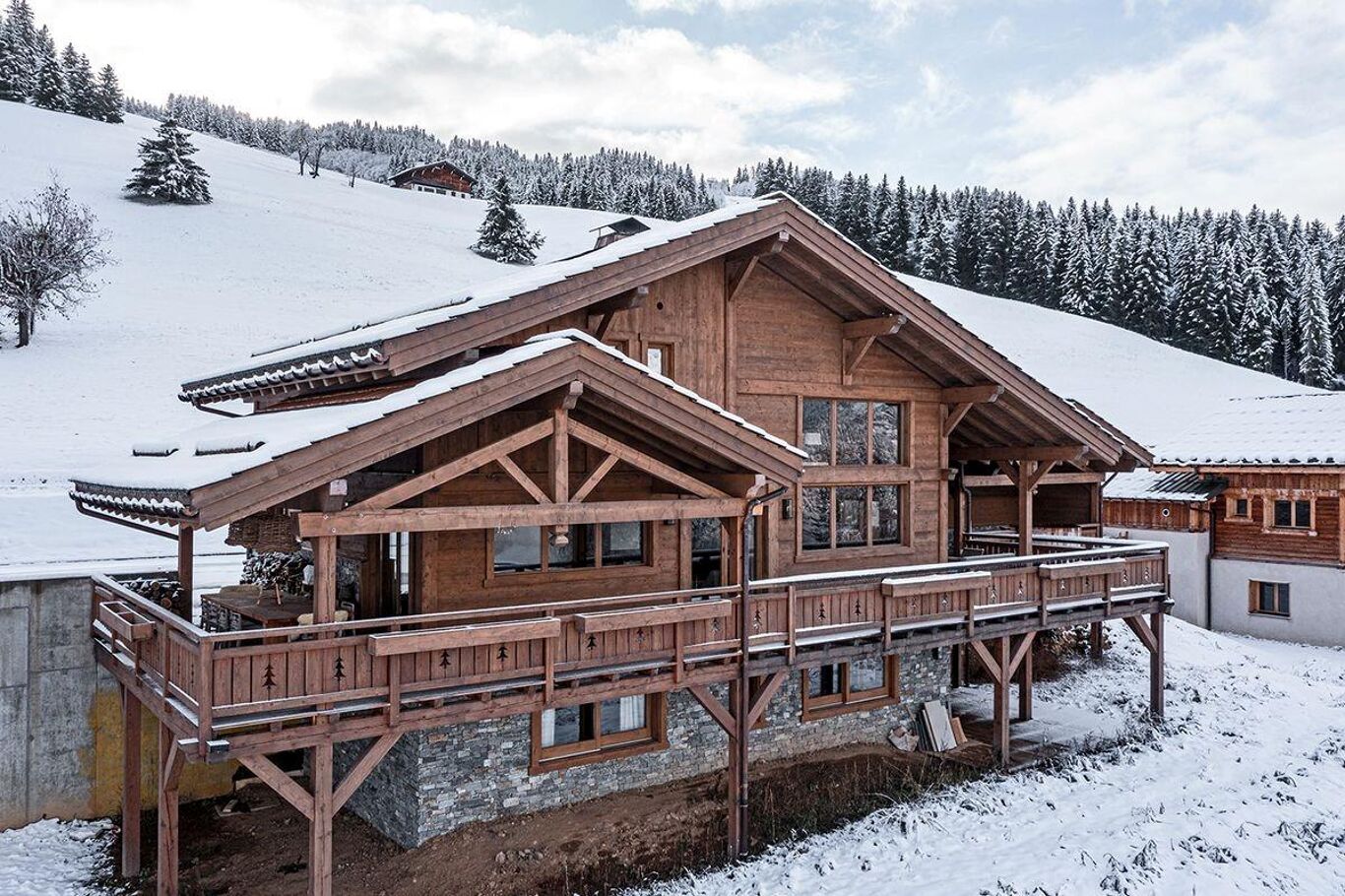
Chalet, 310 sqm
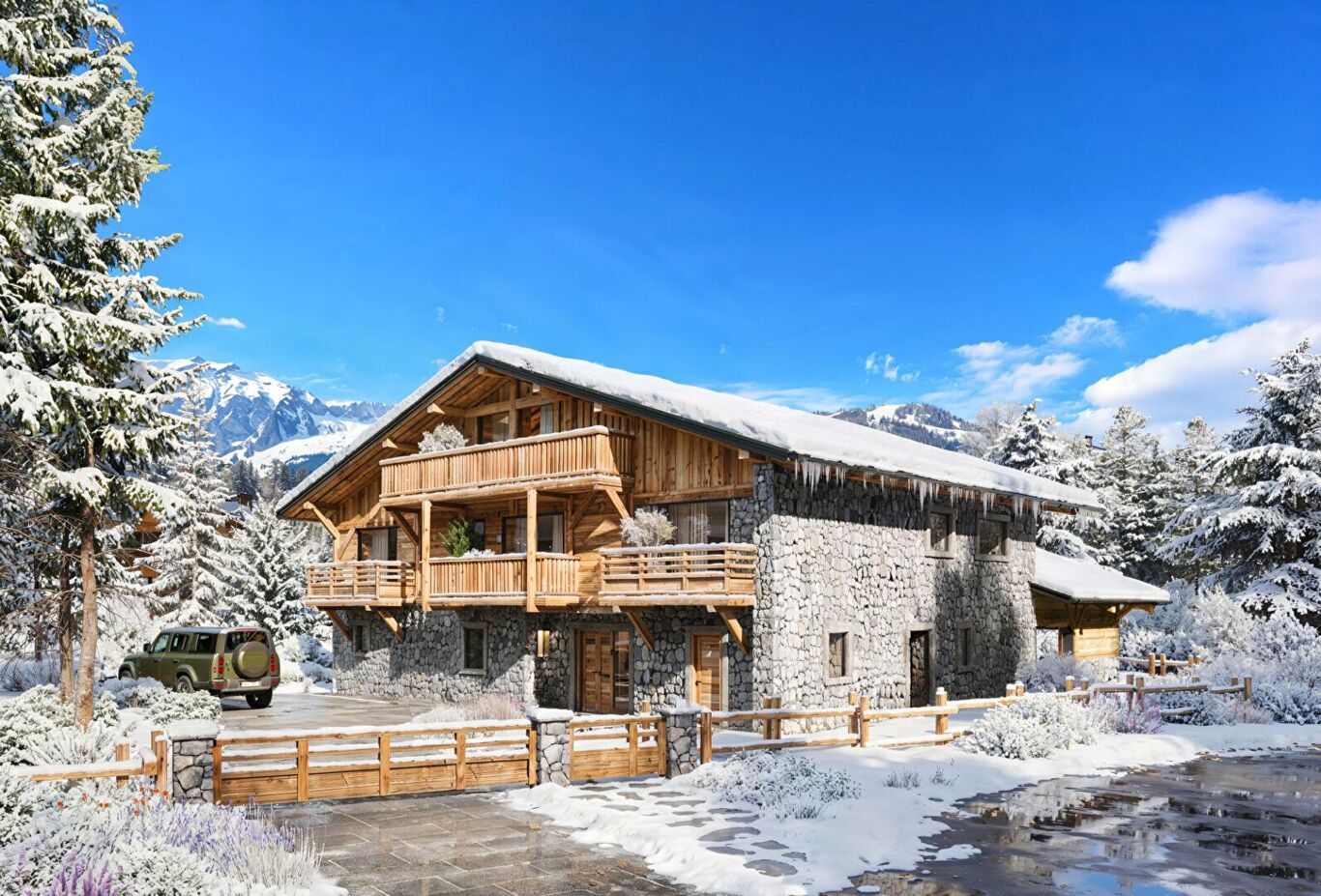
Chalet, 700 sqm
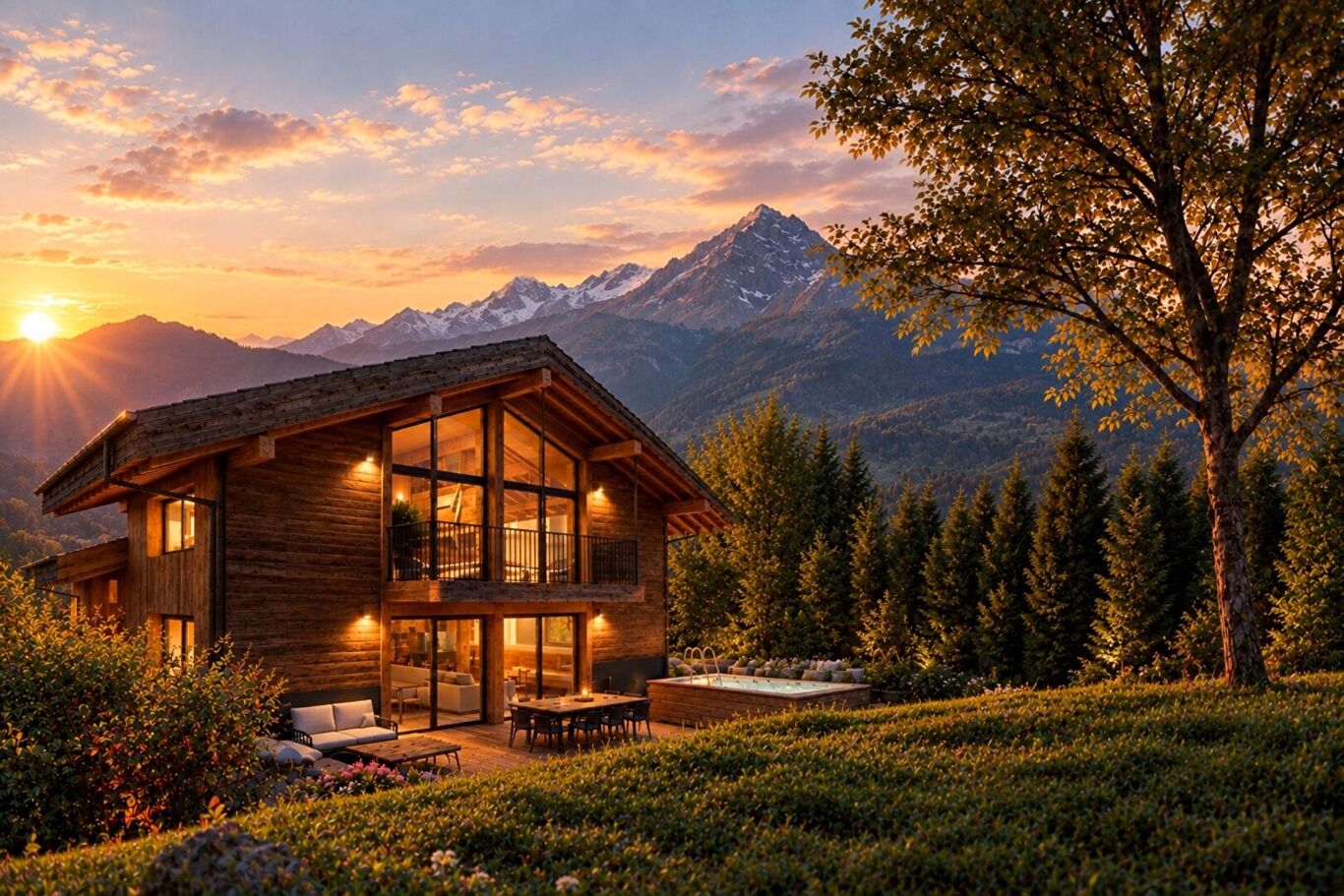
Chalet, 224.8 sqm
Penthouse, 545.6 sqm
Chalet, 280 sqm
Chalet, 159.6 sqm
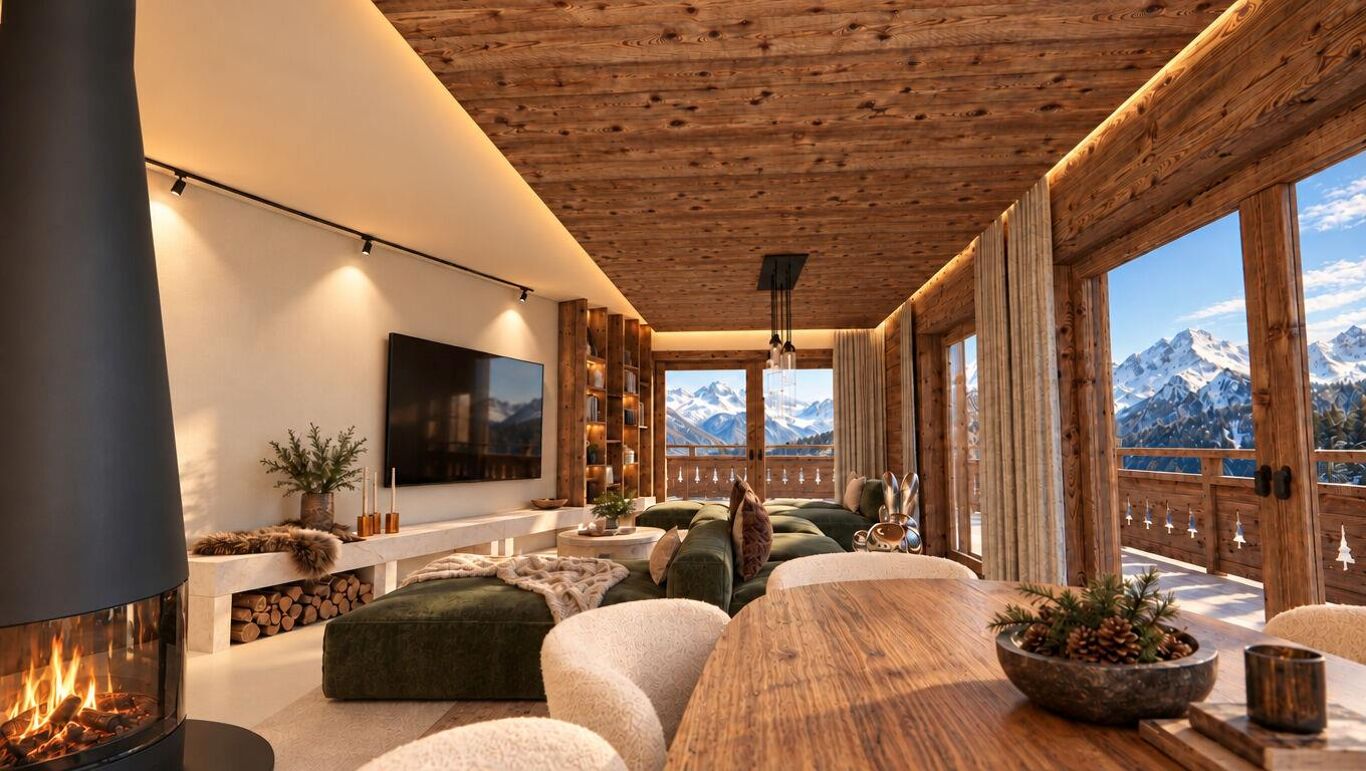
Chalet, 200 sqm

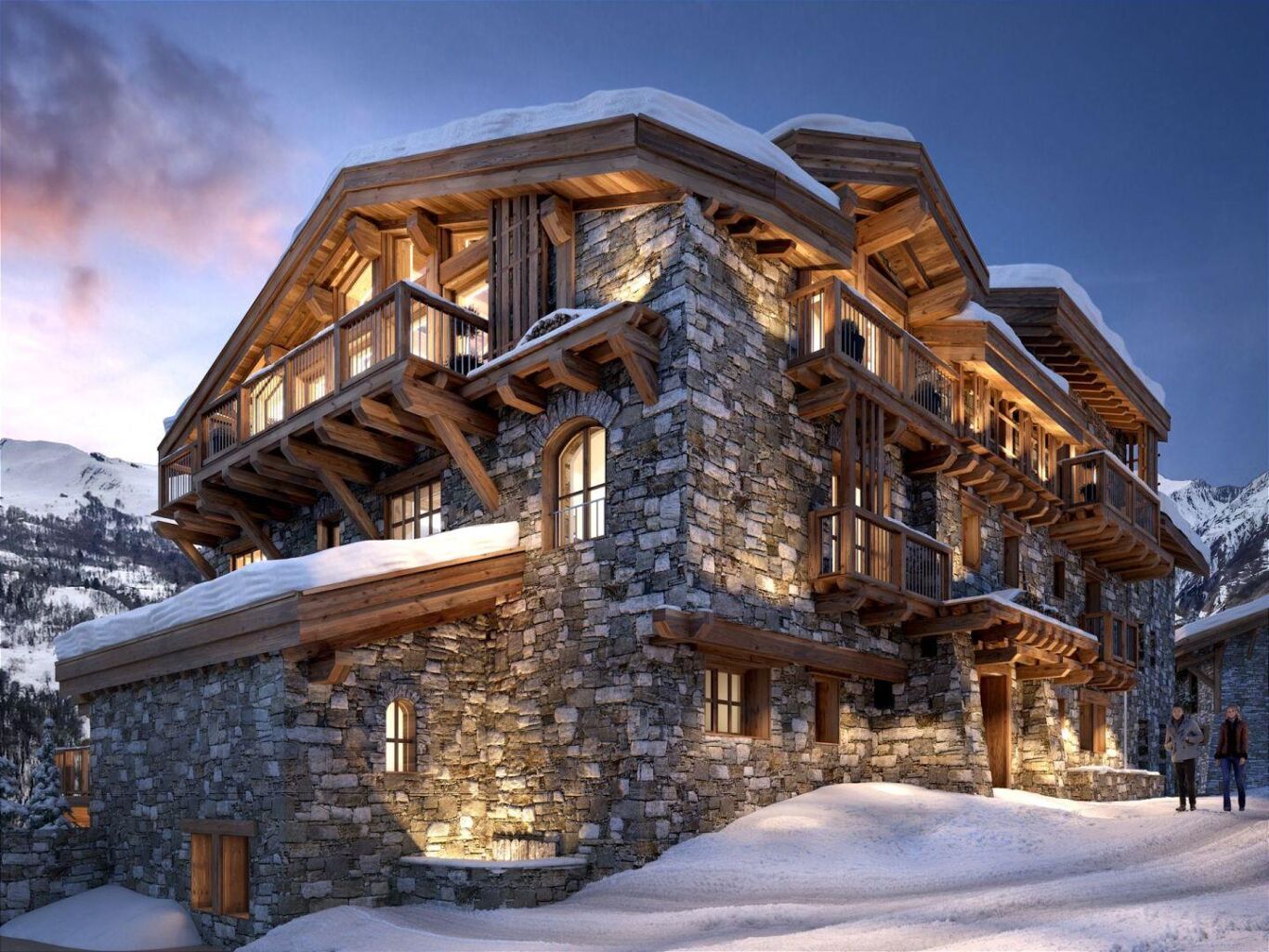
Apartment, 117.7 sqm
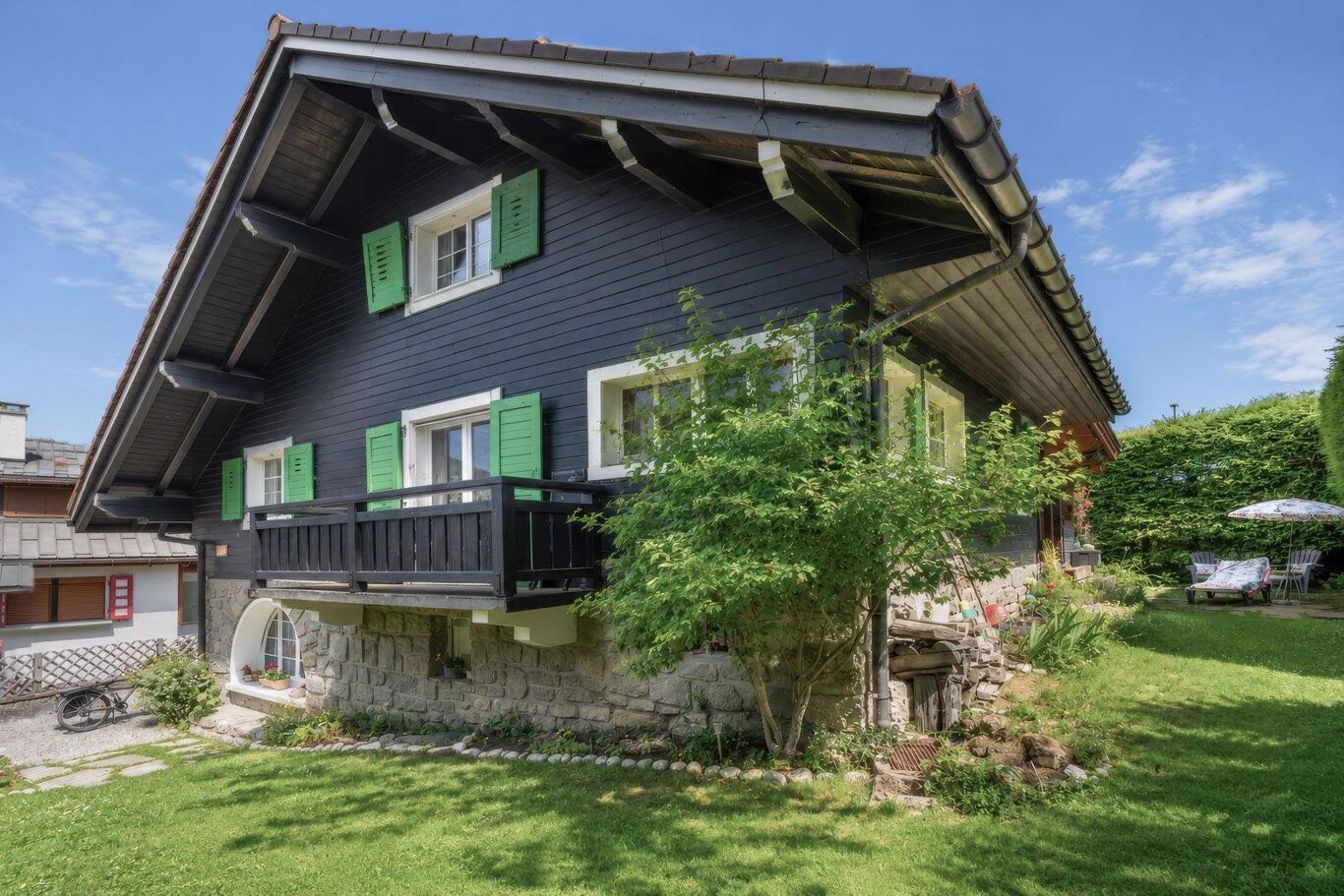
Chalet, 193.3 sqm
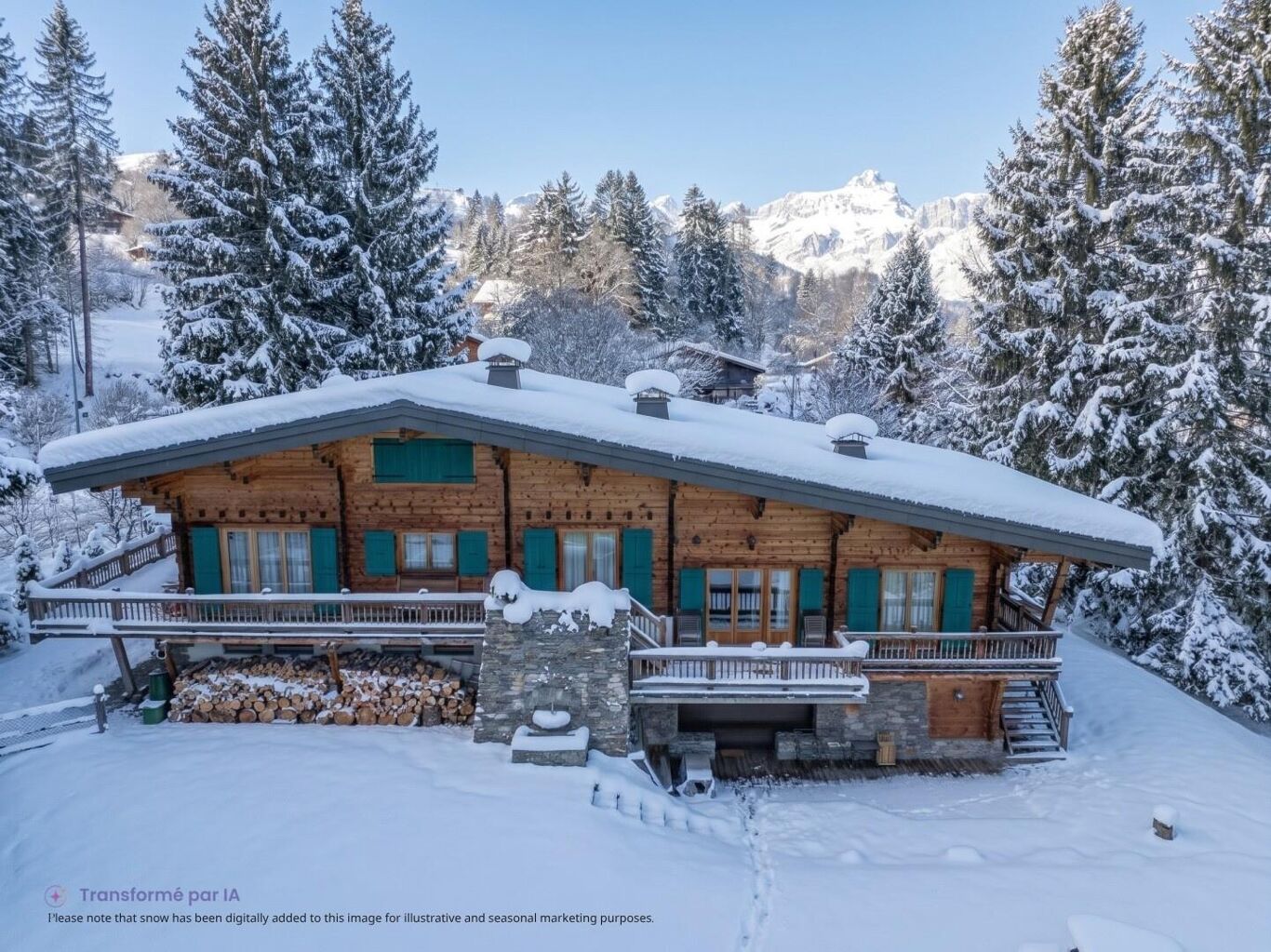
Chalet, 463 sqm
Chalet, 244 sqm
Chalet, 225 sqm
Chalet, 95.9 sqm
Apartment, 86.5 sqm
Apartment, 129.97 sqm
From Mediterranean villas to Caribbean retreats, your dream home awaits
Inspiration
As mountain homes evolve into year-round retreats, experts share how nature, wellness and timeless design come together to create the perfect Alpine chalet
24 November 2026
Homes
The launch of The Penthouse reflects a growing appetite for homes that offer rarity, generous proportions and a genuine connection to nature
19 November 2026
Locations
As the number of skiers reaches an all-time high, so too do concerns over long-term snow quality, making access to high altitude resorts a focus for property buyers
11 November 2026
Homes
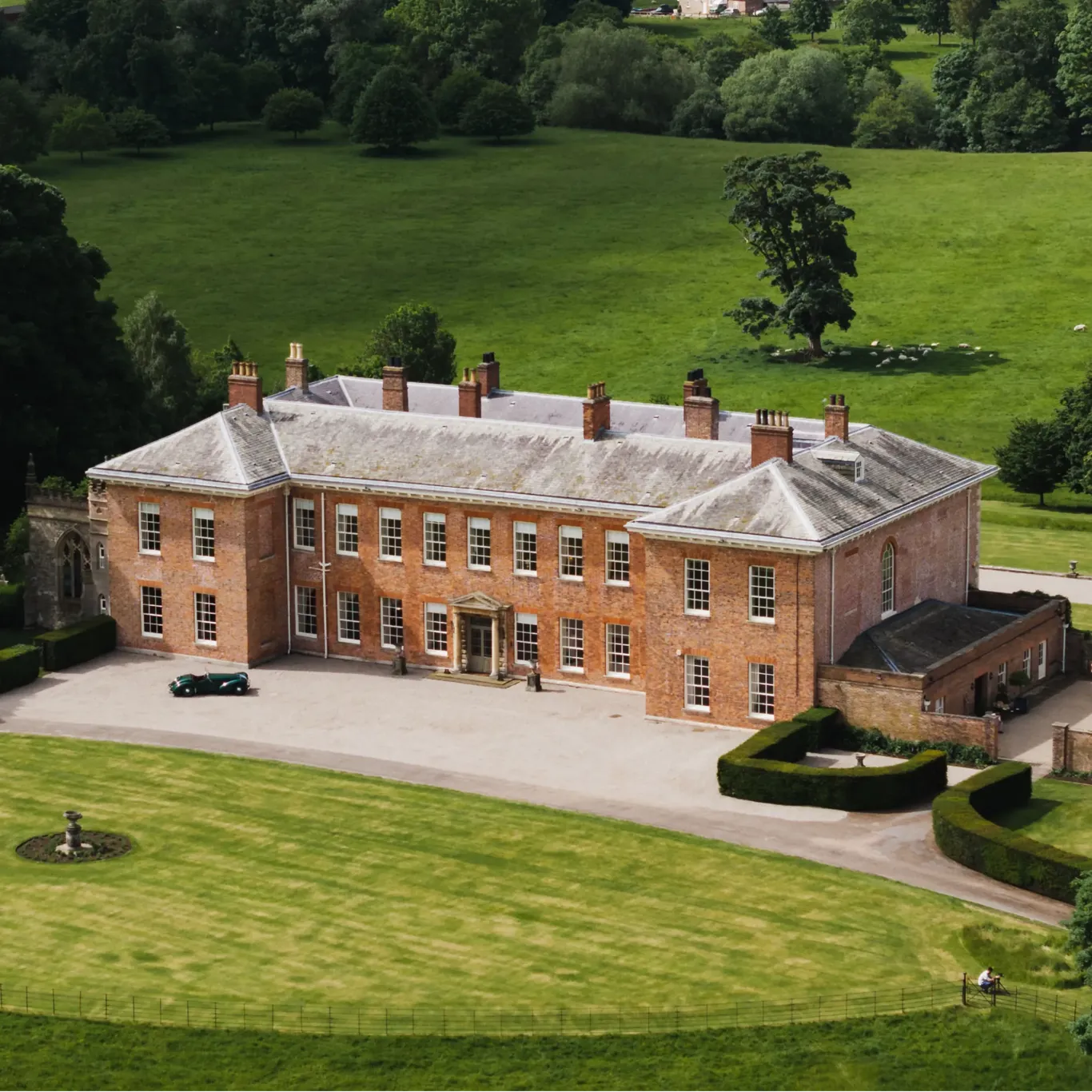
Steeped in history and lovingly restored over decades, Ribston Hall offers the chance to enjoy the grandeur of an English country house without the responsibilities of ownership
05 November 2026
Locations
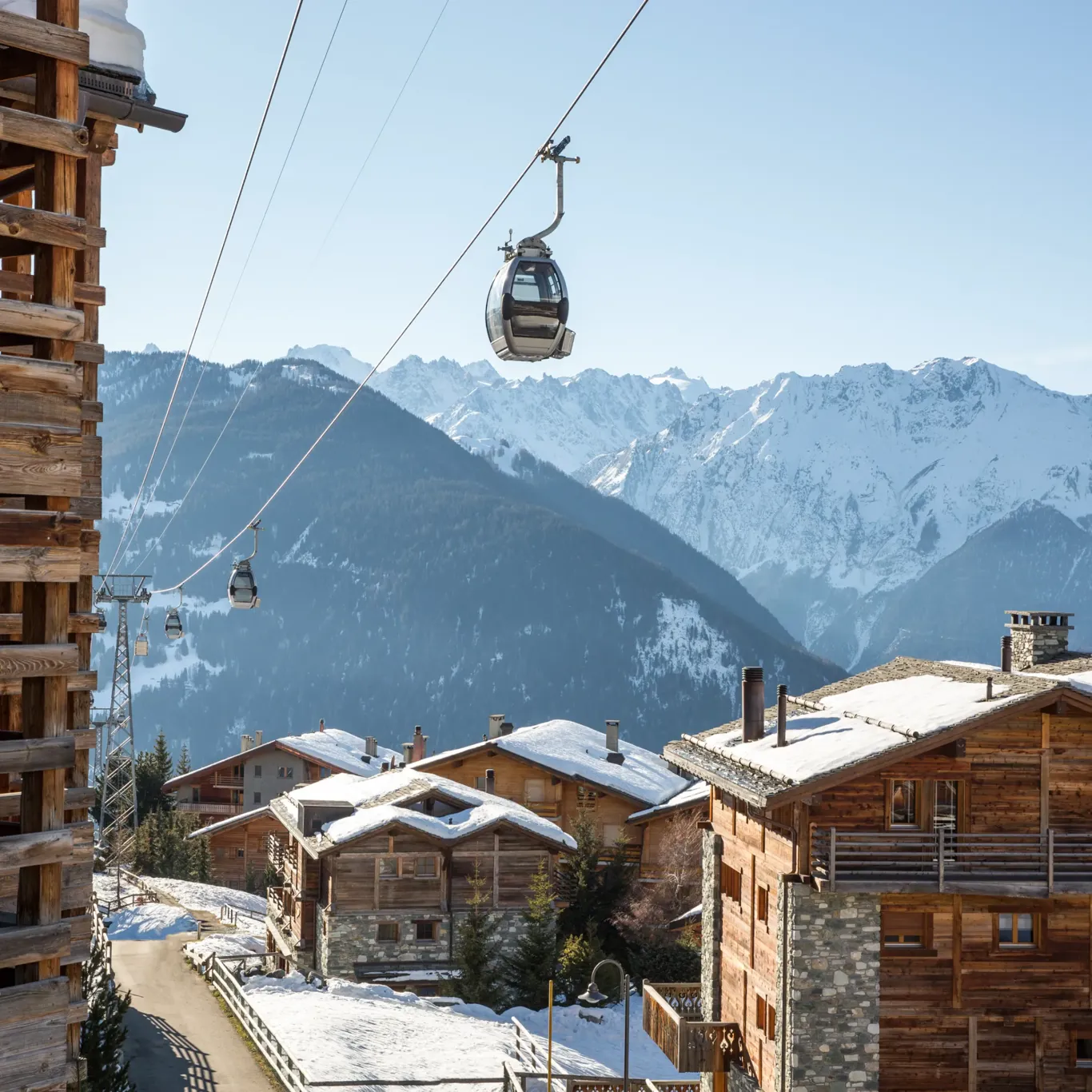
Knight Frank’s The Alpine Report 2026-27 reveals Europe’s leading locations where the snow quality and the lifestyle have international appeal
04 November 2026
Homes
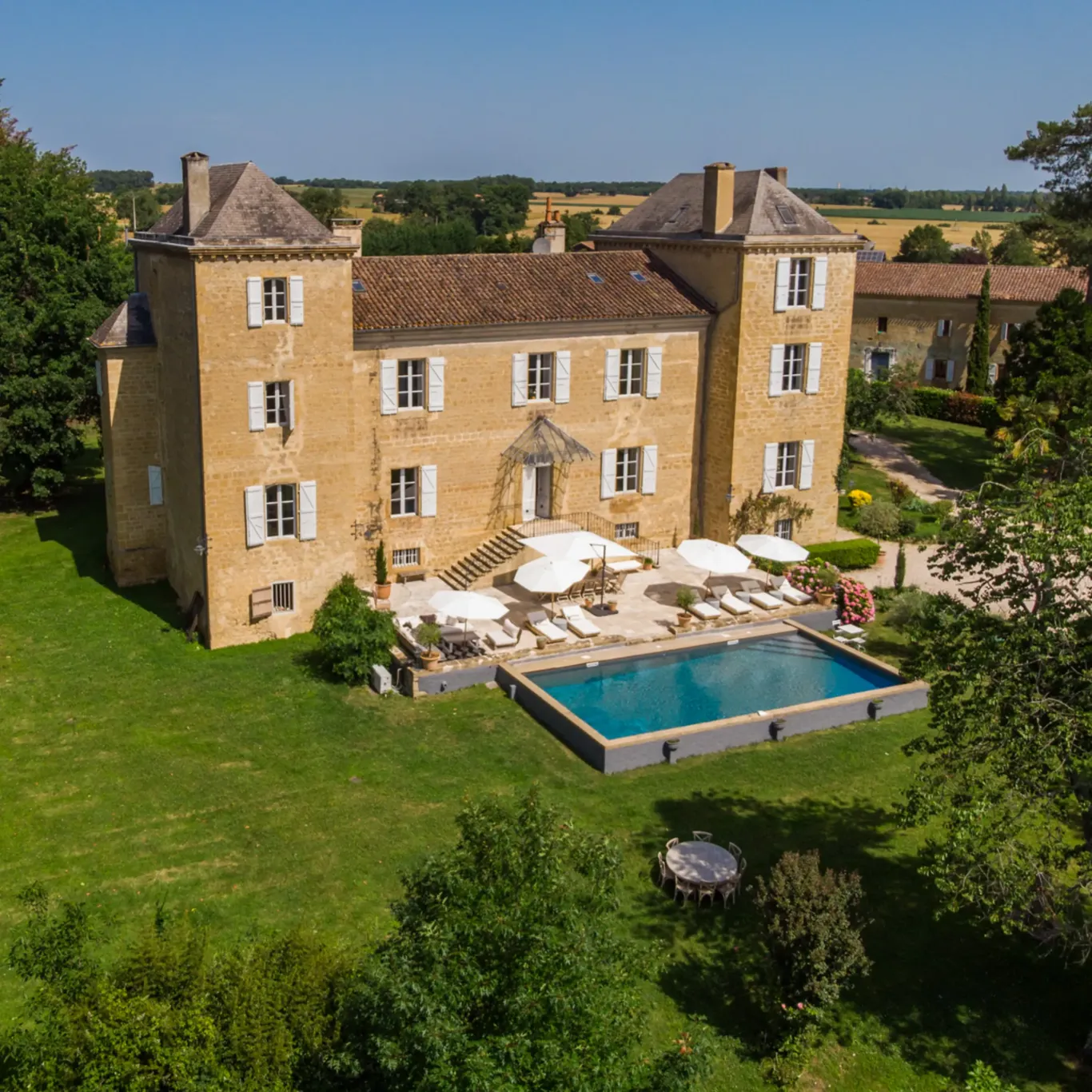
After a meticulous renovation, Chateau Labarthe, now on the market, showcases the best of countryside living in the heart of France’s Gers region
15 October 2026
Homes
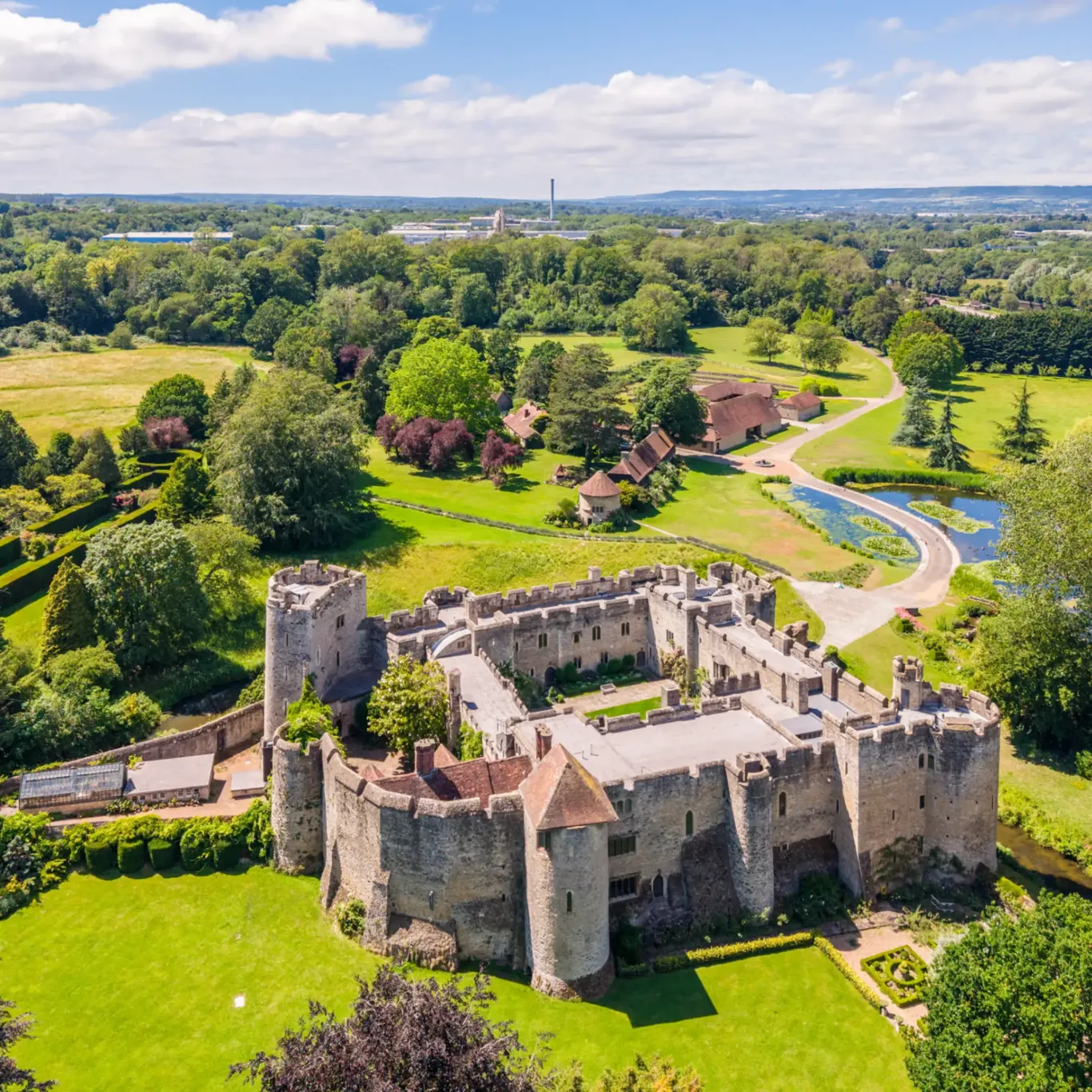
The romance, heritage and investment potential of castle ownership continue to attract discerning buyers from around the world
06 October 2026
Locations
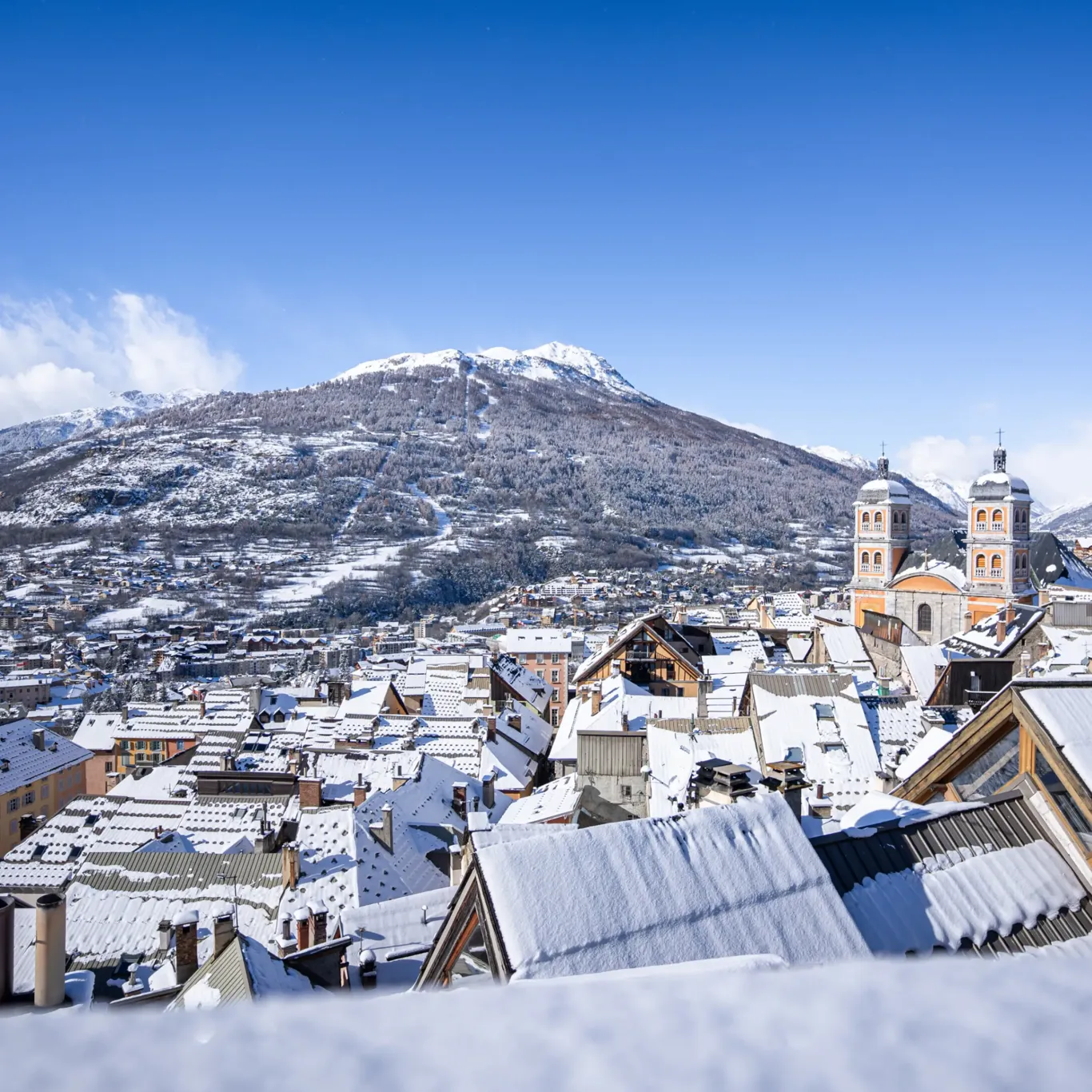
From Les Saisies to Champagny-en-Vanoise, discover the French Alpine resorts combining exceptional skiing, authentic mountain living and long-term property investment potential
24 September 2026
Homes
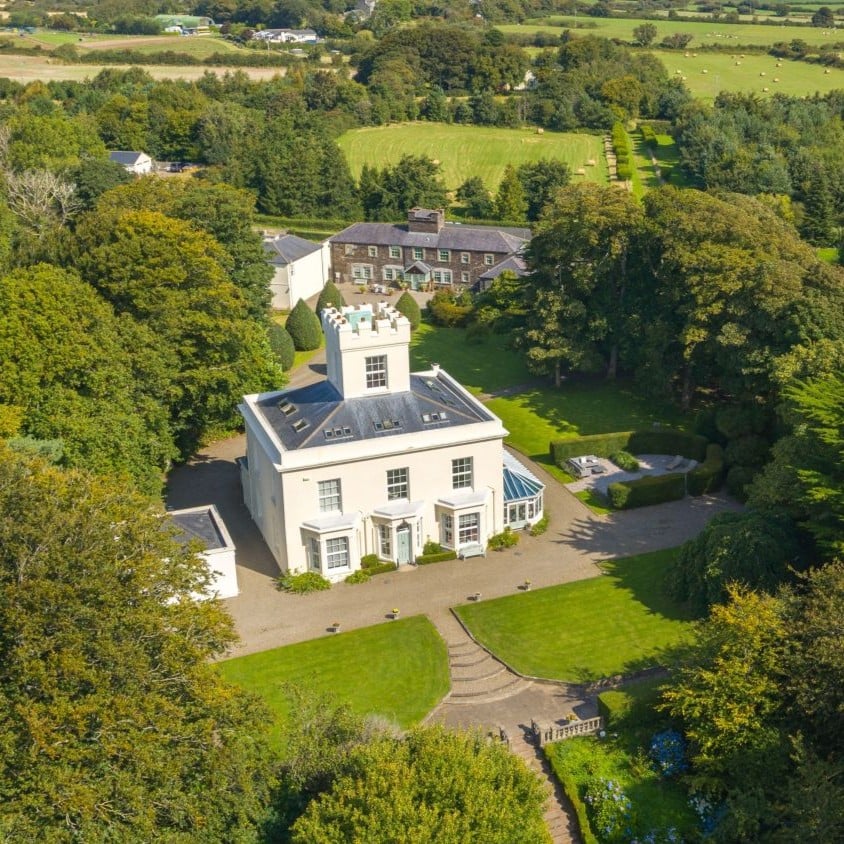
Step inside some of the most spectacular country homes for sale, from those with historical charm to contemporary luxury, each offering a unique glimpse of rural life at its finest
12 August 2026
Homes
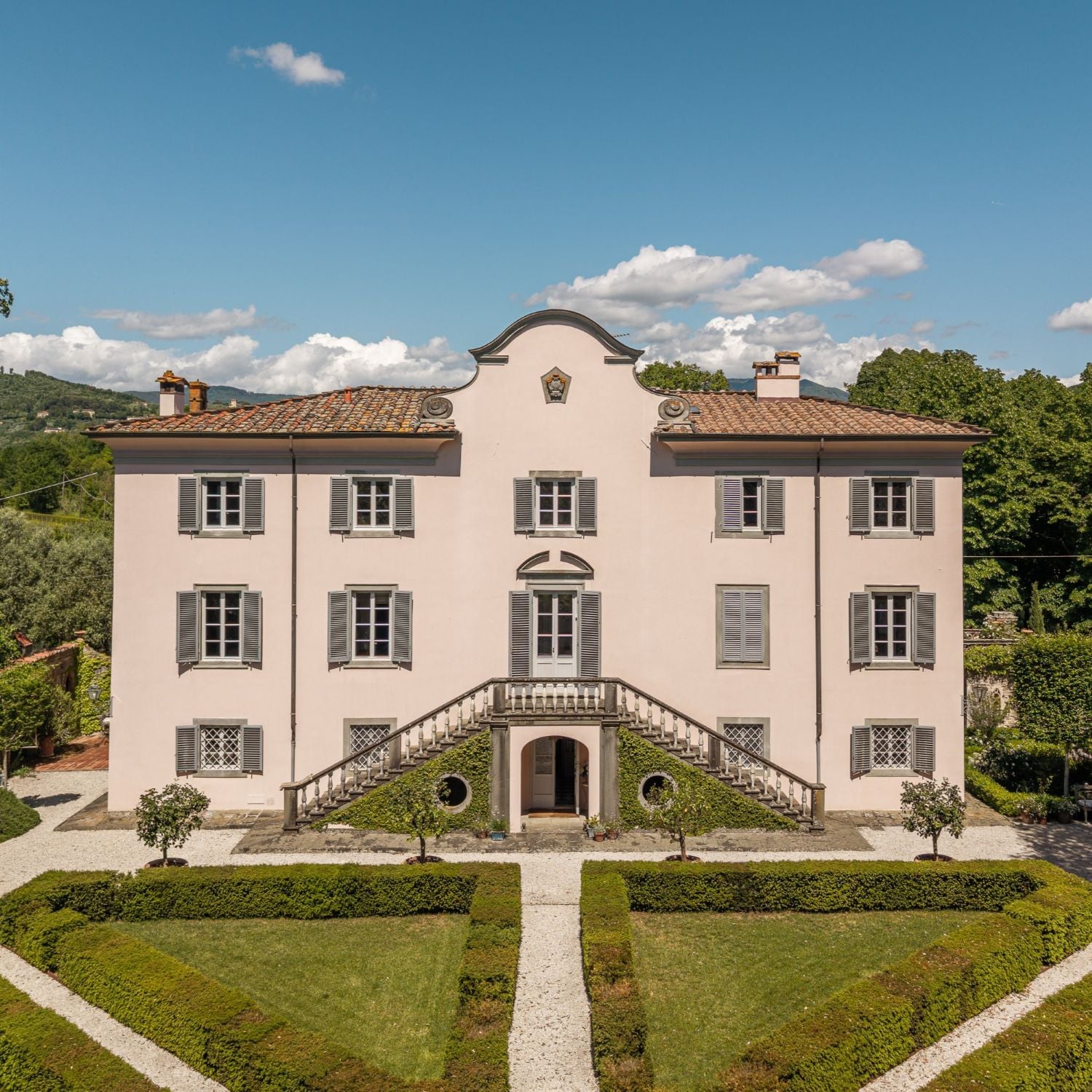
Discover the lesser-known authentic European locations where traditional villages and dreamy nature serve up an idyllic rural lifestyle.
07 August 2026
Locations
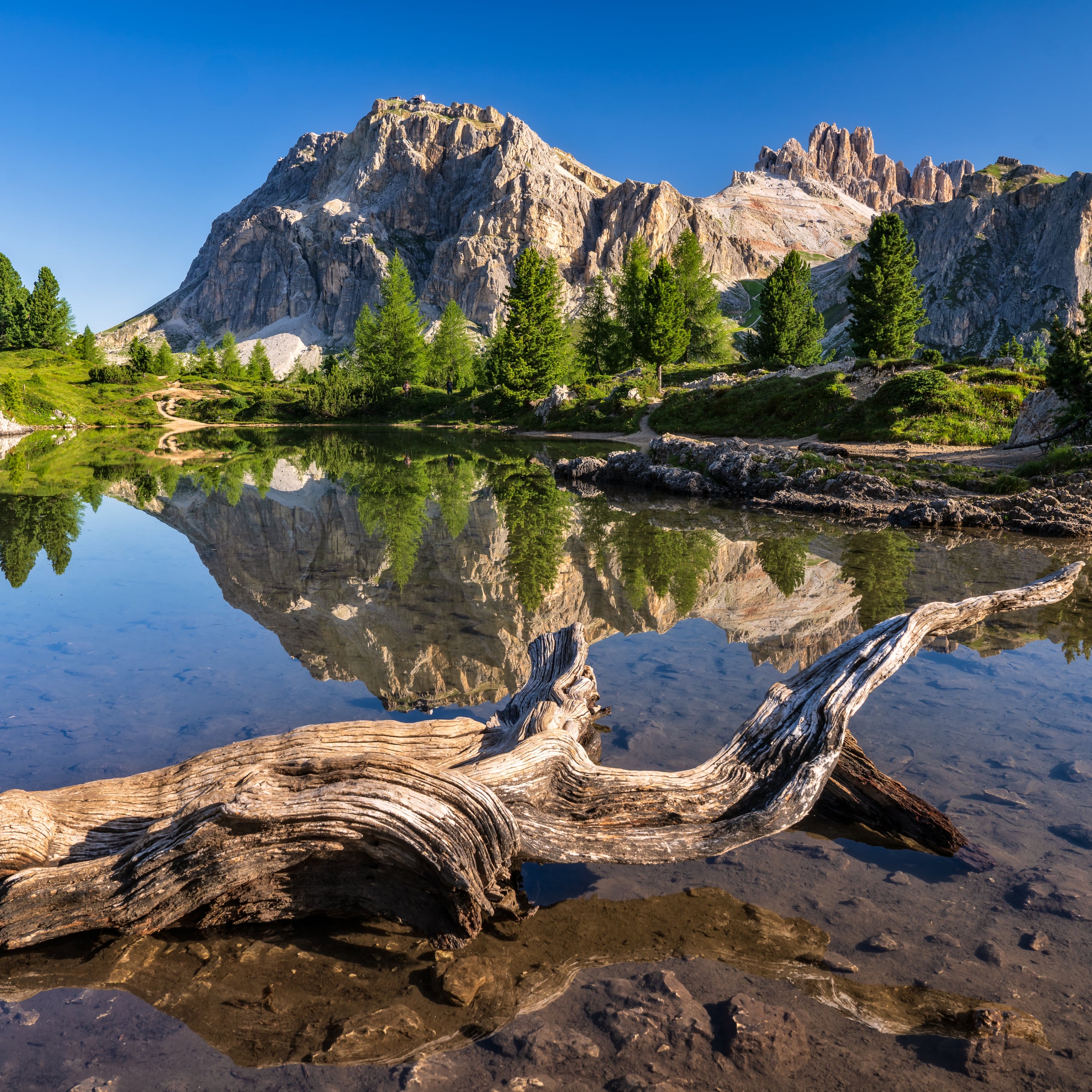
Discover why Cortina d’Ampezzo continues to draw buyers with its balance of nature, privacy and alpine charm
06 August 2026
Homes
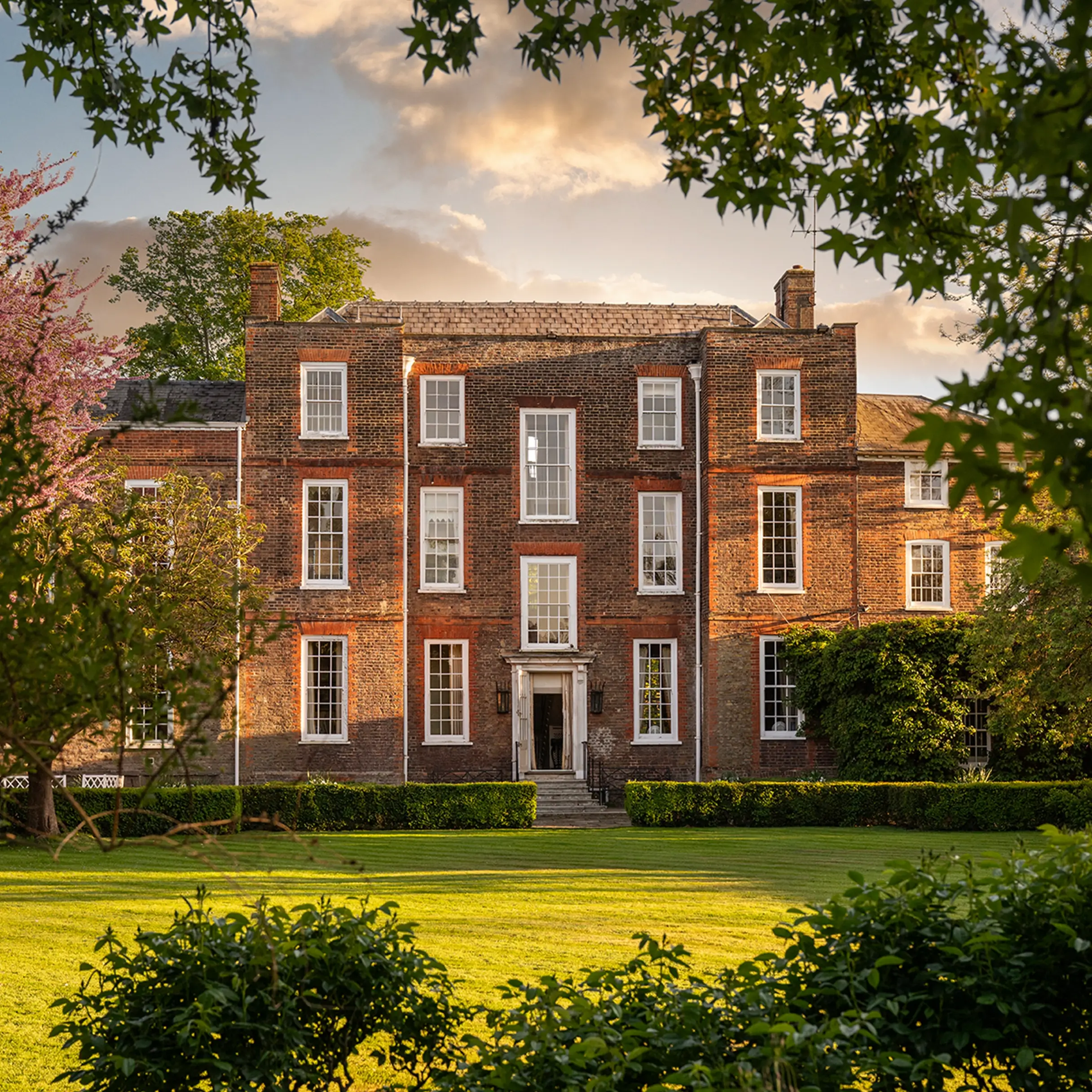
Ben Goldsmith shows the magic of Ormeley Lodge, home for 50 years to his mother Lady Annabel Goldsmith and for sale through Knight Frank.
30 July 2026
Homes
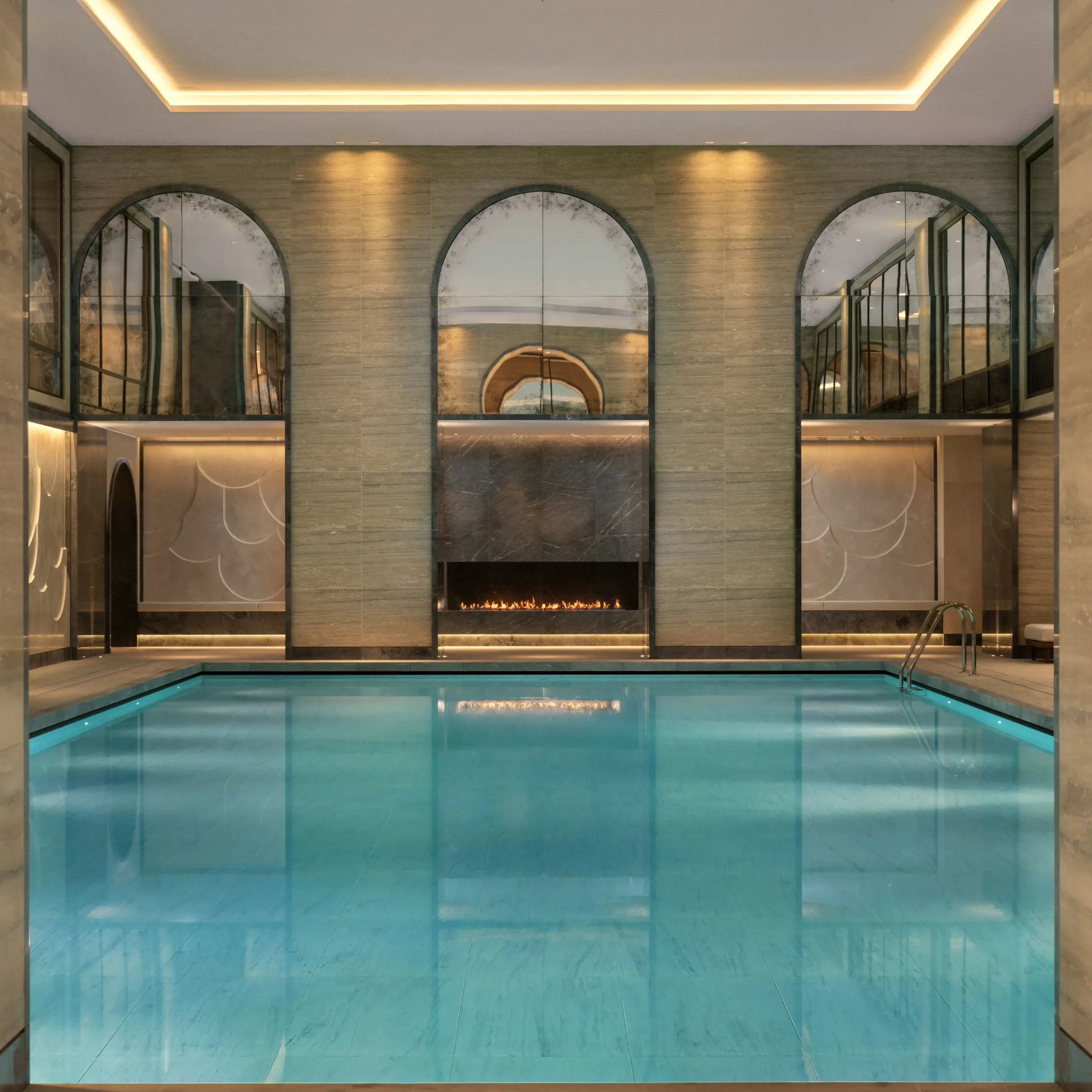
James Guy MBE reveals his ideal private pool setup, as we showcase a collection of standout homes for sale with exceptional swimming facilities
02 July 2026
Locations
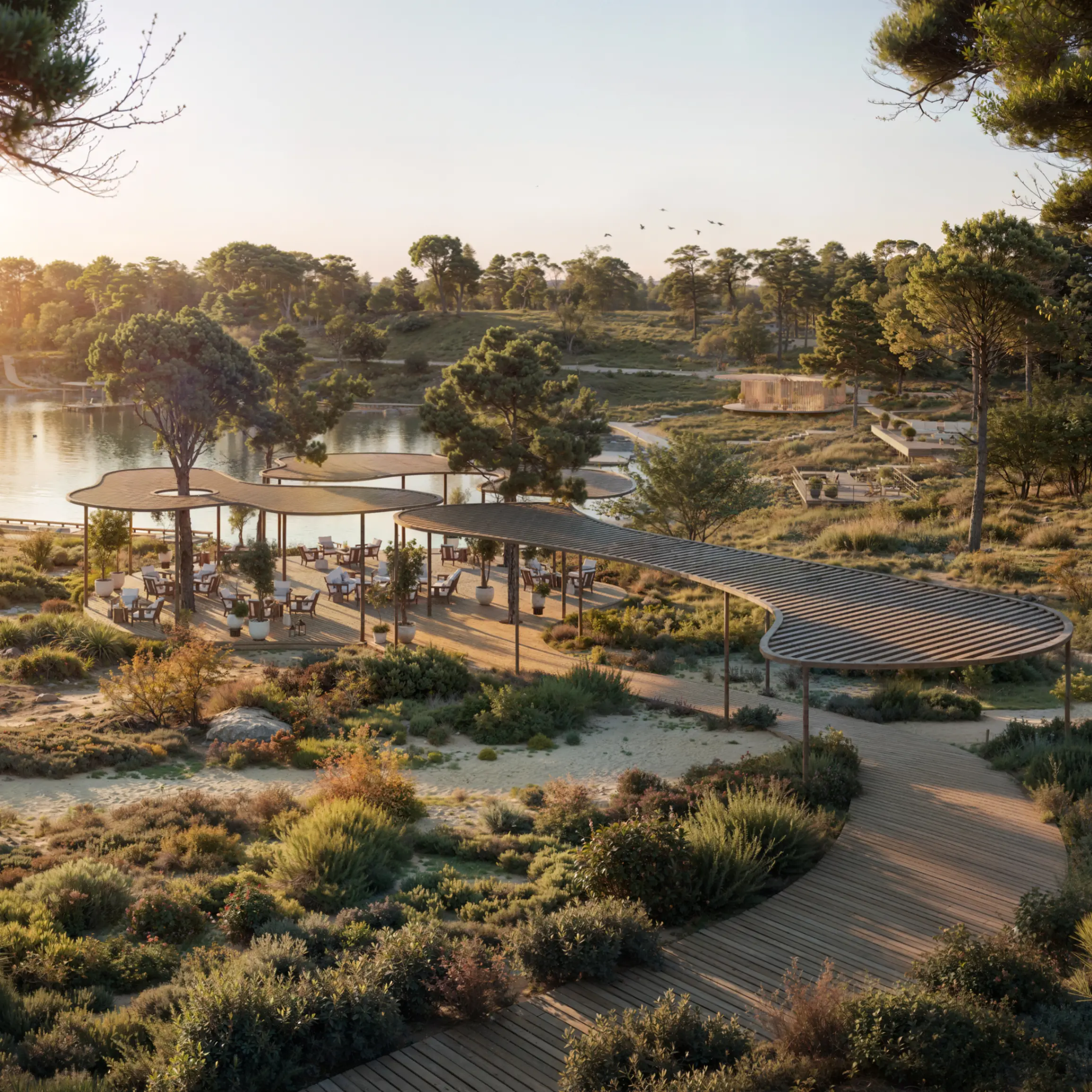
How hospitality-led developments and branded residences are redefining ownership, service, and long-term value in Comporta, Portugal’s most exclusive coastal market
04 June 2026
Homes
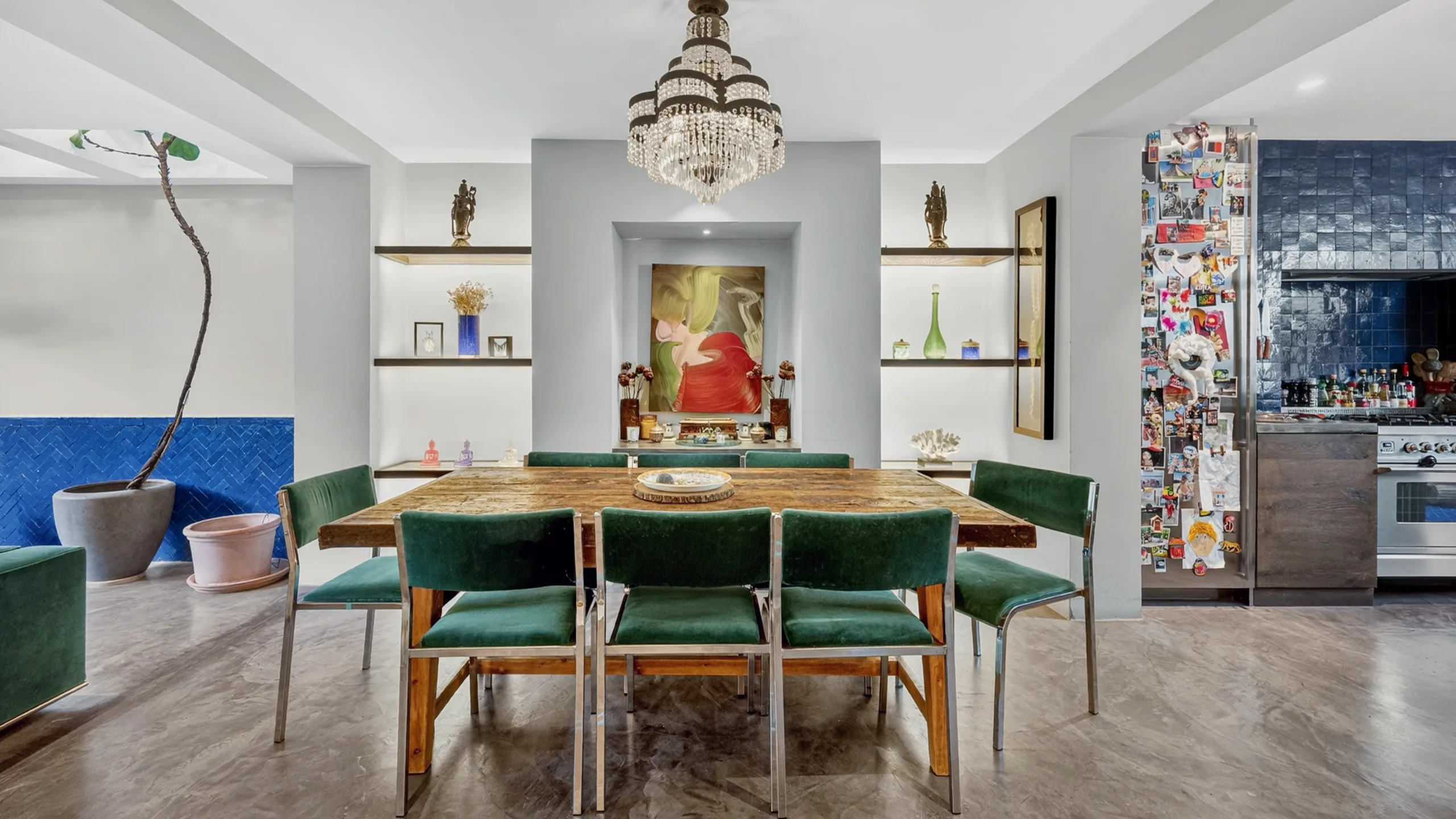
Far from conventional, these exceptional properties blend creativity and individuality, each a thoughtfully designed showcase of architectural flair
20 May 2026
Homes
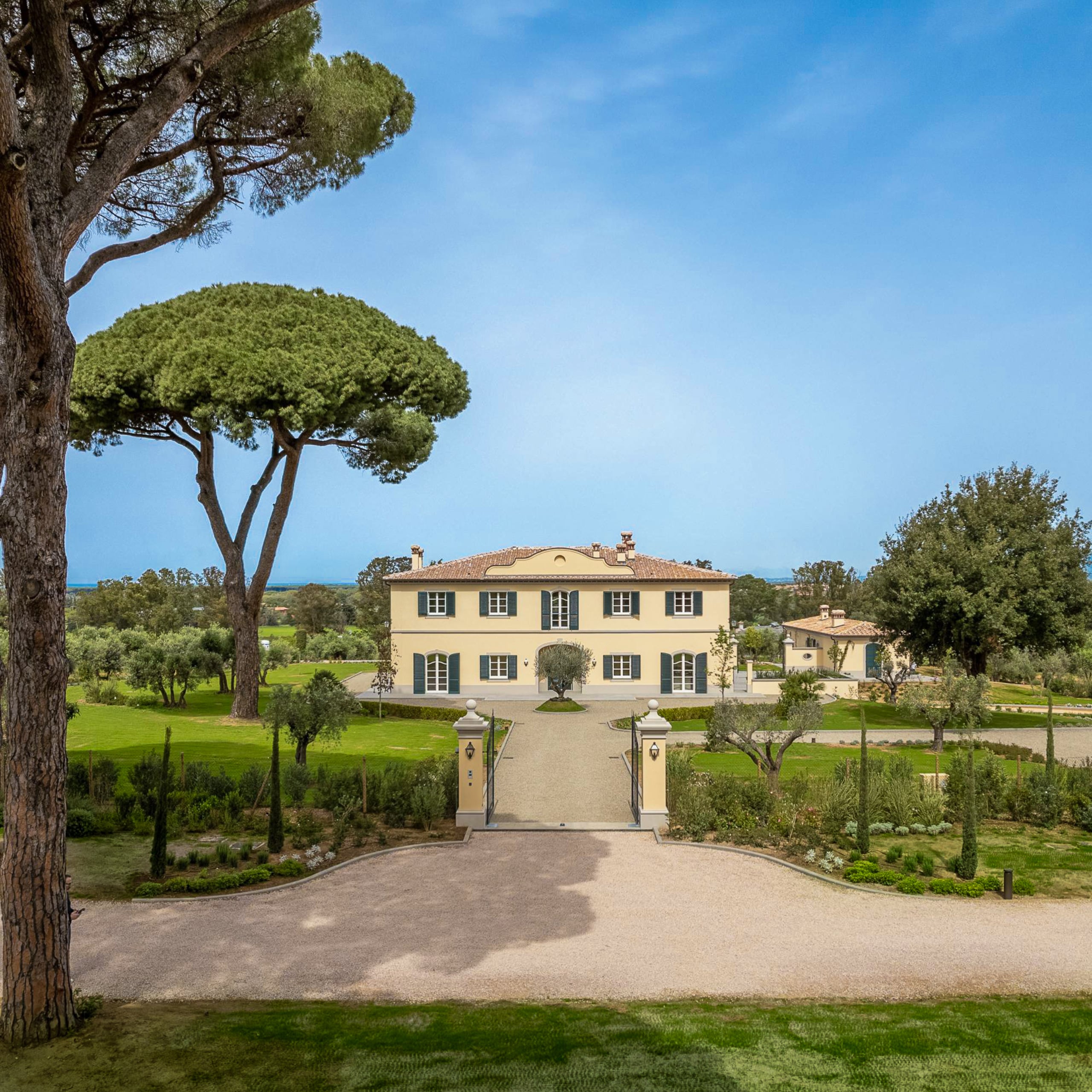
Rising global mobility is accelerating interest in Europe’s countryside regions, where quality of life and long-term value take centre stage.
27 April 2026
Homes
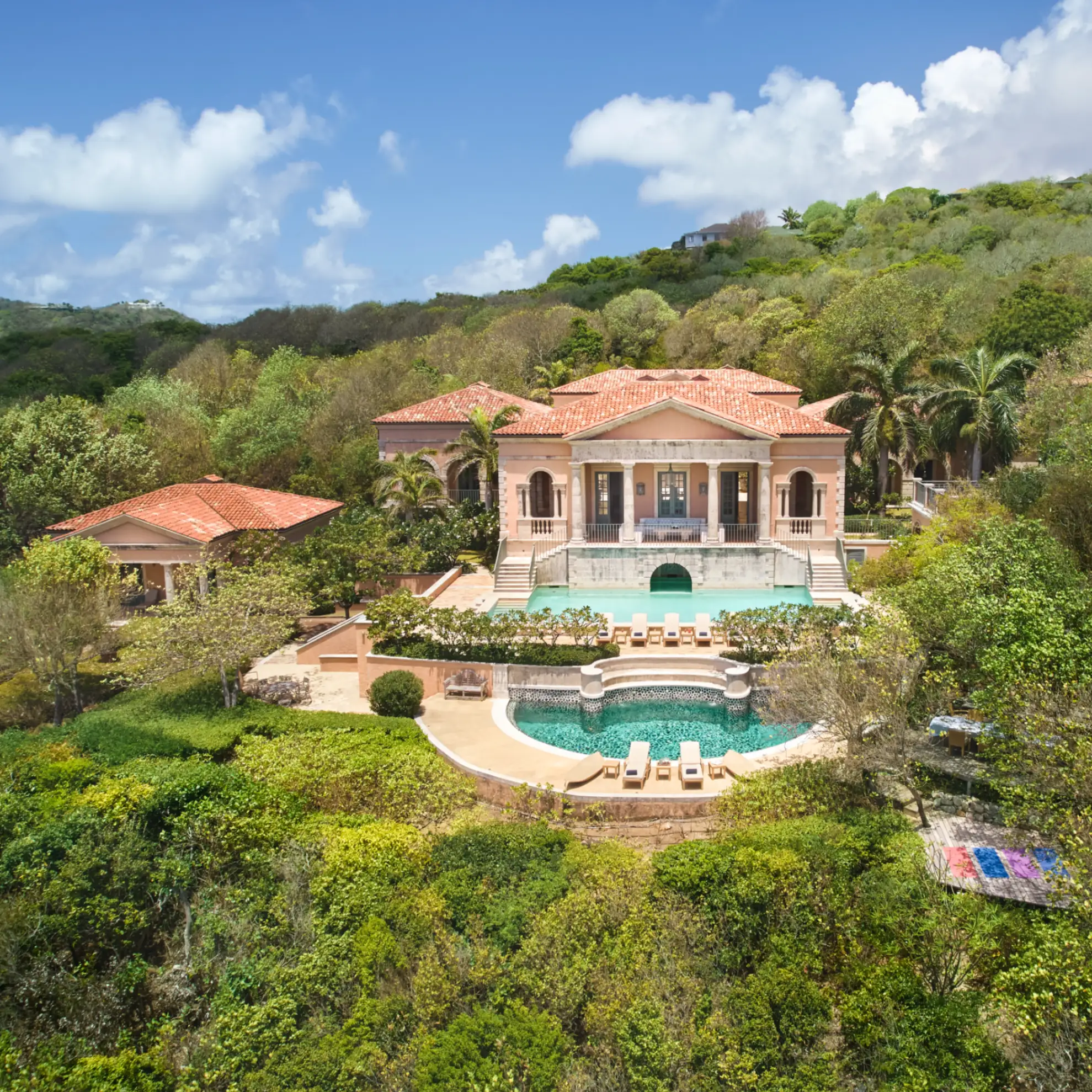
Explore a curated selection of standout homes that capture the essence of Caribbean luxury living
26 March 2026
Locations
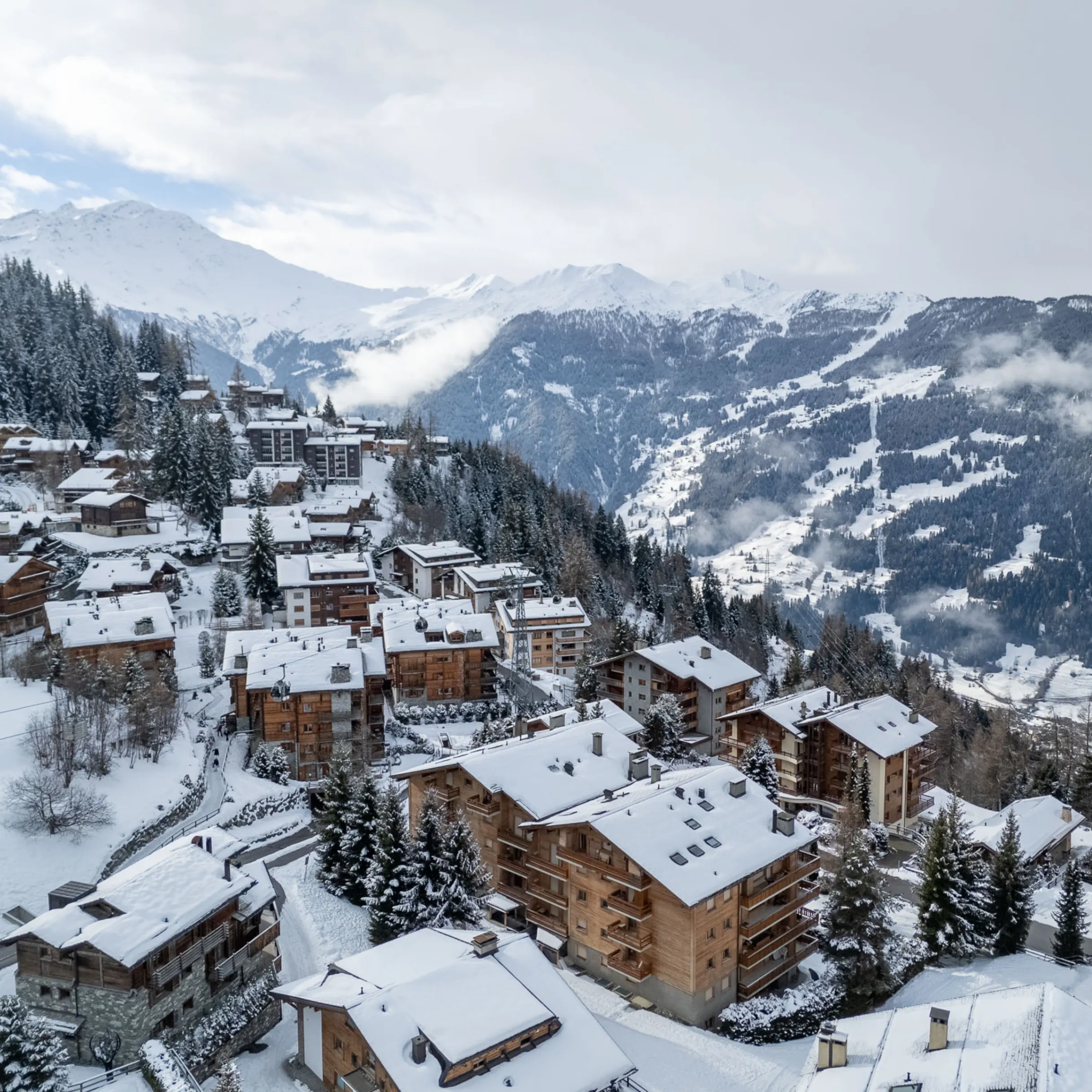
Whether looking for year‑round living, reliable snow or lively après‑ski, our experts share where to find your perfect property
26 February 2026
Locations
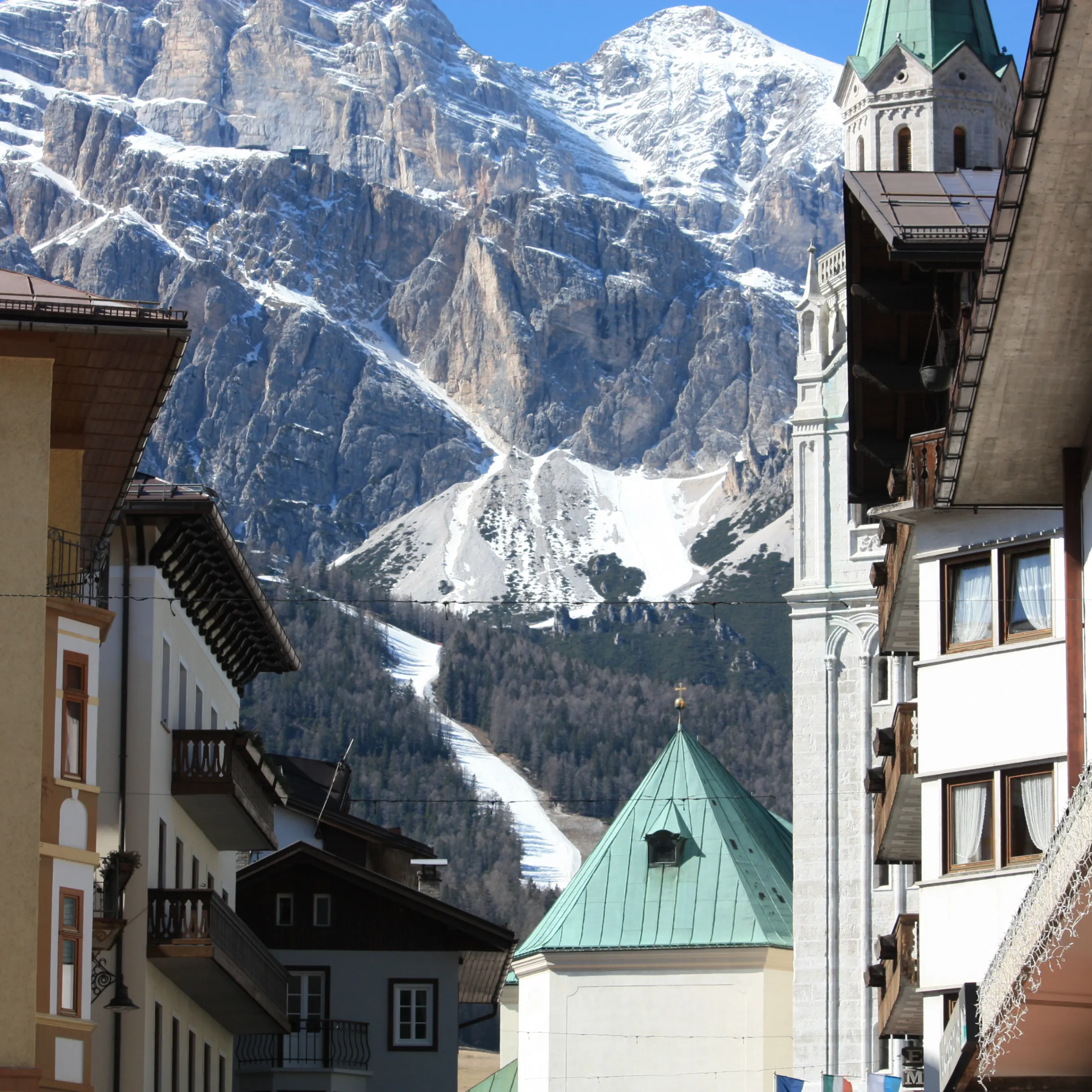
With a global spotlight on Cortina, its lifestyle and year‑round draw are lifting it into Europe’s top tier of ski property markets
09 February 2026
Homes
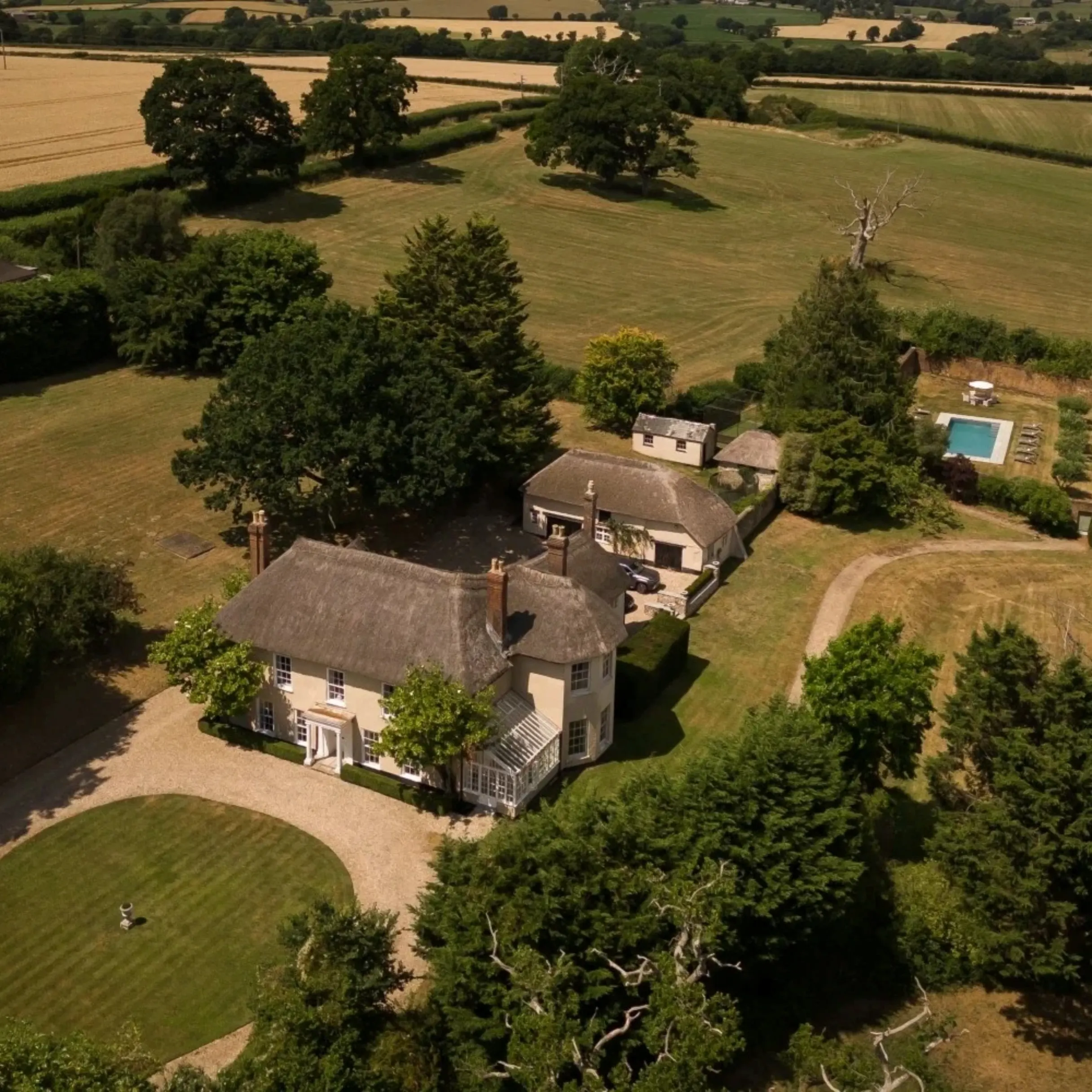
Pilot Matt Jones shares his love of two enduring emblems of Britain’s past, his 17th-century Devonshire manor house, and the legendary Spitfire
03 February 2026
Homes
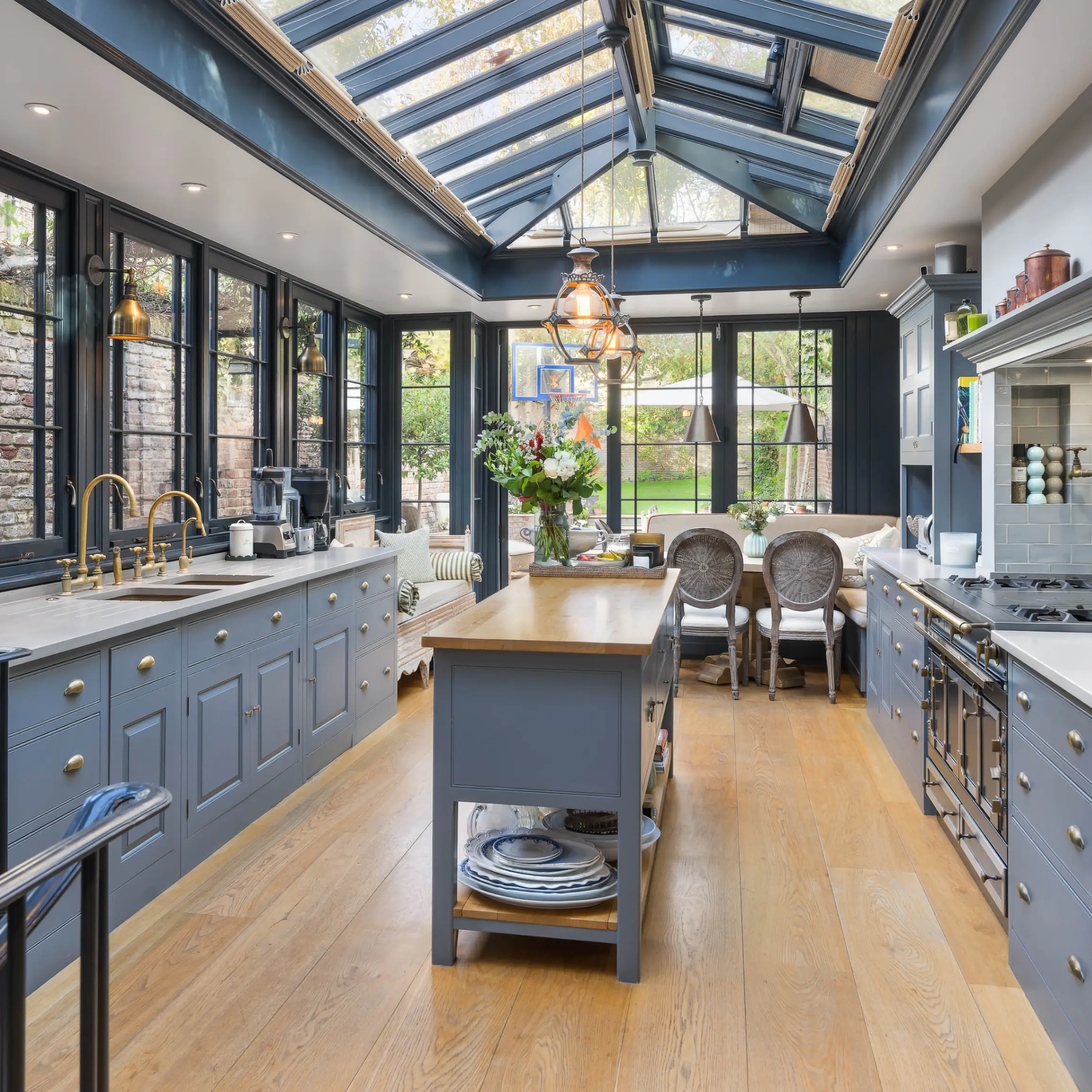
From historic properties with famous connections to family houses in London’s village-like neighbourhoods, discover a collection of the finest homes in the capital
17 December 2025
Homes
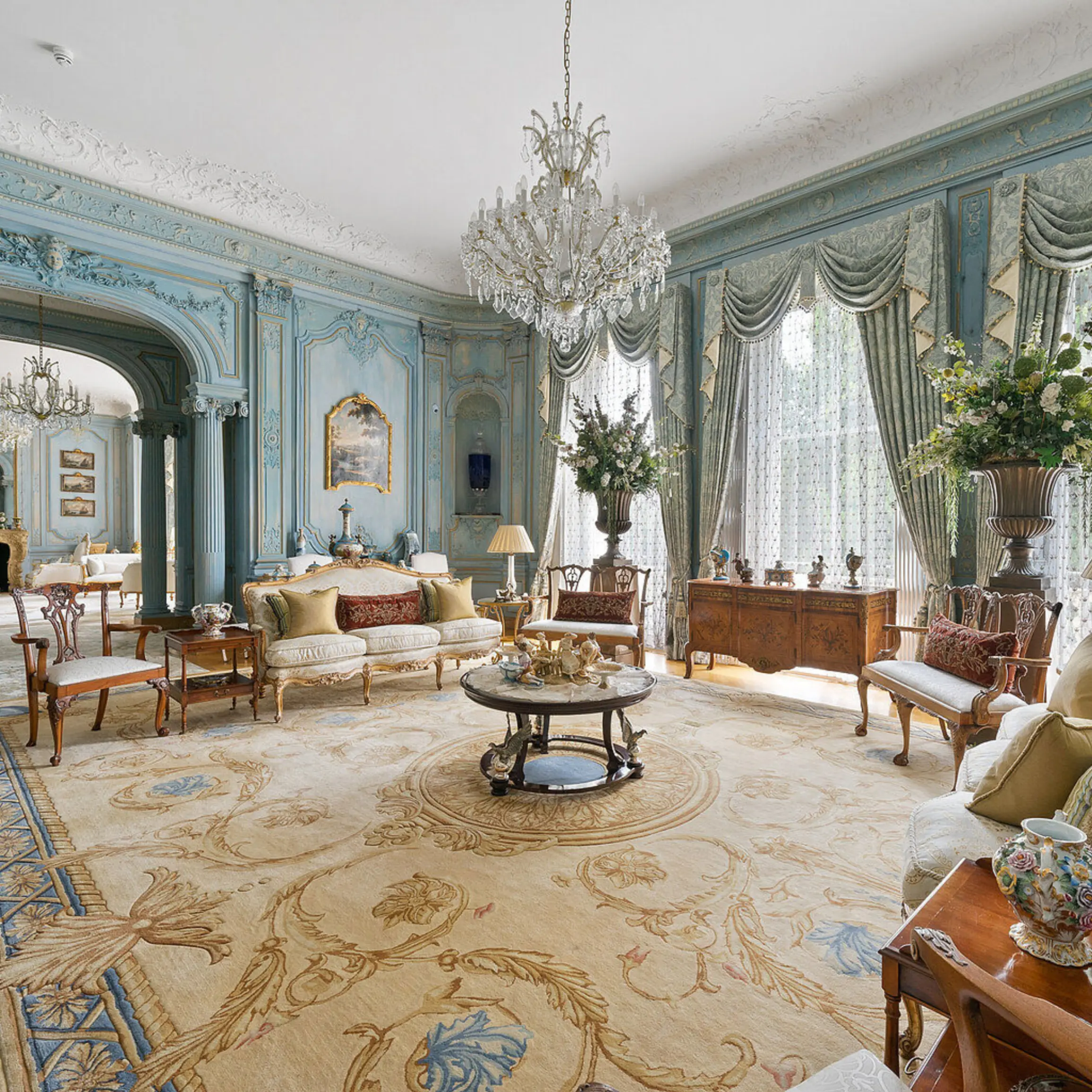
As we approach the end of the year, from landmark country estates to London’s finest period properties, we look back at some of Knight Frank’s most notable sales of 2025
17 December 2025
Locations
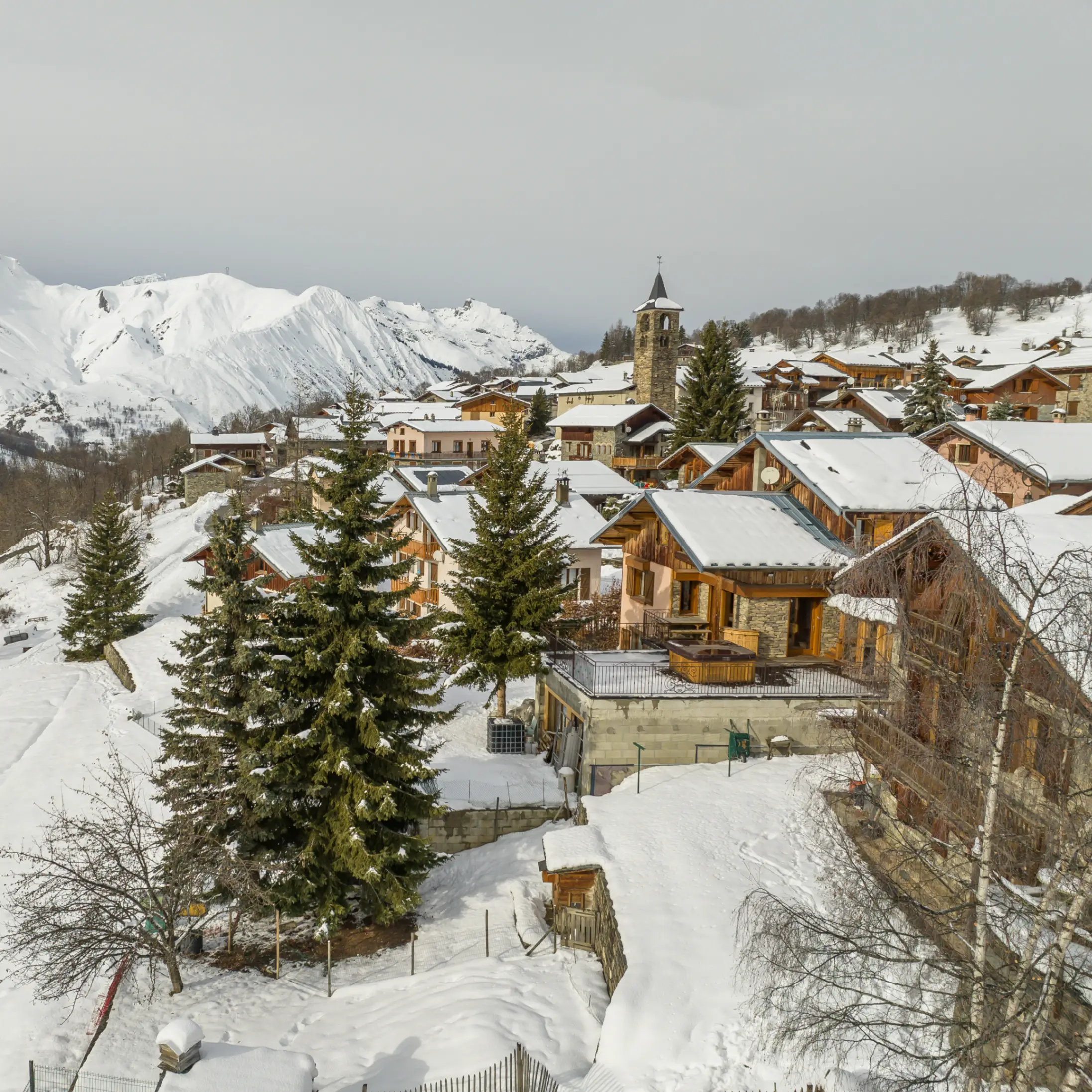
Thinking of investing in the Alps? Our experts share where to buy, what to look for and how to future-proof your mountain home
05 December 2025
Homes
Fusing nature, design and technology, Belah House embodies the future of luxury living, one that nurtures both the planet and personal wellbeing
04 December 2025
Sorry!
An unexpected error has occurred.
Please try again later.
