

How the 2026 Winter Olympics is reshaping Cortina d’Ampezzo’s property market
With a global spotlight on the resort, its lifestyle and year‑round draw are lifting it into Europe’s top tier of ski property markets

With a global spotlight on the resort, its lifestyle and year‑round draw are lifting it into Europe’s top tier of ski property markets
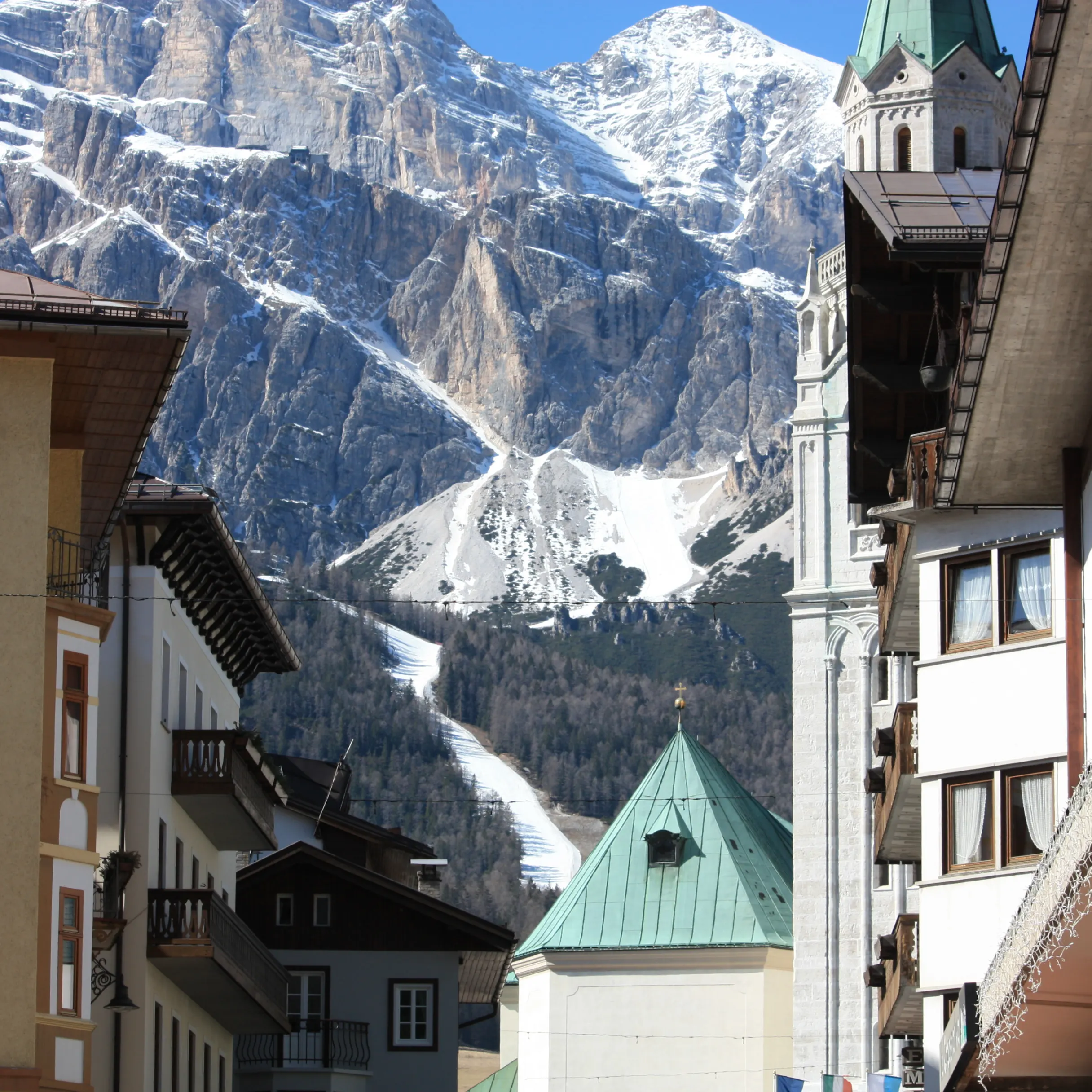
Keen viewers will have spotted this resort as Roger Moore took on a high‑speed ski chase in the James Bond film For Your Eyes Only and Peter Sellers chased down a jewel thief in The Pink Panther. Now Cortina d’Ampezzo is taking over our screens once more as the backdrop to the 2026 Winter Olympics, not only cementing its reputation as a sporting destination, but as a rising star in the Alpine property market.
As detailed in Knight Frank’s Alpine Property Report 2026, Cortina saw an annual price growth of 10%, placing it third on the Alpine Property Price Index behind only Andermatt and Davos. The Winter Olympics consistently transforms destinations, accelerating infrastructure improvements that might otherwise take decades. Here this includes a €1.7 billion Milano Cortina infrastructure investment enhancing connectivity through upgraded train services and bus shuttles, while a separate rail initiative linking Milan and Cortina is scheduled for completion in 2030.
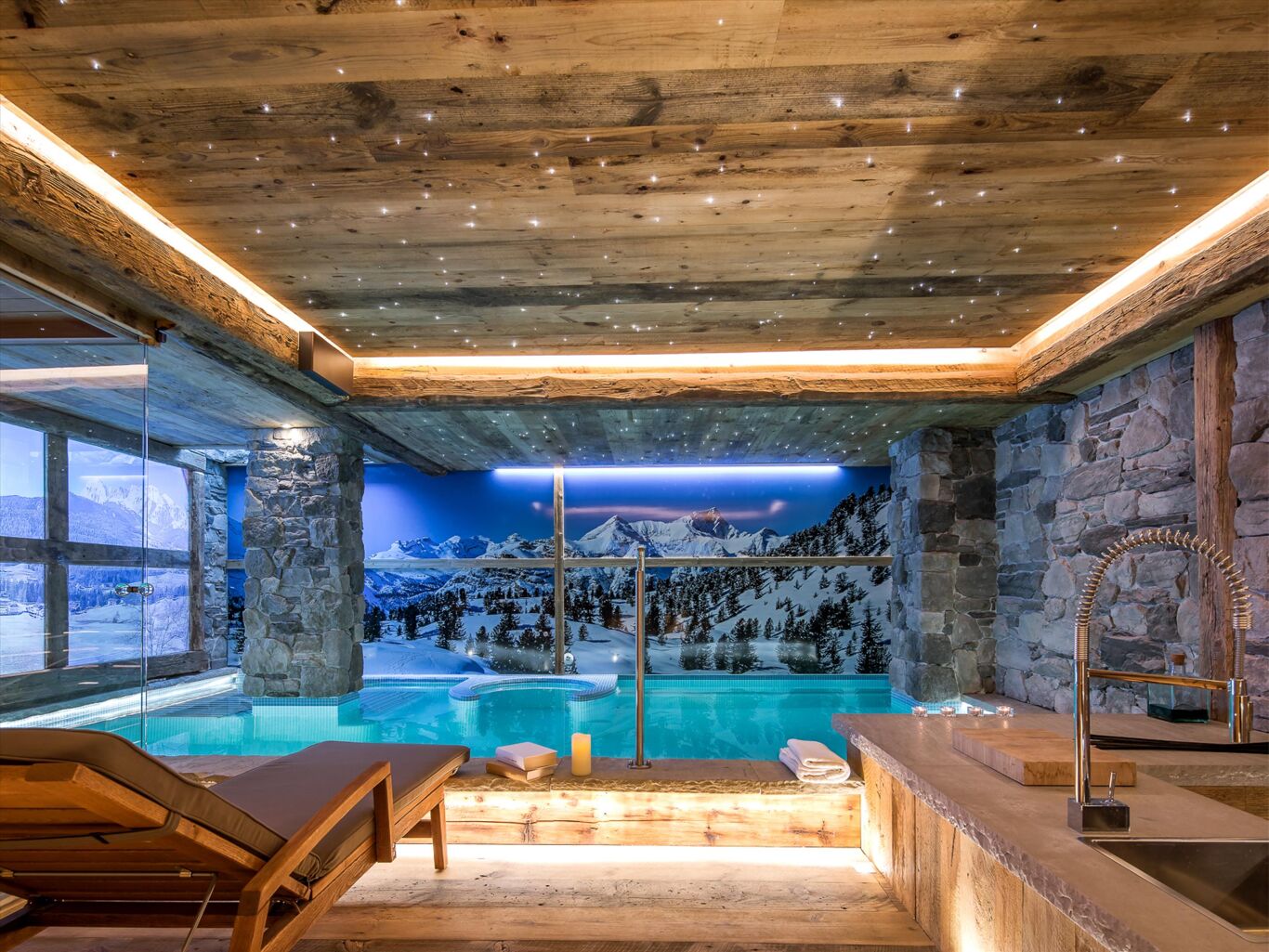
Apartment, 325 sqm
Luxury residence with a wellness area, set in one of the most panoramic spots of Cortina d’Ampezzo
“Cortina was a very chic and fashionable place back in the 1970s and 1980s, a symbol of glamour and wealth in Italy,” says Mark Harvey, Knight Frank’s Head of International Residential. “And while it slightly fell out of favour for a while, it’s always been a fantastic destination for nature lovers.”
Often called the “Queen of the Dolomites”, it is nestled in a wide bowl‑shaped valley and part of the Dolomiti Superski domain with 1,200 km of slopes. Meanwhile the surrounding Dolomites offer a fantastic backdrop for climbing, hiking and other outdoor activities throughout the seasons.
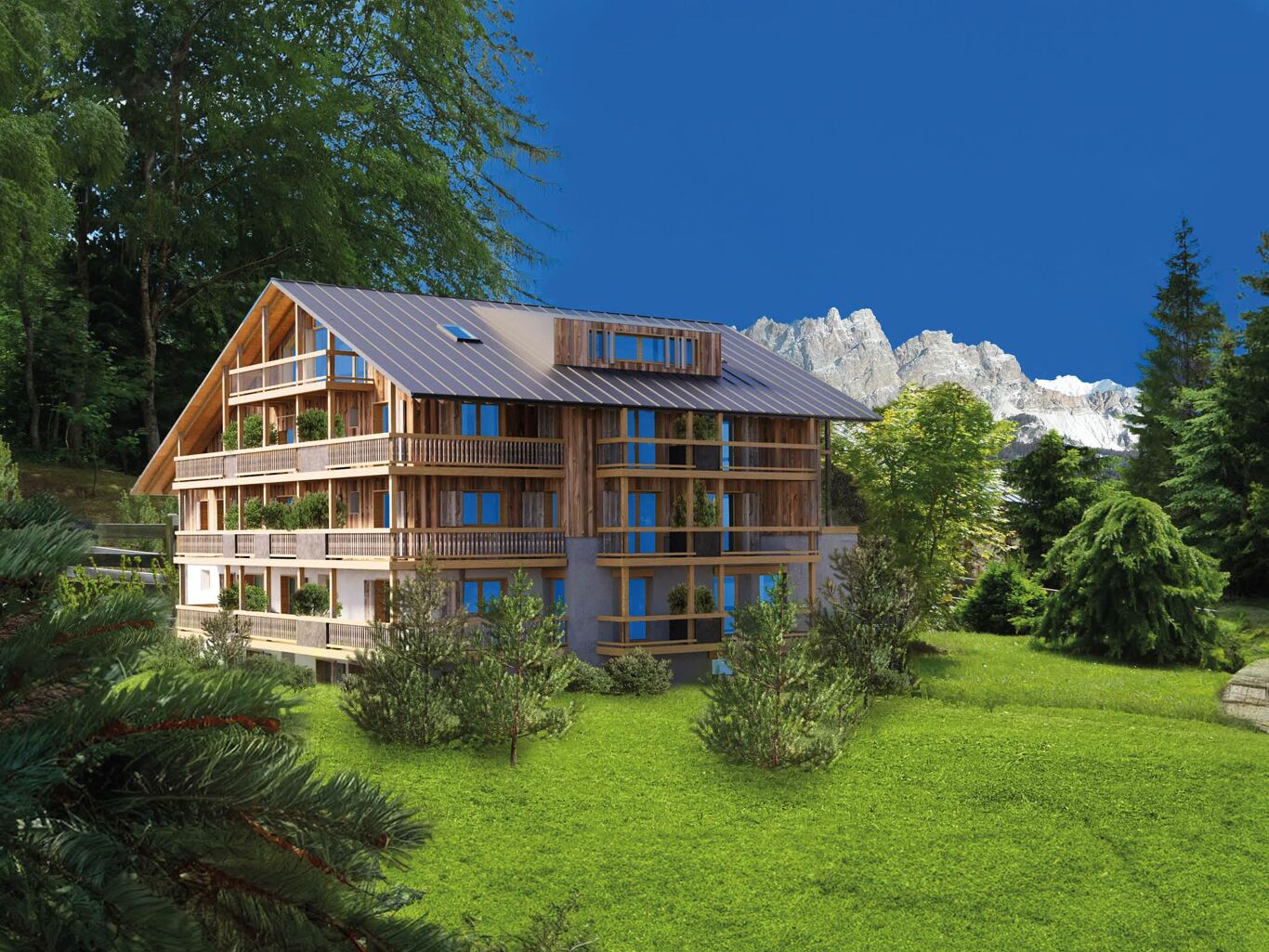
Apartment, 148 sqm
Brand new apartment with panoramic terraces within Chalet Ciasa al Sol
A wave of top‑tier hospitality brands including Mandarin Oriental, Egnazia and Accor are reshaping the local hotel scene, while its gastronomic status is underlined with top establishments such as Al Camin and Tivoli, which recently gained a Michelin star.
Despite this attention, Cortina retains a village‑like charm. “It still has a relaxed atmosphere and authentic feel when compared to some of the larger, more well‑known resorts,” adds Harvey. “There’s also something romantic about the fact that the most convenient airport is Venice Marco Polo. You can go from skiing to exploring the city.”
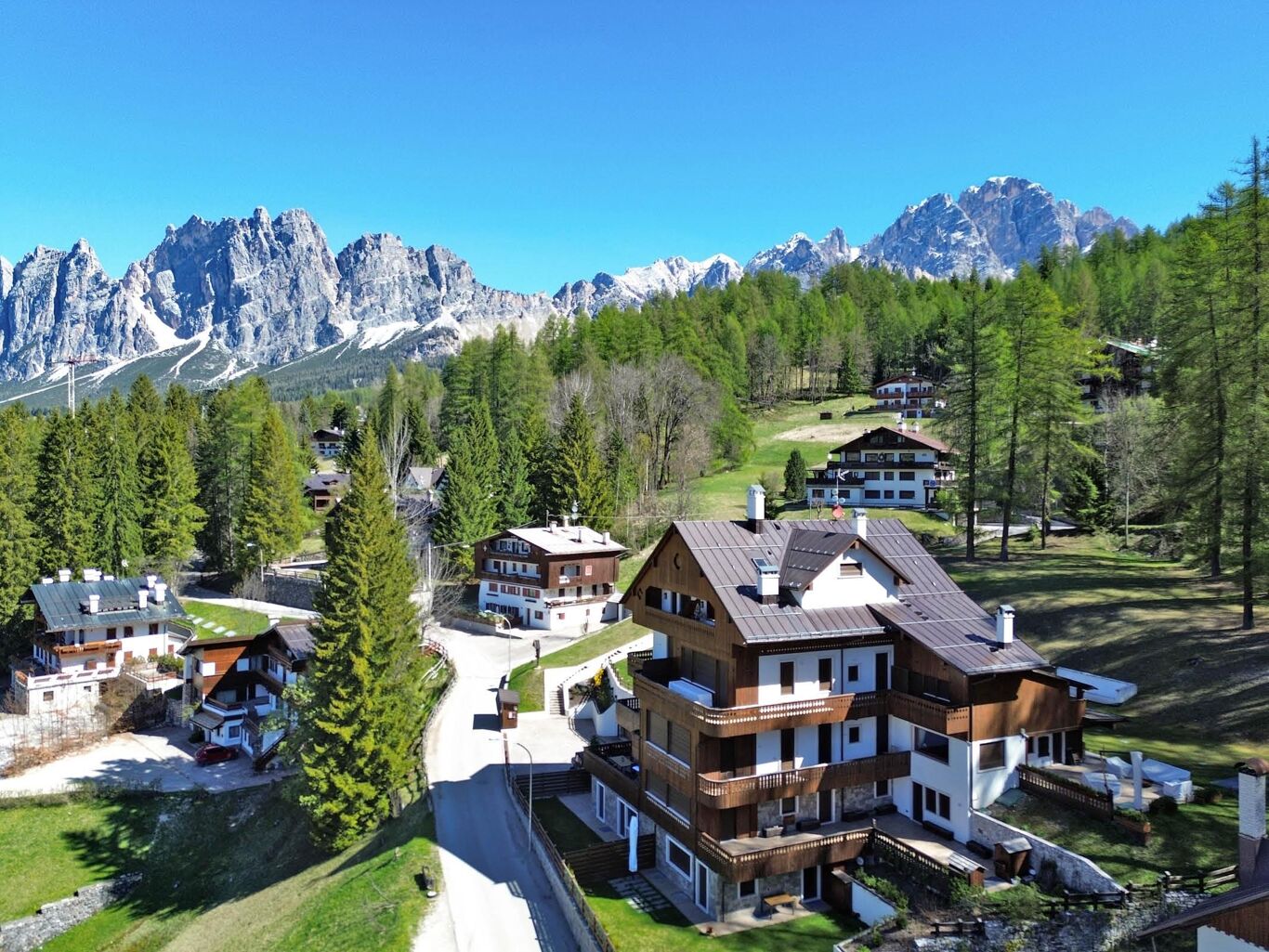
Apartment, 170 sqm
Charming garden apartment in Chalet Tabià del Bosco
These qualities, along with its milder climate, make Cortina well placed to benefit from the growing trend for year‑round Alpine living. Combined with Italy’s flat annual tax on all foreign income for eligible residents, it makes a compelling choice for those seeking out a more low‑key Italian lifestyle.
“There’s been a gradual change in behaviour. Even five years pre‑Covid people were very polarised - they would spend their winter skiing and summers in the Mediterranean,” says Harvey. “Cortina is a classic example of where you are seeing the change taking place. Within Italy there are destinations which remain very seasonal, whereas Cortina has a host of activities across the seasons that makes it very appealing for longer stays.”
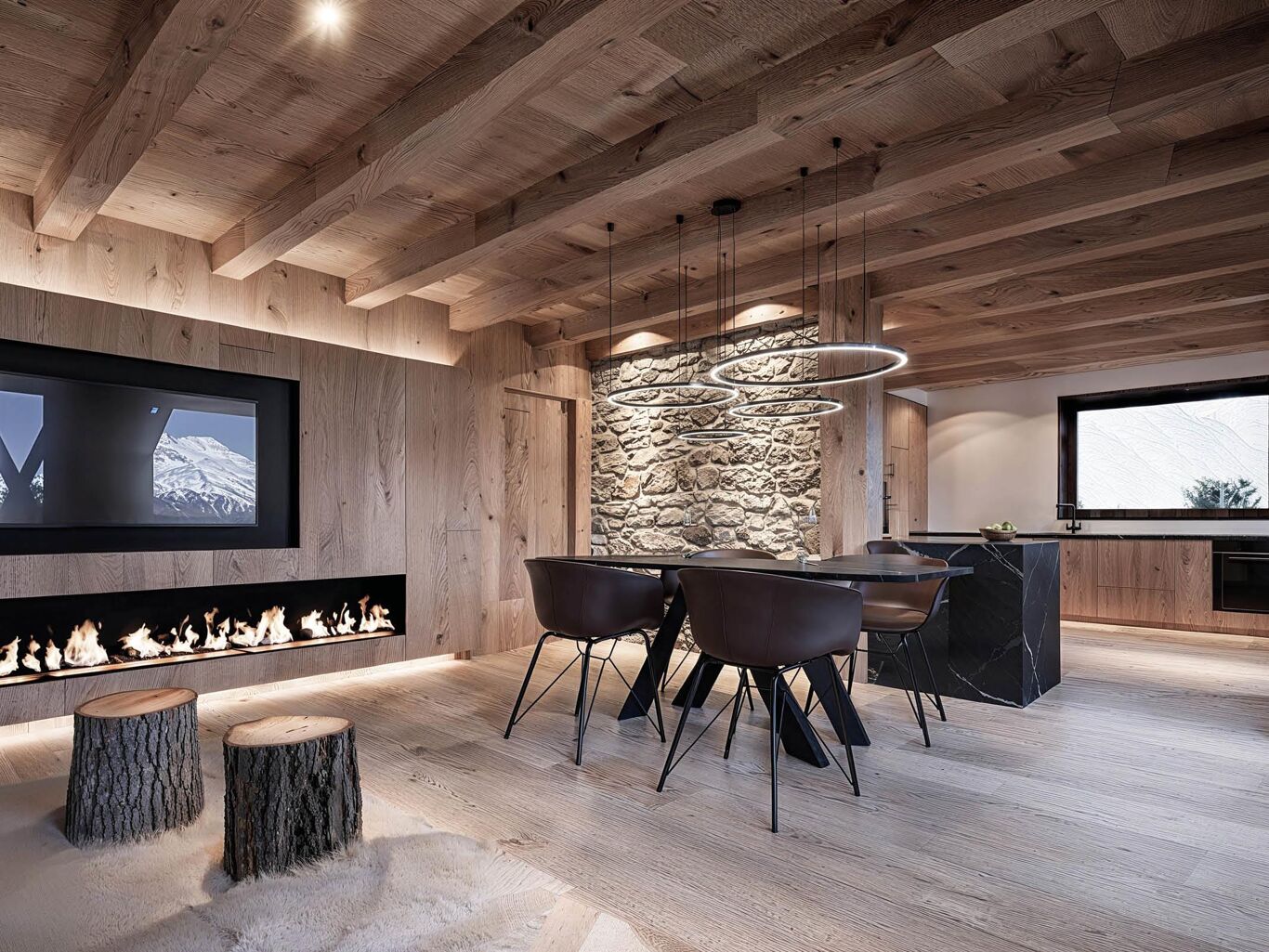
Development, 83 sqm
Fully renovated chalet comprising nine refined residences, each enjoying captivating views of the Dolomites
The Alpine Property Report outlines that Cortina commands €19,500-€21,500 per sq m for prime properties - 30-40% below comparable offerings in St Moritz or Courchevel. “While a premium destination, it still offers relative value,” explains Harvey.
Constrained supply, driven by the area’s strict UNESCO protection, further sets the conditions for appreciation. Apartments are easier to find closer to the centre, meanwhile larger chalets are in high demand and short supply, making them all the more sought after.
“The Winter Olympics has brought a huge amount of recent investment into the area, not only in infrastructure but attracting top hotels and establishments to the resort, who are vying for the limited real estate that is available,” says Harvey. “This is generally a precursor of a strong property market. And once the razzmatazz has died down, people will continue to appreciate the ongoing infrastructure improvements and the legacy that the Winter Olympics has left on the area.”
Locations
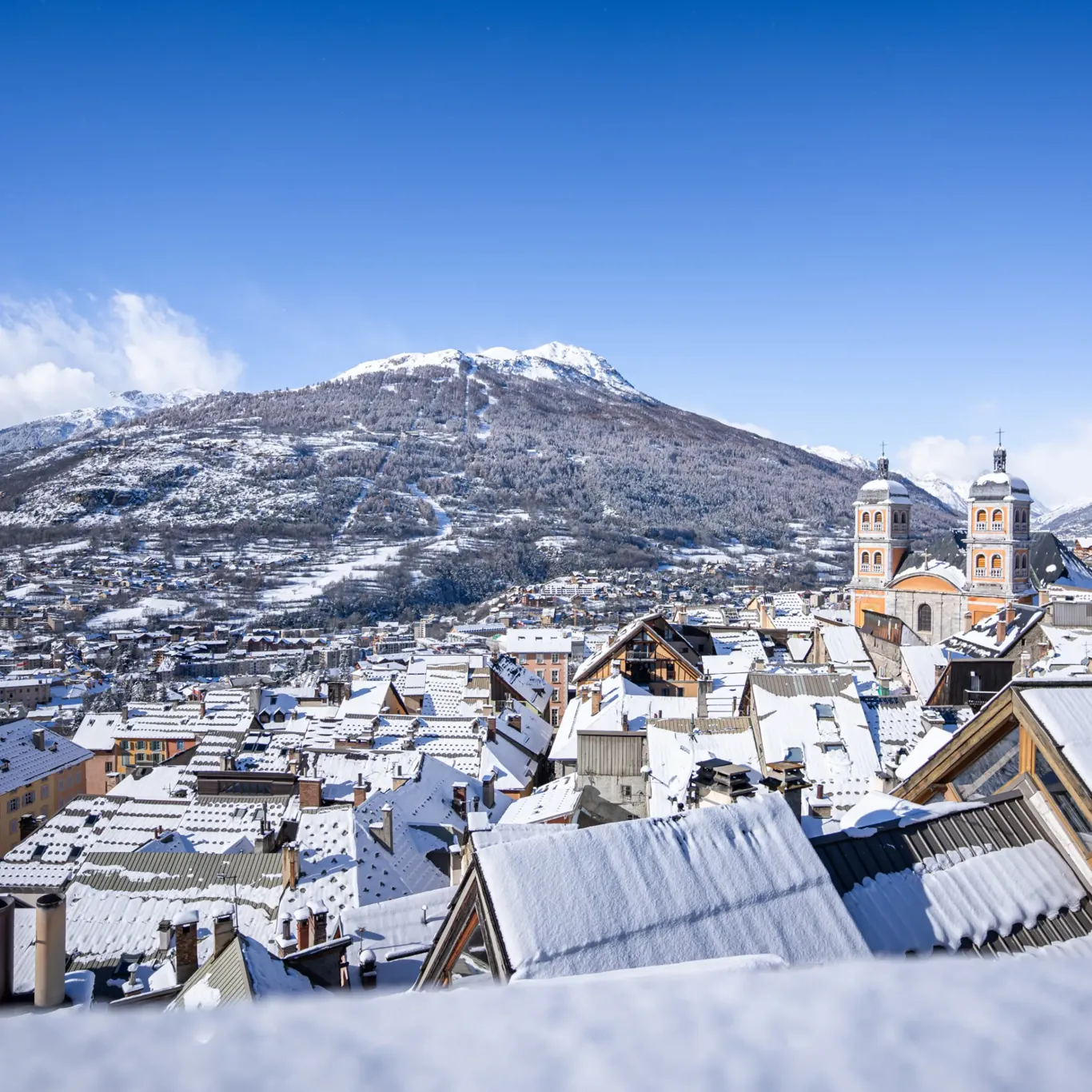
From Les Saisies to Champagny-en-Vanoise, discover the French Alpine resorts combining exceptional skiing, authentic mountain living and long-term property investment potential
24 September 2026
Locations
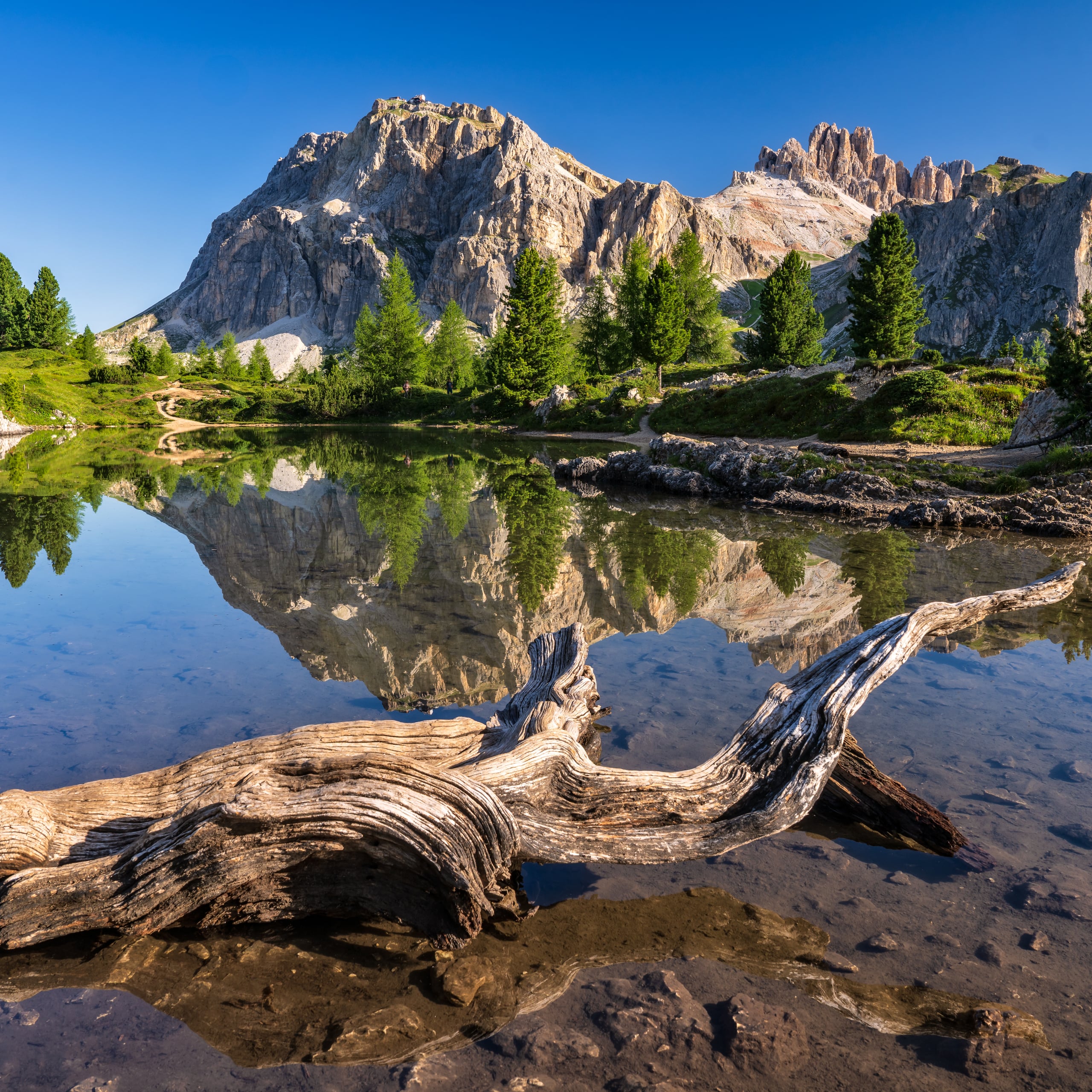
Discover why Cortina d’Ampezzo continues to draw buyers with its balance of nature, privacy and alpine charm
06 August 2026
Locations
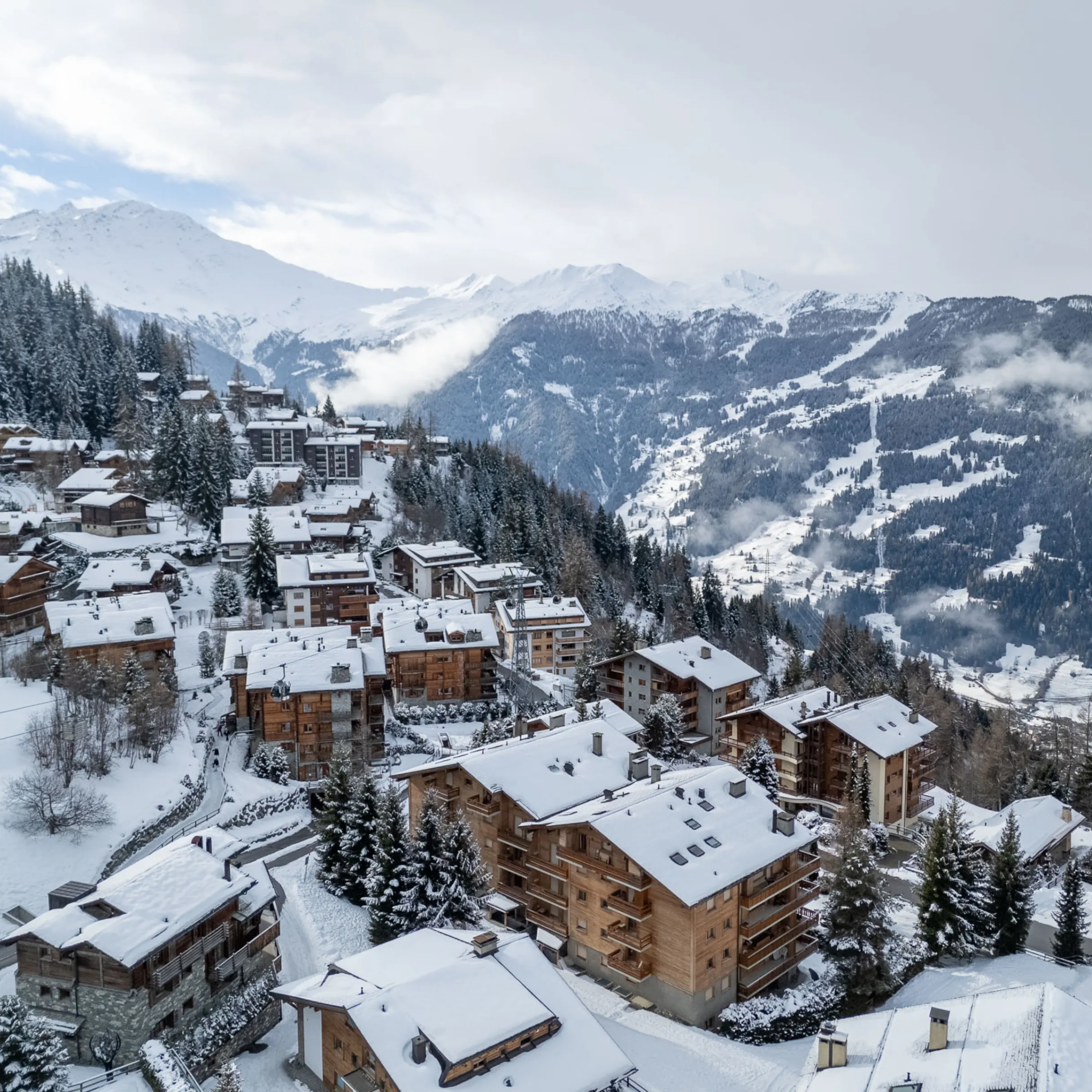
Whether looking for year‑round living, reliable snow or lively après‑ski, our experts share where to find your perfect property
26 February 2026
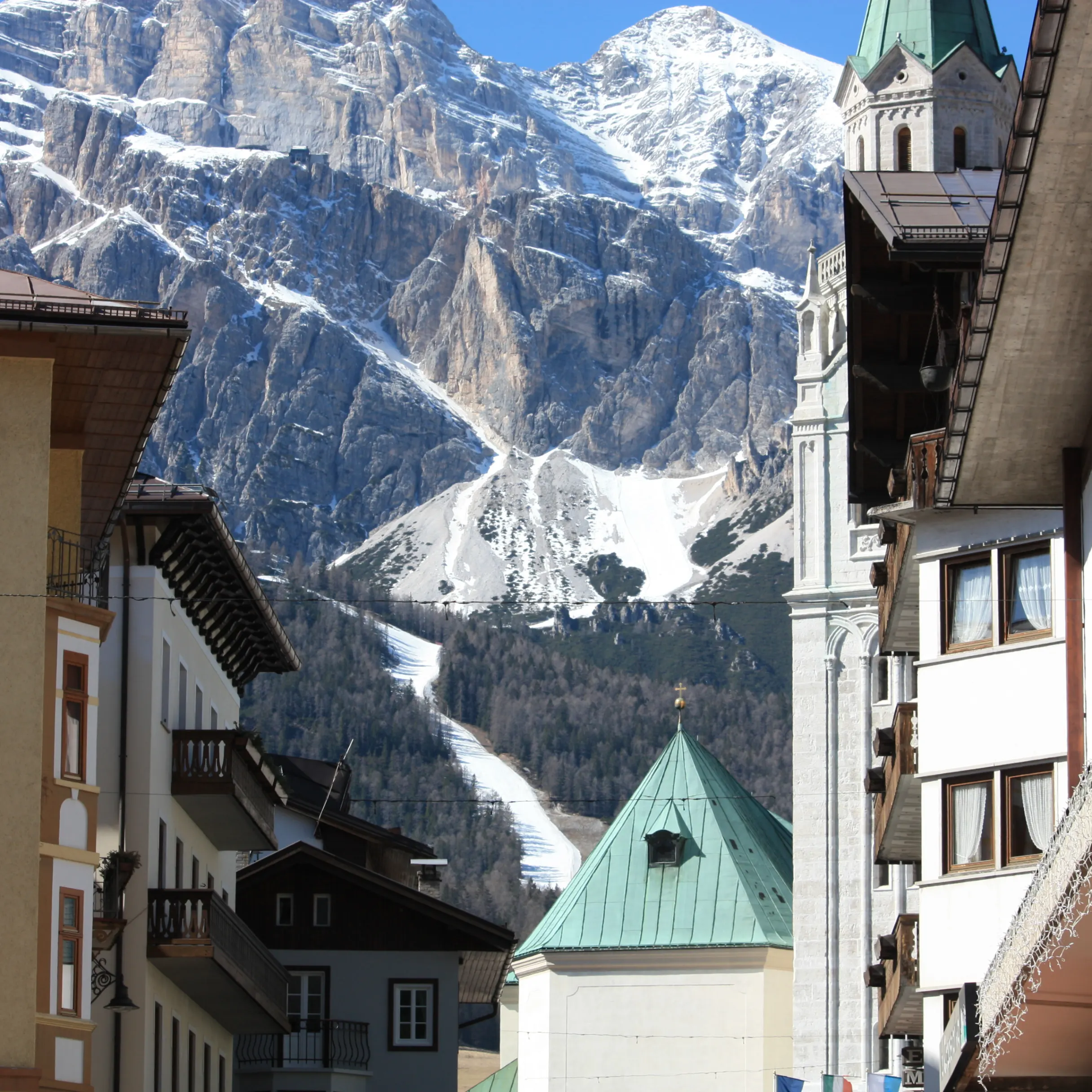
Locations
With a global spotlight on Cortina, its lifestyle and year‑round draw are lifting it into Europe’s top tier of ski property markets
09 February 2026
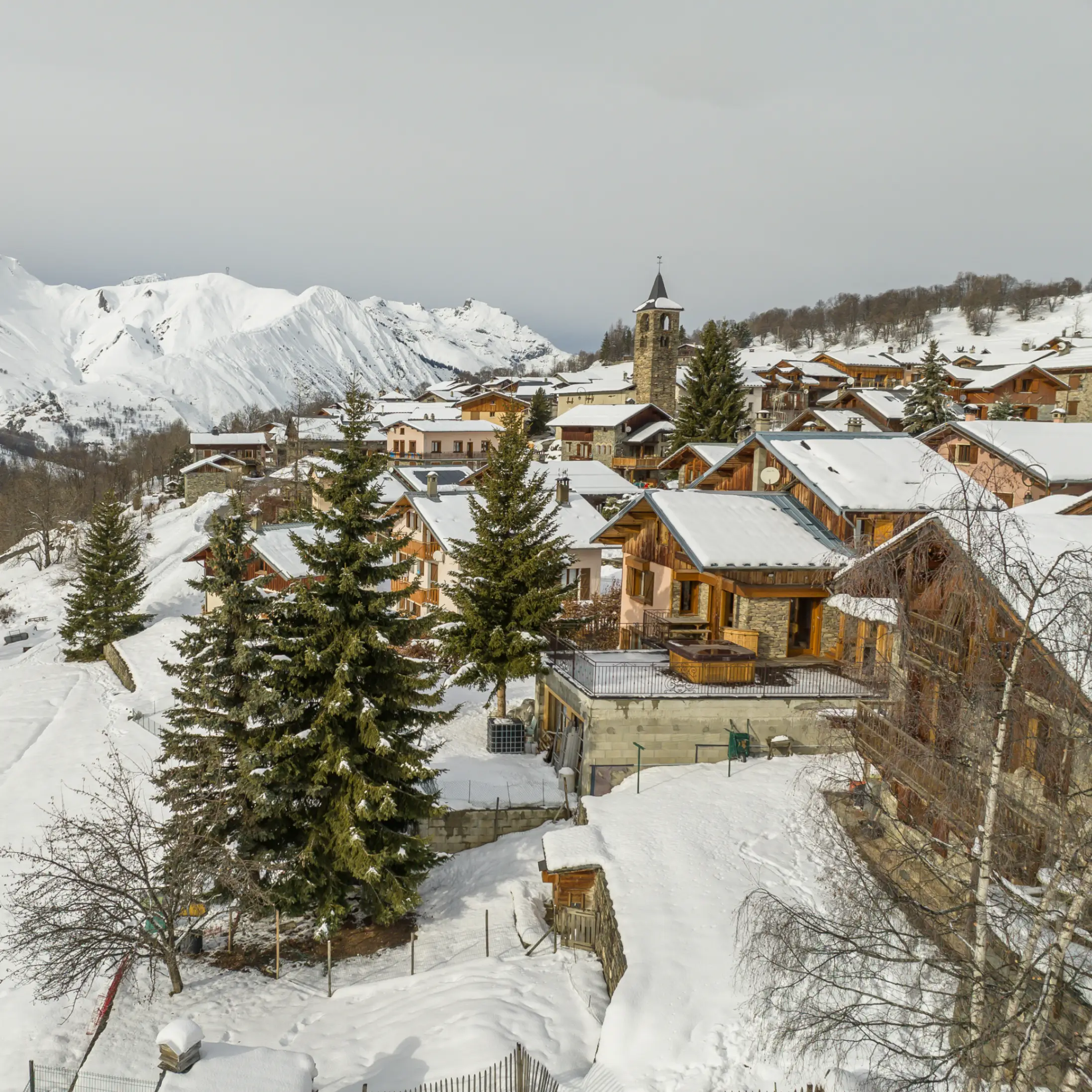
Locations
Thinking of investing in the Alps? Our experts share where to buy, what to look for and how to future-proof your mountain home
05 December 2025
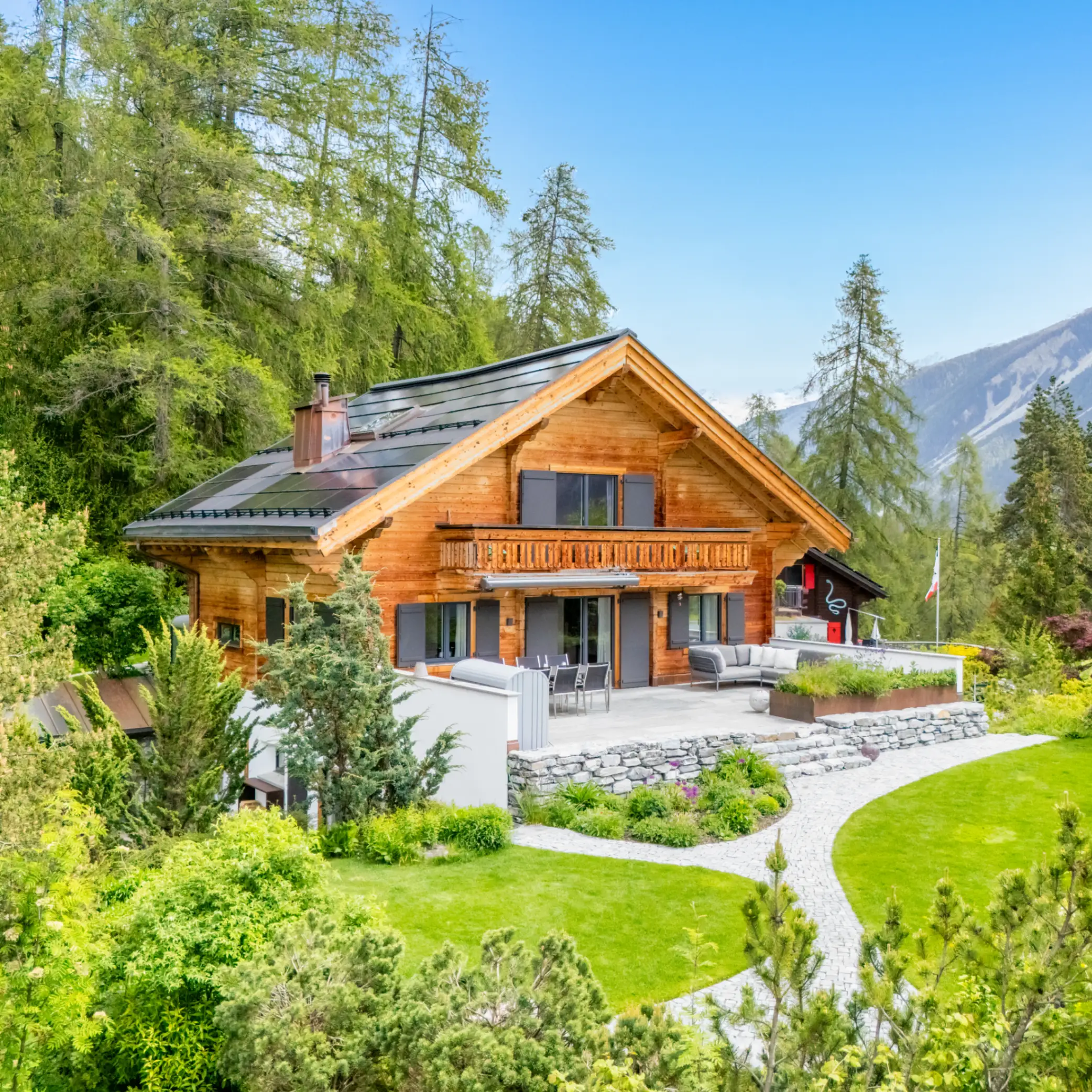
Locations
Explore the top places to experience the Alps this season, alongside remarkable properties currently on the market
04 December 2025
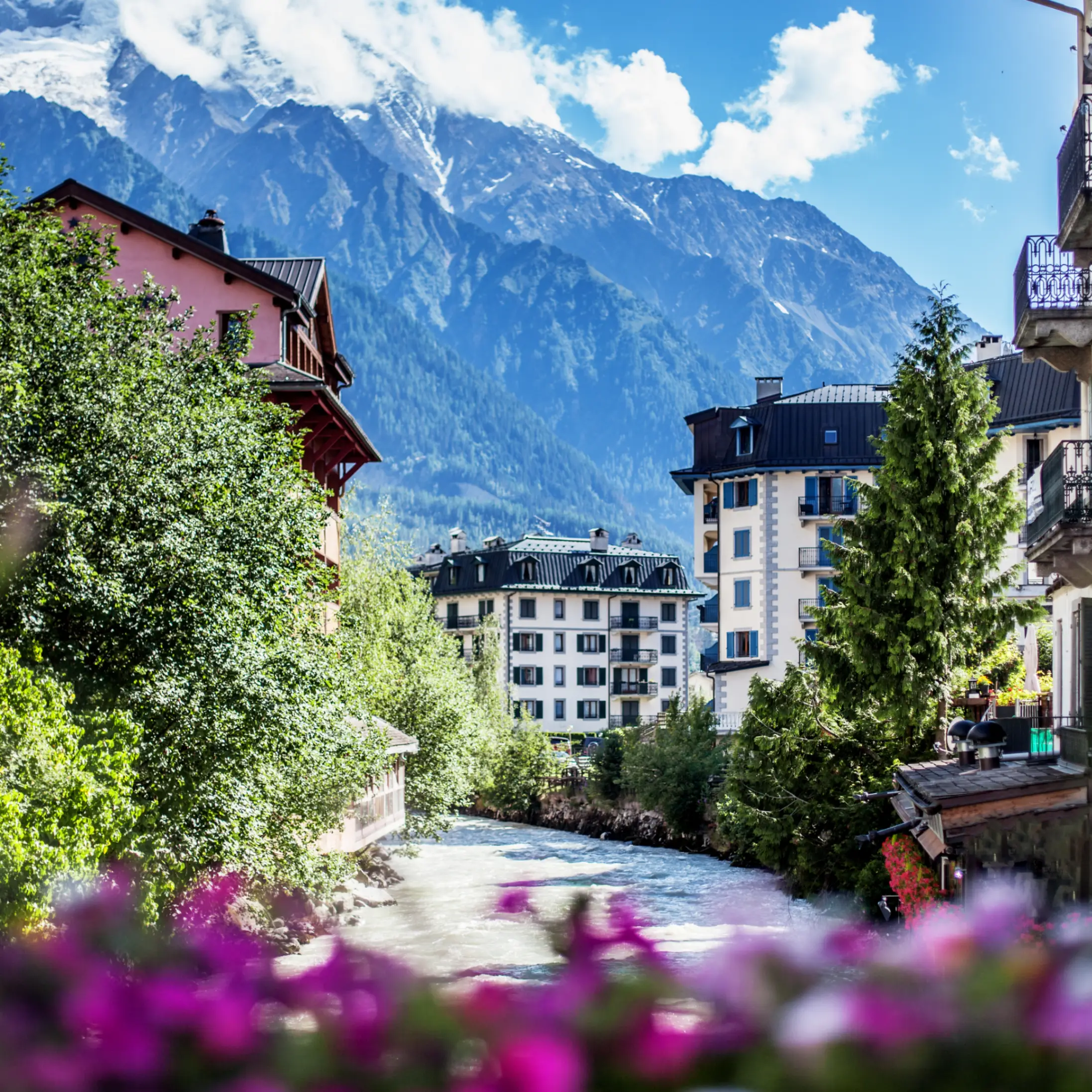
Locations
As demand grows for homes that blend lifestyle, nature and connectivity, mountain resorts from the Alps to New Zealand are being reimagined as four-season destinations
22 October 2025
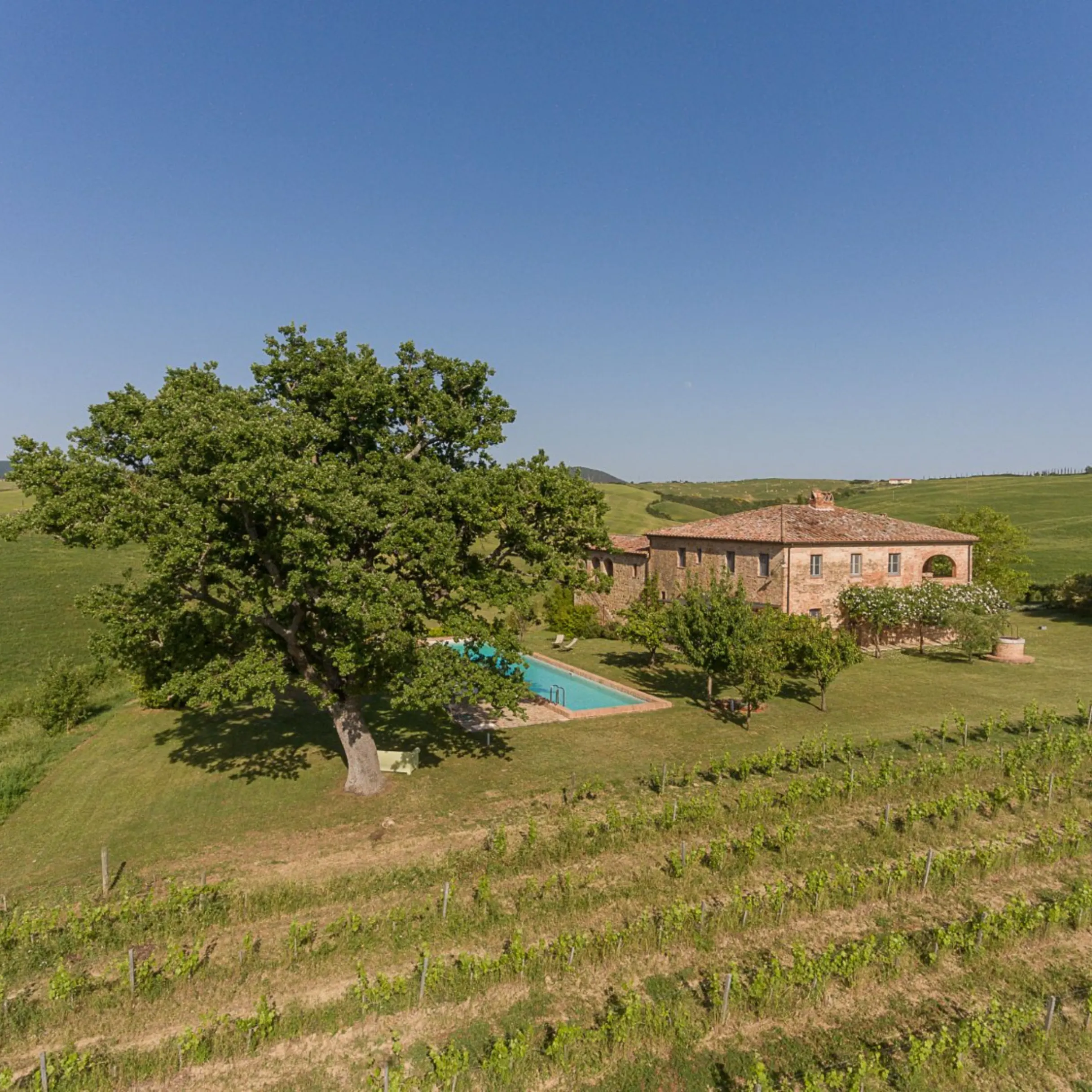
Inspiration
High-net-worth individuals are turning to Europe’s non-urban locations - from tranquil countryside to Alpine retreats - in search of lifestyle, privacy and long-term opportunity
29 August 2025
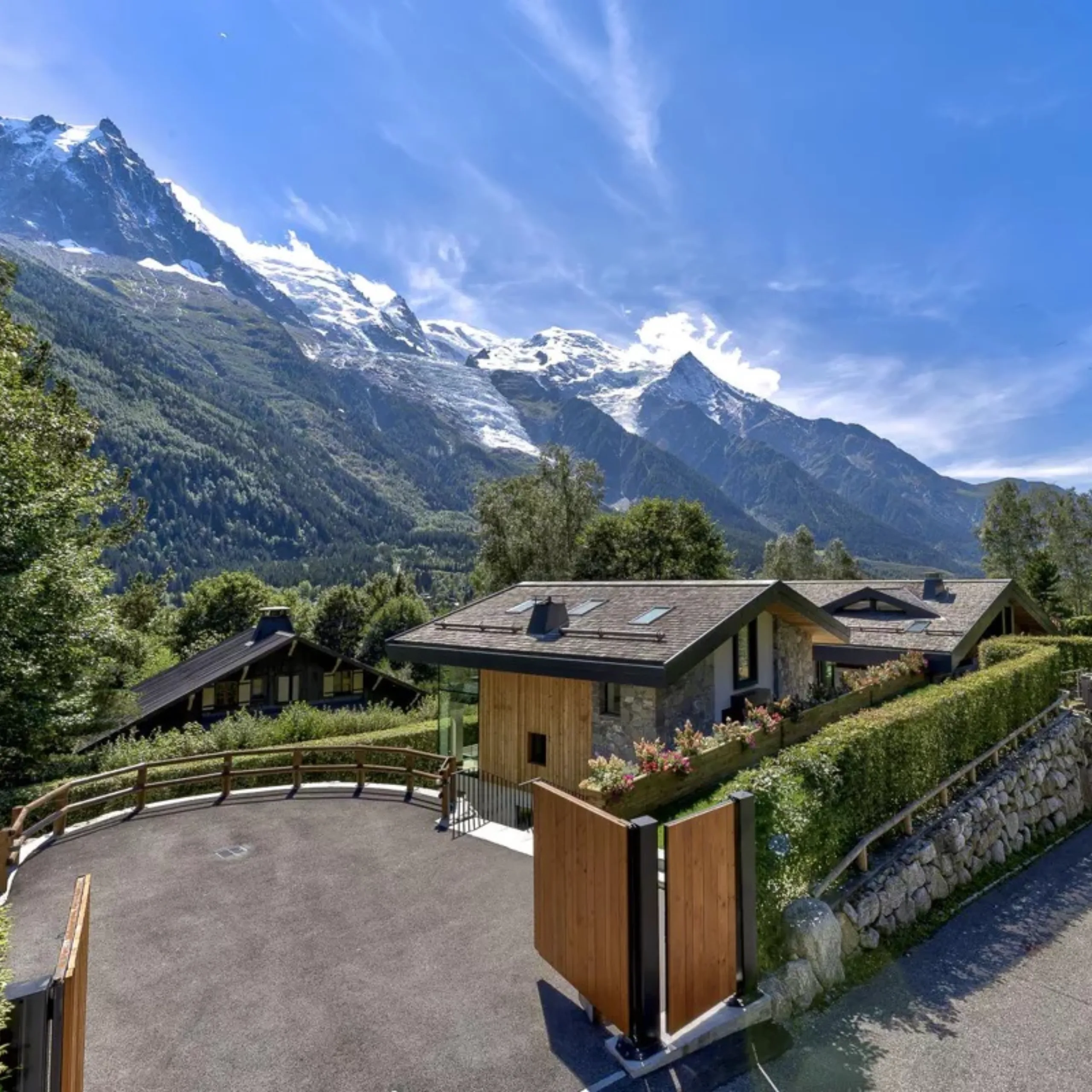
Homes
The Alps’ appeal extends well beyond ski season with resorts offering year-round delights, from breathtaking hikes to a vibrant calendar of cultural events.
14 August 2025
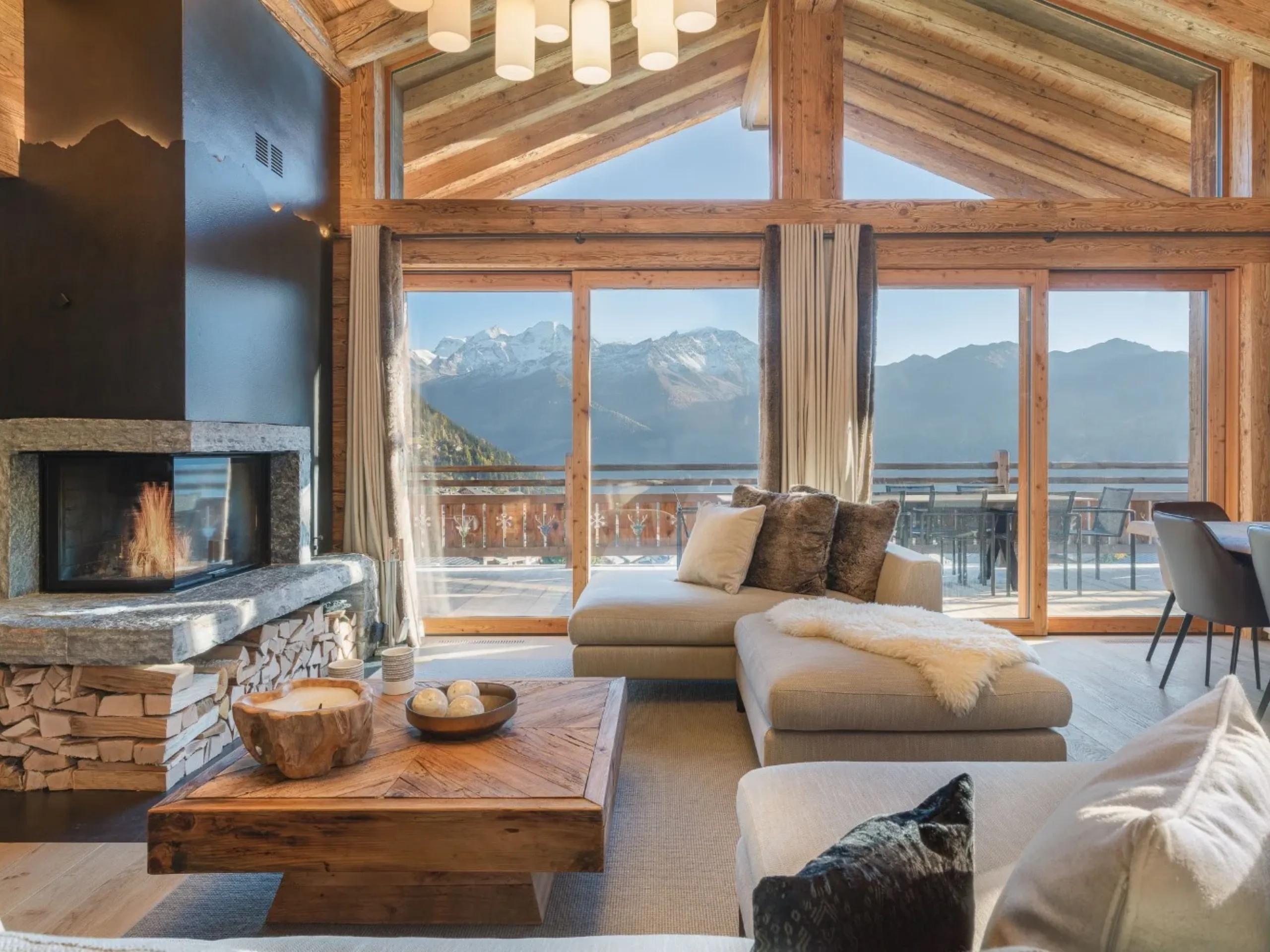
Locations
Heading to the slopes during half-term? Explore expert tips on skiing with children, and discover the top resorts and chalets to consider
12 February 2025
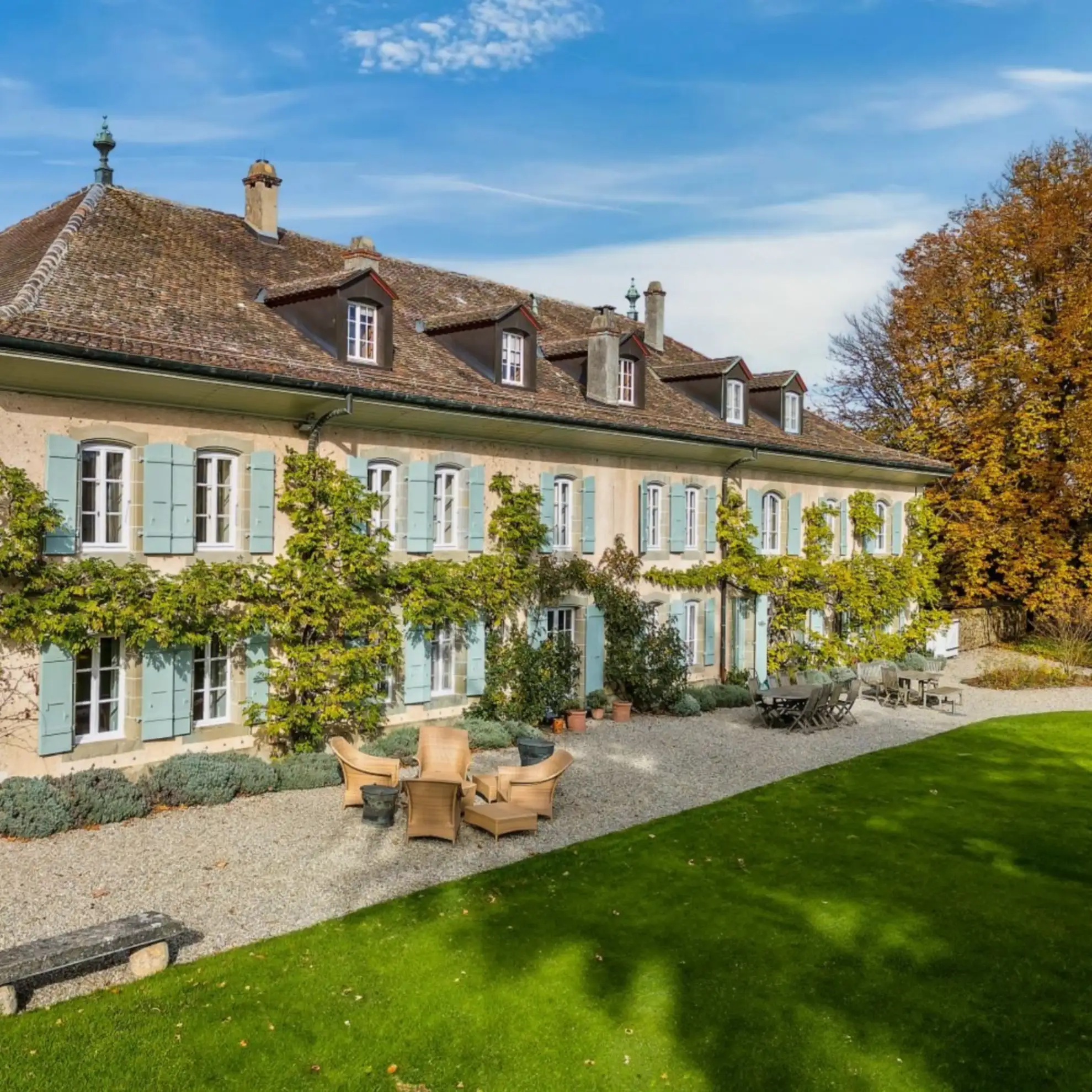
Homes
Now on the market, this Swiss sanctuary of the Breakfast at Tiffany’s star offers a glimpse into the life of a Hollywood icon
10 February 2025
Locations
Thinking of investing in the Alps? We take a look at what to consider when picking a property
01 December 2024
Locations
Our Alpine Property Report is the definitive guide to Europe's premier alpine destinations, we take a look at the leading resorts and why you should consider a move
28 November 2024
Locations
There’s been a flurry of new five-star hotels opening in wealthy Alpine resorts. What does that mean for properties nearby?
16 October 2024
Locations
The year-round French and Swiss resorts where the summers prove equally enticing as the winters
12 August 2024
Locations
All you need to know about the locations and properties available to non-Swiss residents
08 August 2024
Locations
From navigating costs and financing to tips for hassle-free renting, Knight Frank's Alpine experts share how to unlock year-round returns in the heart of the mountains, by Rob Copsey
09 June 2023
Sorry!
An unexpected error has occurred.
Please try again later.


