

Where to invest in the Alps: the resorts offering an elevated lifestyle and long-term potential
Thinking of investing in the Alps? Our experts share where to buy, what to look for and how to future-proof your mountain home

Thinking of investing in the Alps? Our experts share where to buy, what to look for and how to future-proof your mountain home
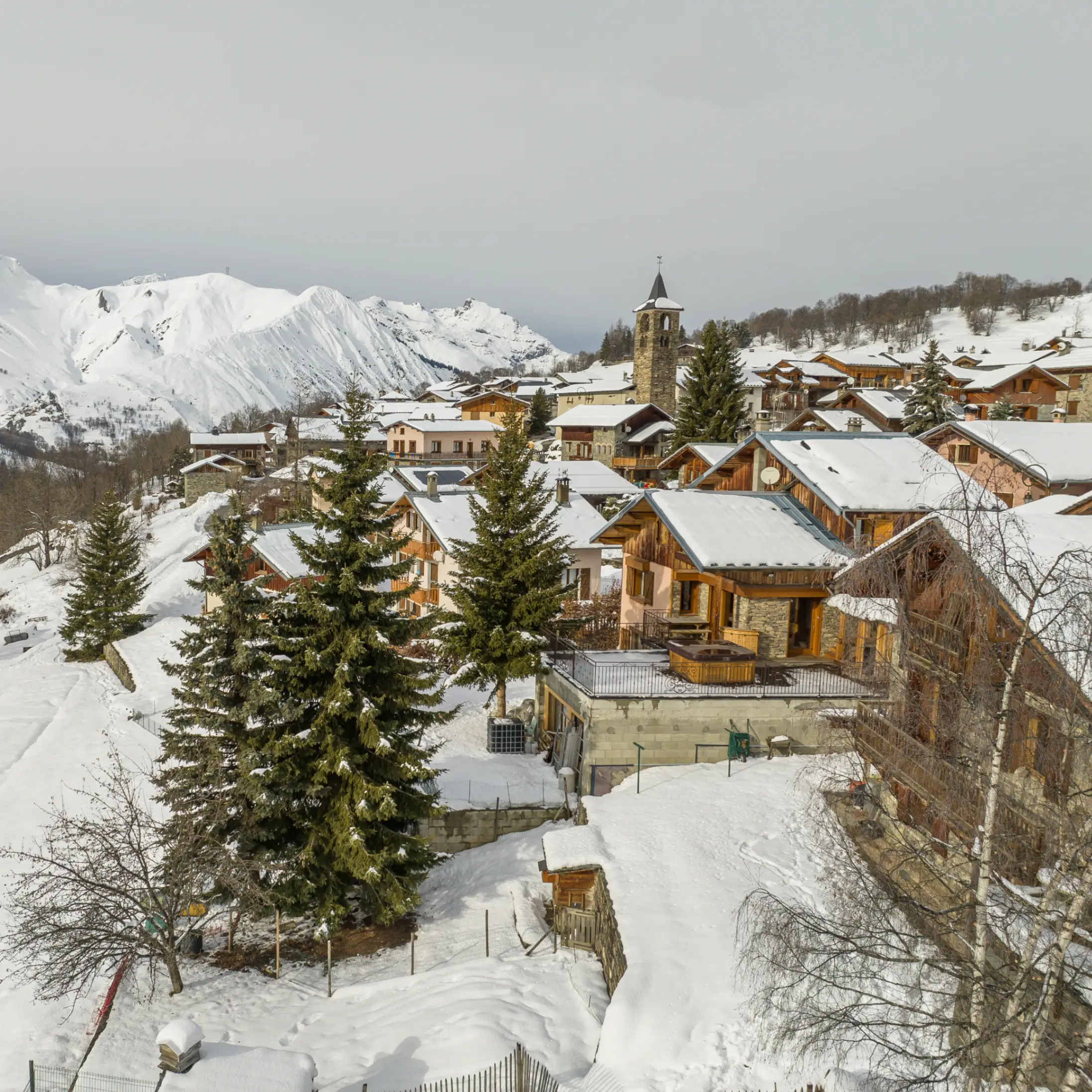
In recent years, the Alps has emerged as one of Europe’s most resilient lifestyle and investment destinations - as Knight Frank’s latest Alpine Property Report attests. The Alpine Property Price Index, which tracks prime prices across leading resorts, now stands 23% higher than five years ago, underscoring a new era of confidence in mountain living.
This renewed appeal is driven in part by rising demand for year-round living in the mountains, a trend accelerated by the pandemic and the widespread shift toward flexible, remote working. For prospective buyers, whether seeking long-term lifestyle value or rental income, this multi-season focus should be front of mind, says Alex Koch de Gooreynd, Partner at Knight Frank specialising in the Swiss Alps.
“If you want to rent out your Alpine property you can typically expect a yield of around 2-3%, so it’s important to consider it as much a lifestyle investment as a purely financial one,” he advises. “Look for an area with an already established rental market, and prioritise resorts with strong summer seasons where activity continues all year round.”
Koch de Gooreynd highlights Villars-sur-Ollon, Verbier and Crans-Montana as standout resorts for year-round living, thanks in large part to their renowned international schools and the well-developed communities that surround them. Crans-Montana, in particular, is seeing renewed momentum following its acquisition by US operator Vail Resorts, which plans to invest around CHF 30 million over the next five years.
Andermatt leads the Alpine price rankings in the report with 14.6% annual growth, also boosted by investment in the region from the company. “It’s a particularly interesting market because the developer is able to control the number of properties released. With limited stock and growing demand for both summer and winter rentals, the potential for returns is significant,” he notes.
In the German-speaking regions, he is seeing rising interest in Klosters. “It’s a little more traditional, but it’s becoming increasingly attractive, with more clients looking at it,” he says. “St. Moritz, meanwhile, is a true year-round resort with a large permanent community, and it’s absolutely beautiful.”
Convenience remains a key factor for both personal enjoyment and rental appeal. “Whether you prefer to be near the slopes is personal choice, but generally a chalet in a peaceful location with easy access to shops and restaurants, and with a great view, will always be desirable,” he says. “I’d also recommend ensuring the property has a lockout cupboard or storage area for skis and equipment to make life easier.”
On-site wellness facilities can be a welcome bonus, particularly in larger chalets. However, for those planning to rent out their property or who expect to be away for long periods, an apartment with access - either through attachment or partnership - to a neighbouring high-end hotel with a spa can be a smart option. “This gives you and your guests access to luxury amenities without the cost and responsibility of maintaining them year-round,” he adds.
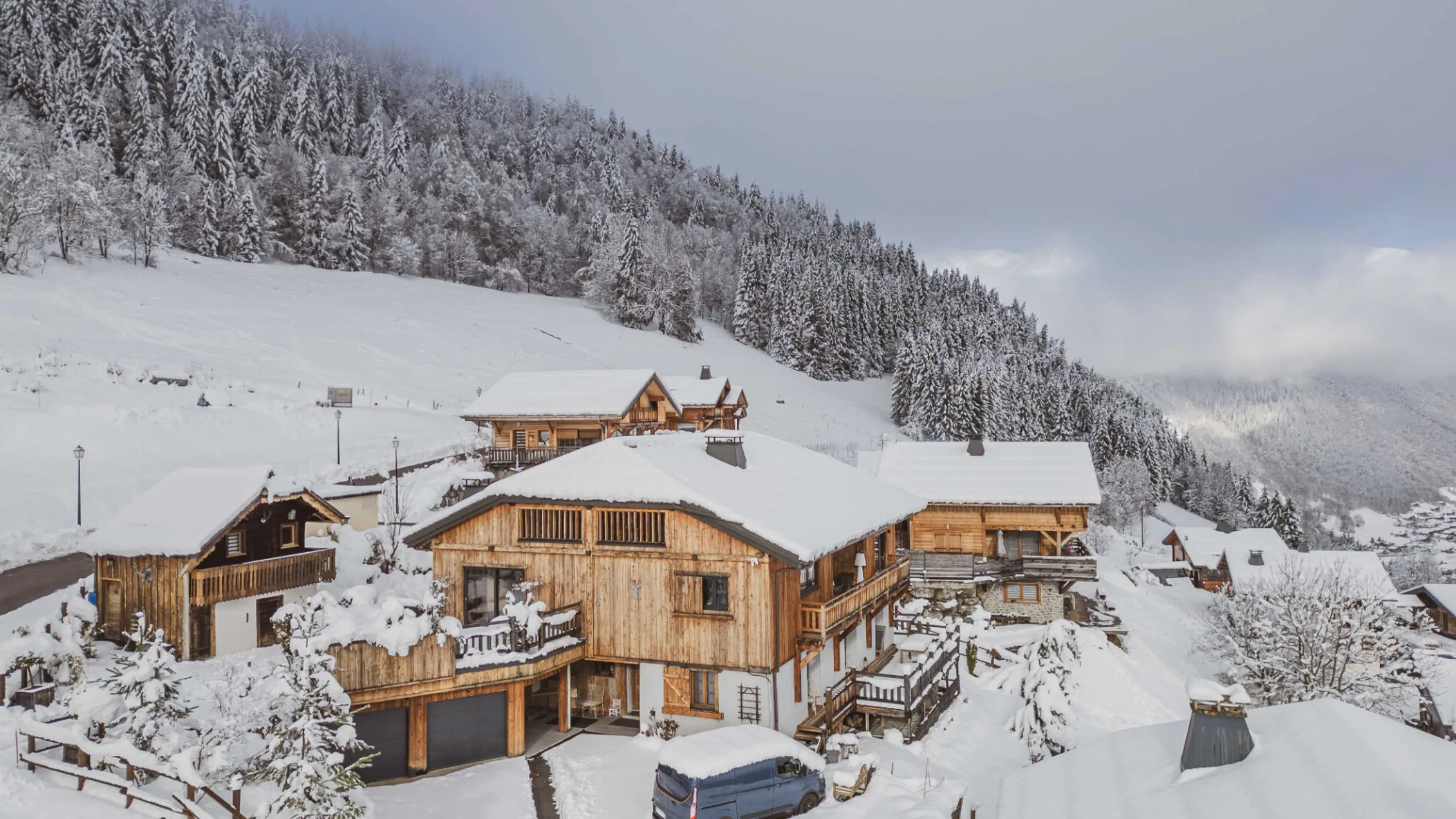
Laetitia Hodson, a Partner in Knight Frank’s International team, notes that in France, higher-altitude resorts, where the ski season is longer and snow conditions are more reliable, have shown resilience. “Val d’Isère and the resorts of the Three Valleys ski area, such as Courchevel, Méribel and St-Martin-de-Belleville, have all performed strongly,” she says. “For buyers considering up-and-coming destinations, Val Thorens and Alpe d’Huez offer relative value compared with other high-altitude resorts, along with the potential for stronger yields.”
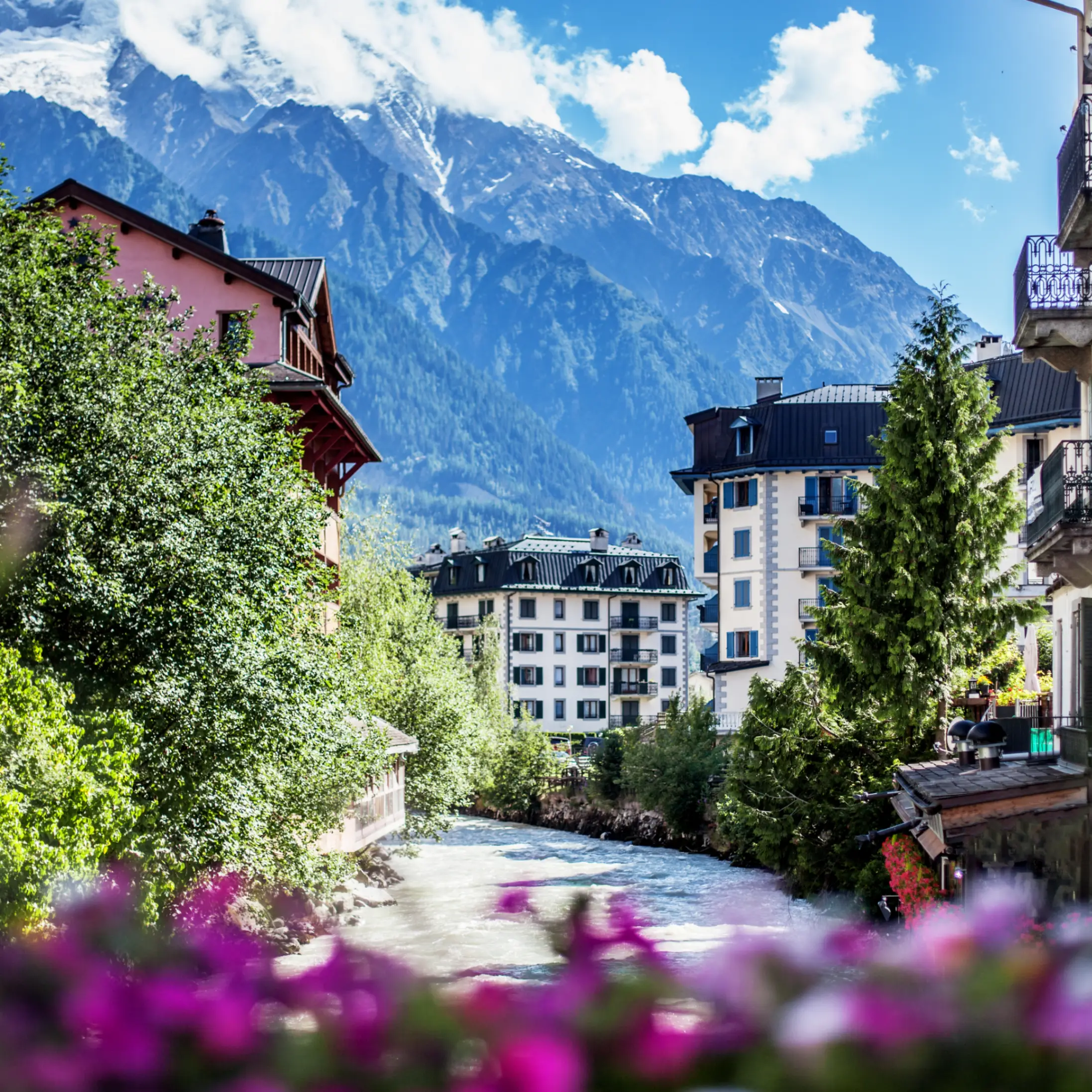
Year-round living is also reshaping demand across the French Alps, with leading resorts investing heavily to broaden their summer and multi-season appeal. “Chamonix excels in offering the perfect blend - access to exceptional skiing alongside a wealth of activities in the summer months,” she says. Nearby, Argentière will benefit from the new lift at Les Grand Montets, an important infrastructure upgrade that will enhance the area’s appeal, while Morzine is benefiting from significant investment aimed at strengthening its year-round offering.
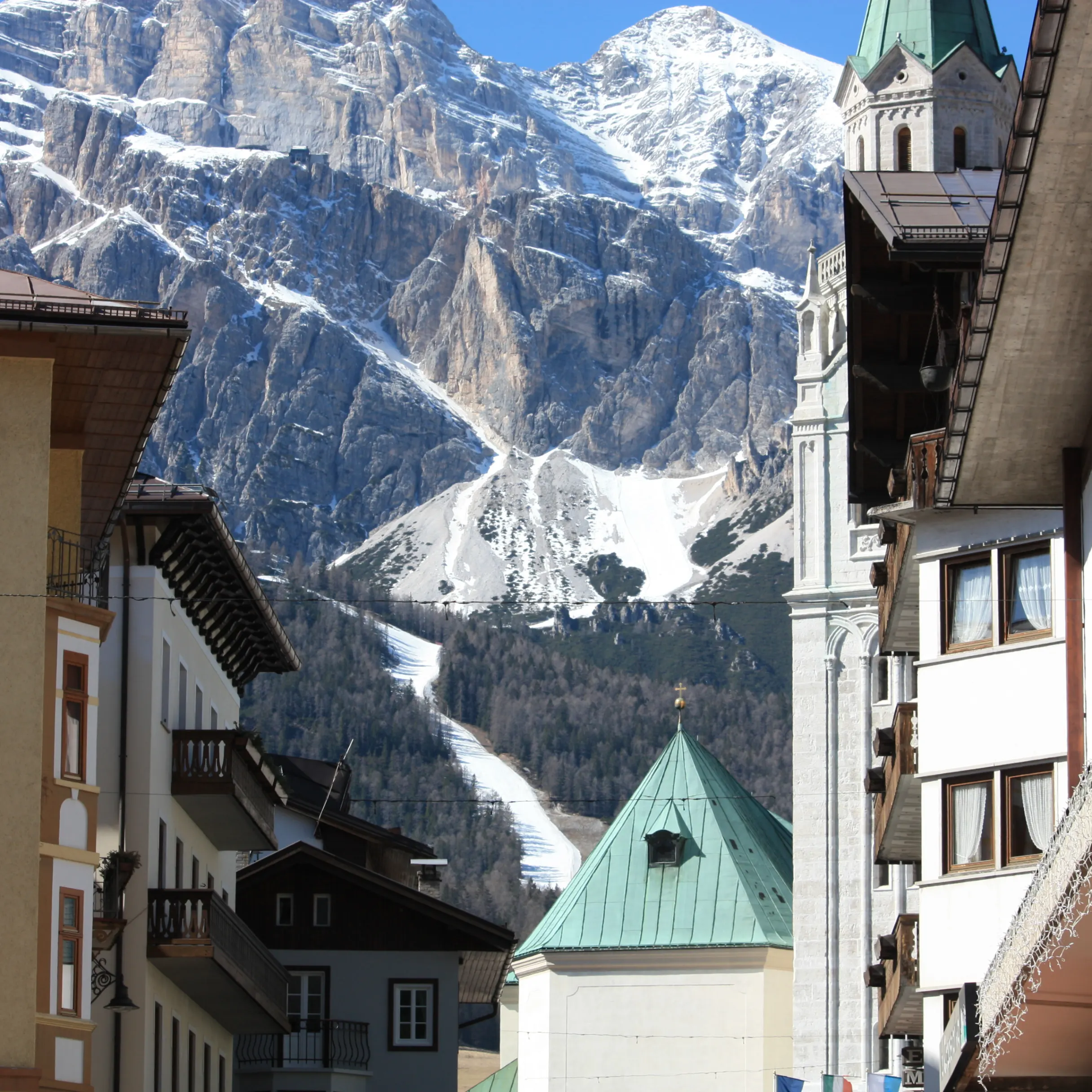
Over in Italy, she highlights Cortina as “one to watch”, noting that preparations for hosting the Winter Olympics are likely to deliver long-term benefits for buyers entering the market now.
The shift toward year-round living means buyers increasingly want flexible, functional space, with home offices in high demand and dedicated parking proving an important draw. For those focused on long-term investment potential, Hodson also recommends paying close attention to the property’s DPE (Diagnostic de Performance Énergétique) - the French equivalent of an EPC.
“If you want to rent out your property, it will need to achieve a strong energy rating, especially as regulations tighten,” she advises. “Well-insulated, double-glazed homes with modern heating systems will be far better placed to hold value and meet future requirements.”
She also encourages buyers to look into VAT rebates on new-builds: under certain conditions, purchasers of qualifying new properties intended for rental may reclaim the 20% VAT. “It can significantly reduce upfront costs and make a new-build acquisition particularly attractive,” she adds.
In Switzerland, borrowing remains uniquely attractive for Alpine real-estate investors thanks to the Swiss National Bank’s policy rate being held at or around zero since mid-2024, according to John Busby, Head of Sales at Traverse. “This ultra-low cost of funds means that securing capital in Switzerland can be structurally more efficient than in many euro-zone jurisdictions, making Swiss Alpine property a compelling target from a financing perspective,” he adds. “The ability to lock in near-zero nominal rates is a strategic advantage — especially for those seeking to hold property over the medium to long term and retain flexibility to deploy “dry powder” into adjacent opportunities.”
In France and Italy the picture is more nuanced. In France, retail banks are now pricing fixed mortgages from 3.5% to 4.5%, reflecting the gradual shift in the euro-zone funding regime and the French government bond yields. Private bank rates are similar, with more options in terms of fixed rates and interest only. In Italy, while most loans are still on a capital and interest basis, private banks continue to offer interest-only options for high-net-worth borrowers, which supports flexibility for Alpine holdings. “Given that euro borrowing costs are near cycle lows, margin spreads are tightening and GBP has weakened, it is an opportune moment to borrow to preserve funds pending economic improvements,” he says.
Locations
From Les Saisies to Champagny-en-Vanoise, discover the French Alpine resorts combining exceptional skiing, authentic mountain living and long-term property investment potential
24 September 2026
Locations
Whether looking for year‑round living, reliable snow or lively après‑ski, our experts share where to find your perfect property
26 February 2026
Locations
With a global spotlight on Cortina, its lifestyle and year‑round draw are lifting it into Europe’s top tier of ski property markets
09 February 2026
Locations
Thinking of investing in the Alps? Our experts share where to buy, what to look for and how to future-proof your mountain home
05 December 2025
Locations
Explore the top places to experience the Alps this season, alongside remarkable properties currently on the market
04 December 2025
Locations
As demand grows for homes that blend lifestyle, nature and connectivity, mountain resorts from the Alps to New Zealand are being reimagined as four-season destinations
22 October 2025
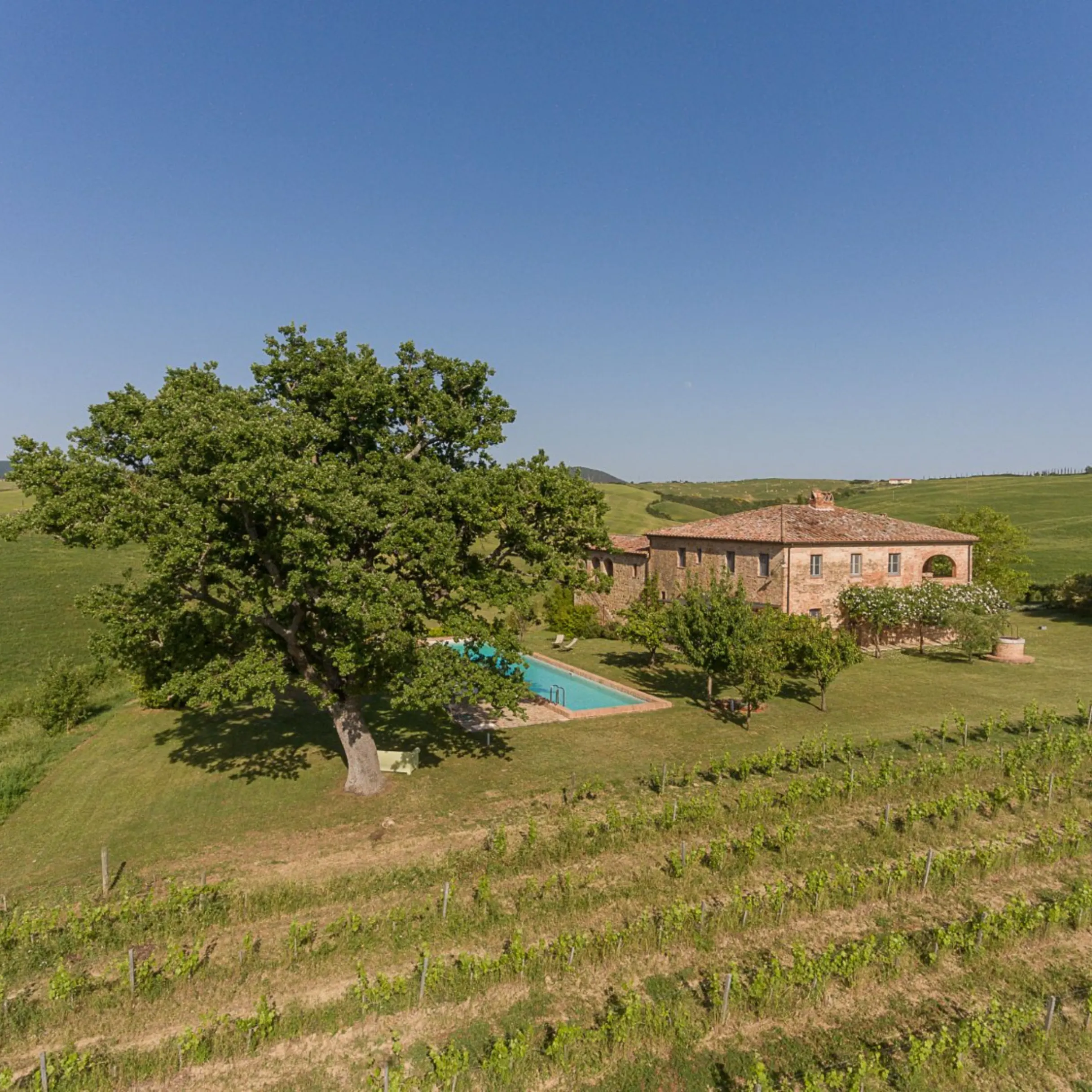
Inspiration
High-net-worth individuals are turning to Europe’s non-urban locations - from tranquil countryside to Alpine retreats - in search of lifestyle, privacy and long-term opportunity
29 August 2025
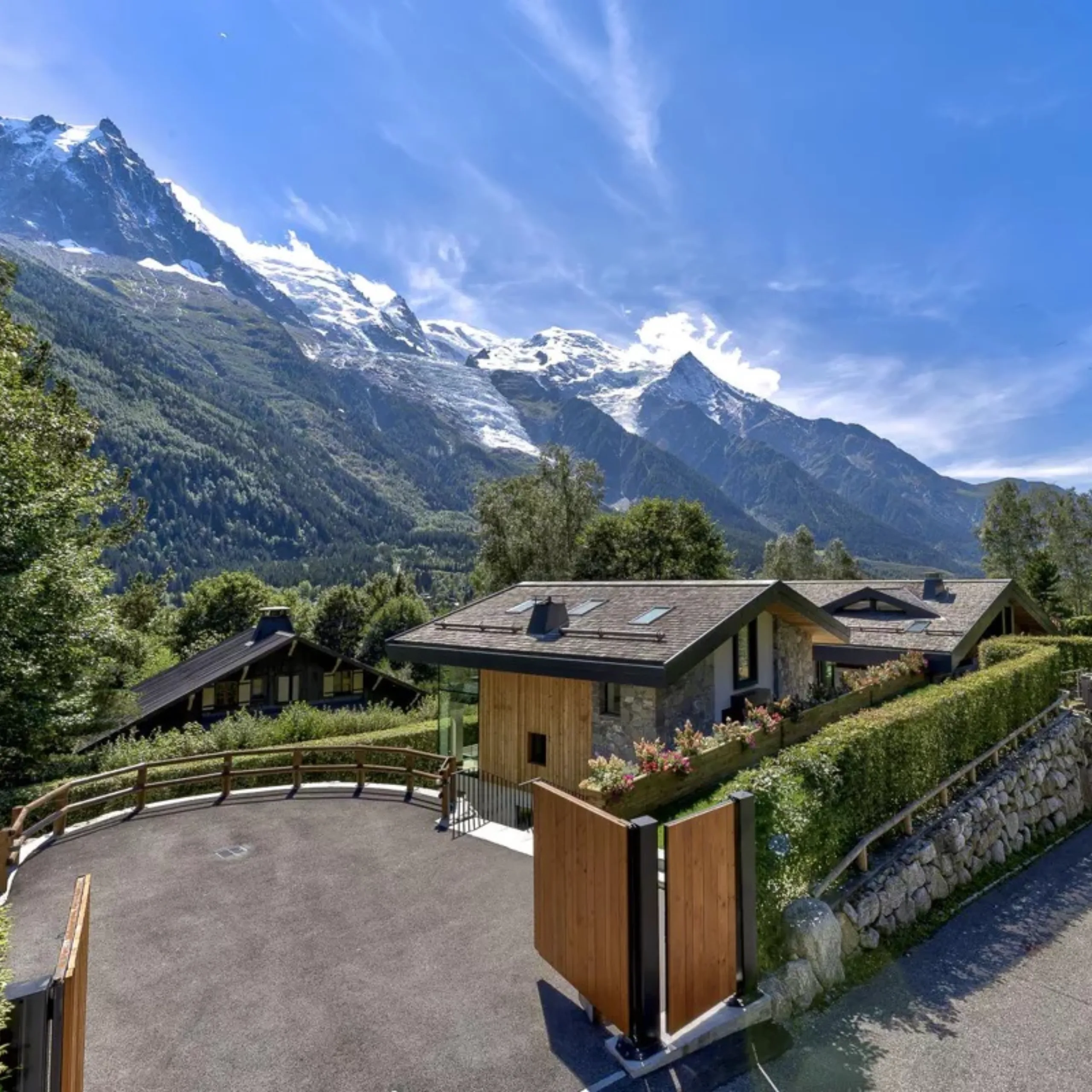
Homes
The Alps’ appeal extends well beyond ski season with resorts offering year-round delights, from breathtaking hikes to a vibrant calendar of cultural events.
14 August 2025
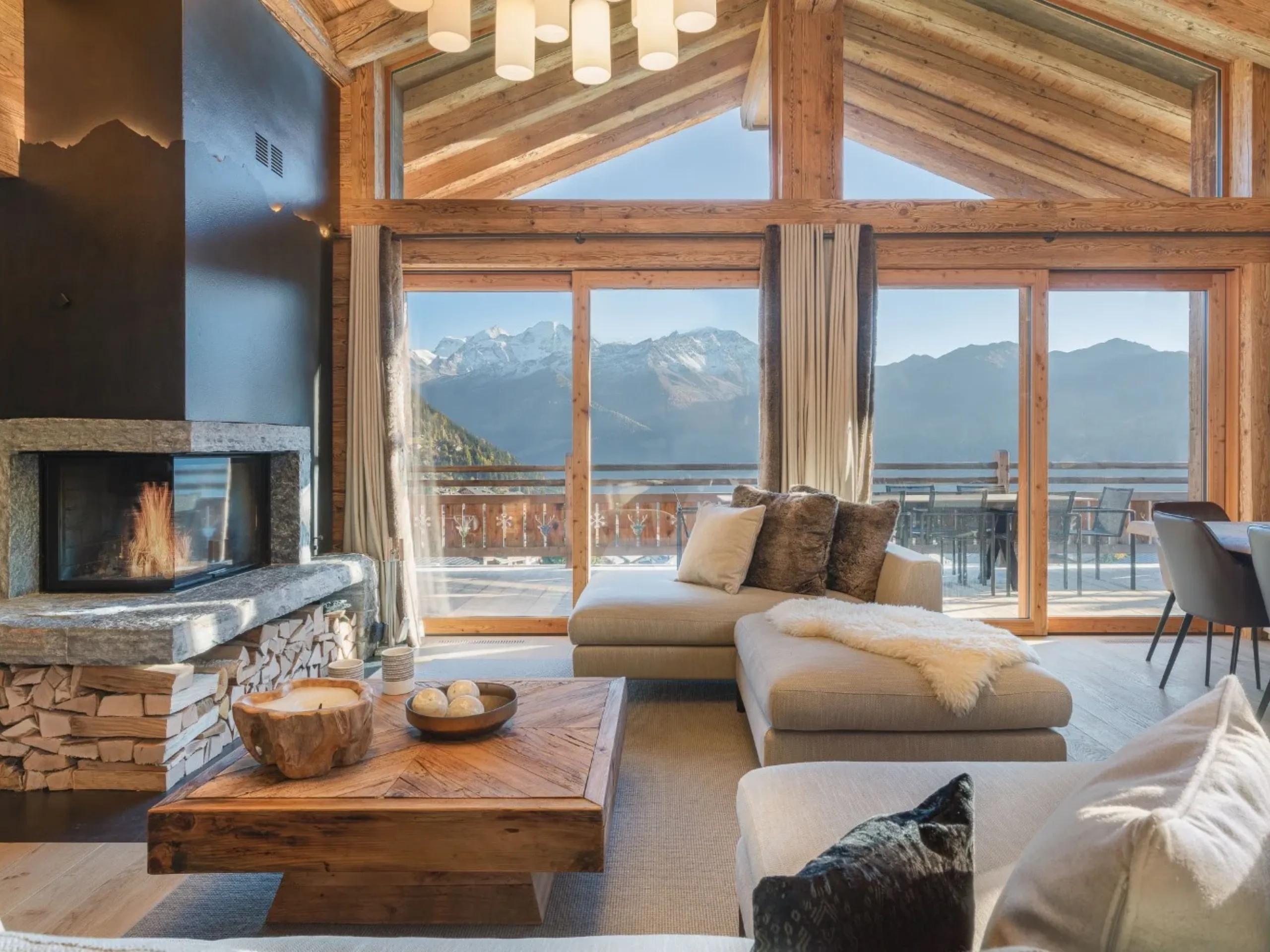
Locations
Heading to the slopes during half-term? Explore expert tips on skiing with children, and discover the top resorts and chalets to consider
12 February 2025
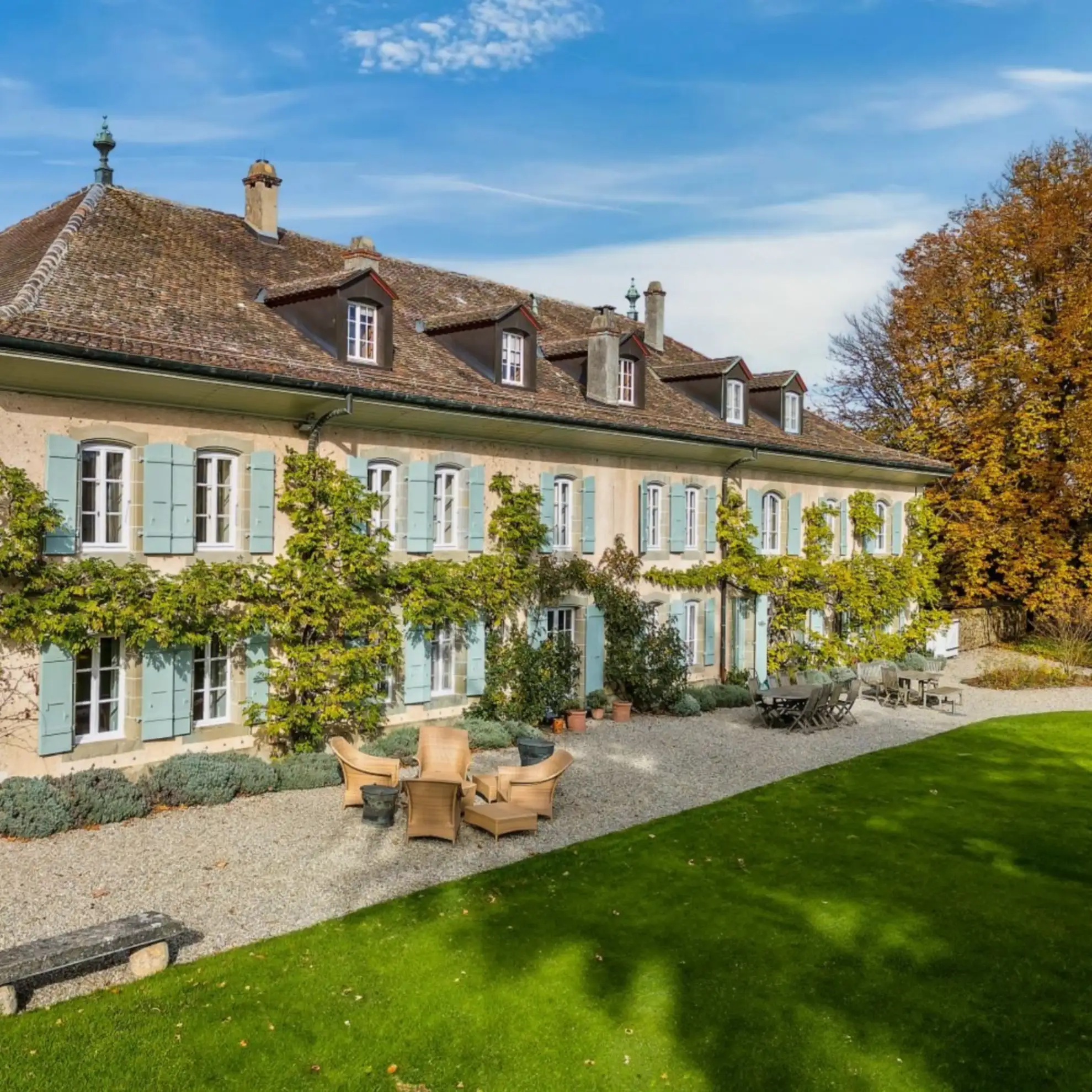
Homes
Now on the market, this Swiss sanctuary of the Breakfast at Tiffany’s star offers a glimpse into the life of a Hollywood icon
10 February 2025
Locations
Thinking of investing in the Alps? We take a look at what to consider when picking a property
01 December 2024
Locations
Our Alpine Property Report is the definitive guide to Europe's premier alpine destinations, we take a look at the leading resorts and why you should consider a move
28 November 2024
Locations
There’s been a flurry of new five-star hotels opening in wealthy Alpine resorts. What does that mean for properties nearby?
16 October 2024
Locations
The year-round French and Swiss resorts where the summers prove equally enticing as the winters
12 August 2024
Locations
All you need to know about the locations and properties available to non-Swiss residents
08 August 2024
Locations
From navigating costs and financing to tips for hassle-free renting, Knight Frank's Alpine experts share how to unlock year-round returns in the heart of the mountains, by Rob Copsey
09 June 2023
Sorry!
An unexpected error has occurred.
Please try again later.
