

Guide
A complete guide to buying a farm in the UK
Buying farmland or rural land can be a life-changing decision.
For some, it’s about lifestyle and legacy. For others, it’s a strategic investment that offers diversification, environmental impact, and long-term value.
From finding the right land and understanding values to managing, developing and planning for the future, we’ll explain the process step by step. You’ll also gain clarity on the UK’s rural land market, legal and financial considerations, sustainability opportunities and how to structure ownership for success.
On this page:
- Why buy farmland or rural land
- Understanding the farmland market
- Step 1: Finding the right farm or land
- Step 2: Valuing and financing your purchase
- Step 3: Legal considerations and ownership structures
- Step 4 - Managing and developing your farm
- Step 5 - Future planning and succession
- Next steps
- FAQs
Back to top
Why buy farmland or rural land in the UK
Farmland has long been valued as a stable, tangible asset. Despite recent challenges, agricultural land has demonstrated long-term resilience. Our research shows that farmland values have remained consistent. This makes it attractive to investors seeking to diversify their portfolios, as well as buyers focused on intergenerational wealth.
Lifestyle motivations are equally strong. Rural property offers extensive space, privacy and a connection to land that’s increasingly hard to find elsewhere. Many buyers are drawn to the opportunity to create a family estate or operate a working farm.
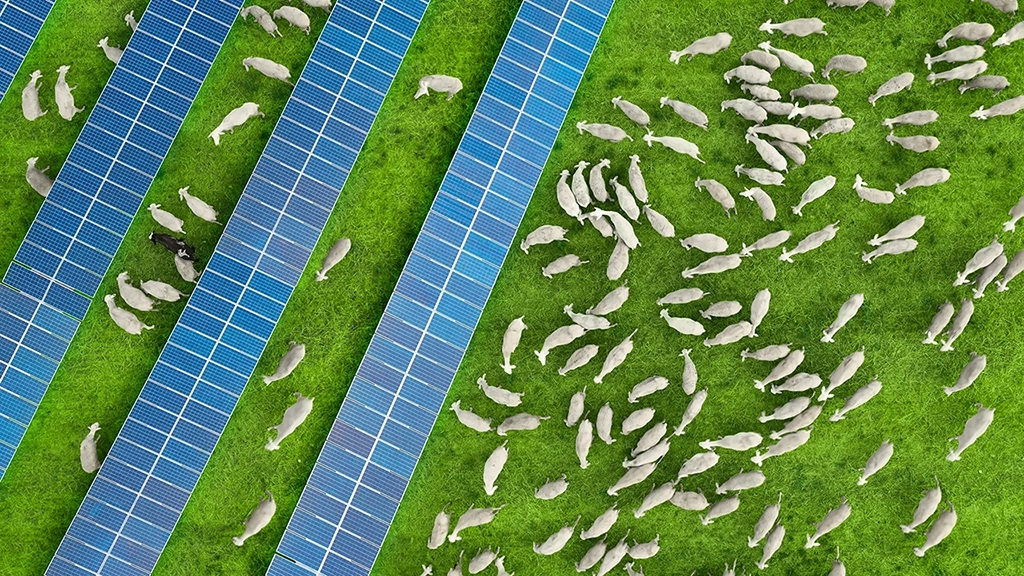
Sustainability is also now a key driver for many rural purchases. Farmland can support renewable energy, biodiversity enhancement, carbon capture, utilisation and storage (CCUS) and natural capital projects. These environmental uses are increasingly aligned with long-term income potential and Environmental, Social and Governance (ESG) objectives.
When buying a farm, remember you’re not just purchasing land - you’re taking on an ecosystem. Understanding its history, soil and sustainability is as important as the view from the gate.
Ed Rook
Head of the Country Department
Understanding the farmland market
The UK farmland market varies significantly by region. Land values are influenced by numerous factors including:
- soil quality and type
- climate
- competition
- location and accessibility
- farming type
- alternative income opportunities.
The British weather can also have a part to play. Spring sunshine often perks up the market which can be quieter over a cold and gloomy winter.
Some of the highest land values can be found in south-west England. The lowest are in the north-east.
According to the Knight Frank Farmland Index, the price of bare agricultural land remained virtually flat in the final quarter of 2025. An acre of farmland is now worth slightly under £8,700.
Supply remains limited, particularly for high-quality land. Demand comes from a mix of owner-occupiers, institutional investors, lifestyle buyers and those seeking environmental or diversification opportunities.
Location, scale and versatility are key drivers of demand. Farms with diversification potential, good access and strong infrastructure tend to attract the widest buyer interest. And as ever, attractive areas with appealing amenities and lifestyle options command higher prices.
Step 1: Finding the right farm or land
Understanding your objectives really takes centre stage when you start searching for your farmland in the UK. Is it working farm with established income streams? A lifestyle estate with residential appeal? Or land with potential for diversification or environmental projects? When you know your key motivator, it’s far easier to hone your search.
Your practical checklist should include:
- soil type
- water supply and drainage
- infrastructure and access
- existing buildings
- services and communication
- rights of way
- tenancy arrangements
- sporting rights
- environmental designations.
With their local knowledge and networks to help identify the most suitable properties for you, working with a regional specialist can be invaluable. They will typically have access to off-market opportunities that are common in rural communities.
Despite the issues facing the farming industry, in 2025 we achieved strong prices to a diverse range of buyers.
Will Matthews
Head of Farms and Estates Sales
Step 2: Valuing and financing your purchase
Valuation
A farm’s worth reflects its land quality, income streams, buildings, development potential and tax considerations. As valuing rural property is different from a residential home, we have a dedicated rural property and land valuation team to help you to understand current as well as future value.
Finance
Your financing options need to be through specialist lenders including agricultural mortgages, commercial lending or private banking solutions. Lenders assess land use, income stability and management plans to inform their decisions.
As with any property purchase, you need to budget for ongoing costs too. You’ll face fees for maintenance and insurance services, plus professional management costs and taxes. That’s before you consider capital investment in diversification or new projects.
Our Knight Frank Finance team works with a wide range of specialist lenders and private banks, helping rural buyers to secure suitable lending solutions.
Step 3: Legal considerations and ownership structures
There are very specific legal complexities relating to rural property ownership. From agricultural tenancies to tax obligations and ownership structures, it’s important to be aware of your obligations at an early stage. Seek professional legal advice to ensure compliance.
According to the Government, in England the majority of farms (54%) are owner occupied. 31% are mixed tenure and 14% wholly tenanted.
The Agricultural Tenancies Act 1995 sets out the business conditions of a farm tenancy. It’s a key piece of legislation for rural land buyers. The UK government site details the intricacies of Agricultural Tenancies in England and Wales.
The government's Environmental Land Management (ELM) scheme is also worth investigating. These three schemes pay farmers for environmental and climate goods and services, encouraging sustainable practices like soil health improvement and ecosystem restoration. This scheme spans the Sustainable Farming Incentive, Countryside Stewardship and Landscape Recovery. Your obligations will be specific your land.
UK farm and rural land ownership structures are particularly important for tax efficiency and succession planning. Typically, that ownership structure’s either a sole trader, partnership or limited company (LLP). However, you could also enter into share farming with another farmer to pool your resources.
Whether your land is held personally or by a company will impact your tax liability.
The latest inheritance tax (IHT) reforms weren’t as severe as anticipated. From April 2026, farms worth over £2.5 million (£5 million if owned by a married couple or those in a civil partnership) will now be liable for IHT.
Agricultural Property Relief (APR) and Business Property Relief (BPR) can offer significant inheritance tax advantages, but eligibility depends on how the land is owned and used.
Professional legal and tax advice is essential to ensure you comply, optimise reliefs and plan for the long term.
A good farm balances potential with practicality. Look beyond the romance of rural life and make sure the infrastructure, access and long-term productivity meet your plans.
Ed Rook
Head of the Country Department
Step 4 - Managing and developing your farm
Buying your farmland’s a major step, but it’s vital that you manage it well to protect and enhance its value long term.
You may opt for traditional farming, entering environmental schemes or diversifying into renewables, tourism or leisure uses. Do you fancy rewilding or starting solar or wind projects? You could set up a farm shop, holiday accommodation or event sites. Each option requires careful planning and professional input.
Our farm management teams support owners with operational management, diversification strategy and sustainability delivery. We work with you to help align profitability with environmental performance.
Step 5 - Future planning and succession
The recent uncertainty around inheritance tax reform has increased the need to think carefully about your farm’s future. As farmland is often held for the long term, succession planning is critical.
Early decisions around ownership structures, family involvement and long-term objectives help protect both the land and its value. It also brings clarity to all involved.
Agricultural Property Relief (APR) and Business Property Relief (BPR) are designed to positively impact your future inheritance tax outcomes. For farmers and rural land owners, this can make a significant difference to your succession planning.
What to do next
With the right advice, buying farmland can deliver long-term value, an enjoyable outdoor lifestyle and an exciting environmental opportunity.
Our rural specialists combine invaluable local expertise with national networks, supporting rural buyers at every stage. Explore our exemplary Farms and Estates Services and consult our professional advisors to start your journey to farm ownership.
Latest farms and estates for sale
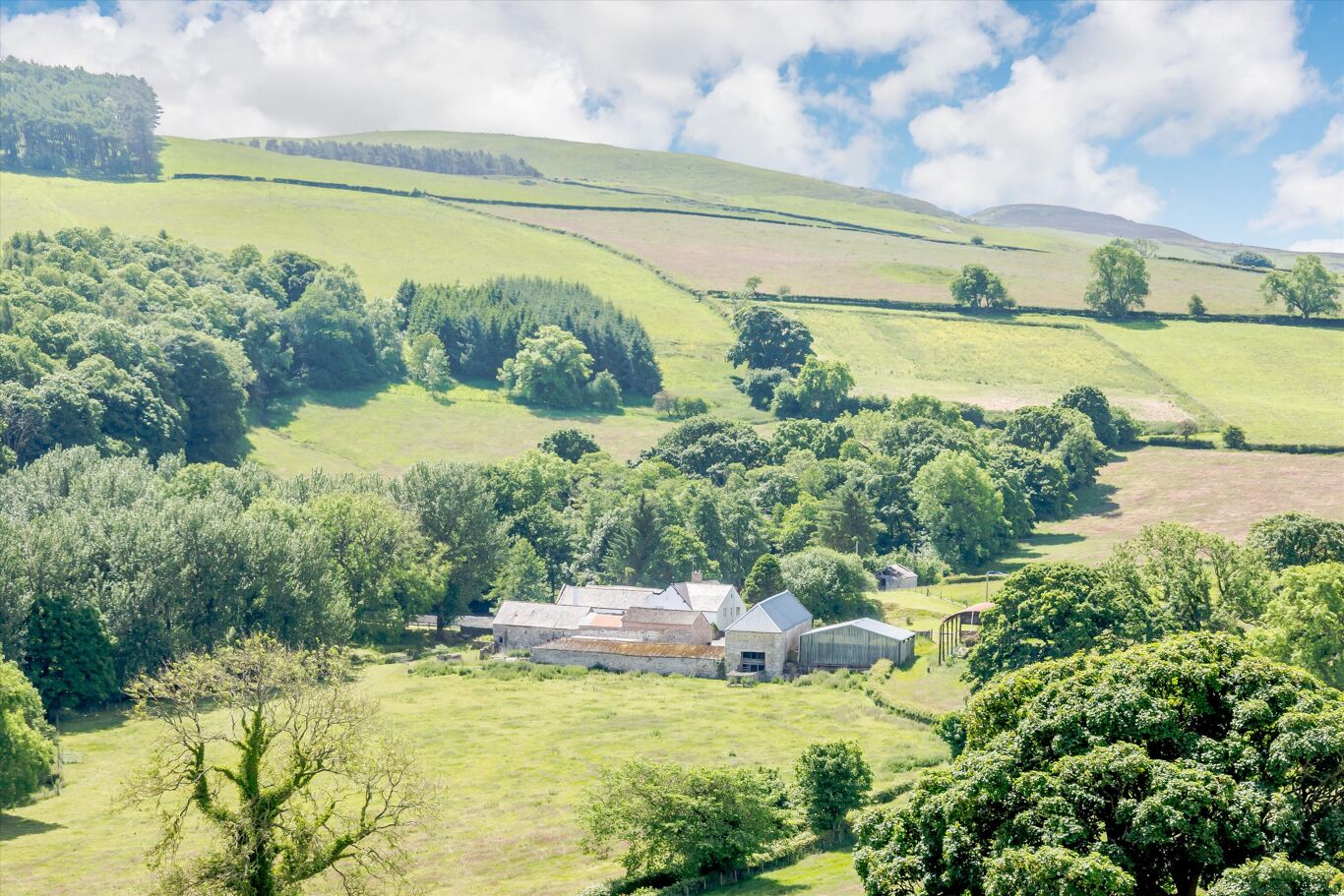
Nannerch, Mold, Flintshire CH7
Farm/Estate, 514.5 acres


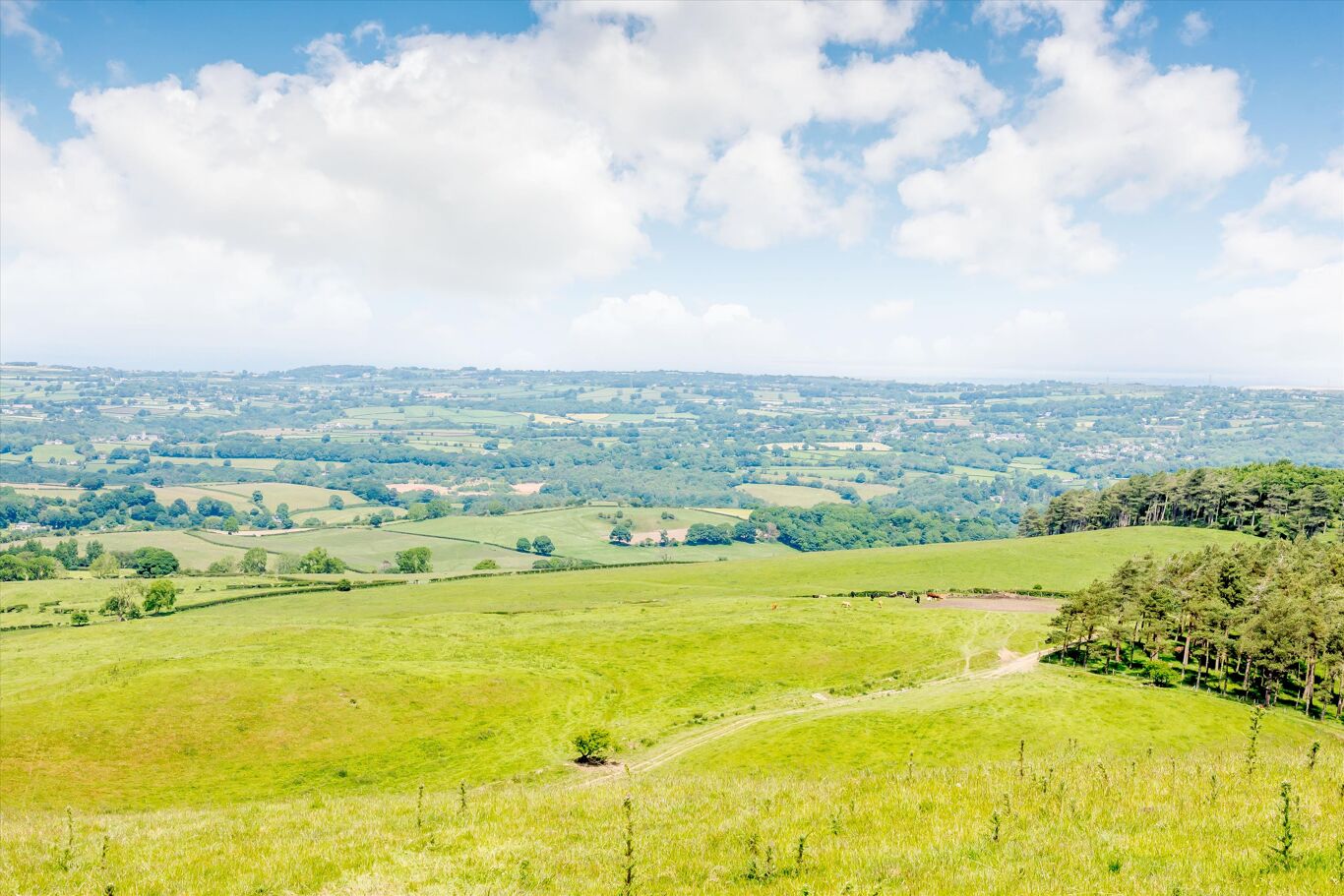
Nannerch, Mold, Flintshire CH7
Farm/Estate, 473 acres

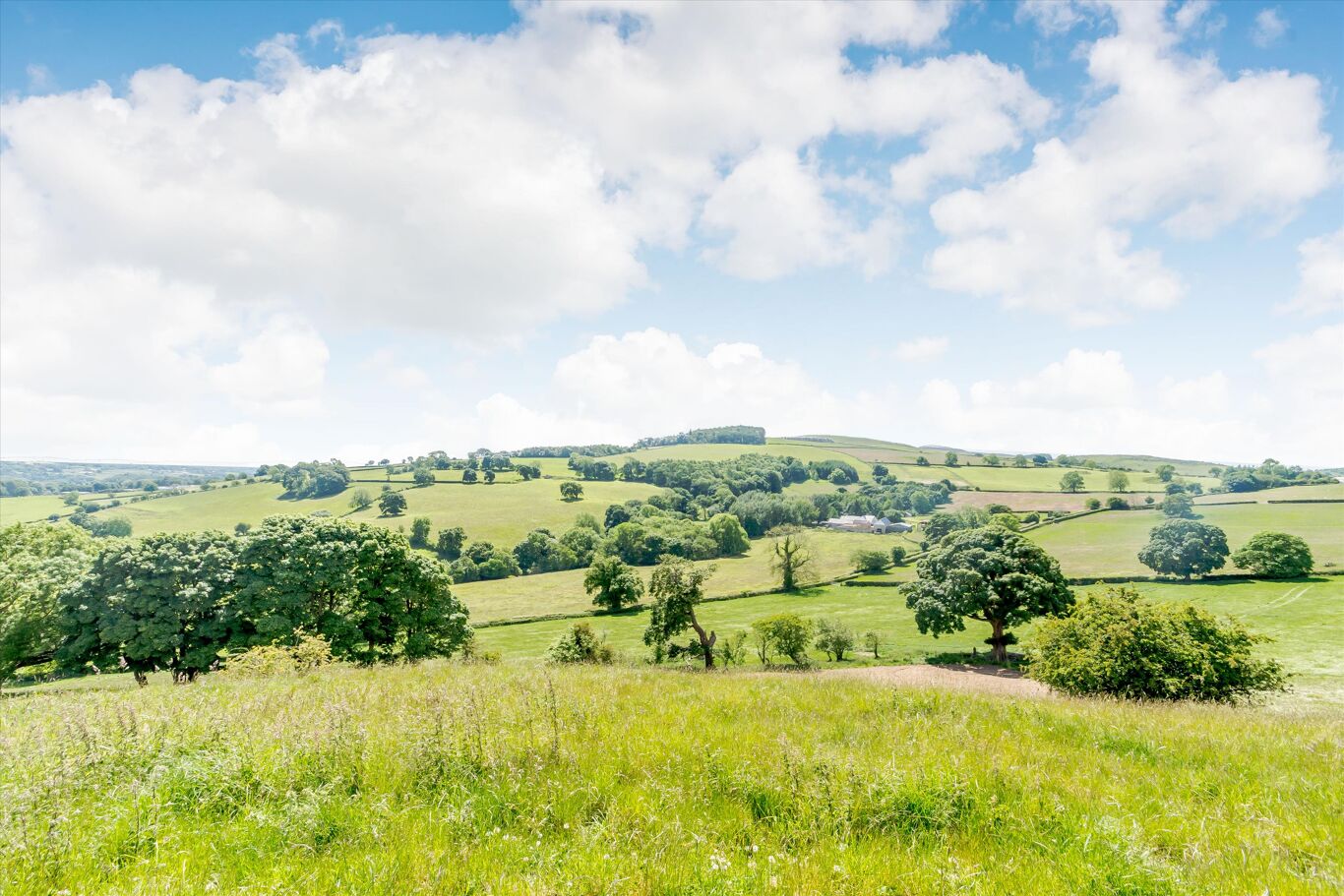
Nannerch, Mold, Flintshire CH7
Farm/Estate, 704 acres
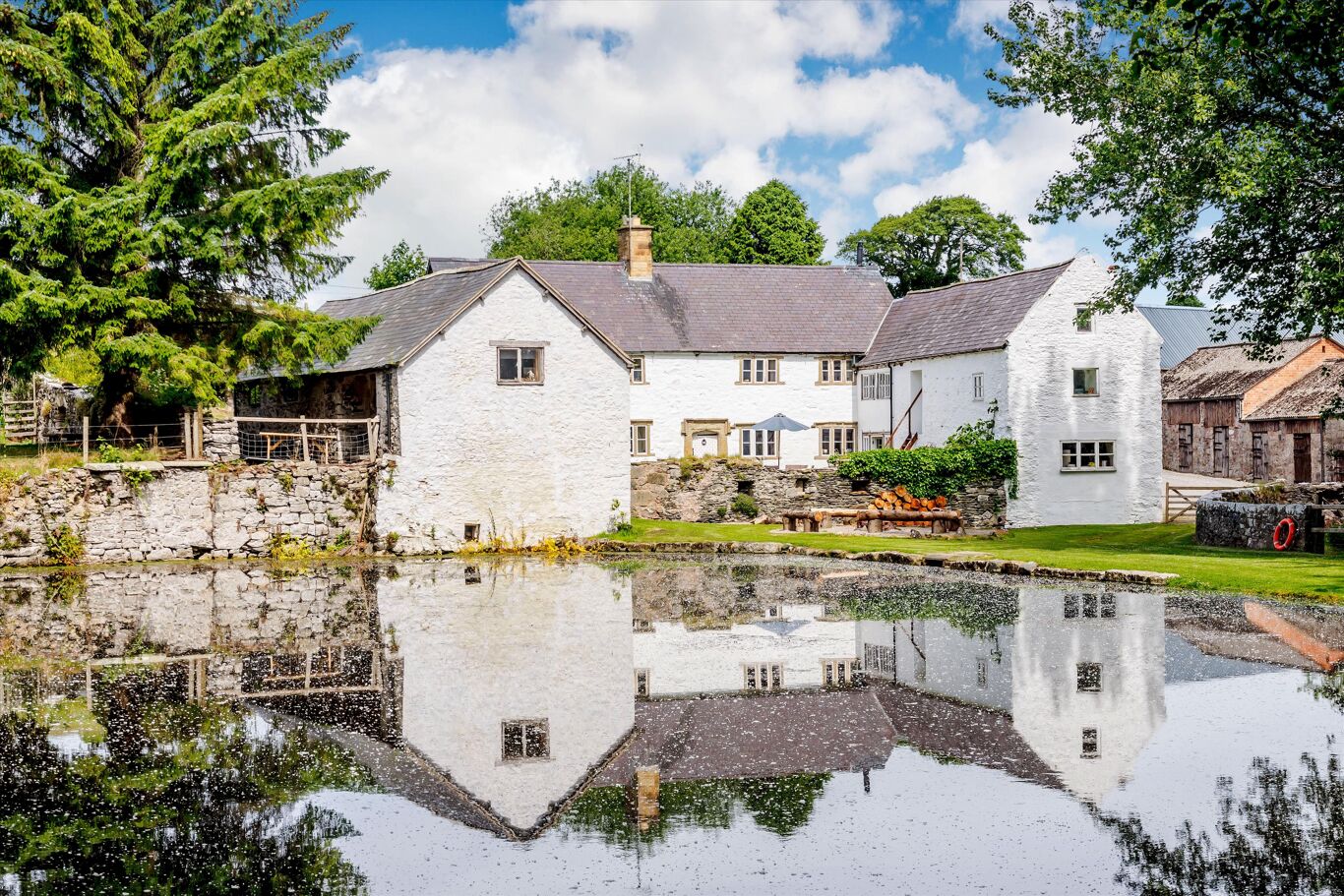
Nannerch, Mold, Flintshire CH7
Farm/Estate, 41.59 acres
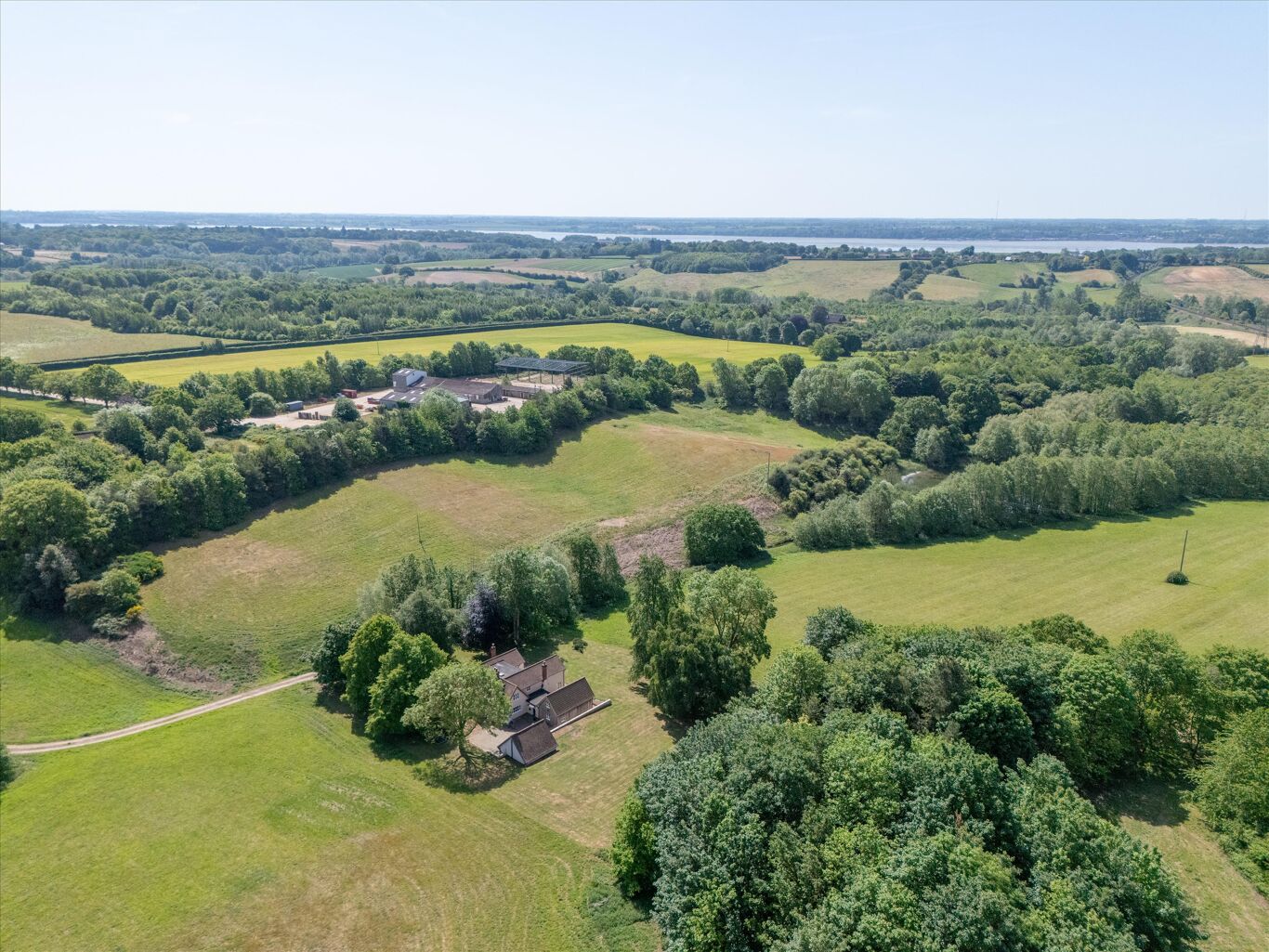
Tattingstone, Ipswich, Suffolk IP9
Farm/Estate, 73.88 acres
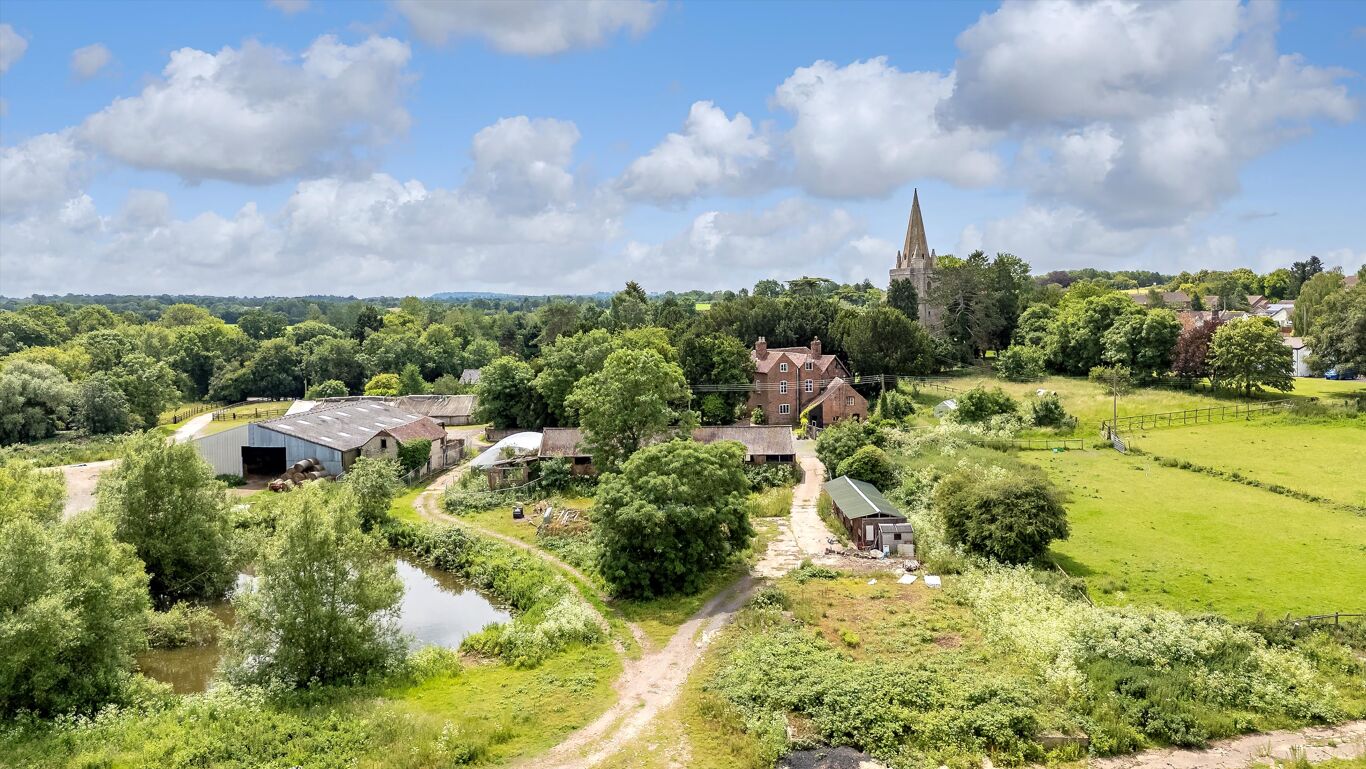
Longdon, Tewkesbury, Worcestershire GL20
Farm/Estate, 312 acres
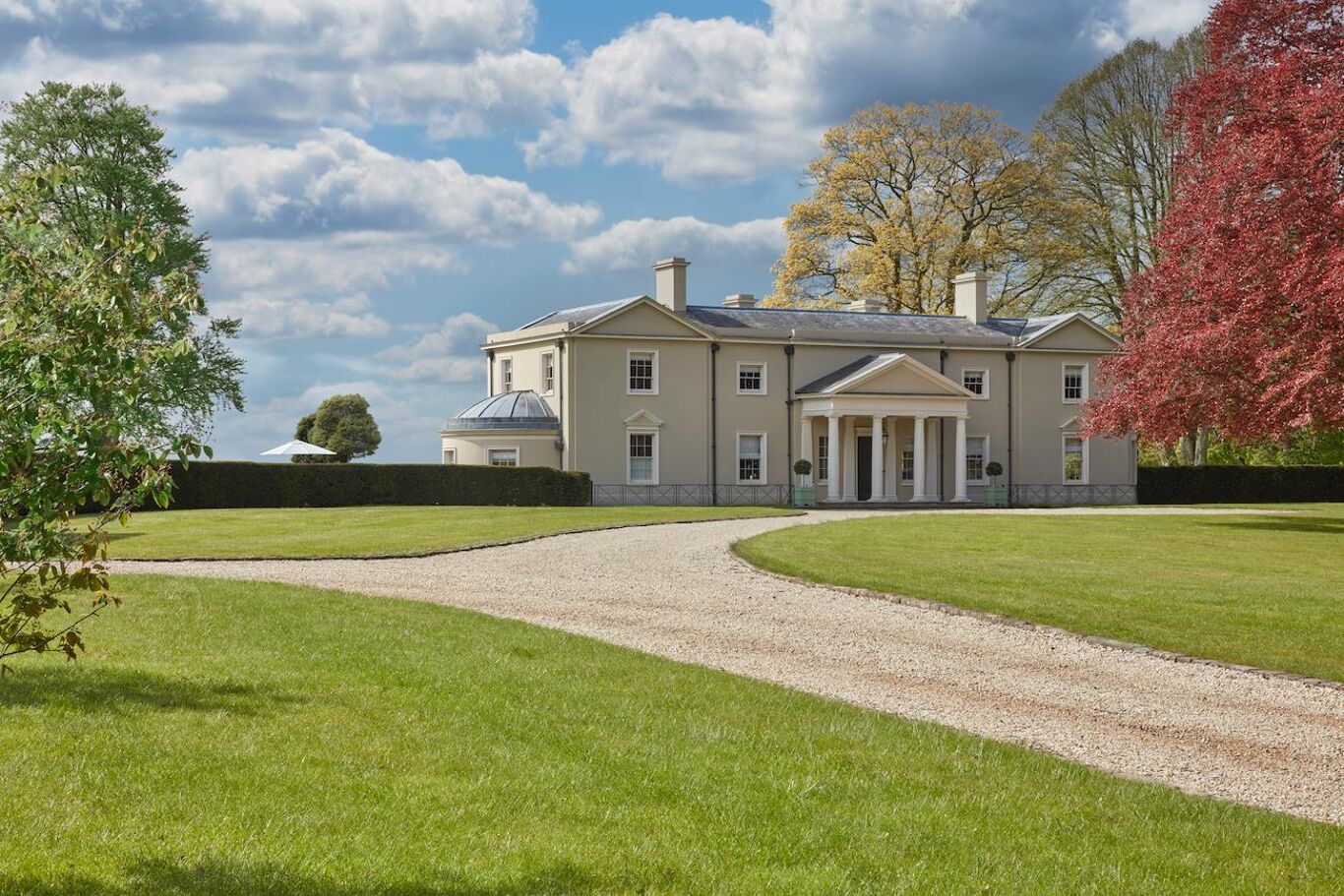
Vowchurch, Hereford, Herefordshire, HR2
House, 266 acres
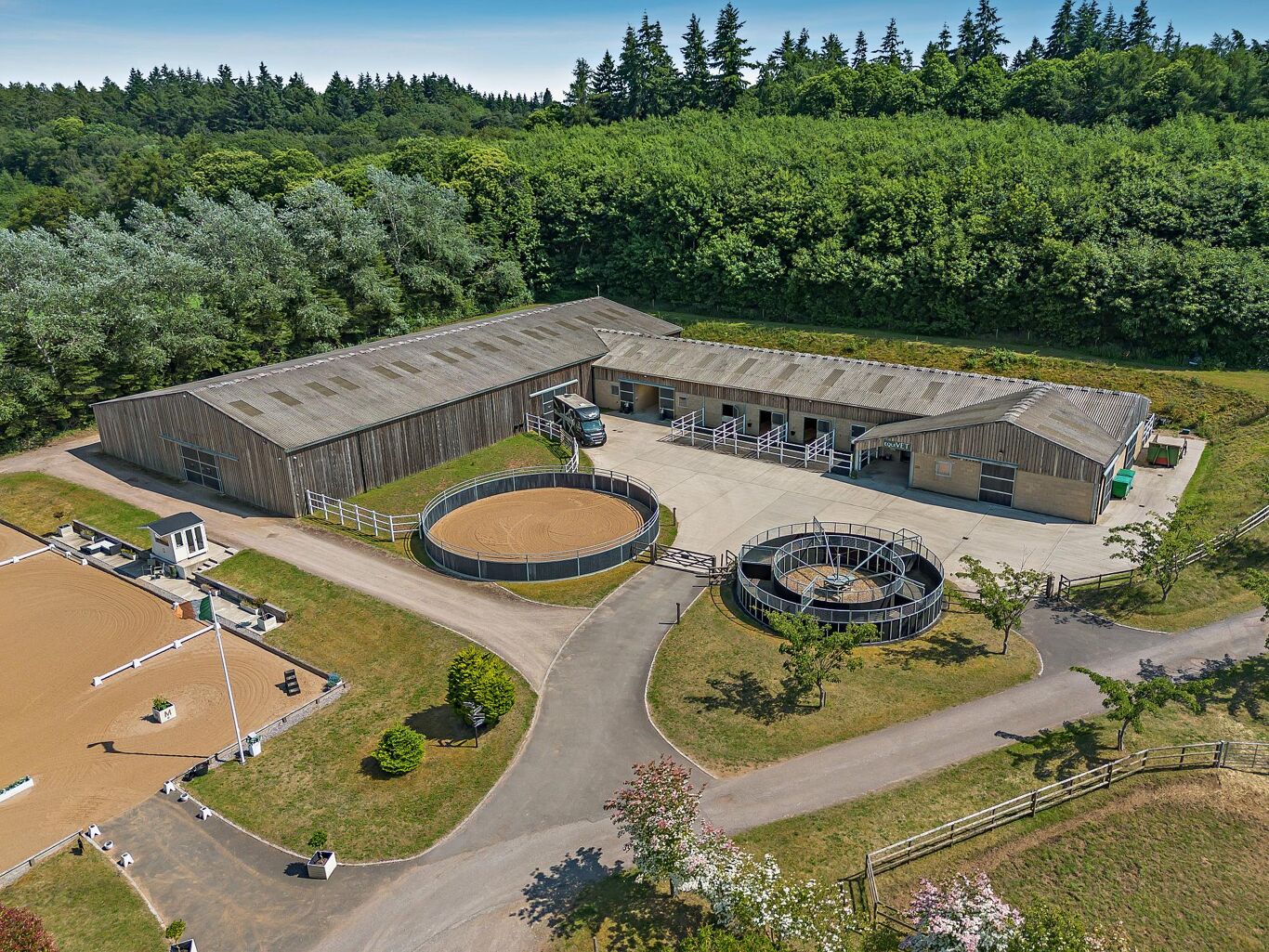
Churt Road, Churt, Surrey, GU10
Farm/Estate, 13.3 acres
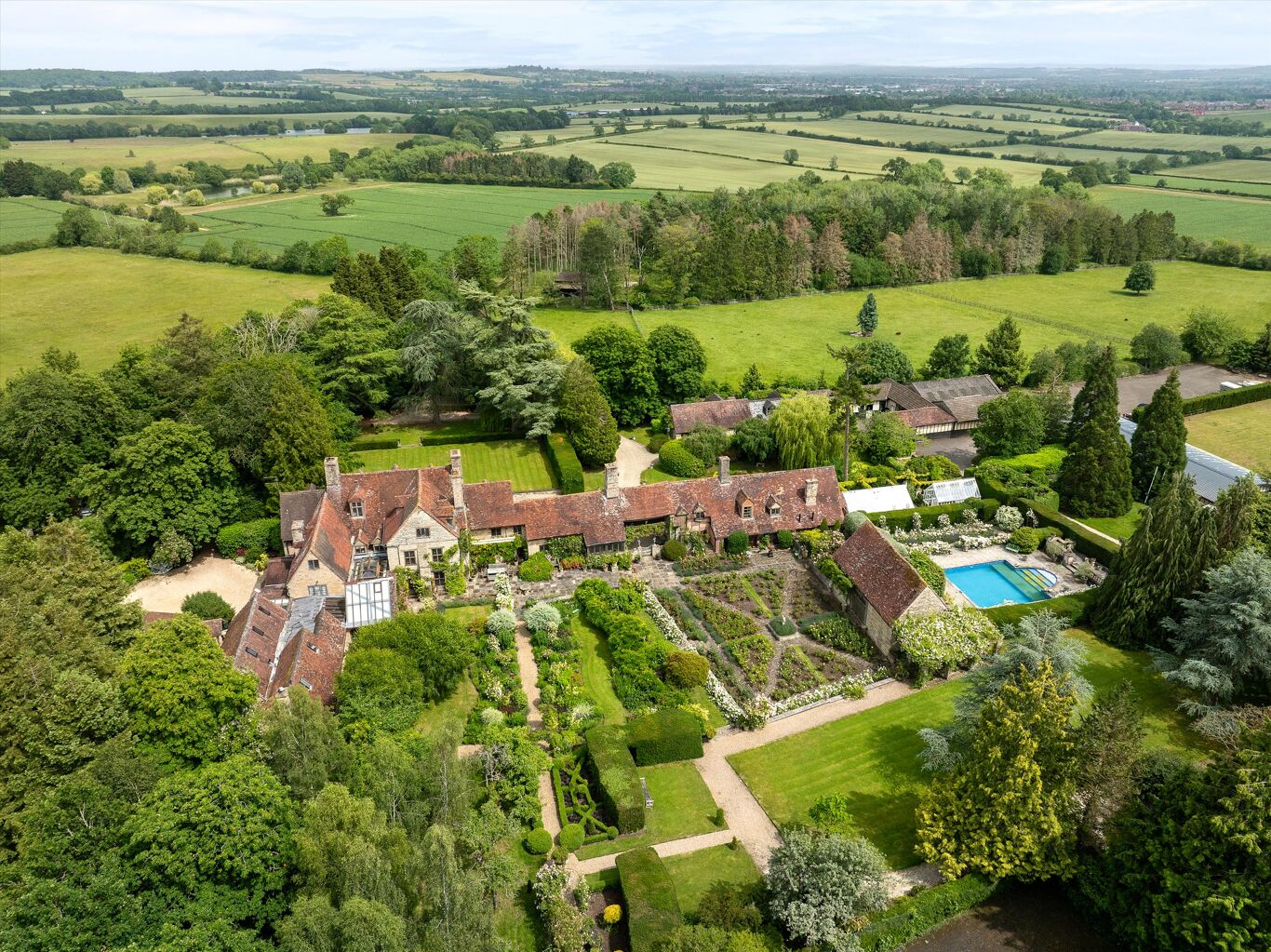
Upper Billesley, Stratford-upon-Avon, Warwickshire CV37
House, 211.09 acres
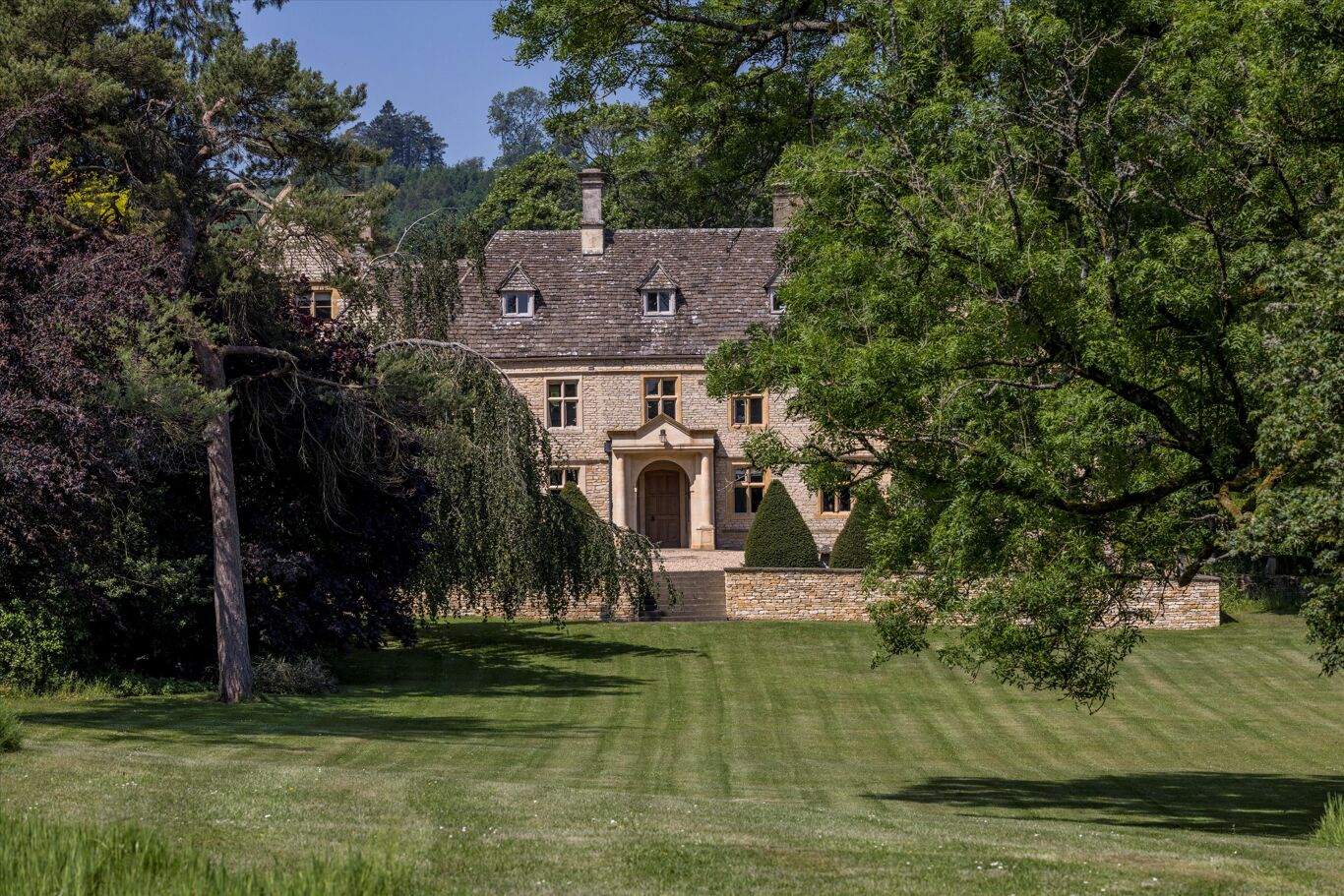
Foxcote, Andoversford, Cheltenham, Gloucestershire GL54
House, 58.64 acres
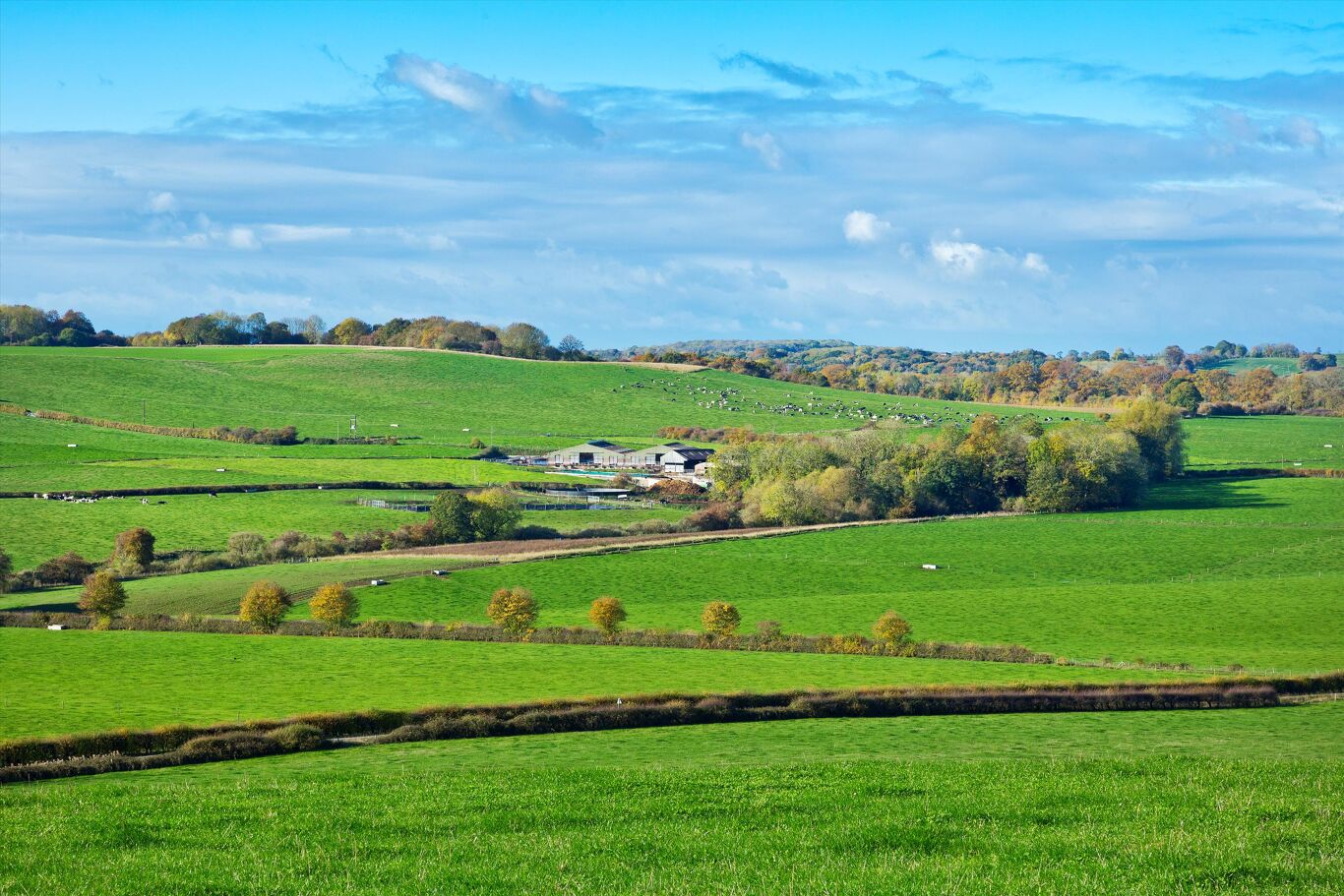
Hallaton Road, Tugby, Leicester LE7
Farm/Estate, 654.14 acres
Hallaton Road, Tugby, Leicester LE7
Farm/Estate, 878 acres
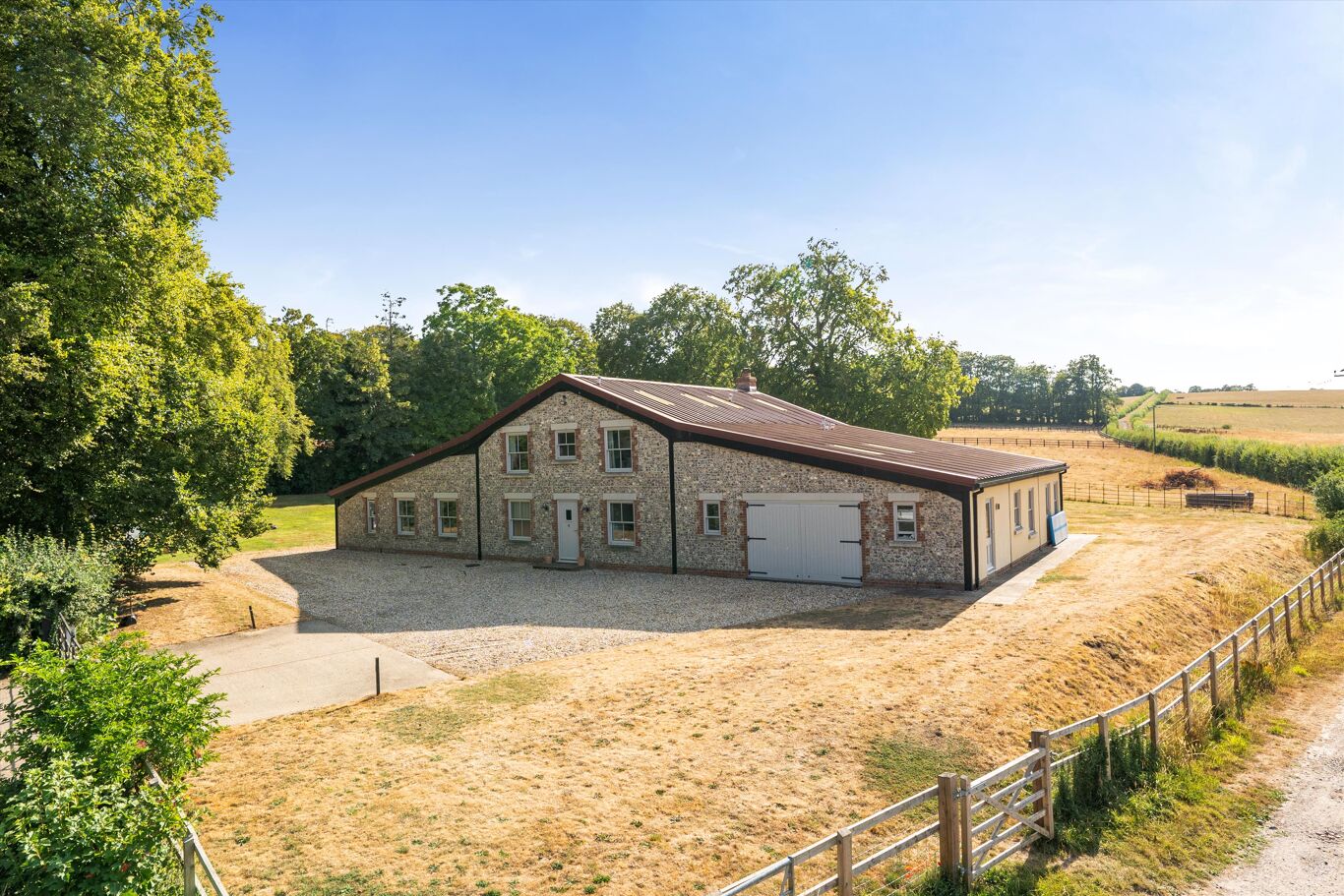
Hollom Down, Lopcombe, Salisbury, Hampshire SP5
Farm/Estate, 127 acres
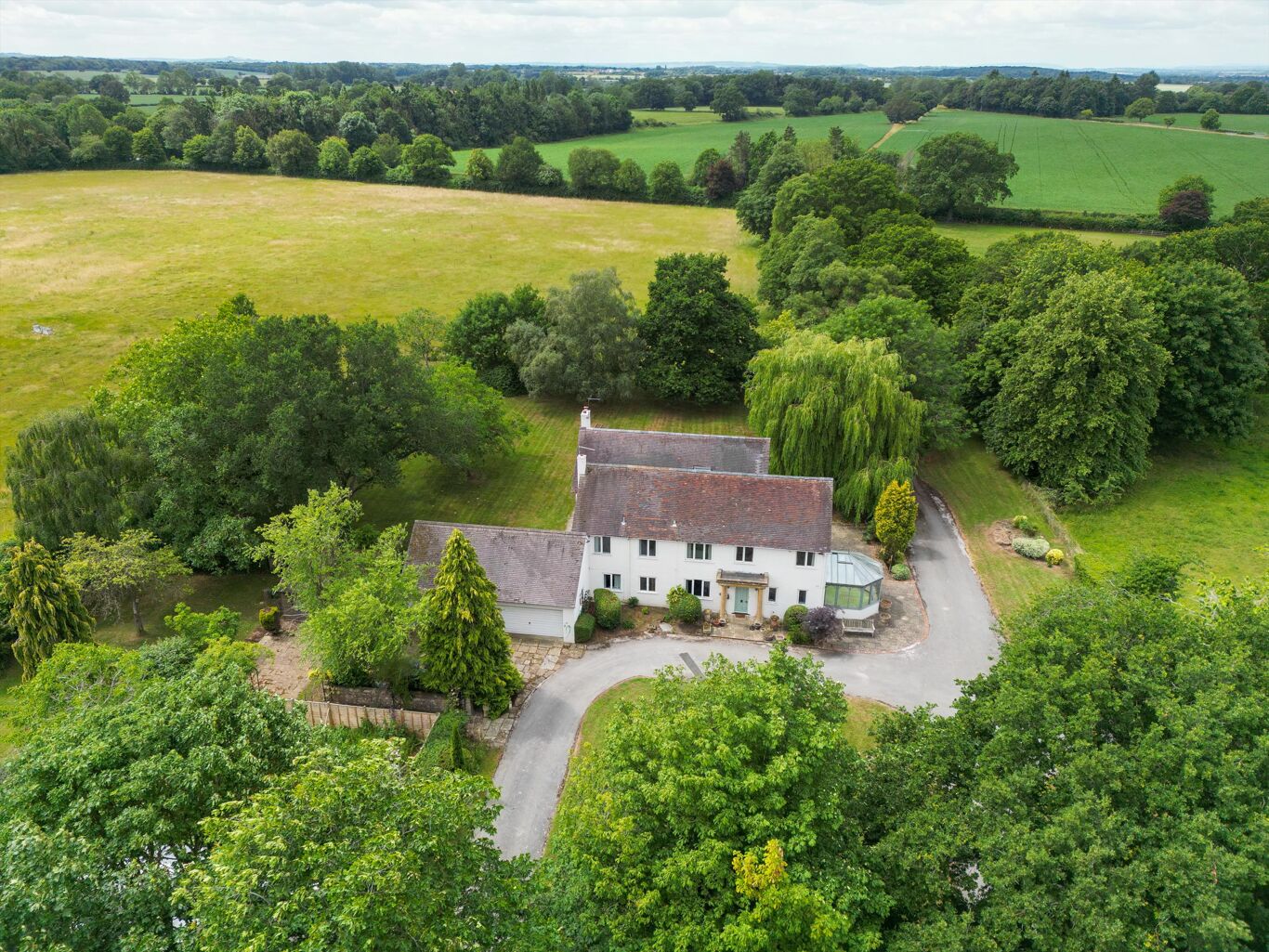
Hurdiss Farmhouse, Hurdiss Estate, Harbury, Leamington Spa, Warwickshire CV33
Farm/Estate, 12.81 acres
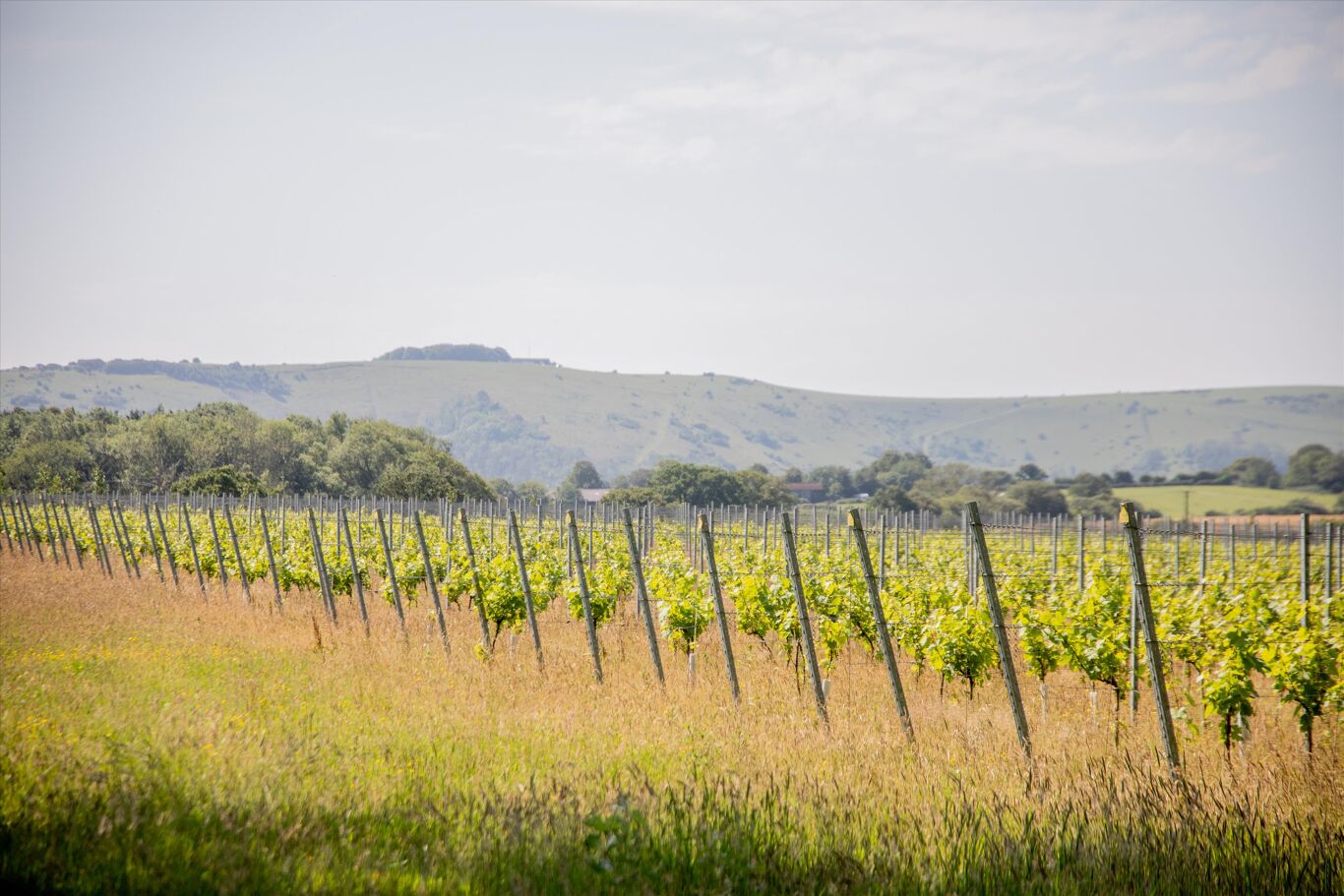
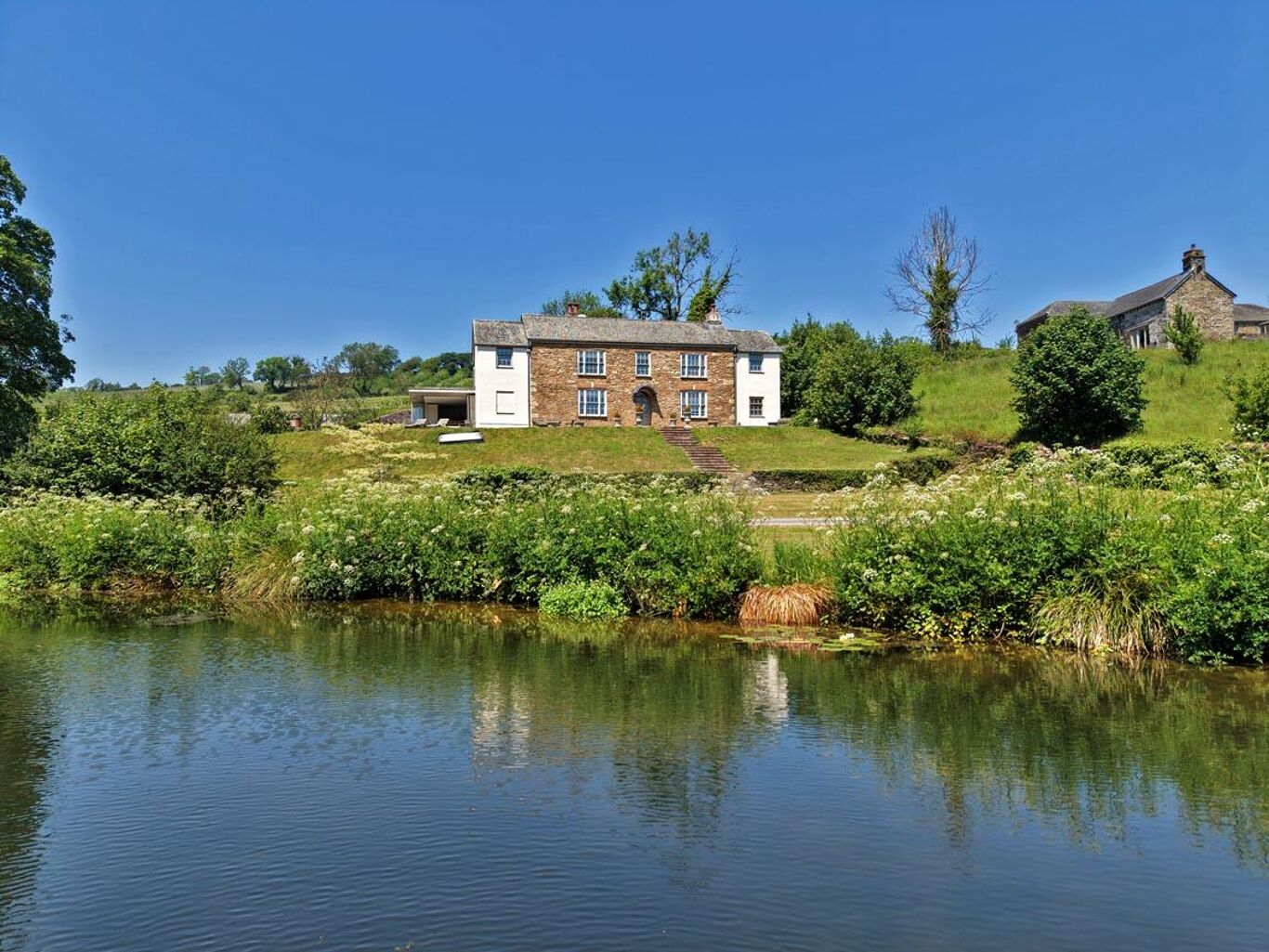
Modbury, Ivybridge, Devon PL21
Farm/Estate, 56.44 acres
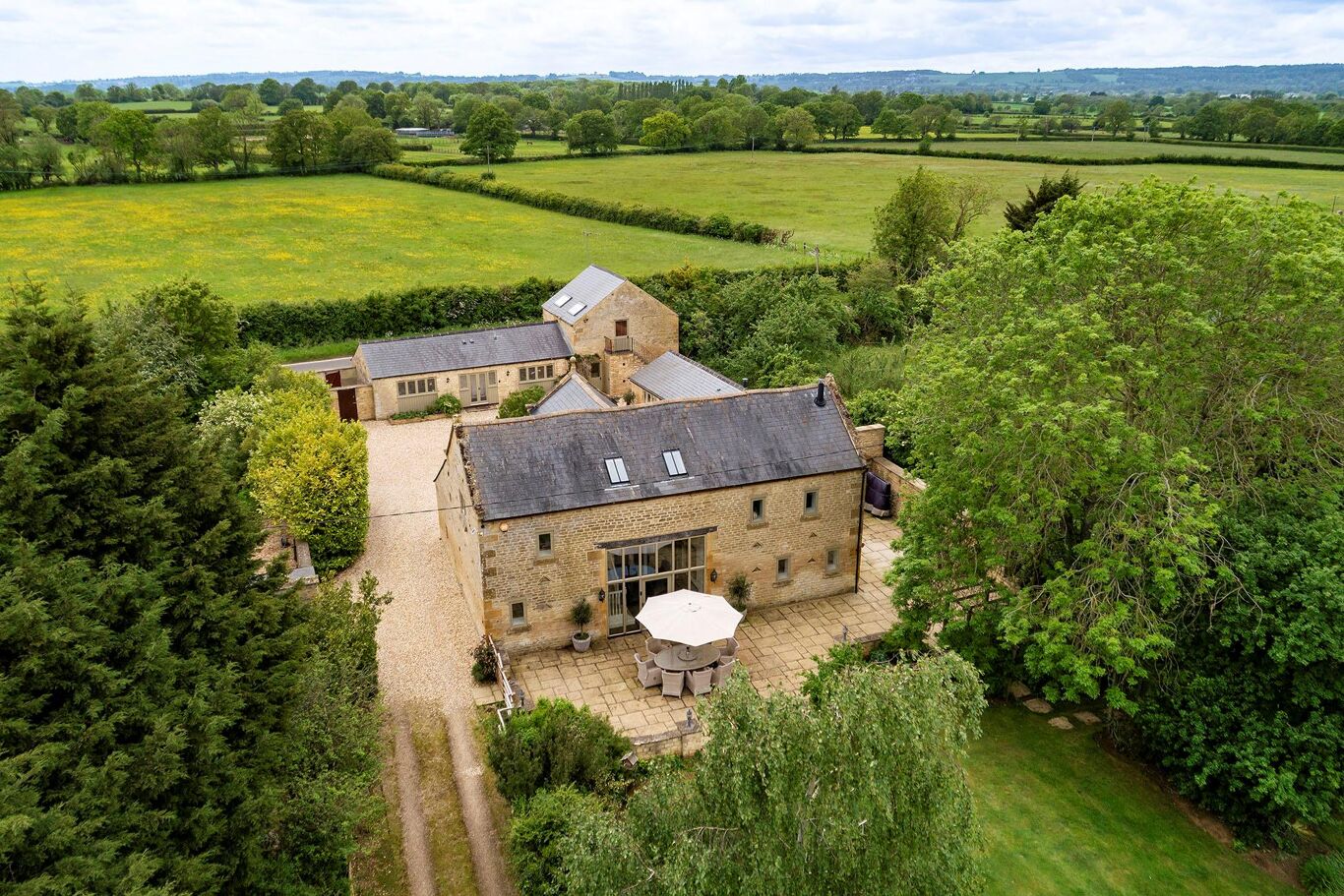
London Road, Moreton in Marsh GL56
Farm/Estate, 2.64 acres
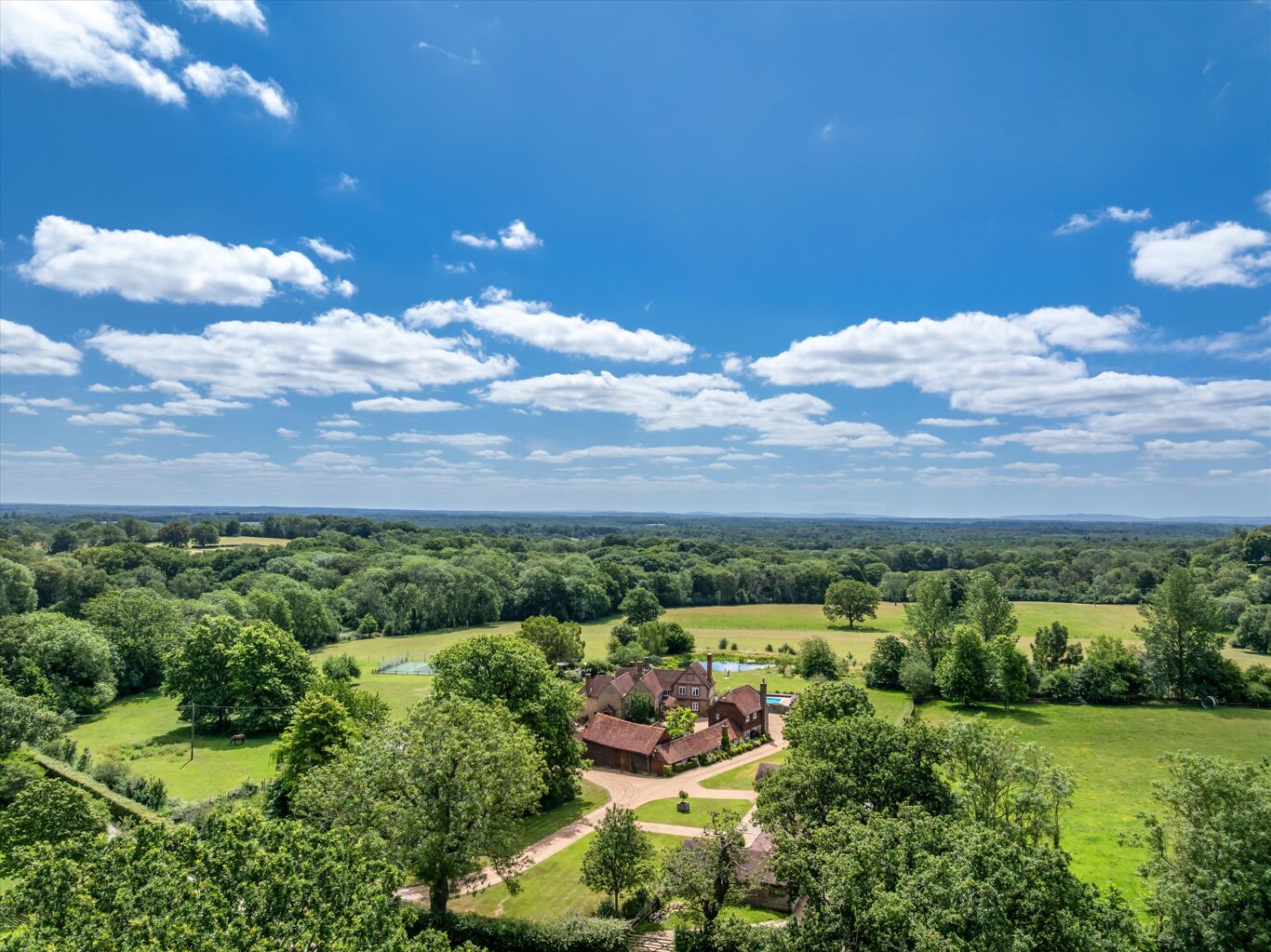
Coneyhurst Lane, Ewhurst, Cranleigh, Surrey GU6 7PW.
House, 40.69 acres
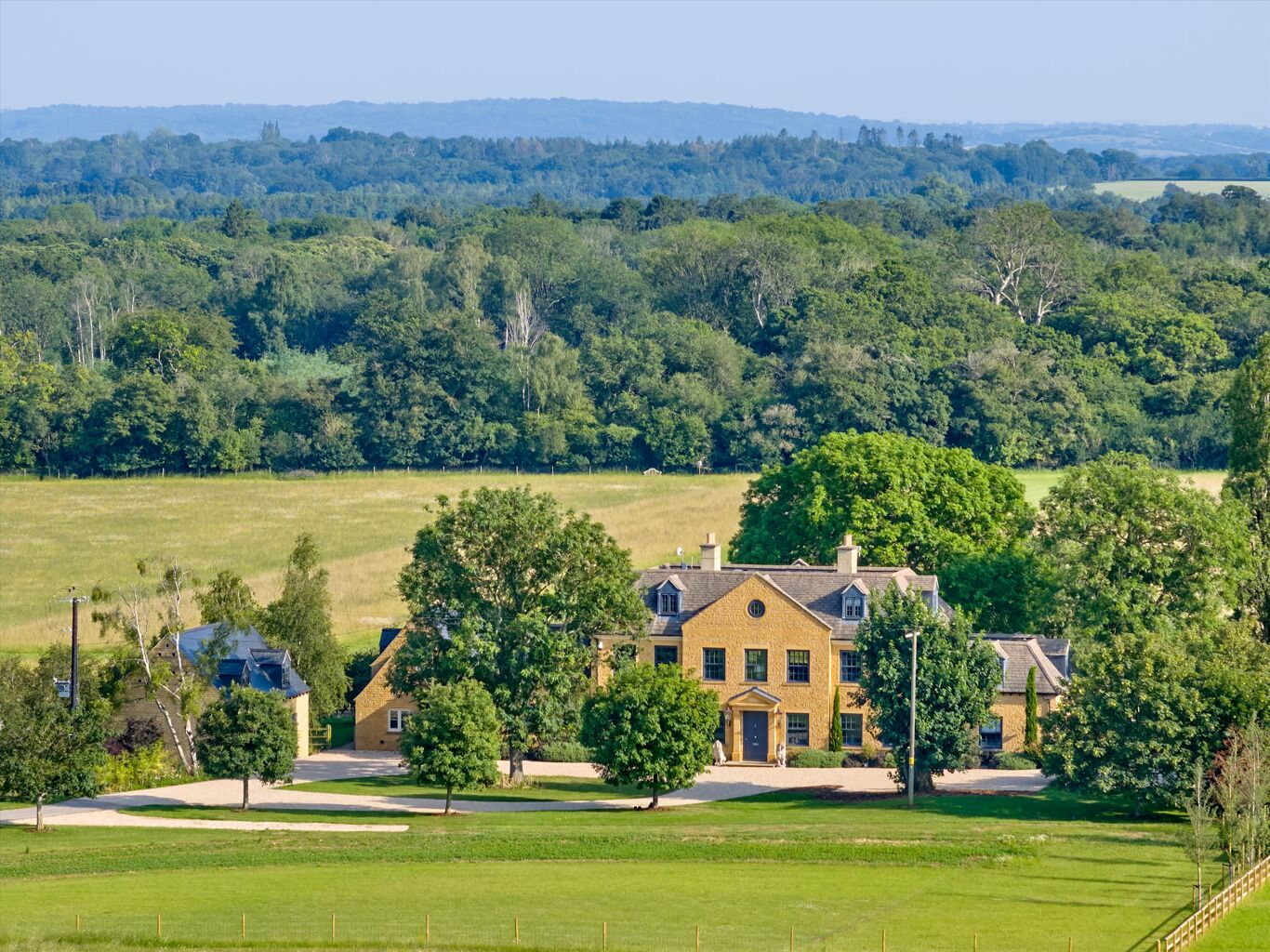
Woodstock & Charlbury, Oxfordshire, OX20
Farm/Estate, 3.07 acres
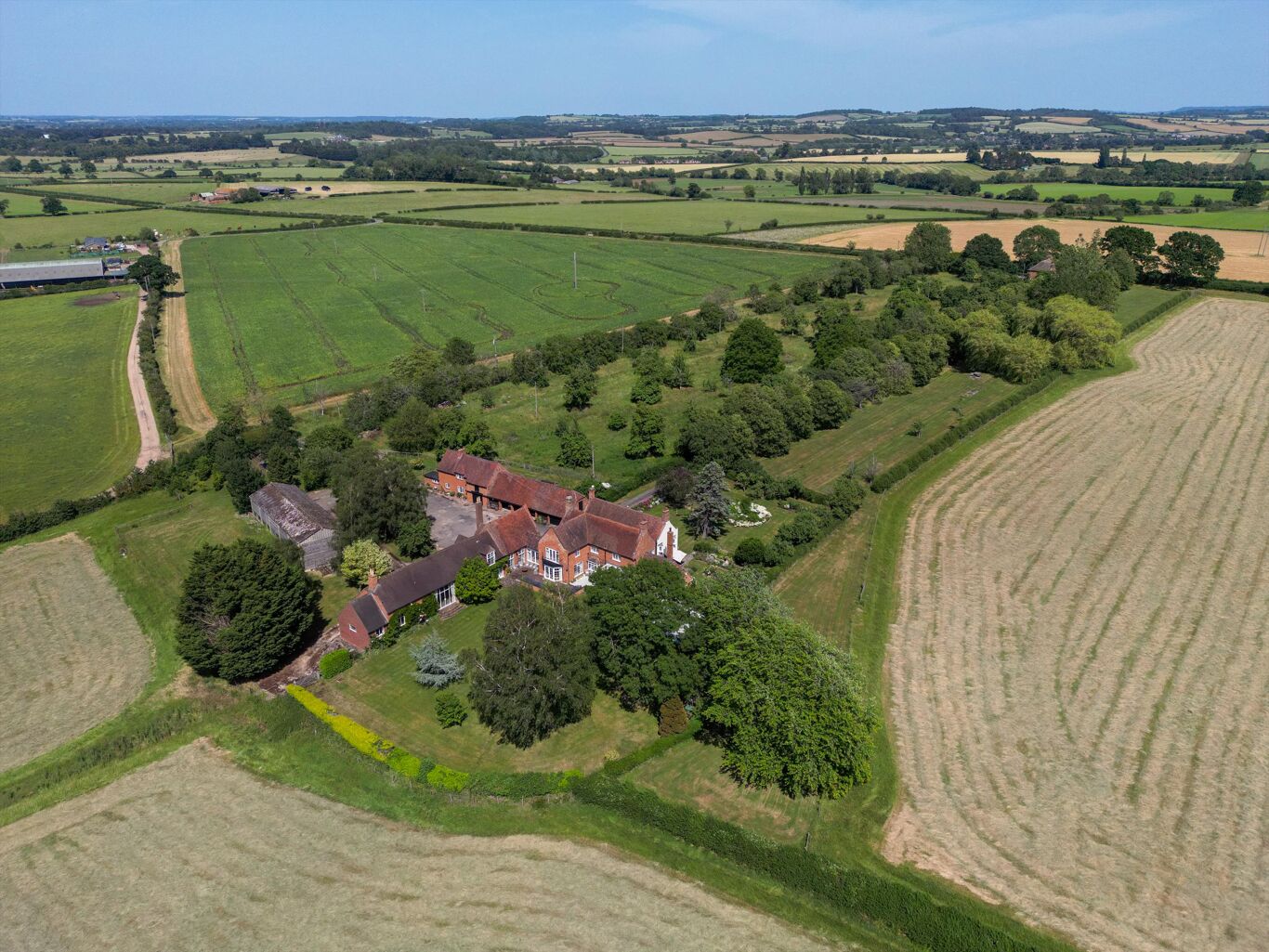
Preston on Stour, Stratford-upon-Avon, Warwickshire CV37
House, 32.32 acres
Frequently asked questions
Yes. There are no restrictions on overseas ownership of farmland in the UK.
Buyers must comply with planning, tenancy, environmental and access regulations. Professional advice is strongly recommended.
Prices vary widely by region, land quality and use. According to the latest Knight Frank Farmland Index (Q4 2025), an acre of farmland is now worth slightly less than £8,700.
Agricultural Property Relief (APR) and Business Property Relief (BPR) can offer inheritance tax relief. This is subject to qualifying conditions and land use.
Farms and estates inspiration
Exploring Britain’s finest farms, landed homes and rural businesses
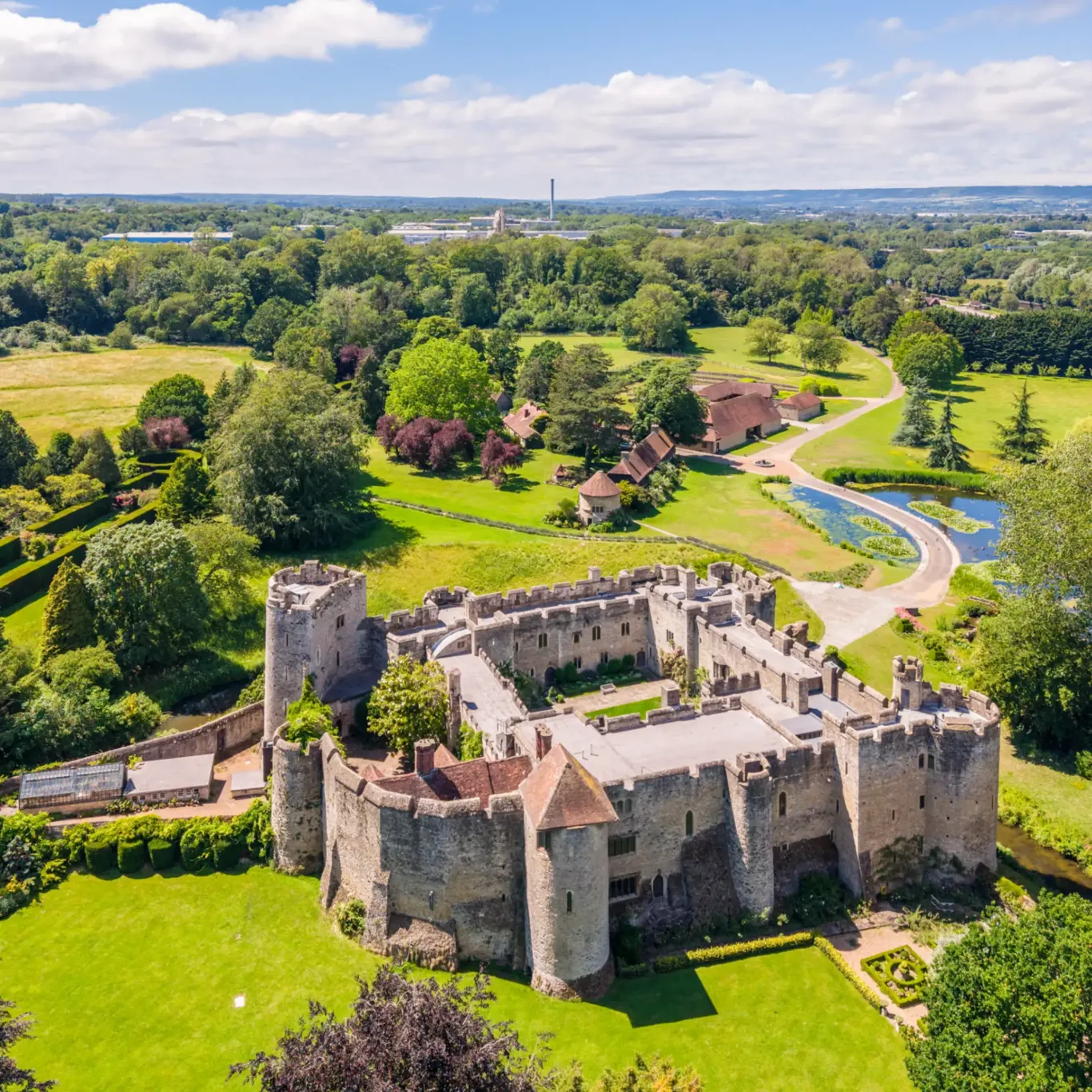
Homes
Owning a piece of history: the most remarkable castles for sale
The romance, heritage and investment potential of castle ownership continue to attract discerning buyers from around the world
06 October 2026
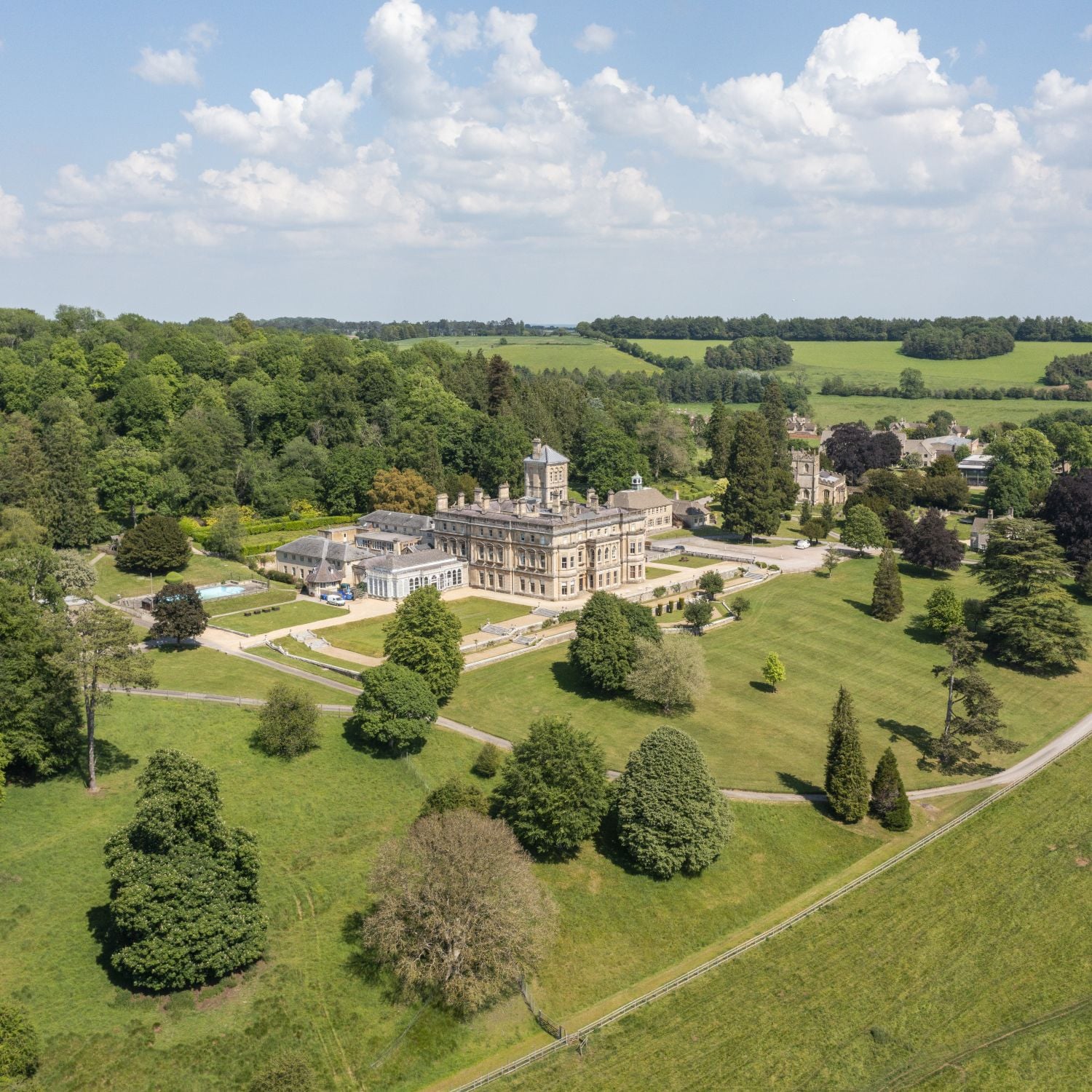
Inspiration
Reinventing Rendcomb Park: a rare opportunity to acquire an historic Cotswolds estate
Rendcomb Park, a significant private estate set in 230 acres of prime English countryside with an on-going charitable legacy, is ready for the next chapter in its impressive history
12 August 2026
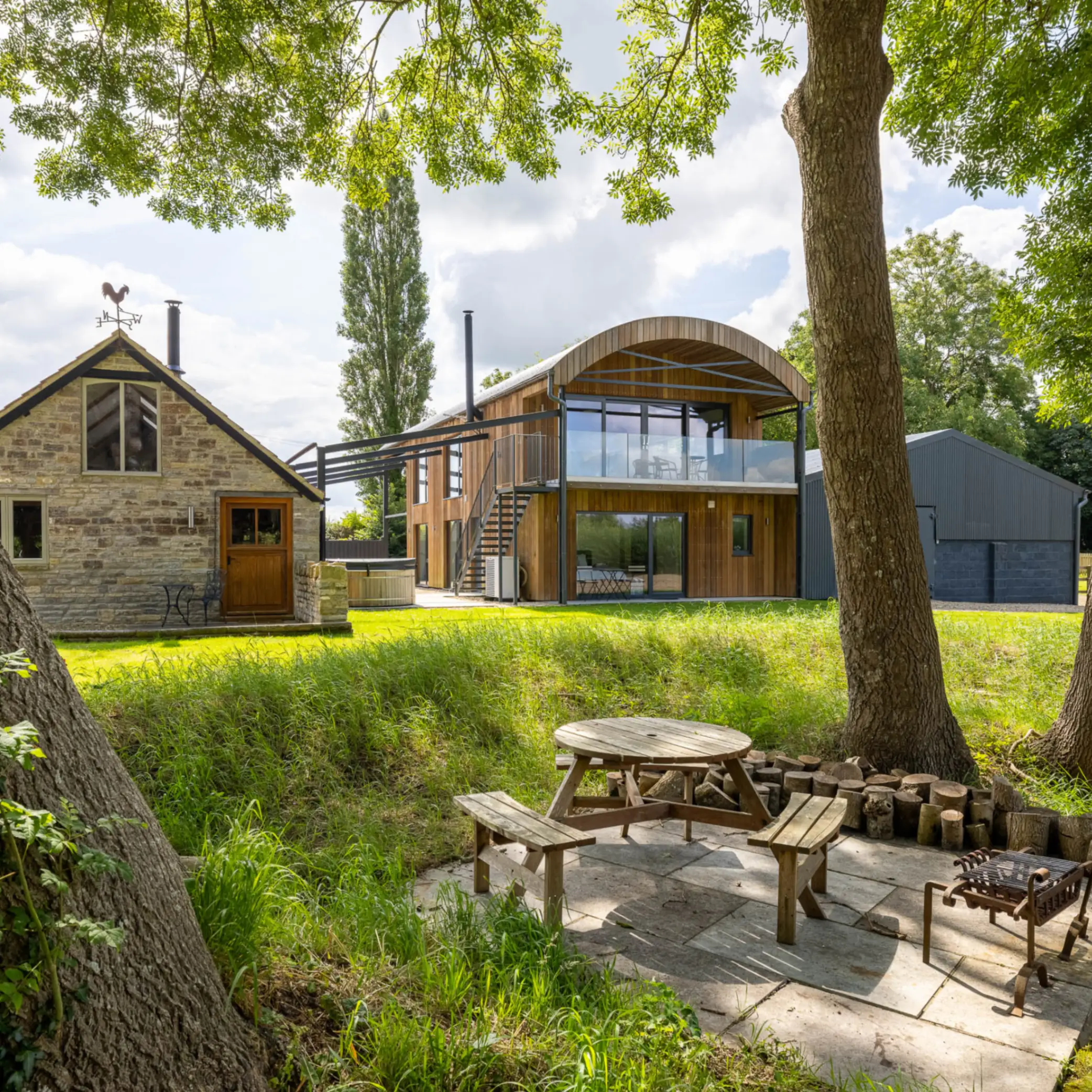
Homes
Extraordinary houses with income potential
From grand country estates to rural farmhouses, these remarkable homes don’t just offer a place to live but open up endless opportunities
17 June 2026
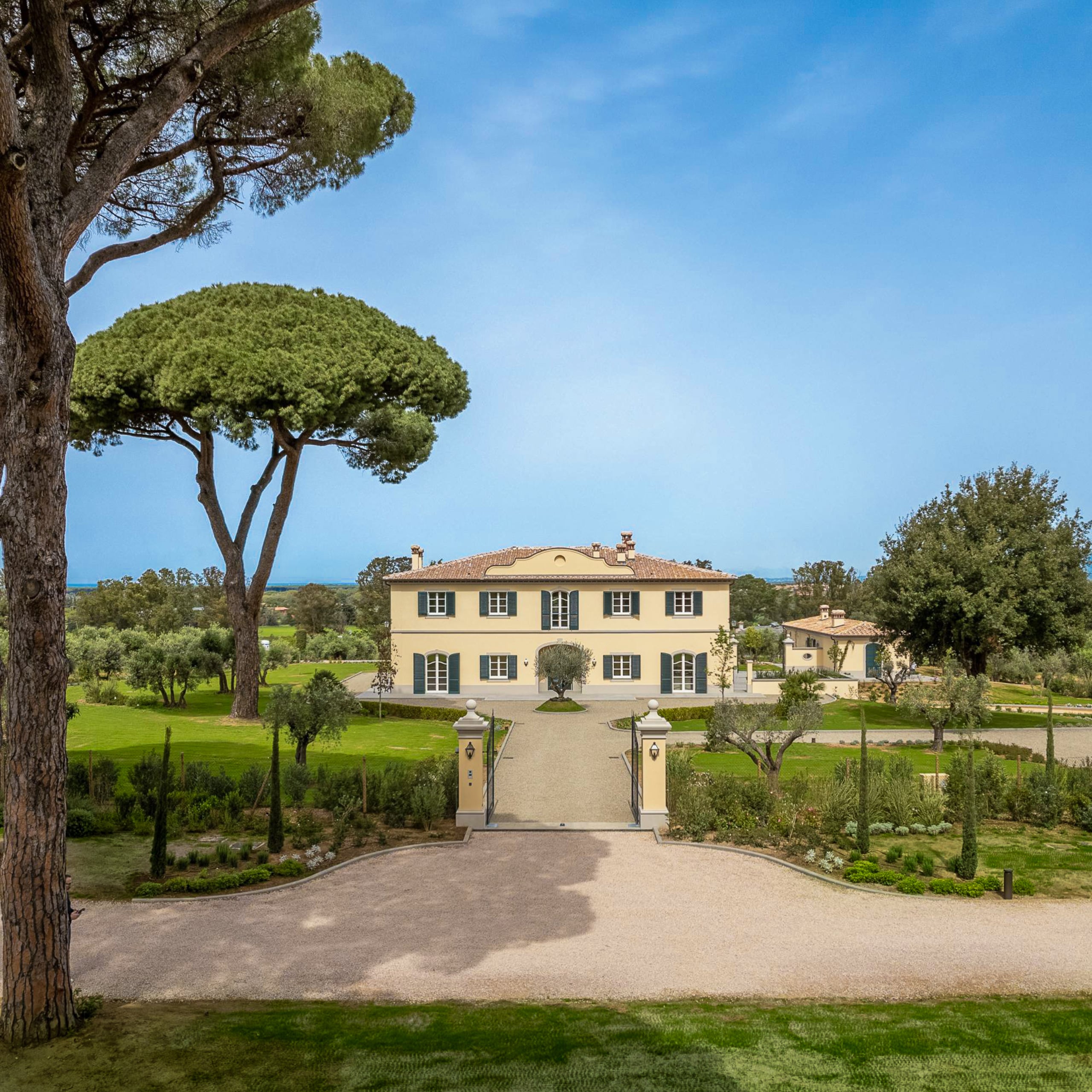
Homes
From vineyards to villas: Europe’s most beautiful country homes
Rising global mobility is accelerating interest in Europe’s countryside regions, where quality of life and long-term value take centre stage.
27 April 2026
Homes
What to consider when buying an equestrian property
Knight Frank’s experts share what to consider when finding the perfect home for both you and your horse, along with some incredible equestrian properties for sale
22 April 2026
Inspiration
Dream of owning a vineyard? Meet the couple who made it a reality - and how you could too
Discover the story of the British family behind the award-winning Domaine Begude - now on the market for the first time in decades
08 April 2026
Inspiration
How smarter property management is strengthening The Donkey Sanctuary’s global mission
With expert guidance and a long-term vision, the charity is reimagining its estate to meet the evolving needs of donkeys worldwide
19 December 2025
Inspiration
The growth of English wine: could these vineyards be your next investment?
As England’s wine scene continues to mature, two exceptional estates - Bantham and Firle - are opening their doors to investors seeking a taste of its success
06 November 2025
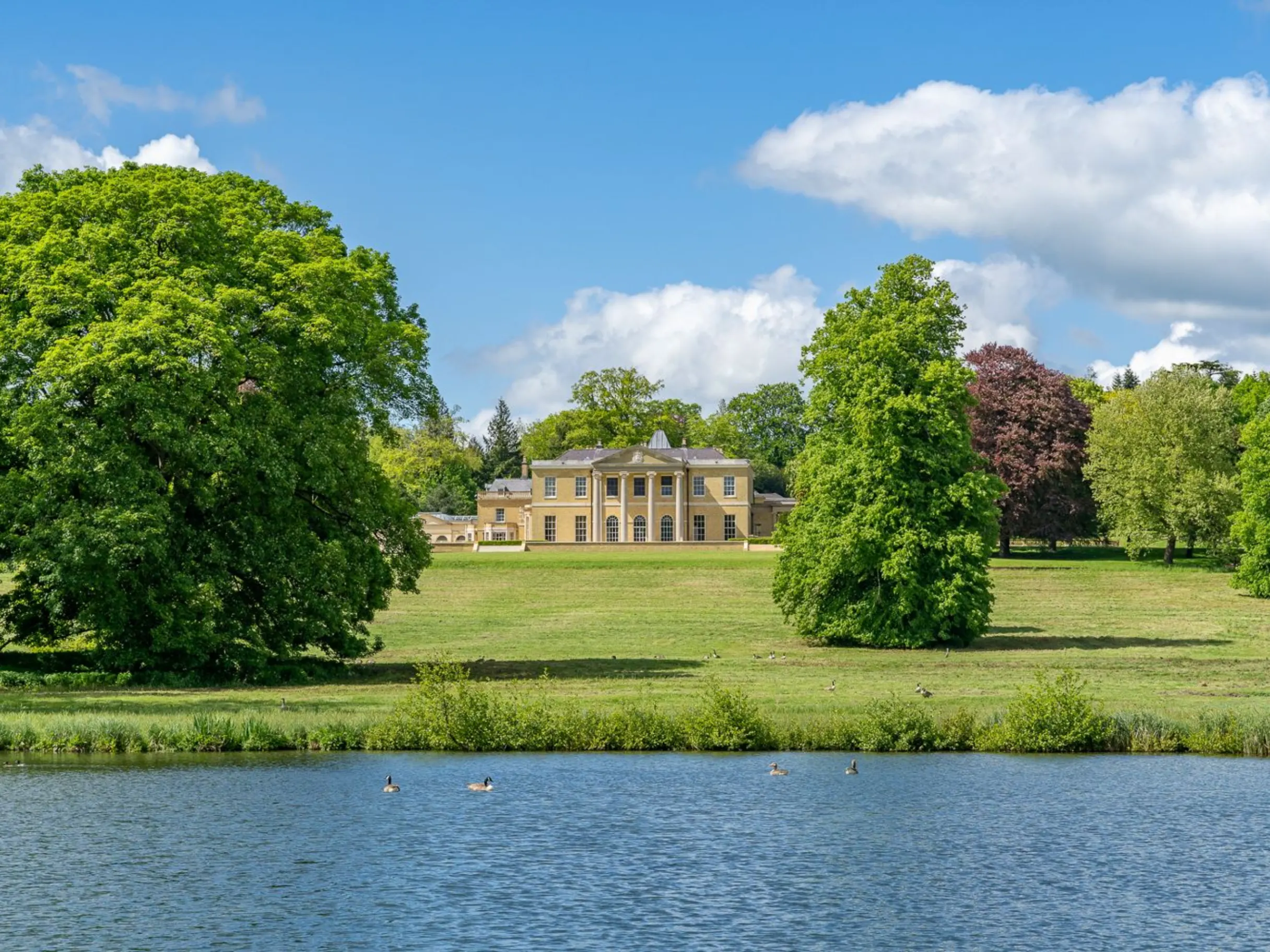
Homes
Laverstoke Park: A historic Hampshire estate
A rare chance to acquire one of southern England’s finest country estates, rich in heritage and set amid breathtaking parkland and scenic river views
06 June 2025
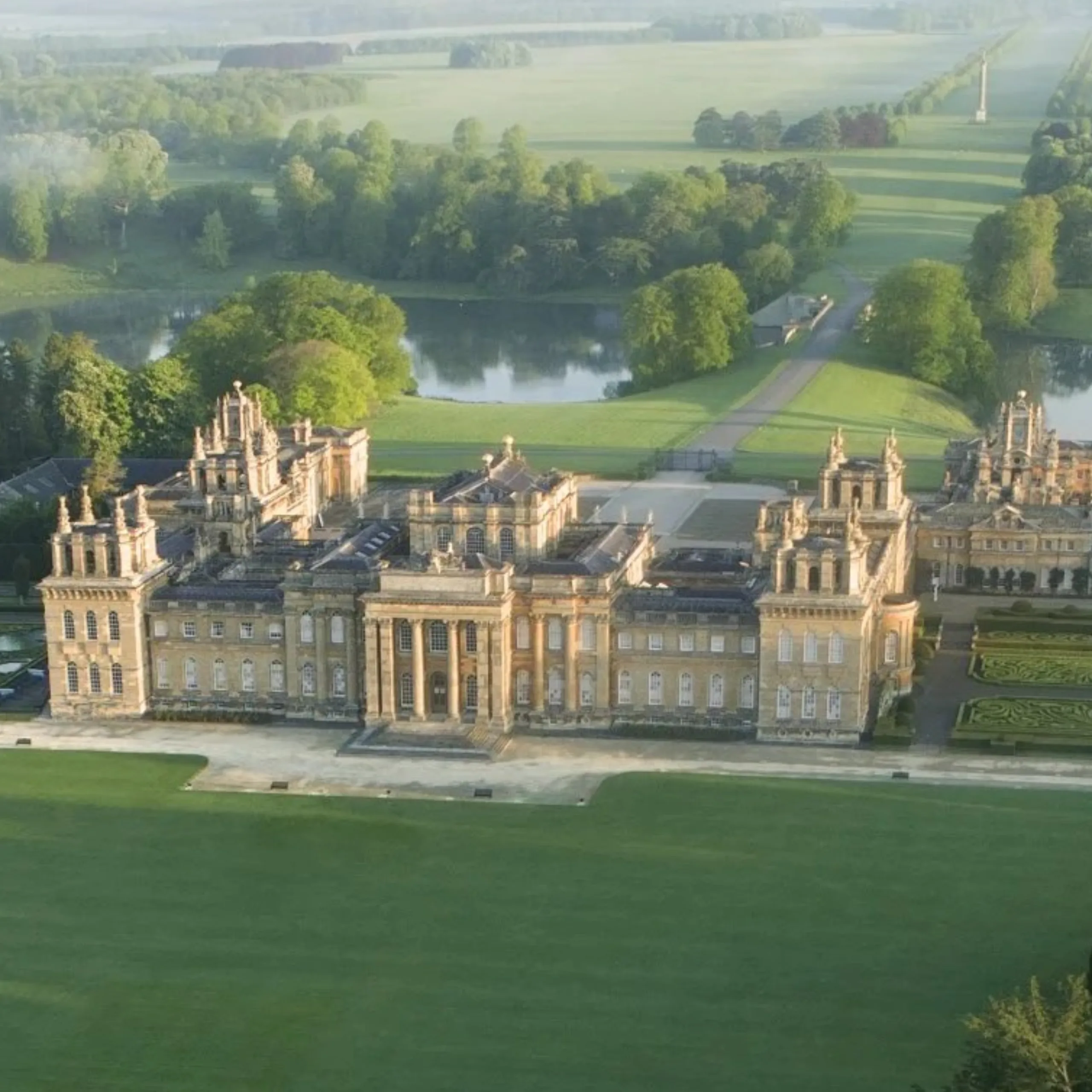
Inspiration
Purpose in practice: Blenheim’s values-driven approach
In conversation with the managing director of one of England’s most iconic estates, exploring why delivering social value is a core part of his mission
05 June 2025
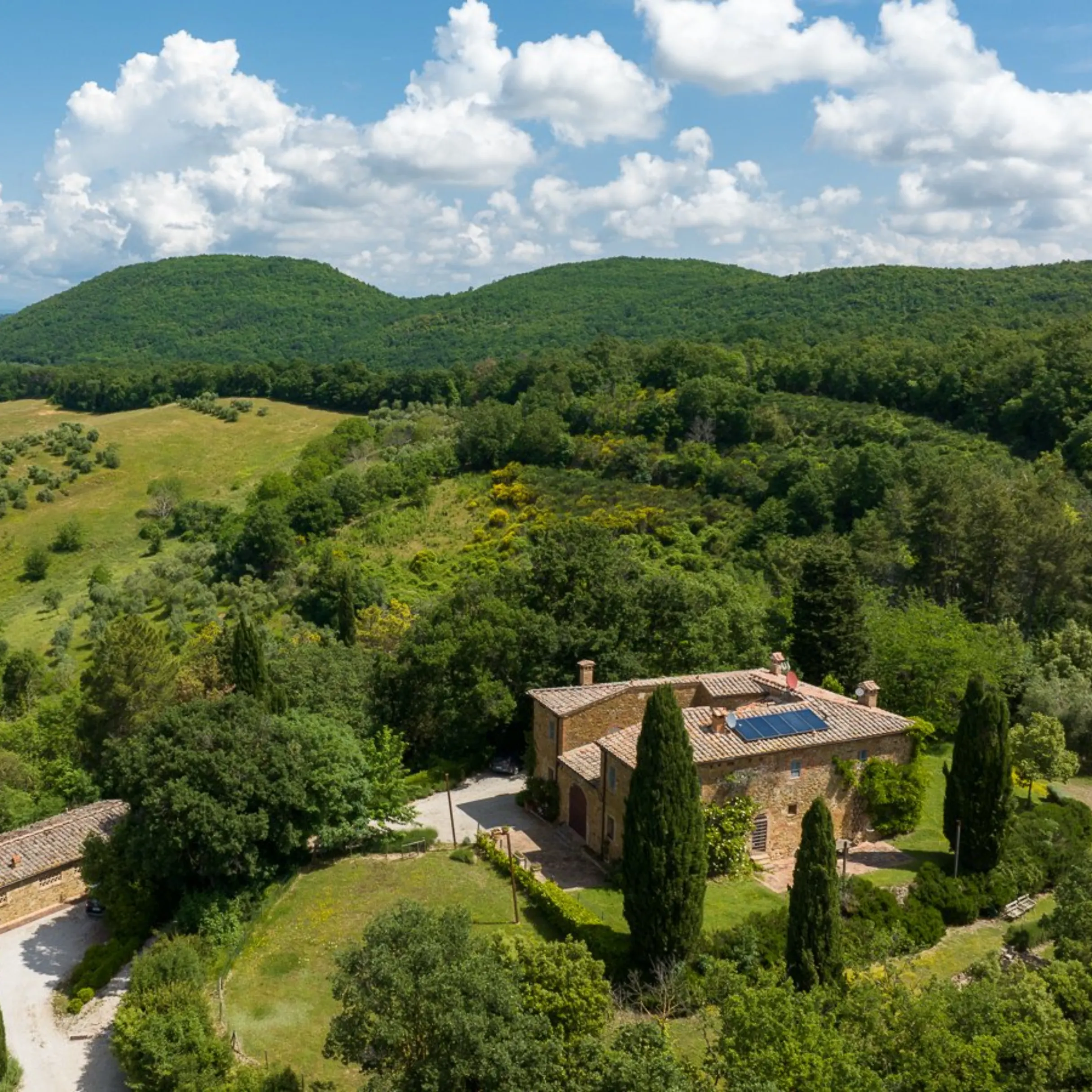
Locations
The enchanting European rural towns and villages to watch in 2025
Take the path less travelled to discover locations in Spain, France and Italy that offer properties with a thoroughly authentic lifestyle alongside interesting values
26 May 2025
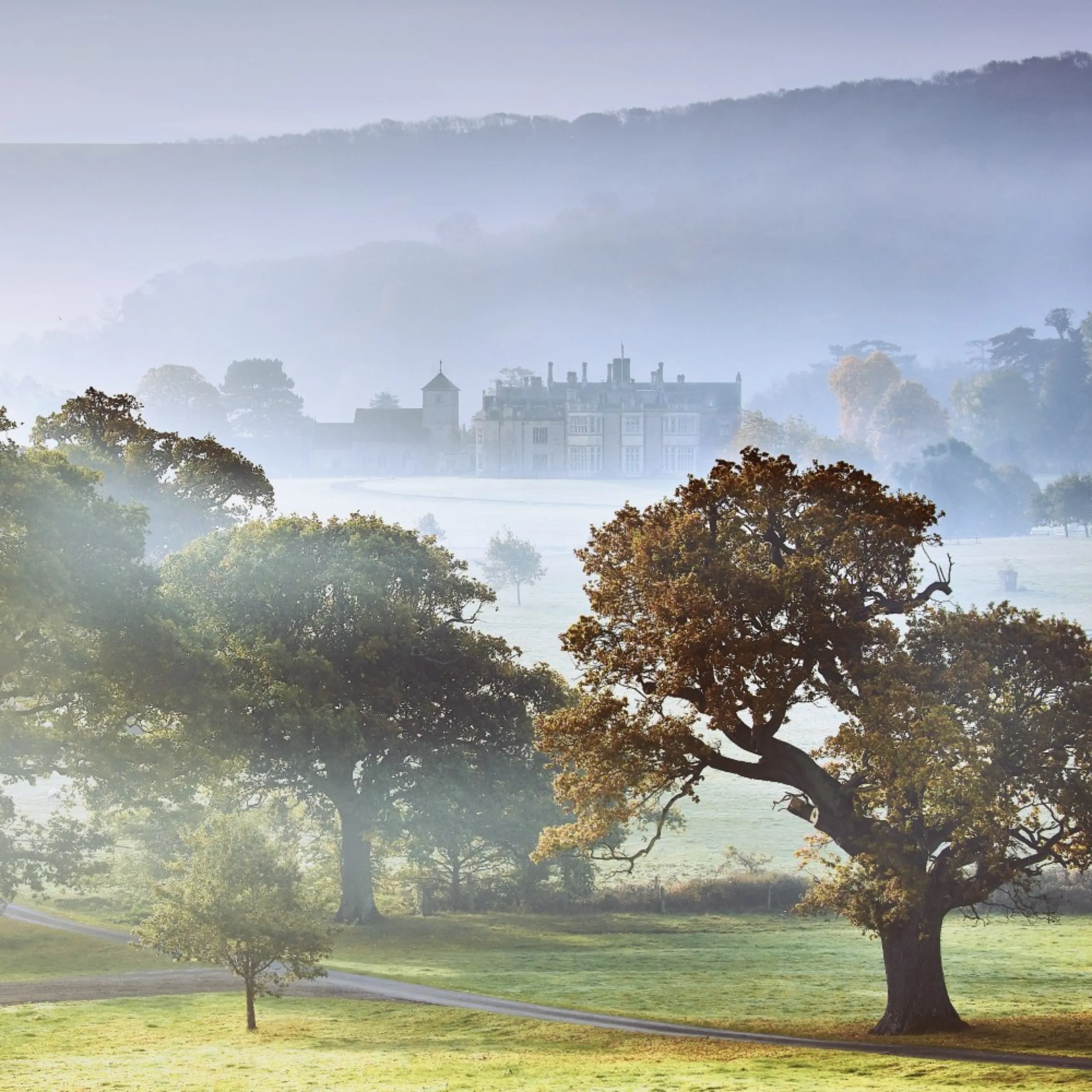
Inspiration
Life in our land: Investing in nature at the Wiston Estate
The Wiston Estate in West Sussex has been successful in profitably integrating nature into their diversified estate and commercial farming business. So how have they done it?
09 May 2025
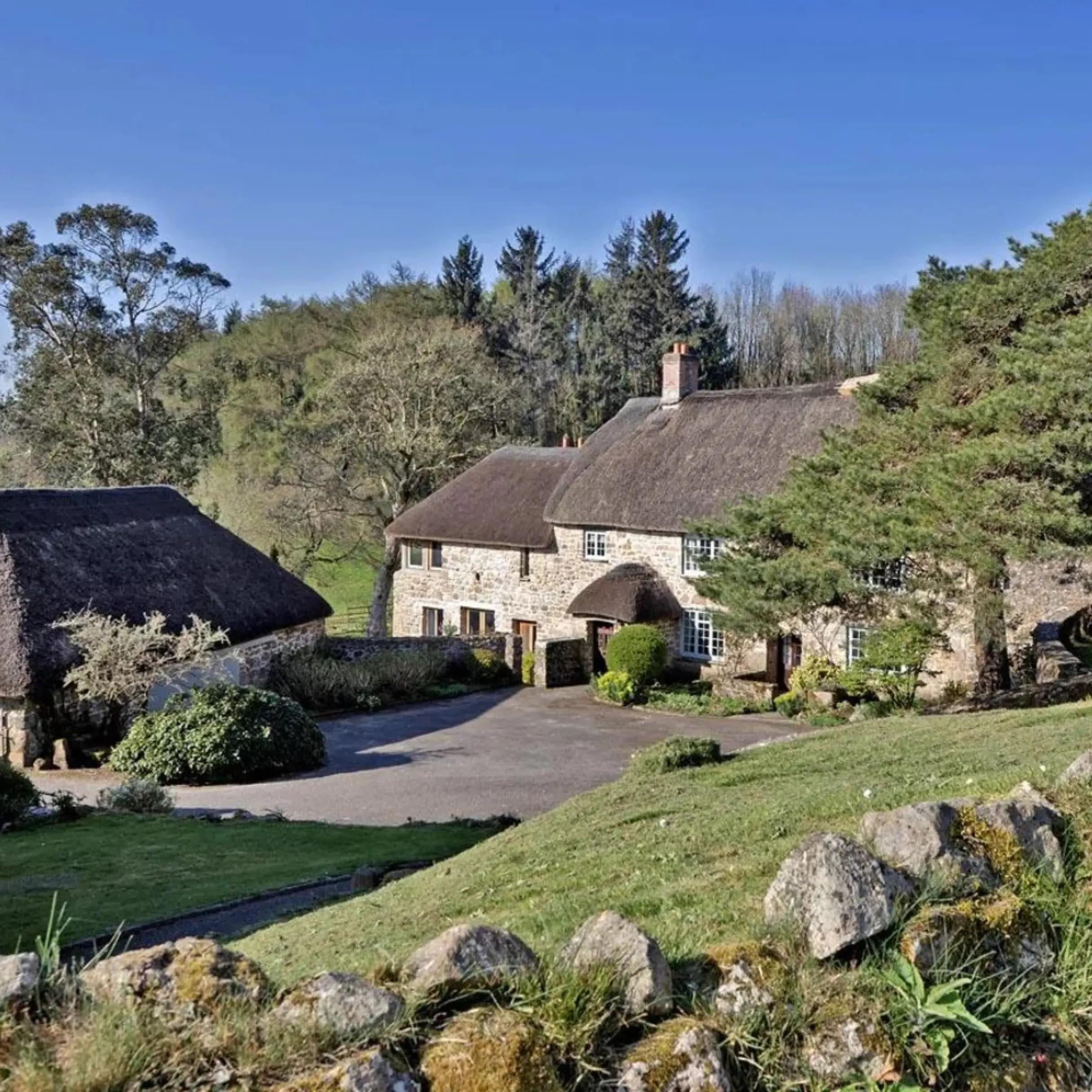
Inspiration
What is it like living in a National Park?
We take a look at the benefits of these beautiful green spaces, and the properties where you can immerse yourself in nature
30 January 2025
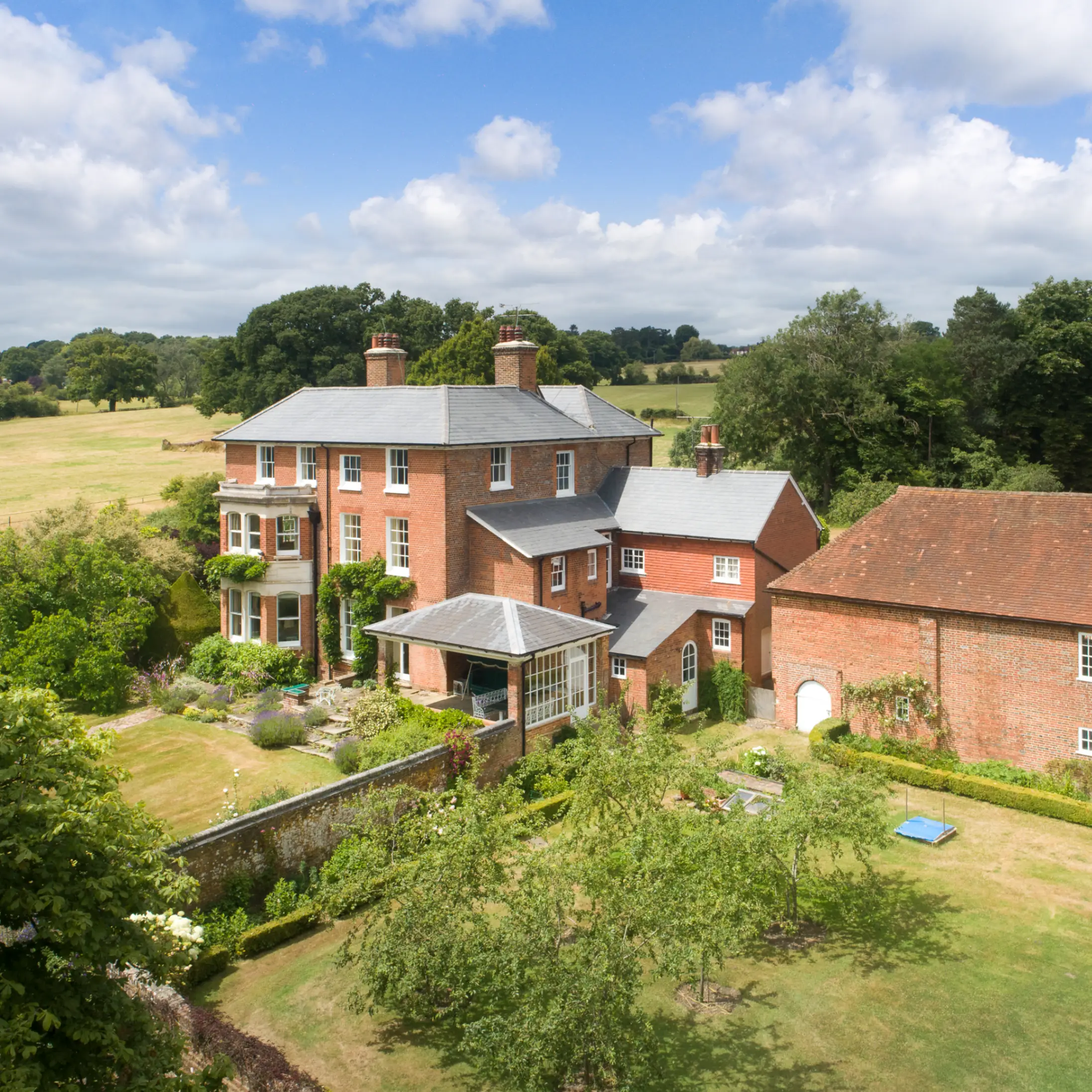
Homes
Elegant equestrian homes for horse enthusiasts
These country homes across the UK present incredible spaces for families and their equine friends
10 October 2024
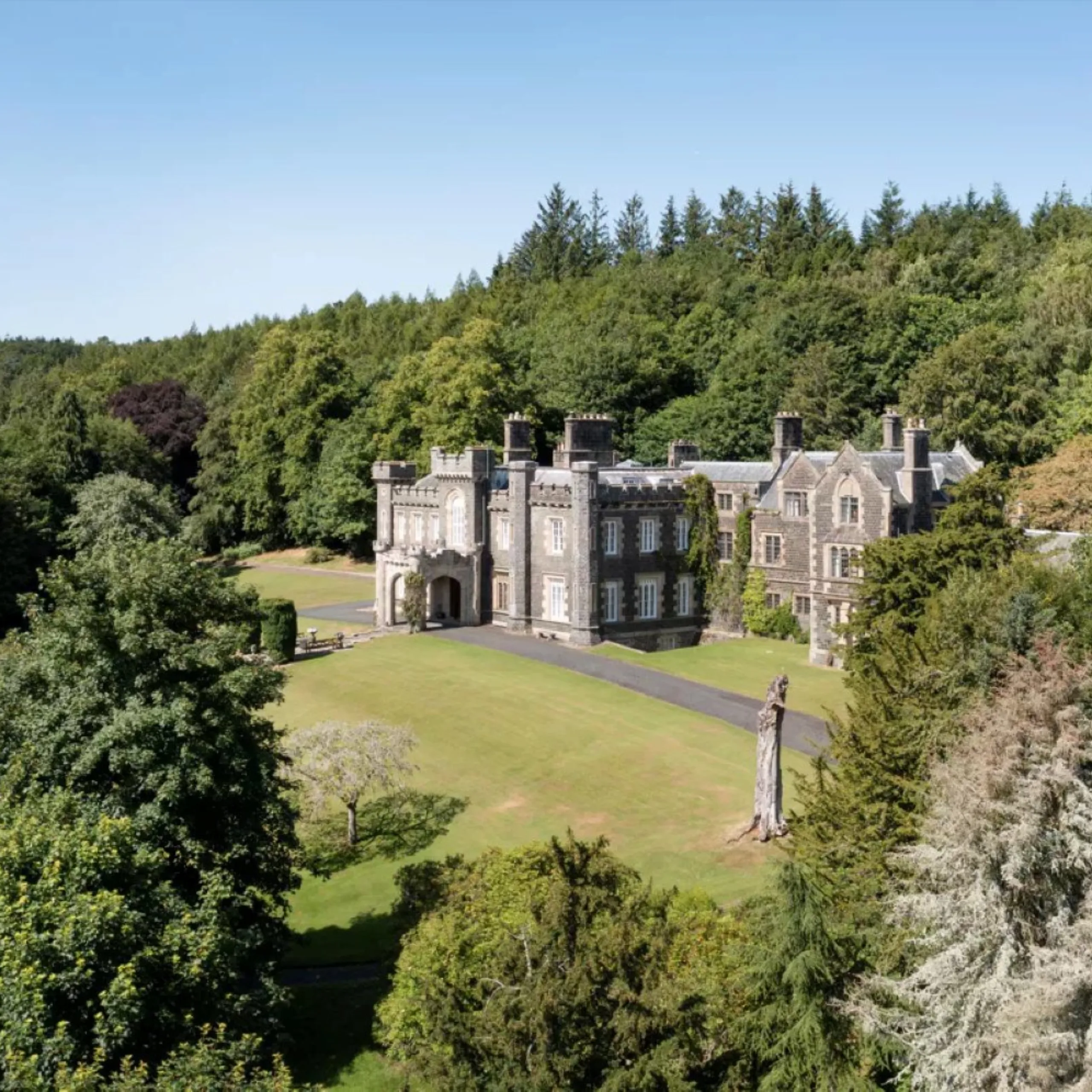
Homes
Life on the farm: sowing seeds of change
Wonderful opportunities to live exceptional rural lives on farming estates in Scotland and England
28 August 2024
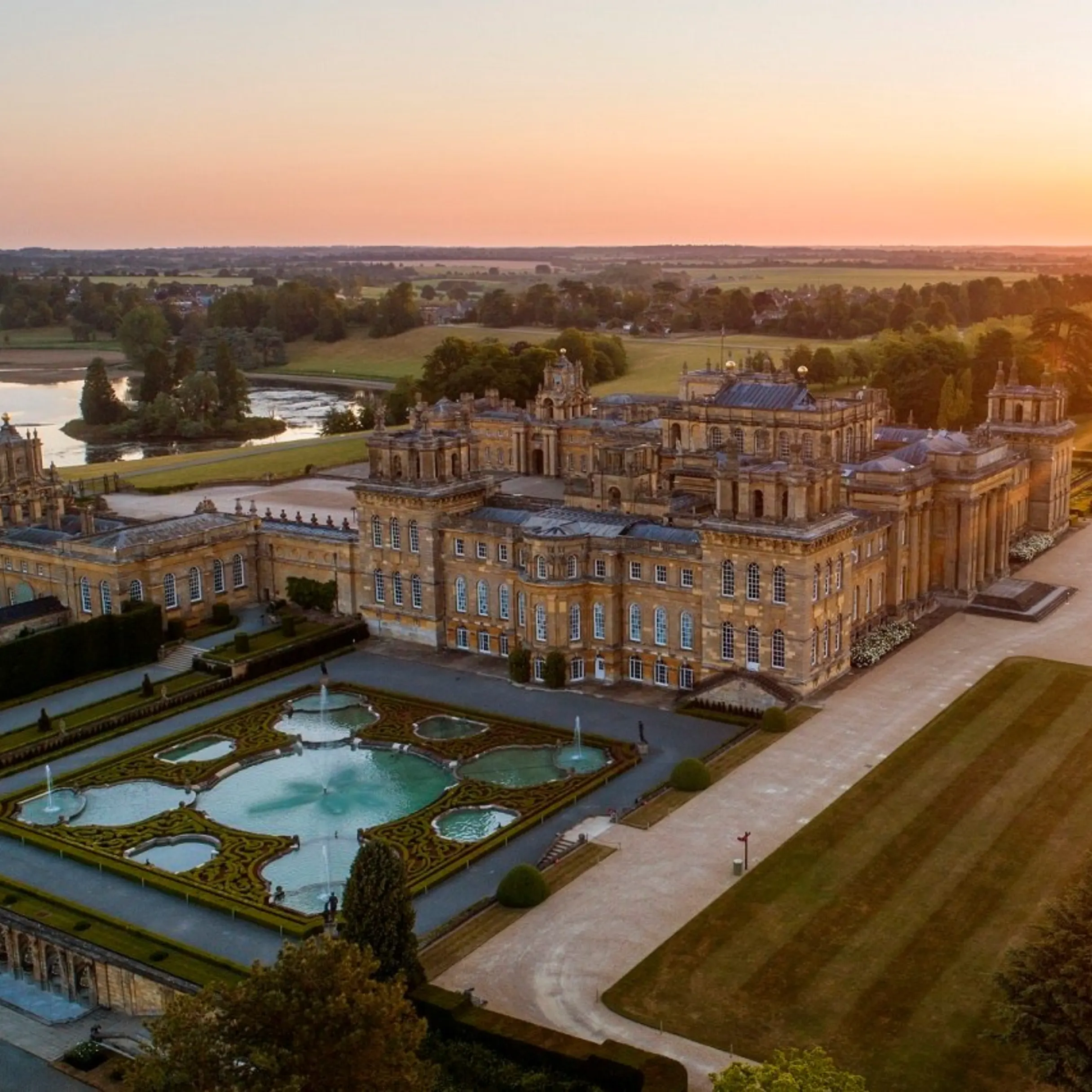
Invest in a sparkling future at Blenheim Palace
Discover a unique opportunity to play a role in England’s dynamic wine industry
12 July 2024
