

Guide
Buying coastal property in the UK
The allure of owning a beachfront home is undeniable.
It offers a lifestyle that’s closer to nature and often at a slower pace – one that increasing numbers of people are choosing to enjoy full‑time, not just at weekends or during holidays.
Whether you’re looking for a weekend escape or a long-term family or retirement home, coastal living holds unique appeal. For many, it’s also a smart long-term investment, with demand for well-located coastal homes enduring over time.
From choosing the right location to understanding property types, financing, maintenance and the legal considerations that come with buying property near the sea, there’s a lot to consider.
Why buy a home by the sea
For most buyers, the attraction begins with lifestyle. Coastal living brings more time outdoors and easy access to beaches. Sea views and natural light can transform how a home feels day-to-day, creating a greater sense of space, openness and tranquility.
If you’re keen on sailing, paddleboarding or open water swimming, you’ll naturally be drawn to a life by the water. Coastal towns also offer a good balance of community, amenities and healthy living.
From an investment perspective, coastal property often holds its value due, in part, to the limited supply. Knight Frank research reveals that in 2025 UK waterfront properties boasted a 51% average premium, up from 48% in 2024.
Waterfront living continues to captivate. Increasingly, the desire to reconnect with nature is evolving from weekend escapes to more permanent moves, a shift made possible by the flexibility of our ever more mobile and connected lives.
Choosing the right coastal location
With 22,000 miles of coastline around the UK, there are numerous beachside locations to choose from, from lively seaside towns to secluded stretches of coastline and rural villages.
What are your motivations for moving to the coast? How will you use the property? Is it for privacy or convenience? Rental demand and long-term value may be key factors, or proximity to the beach or private mooring.
If this will be your holiday retreat, transport links and access can be deciding factors. It’s also worth considering local amenities and year-round liveability. A place that feels perfect in summer may feel very different in winter.
Taking account of your lifestyle needs, our coastal specialists can help you compare areas, understand local pricing, and identify properties that may not be widely marketed.
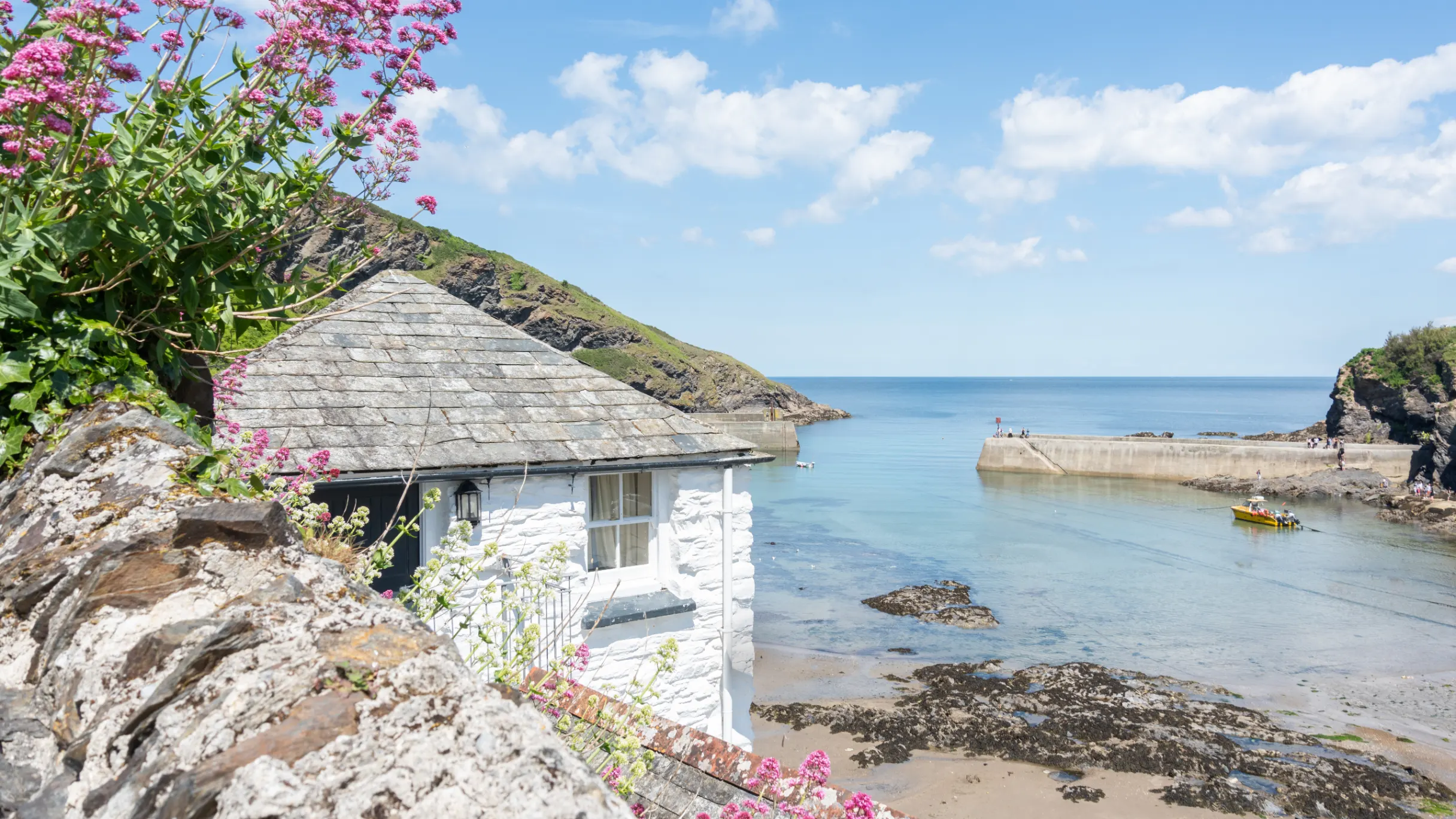
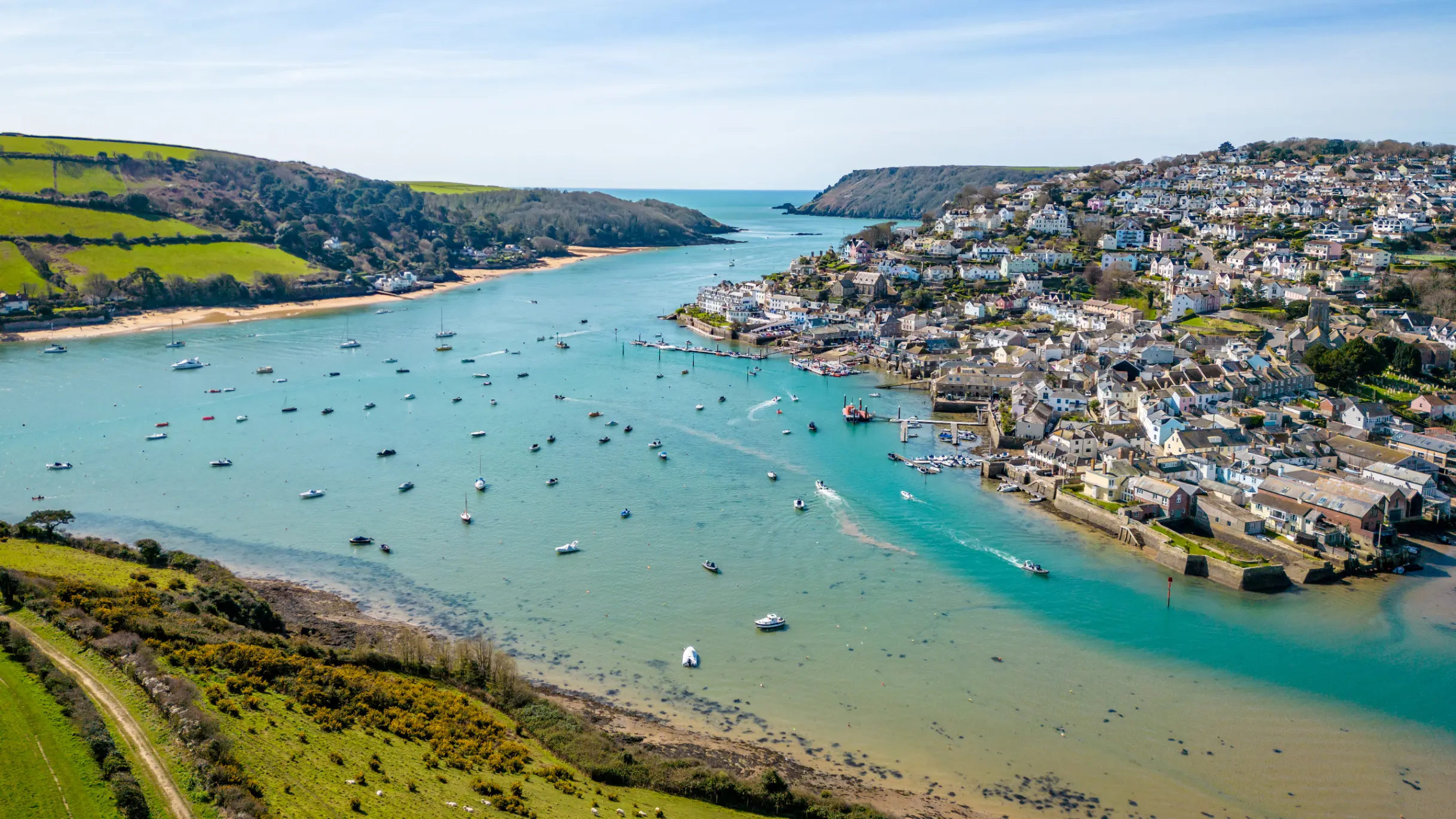
One of the most established coastal markets, the ever appealing Cornwall, Devon and Dorset are popular for lifestyle buyers looking for beaches, countryside access and a strong community as well as holiday culture. Demand can be competitive, particularly for homes with sea views for sale.
Large towns and cities within easy reach of the sea, like Exeter, Truro and Poole combine convenience with coastal life. The harbour towns, hidden coves and rivers on the south coast of Devon and Cornwall are charming, laid back and brilliant for sailing, while Dorset boasts the world-famous Jurassic Coast. But if surfing’s your thing, the north coast of Devon and Cornwall are ever popular spots with superb beaches and plenty going on.
The South East appeals to buyers who want to buy a house by the sea without being too far from London. Sussex and Kent offer a mix of traditional seaside towns and cities as well as charming coastal villages. These locations can work well for second homes, retirement moves and those looking for a coastal location that still feels connected.
Whitstable, Margate, Folkestone and Dungeness in coastal Kent have artistic communities and exciting cultural events. Chichester is an attractive harbour city, popular with sailing enthusiasts, while Rye is rich in history with a wonderful mix of coastal character and rural beauty.
Norfolk and Suffolk offer a quieter coastal lifestyle. There’s a wonderful mix of nature reserves, expansive beaches and charming towns. There are also growing arts and food scenes to enjoy too, including in Southwold, Lowestoft and Aldeburgh on the Suffolk coast. In North Norfolk Burnham Market, Holkham, Brancaster and Holt are scenic, characterful and wonderful rural escapes.

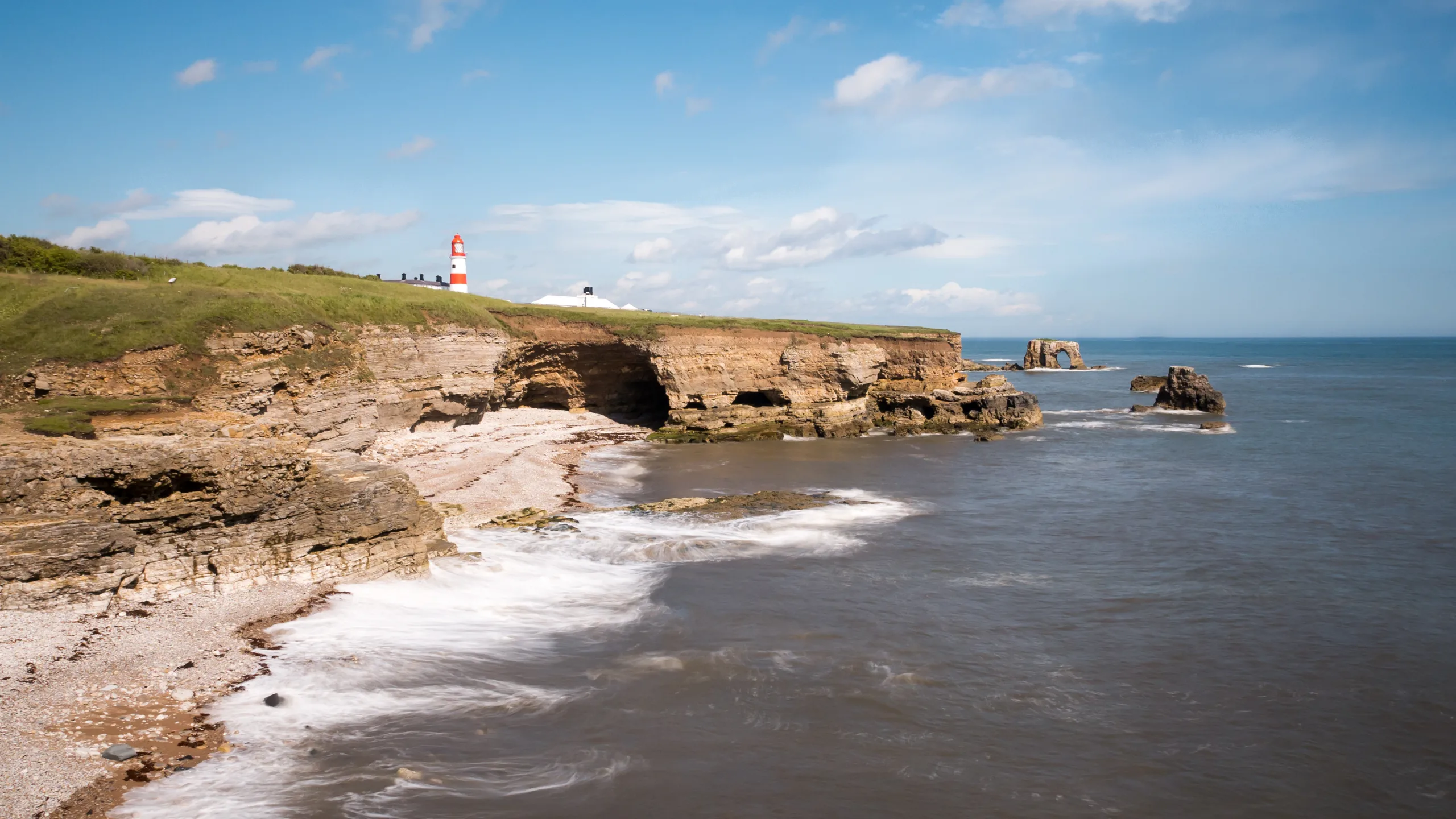
The North of England offers dramatic coastline and beautiful scenery. It’s growing in popularity among lifestyle and investment buyers. Northumberland is known for its wide beaches and historic villages including the exceptional and wonderfully unspoilt expanses of Bamburgh.
The Yorkshire coast offers a mix of vibrant towns and quieter enclaves. These regions can provide an excellent lifestyle and great opportunities if you want space and character. You’ll find traditional seaside towns like Whitby with desirable small villages further along the coast offering seclusion and sea views.
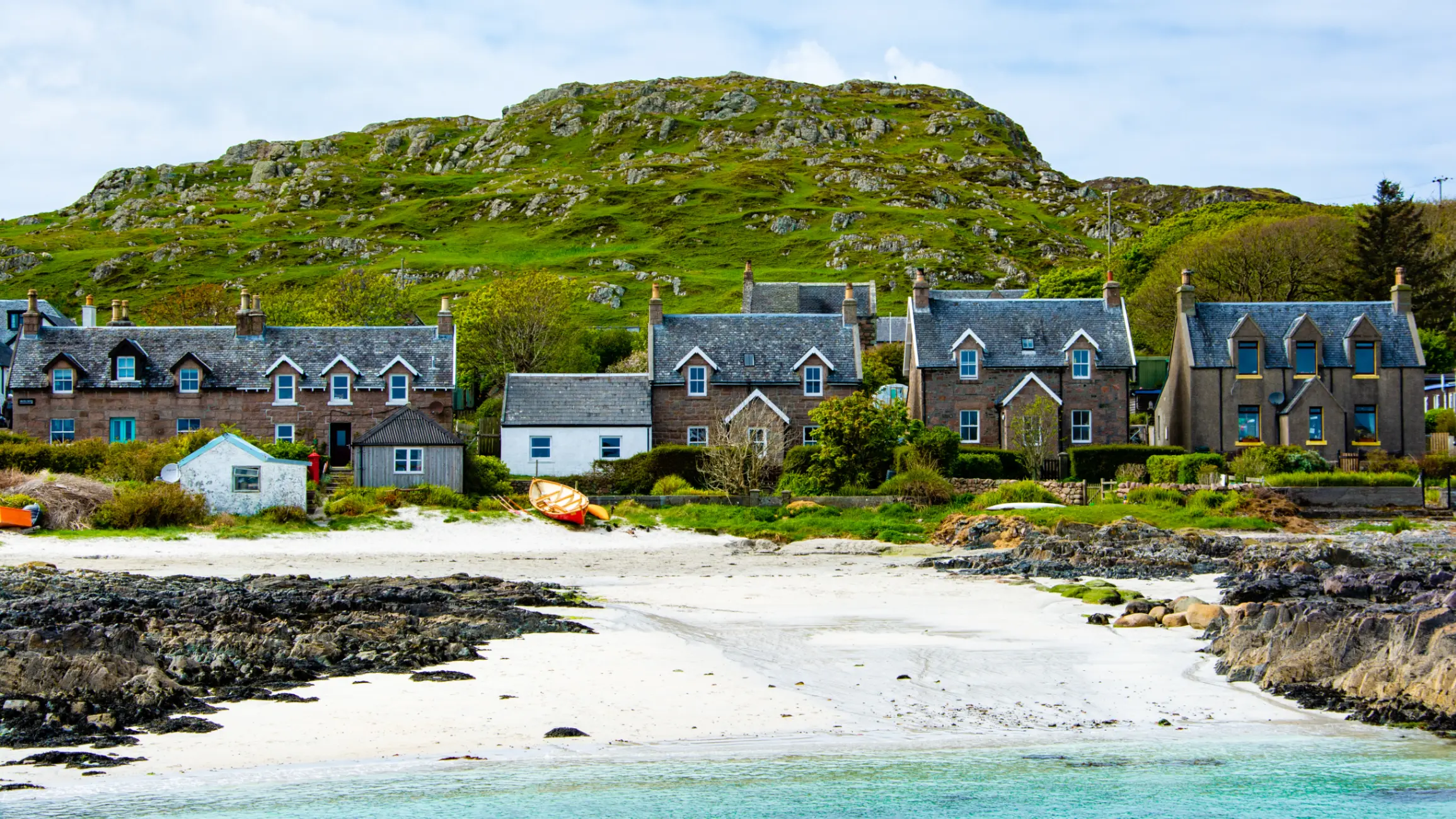
Scotland’s coastline is ideal for buyers looking for true privacy, natural beauty and a sense of escape. From the Highlands to island locations, the lifestyle on offer is exceptional. Some remote areas have limited access and services. That can be a major selling point for those craving seclusion, but a downside for those needing constant connectivity.
Aberdeen offers an enticing combination of city life, alongside country and coast. But if you crave somewhere more remote, you’ll find incredible properties and plenty of land on Argyll and Bute, for example.
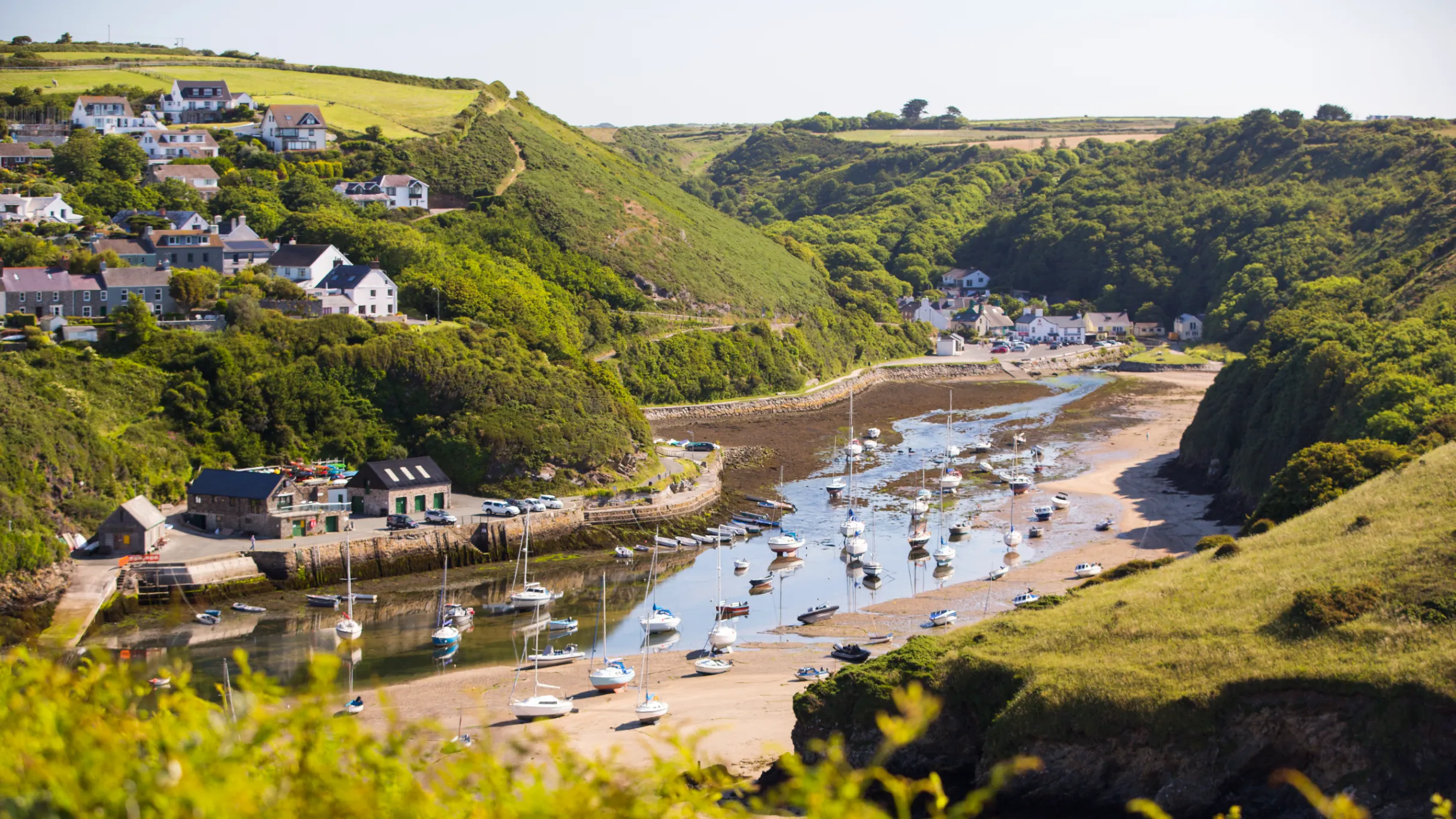
Wales offers some of the UK’s most varied and scenic coastline. You’ll see dramatic cliffs and wide sandy beaches as well as peaceful harbour towns and traditional seasides.
Pembrokeshire is a standout for buyers drawn to exceptionally beautiful landscapes, coastal walking routes and classic seaside villages. The Gower Peninsula combines natural beauty with easy access to Swansea and the M4 corridor. And you’ll find impressive Victorian seafront homes on the outskirts of Cardiff.
Understanding coastal property types
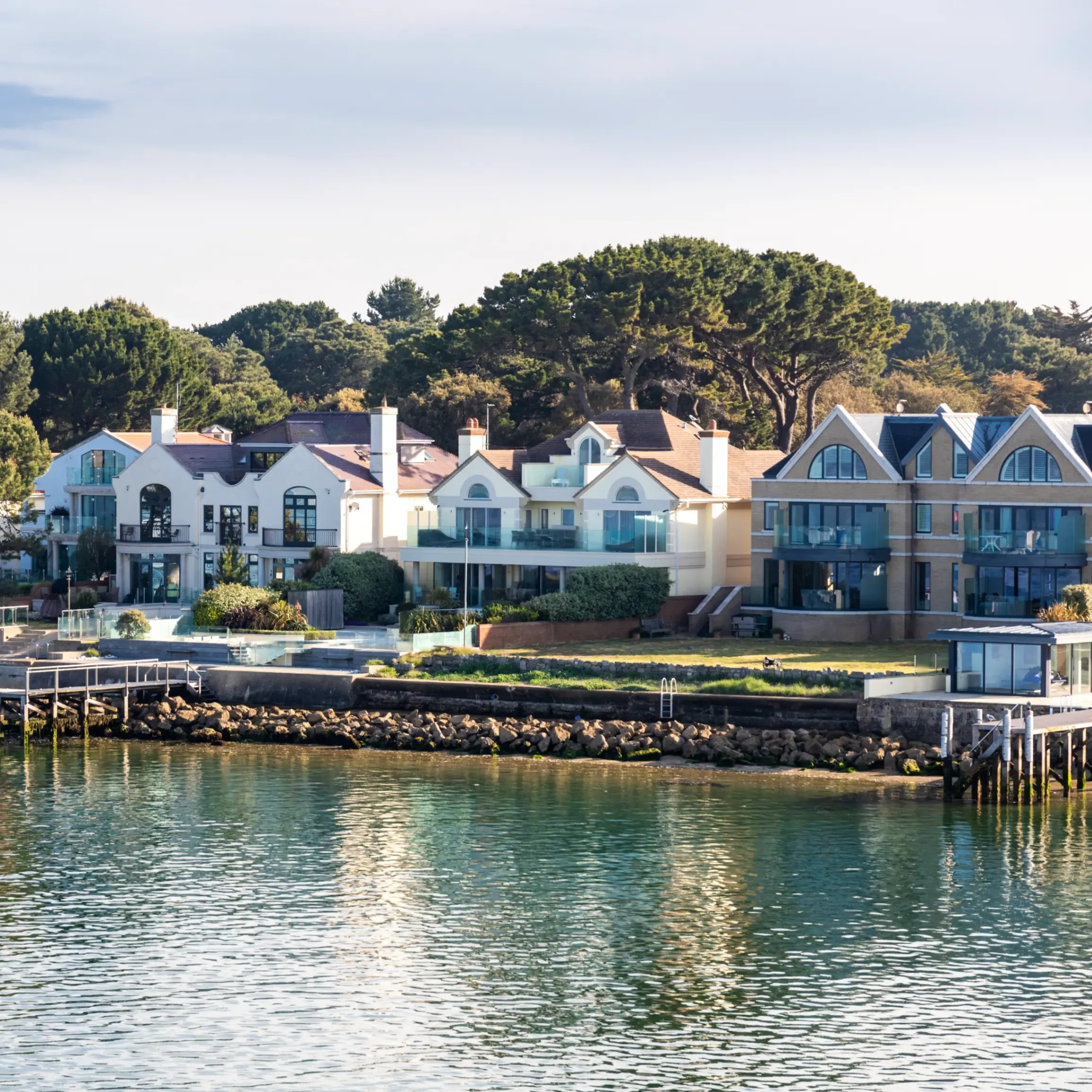
You’ll find an abundance of property styles in coastal areas. There are often larger villas set above the beachfront, and modern apartments, characterful cottages or terraced homes in the heart of a seaside town. But increasingly, you’ll find innovative modern architecture too.
Your dream may be a waterfront home with panoramic views of the coastline. But it’s important to consider the practicalities of a home by the sea. They’re exposed to wind, salty air and humidity, and need regular maintenance. There's also increased risk of flood and coastal erosion.
In conservation areas or protected landscapes, there can be planning restrictions and legal considerations. Work with a specialist surveyor who can advise on construction type, condition, exposure, and any visible risks that should be addressed before purchasing a coastal home.
Our coastal building consultancy provides clear, reliable advice on your property. And you can seek strategic guidance from our legal advisory services for coastal properties.
There’s more dotting of the i’s and crossing of the t’s when it comes to waterfront homes. For instance, do you own any of the foreshore? What is the depth of the water directly adjacent to the property to ensure there’s enough clearance? Having this information at your fingertips will help make the selling process much smoother.
Hamish Humphrey
Head of Waterfront Sales
Financing and legal considerations
Both lenders and insurers will take a closer look at elements including flood risk and weather exposure. In addition, whether the property is used as your main residence, second home or a holiday let will have implications for insurance and financing. This doesn’t that mean the property isn’t viable, but it may affect the costs.
It’s very important thorough legal checks are carried out. Your property’s location and building type may mean it has certain legal restrictions. Conservation areas and protected zones have strict rules around development, external appearance and alterations. You may need specialist approvals for clifftop or beachfront houses. Consult HM Land Registry for comprehensive information.
If your coastal house is intended as a second property, you’ll need to consider the additional costs, including higher rates of stamp duty as well as double council tax fees.
Knight Frank Finance can support you with tailored mortgage advice for coastal and high-value properties, and also connect you with the right professionals for conveyancing.
Renovation and maintenance considerations
It’s better to schedule in preventative maintenance rather than reactive repairs. Coastal properties can be exposed to harsh environmental conditions, which can cause paint to deteriorate more quickly.
Regular inspections, protective coatings and careful material choices can make a big difference. If you’re buying an older property, it’s worth budgeting for upgrades to heating systems, insulation and energy efficiency, especially if you plan to use the home year-round.
A coastal survey is also a smart investment. It helps you understand the condition of the property, likely maintenance needs and any hidden issues. If the property is located beside a cliff, it’s worth looking into a cliff stability survey, too.
Our coastal building consultancy services teams provide specialist advice on renovation, cost planning and compliance for coastal, rural and historic homes.

Coastal property ownership and lifestyle management
Owning a coastal home gives you flexibility. While many want it as their full-time home by the sea, you could rent it out for part of the year, helping offset costs and bring in a seasonal income.
That income isn’t hassle-free, however. It comes with responsibilities around guest management, maintenance, compliance and fluctuating seasonal demand. Local rules vary too, so it’s advisable to seek professional advice if you’re thinking of going down this route.
Being surrounded by sublime, natural beauty brings environmental responsibility. As a property owner, you may need to consider coastal protection, drainage or local conservation requirements. Increasingly, we’re finding people prioritising sustainable living and investing in eco-friendly technologies and energy-efficiency aids. You would need to check which of these would be suited to the property.
What to do next
Buying a house by the sea can be the fulfillment of a long-held dream and an excellent lifestyle decision. It can also make long-term sense as an investment. The right coastal home offers daily joy, flexible use and enduring appeal.
Knight Frank’s coastal and waterfront specialists help buyers at every stage, from finding the right location and assessing risk to negotiating, financing and planning for long-term ownership. Get in touch to start your search.
Frequently asked questions
You can expect to pay an above average price for a coastal property. Knight Frank Research shows that waterfront homes command an average 54% premium (2025 figures). The location, proximity to the sea and property type will also affect its price. A prime home with sea views or direct beach access will usually command a premium.
A coastal property is generally a home located near the sea, usually within walking distance of the coastline.
Common risks include:
- Higher flood risks
- Weather exposure
- Subsidence or coastal erosion
- Increased maintenance requirements
- Planning restrictions.
A specialist survey helps clarify these risks.
Yes you can in many cases. However, local rules and planning requirements can apply. It’s important to understand compliance and management responsibilities before you start.
Hamish Humphrey, Knight Frank’s Head of Waterfront explains: “It’s the most seasonal market I’ve ever worked in.” “Buyers may search for multiple months to find the perfect property, typically starting in April and wrapping up by October, then returning the following year if needed.”
Whilst summer days by the sea may be the dream, it’s wise to familiarise yourself with the coastal location on wet, windy winter days too. That’s especially true if you’re planning to make the move there permanently.
Top locations for 2026 are: Cornwall and Devon for their mix of coastal lifestyle and infrastructure, Dorset for its coastal towns and countryside, Norfolk for its broadland waters and access, and the Solent for its sailing and commuter links.
