

Guide
A guide to buying a rural, country house
Buying a country house isn’t only about the tranquil lifestyle.
It’s also a significant investment. For some, their country home is the primary residence; for others it’s a second home for weekend retreats or part-time living.
Either way, country properties represent long-term investment opportunities as well as a particular lifestyle.
From choosing the right location to managing and maintaining your home once you’ve moved in, we’re here to support you every step of the way.
Why buy a country home
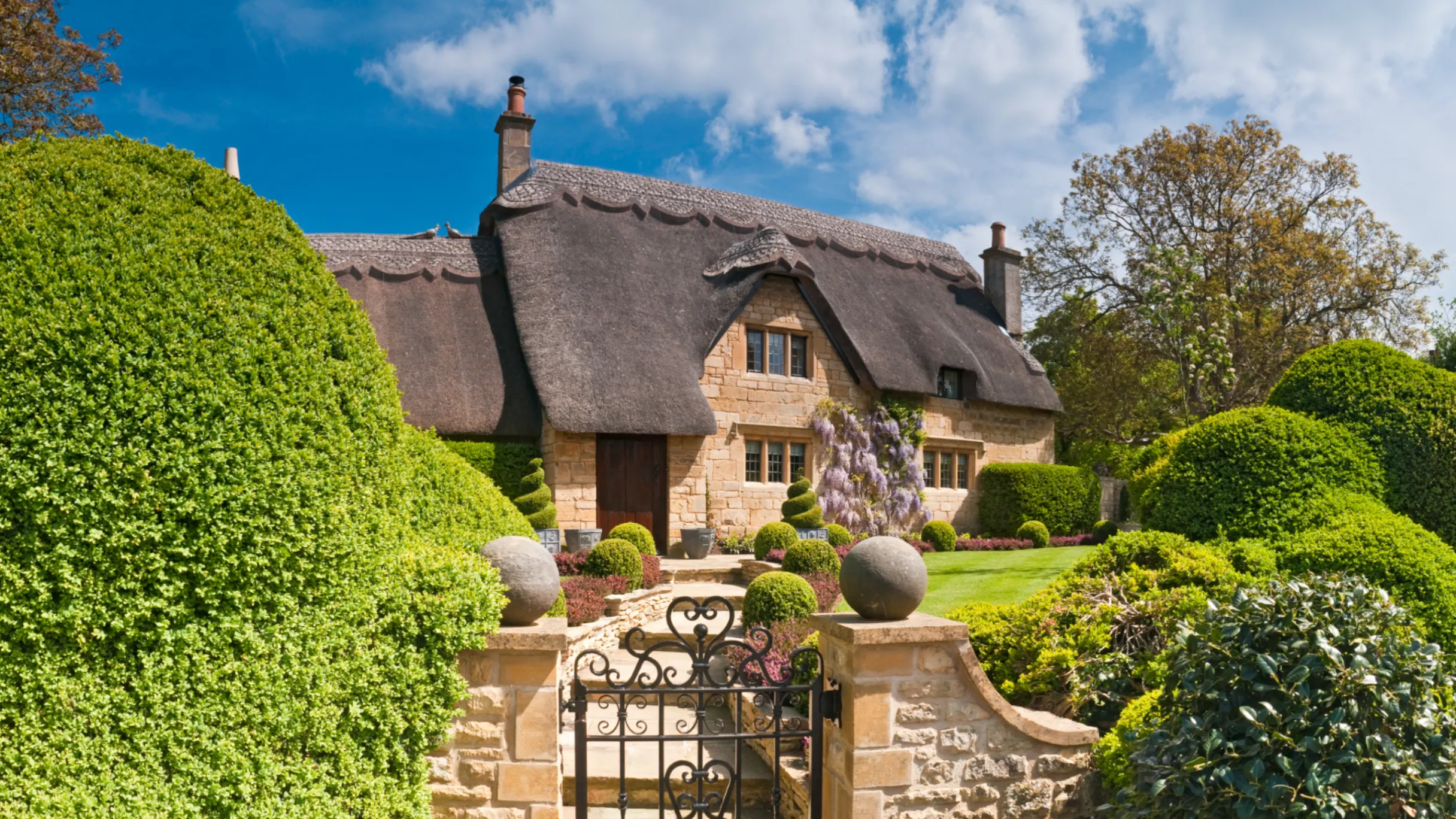
In the early 2020s, the ‘race for space’ drove a huge surge in demand for country properties. Today, many buyers continue to prioritise quality of life alongside long-term value.
Rural homes offer a blend of both. Living in the UK countryside brings clear lifestyle benefits: larger plots, beautiful views, access to outdoor space and a strong sense of both community and privacy. That appeals to families, retirees and second-home buyers alike.
Recent Knight Frank data highlights a marked increase in country property buyers under the age of 50. This is particularly true in sought-after areas of the Home Counties (up from 39% in 2012 to 64% in 2024) and the South and West (from 35% to 57%). For many of these buyers, proximity to good schools is a key motivator. Grammar schools hold particular appeal, along with renowned private schools.
From an investment perspective, country homes have demonstrated resilience, particularly in well-connected locations with good amenities. Scarcity of supply, characterful architectural and land value all contribute to long-term appeal.
The core appeal of a country home has never changed. It’s about space, peace, tranquility. Space, in particular, gives you options.
Choosing the right location
What are your must-haves when it comes to your new life in the country? Is it easy access to the city and good schools? Perhaps you need equestrian facilities or a sporting club nearby? Maybe you long for village life with a welcoming community and a decent pub or local store.
Location’s critical when buying your rural home. The right choice balances your lifestyle preferences with accessibility, local services and future resale appeal. Each area of the UK holds different benefits, appeal and characteristics. Matching those to your priorities is the key to finding your ideal country home.
We find that houses located closer to London are more active at the moment. There are many areas in the South East that hit that sweet spot, offering proximity to London, respected schools, beautiful surroundings and established villages. Prices are typically higher, but demand remains consistent, particularly in areas with fast rail links like Tunbridge Wells.
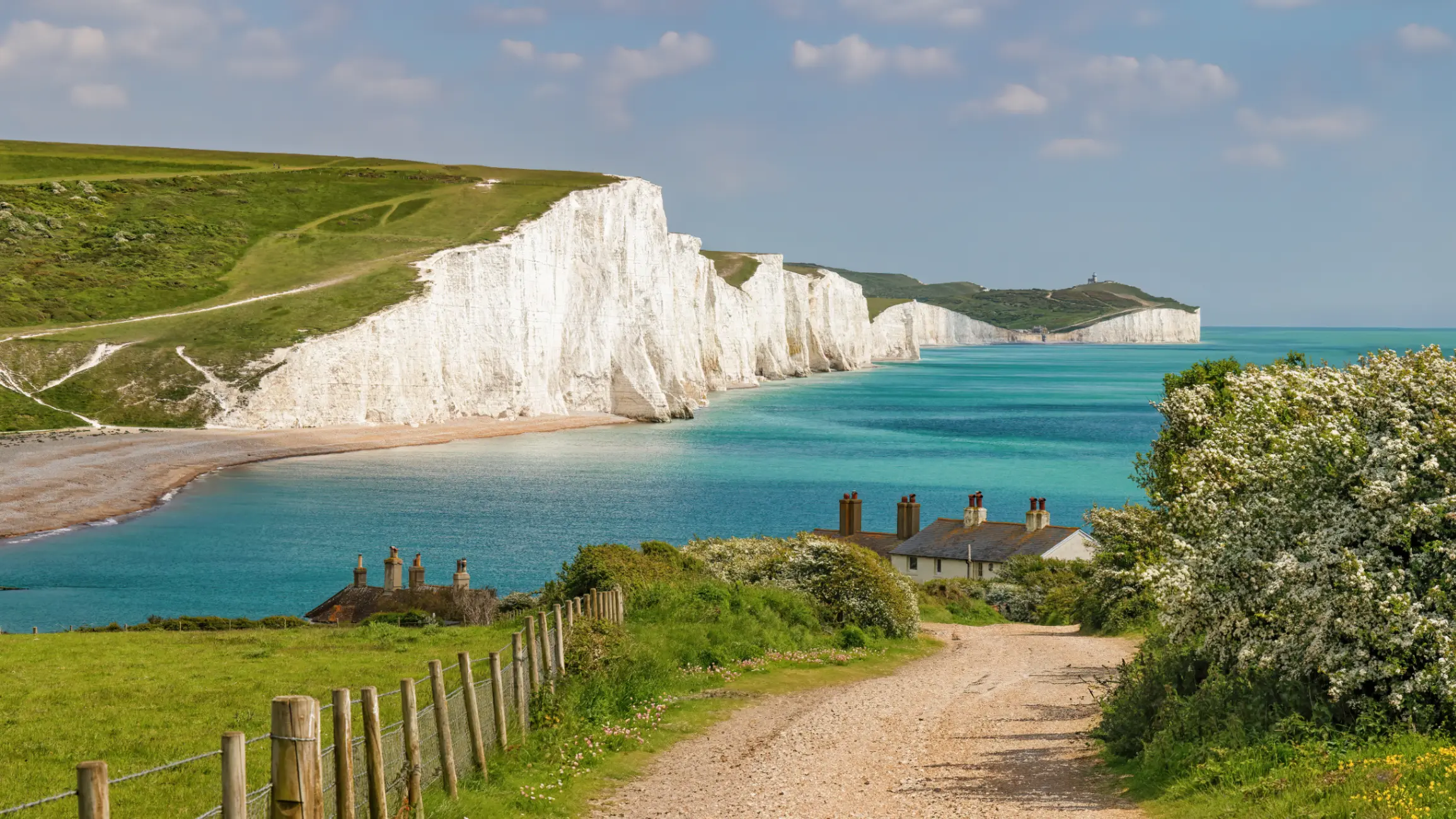
The South West offers the best of all worlds with stunning coastlines in Devon, Cornwall and Dorset, beautiful countryside, as well as historic towns and cities. There are also areas with a great cultural buzz, incredible food producers and vibrant communities. You’ll find a real mix of character properties, attractive new-build homes and a strong second-home market in the South West.
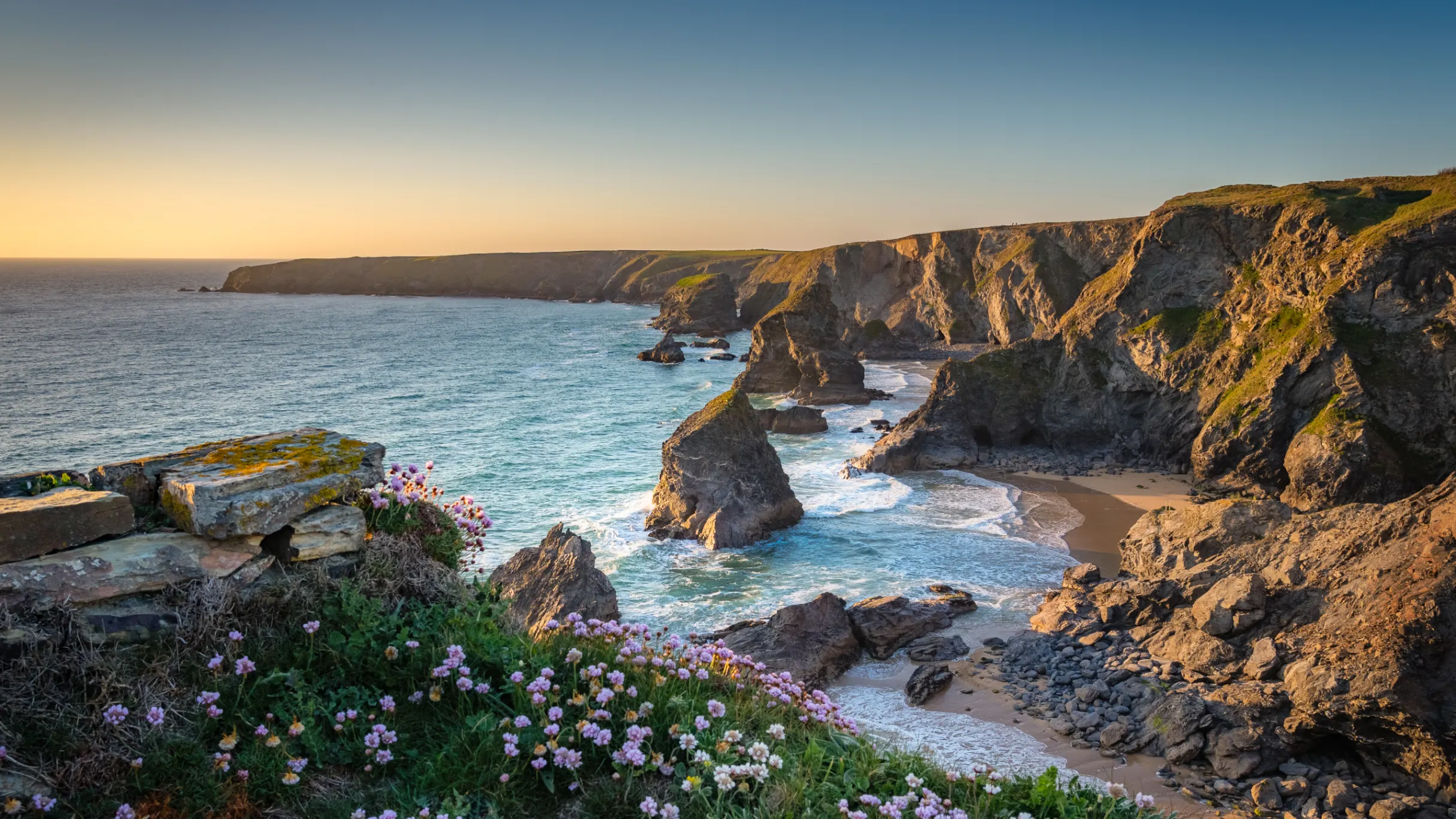
Central England appeals to buyers who want countryside living without feeling too far from the UK’s major cities. London, Birmingham, Manchester and key airports are all reachable from The Midlands. Often, you’ll find more choice and better value than the South East.
The Cotswolds is hugely popular amongst buyers looking for classic villages, character homes and strong lifestyle appeal. But there are attractive market towns and villages across the region, including in Worcestershire, along with good schooling and excellent transport links.
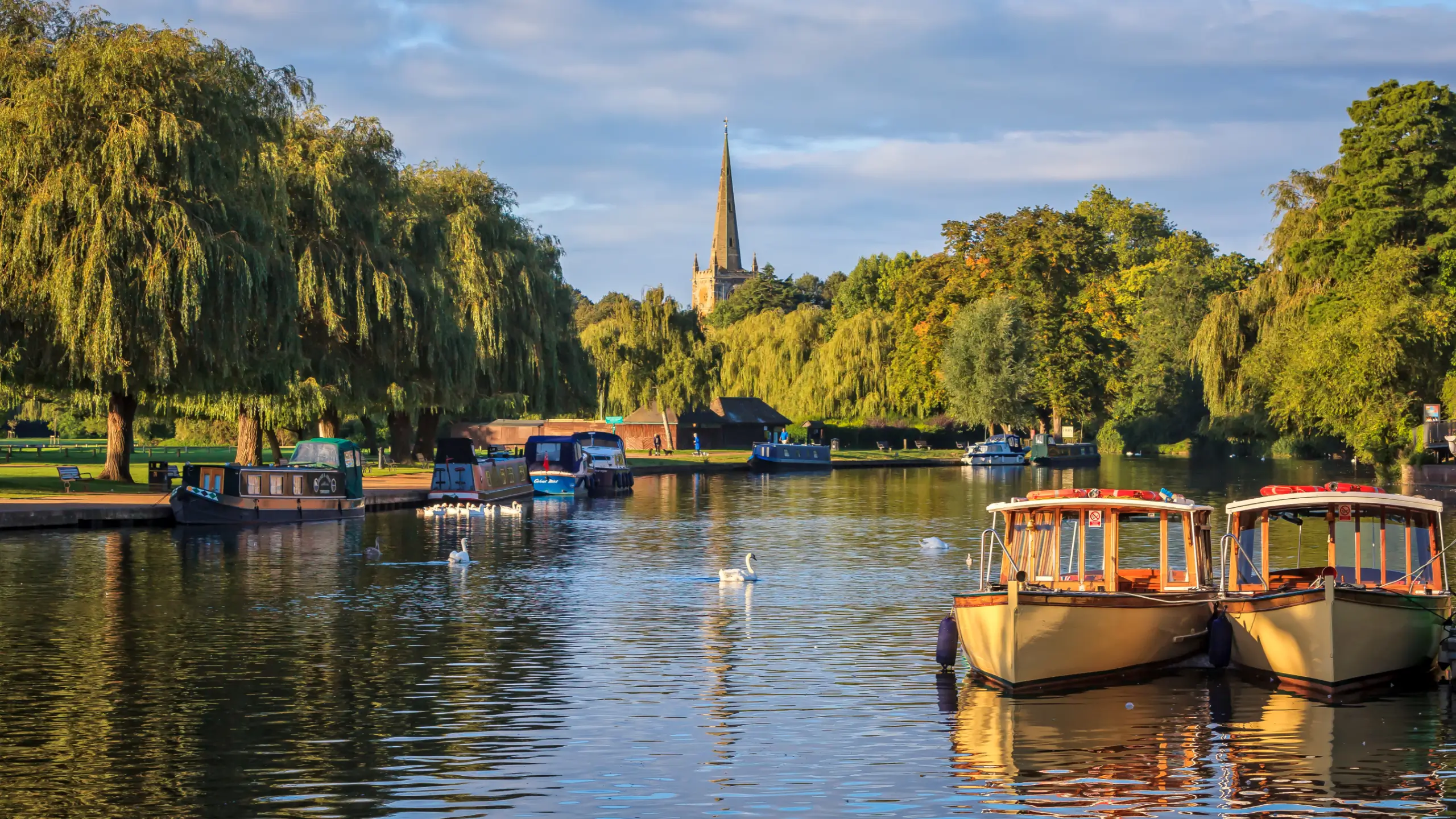
If space is top of your priority list, green space in particular, the north of England has much to offer. You often find larger houses and land available at lower price points than areas closer to London. Stunning rural areas such as North Yorkshire and the Peak District attract lifestyle and retirement buyers.
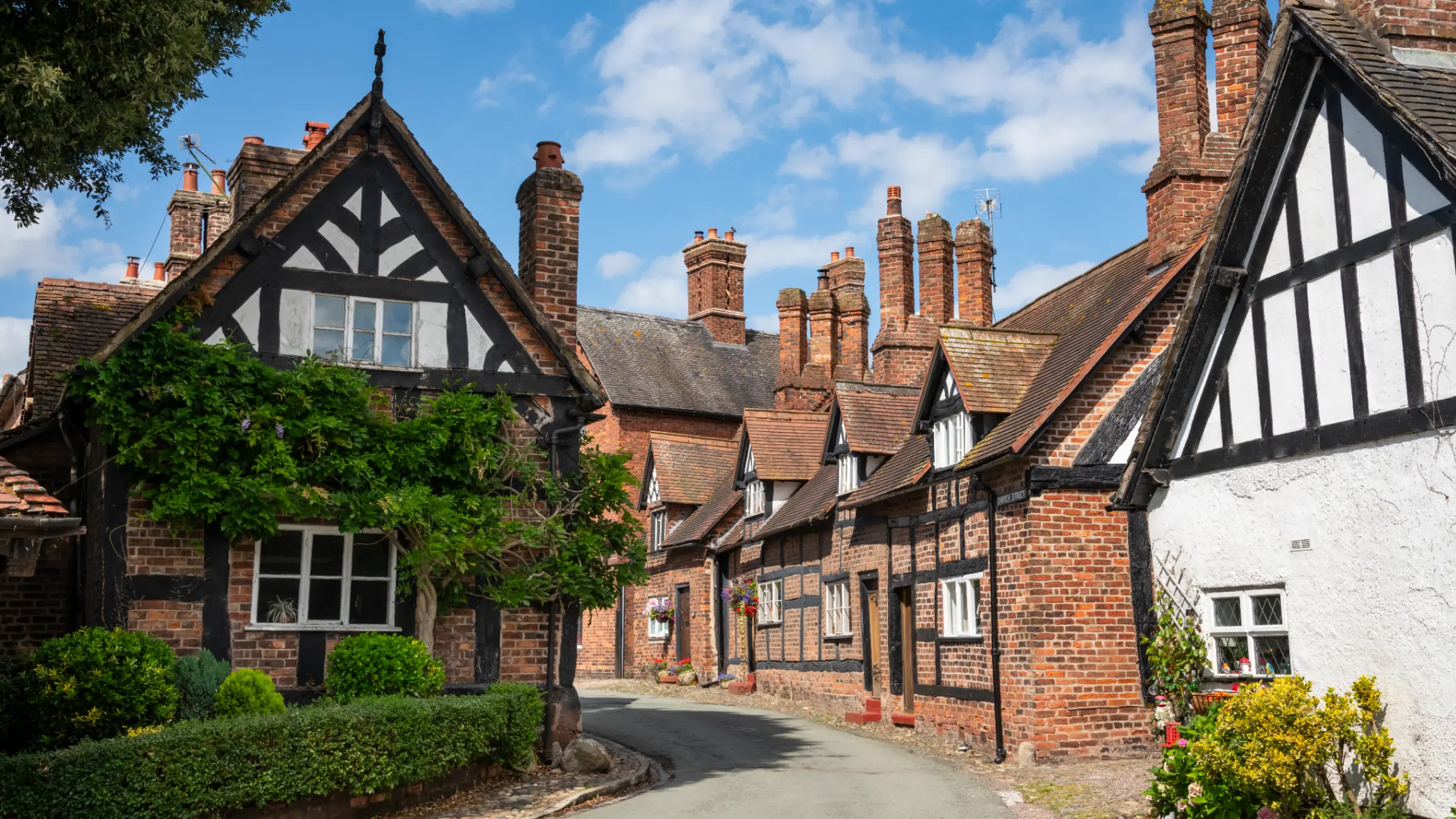
Head to Scotland for dramatic landscapes, privacy and sprawling estates. It provides an exceptional way of life for those wanting a better connection to nature. Areas of Scotland hold incredible lifestyle appeal, sporting potential and long-term land value.
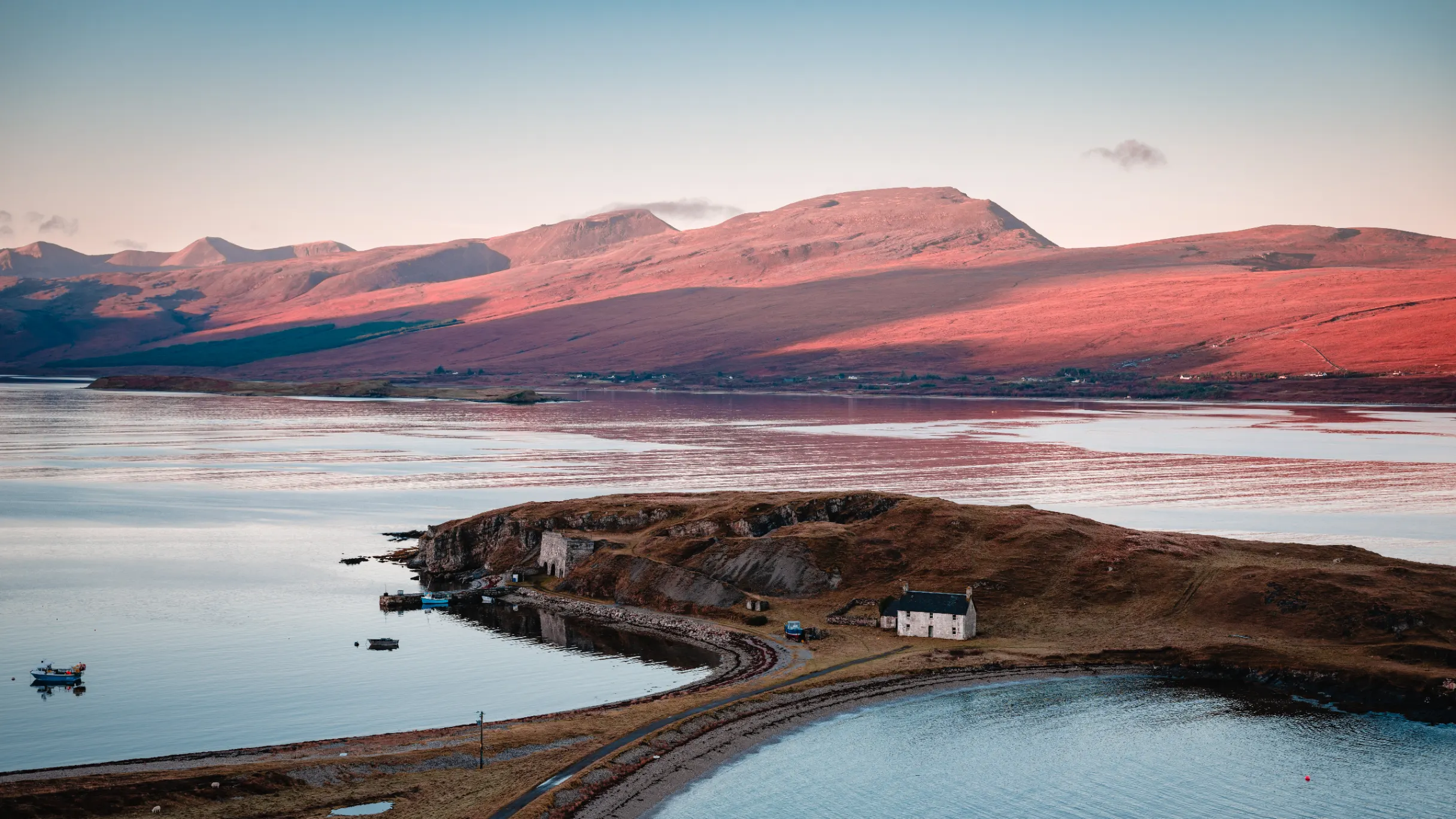
Like South West England, Wales offers glorious coastal areas as well as countryside. It’s renowned for its space, affordability and natural beauty. As well as established areas like Monmouthshire, rural Wales is becoming increasingly popular with buyers seeking privacy and a slower pace of life.
Check our for further guidance and inspiration and view available countryside properties .
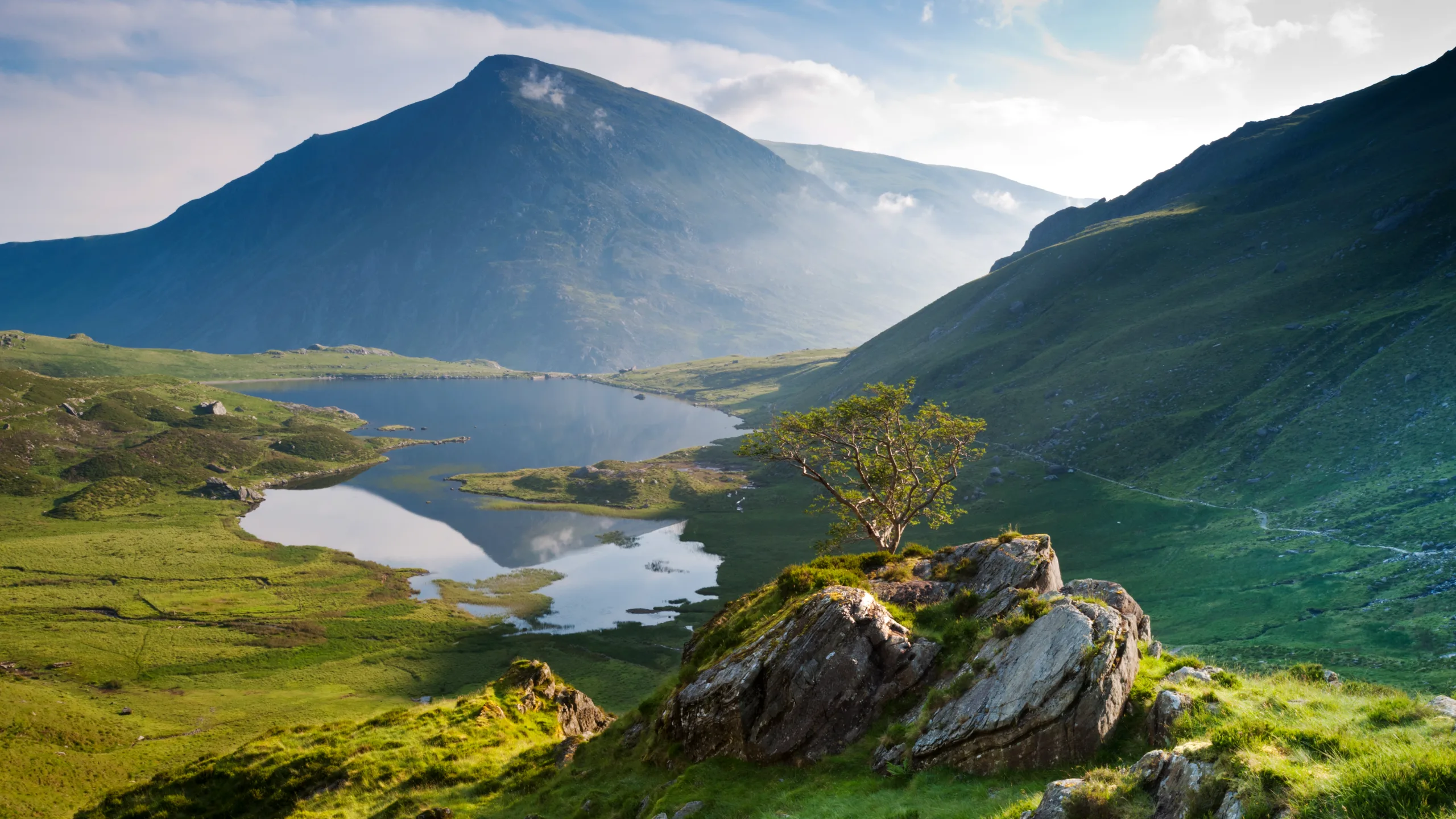
We’re seeing more buyers venturing out of the capital in search of more space and value.
Alex Hancock
Associate, Knight Frank Ascot
Understanding land and property types
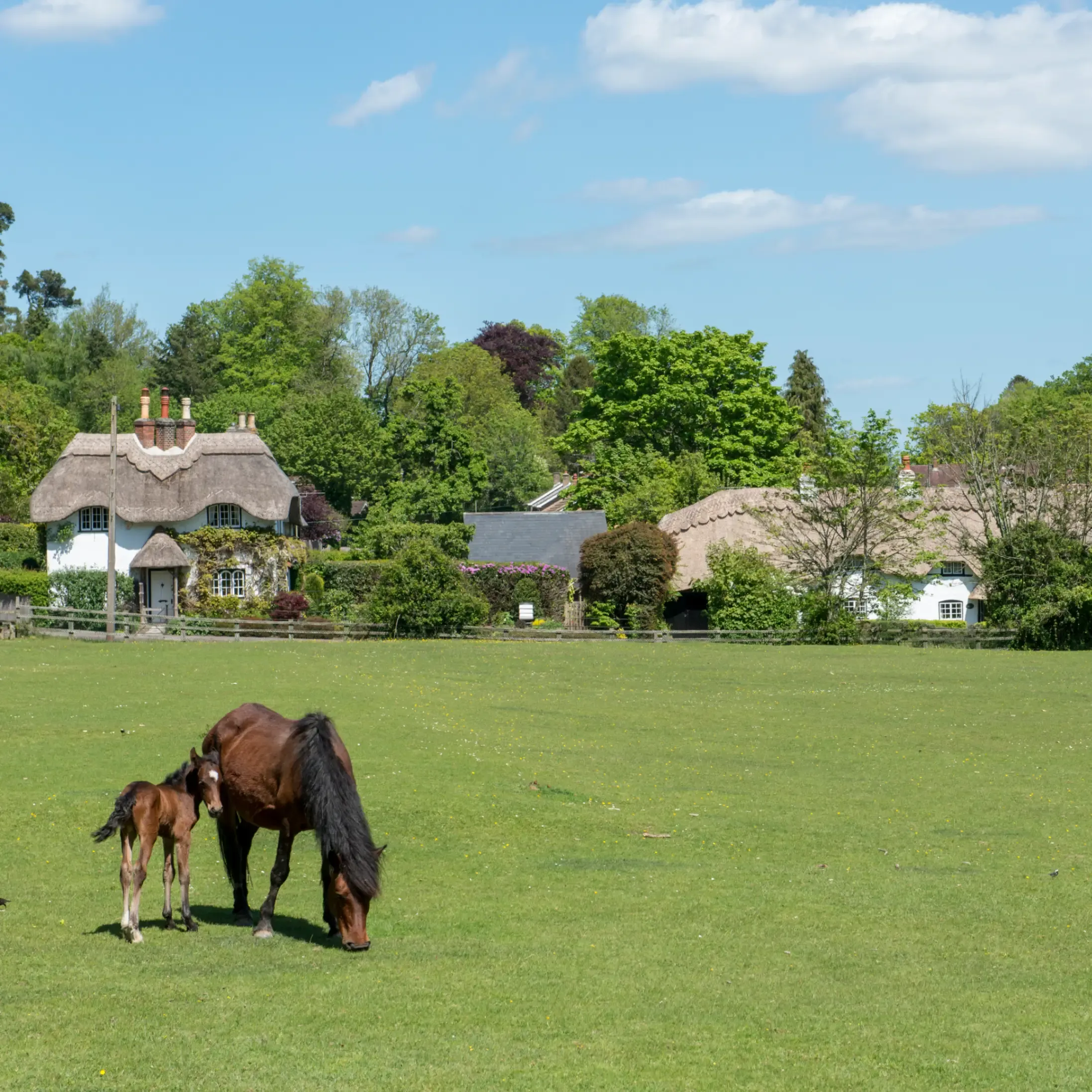
Country homes vary widely, from barn conversions and listed farmhouses to manor houses, small estates, new builds and equestrian properties. Each type comes with its own legal and practical considerations.
Most country homes are freehold. However, you should check for restrictions and legalities around agricultural ties, rights of way, conservation area limitations or listed building status for example.
Listed and historic homes may be subject to additional controls, particularly around renovation and alteration. Historic England provides specific guidance on making changes to historic houses and conservation areas. The UK government also has information on protected areas of the countryside.
We highly recommend you seek professional help to ensure planning, heritage and legal requirements are fully understood before making your purchase.
Finance and legal considerations
Financing a rural home can be more complex than buying in an urban area. Lenders may require higher deposits, especially where land, outbuildings or non-standard construction are involved. Rural valuations span aspects such as land use, condition and income potential rather than just square footage.
Legal due diligence is always important with a house purchase. But with country properties it’s even more crucial as there are specific intricacies to explore. Rural conveyancing includes checks on boundaries, access rights, services, drainage, land use and any third-party interests. Specialist solicitors are best placed to manage these issues. Consult HM Land Registry for comprehensive information.
If your country house is intended as a second property, you’ll need to consider additional cost. We’re finding that the higher costs of stamp duty as well as double council tax fees are deterring some buyers.
Renovation and maintenance considerations
Whilst the space and attractive architectural features may be what draw you to a property, they may come at a price. Many country homes require ongoing maintenance or sympathetic renovation. You may need to upgrade and invest heavily in aspects like roofing, heating, insulation, power supply or drainage.
If you purchase a historic home or listed building, there’s likely to be restrictions on the materials and methods you can use. Both can affect costs and project timelines. Managing and maintaining rural estates needs careful consideration from both practical and financial perspectives.
We’re seeing an increased focus on sustainability and energy efficiency among our clients. Upgrades such as ground-source heat pumps, biomass heating or solar panels are priority investments for many buyers. Their goal is to balance sustainability with heritage considerations.
Rural property ownership and management
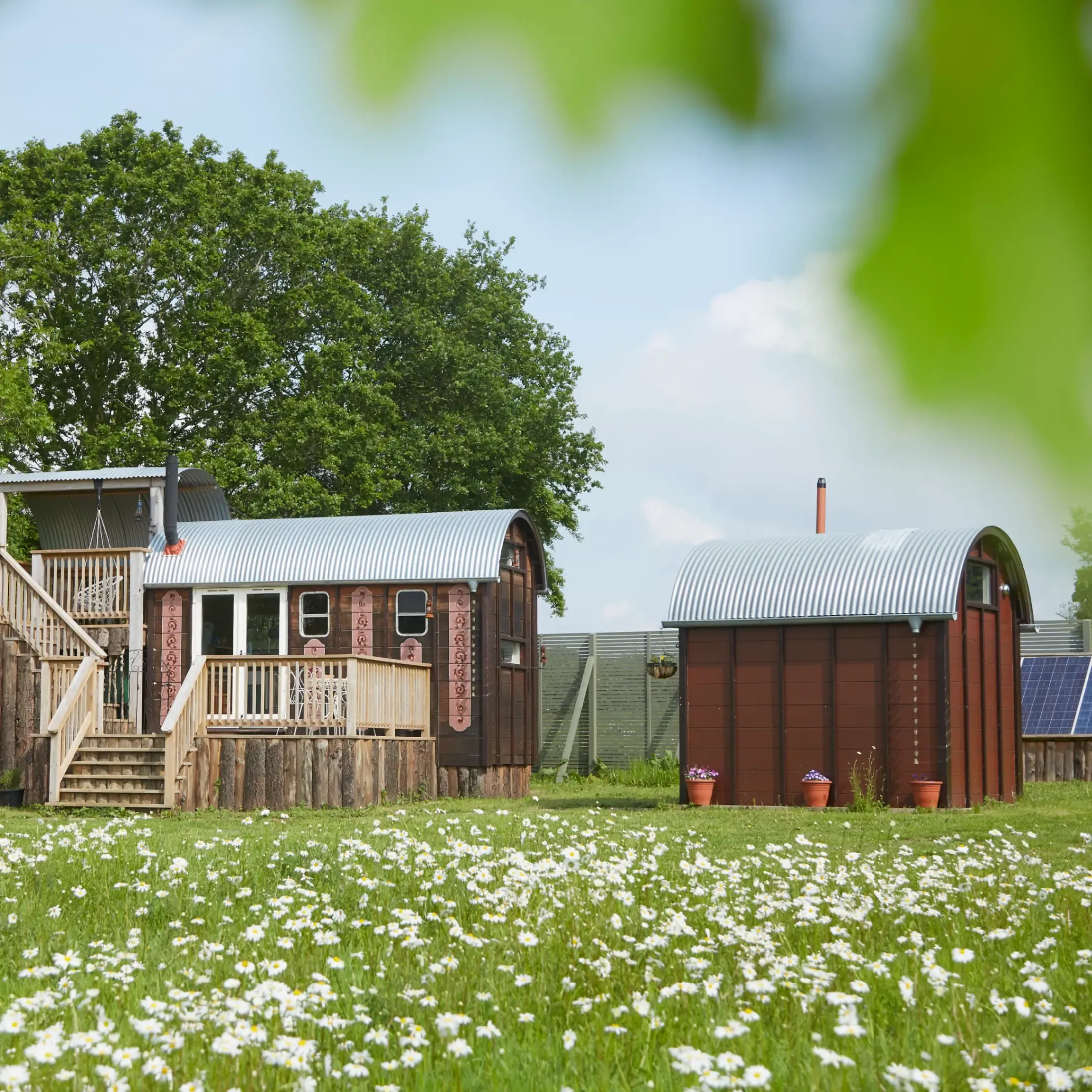
Owning a rural home often involves managing more than just the house itself. Land, woodland, outbuildings and access routes all require your attention. You may be motivated to explore diversification opportunities too. These include:
- Holiday lets or a glamping site
- Renewable energy projects
- Leasing commercial units
- Livery services or stabling.
All these initiatives can provide additional income streams, but need forethought, planning and ongoing management.
Environmental stewardship is also becoming increasingly important. You could explore biodiversity initiatives and land management schemes. Alongside the positive environmental impact, you can enjoy financial benefits too.
Our experienced team can help you to realise the full potential of your rural property and land.
What to do next
Time to embrace that country lifestyle you so desire? Buying a rural, country home is a deeply personal decision, combining lifestyle ambition with detailed planning and investment.
With over 130 years’ experience, we offer unmatched expertise in countryside properties. Our rural teams benefit from in-depth local knowledge, along with national reach and market-leading research. So whether you’re relocating, investing or searching for a second home, our advisors will provide you with tailored guidance at every stage of the journey.
We are leading specialists in buying and selling country property.
Frequently asked questions
Prices vary greatly across the UK, depending on factors including location, property type and land size. However, Knight Frank Research shows that £2.82 million is the average budget of new prospective buyers in the country house market (2024).
A country house is typically a detached home in a rural or semi-rural setting. Often country houses have land, character features or historic significance.
We explain the steps in more detail above. The process of buying a country house in the UK involves defining your requirements, identifying suitable properties, arranging specialist finance and completing rural-specific legal checks.
Start your country property search with our knowledgeable Country team. We believe working with regional specialists is key. We combine local knowledge and contacts with a national and global reach. Many of the best country homes are sold discreetly or off-market. We can help you to secure the best country home for you.
