

Guide
A guide for first-time home buyers in London
Buying your first home in London is a remarkable milestone.
If you’ve never been through it before, the buying process can feel confusing and overwhelming.
The city’s property market moves quickly, with prices varying between and within boroughs, and competition is fierce. But with the right preparation and guidance, you can navigate the process with confidence.
On this page:
- Why buying your first home in London is different
- Where to buy a house in London
- Step 1: saving your deposit and setting a budget
- Step 2: choosing the right area to buy in
- Step 3: viewing properties and understanding leasehold risks
- Step 4 : securing a mortgage and making an offer
- Step 5: Conveyancing, contracts and completion
- Step 6: After you buy
- FAQs
Back to top
Why buying your first home in London is different.
London property prices are typically two or three times the national average, so you’ll need a large budget and deposit. The city has a high proportion of leasehold homes, especially flats, which means buyers often encounter service charges, ground rent and complex lease terms.
Affordability also varies hugely from one area to another. Areas of regeneration often appeal to first time buyers as prices seem relatively affordable compared to higher priced neighbourhoods. This is particularly the case for East and South London areas close to major transport routes.
Early professional advice and a realistic understanding of how location and property type affect affordability and demand will give you a strong advantage.
Where to buy a house in London
London doesn’t operate as one single property market. Within the same borough, demand and buyer profiles can change street by street, and understanding these micro-markets is particularly important in competitive areas where small differences influence both price and resale appetite.
Proximity to a particular station, school catchment or regeneration boundary can materially affect value, so for first-time buyers a little flexibility can unlock better opportunities.
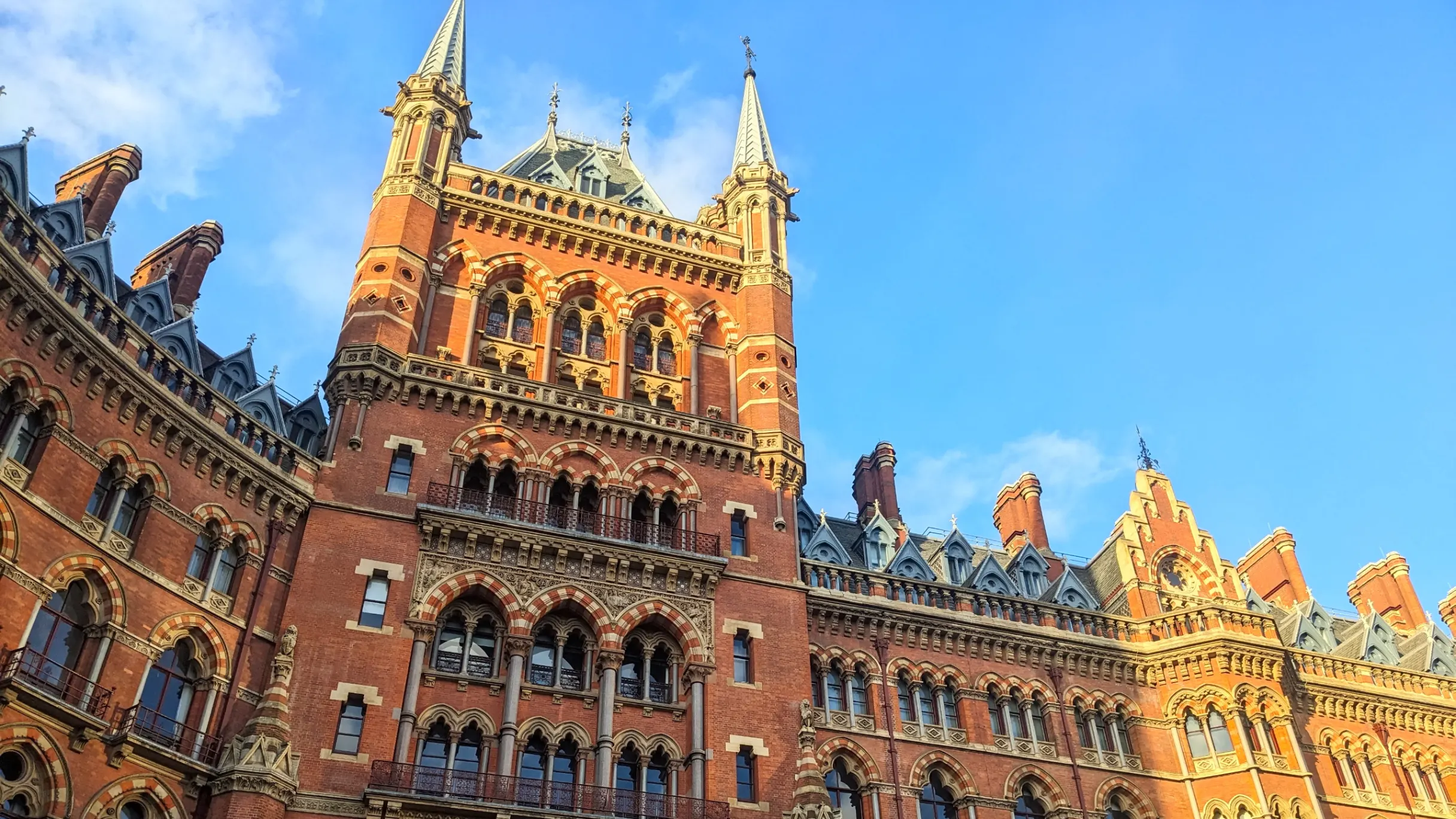
One of the capital’s largest regeneration projects, King’s Cross is now a vibrant district of modern homes, offices and cultural venues. With unrivalled transport links, the area has become a prime hub for contemporary apartment living in central London.
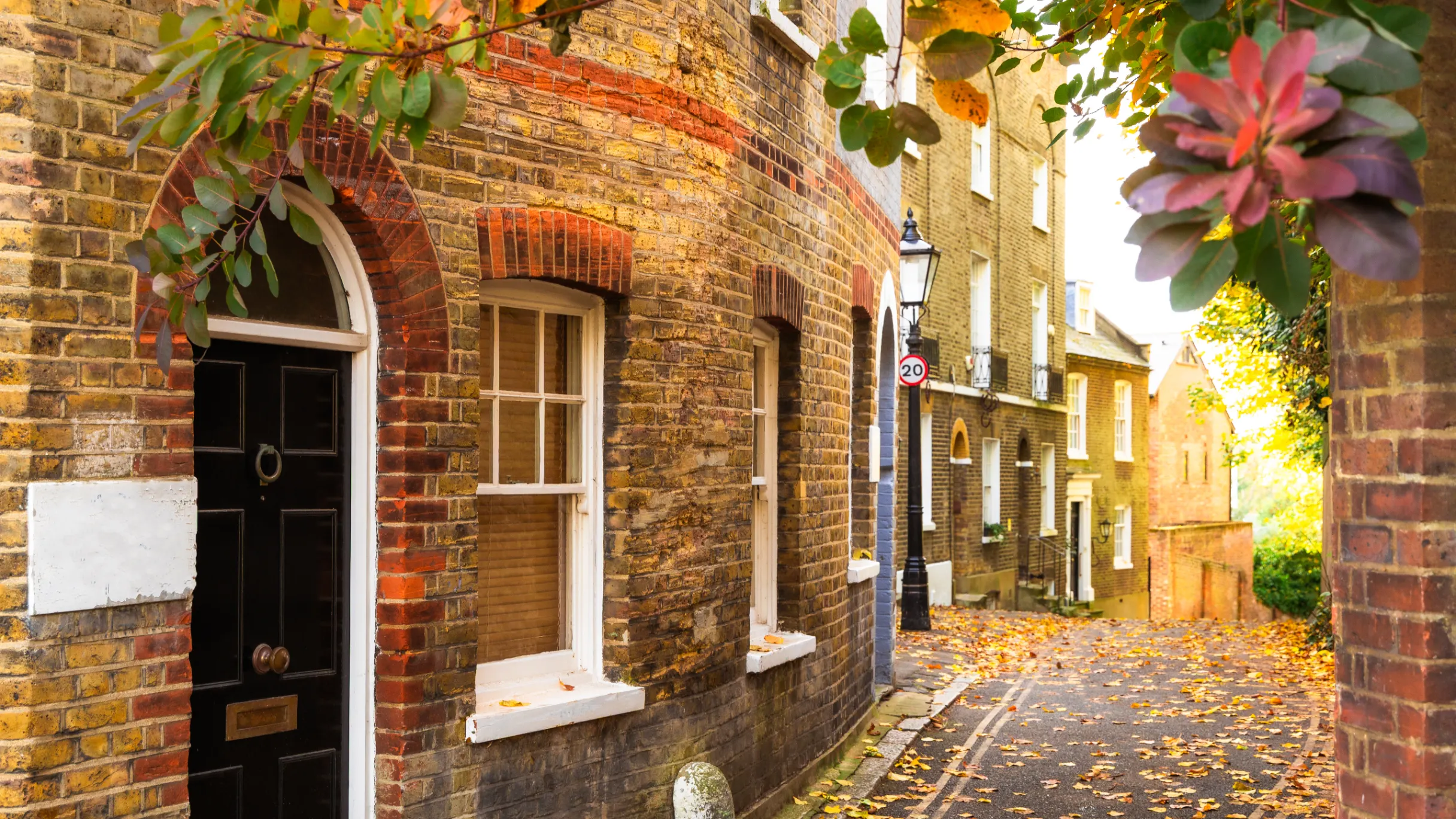
With village-style high streets and sprawling nearby green spaces, Hampstead, Belsize Park and St John’s Wood are among North London’s most established residential markets, featuring elegant Victorian and Edwardian houses and mansion block apartments.
Neighbourhoods such as Dulwich and Wimbledon combine rich history and architecture, strong community feel, and easy access to both central London and vast commons and parks.

Notting Hill and Kensington offer some of London’s most desirable locales, with period terraces and garden squares sitting alongside colourful streets and cultural landmarks – all within striking distance from the West End.
Further west, Richmond’s village character and lush riverside setting offers the very best of rural living without sacrificing city culture and convenience.
Working with an agent who understands local buying patterns can help you identify areas where demand is rising, rather than already at its peak.

Step 1: saving your deposit and setting a budget
Your budget shapes everything that follows. A deposit of 15-25% is common in London, but many buyers choose to contribute more, as a larger deposit means access to better mortgage rates.
You’ll also need to plan for legal fees, surveys, mortgage valuation and arrangement fees, stamp duty, and moving costs. For flats, service charges and ground rent are additional factors.
A conversation with a trusted adviser who’s familiar with the London market will help you understand what you’re likely to be able to borrow. That will help you focus your property search.
Understanding stamp duty for first-time buyers in London
Stamp Duty Land Tax (SDLT) applies to property purchases in England and Northern Ireland. As a first-time buyer, you benefit from specific reliefs that reduce how much you pay (depending on the purchase price).
For 2026, first-time buyers in London pay:
- No stamp duty on homes up to £425,000
- Reduced rates on homes between £425,001 and £625,000
- Full standard rates on homes above £625,000.
Many London properties sit near or above these thresholds. So it’s important to be aware of how stamp duty affects your overall costs. You can work out your exact costs using our handy Stamp Duty Calculator . For more detailed guidance, visit HMRC Stamp Duty Guidance.
Step 2: choosing the right area to buy in
Even if you have an idea of where you want to live, it’s advisable to view properties in more than one area. This viewing stage is as much about discovering what suits your lifestyle as it is about assessing individual homes.
You’re likely to get more for your money outside central London, so you’ll need to weigh up more space and a stronger sense of community with the cost of a slightly longer commute.
Walk around areas you’re considering to get a feel for the place. Do they fit your lifestyle and routine? Take note of the availability of green space, local schools, the pace of the area and the everyday amenities you’d rely on. London's boroughs have distinct personalities. Finding one that resonates with you is a key part of your home buying process.
New-build or period property: the best property type for first-time buyers
Many first-time buyers in London face a choice between modern developments and period homes or conversions.
- New-build homes often offer lower maintenance costs, higher energy efficiency ratings and developer incentives such as deposit contributions, but service charges may be higher.
- Period properties and conversions may offer more character and space, but often come with greater maintenance responsibility. You should factor in future repair costs, particularly for roofs, windows and shared areas in converted buildings.
Understanding these trade-offs helps you avoid unexpected costs, and choose a property aligned with both your lifestyle and budget.
Step 3: viewing properties and understanding leasehold risks
Many London apartments are sold as leasehold. That means you own the property for a set number of years, but not the land it stands on. With a freehold, you own both.
Why lease length matters more than many buyers expect
Lease length isn’t just a legal technicality - it directly affects affordability, mortgage availability and resale value. Once a lease drops below 80 years, extension costs typically increase, and some lenders may restrict borrowing. For first-time buyers, this can limit future options.
A shorter lease can be an opportunity to negotiate on price, provided the buyer understands the process and costs.
Some London apartments come with a share of freehold, which gives owners more control over building management and lease extensions. This can be a significant advantage.
Key leasehold considerations
- Lease length below 80 years: Lease extensions can be costly and mortgage lenders may refuse your application (see below).
- Service charges: Costs vary widely depending on building amenities and maintenance standards.
- Ground rent clauses: Ensure there are no doubling or escalating rent terms.
- Management company quality: Poor management can create ongoing issues for residents.
- Major works: Ask whether any large-scale improvements are planned.
What to watch for during viewings
It’s easy to get carried away planning where you’d put your furniture, but when viewing properties, it’s important to look closely at its overall condition.
- Pay attention to the roof, windows, heating systems and insulation. Check the property’s EPC rating to understand its energy efficiency.
- Consider the size, layout, natural light and storage. Pay attention to noise levels inside the property, as well as the general feel of the building or street.
- Look for any signs of damp, structural movement or general disrepair. These aren’t always dealbreakers, but you’ll want to understand them before making an offer.
- As London homes range from Victorian terraces to modern apartments, you need to assess their different maintenance requirements. In many London conversions, soundproofing and shared services need to be considered. Modern blocks may have higher service charges.
Step 4 : securing a mortgage and making an offer
As a London first-time buyer, you’ll have a wide range of mortgage options. In a competitive London market, small differences in rates can have a big long-term impact. Knight Frank’s advisors can guide you through the options to select a mortgage strategy that suits your budget.
Once approved, a mortgage offer is usually valid for several months. This gives you time to progress through the legal stages of the purchase.
When you’re ready to make an offer, it helps to understand how that local area works. Some London neighbourhoods experience multiple offers or sealed bids, for example. Your agent can guide you through the best approach, helping you present a clear, confident offer that’s right for your circumstances.

How to make a strong offer
Sellers often consider more than just price. Showing you are organised and financially prepared can strengthen your position as a buyer. When submitting an offer, include key details that show you’re ready to move forward:
- Proposed purchase price
- Mortgage status, such as a mortgage agreement in principle (MIP) or confirmed lender
- Deposit amount
- Buying position, confirming that you are a first-time buyer with no chain
- Preferred timeline for exchange and completion
This information allows the seller and their agent to assess how secure your offer is. Sometimes, a well-prepared buyer with finance in place may be favoured over a slightly higher, but less certain bid.
At the same time, it’s important to remain disciplined about price. Looking at recent sales in the area and understanding the property’s condition can help you decide what represents fair value.
Step 5: Conveyancing, contracts and completion
After your offer is accepted, conveyancing begins. This typically takes between eight and twelve weeks. Working with an experienced conveyancer or solicitor is important as they manage the legal checks, protect your interests and keep the transaction moving forward.
Key stages of conveyancing include:
- Draft contract review: Verifying property boundaries, terms and conditions.
- Local authority searches: Checking for planning issues, flood risk, transport projects and more.
- Leasehold review: Service charge accounts, management reports, building insurance and lease terms .
- Property survey: Many buyers carry out an independent survey to assess the property’s structure and condition to help identify potential repairs of maintenance issues.
- Raising enquiries: Your solicitor clarifies any concerns with the seller’s solicitor before exchange.
- Exchange of contracts: You become legally committed and pay the deposit.
- Completion: The property officially becomes yours and you pick up the keys to your first home.
Step 6: After you buy
Once you move into your new home, there are a few practical steps to take. You’ll need to set up utilities, arrange insurance and familiarise yourself with any building management procedures.
Even as a first-time buyer, it’s worth thinking about long-term value. Keep abreast of local market trends, transport changes or upcoming regeneration. They could affect your property’s value.
Frequently asked questions
You won’t pay stamp duty on a property priced below £425,000. Reduced rates apply up to £625,000. Standard rates apply on property prices above that. Use our Stamp Duty Calculator to work out exact costs.
It’s advisable to view properties in multiple boroughs to get a feel for different areas, their properties and offering. Areas of regeneration, including King’s Cross and Canary Wharf, tend to appeal to first time buyers in London as prices will typically be lower than prime areas, without comprimising on amenities and connectivity.
The typical journey involves:
- Saving a deposit and budgeting
- Securing a mortgage in principle
- Viewing properties across suitable boroughs
- Making an informed offer
- Completing conveyancing checks
- Exchanging contracts and completing the purchase.
Good news: yes, help’s available. Shared Ownership and the Lifetime ISA are two popular government schemes to help first-time buyers.
Shared ownership allows you to buy a portion of a property while paying rent on the remainder. It’s popular among first-time buyers who want a more affordable route into the market. Over time, you can buy additional shares - a process known as staircasing.
