

Guide
A guide to buying a second home in the UK
If you’re considering buying a second home, there are a few key points to consider.
This guide explains what to weight up at every stage.
You’ll learn how to select the right location, the finance and tax implications, and gain valuable advice on how to manage and plan for the future of your property.
Why buy a second home in the UK

Second-home ownership soared in the early 2020s, but has been steadier in recent years. That growth’s been driven by changing working patterns, lifestyle priorities and long-term investment thinking.
For many buyers, a second home’s about creating space for family time, weekends away or extended stays in a beloved location. For others, it’s a way to diversify wealth, generate rental income or secure a long-term asset.
Your purchase motivation matters: your criteria for a family holiday home will be vastly different from one bought for rental yield or capital growth. Understanding your main objective early helps shape your decisions around location, property type, financing and management.
Choosing the right location
Location is the most important decision when buying a second home. Perhaps it needs to be near family, within easy reach of the coast, in the heart of the city or far removed from the hustle and bustle of busy life.
The right area should reflect how you plan to use the property. Think about ease of access, and how often you’ll visit. Will you need to commute from there? Or perhaps your highest priority’s income or resale value.
Some buyers focus on regions with strong capital growth and consistent demand. Meanwhile, others prioritise scenery or privacy.
Understanding demand trends, rental performance and future infrastructure investment will ensure you make informed choices.
Second homes aren’t only about getting away to the coast or countryside. With so much culture, entertainment and diversity on the doorstep, it’s easy to see the appeal of city living.
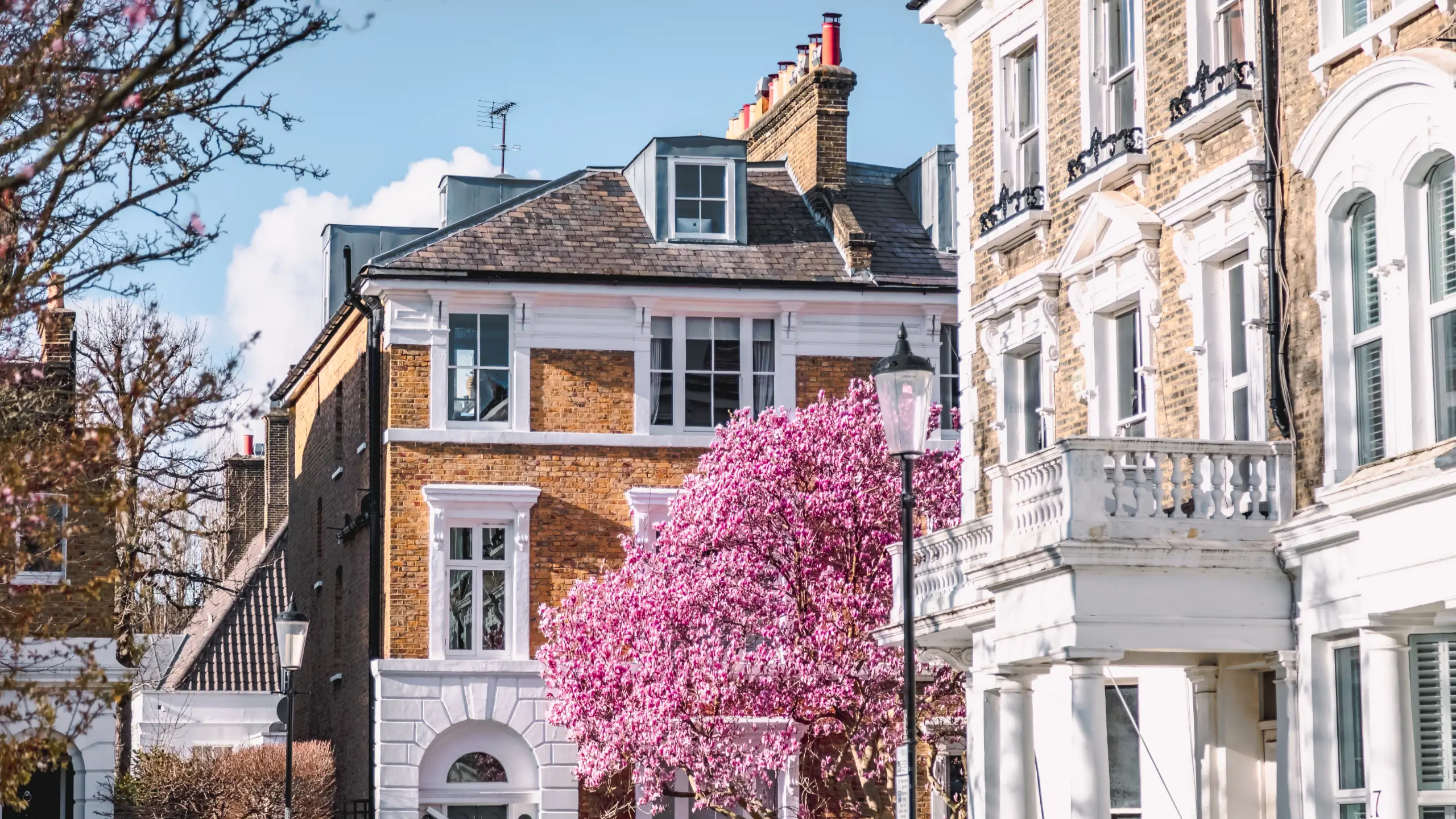
Offering security, prestige and long-term capital appreciation, London and other prime UK cities remain popular choices for second-home buyers, including those wanting to capitalise on the squeeze in rental supply. Cities with strong employment hubs and universities can be attractive to buyers looking for income potential.
Prime London boroughs, as well as those evolving through regeneration and redevelopment, hold great appeal for their lifestyle opportunities for both UK and international buyers.
Are you looking for a rural idyll? Rural second homes offer space, privacy and a strong connection to the landscape. Areas such as the Cotswolds, Suffolk, South Downs, Yorkshire Dales and parts of Scotland attract buyers looking for heritage properties, outdoor living and a more relaxed pace.
Country homes often appeal to buyers planning long-term ownership. Value’s driven by location quality, views, access to villages and transport links. You may dream of a home with equestrian facilities or a nearby golf course. Others are attracted to a simpler way of life: a home with a generous garden and a welcoming pub down the lane.

Coastal living’s the ultimate aspiration for many of us. Itcould be your retirement aim or imminent goal of a holiday home. Picture your family spending weekends and long summers by the beach and enjoying the great outdoors.
Locations such as Cornwall, Norfolk, Devon, Dorset and coastal Wales continue to see strong interest. Coastal homes combine lifestyle appeal with short-term letting potential, particularly when properties are accessible year-round. Seaside properties can generate valuable, seasonal rental income.
However, local regulations vary and you may be surprised by additional fees for holiday home ownership. Management costs and occupancy patterns will also affect your income. Our experienced residential team can bring clarity, providing invaluable advice on buying your second home.

Especially in the second homes market, some buyers push to complete by spring, while others prefer to delay until late summer. Having some flexibility here can be crucial to completing your purchase smoothly.
James Cleland
Head of Country Sales
Financing and costs
Buying a second home involves different financial considerations from purchasing a main residence. Lenders typically require larger deposits, often 25% or more. You may find mortgage rates differ from standard residential products too.
Stamp Duty Land Tax is higher too. Second homes are subject to a 3% surcharge on top of standard rates. You can work out your exact costs using our handy Stamp Duty Calculator.
You’ll also need to factor in ongoing expenses such as insurance, council tax, utilities and maintenance, plus potential capital gains tax, should you sell the property later.
Investment or lifestyle use
What’s your motivation for buying a second home? Is it primarily a lifestyle purchase or an investment Clarifying your ‘why’ helps guide your decision.
If it’s an investment property, then potential demand, rental yields and resale value will be priorities. In contrast, lifestyle buyers focus more on amenities and accessibility. If the property needs to tick both lifestyle and investment boxes, then it’s wise to choose a property with flexibility that can adapt over time.
If your focus is income or capital growth, then location and demand are key. Properties in areas with consistent rental demand, strong local economies and limited supply tend to perform best over time.
Understanding yields, tax implications and management costs is essential. If you’d value tailored guidance, our Valuations and Advisory team can help.
For lifestyle buyers, practical considerations come first. Travel time from your main home or workplace, local amenities, community spirit and year-round usability all matter.
You may be blown away by the property’s views, space and incredible facilities. But you should also consider its resale appeal. Even a home bought for personal enjoyment should remain attractive to future buyers. Our UK area guides will help you to choose where to live with confidence.
Legal and regulatory considerations
Second-home purchases can involve additional legal and tax considerations. Planning restrictions, holiday letting rules and ownership structures vary by location. In addition, overseas buyers may also face specific tax or regulatory requirements.
Professional legal advice ensures that ownership arrangements, letting permissions and tax obligations are clear from the outset. This is particularly important when properties are rented out or held through different set-ups.
Maintenance and management
Ongoing maintenance is another key part of second-home ownership. This is especially true if the property’s vacant for long periods or used for short-term lets. Insurance, regular inspections and responsive management reduce risk and protect long-term value.
Exit and long-term strategy
It can feel strange to think about the longer term when you’re focused on your immediate next step. But planning ahead is important, even at the point of purchase. You may decide to sell after a period of capital growth. You may intend to pass the property on to your family ultimately. Or you may love your second home so much that you make it your main residence.
Thinking about resale timing, tax efficiency and succession planning early can protect its value and provide flexibility. Chat to our experienced advisors who combine valuation expertise with intelligent market research to support your strategy.
Next steps
A second home can offer lifestyle freedom, financial opportunity or both. The key is choosing a property that aligns with your goals. Your decision is always easier if it’s supported by clear advice and strong market insight.
Knight Frank’s residential experts work across the UK, helping buyers identify opportunities, assess value and manage the process from start to finish. If you’re considering buying a second home, our teams are ready to support you. Please get in touch to discuss your specific property needs.
Talk to our expert estate agents and consultants to get tailored advice, wherever you are on your journey.
Frequently asked questions
The process is similar to buying a main residence. However, it does involve higher stamp duty, larger deposits and different mortgage criteria. Professional advice helps navigate these differences.
Yes, you do. Second homes are subject to a 3% stamp duty surcharge. You can estimate costs using our Stamp Duty and Land Tax calculator
It all depends on your reasons for purchasing the property. Popular locations include Cornwall, the Cotswolds, Norfolk and Suffolk. Your choice of location will depend on whether lifestyle or investment is your priority.
A second home can be a strong long-term investment if chosen carefully, particularly in high-demand locations. Our valuations team can help you to assess potential returns.
In many cases, yes, but local regulations and tax rules apply. It’s always advisable to get some professional advice before letting.
