

How smarter property management is strengthening The Donkey Sanctuary’s global mission
With expert guidance and a long-term vision, the charity is reimagining its estate to meet the evolving needs of donkeys worldwide

With expert guidance and a long-term vision, the charity is reimagining its estate to meet the evolving needs of donkeys worldwide
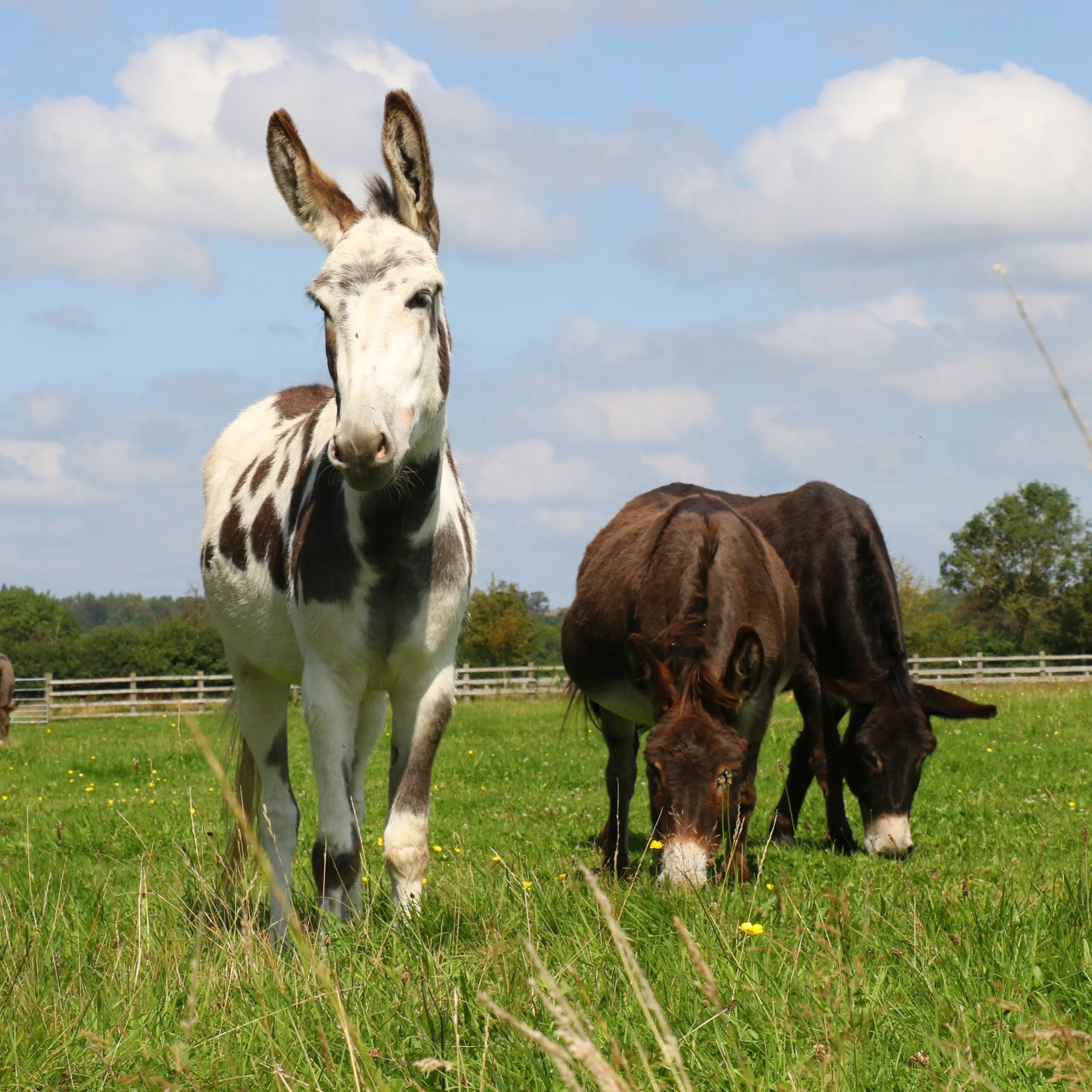
“There’s one thing it all comes back to: it’s all about the donkeys,” says Howard Bridges, Director of Estates and Facilities at The Donkey Sanctuary. For more than 50 years, the charity has led the way in donkey welfare, challenging neglect and abuse while delivering meaningful, lasting impact. Its main site in Sidmouth, Devon, is not only a sanctuary and award-winning visitor attraction, it is also a global centre of excellence for donkey welfare that supports wider welfare initiatives. Its reach, however, extends far beyond the UK, with a global network spanning Europe, Africa, Asia and the Americas.
Such a broad footprint inevitably brings complex management and logistical challenges. And while The Donkey Sanctuary has been fortunate to receive generous public support, it has to remain increasingly strategic in its spending to maximise the impact of every donation. “At the end of the day we’re custodians of other people’s money, it belongs to those who left it in donations or legacies. So we have to be very careful how this is spent,” Bridges emphasises.
The charity’s current five-year plan, running to 2027, set out to improve the lives of five million donkeys worldwide - “I think we’ve already surpassed that,” Bridges notes. Looking ahead, his role, strengthened by extensive experience across animal welfare organisations, is to bring a more commercial mindset to operations to ensure the charity can optimise both its resources and its outcomes.
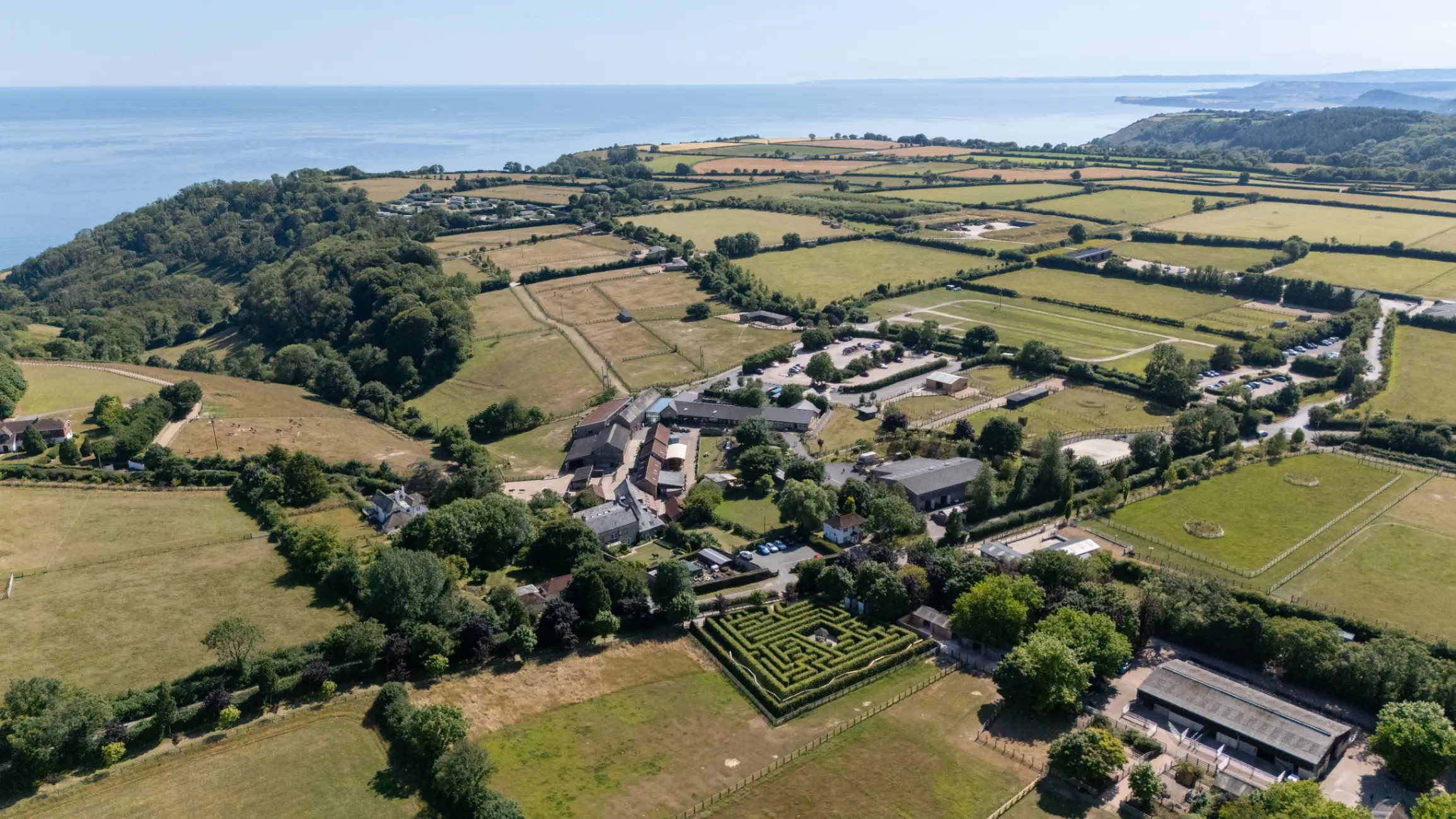
That task is far from simple. “I’m considering what we need now, what we’ll need in a year, and what we’ll need in ten,” he explains. With millions of donkeys in need of support around the world, and demand for sanctuary care in the UK increasing in line with cost of living and other pressures, planning is a constant balancing act. “We should aim for around 90–95% capacity to give us scope to house more donkeys when needed.”
To support this, The Donkey Sanctuary has brought in external expertise to help shape its long-term strategy. Since 2021, Knight Frank has acted as a key advisor across its farming and property portfolio, helping restructure assets to better suit current needs and elevate future care standards further still. “Like many charities, they achieve excellent social outcomes, but the property assets involved can be underutilised,” says John Williams of Knight Frank’s Rural Asset Management team. “There’s a lot of opportunity waiting to be unlocked.”

Knight Frank’s global reach and breadth of in-house expertise have already delivered good results building on the excellent work already being done. Following a first phase strategic review, its building surveying team conducted a full insurance valuation of The Donkey Sanctuary’s agricultural portfolio across the UK and Ireland. A Red Book valuation of the charity’s broader property portfolio provided a clearer understanding of asset value and potential areas for new focus. Through both private sales and auctions, Knight Frank has helped streamline its holdings, selling and acquiring land and properties to ensure the estate fully supports The Donkey Sanctuary’s mission.
Ensuring high-quality care for donkeys on the ground presents its own set of challenges. “Donkeys have a much longer lifespan than, for example, many pets - often reaching 30 years or more,” Bridges explains. “And unlike cats and dogs, they can be much harder to rehome.” Their welfare needs are also highly specific, from facilities that help prevent the spread of disease to environments designed to support healthy social living and avoid behavioural issues that could lead to additional veterinary intervention.
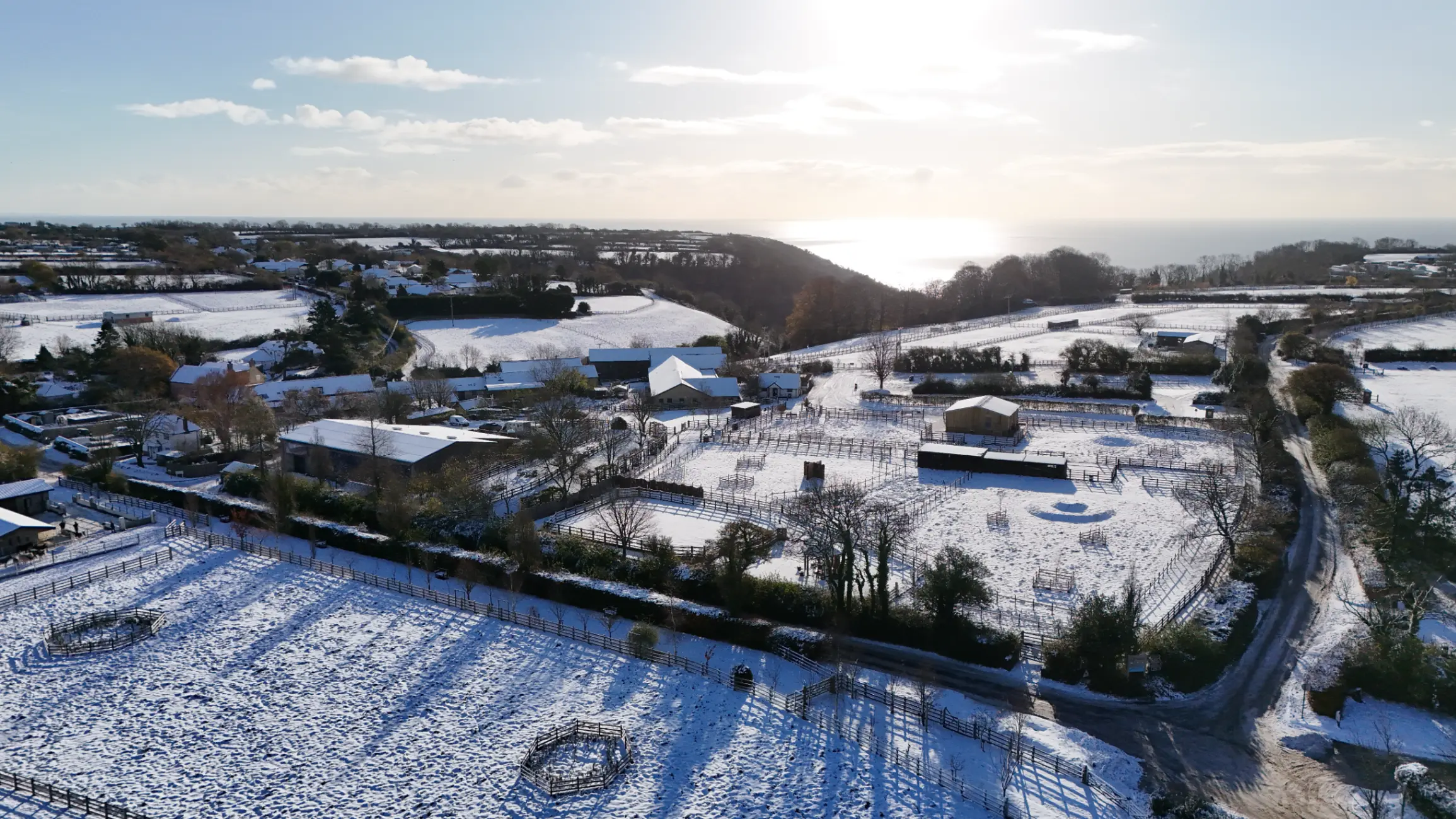
Weather and geography add another layer of complexity. “In England, you contend with wet and cold conditions, which is why the South of England has been a priority and why quality buildings are so essential,” notes Williams. “There’s also the potential for new planning developments that could further improve welfare standards. Over the years, the charity has taken on farms that, for example, were former dairy units or not ideally located. Part of our role is to investigate how best to repurpose these assets or capital, whether that’s reworking facilities for modern needs or using the land for environmental schemes that support the local ecosystem.”
“One of the most refreshing things about working with The Donkey Sanctuary is how proactive and responsive they are - always forward-thinking, delivering results today while futureproofing the organisation for generations to come.”
Providing expert guidance to landowners, farmers and investors
Homes
The romance, heritage and investment potential of castle ownership continue to attract discerning buyers from around the world
06 October 2026
Inspiration
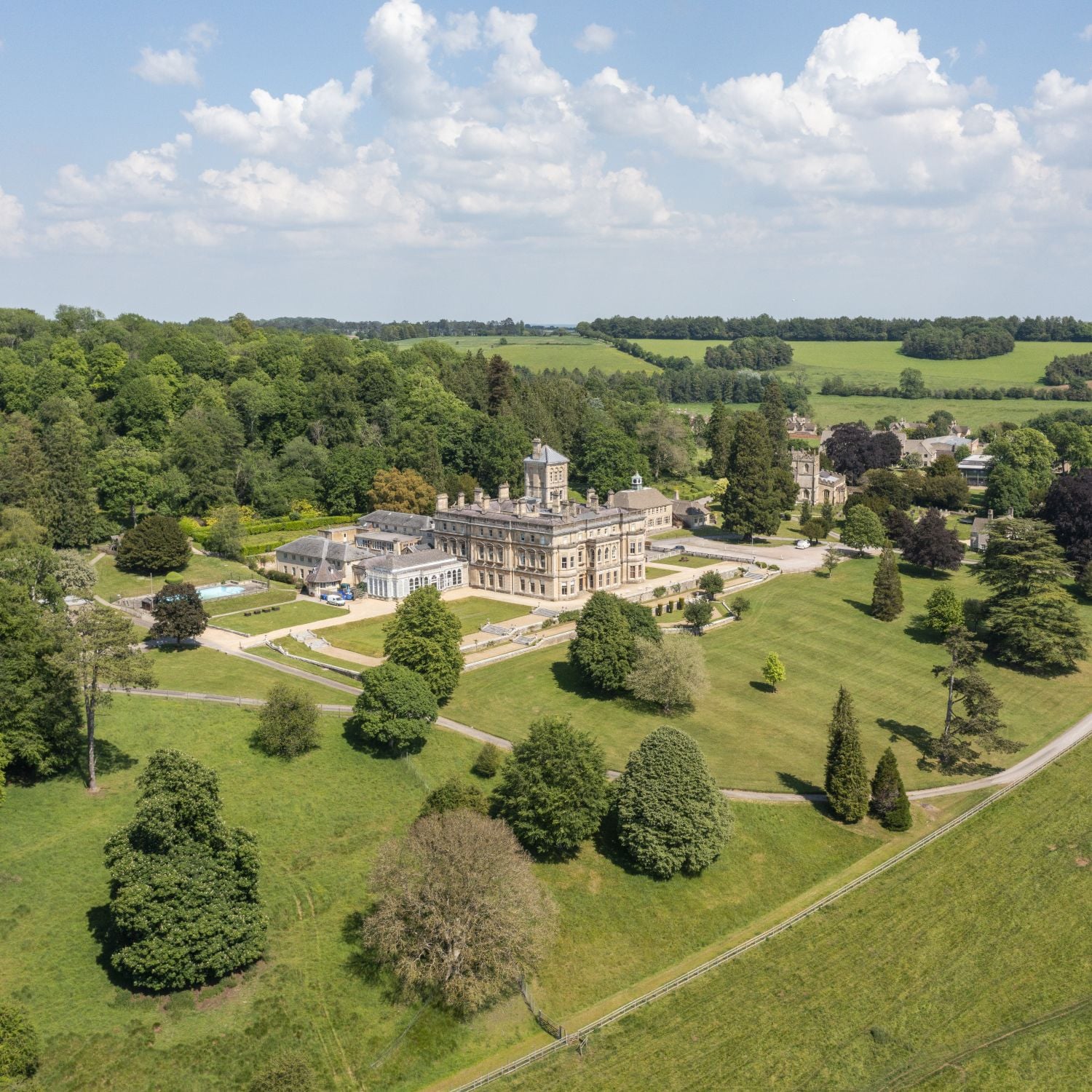
Rendcomb Park, a significant private estate set in 230 acres of prime English countryside with an on-going charitable legacy, is ready for the next chapter in its impressive history
12 August 2026
Homes
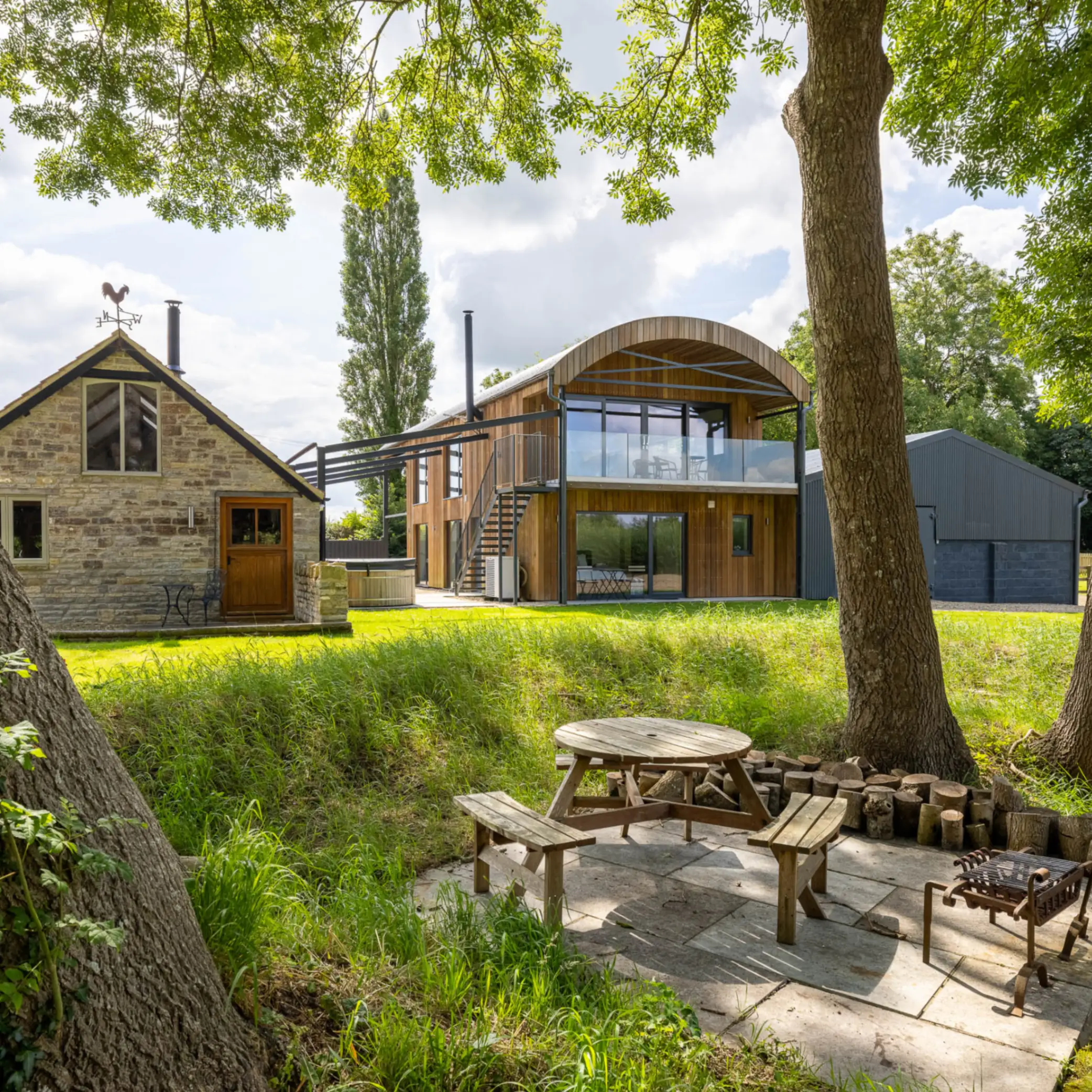
From grand country estates to rural farmhouses, these remarkable homes don’t just offer a place to live but open up endless opportunities
17 June 2026
Homes
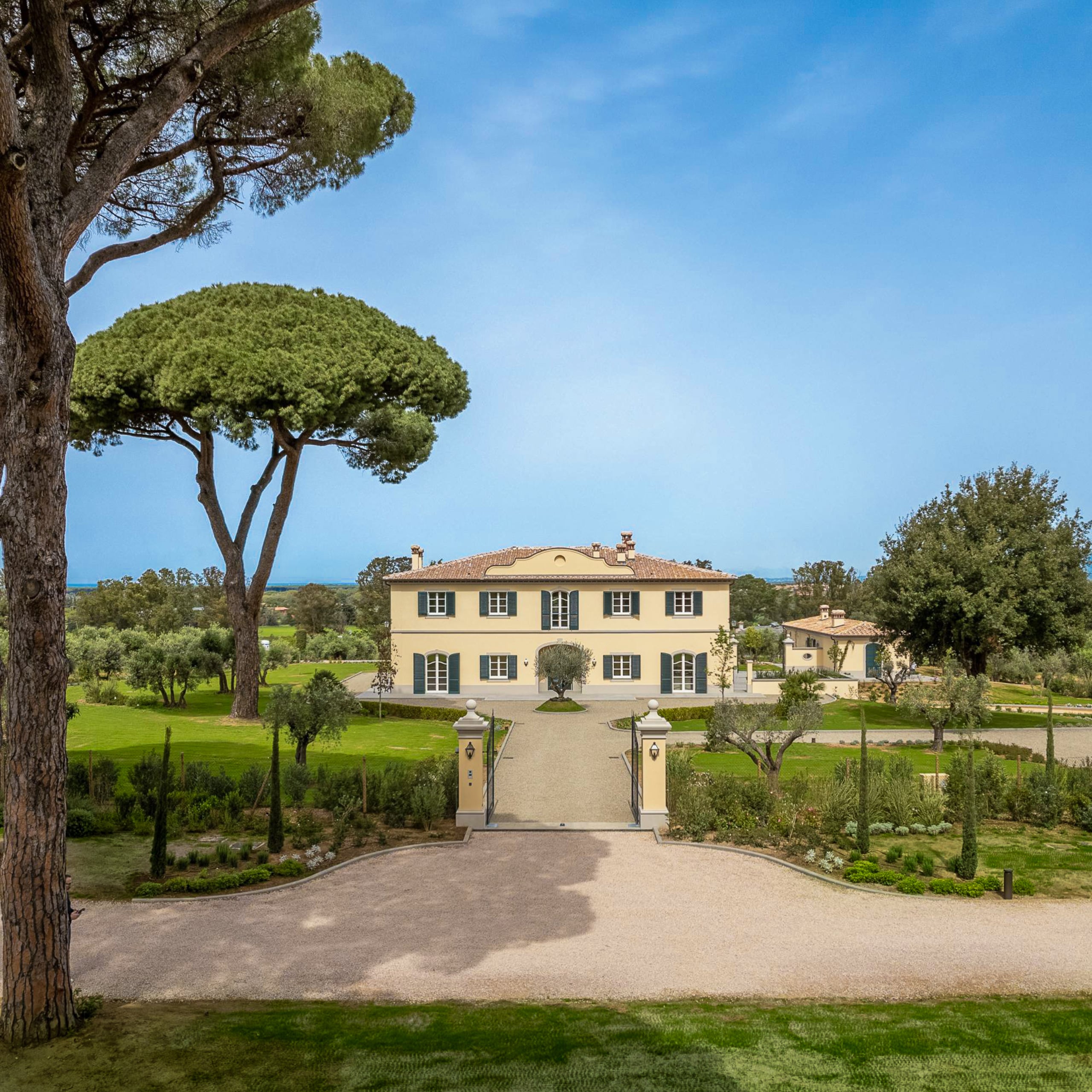
Rising global mobility is accelerating interest in Europe’s countryside regions, where quality of life and long-term value take centre stage.
27 April 2026
Homes
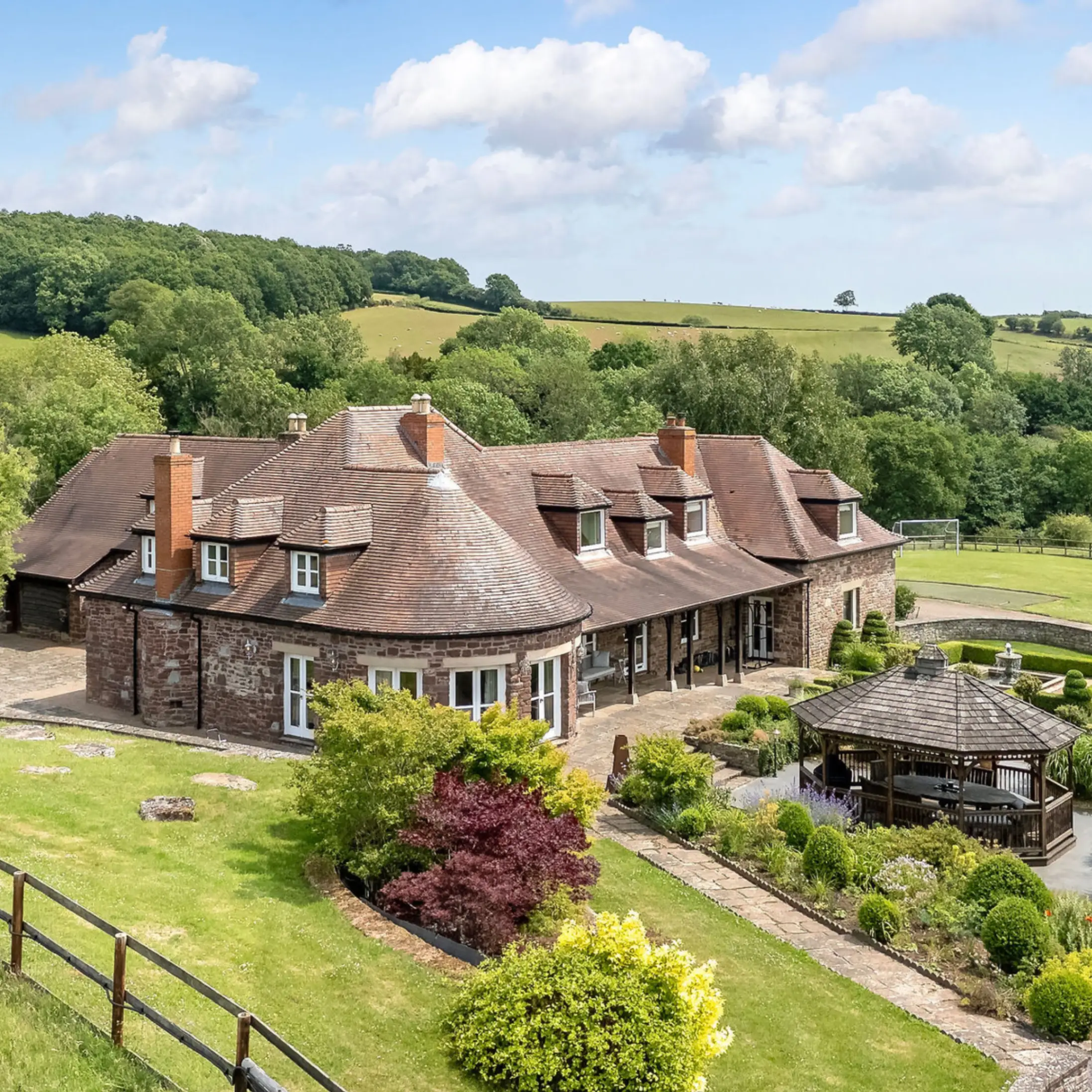
Knight Frank’s experts share what to consider when finding the perfect home for both you and your horse, along with some incredible equestrian properties for sale
22 April 2026
Inspiration
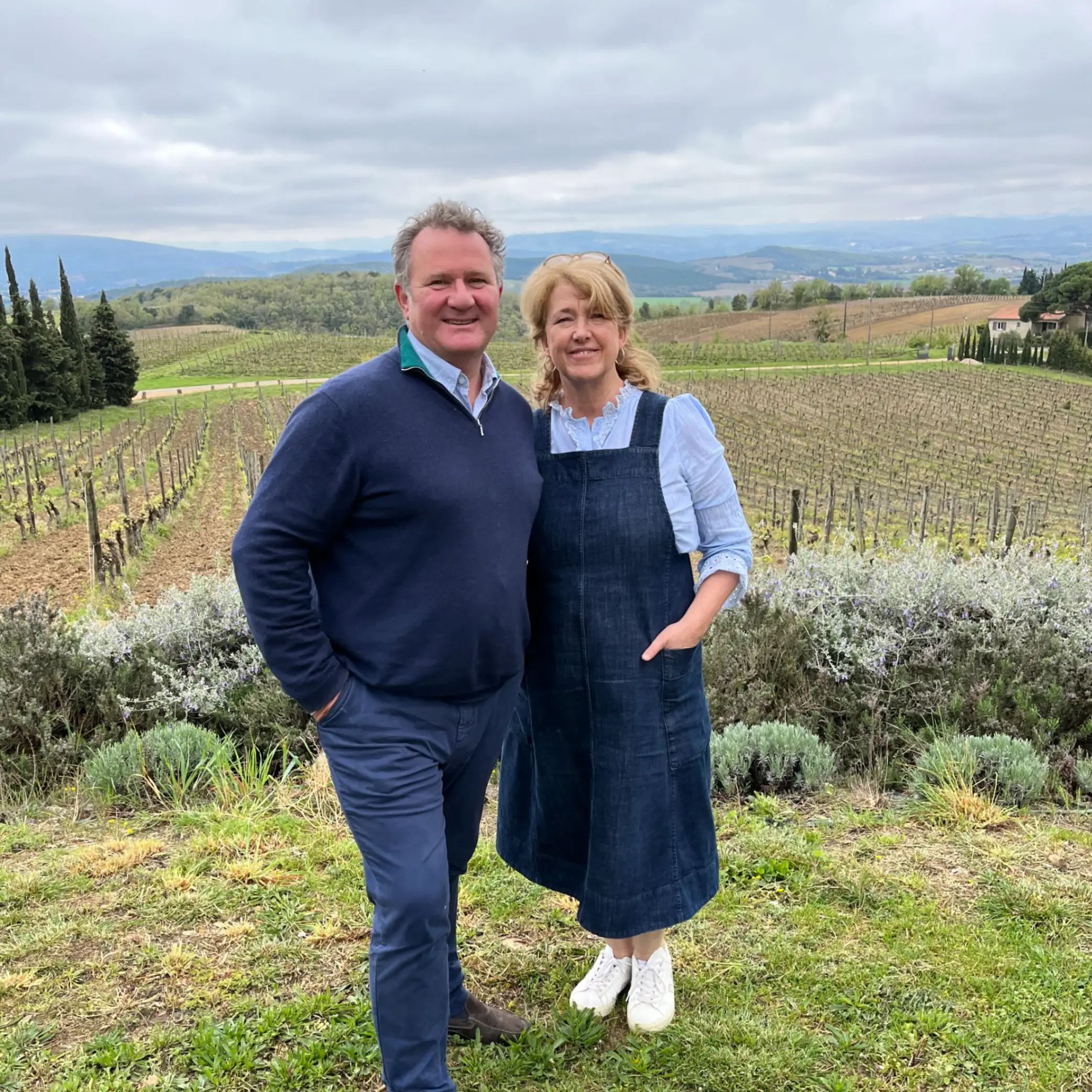
Discover the story of the British family behind the award-winning Domaine Begude - now on the market for the first time in decades
08 April 2026
Inspiration
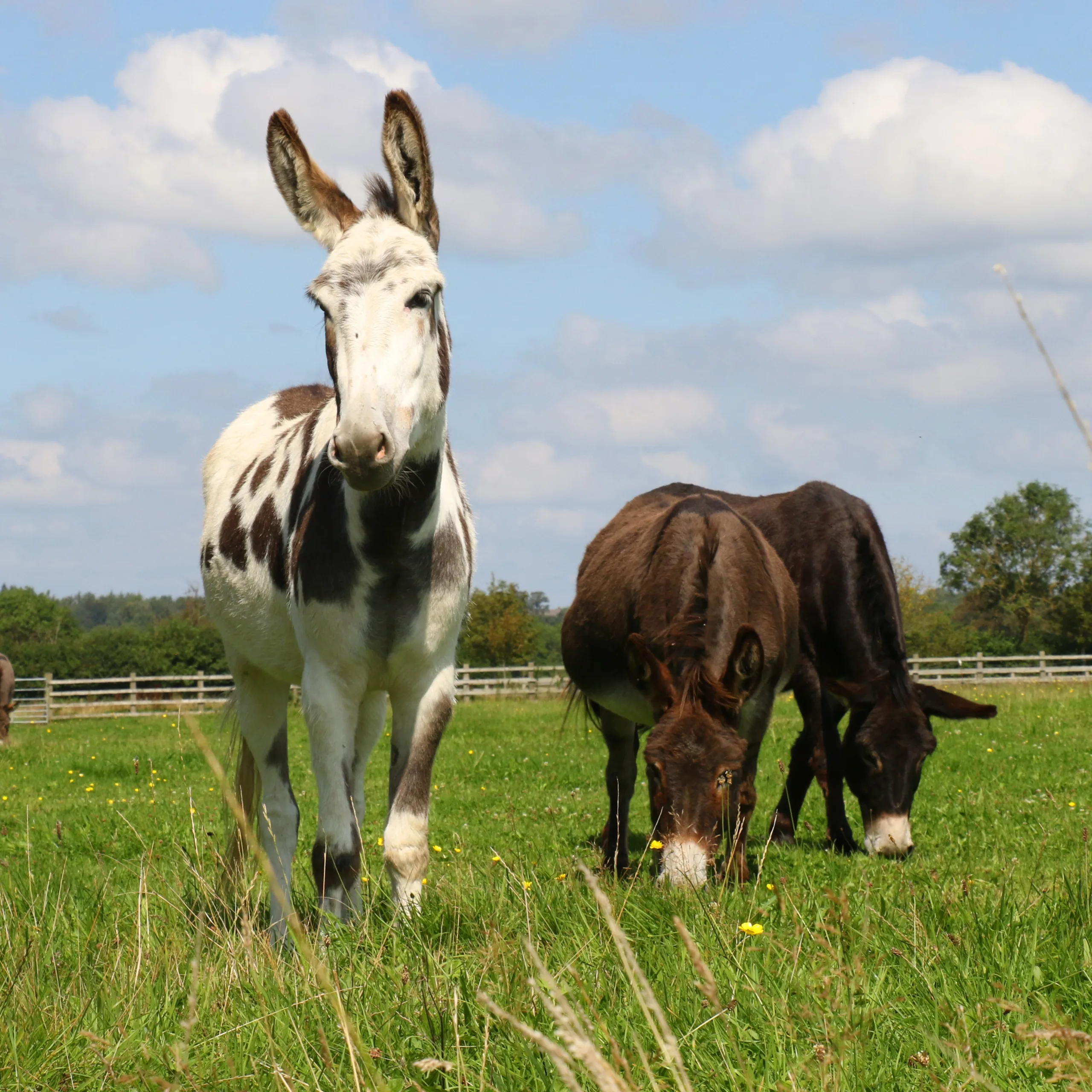
With expert guidance and a long-term vision, the charity is reimagining its estate to meet the evolving needs of donkeys worldwide
19 December 2025
Inspiration
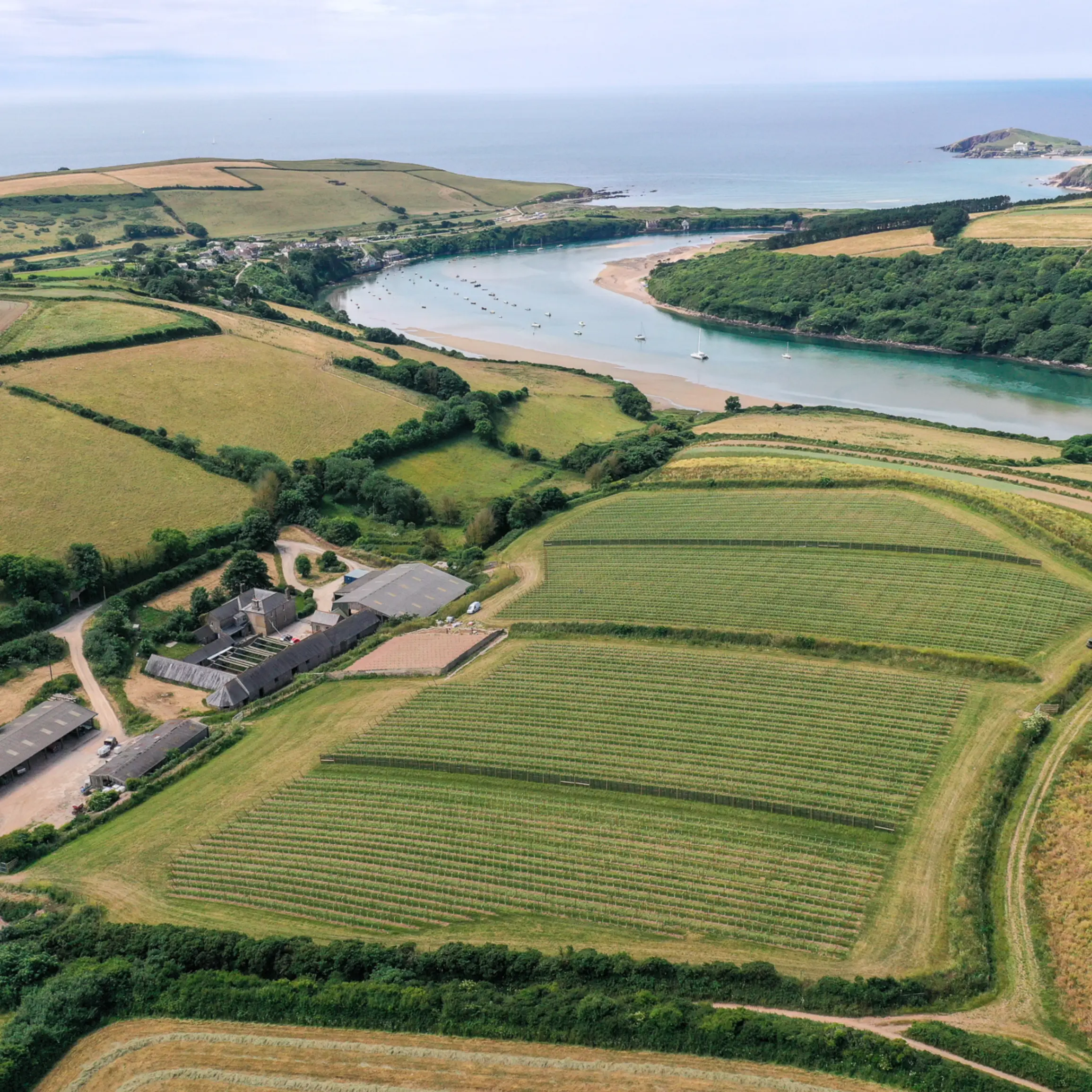
As England’s wine scene continues to mature, two exceptional estates - Bantham and Firle - are opening their doors to investors seeking a taste of its success
06 November 2025
Homes
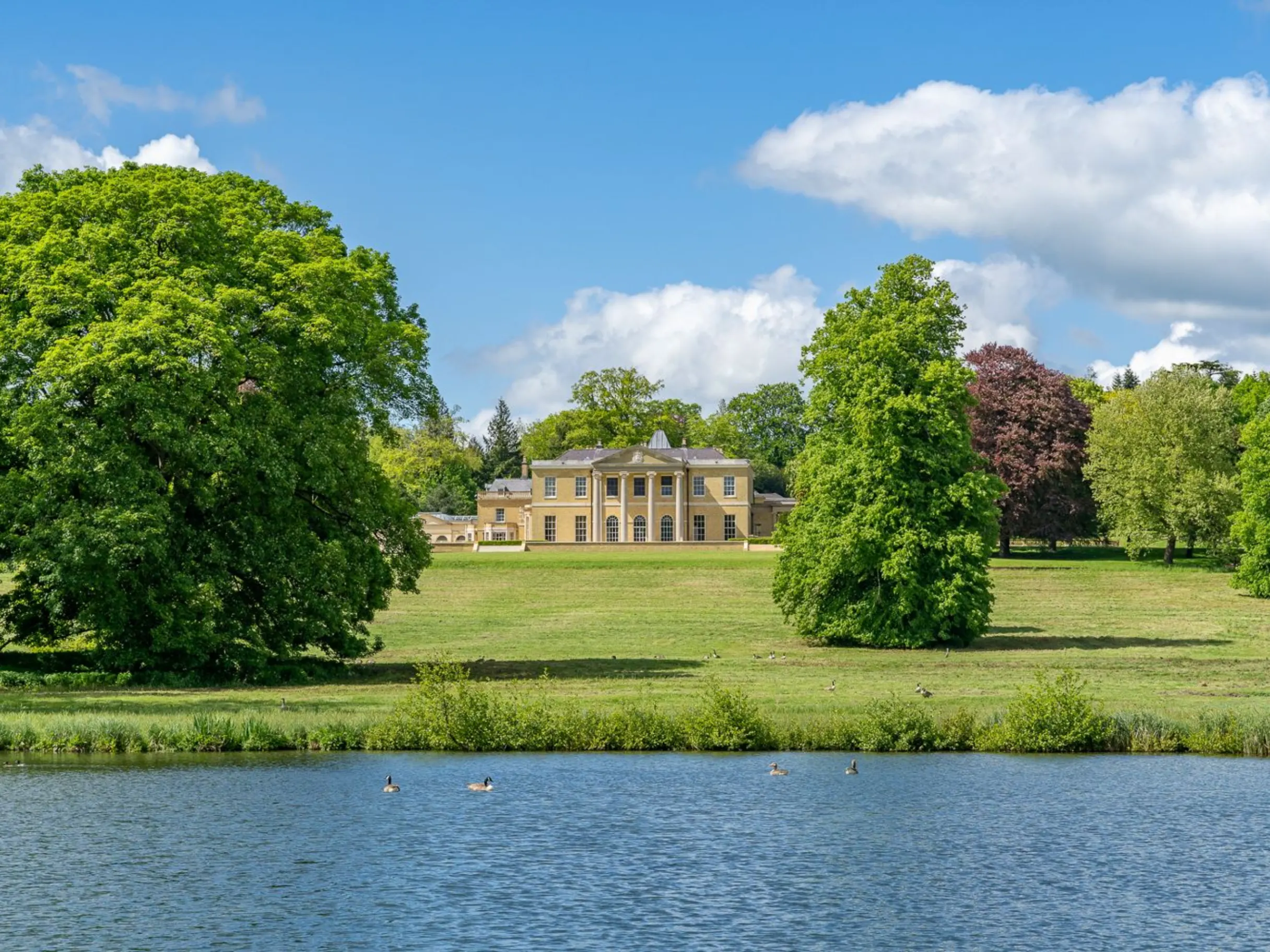
A rare chance to acquire one of southern England’s finest country estates, rich in heritage and set amid breathtaking parkland and scenic river views
06 June 2025
Inspiration
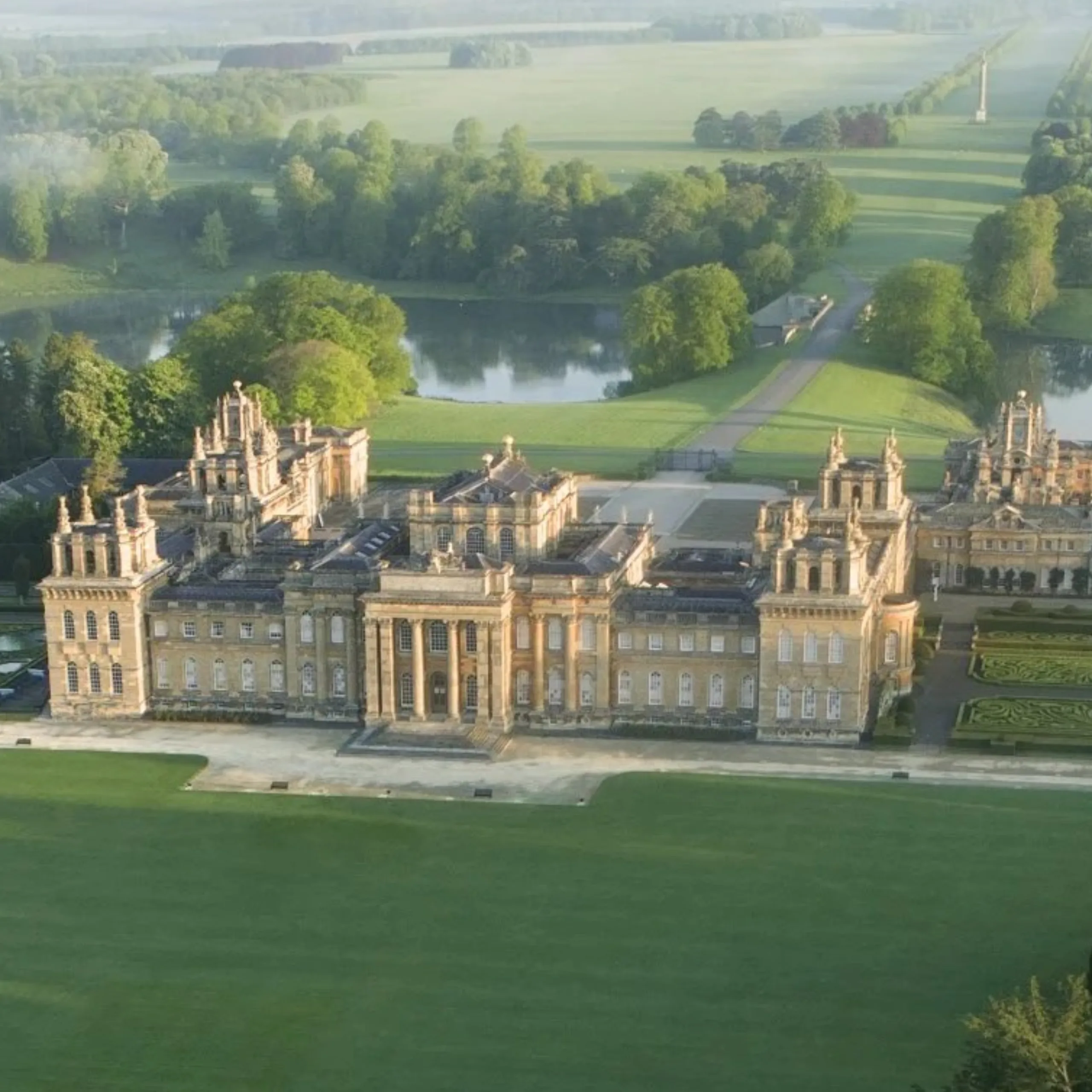
In conversation with the managing director of one of England’s most iconic estates, exploring why delivering social value is a core part of his mission
05 June 2025
Locations
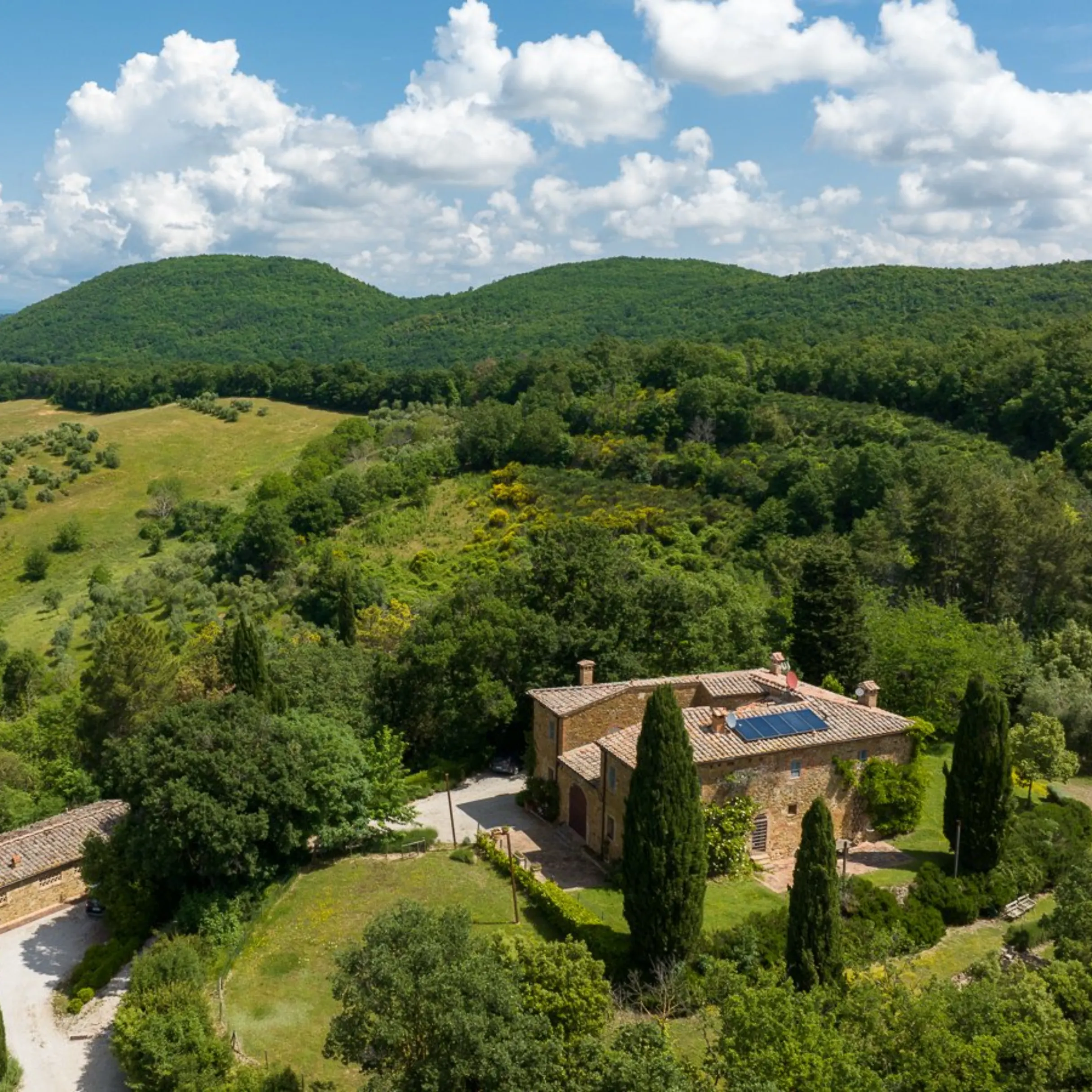
Take the path less travelled to discover locations in Spain, France and Italy that offer properties with a thoroughly authentic lifestyle alongside interesting values
26 May 2025
Inspiration
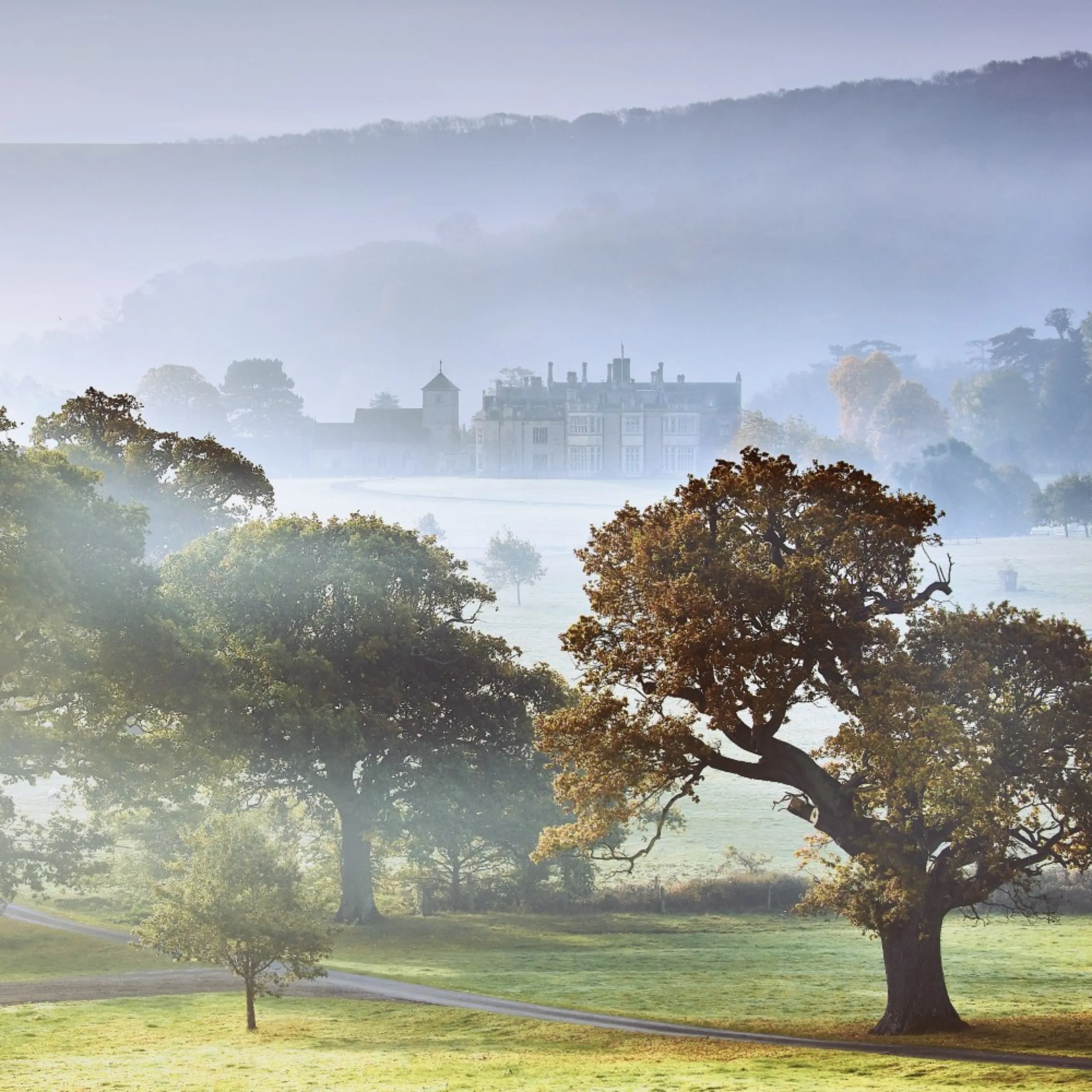
The Wiston Estate in West Sussex has been successful in profitably integrating nature into their diversified estate and commercial farming business. So how have they done it?
09 May 2025
Inspiration
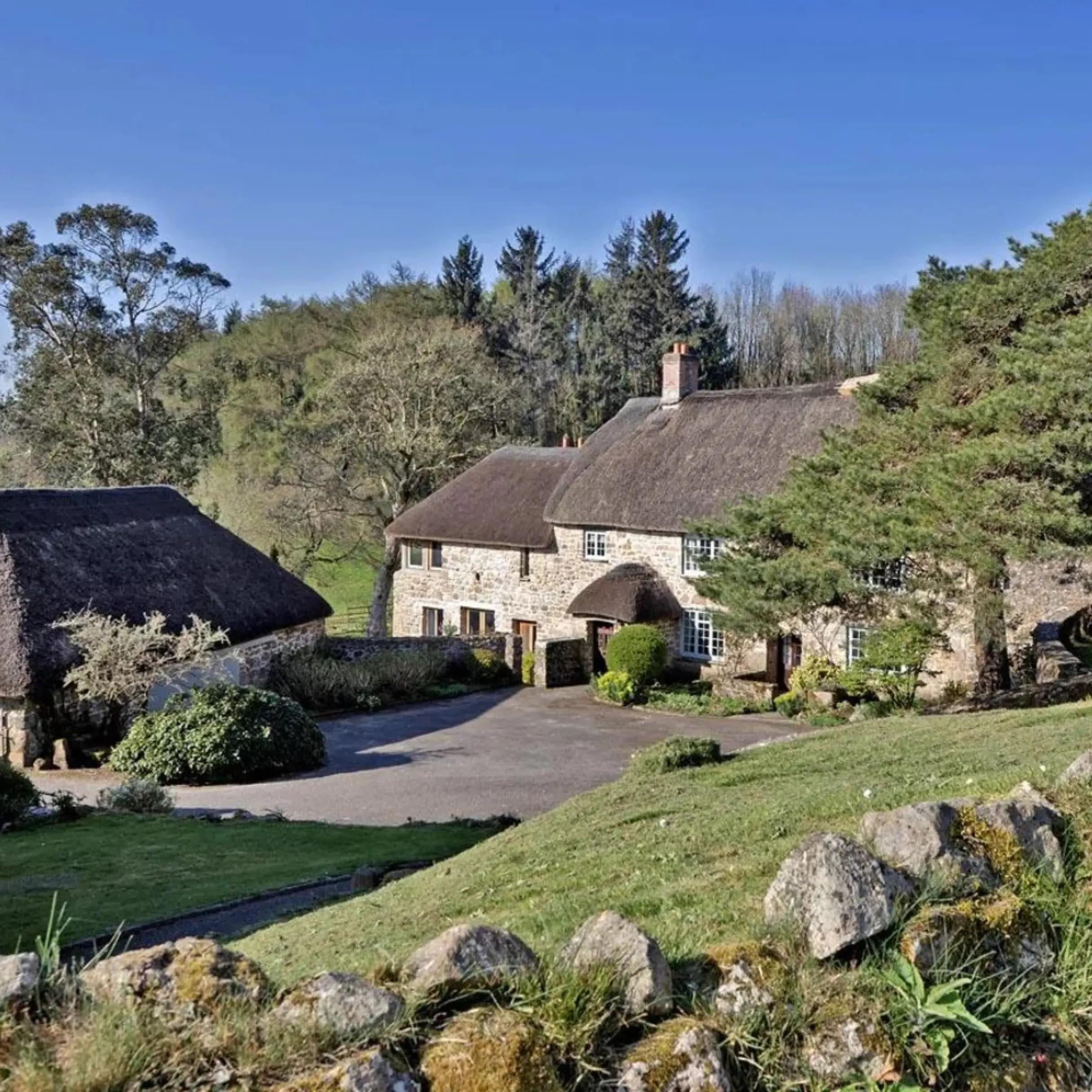
We take a look at the benefits of these beautiful green spaces, and the properties where you can immerse yourself in nature
30 January 2025
Homes
These country homes across the UK present incredible spaces for families and their equine friends
10 October 2024
Homes
Wonderful opportunities to live exceptional rural lives on farming estates in Scotland and England
28 August 2024
Discover a unique opportunity to play a role in England’s dynamic wine industry
12 July 2024
Sorry!
An unexpected error has occurred.
Please try again later.
