

The new standard for statement country homes
Today’s finest country homes combine craftsmanship, wow factor and all the comforts of metropolitan prime property
Today’s finest country homes combine craftsmanship, wow factor and all the comforts of metropolitan prime property
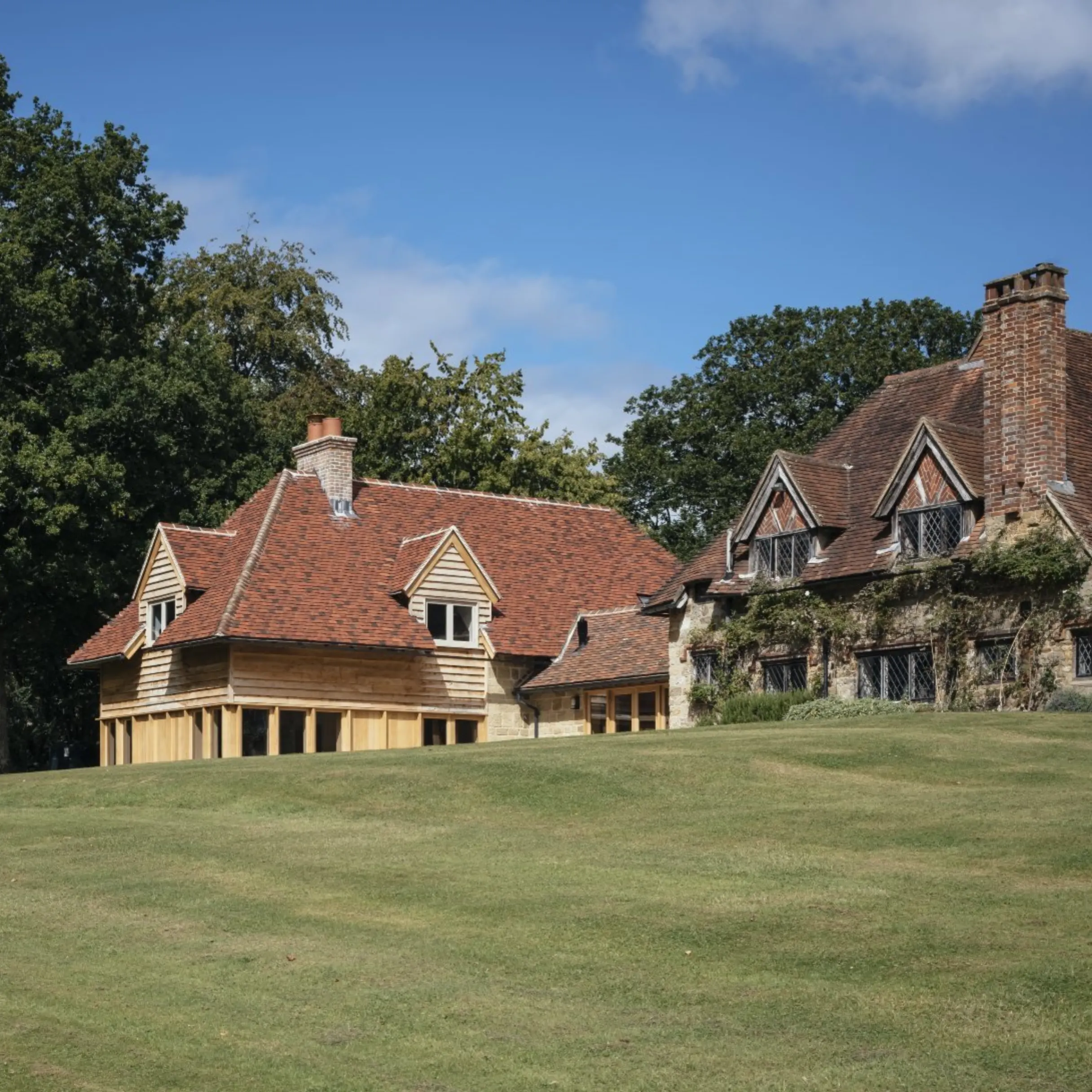
Whether it’s a reimagined farmhouse, a sensitive restoration of a manor house or a new-build nestled into a rural landscape, there’s rarely been such appetite for homes in the English countryside.
“The distance between town and country has narrowed significantly,” says architect Richard Parr. Those seeking to make their permanent home in the country expect more – better views, more light, larger rooms, no draughts or leaks, and technology that allows them to economically heat and run their houses for decades to come.
Parr and his colleagues specialise in melding craft traditions with contemporary design. Paradise Farm for instance, a family home in six hectares of equestrian farmland in Oxfordshire. Influenced by the landscape and the local vernacular, it uses traditional materials such as Norfolk thatch, English oak and ironstone. The building is formed of two connected wings positioned around a top-lit glazed gallery.
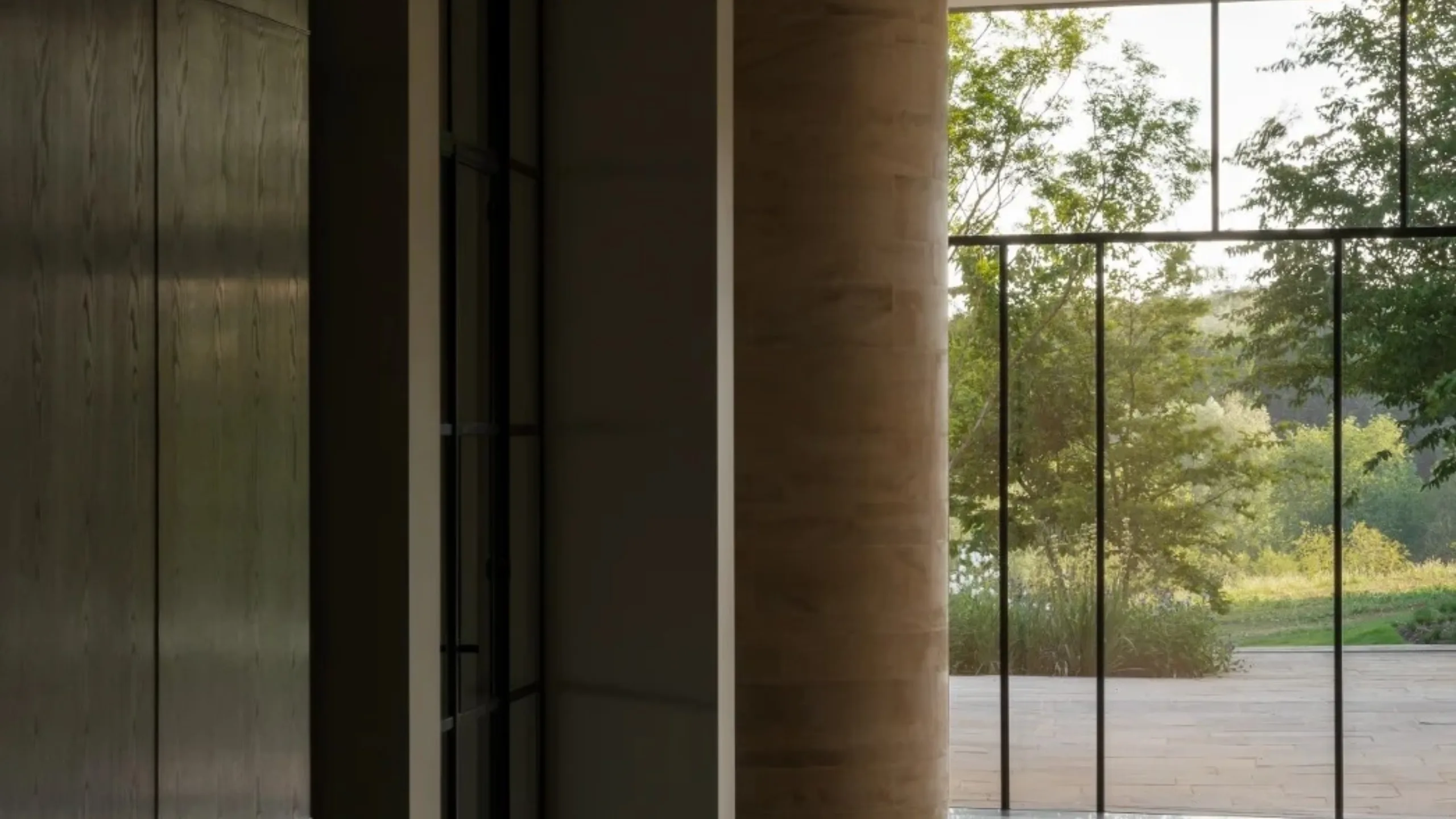
Paradise Farm in Oxfordshire (photographed by Rich Stapleton) was transformed by Richard Parr Architects
“Most people live in the present and love the past,” says Parr. “Being able to fuse those two together means you’ve got all the benefits of the now and the future, as well as the materials, proportions and connection to the landscape.”
This approach means homes like these sit within local building traditions without dominating. “I believe architecture should always relate to where it is,” says Robert Cox, one of the design directors at Adam Architecture. “It can’t be solely what happened in the past. It needs to take inspiration from that and apply a language current to contemporary culture, trends and technologies.”
He recognises a turn towards informal living, even in grander properties. “Clients often want an open-plan, living-kitchen-sitting room and everybody lives in that central hub,” he says.
The culture of the country has also changed, Cox adds. Homes are becoming easier to manage, with technology that can be upgraded as it evolves. The practice has a fabric-first approach when it comes to historic restorations, while new builds can accommodate solar panels and ground or air-source heat pumps.
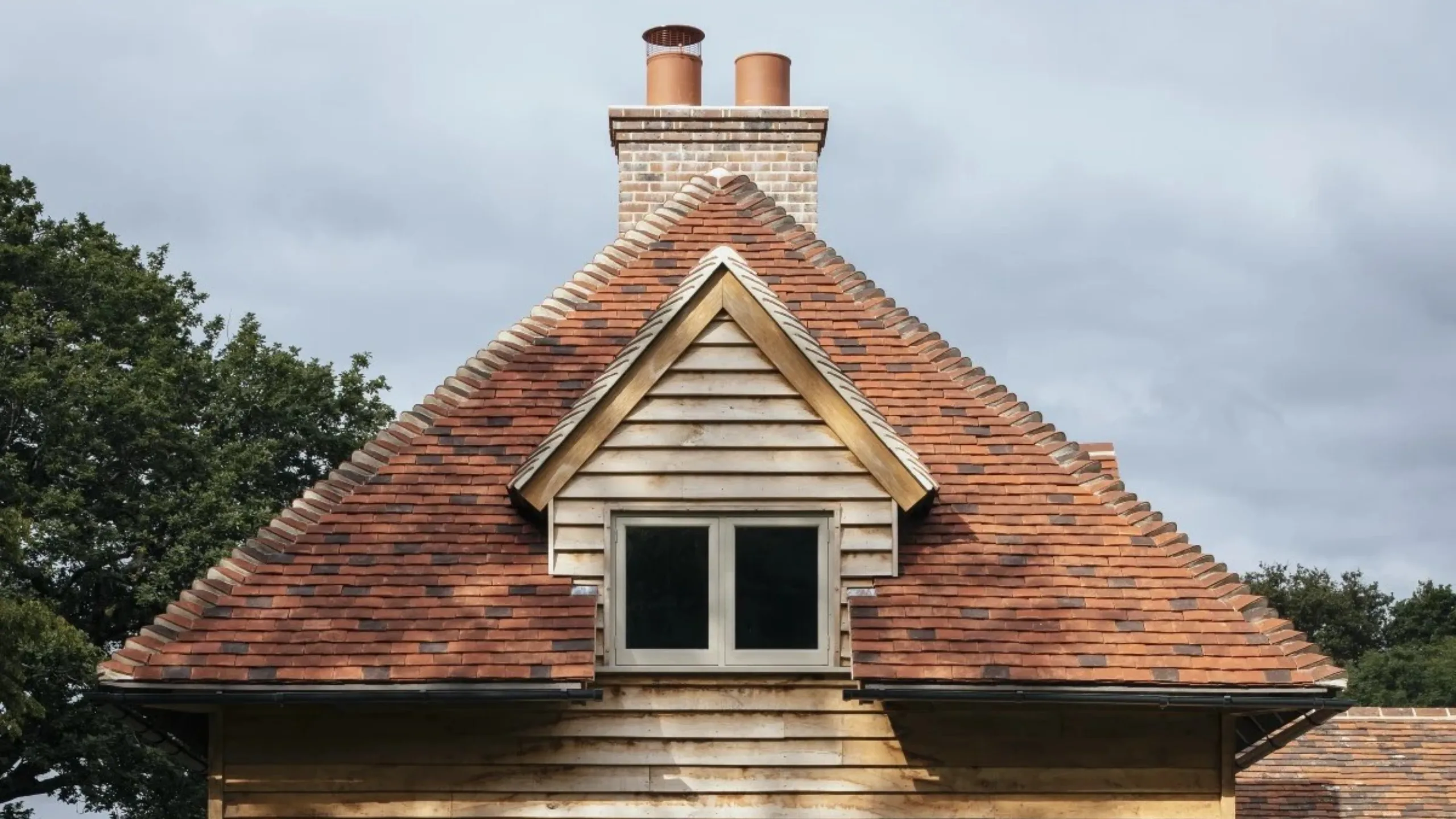
Ancient Woodland House, extended by Tom Turner Architects (photography by Jim Stephenson)
Paying particular attention to materials, local crafts and building types is something that Sussex-based architect Tom Turner also excels at, bringing a deep understanding of how historic properties can be sustainably adapted for contemporary life.
“A lot of farmhouses have very small windows, low ceilings and cellular spaces. Our challenge is to create something that feels spatially generous, has more light and better connection to the landscape,” he says. “Then we ask, can it be built in a sustainable way? We challenge the traditional ways of building to make all these things work.”
Working with tried-and-tested building forms means that Turner’s projects are sustainably built and suited to local conditions. “These building forms come from their timber framing, which has far lower embodied energy than steel or concrete. So, working with timber makes it visually well suited to the place and grounded in the area.”
Richard Parr feels the same. “Country homes want to be born out of the land they’re built on,” he says. “The more this happens, the more timeless and enduring they’ll be.”
Contact our expert team
Homes
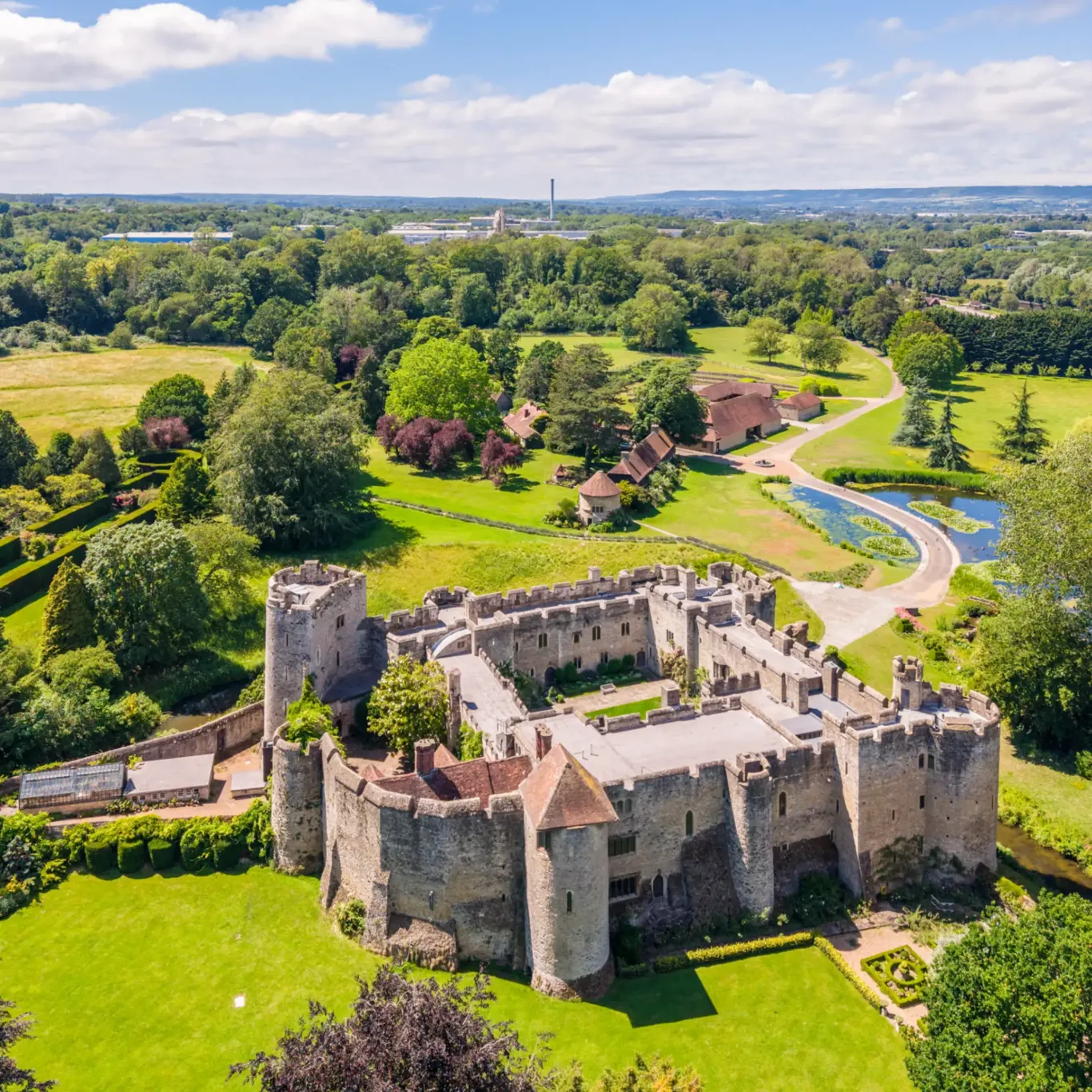
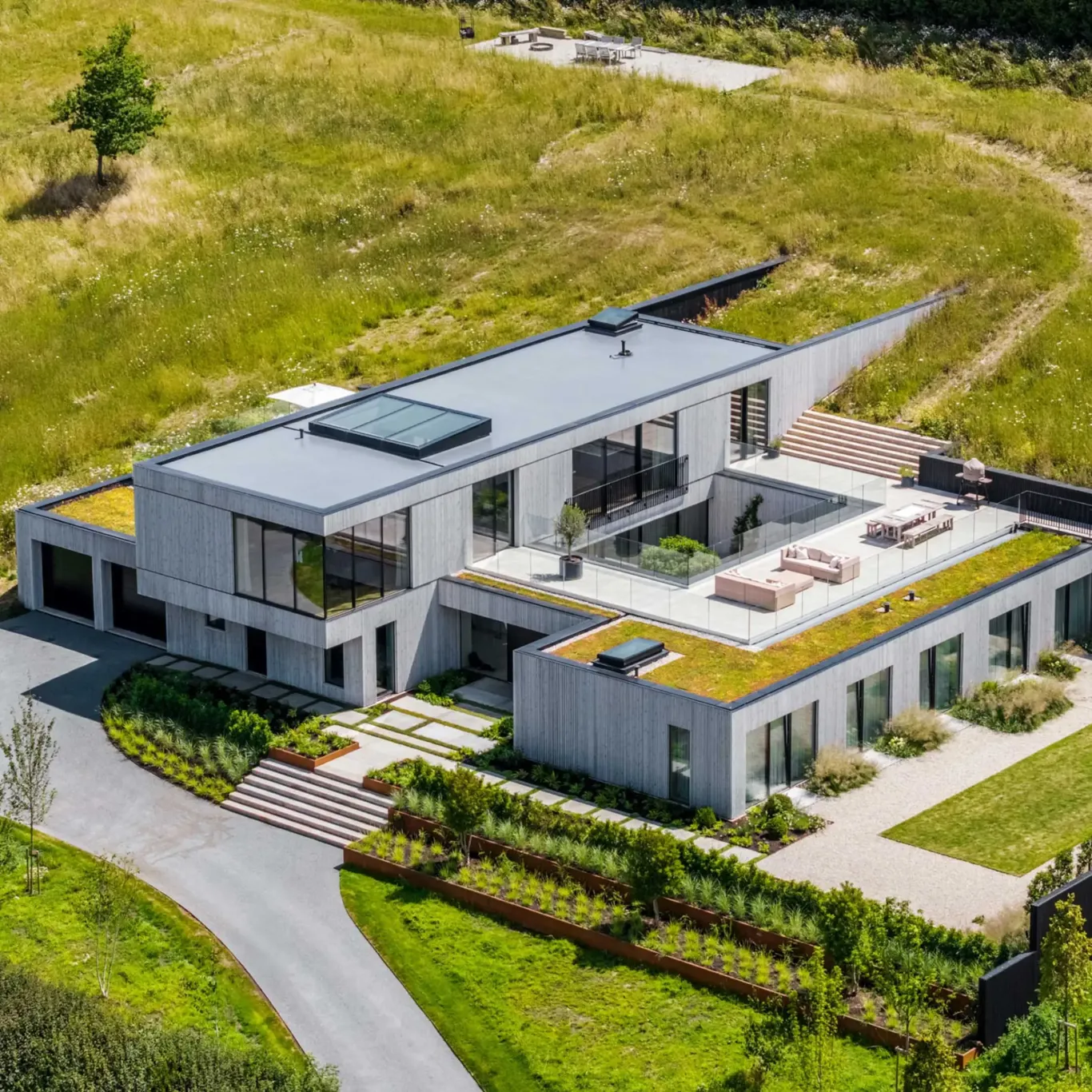
The romance, heritage and investment potential of castle ownership continue to attract discerning buyers from around the world
06 October 2026
Homes
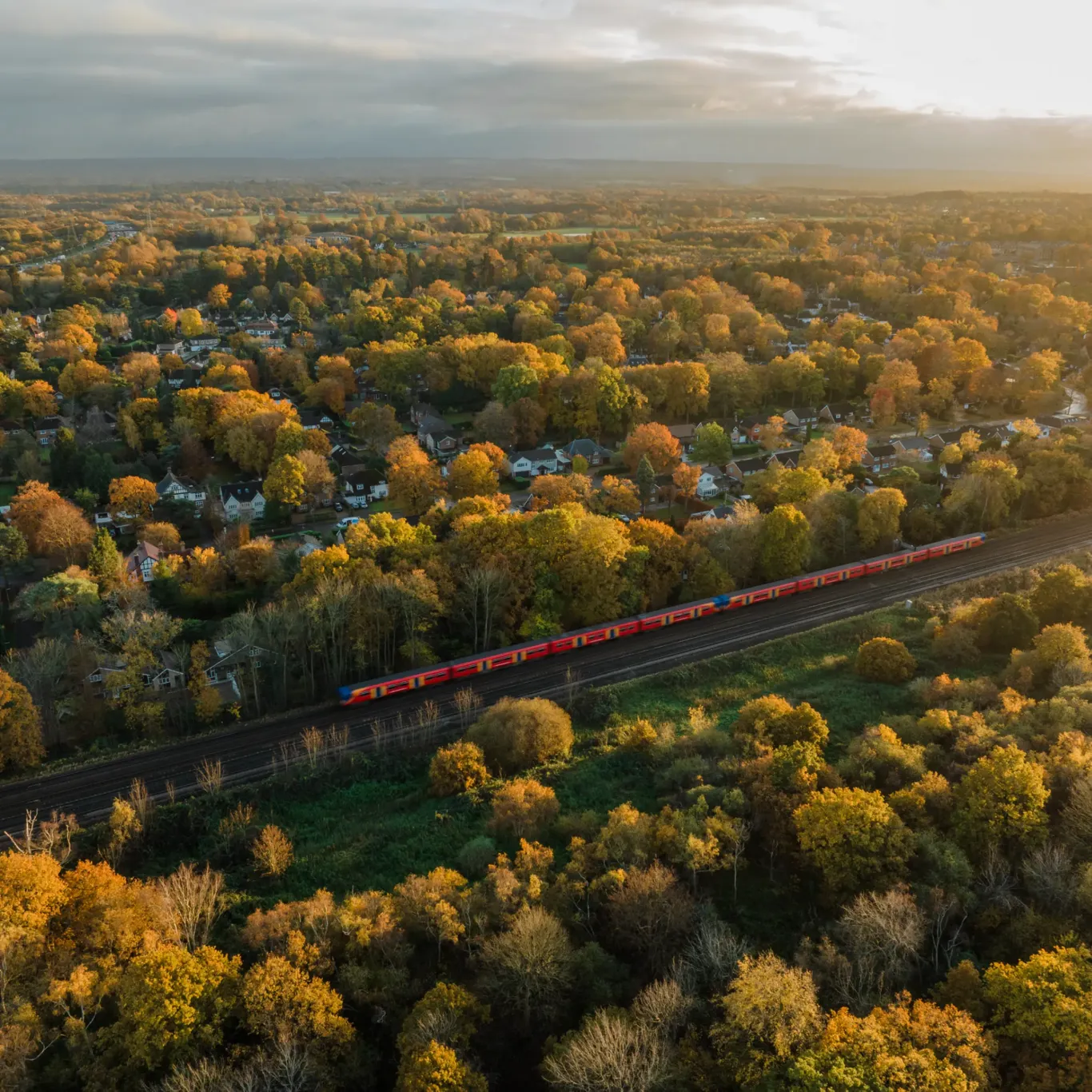
From solar panels and heat pumps to intelligent lighting and water-saving systems, energy efficiency is becoming a defining feature of modern homeownership
05 October 2026
Locations
As commuting patterns evolve, these well-connected locations are attracting buyers looking for flexibility, convenience and a better work-life balance
02 October 2026

Locations
From top-performing state schools to leading independent education, these sought-after locations combine exceptional schooling with family-friendly homes and communities
09 September 2026
Homes
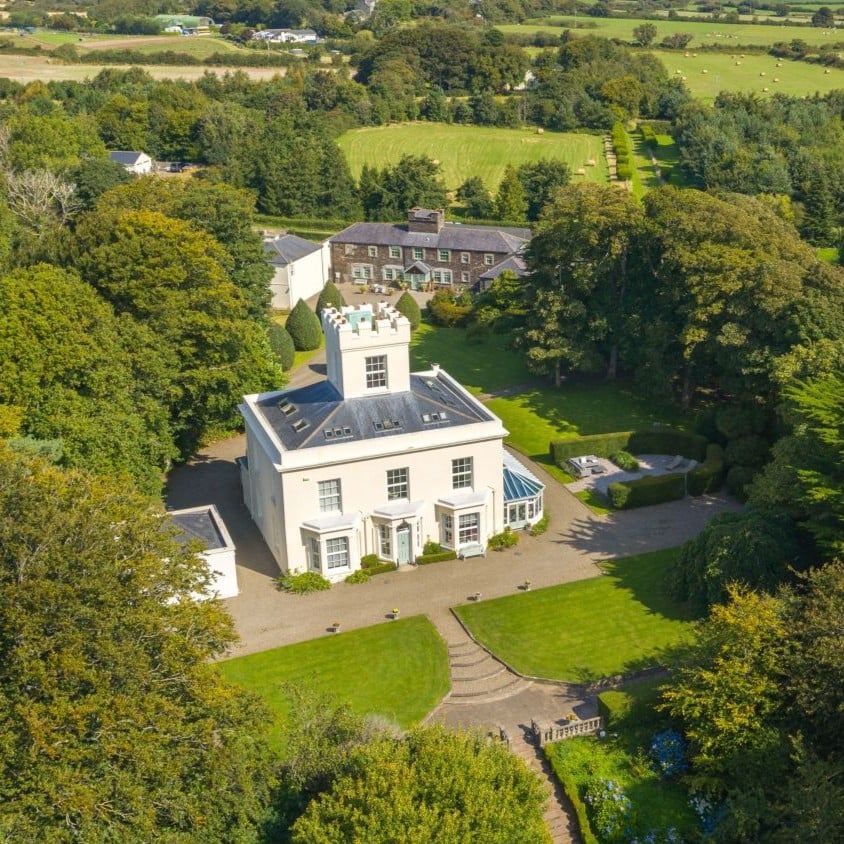
Step inside some of the most spectacular country homes for sale, from those with historical charm to contemporary luxury, each offering a unique glimpse of rural life at its finest
12 August 2026
Inspiration
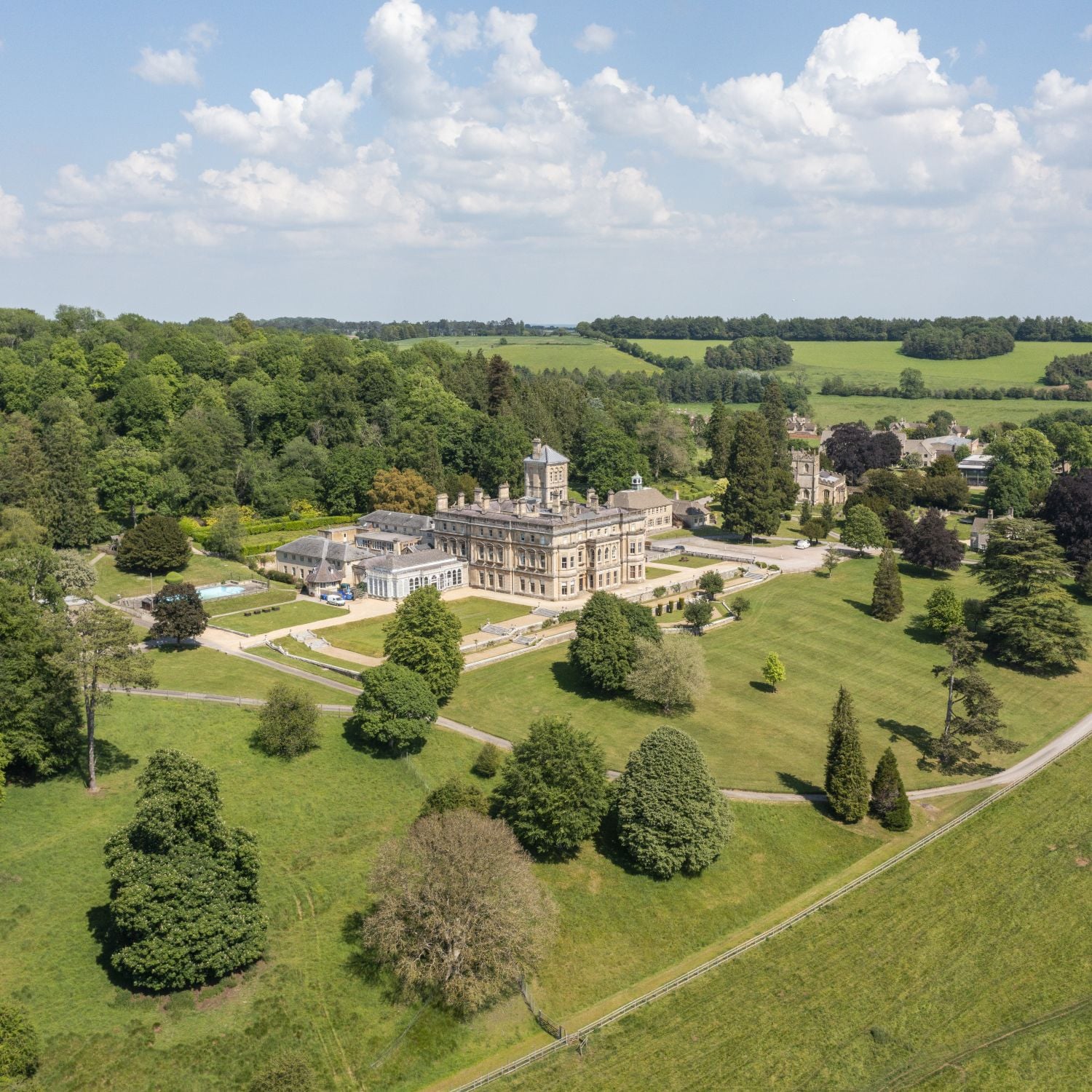
Rendcomb Park, a significant private estate set in 230 acres of prime English countryside with an on-going charitable legacy, is ready for the next chapter in its impressive history
12 August 2026
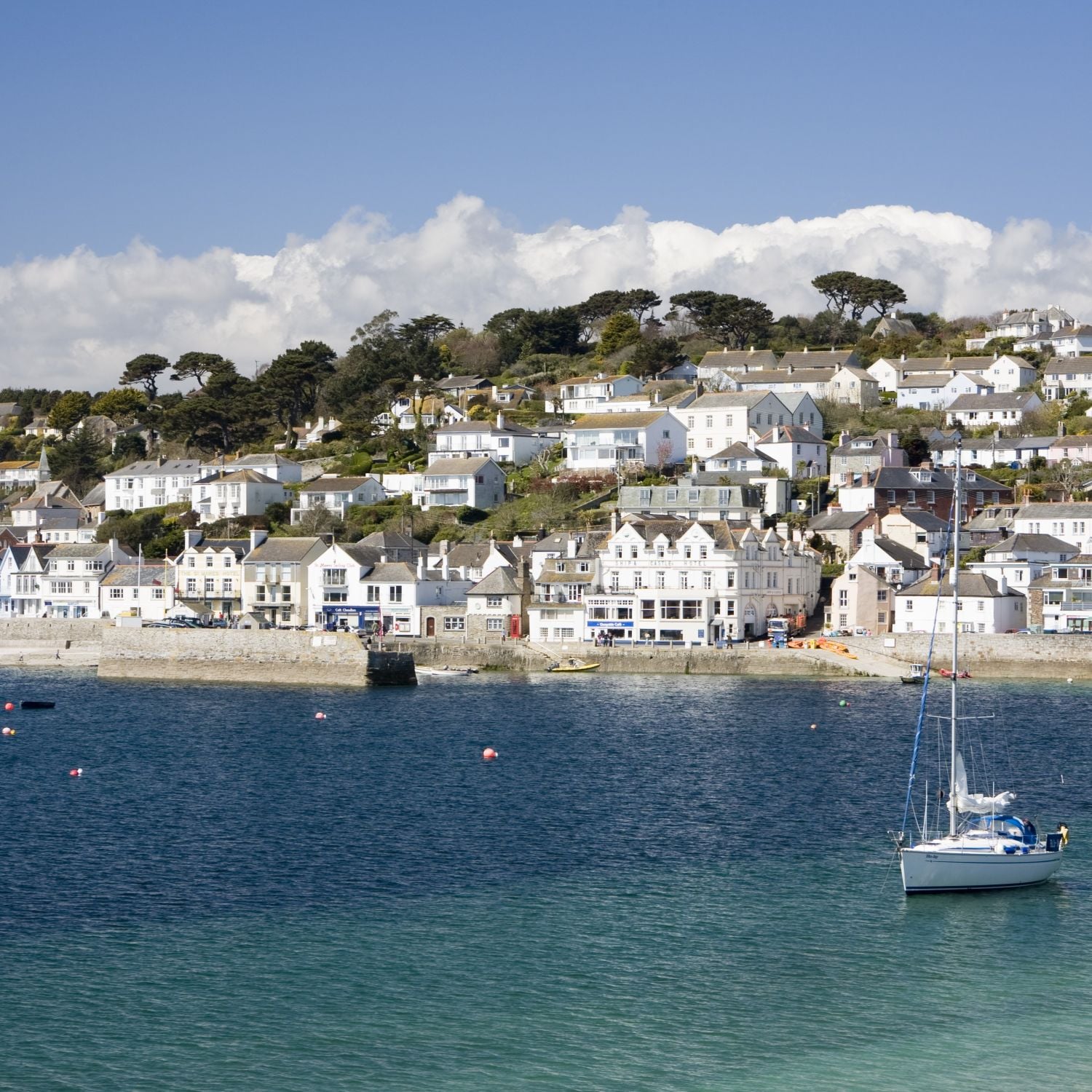
Homes
Knight Frank experts share their advice on showcasing your waterfront property in the best light, from presentation and timing to choosing the right pricing strategy
24 July 2026
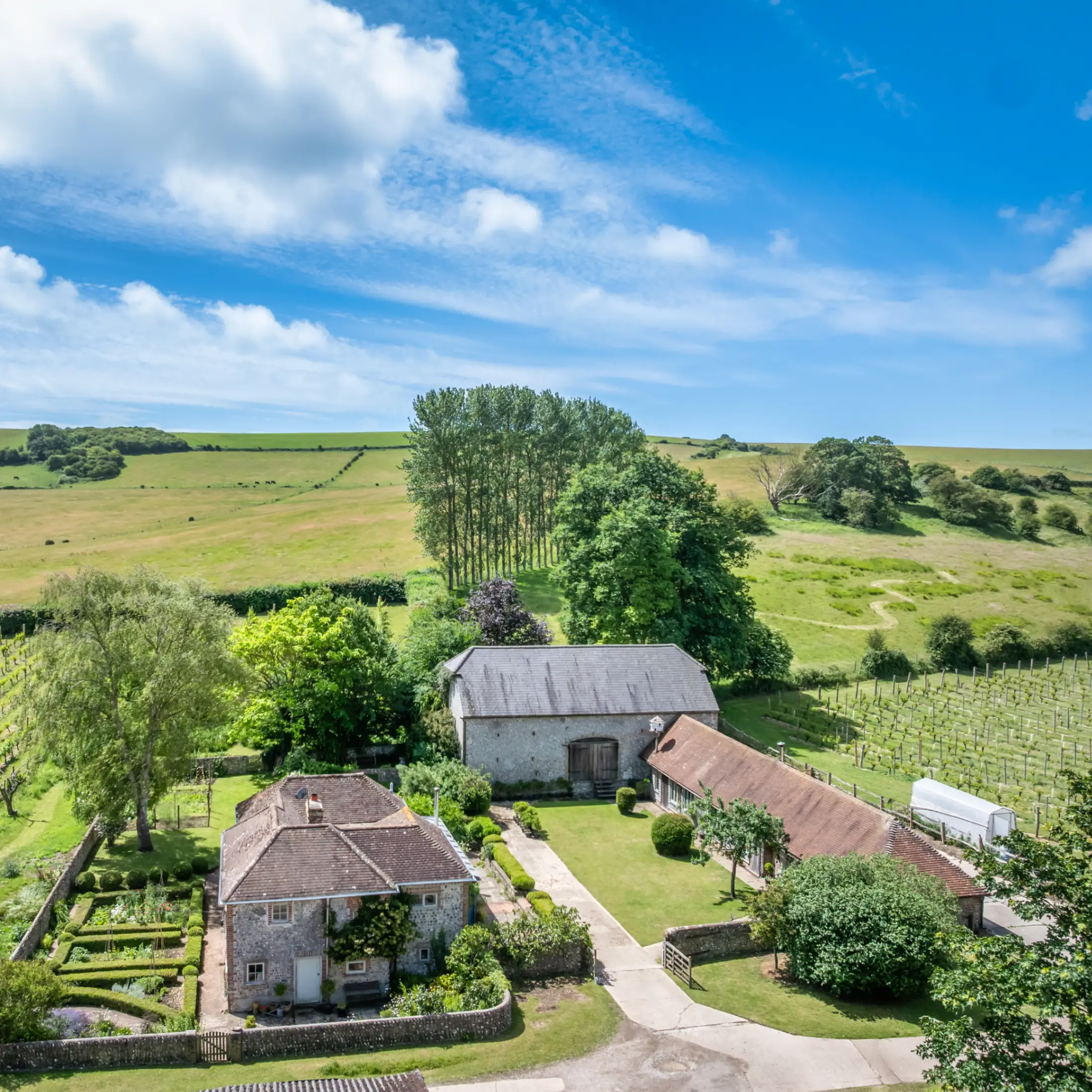
Inspiration
With greater choice and established vineyards coming to market, England's wine sector is entering a new phase of maturity
16 July 2026
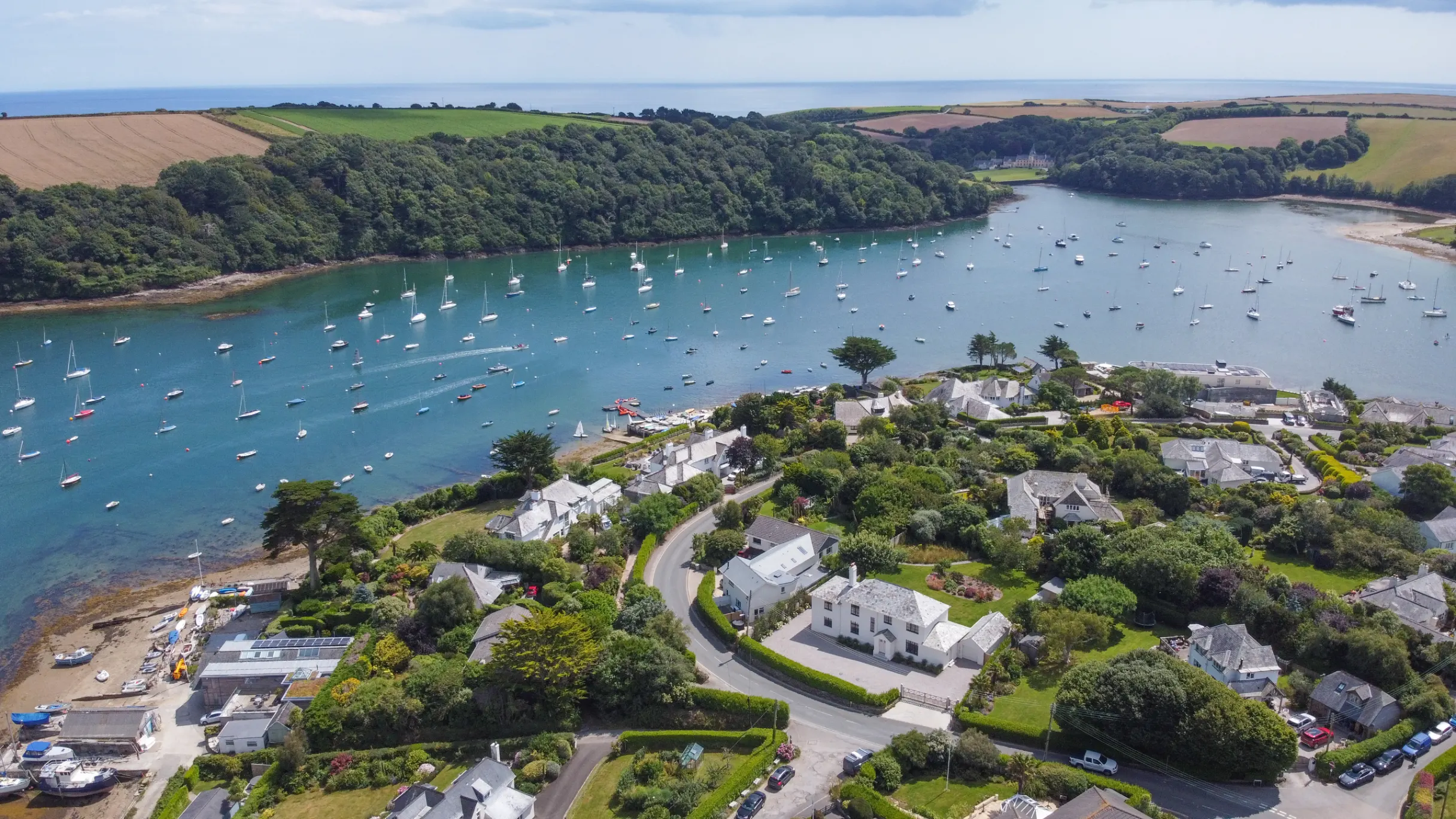
Homes
From contemporary living to homes with historic charm, we explore waterfront and coastal properties in Cornwall, Devon and Dorset
15 July 2026
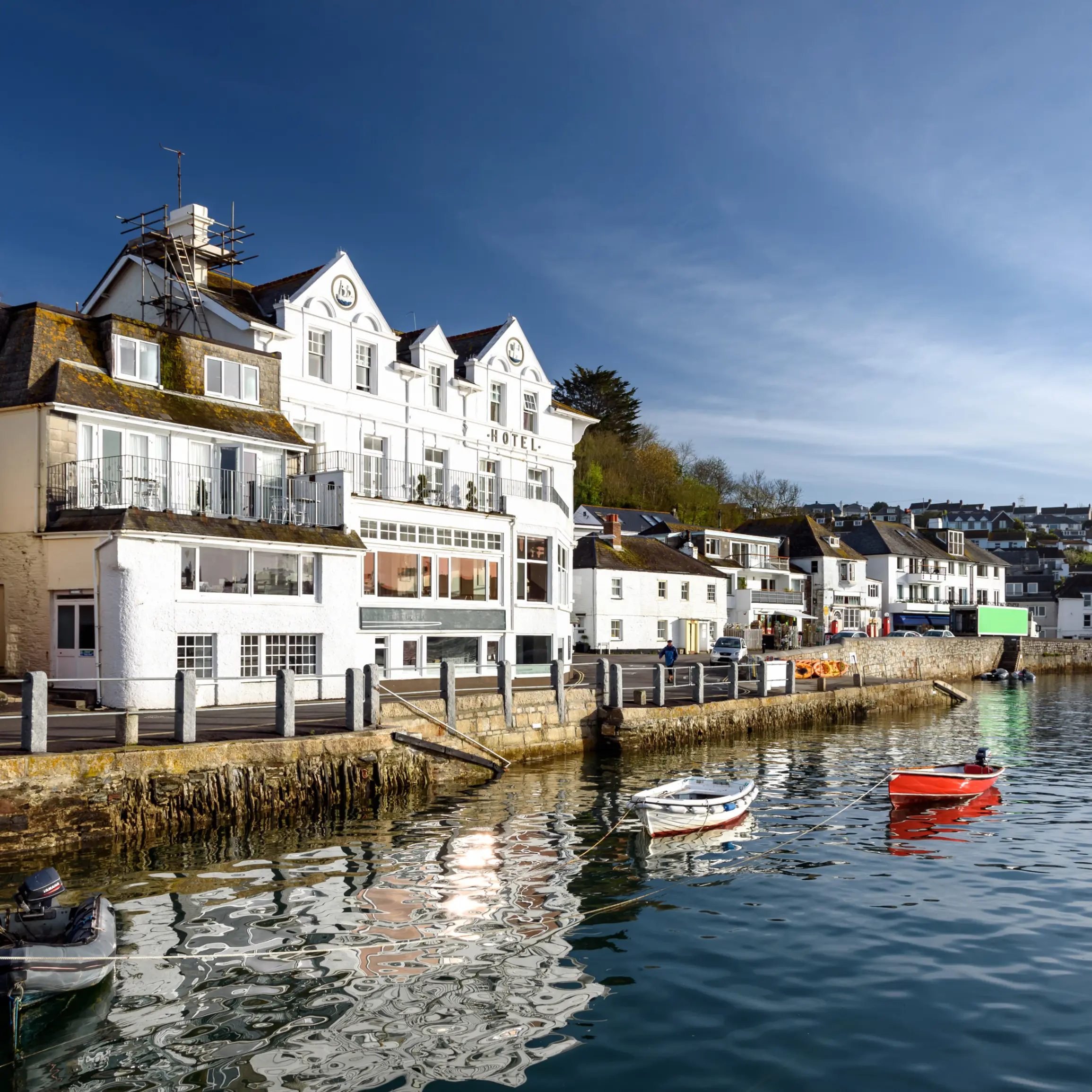
Locations
Thinking of moving to the coast? Knight Frank shares the best places to live by the sea in the UK for lifestyle, space, and community.
08 July 2026
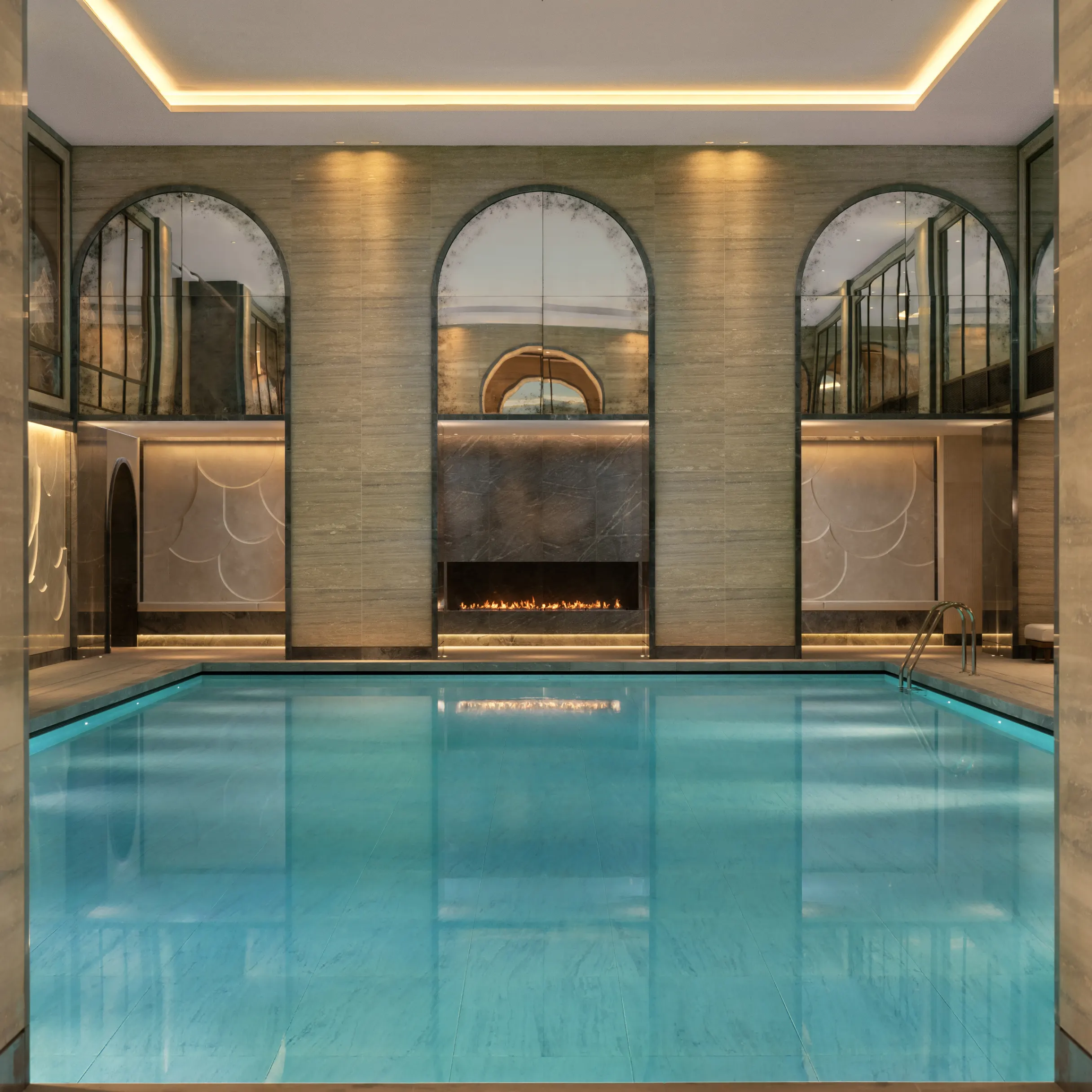
Homes
James Guy MBE reveals his ideal private pool setup, as we showcase a collection of standout homes for sale with exceptional swimming facilities
02 July 2026
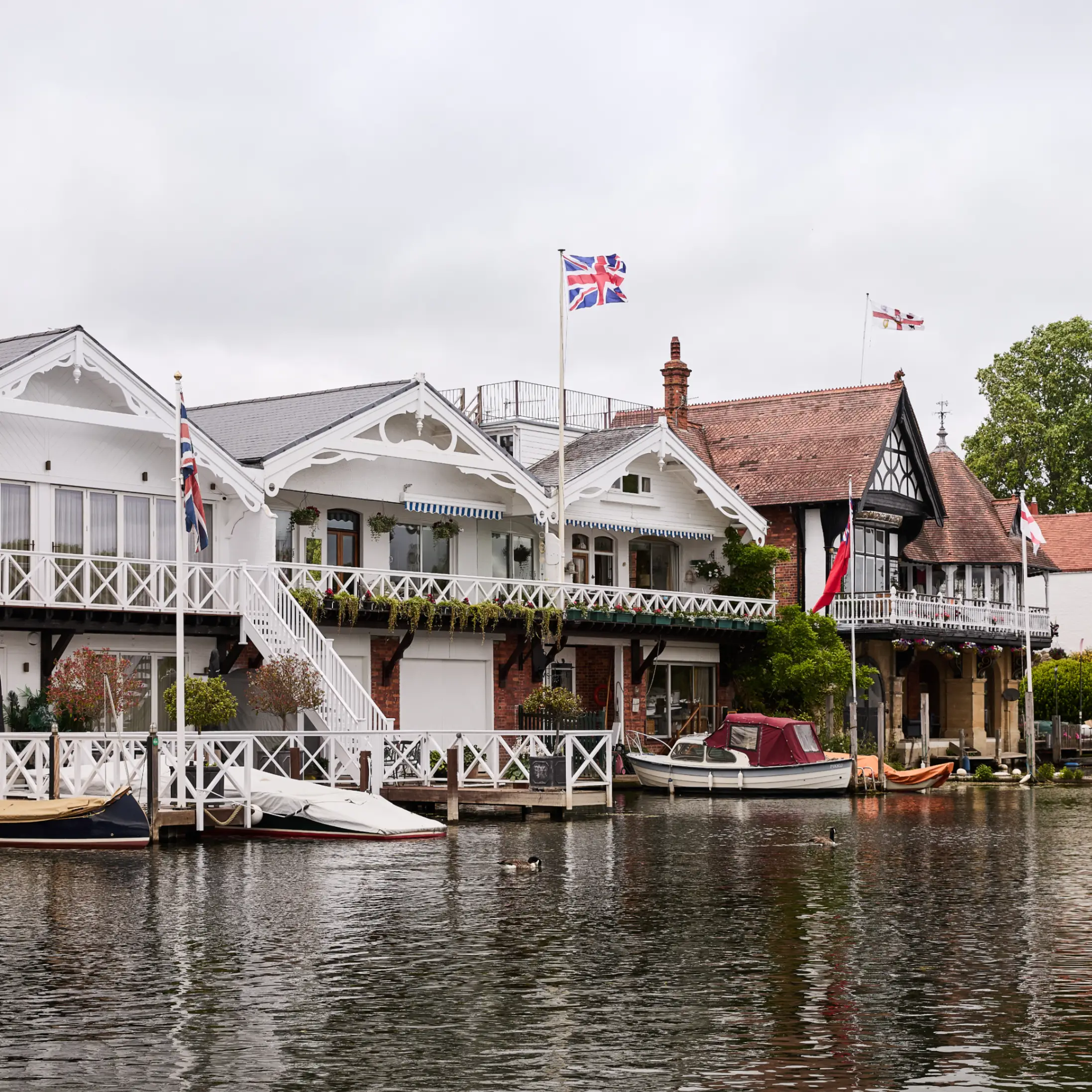
Locations
From period homes to riverside properties, Henley-on-Thames offers family-friendly, countryside living within easy reach of the capital
02 July 2026
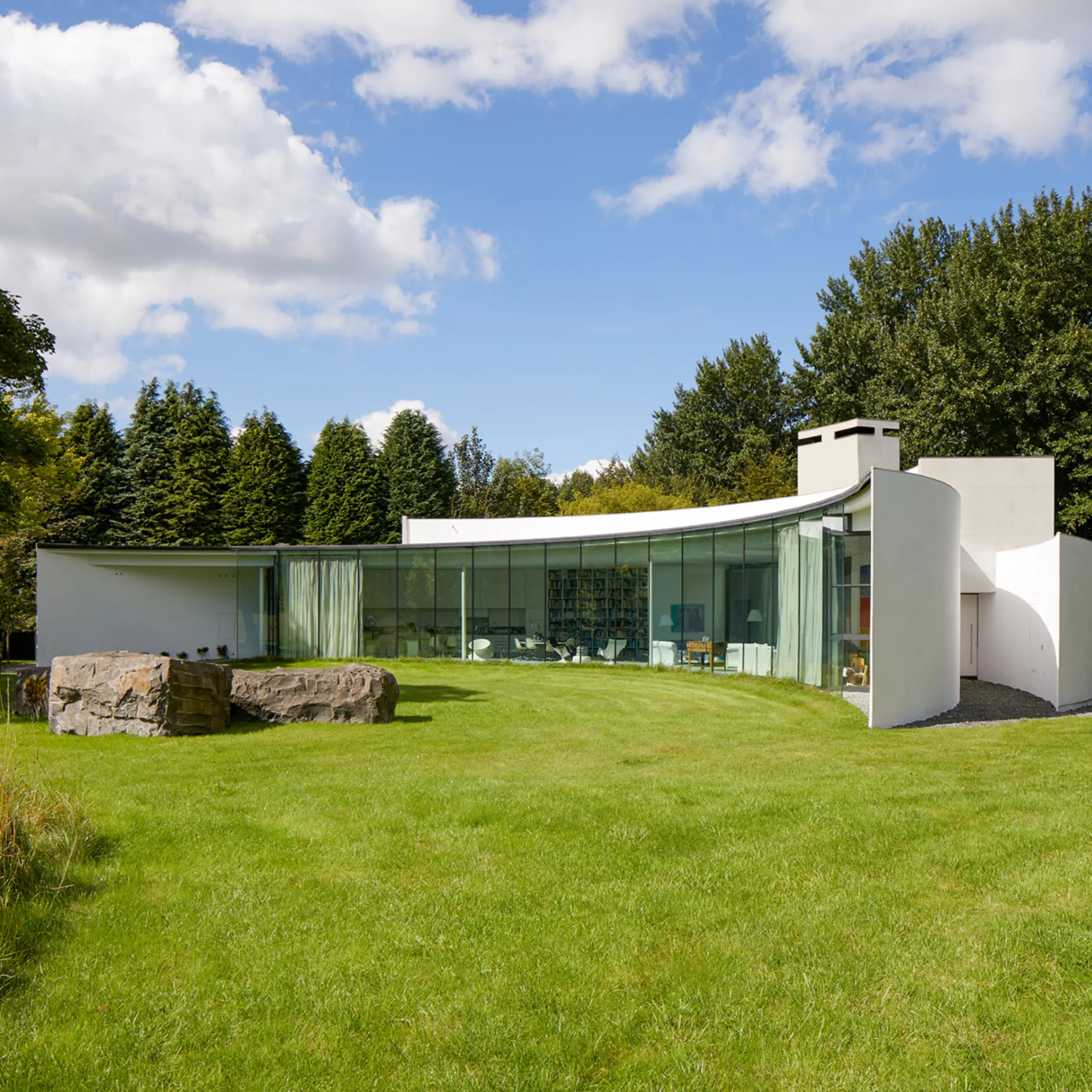
Homes
Inside Crescent House, a sculptural, nature-led home in rural Wiltshire designed by one of Britain’s most influential architects, now on the market for the first time
29 June 2026
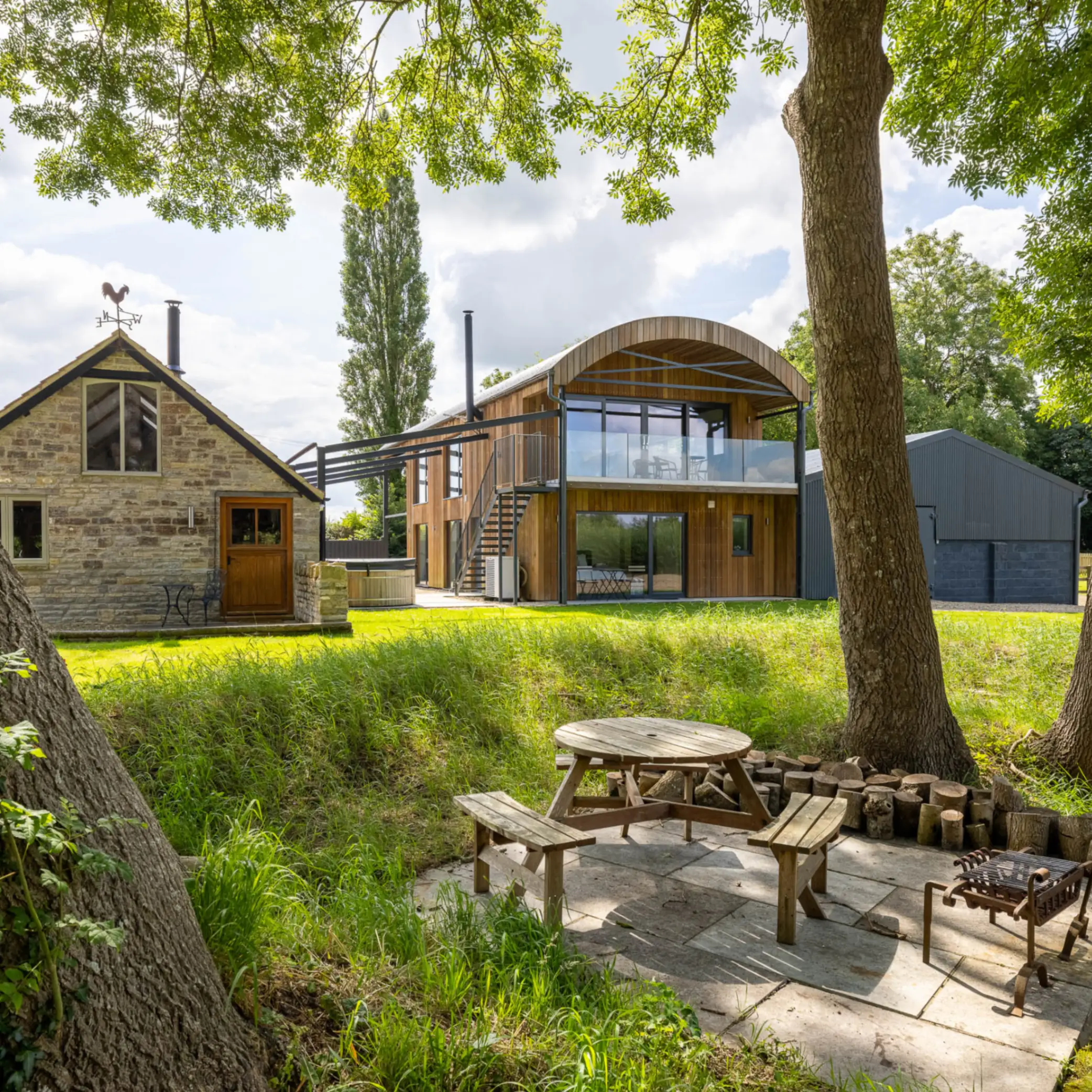
Homes
From grand country estates to rural farmhouses, these remarkable homes don’t just offer a place to live but open up endless opportunities
17 June 2026
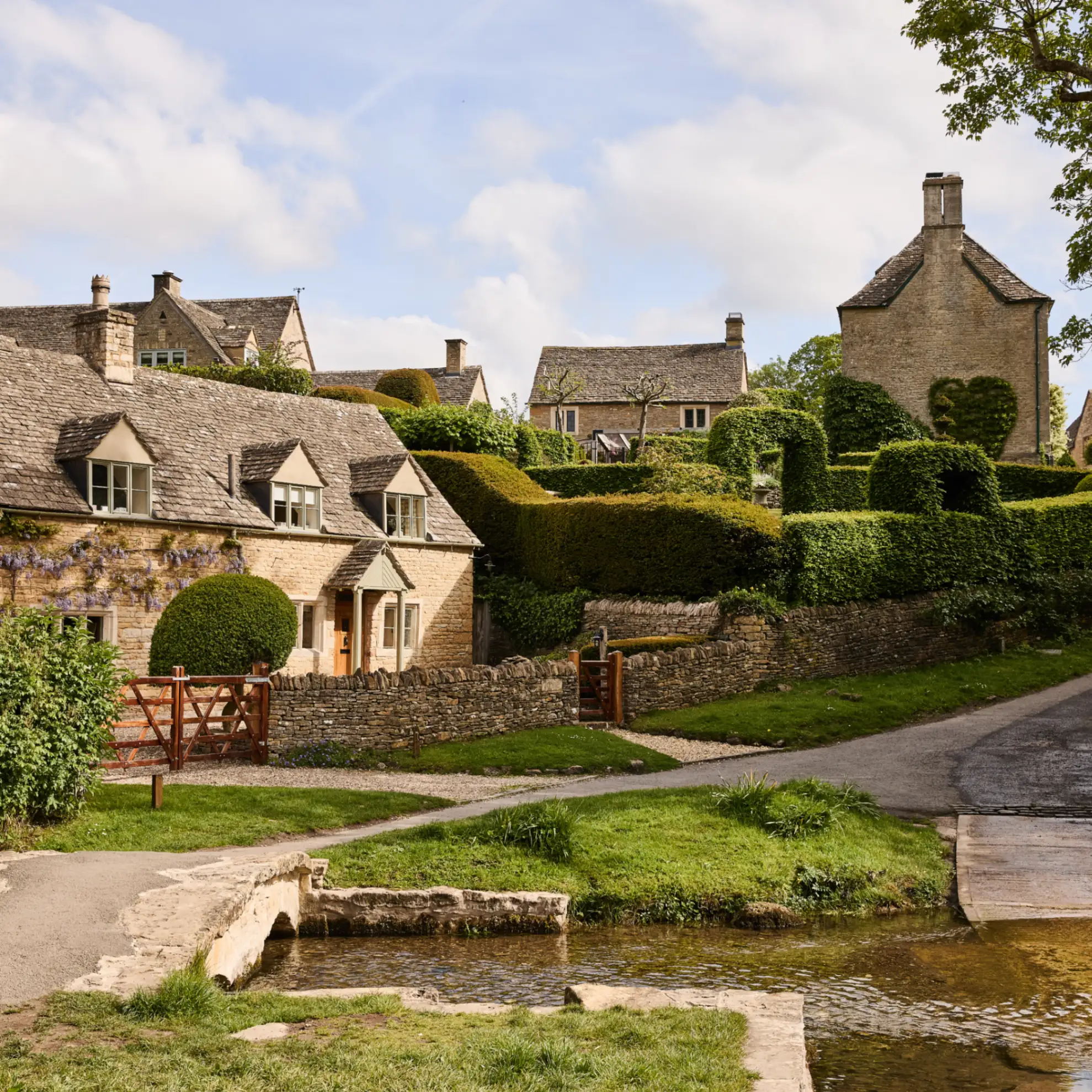
Locations
From its honey‑stone cottages to celebrity neighbours, our local experts share their insight on where to live this picturesque pocket of Britain’s countryside
05 June 2026
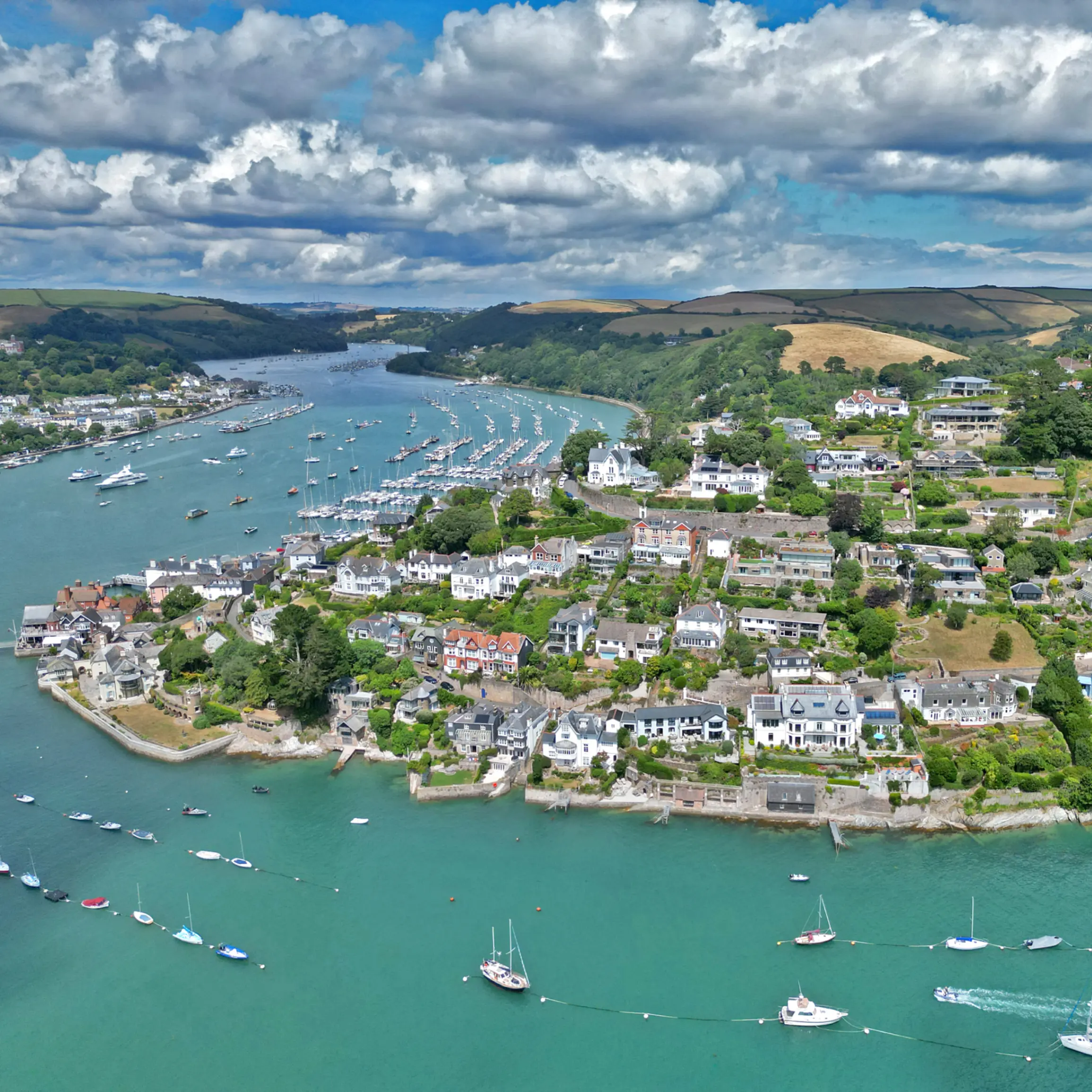
Homes
Living by the water, and spending time in and on it, is the dream for many. Here are some fabulous homes, complete with private moorings, which make that dream a reality
03 June 2026
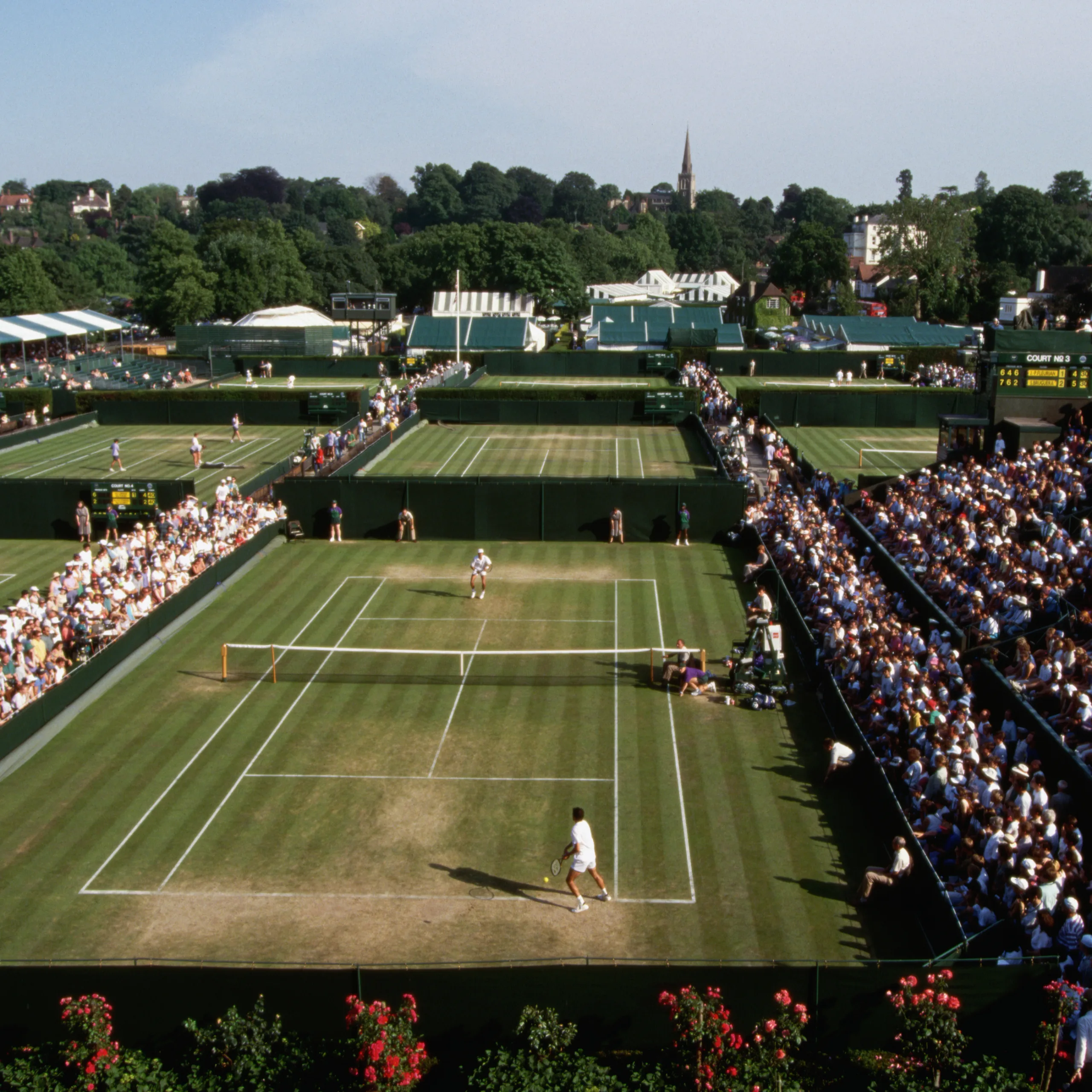
Inspiration
Flexible rentals, premium rates and global demand are making summer an increasingly attractive opportunity for homeowners in the short lets market
21 May 2026
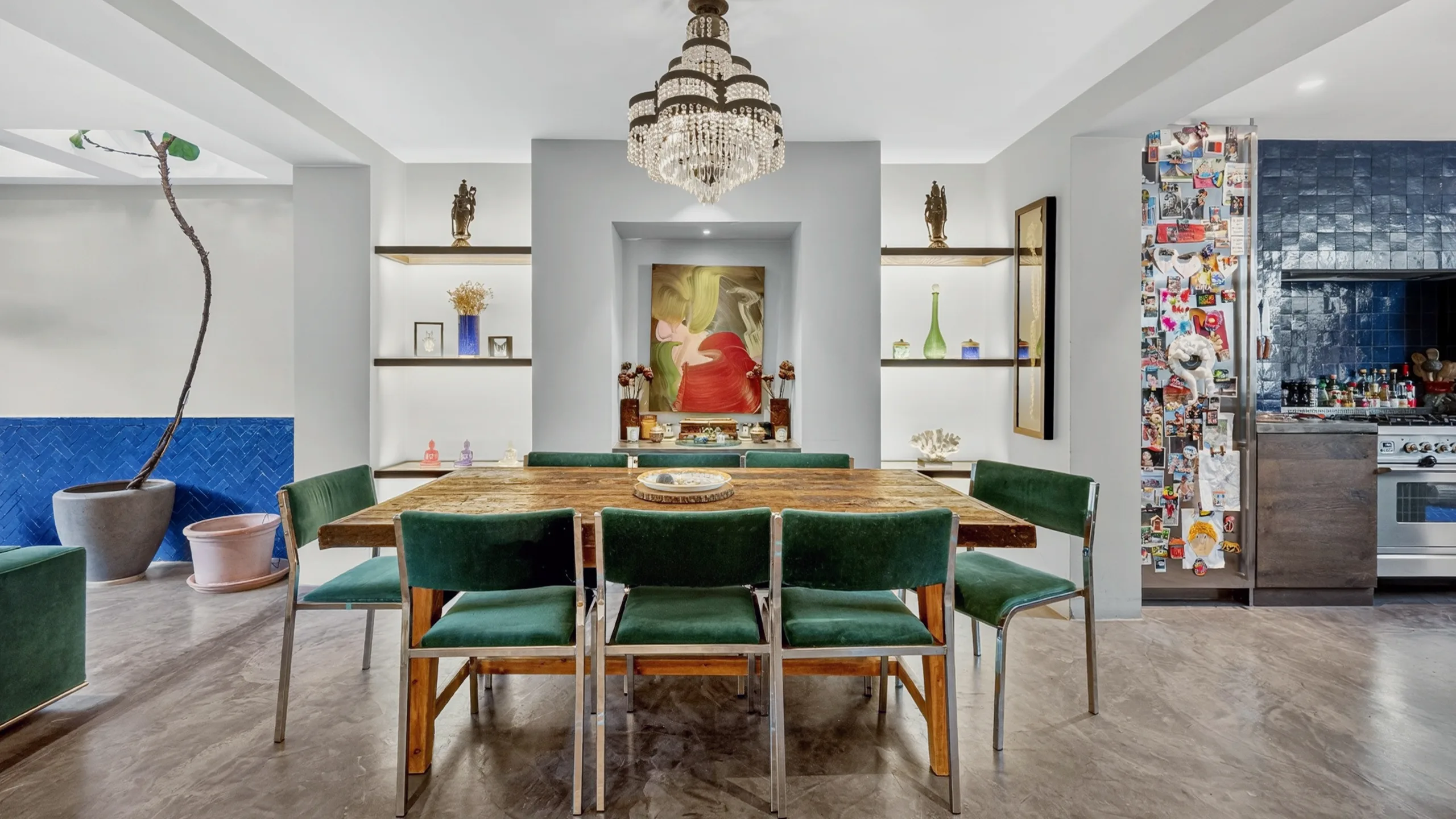
Homes
Far from conventional, these exceptional properties blend creativity and individuality, each a thoughtfully designed showcase of architectural flair
20 May 2026
Inspiration
As new government legislation comes into force, what are the current market trends landlords should know to achieve a successful tenancy
28 April 2026
Homes
Knight Frank’s experts share what to consider when finding the perfect home for both you and your horse, along with some incredible equestrian properties for sale
22 April 2026
Homes
Discover the homes leading the way in sustainable, energy-efficient and luxurious living
21 April 2026

Inspiration
Head Gardener Harry Baldwin shares how history, sustainability and modern horticulture shape the estate, and gives his top tips for the green-fingered
20 April 2026
Inspiration
Peter Huf shares his vision for sustainable architecture that balances innovation, efficiency and a deep connection to nature
20 April 2026
Homes
From strategic timing and smart pricing to simple presentation upgrades, these expert tips will help you secure the strongest possible offer
08 April 2026
Sorry!
An unexpected error has occurred.
Please try again later.
