

Huf Haus: how sustainable architecture is shaping the future of homebuilding
Peter Huf shares his vision for sustainable architecture that balances innovation, efficiency and a deep connection to nature

Peter Huf shares his vision for sustainable architecture that balances innovation, efficiency and a deep connection to nature
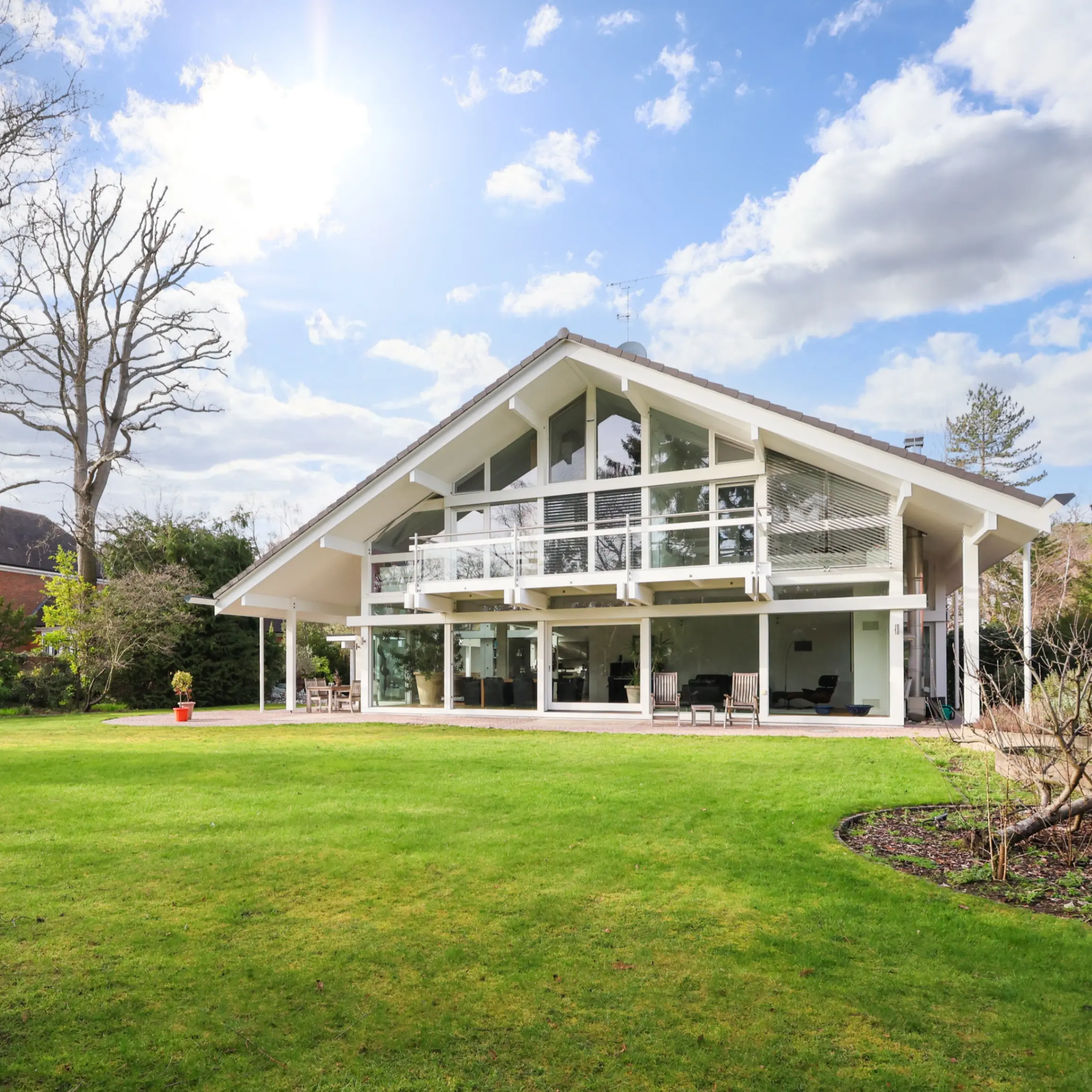
The roots of the German word entwerfen – meaning to design – nod to the premise of “throwing out” an idea into the world. It’s a concept that resonates with Peter Huf, Chief Architect UK of Huf Haus and a custodian of the family‑run business, who stresses that an ambitious, strong vision is not only essential for business success, but for securing a more sustainable future for all.
“The wider industry and regulations will always be behind what is possible. At Huf Haus we’ve always looked to exceed those standards,” he says. “To make a change you need to embrace innovation.”
Huf Haus began in 1912 as a sawmill and carpentry business founded by his grandfather, Johann Huf. In 1972, his father, Franz Huf, unveiled the Huf Fachwerkhaus 2000 – a revolutionary home defined by its clean lines and large expanses of glass. Designed by architect Manfred Adams, under whom Peter later worked, it set a benchmark for Huf Haus homes that demonstrate a deep respect for – and connection with – nature.
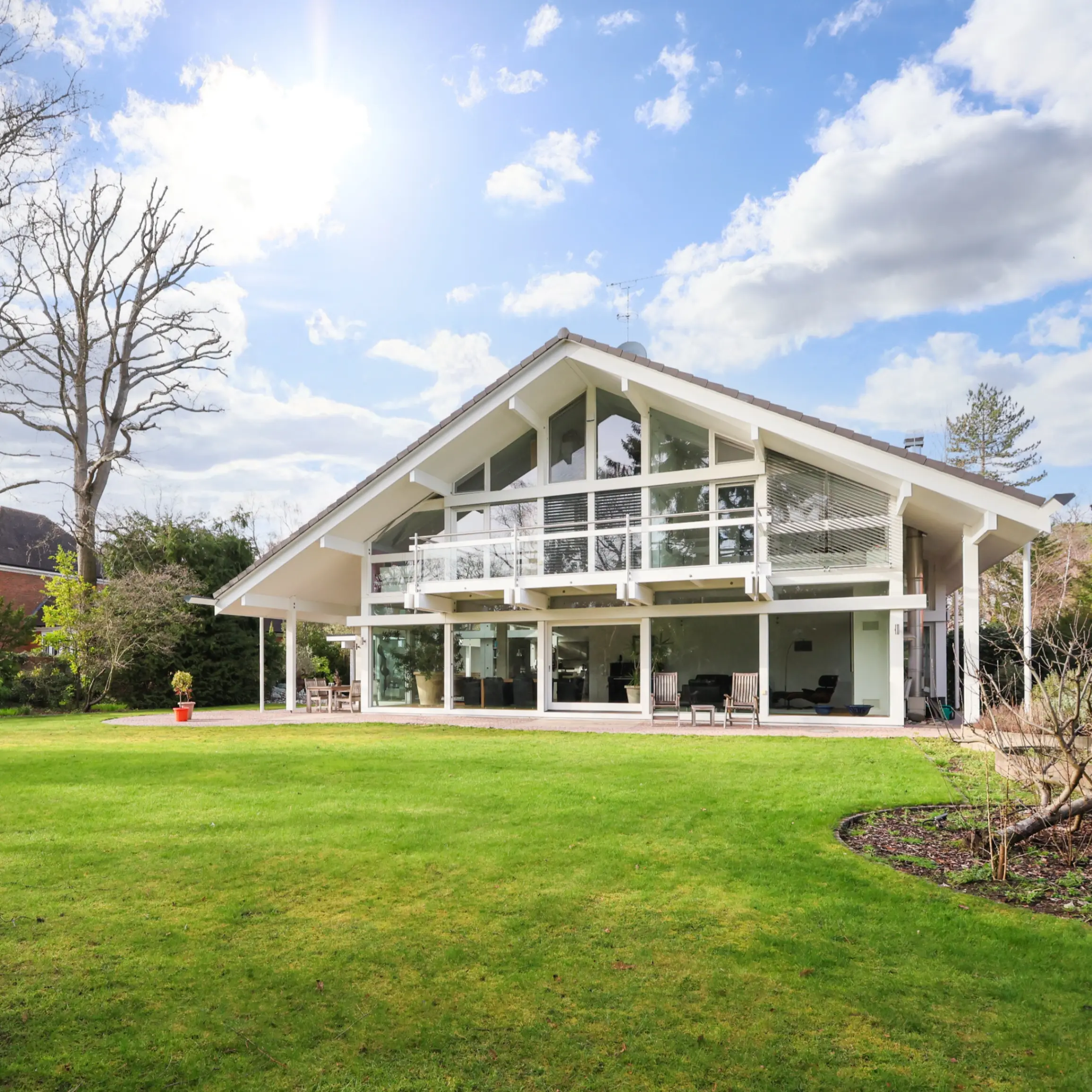
At the core of every Huf house is its distinctive post‑and‑beam architecture, pairing generous glazing with a timber frame. While many would consider the company’s designs strikingly modern, Peter points out that traditional timber‑frame construction dates back centuries, with Tudor houses among the UK’s most celebrated examples.
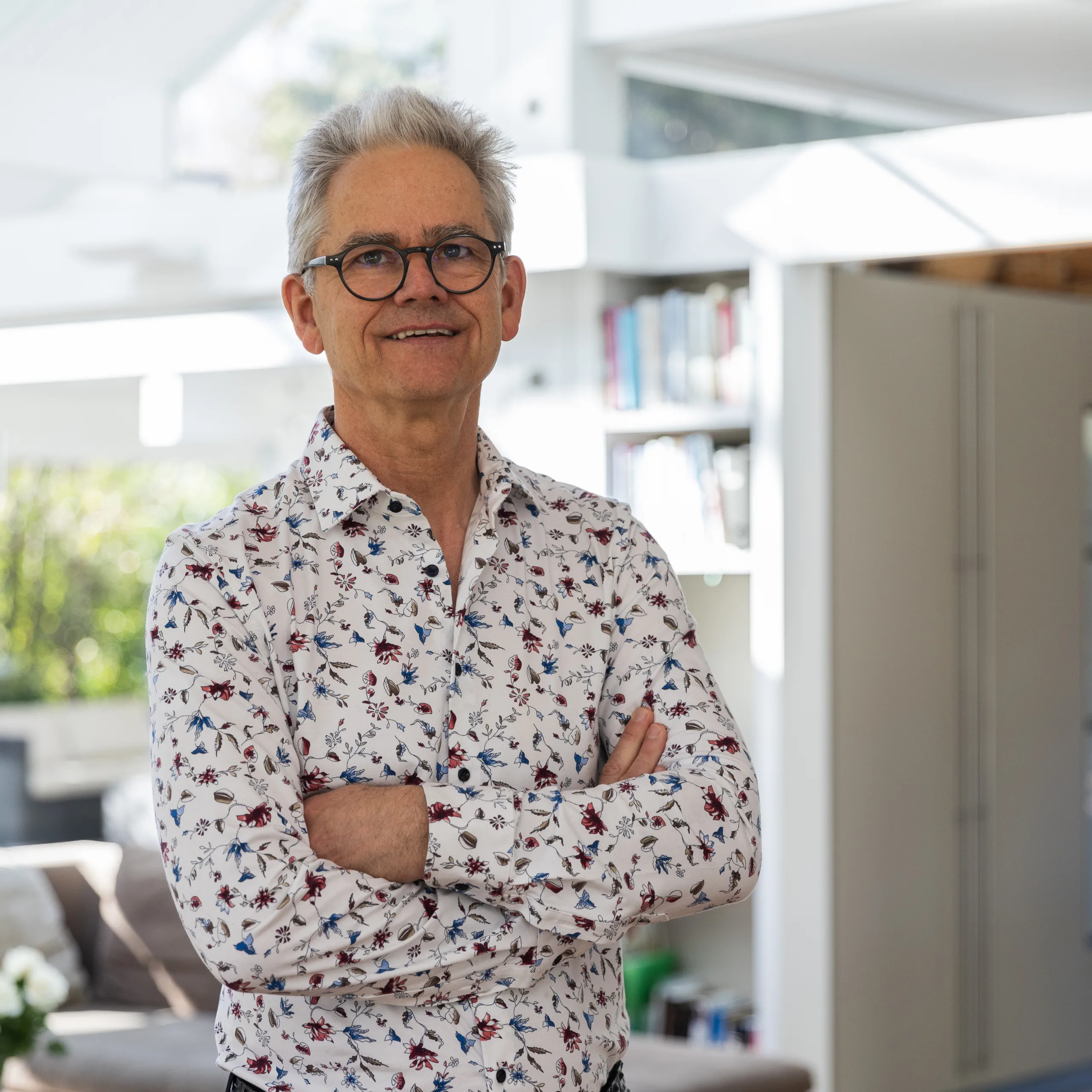
He spent his teens training as a carpenter before gaining his architectural diploma in Germany and continuing his studies and work in the United States. “One rule I stand by is that you have to respect the material you’re designing with – and accept its properties and limitations,” he says.
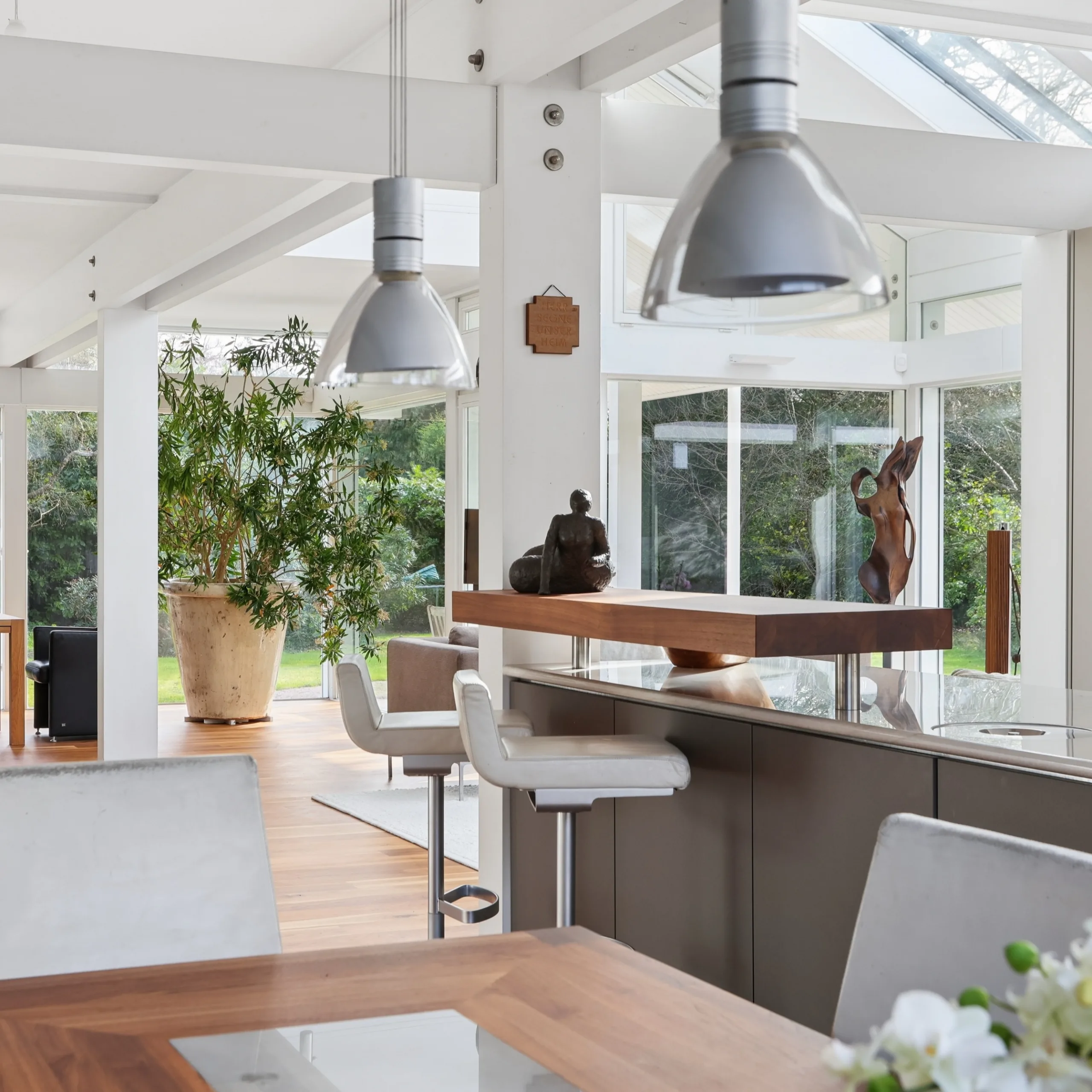
The conscious choice of wood underpins the company’s commitment to sustainability, embedded not only in the energy efficiency of its homes but in the lifecycle of the business itself. “Yes, you have to take a tree out to use it, but you can plant two. It’s about closing the cycle.”
“Fundamentally, as humans, we are wasting too many natural resources for what we are achieving,” he adds. “For me, sustainability means being resourceful. Don’t do today what you cannot reverse, and understand that everything you do has an impact.”
Peter describes the home as a ‘third skin’: flexible, bespoke spaces designed around the people who live in them, while bringing the surrounding environment inside. Light is central to this philosophy, made abundant through the company’s high-spec triple glazing.
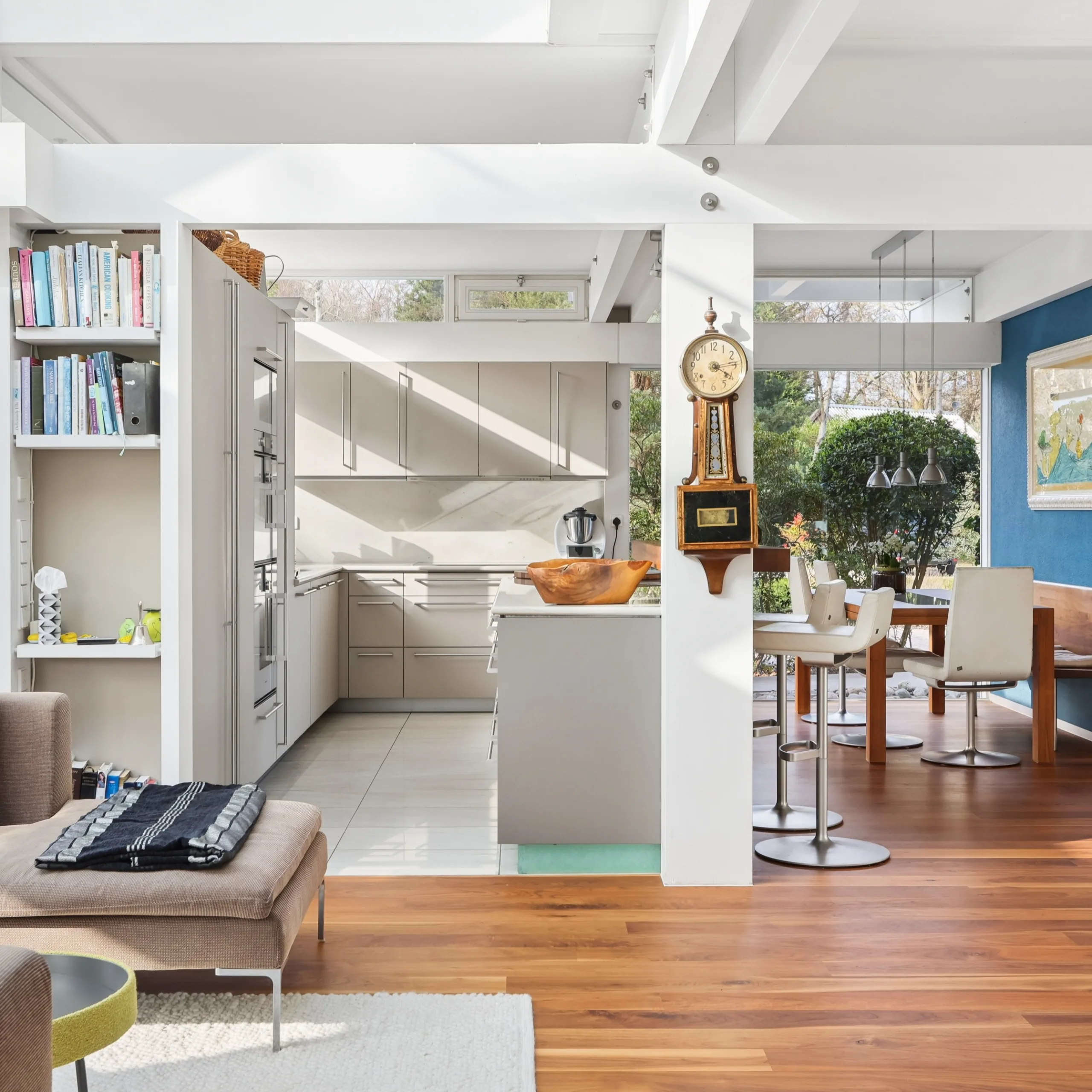
As Huf Haus continues to innovate, glass is increasingly being transformed into a structural element, eliminating the need for external walls and enhancing panoramic views. While glass is recyclable, its use still requires careful evaluation. “Yes, it takes energy to produce,” Peter explains, “but in the long term there’s passive solar gain that is free energy to heat the house.”
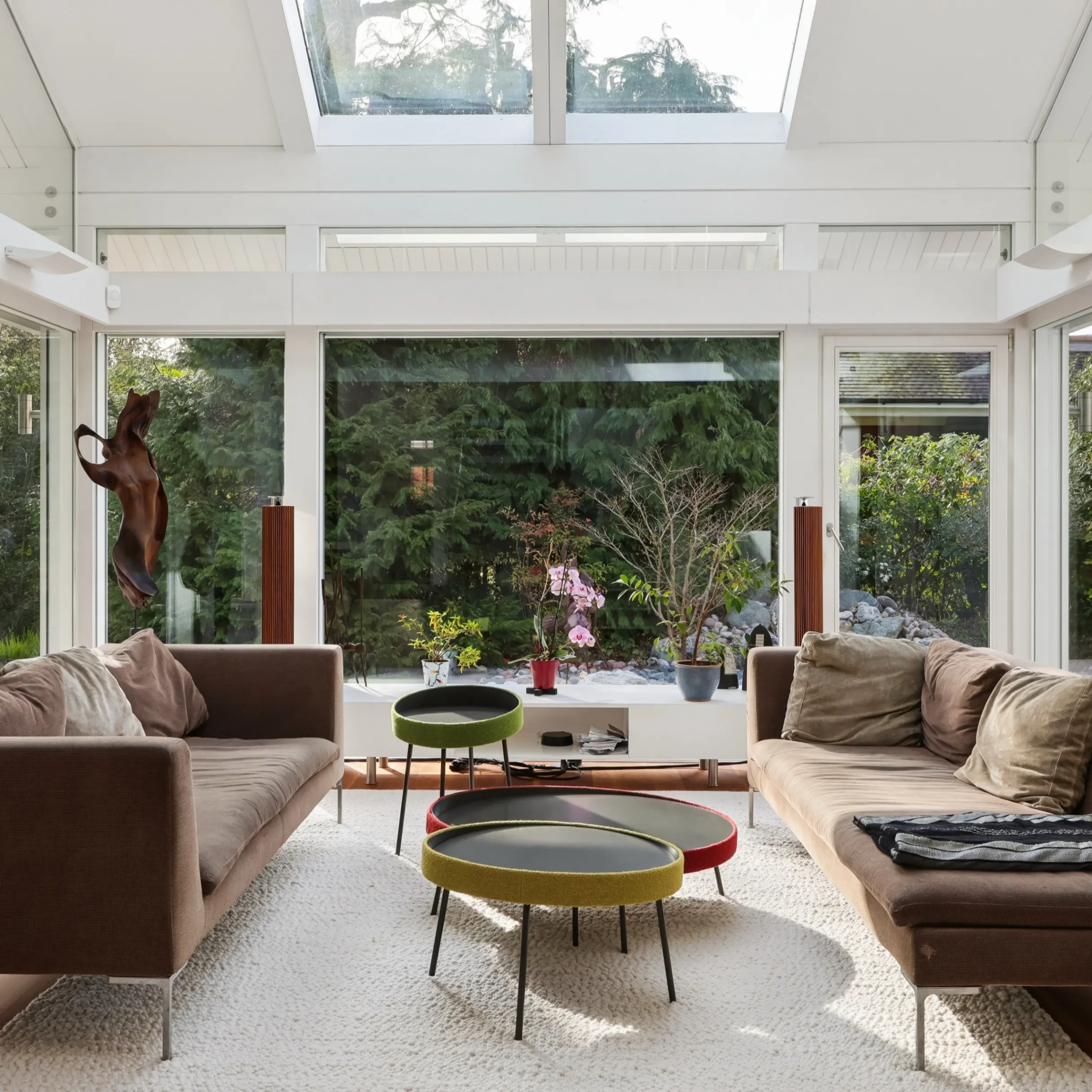
He also stresses that sustainability must be balanced with real lives and lived experience. Passivhaus is a well-known international energy performance standard designed to reduce a building’s energy usage. “While it has strong principles, at Huf Haus we suggest it’s one way - but not the only way,” he explains. “They say open the house to the south and close it to the north. We say: if you have a beautiful view to the north, I want to see it.”
This is why the ‘fabric’ of a building – its structural materials, insulation and integrity – is so critical, yet often overlooked. “You wouldn’t drive a Ferrari down a bumpy road,” he says. “You can add a heat pump, but it needs to work with a building that isn’t wasting energy.” By combining these foundations with technology such as heat pumps and photovoltaic systems, Huf Haus homes can enable owners to become self‑sufficient energy producers.
The most sustainable buildings are conceived long before a single brick – or piece of timber – is laid. In the UK, there is no legal requirement to hire an architect when building a house. “At Huf Haus, every home is designed by a trained architect – we insist on it. That alone makes a profound difference,” Peter says.
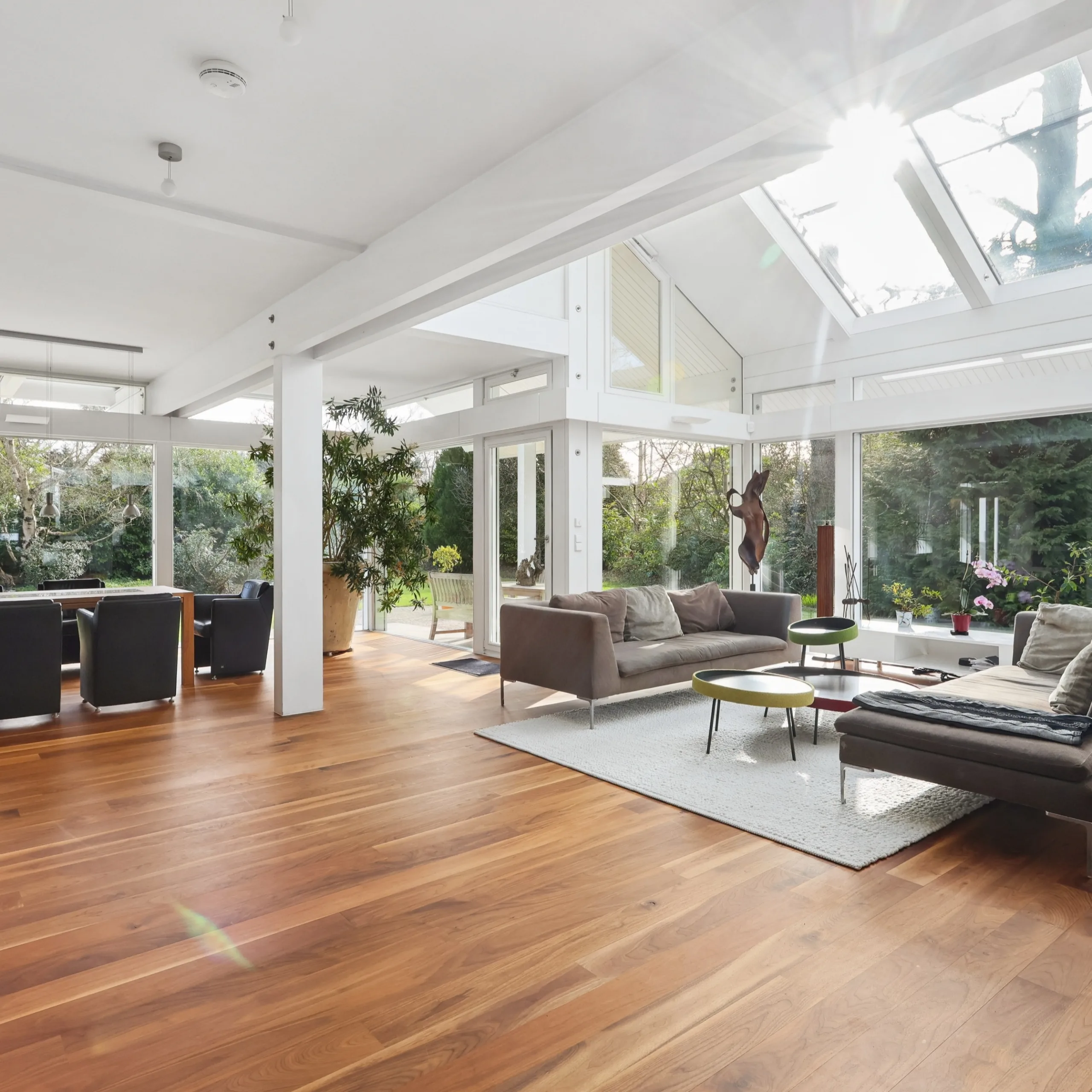
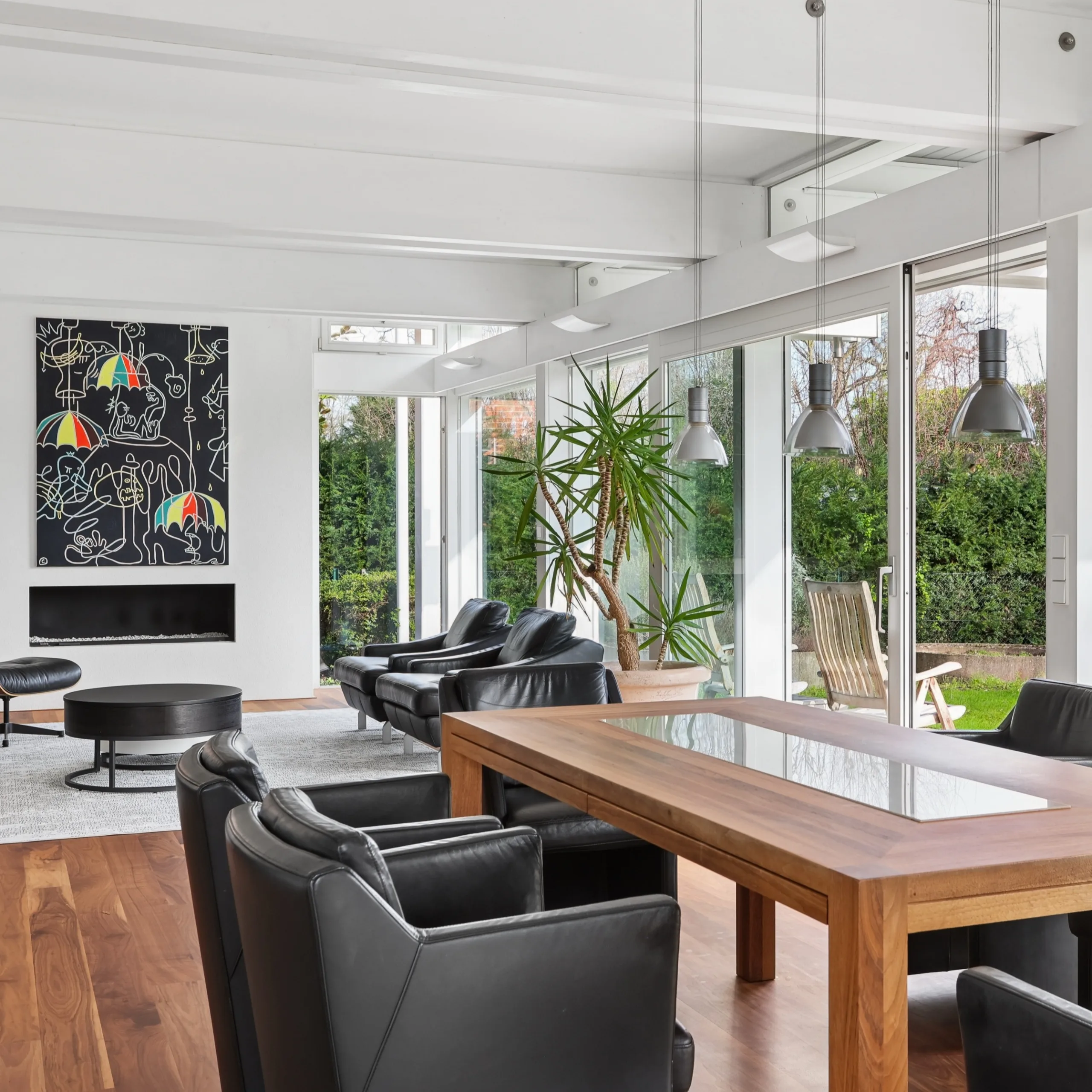
This bespoke approach allows each home to respond to both the client’s lifestyle and the specific qualities of the plot, optimising form and efficiency from the outset. “Sustainability starts with design,” he adds. “I’ll often ask clients, ‘Do we really need this?’ Take hallways, for example – can we rethink that space? An open plan solution may be far more efficient.”
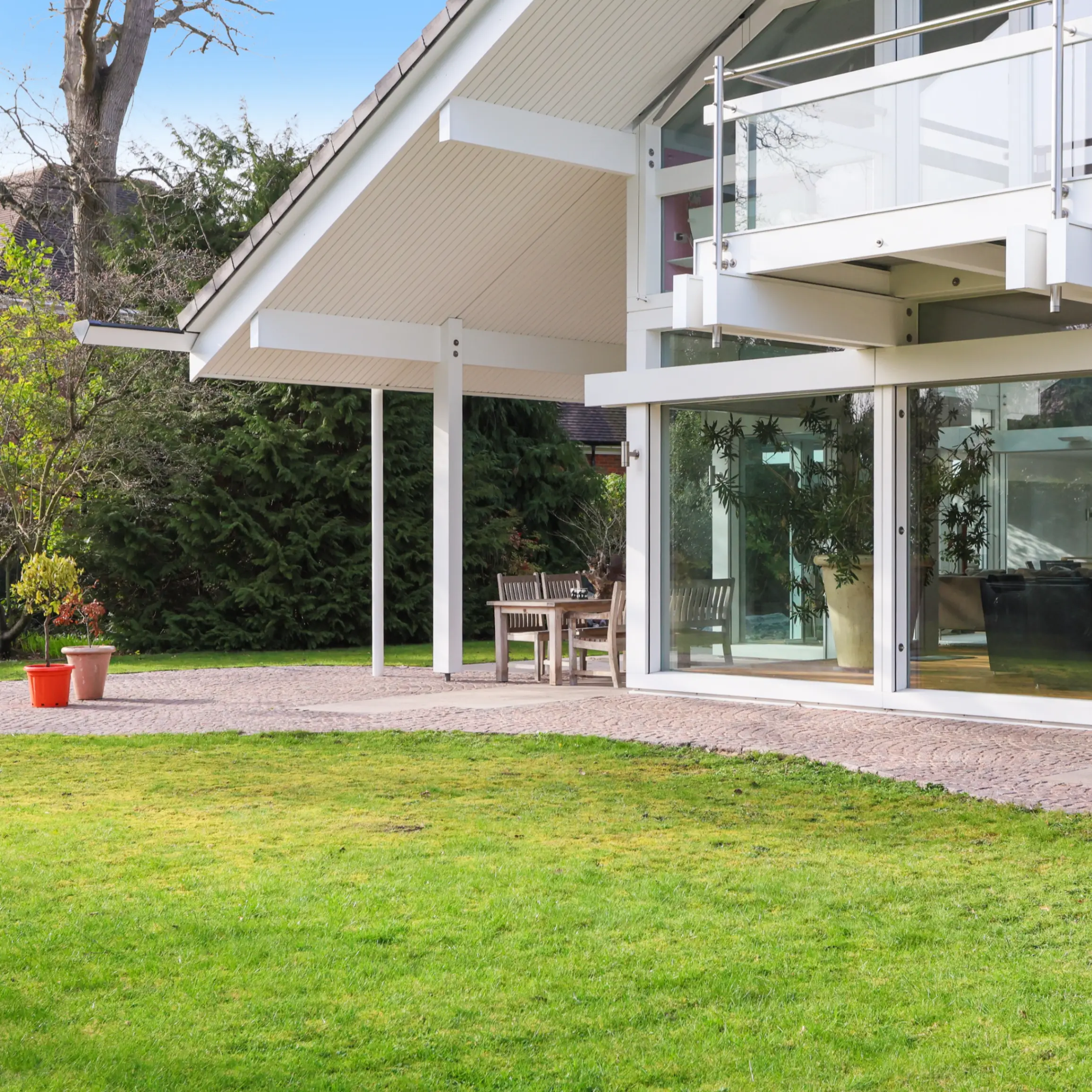
Equally important is collaboration. “Sustainability for us also means working under one roof. The architect, engineer and construction teams are constantly feeding back into the process. That’s how we improve.” This integrated approach is reinforced by Huf Haus’ pre‑manufacturing process. Each house is manufactured at its headquarters in Hartenfels, Germany before the pieces are transported. Once foundations are complete, a Huf house can be assembled on site in as little as one to two weeks.
Peter sees pre‑manufactured – or prefab – homes as key to achieving efficiency, reducing carbon emissions and maintaining rigorous quality control. “After the Second World War, many low‑cost homes were built quickly, and that legacy still shapes perception,” he says. “People assume pre-manufacturing is restrictive, but it can be as creative as you want it to be.”
As with all sustainable living solutions, progress requires a shift in mindset – not only from regulators and builders, but from homeowners themselves. “There’s far more awareness now than 20 years ago. We used to be asked, ‘How quickly will solar panels pay off?’ Now the question is simply, ‘Can you do it?’”
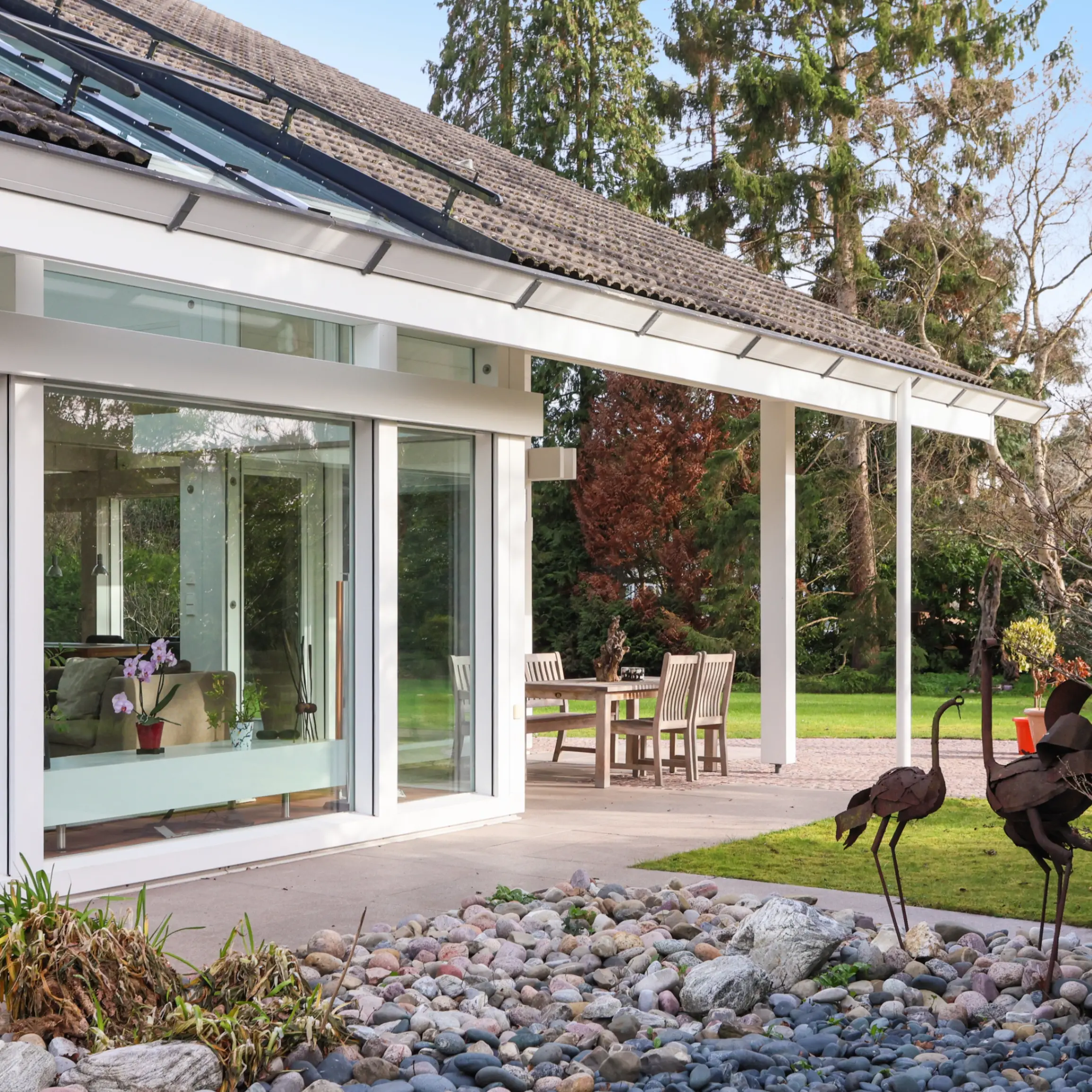
For Peter, the ultimate goal is not trend‑led design, but longevity. “The best architecture is timeless,” he says. “A house will outlive you – so what do you want to pass on? At Huf Haus, we’re proud to lead by example.”
Due to their bespoke nature, only around 100 Huf houses are produced each year worldwide, making it a rare occasion for one to come onto the rental market in the UK. This particular example in Walton‑on‑Thames, Surrey, is even more special, as it belongs to Peter Huf himself.
“Set in the beautiful and tranquil Burwood Park, it’s the perfect property from which to enjoy the surrounding wildlife and woodland setting of this private estate,” says Jamie Vass, Knight Frank’s Senior Lettings Negotiator for Elmbridge & Guildford. “With fast, direct train links to London, the location offers the ideal balance of city access and countryside living.”
Contact Jamie Vass for further details.
Contact our Weybridge team
Homes
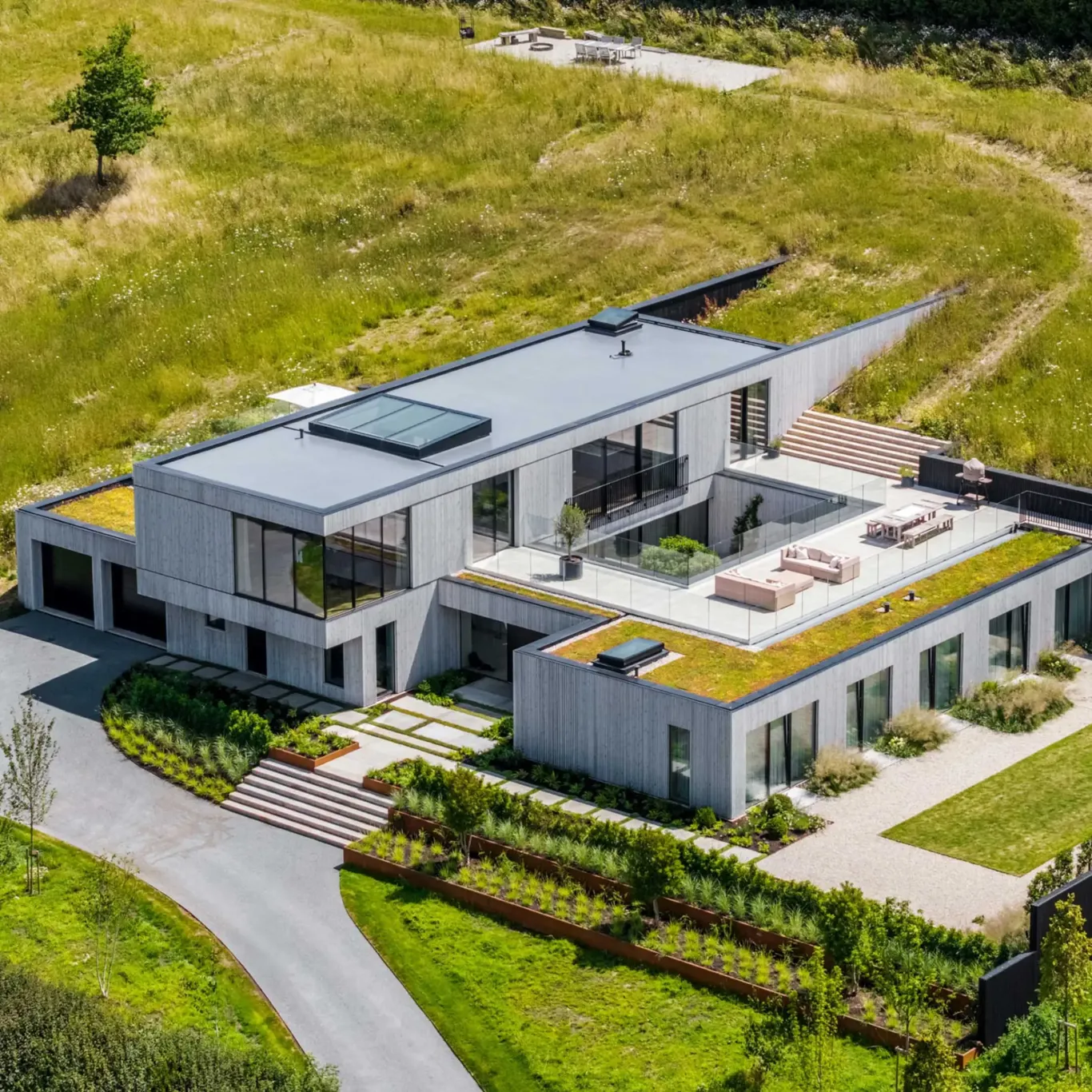
From solar panels and heat pumps to intelligent lighting and water-saving systems, energy efficiency is becoming a defining feature of modern homeownership
05 October 2026
Inspiration
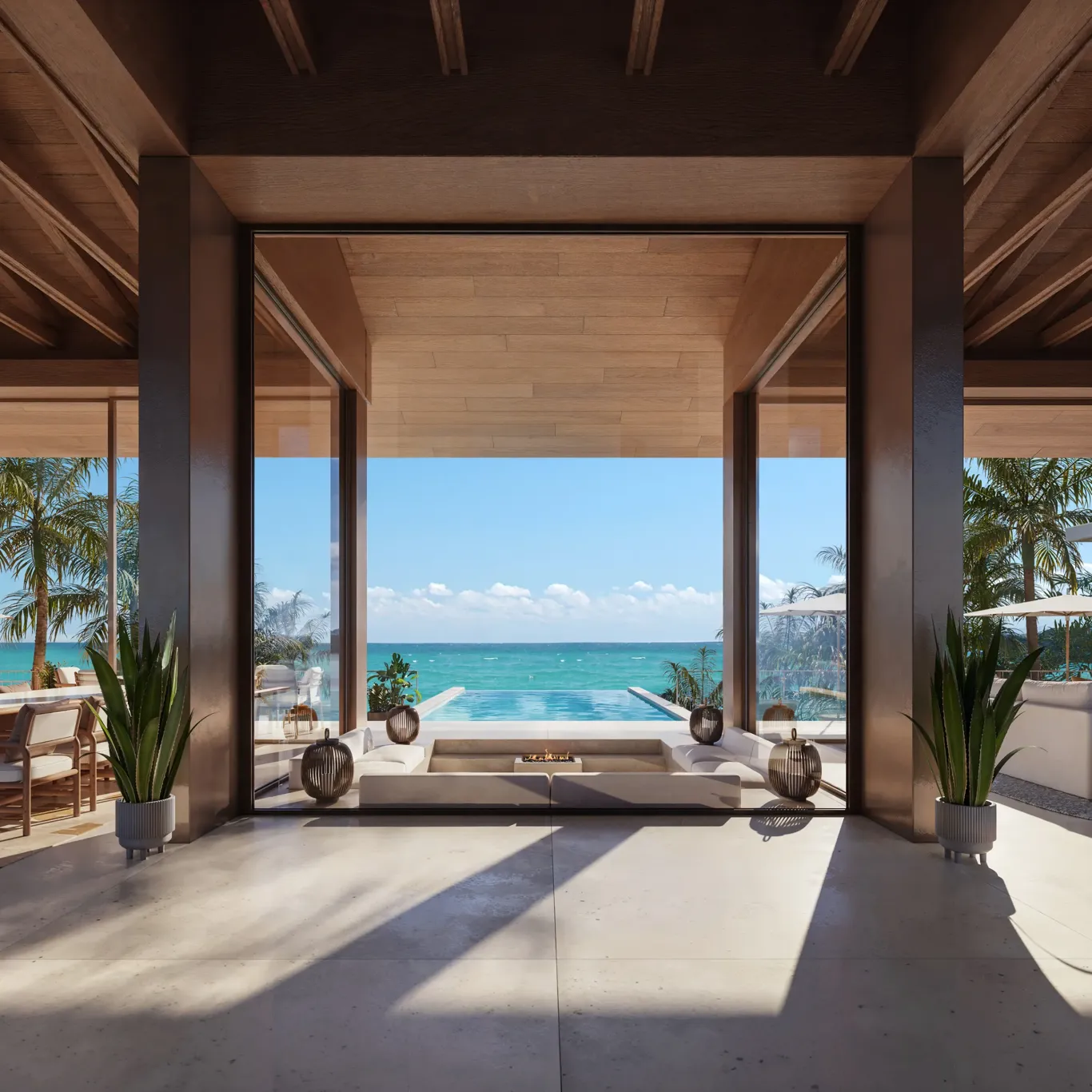
How changing patterns of wealth mobility are reshaping demand for prime properties and branded residences
18 September 2026

Inspiration
As artificial intelligence becomes a strategic force within real estate, what opportunities and challenges does it create?
25 August 2026
Inspiration
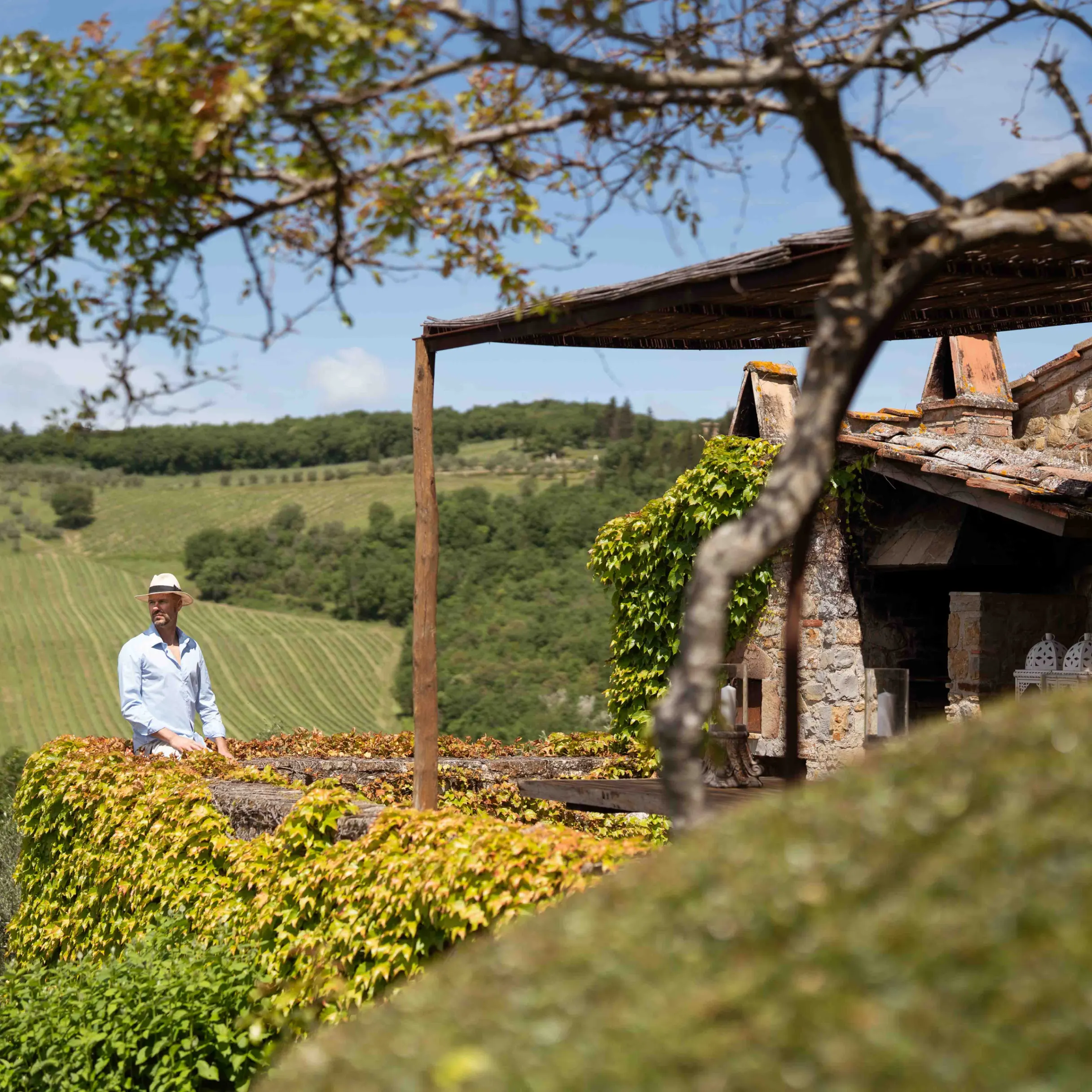
How modern high-tech solutions take the stress out of managing your home remotely
06 August 2026
Homes
Inside Crescent House, a sculptural, nature-led home in rural Wiltshire designed by one of Britain’s most influential architects, now on the market for the first time
29 June 2026
Homes
Discover the homes leading the way in sustainable, energy-efficient and luxurious living
21 April 2026
Inspiration
Peter Huf shares his vision for sustainable architecture that balances innovation, efficiency and a deep connection to nature
20 April 2026
Homes
Fusing nature, design and technology, Belah House embodies the future of luxury living, one that nurtures both the planet and personal wellbeing
04 December 2025
Inspiration
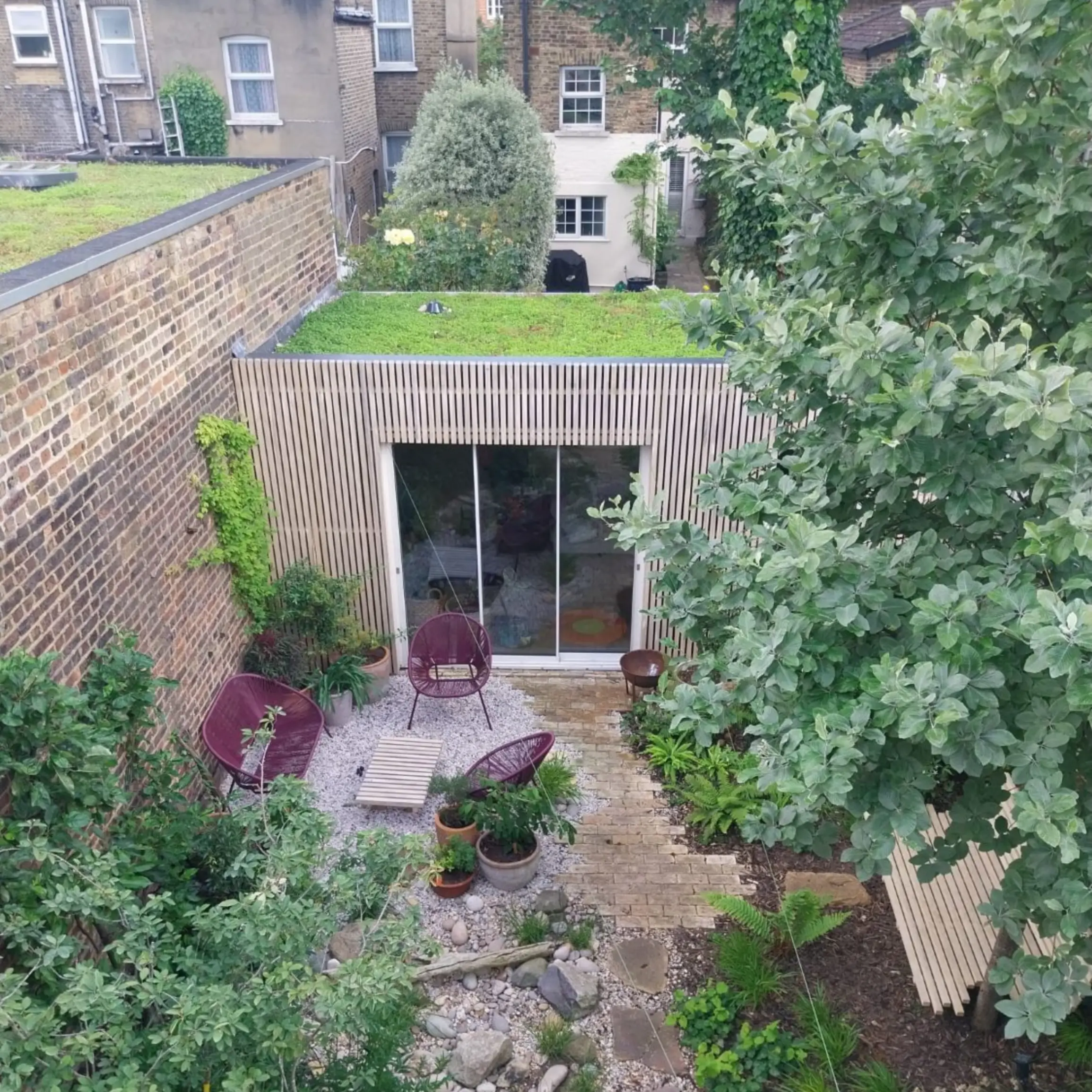
Want to make your home sustainable but don’t know where to start? We talk to experts from Ecofurb and Knight Frank Finance about planning and funding your project
15 April 2025
Homes
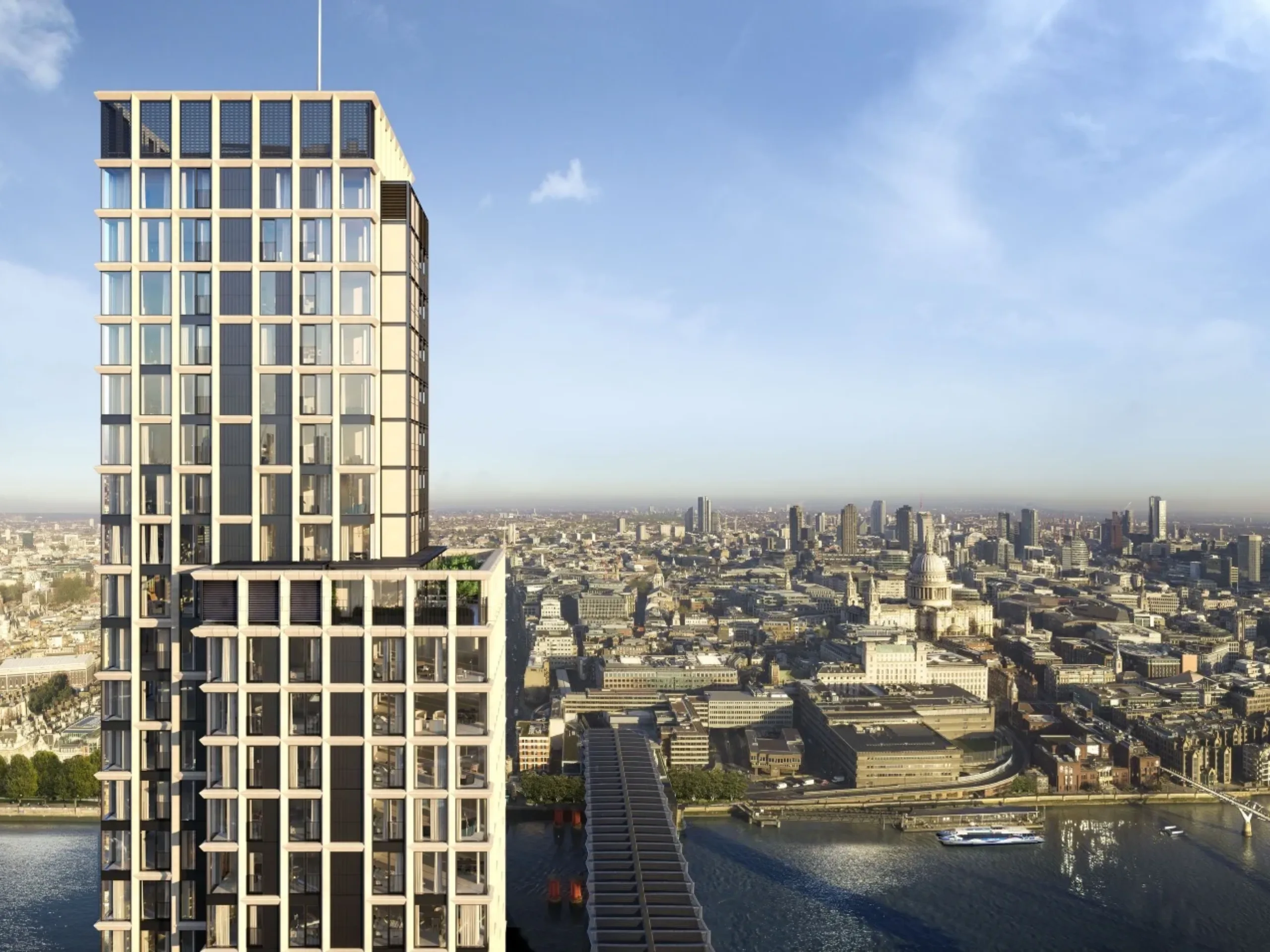
The landmark riverside development in London’s South Bank harnessing new technologies for a fossil-free future
26 March 2025
Inspiration
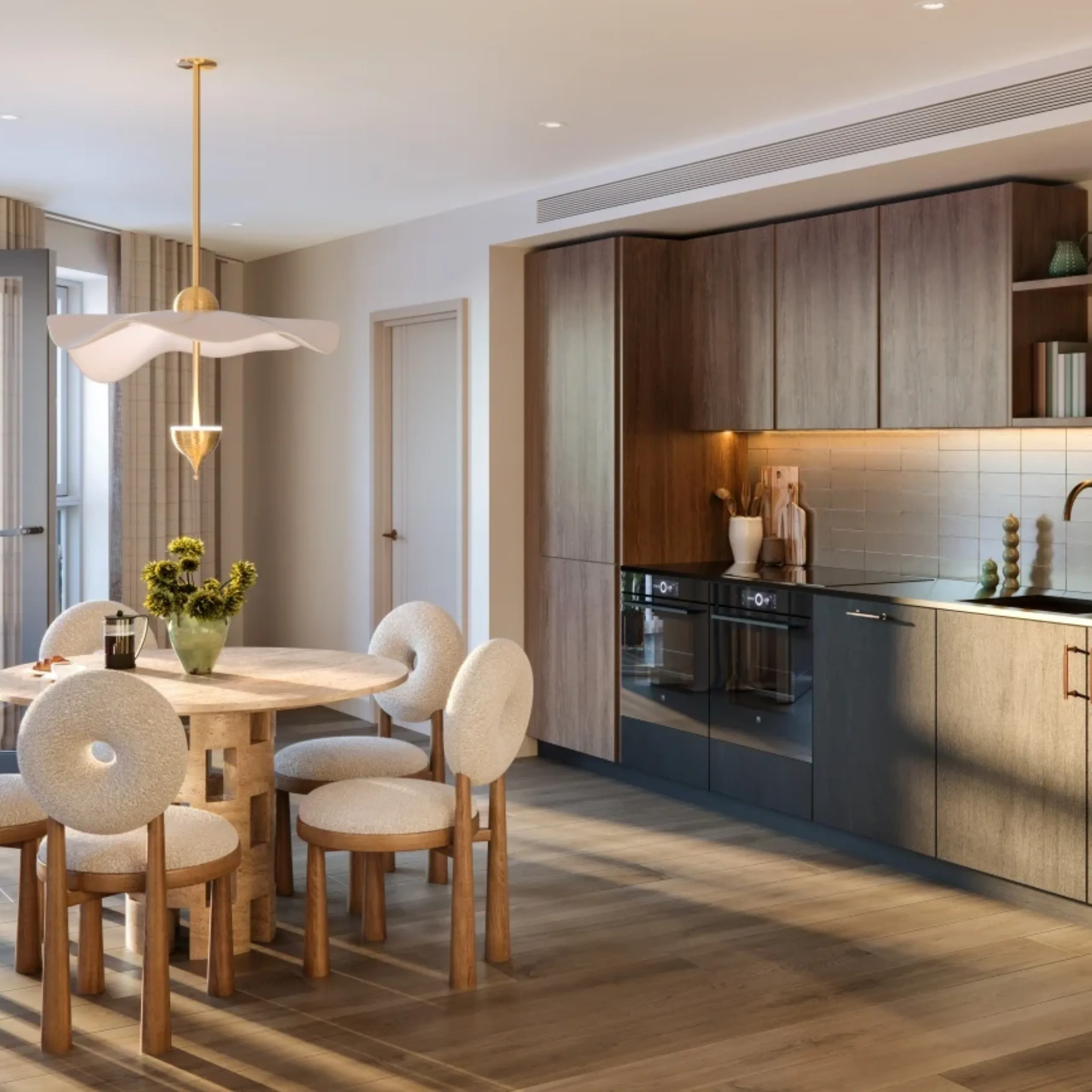
With residents of The Edit set to enjoy the innovative kitchen appliances of V-ZUG, the company’s Head Chef shares how we can use technology to cut down on food waste
20 March 2025
Inspiration
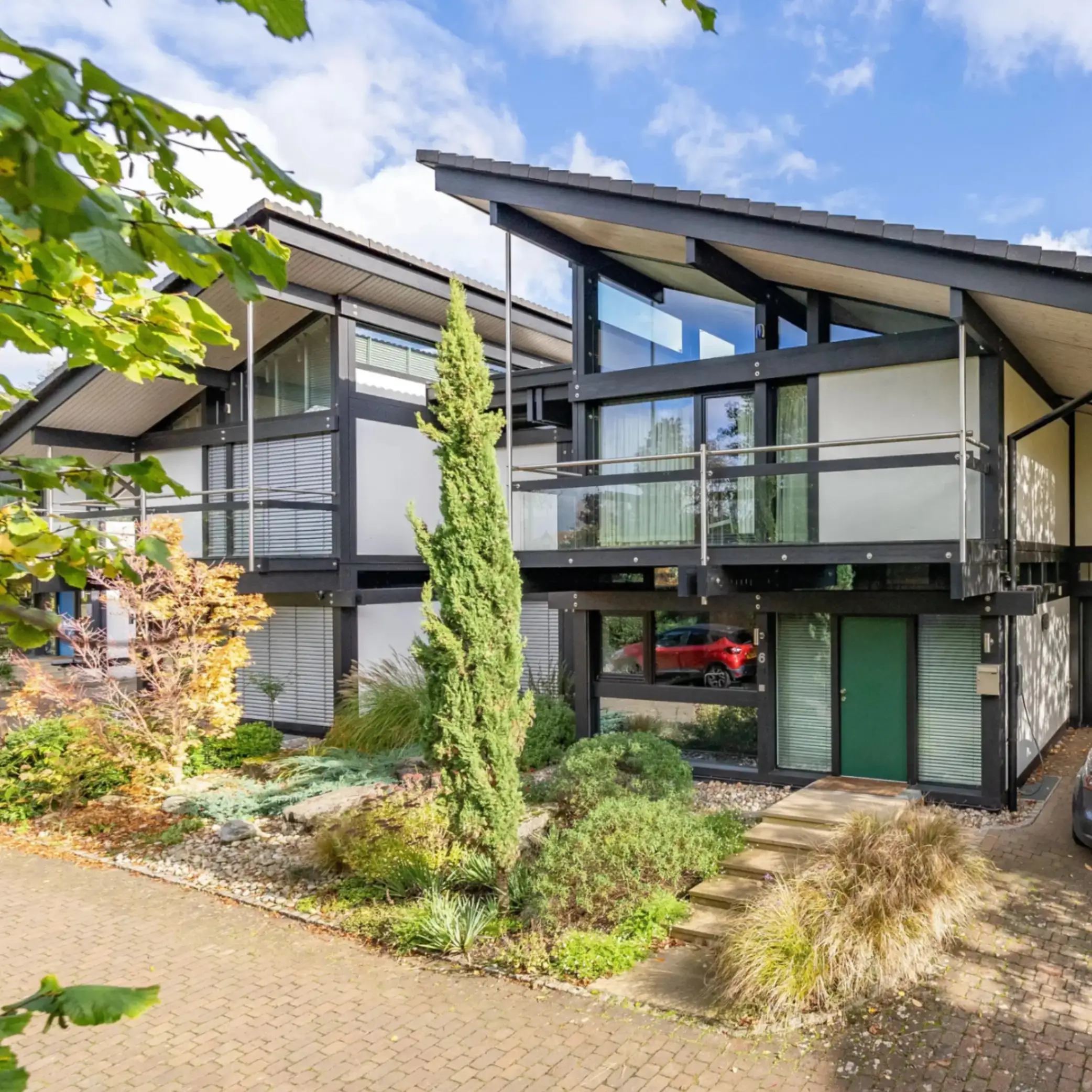
We delve into the advantages of these premium prefabricated homes and take a tour of a rare example in one of London’s most desirable neighbourhoods
30 January 2025
Inspiration
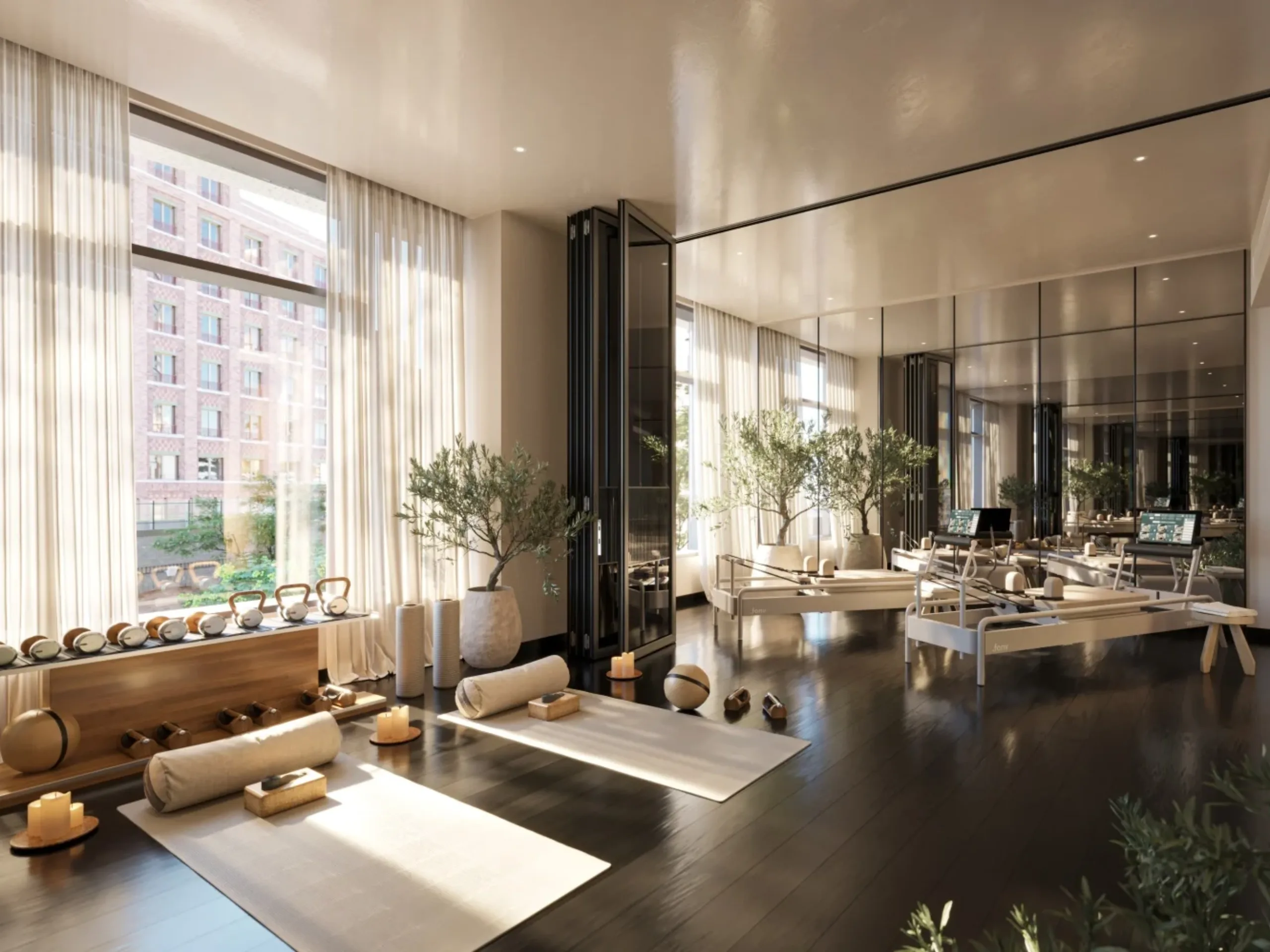
From padel tennis courts and rooftop running tracks to state-of-the-art spas, discover the developments that place health and wellbeing at their heart
14 January 2025

Inspiration
Could your next property purchase hold the key to living a longer, healthier life? It might do, if you buy in a ‘blue zone’
15 October 2024
Inspiration
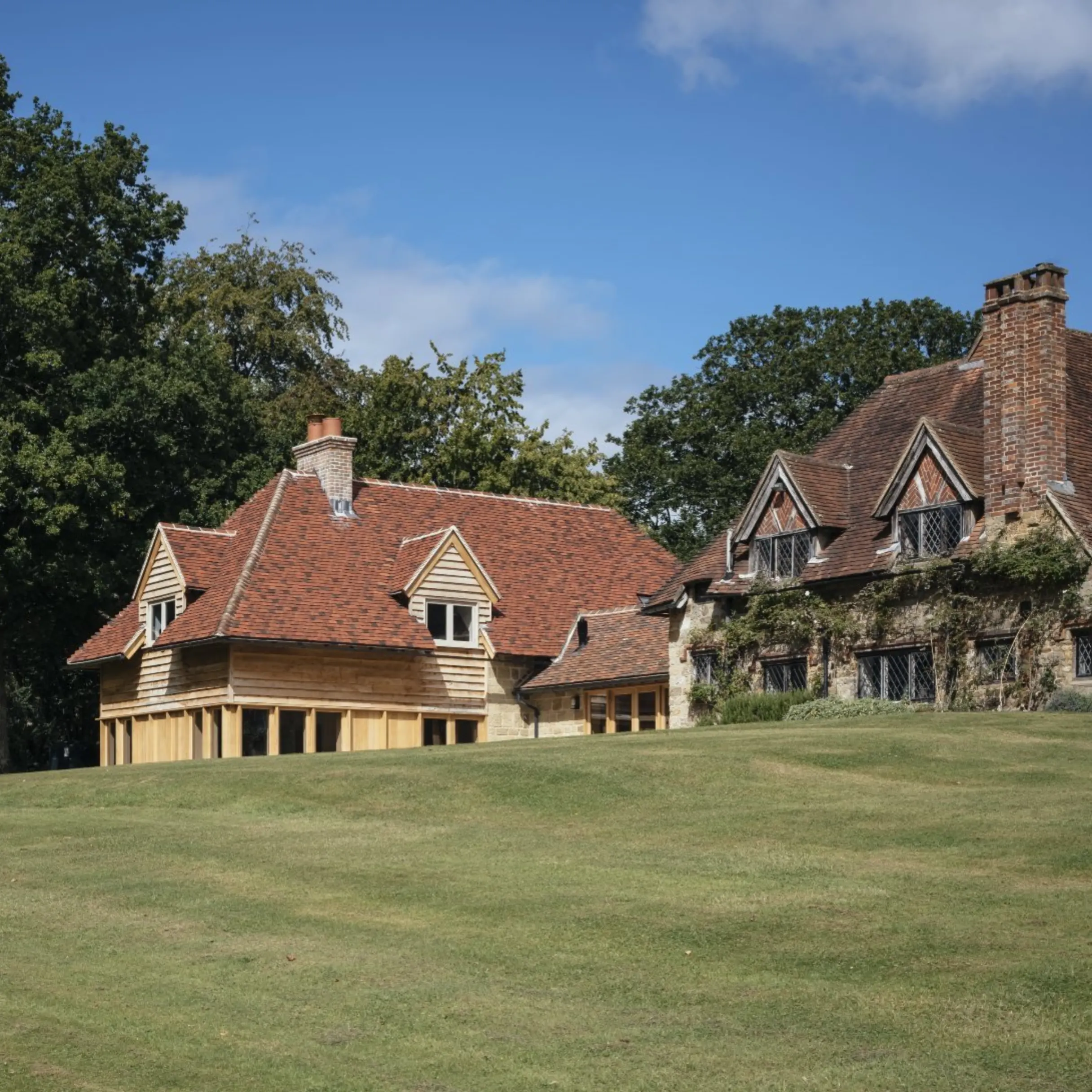
Today’s finest country homes combine craftsmanship, wow factor and all the comforts of metropolitan prime property
14 October 2024
Inspiration
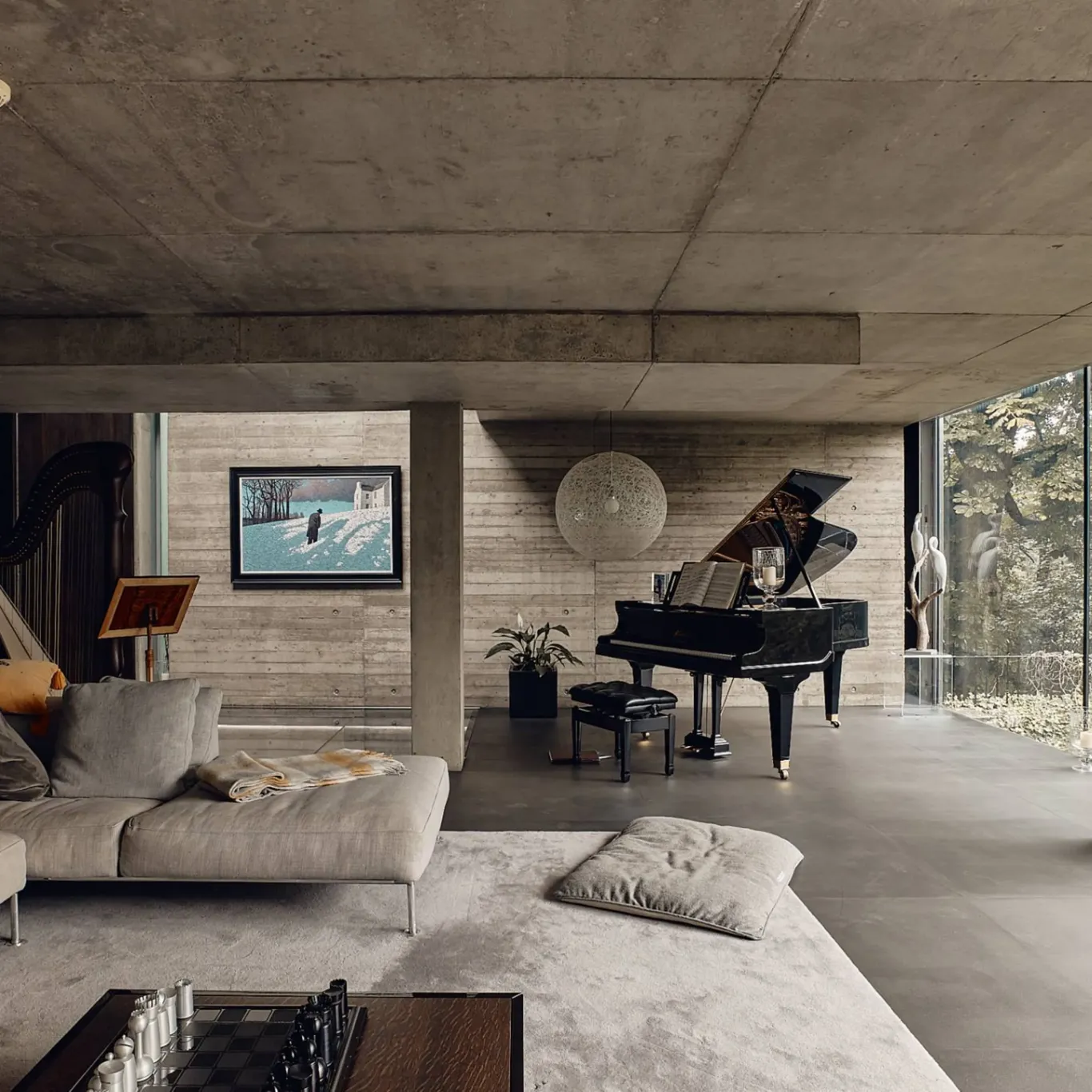
We examine the latest in-house technology and considers how it can improve our home life
05 September 2024
Inspiration
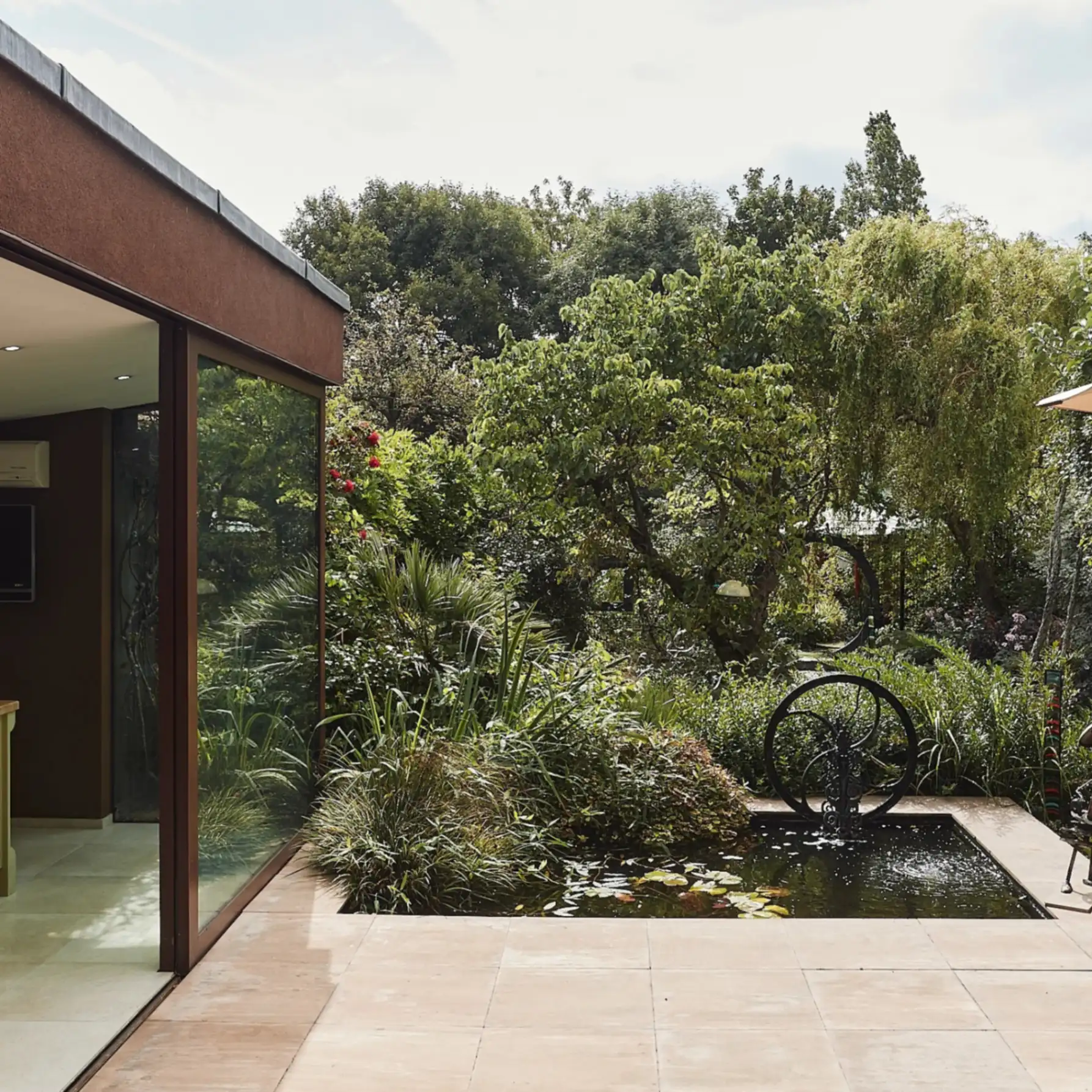
This characterful, low-carbon property in south London has it all, with beautiful landscaped gardens and the green expanse of Streatham Common on its doorstep
27 October 2023
Inspiration
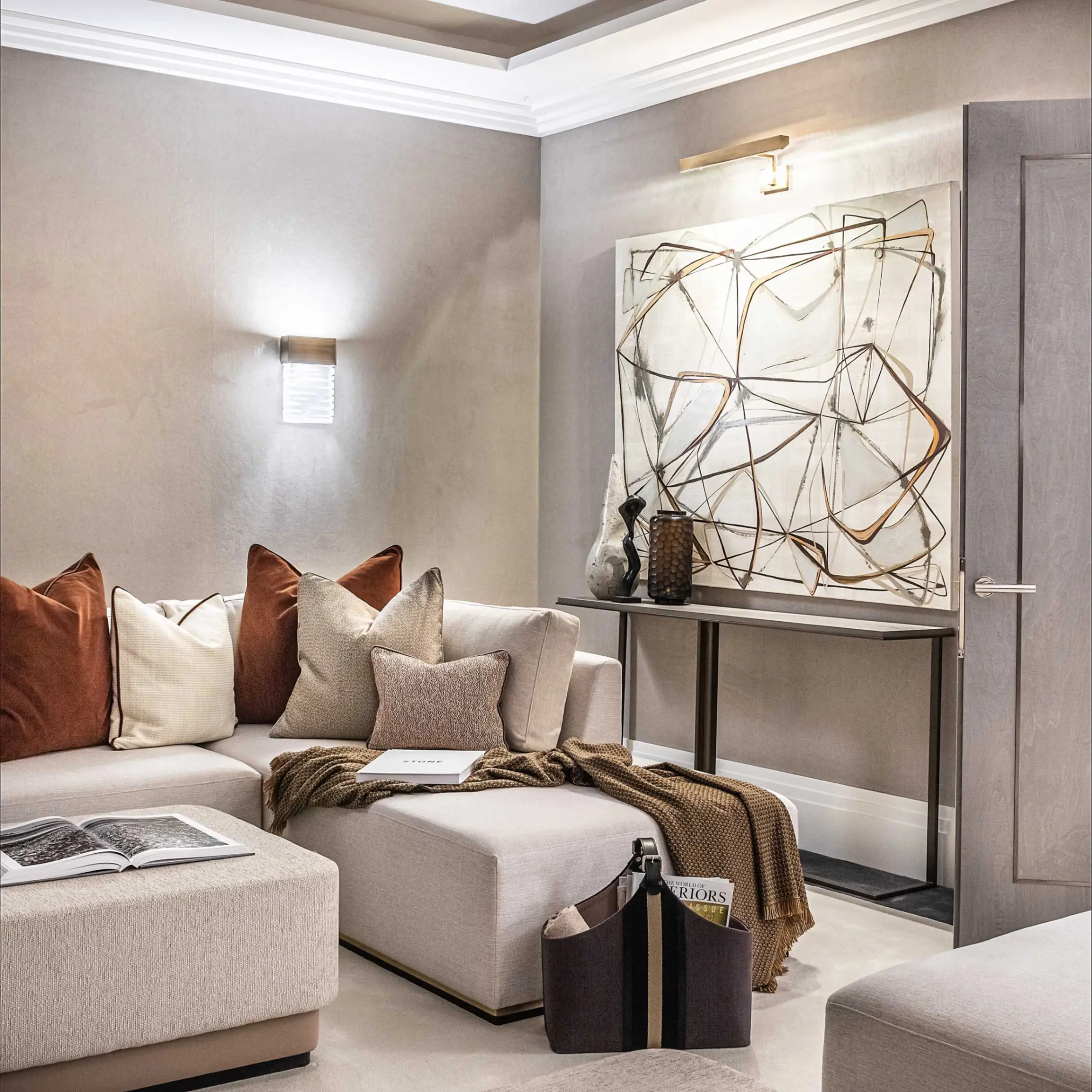
From lighting frequencies, to smooth surfaces, to tricking the brain with scents and smells, we explore the tricks that designers use to create homes that are oases of calm
14 August 2023
Inspiration
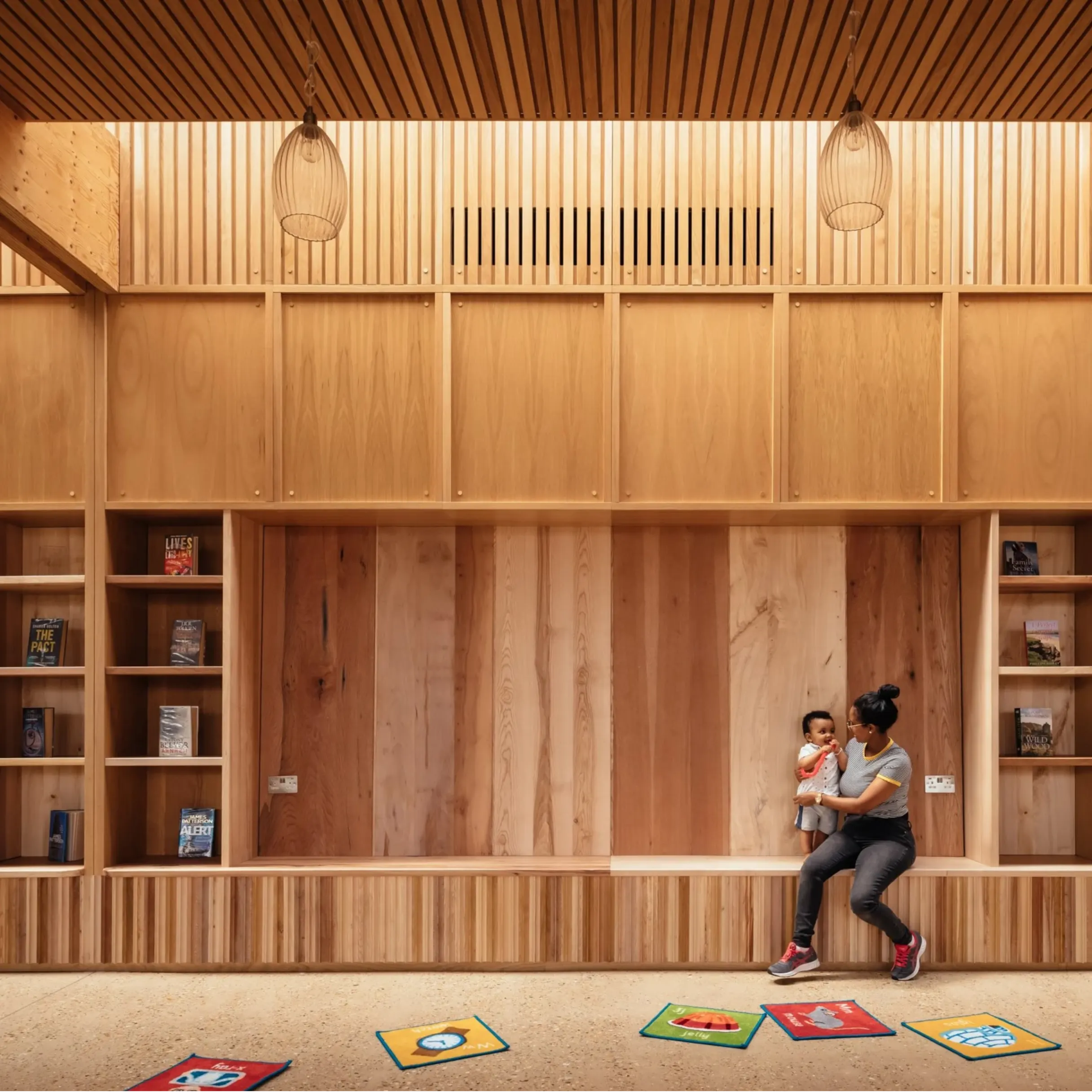
From city planning to furniture and from technology to fashion, timber is changing the design landscape in countless unexpected ways. Is a sustainable miracle material hiding in plain sight? These experts think so
16 May 2023

Inspiration
Have you ever thought about the cash tied up in a supercar, wine cellar or even in a precious painting? Alex Ogario’s team could help you to unlock it
12 September 2022
Sorry!
An unexpected error has occurred.
Please try again later.
