

The international property locations to watch in 2026
After a year of fiscal reforms and shifting tax landscapes across Europe, we take a look at the main trends and locations set to influence buyers in the year ahead

After a year of fiscal reforms and shifting tax landscapes across Europe, we take a look at the main trends and locations set to influence buyers in the year ahead

“The wealthy have always had options but never have they exercised them with such urgency and volume,” wrote Kate Everett-Allen, Head of Residential Research in the introduction to Knight Frank’s 2025 European Lifestyle Report. The report outlined a world where geopolitical factors, changing tax regimes and heightened mobility have convinced more people to seek a new lifestyle, one that balanced prudent financial considerations with family priorities. It’s a trend that will only grow in importance in 2026 says Mark Harvey, Head of International at Knight Frank.
“The highest level of transactions we are currently seeing within Europe are in Italy, thanks to the country’s flat tax regime, the popularity of its Prime Minister among the business community and of course the unique lifestyle,” he says. “Switzerland, Portugal, Monaco and parts of Spain are also appealing to wealthy relocators. The Spanish autonomous regions have a level of control over taxes which in the case of Andalucía, Madrid and the Balearics, for example, have the highest allowances (lowest wealth tax thresholds) in Spain.
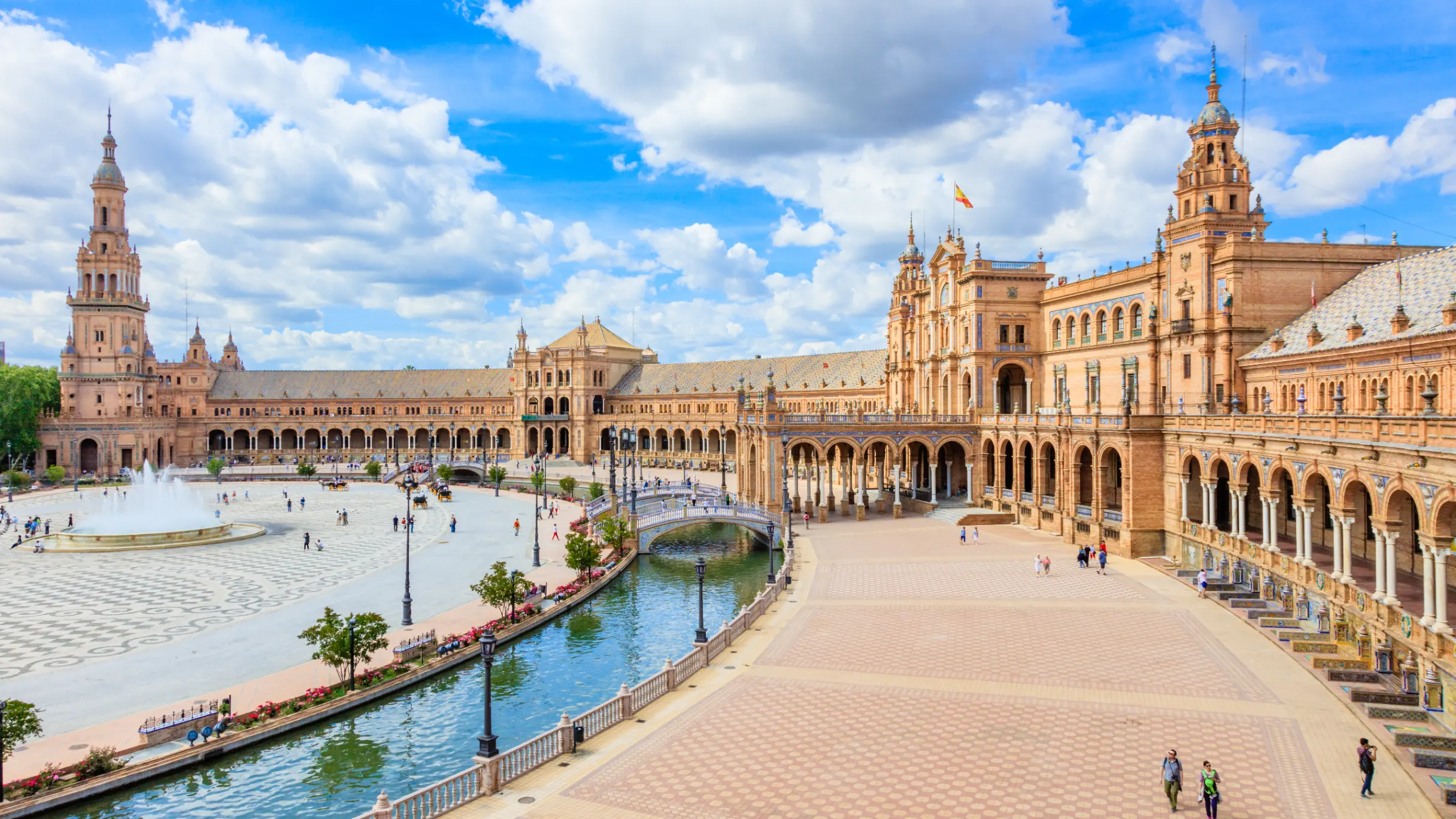
With stock levels of homes for sale up by up to 30% year-on-year, buyers have some appealing options but aligning sellers and buyers’ expectations will be an issue in the months ahead.
“Shifting political sands around Europe on tax, Golden Visas and politics in general have made buyers wary, many choosing to sit on their hands and watch what plays out,” Harvey says. “Sellers are often unwilling to accept the new reality on pricing while buyers are making aggressive offers, sometimes 15 to 20% below the asking price at the very highest price points, something we expect to continue.”
There are positive signs too. One clear trend is a change in buyers’ mindset. Many who could spend £15 million plus on a home feel more comfortable spending £5-8 million instead, and rather than expecting to hold the property for ten plus years as in the past, they are looking ahead for only four or five years. They are proactive in the market.
“Some 70% of our buyers today have a budget of €2million to €4million, and they form an active core of prime buyers,” says Harvey. “This new approach from buyers reflects, I believe, a Covid-era legacy, a clear desire to get on and enjoy life.”
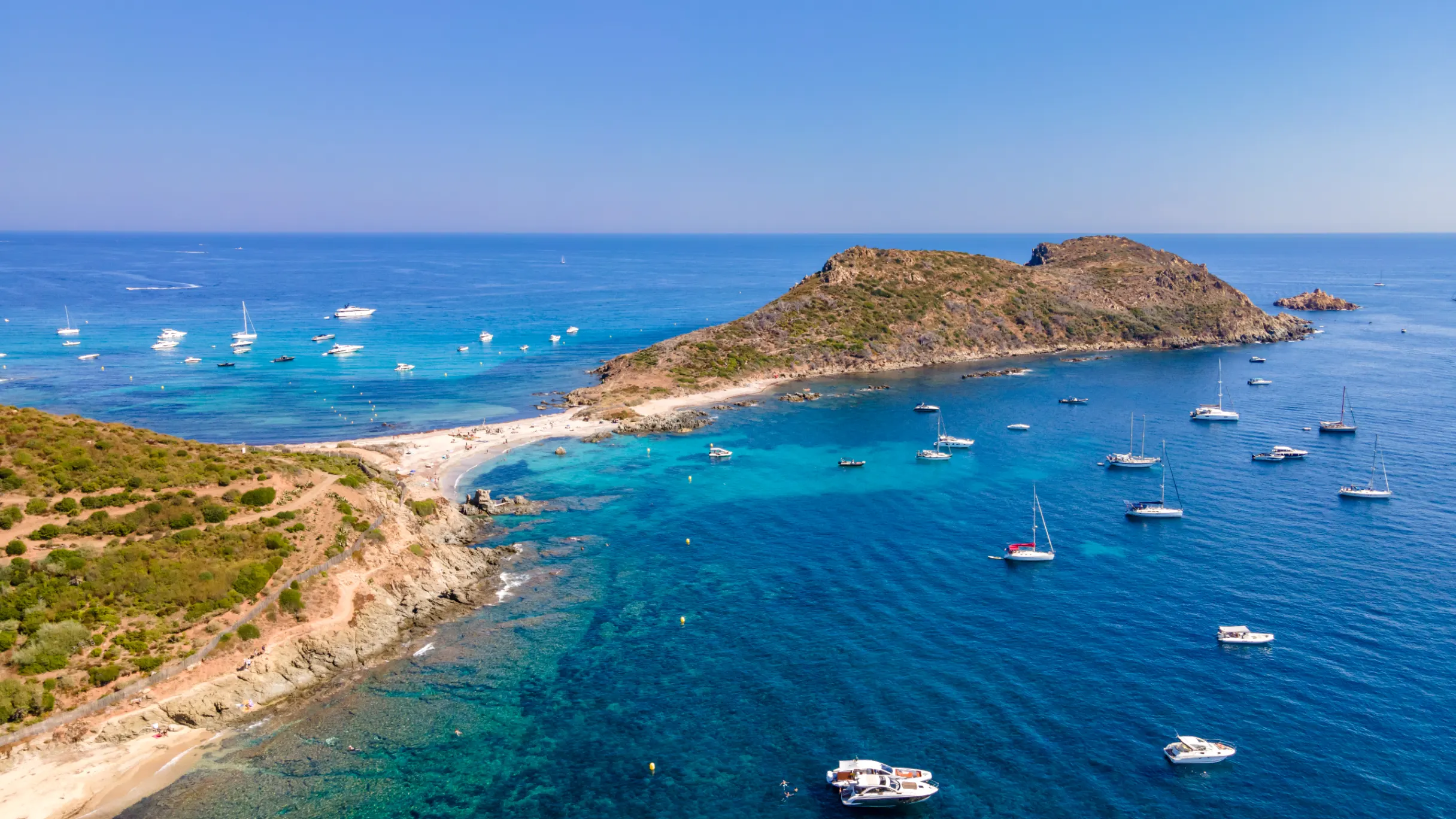
In 2026, Harvey expects to see continued interest in the European city market but following steep price rises in primary cities in recent years, Madrid being a prime example, canny buyers will look to so-called second tier cities for value.
“Provincial cities such as Bordeaux, Florence and Alicante that have all the chief attributes of top tier cities, a solid infrastructure of schools, medical facilities and transport links, come at a fraction of the price of Paris, Milan or Madrid,” Harvey says. “The Nordics is another growth area that I believe will be increasingly interesting to buyers. These countries have an abundance of space, offer compelling year-round living and depend on stringent yet transparent master planning rules.”
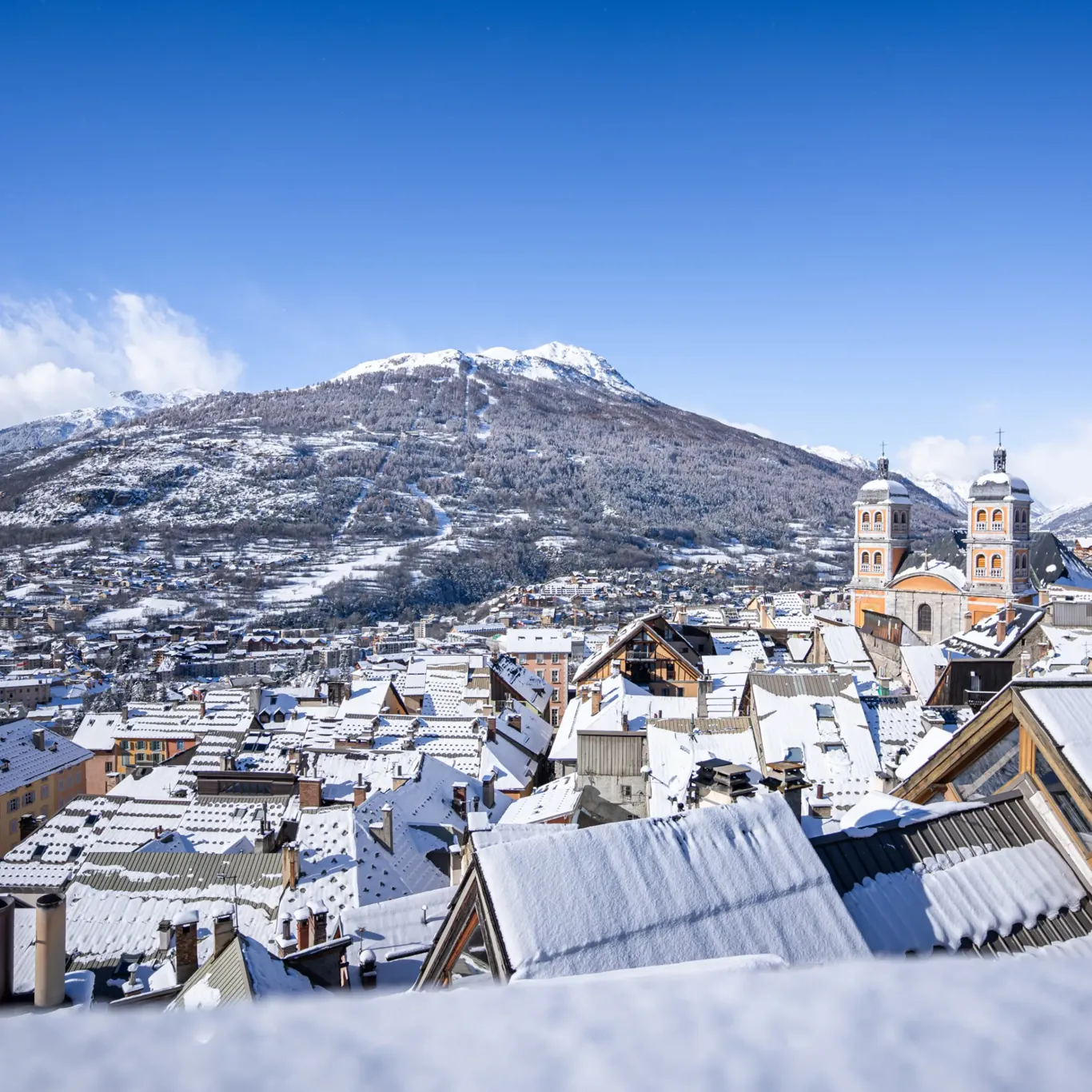
Climate change, an additional reason for interest in the Nordics, will continue to impact property markets but one unexpected benefit for owners looking to maximise their rental income is that in some locations, rentals are now more year-round, with the shoulder seasons of Spring and Autumn having wider appeal than peak summer. Prime alpine locations, where rental supply is tight and planning for new-builds severely restricted, the Three Valleys and Val d’Isere in France and Verbier in Switzerland, have clear appeal for buyers looking for a trophy home for private enjoyment with a secure income stream.
Changing political and tax legislation will continue to dominate the property agenda in 2026 – the 2027 French elections adding further uncertainty to that market - and so too will restrictions on holiday lets, in urban areas in particular, as overcrowding and affordable housing remain thorny political issues.
Ready to move in turnkey properties in A-grade condition will continue to attract a premium, and there will be renewed focus on the opportunities land provides, whether for rewilding, providing alternative energy or agricultural use. Access to water, an increasingly frequent question from clients, is something to consider, especially on rural estates in Andalucía for example where functioning wells are highly valued.
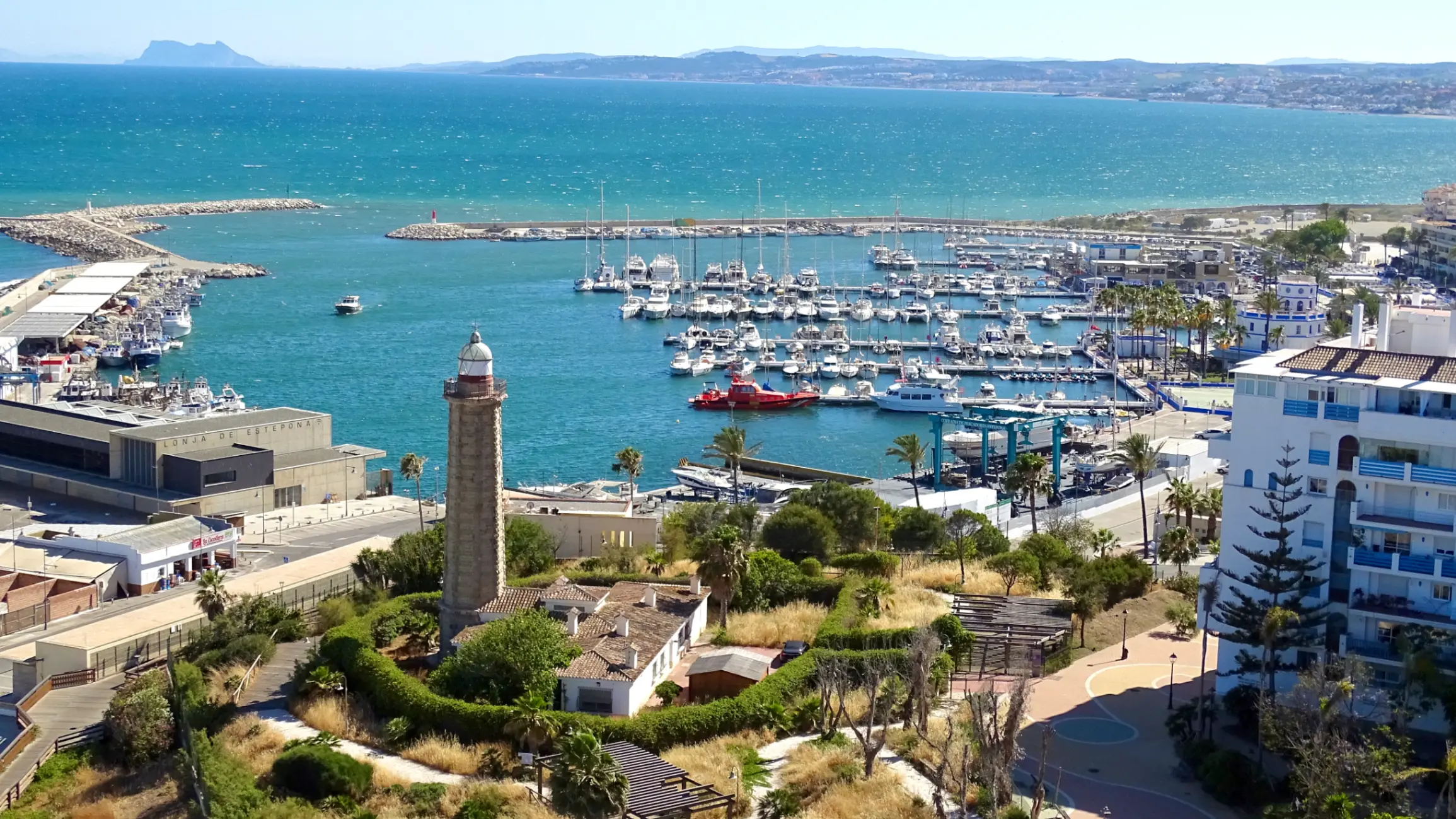
“When there is deep political and economic pressure around the world, we’ve always seen a flight to locations that offer security, investment stability, liquidity and an established infrastructure,” says Harvey. “At the price point where premium meets super-prime, canny buyers are looking at the periphery but not going totally off piste. Instead of St Tropez and Gassin where the traffic in high summer can come to a standstill, they are looking further west towards Croix-Valmer or perhaps inland to Le Garde-Freinet, a region of the Var that is incredibly beautiful and much loved by those who discover it.”
It's the same, he says, in Marbella, with buyers looking at Benahavis, Estepona and along the coastline to find homes with a sea view at half the price. In the Alps, buyers who don’t want the glitz and glamour of Méribel and Courchevel head to St-Martin-de-Belleville where they access the same ski domain but enjoy a charming, quiet and thoroughly French mountain village that is low-key and low-density at a fraction of the price.
“The mindset of wealthy buyers for 2026,” Harvey concludes, “is to buy smarter.”
To get in touch with our Private Office please email privateoffice@knightfrank.com
From Mediterranean villas to Caribbean retreats, your dream home awaits
Locations
From Les Saisies to Champagny-en-Vanoise, discover the French Alpine resorts combining exceptional skiing, authentic mountain living and long-term property investment potential
24 September 2026

Inspiration
How changing patterns of wealth mobility are reshaping demand for prime properties and branded residences
18 September 2026
Homes
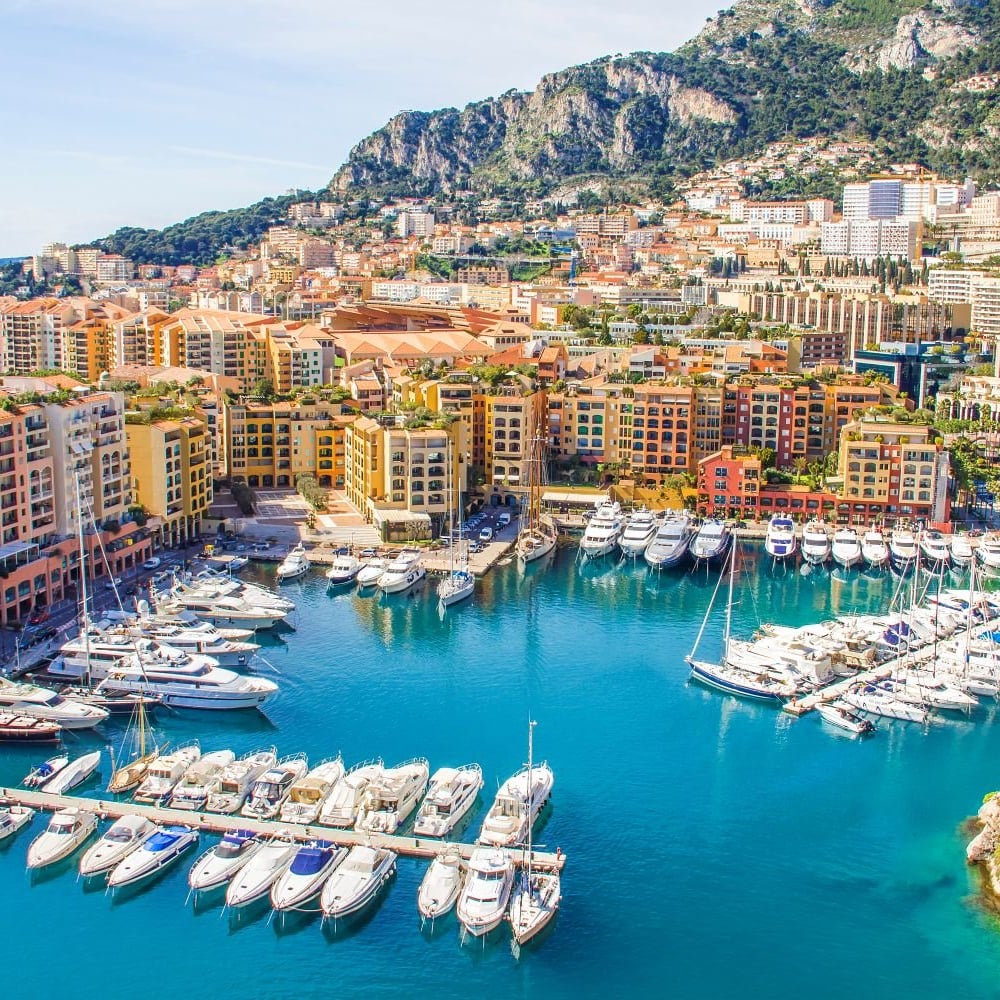
Small in size but mighty in stature, Monaco’s Mediterranean lifestyle, world-class calendar of events and alluring property options make it a magnet for the wealthy
14 September 2026

Locations
World-class culture, elegant architecture and a packed sporting calendar, now including the arrival of Formula 1, have helped make Madrid a year-round favourite
04 September 2026

Homes
With education a key driver behind relocation decisions, these standout properties combine proximity to renowned international schools with an exceptional quality of life
03 September 2026
Homes
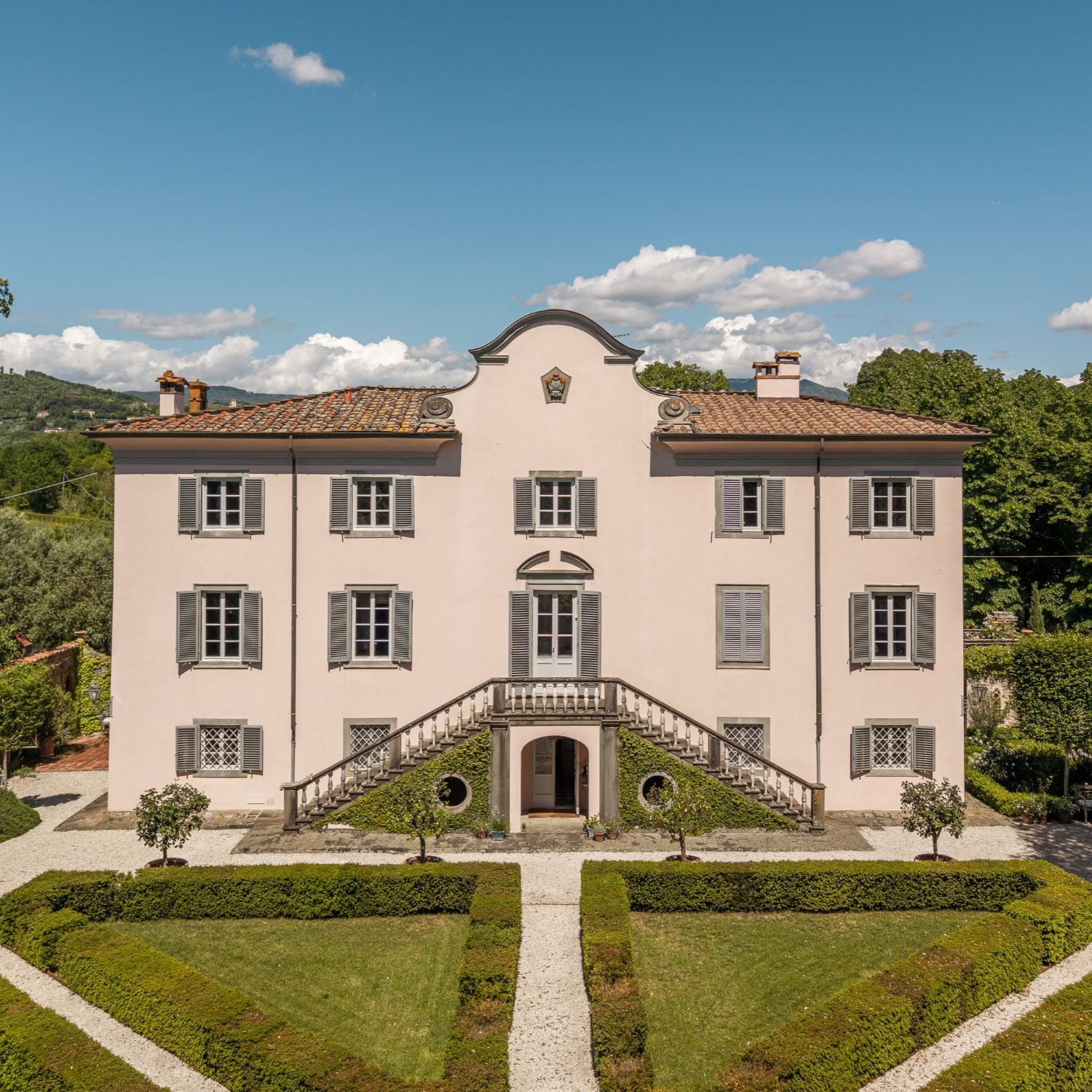
Discover the lesser-known authentic European locations where traditional villages and dreamy nature serve up an idyllic rural lifestyle.
07 August 2026

Locations
Discover why Cortina d’Ampezzo continues to draw buyers with its balance of nature, privacy and alpine charm
06 August 2026
Inspiration
How modern high-tech solutions take the stress out of managing your home remotely
06 August 2026

Inspiration
How a Shakespearean film and Knight Frank Italy led one couple to their dream Tuscan estate
06 August 2026

Inspiration
Artist Elizabeth Orchard finds inspiration in the beauty of Italy and her Florentine home and garden
06 August 2026
Homes
Bill Thomson, Chairman of Knight Frank's Italian network, highlights the important considerations for those setting out to buy an Italian home
06 August 2026

Locations
Discover the global luxury property markets most in demand with astute international buyers today, from Dubai and Abu Dhabi to Mumbai and Brisbane
15 July 2026
Homes
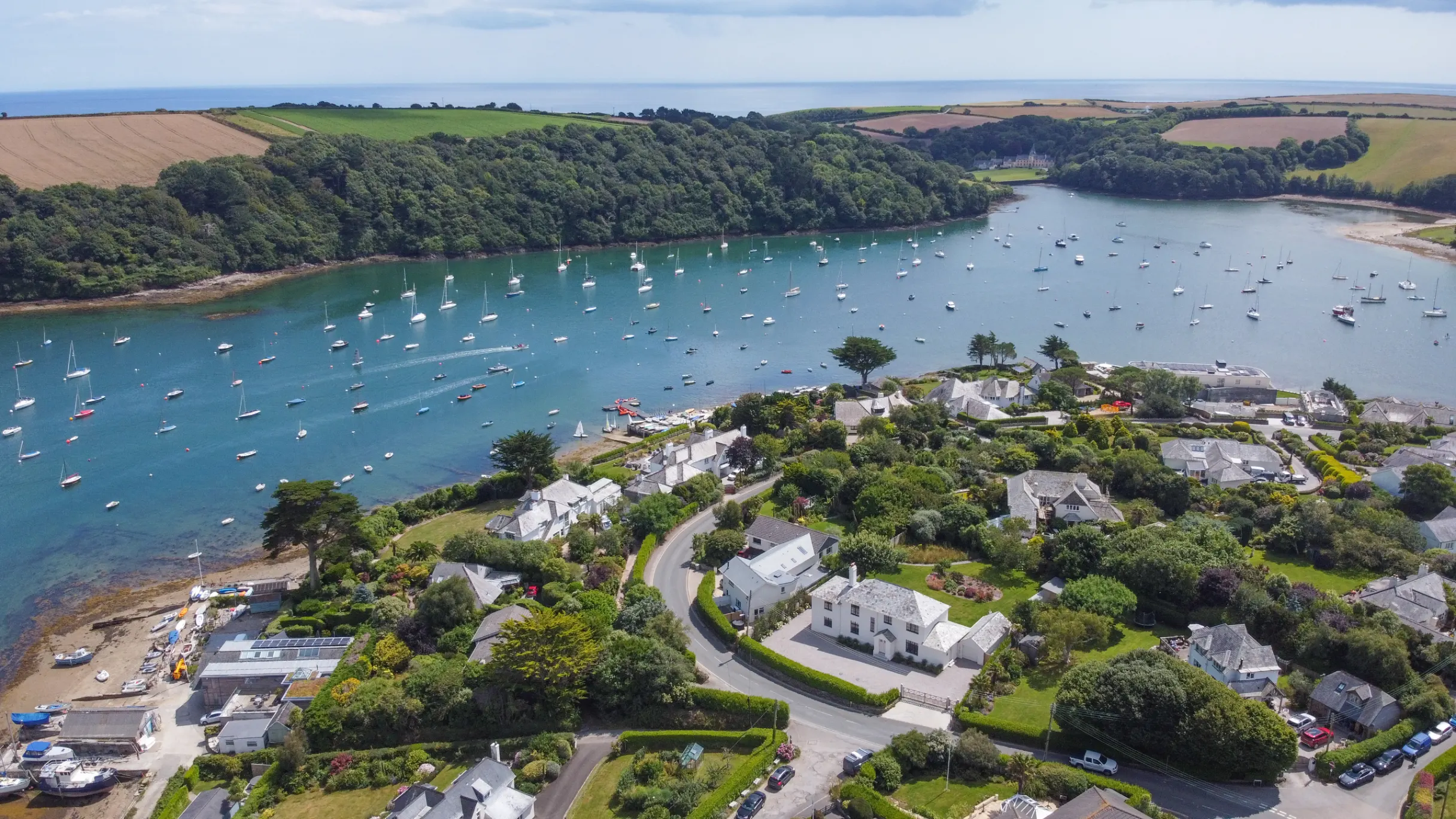
From contemporary living to homes with historic charm, we explore waterfront and coastal properties in Cornwall, Devon and Dorset
15 July 2026
Locations
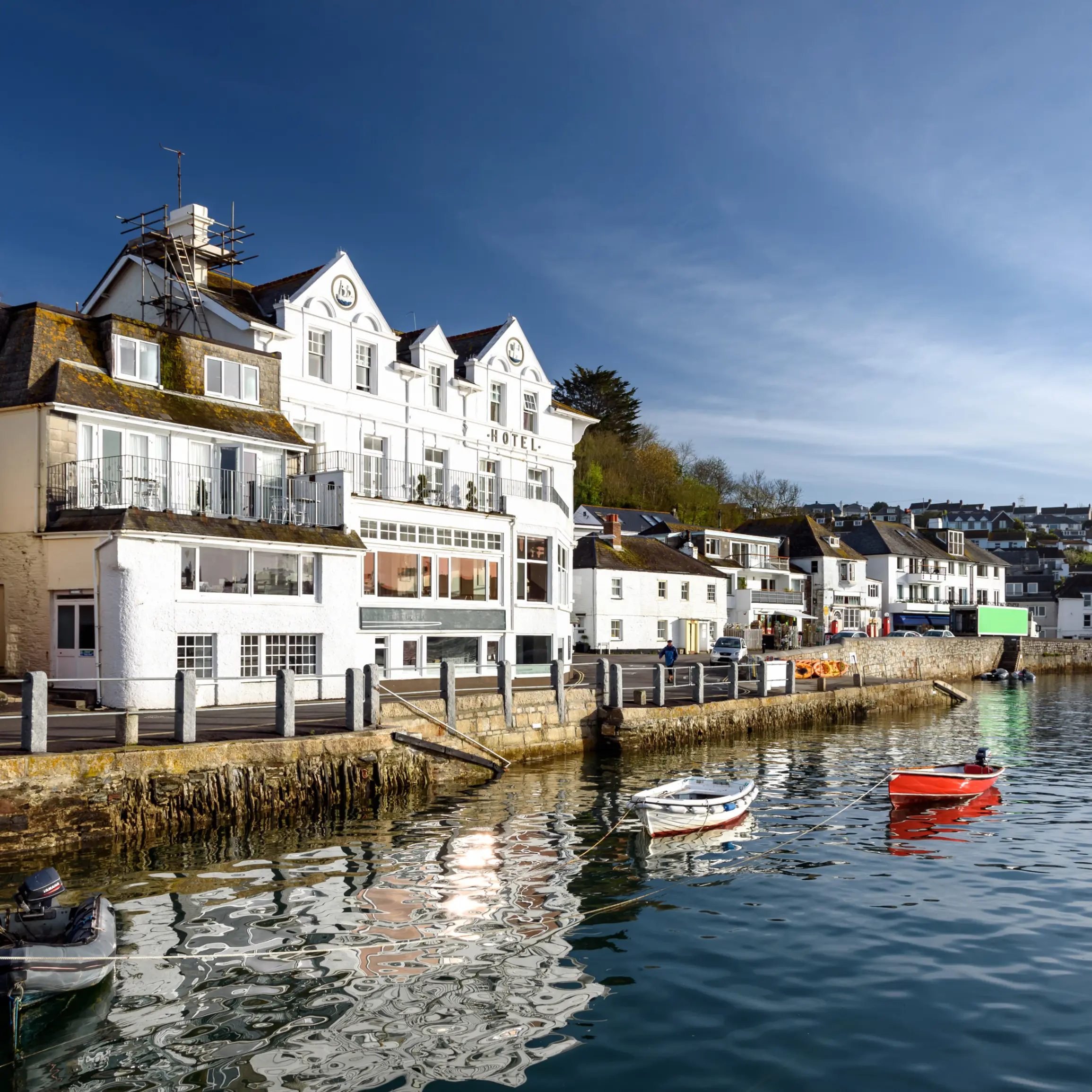
Thinking of moving to the coast? Knight Frank shares the best places to live by the sea in the UK for lifestyle, space, and community.
08 July 2026

Locations
From New York to Los Angeles, these American property markets combine lifestyle and long-term value
02 July 2026

Homes
James Guy MBE reveals his ideal private pool setup, as we showcase a collection of standout homes for sale with exceptional swimming facilities
02 July 2026

Inspiration
For today’s increasingly youthful affluent audience, a search for unique experiences and a drive for wellness and longevity mean luxury priorities have shifted
17 June 2026
Inspiration
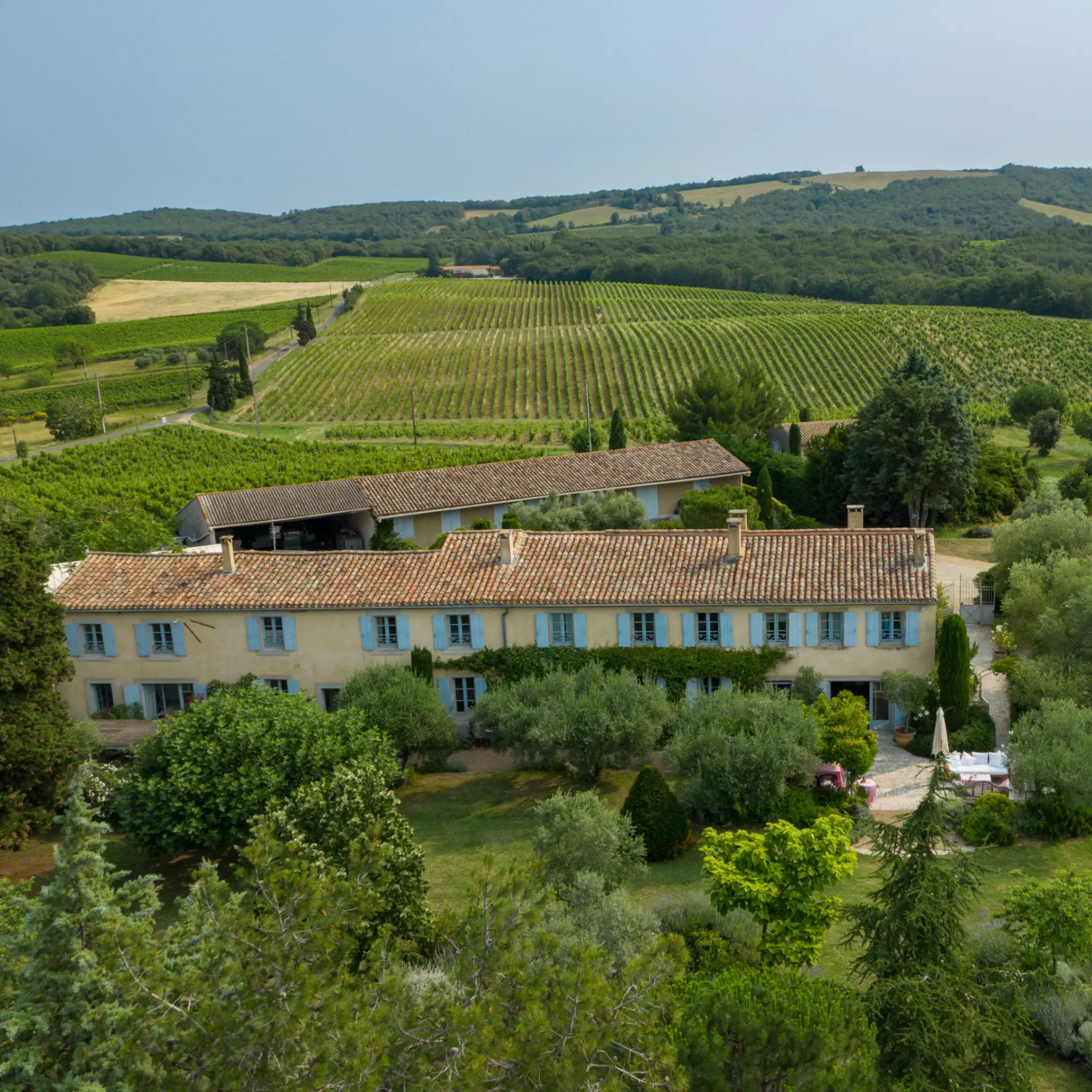
Alexander Hall, Head of Knight Frank’s new International Vineyard Services division, looks at the forces reshaping the global wine production map – and creating exciting opportunities for forward-looking winemakers and investors
12 June 2026
Locations
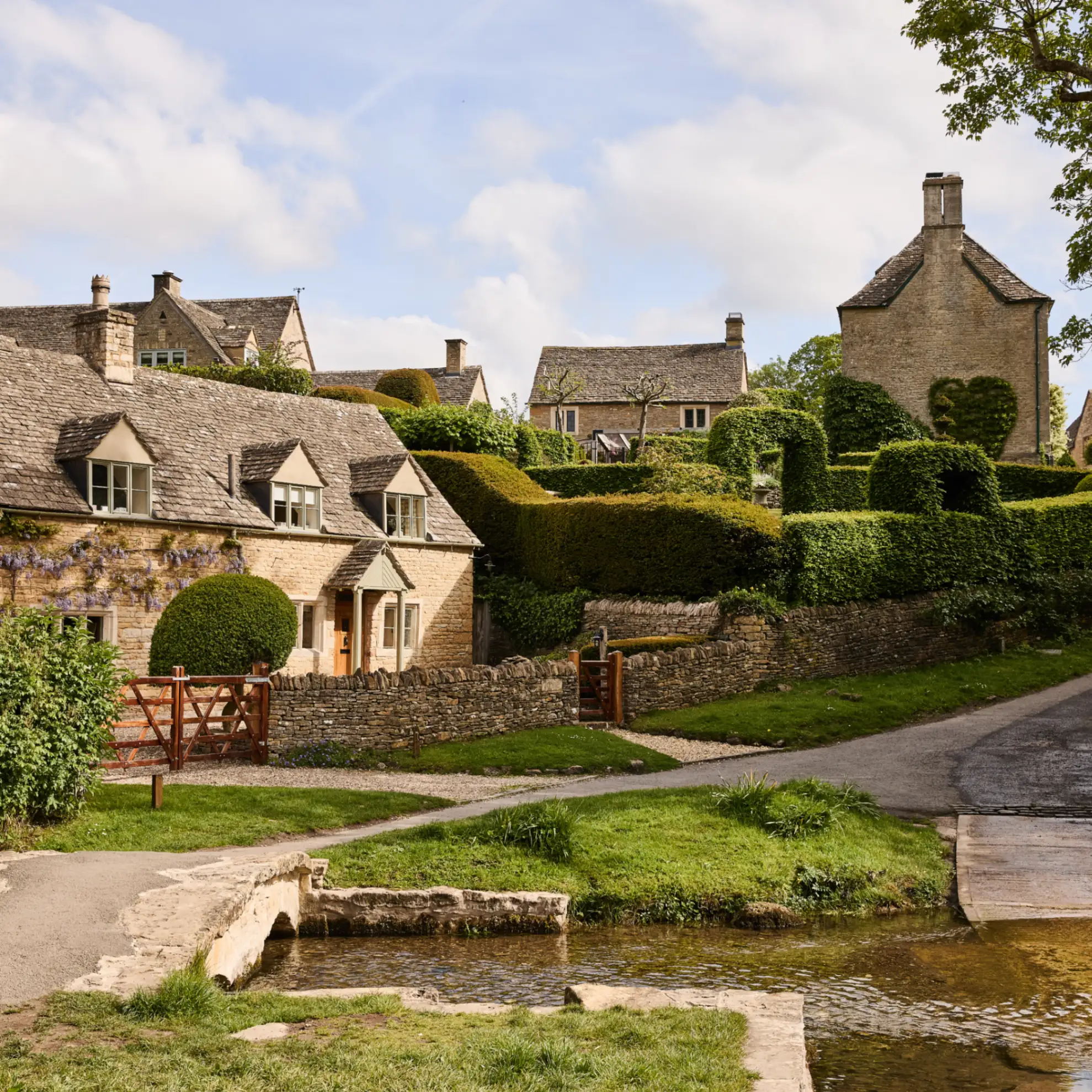
From its honey‑stone cottages to celebrity neighbours, our local experts share their insight on where to live this picturesque pocket of Britain’s countryside
05 June 2026
Locations
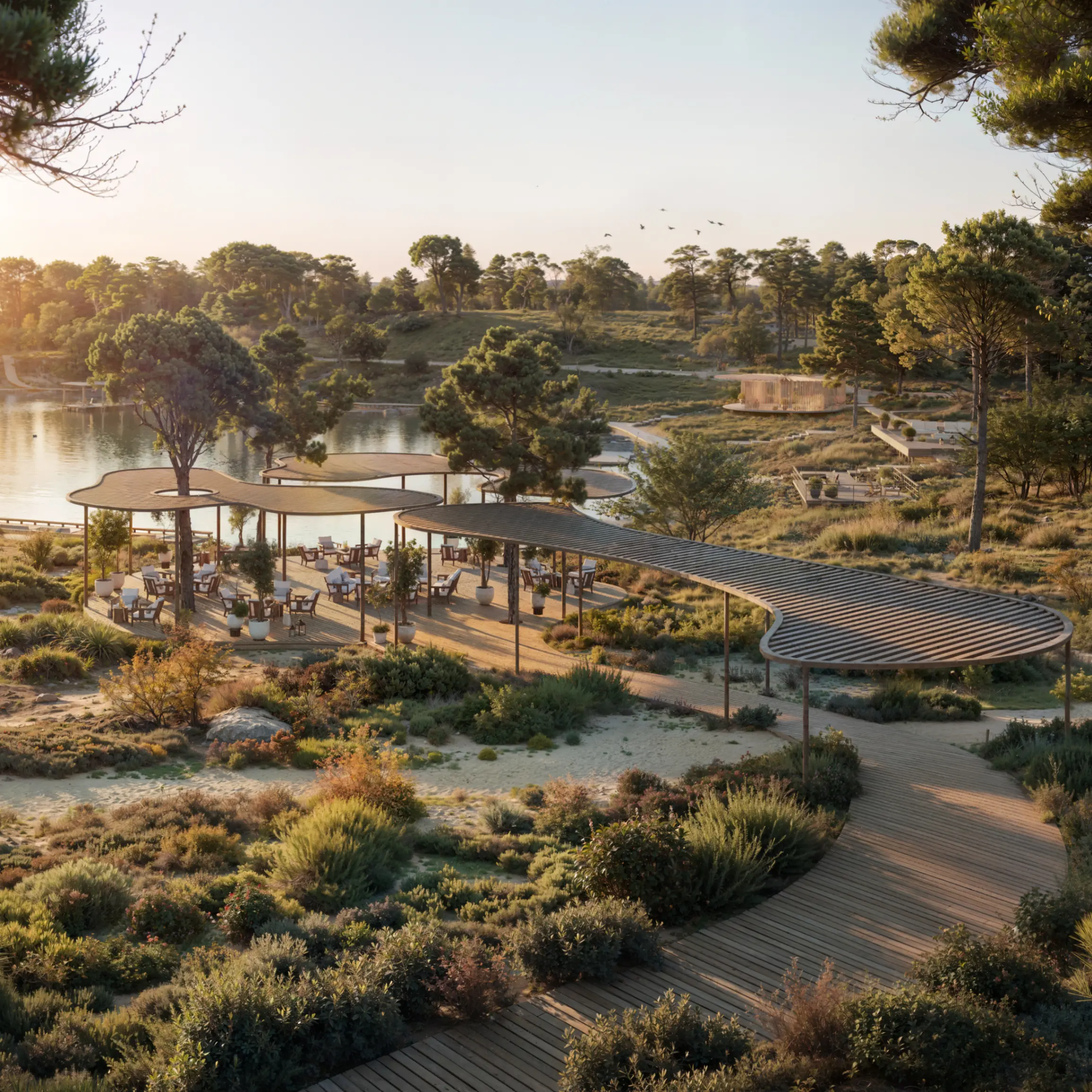
How hospitality-led developments and branded residences are redefining ownership, service, and long-term value in Comporta, Portugal’s most exclusive coastal market
04 June 2026
Homes
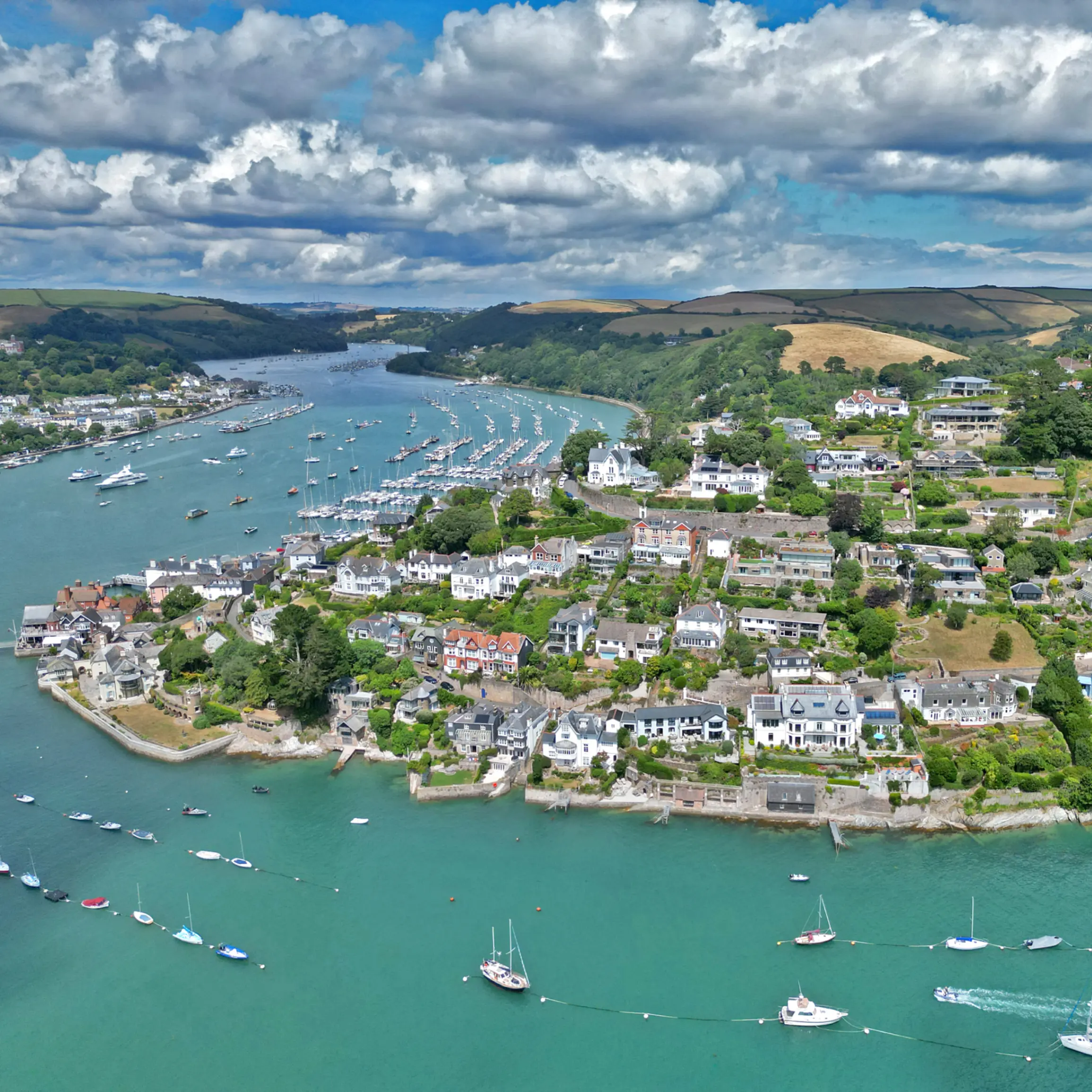
Living by the water, and spending time in and on it, is the dream for many. Here are some fabulous homes, complete with private moorings, which make that dream a reality
03 June 2026

Locations
As brought to life in The Devil Wears Prada 2, we delve into the destinations where fashion, film and prime property meet
01 June 2026
Locations
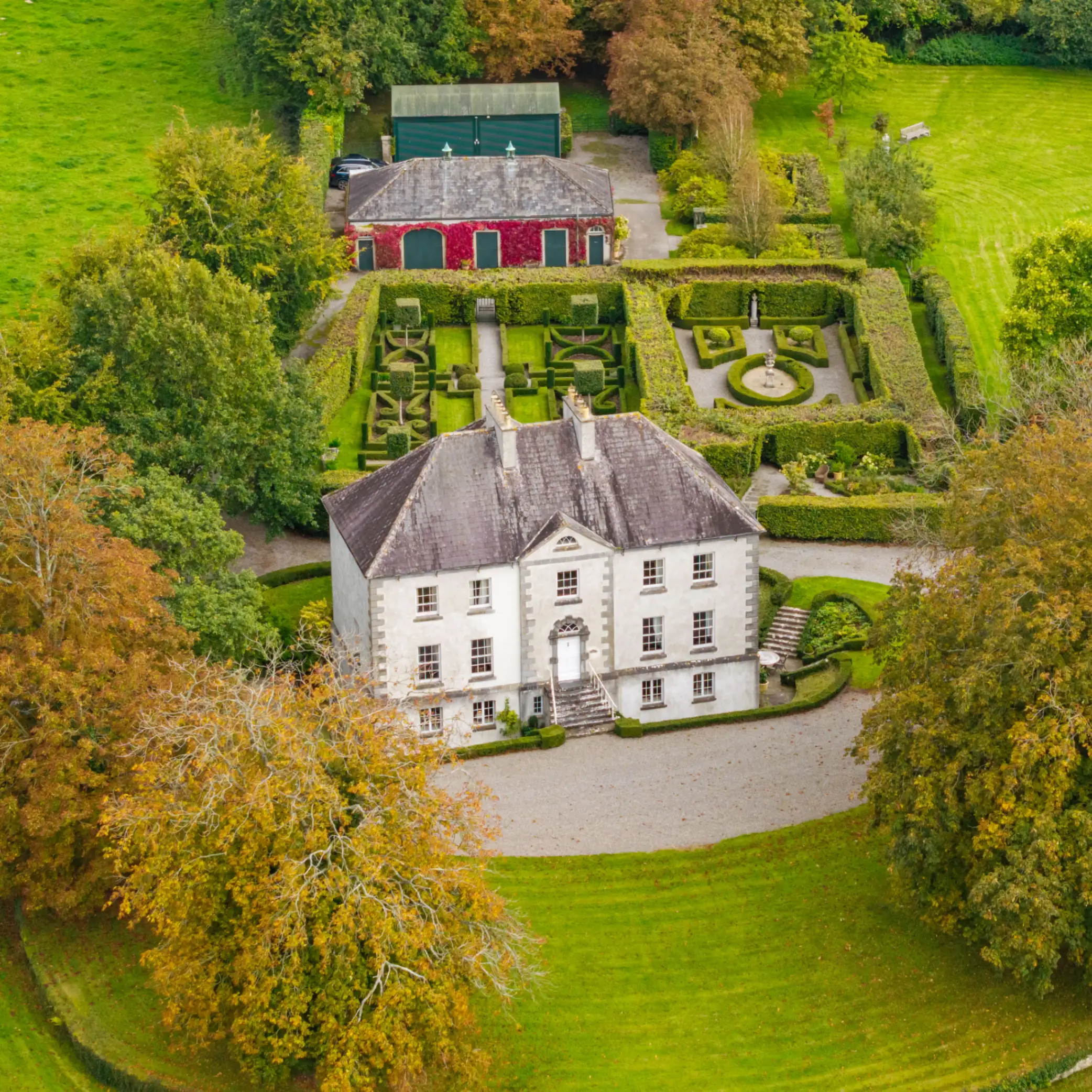
As buyers seek security and long‑term value, we explore why Ireland’s housing market continues to stand out
06 May 2026
Homes
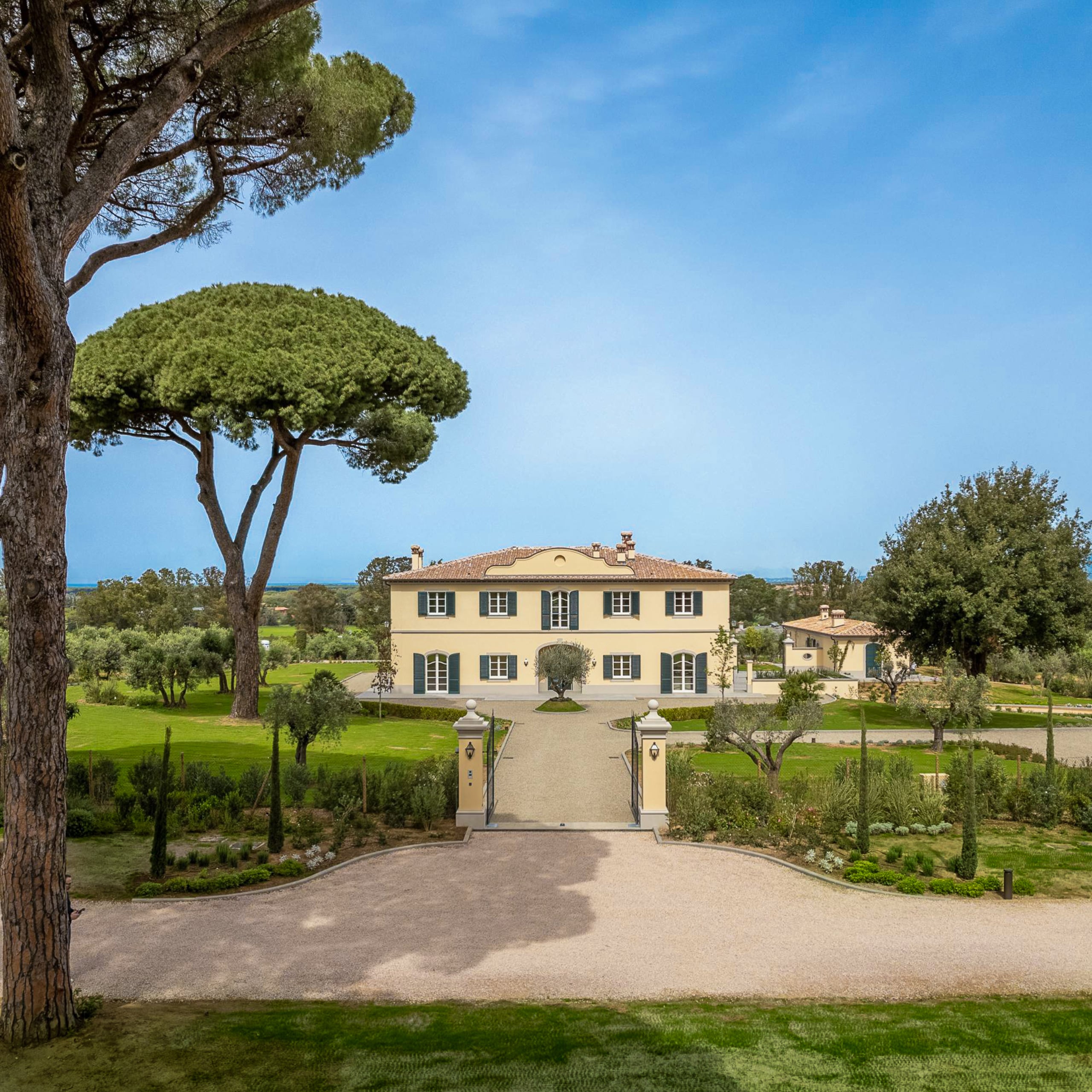
Rising global mobility is accelerating interest in Europe’s countryside regions, where quality of life and long-term value take centre stage.
27 April 2026
Sorry!
An unexpected error has occurred.
Please try again later.
