

Crafting homes with character: Charu Gandhi on the new era of luxury interiors
The founder of Elicyon explains why authenticity, wellbeing and craftsmanship are replacing trend-led interiors in today's most desirable homes
The founder of Elicyon explains why authenticity, wellbeing and craftsmanship are replacing trend-led interiors in today's most desirable homes
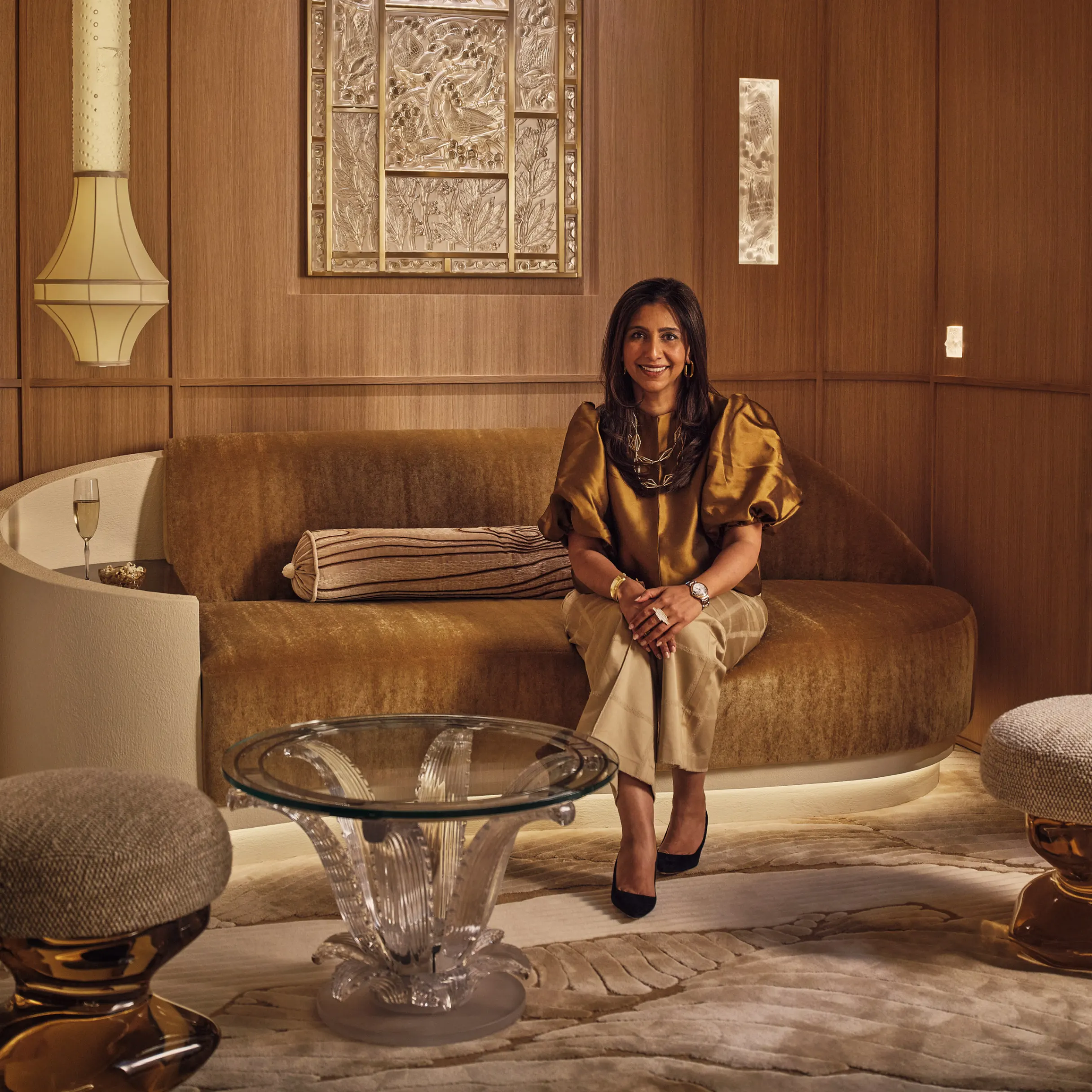
Elicyon is a multidisciplinary design studio renowned for delivering bespoke, luxury interiors for private clients and branded residential developments worldwide, and is part of Knight Frank’s network of interior designers and home staging experts.
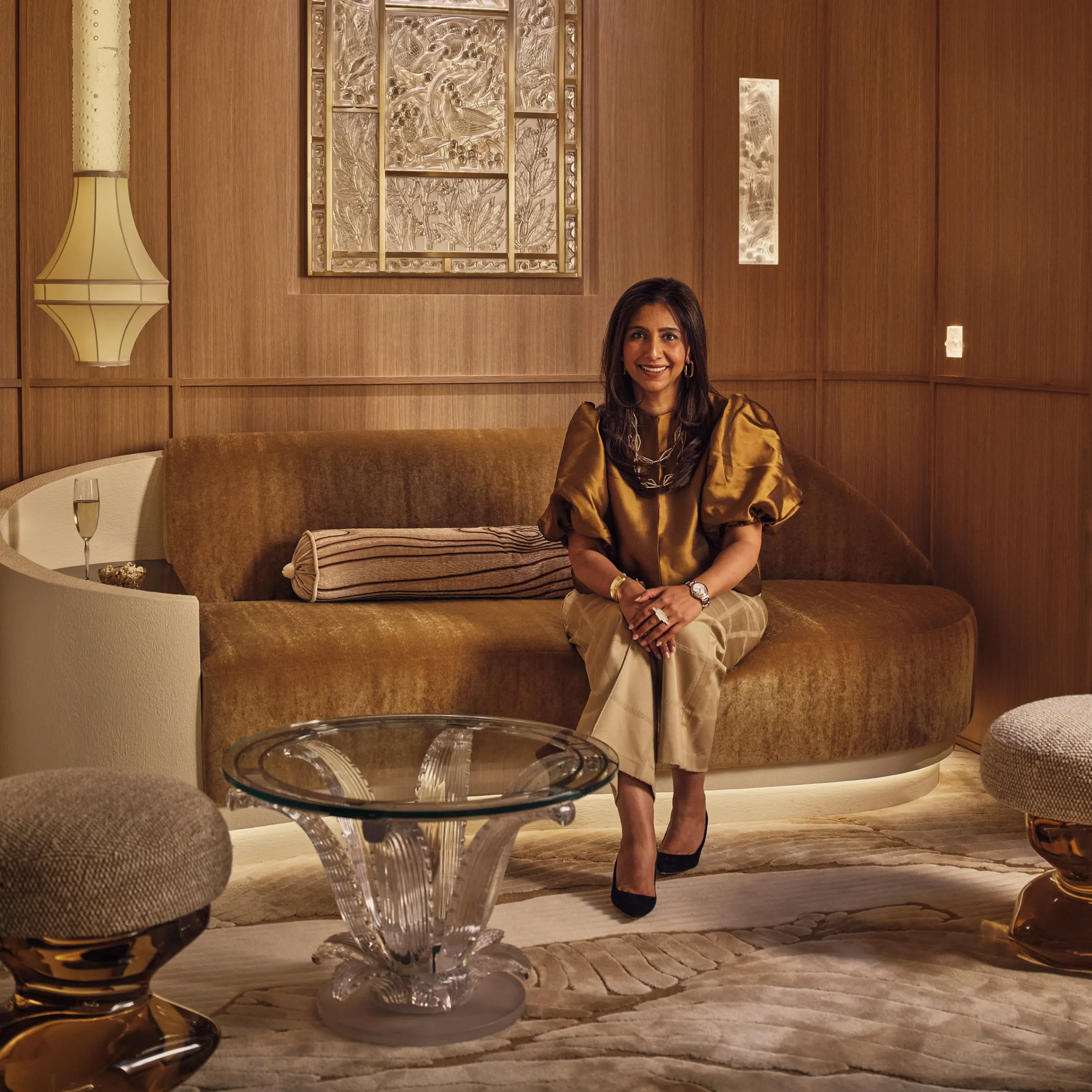
Founded by Charu Gandhi, it combines her love of craftsmanship with a background in architecture. “I studied and trained in London, and from the beginning I was fascinated not just by buildings themselves, but by how people experience space emotionally. That curiosity led me to establish Elicyon in 2014, with the ambition of creating interiors that are deeply personal, timeless and crafted around the people who live in them,” she explains.
“Travel, art, architecture and craftsmanship have all been significant influences on my design perspective. What continues to inform our work today is the belief that great design should improve the way people feel and live. Every space should tell a story, evoke emotion and stand the test of time rather than follow passing trends.”
Here, she shares how personal, lifestyle-driven design is redefining contemporary living and offers her expert guidance for elevating your home.
We're seeing a move away from highly prescribed aesthetics and towards more individual, layered interiors. Clients are increasingly interested in creating homes that feel authentic to them rather than reflecting a particular trend or social media moment.
There's also a growing appreciation for craftsmanship, bespoke elements and natural materials. People are investing in pieces with longevity and provenance. Rather than a single dominant style, the defining characteristic of this moment is personalisation - homes that feel collected, liveable and unique.
Absolutely. A few years ago, conversations often centred around aesthetics. Today, clients are much more focused on how they want their home to function and support their lifestyle.
We're discussing wellbeing, flexibility, entertaining, family life and even how spaces transition throughout the day. Clients want homes that work harder for them and reflect their values. They're increasingly interested in creating environments that feel restorative, adaptable and deeply personal.
Listening is the most important part of the process. Before we think about colours or materials, we spend time understanding how clients live, what inspires them and how they want to feel within their home.
The answers come from personal conversations about their routines, memories and aspirations. We then translate those insights into a design language through space planning, materials, bespoke furniture and carefully considered details. The goal is to create a home that feels as though it could belong to no one else.
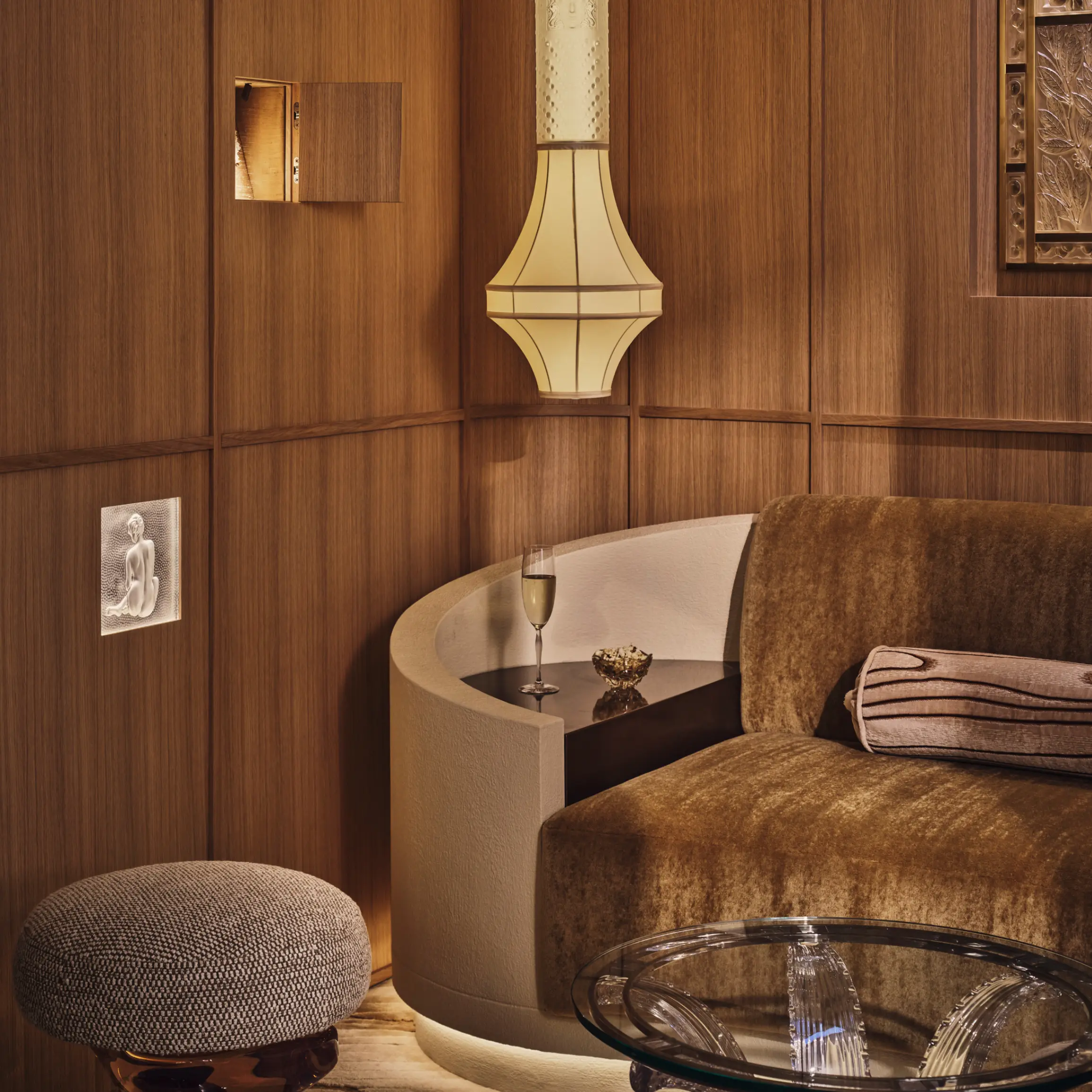
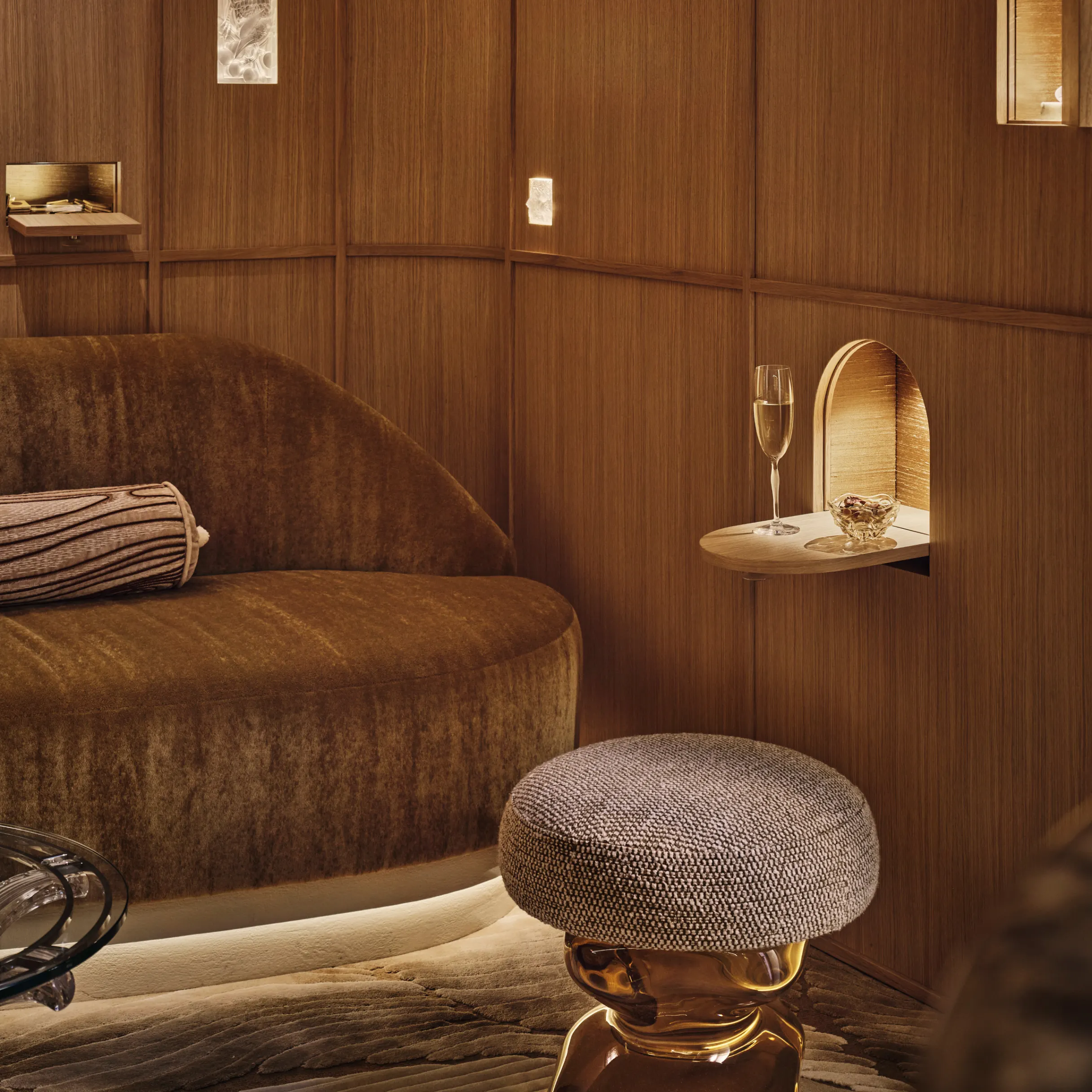
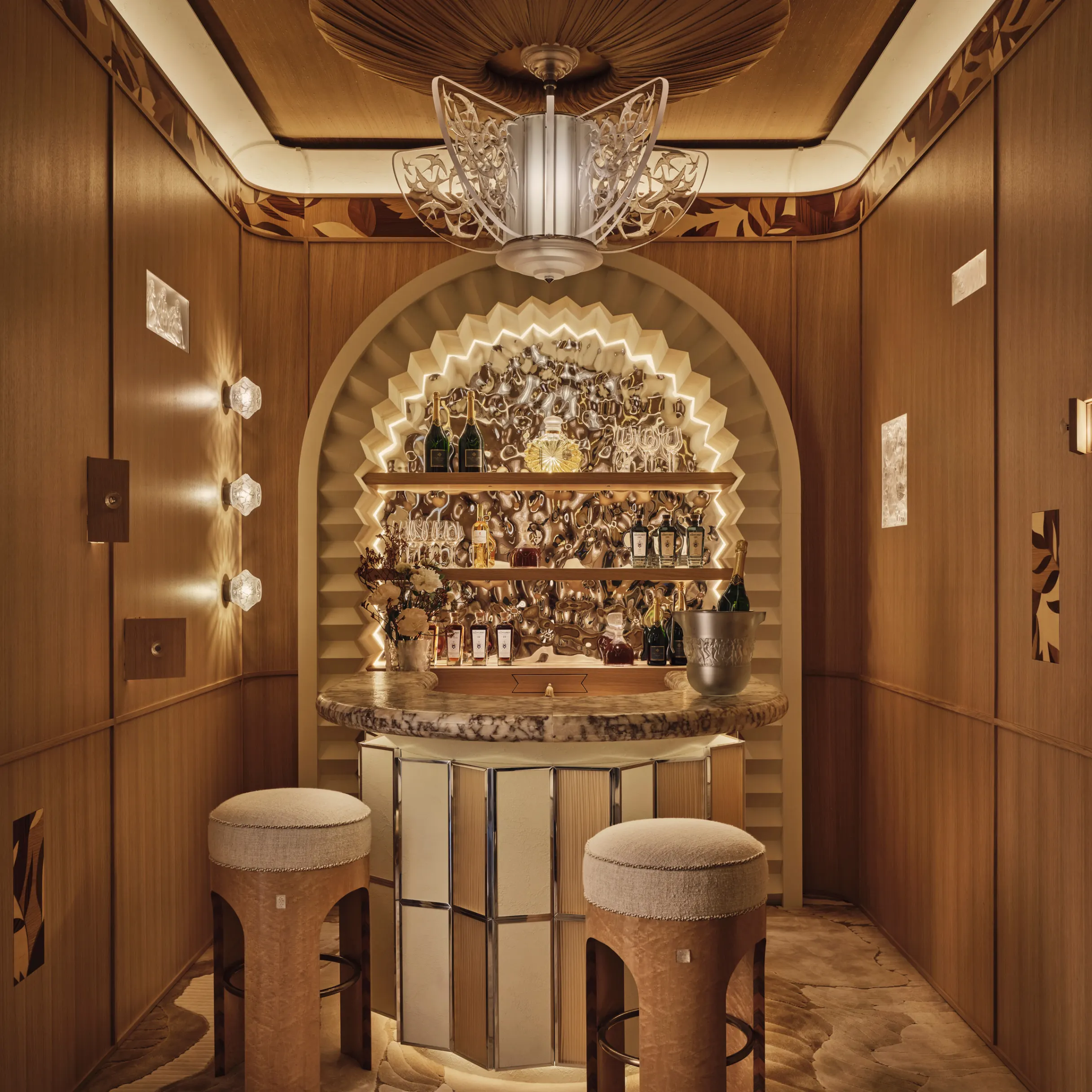
Our recent Bar Room for WOW!house 2026, created in collaboration with Lalique, was particularly meaningful. Although compact in scale, it allowed us to explore craftsmanship, storytelling and contemporary entertaining in a highly immersive way.
We're also working on a number of residential projects where clients have given us the freedom to create truly bespoke environments. These projects are especially rewarding because they allow us to push the boundaries of design while remaining rooted in the client's lifestyle and aspirations.
The underlying principles remain the same: understanding the end user and creating a strong sense of place. The difference lies in the audience. With a private home, we're designing for one family or individual and can create something incredibly specific. With branded residences, we need to consider a broader demographic while still delivering a distinctive identity. The challenge is creating spaces that feel personal and emotionally resonant at a larger scale, while maintaining the level of detail and quality associated with a luxury home.
We always begin with the narrative of the project and the atmosphere we want to create. Materials should support that story rather than simply look beautiful in isolation.
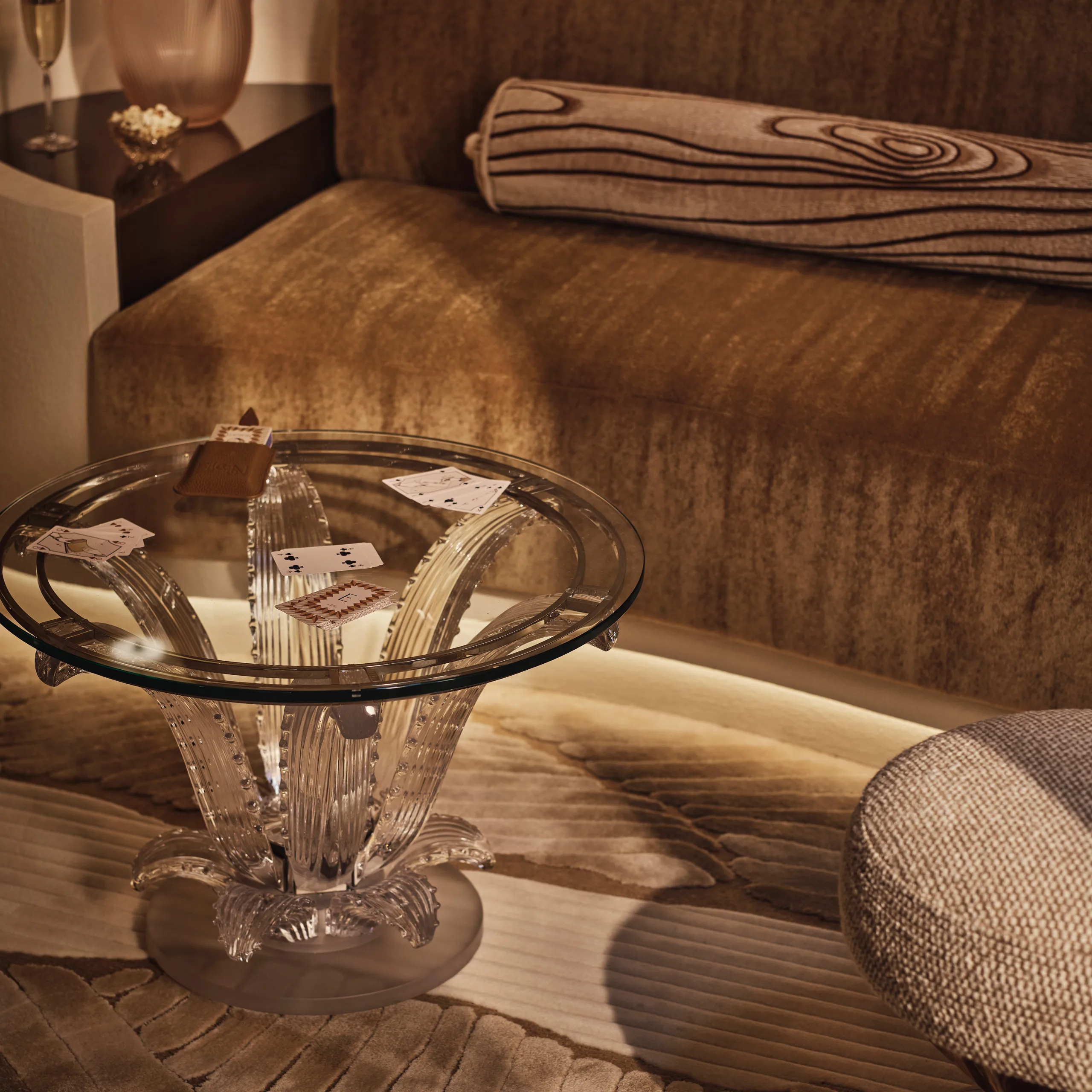
We're drawn to materials that age gracefully and reveal character over time such as natural stone, timber, hand-finished metals and artisanal surfaces. Detailing is equally important. Often it's the smallest details that elevate a project and create a sense of craftsmanship and refinement.
These considerations have become increasingly integrated into the design process. Technology is most successful when it is intuitive and discreet, enhancing daily life without dominating the experience of a space.
Wellbeing is influencing everything from natural light and spatial flow to material choices and connections to nature. Sustainability is less about making a statement and more about making thoughtful decisions so prioritising quality, longevity, local craftsmanship where possible and materials that will endure both aesthetically and physically over time.
I think we'll see less emphasis on interiors designed primarily for visual impact or social media. Spaces that feel overly themed or trend-driven are already beginning to lose relevance.
The next phase of residential design will be defined by authenticity, longevity and emotional connection. Homes will become more personal, more curated and more reflective of the people who live in them. We'll continue to see a growing appreciation for craftsmanship, individuality and spaces that prioritise quality of life over spectacle.
Delivered through highly-regarded global design studios
Homes
From solar panels and heat pumps to intelligent lighting and water-saving systems, energy efficiency is becoming a defining feature of modern homeownership
05 October 2026
Inspiration
The founder of design studio Elicyon explains why authenticity, wellbeing and craftsmanship are replacing trend-led interiors in today's most desirable homes
07 July 2026
Homes
Inside Crescent House, a sculptural, nature-led home in rural Wiltshire designed by one of Britain’s most influential architects, now on the market for the first time
29 June 2026
Inspiration
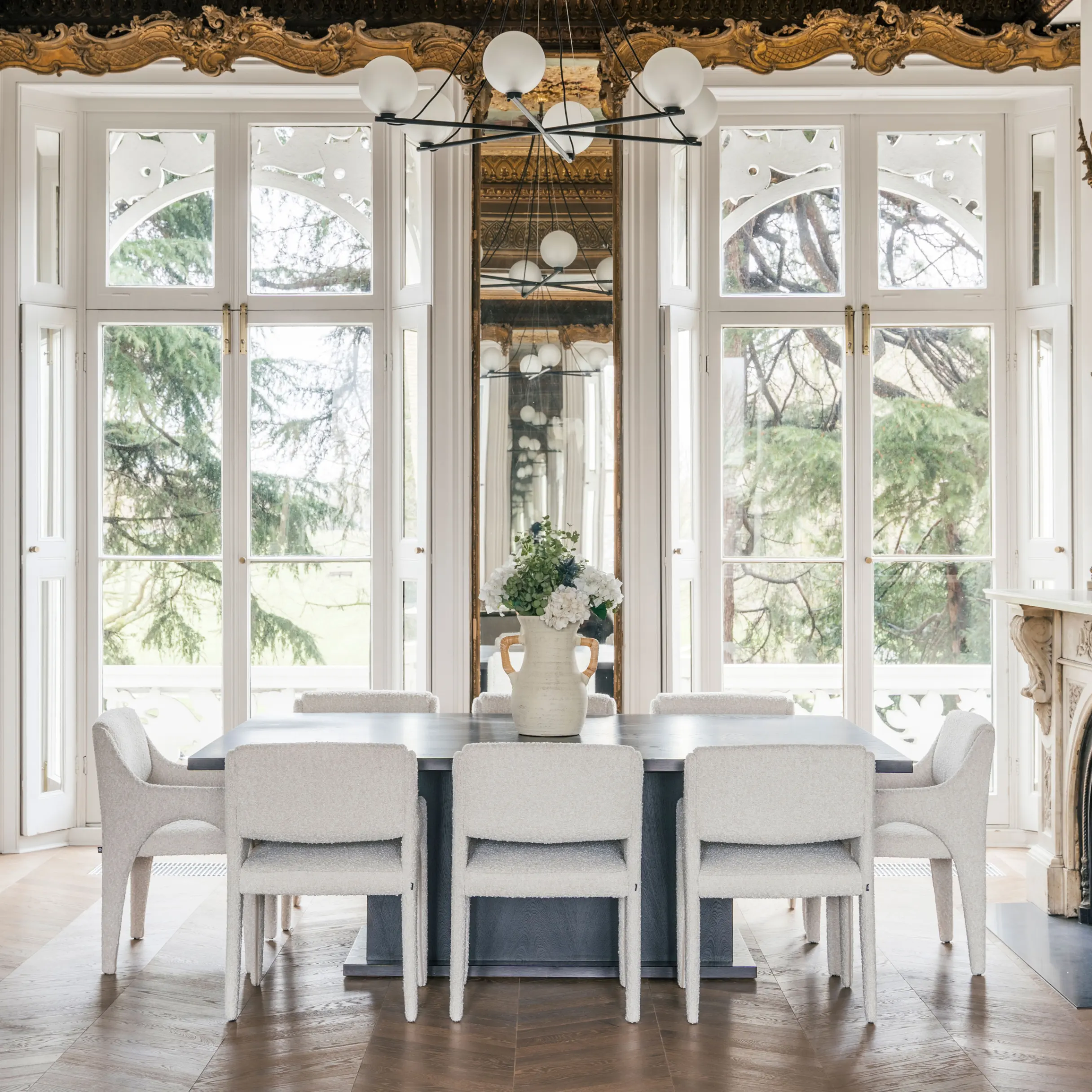
From first impressions to final offers, the right interior can transform how quickly, and successfully, a home finds its next occupant.
03 June 2026
Homes
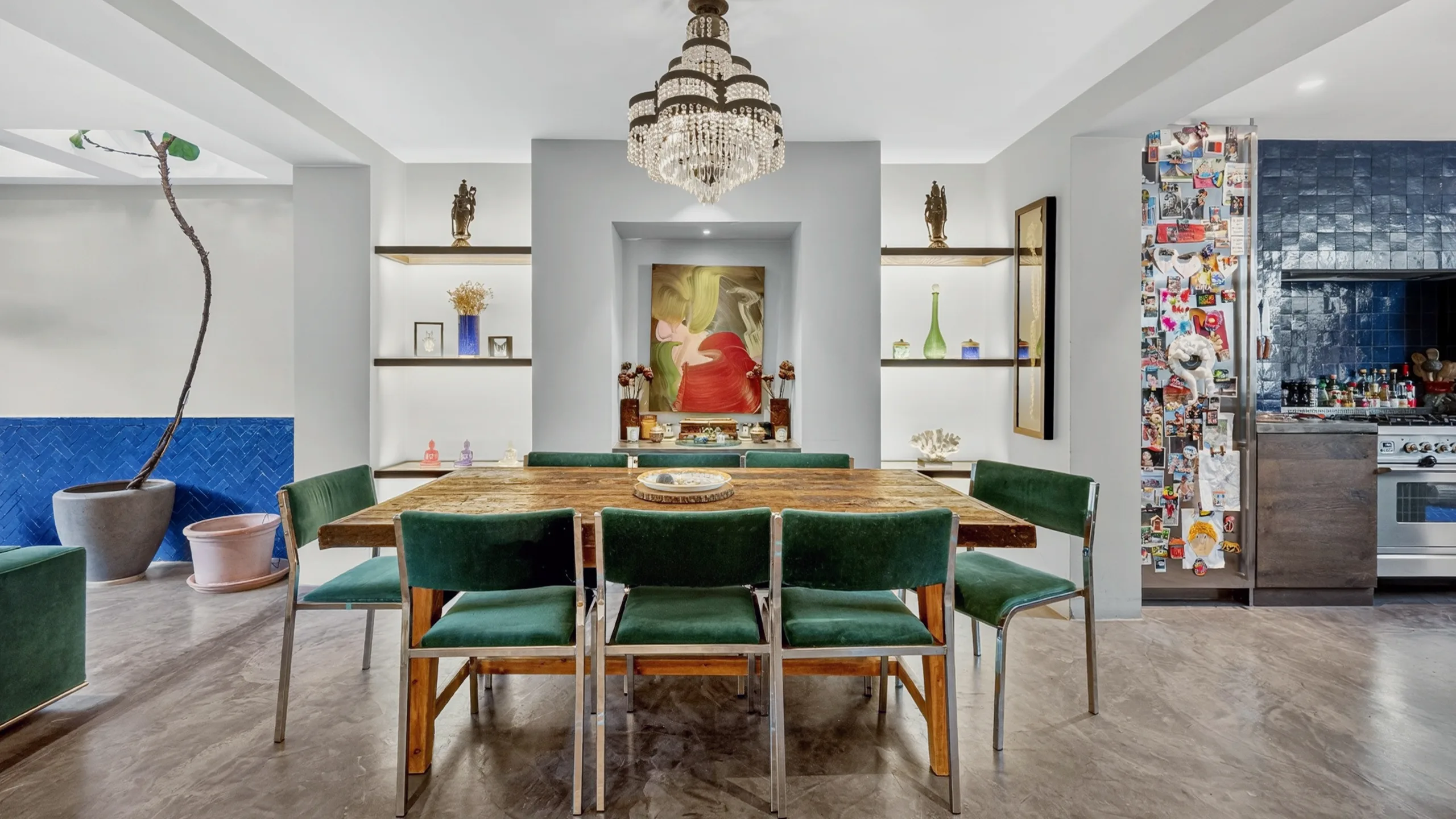
Far from conventional, these exceptional properties blend creativity and individuality, each a thoughtfully designed showcase of architectural flair
20 May 2026
Inspiration
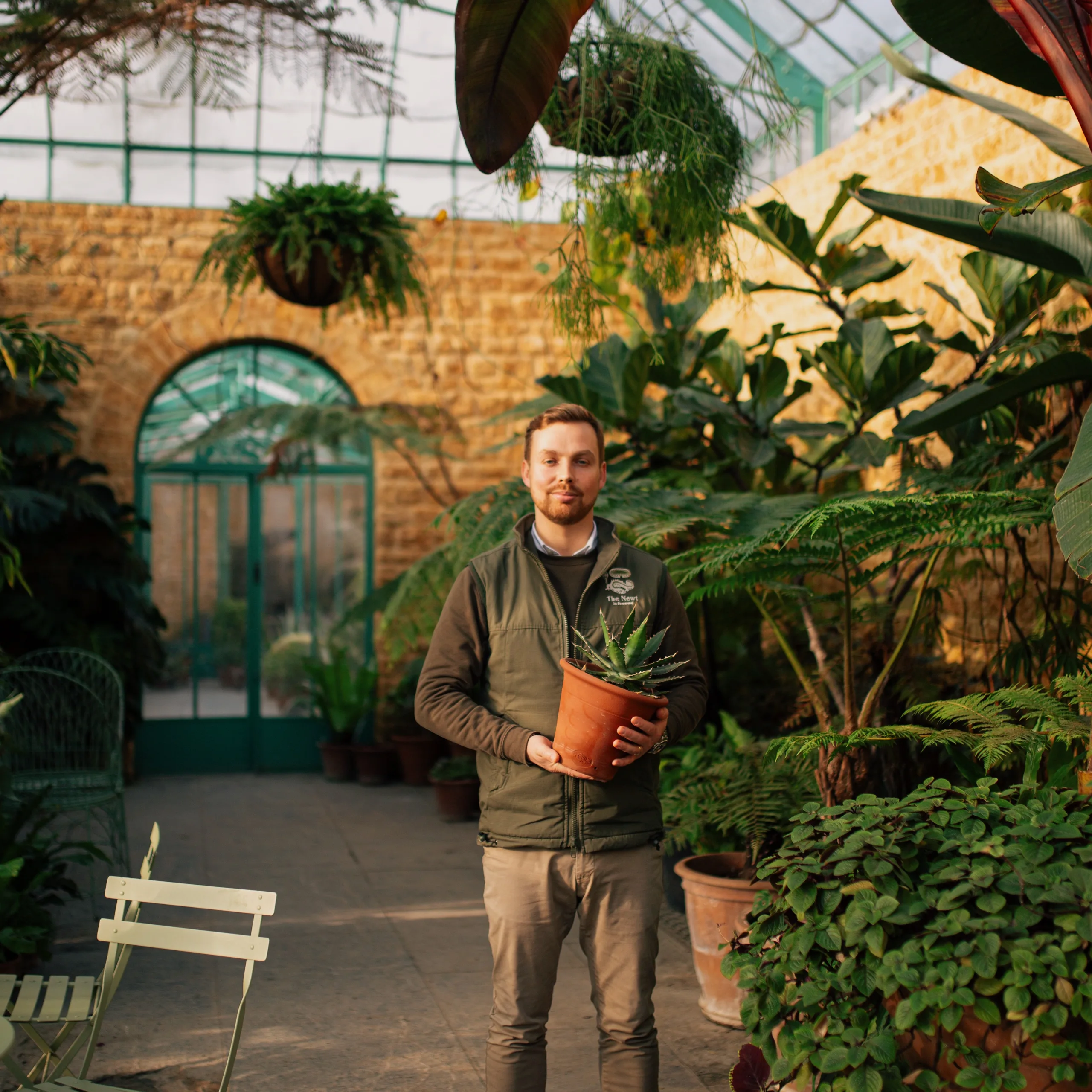
Head Gardener Harry Baldwin shares how history, sustainability and modern horticulture shape the estate, and gives his top tips for the green-fingered
20 April 2026
Inspiration
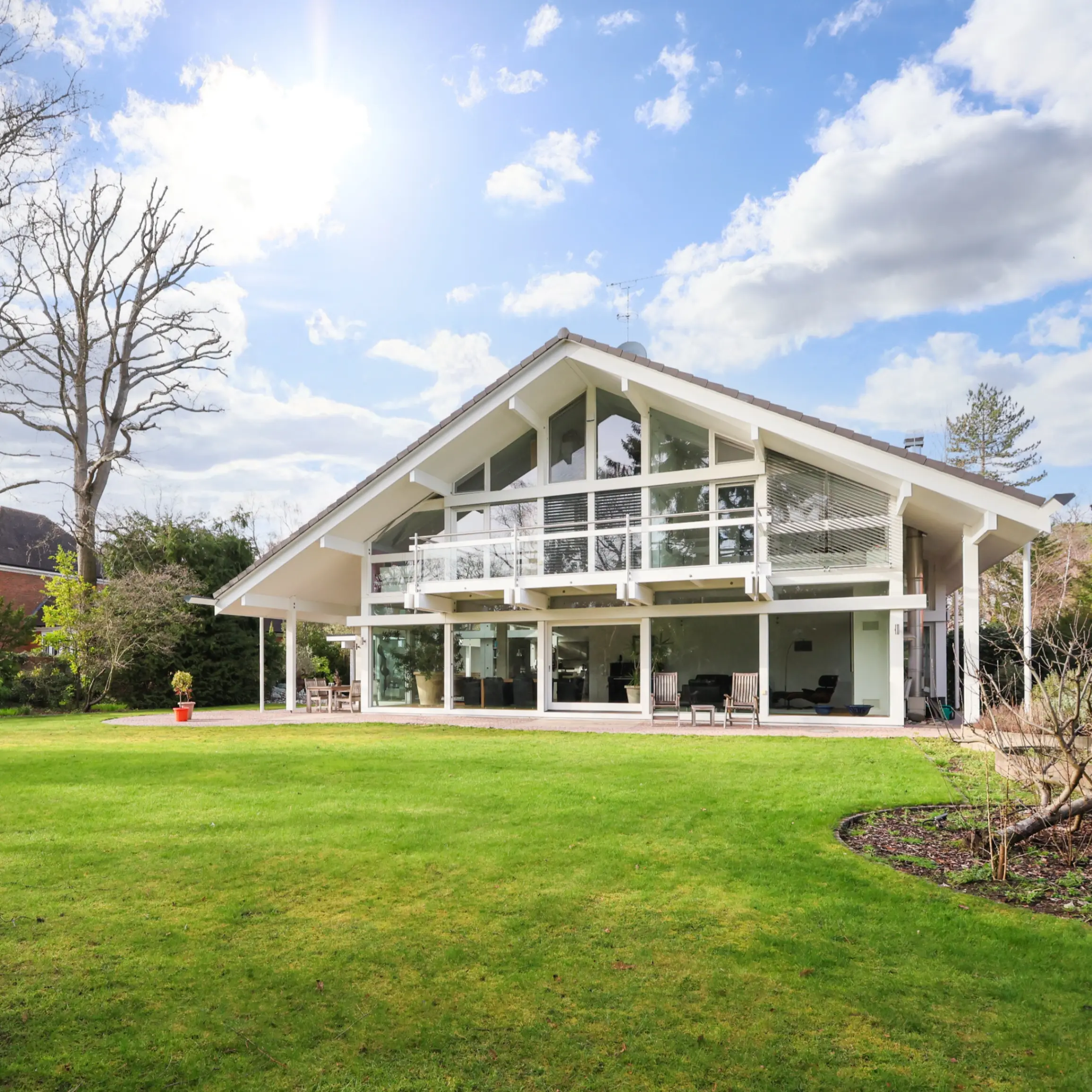
Peter Huf shares his vision for sustainable architecture that balances innovation, efficiency and a deep connection to nature
20 April 2026
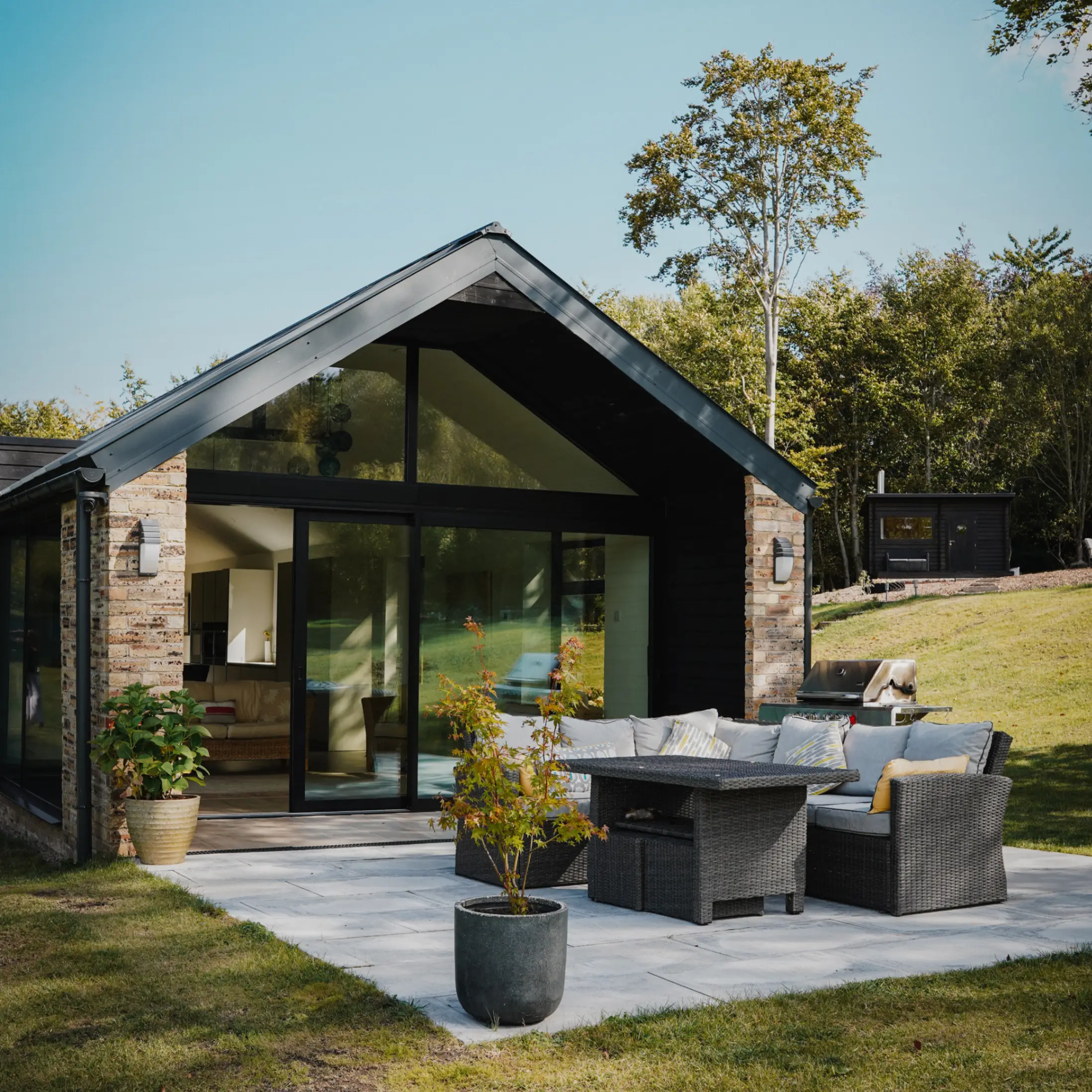
Homes
If you're dreaming of open space, natural light and countryside views, these beautifully converted barns could be your perfect match
26 March 2026
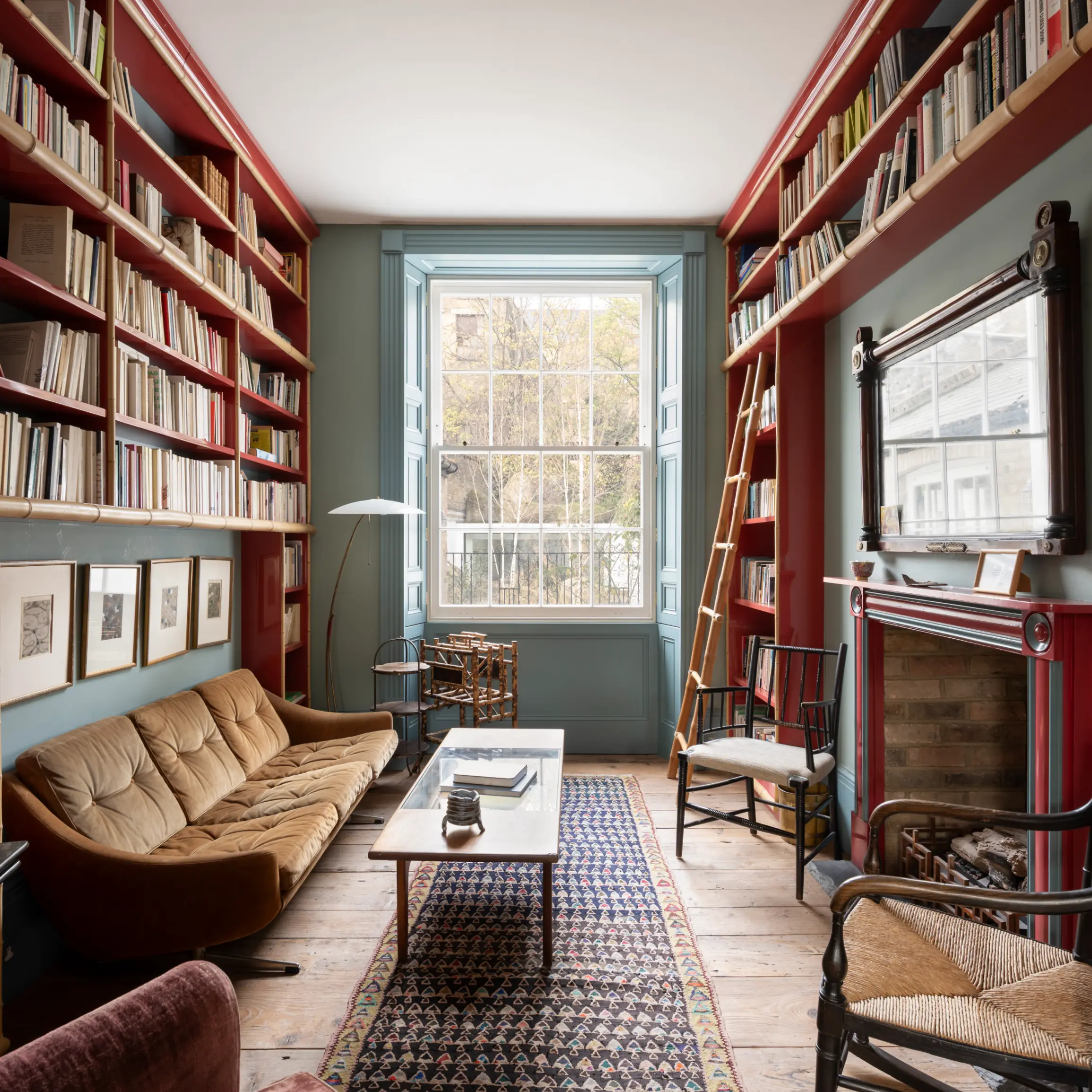
Homes
From elegant city retreats to historic country homes, read up on these homes with the perfect spaces to curl up with a good book
26 February 2026
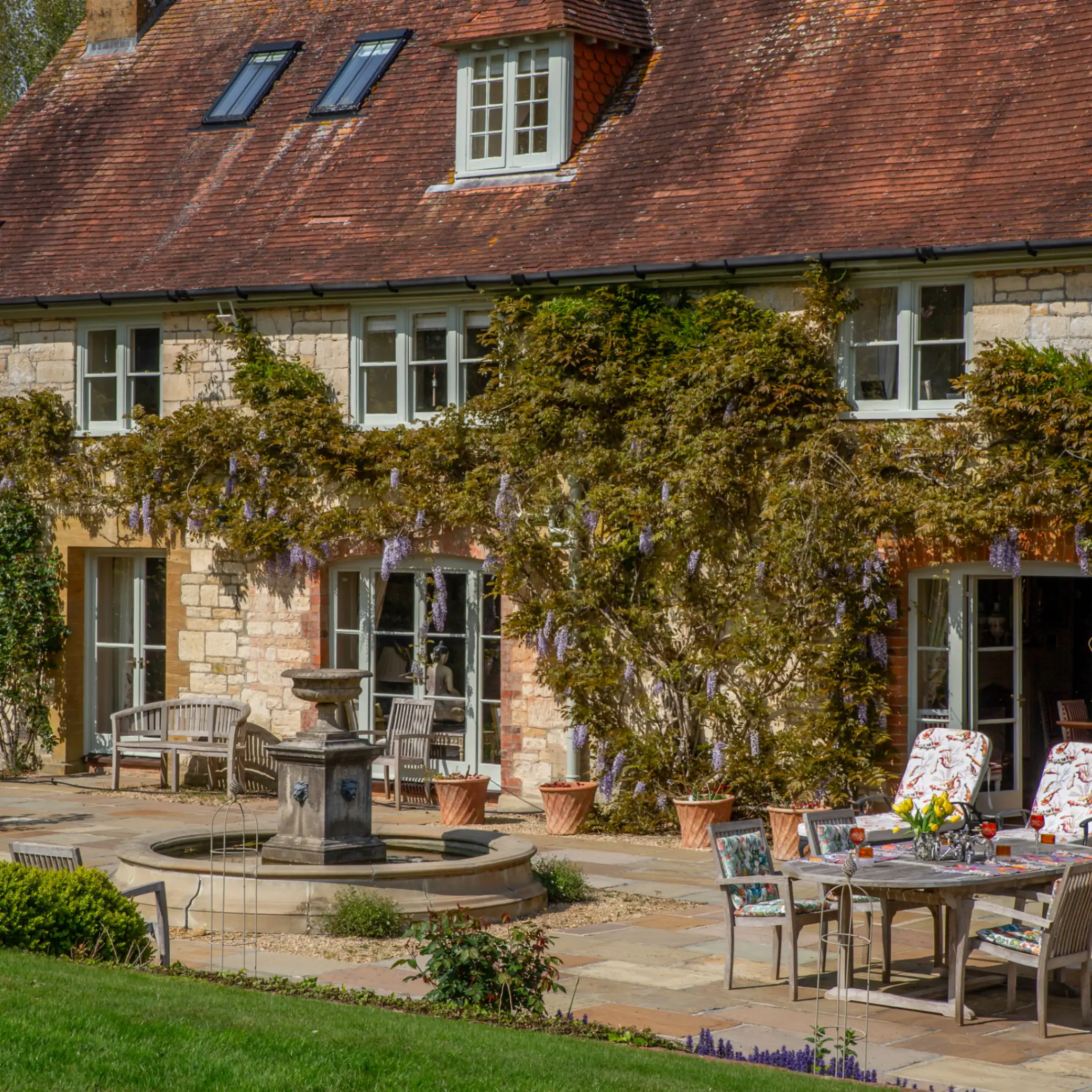
Inspiration
Francesca Pratt explains how rethinking layouts, enhancing flow and embracing creative ideas reshaped her family home, along with the styling tips she recommends for any space
15 December 2025
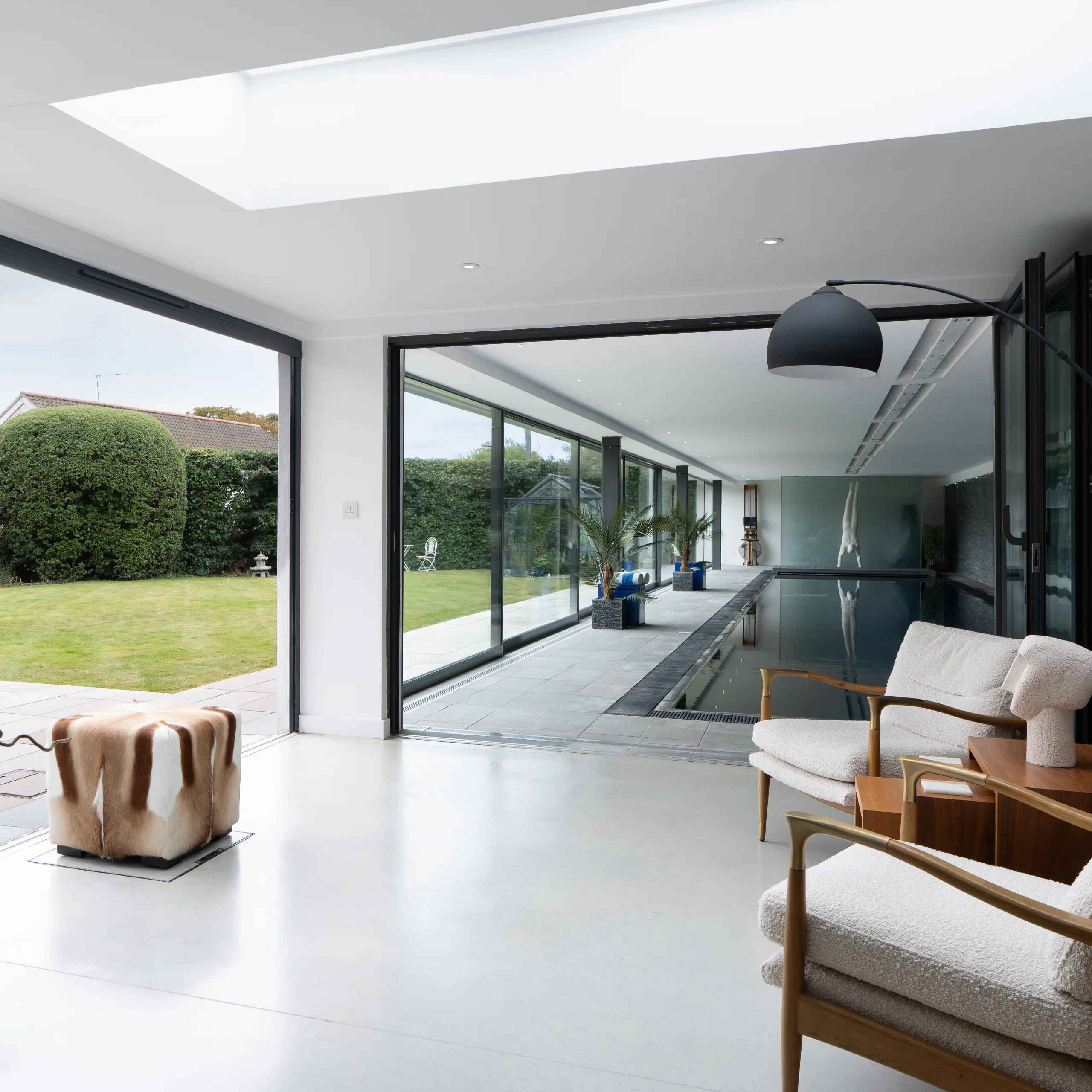
Inspiration
How creative vision, careful design and a love of coastal living came together to shape Southwold’s most striking modern home - now on the market
01 December 2025
Inspiration
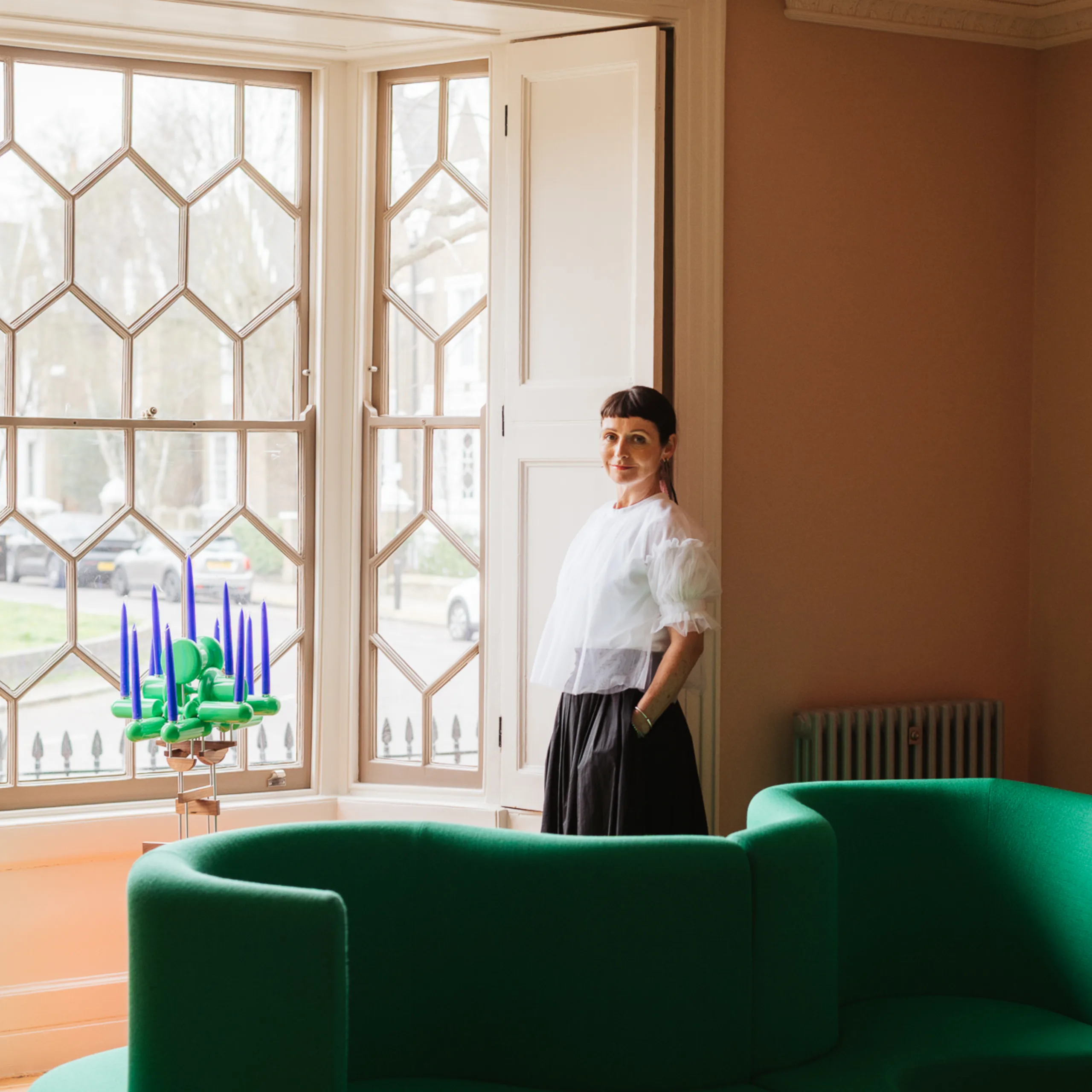
Designer Irenie Cossey transformed a derelict house in London’s De Beauvoir into a vibrant, light-filled home that celebrates colour, collaboration and craftsmanship
03 November 2025
Inspiration
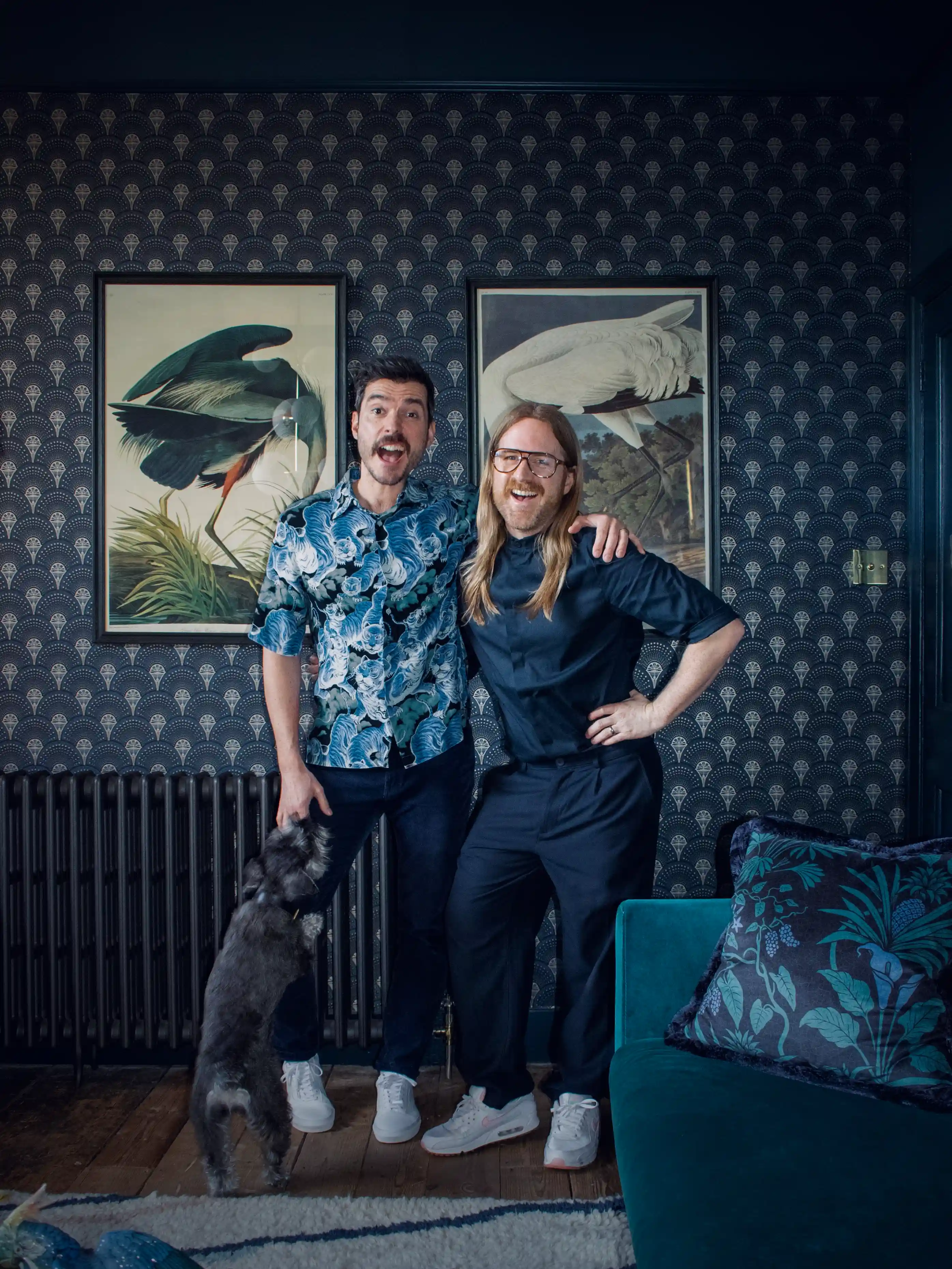
From playful prints to sculptural glass, these independent British makers are proving that interiors with personality tell the best stories
20 October 2025
Homes
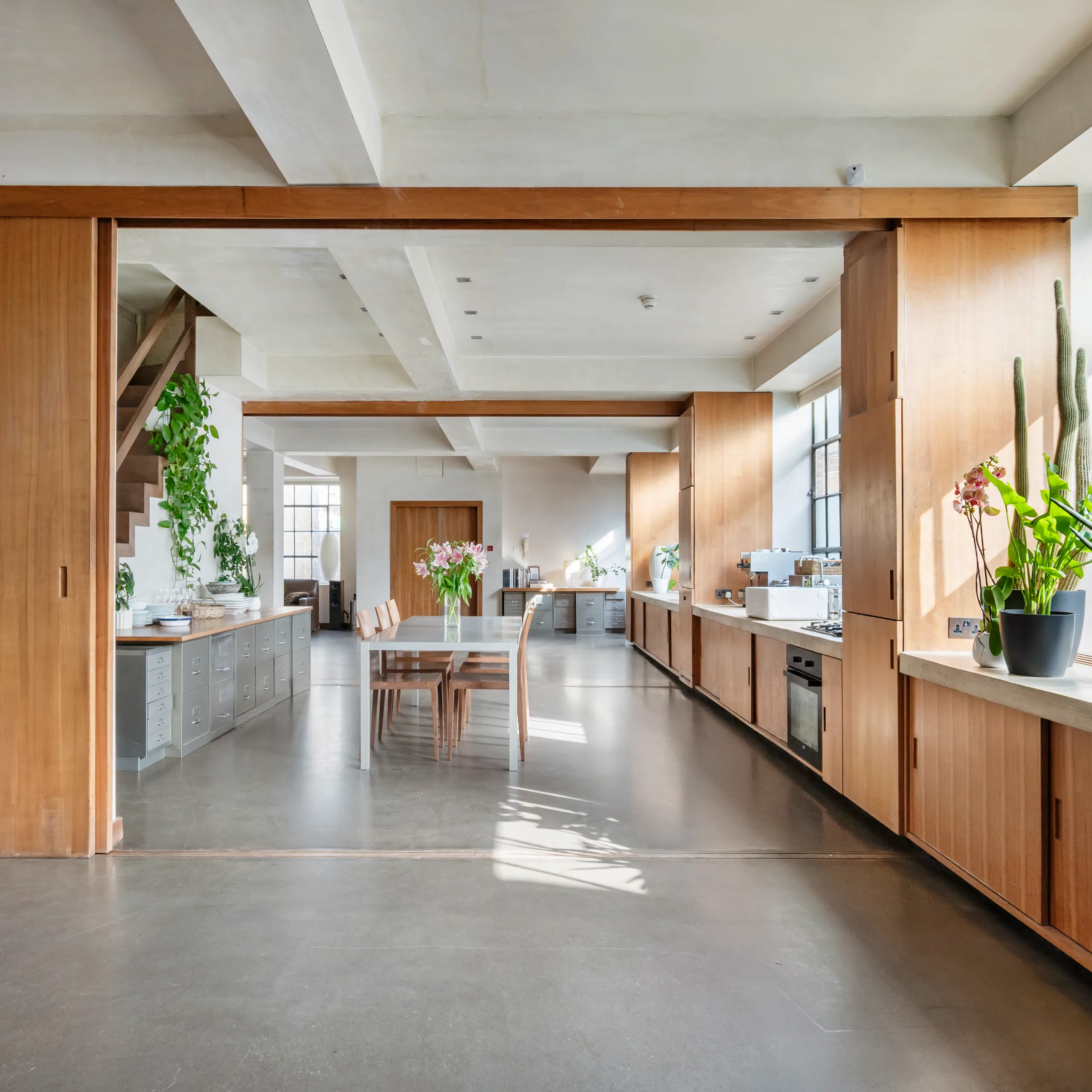
Discover why conversions - from historic warehouses to Victorian schools - are among the most sought-after homes in London, combining heritage, character and modern design
12 September 2025
Inspiration
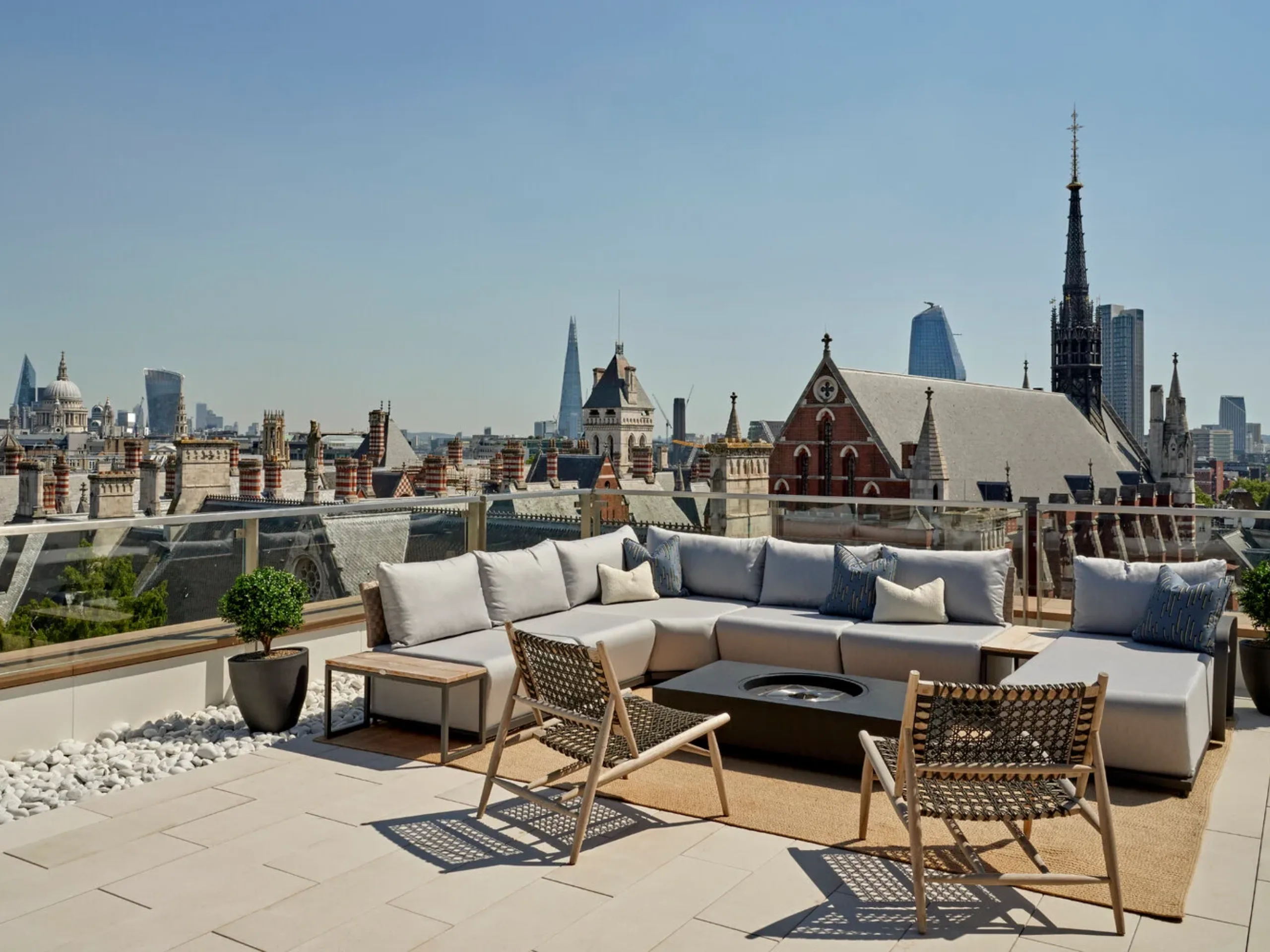
Knight Frank Interiors’ Group Design Director, Rhian Barker, shares her top tips for creating stylish and comfortable outdoor spaces that work all year round
27 May 2025
Homes
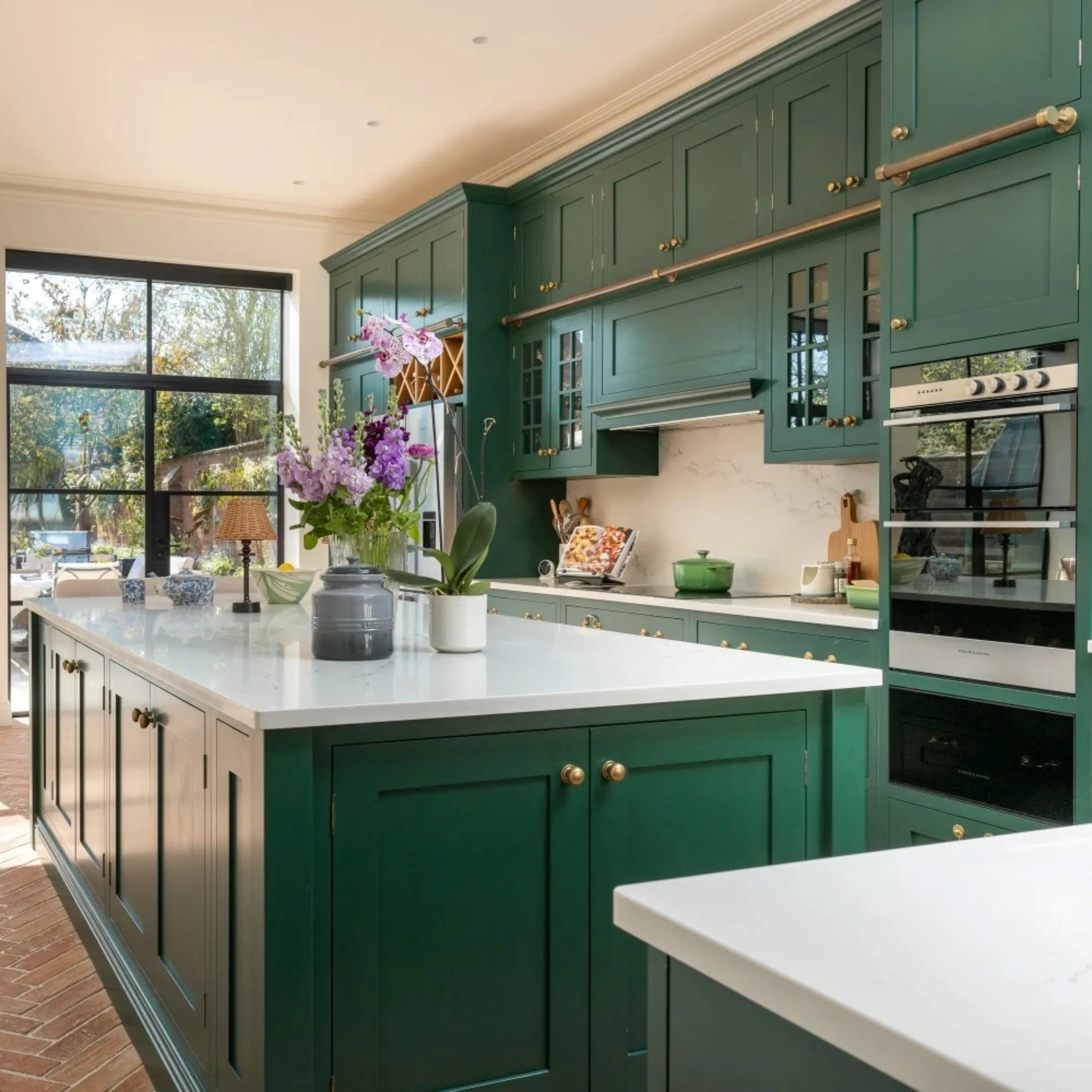
From handcrafted cabinetry to statement islands and sleek appliances, these kitchens are as functional as they are beautiful
15 May 2025
Inspiration
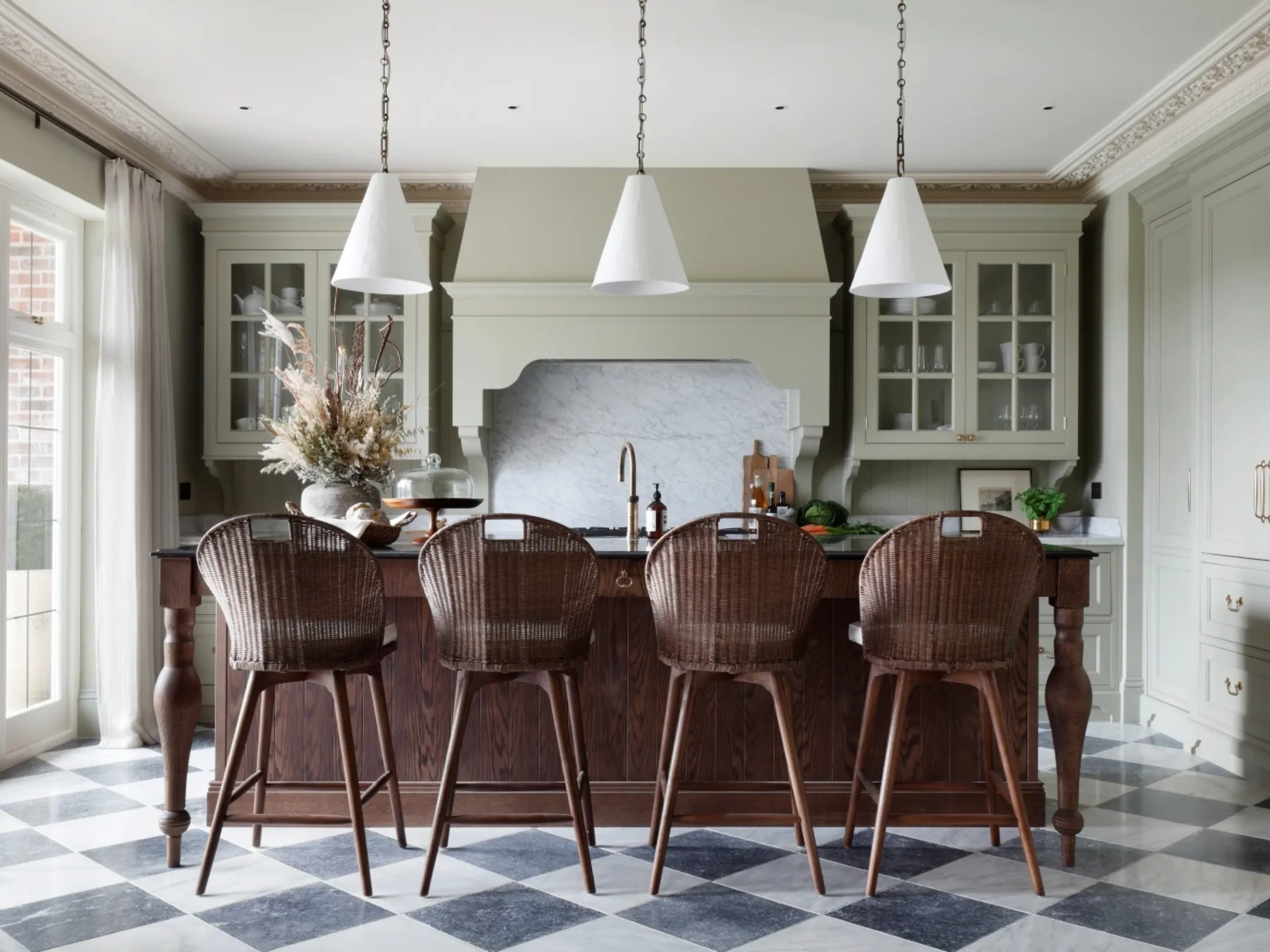
How developers are taking inspiration from the past to create beautiful new homes built to stand the test of time
15 May 2025
Inspiration
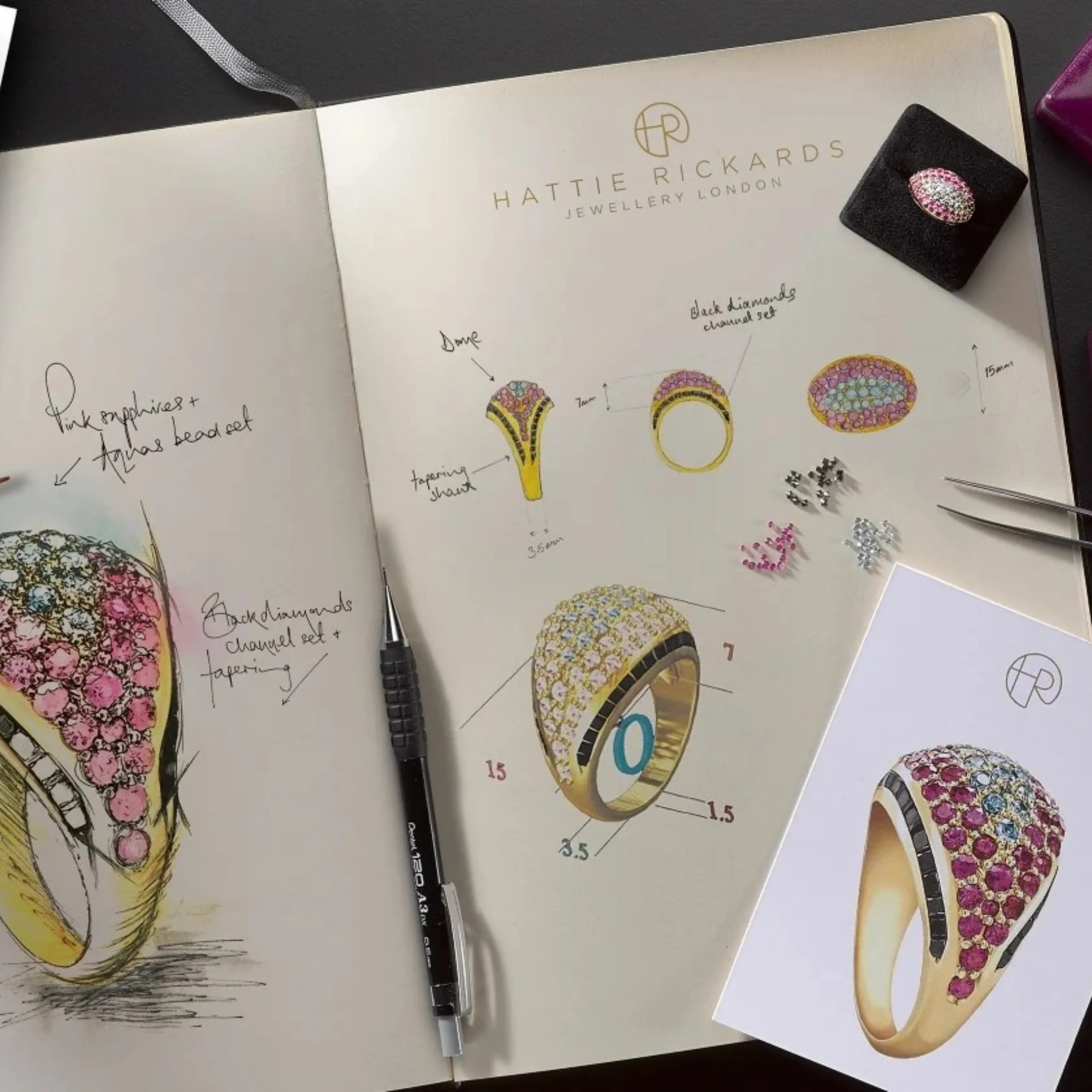
From her Cotswolds studio, designer Hattie Rickards creates unique meaningful jewels for her loyal clientele
14 May 2025
Inspiration
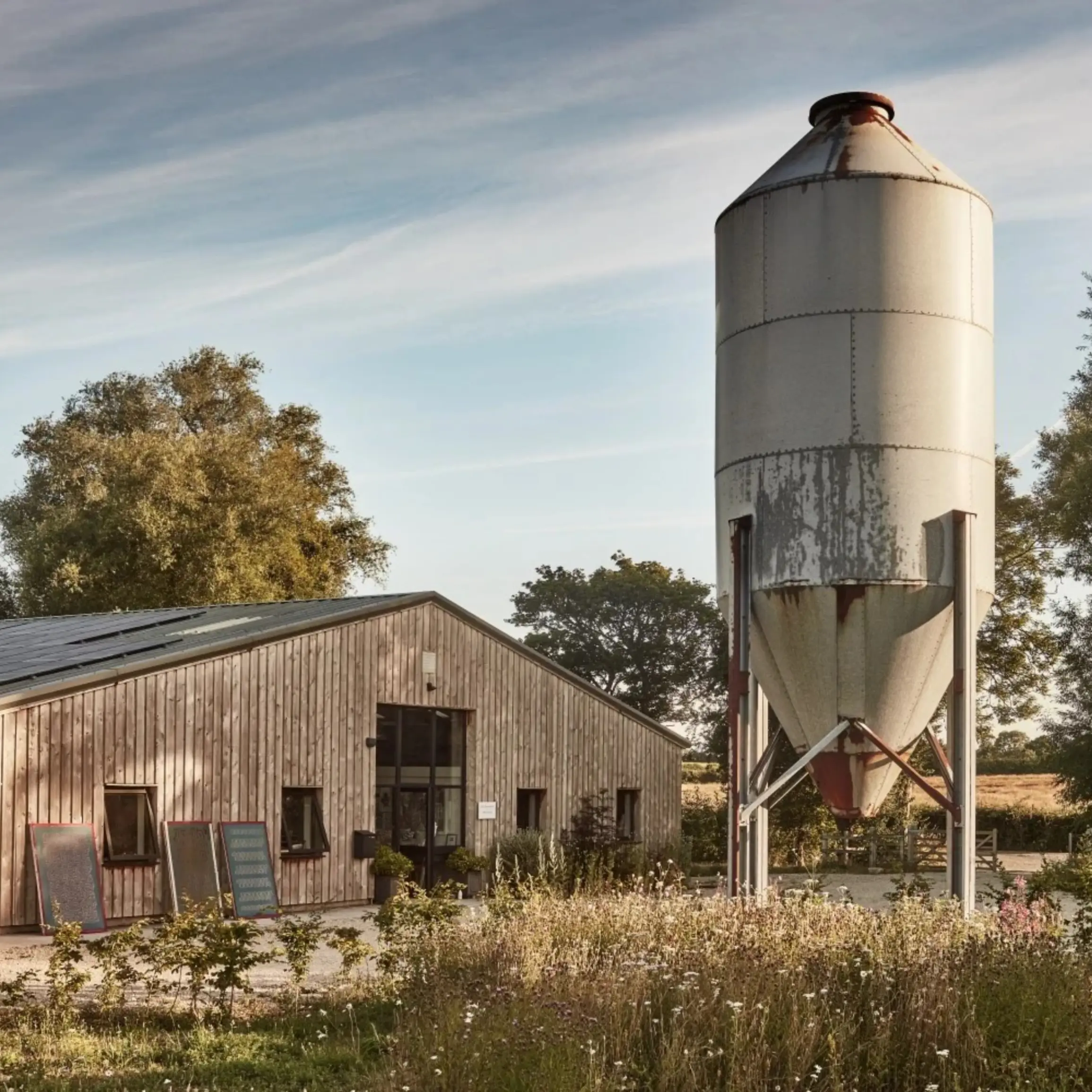
Rapture & Wright creates exquisite hand-printed wallpapers and fabrics from its sustainable studio in the Cotswolds
08 May 2025

Inspiration
We head to the beautiful Oxfordshire countryside to delve into the creative process behind the renowned sculptor’s evocative works
04 May 2025
Inspiration
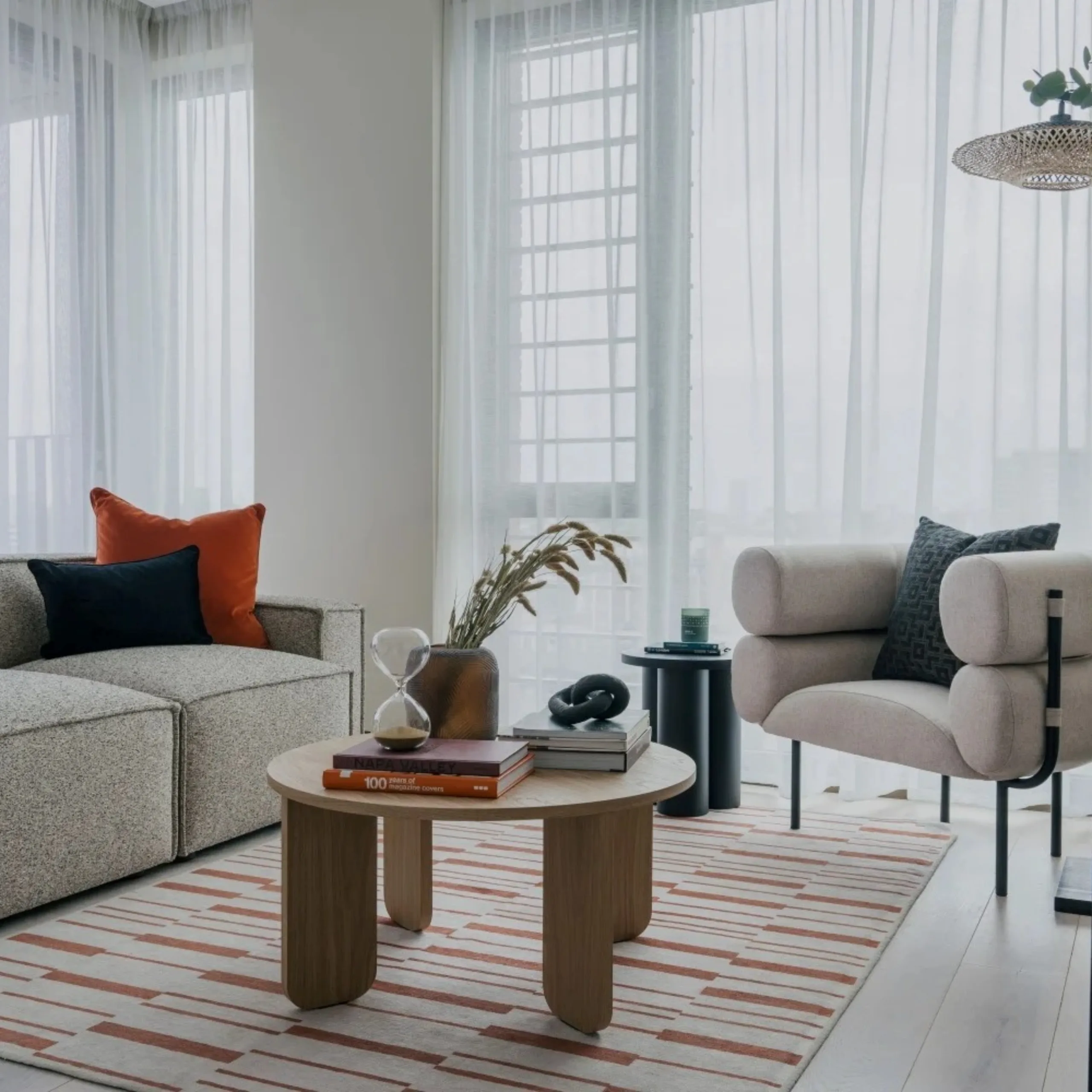
Knight Frank Interior’s Design Director Sophie Wilson shares her advice on creating a more eco-friendly living environment
08 April 2025
Inspiration
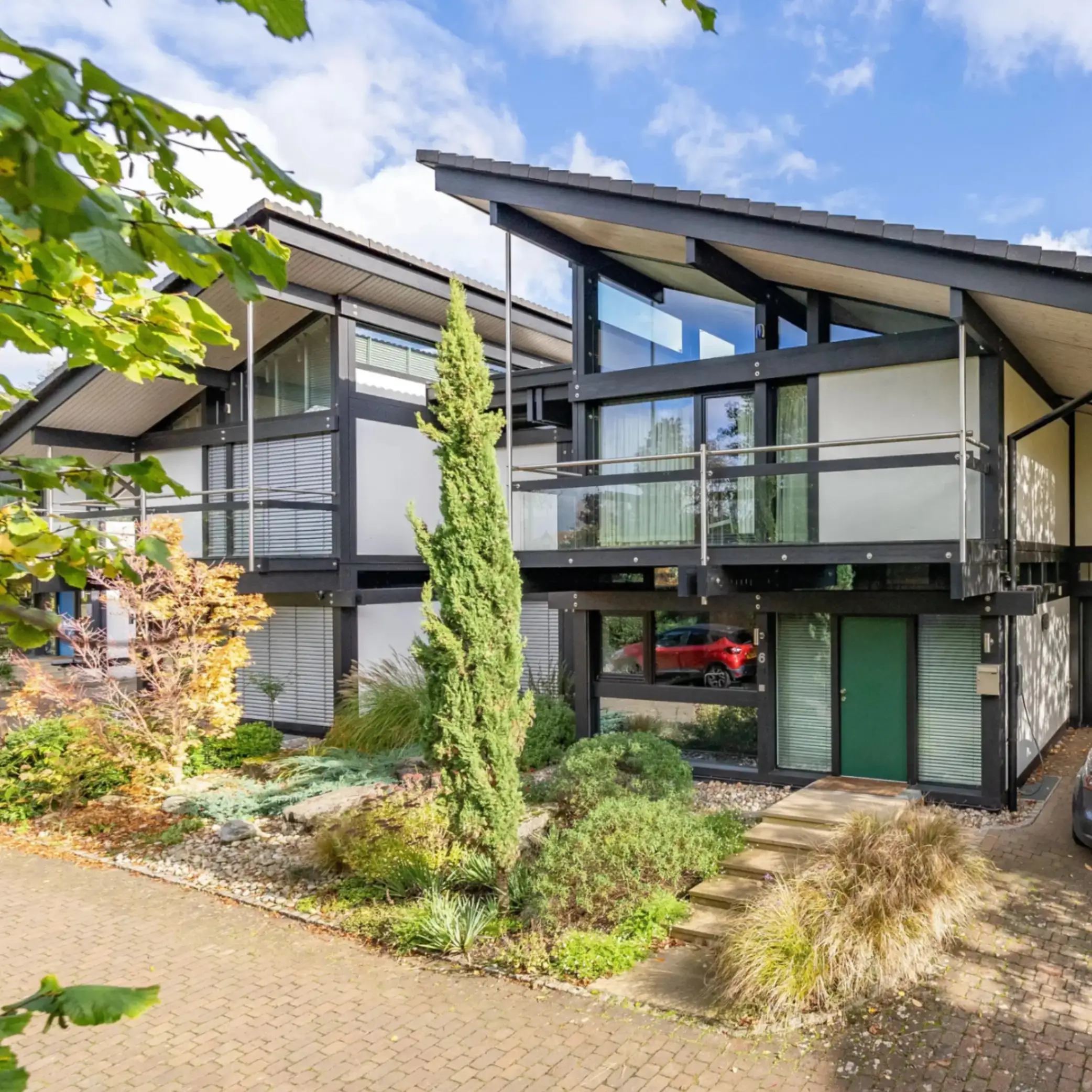
We delve into the advantages of these premium prefabricated homes and take a tour of a rare example in one of London’s most desirable neighbourhoods
30 January 2025
Inspiration
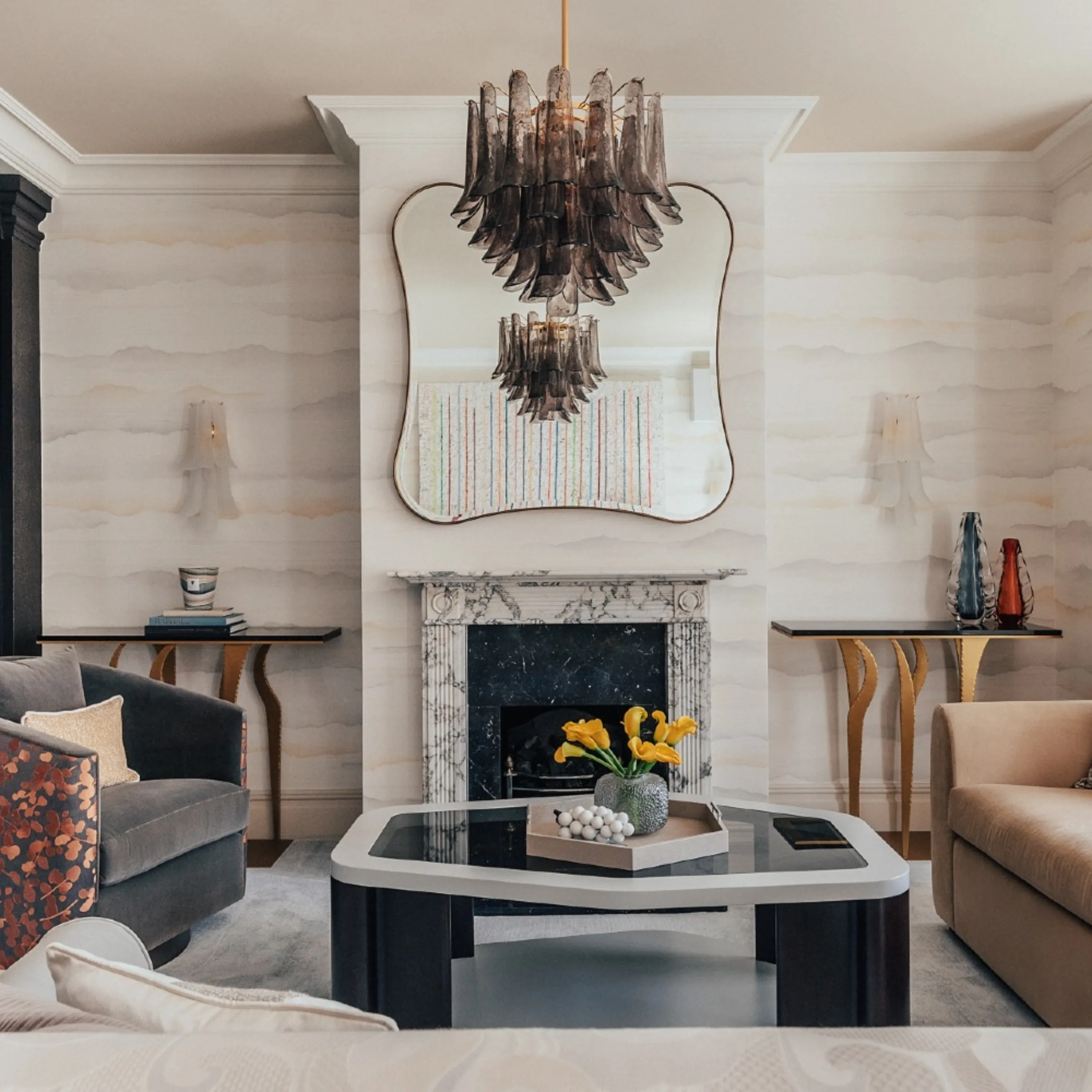
Thinking about a refresh? Here, Knight Frank Interiors’ Group Design Director, Rhian Barker, unpacks the need-to-know design trends of the year
07 January 2025
Inspiration
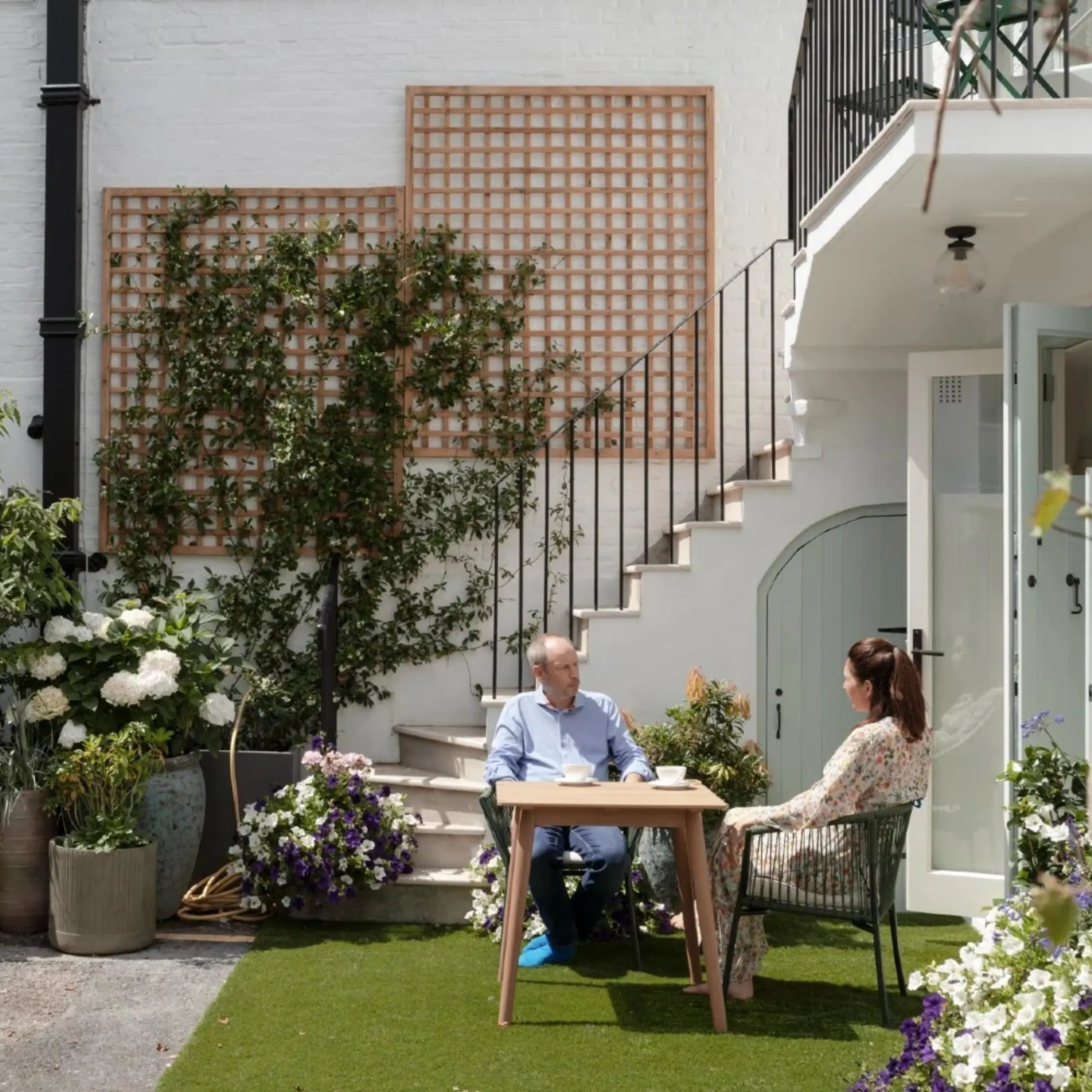
This handsome four-storey home, nestled on an historic mews in the heart of Notting Hill, benefits from a complete rebuild and vibrant interior design. Its owners are looking for buyers who will enjoy the strong sense of community on the street
13 November 2024
Sorry!
An unexpected error has occurred.
Please try again later.
