

How younger property buyers are redefining country living
Flexible working, improved connectivity and a desire for lifestyle-led living are drawing a new generation of wealthy buyers to prime regional markets
Flexible working, improved connectivity and a desire for lifestyle-led living are drawing a new generation of wealthy buyers to prime regional markets
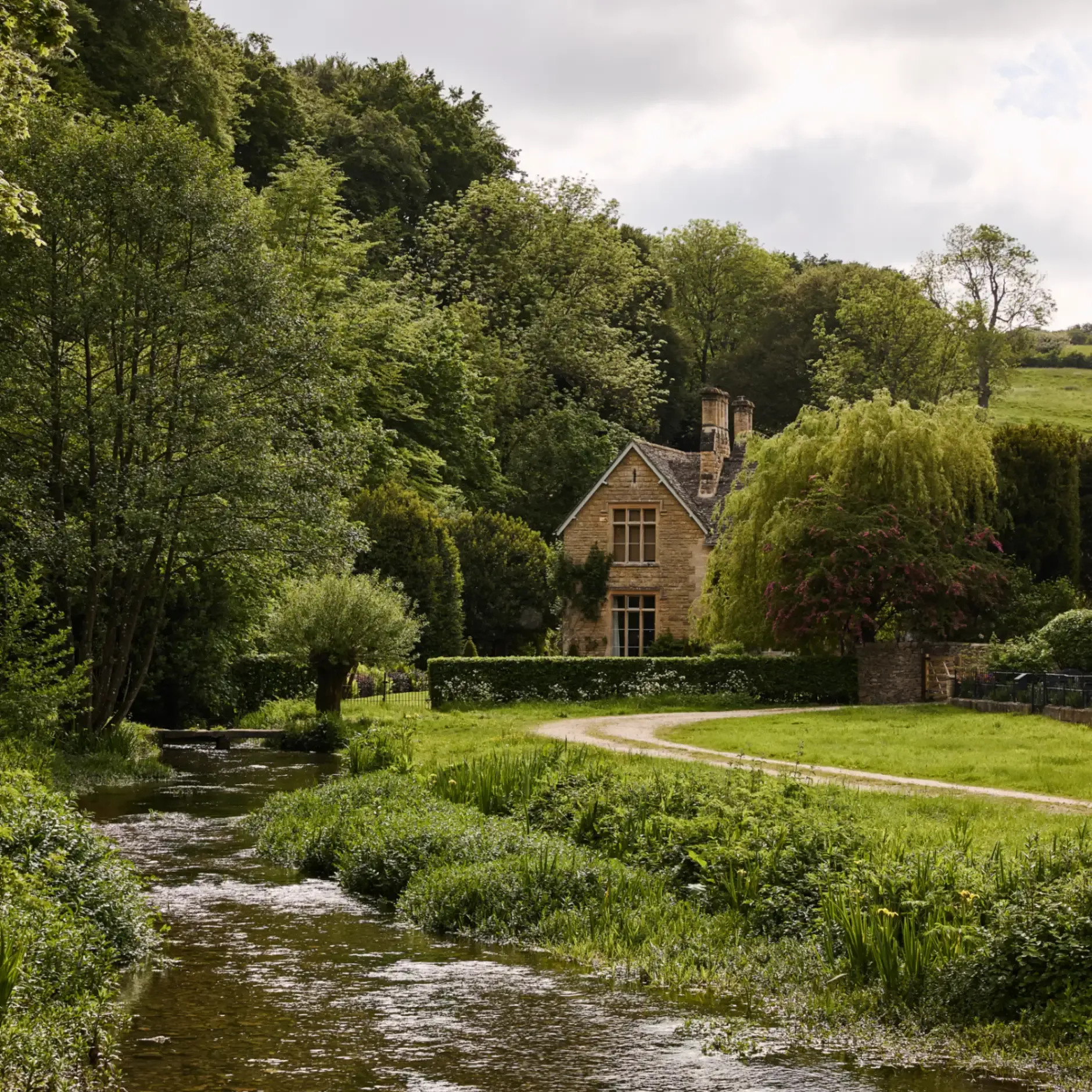
The dream of a life in the countryside is nothing new. What is changing, however, is who is pursuing it. Data from Knight Frank shows that buyers under 50 now account for the majority of purchasers across the monitored UK prime country markets, including the South East, South West and Home Counties.
"One of the most interesting trends we're seeing at the top end of the country market is the rise of what many would consider a non-traditional buyer,” explains Oliver Rodbourne, Knight Frank’s Head of South East & Channel Islands.
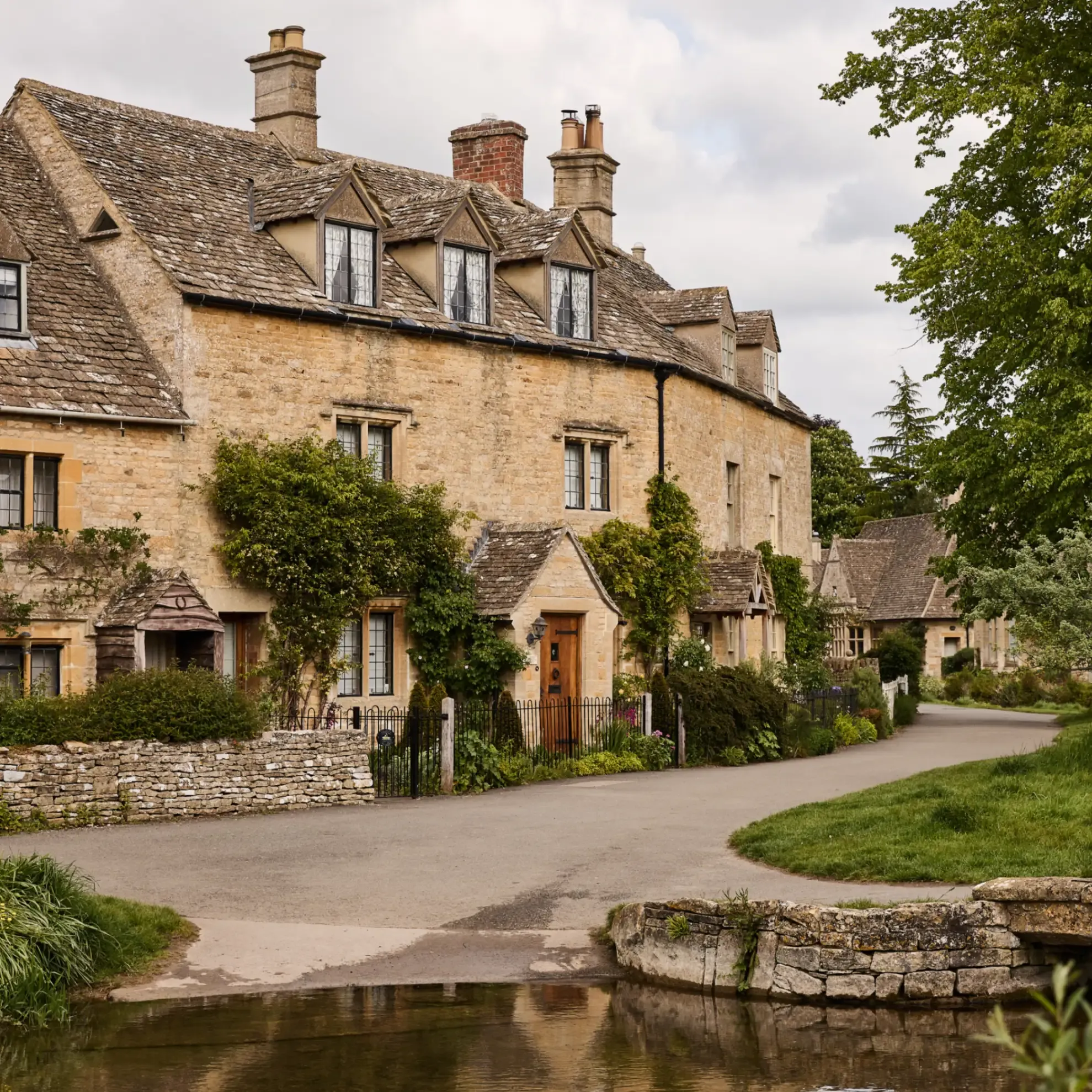
“Historically, the prime country house market was dominated by established business owners, financiers and buyers relocating from substantial London homes later in life. Today, we're increasingly dealing with crypto entrepreneurs, content creators, media personalities, sportspeople and those who have built successful businesses at a much younger age."
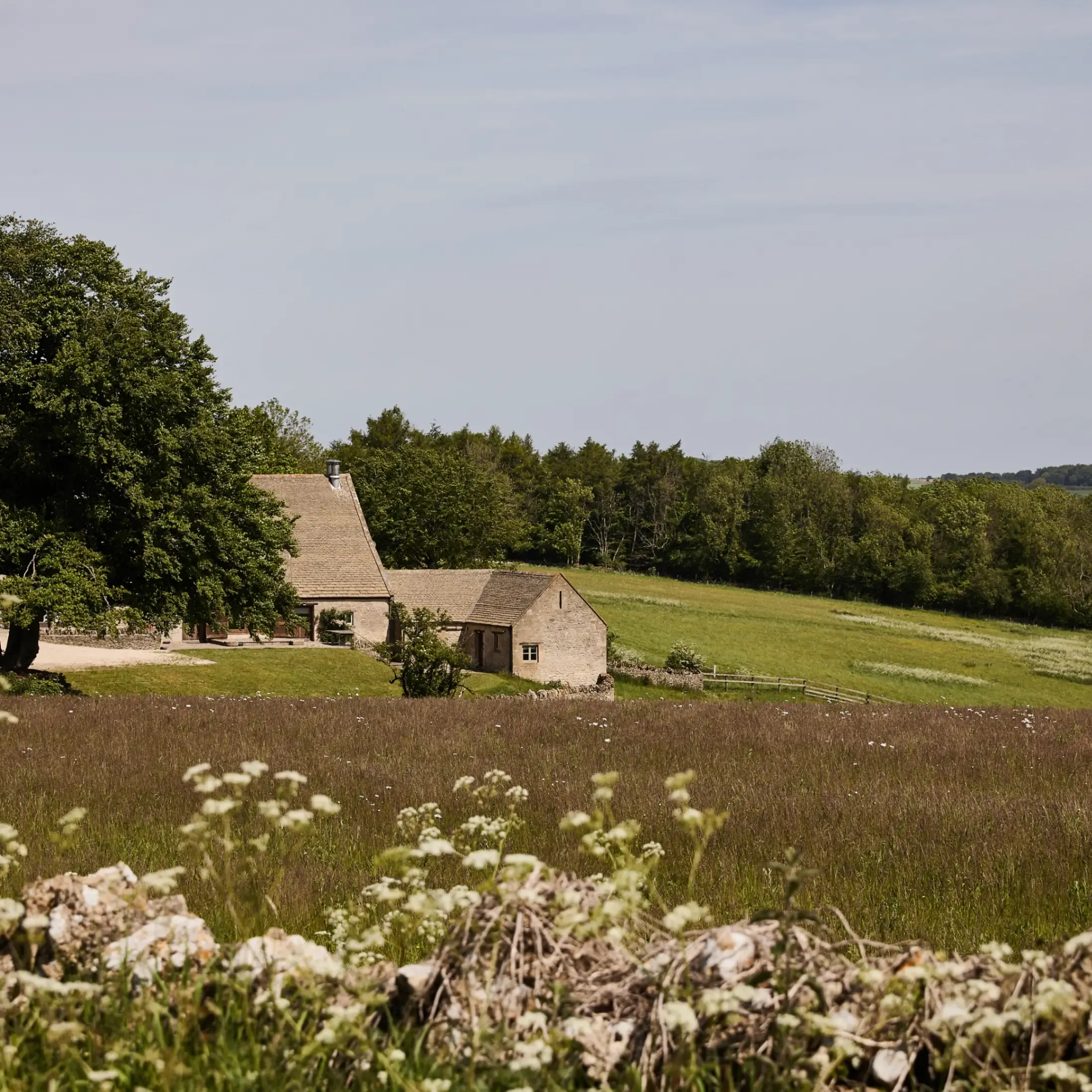
As the profile of the buyer evolves, so too do the motivations behind the move. "Many of these buyers are not following the conventional route of climbing the London property ladder before making a move to the country. Instead, they're going straight into prime regional markets and purchasing substantial country homes as their primary residence,” he adds.
“Improved connectivity, greater flexibility around where people work and a desire for lifestyle-led living mean that for many younger wealthy buyers, the country is no longer the end goal - it's the starting point. In a market that has faced its share of challenges, these younger and often unconventional purchasers are providing an important source of demand at the upper end of the market."
Every region monitored by Knight Frank recorded an increase in the proportion of buyers under 50 compared with 2012. Several markets stood out, both for the scale of growth and the share of transactions accounted for by younger purchasers.
Leading the way is Elmbridge, the affluent Surrey enclave encompassing Esher, Cobham, Walton and Weybridge, where almost three-quarters (74%) of buyers in the first half of 2026 were under 50. Its appeal, particularly among families, is easy to understand. Outstanding schools, excellent connectivity and a fast commute into London Waterloo, together with convenient access to Heathrow and Gatwick, have established the area as one of the capital’s most desirable commuter locations.
From prestigious private estates including St George’s Hill, the Crown Estate, Burwood Park and Ashley Park, to its mix of period homes and contemporary residences, Elmbridge offers the space, privacy and quality of life increasingly prized by today’s buyers.

“The pandemic fundamentally changed how many people think about work, home and lifestyle,” says Christopher Burton, Knight Frank’s Head of Elmbridge. “But because there are often various moving parts to position finances and property is an illiquid asset, it takes time for those changes in mindset to translate into market activity.”
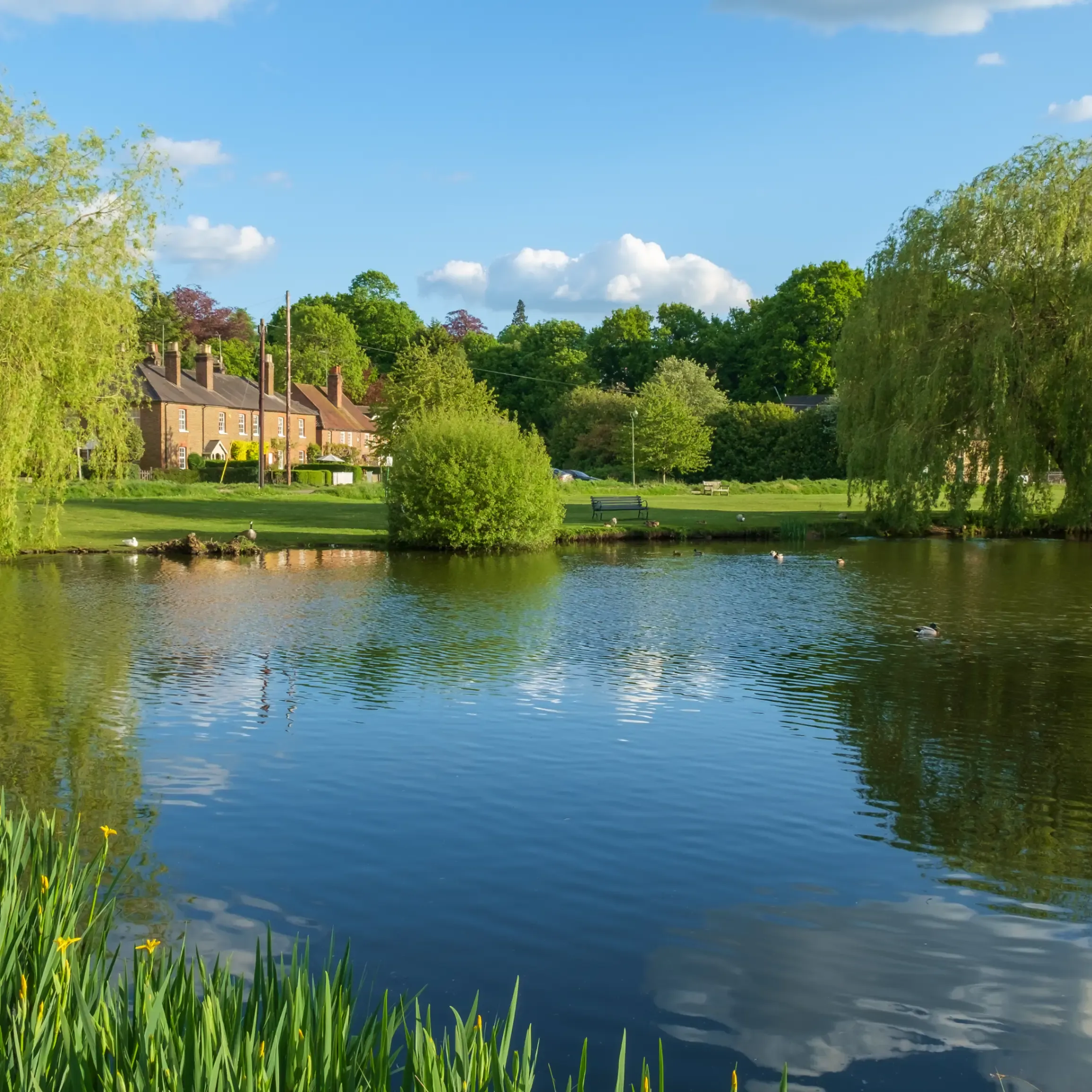
Space, gardens and access to green surroundings remain key drivers, while hybrid working has widened the horizons of buyers who no longer need to commute every day. “If you only need to be in the office two or three days a week, a slightly longer journey becomes a very different proposition when set against the additional space and quality of life you can enjoy,” he adds.

The profile of buyers moving to the countryside is changing, and so are their expectations. While previous generations often purchased country homes later in their careers, Burton is increasingly working with entrepreneurs in their thirties and forties who have already built significant wealth. The area also attracts successful sportspeople, with Chelsea’s training ground based near Cobham.
Just as notable is the evolution in what they look for in a home. Demand is growing for properties that blur the boundaries between indoor and outdoor living, with gyms, sports facilities, swimming pools and generous entertaining spaces increasingly part of the brief. “What we’re seeing is a greater emphasis on lifestyle-led amenities,” says Burton. “Whether it’s entertaining at home, prioritising wellbeing or making the most of warmer summers, buyers are increasingly drawn to properties that maximise their connection to the outdoors.”
Contact our expert team
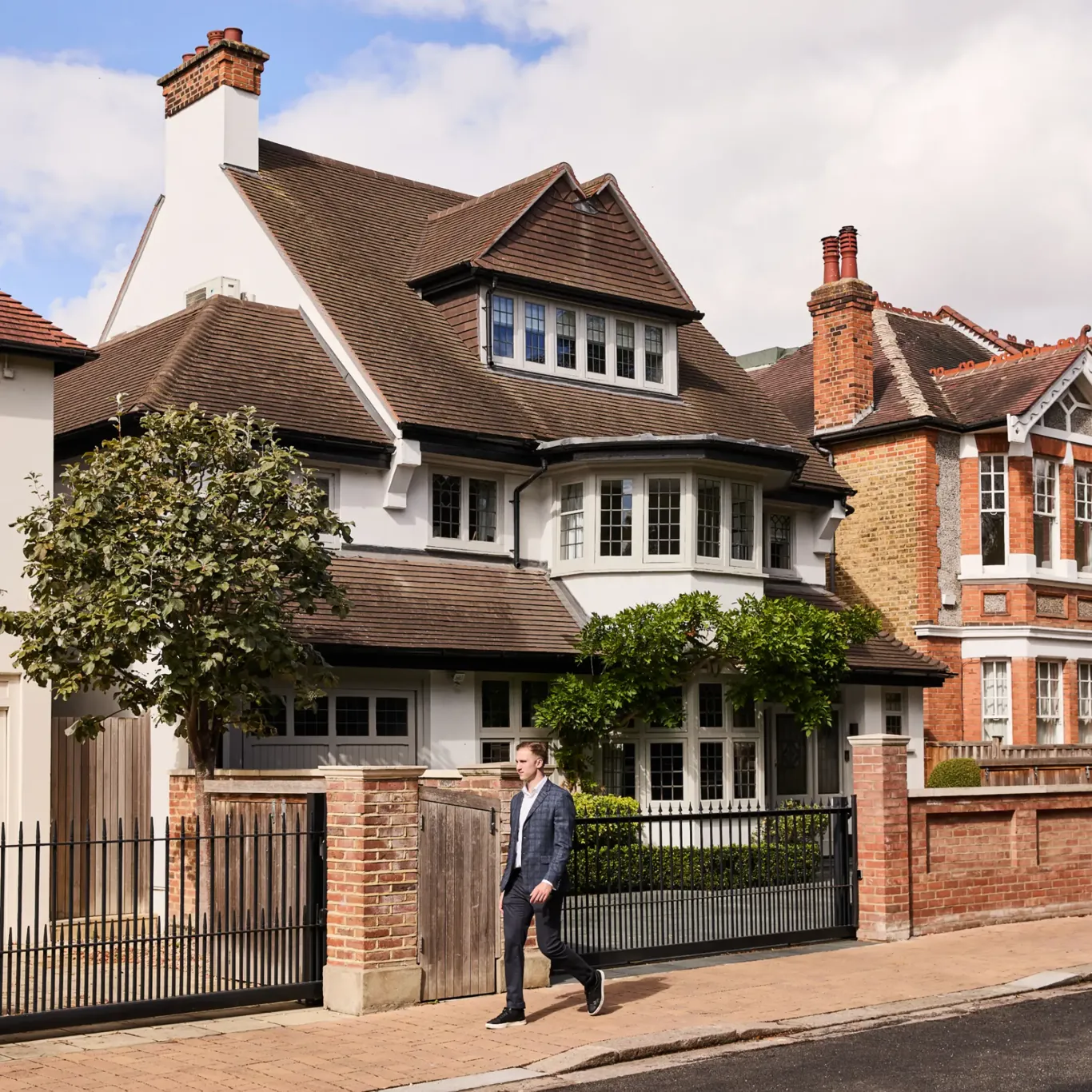
As buyers look beyond London's most established postcodes, local experts highlight the lesser-known neighbourhoods offering space, community and connectivity
22 October 2026
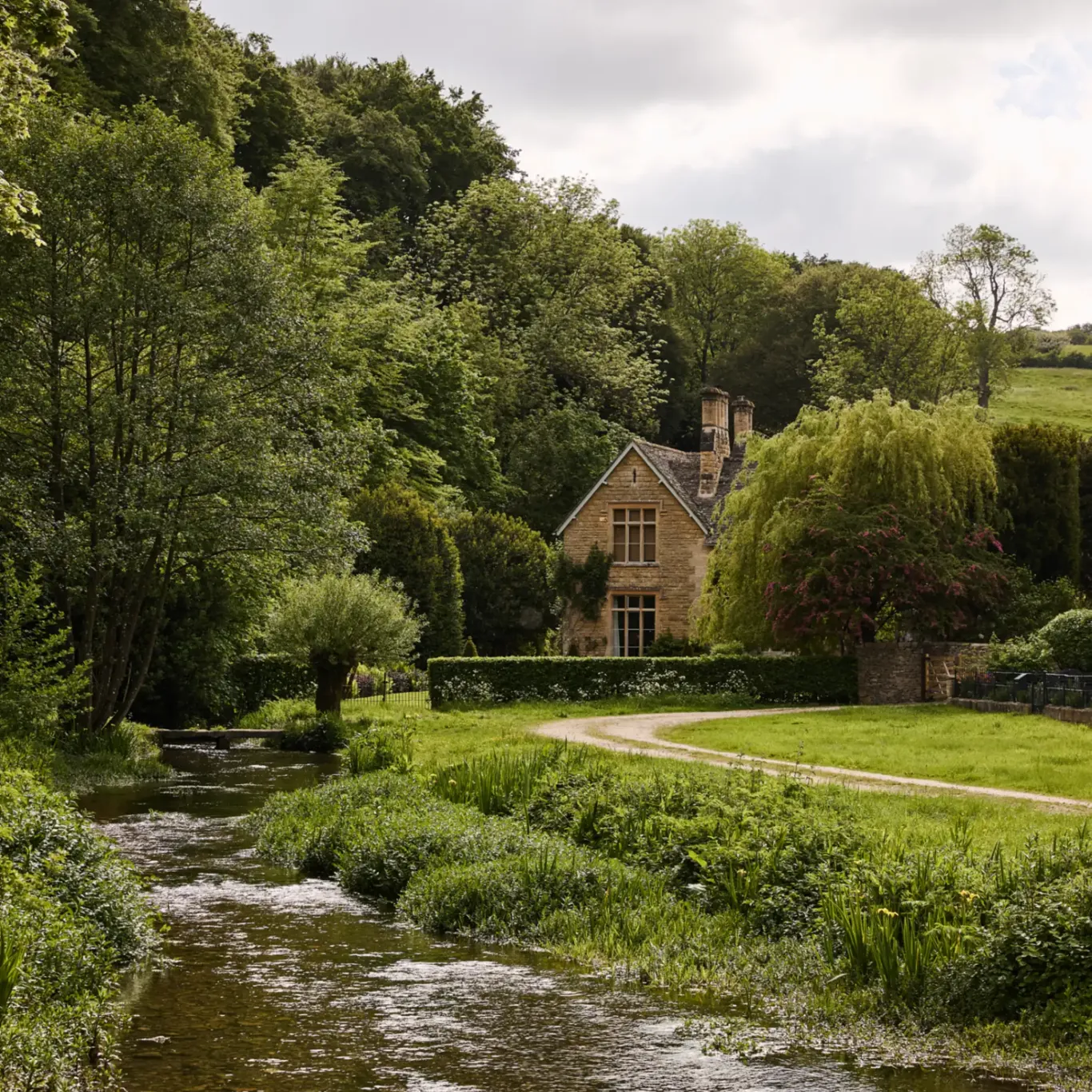
Flexible working, improved connectivity and a desire for lifestyle-led living are drawing a new generation of wealthy buyers to prime regional markets
21 October 2026
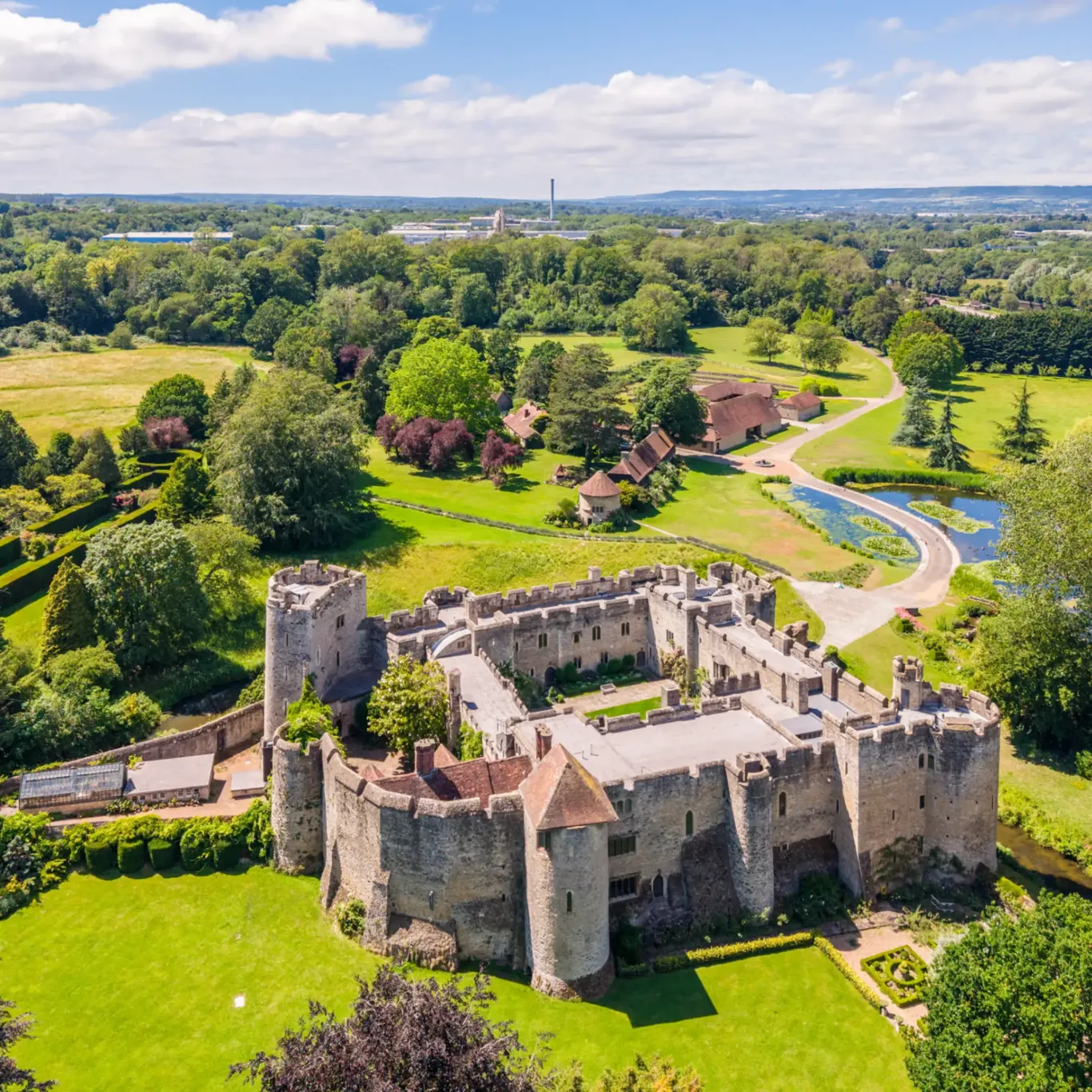
The romance, heritage and investment potential of castle ownership continue to attract discerning buyers from around the world
06 October 2026
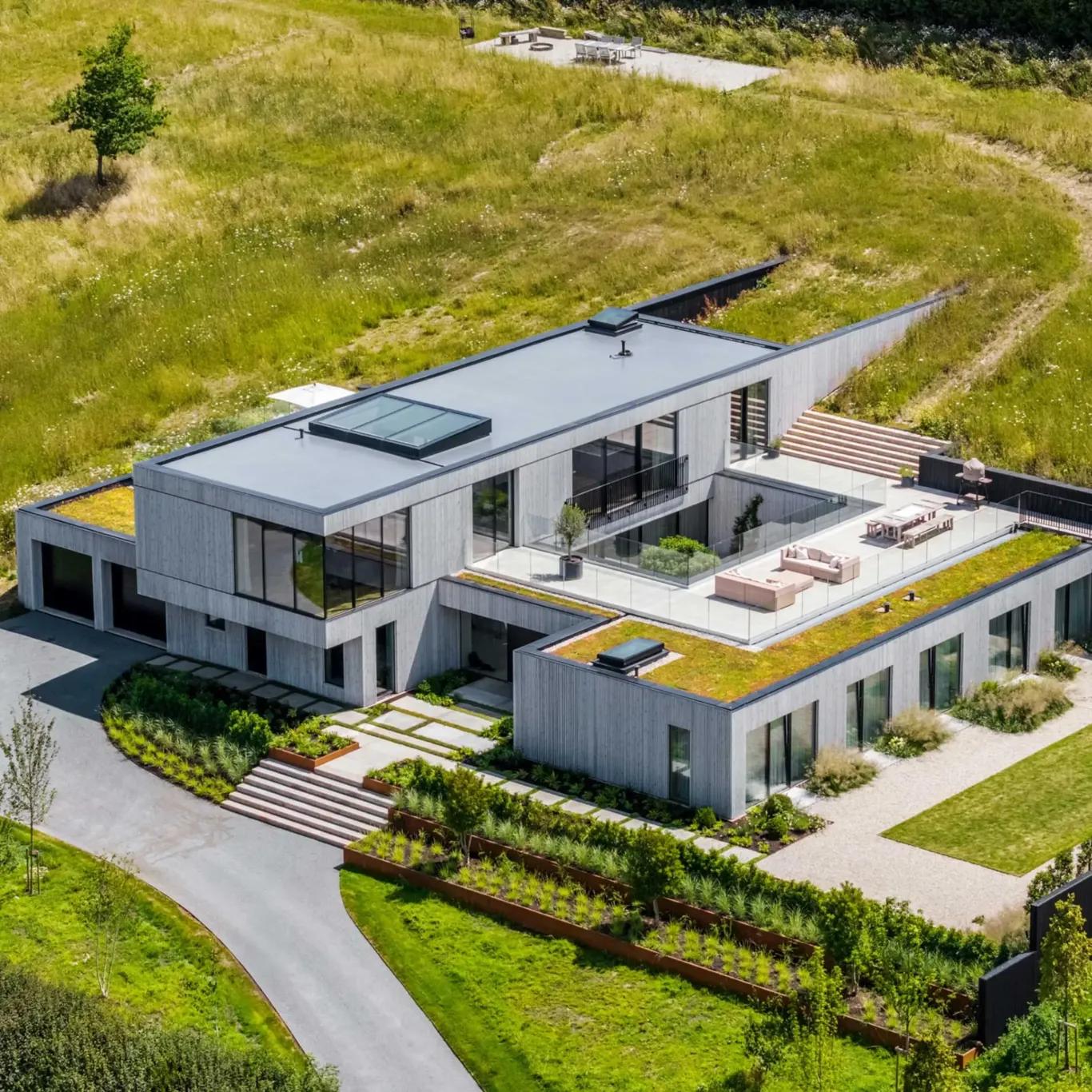
From solar panels and heat pumps to intelligent lighting and water-saving systems, energy efficiency is becoming a defining feature of modern homeownership
05 October 2026

As commuting patterns evolve, these well-connected locations are attracting buyers looking for flexibility, convenience and a better work-life balance
02 October 2026

From Les Saisies to Champagny-en-Vanoise, discover the French Alpine resorts combining exceptional skiing, authentic mountain living and long-term property investment potential
24 September 2026
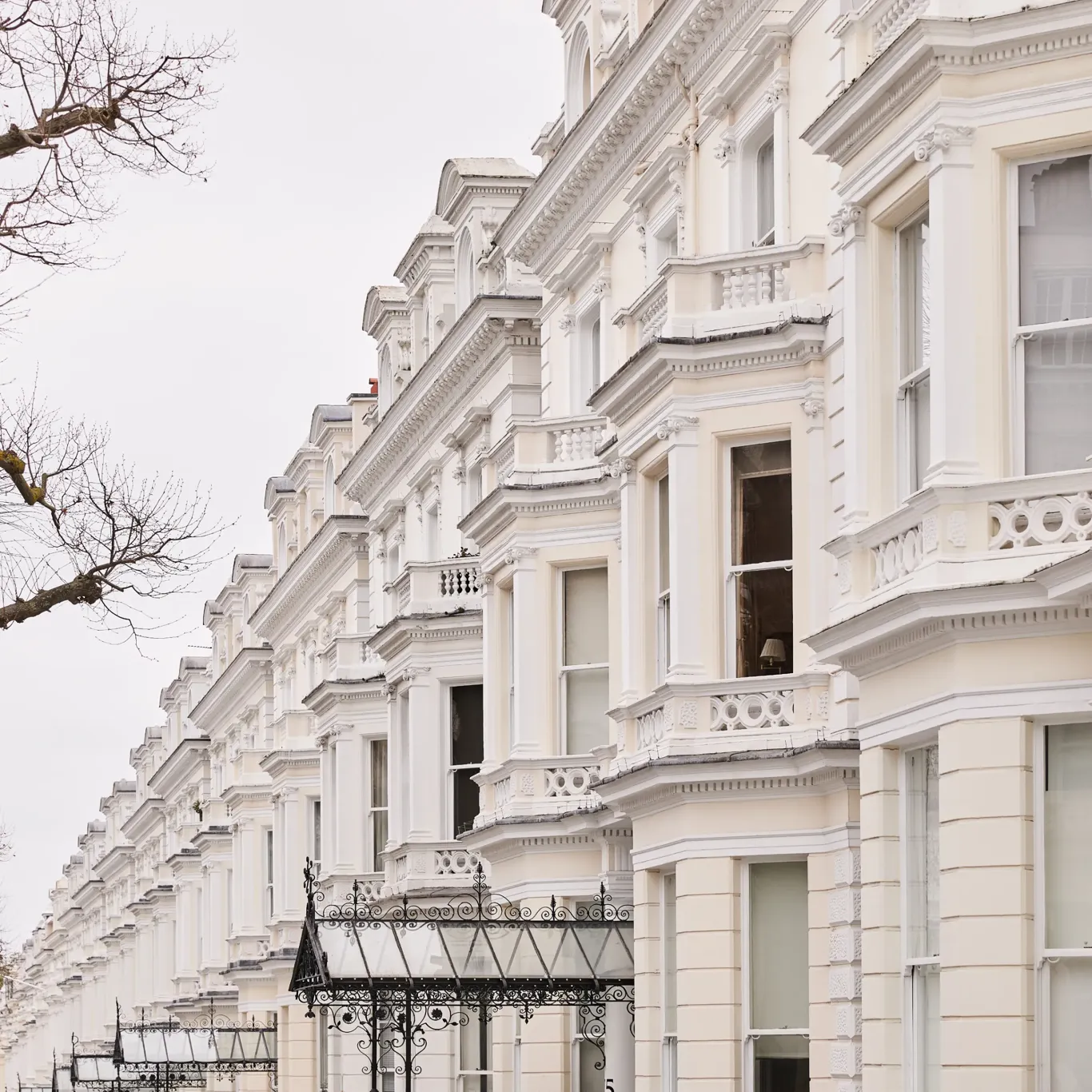
Transaction volumes are rising as improving sentiment encourages buyers and sellers back into the prime central London market
21 September 2026

As capital becomes more selective and specialised, we identify the newly emerging sectors shaping the future of commercial real estate investment
18 September 2026

How changing patterns of wealth mobility are reshaping demand for prime properties and branded residences
18 September 2026
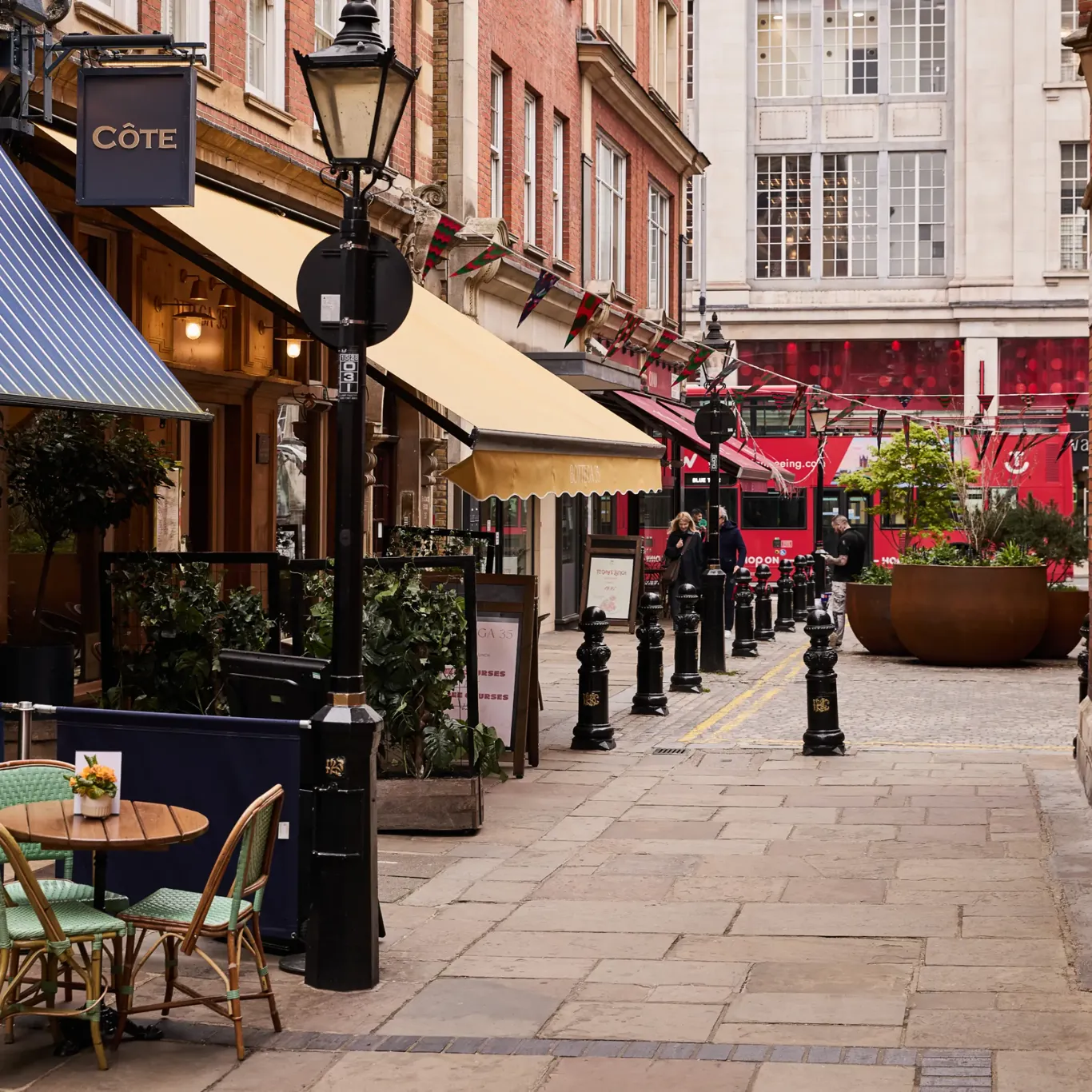
Knight Frank experts explore how retailers, investors and communities are redefining the role of the modern high street
17 September 2026

From top-performing state schools to leading independent education, these sought-after locations combine exceptional schooling with family-friendly homes and communities
09 September 2026

World-class culture, elegant architecture and a packed sporting calendar, now including the arrival of Formula 1, have helped make Madrid a year-round favourite
04 September 2026

With education a key driver behind relocation decisions, these standout properties combine proximity to renowned international schools with an exceptional quality of life
03 September 2026
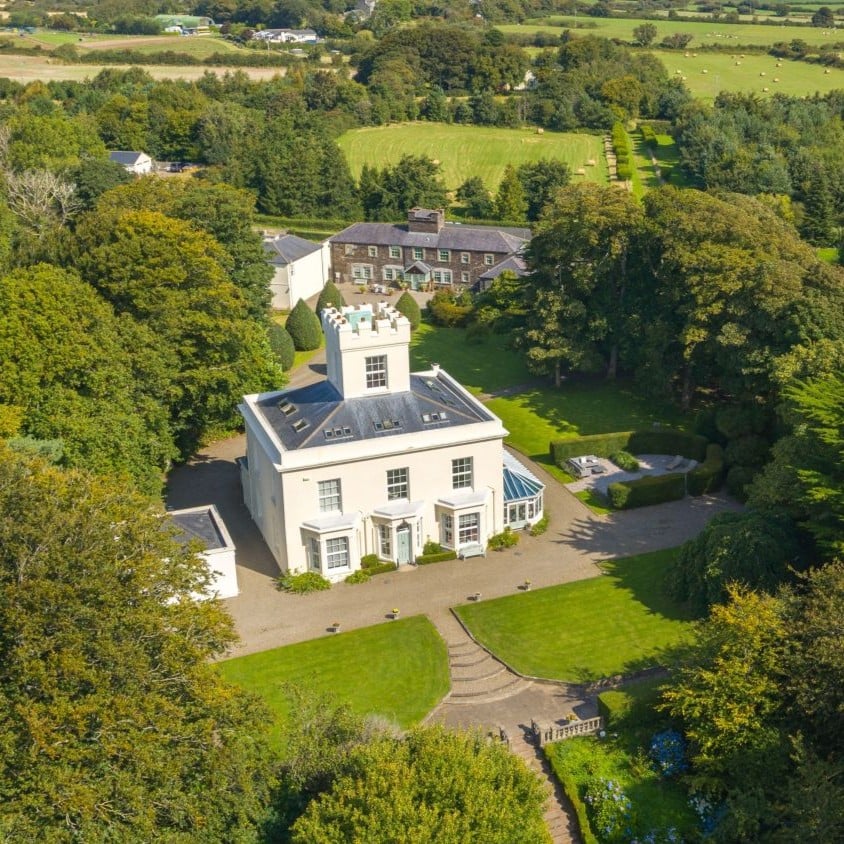
Step inside some of the most spectacular country homes for sale, from those with historical charm to contemporary luxury, each offering a unique glimpse of rural life at its finest
12 August 2026
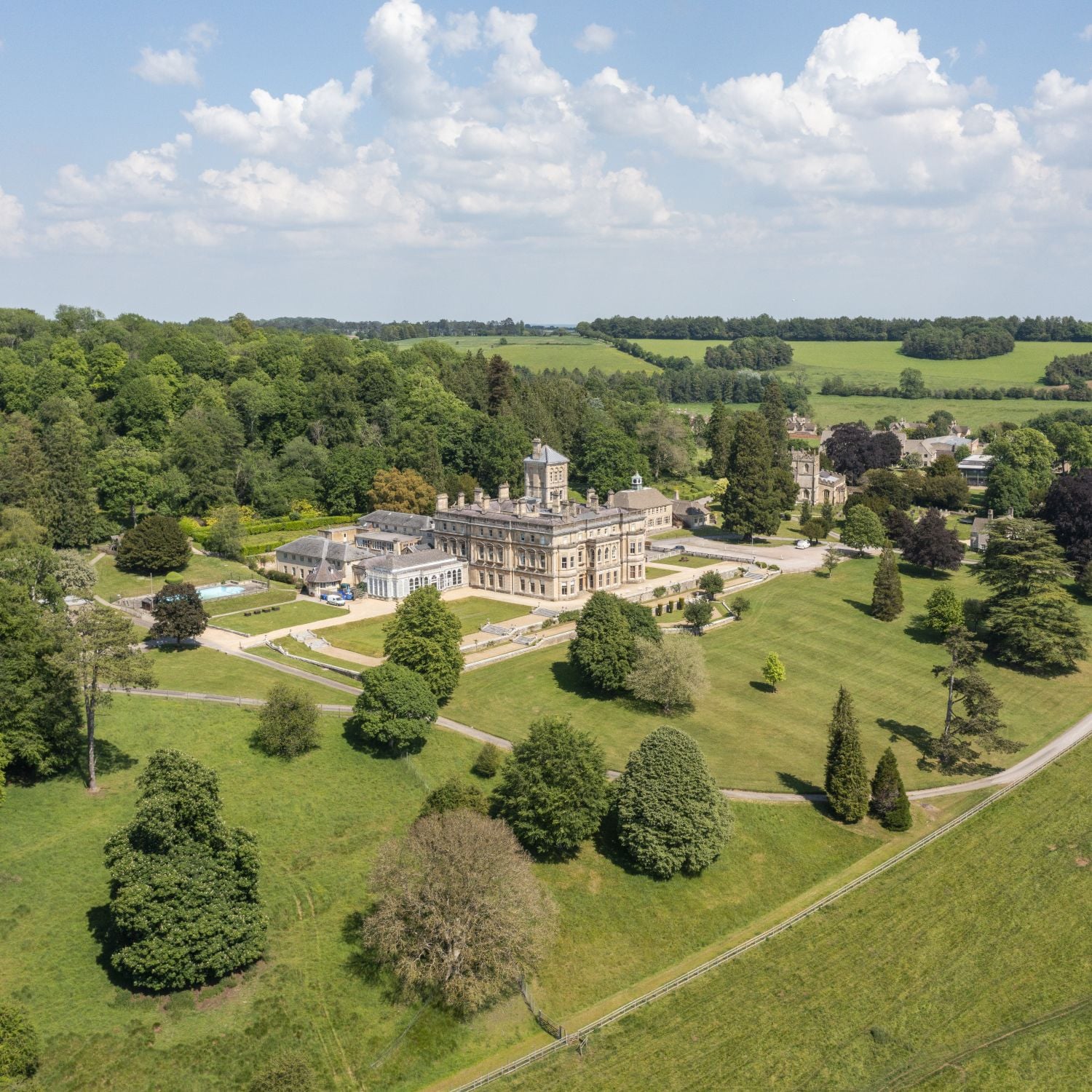
Rendcomb Park, a significant private estate set in 230 acres of prime English countryside with an on-going charitable legacy, is ready for the next chapter in its impressive history
12 August 2026
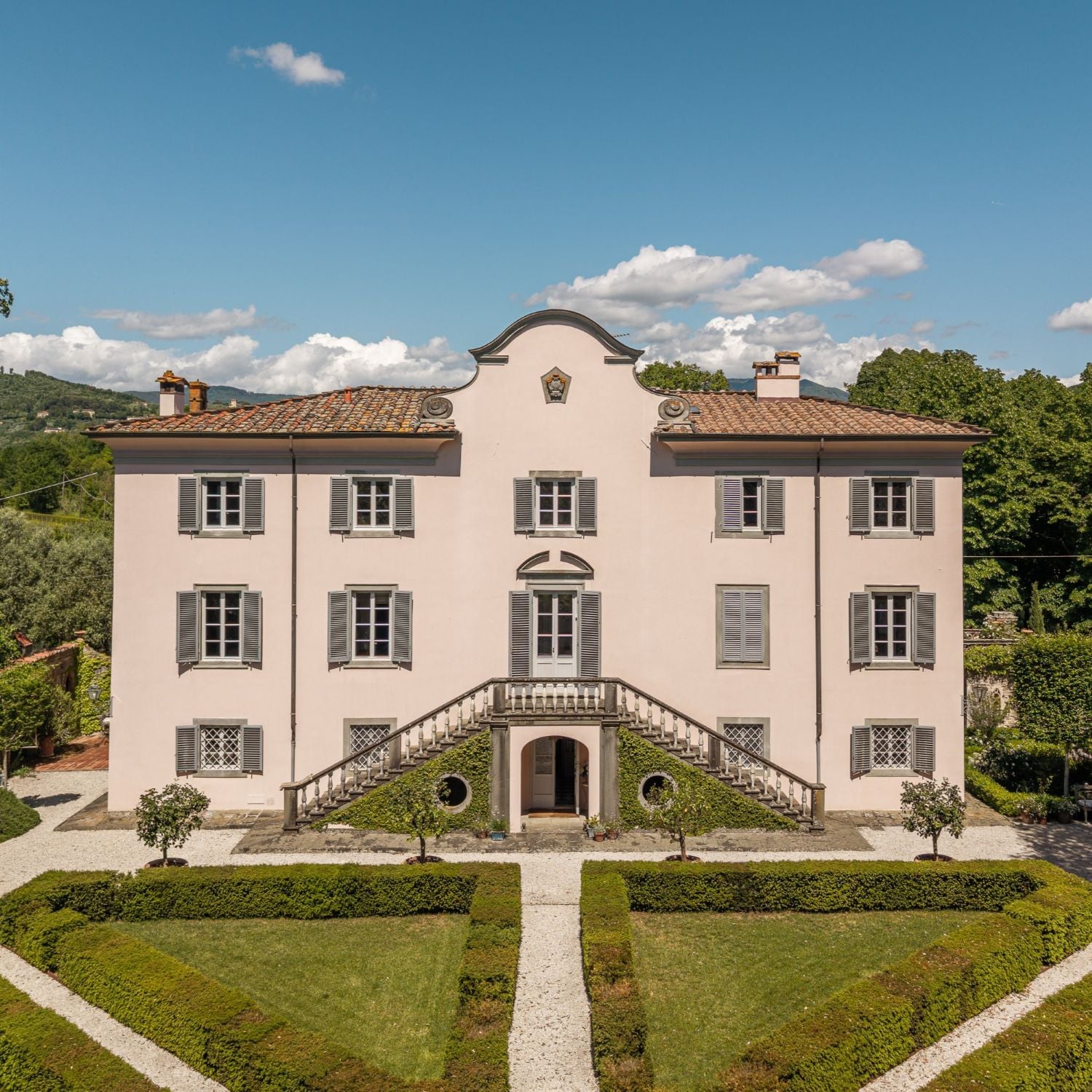
Discover the lesser-known authentic European locations where traditional villages and dreamy nature serve up an idyllic rural lifestyle.
07 August 2026
How modern high-tech solutions take the stress out of managing your home remotely
06 August 2026
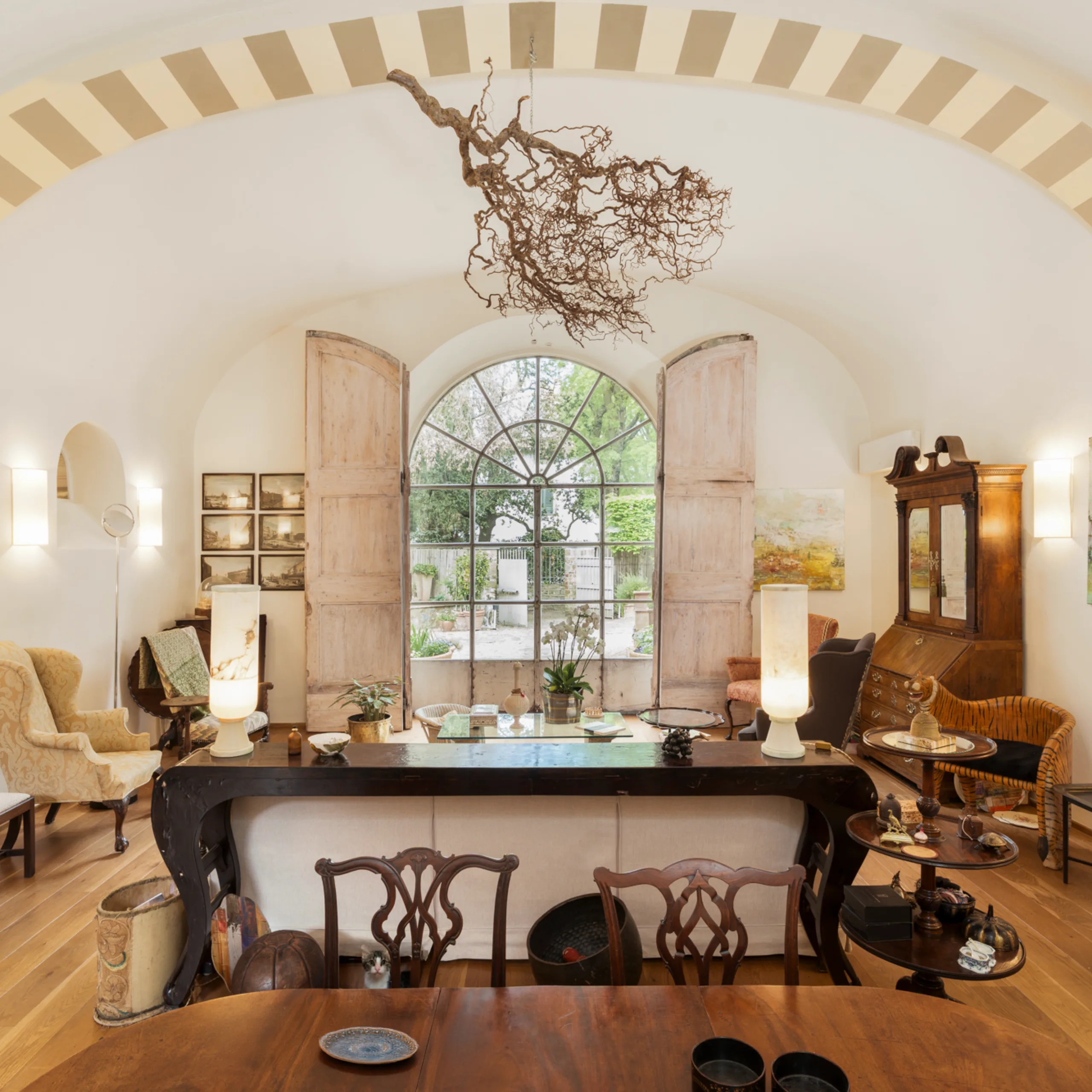
Artist Elizabeth Orchard finds inspiration in the beauty of Italy and her Florentine home and garden
06 August 2026
Bill Thomson, Chairman of Knight Frank's Italian network, highlights the important considerations for those setting out to buy an Italian home
06 August 2026
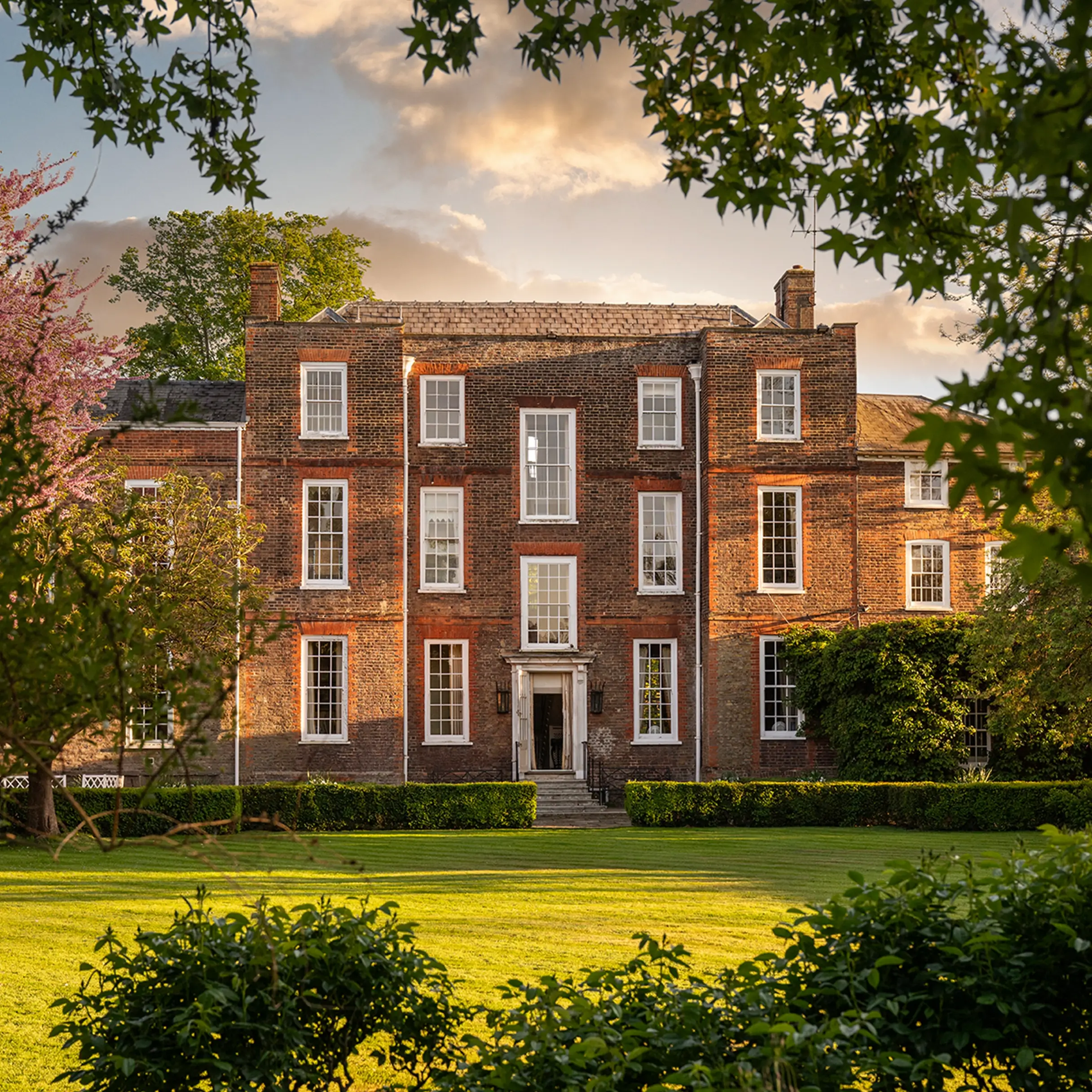
Ben Goldsmith shows the magic of Ormeley Lodge, home for 50 years to his mother Lady Annabel Goldsmith and for sale through Knight Frank.
30 July 2026
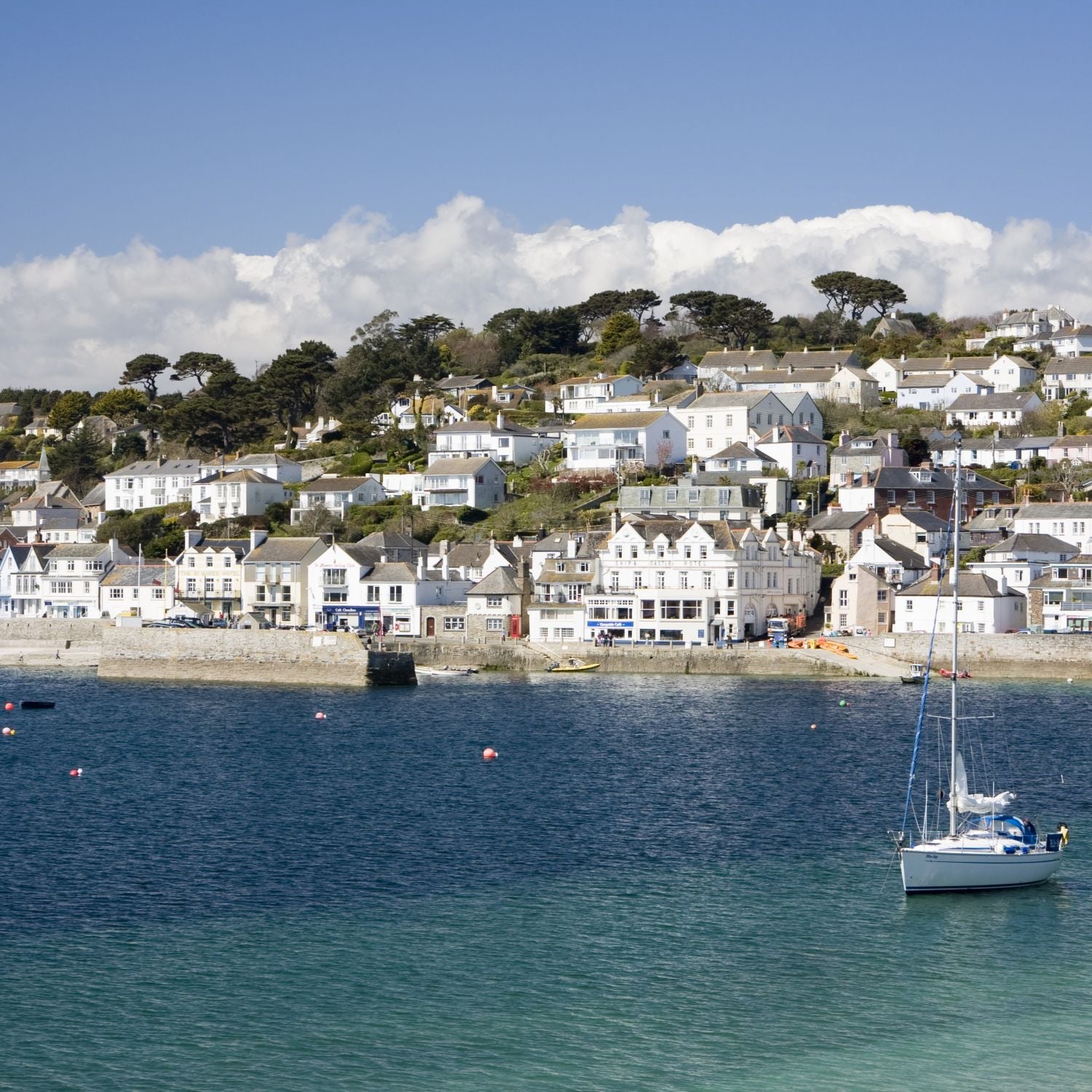
Knight Frank experts share their advice on showcasing your waterfront property in the best light, from presentation and timing to choosing the right pricing strategy
24 July 2026
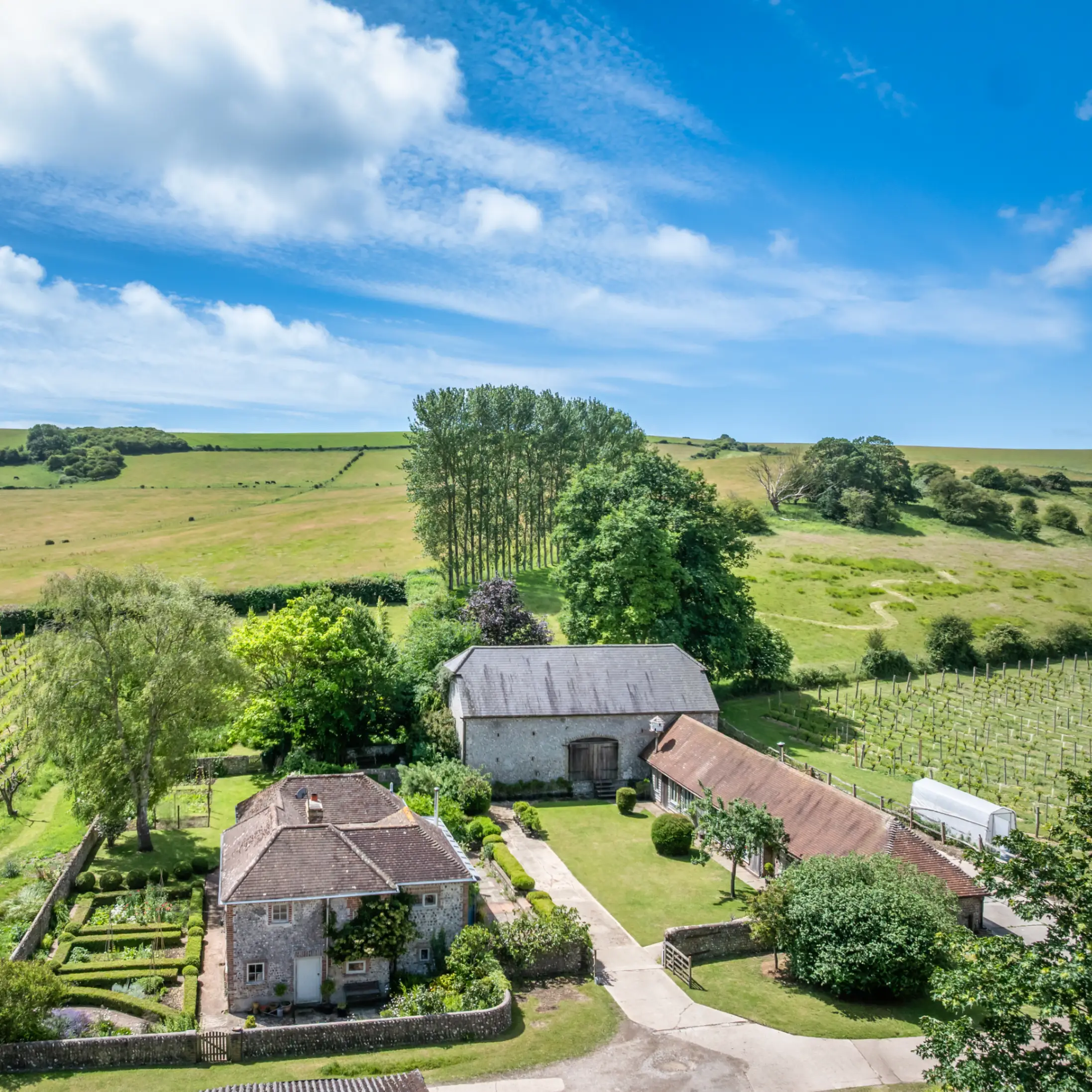
With greater choice and established vineyards coming to market, England's wine sector is entering a new phase of maturity
16 July 2026

Discover the global luxury property markets most in demand with astute international buyers today, from Dubai and Abu Dhabi to Mumbai and Brisbane
15 July 2026
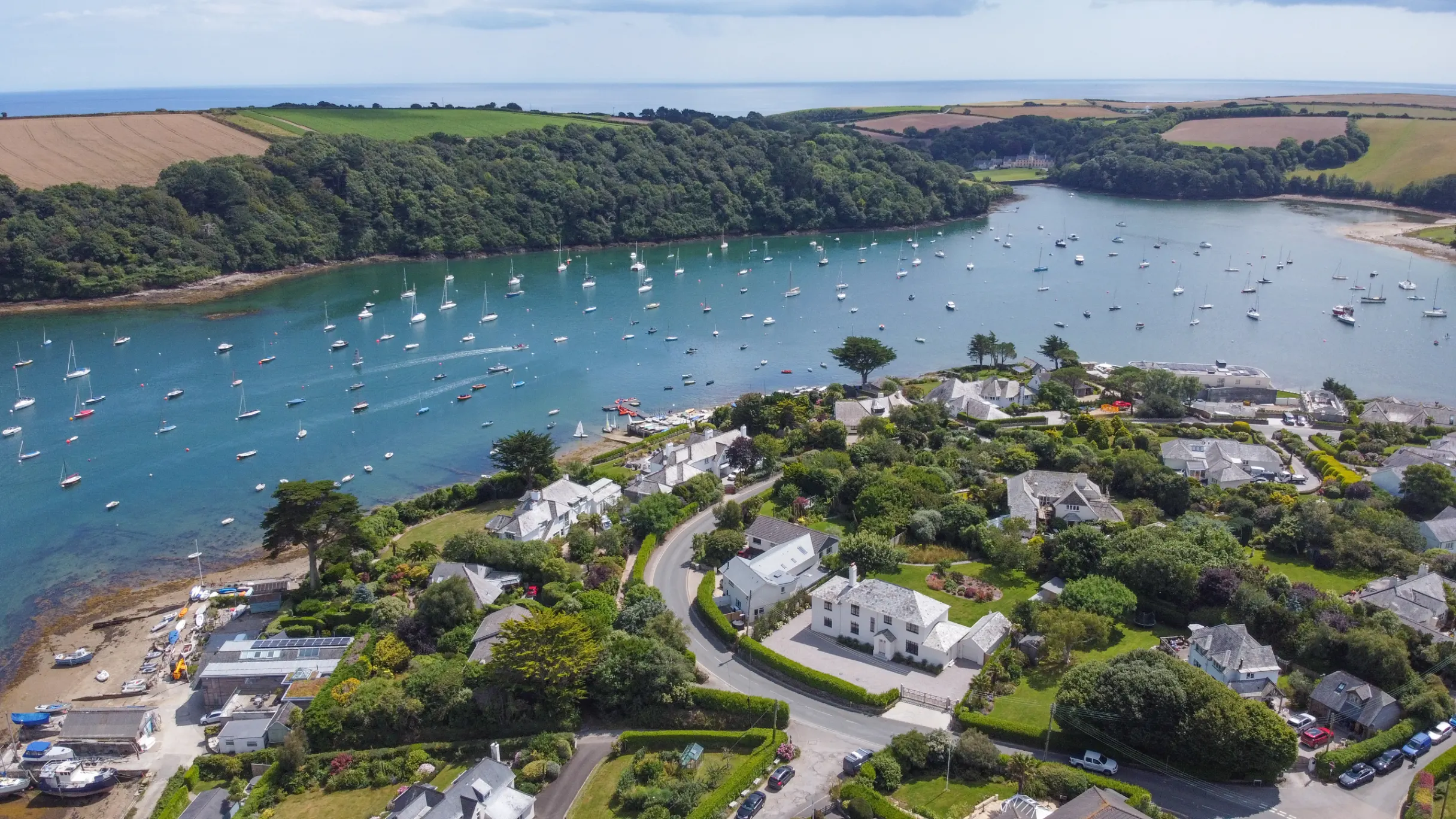
From contemporary living to homes with historic charm, we explore waterfront and coastal properties in Cornwall, Devon and Dorset
15 July 2026
Sorry!
An unexpected error has occurred.
Please try again later.
