Glass half full: opportunities in a changing winemaking landscape
Alexander Hall, Head of Knight Frank’s new International Vineyard Services division, looks at the forces reshaping the global wine production map – and creating exciting opportunities for forward-looking winemakers and investors
The 2025 edition of Knight Frank’s The Wealth Report painted a sobering picture of the challenges facing the wine industry. A year on, while those challenges have definitely not disappeared, some – such as the tendency of younger people to drink less alcohol – have arguably been overstated. Drinking habits may be changing; but forward-thinking producers are taking advantage of the shift.
As is often the case, with challenge comes opportunity. For example, while climate change is undoubtedly having an adverse impact on some established wine-growing regions, it is also opening up new areas for commercial wine production.
Opportunities also overlap. A move towards fresher and lighter wines, for example, benefits cooler vineyards located at higher altitudes or in areas influenced by maritime weather patterns, which are also less at risk from rising temperatures.
Below, we outline five trends impacting the global wine industry – and highlight some of the regions best placed to benefit, while experts from across the division share their local perspectives.
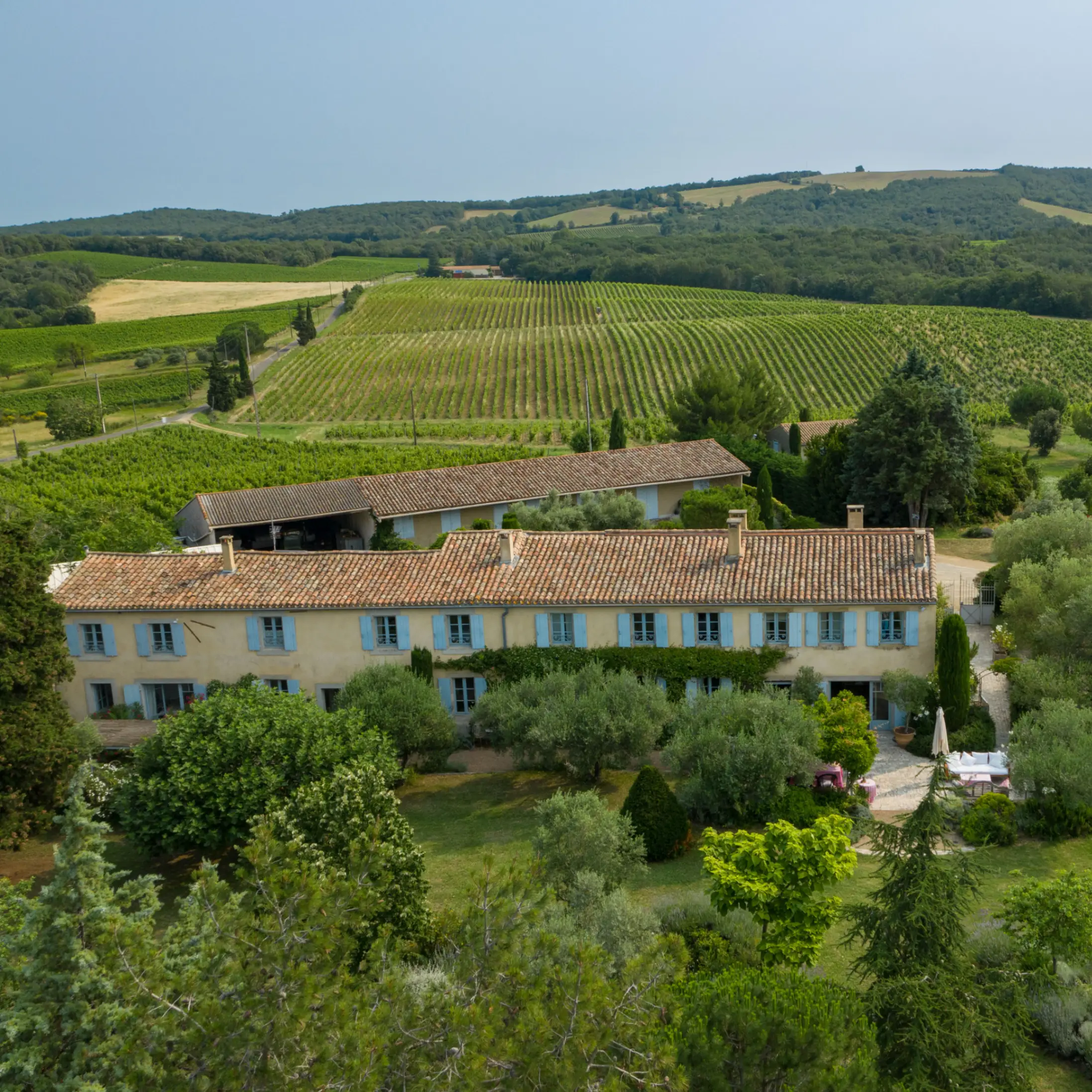
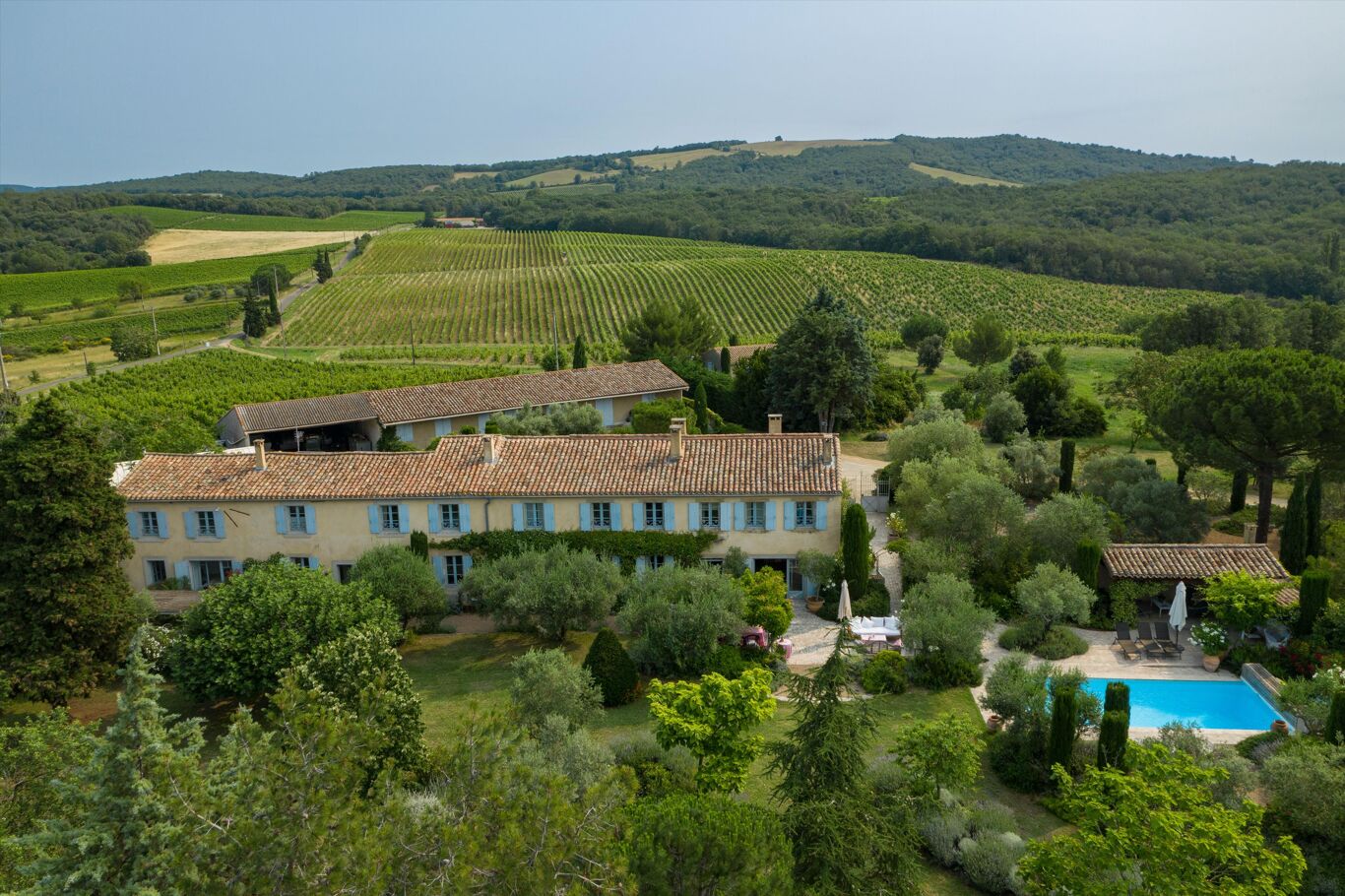
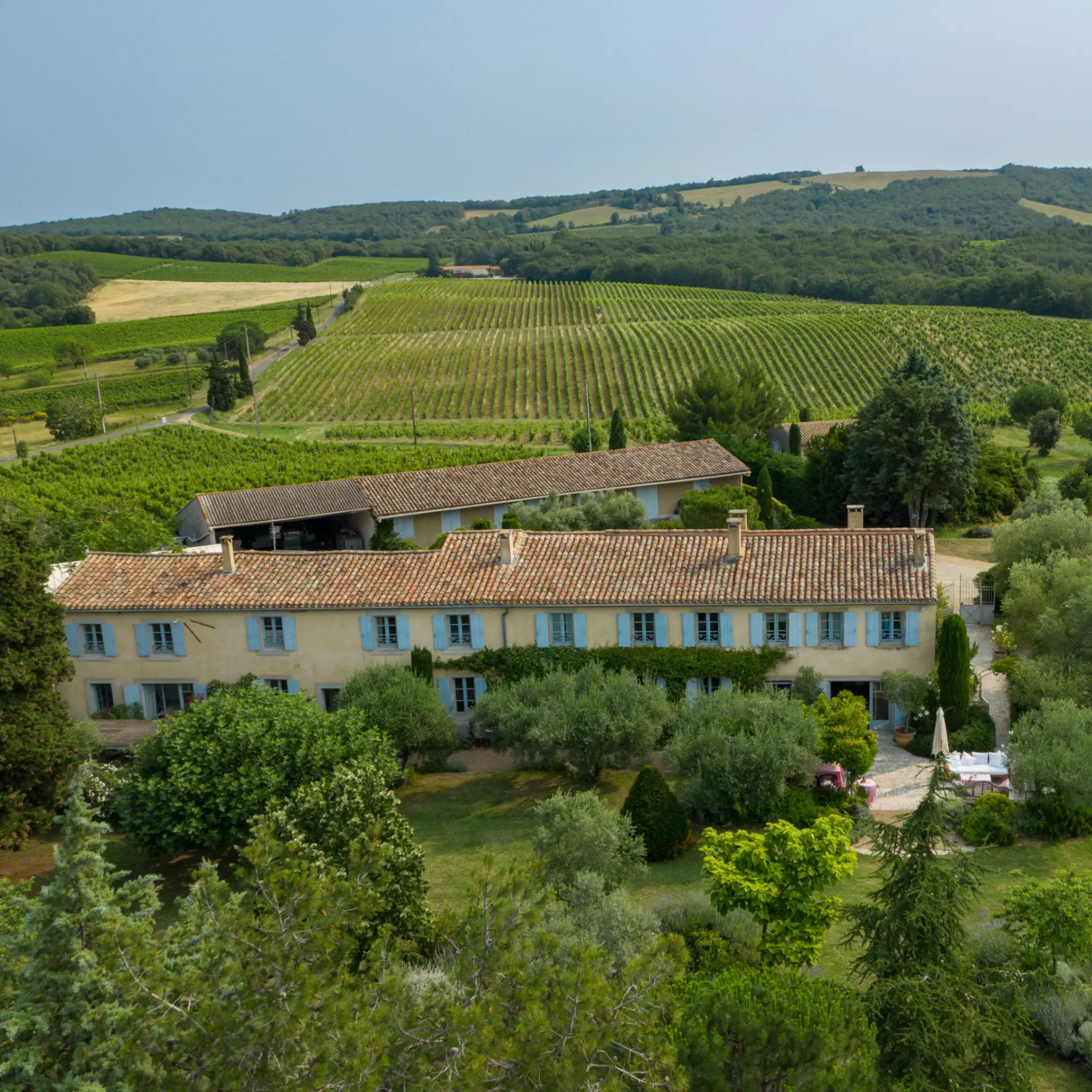
Limoux, Occitanie.
Vineyard, 177.92 acres
An award-winning organic vineyard in the foothills of the Pyrenees.
Climate change is having a profound effect on some of Europe’s traditional grape-growing regions. Rising temperatures, extreme weather events and unpredictable seasons are reducing yields and altering grape quality in parts of southern Europe, as well as in other parts of the world including California and Australia.
Growers in affected areas are taking steps to adapt by recalibrating their varieties and adopting new growing and winemaking techniques, while production is also shifting to cool-climate wine regions or to areas where rising average temperatures have made wine production, once unfeasible, commercially viable.
Grapes grown in cooler conditions also produce the lighter styles of wine that consumers are switching to, away from the increasingly alcohol-heavy types produced in hotter climates.
European wine-growing areas best aligned with this trend include the Loire Valley and Limoux in France, the Mosel in Germany and Alto Adige and Friuli in northern Italy, where more northerly latitudes and higher altitudes ensure lighter, fresher styles of both white and red wines.
The rise of English wine has been well documented, with an increasing area of the country now viable for wine production and warming temperatures improving ripeness. Good reds are now being bottled as well as sparkling and still white wines.
In the southern hemisphere, vineyards at higher altitudes or cooled by coastal breezes are coming to the fore, such as the foothills of the Andes in Chile, Tasmania and New Zealand’s central Otago and Malborough regions, while in the US, Oregon’s Willamette Valley is a cool-climate sweet spot for Pinot Noir and Chardonnay.
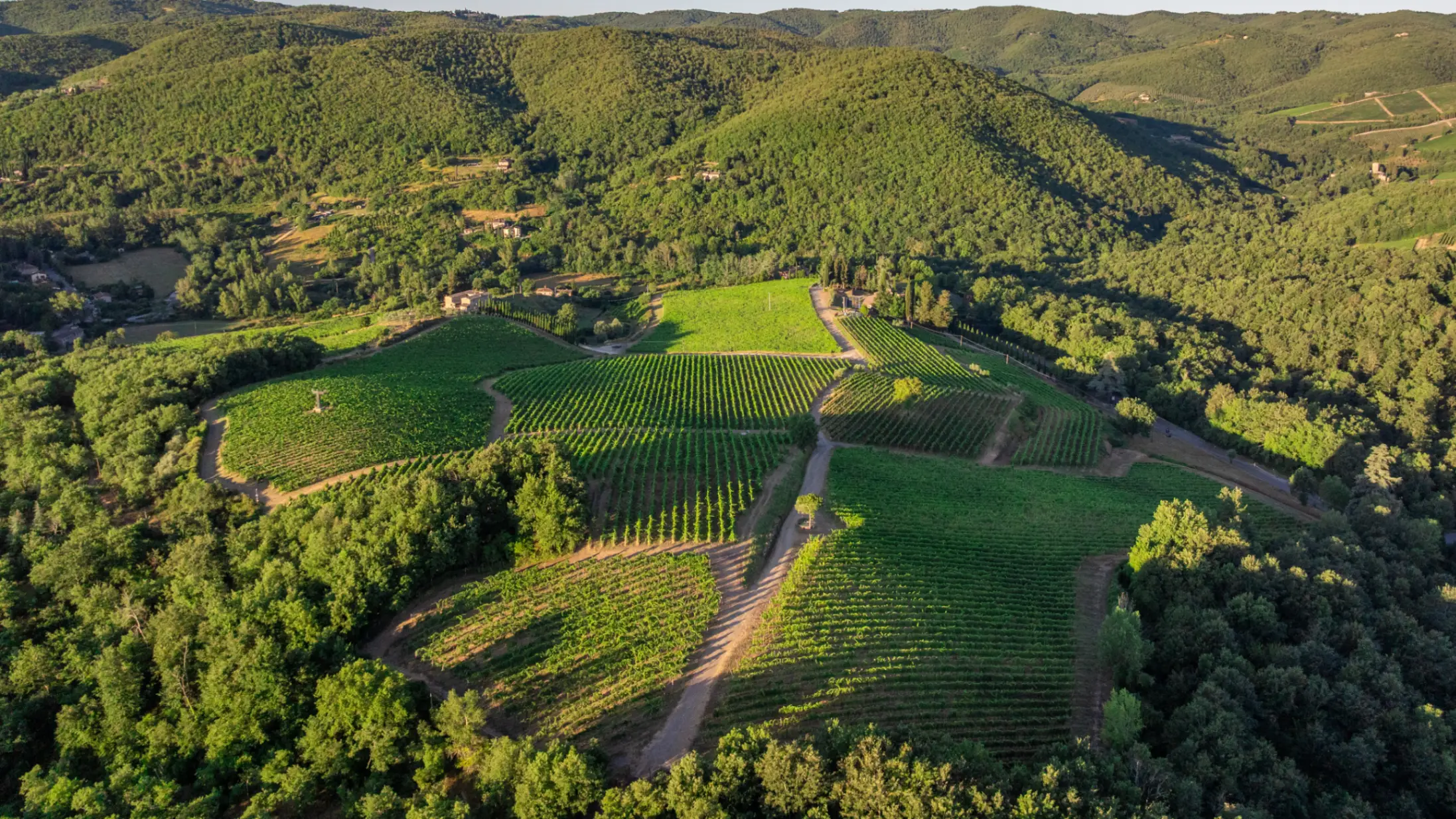
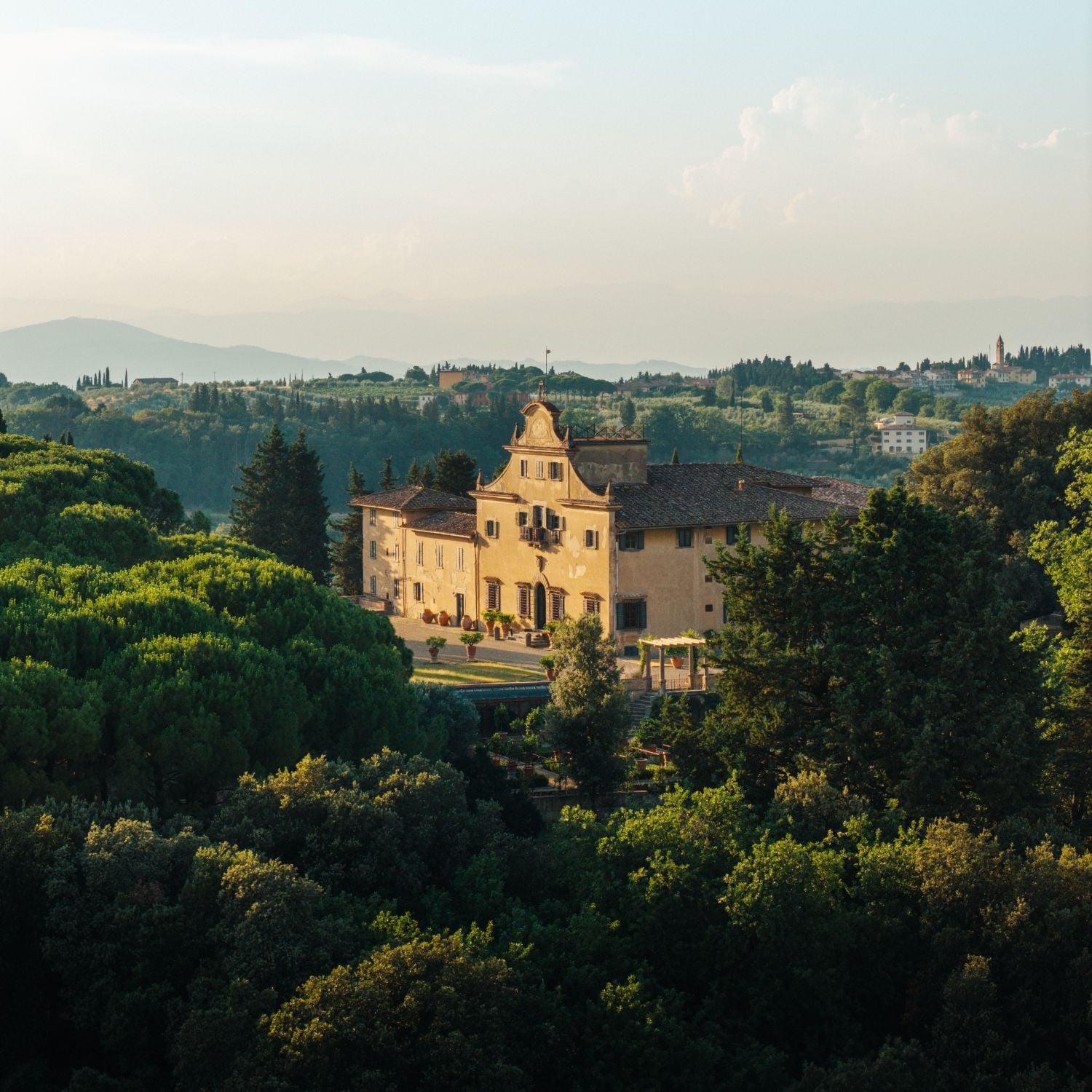
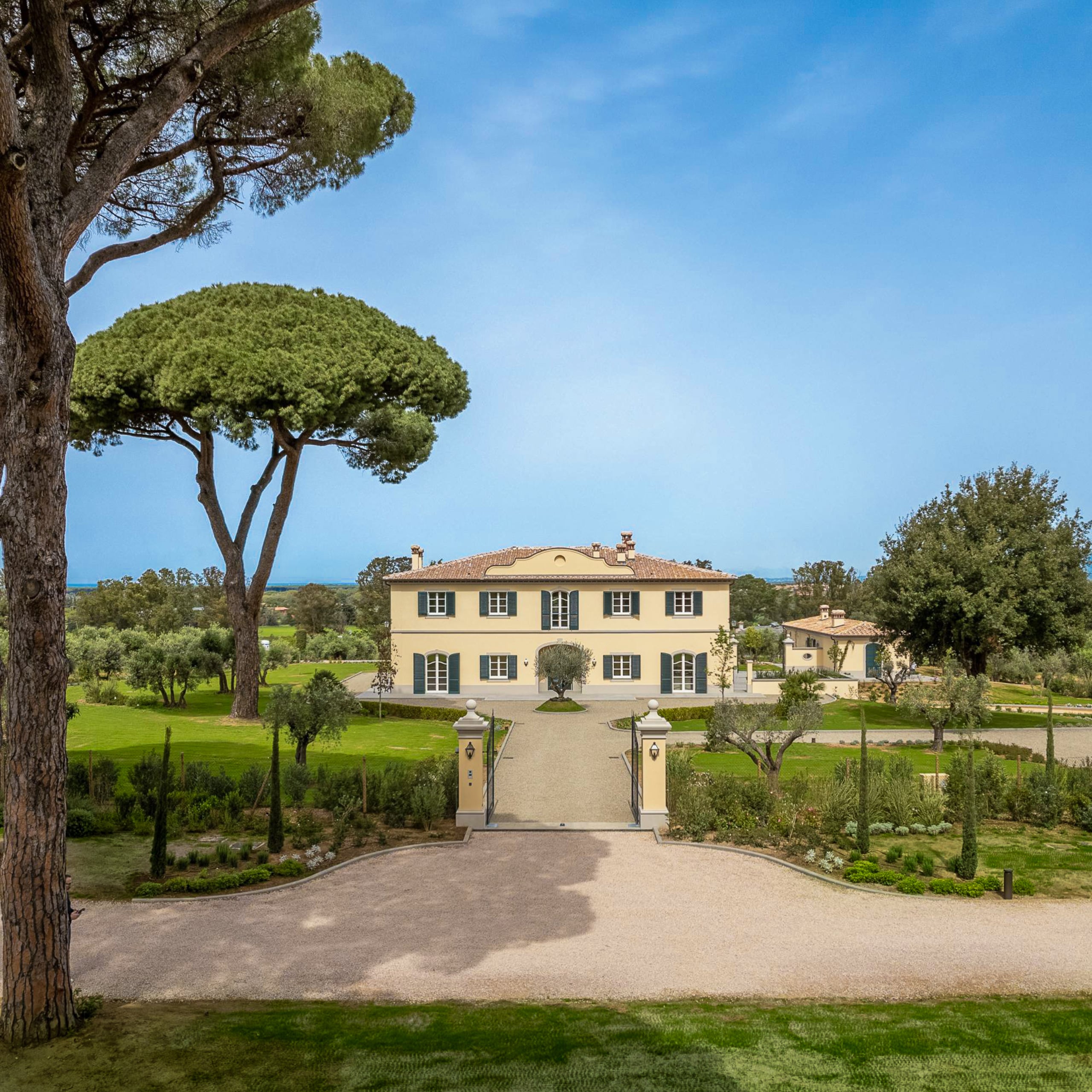
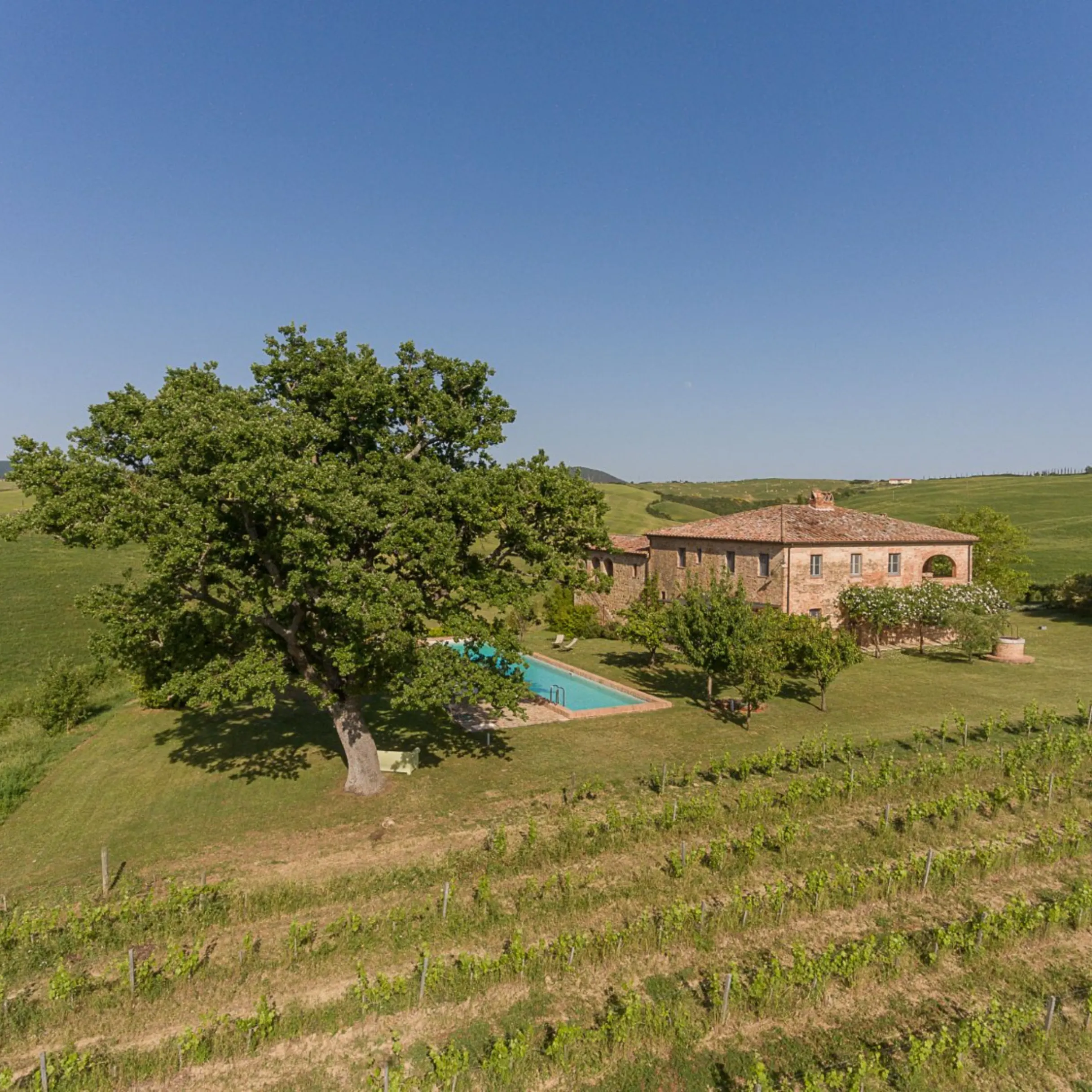
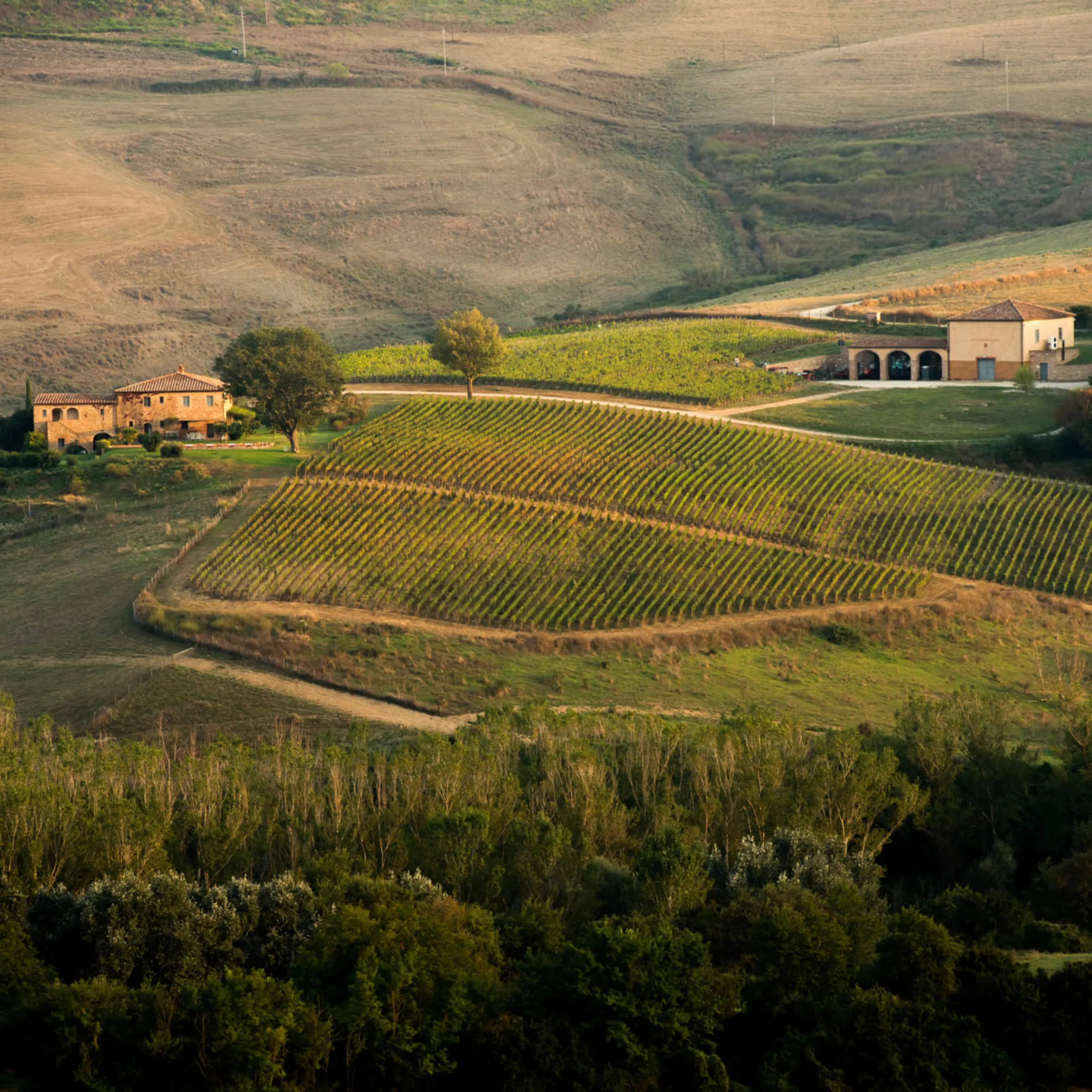
50-hectare estate for sale in the heart of Tuscany, Italy. Contact Alexander Hall for further details.
Consumers are prioritising high quality wines
Quality over quantity is the wine industry’s new mantra. Overall, global consumption may be falling, but values are rising with drinkers increasingly choosing higher quality, artisanal and terroir-specific wines, rather than mass-market bottles.
Premium segments often grow faster in value than volume, showing that people are willing to pay more for quality and authenticity. Even when markets are affected by economic headwinds, consumers still want good value, so brands often balance “quiet luxury” with tangible quality.
Nevertheless, this is a competitive segment of the market, and those vineyards with a strong narrative story focusing on provenance and craftsmanship are best placed to differentiate themselves.
Regions that best align with this trend include some of the world’s wine powerhouses, where opportunities to acquire vineyards are extremely rare. Champagne is the industry’s premiumisation engine, with unrivalled collective brand strength driven by occasion-led demand.
Although Burgundy faces some climate challenges, it has an unmatched terroir narrative, and there is deep global demand for its scarce, ultra-premium brands. The same can be said of the Piedmont region of Italy, where the wines of Barolo and Barbaresco still hold huge allure, while the top Bordeaux chateaux continue to drive the global fine wine market.
For the investor, scarcity beats scale. Vineyards in the top regions such as Champagne and Burgundy are where the worlds of luxury brands and commercial winemaking overlap, creating a highly resilient asset class.
However, the New World also offers opportunities for those looking to tap into the premiumisation trend. Oregon’s Willamette Valley delivers Burgundy adjacent appeal at lower absolute prices, while Australia’s Barossa and Eden Valleys produce some of the world’s most iconic wines.
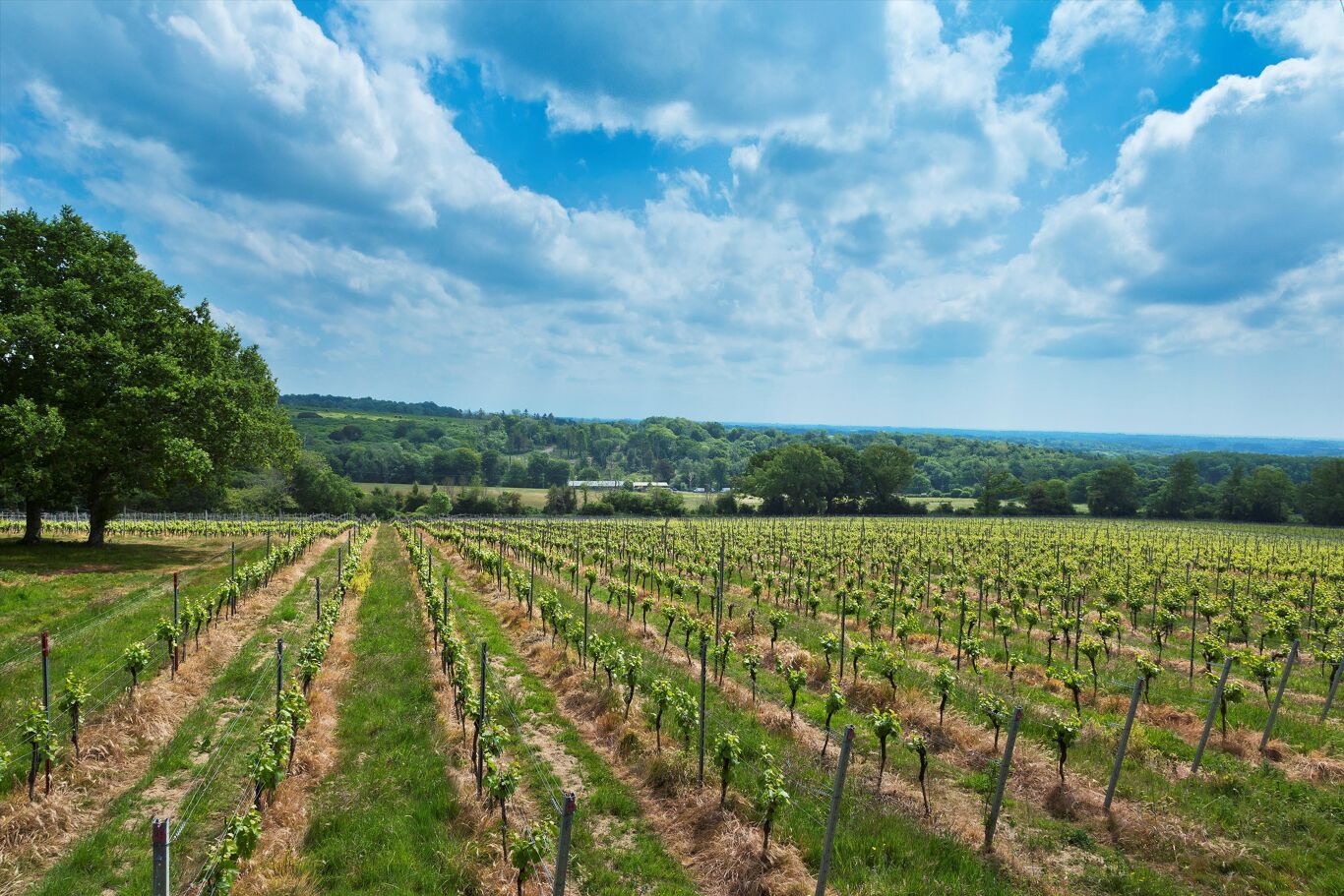
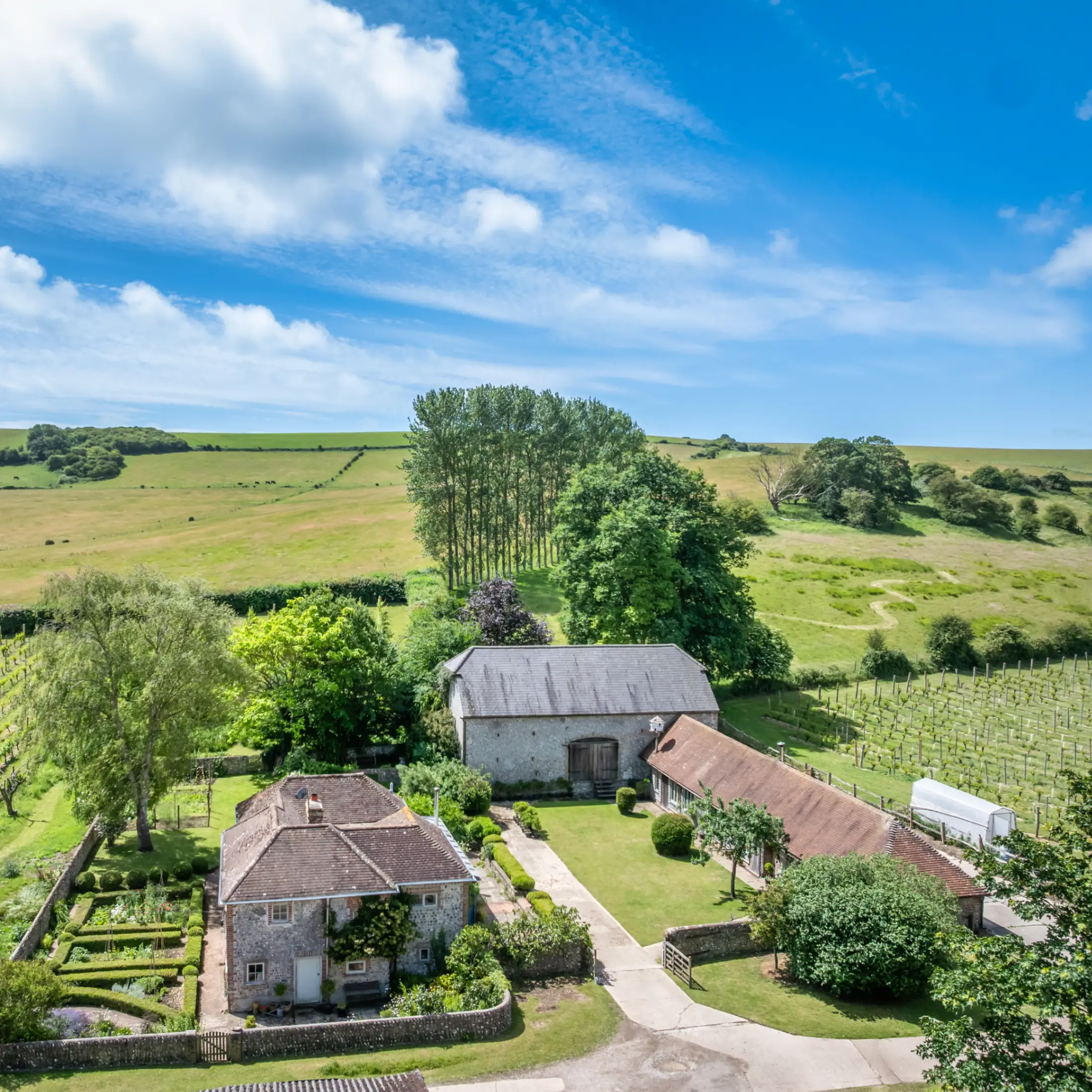
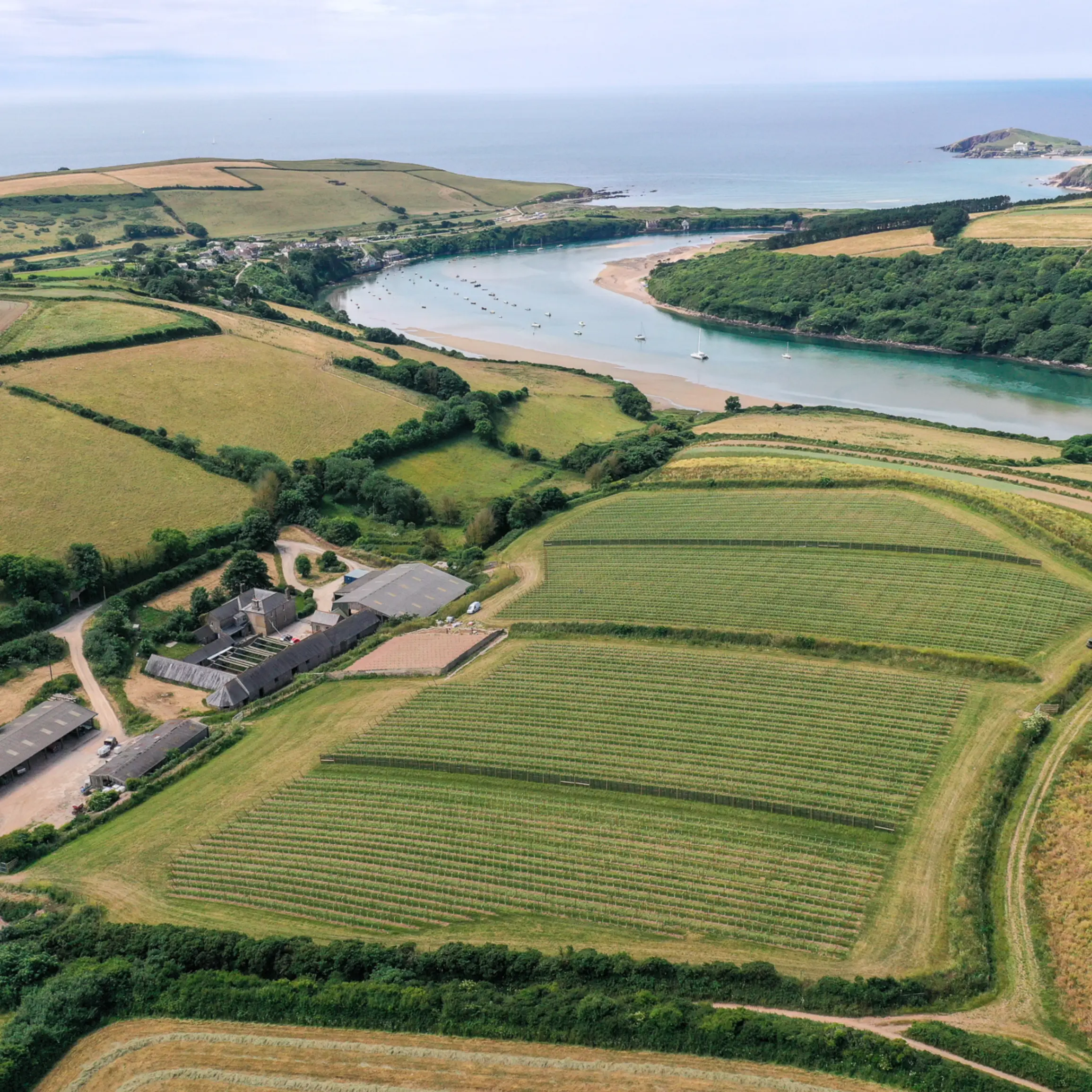
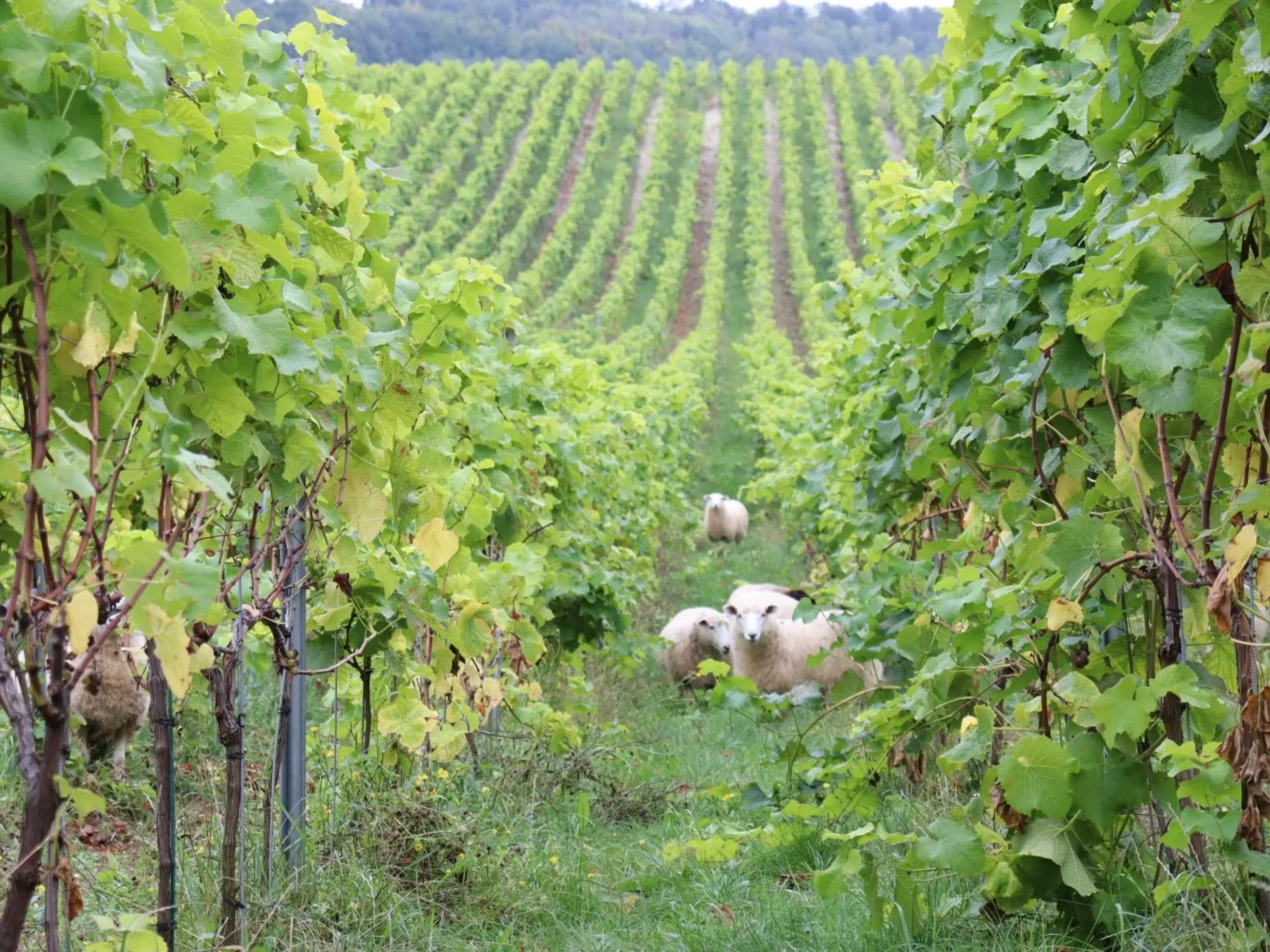
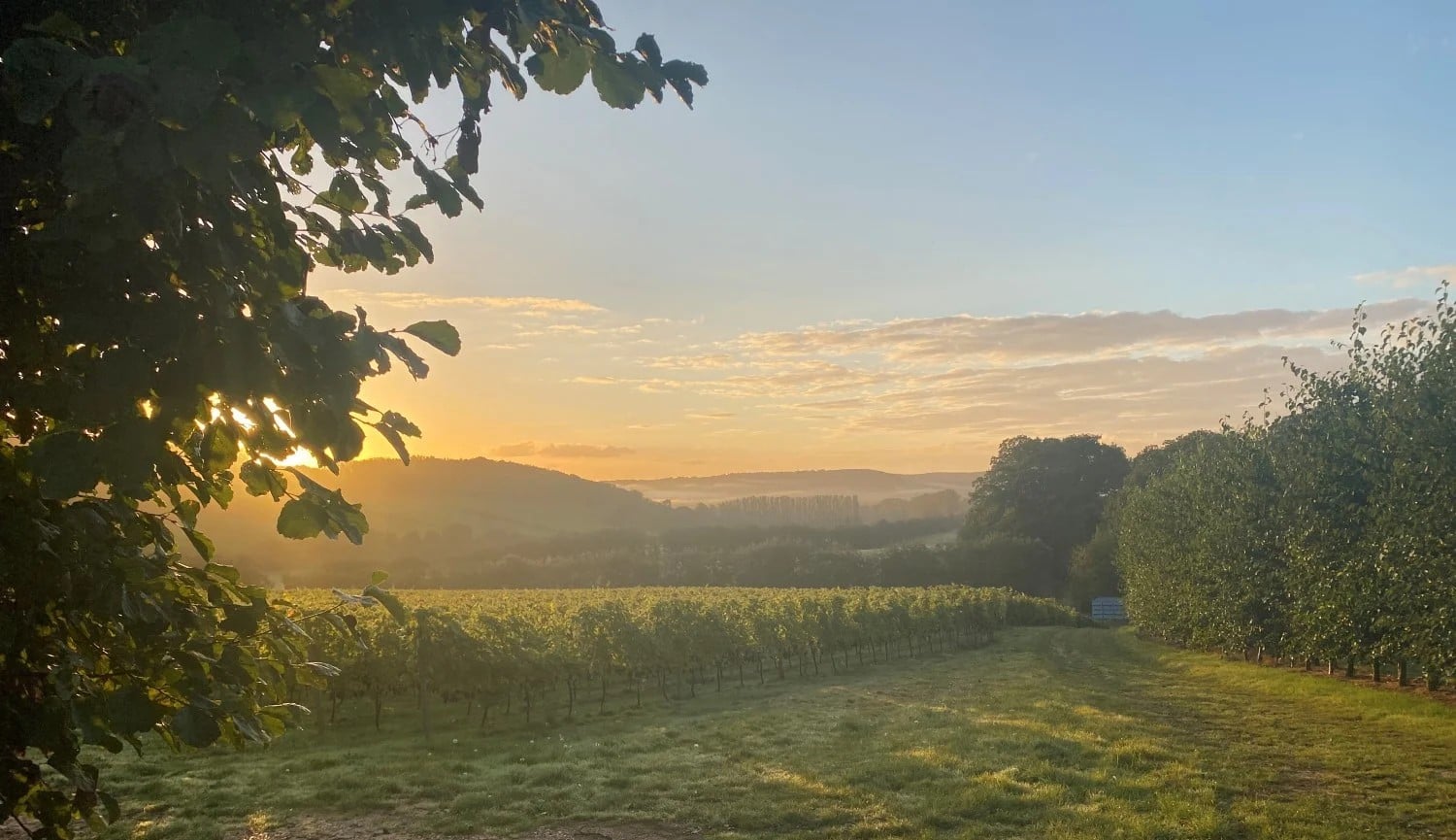
Halnaker Vineyard, West Sussex PO18
Land, 13.14 acres
A unique opportunity to acquire a fully productive vineyard established by internationally renowned Gusbourne wine estate in a highly accessible West Sussex location.
The way people drink wine is changing and this offers potentially the most exciting opportunities for vineyard investors looking to add to their portfolios.
Some of the biggest consumption shifts are being driven by a greater focus on health and wellbeing, combined with evolving generational tastes.
Younger audiences including millennials, but most notably Gen Z, are less bound to traditional wine culture than previous generations. They favour lighter styles, including chillable reds, novel varieties and approachable flavour profiles.
The surge in the popularity of rosé beyond its traditional sunny summer niche has been well documented, but ever more innovative options are emerging. White is the new rosé, and consumers are seeking out fresh, aromatic wines, with varieties such as Grüner Veltliner, Albariño and Viognier gaining international appeal.
In terms of creating wines to satisfy changing palates, a number of areas of Europe once considered peripheral for premium winemakers are now in the ascendancy. These include Vinho Verde and Bairrada in Portugal’s Atlantic zones, growing indigenous varieties with saline freshness and modern finesse, and northern Italy’s Friuli and Alto Adige regions, which offer crisp whites and alpine reds tailor-made for the moderation trend.
German Riesling has naturally lower alcohol with aromatic precision and gastronomic appeal, while still English whites, with their characteristic mouth-watering acidity, are growing in credibility.
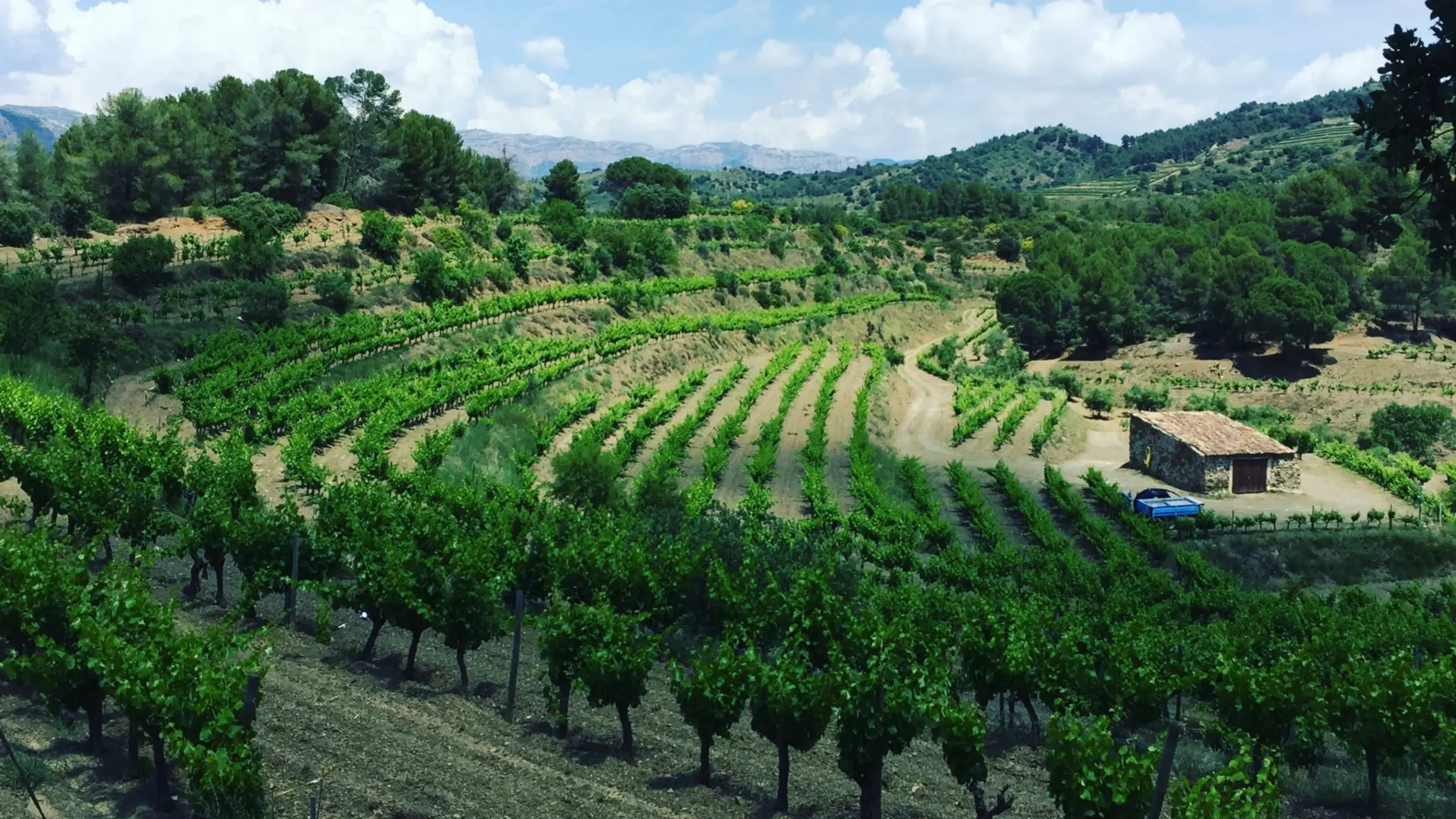
22-hectare estate for sale in the DOQ Priorat region, Catalonia, Spain. Contact Alexander Hall for further details.
Sustainability is higher on the agenda for wine drinkers
Ethical consumption, driven by environmental and social responsibility, is now a major purchasing motivation, particularly for younger drinkers. Socially conscious consumers favour organic, biodynamic, carbon-neutral, regenerative and low-impact wines, while the stigma once attached to lightweight bottles and alternative packaging, such as bag-in-box and cans, has faded as they seek ways to reduce their own carbon footprints.
And it’s not just retail sales where sustainability is becoming increasingly important for winemakers. It is also a growing selling point in the premium on-trade, marrying neatly with ethical and environmental sourcing policies at quality restaurants and cafés.
However, as sustainability moves from being a brand differentiator to a baseline requirement for an increasing number of consumers, wine producers must now offer credible evidence rather than just claims if they want to compound their brand equity.
Regions of the world that offer great sustainability stories include South Africa’s Cape South Coast with its heritage vineyards and community-led sustainability stories. The climate advantages of Chile’s Itata, Limarí and Biobío regions support low-input viticulture and old vine recovery, while New Zealand has strong national sustainability leadership and clear export proof points. In Europe, the French regions of the Loire, Alsace and Languedoc-Roussillon have seen significant adoption of organic and biodynamic practices.
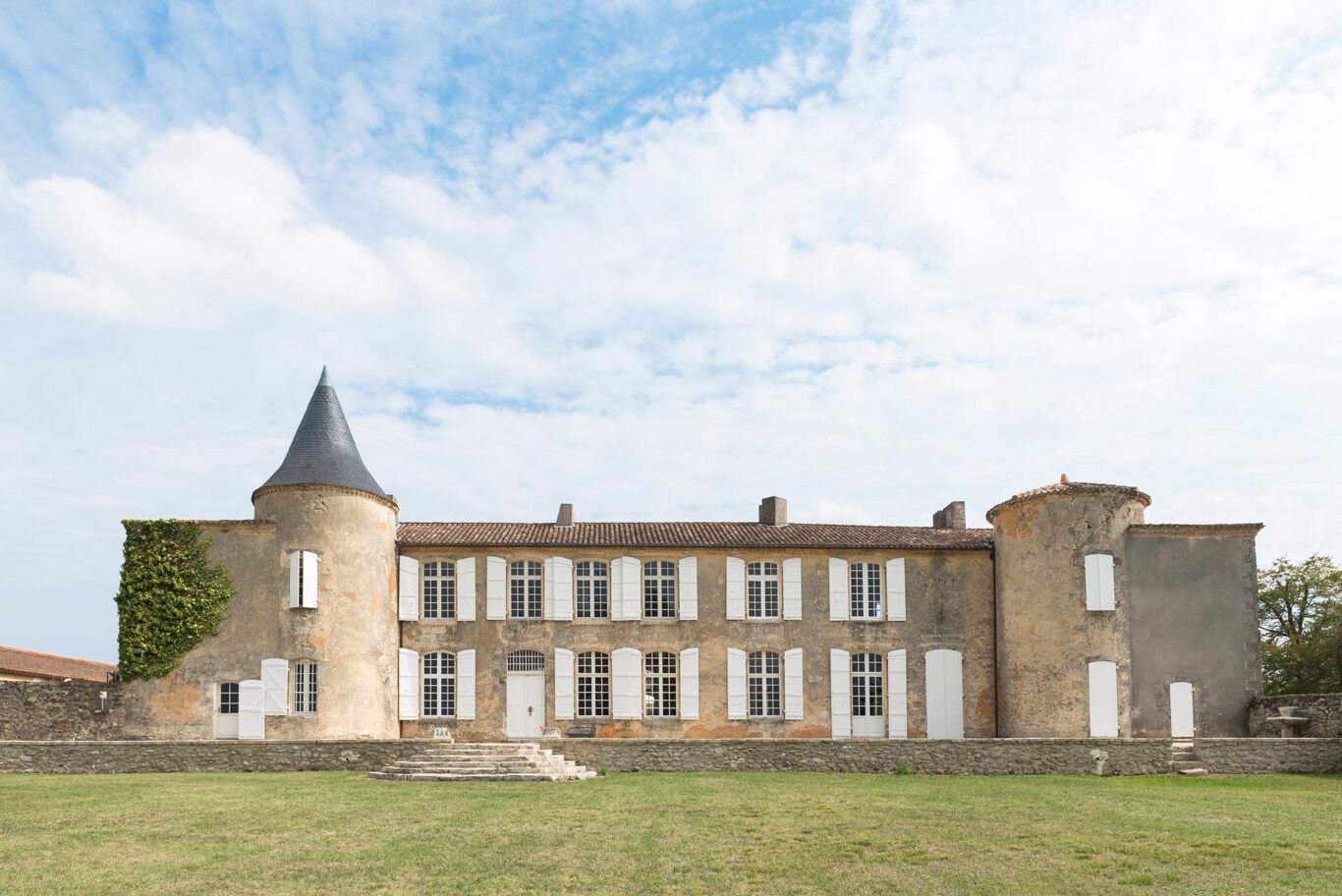
Blaye – Côtes de Bordeaux, Nouvelle-Aquitaine.
Vineyard, 86.49 acres
An exceptional opportunity to acquire an established organic vineyard estate and an historic Château on Bordeaux’s Right Bank.
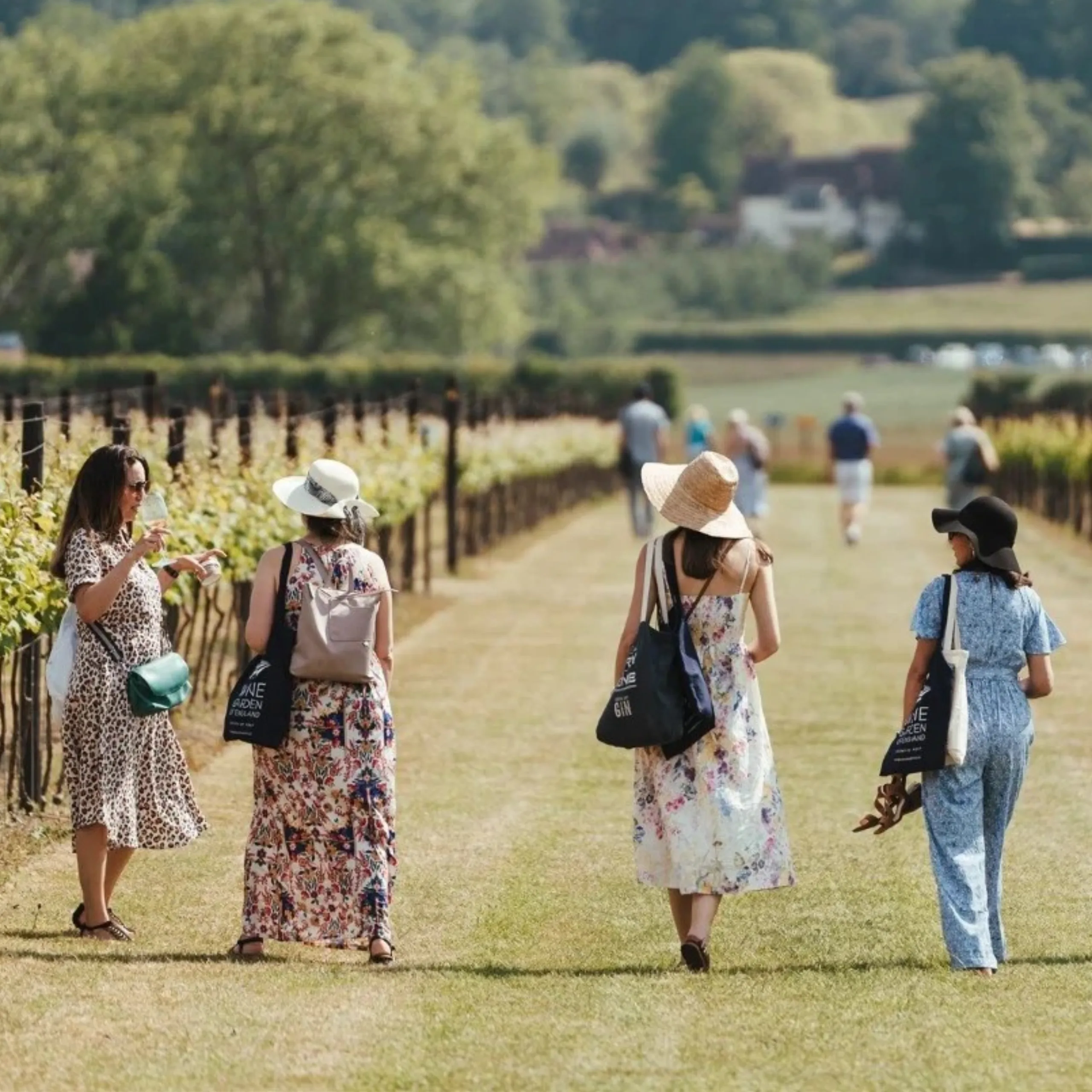
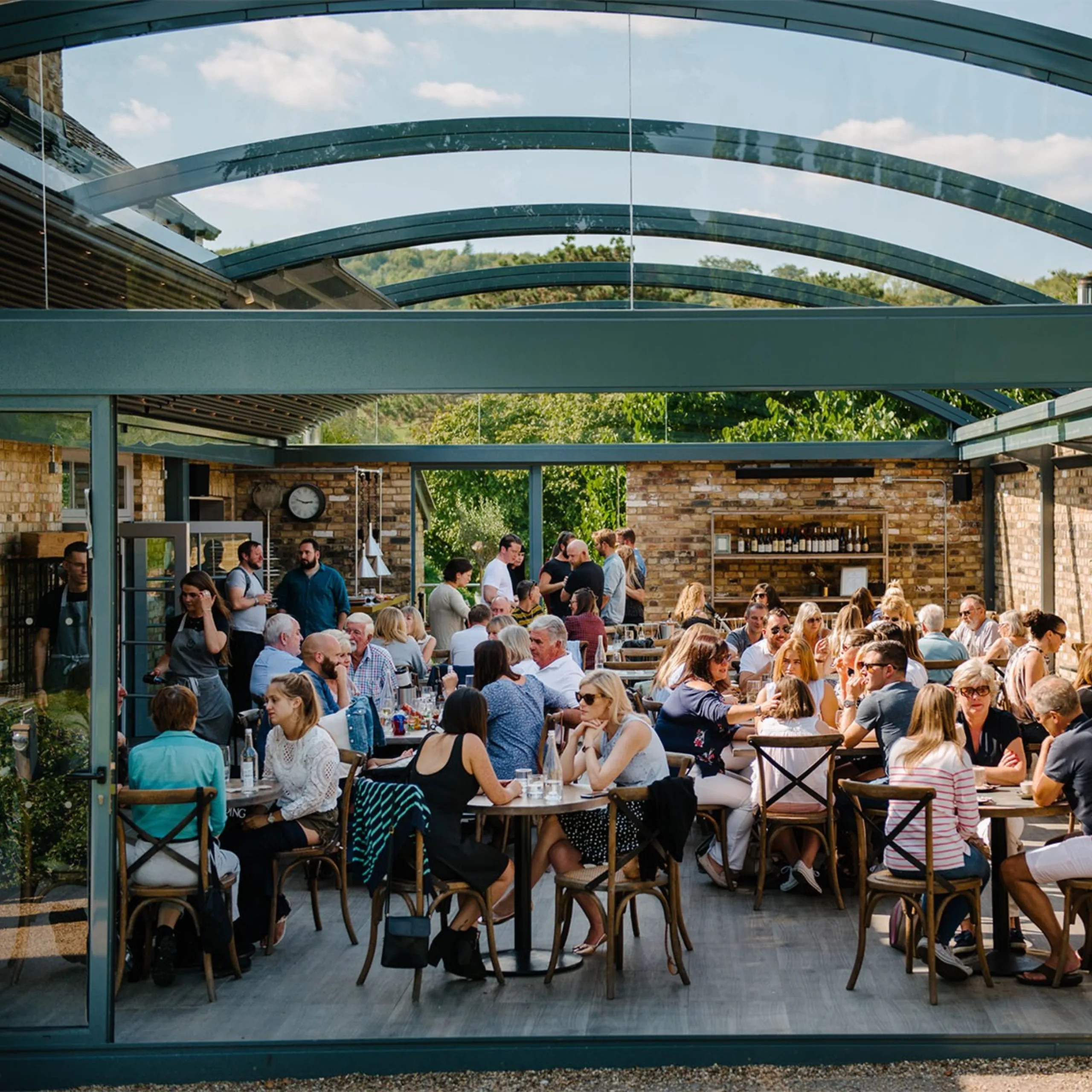
The vineyard tour is not a new phenomenon, but experiential consumption is moving beyond wine tourism and can help shape long-term consumer habits reflecting broader lifestyle shifts.
Premium and personalised experiences are taking over from “habit” drinking, while cellar-door sales offer producers much higher margins than selling to retailers and distributors.
Wine, however, is just one of the things competing for consumers’ experiential spend; regions that deliver immersive hospitality, education and place-based storytelling will capture margin and loyalty, even as routine consumption declines.
The most durable margins accrue where place, people and hospitality convert visitors into advocates, and California’s Napa Valley has long set the global benchmark for wine hospitality and lifestyle luxury. Provence, Tuscany and Stellenbosch all have deep experiential pedigrees, combining stunning landscapes with premium hospitality and excellent wines.
But for those looking to attract younger, more adventurous wine lovers, there are opportunities across the globe. In Argentina, the Mendoza region’s Uco Valley offers scenic high-altitude terroir and a dynamic tourism infrastructure, while Georgia, on the frontier of Europe and Asia, delivers a unique wine story steeped in religion, culture and history.
Discover more about our Viticulture services
Our specialist team advises on all aspects of buying and selling wine estates globally
Alexander Hall, Head of Knight Frank’s new International Vineyard Services division, looks at the forces reshaping the global wine production map – and creating exciting opportunities for forward-looking winemakers and investors
As England’s wine scene continues to mature, two exceptional estates - Bantham and Firle - are opening their doors to investors seeking a taste of its success
High-net-worth individuals are turning to Europe’s non-urban locations - from tranquil countryside to Alpine retreats - in search of lifestyle, privacy and long-term opportunity
From sourcing land for wineries, to supporting the Wine Garden of England and mapping evolving opportunities for British vineland, Knight Frank’s Viticulture Team is paving the way for exceptional English winemaking in all its forms