

Knight Frank Viticulture: Mapping out a fruitful future
How wine producers are set to benefit from Knight Frank’s pioneering demographic mapping tool

How wine producers are set to benefit from Knight Frank’s pioneering demographic mapping tool
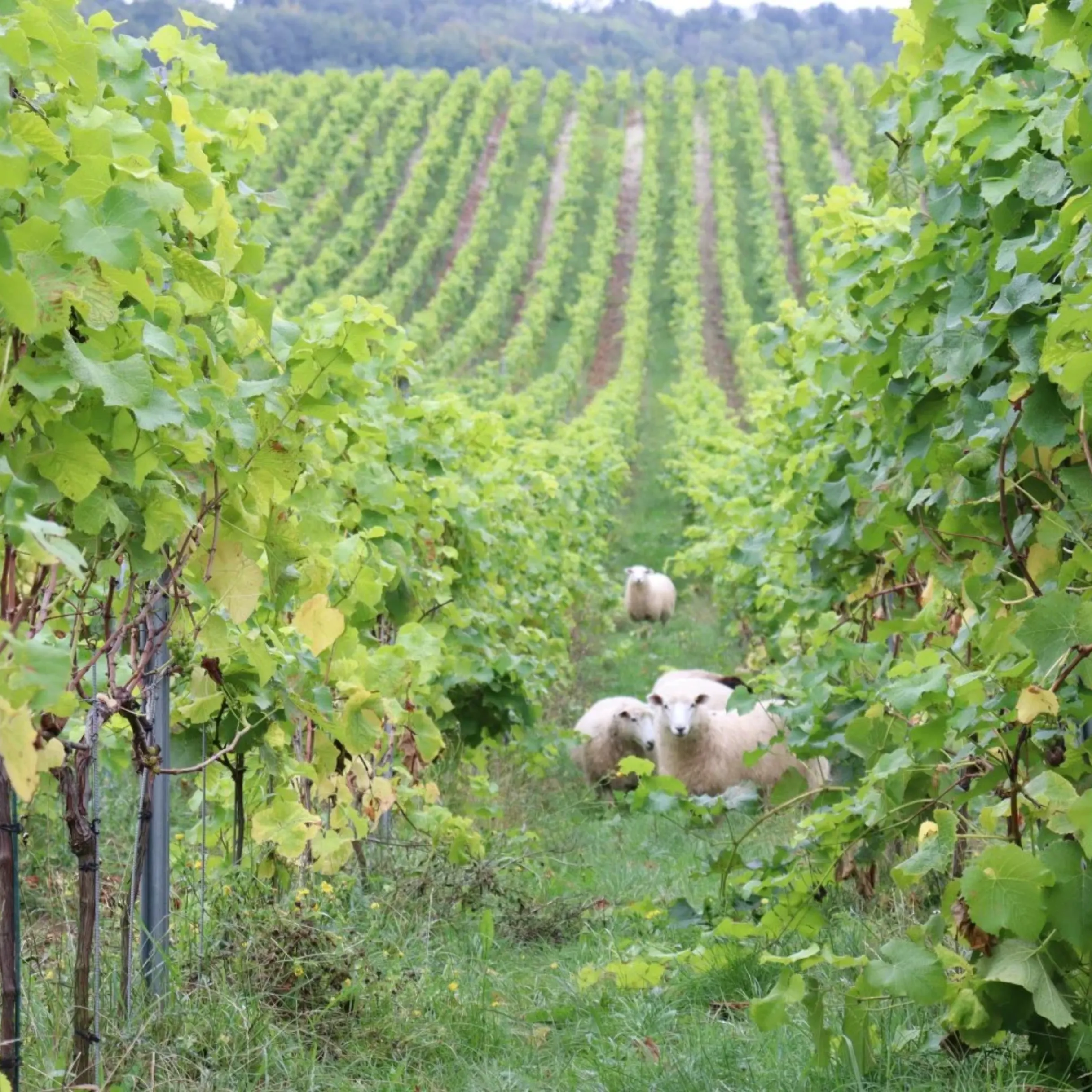
Growing vines, rather like growing any agricultural crop, is subject to the vagaries of the weather, yet for wine producers, it’s only the first hurdle to navigate. Equally challenging is the route to market, finding a way to maximise sales revenue. That’s one reason why the Knight Frank Viticulture team have developed a pioneering demographic mapping tool, a unique method set to give wine producers a strategic edge and enable vineyards to welcome an increasing number of customers through the door.
“Success in the wine industry is determined by production and sales,” confirms Ed Mansel Lewis, Head of Knight Frank’s Viticulture team. “For a business to thrive, both parts of the equation must be carefully considered. Every winery needs a considered strategy that looks closely at wholesale sales and also direct-to-consumer sales, an increasingly important part for businesses.”
Wine producers have several routes to market but the returns they receive from each vary widely. “As an example, take a wine producer who sells a bottle of wine to a wholesaler and can expect to receive £11,” outlines Mansel Lewis. “If the producer serves wine directly to individual customers visiting his winery however, he can charge £8.50 per glass, meaning that the same bottle generates £50. To sell successfully at this higher price, you need to get a high quantity of good quality footfall through your winery.”
That’s where Knight Frank’s mapping tool comes in. By including data from a wide range of sources — Experian, TripAdvisor, traffic statistics and Royal Mail postcode datasets among them — vineyards are able to identify and target the most affluent households within a given radius and work on strategies that encourage them to visit.
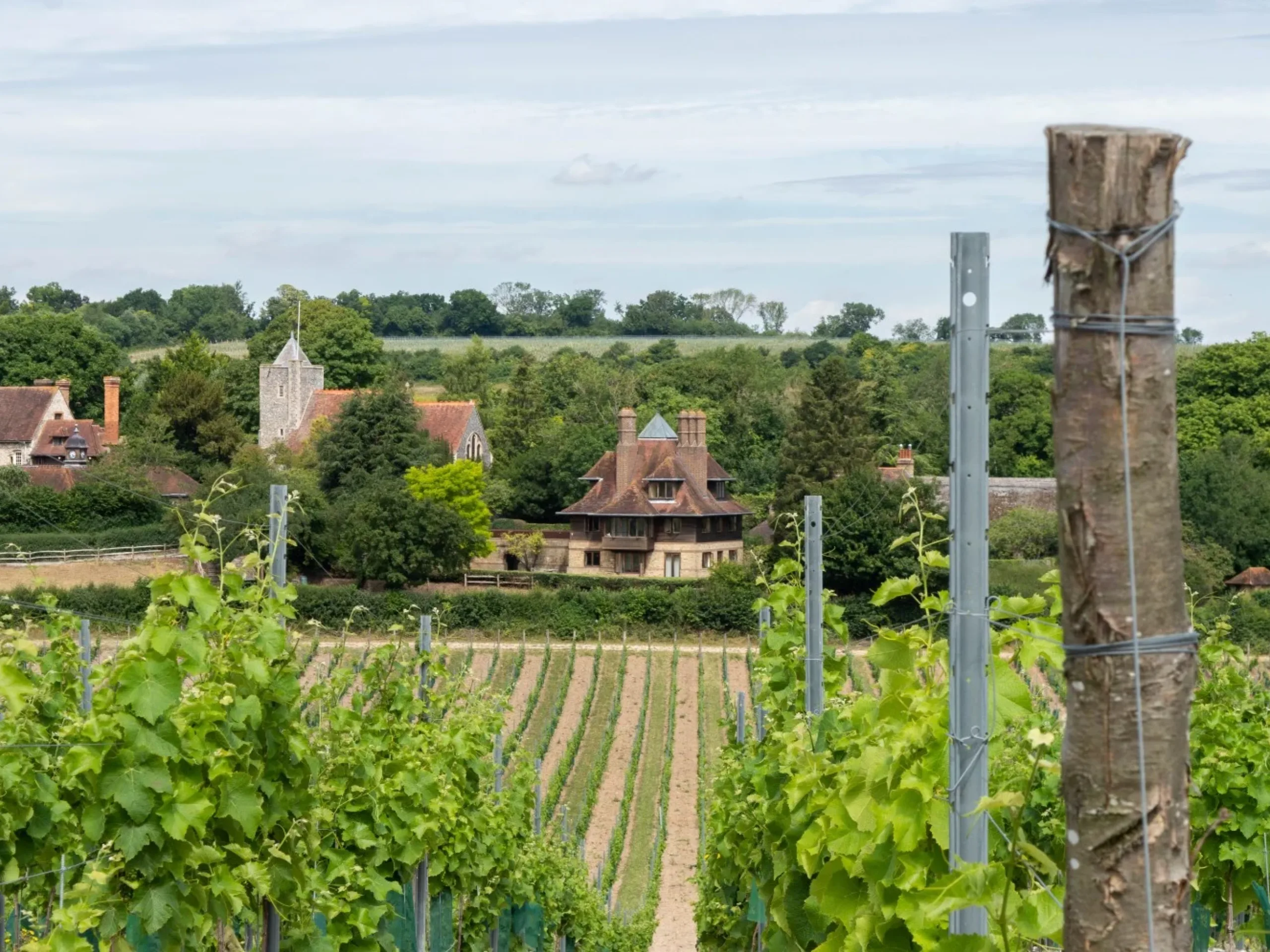
“There are multiple uses for this mapping tool, all working to draw potential visitors to vineyards as a precursor to increased direct-to-customer sales,” says Mansel Lewis. “It can highlight the quality restaurants that residents are likely to frequent, a good way to market your wine through the wine list and make diners aware that you are close by and welcome visitors. Wineries can use it to see the nearby four and five star hotels and quality attractions that they could work with to make an enjoyable weekend for visitors from further away, and through data from the Department for Transport, it can pinpoint the best locations on well-used local routes where publicity signage will have maximum impact.”
As more wineries see the value in welcoming visitors, the number offering tours and tastings, masterclasses and dining options has grown, educational and exclusive experiences that are in high demand. The Wealth Report 2025 revealed that almost half of respondents to Knight Frank’s inaugural Next Generation Survey, a global study of wealthy 18 to 35 year olds, said they would spend a substantial windfall on experiences rather than material possessions. That was echoed by comments from Caroline Meesemaecker, owner and CEO of data analytics firm Wine Services, stating that “younger, knowledgeable consumers seek heritage, authenticity and memorable dining experiences.”
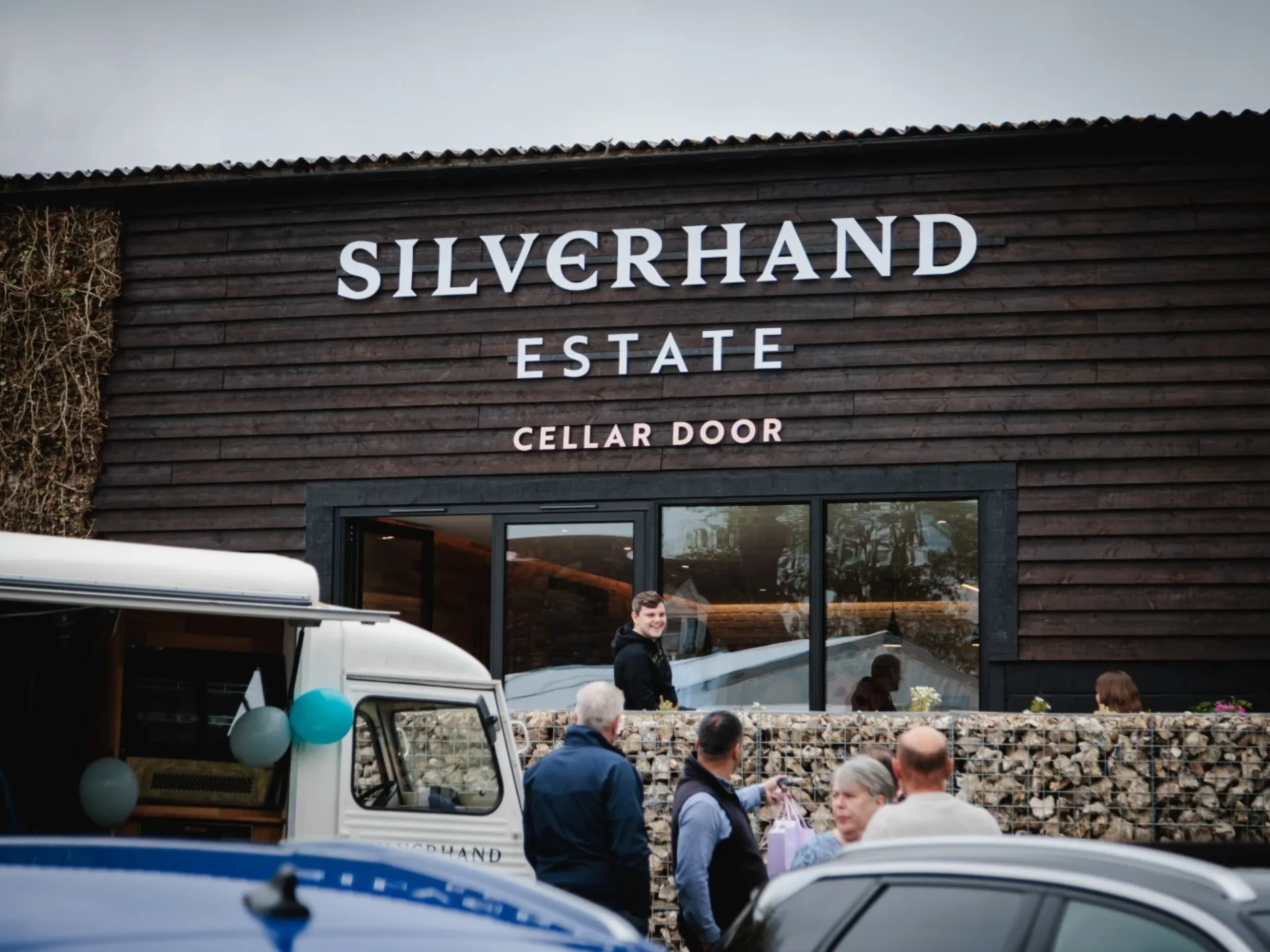
One of the UK’s largest wine producers, MDCV UK, who farm over 2,000 acres across the Southeast including 600-acres at Silverhand Estate in Kent, the country’s largest single vineyard and the first to achieve carbon-negative status without relying on carbon offsetting, has already employed the mapping tool. Through the data provided, MDCV aims to reach customers, enhance visitors’ experience and build a brand that reflects its commitment to sustainability and local provenance.
“I was always interested in something that could give us clarity on where our customers are, where our competition is and what else exists in the surrounding area,” says Gary Smith, CEO at MDCV UK. “This report has helped on all three fronts. It’s changed how we’re approaching both short-term visitor engagement and longer-term investment. It’s not just a snapshot of where people live. It’s what they care about, what they value and how far they’re willing to travel for the right experience. That insight has made us more ambitious. It’s genuinely opened my eyes to how big we could go with our plans.”
For Mansel Lewis, the potential uses of this unique mapping tool go beyond even what he had initially envisaged. “In establishing this tool, we could see the value it adds to wineries but since releasing it to the market, it’s clear it has much wider potential,” he says. “Recently the CEO of the English Whisky Guild contacted me to say he could see how distilleries too could benefit. By equipping producers with these precise insights, they can expand their reach and build resilient, customer-focused businesses. We look forward to collaborating with producers nationwide.”
“I was always interested in something that could give us clarity on where our customers are, where our competition is and what else exists in the surrounding area,” says Gary Smith, CEO at MDCV UK. “This report has helped on all three fronts. It’s changed how we’re approaching both short-term visitor engagement and longer-term investment. It’s not just a snapshot of where people live. It’s what they care about, what they value and how far they’re willing to travel for the right experience. That insight has made us more ambitious. It’s genuinely opened my eyes to how big we could go with our plans.”
For Mansel Lewis, the potential uses of this unique mapping tool go beyond even what he had initially envisaged. “In establishing this tool, we could see the value it adds to wineries but since releasing it to the market, it’s clear it has much wider potential,” he says. “Recently the CEO of the English Whisky Guild contacted me to say he could see how distilleries too could benefit. By equipping producers with these precise insights, they can expand their reach and build resilient, customer-focused businesses. We look forward to collaborating with producers nationwide.”

Inspiration
How a Shakespearean film and Knight Frank Italy led one couple to their dream Tuscan estate
06 August 2026
Inspiration
With greater choice and established vineyards coming to market, England's wine sector is entering a new phase of maturity
16 July 2026
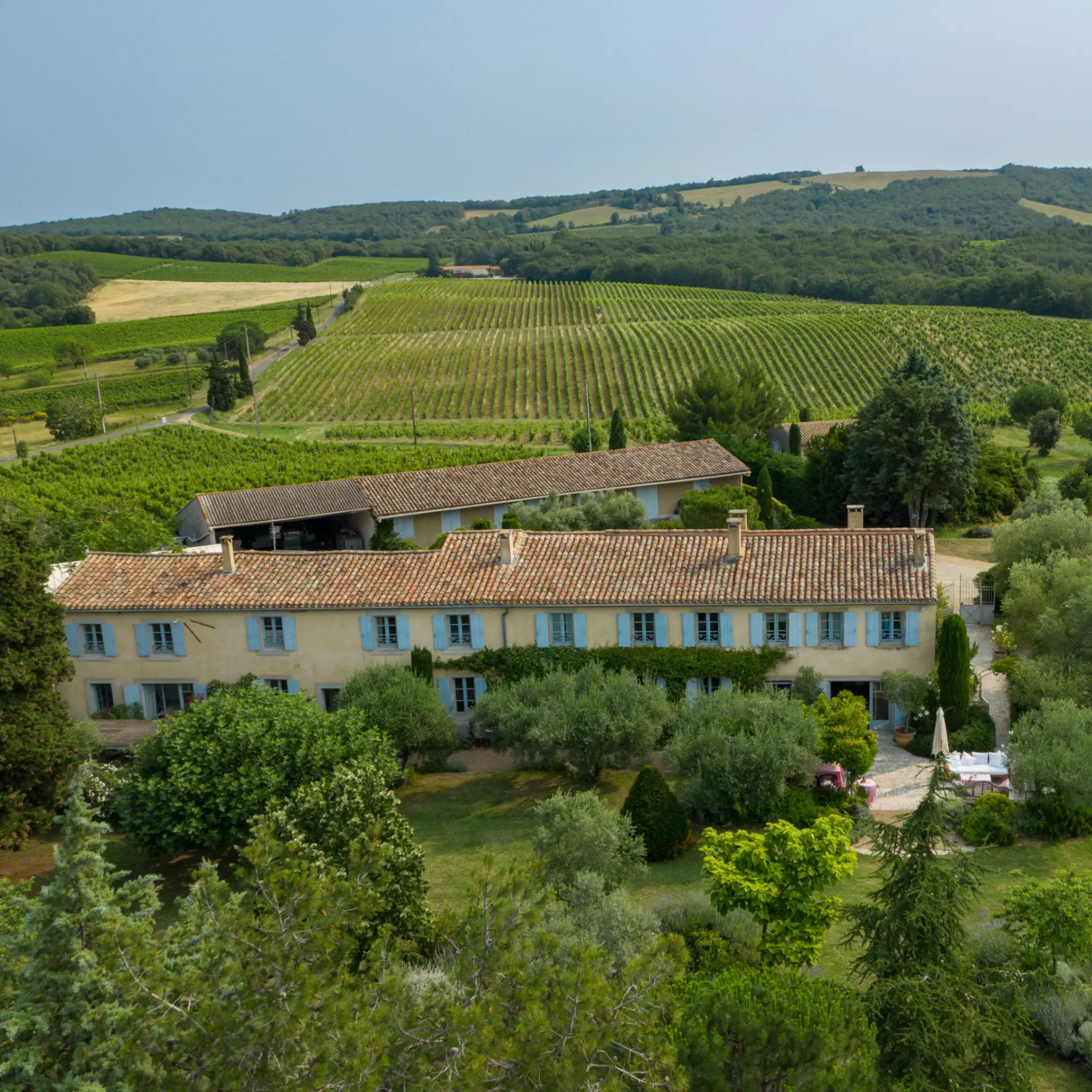
Inspiration
Alexander Hall, Head of Knight Frank’s new International Vineyard Services division, looks at the forces reshaping the global wine production map – and creating exciting opportunities for forward-looking winemakers and investors
12 June 2026
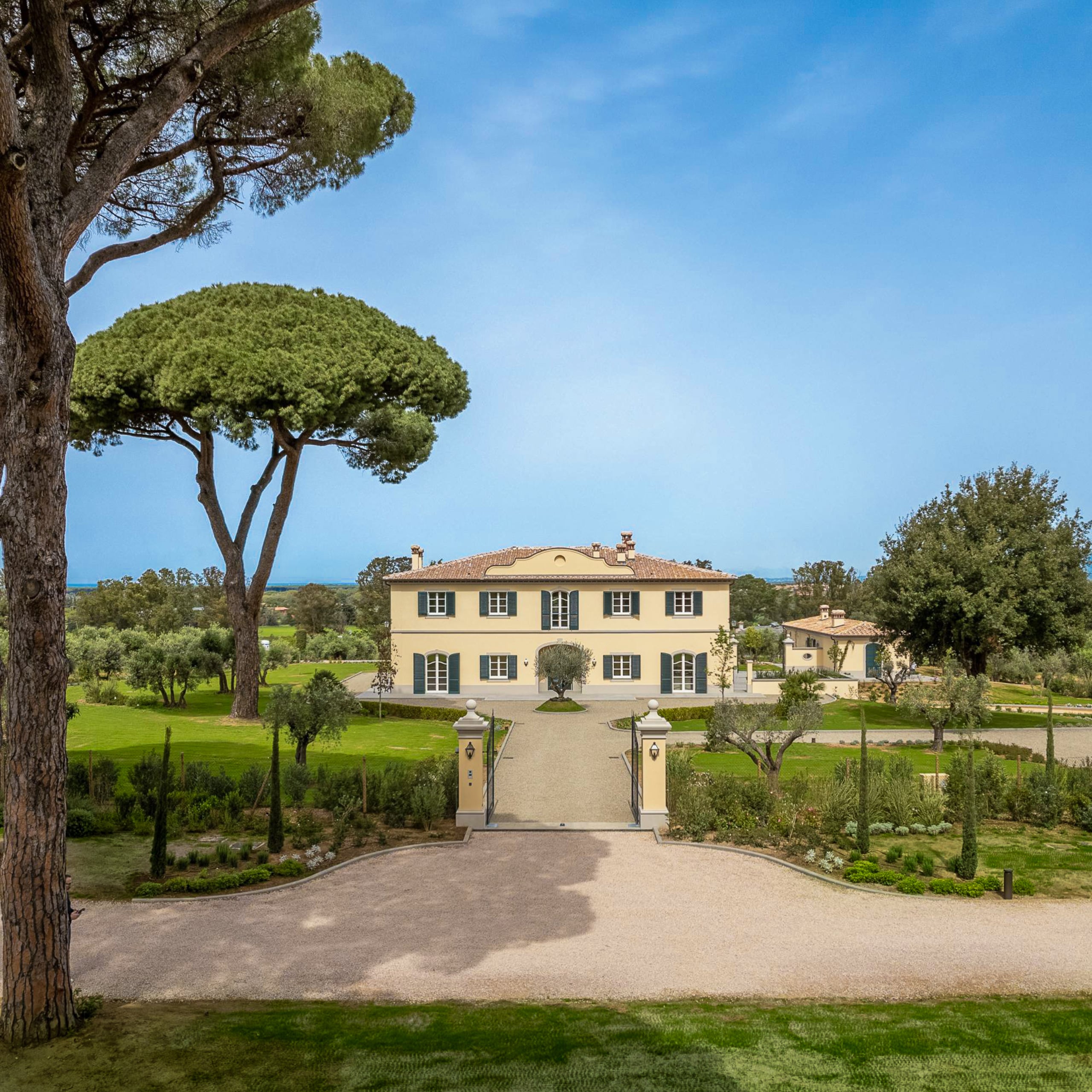
Homes
Rising global mobility is accelerating interest in Europe’s countryside regions, where quality of life and long-term value take centre stage.
27 April 2026
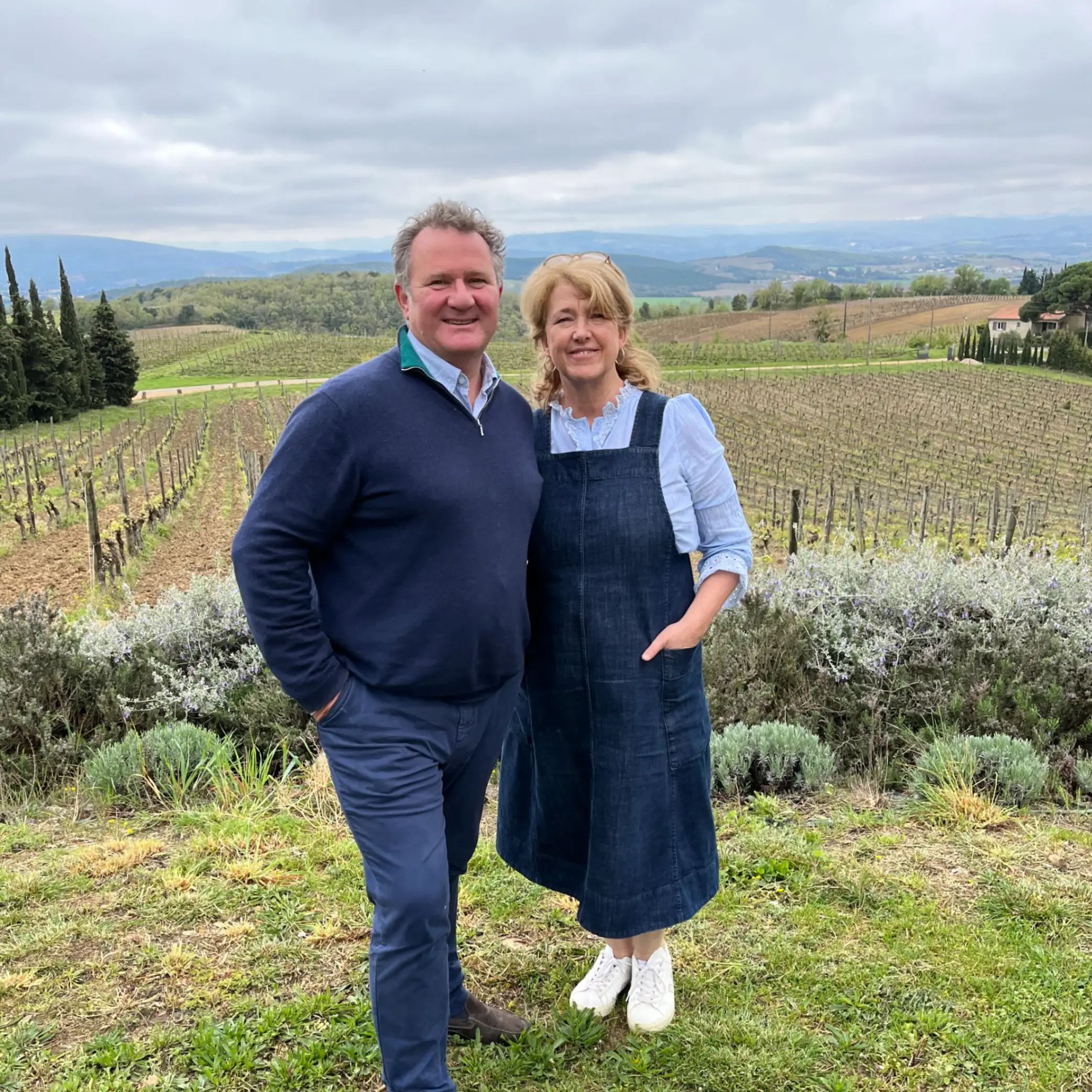
Inspiration
Discover the story of the British family behind the award-winning Domaine Begude - now on the market for the first time in decades
08 April 2026
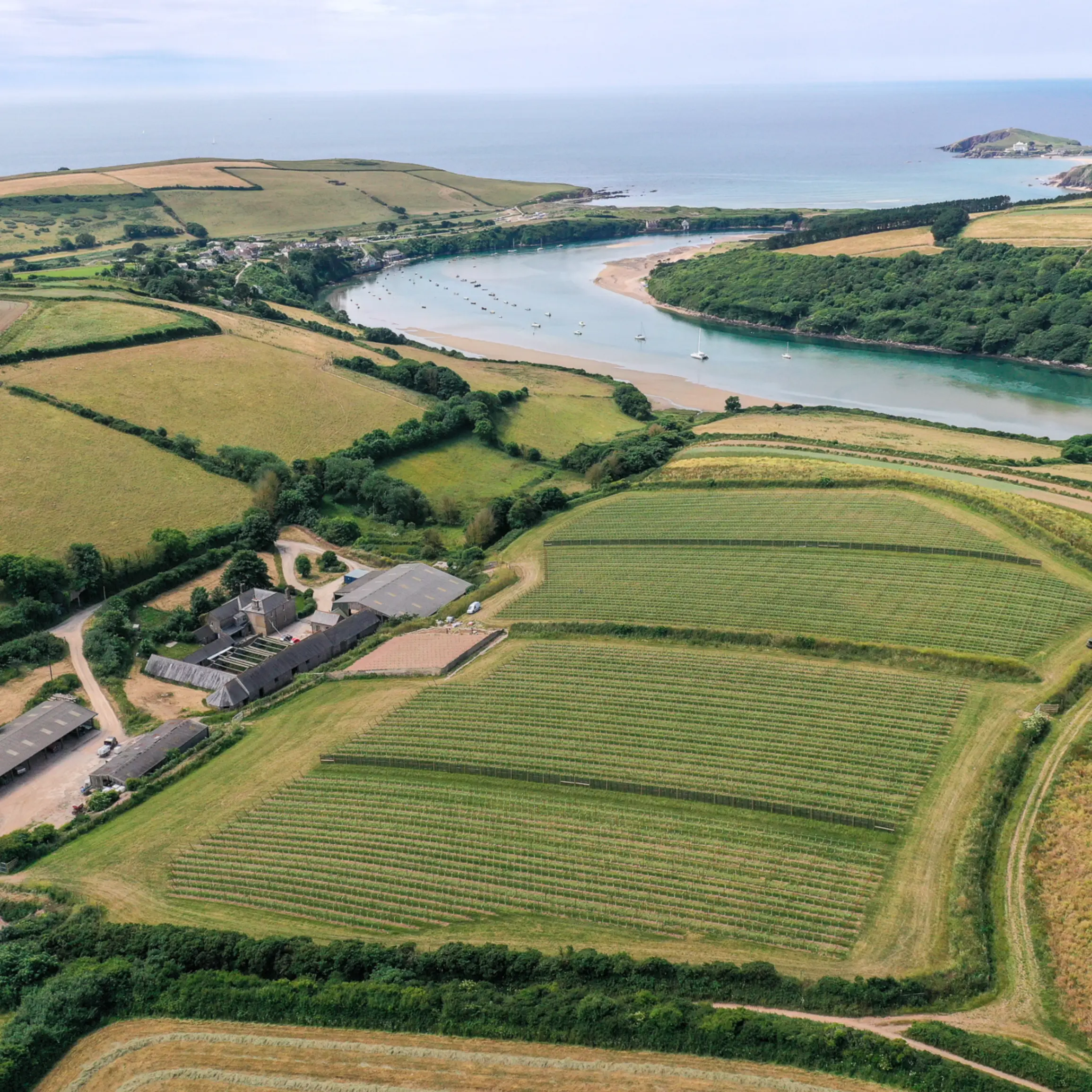
Inspiration
As England’s wine scene continues to mature, two exceptional estates - Bantham and Firle - are opening their doors to investors seeking a taste of its success
06 November 2025
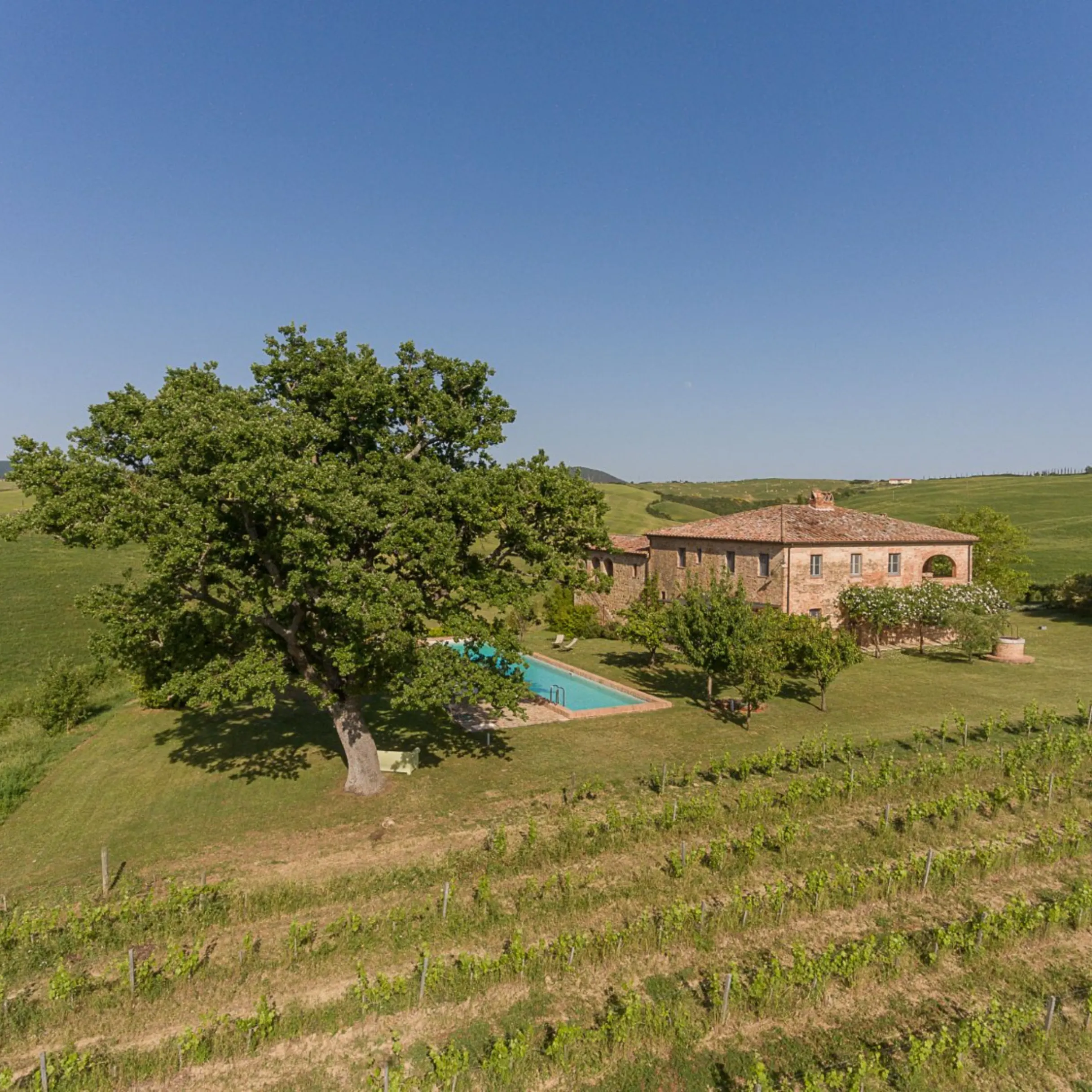
Inspiration
High-net-worth individuals are turning to Europe’s non-urban locations - from tranquil countryside to Alpine retreats - in search of lifestyle, privacy and long-term opportunity
29 August 2025
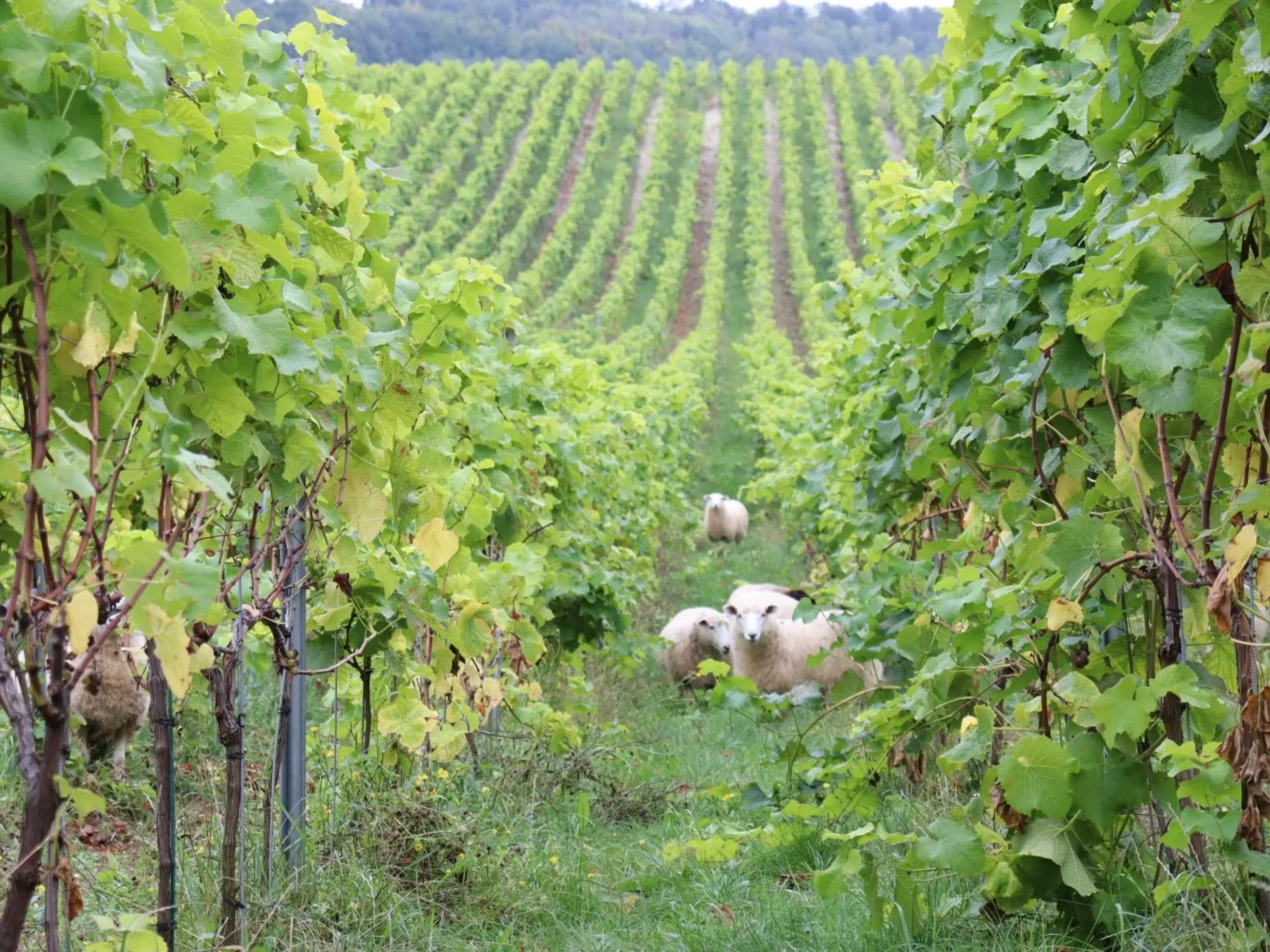
Inspiration
How wine producers are set to benefit from Knight Frank’s pioneering demographic mapping tool
24 June 2025
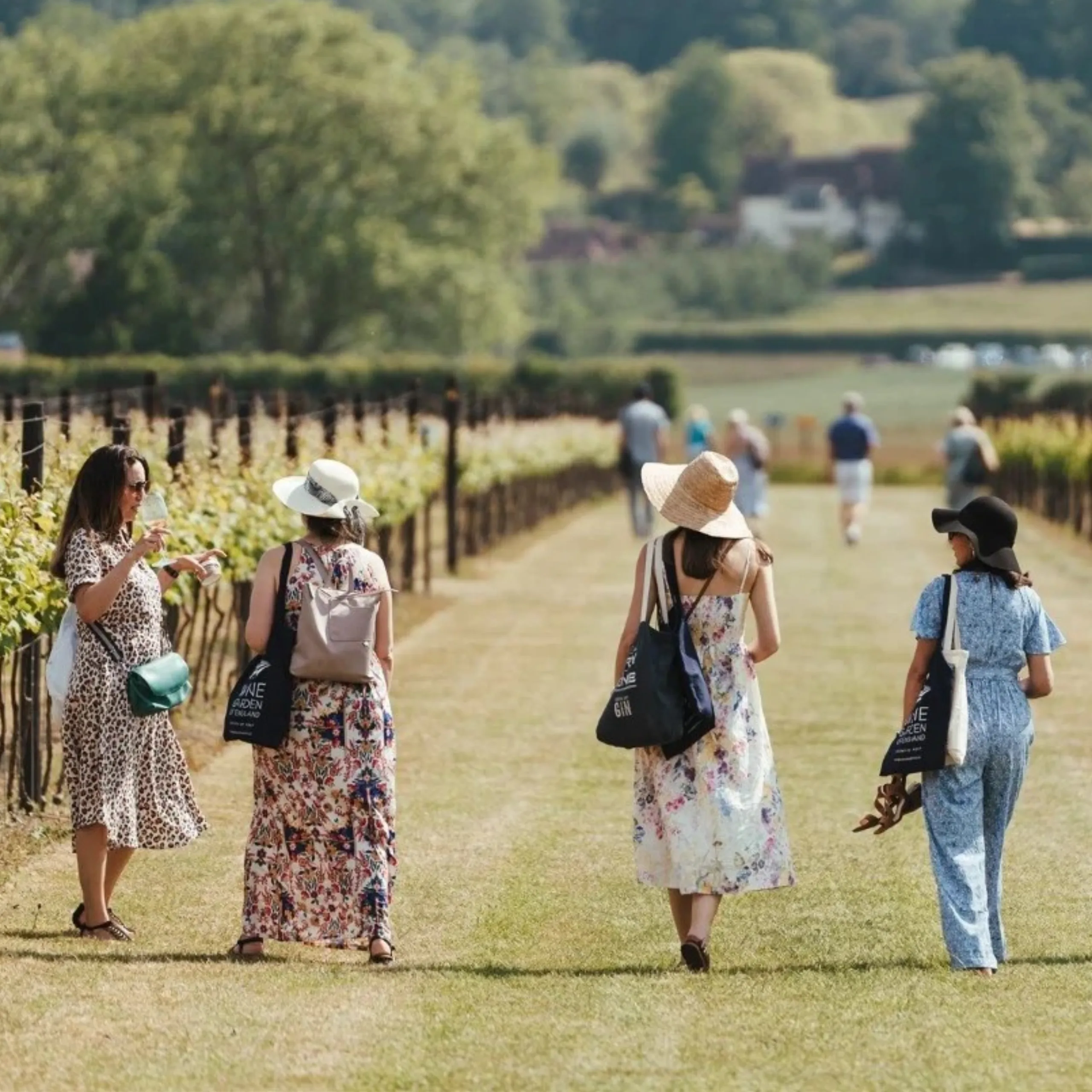
Inspiration
Planning your next mini-break? Discover five idyllic places to visit, stay and connect with nature
02 February 2025
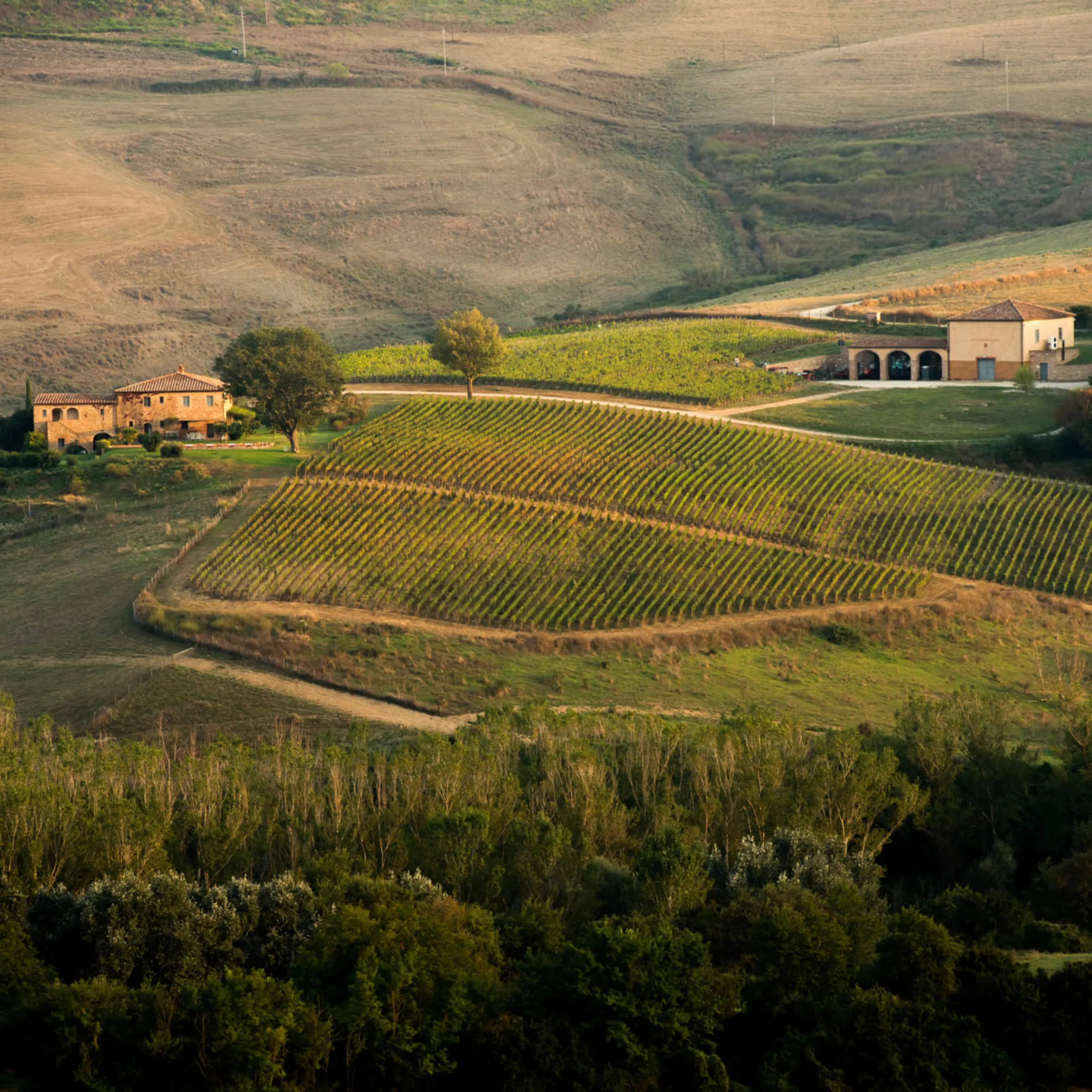
Inspiration
Expert advice for anyone considering buying in one of Europe’s premier wine regions
01 November 2024
Homes
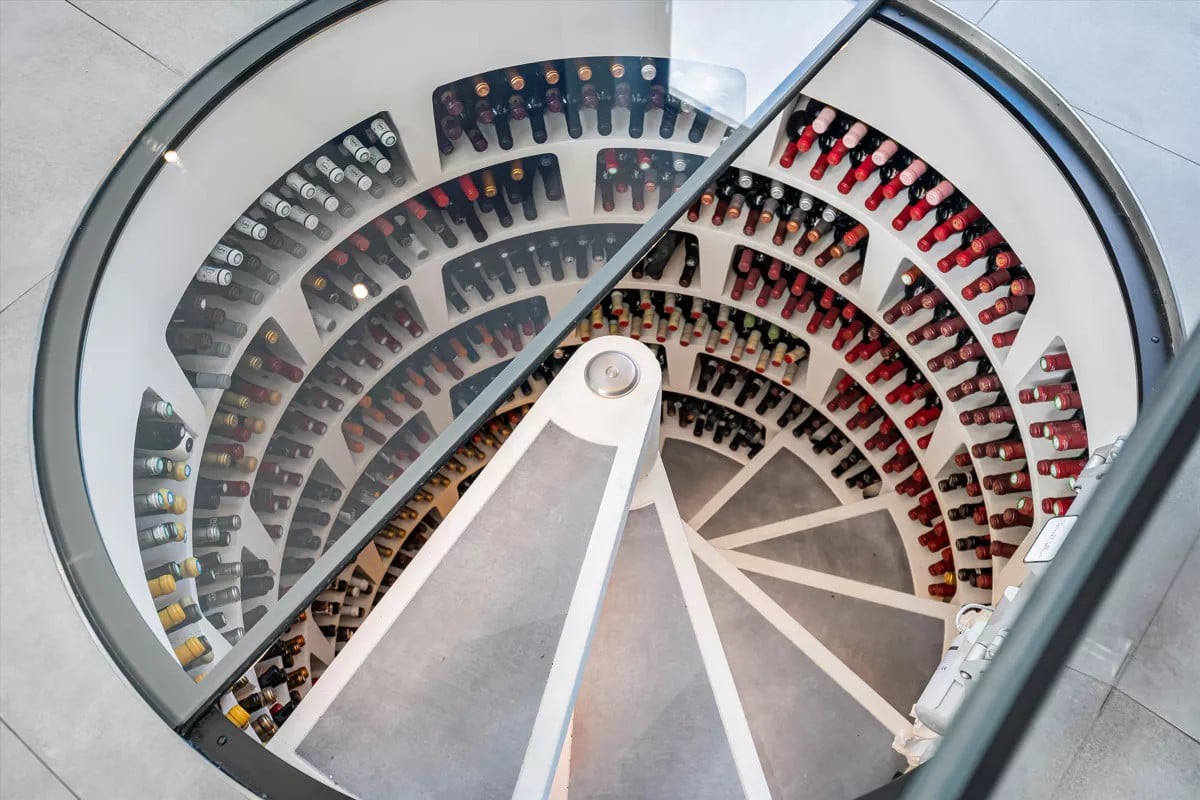
Preserve and enjoy your prized collection of bottles with ease with these properties featuring wine cellars that combine function and style
26 September 2024

Discover a unique opportunity to play a role in England’s dynamic wine industry
12 July 2024
Inspiration
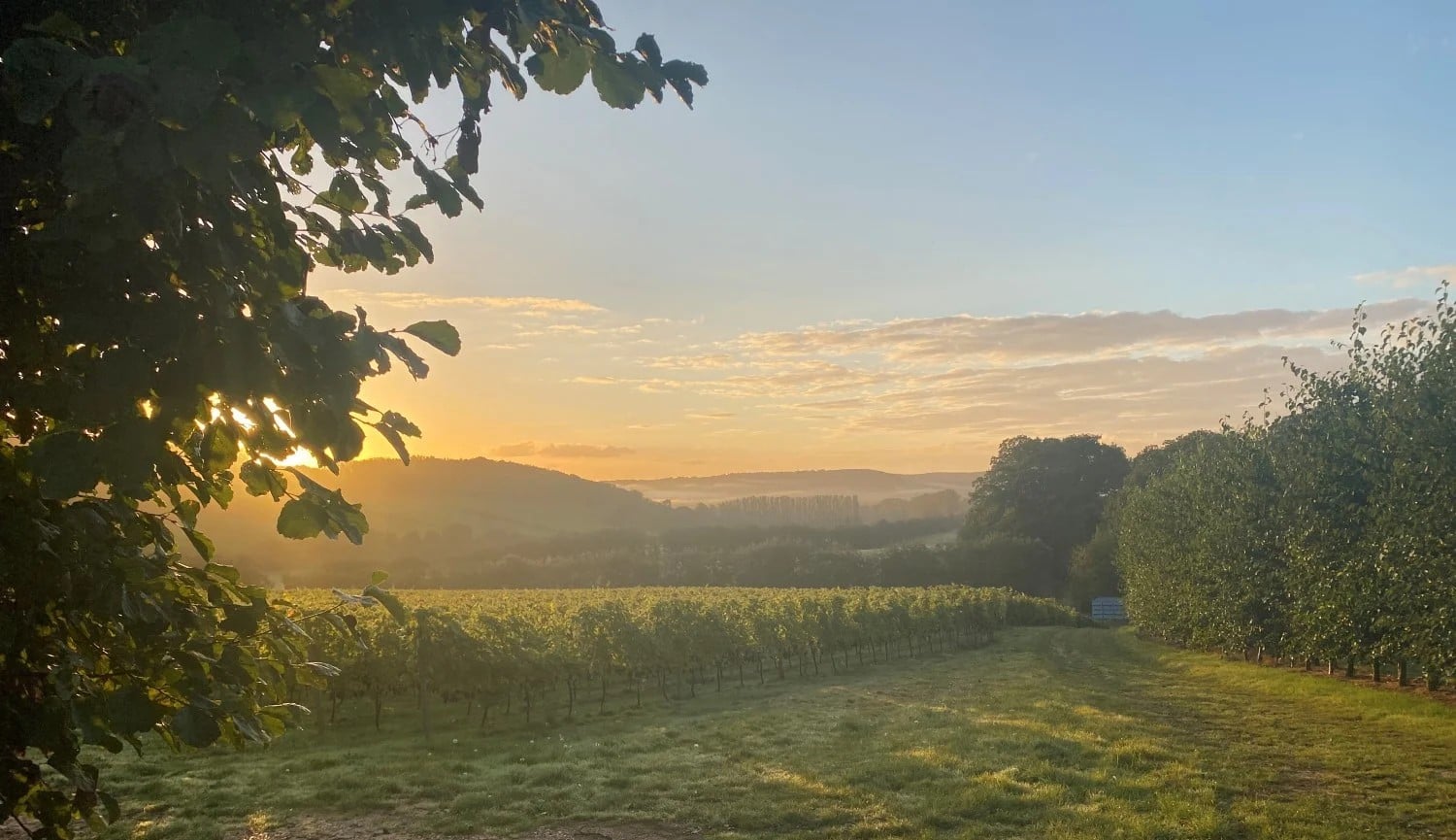
From sourcing land for wineries, to supporting the Wine Garden of England and mapping evolving opportunities for British vineland, Knight Frank’s Viticulture Team is paving the way for exceptional English winemaking in all its forms
14 June 2024

Locations
From vineyards to farm tables, we explore the culinary gems and world-renowned wineries of Kent
30 May 2024
Sorry!
An unexpected error has occurred.
Please try again later.
