

The enduring appeal of England’s rural architectural styles
How sensitive and sustainable upgrading to heritage properties ensures their beauty is preserved for the next generation of homeowners
How sensitive and sustainable upgrading to heritage properties ensures their beauty is preserved for the next generation of homeowners
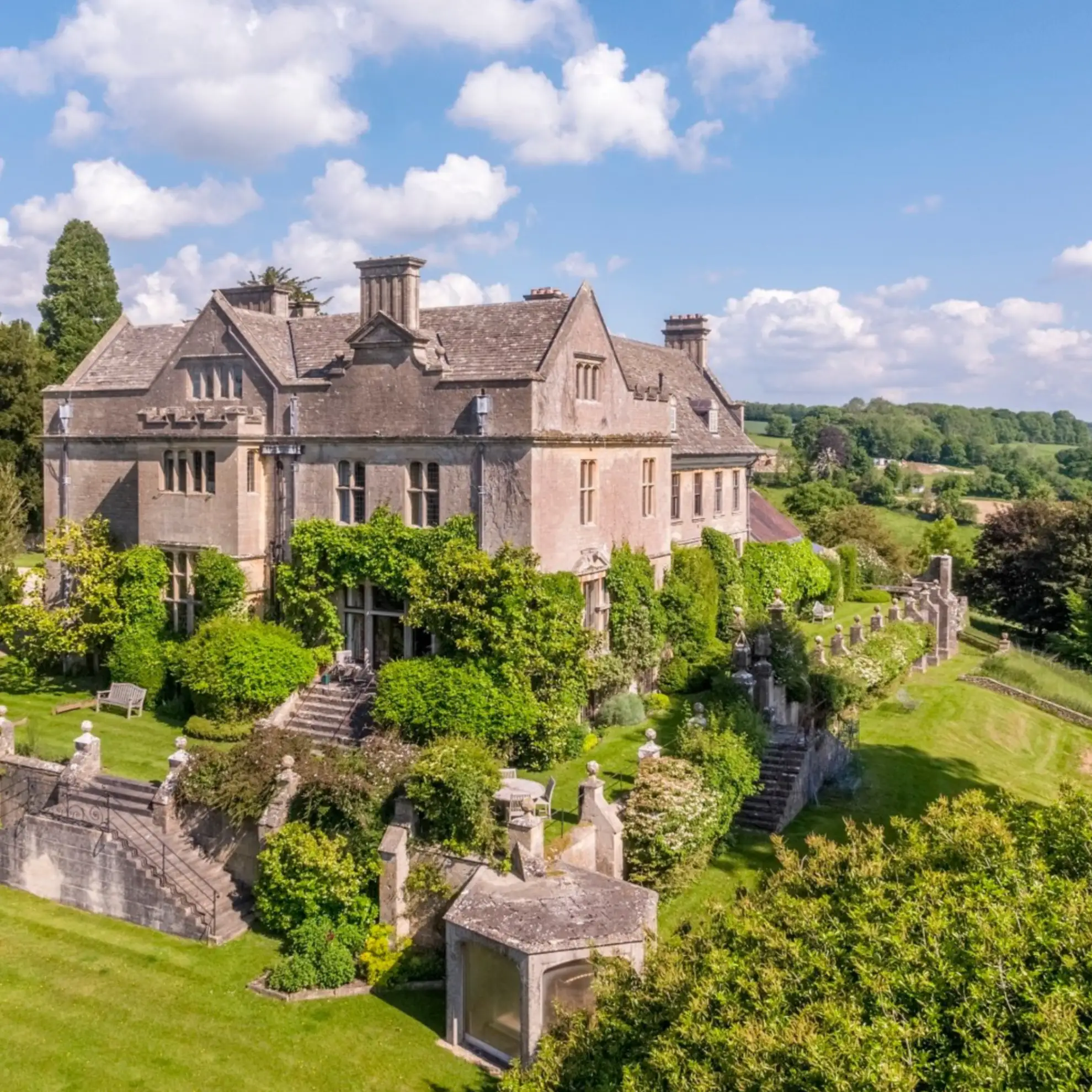
The finest English rural architecture provides a compelling link to the history of the countryside. Practicality was the order of the day. You see it in the widescale use of local materials: the honey-coloured limestone homes across the Cotswolds or differing shades of bricks from county to county depending on variations in the regional clay. You see it too in the creation of buildings that were highly functional, the oast houses in hops-growing areas of Kent for example, now turned into character-packed family homes.
“Historic buildings are part of our evolving cultural heritage, reflecting the nature and history of the communities that created them and those who followed,” outlines Historic England’s latest Advice Note. “They add distinctiveness, meaning and quality to the places people inhabit, and provide a sense of continuity and identity.”
The intrinsic value of these heritage properties in telling the story of their local area is something that HRH The Princess Royal, in her role as Patron of non-profit organisation English Rural, spelt out clearly: “Throughout the centuries, rural towns and villages have evolved, reflecting the ever-changing domestic and economic landscape,” she wrote. “The distinct regional styles in buildings reflects the vernacular of an area which is deeply rooted in its geography, geology and local market conditions.”
Today the best heritage properties in prime rural locations are in high demand, especially when they have been handsomely upgraded and sensitively modernised for 21st century life. While their beauty and heritage may be the motivating reasons for this high demand, sustainability is also key, something else The Princess Royal highlighted, pointing out the need for “renewed focus….on being more environmentally conscious” when considering homes in the countryside.
It's a drum that Historic England has been banging for several years. While they acknowledge that the built environment is a major source of greenhouse gas emissions, they also emphasise that by refitting, reusing and renovating historic homes it is possible to dramatically reduce carbon in the existing buildings.
Three heritage home styles that perfectly embody their local character are the oast houses of Kent, the stone properties of the Cotswolds and the grand Georgian properties in Hampshire. Our local teams explain the appeal of each and how the best examples can claim to provide a truly sustainable heritage home.
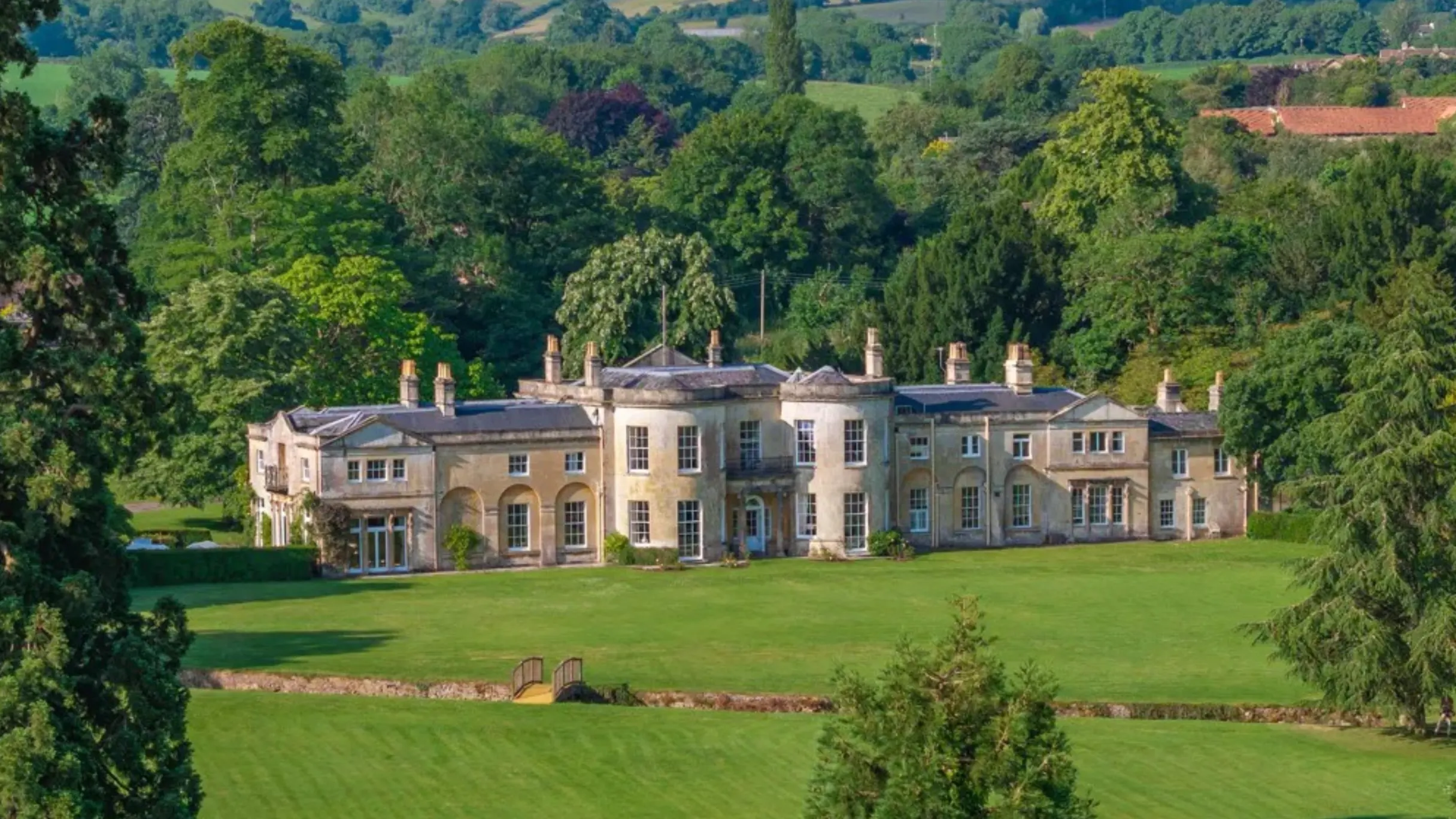
“Hampshire has a superb concentration of Georgian and Queen Anne houses, the quintessential English country homes that so many people envisage and that draw buyers from right around the world,” says Hattie Young, Associate in Knight Frank’s Country Team. “The high concertation is because historically, the county was on the key route connecting London and the south coast with important cities such as Winchester. In neighbouring Sussex in Georgian times, dominant estates owned huge areas of land but that was not the case in Hampshire, which meant more opportunities to build grand properties.”
The grandeur of a Georgian property comes from its pleasing external symmetry and the generous proportions and volume of its rooms internally. High ceilings, large sash windows and stately staircases add to the elegance and provide an ideal backdrop for dramatic furnishings.
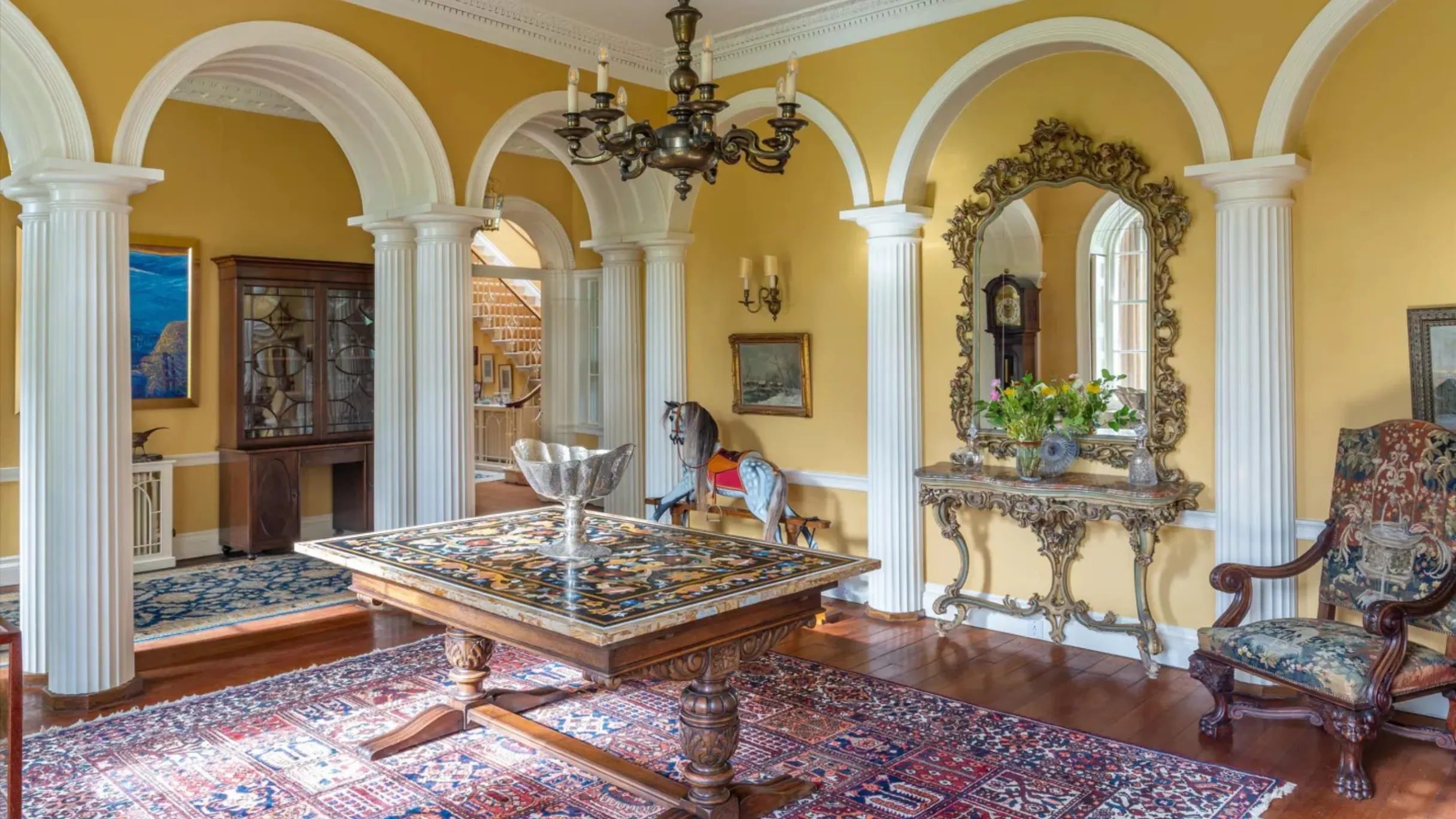
“The locations where buyers can find these exceptional properties include Cheriton and the villages around Winchester including the Candover Valley,” says Young. “The beautiful Georgian houses of Stockbridge and Alresford have consistent appeal. These properties all come with a substantial premium, around 30% compared with similar houses without the Grade II listing.
As a guide, buyers should expect to pay from around £4 million for substantial houses in large gardens and from £5 million and above for those with no road noise, the biggest price differentiator in many cases. For the very best examples, a glorious and fully renovated Georgian house in a top location with a swimming pool and perhaps a tennis court, there’s a ready pool of buyers.”
Oast houses are unique buildings designed to kiln or dry hops, a key part of the brewing industry. The oldest date back to the 17th century and their distinctive shape, a rectangular or square base topped with a conical kiln roof, is a culturally significant part of England’s agricultural heritage.
They are a regular feature on Oliver Streeter’s daily drives around the Kent countryside. He is a senior negotiator in Knight Frank’s Sevenoaks office and has several Oast houses currently for sale.
“Oast houses that have been adapted into homes ooze charm and character,” he says. “They make wonderfully quirky homes, about as far from a square modern box as you can get, and clients fall for their beauty and their link to Kent’s heritage. Many of them are listed but local councils that I deal with in the county have become much more flexible about permitting them to be adapted for 21st century living, allowing owners to replace windows, reconfigure rooms and add modern contemporary extensions for example.”

Energy efficiency is now one of the first questions buyers ask about any property Streeter says, and in the current market, Oast houses that are not up to a good standard or require substantial work are often the ones that take slightly longer to sell. Many have been renovated to a high standard though.
“These houses do require tender love and care, and it is important that buyers understand what they are taking on,” says Streeter. “The younger demographic of prospective buyers may not understand the process involved with owning a listed or period property and while it is possible to adapt them for modern life, the process often involves more bureaucracy and takes longer than you might expect.”
“Because of their uniqueness, prices of Oast houses do vary considerably, starting from around £900,000 for smaller homes up to over £3,000,000,” says Streeter. “How they have been configured is a big factor and so too is location with high demand for homes close to Sevenoaks. New train services from Borough Green into London Bridge and Charing Cross have encouraged some buyers to look a little further from Sevenoaks where they get more for their money.”
The Cotswolds has successfully become its own brand, attracting buyers from right around the world for its rural charm and natural beauty. Its handsome, traditional stone properties are an intrinsic part of the appeal says James Walker, head of Knight Frank’s Cotswolds team.
“The honey-tinted Cotswolds stone and the interesting architectural style provides a pleasing conformity that people love,” he says. “Add in the rolling countryside, the general peace and tranquillity with no major motorways running through it but excellent access from the M4 to the south, the M40 to the north and the M5 to the west, and the rubber stamp of the celebrities who live here and it helps explain why the Cotswolds have become arguably the most golden area of the UK,” says Walker. “And at the heart of it all, as perceived by some, is the golden triangle marked out by Burford, Stow-on-the-Wold and Soho Farmhouse.”
The medieval manor houses built across the region traditionally had small windows and low ceilings, and it was wealth from the wool industry that saw large imposing Georgian facades and elevations added on, bringing lighter interiors and a true sense of grandeur.
“Best in class Cotswolds country houses are nearly always listed, at least Grade II-listed, and therefore it is important to respect their architectural integrity,” says Walker. “Generally, making certain changes is not hard, it is more a case of managing owner’s expectations. You will have to jump through more hoops and get local authorities and often neighbours on side, mostly achievable with a good architect on board. Everyone is keen to keep the character and beauty of these statement houses.”

“Property prices for prime country houses in the Cotswolds are generally upwards of £2,500,000,” says Walker. “A*-grade locations include property near Stow-on-the-Wold including the likes of Kingham with Daylesford up the road, the villages around Burford, those villages north of Cirencester and the surrounds of Tetbury in the southwest Cotswolds. The Cotswolds stone country house nearly always attracts a substantial premium compared with a similar new build, despite the higher maintenance costs that they generally carry. Buyers are increasingly keen to understand the running costs of a property and how much work the garden will entail to keep it looking as beautiful as when they buy it. These costs are rarely the stumbling block to them buying though.”
Discover more properties for sale across the UK
Sorry!
An unexpected error has occurred.
Please try again later.
