
Land for sale in London
Find land for sale in London. Rare opportunities in a competitive market
Owning land in London is a chance to shape the skyline, redefine neighbourhoods and create spaces that stand the test of time.
With opportunities ranging from prime central plots to regeneration hotspots, the right land acquisition can deliver immediate value and long-term growth. London’s land market features opportunities varying from discreet pockets in sought-after postcodes to large-scale sites primed for residential, commercial or mixed-use development. Central locations like Mayfair, Shoreditch and South Bank offer unique infill sites, while areas like Old Kent Road and the Royal Docks present major regeneration prospects.
Outer boroughs, benefiting from improved transport links and evolving demand, are increasingly attractive for strategic land investment. London’s best land opportunities rarely hit the open market so, with space at a premium, securing the right plot requires speed, insight and a deep understanding of planning potential.
We don’t just find land; we provide strategic advice on feasibility and market demand, ensuring you make informed decisions, aligned with your goals. We leverage our extensive network and deep local expertise to source exclusive, off-market plots tailored to your ambitions. Whether you’re a developer looking for a high-yield project, an investor seeking long-term gains, or a private buyer with a vision, we can help.
Browse latest land for sale in London
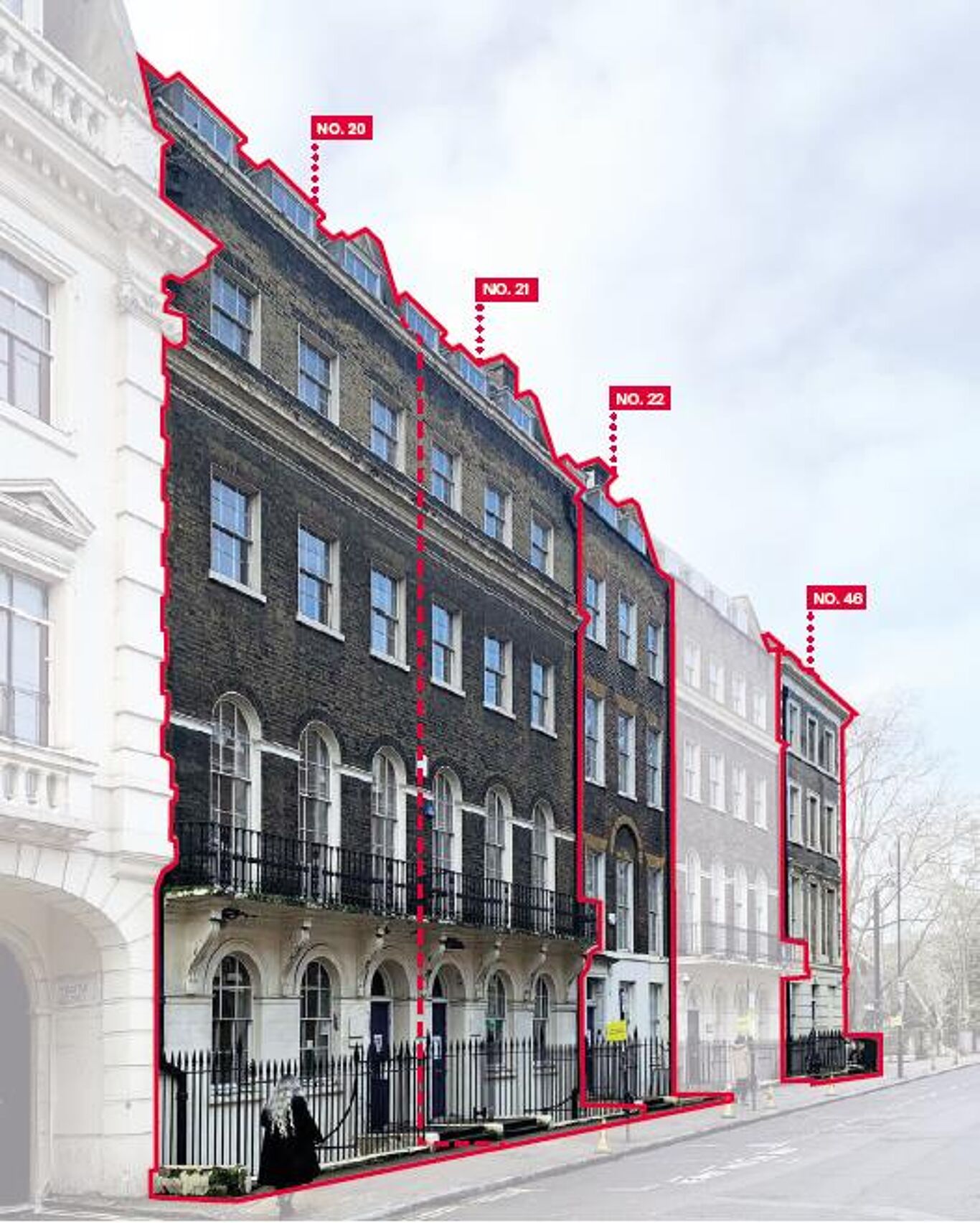
20-21, 22 Southampton Place, 46-47 Bloomsbury Square WC1A
Land
A Rare Commercial Portfolio Opportunity with a Positive Pre-app for Residential Conversion.
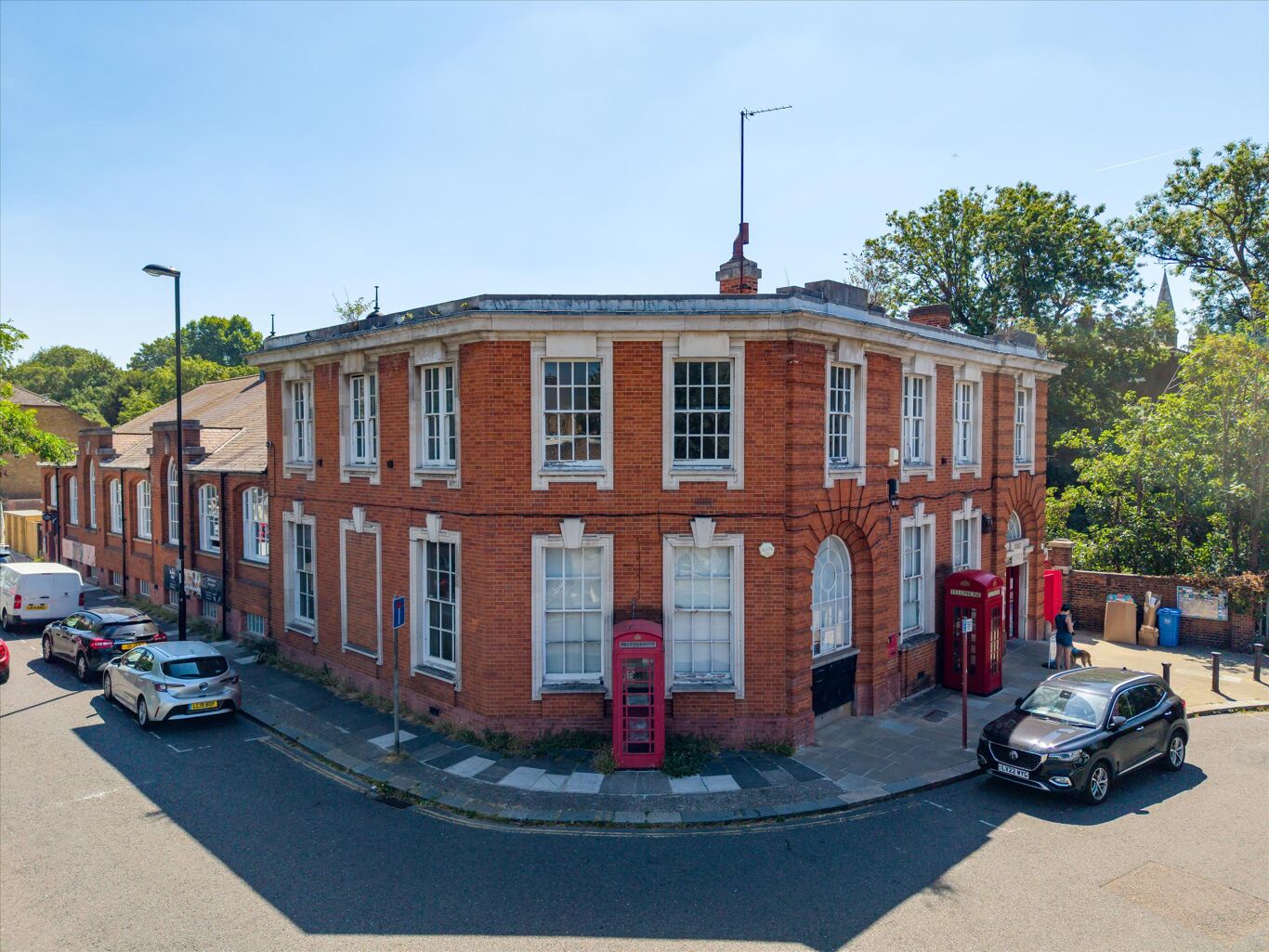
Blackheath Grove, London SE3
Land
An outstanding opportunity to acquire a consented part-new build, part-conversion development in the heart of Blackheath Village, with planning permission for nine residential flats.
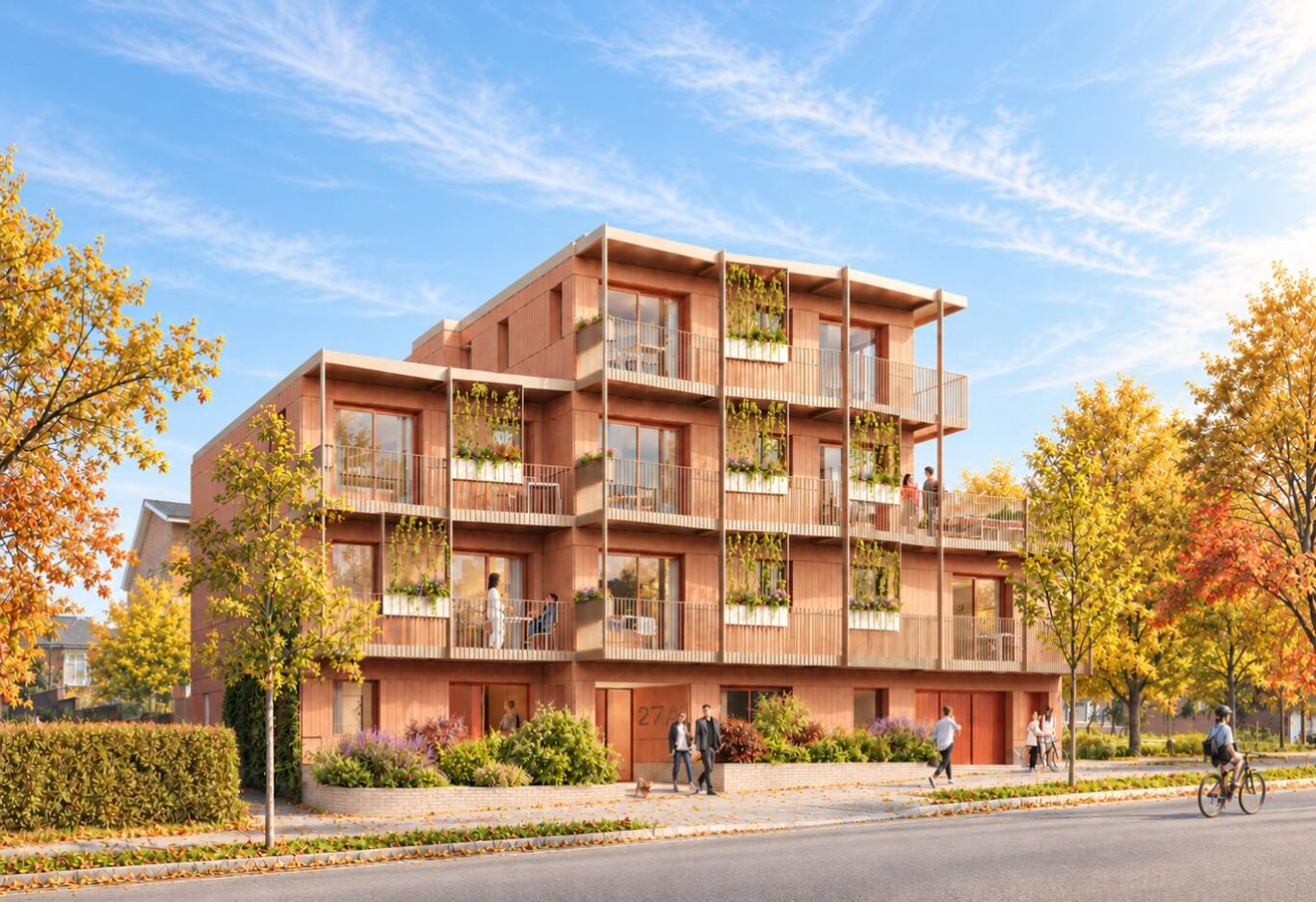
West End Lane, London NW6
Land
Residential development opportunity for a fully private 9-unit residential scheme on West End Lane, NW6

Charing Cross Road, London, WC2H
Land
Prime development opportunity: Planning permission for two luxury penthouses
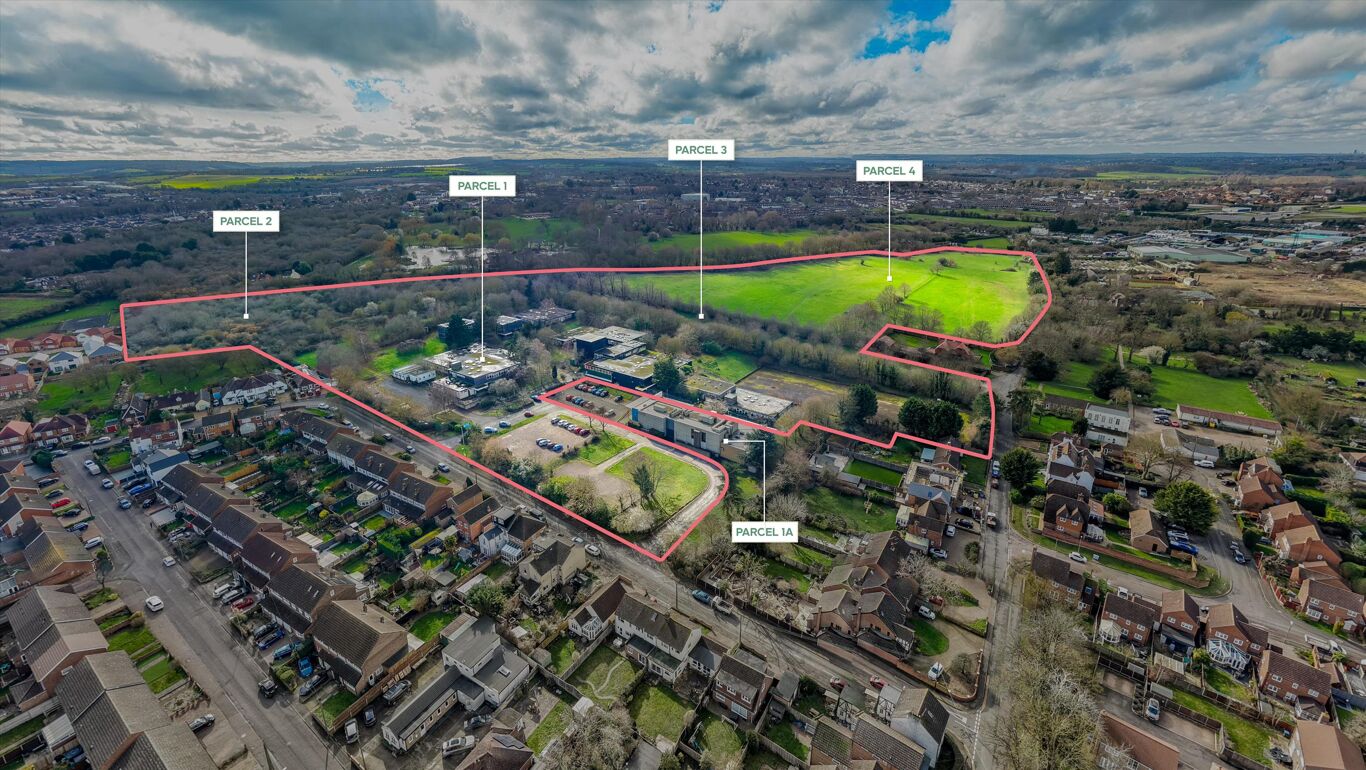
Former Oasis Academy, Egerton Avenue, Hextable BR8
Land
A rare opportunity to deliver a major development site extending to approximately 37 acres (15.4 hectares) within the district of Sevenoaks.
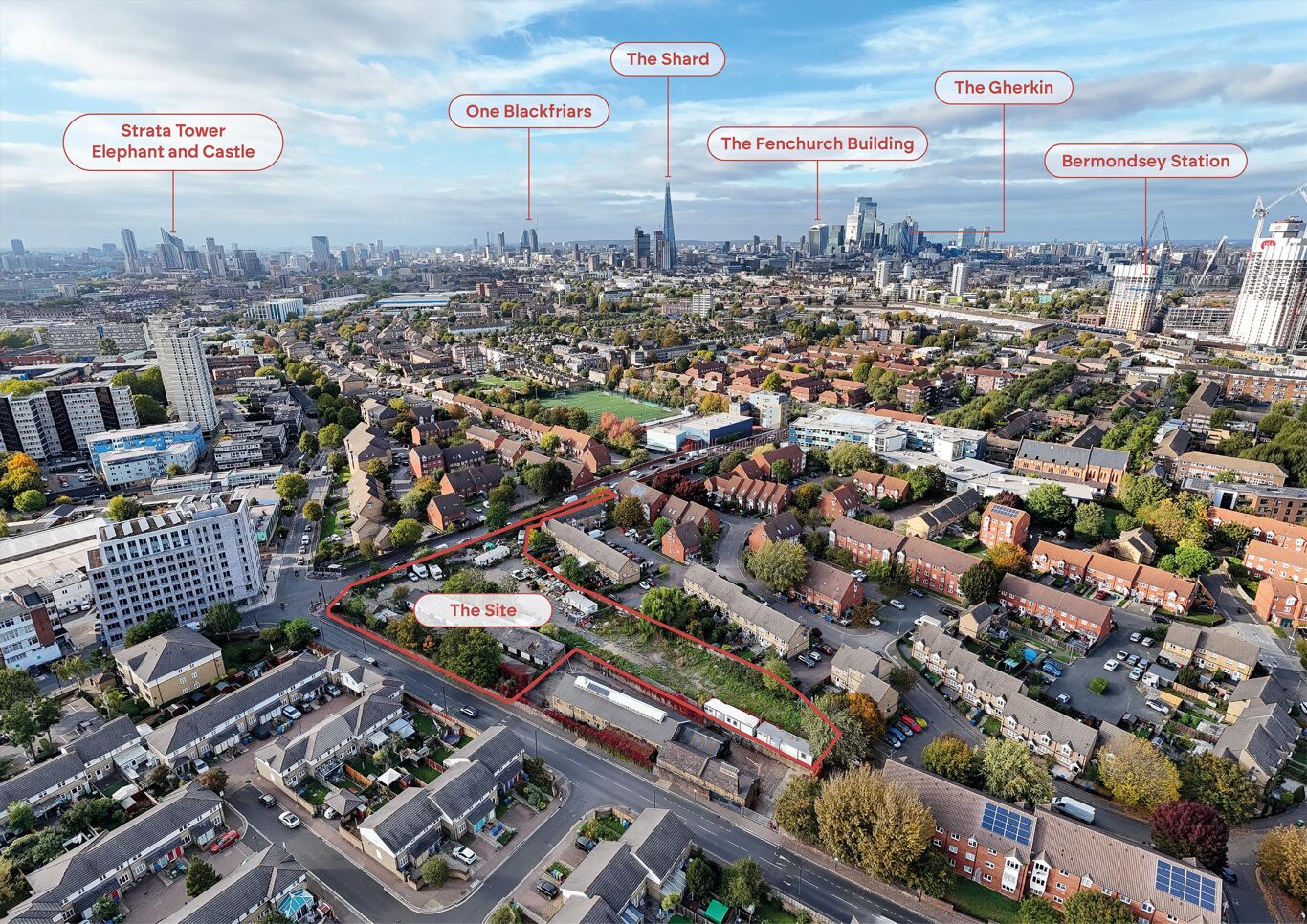
Old Southern Stables, Catlin Street, London, SE1 5US
Land
A centrally located site offering potential for a range of residential uses, including traditional residential units, co-living and PBSA, with excellent connectivity to Central London.
Frequently asked questions
Buying development land in London requires careful due diligence, as land value is often driven by future development potential rather than its current use. Before purchasing a site, investors should investigate planning constraints, ownership details, rights of access, environmental issues, utility connections and local market conditions. Understanding whether a site can realistically support a profitable development is crucial.
Professional advice from planning consultants, surveyors and solicitors is often essential, as even small legal or planning issues can significantly affect viability and returns.
Evaluating planning potential involves understanding both the site itself and the policies that govern development in the local area. Buyers should review the borough's Local Plan, examine nearby planning approvals and consider factors such as building height limits, density expectations, heritage restrictions and design requirements. Sites that align with local housing or regeneration objectives generally have stronger planning prospects.
Engaging a planning consultant before committing to a purchase can help identify opportunities and risks that may not be immediately obvious from public documents alone.
Transport connectivity, planning policy and zoning considerations are among the most important drivers of London land values. Sites located close to Underground stations, railway hubs or major transport improvements often command premium prices due to increased development potential and buyer demand. Planning policy determines what can be built, while zoning and site allocations can influence density, height and land use. Even a well-located site may underperform if planning policy is restrictive, making policy analysis a critical part of any land valuation process.
Prime Central London and outer London boroughs offer very different investment profiles. Central London sites typically command higher prices, face intense competition and are often subject to stricter heritage, conservation and design requirements. Development opportunities may be limited but can generate significant value when successful.
Outer London boroughs generally offer lower entry costs, larger site sizes and greater scope for residential-led development. Many investors are attracted to regeneration areas in outer boroughs where infrastructure improvements and housing demand may support future growth.
Planning risk is one of the most significant factors affecting development land investment. A site may receive planning permission for fewer units than anticipated, face delays during the approval process or be refused altogether. Buyers should also consider affordable housing requirements, legal obligations, environmental regulations, heritage constraints and changing planning policies. Understanding these risks before purchase is critical, as they can substantially affect project viability, timescales and profitability.
Existing use value plays an important role in land pricing because it reflects what a site is worth in its current state. Land generating rental income from residential, commercial or industrial uses will often have a higher baseline value than vacant land. However, in London's development market, future planning potential frequently has a greater influence on price than current use alone.
The difference between existing use value and potential development value is often where investors identify opportunities, making both factors essential components of any land appraisal.
