
Castles for sale in the UK
Find your dream castle
Discover the finest castles for sale in the UK, from historic fortresses to elegant country homes.
The UK is home to an extraordinary range of castles for sale, from grand medieval fortresses to elegant country estates with castellated features. Some have been meticulously restored to provide modern luxury while retaining their period charm. Others offer opportunities for renovation, allowing buyers to create their ideal heritage home. Whether you’re seeking a sprawling castle with extensive grounds, a coastal stronghold with breathtaking views, or a smaller turreted manor, we have a diverse selection to explore.
We specialise in connecting buyers with the finest castles for sale across the UK. Our experts understand the unique considerations of purchasing a historic property, from heritage listings to estate management, working closely with you to find a property that aligns with your lifestyle and vision. With exclusive access to some of the country’s most remarkable castles, as well as deep market insight and expert negotiation skills, we ensure a seamless and rewarding buying experience.
Browse latest castles for sale in UK
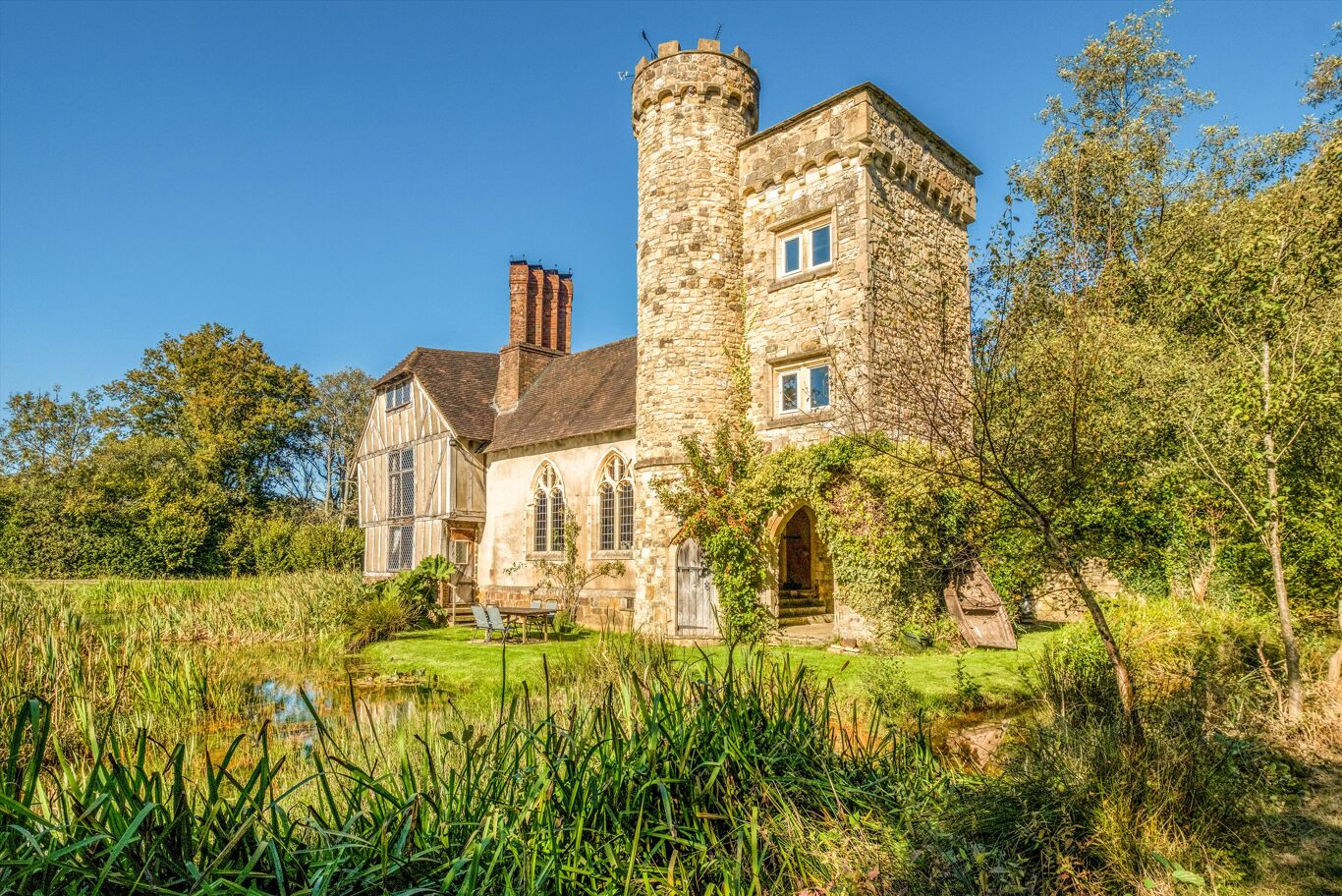
Pottens Mill Lane, Broad Oak, Heathfield, East Sussex TN21
Castle, 10.18 acres
A unique opportunity to purchase your own modern fairytale moated castle, built only 25 years ago, set on a moated island with just over 10 acres and surrounded by stunning Sussex countryside EPC D
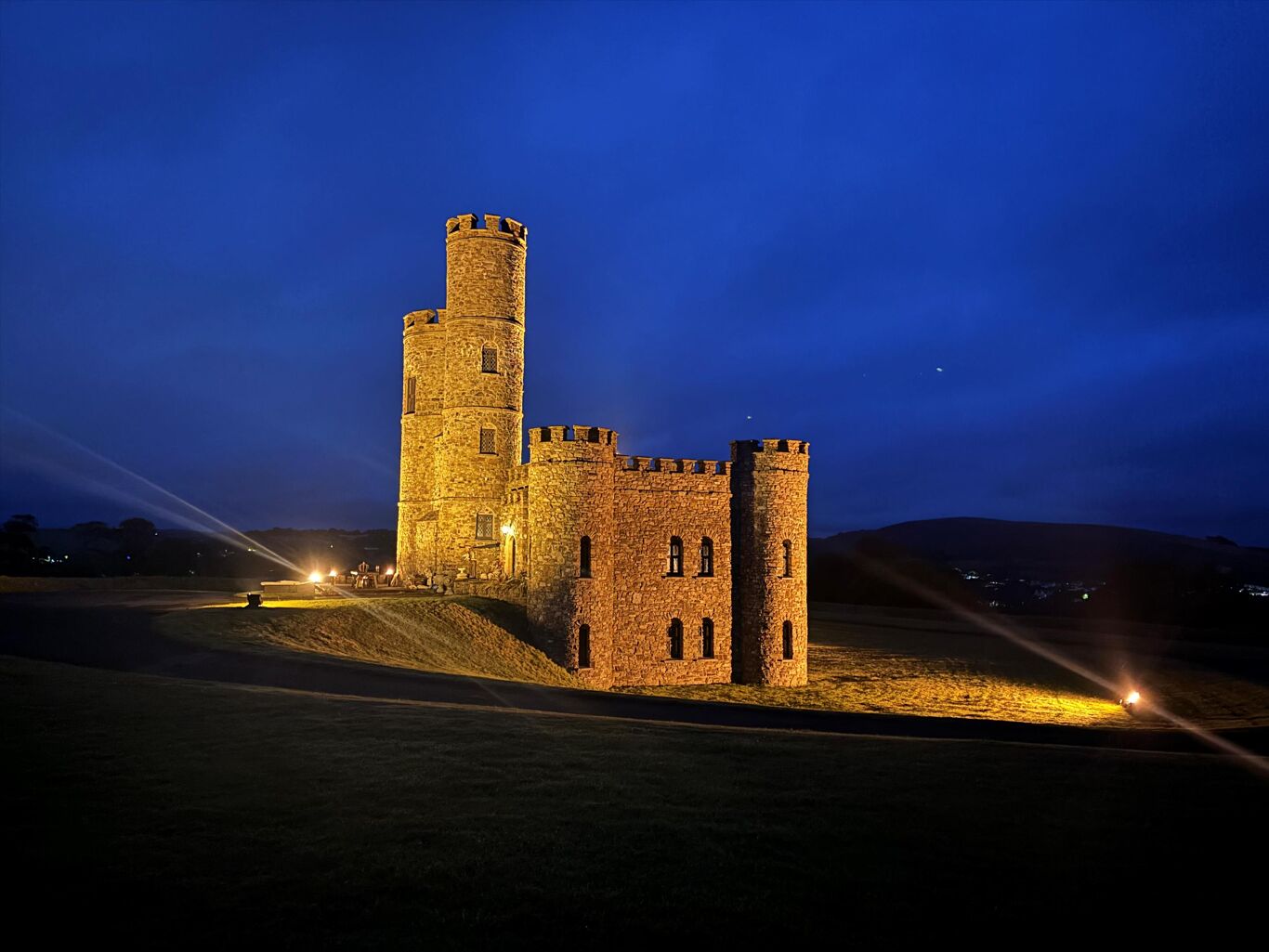
Tawstock, Barnstaple, Devon, EX31
House, 8.41 acres
An exceptional Grade II listed castle situated on a hilltop in 8.41 acres of private grounds, offering wonderful views of the countryside
Frequently asked questions
Yes, any individual can buy a castle in the UK, including foreign nationals, either through the open market or private specialist agents. Castles are considered non-standard construction buildings, and many are listed. This can make it challenging to find mortgage lenders willing to finance the purchase, so seeking specialist advice is recommended.
Yes, castles are usually listed buildings due to their significant historical and architectural value. Castles are listed as Grade I, II* or II, and homeowners have a responsibility to protect the buildings’ character.
- Grade I buildings are those of exceptional interest.
- Grade II* buildings are those of particular importance.
- Grade II buildings are those of special architectural or historic interest.
Maintaining a castle requires a long-term financial commitment, and costs vary dramatically depending on size, age, condition, location, and renovation needs. When considering the maintenance costs, you need to consider:
- The day-to-day running costs of keeping the castle operational, including cleaning, staff, security, utilities and taxes.
- Renovation and restoration costs are often high due to the need for specialist trades and a focus on historical preservation.
- Running a castle has high energy costs for heating and lighting due to large spaces and often poor insulation.
- Specialist insurance is needed for castles, which is higher than for standard properties due to their listed status, high-risk structure, extreme rebuilding costs, and specialised materials.
- Due to their size and high value, castles typically fall into the highest council tax valuation band.
To manage these costs, owners often use castles as commercial ventures, such as wedding venues, holiday rentals, film locations and open houses.
Yes, there are several grants and funding opportunities available for those looking to renovate a castle. These grants are usually awarded for renovations that focus on preserving heritage at risk, promoting public access, or supporting community-led projects. The Historic Houses Foundation and National Lottery Heritage Fund provide grants for the repair and conservation of historic buildings, such as castles, and Historic England provides repair grants for listed buildings deemed at risk. It is advisable to contact bodies early in the renovation planning stage to discuss potential projects, because there is no guarantee you will receive any funding.
Yes, because castles are typically classified as listed or heritage buildings, specialist insurance will be needed. This covers the high rebuild and repair costs associated with the use of specialist materials, traditional techniques, and the need for expert contractors. If the castle is used as a commercial venture, such as a wedding venue, film set, or open house, it will require specialised public liability insurance.
Castles can be a strong long-term investment, but are more complex than standard residential investments. Castles can generate profitable revenue streams by being turned into hospitality venues or tourist attractions. However, purchase price, renovation and daily maintenance costs can be high, so they need to be taken into account before deciding to buy. Buying a castle is usually not just an investment, but a lifestyle choice motivated by a passion for history and heritage conservation.
If you decide to invest in a castle, take the time to do your due diligence, consider your goals and consult the right experts. With extensive market knowledge, we have exclusive access to some of the country’s most remarkable castles.
Frequently asked questions
Owning a castle typically requires significant annual capital, often a percentage of the property’s value depending on its condition, size and heritage requirements. Costs can include repairs, heating, staffing, insurance and specialist conservation work, so buyers should budget generously and plan for ongoing investment.
You should review the listing status, structural condition and any restrictions on alterations. It’s also important to understand maintenance obligations and whether specialist materials or permissions will be required for future work.
Heritage status or public interest can reduce privacy, particularly if there are rights of way or expectations of public access. Buyers should carefully confirm access arrangements and any obligations tied to the property.
Castles can be adapted for full‑time living, but they often require significant modernisation and ongoing upkeep. While they offer unique character and space, practicality depends on layout, heating and day‑to‑day running costs.
Selling a castle typically takes longer due to a smaller buyer pool. However, well‑maintained and sensibly priced properties still attract interest, particularly where they combine historic appeal with modern usability.
You should check title boundaries, access rights, land use restrictions and environmental considerations, alongside the condition of all structures. Professional surveys and legal advice are essential given the complexity of these estates.
