

Buy your property at auction
Next auction date: 17 September 2026
Embrace property opportunities with convenient, discreet auctions.
Our auctions are live-streamed via a London-based auction studio and bidders can purchase online, by proxy and via telephone bidding.
If you’re looking to buy a property at auction, we hold multiple auctions throughout the year, featuring a wide range of properties. Registering to buy is simple and gives you unrivalled access to top homes in the UK.

Why buy at auction with us

Benefits of buying a property through auction
- A transparent sale process compared to traditional methods
- Timely and efficient – once the gavel falls, if you’re the highest bidder, the property is yours
- A simple process without the complication of long chains or communication issues between parties
Frequently asked questions
Buying a property at auction involves registering to bid, inspecting the property and legal pack beforehand, attending the auction (in person or online), and if successful, paying a deposit on the day and closing the balance within a set timeframe. Once the hammer falls, the sale is legally binding, and the buyer must follow the terms set out in the auction contract.
xxxx
xxx
xxx
Selling at auction offers greater certainty and speed compared with a traditional private sale. Once the hammer falls, the buyer is legally committed, reducing the risk of fall-throughs or prolonged negotiations. Auctions also create competitive tension, which can help achieve a strong price within a specific timeframe, making them particularly well suited to sellers who value clarity and momentum.
A wide range of properties perform well at auction, including investment properties, tenanted homes, homes needing refurbishment, and assets with unusual characteristics or complex legal titles. Auctions can also be effective for properties where timing is important, such as probate sales or portfolio disposals, as they attract motivated buyers who are prepared to proceed quickly.
The guide price is the publicly advertised price, intended to generate interest and indicate the level at which bidding may start. The reserve price is the confidential minimum price the seller is willing to accept. The property will not be sold unless bidding meets or exceeds the reserve, which is agreed in advance between the seller and the auctioneer.
Costs typically include the auctioneer’s fee, marketing, and the preparation of a legal pack by the seller’s solicitor. These costs vary depending on the property, the auction format, and the amount of marketing required. Your auction specialist will outline the full cost structure from the start, ensuring transparency before the property is entered into the catalogue.
Completion usually happen within a fixed timeframe after the auction, often around 20 working days for traditional auctions. This timetable is agreed in advance and forms part of the auction contract, giving both parties clarity from the point of sale.
Viewings are arranged and managed ahead of the auction, either through open viewing days or by appointment. These are coordinated by the auction team or appointed agents, ensuring prospective buyers have the opportunity to inspect the property before bidding.
Latest residential insights and articles
Stay ahead of global property trends with research and articles from industry experts around the world.

Homes
St John’s Wood Square: the transformation of one of London’s most historic sites
Spacious lateral homes, supreme craftsmanship and outstanding wellbeing facilities make this exceptional development a rare capital opportunity
07 October 2026
Homes
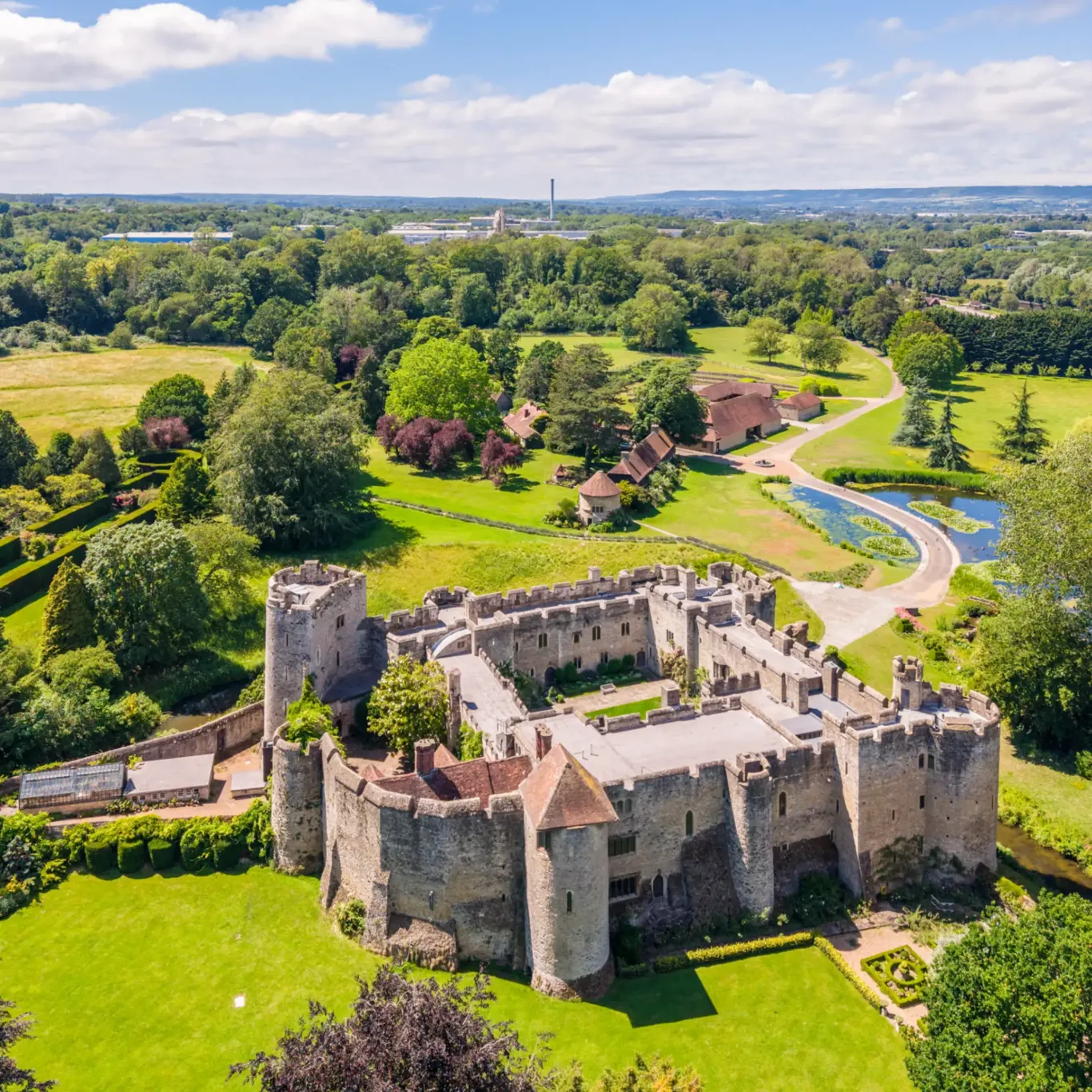
Owning a piece of history: the most remarkable castles for sale
The romance, heritage and investment potential of castle ownership continue to attract discerning buyers from around the world
06 October 2026

Homes
How to create a more sustainable home
From solar panels and heat pumps to intelligent lighting and water-saving systems, energy efficiency is becoming a defining feature of modern homeownership
05 October 2026
Homes
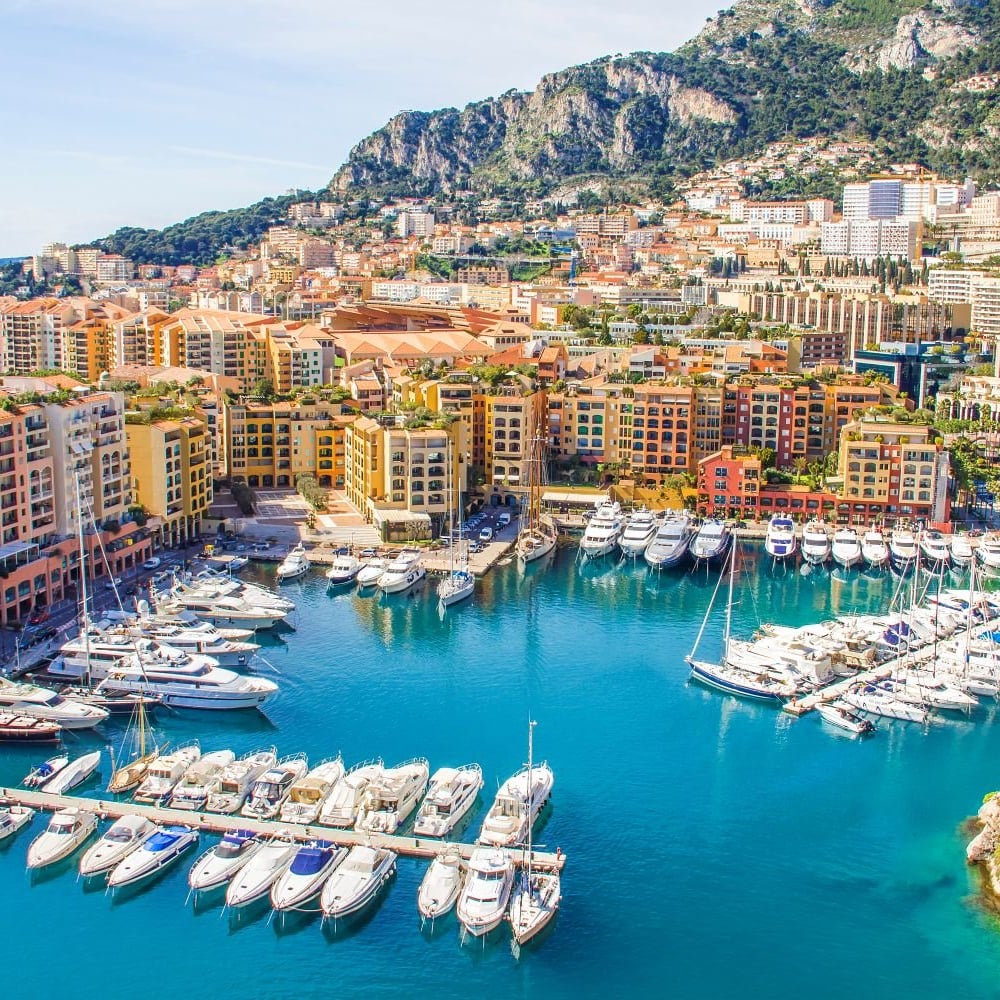
A guide to buying property in Monaco
Small in size but mighty in stature, Monaco’s Mediterranean lifestyle, world-class calendar of events and alluring property options make it a magnet for the wealthy
14 September 2026
Homes
Owning a piece of history: the most remarkable castles for sale
The romance, heritage and investment potential of castle ownership continue to attract discerning buyers from around the world
06 October 2026
Homes
How to create a more sustainable home
From solar panels and heat pumps to intelligent lighting and water-saving systems, energy efficiency is becoming a defining feature of modern homeownership
05 October 2026
Homes
A guide to buying property in Monaco
Small in size but mighty in stature, Monaco’s Mediterranean lifestyle, world-class calendar of events and alluring property options make it a magnet for the wealthy
14 September 2026
