
Farms and estates for sale in the UK
For those who love the idyllic country life.
From working farms to grand estates, we help you seize the rare opportunity to invest in the British countryside.
Buying a UK farm or estate offers financial security and an enviable countryside lifestyle. Whether you're looking to invest in a thriving agricultural business, a private retreat or a legacy estate, we can help you source and secure the finest rural properties on and off-market. We offer everything from productive arable land and working livestock farms to historic country estates and grand manor houses with extensive grounds. Many properties include additional features such as woodlands, rivers, sporting rights and equestrian facilities, catering to a variety of investment and lifestyle aspirations.
Rural property is a resilient asset, offering capital appreciation and a variety of income streams. Many estates offer potential for diversification, including renewable energy, tourism and sustainable agriculture. Whether you want to grow an agricultural business, create a rural retreat or invest in conservation projects, farms and estates provide long-term security and growth potential.
Partnering with our team means gaining exclusive access to prestigious UK farms and estates, including opportunities that aren’t publicly available. We deliver a seamless, end-to-end service, from financial and sustainability advice to legal support and land management. We understand the complexities and challenges of acquiring rural properties, offering guidance on estate planning, tax considerations and development potential. Whatever your investment and usage goals, we provide the insights and connections needed to secure your ideal property.
Browse latest farms and estates for sale in UK
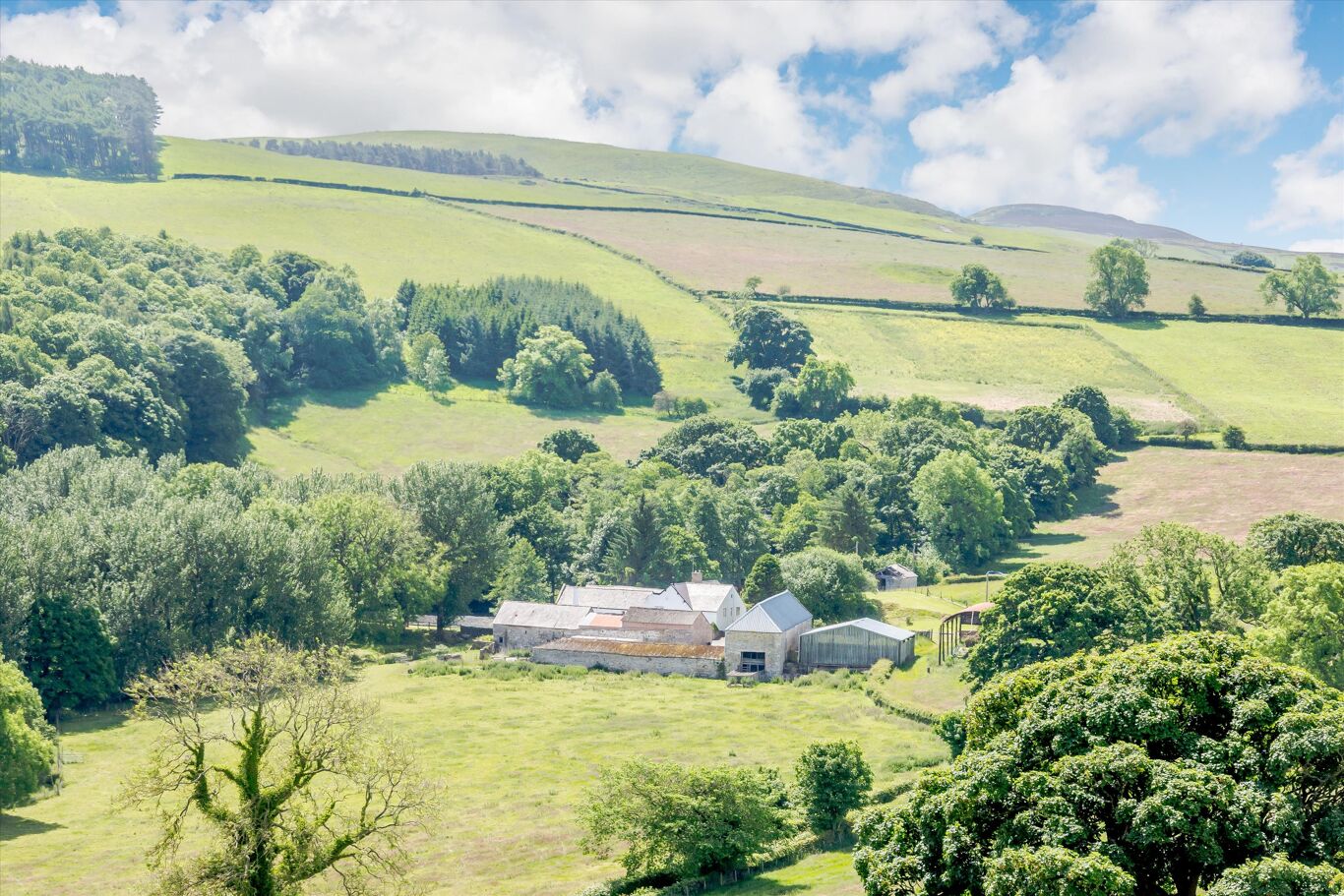
Nannerch, Mold, Flintshire CH7
Farm/Estate, 514.5 acres

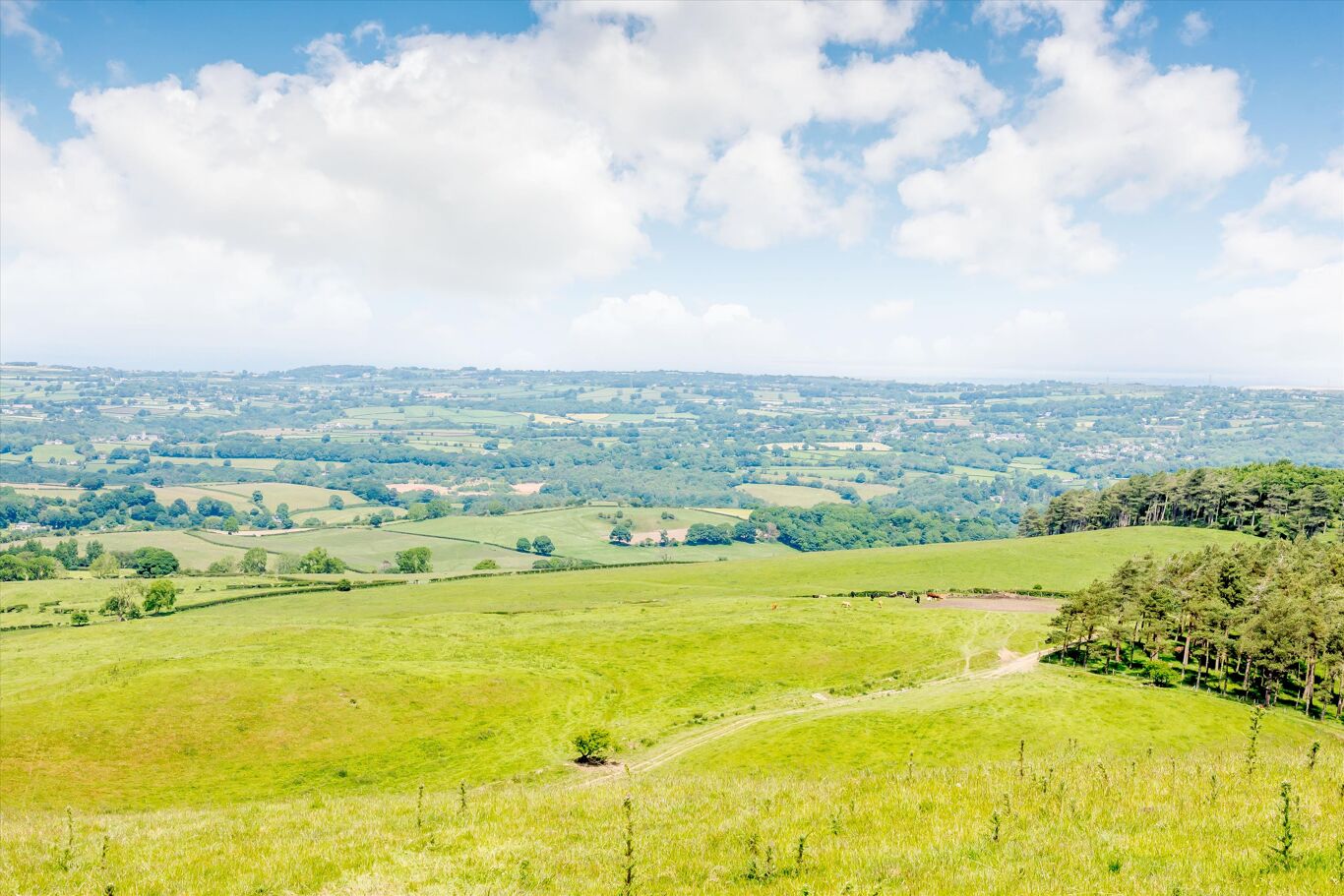
Nannerch, Mold, Flintshire CH7
Farm/Estate, 473 acres
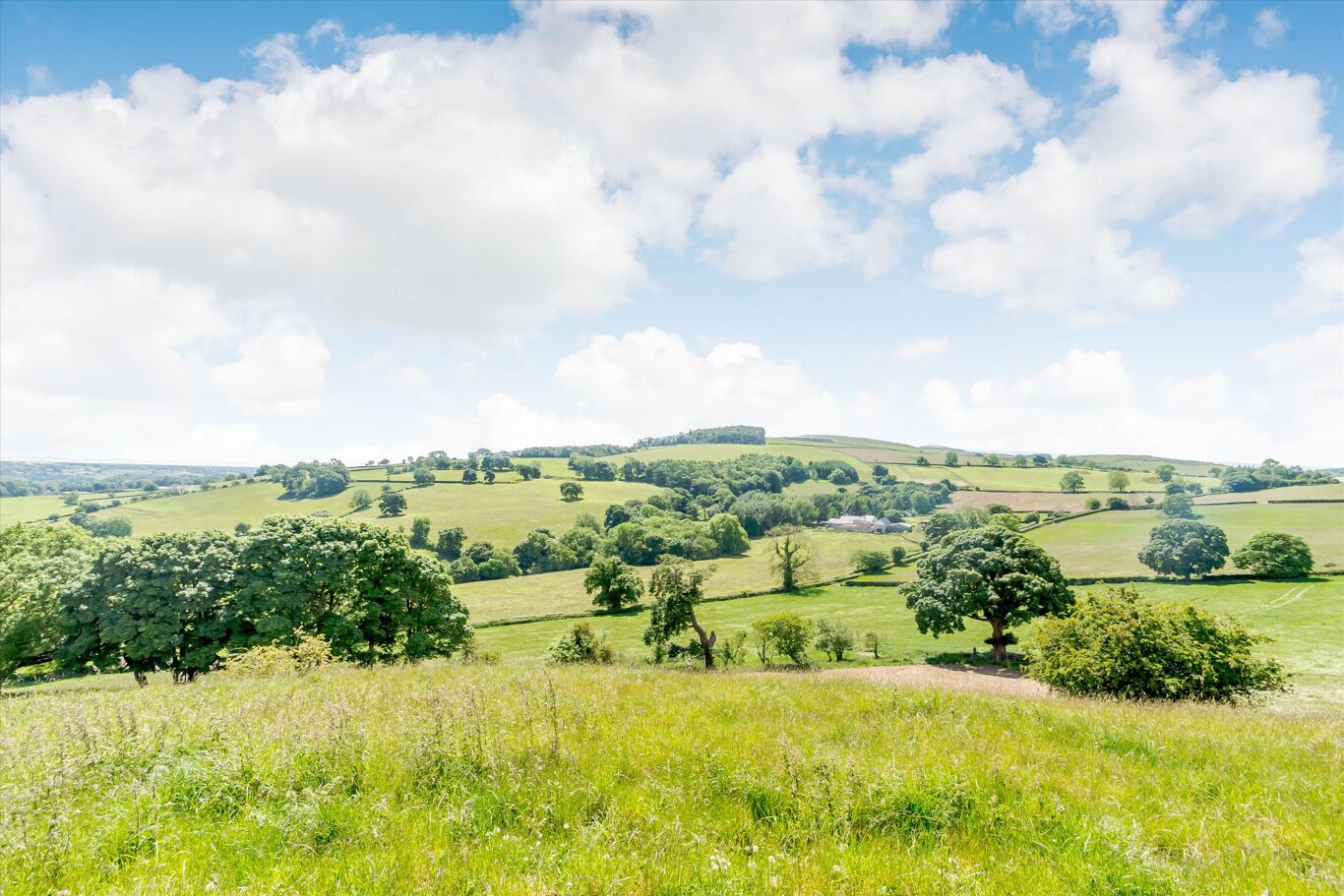
Nannerch, Mold, Flintshire CH7
Farm/Estate, 704 acres
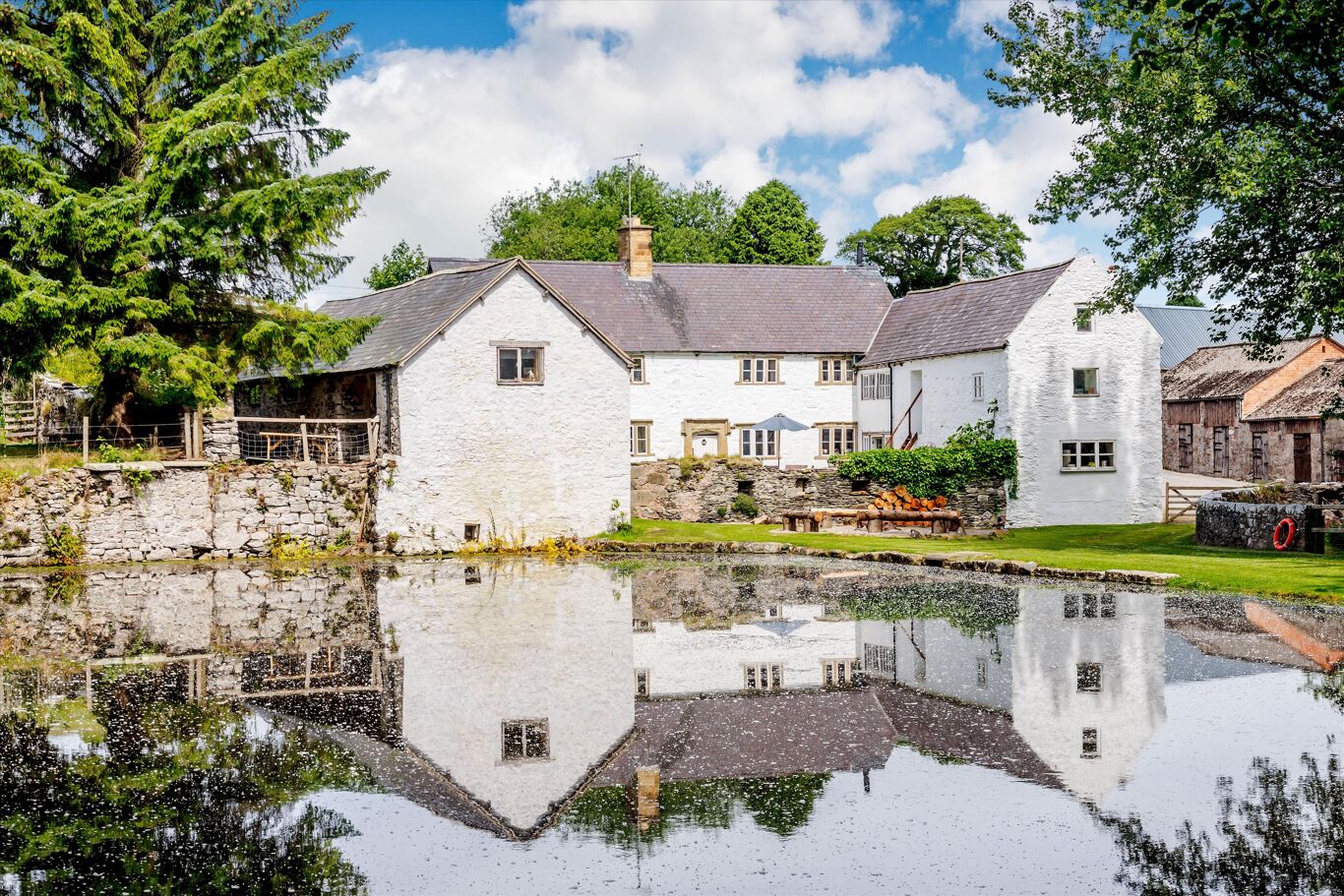
Nannerch, Mold, Flintshire CH7
Farm/Estate, 41.59 acres
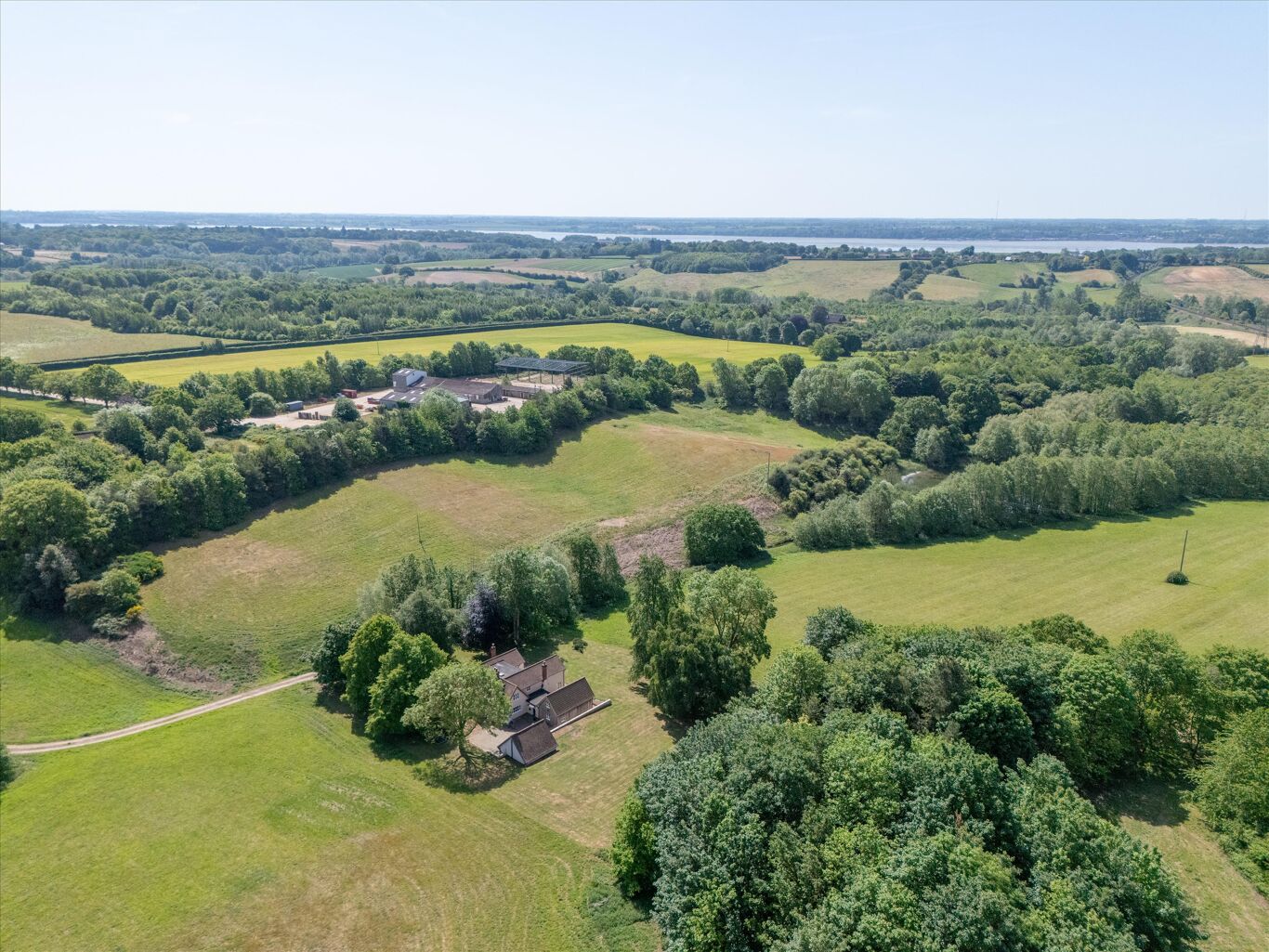
Tattingstone, Ipswich, Suffolk IP9
Farm/Estate, 73.88 acres


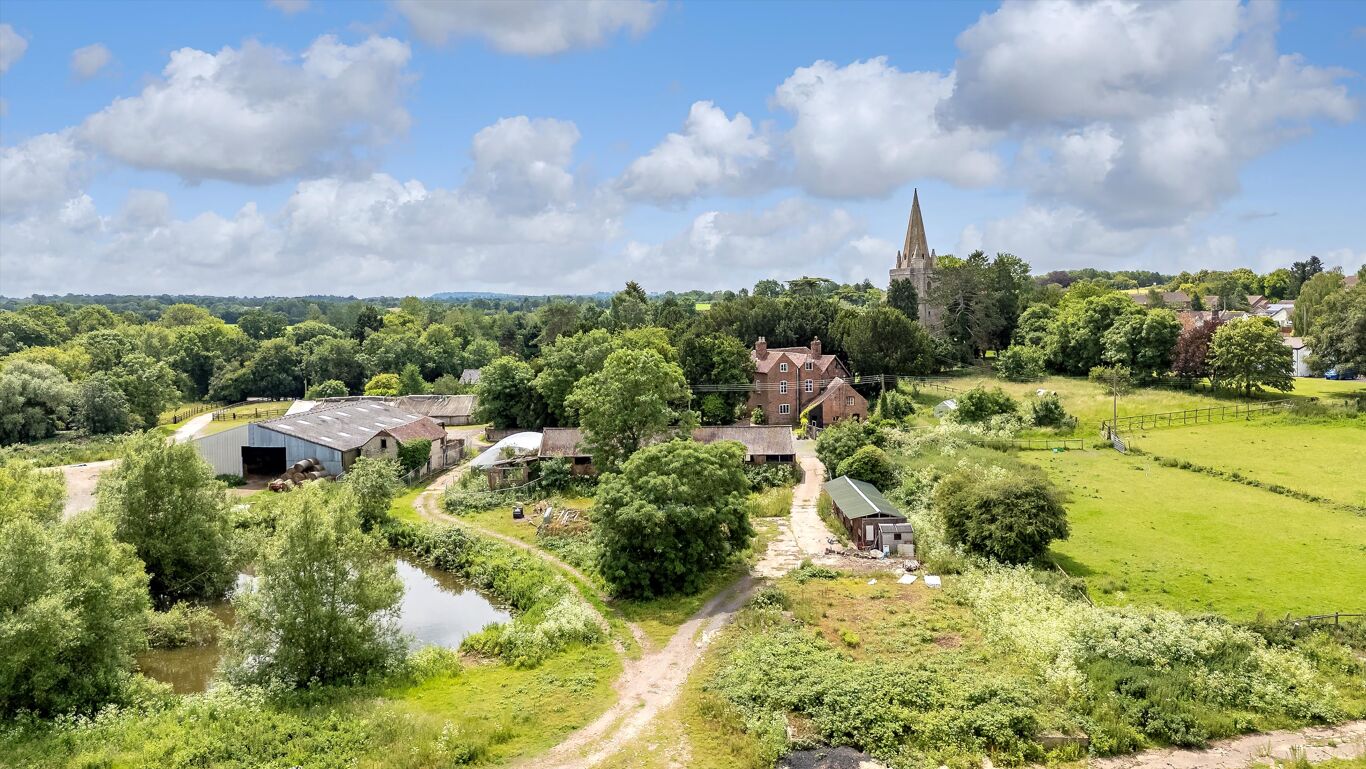
Longdon, Tewkesbury, Worcestershire GL20
Farm/Estate, 312 acres
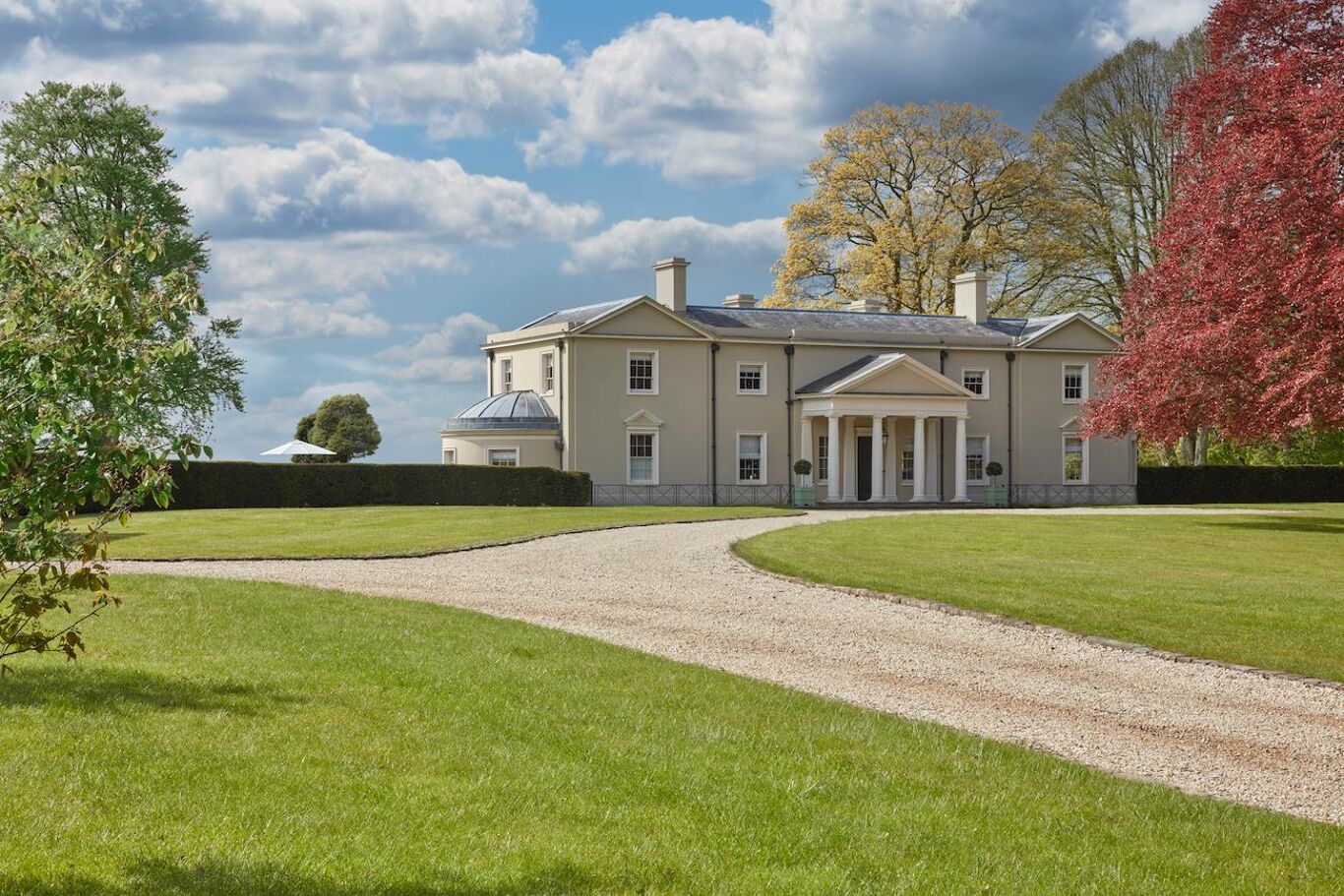
Vowchurch, Hereford, Herefordshire, HR2
House, 266 acres
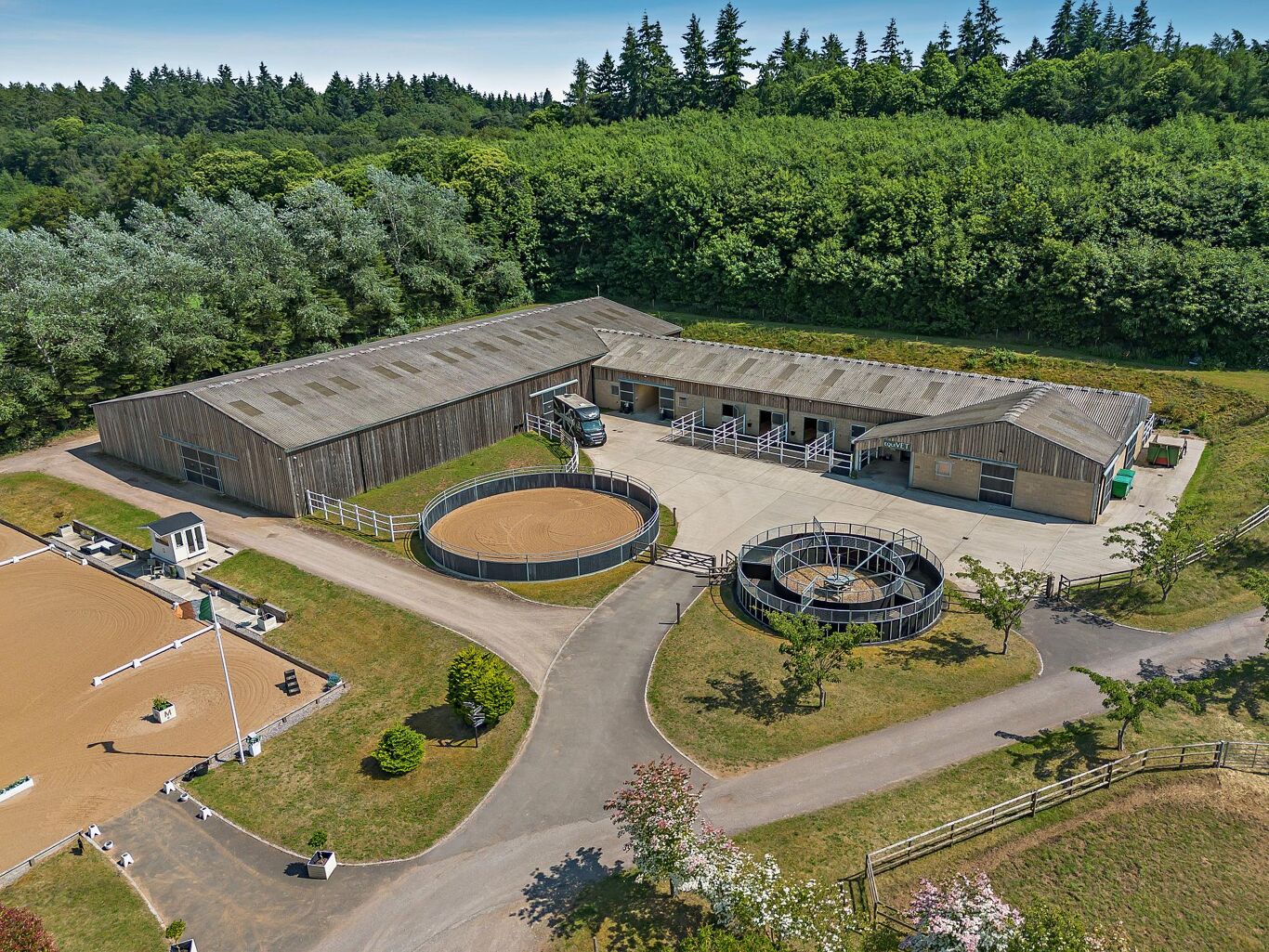
Churt Road, Churt, Surrey, GU10
Farm/Estate, 13.3 acres
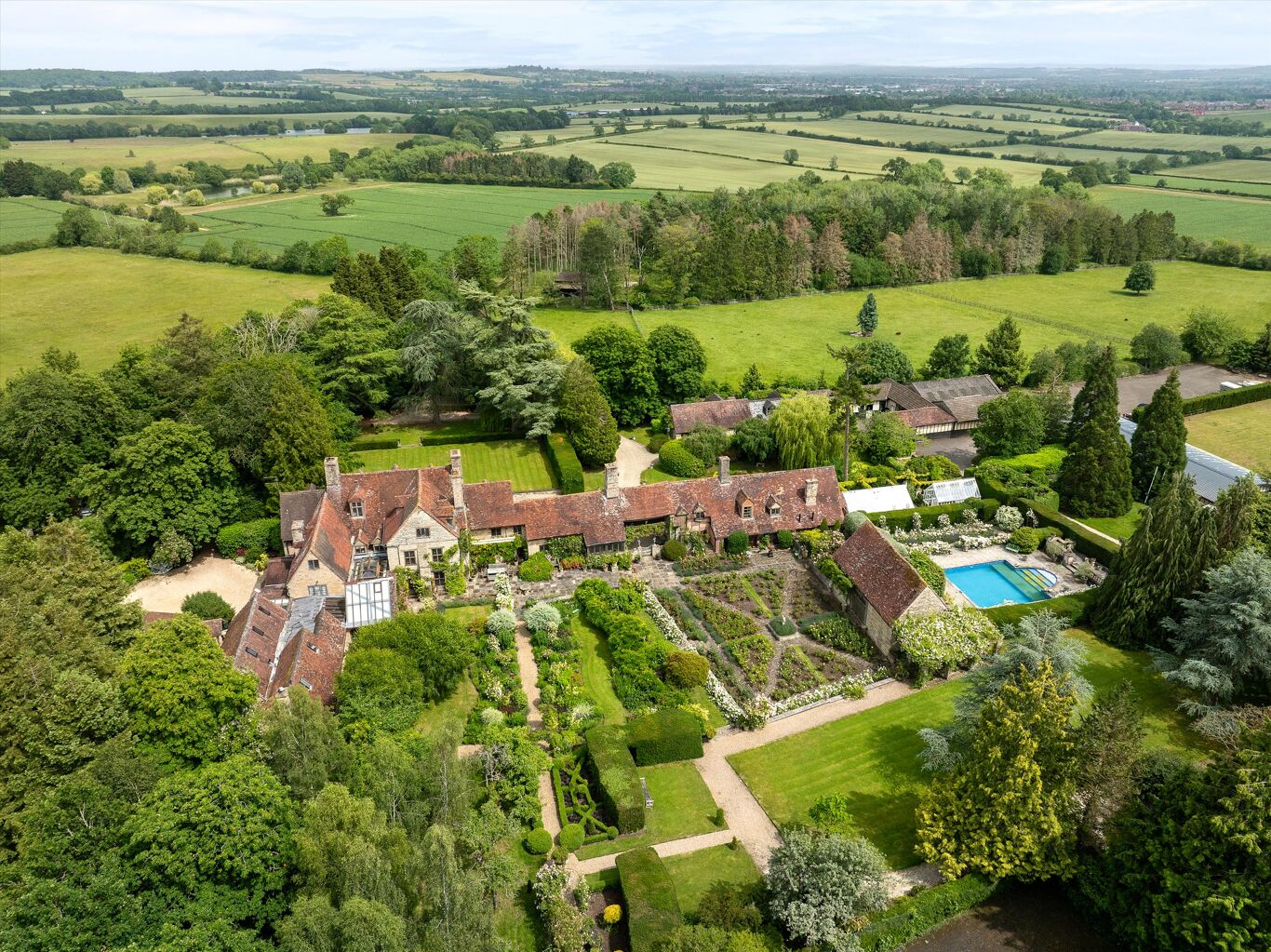
Upper Billesley, Stratford-upon-Avon, Warwickshire CV37
House, 211.09 acres
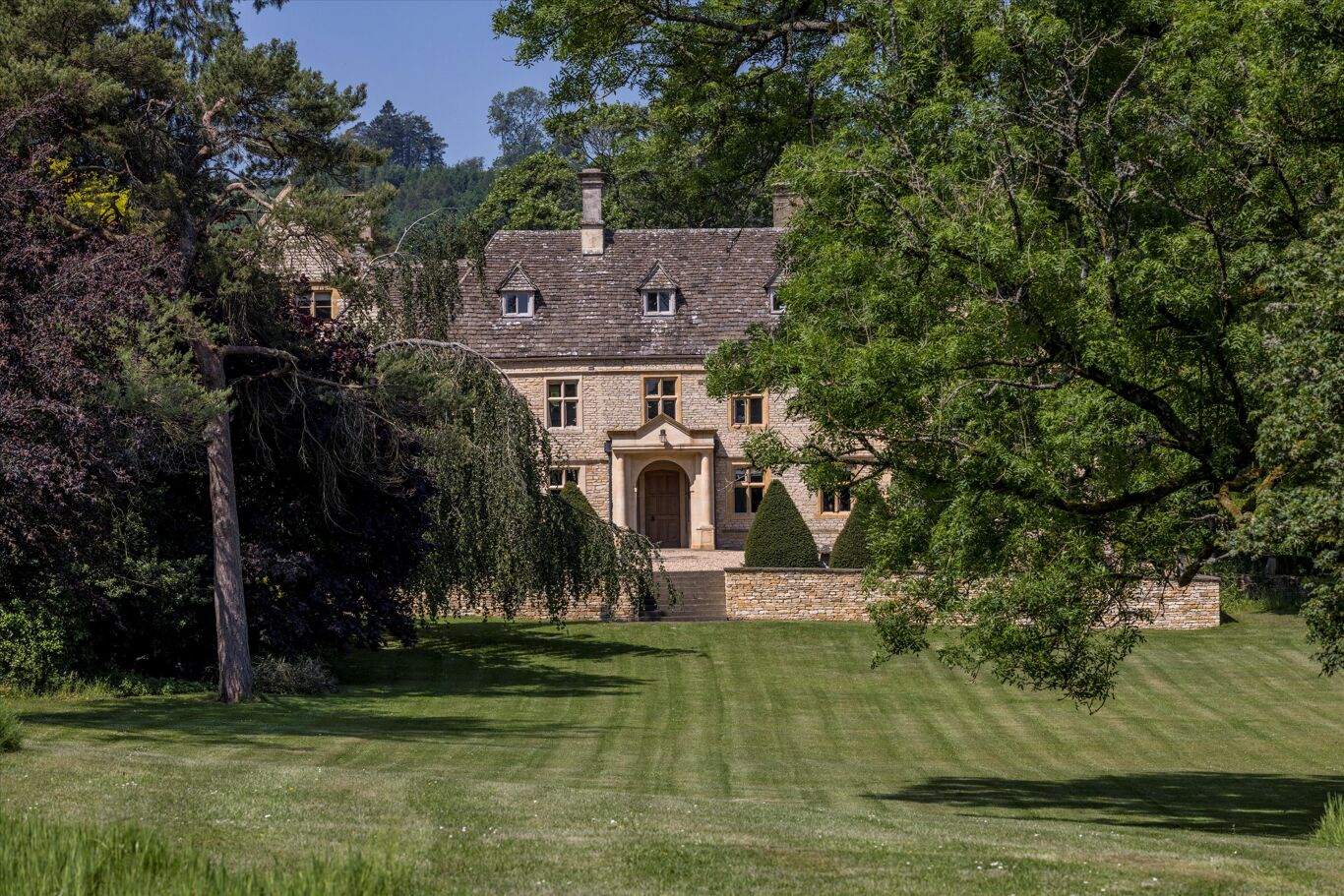
Foxcote, Andoversford, Cheltenham, Gloucestershire GL54
House, 58.64 acres
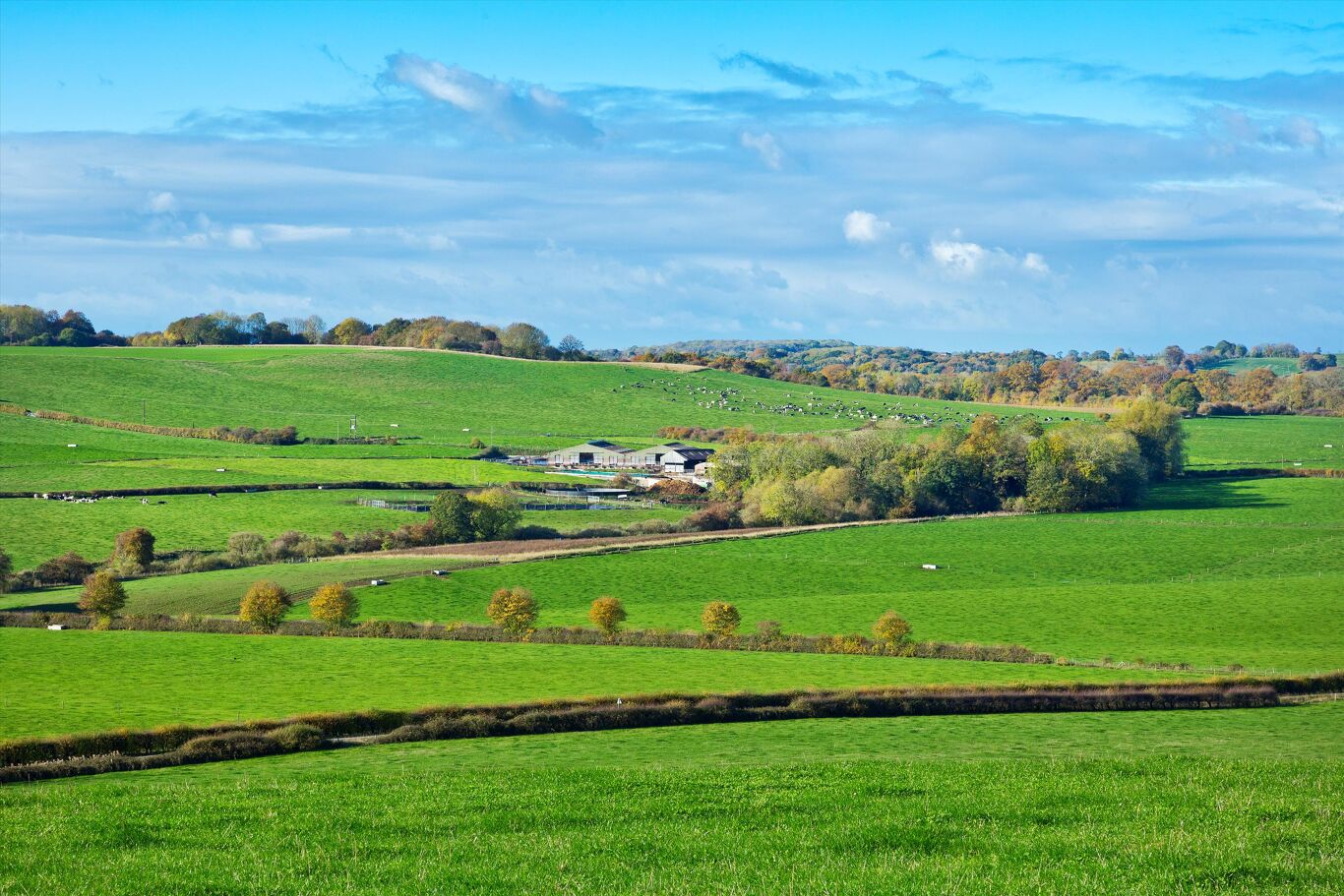
Hallaton Road, Tugby, Leicester LE7
Farm/Estate, 654.14 acres
Hallaton Road, Tugby, Leicester LE7
Farm/Estate, 878 acres
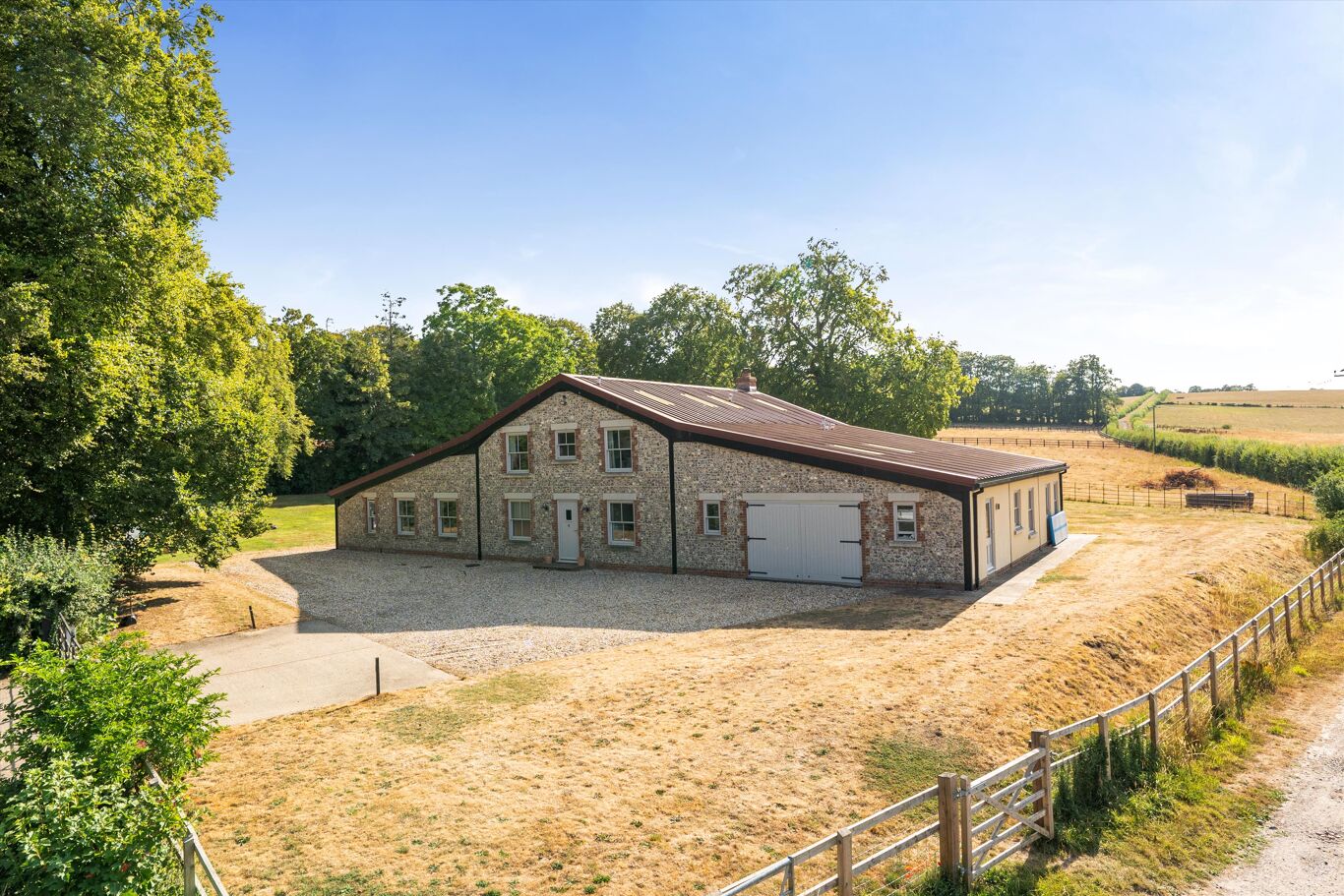
Hollom Down, Lopcombe, Salisbury, Hampshire SP5
Farm/Estate, 127 acres
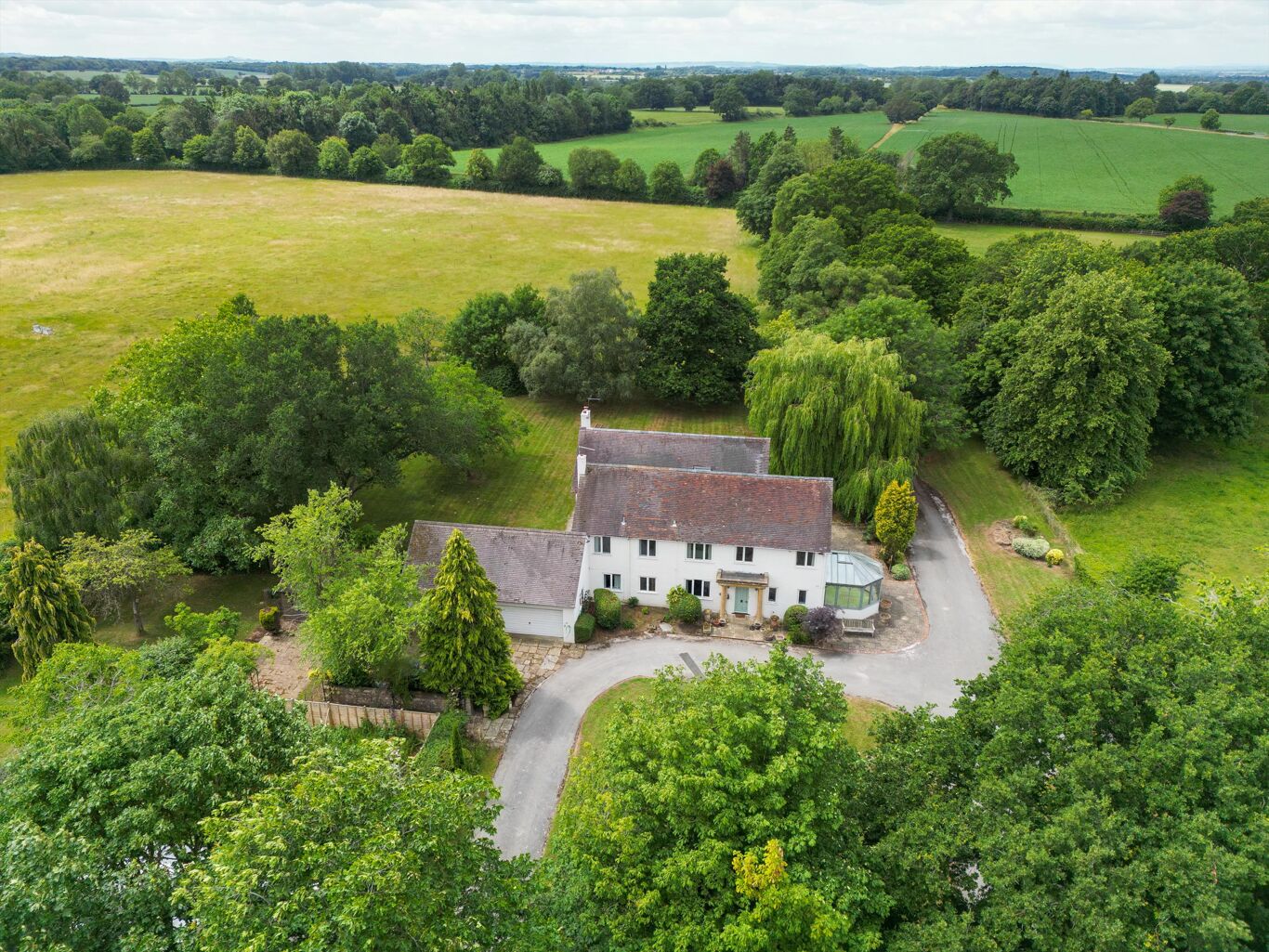
Hurdiss Farmhouse, Hurdiss Estate, Harbury, Leamington Spa, Warwickshire CV33
Farm/Estate, 12.81 acres
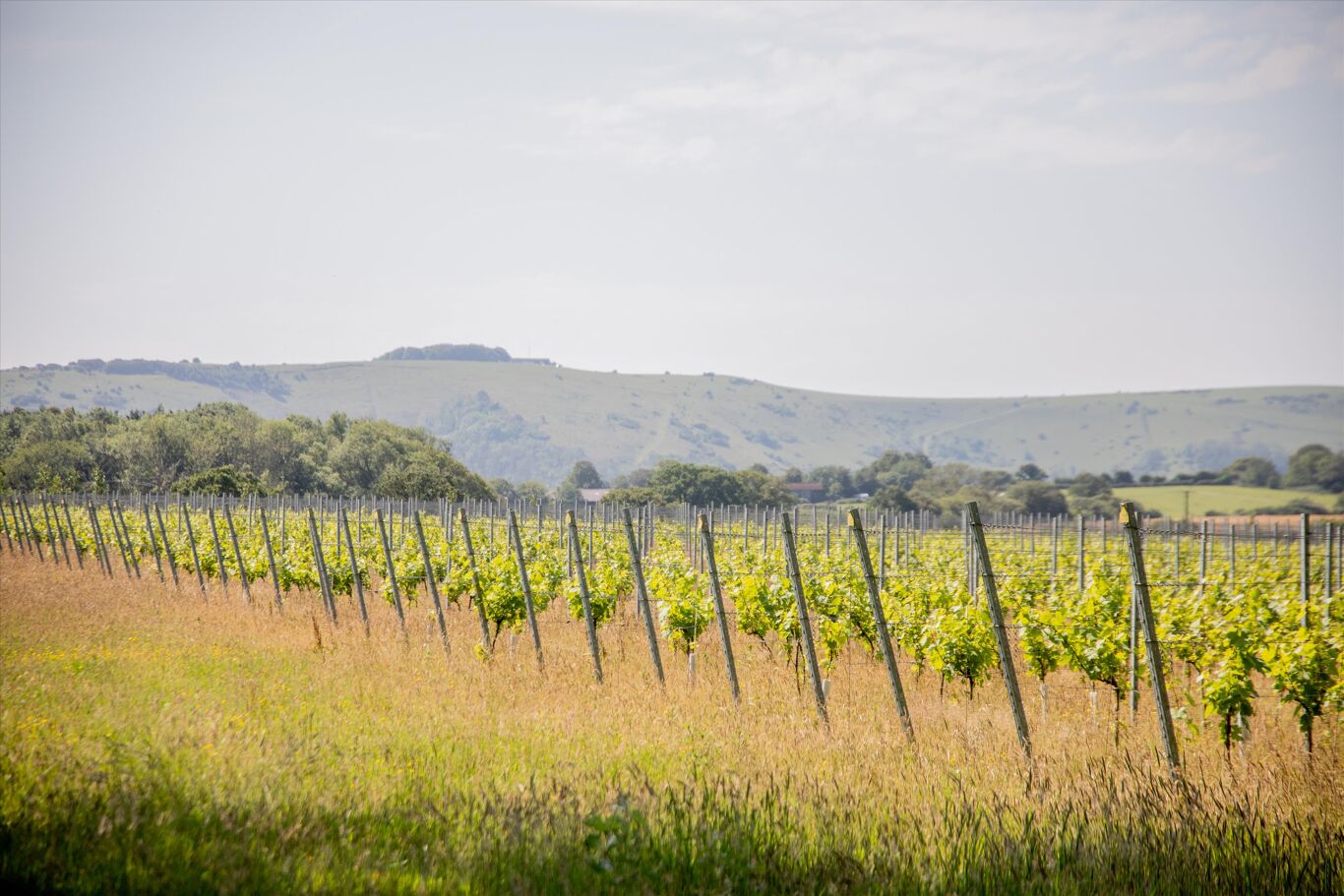
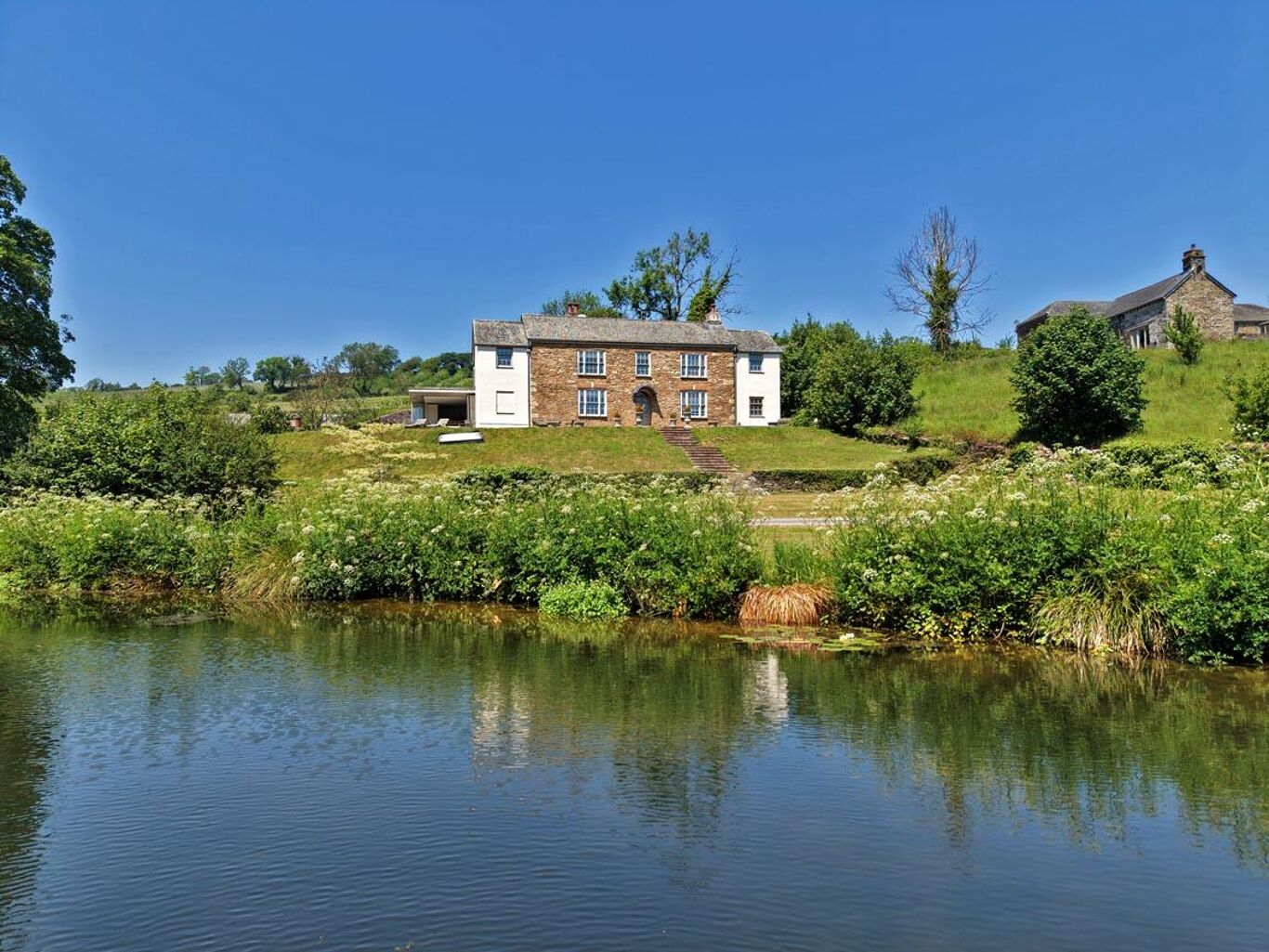
Modbury, Ivybridge, Devon PL21
Farm/Estate, 56.44 acres
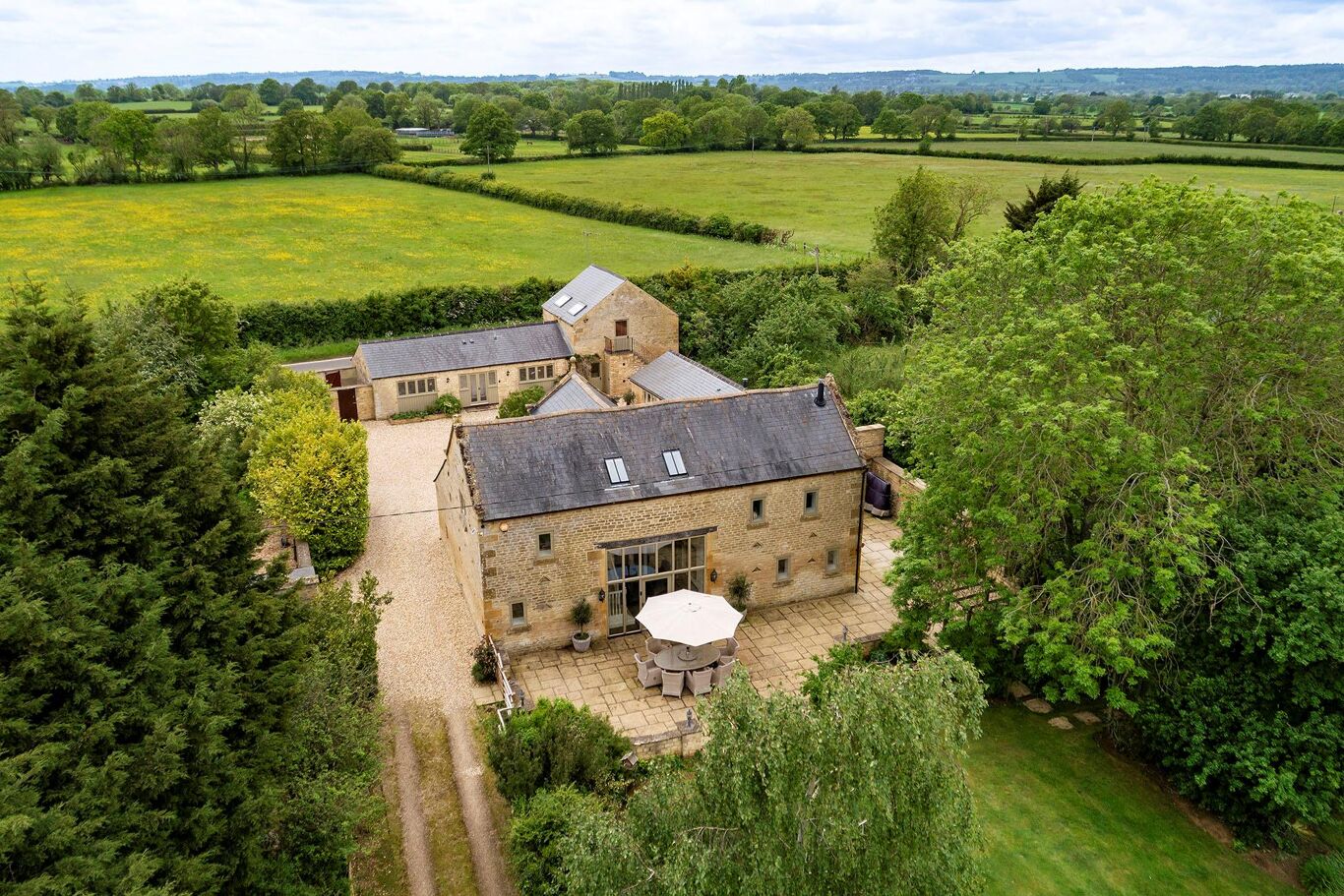
London Road, Moreton in Marsh GL56
Farm/Estate, 2.64 acres
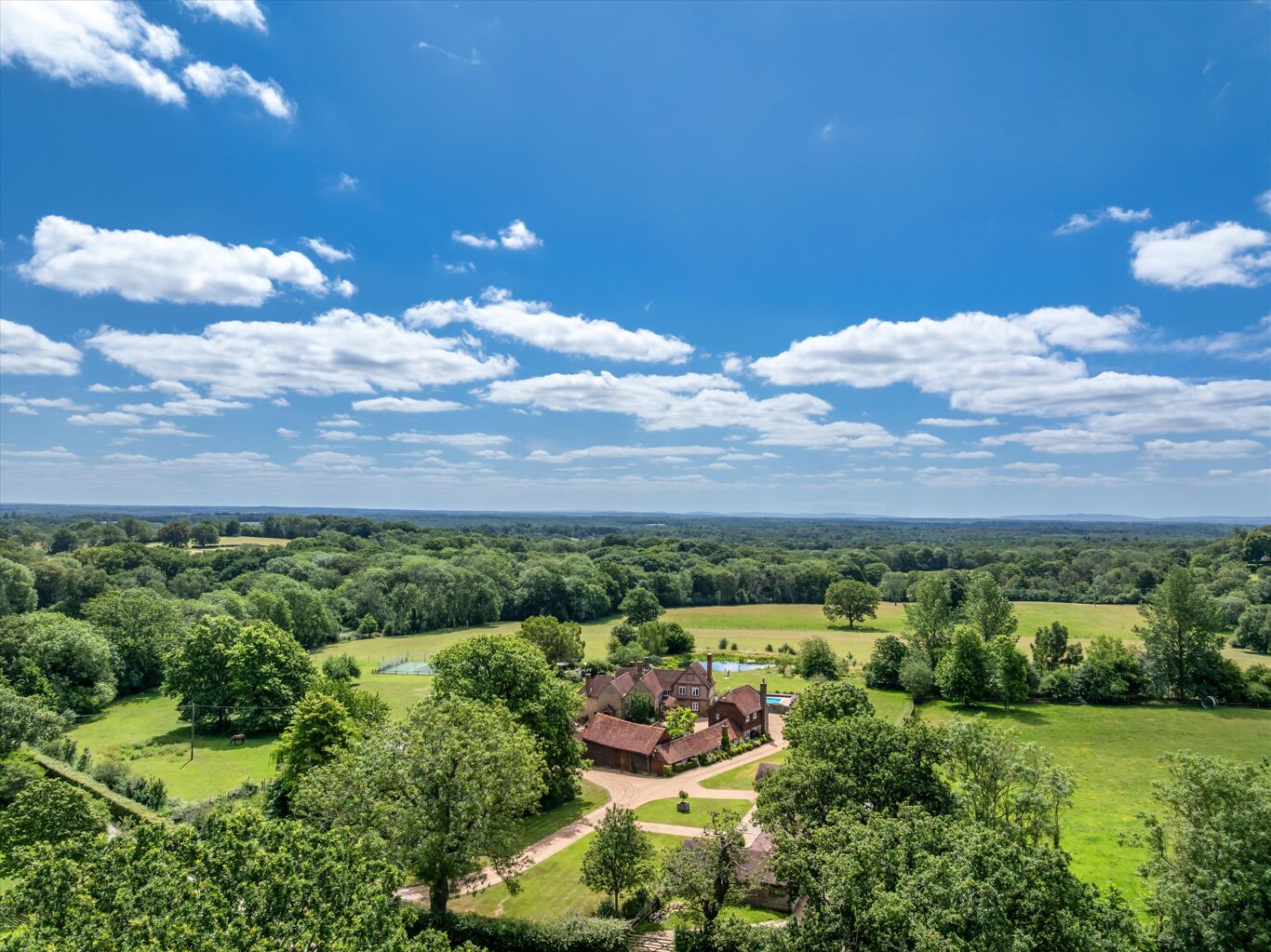
Coneyhurst Lane, Ewhurst, Cranleigh, Surrey GU6 7PW.
House, 40.69 acres
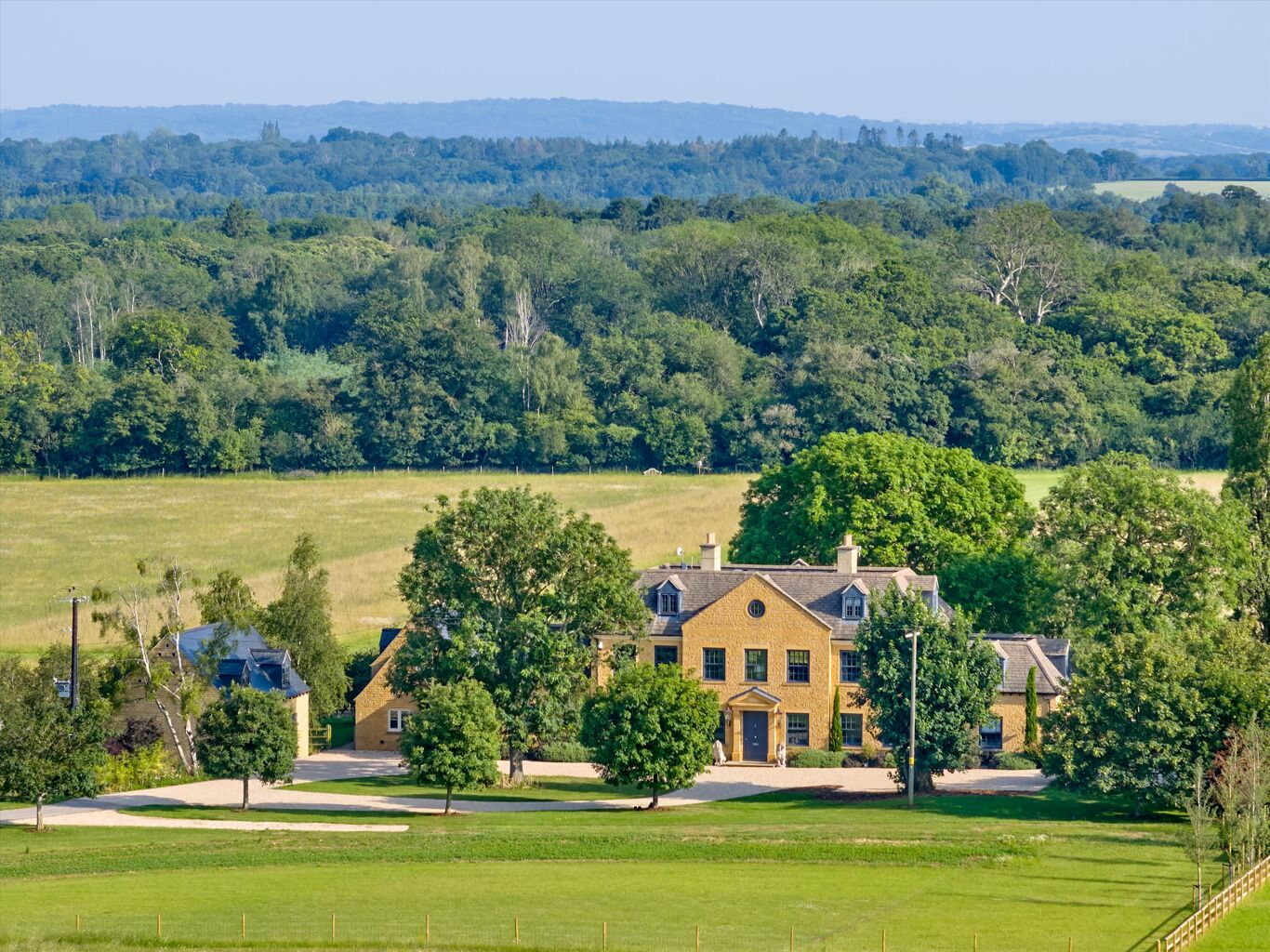
Woodstock & Charlbury, Oxfordshire, OX20
Farm/Estate, 3.07 acres
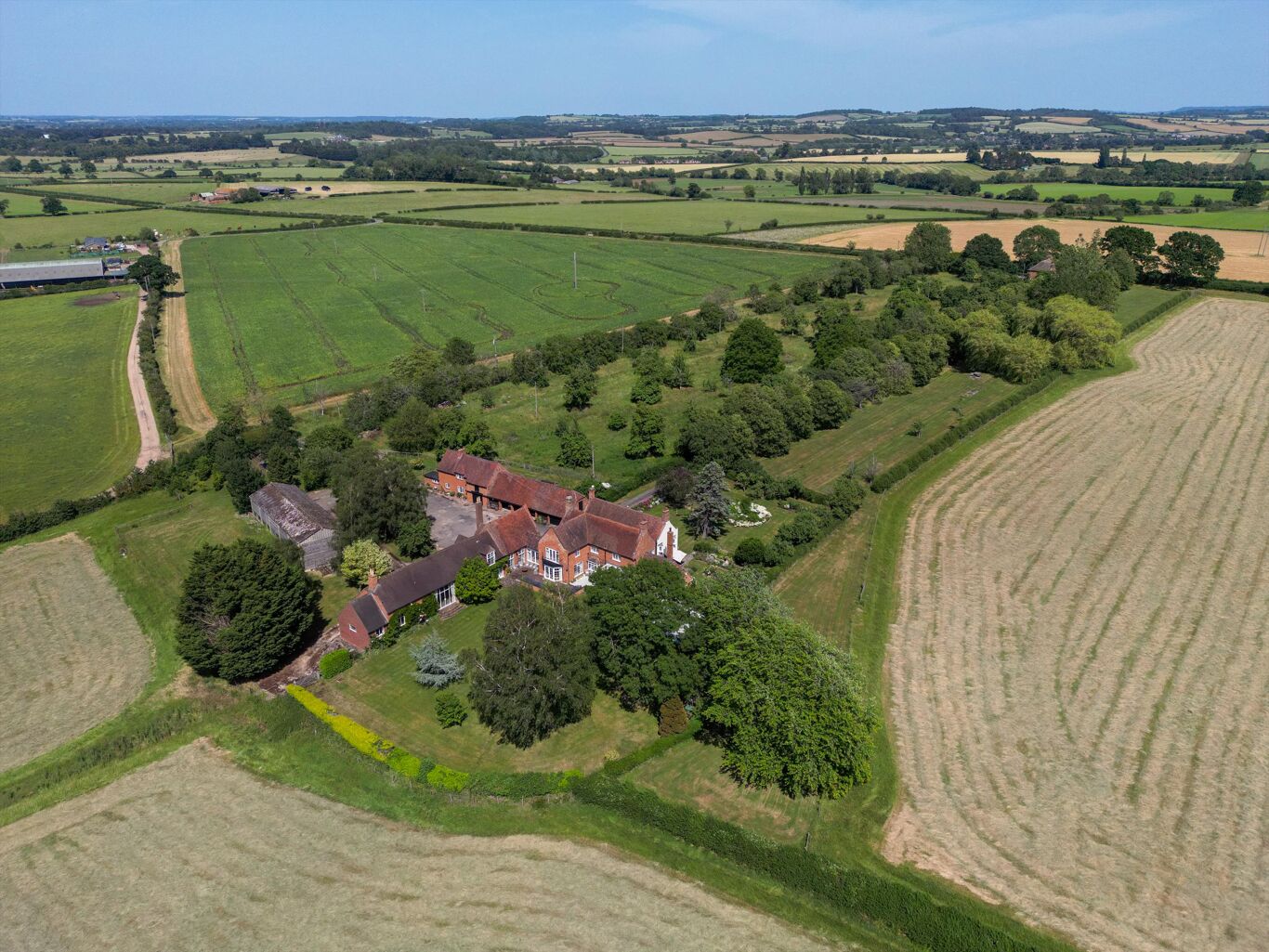
Preston on Stour, Stratford-upon-Avon, Warwickshire CV37
House, 32.32 acres
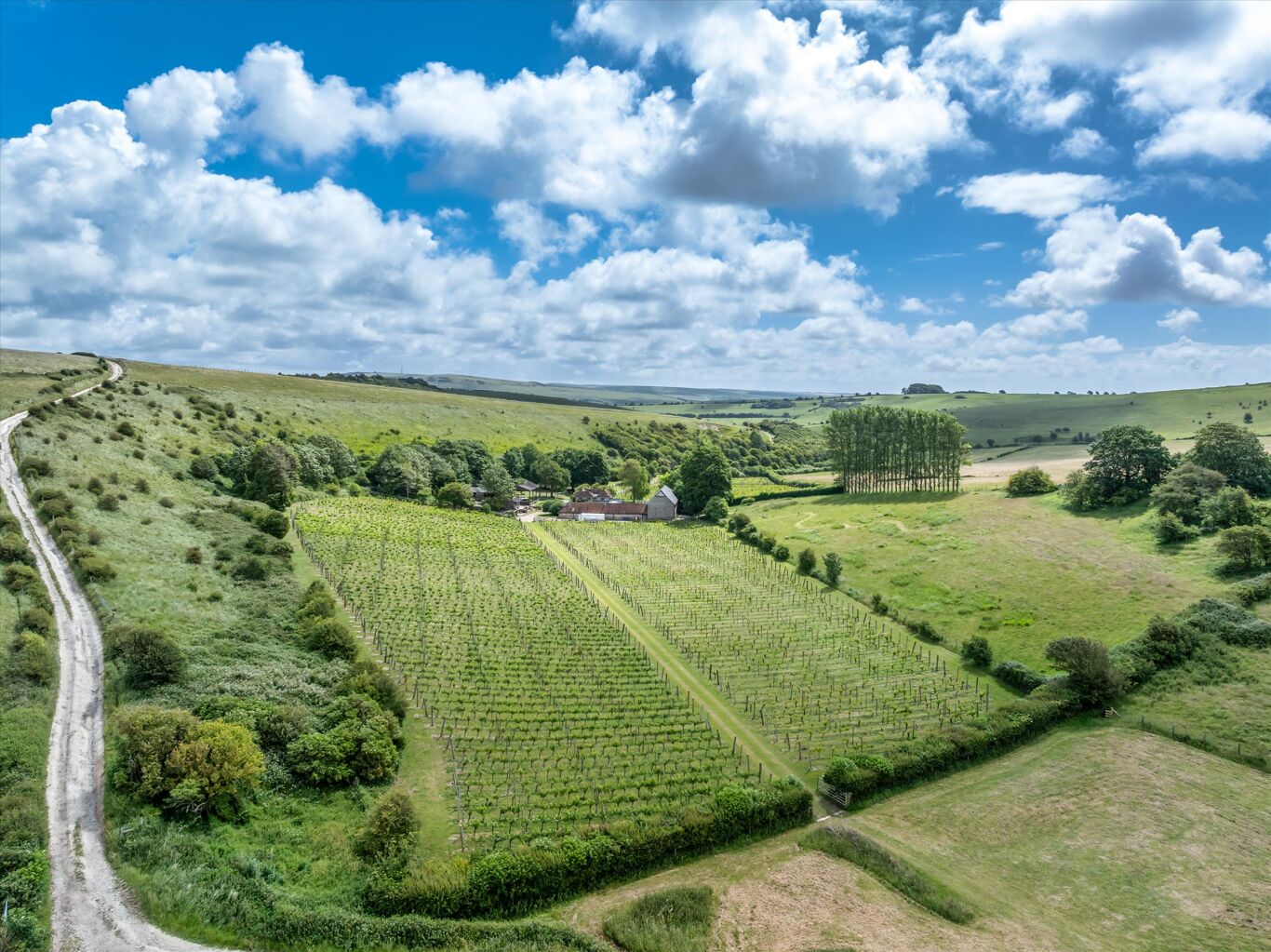
Whiteway Lane, Rodmell, Lewes, East Sussex BN7
Farm/Estate
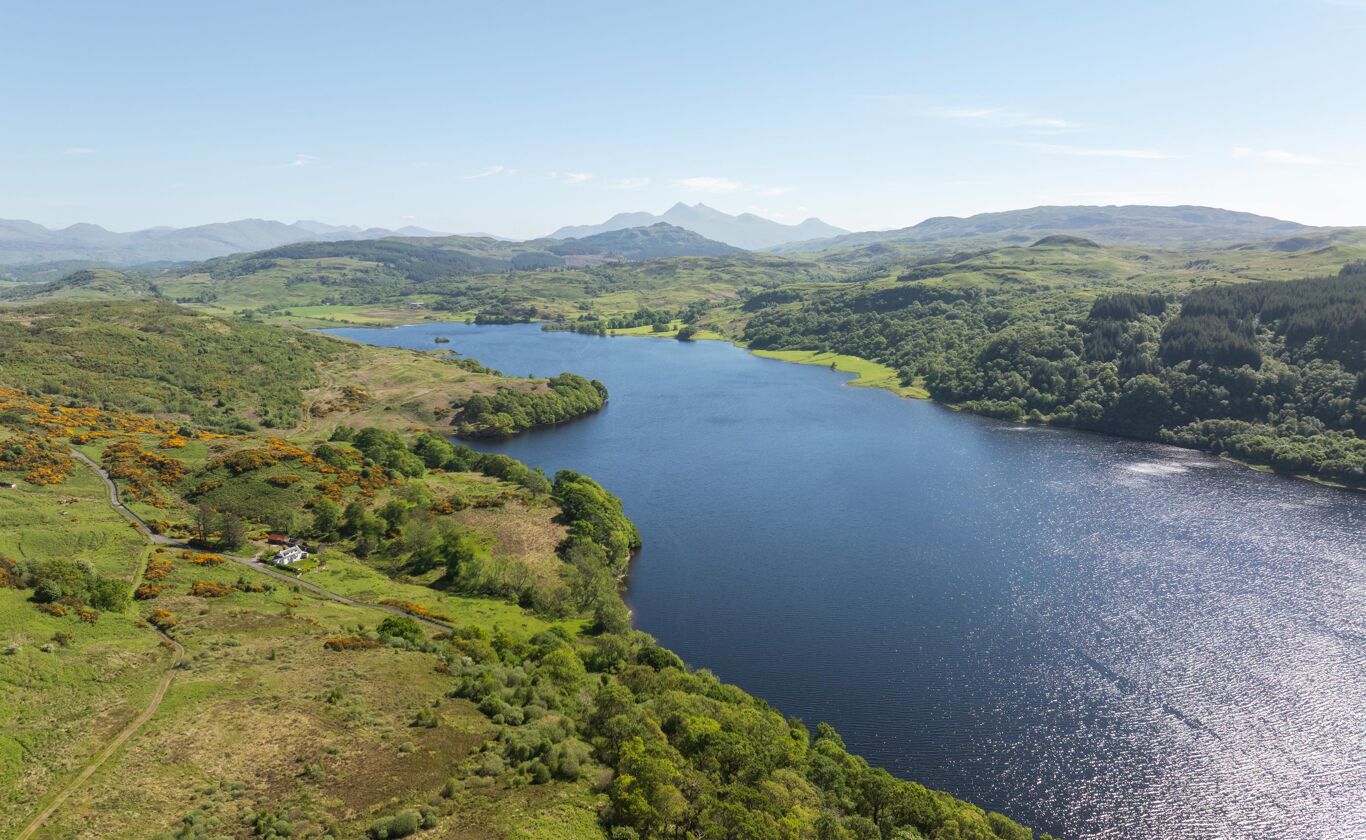
Glencruitten, Oban, Argyll and Bute PA34
Farm/Estate, 650.17 acres
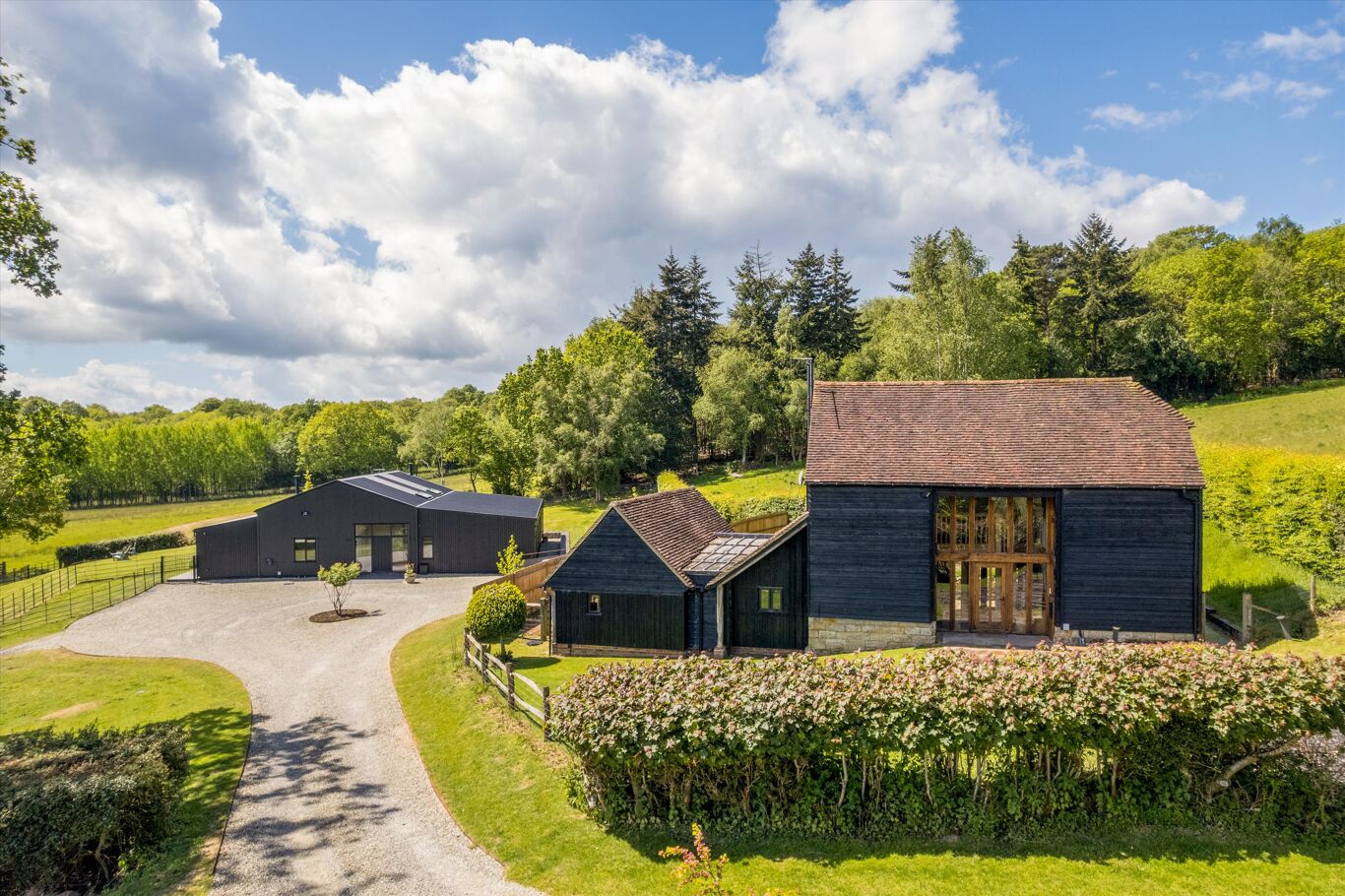
Chicks Lane, Kilndown, Cranbrook, Kent TN17
Farm/Estate, 38.9 acres
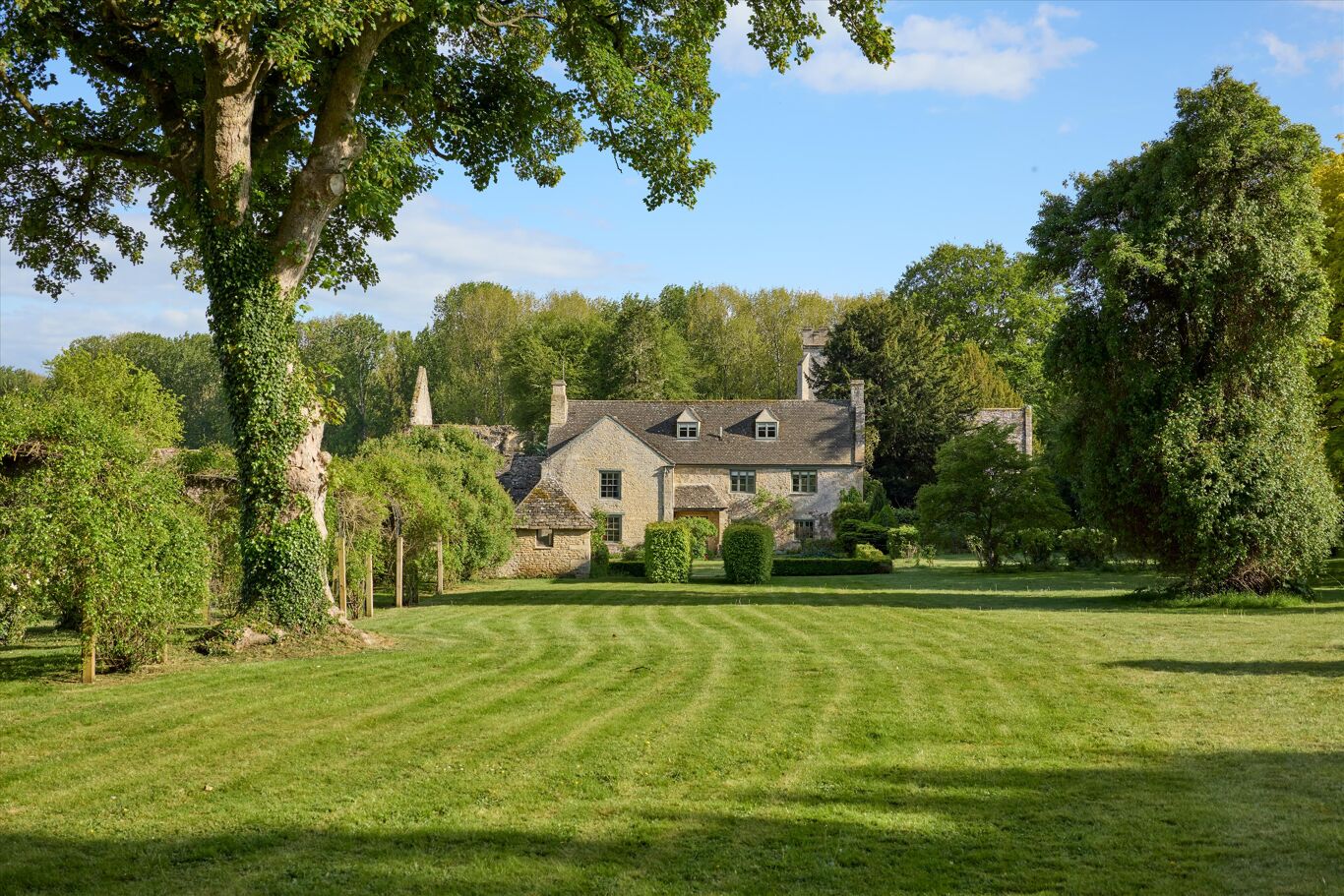
Minster Lovell, Oxfordshire OX29
House, 60 acres
Discover other related properties for sale

Farms and farmhouses for sale in Kent
With high-yielding farmland and charming period farmhouses, Kent offers a rare opportunity to own a small slice of the ‘Garden of England’.
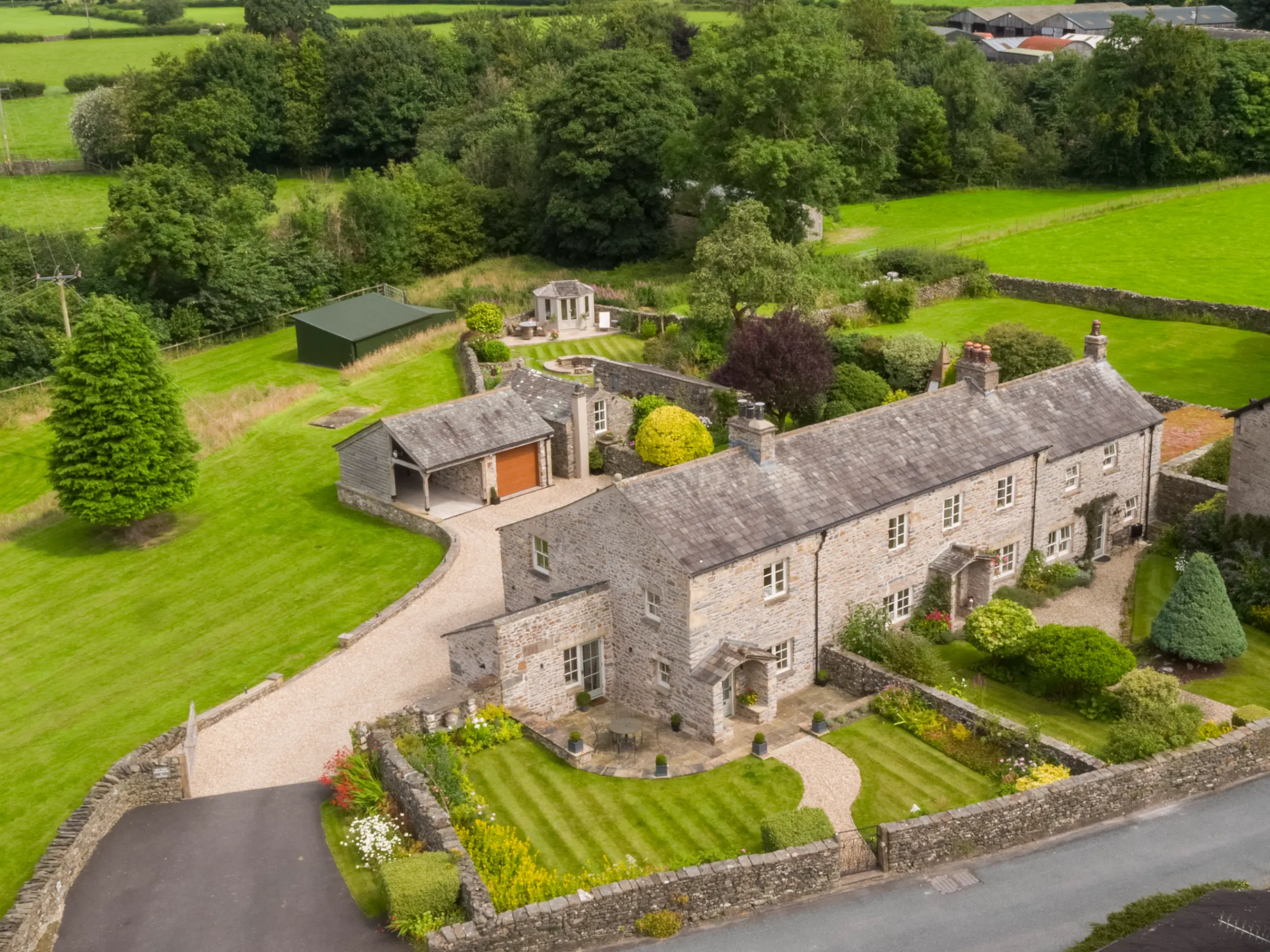
Property for Sale in Yorkshire
Yorkshire is a diverse county with a dramatic coastline, rolling hills, heather moors and bustling cities.
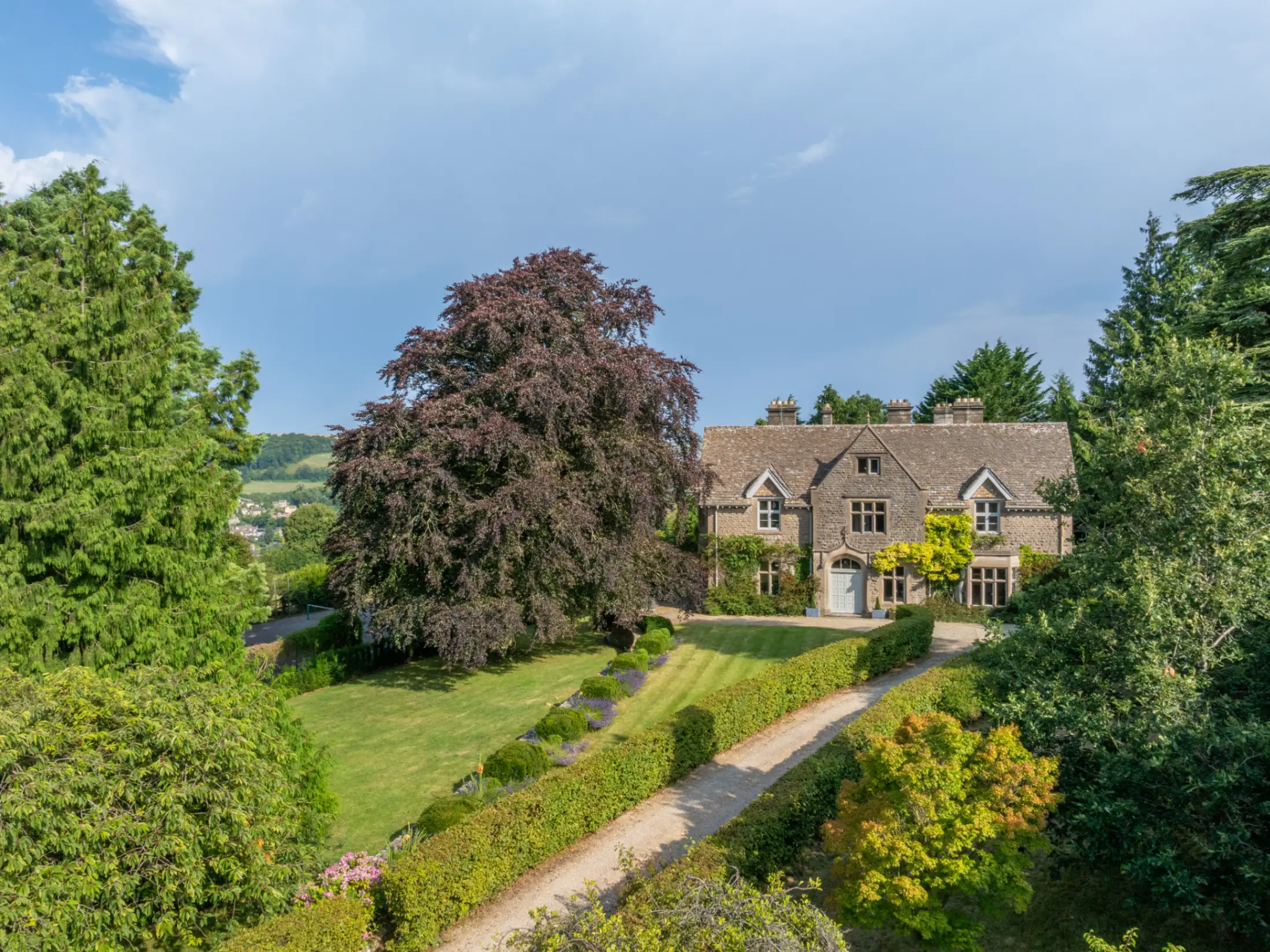
Property for sale in Gloucestershire
Famous for the historic villages of the Cotswolds, Gloucestershire is full of gems and and is set in idyllic countryside.
Farms for sale - FAQs
Yes, buying a farm can be a good long‑term investment, particularly in the UK where farmland values have historically shown steady growth. Whether you’re looking at farms for sale in England, large rural estates for sale in the UK, or niche opportunities like equestrian or horse farms for sale, returns can come from both capital appreciation and other income streams. Buyers searching for farms and acreages for sale often see value in assets ranging from traditional farmsteads to productive arable farms, depending on location and use.
Yes, there’s financial support available once you own the farm but not generally grants to fund the purchase itself. Buyers of UK farms for sale, including arable and equestrian farms, can access grants for environmental improvements, diversification, and infrastructure.
The value of a working farm is mainly determined by land quality, location, and its ability to generate income. For example, prime arable farms for sale in the UK often command higher prices than marginal land, while well‑located rural estates or horse farms can carry a premium due to lifestyle appeal. Listings across farms for sale in England also reflect factors such as buildings, planning potential, and diversification opportunities.
Yes, UK farm owners can benefit from a range of environmental schemes designed to reward sustainable land management. Whether you’ve purchased a farmstead for sale in England or larger farms and acreages for sale, you may be eligible for payments supporting biodiversity, soil health, and environmental stewardship.
The April 2026 inheritance tax changes may reduce the level of tax relief available, meaning some buyers will need to plan more carefully. This is particularly relevant for higher‑value purchases such as rural estates and premium horse farms for sale in the UK. Anyone considering buying a farm should factor potential tax exposure into their long‑term investment strategy.
Agricultural Property Relief (APR) and Business Property Relief (BPR) can significantly reduce inheritance tax on qualifying farm assets. These reliefs are a key consideration when buying a farm, whether that’s an arable farm, a mixed farmstead, or larger rural estates for sale in the UK. Buyers must understand how the rules apply to different types of farms and acreages for sale, including equestrian properties.
