

Placemaking in Offices: Designing Dynamic, Future-Proofed Workspaces
Sam Hughes, Placemaking Director, explores why Placemaking in offices is no longer just a 'nice to have'
24 September 2025

Placemaking is about enhancing quality of life. As such, it seamlessly links with areas such as DE&I, wellbeing, and ESG. In an office environment, there’s a real opportunity to be strategic - working in partnership with landlords to create a compelling vision for the workplace that not only attracts tenants but also enhances long-term asset value.
This vision is brought to life by engaging directly with occupiers: identifying their pain points and responding with targeted interventions that span wellbeing initiatives, inclusive experiences, and sustainability programmes. For example, this might take the form of a bespoke volunteer opportunity aligned to environmental goals, or a curated wellbeing calendar that responds to the lived experience of employees in the building.
What does the office need to deliver?
As the role of the office evolves, so too must our expectations of what it delivers. Employees today are discerning - the workplace should not just be functional; it also needs to be experiential.
Effective place management is crucial, however. There’s little value in enhancing the workplace experience if the fundamentals aren’t in place. Just as Maslow’s hierarchy of needs reminds us that basic needs must be met before we can focus on higher-level fulfilment, the same applies in an office context. Reliable Wi-Fi, clean water, good air quality, natural light, and ergonomic workstations are non-negotiables. Only once these core elements are addressed can we build on them to create truly human, connected, and flexible environments that people genuinely want to spend time in.
How does placemaking work in practice?
Placemaking plays a vital role in shaping office environments where people want to be. It goes beyond physical design and amenities, to focus on creating people-first spaces with meaningful, relevant engagement built in.
Collaboration is always the starting point. We work closely with HR, ESG, Wellbeing and DE&I teams to understand what really matters - through insight sessions, surveys, and creative feedback tools.
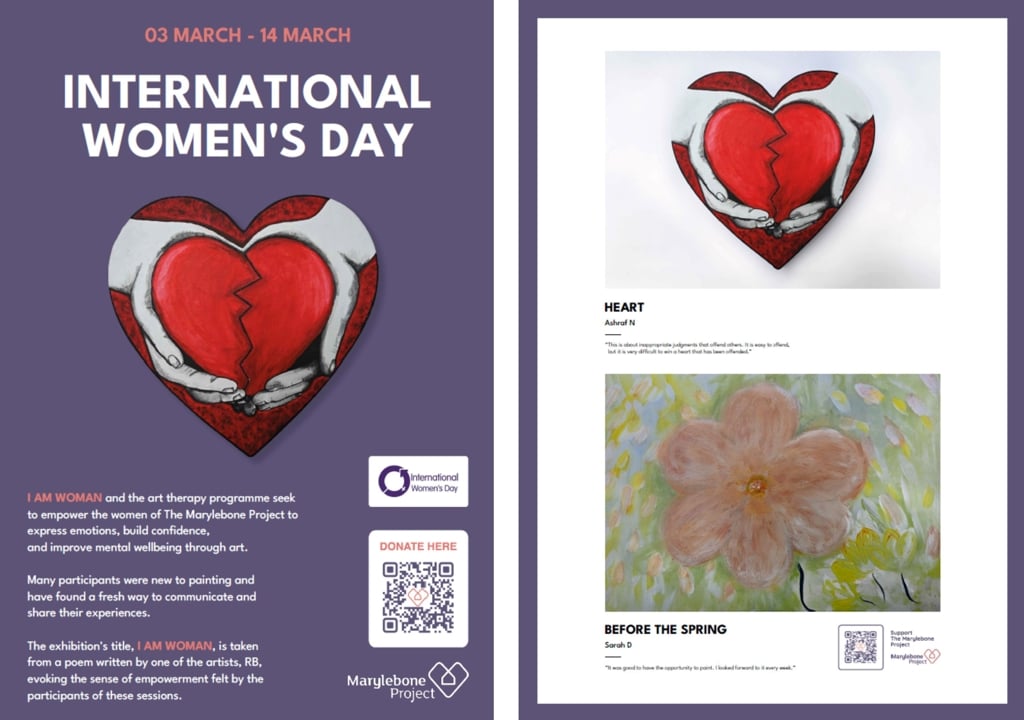
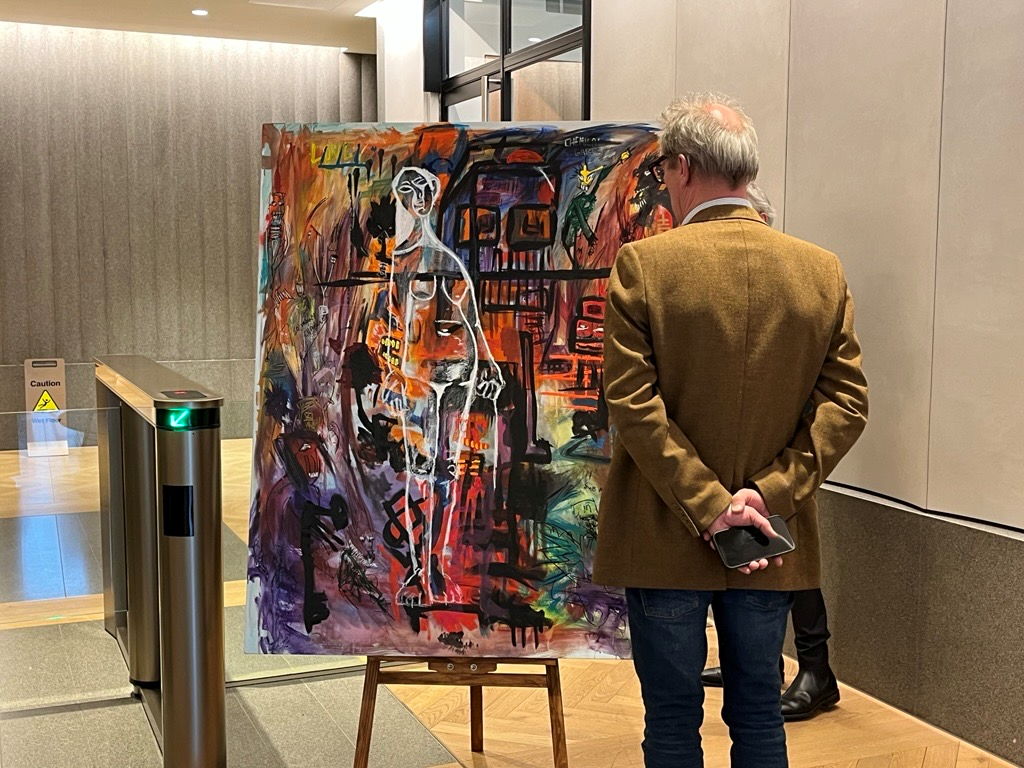
We help turn corporate values into engaging, everyday experiences, whether that’s delivering a #ProjectArt exhibition to support Oasis Community Housing – a homeless charity, organising a beach clean to help deliver tenants’ environmental goals, or a programme to support employees’ physical and mental wellbeing. Our works helps connect offices with communities and brings shared values to life.
Placemaking as a strategic imperative
Crucially, these activities aren’t just a ‘nice to have’, they support tenants in achieving their goals around inclusion, sustainability, and employee engagement. For landlords, they enhance asset appeal, drive tenant retention, and position buildings as competitive and future-ready.
We’re seeing more landlords and tenants asking for a placemaking strategy for their building — something that has become just as critical as any other strategic workplace function. Much like ESG or DE&I, it is no longer optional. What has changed is the expectation: a new generation of employees is demanding authenticity. They are looking beyond what a company says, to how it behaves. For landlords and employers, this means demonstrating values not through statements, but through immersive, well-curated workplace experiences. Aligning actions with words will attract talent, retain tenants, and create spaces that truly work for everyone.
Human experience matters
Just like social value, not every meaningful outcome can be captured in metrics or financial returns, and too often, the softer side of placemaking is overlooked - dismissed as intangible or hard to measure.
It might not be possible to quantify exactly how a space makes someone feel, but it is possible to ask whether they enjoy being there, feel connected to their environment, and see themselves as part of a wider community. These emotional responses are powerful indicators of success. If people genuinely like where they work, they’re more likely to return, engage, and thrive, which in turn delivers long-term value for both tenants and landlords.
To explore how we can help deliver a placemaking strategy tailored to your building or portfolio, get in touch with our Placemaking team.
