
Why there is no green bullet
Real sustainability progress depends on credible data, early occupier collaboration, and continuous improvement - driving value, trust and long-term performance
10 November 2025

Sustainability in real estate is no longer treated as simply an added feature to differentiate a premium building, only 17% of (Y)OUR SPACE 2025 respondents regarded ESG integration as their main portfolio challenge, however this is not a diminution in prioritisation and more a change of emphasis: sustainability has become a core driver of occupier attraction and retention, embedded across the property lifecycle - retrofit, fit out, and procurement.
60% of the largest 2,000 companies in the world have now made public net zero commitments and according to recent research by Capgemini, 82% of the over 2,000 senior executives they surveyed plan to increase sustainability-focused investments over the next 12 to 18 months. For asset owners, sustainability is no longer optional: it is the foundation of value and occupier retention.
Importantly, over 80% of the buildings that will be standing in 50 years’ time have already been built. As this is where most carbon emissions and value are located, it is more important than ever to identify areas where asset owners and occupiers can work together to drive sustainability performance.
Why sustainability matters now
Climate-driven business disruption is rising, particularly through production and supply chain issues and raw material shortages: we are seeing increased risk of physical damage to buildings caused by climate events, and as a result insurance costs are on the rise.
Putting in place asset-level sustainability plans helps to mitigate risk, contribute to value and support liquidity. The occupiers shaping the market understand that sustainability is not a standalone theme, but something woven into every decision - from leasing terms to fit outs to amenity provision.
Occupiers want clarity on asset owners' goals, early collaboration, and transparent data sharing - but they are not always sure how to get there. The asset owners who step in with credible, practical solutions will earn trust and long-term loyalty.
Building trust through action
What does credibility look like in practice? First, it means getting the basics right. Reliable baseline ESG data - energy, water, waste - is the foundation of every strategy. From there, storytelling becomes essential: data needs to be translated into clear, digestible insights that show progress and highlight next steps. Second, it means engaging occupiers early in the process. Lease negotiations, for instance, are a perfect opportunity to align goals and responsibilities through green lease clauses. These not only provide a framework for shared action but can also act as a powerful hook for constructive conversations.
The market has a tight development supply of highly sustainable new buildings, and so across all sub-sectors of commercial real estate, we are seeing an increasing number of occupiers choosing to stay rather than go and negotiate new leases in existing properties.
Third, it means education. Many occupiers don’t fully understand how to use or maintain sustainable building features. Proactive asset owner support - from seminars to simple guides - can make the difference between a feature that adds value and one that fails to have the envisaged impact.
The biggest credibility risk for asset owners is greenwashing. Claims of BREEAM or WELL standards without real certifications being achieved will quickly undermine credibility, but equally risky is investing in costly certifications without a clear strategy for ROI or occupier appetite.
It is important not to be drawn into the false narrative that there is a single solution or certification that will provide a sustainability ‘fix’ for a building - there isn’t.
Other pitfalls include focusing on box-ticking exercises rather than continuous improvement, or over-engineering data systems when occupiers’ real need is simply better-quality reporting. Understanding the occupier’s actual priorities - and grading engagement accordingly - is vital.

Priorities for occupiers include:
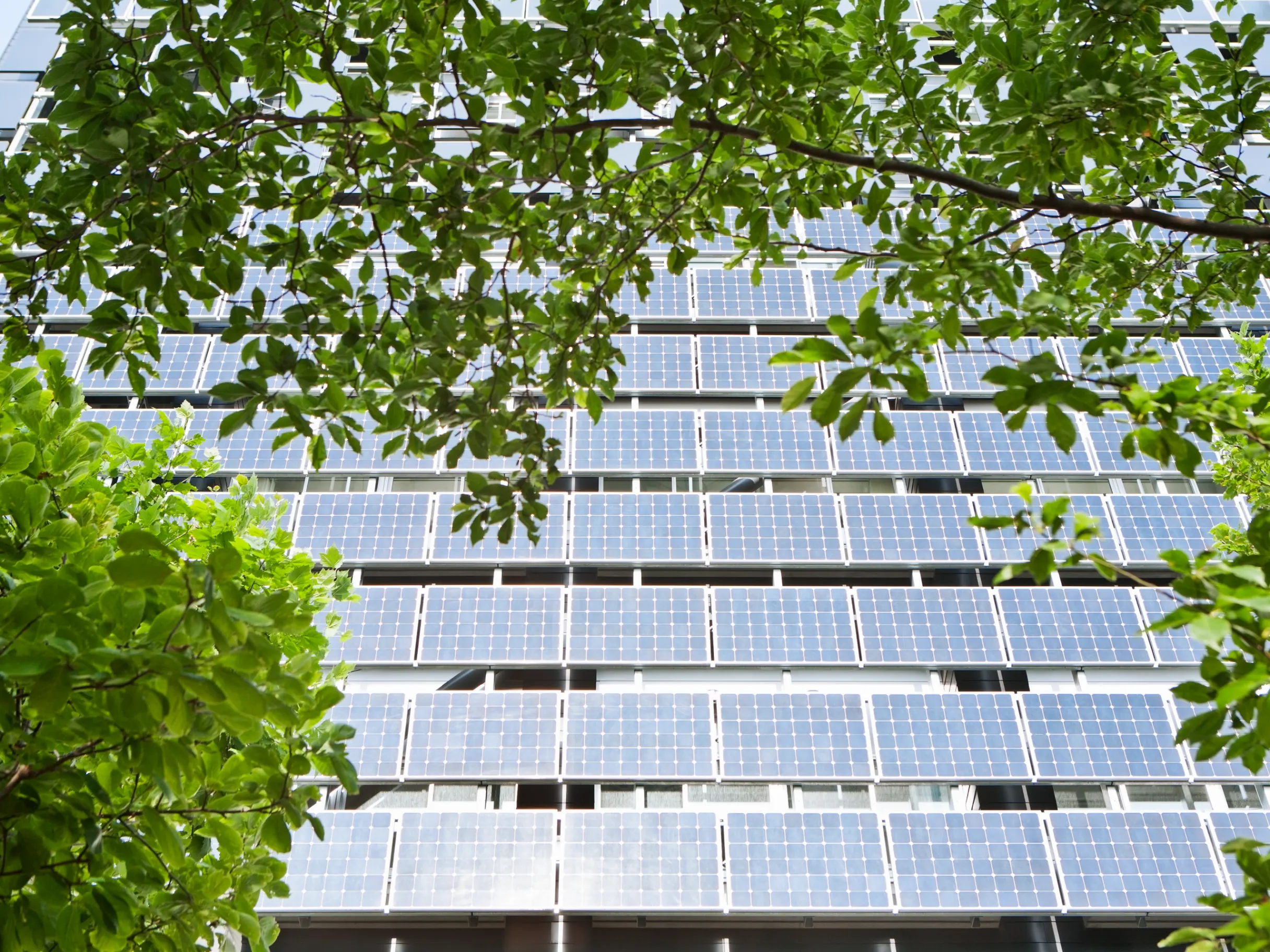
- On-site and near site renewables, such as rooftop solar PV on industrial properties, battery storage and even small-scale wind.
- Lighting and HVAC replacement and optimization.
- Control systems matching actual building usage patterns.
- In-depth data gathering at both the meter level and throughout a building via the use of sensors.
- Without much better data gathering, aggregation and analysis it is very difficult for occupiers to compare their assets across multiple locations.
- Electrification and the removal of gas, on a staged basis. Utilising more innovative funding approaches.
- Connection to district heating and cooling networks, particularly relevant in the context of the Government’s planned expansion of these networks.
- Large-scale AC and DC EV charging infrastructure.
- Corporate and ‘virtual’ power purchase agreements.
Measuring what matters
The success of sustainability initiatives should be judged not only by certifications and reporting quality, but by reductions in energy use intensity and greenhouse gas emissions.
Other important markers include the percentage of leases containing green clauses, occupier participation in ESG initiatives, and renewal rates linked to sustainability commitments.
Occupier ESG satisfaction surveys can provide invaluable feedback, while portfolio-wide benchmarking creates accountability and highlights best practice.
Looking three to five years ahead, occupiers will expect verified ESG performance as standard, not as an add-on. Lease renewals will increasingly depend upon net-zero roadmaps, electrification commitments, and retrofit plans.
Wellbeing and social value metrics - such as inclusive design or “flourishing indices” - will grow in importance.
Transparent digital dashboards will become the norm, democratizing data for asset owners, agents, and occupiers alike.
Sustainability moved a long time ago from the margins to the mainstream.
For asset owners, the task now is to move beyond rhetoric and reporting and embed it into real action - from data collection to occupier engagement to lease negotiations.
Those who succeed will not only reduce emissions but also secure occupier loyalty, strengthen valuations, and future-proof their assets.
We support occupiers with services that address both immediate needs and long-term goals. From energy and sustainability consultancy, building consultancy, space planning, placemaking, valuations, or business rates advice, our specialists help you navigate a complex and fast-moving market. Get in touch with our Energy & Sustainability team , or find out more about our ESG Consultancy services.
