After the gold rush: today’s art market in focus
In the 20th edition of The Wealth Report, we’re revisiting our predictions over the years to see how they’ve fared.

In the 20th edition of The Wealth Report, we’re revisiting our predictions over the years to see how they’ve fared.
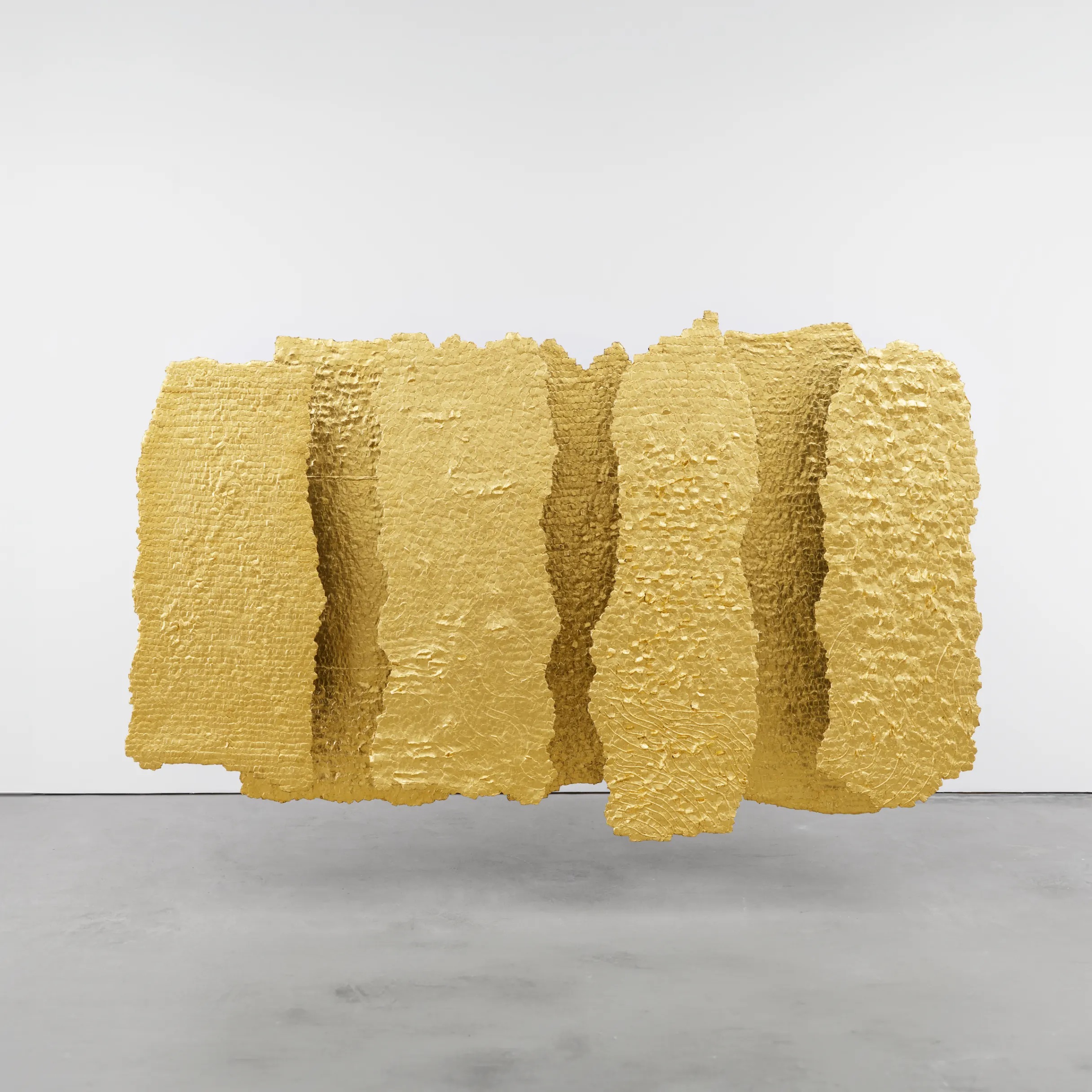
We reflect on the past two decades of the art market, highlight today’s opportunities, and explore the shifting attitudes of new collectors.
For much of the past 20 years, art has been a sound investment. Despite the 2008 financial crisis and the 2020 pandemic, the value of art sales grew to US$64 billion by 2011 and has hovered there since. As an investment, it was touted as the best of both worlds.
But in recent years the mood has shifted sharply, particularly in relation to more traditional investments. “Look at gold,” says independent art adviser Nazy Vassegh. “It’s gone up in value by 60% in a year and will always have strong residual value. I can’t think of one artist or work of art that could claim that.” By 2025, the idea of art as a safe investment had all but disappeared.

For those prepared to look beyond the big names and genres, opportunities remain.
Current popular practitioners include many artists formerly underrepresented and undervalued. This is helping to boost areas such as surrealism, for long not taken seriously, and previously overlooked female artists.
Greater value is also being put on categories that celebrate the power of the human hand, such as ceramics and textiles. Meanwhile, digital art, still slightly tarnished by the fall of the NFT market, is a niche, burgeoning category.
Such swings are part of the art market’s usual cycle, says Marc Glimcher, President of contemporary art gallery Pace. He admits the latest swing has been “more intense” than anything before.
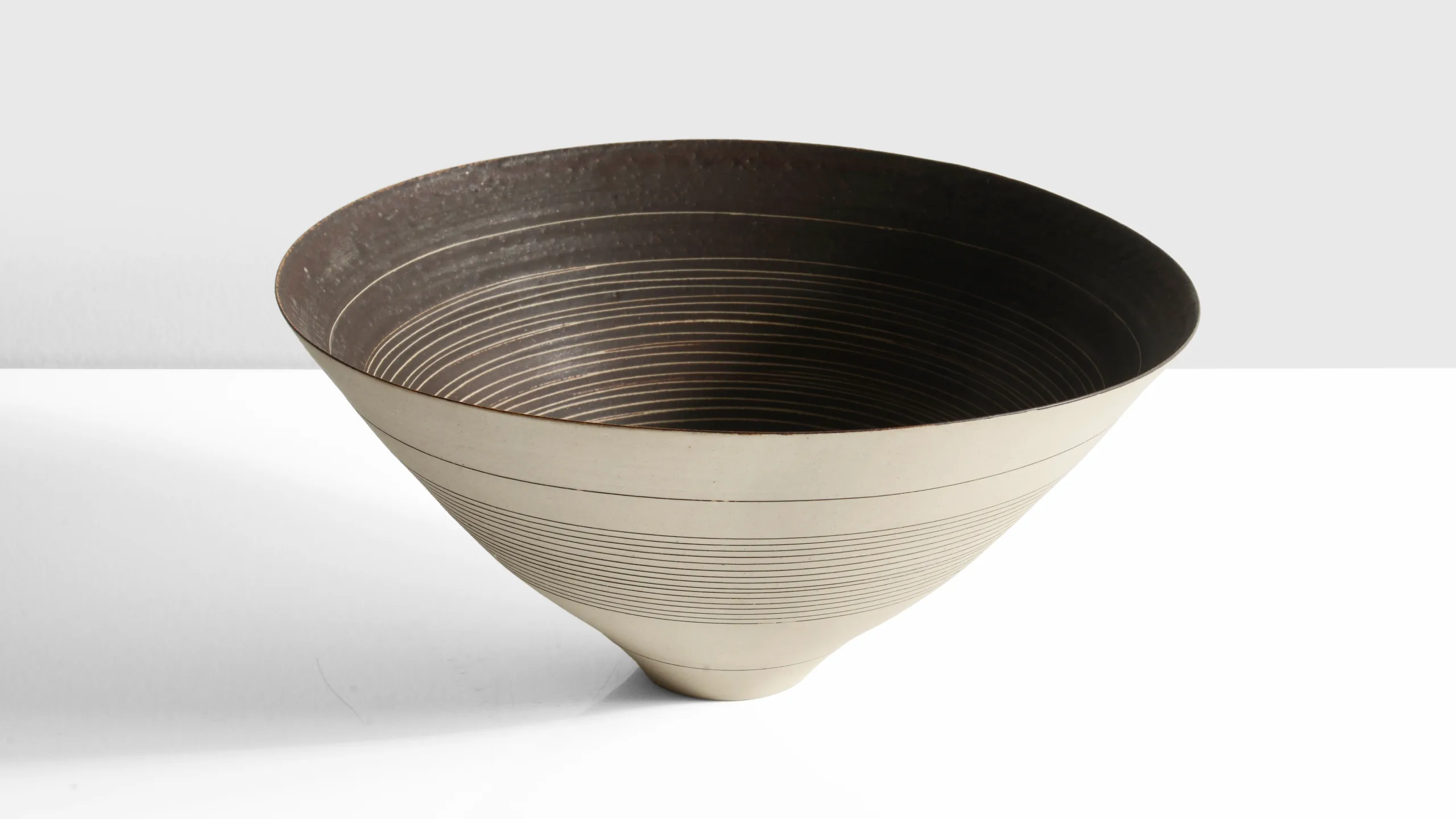
Vassegh believes the emphasis is shifting away from the objects and on to “the artists, the makers and the people looking after them”.
She cites grassroots institutions such as the UK’s Delfina Foundation and The Showroom that are attracting more project-based philanthropy. The next generation “loves the idea of this sort of funding as a way of giving back without necessarily buying their work,” says Vassegh. It might not be an investment in the traditional sense, but its real-life rewards could prove richer.
Sorry!
An unexpected error has occurred.
Please try again later.
